After our extraordinary journey through Slovenia, Croatia, and Montenegro, we returned to England for one final night before flying home. Rather than spend the evening at an airport hotel, we decided to make the most of our remaining time in Europe with a stay at Gravetye Manor, a beautiful historic country house hotel in the Sussex countryside.
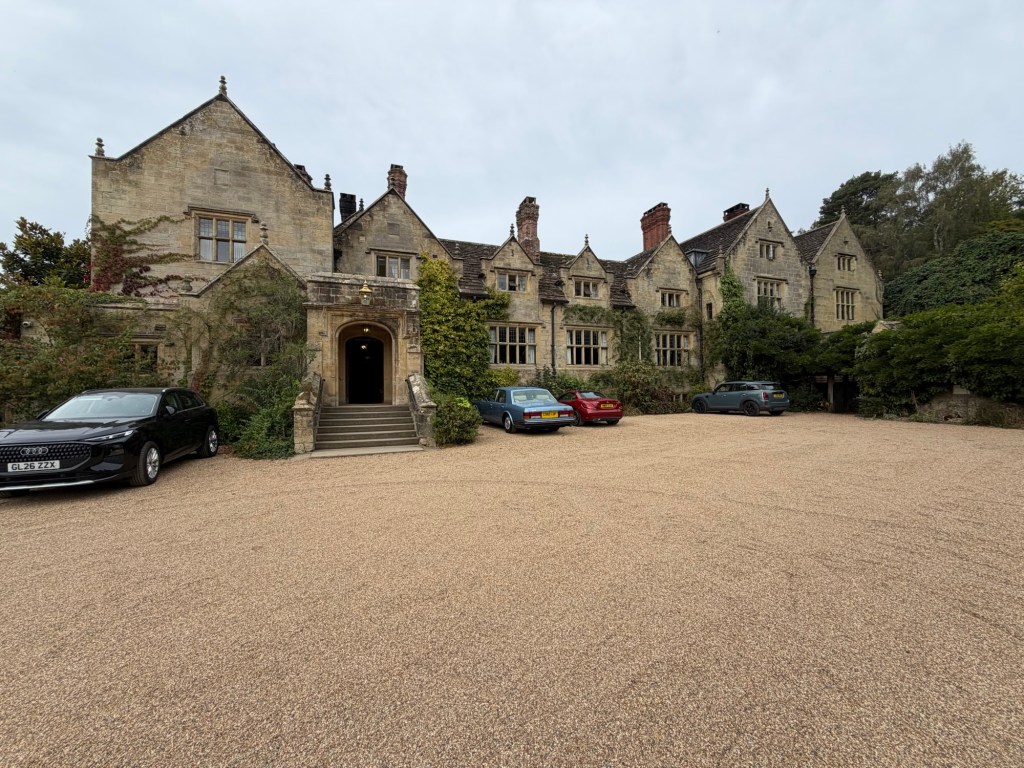
The contrast between leaving Gatwick and arriving at Gravetye Manor could hardly have been greater. After the bustle of the airport, we eventually followed a small road through the quiet Sussex countryside. At its end, Gravetye Manor rose into view, as if we had stepped back into a more genteel era. A porter was waiting in the car park to welcome us and help with our luggage, making the arrival feel warm and personal.
As it turned out, this was far more than a convenient overnight stop. Gravetye Manor proved to be a wonderful destination in its own right.
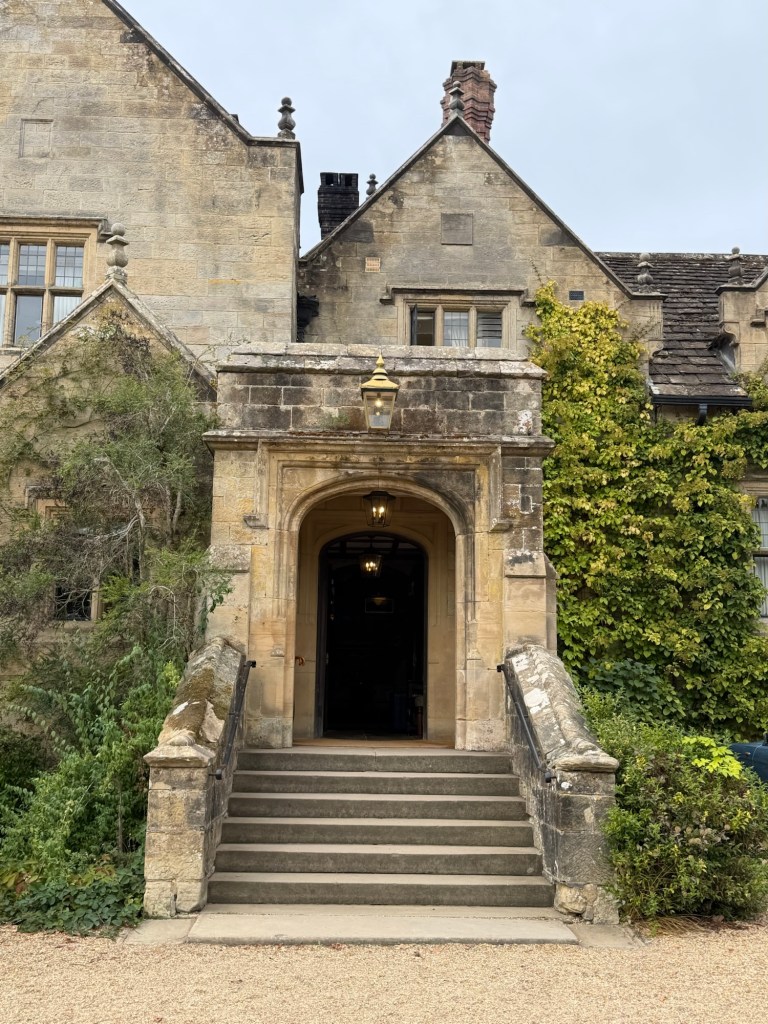
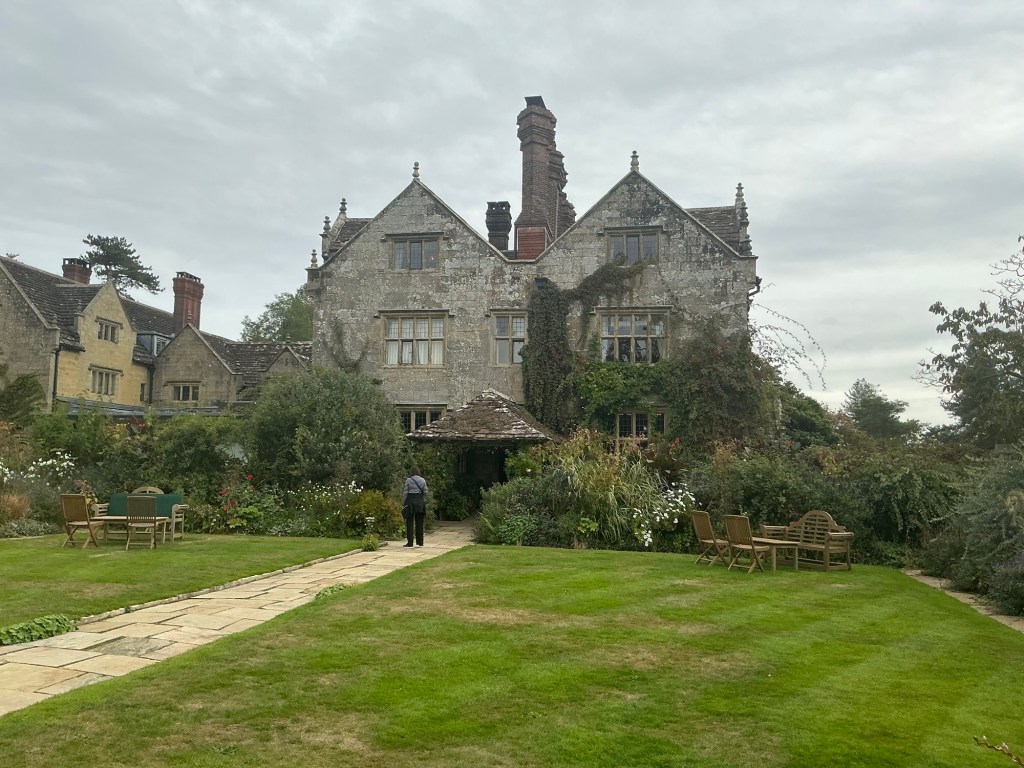
Gravetye Manor is a magnificent Elizabethan country house dating to 1598, later made famous as the home of the pioneering Irish gardener and horticulturist William Robinson (1838–1935), whose revolutionary approach to naturalistic gardening transformed English garden design. Constructed of honey-colored Sussex stone, with steeply pitched roofs, ornate gables, and beautiful mullioned windows, the manor looks as though it belongs in the pages of an English novel.
The staff at Gravetye were exceptional—warm, gracious and attentive without ever being overbearing. From the porter who welcomed us in the car park and carried our luggage inside to the restaurant and housekeeping staff, everyone seemed genuinely pleased to have us there. Their quiet professionalism and personal attention added to the feeling that we had stepped back into a better time.
A Historic English Country House
Surrounded by rolling countryside, woodlands, and extraordinary gardens, the property possesses a timeless quality. It is the sort of place where you can easily imagine generations of English country life unfolding over the centuries.
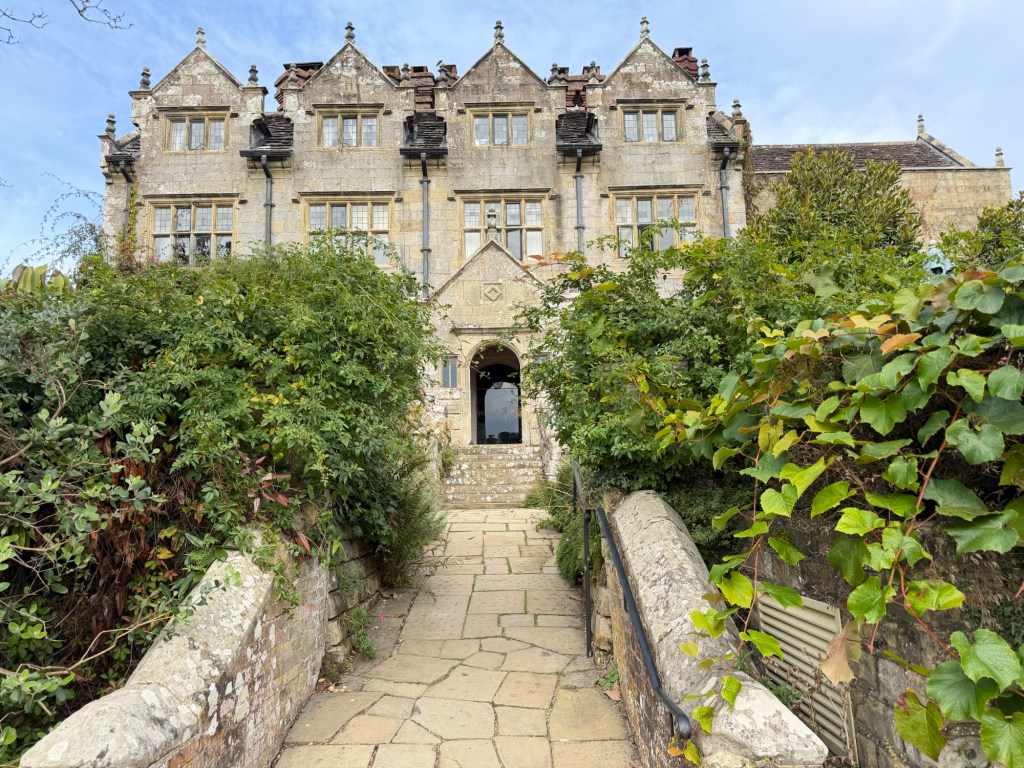
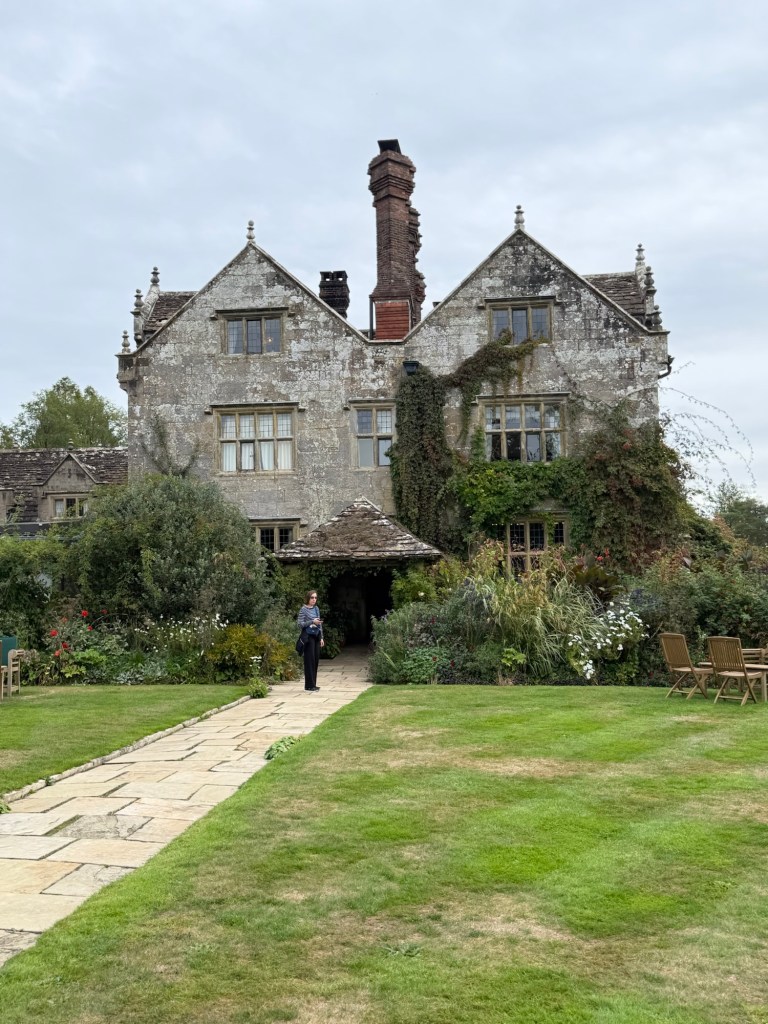
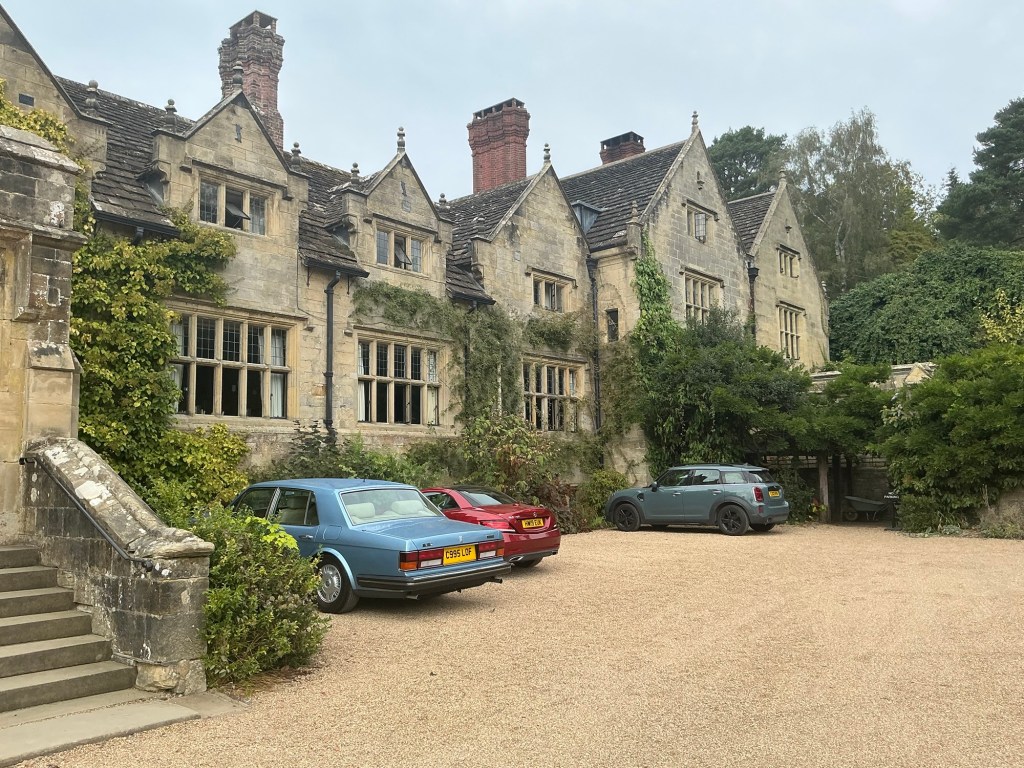
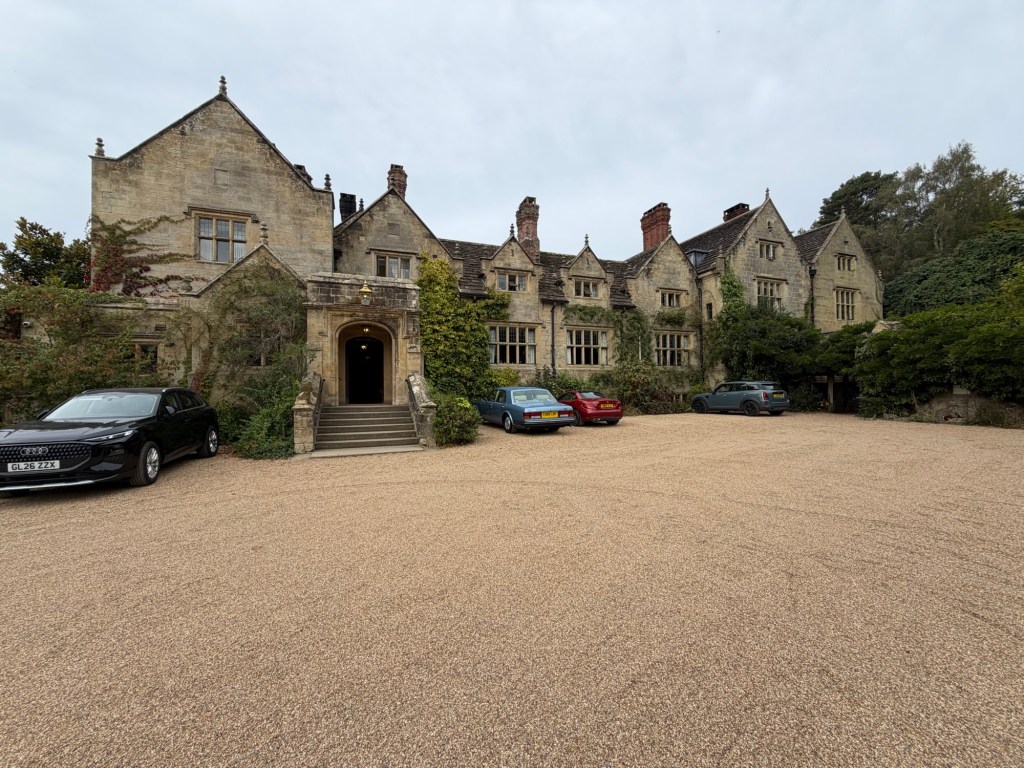
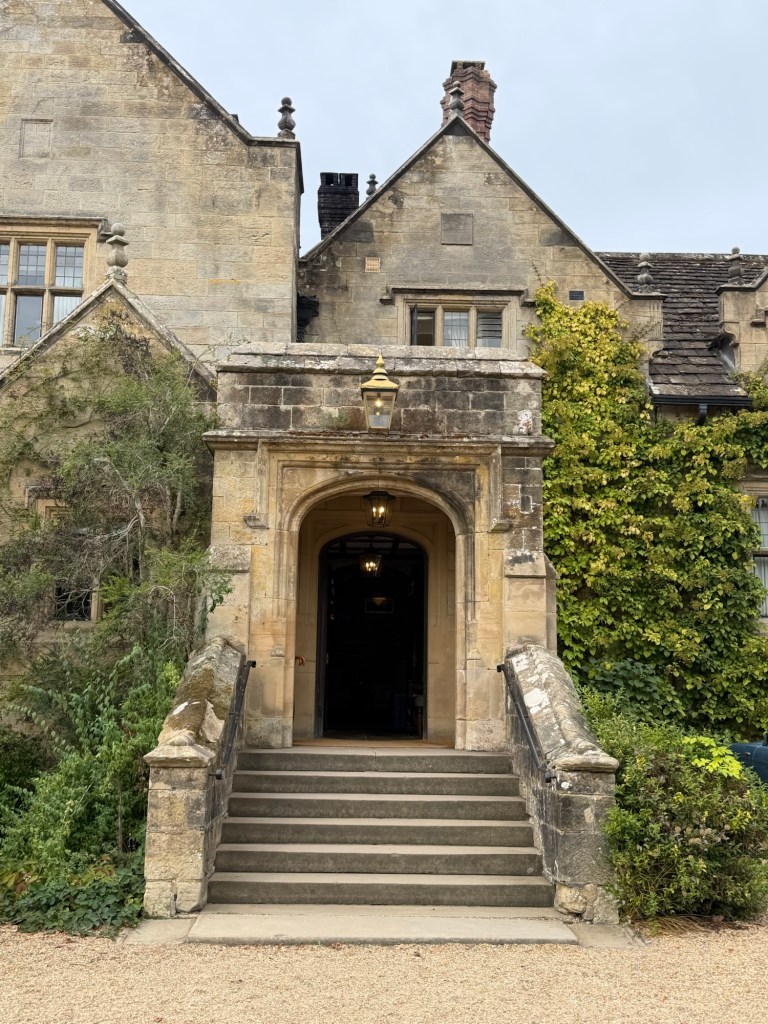
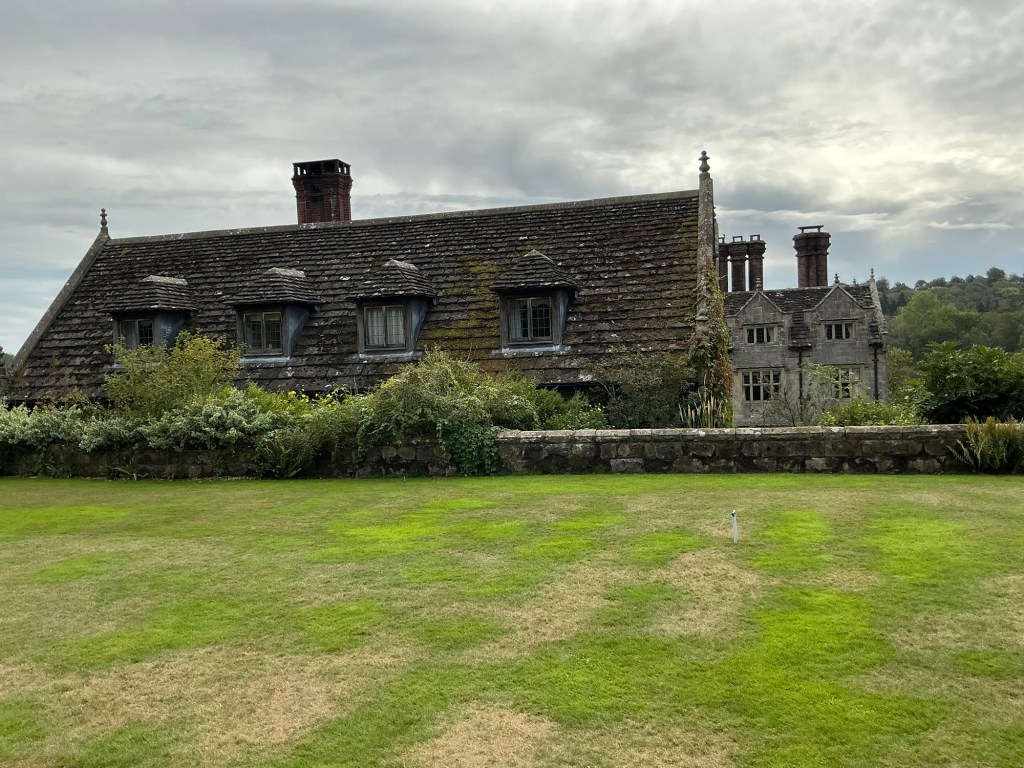
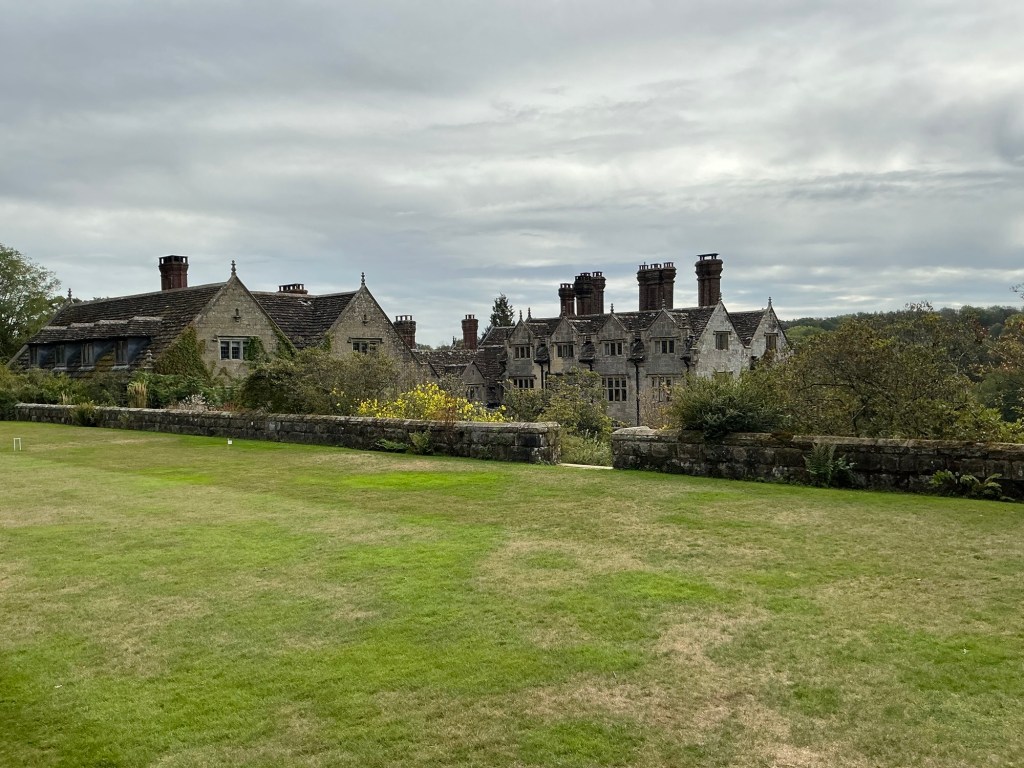
The interiors combine historic character with understated luxury. Rich woodwork, comfortable furnishings, and an atmosphere of quiet refinement create the feeling of staying in an elegant private country home rather than a conventional hotel.
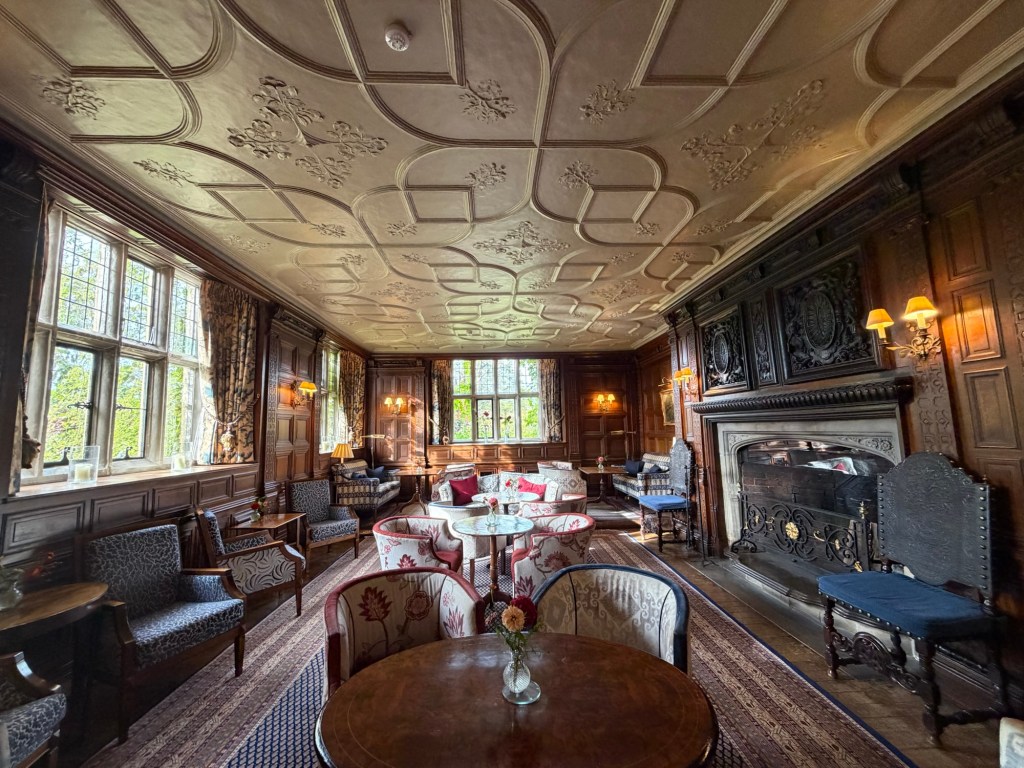
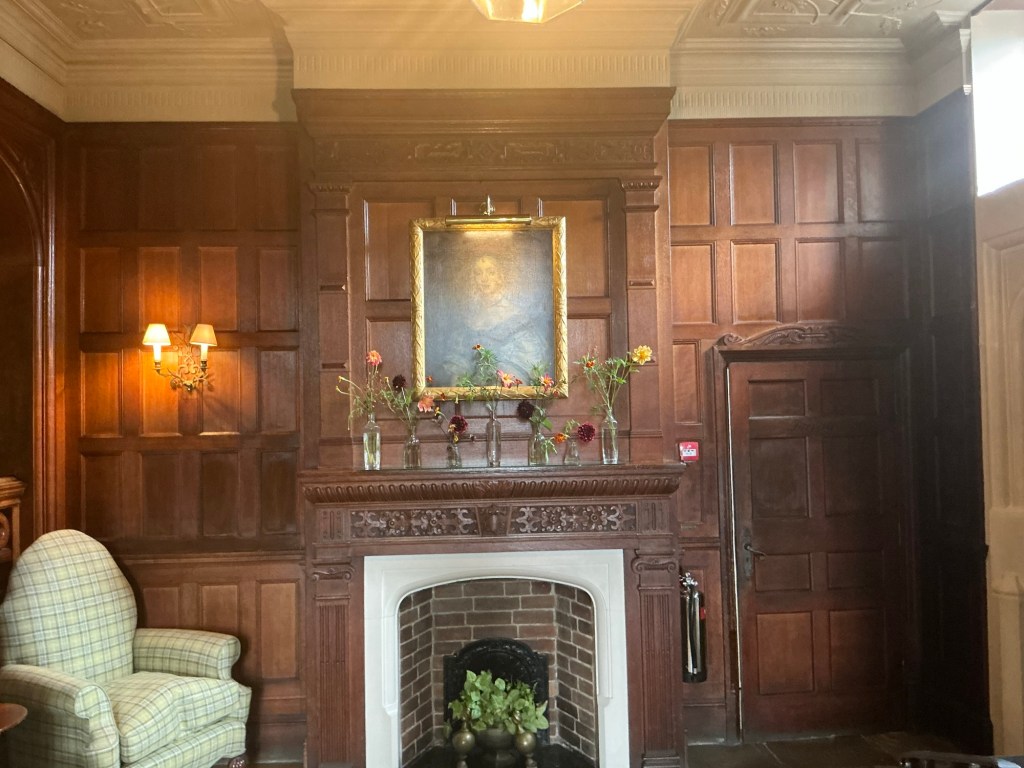
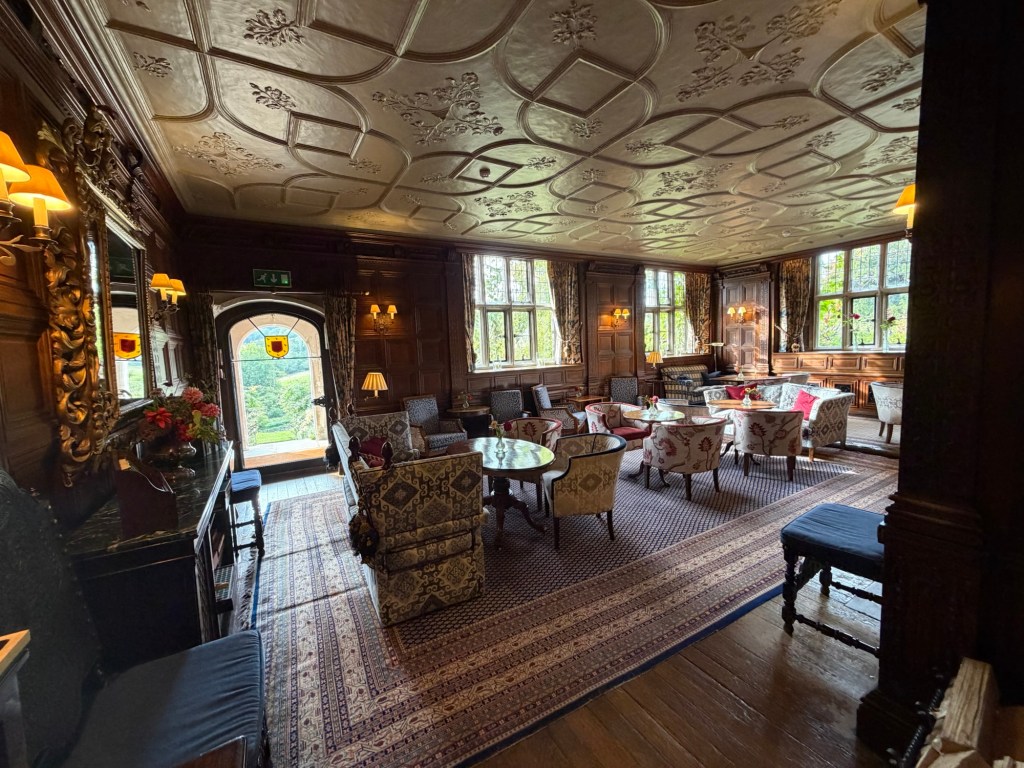
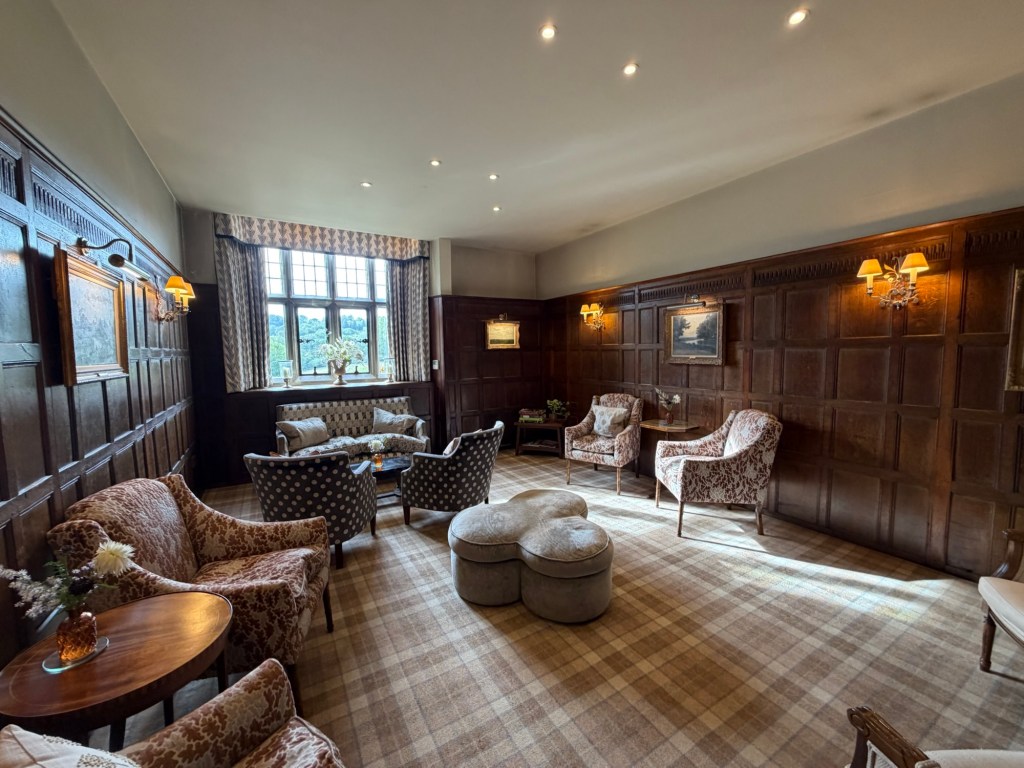
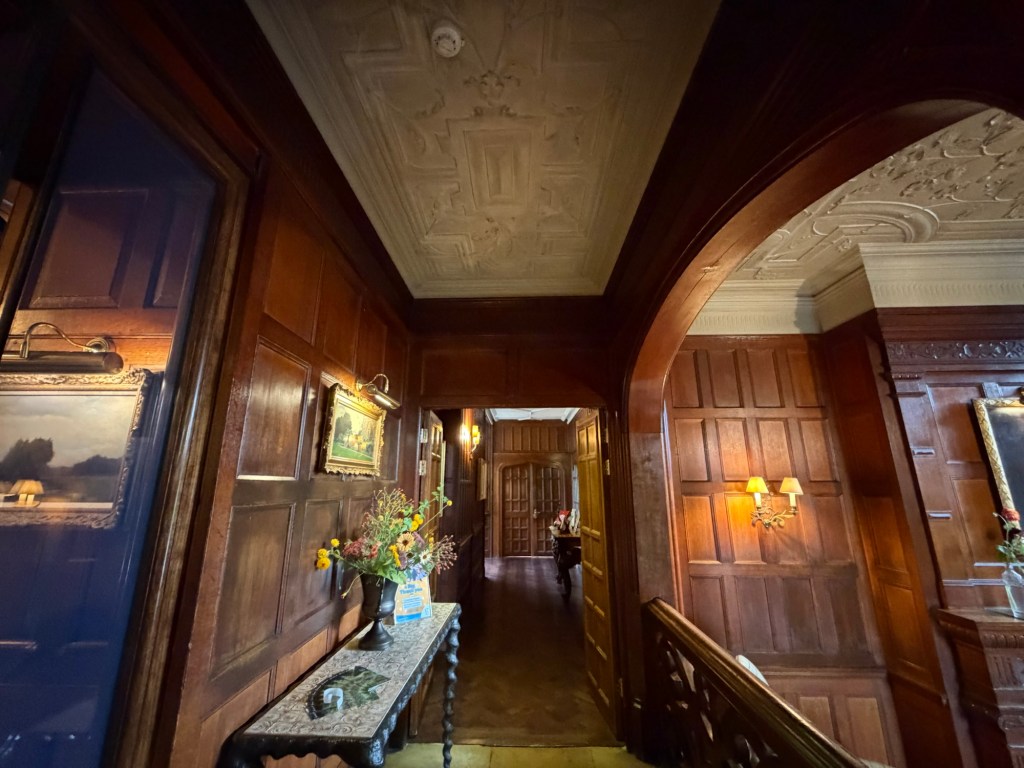
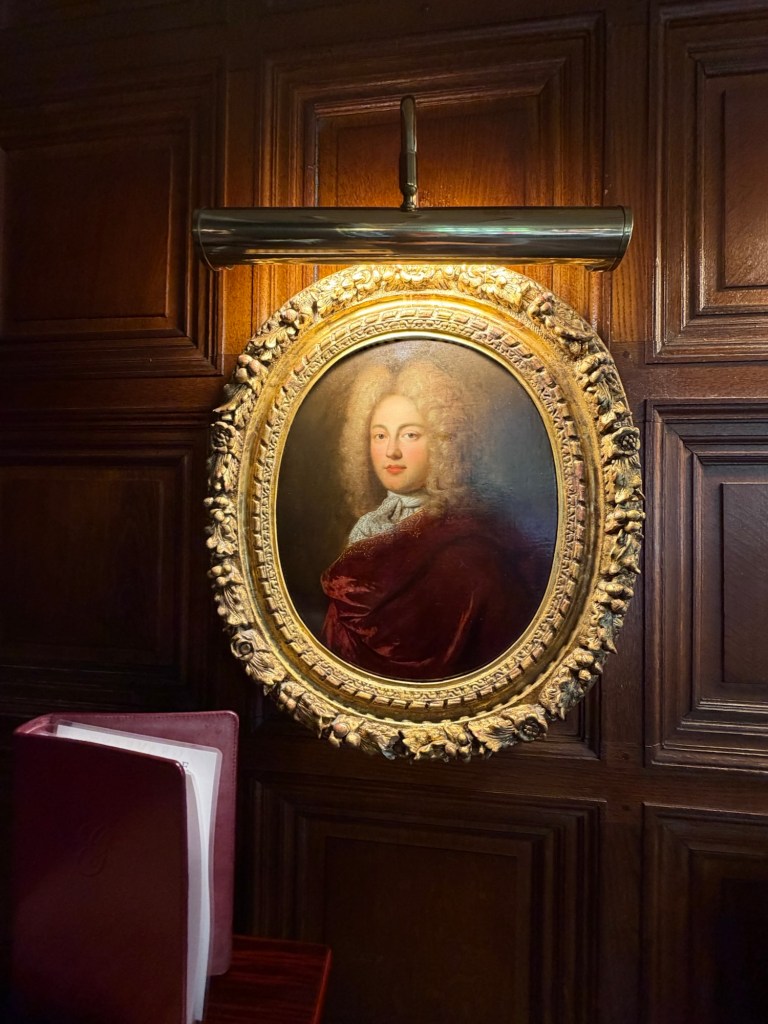
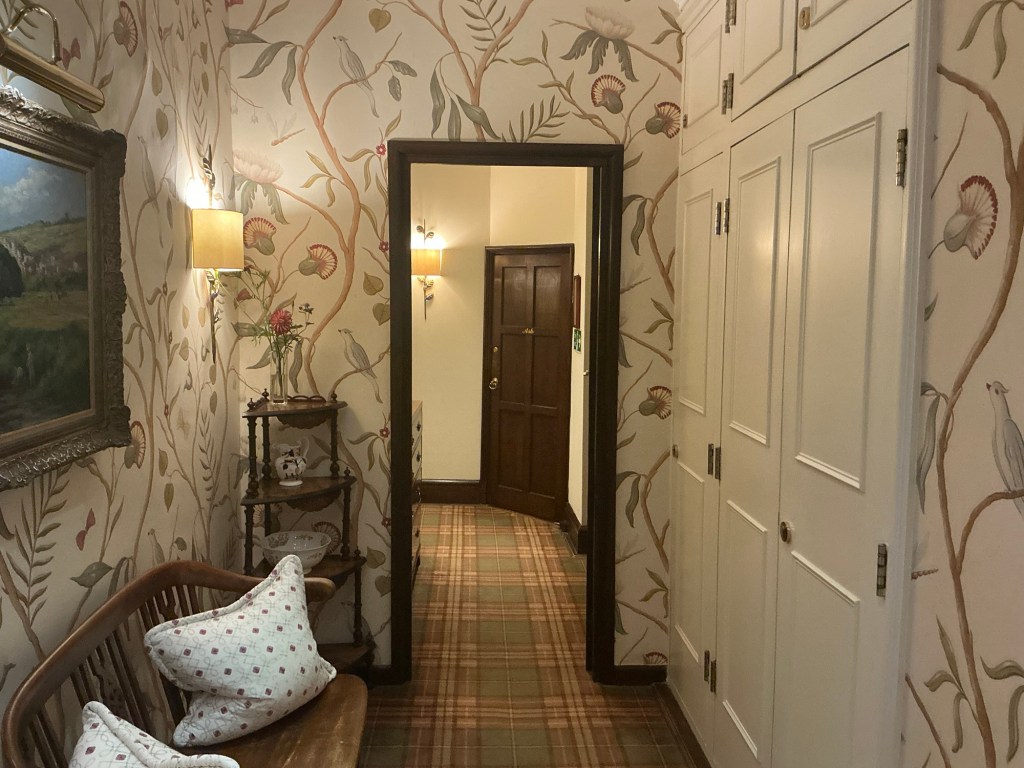
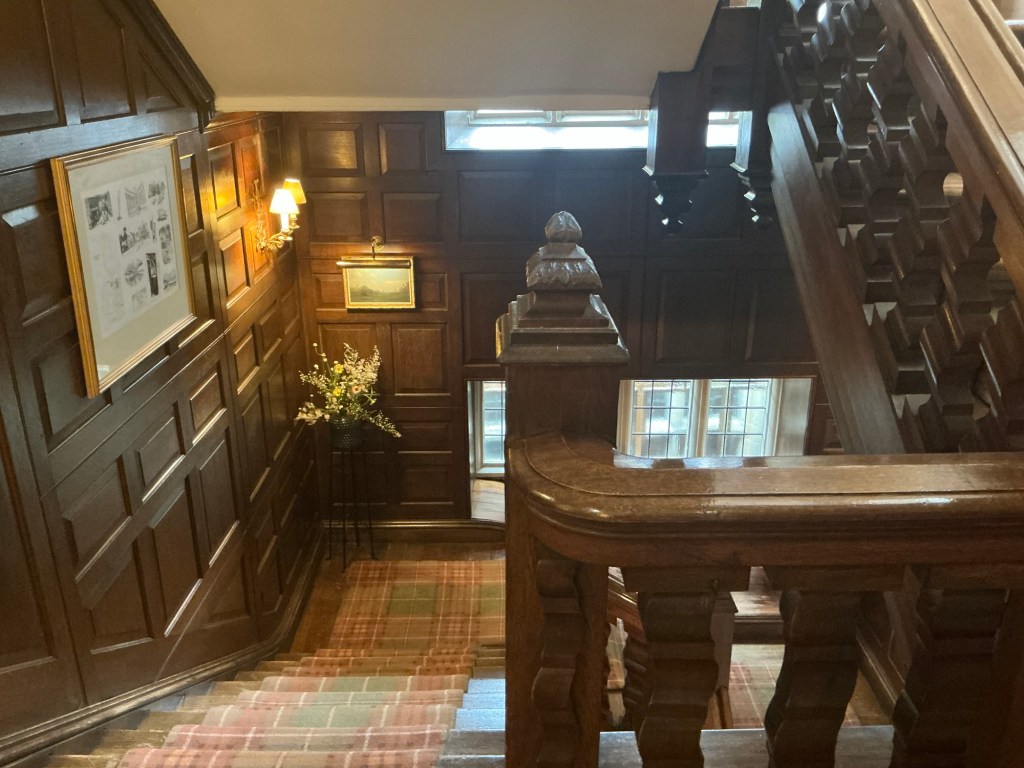
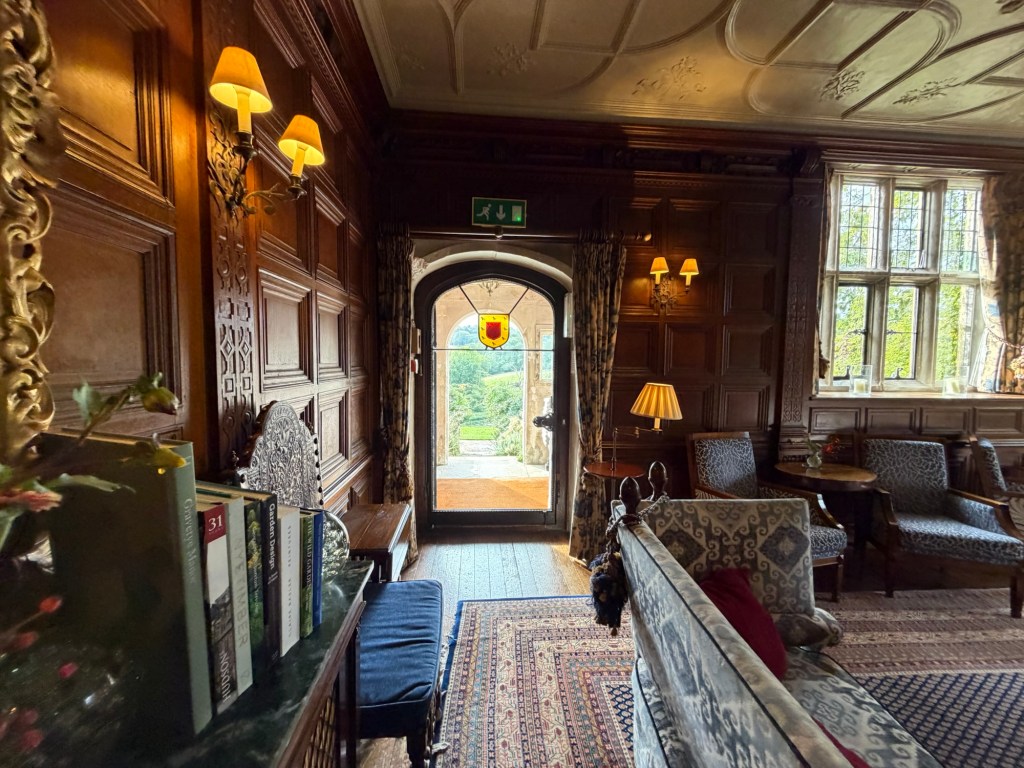
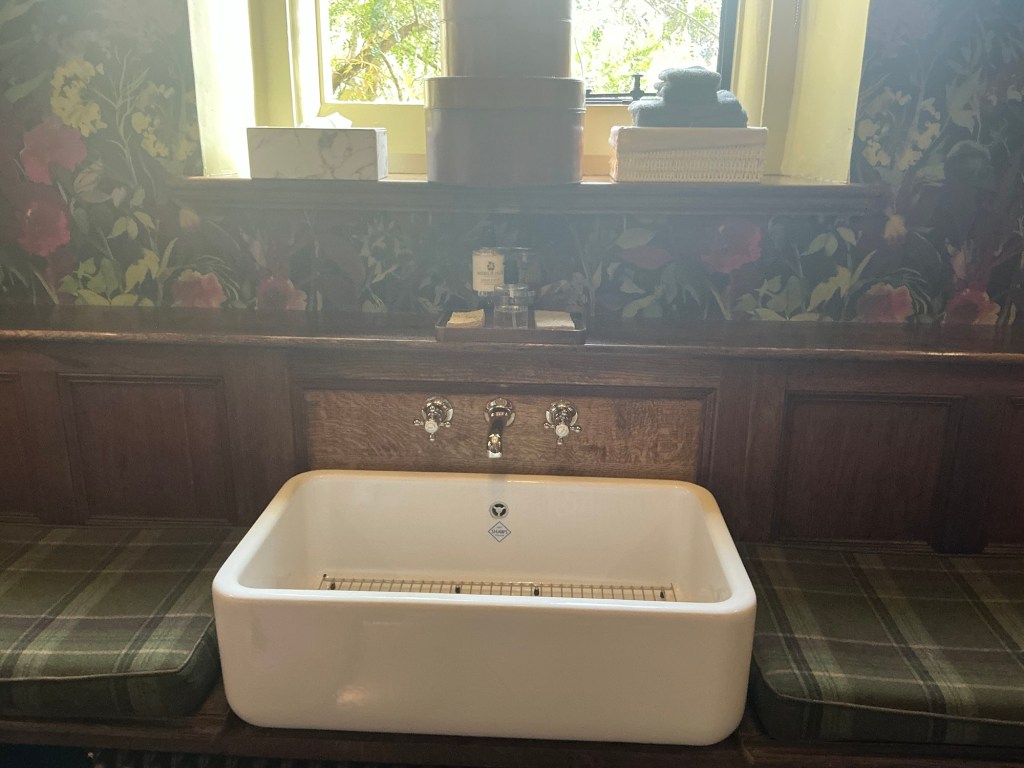
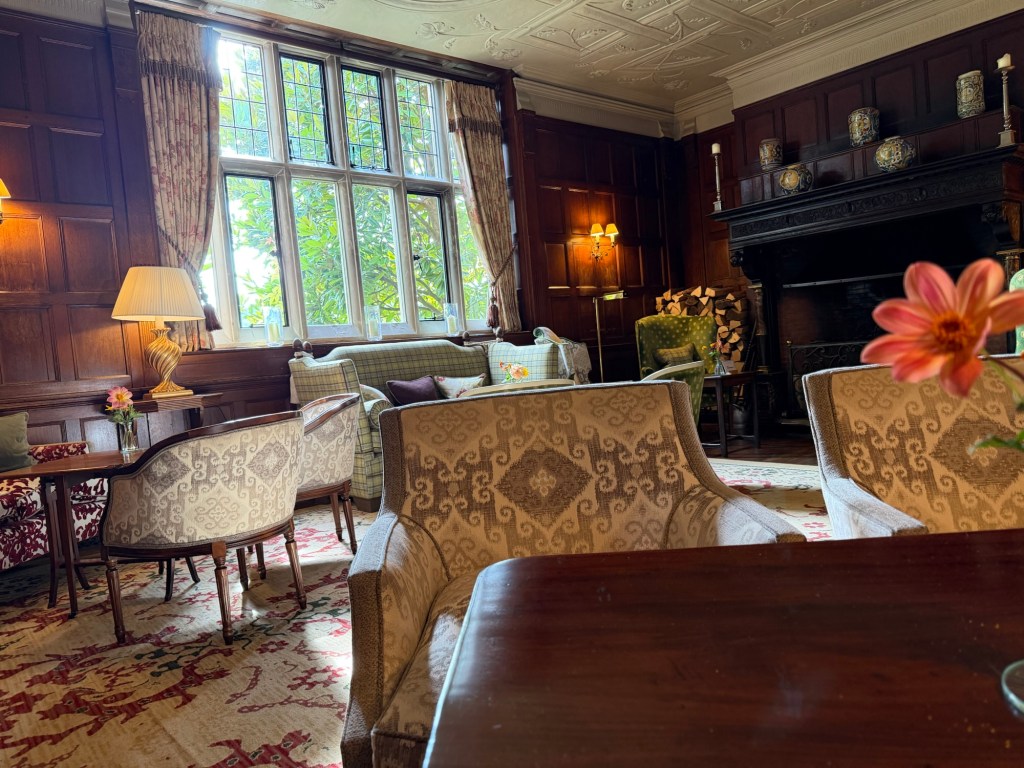
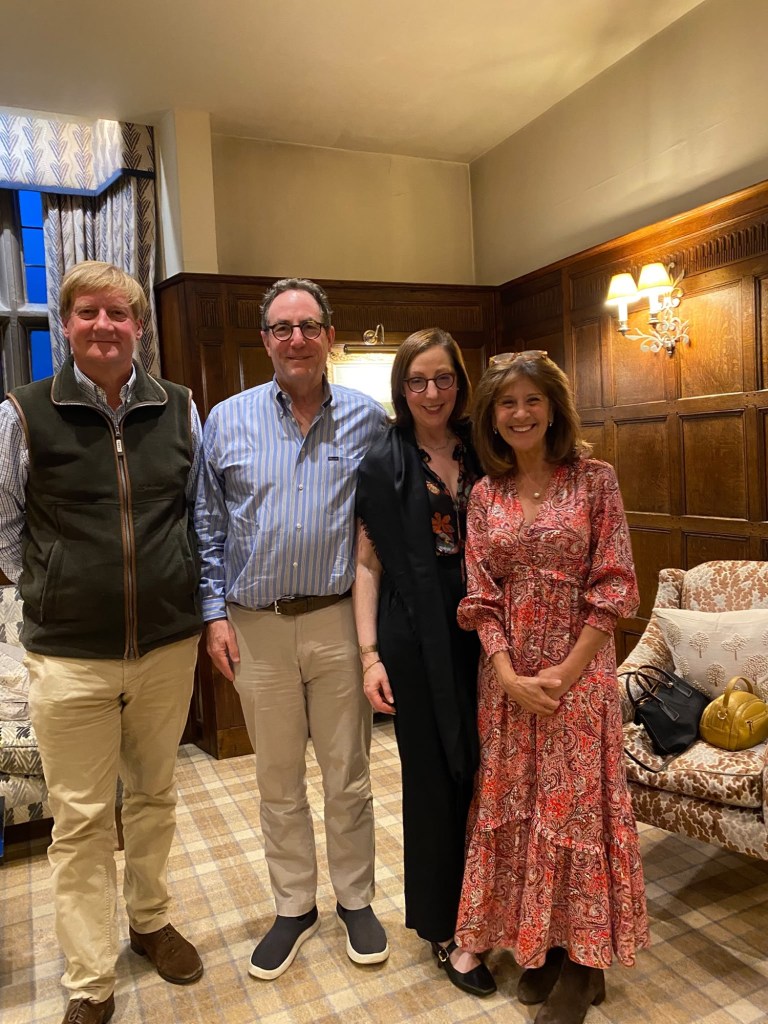
Later, we met up with our friends Patrick and Laura, who live nearby, and enjoyed tea together in one of Gravetye’s warm, wood-paneled sitting rooms.
But Gravetye Manor is perhaps best known for two things: its exceptional Michelin-starred restaurant and its magnificent gardens
A Michelin-Starred Dining experience
Dinner that evening was a highlight of our stay.
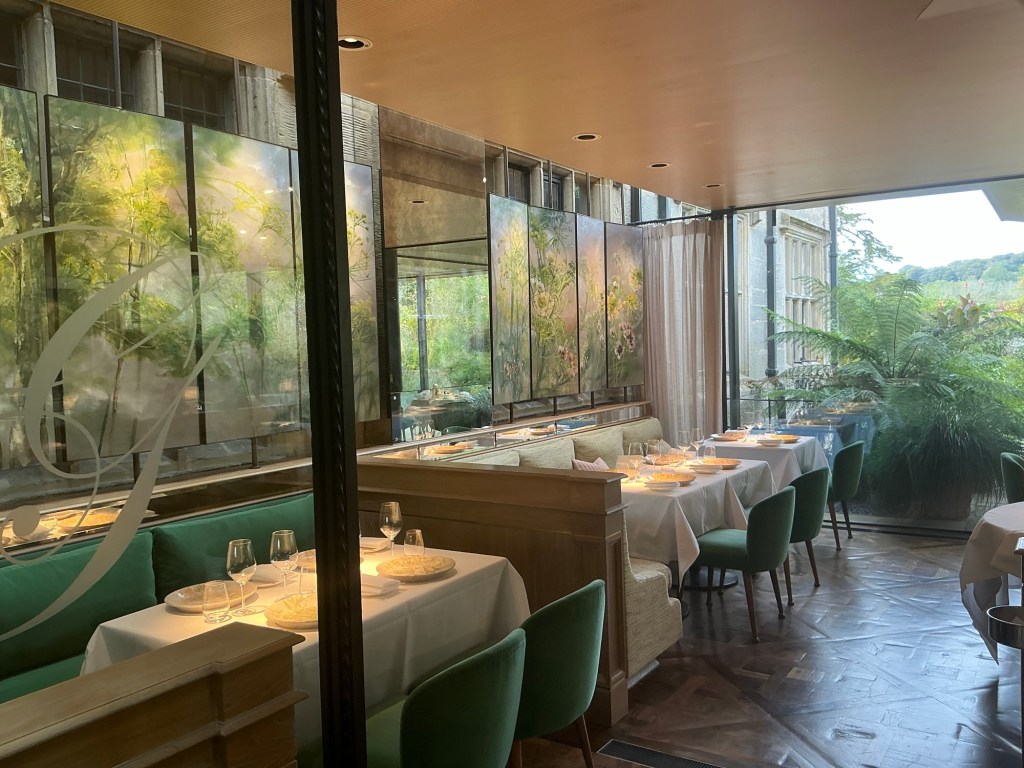
Gravetye Manor’s Michelin-starred restaurant occupies a beautiful contemporary dining room that manages to blend seamlessly with the historic house. Floor-to-ceiling windows overlook the surrounding gardens, while botanical artwork, soft green upholstery, polished wood floors, crisp white tablecloths, and carefully arranged lighting create an atmosphere of relaxed elegance.
The restaurant’s culinary philosophy is closely connected to the estate’s celebrated kitchen garden, which supplies much of the fresh seasonal produce used in its dishes.
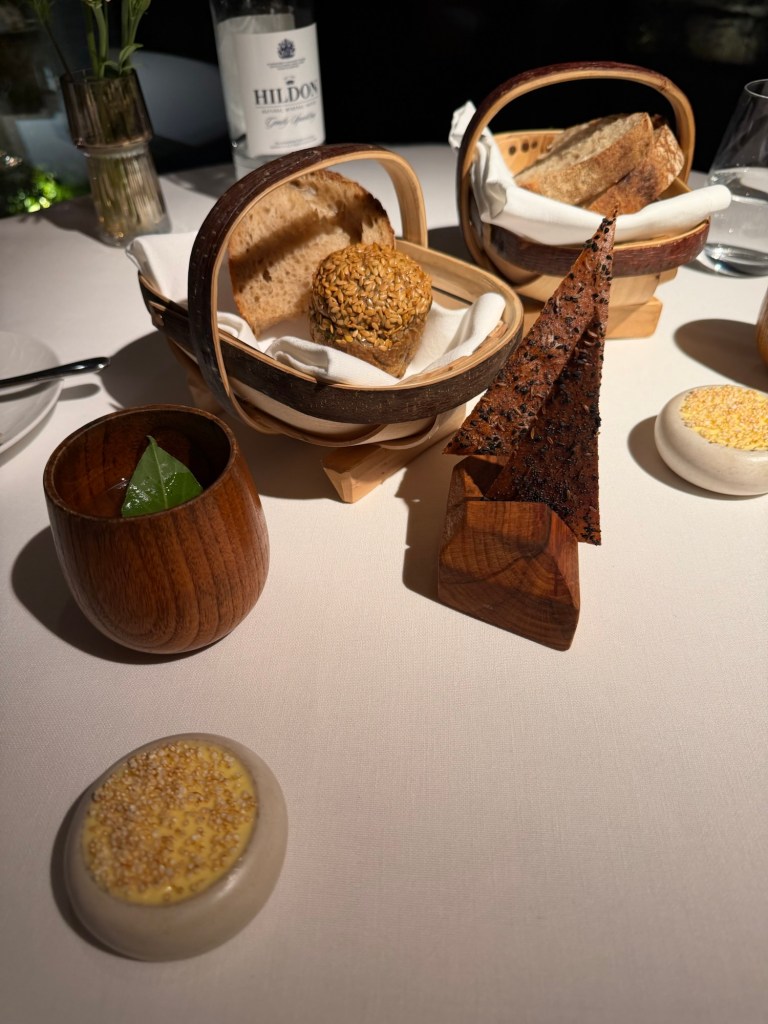
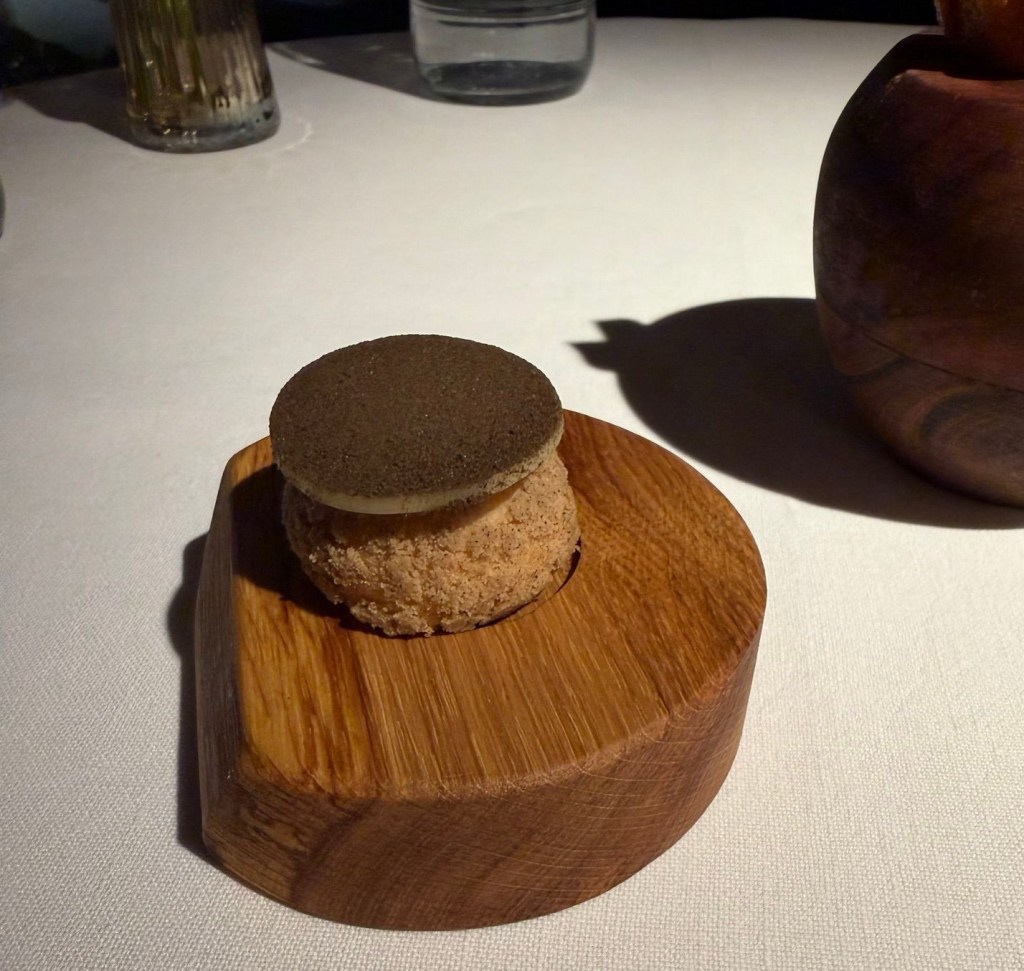
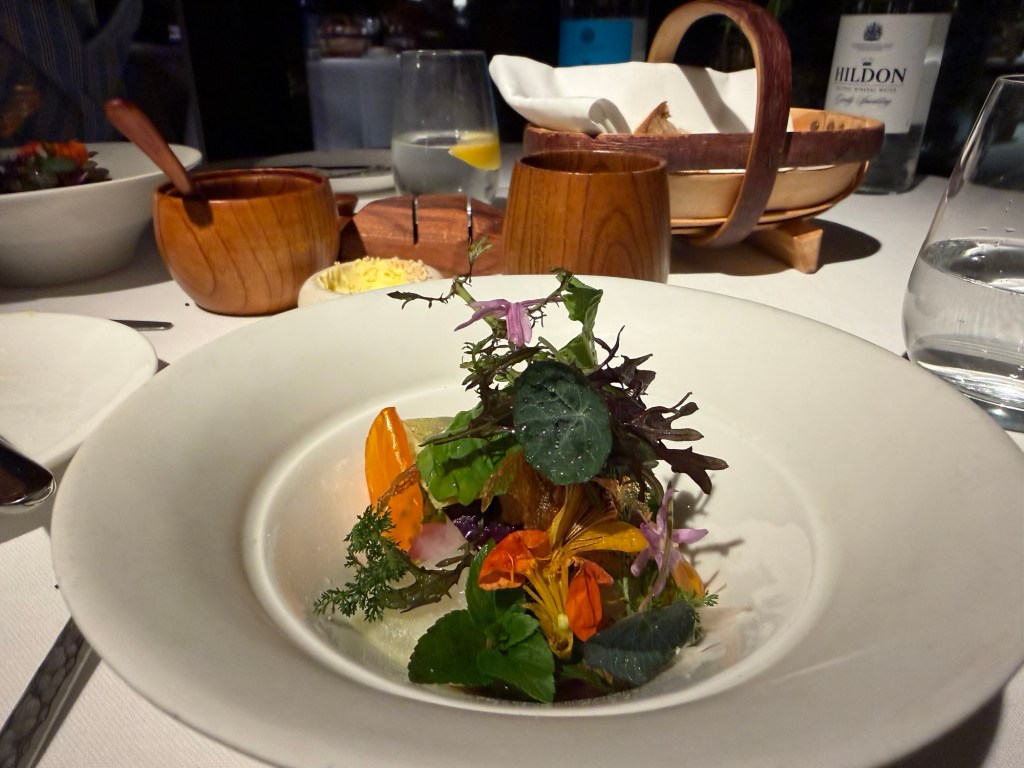
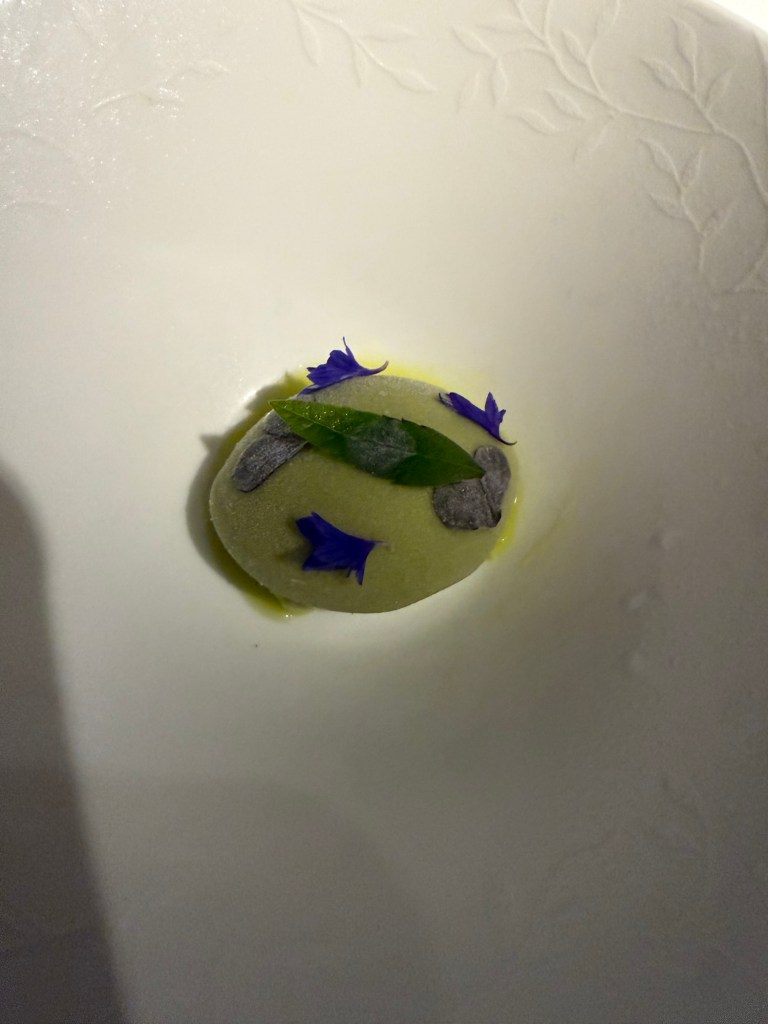
I selected the vegetarian tasting menu, featuring vegetables and herbs grown in the manor’s own gardens. The presentation was exquisite, with each course arranged almost like a miniature work of art. The emphasis was on the natural flavors, colors, and textures of the ingredients, demonstrating just how sophisticated vegetable-centered cuisine can be.
One of the most remarkable dishes of the evening was the Gravetye Garden Salad. Our waiter explained that this extraordinary creation contained no fewer than 32 ingredients, virtually all harvested from the manor’s own kitchen garden. A delicate composition of edible flowers, tender leaves, fresh herbs, and seasonal vegetables, it was as beautiful as it was delicious. What might otherwise have been an ordinary salad was transformed into a miniature work of culinary art—a wonderful expression of the close relationship between Gravetye’s gardens and its Michelin-starred kitchen. I typically shy away from anything Michelin, but this place is different, way different.
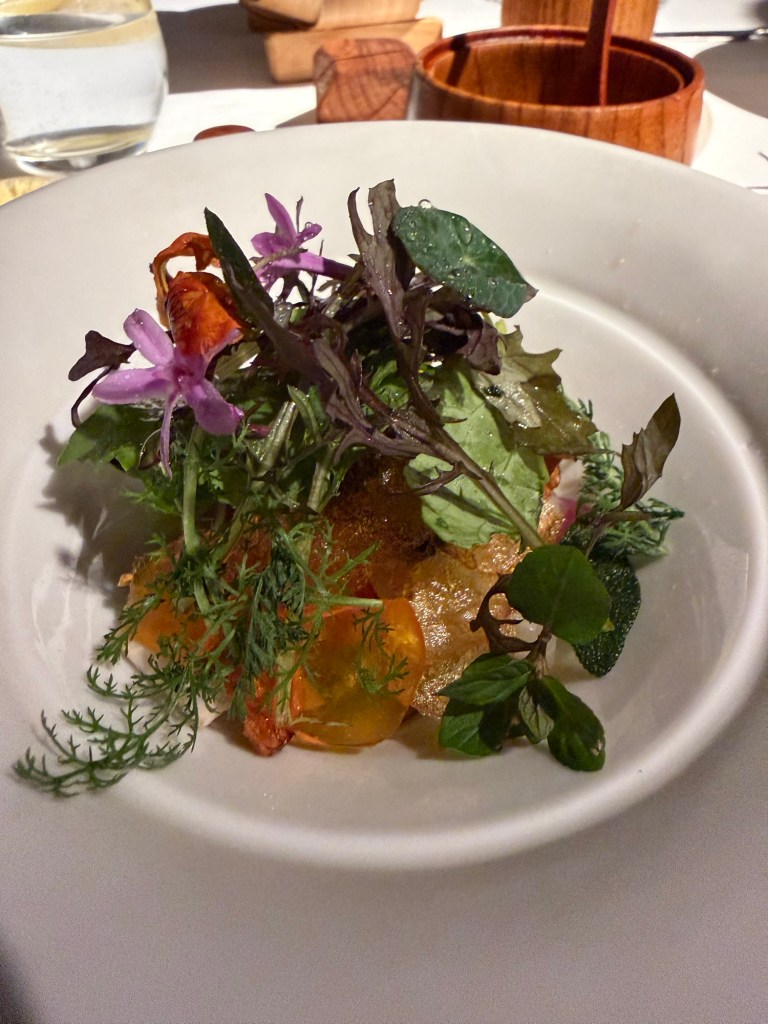
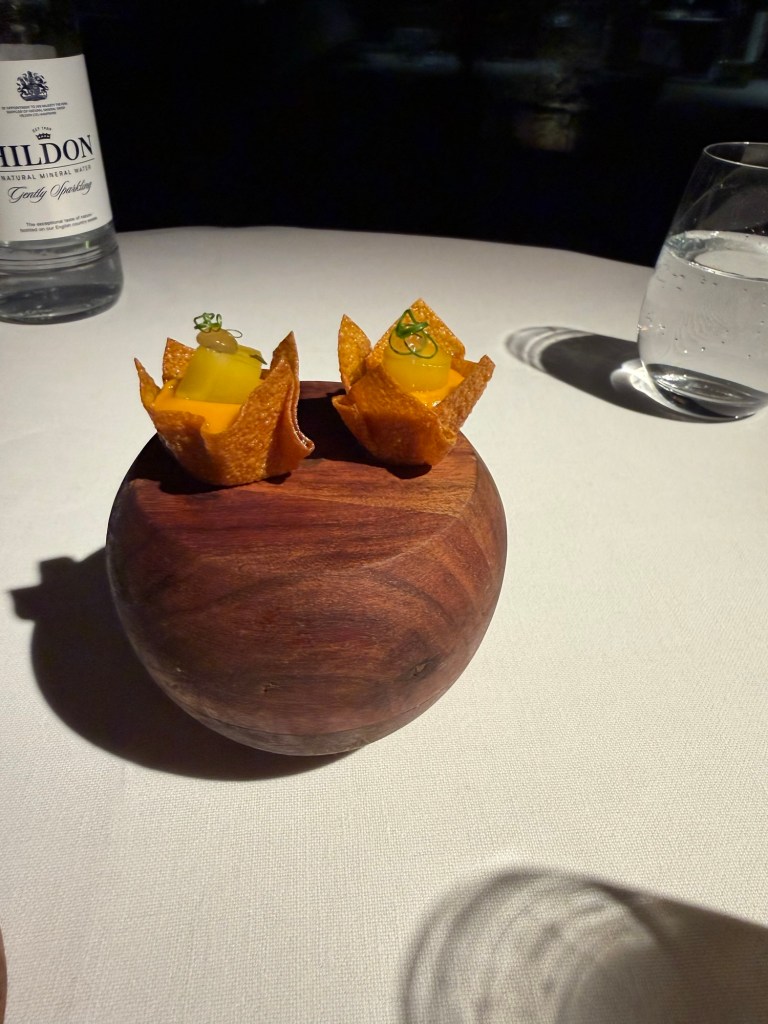
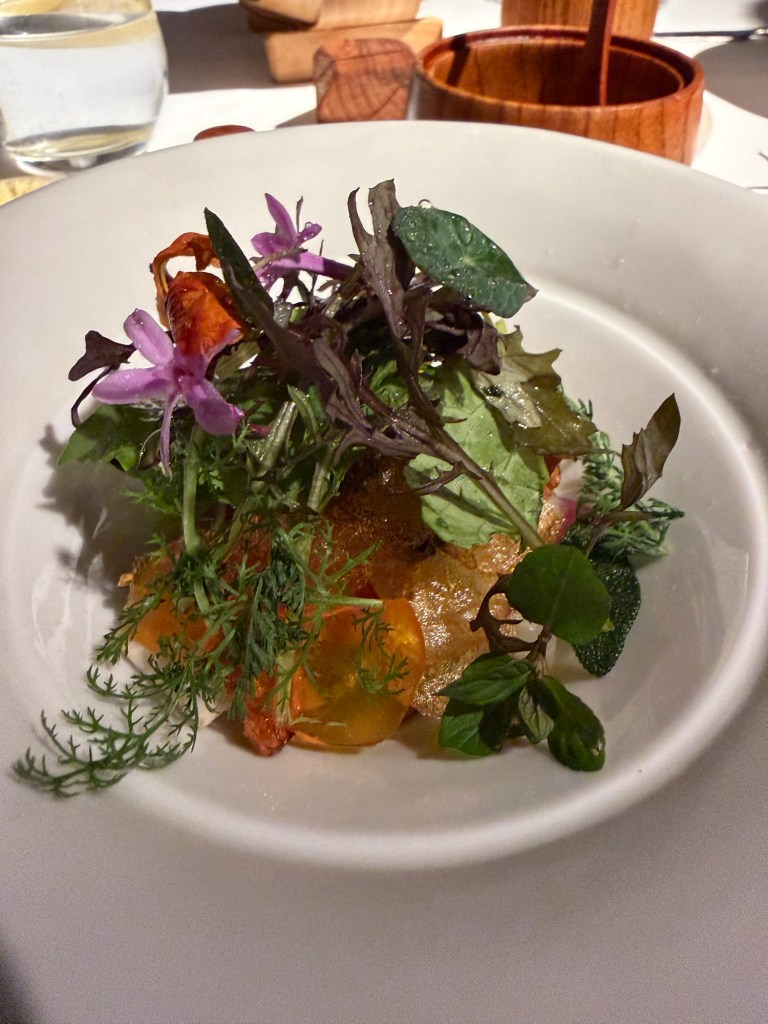
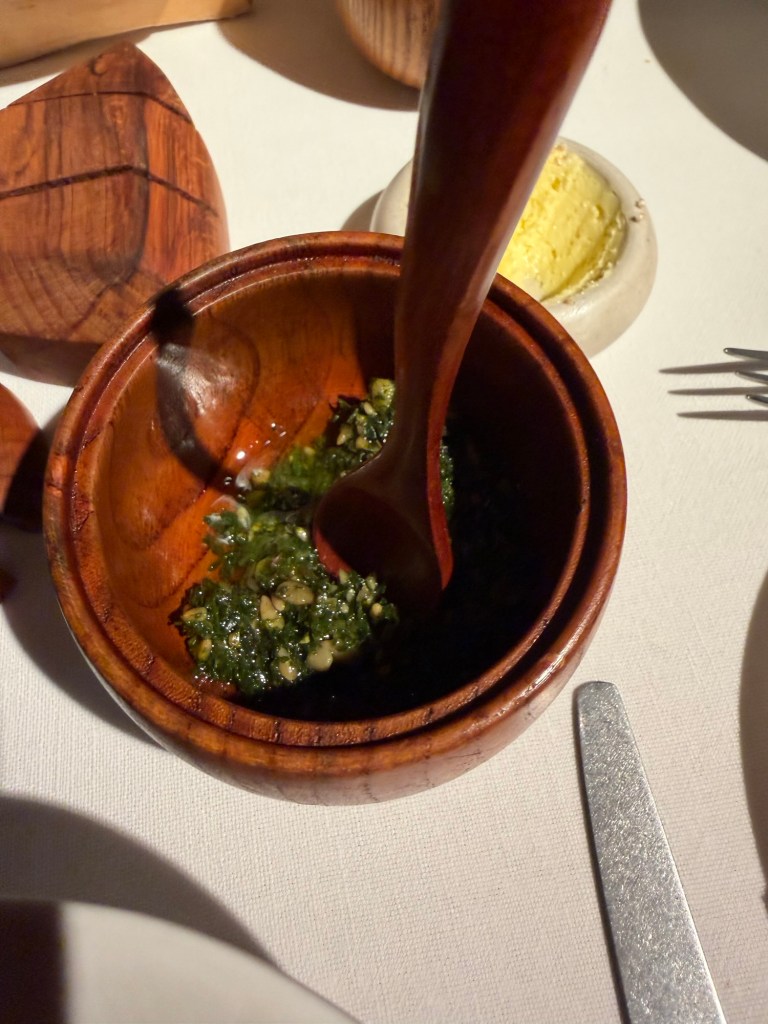
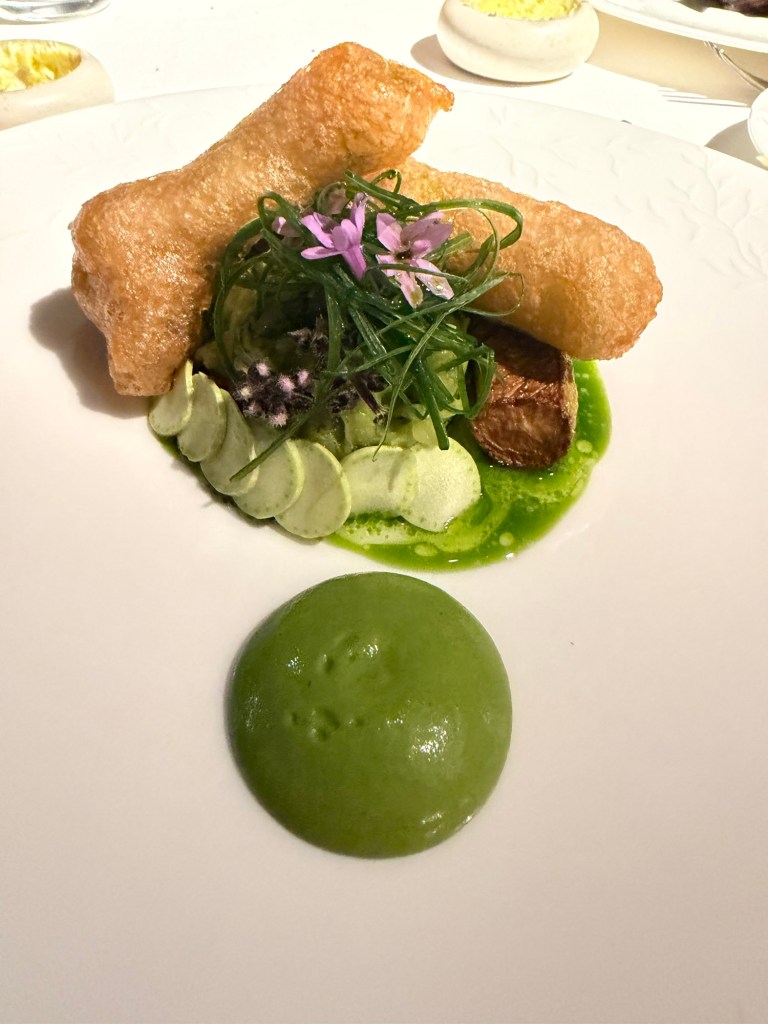
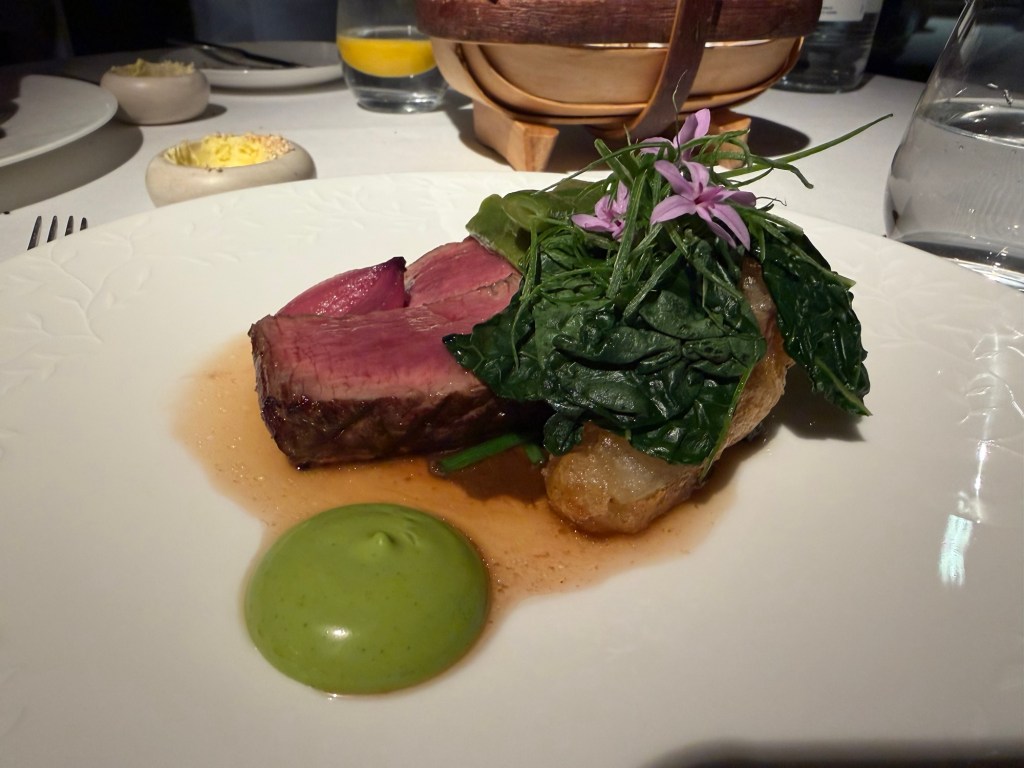
My wife’s dinner was beautifully presented: slices of perfectly pink meat, served with sautéed greens, roasted potatoes, a bright green herb purée and a delicate edible-flower garnish.
What made the experience particularly memorable was the connection between the food and the surrounding landscape. These were not simply vegetables purchased from a supplier, but ingredients cultivated just a short distance from our table.
It was a wonderful example of garden-to-table dining, elevated to the level of fine cuisine.
A Splendid English Breakfast
The following morning, we returned to the same beautiful dining room for breakfast, this time with daylight streaming through the windows and revealing the gardens beyond.
Breakfast was every bit as elegant as dinner had been.
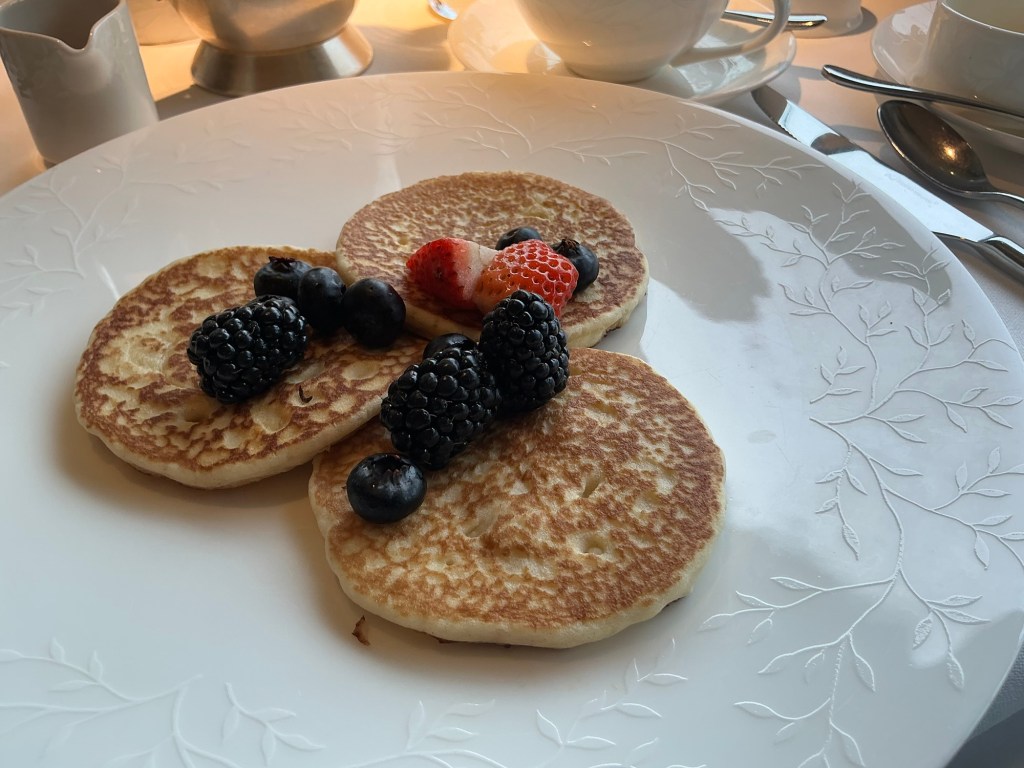
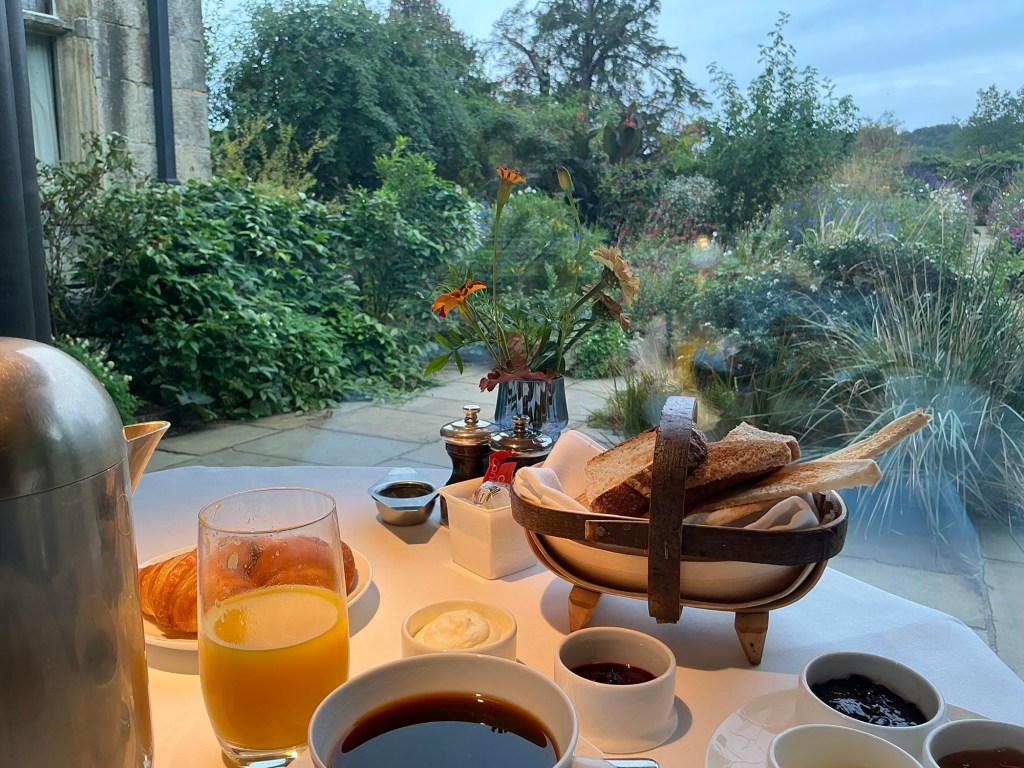
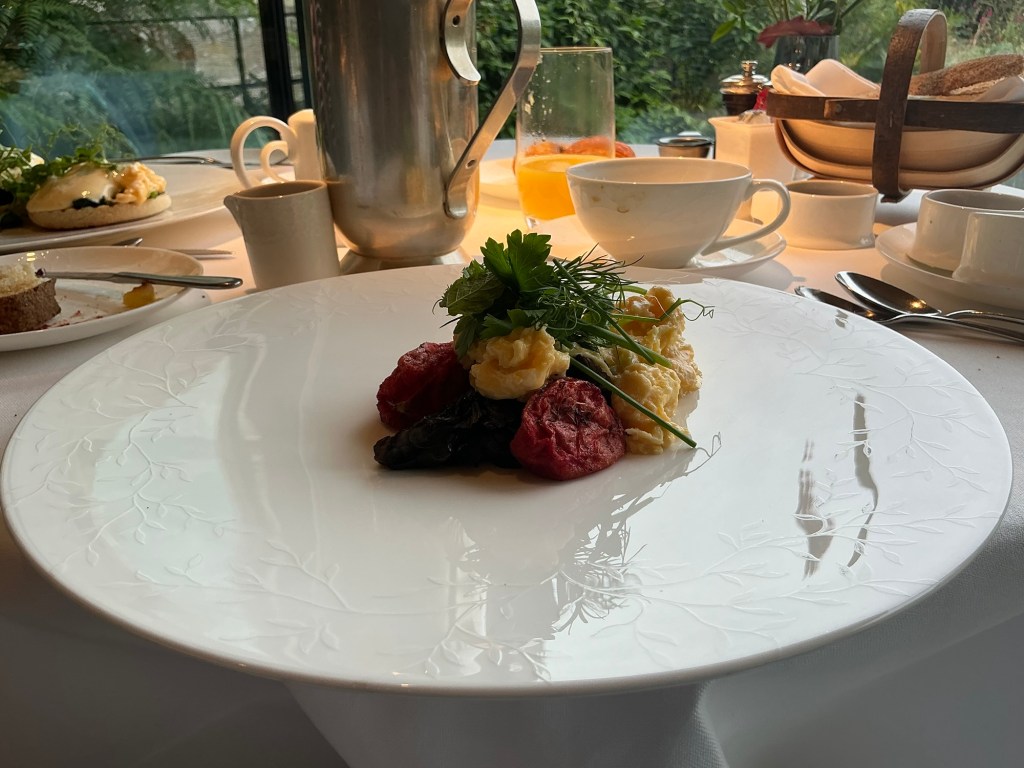
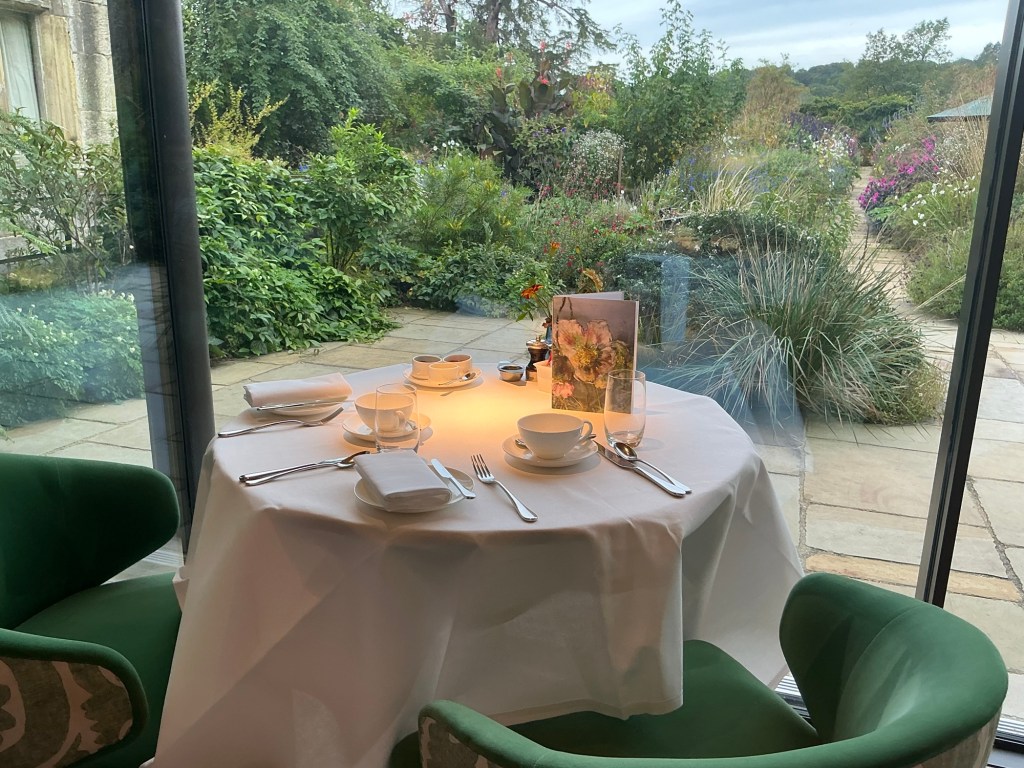
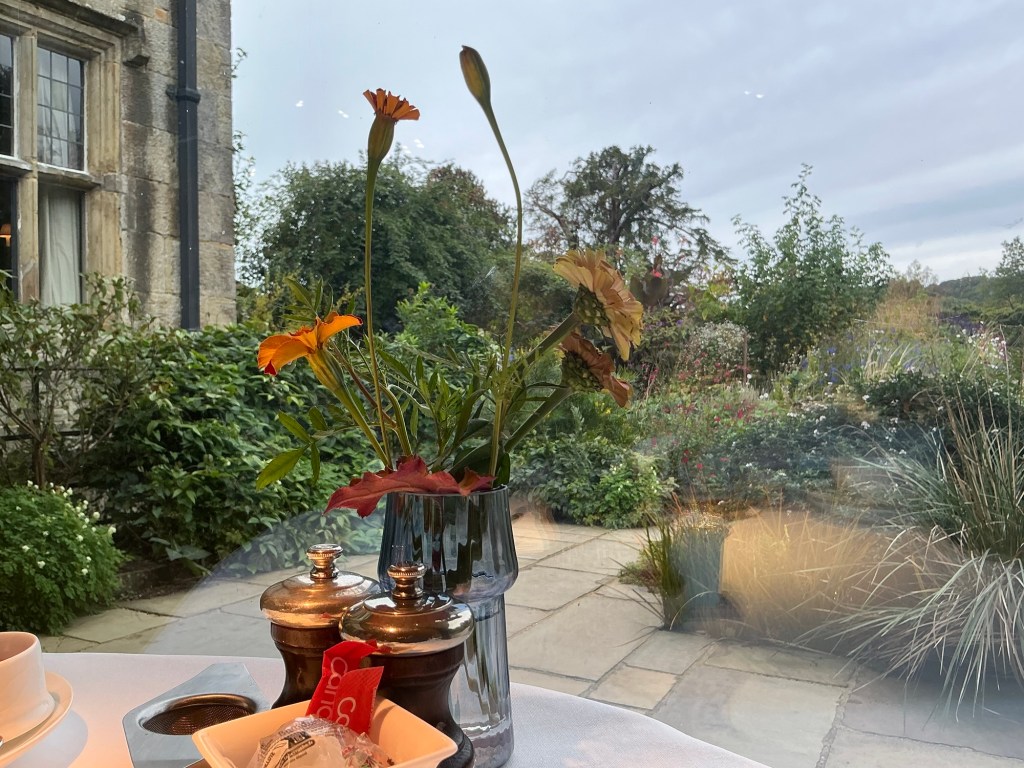
The table was set with fine white china, polished silverware, freshly squeezed orange juice, and an assortment of breads and pastries presented in a rustic basket. There were preserves, butter, and freshly brewed coffee, all served with the quiet attentiveness one expects from a first-class English country house hotel.
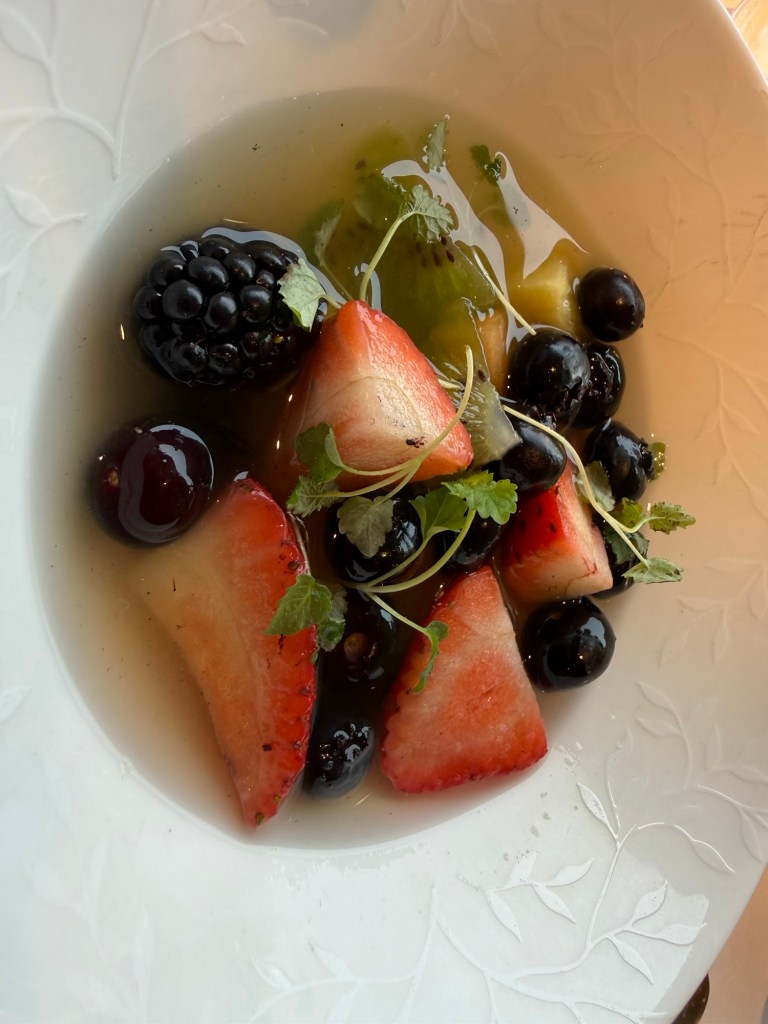
One of our selections was a plate of beautifully prepared golden pancakes topped with fresh strawberries, blueberries, and blackberries. Another was a delicate arrangement of softly scrambled eggs accompanied by roasted tomatoes, sautéed mushrooms, and fresh herbs, including chives and dill.
Even the presentation reflected the restaurant’s attention to detail. The dishes were served on oversized white plates decorated with a subtle raised botanical pattern, echoing the garden theme found throughout the property.
It was a splendid English breakfast, enjoyed in an equally splendid setting.
Exploring the fabulous Gardens
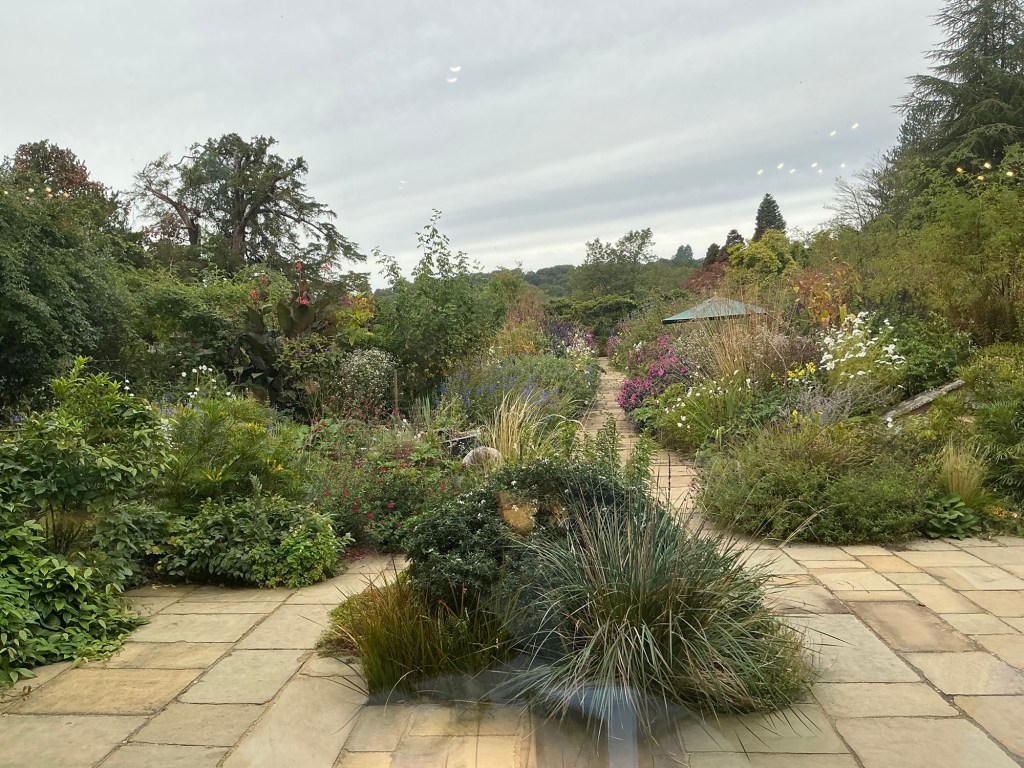
Following breakfast, we ventured outside to explore one of Gravetye Manor’s greatest treasures—its magnificent gardens, considered among the most historically important in England.

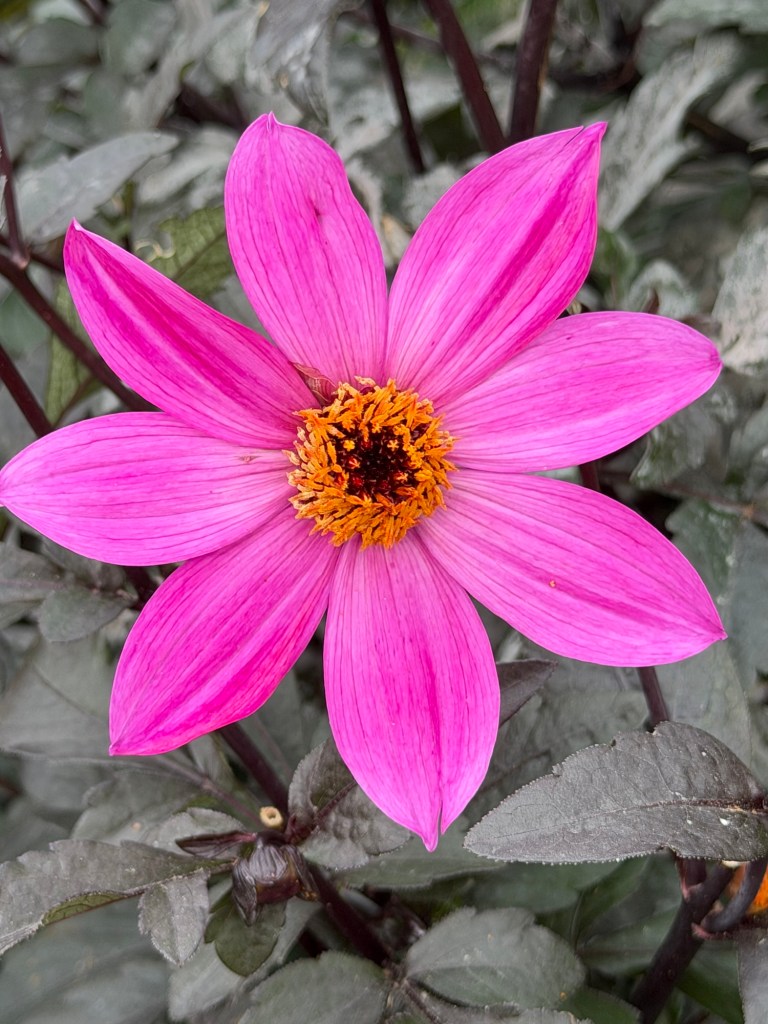

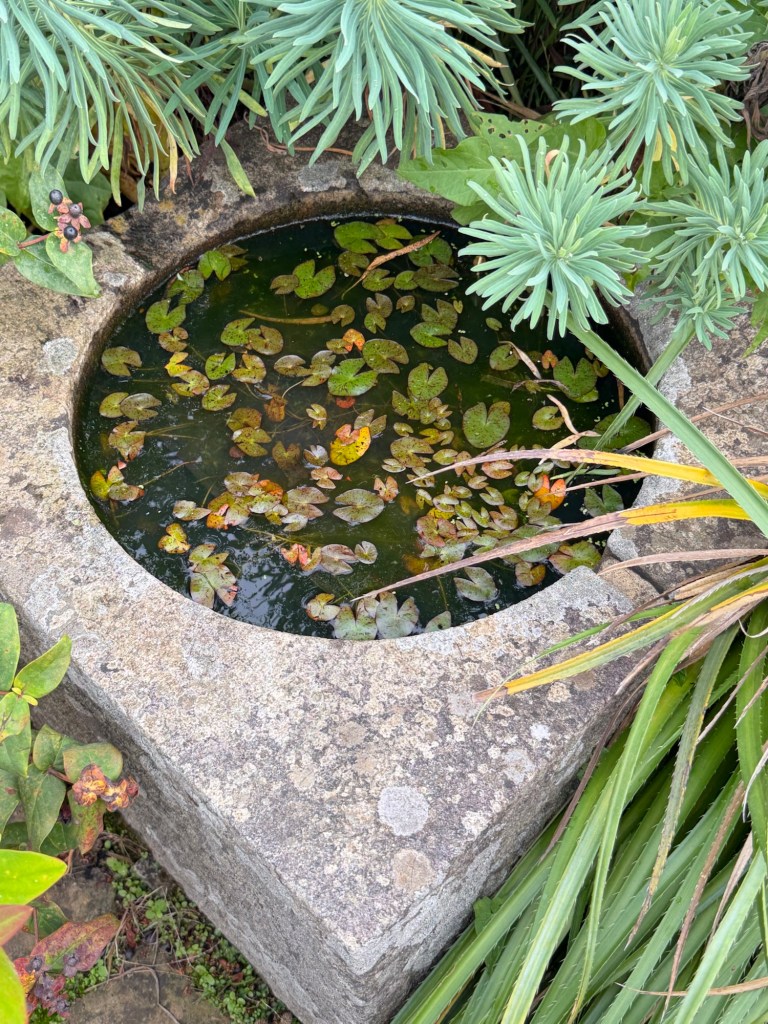
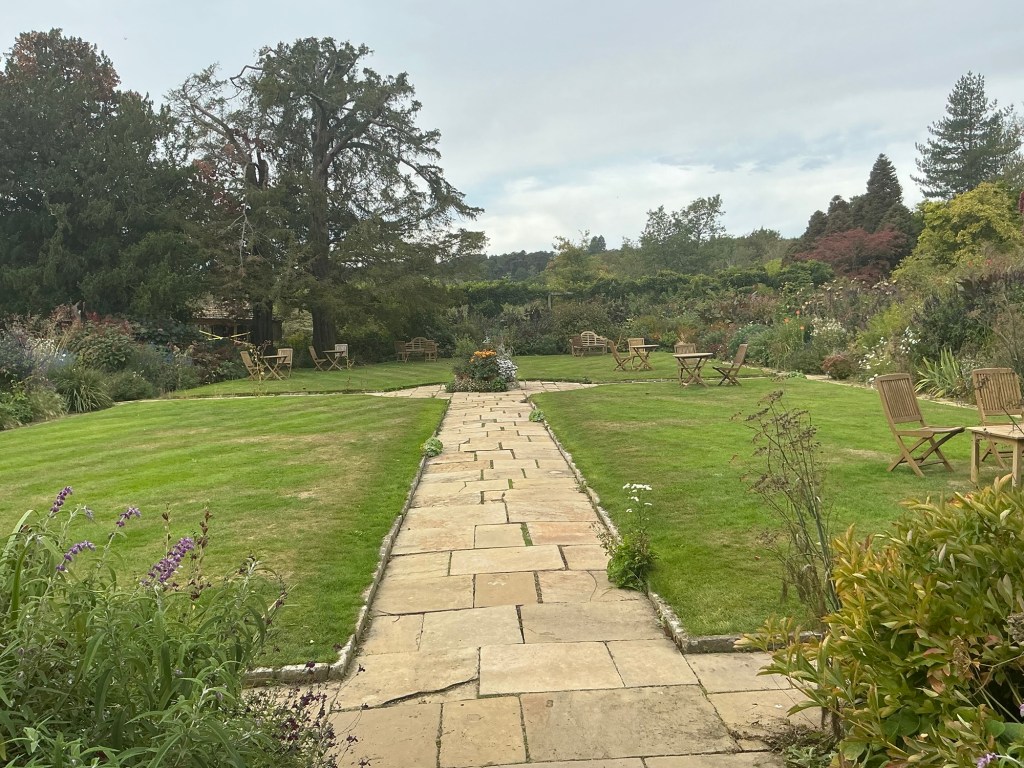
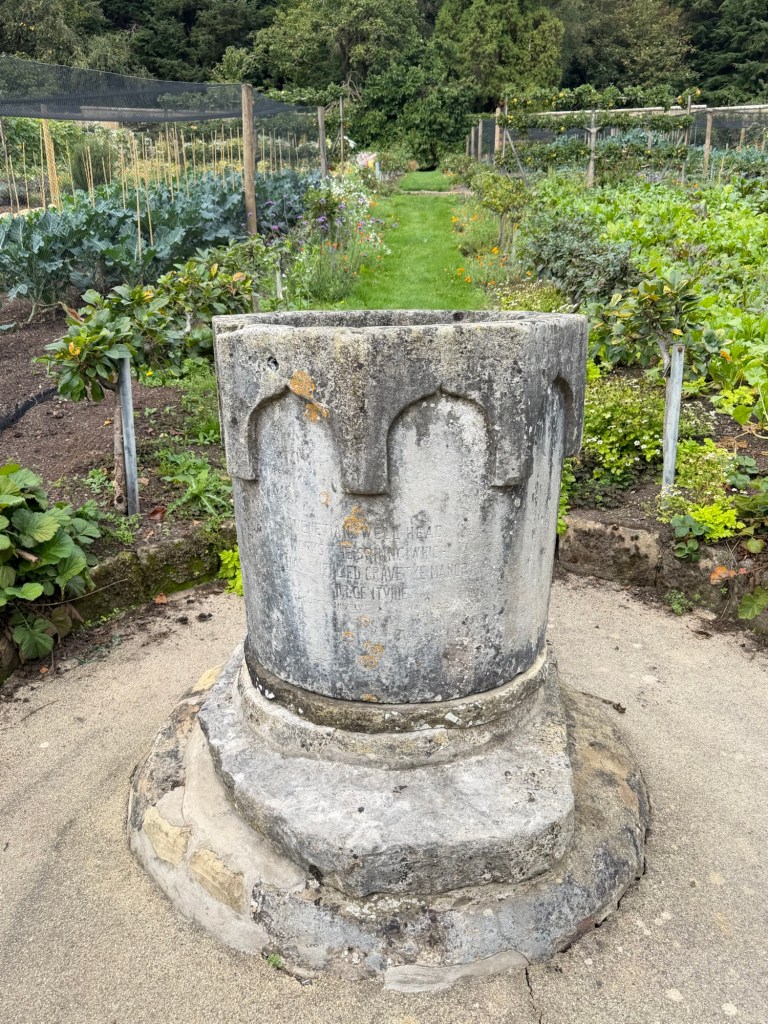
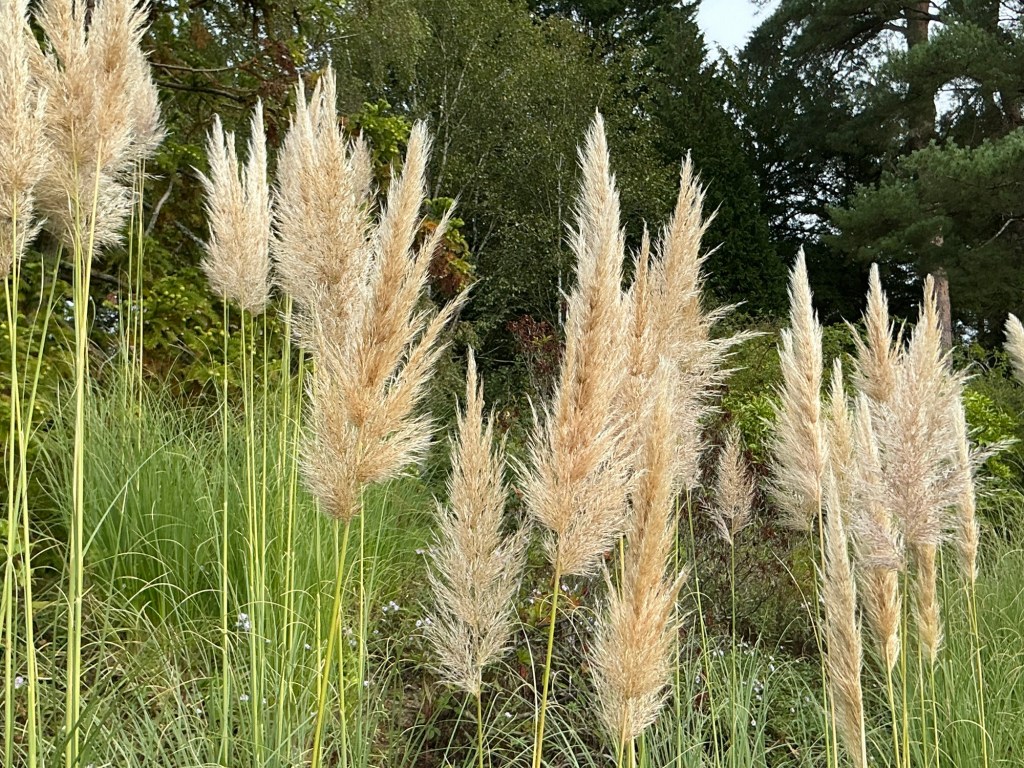
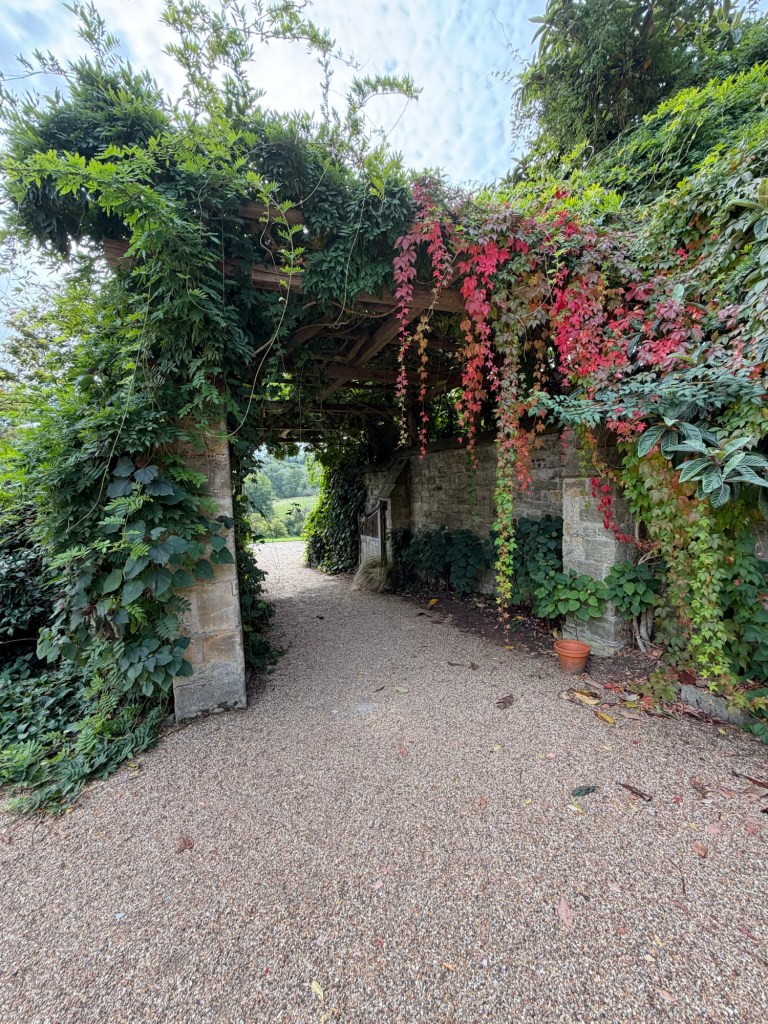
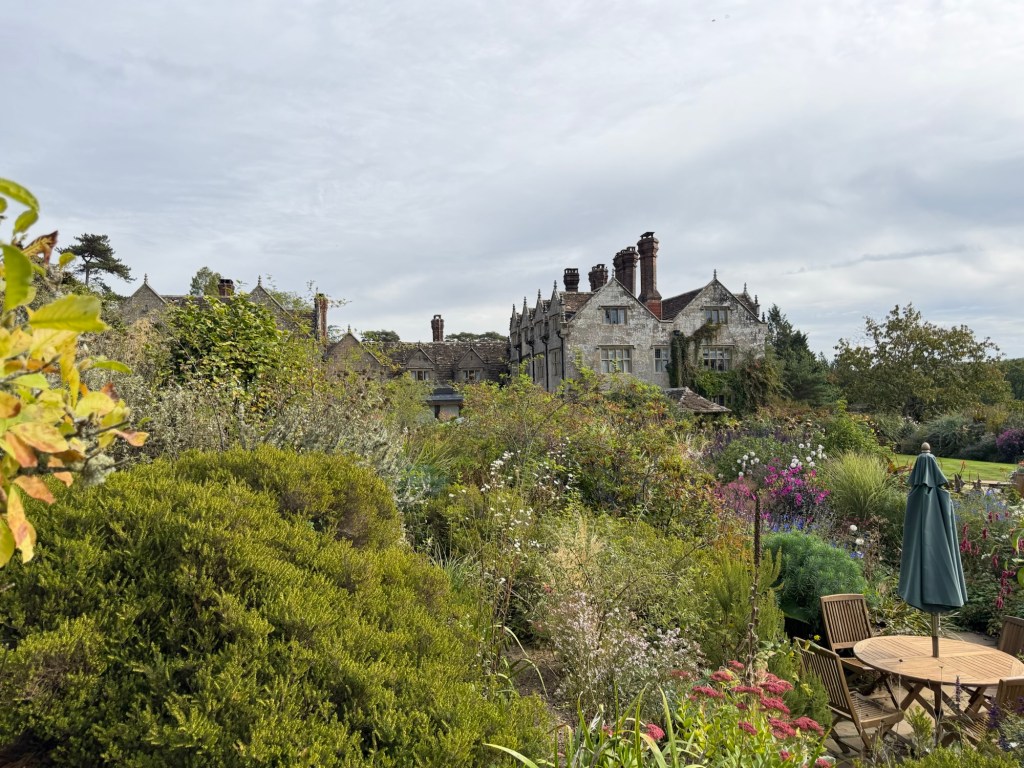
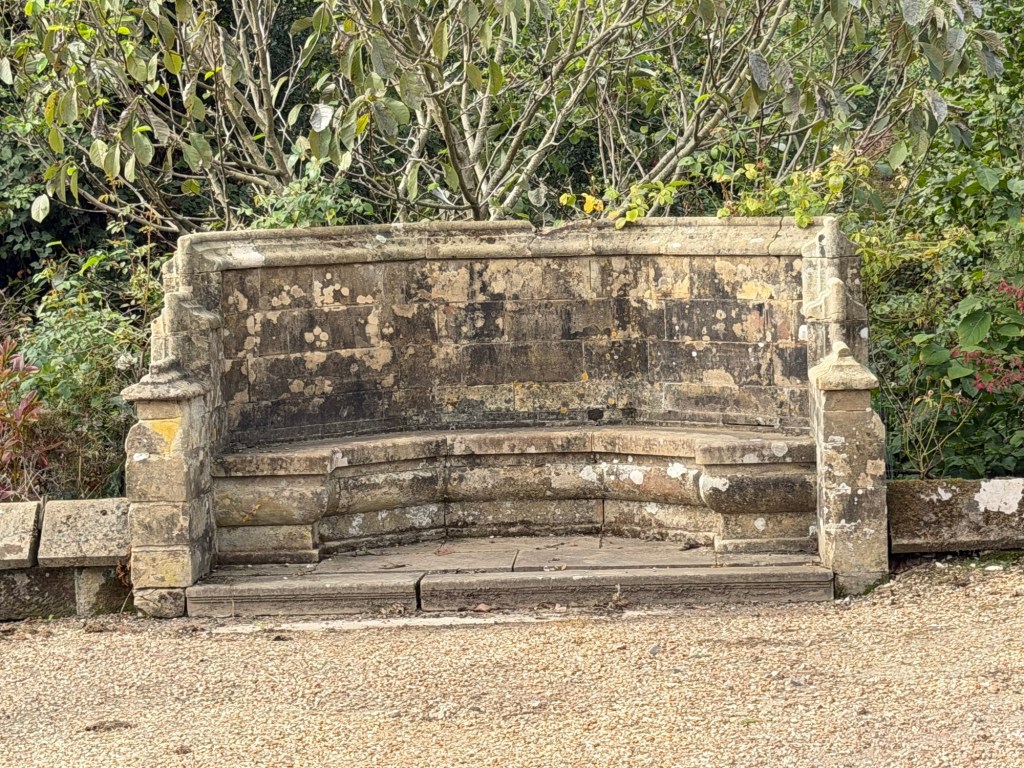
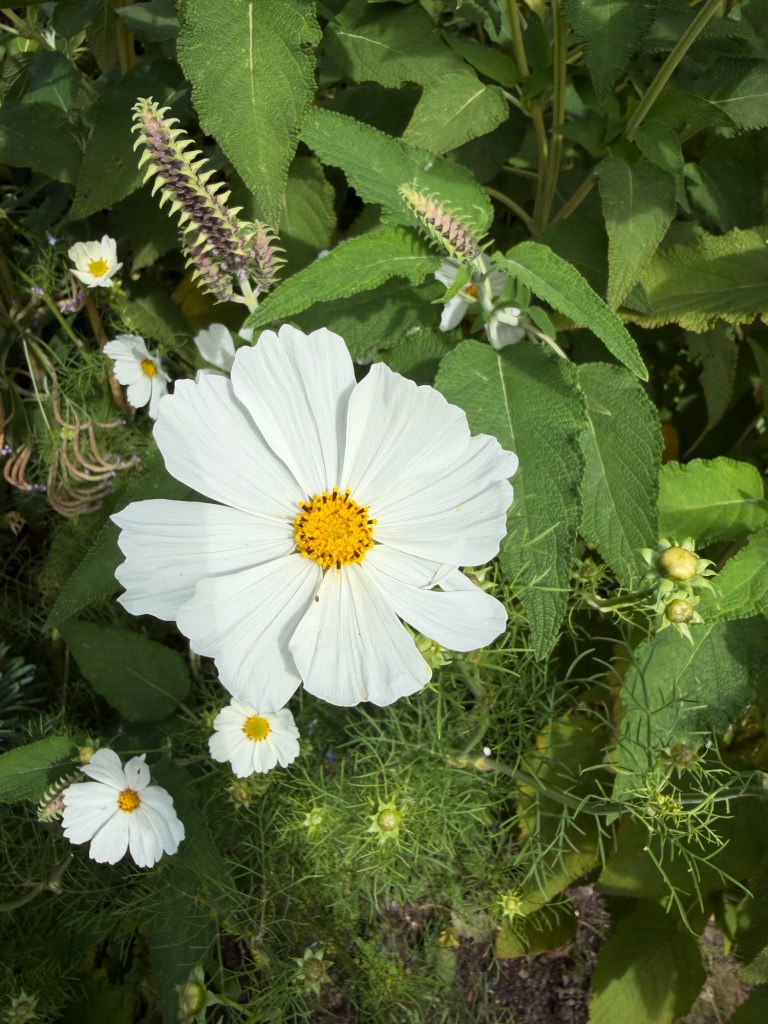
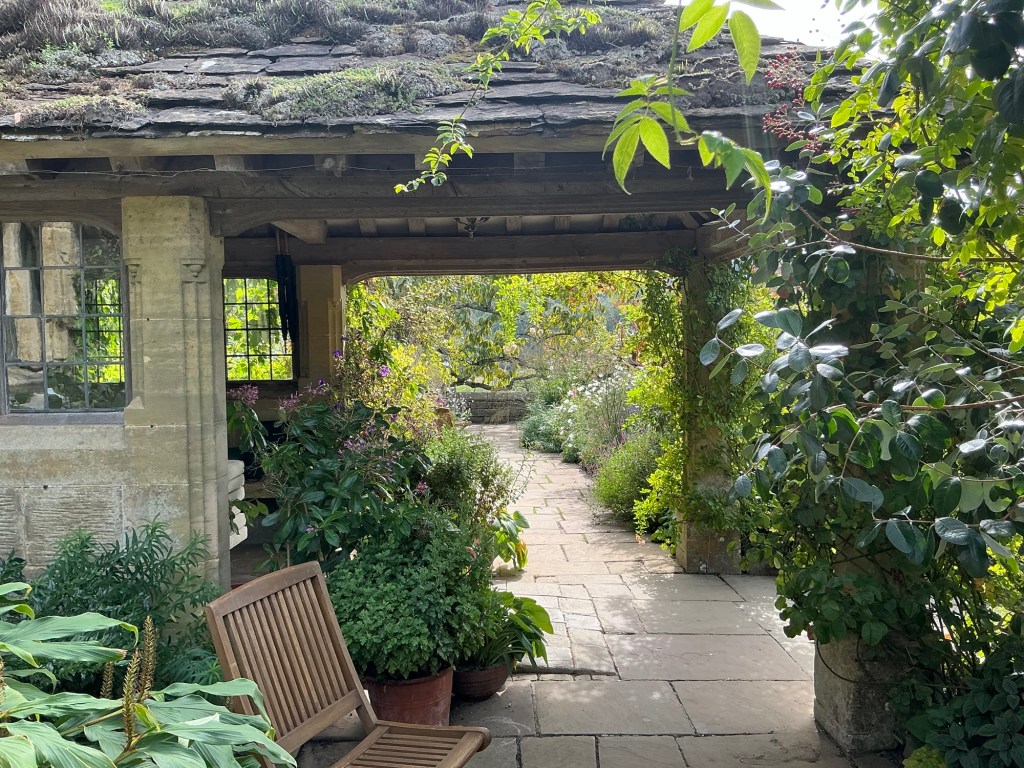
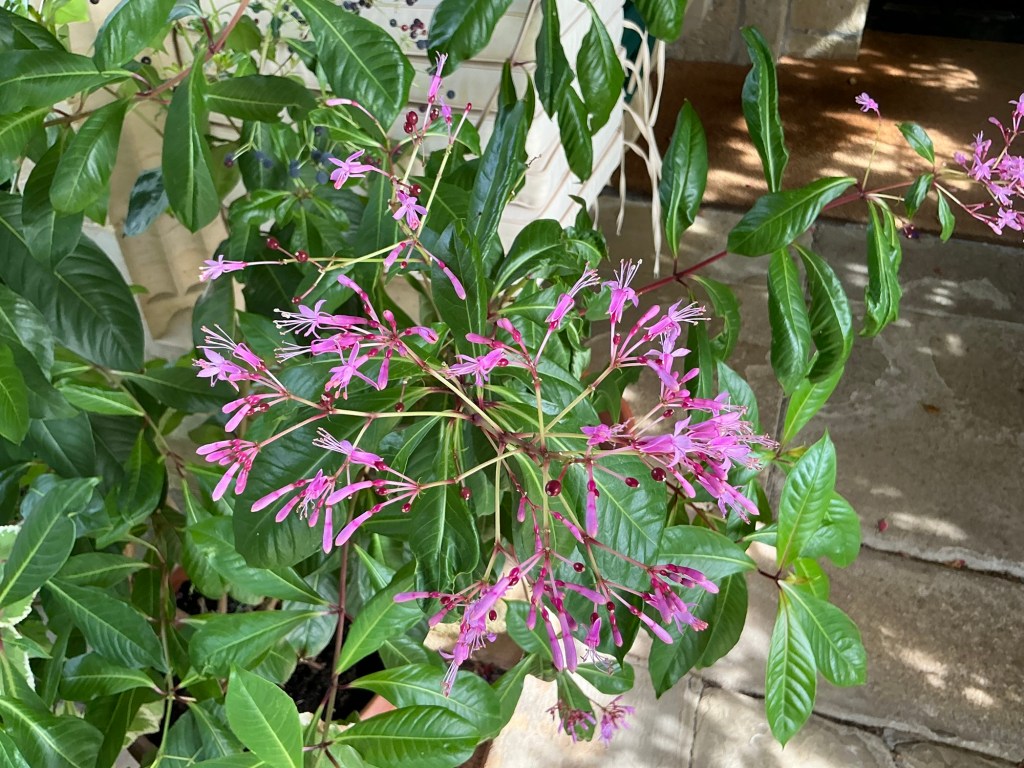
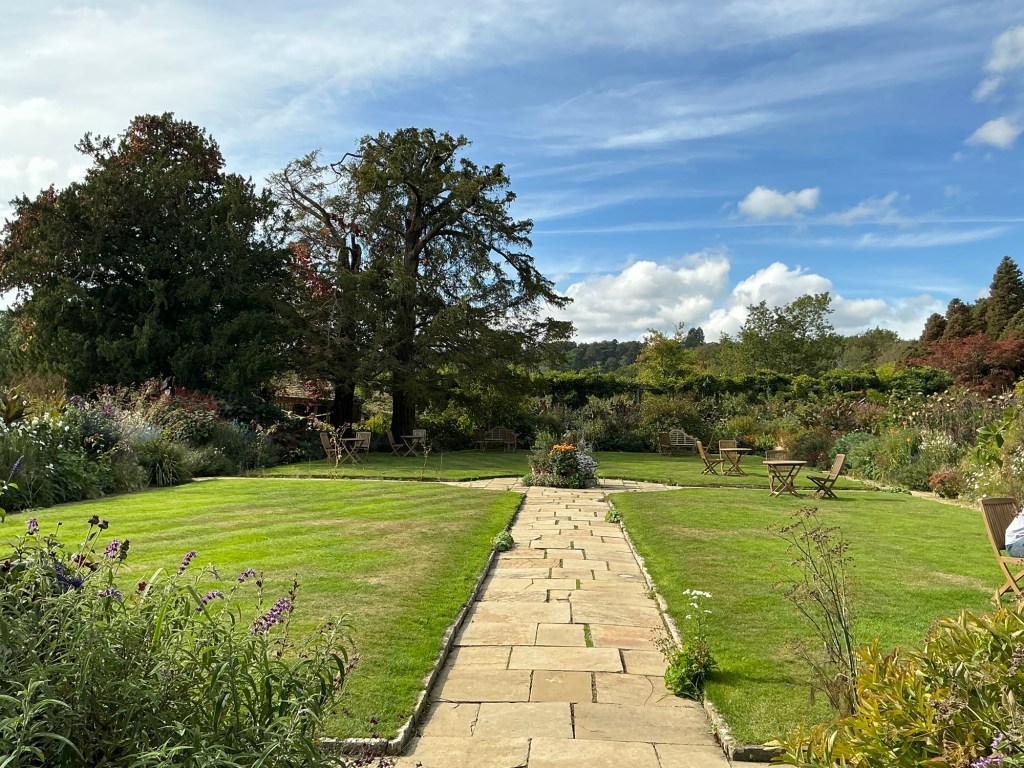
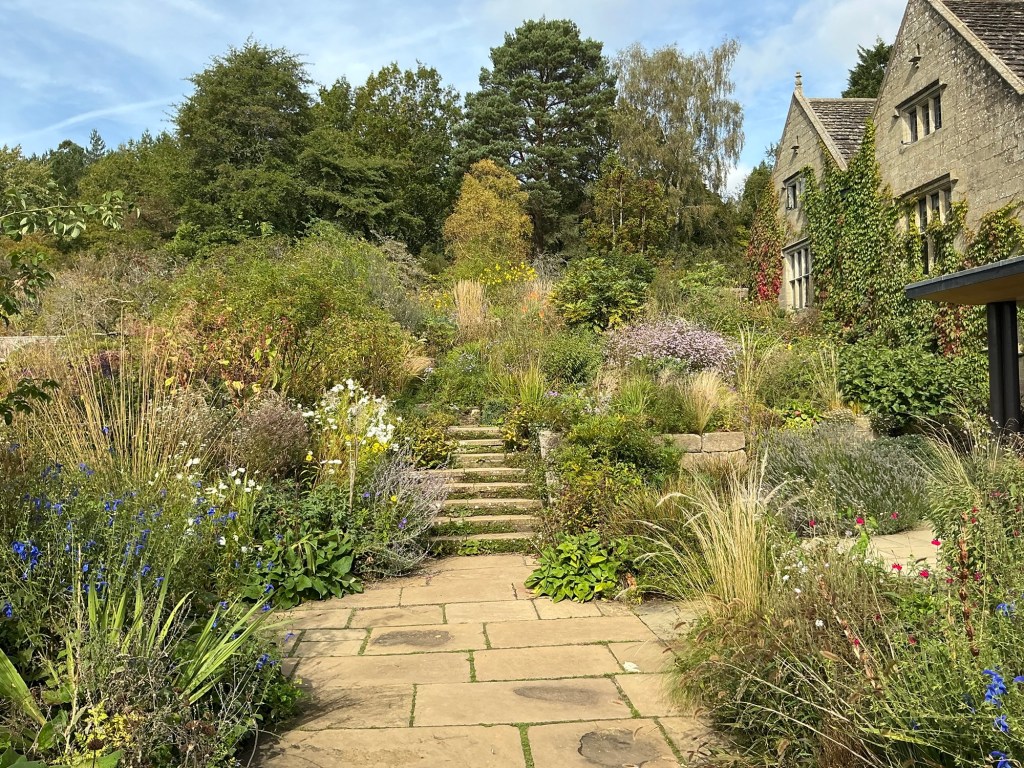
The gardens owe much of their fame to William Robinson, the influential Irish-born horticulturist who purchased Gravetye Manor in 1884. Robinson was a revolutionary figure in English gardening, rejecting the rigid, formal Victorian style in favor of a more naturalistic approach that celebrated the beauty of plants growing in seemingly effortless harmony.
His ideas helped transform English garden design, and Gravetye became his living laboratory.
More than a century later, his philosophy remains very much alive.
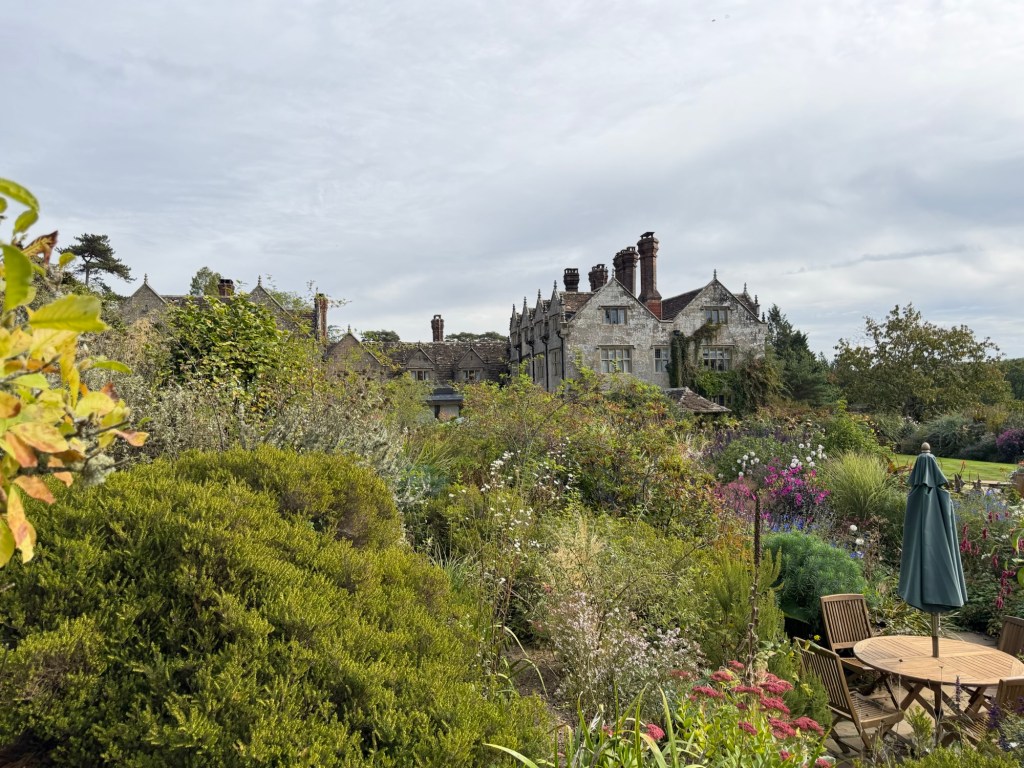
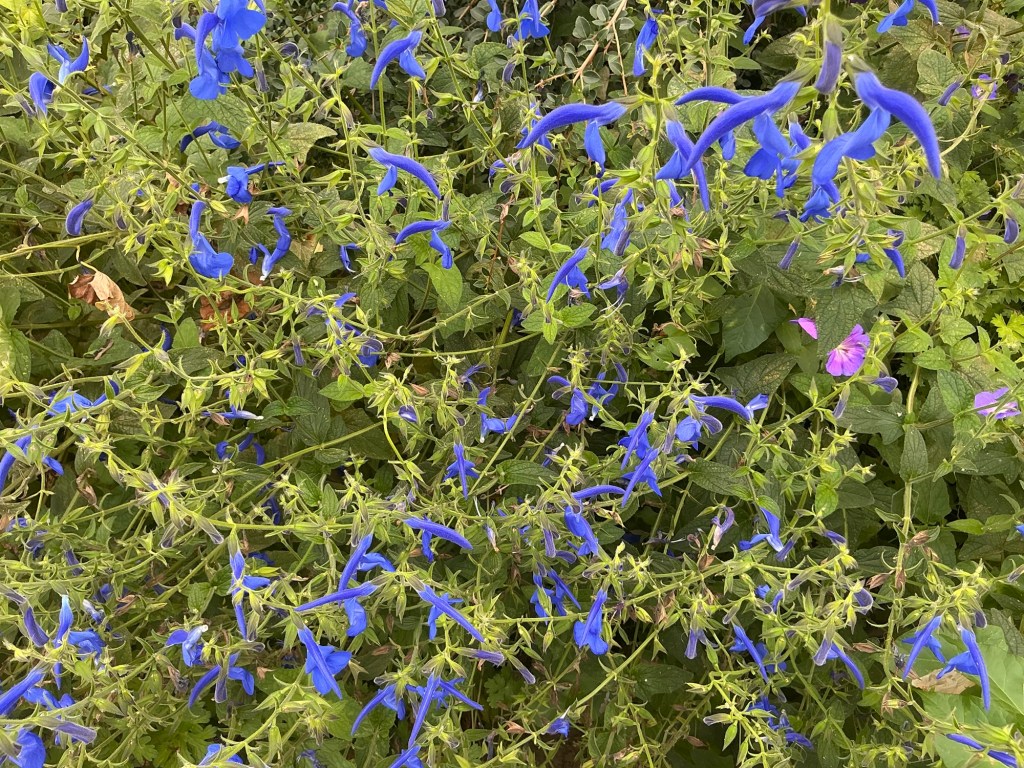
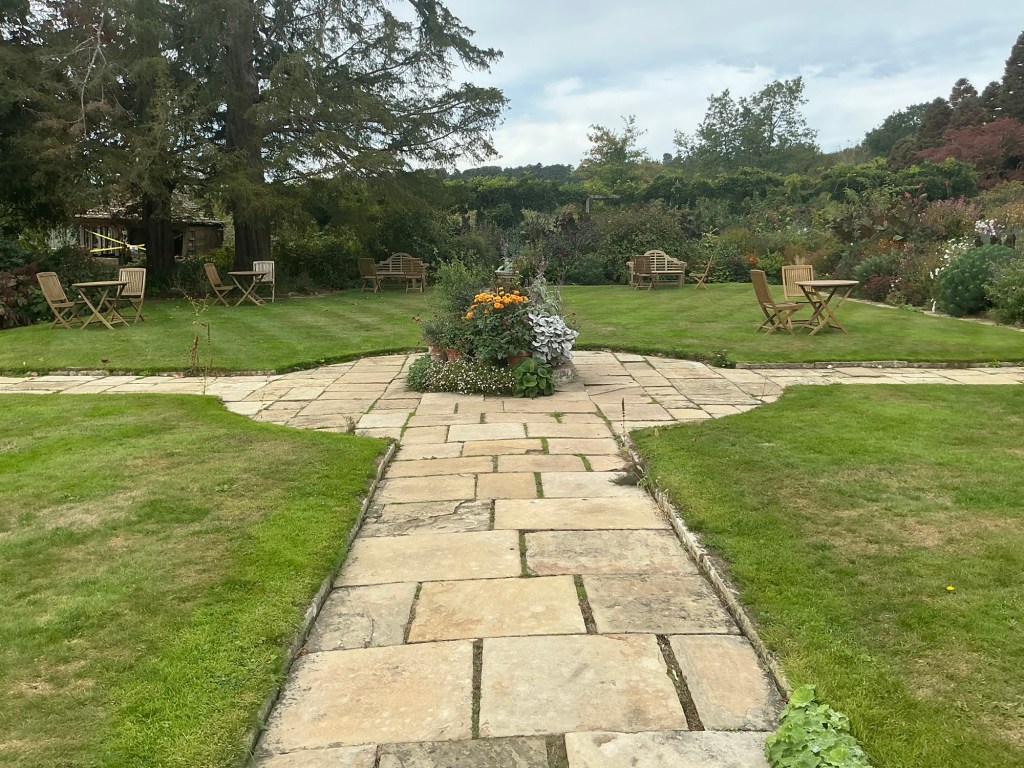
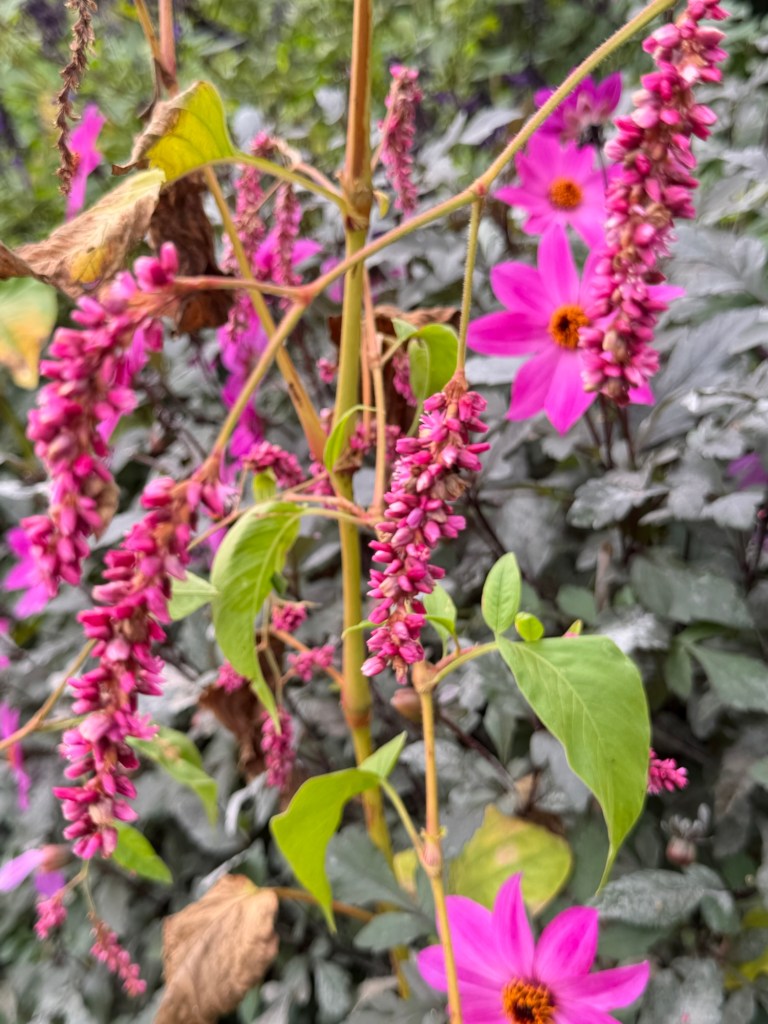
We wandered along stone pathways bordered by extraordinary displays of late-season flowers. Brilliant orange and yellow red-hot pokers (Kniphofia) rose above the surrounding foliage, while vivid blue salvias, delicate pink blossoms, and towering plumes of golden ornamental grasses provided a remarkable variety of colors, shapes, and textures.
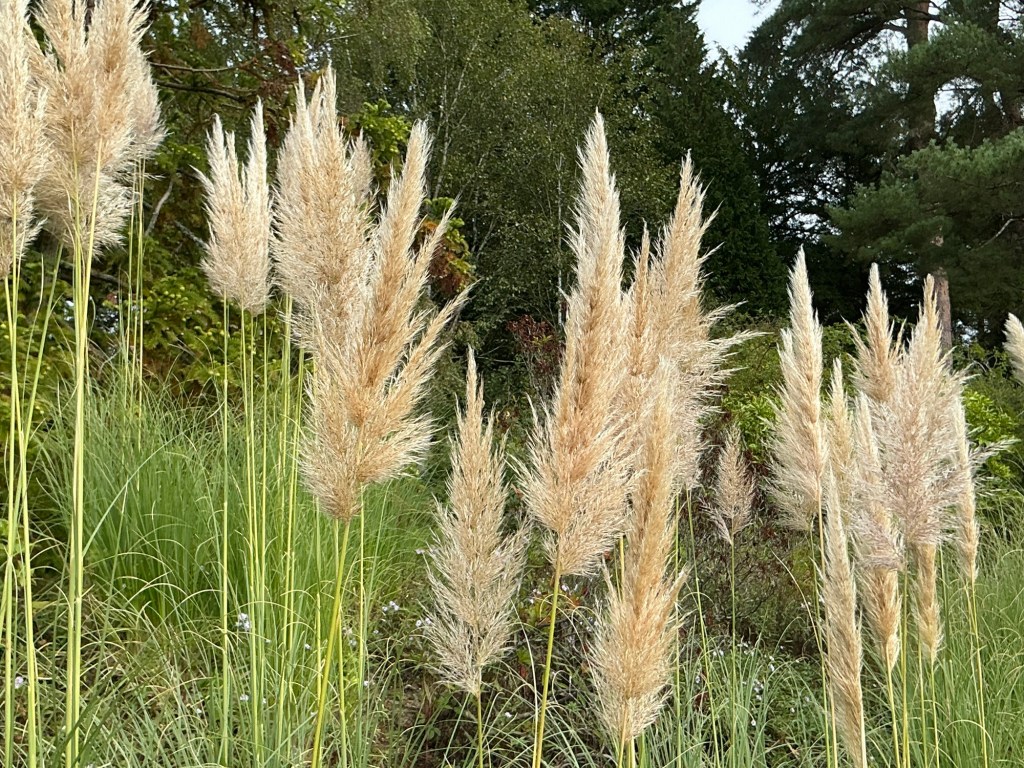
Everywhere we looked, there was something new to admire.
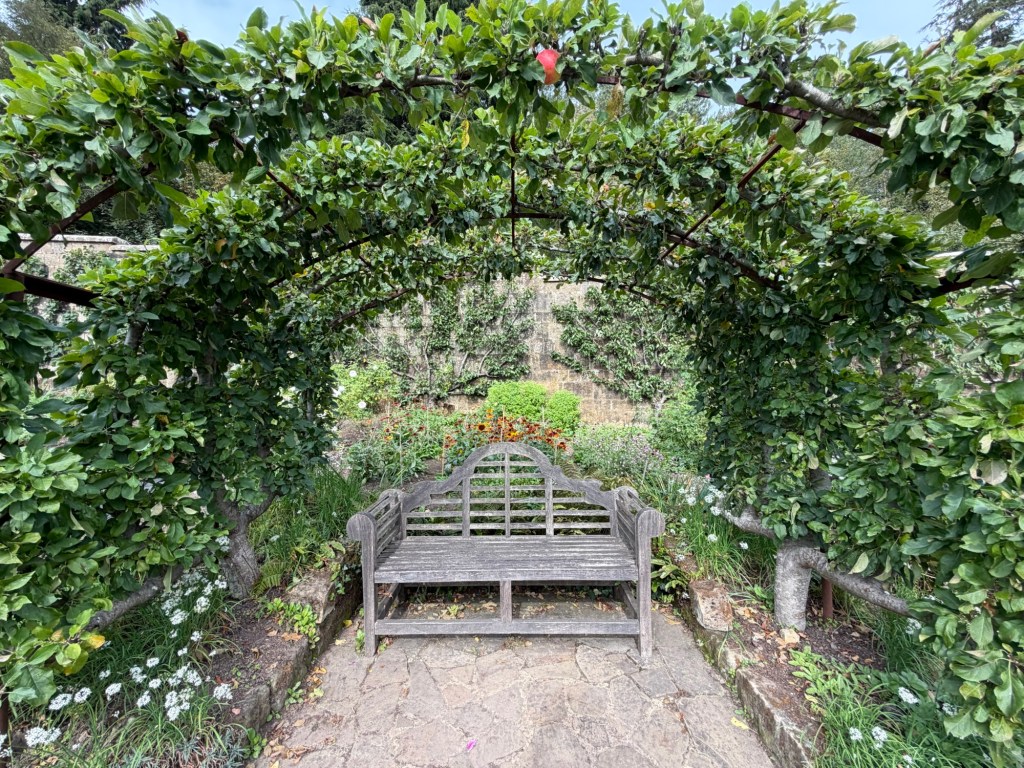
One particularly charming spot featured a weathered wooden bench tucked beneath an overhead canopy of carefully trained apple trees. Their branches formed a leafy arbor, with ripening apples hanging above the bench. It was a quintessentially English garden scene, combining horticultural craftsmanship with an inviting sense of tranquility.
The remarkable Kitchen Garden
We also explored the celebrated kitchen garden, which supplies fresh seasonal produce to Gravetye’s Michelin-starred restaurant.
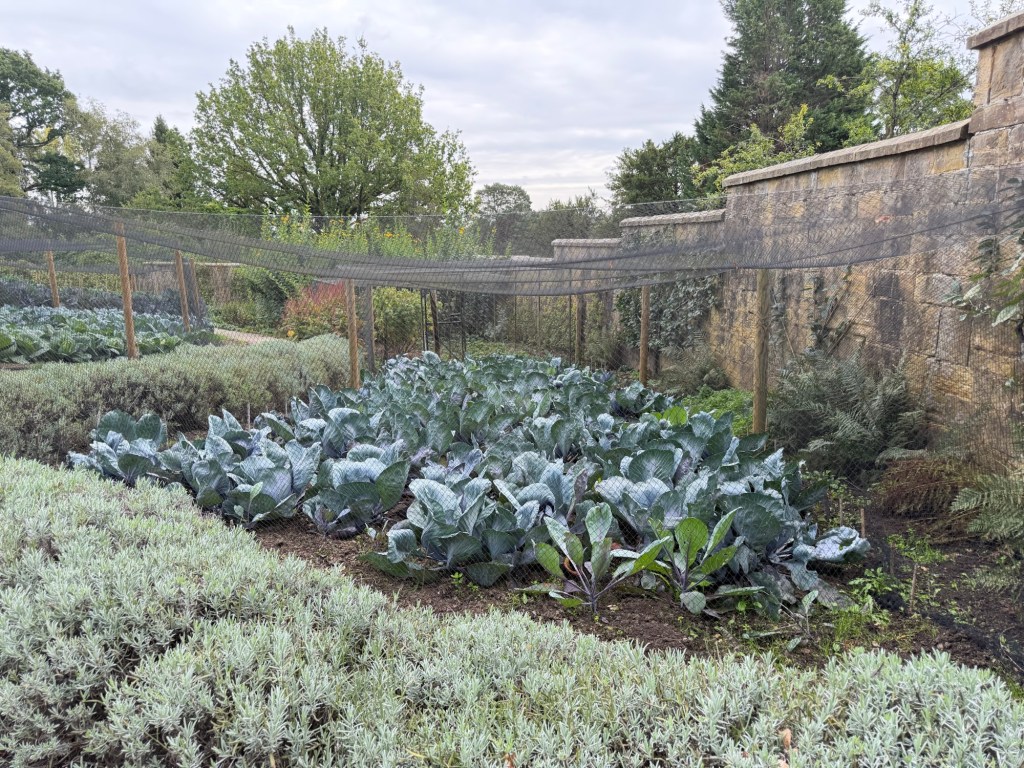
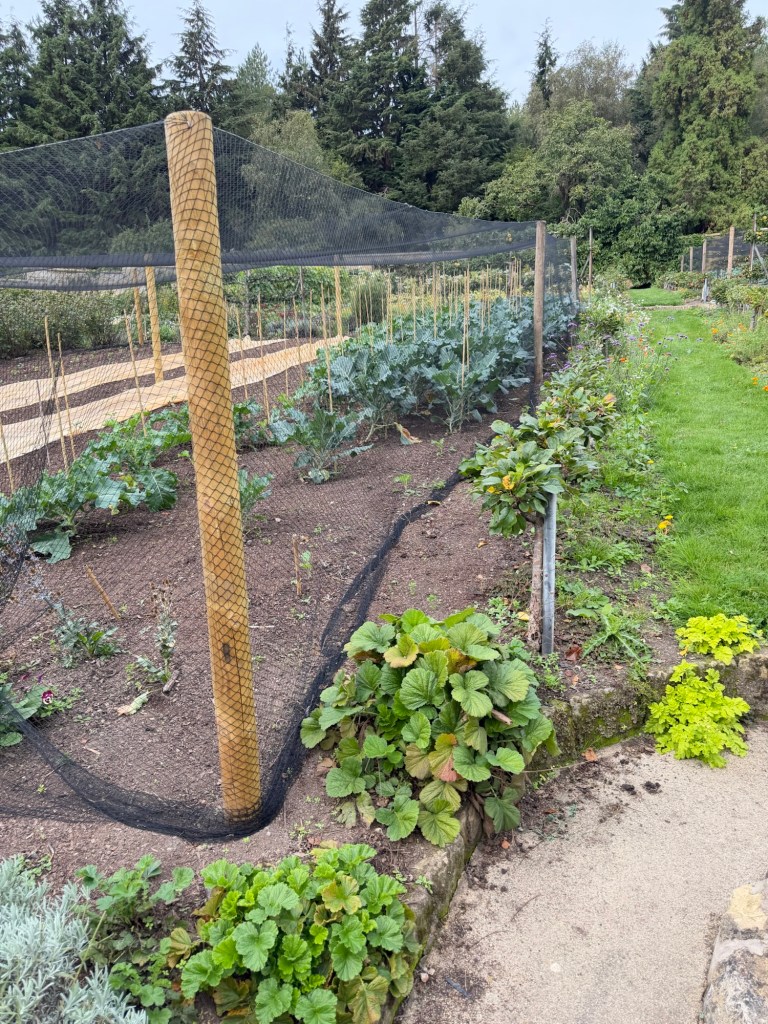
Here, neat rows of vegetables stretched across the gently sloping landscape, completely surrounded by an enclosed stone wall , with cabbages, leafy greens, squash, and small apple trees growing in carefully tended beds. Protective netting covered some of the crops, while carefully maintained grassy pathways divided the productive garden into orderly sections.
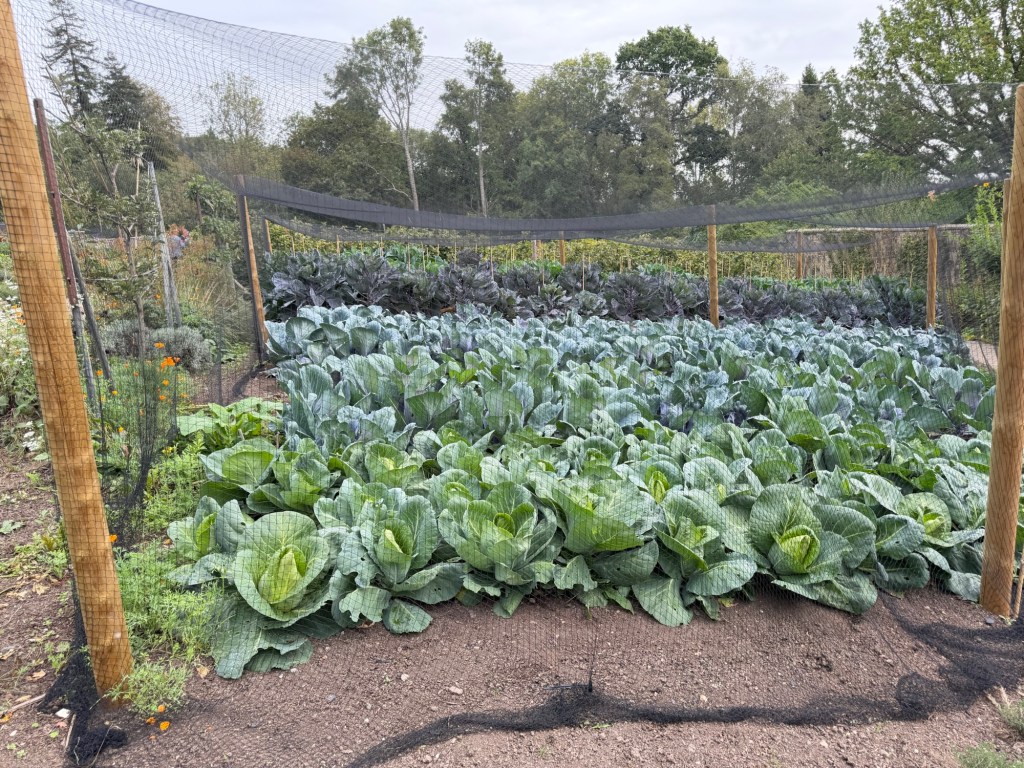
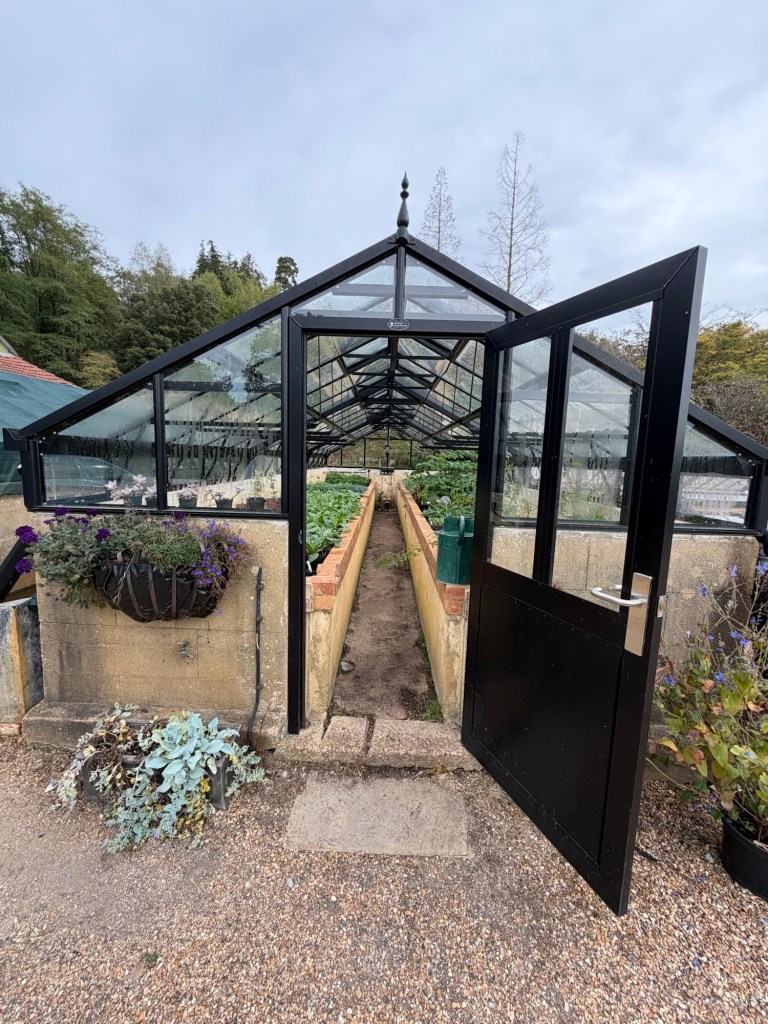
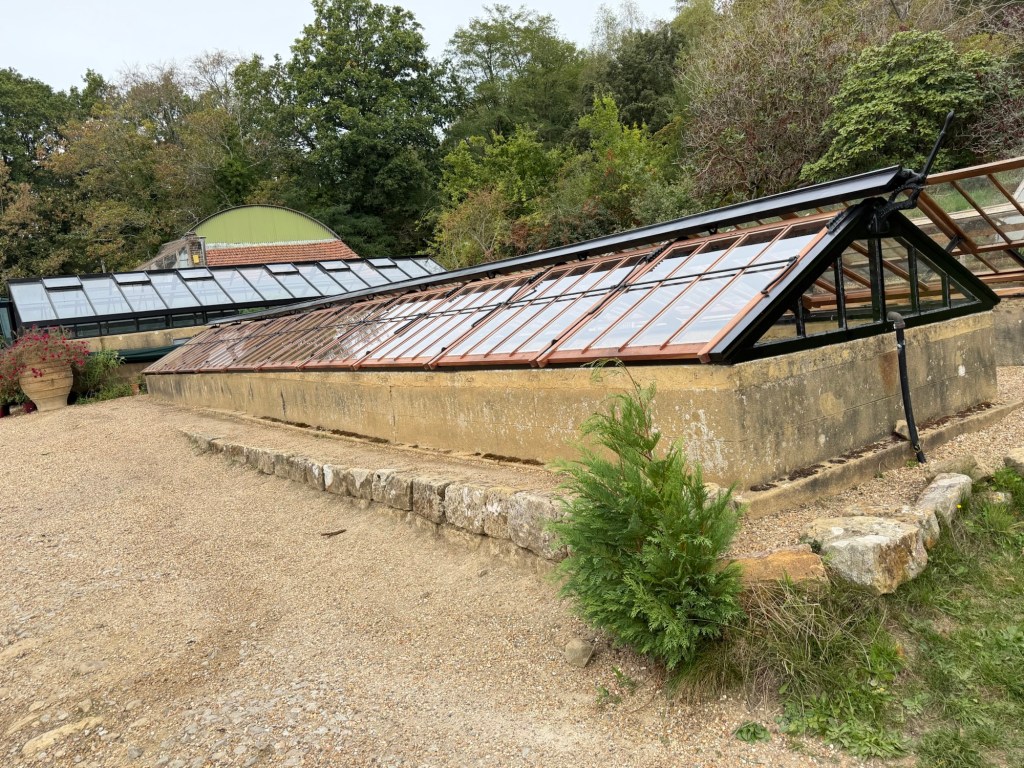
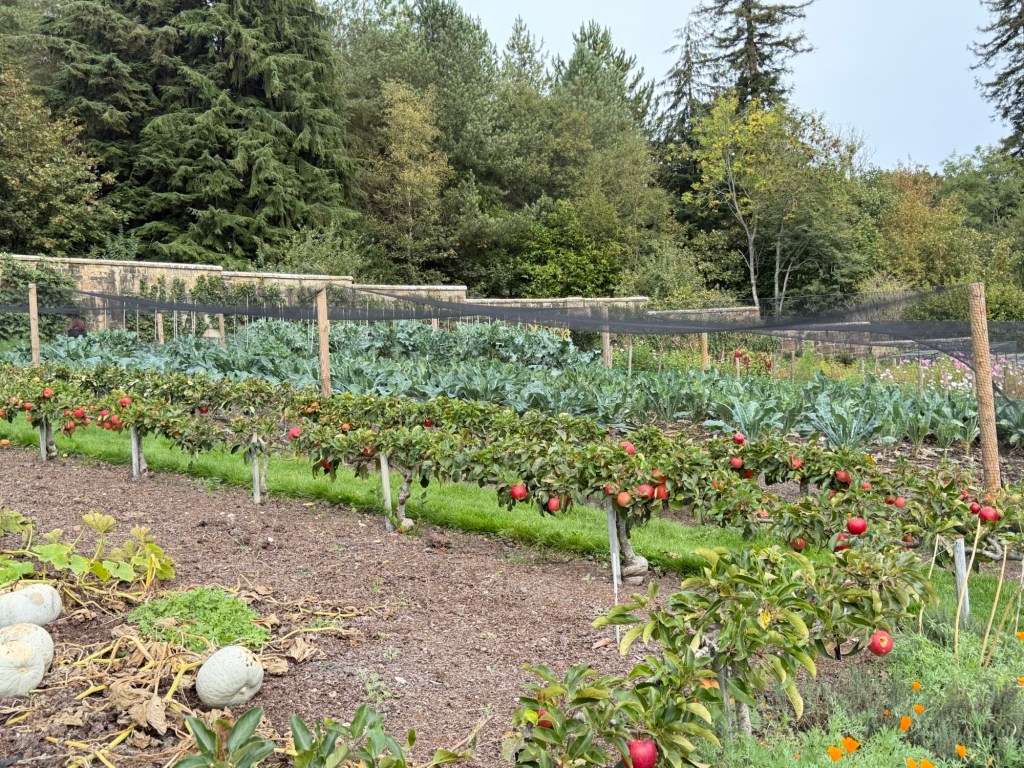
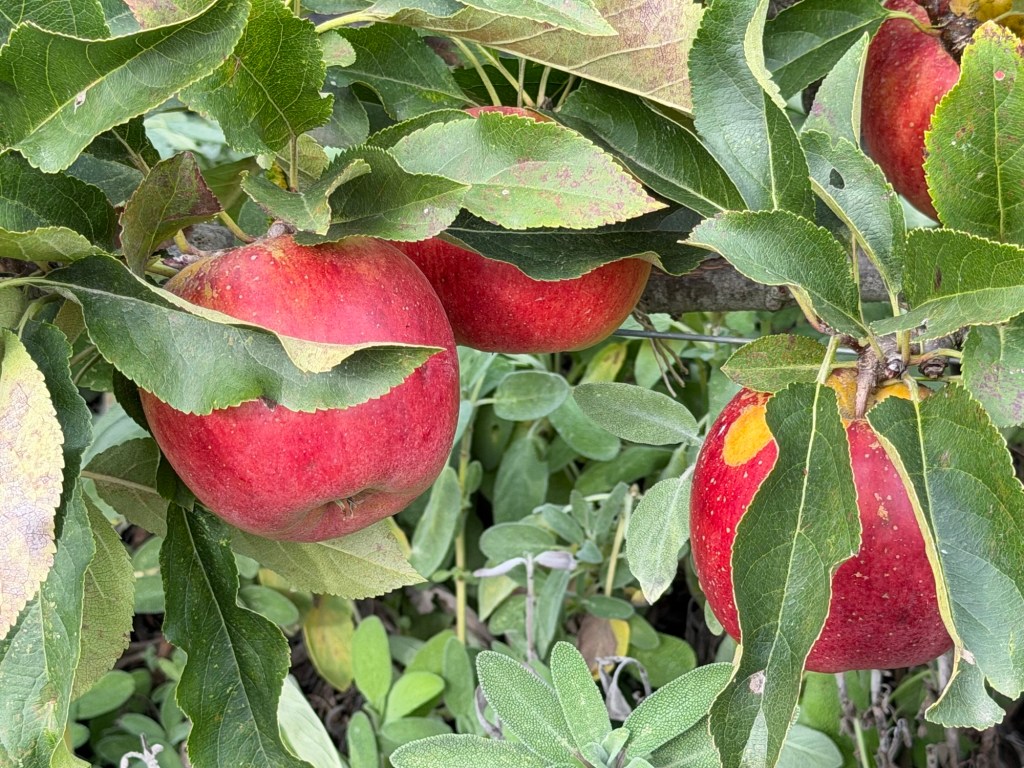
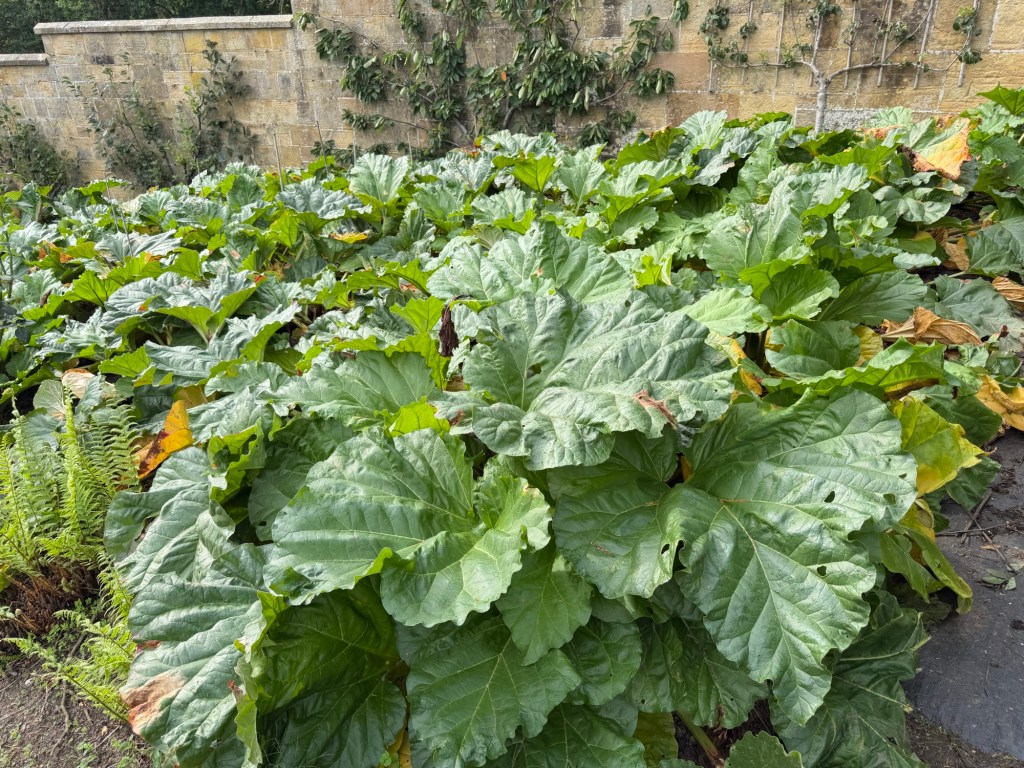
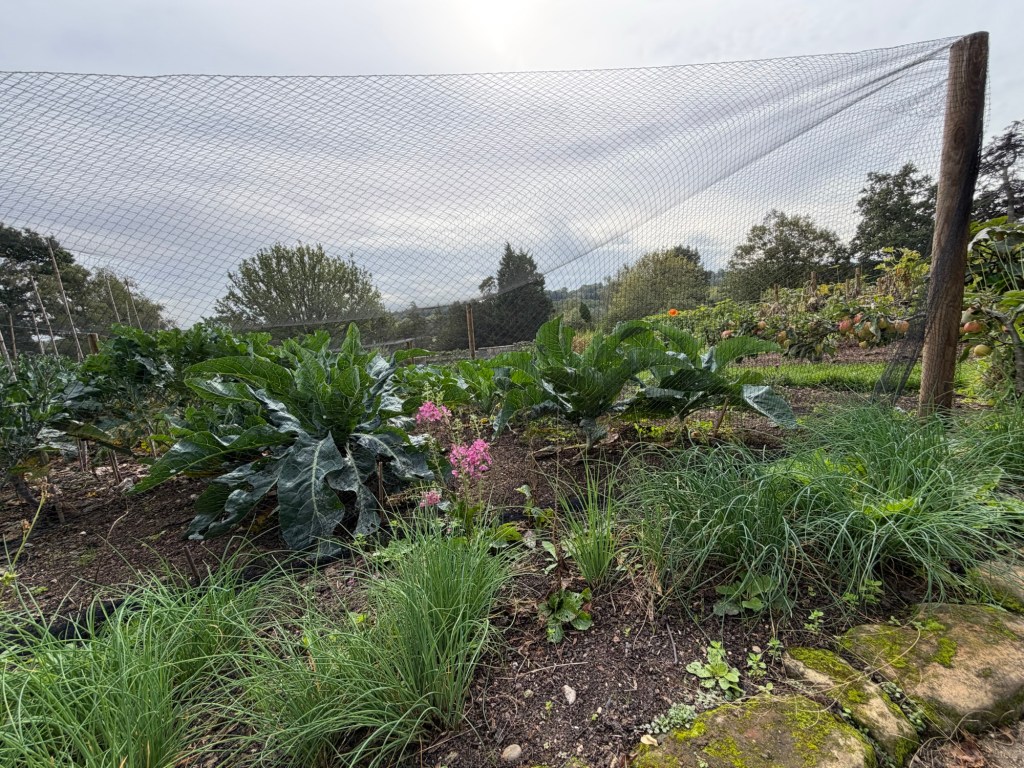
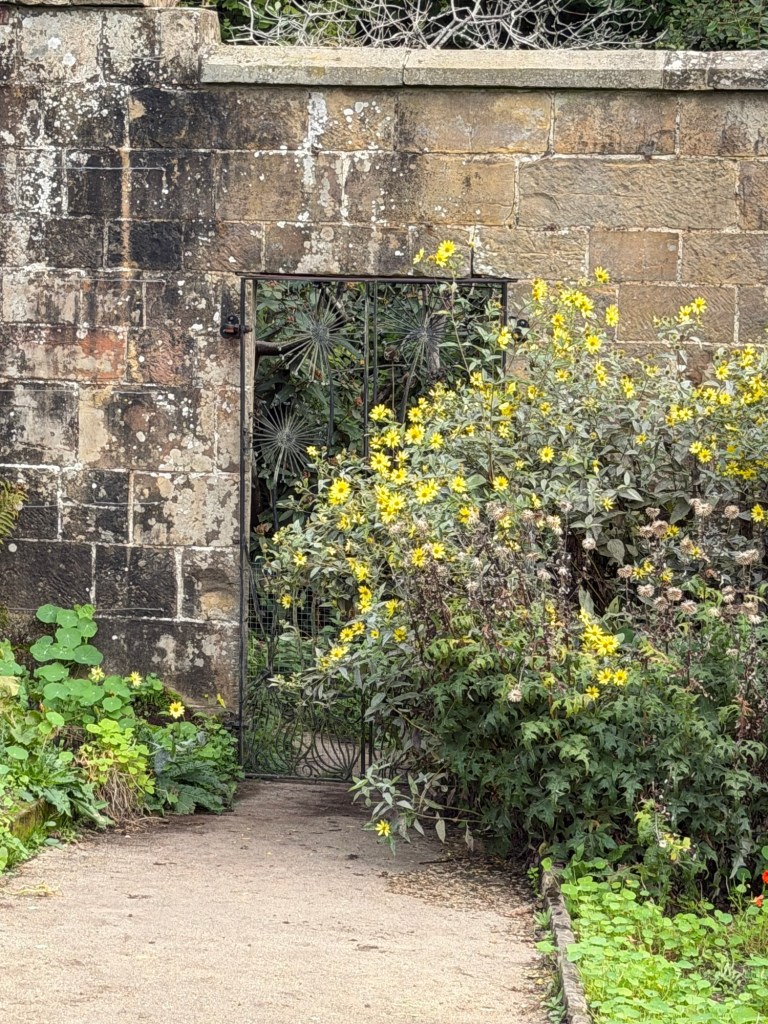
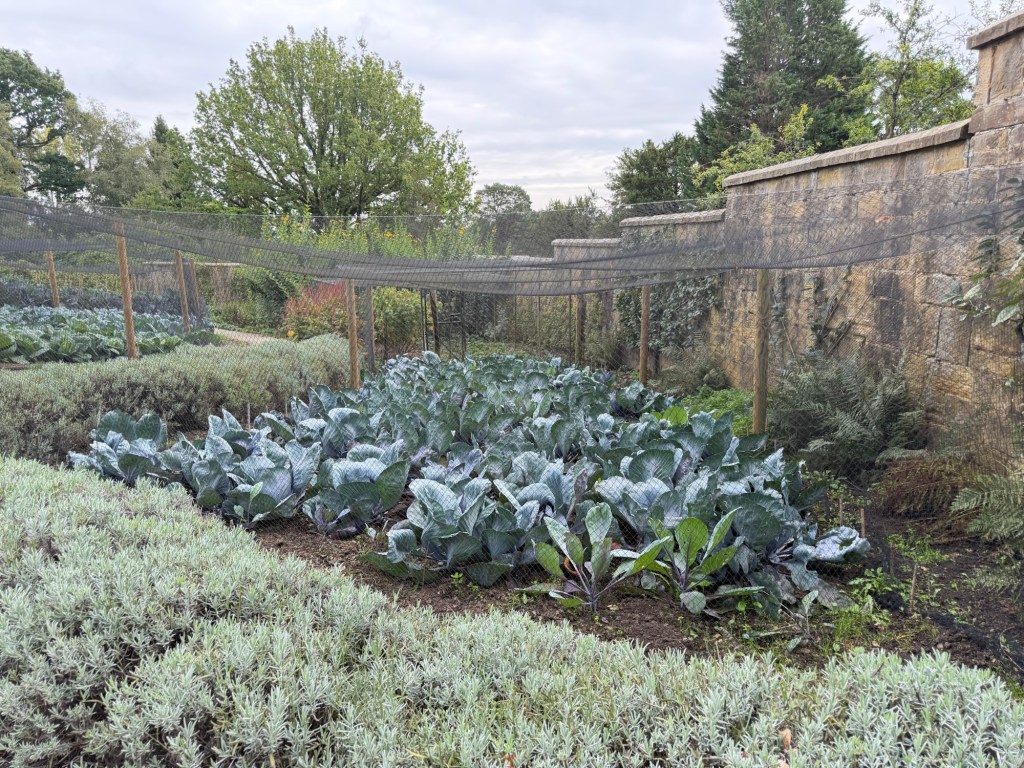
Having enjoyed a vegetarian dinner featuring produce from these very gardens the previous evening, it was particularly satisfying to see where so much of our meal had originated.
The combination of beauty and productivity was impressive. This was not simply an ornamental landscape designed to be admired, but a working garden intimately connected to the manor’s culinary traditions.
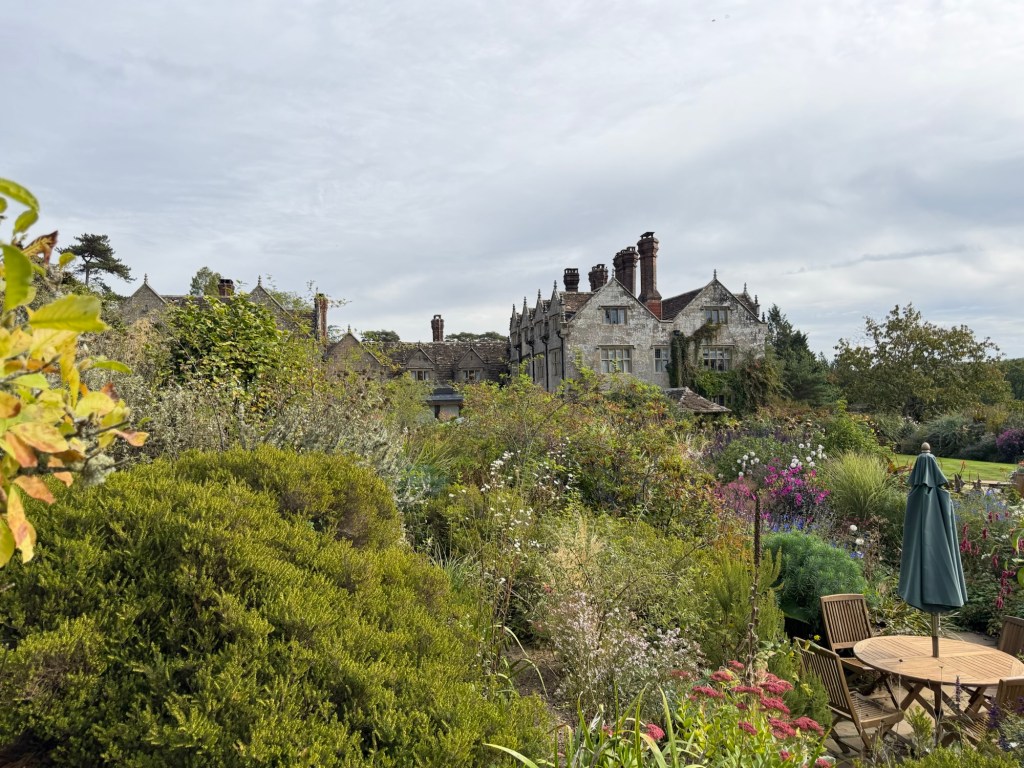
The manor itself provided an equally beautiful backdrop. Its centuries-old stone façade, steeply pitched gables, and mullioned windows seemed perfectly at home among the lush plantings. From certain vantage points, the building appeared almost to emerge from the gardens, its weathered stone softened by climbing plants and surrounding greenery.
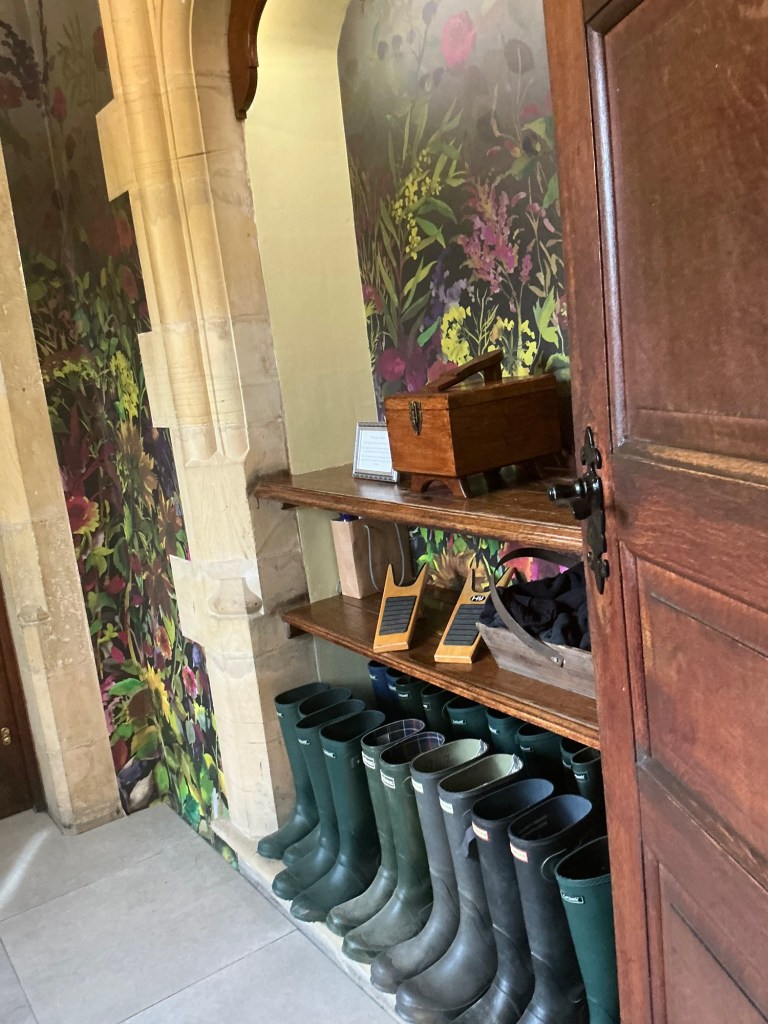
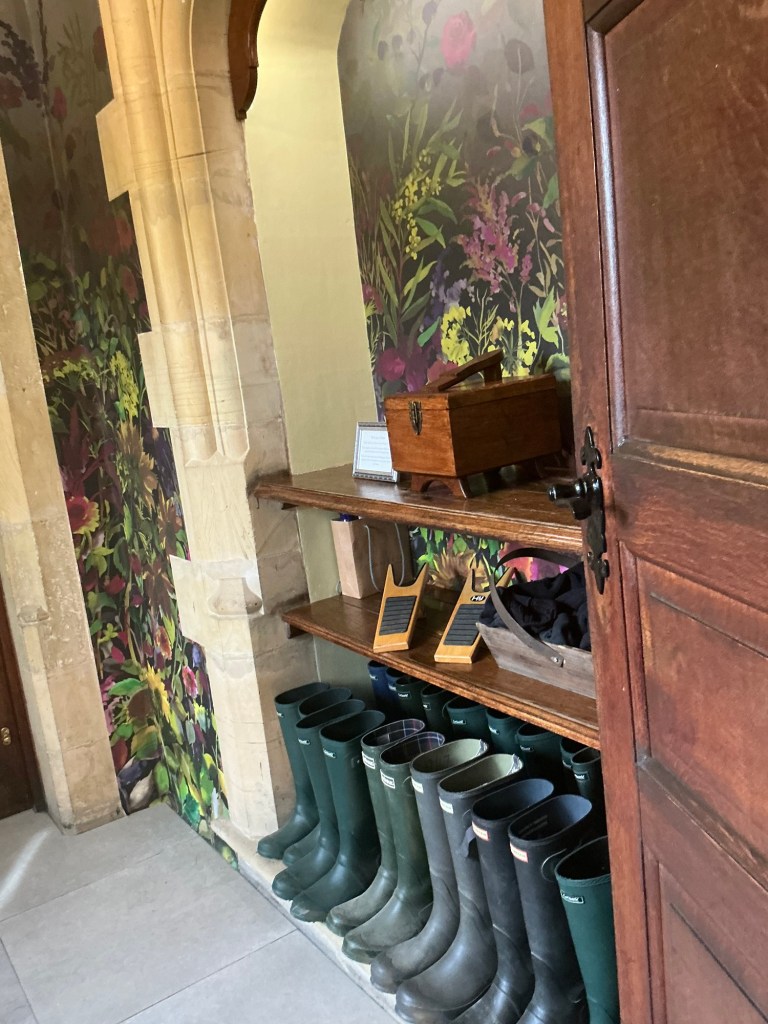
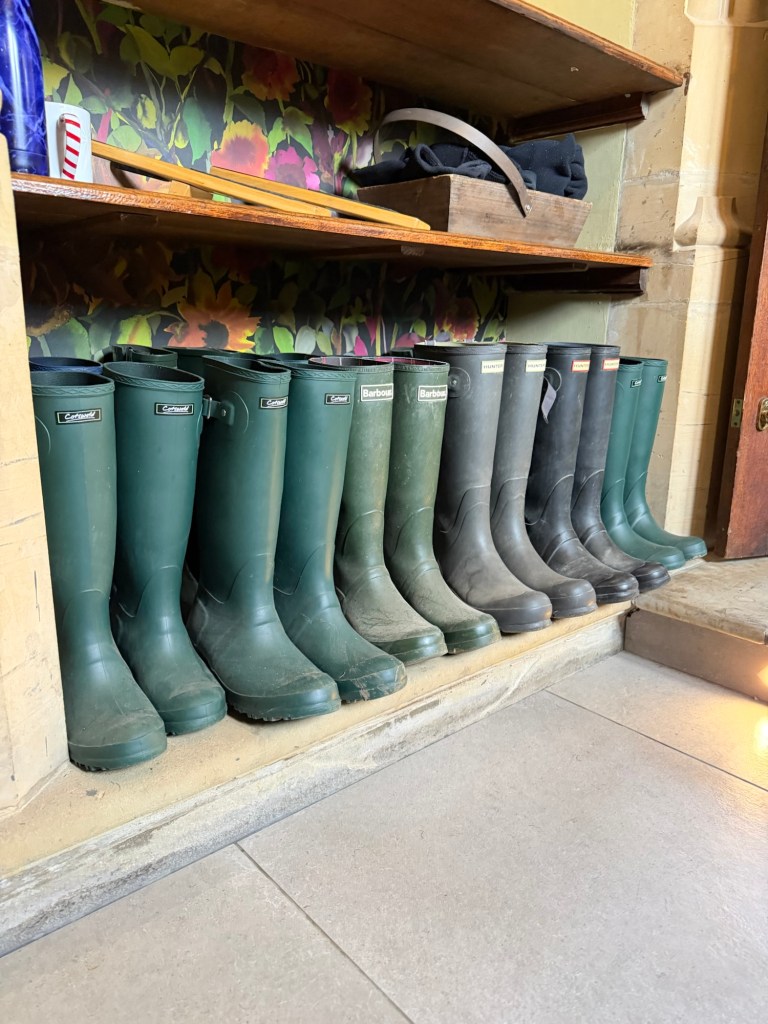
And then there was one small detail that seemed wonderfully British: a collection of Wellington boots, neatly lined up on shelves near the manor entrance, ready for guests wishing to explore the grounds regardless of the weather.
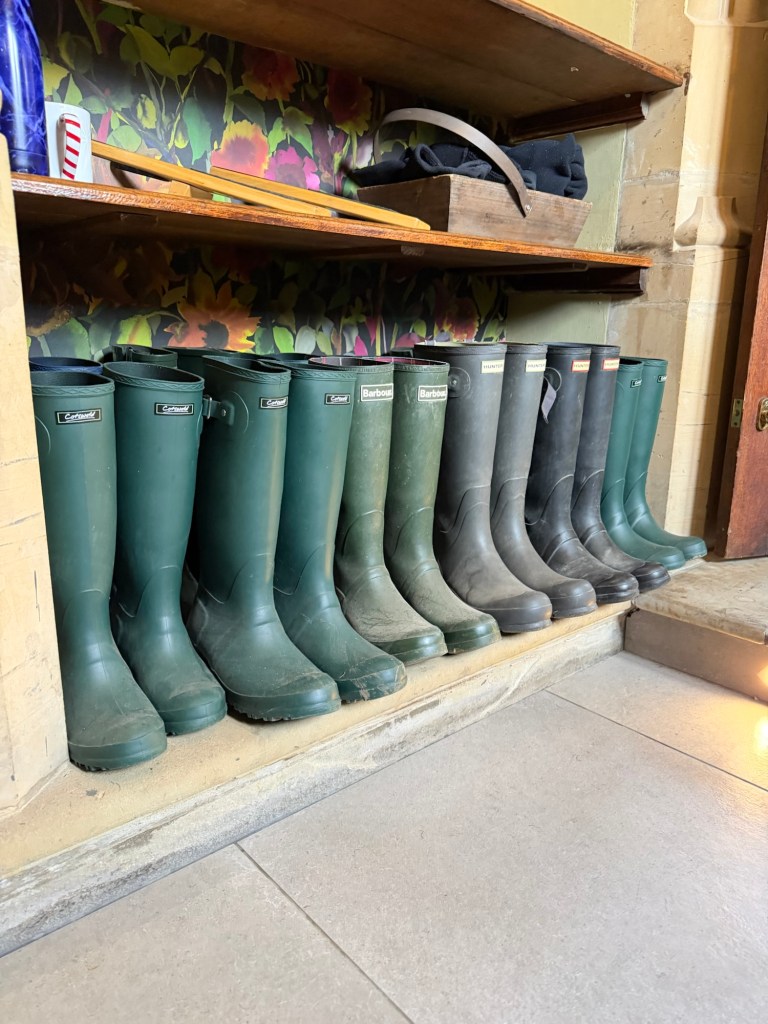
It was a charming reminder that in England, a little rain is hardly an excuse to stay indoors.
What struck us most was the remarkable balance between careful cultivation and apparent spontaneity. Although the gardens were clearly maintained with extraordinary skill, nothing felt overly manicured or artificial. Flowers spilled across pathways, ornamental grasses swayed in the breeze, and the landscape seemed to unfold naturally around us.
A Perfect Ending To Our Journey
Gravetye Manor had originally been intended as little more than a convenient final stop before our flight home. Instead, between its beautiful historic setting, exceptional Michelin-starred restaurant, splendid breakfast, and extraordinary gardens, it became one of the most delightful surprises of our entire journey.
After more than two weeks exploring the dramatic landscapes, ancient cities, and magnificent Adriatic coastline of the Balkans, there was something especially appealing about ending our travels in the peaceful English countryside.
From the rugged mountains of Montenegro to the carefully cultivated gardens of Sussex, our journey had taken us through an extraordinary variety of landscapes, cultures, and experiences.
And as we wandered through Gravetye’s gardens on our final morning, surrounded by flowers, ancient stone walls, and the quiet beauty of the English countryside, it seemed difficult to imagine a more fitting conclusion to a truly memorable trip.
One Last Suprise At Heathrow Airport
Just when we thought our extraordinary journey had come to an end, one final surprise.
We were flying home from London’s Heathrow Airport aboard Virgin Atlantic, and what awaited us was anything but the usual airport experience.
Our driver pulled up to a gated entrance, where we simply gave our names and were immediately welcomed by a team of attendants. Our luggage was whisked away, and we were escorted through a private check-in and security area. The entire process, which might ordinarily have taken half an hour or more, was completed in about two minutes. No lines, no crowds, no hassles. It was remarkable.

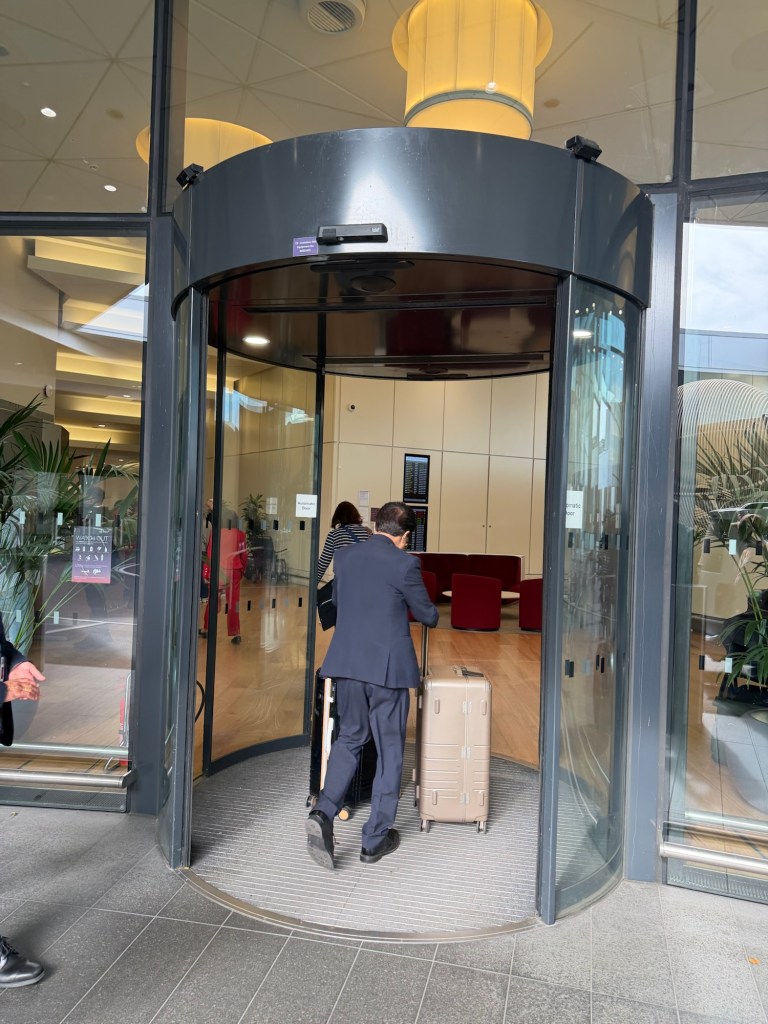
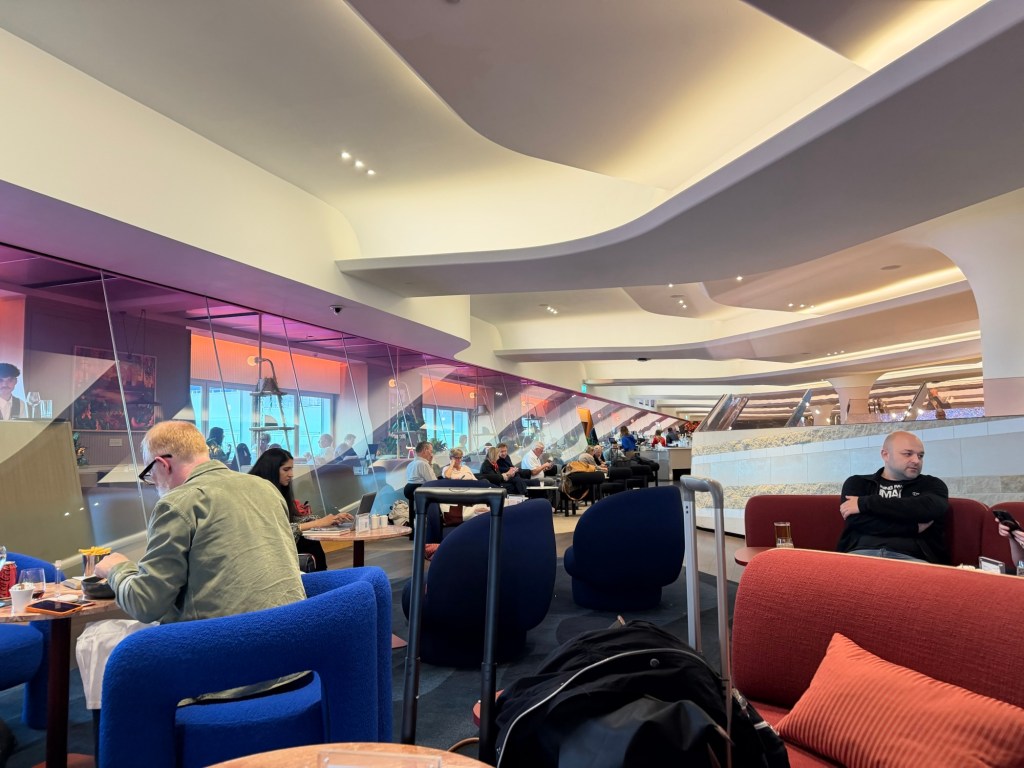
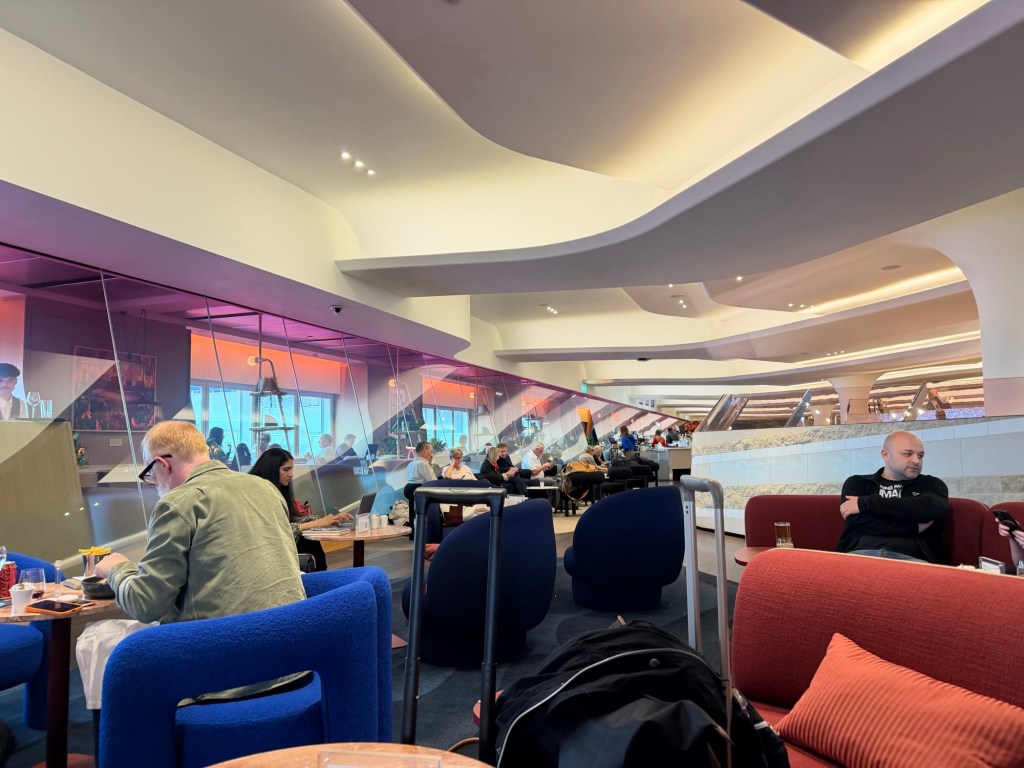
From there, we were taken to Virgin Atlantic’s spectacular Upper Class Clubhouse, a sprawling, beautifully designed lounge that felt more like a fashionable private club than an airport waiting area. Sweeping architectural curves, dramatic lighting, colorful contemporary furnishings, and an enormous bar created an atmosphere of relaxed sophistication.
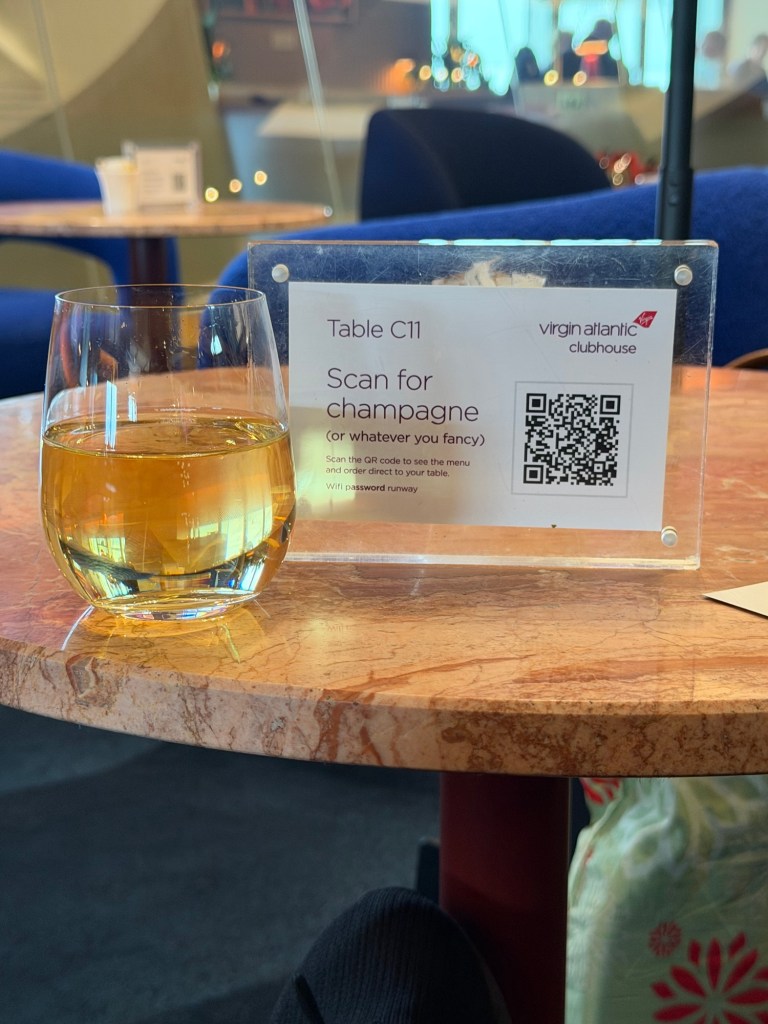
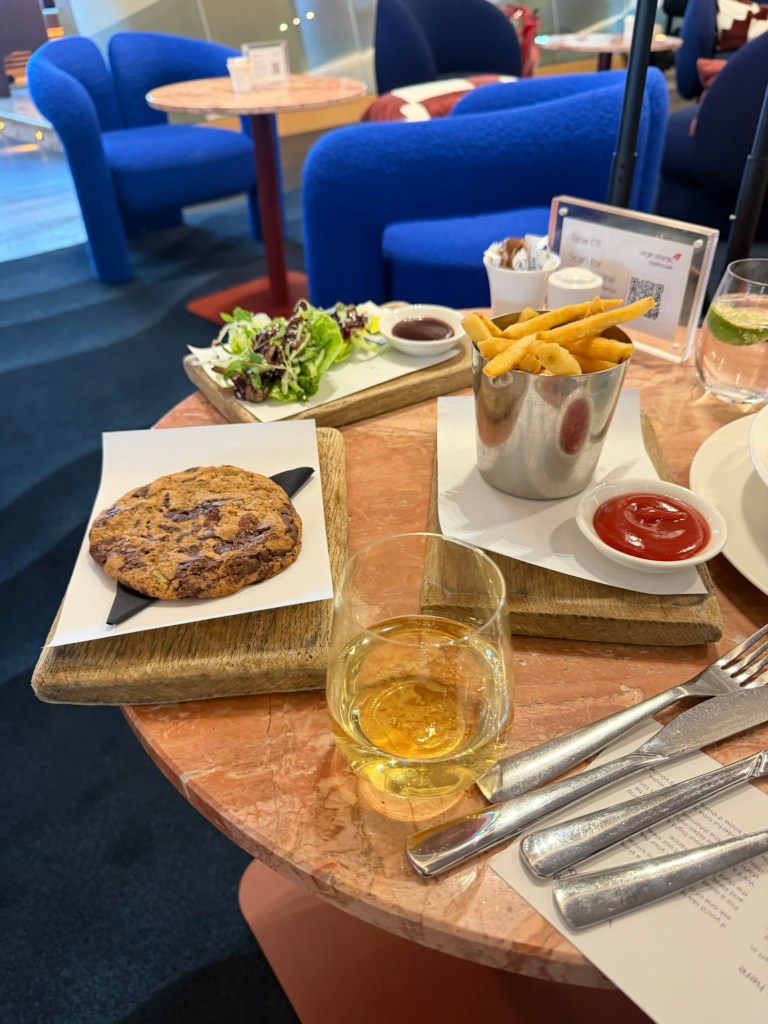
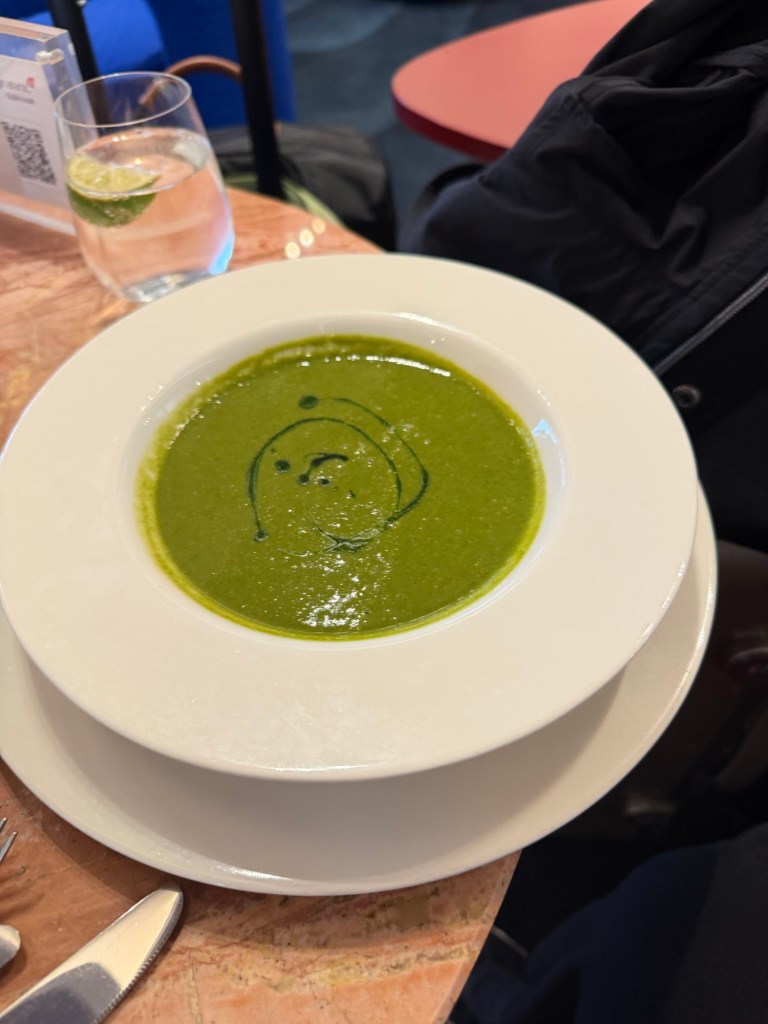
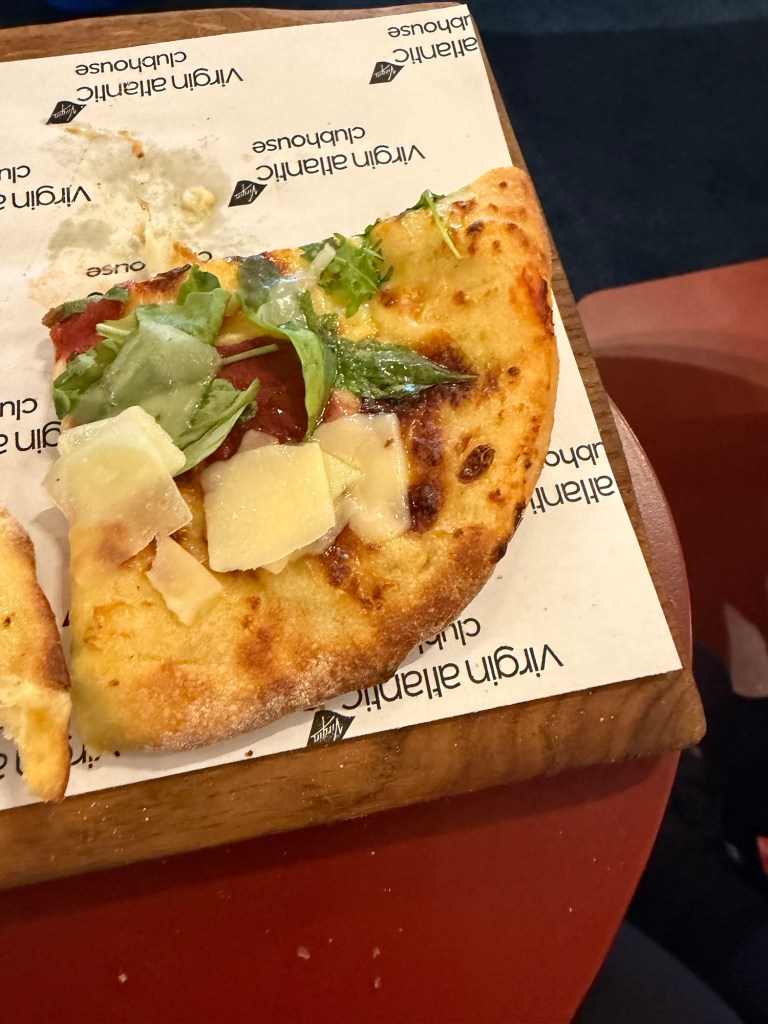
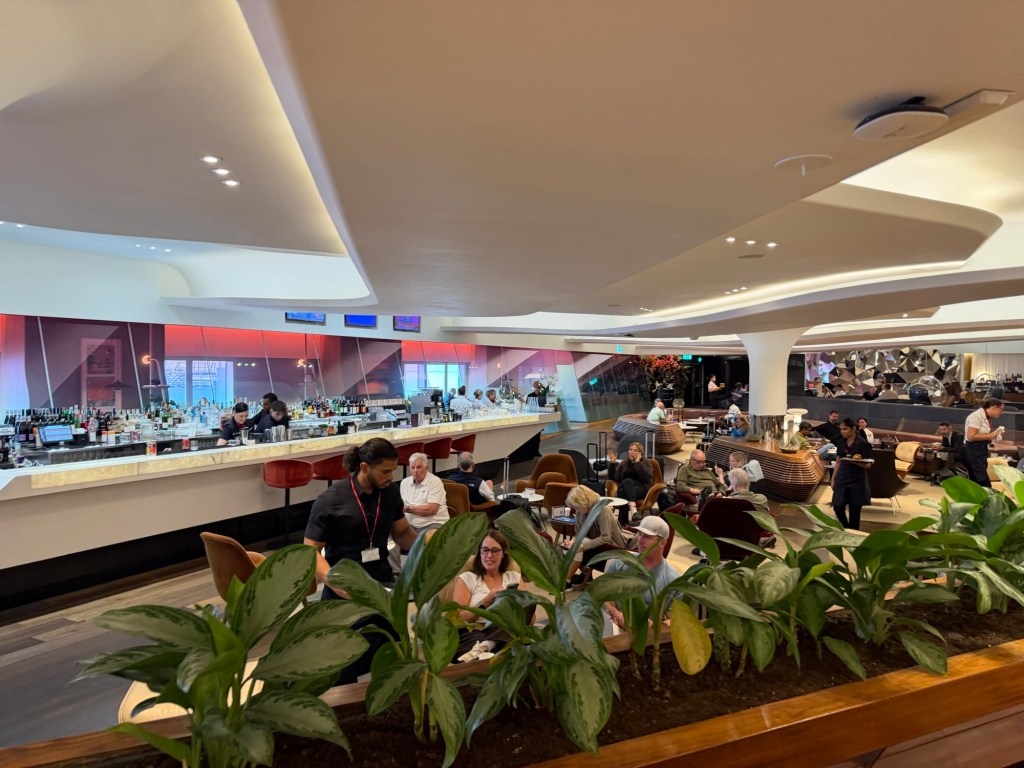
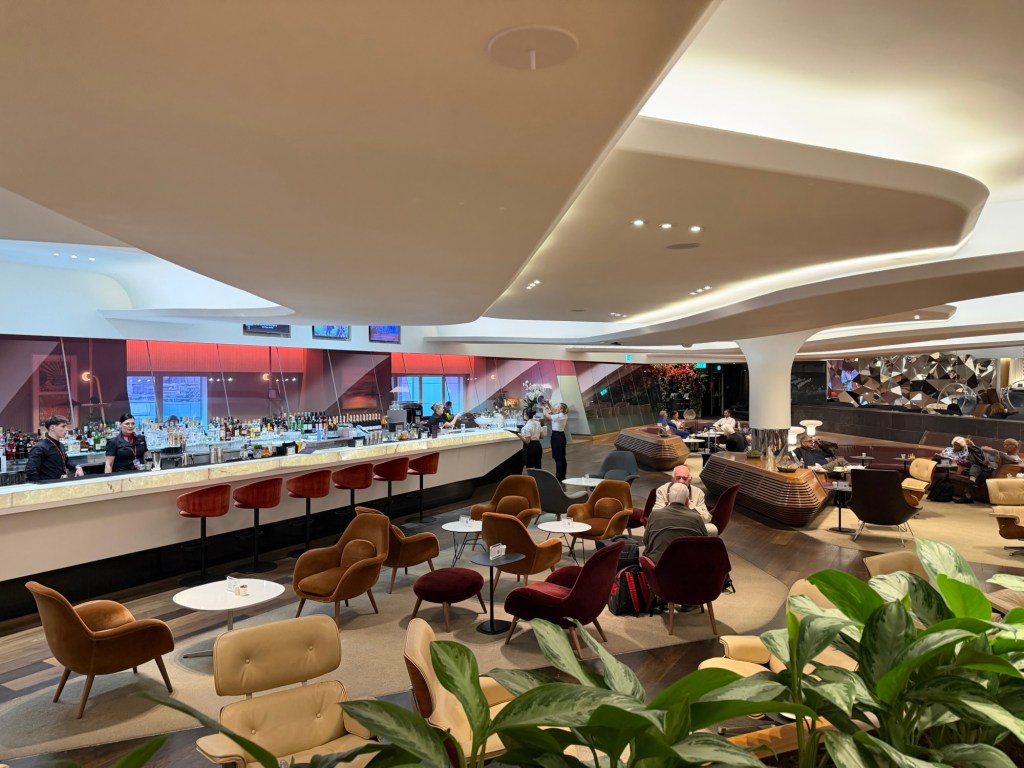
We settled into comfortable blue armchairs and ordered a few things to eat. The offerings included a vibrant green soup, a freshly prepared pizza topped with arugula and shaved cheese, golden French fries, a salad, and an enormous chocolate chip cookie. Drinks were delivered directly to our table, and there was even an invitation to order champagne with the scan of a QR code.
It was hard to believe that we were sitting in one of the busiest airports in the world.
After 18 days of remarkable hotels, unforgettable meals, extraordinary scenery, and fascinating experiences throughout the Balkans and England, this seemed an entirely fitting way to bring our travels to a close.
A special thank-you to Owen Beiny, The Points Partner, a ninja in the points and miles space, for helping us design a flight itinerary for this trip and securing these Virgin Atlantic Upper class seats. His guidance and skills allow us to spend our travel budget on the ground rather than in the air.
THE END. See you in Japan soon.