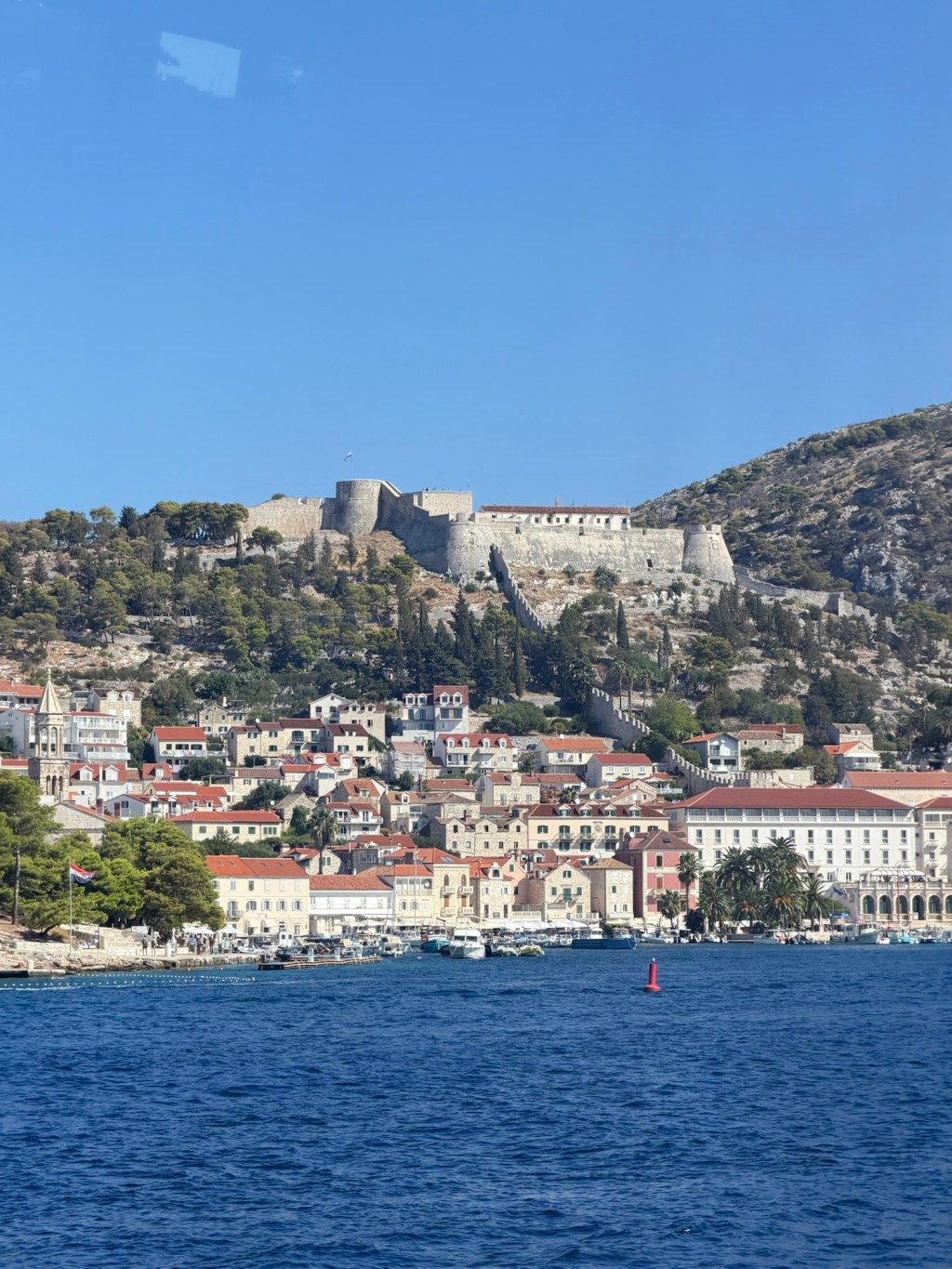
We were sorry to say goodbye to Hvar after such an enjoyable stay. That morning, we left the Maslina Resort with our driver, Tim, and crossed the island to Sućuraj, a small fishing village gathered around a harbor at Hvar’s narrow eastern tip. There, we drove straight onto the car ferry for the short crossing to Drvenik on the mainland.
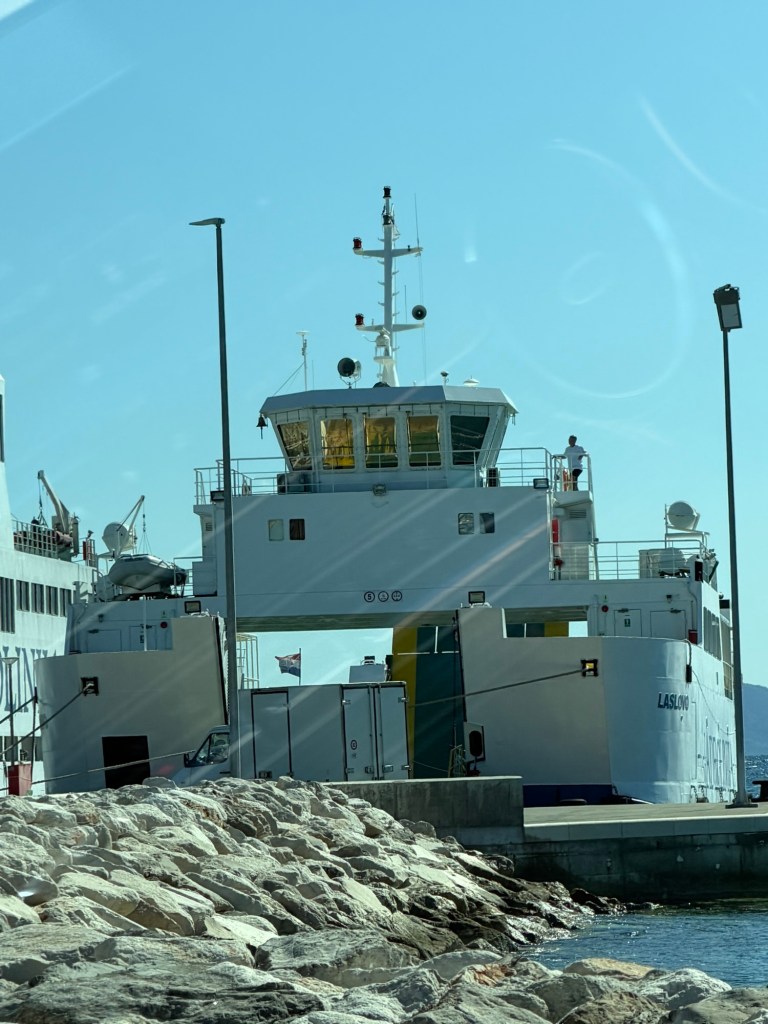
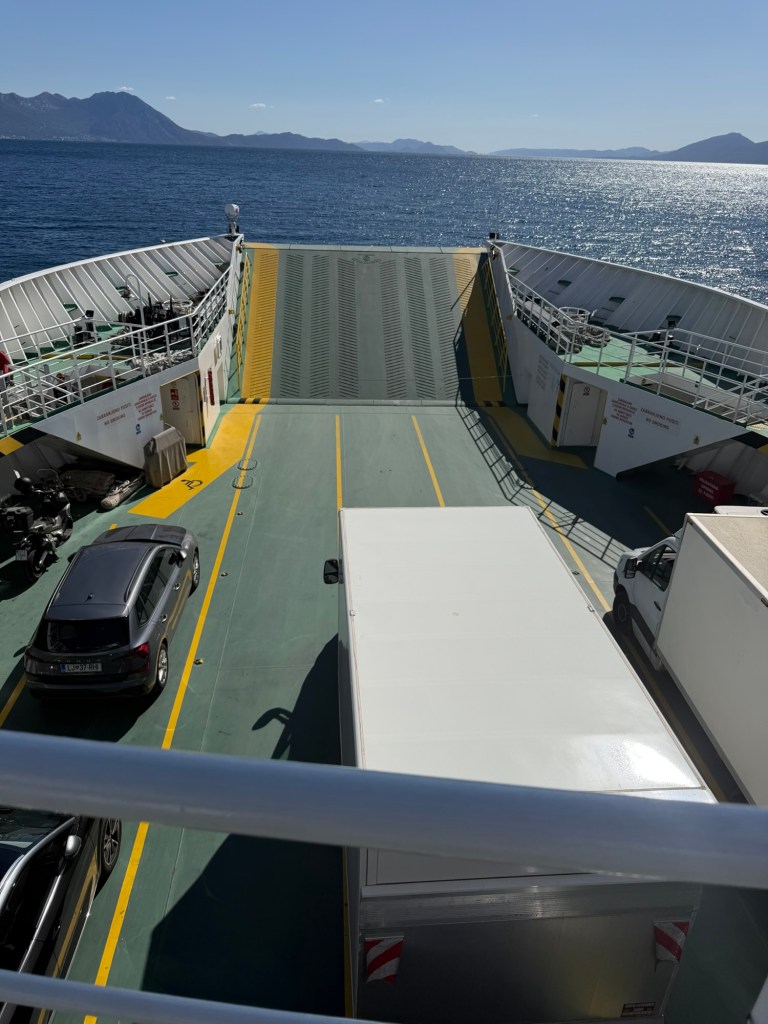
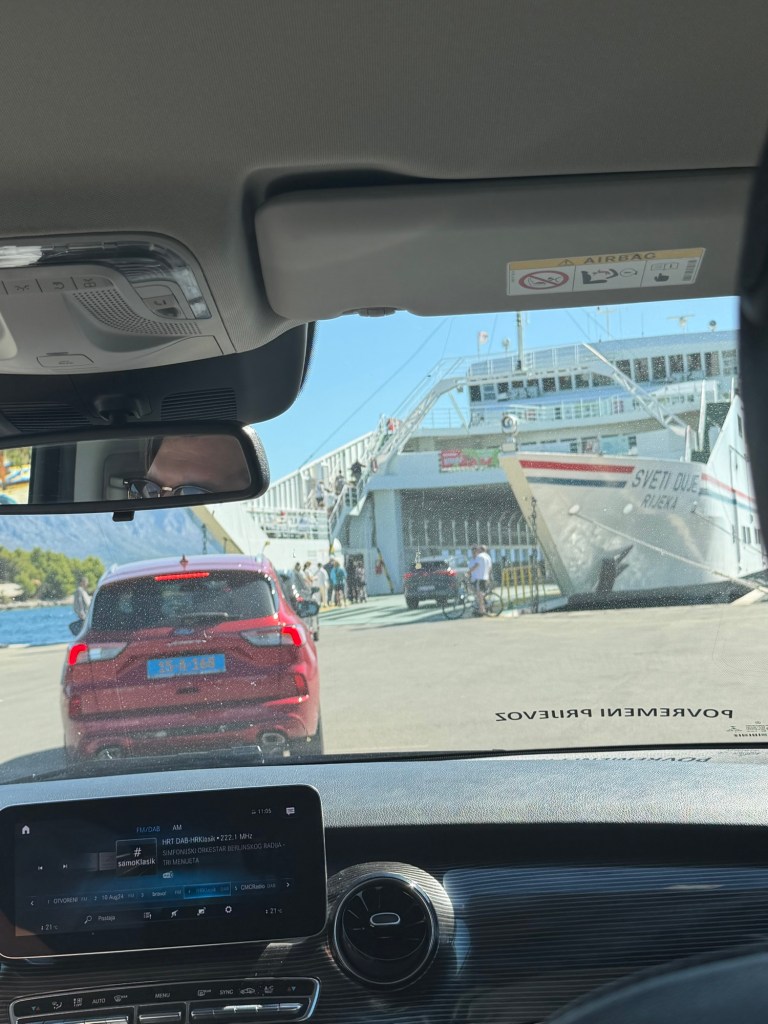
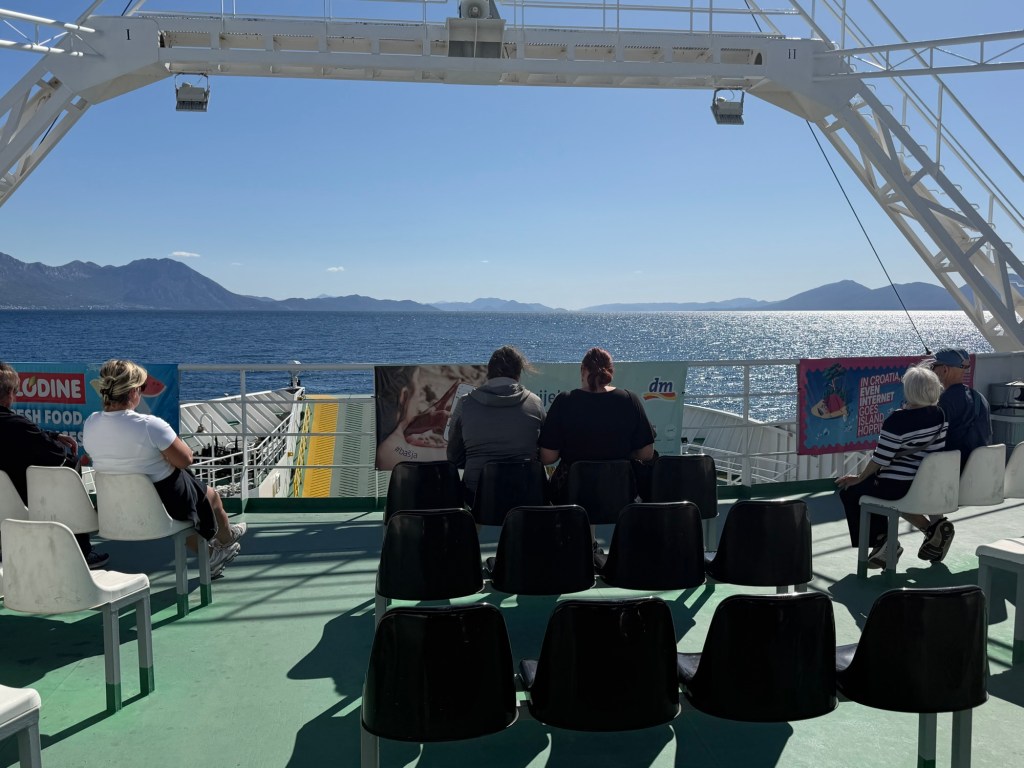
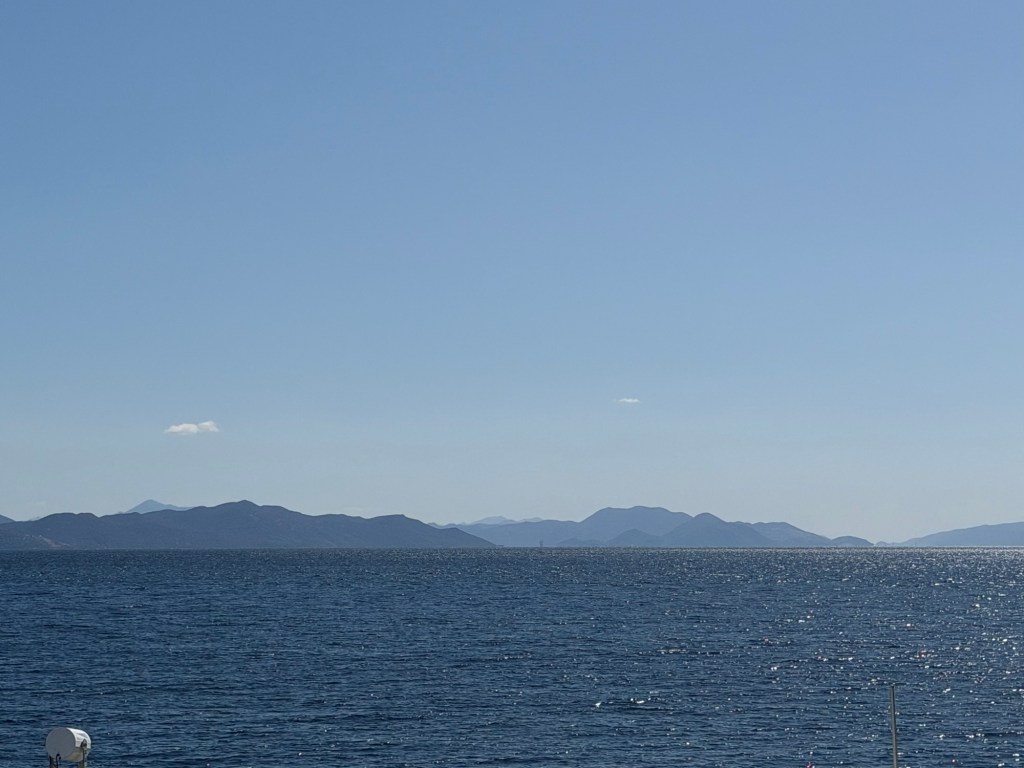
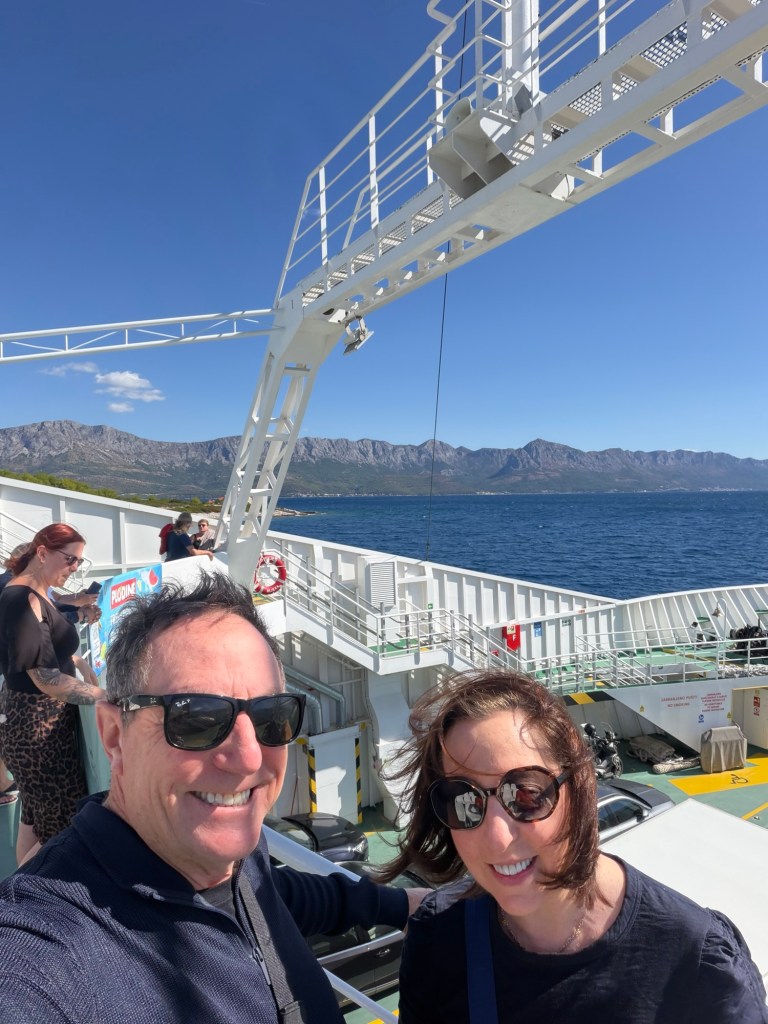
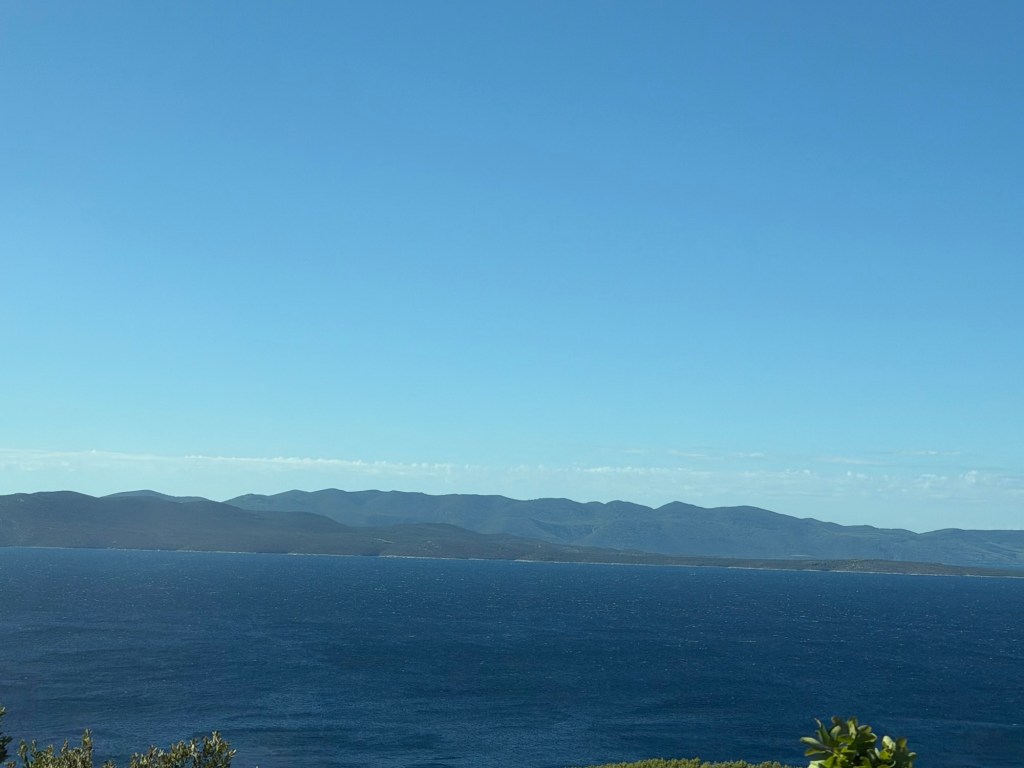
The ferry had the sturdy, no-nonsense feel of a floating road: cars packed tightly across the open deck, passengers finding seats in the plain spaces above. As the ramp clanged shut, we left Sućuraj and slipped into the channel between Hvar and the mainland. For half an hour, the island slowly fell away behind us—its long, mountainous ridge fading into blue—while the Dalmatian coast grew larger ahead, its steep, bare slopes dropping straight toward the water. Wind swept across the deck, and islands lay scattered along the horizon. The crossing became a last, moving panorama of the landscape that had accompanied us through Dalmatia.
As I stared out into the Adriatic and watched Hvar recede, I thought of the words carved at Tvrdalj, the poet Petar Hektorović’s home in Stari Grad: (Heu fugiunt fluxu non redeunte die) “Alas, the days flow by like waves and do not return.” It captured exactly how I felt; our time on Hvar had passed far too quickly. We had loved our time on the island—the beauty of its towns and harbors, the warmth of its people, and the easy rhythm of days spent between the sea and the hills.
At Drvenik, the ramp dropped and Tim drove us back onto the mainland. Here we go. From there we turned south for the journey toward Dubrovnik, following one of the most beautiful stretches of the Croatian coast, with mountains rising sharply on one side and the blue Adriatic appearing and disappearing on the other.
Along the way, we stopped at Ston, a small medieval town dwarfed by the extraordinary fortifications rising above it. From the narrow streets below, an immense stone wall climbs almost vertically up the mountainside, punctuated by towers and battlements before continuing along the rocky ridge.
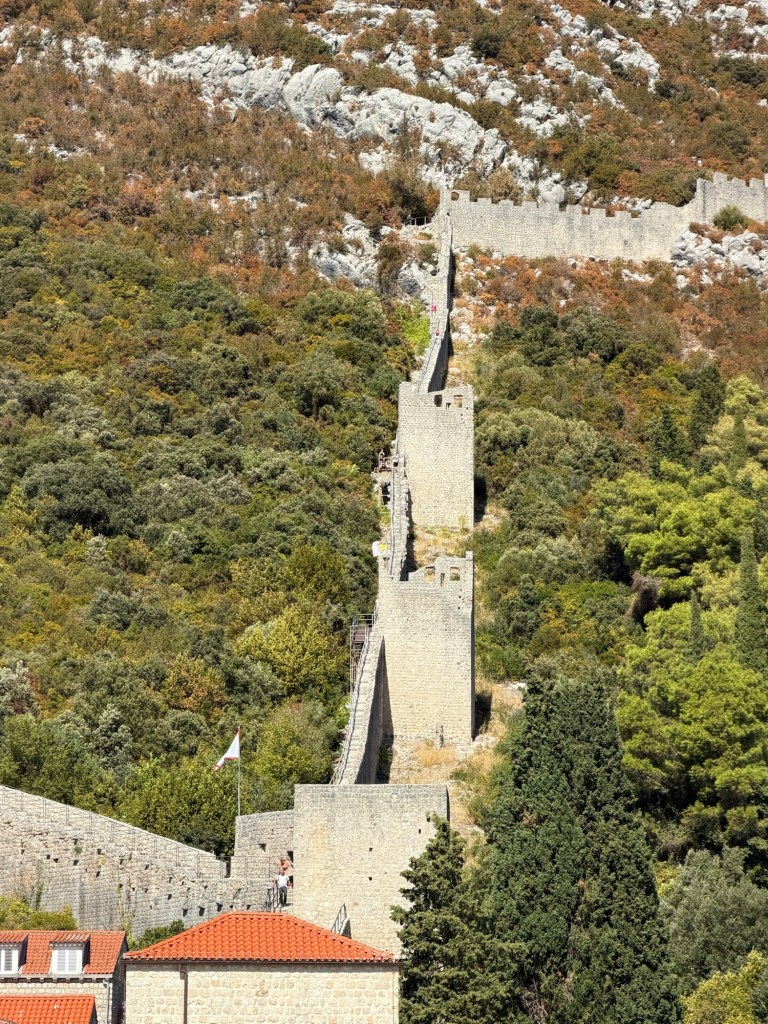
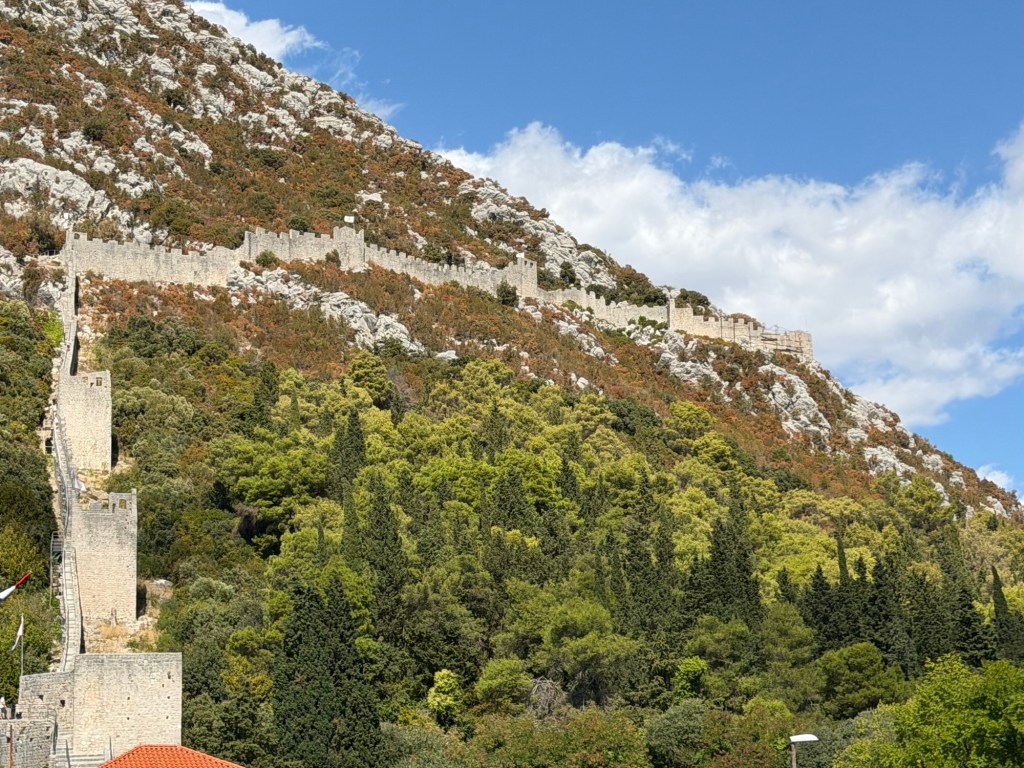
It looks almost like a miniature Great Wall of China laid across the mountain. Built by the Republic of Ragusa beginning in the 14th century, the walls protected the Pelješac Peninsula and, importantly, Ston’s immensely valuable salt works below.
Ston’s salt pans were among the most valuable assets of the Republic of Ragusa. From the 14th century onward, their salt was traded throughout the Balkans, bringing substantial revenue to the republic. The salt works are still in operation today.
We wandered through Ston’s quiet streets, lined with pale limestone houses, dark wooden shutters and red-tiled roofs. Restaurants spilled onto the pavement, a reminder that the area is also famous for the oysters and mussels raised in nearby Mali Ston Bay.
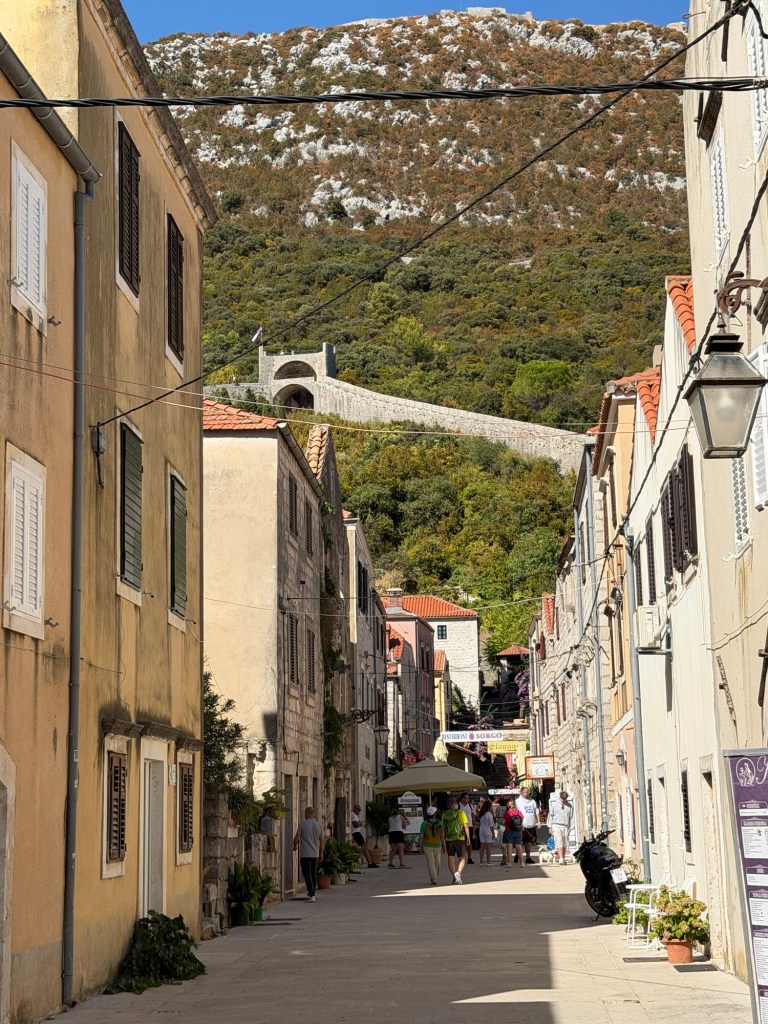
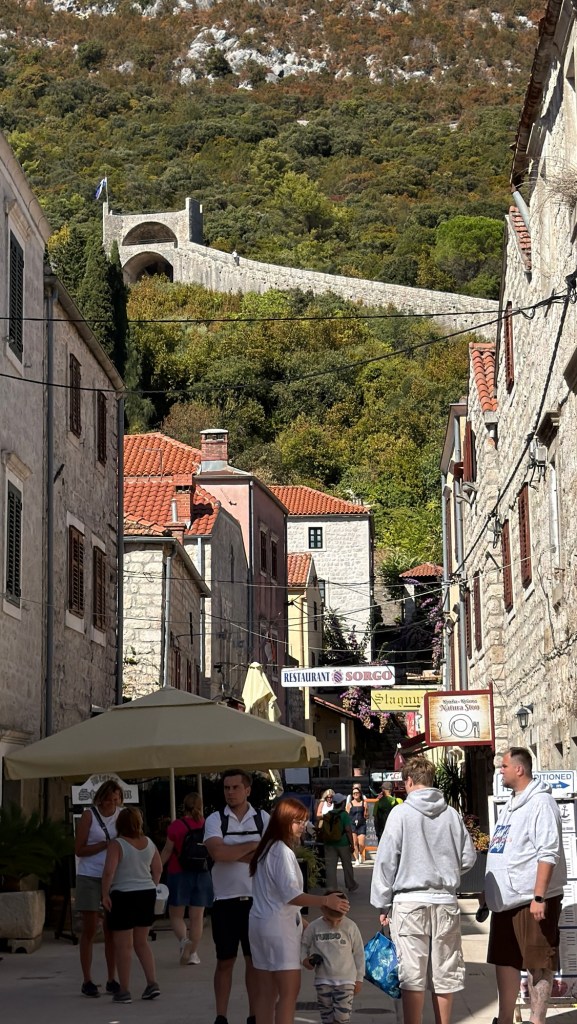
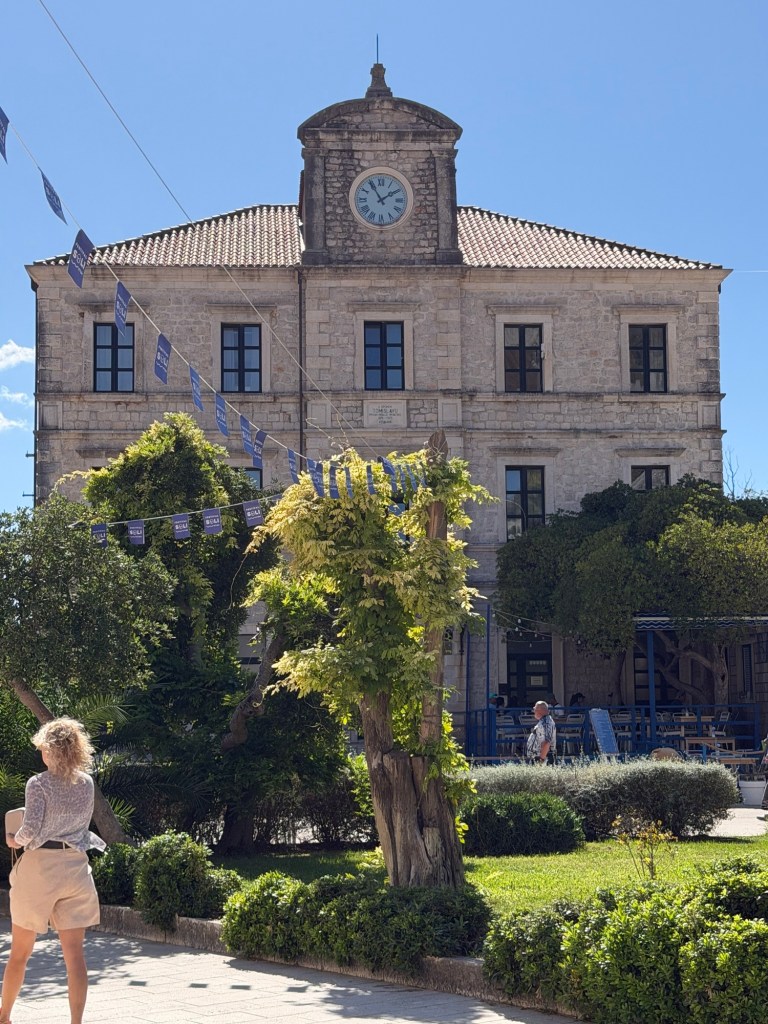
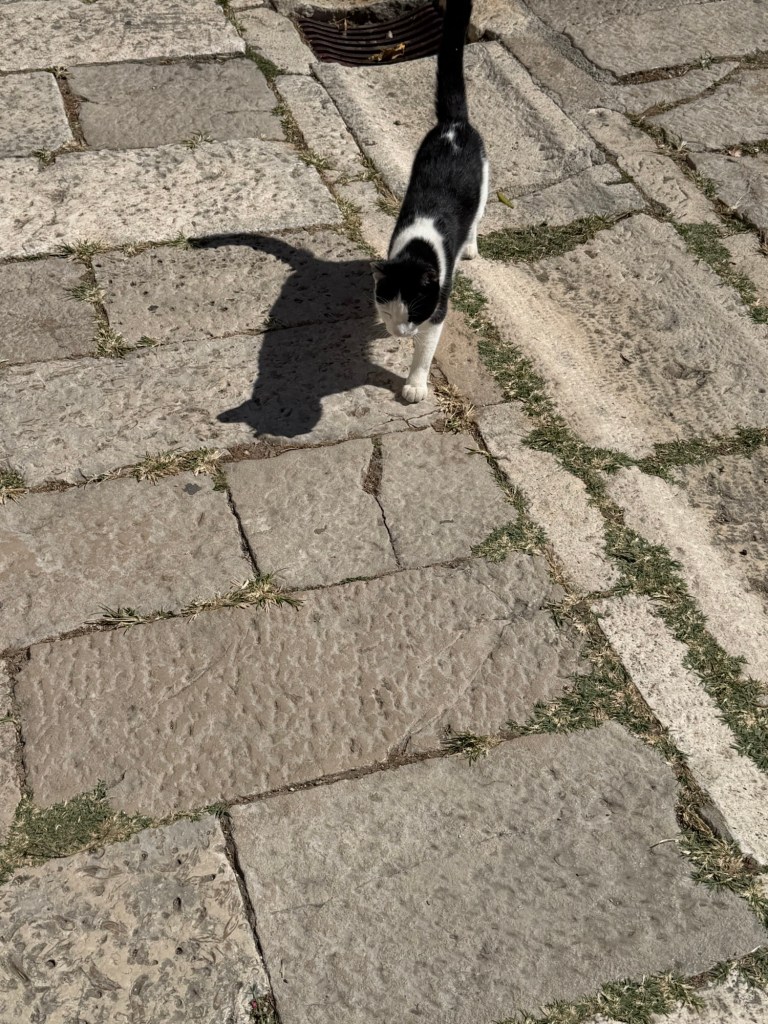
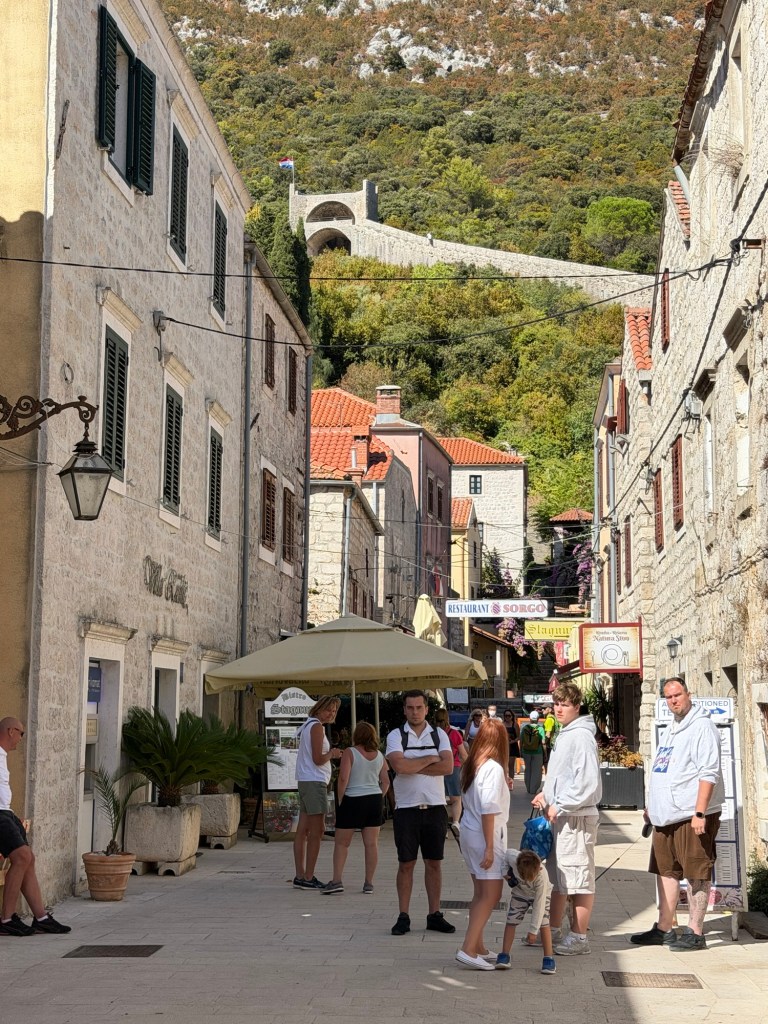
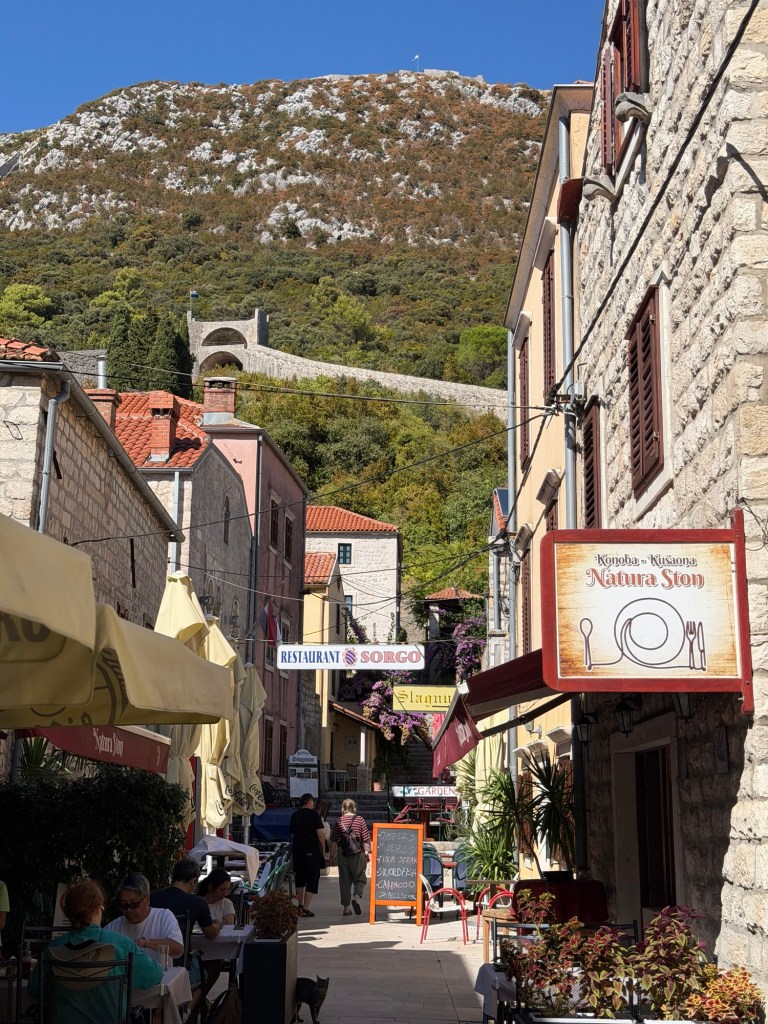
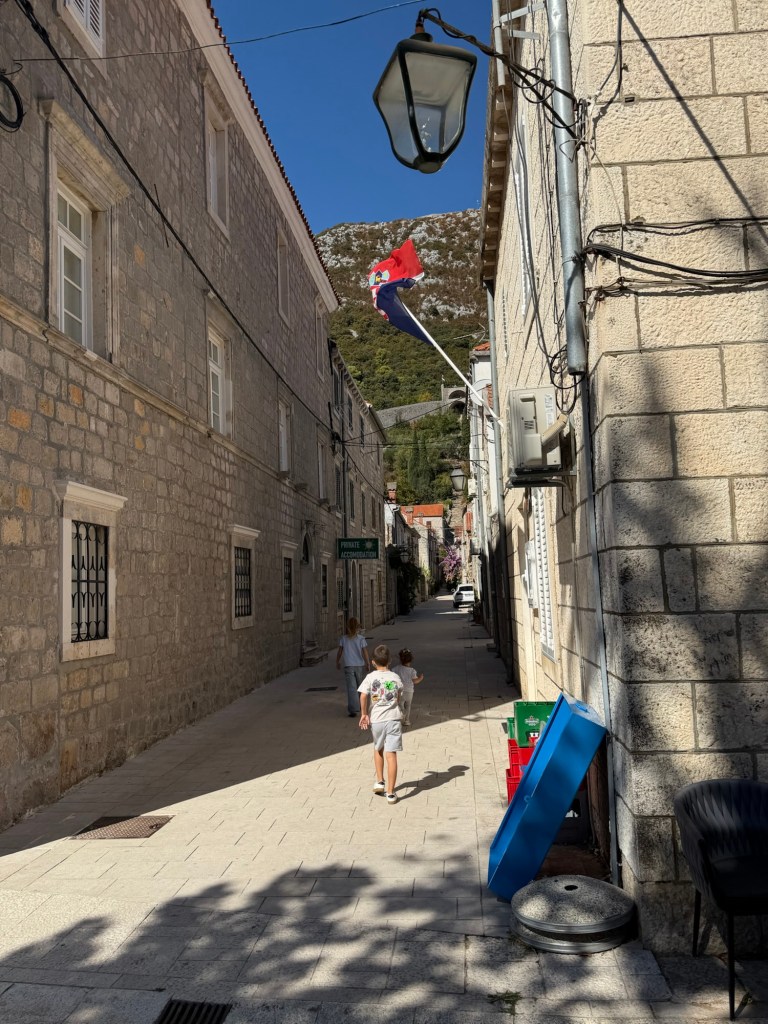
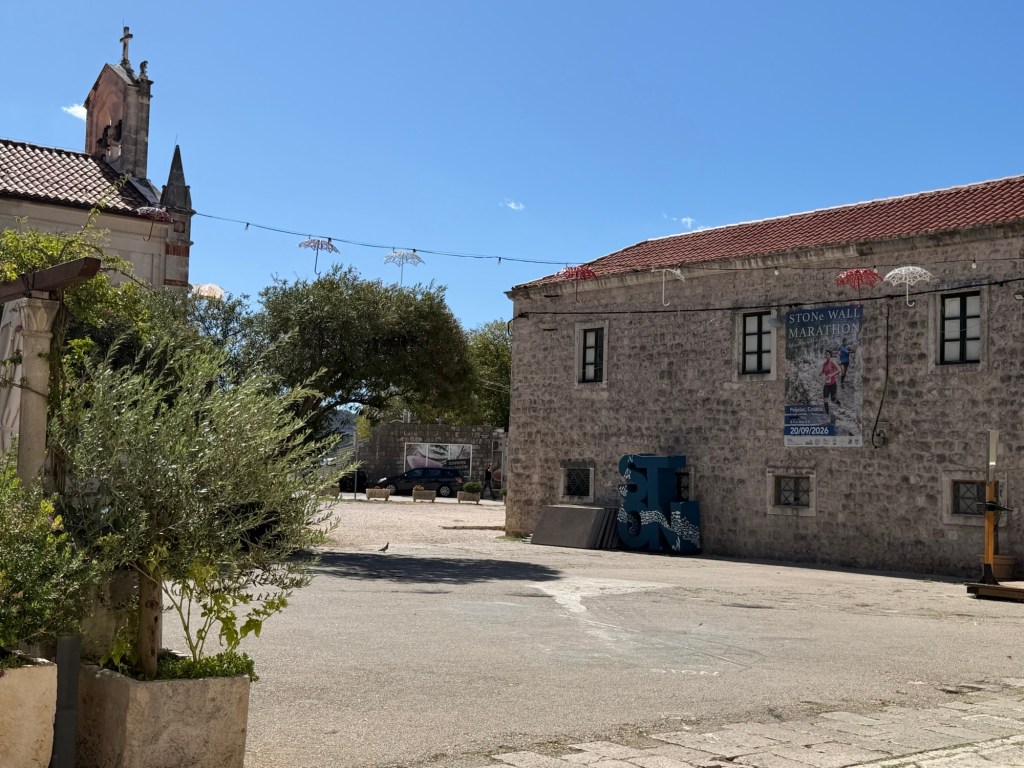
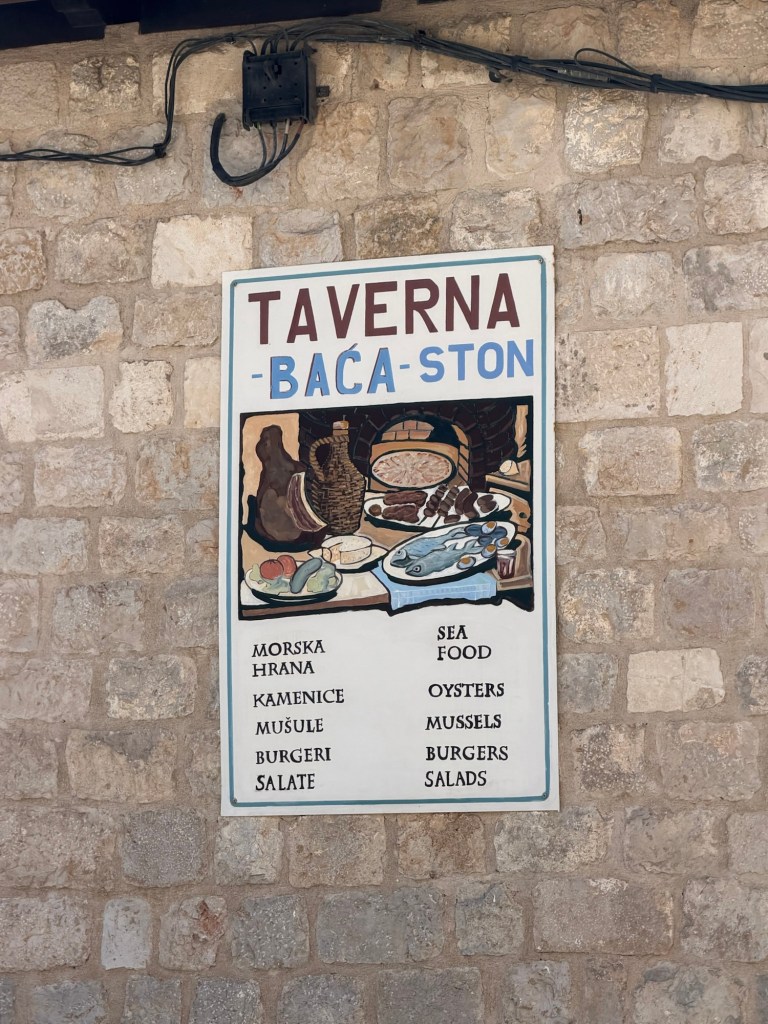
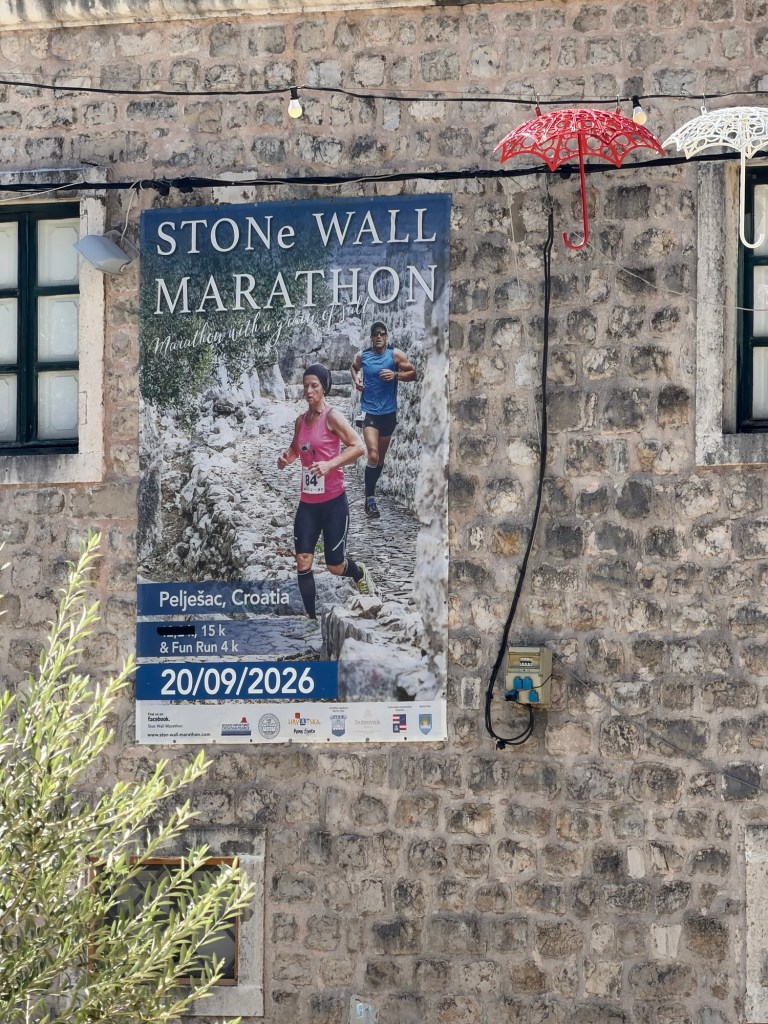
But it was impossible to take our eyes off the fortifications above us. From one street after another, the walls appeared between the buildings, climbing higher and higher until their towers and crenellations seemed to disappear into the rocky mountainside.
The contrast was remarkable: a peaceful little town sitting beneath one of the most imposing medieval defensive systems in Europe. After exploring Ston, we met up again with Tim and continued south toward Dubrovnik.
At last, we reached Dubrovnik. After the long drive from Ston, we arrived at Villa Dubrovnik—but from the street, there was no hotel to see. Just a discreet entrance, elevator doors, and a plaque identifying it as a five-star hotel. The doors opened, and we stepped inside for the ride down to a level below street, where the hotel was tucked out of sight. It felt like discovering a secret entrance to the Adriatic retreat waiting below.
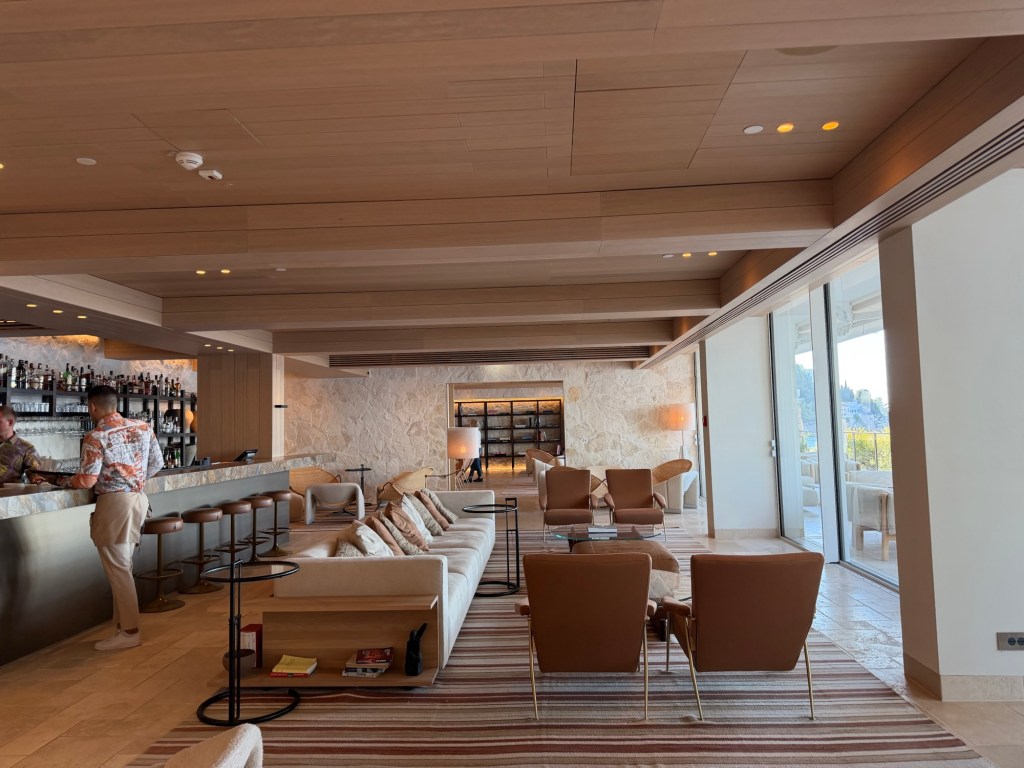

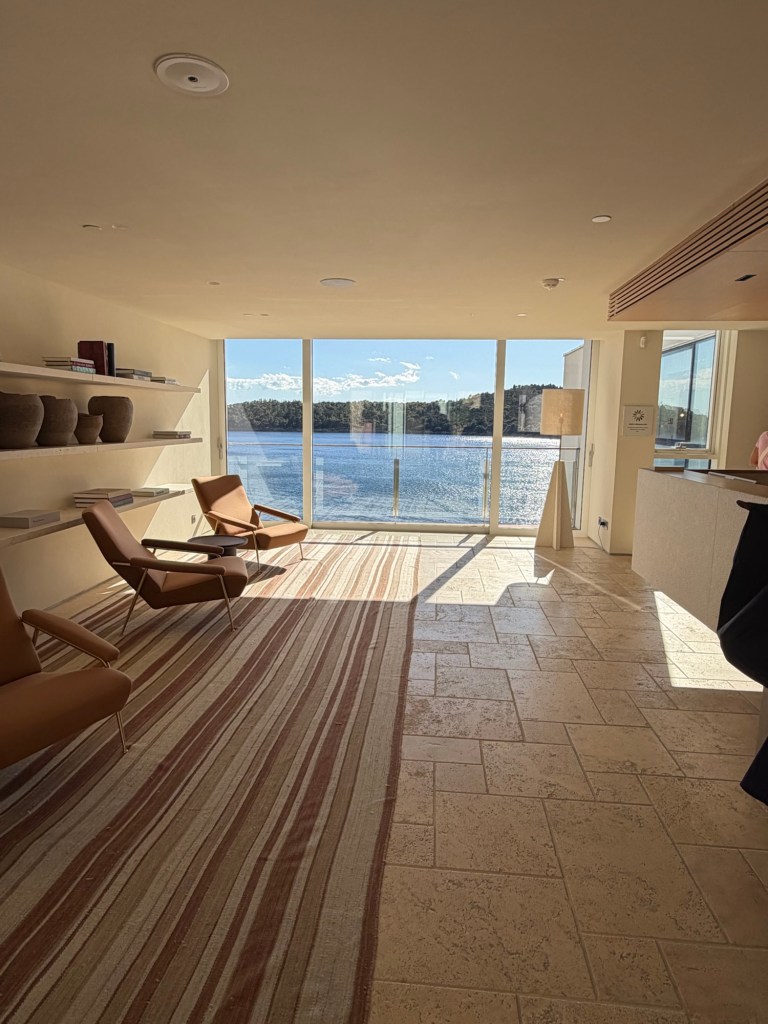
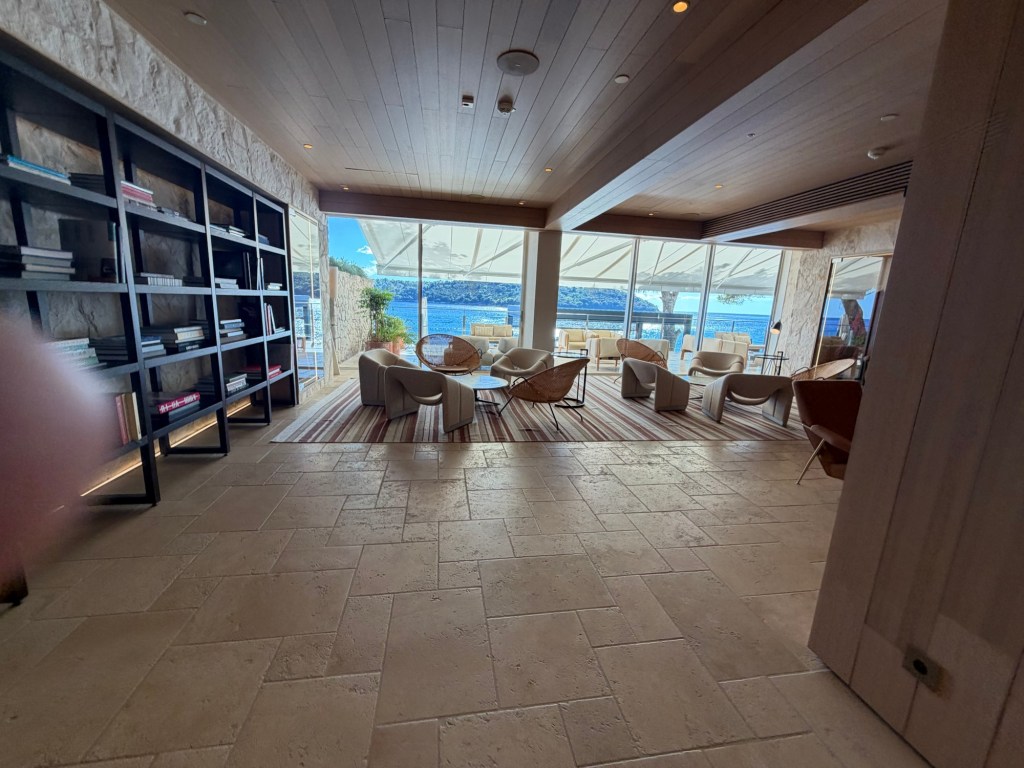
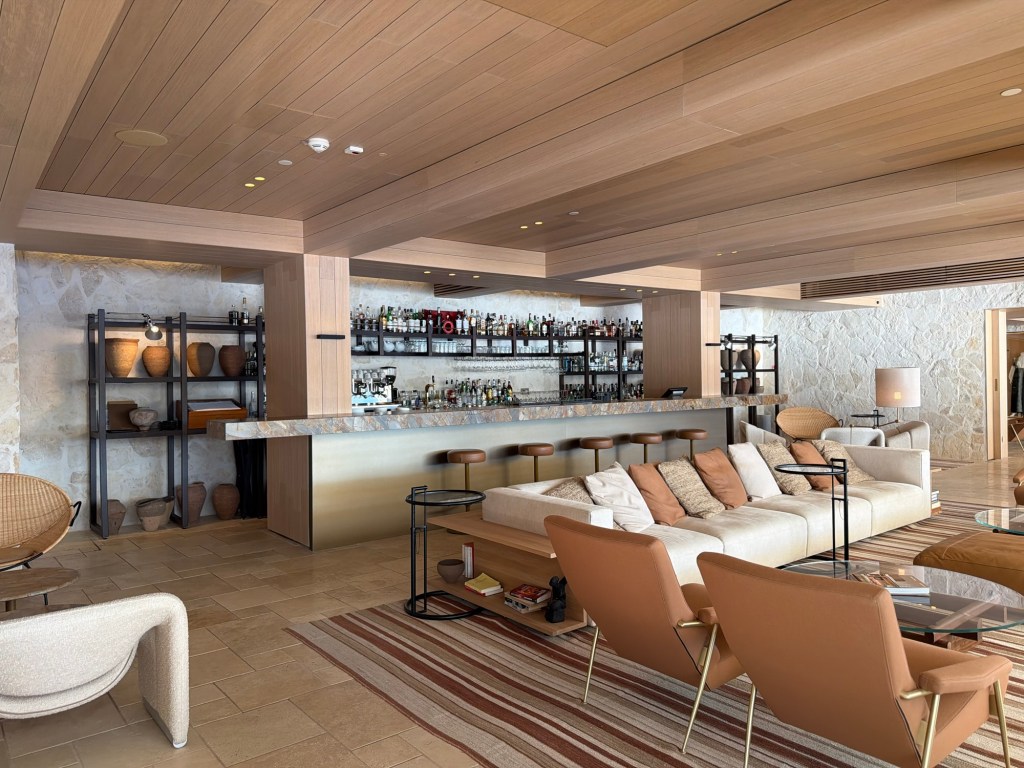
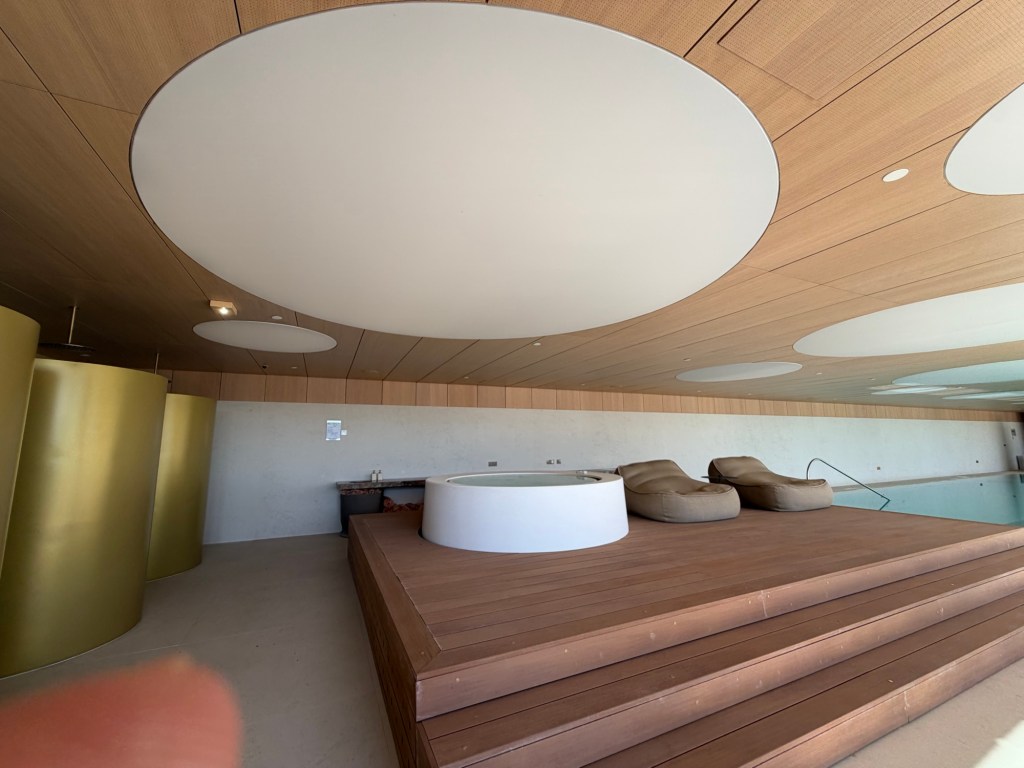
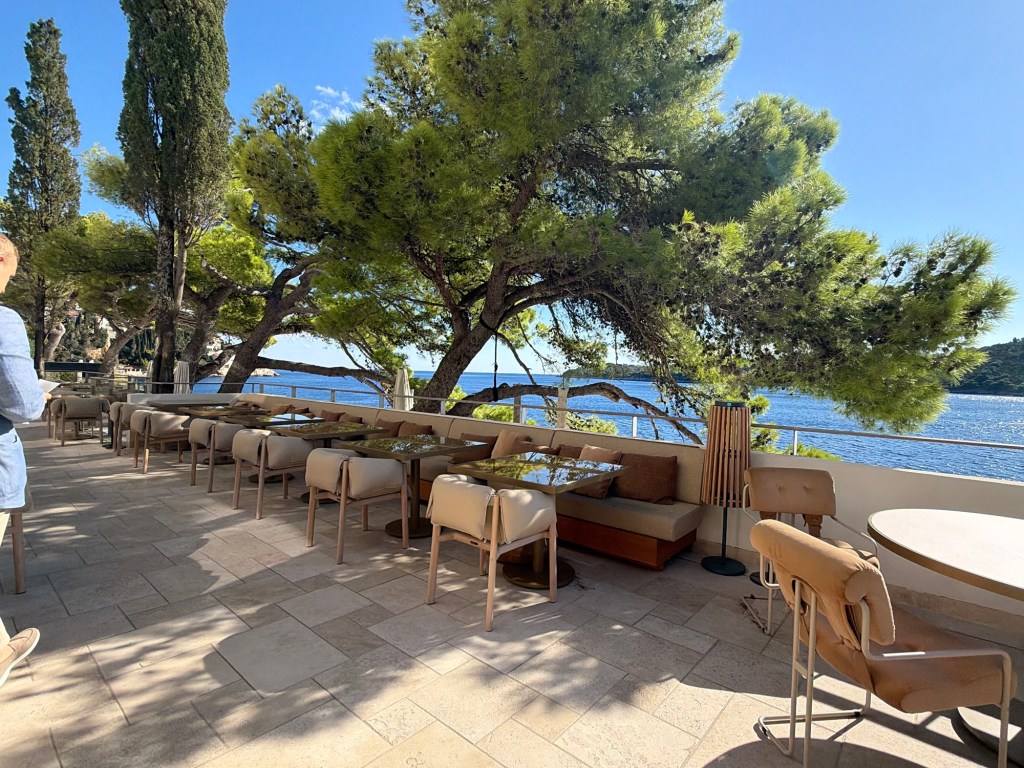
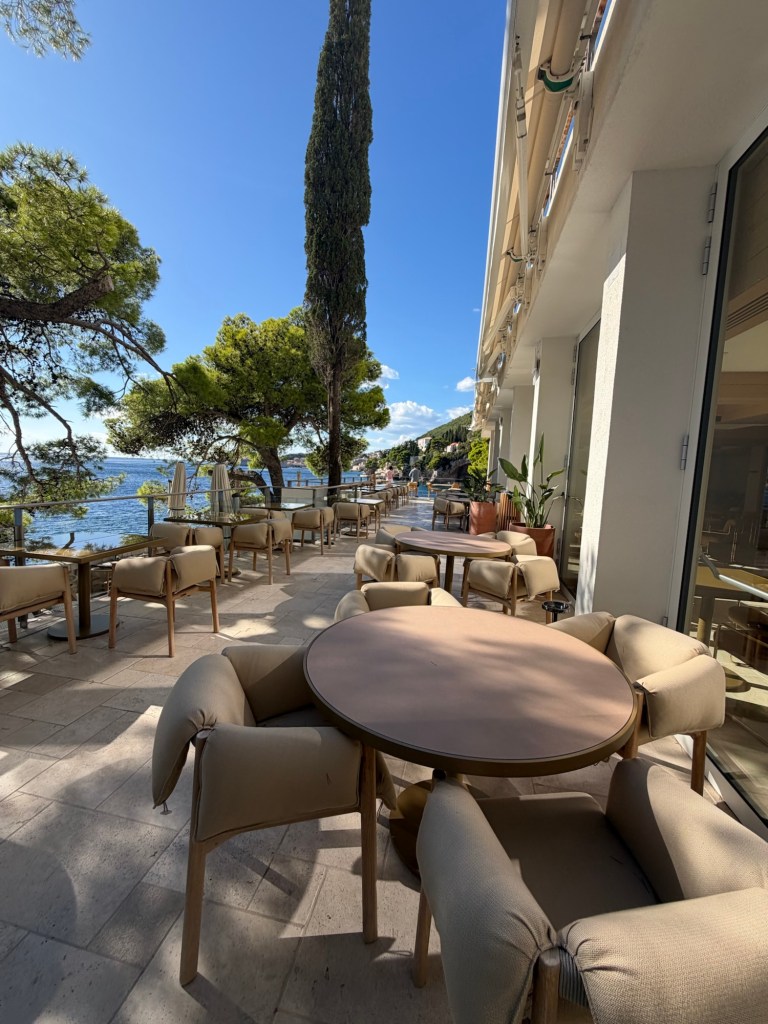
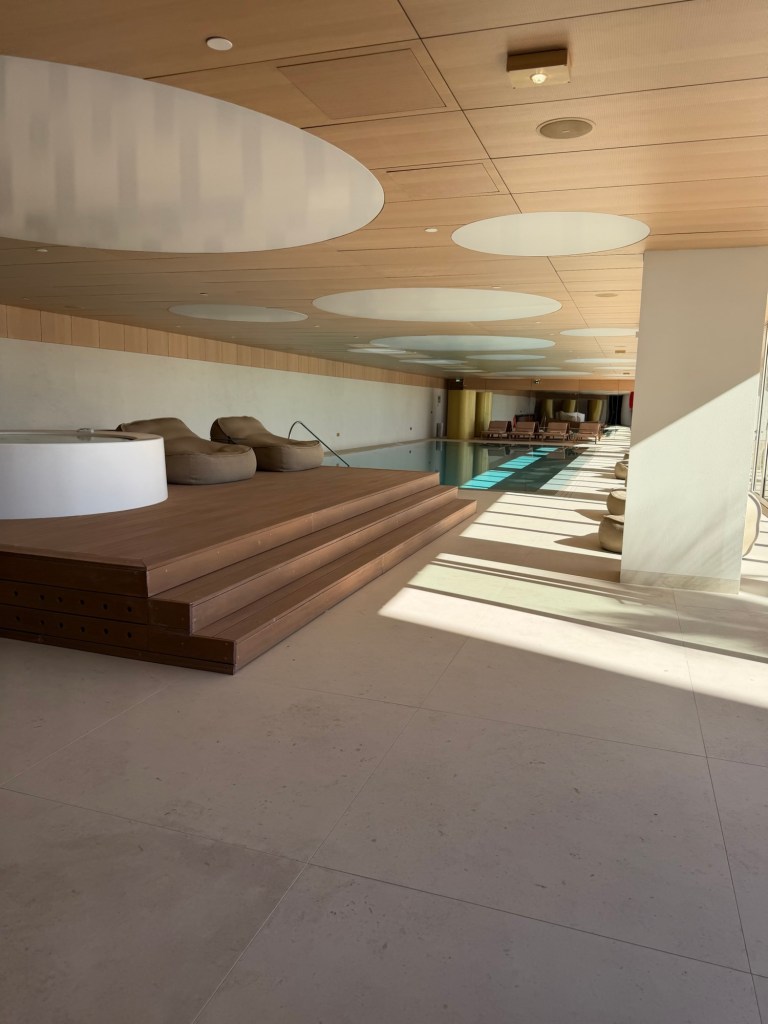
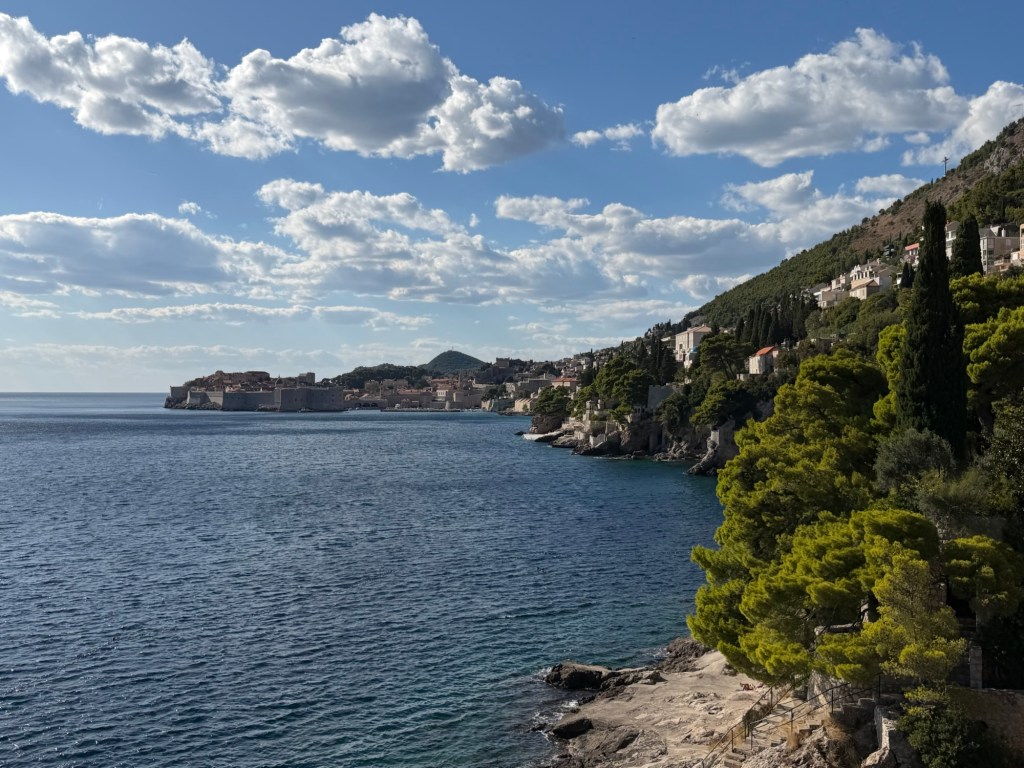
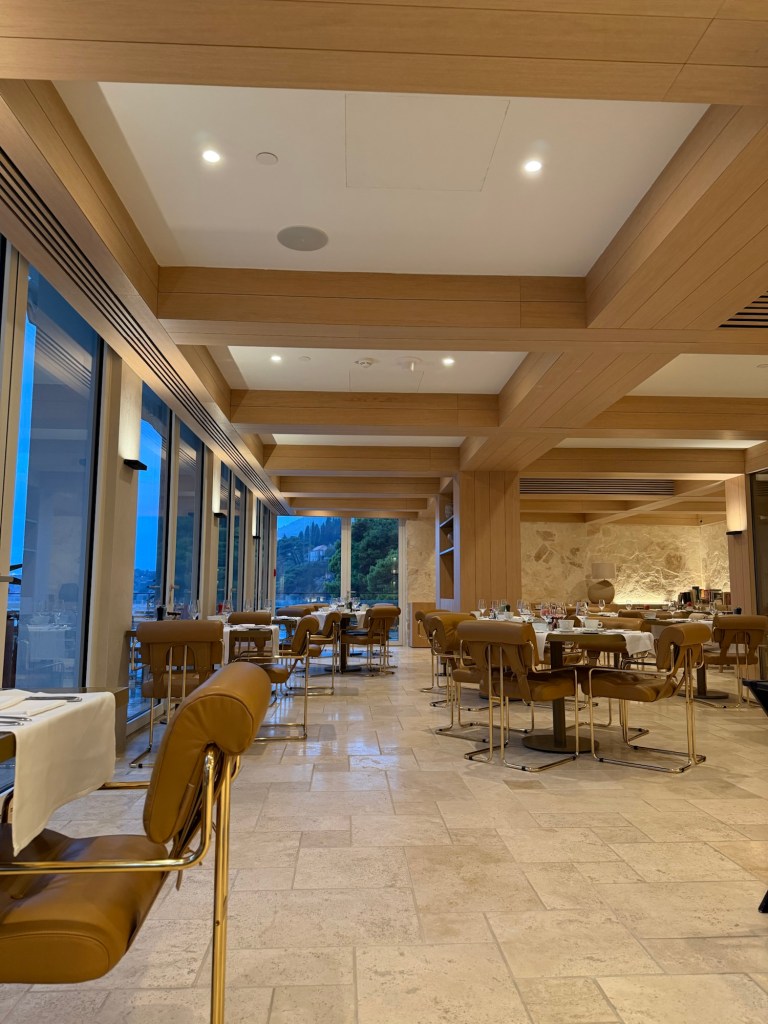
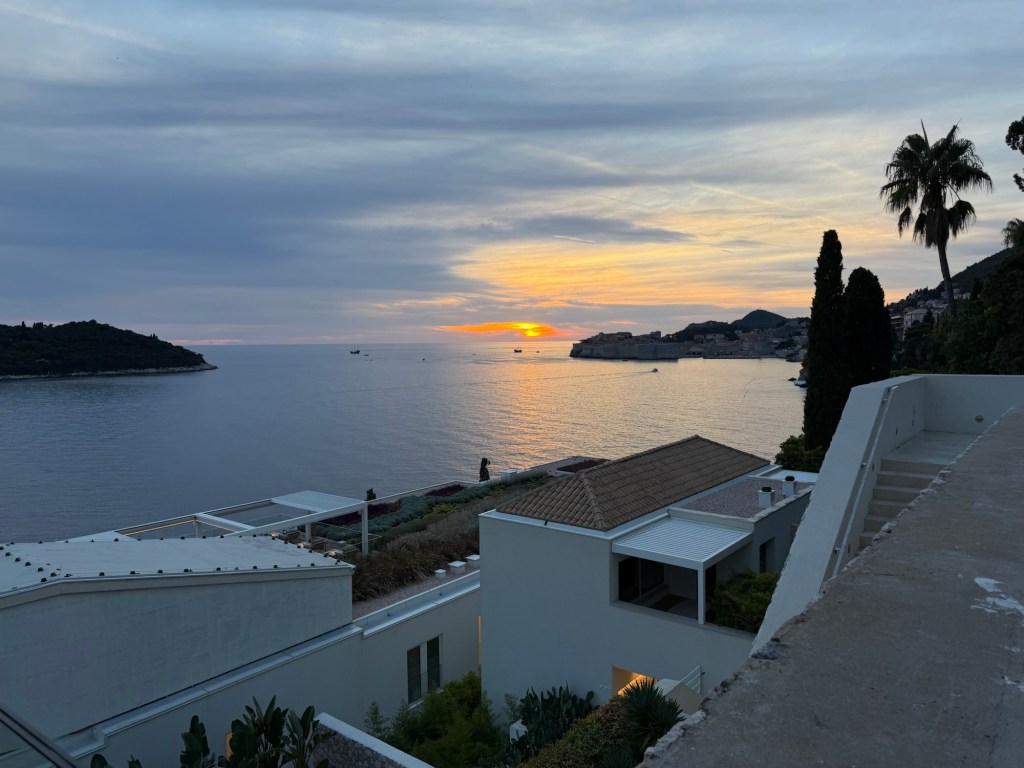
Perched above the water, Villa Dubrovnik felt less like a hotel than a private retreat: white modernist lines, terraces opening toward the sea, and sweeping views of Lokrum and the Old Town. It may be rated five stars, but it felt more like seven.
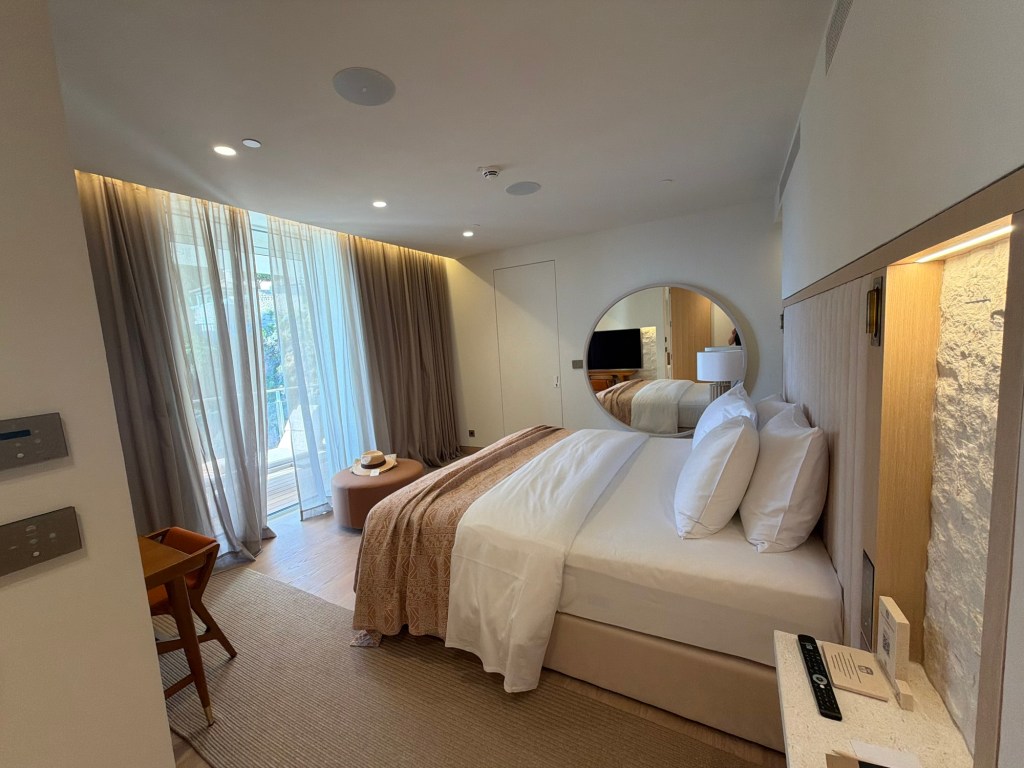
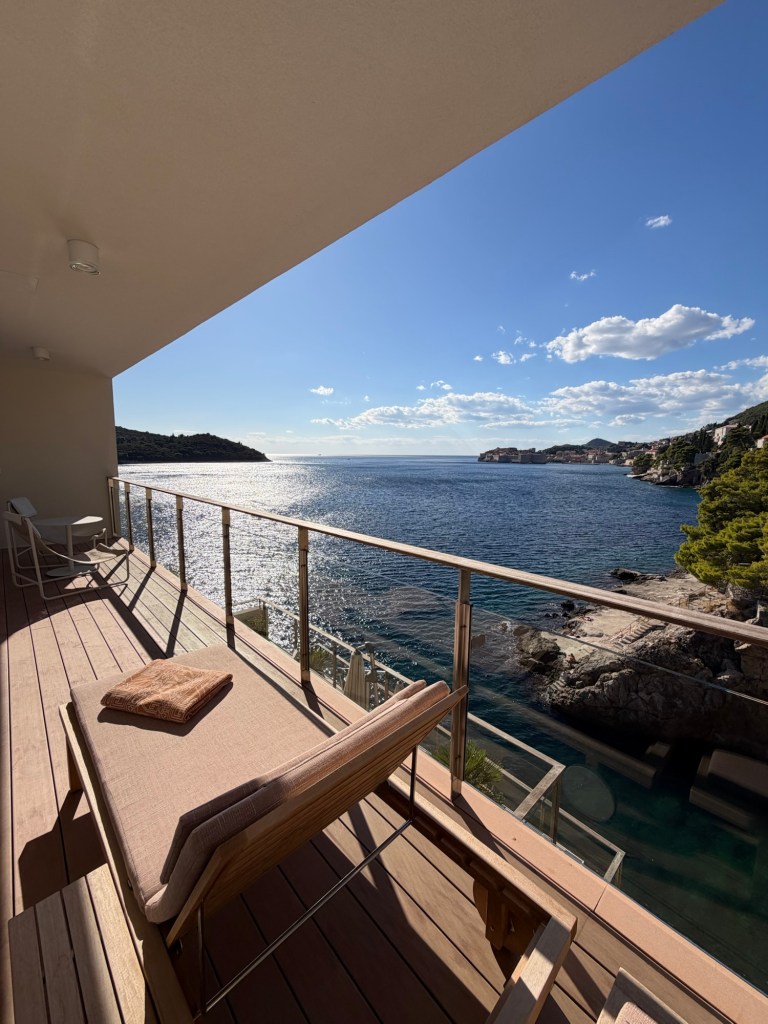
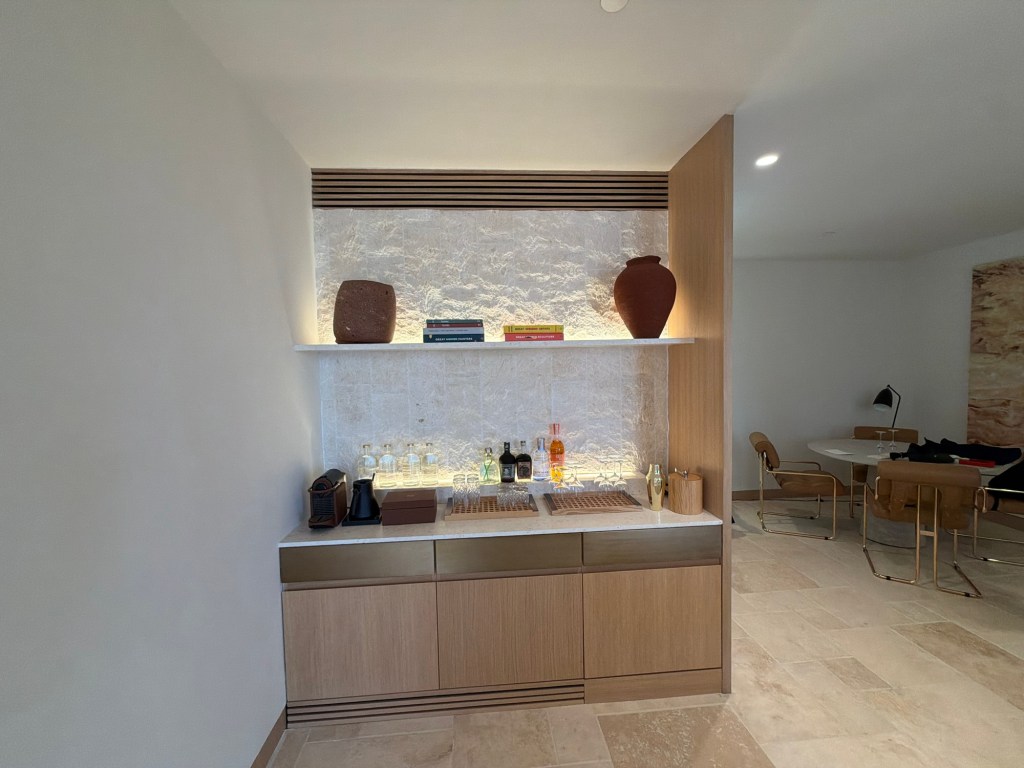

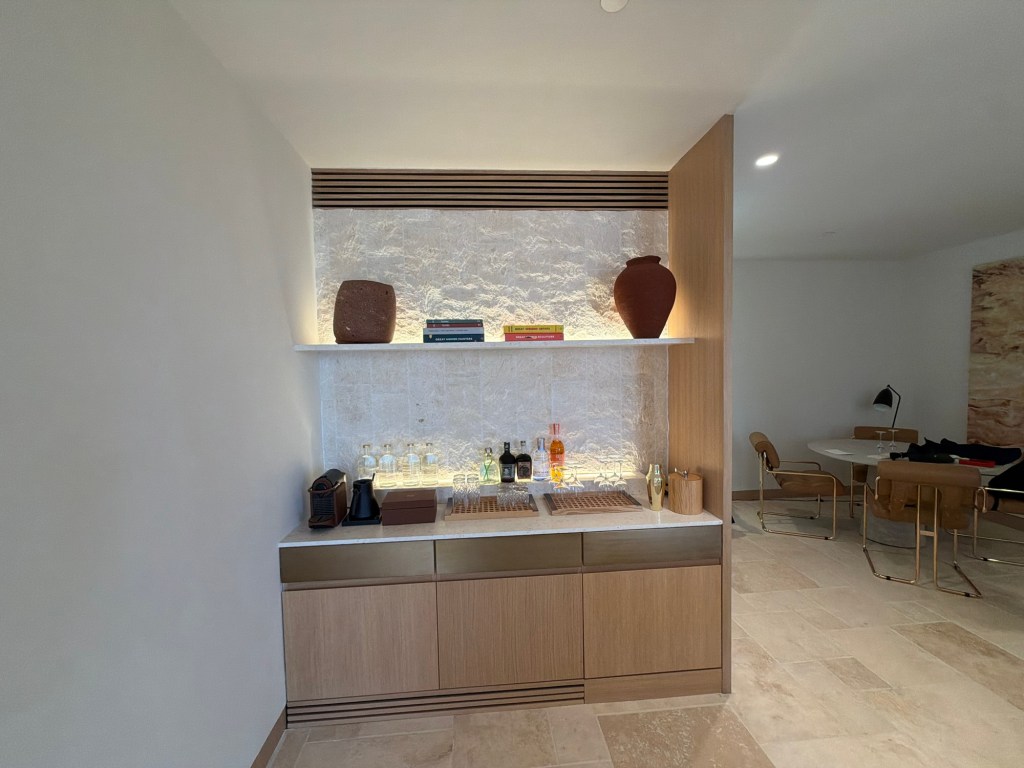
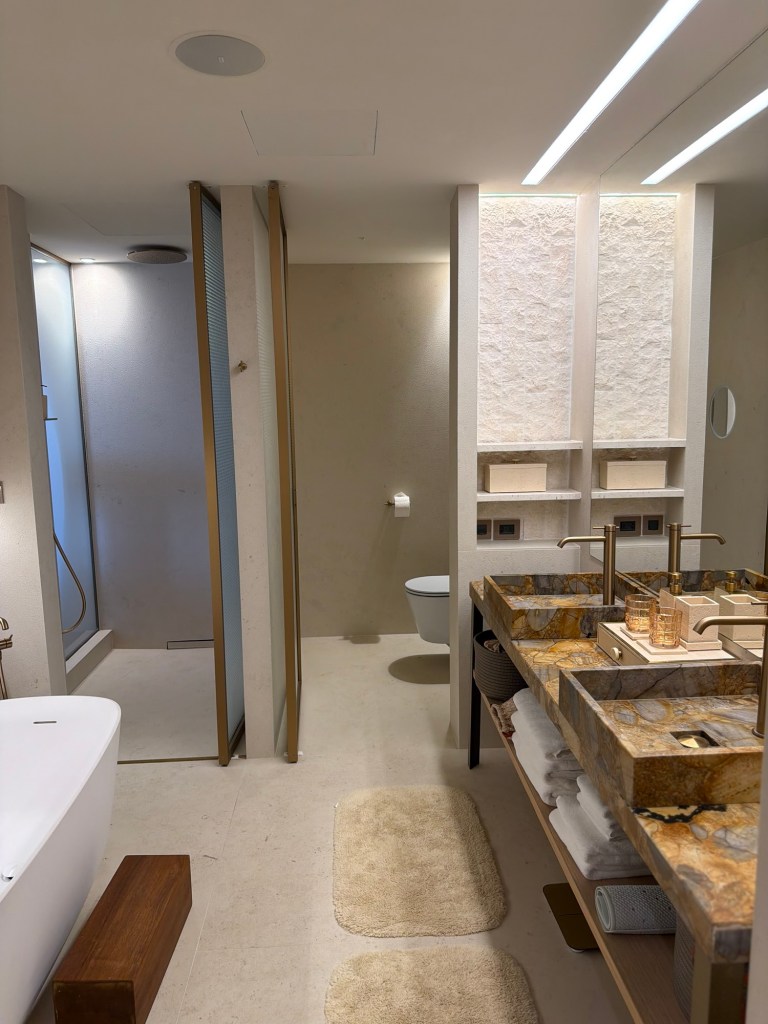

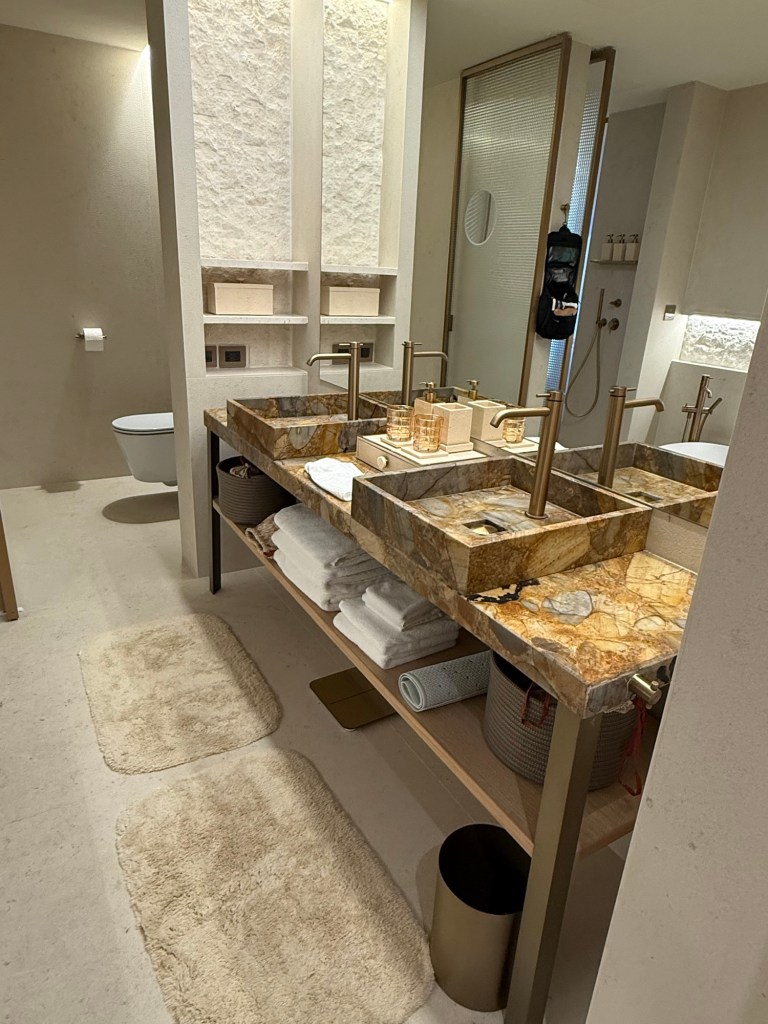
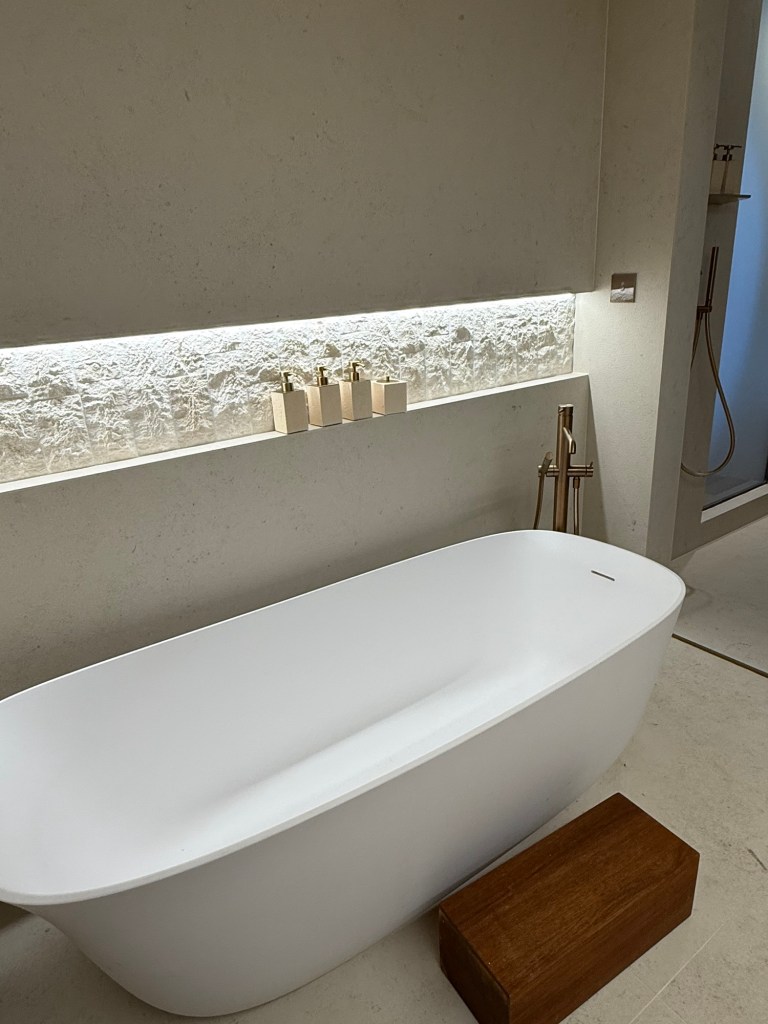
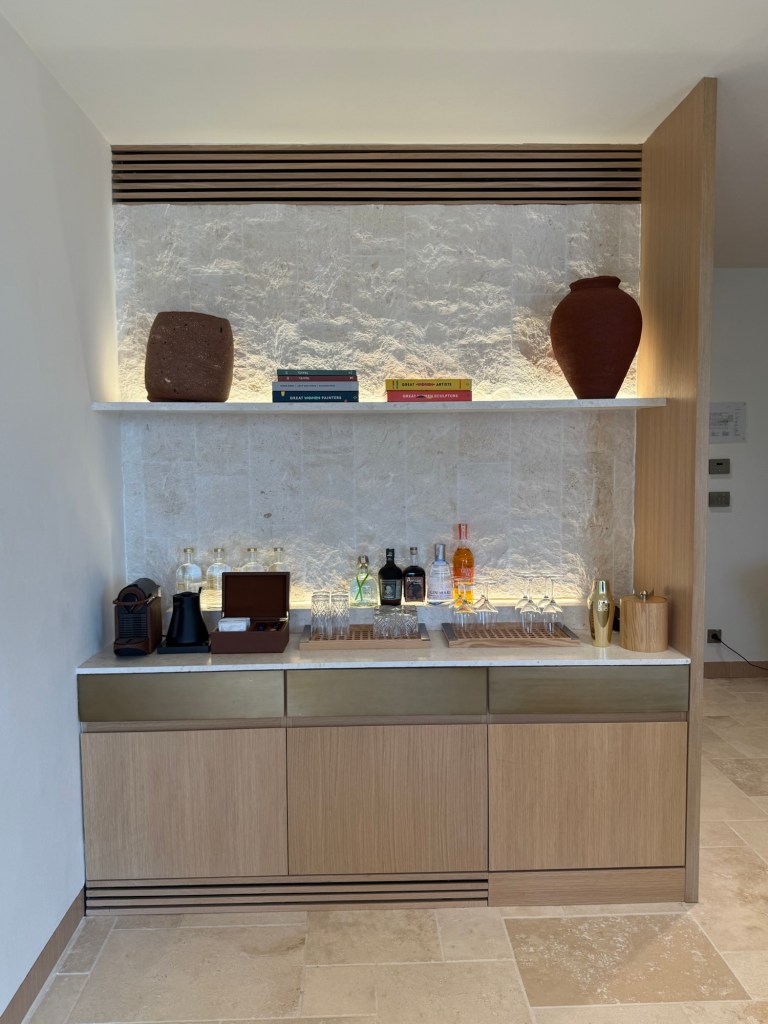
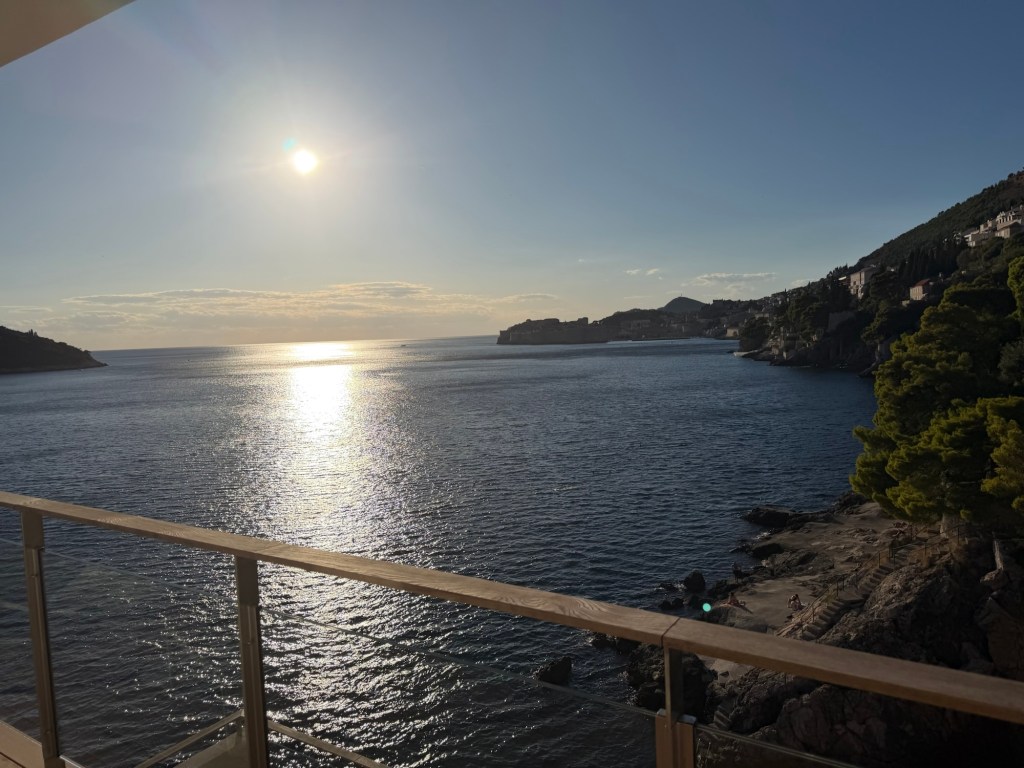
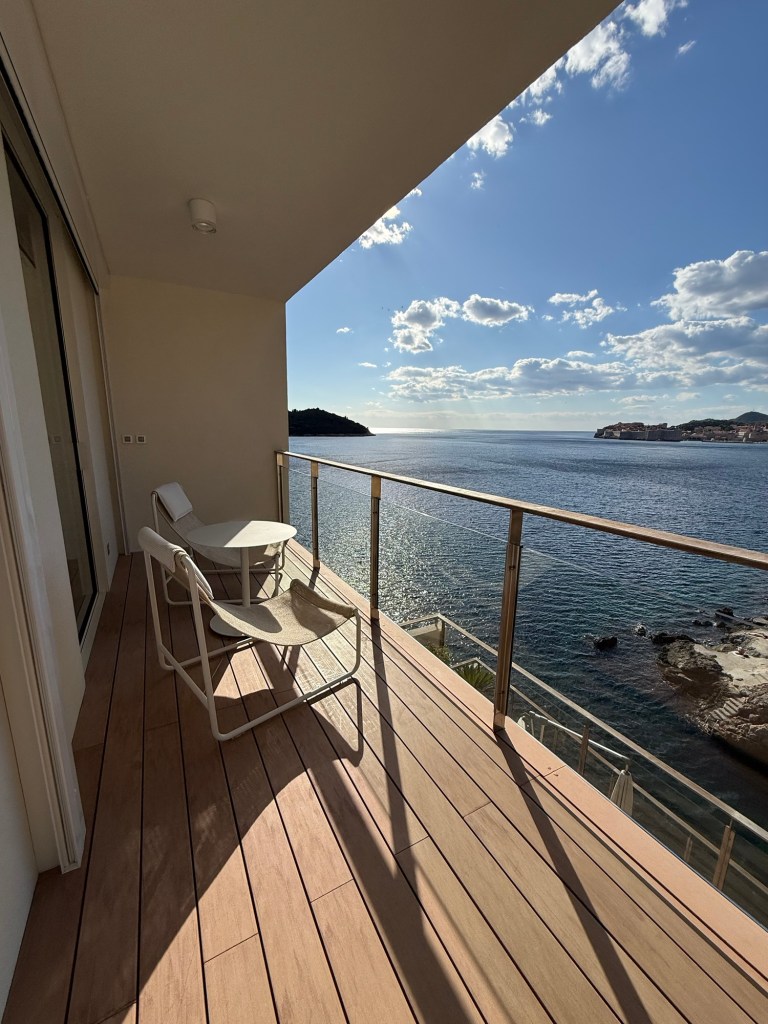
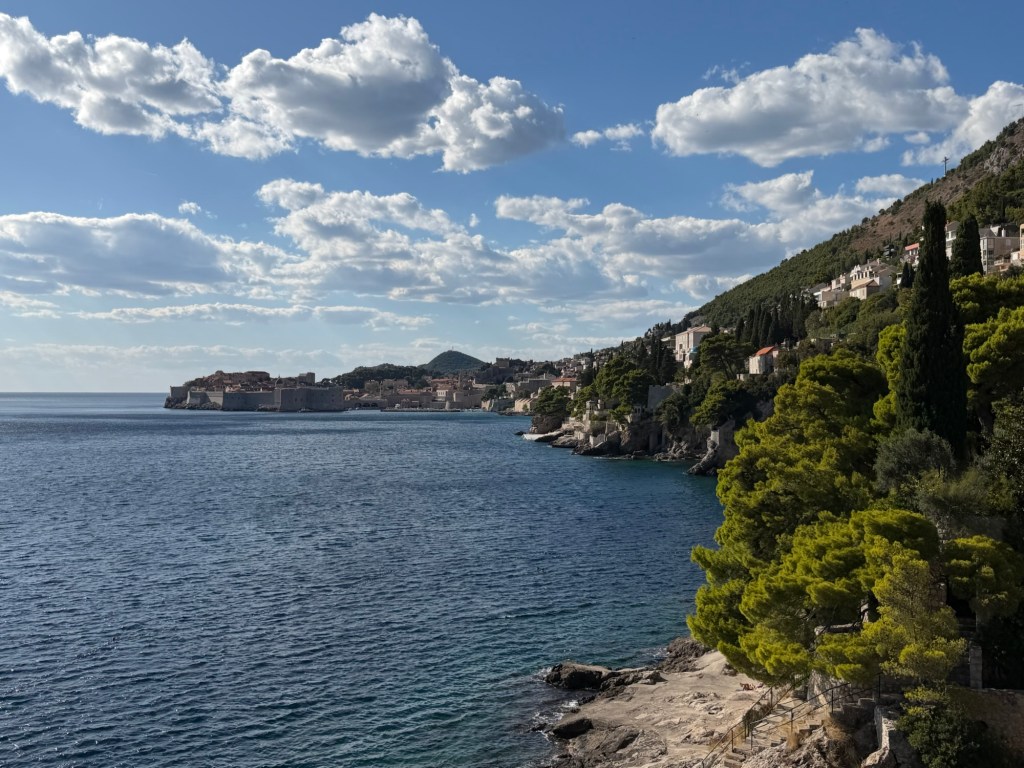
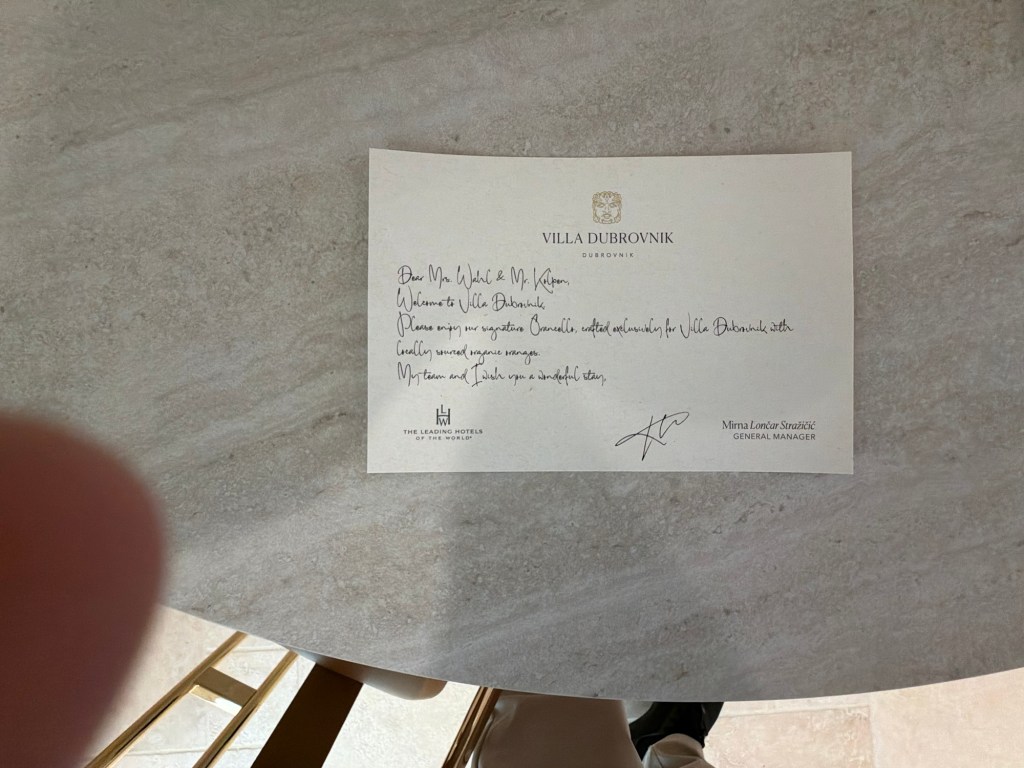
Our room could not have been nicer. The spacious, serene suite combined soft cream tones and warm wood, with natural stone details, a beautiful bed, and a generous sitting area. Floor-to-ceiling doors opened onto a private balcony, with the Adriatic and Dubrovnik spread out before us.
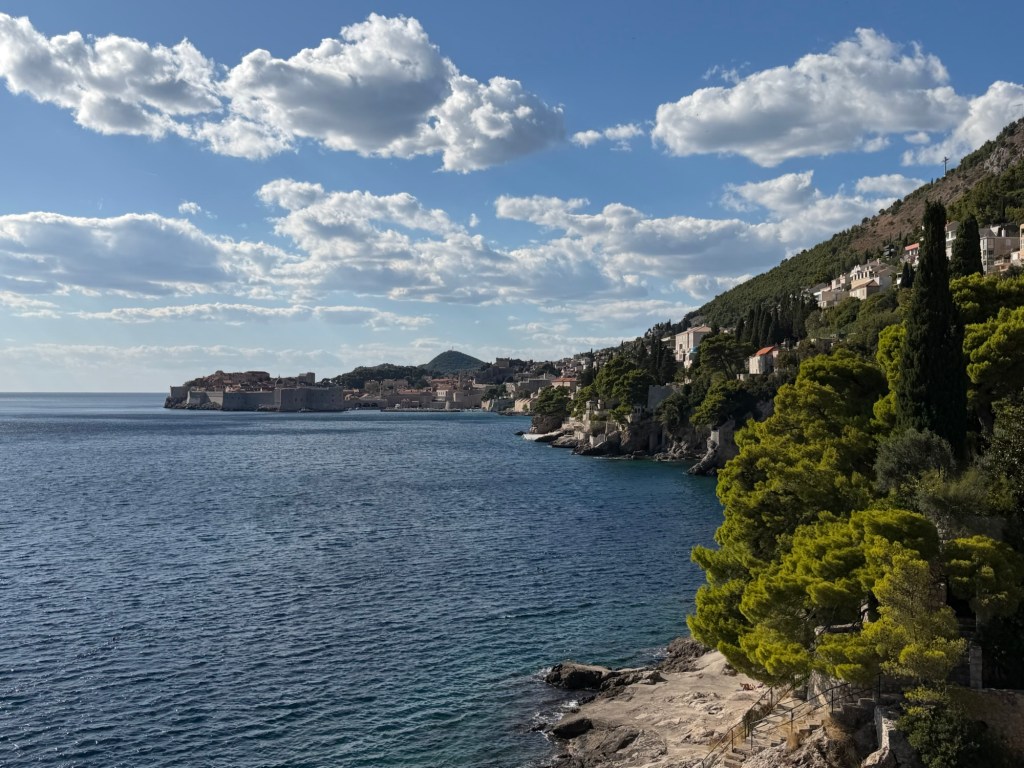
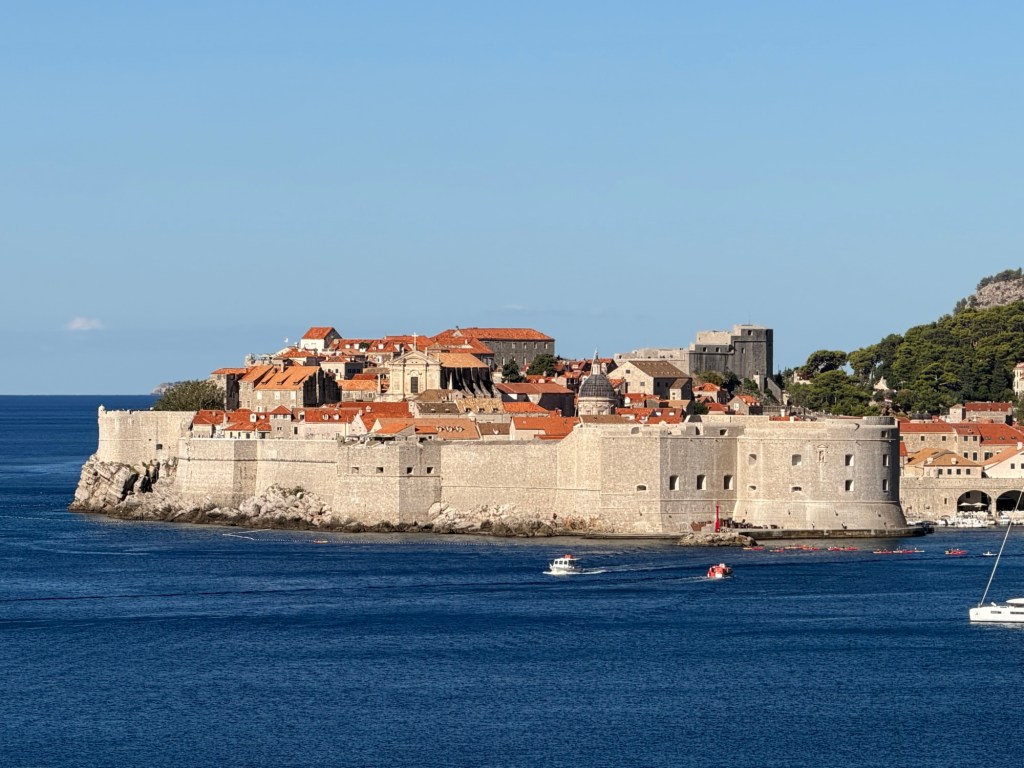
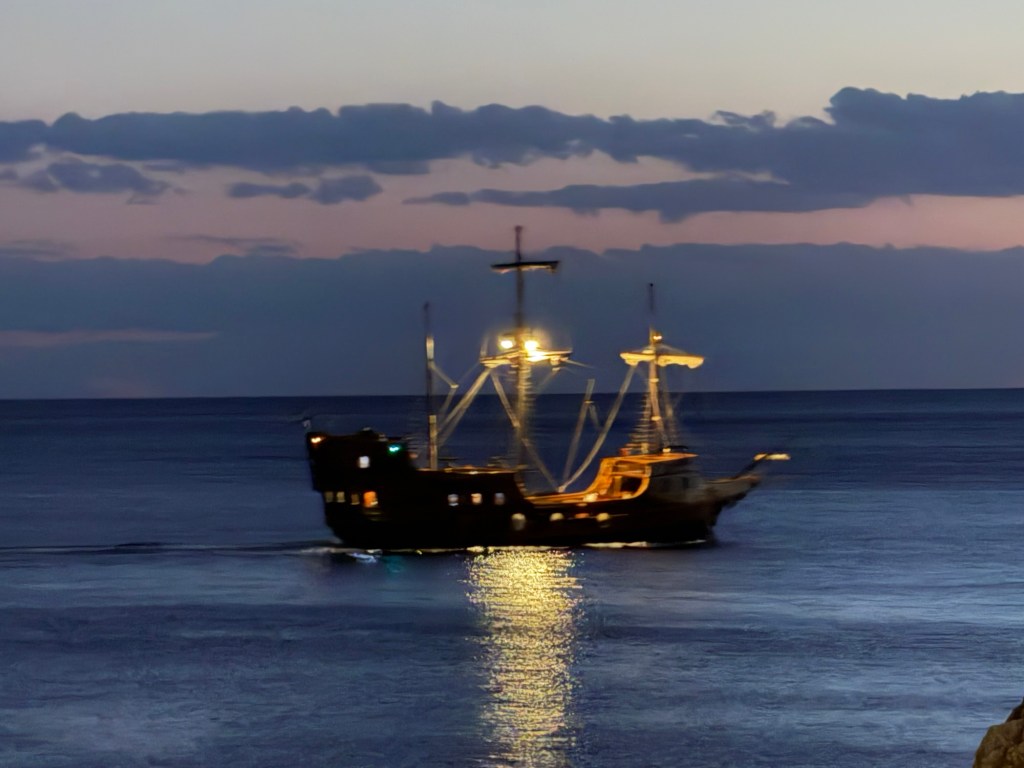
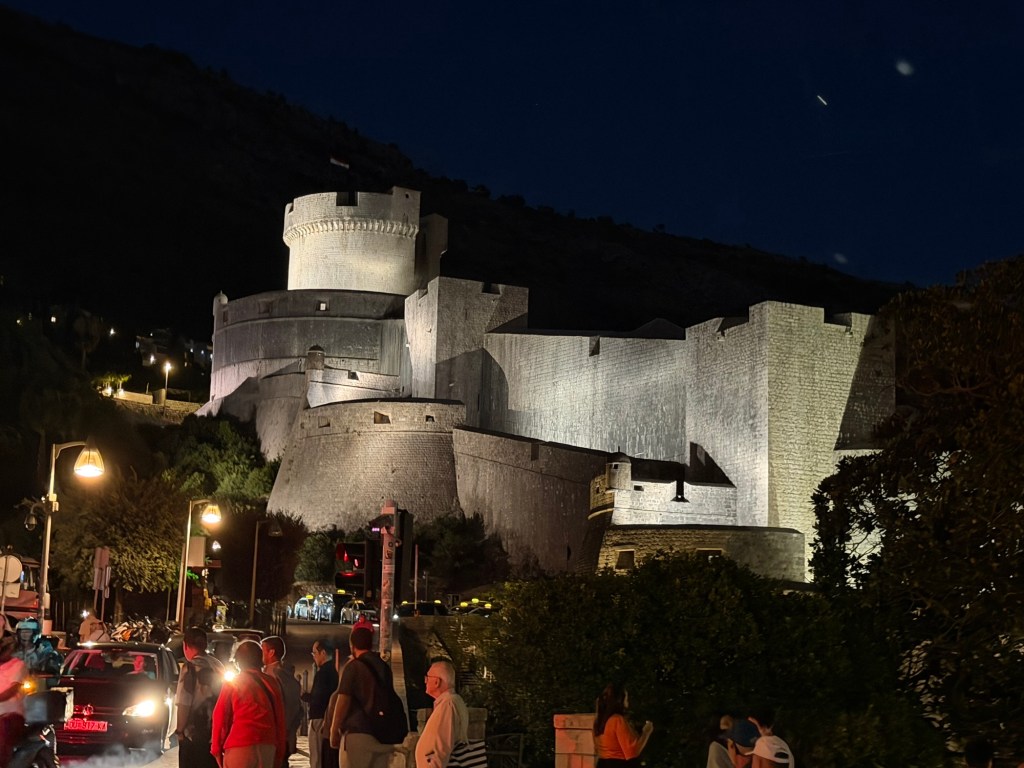
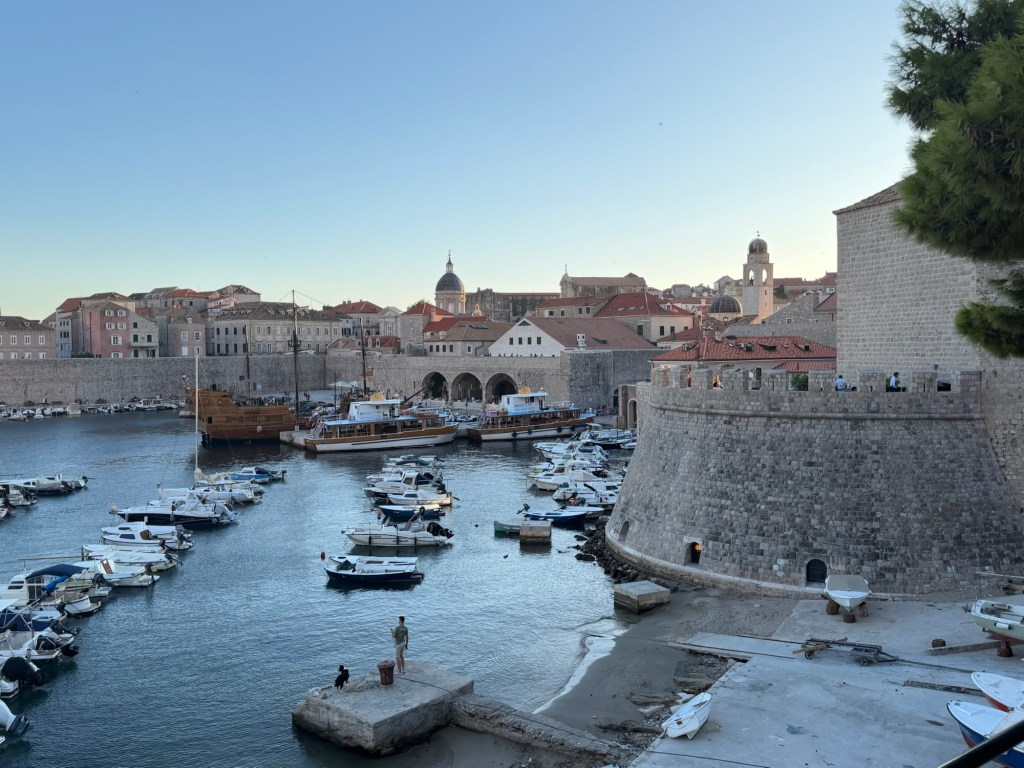
That night we ventured into Dubrovnik’s Old Town. Above the narrow streets, the massive walls and fortresses made clear that Ragusa had been, first and foremost, a city built to defend itself. Its fortifications dominated the skyline and embodied the republic’s determination to protect its independence and its maritime trade. St. John’s Fortress guarded the harbor; at night, a heavy chain could be winched across the entrance to keep unwelcome ships out.
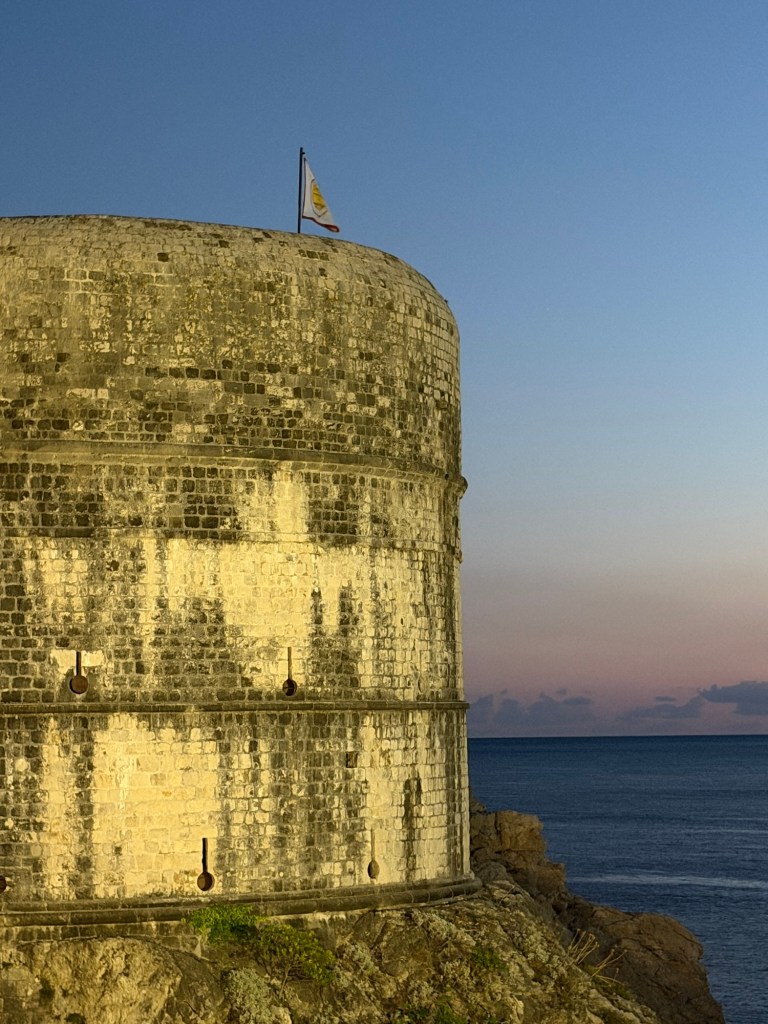
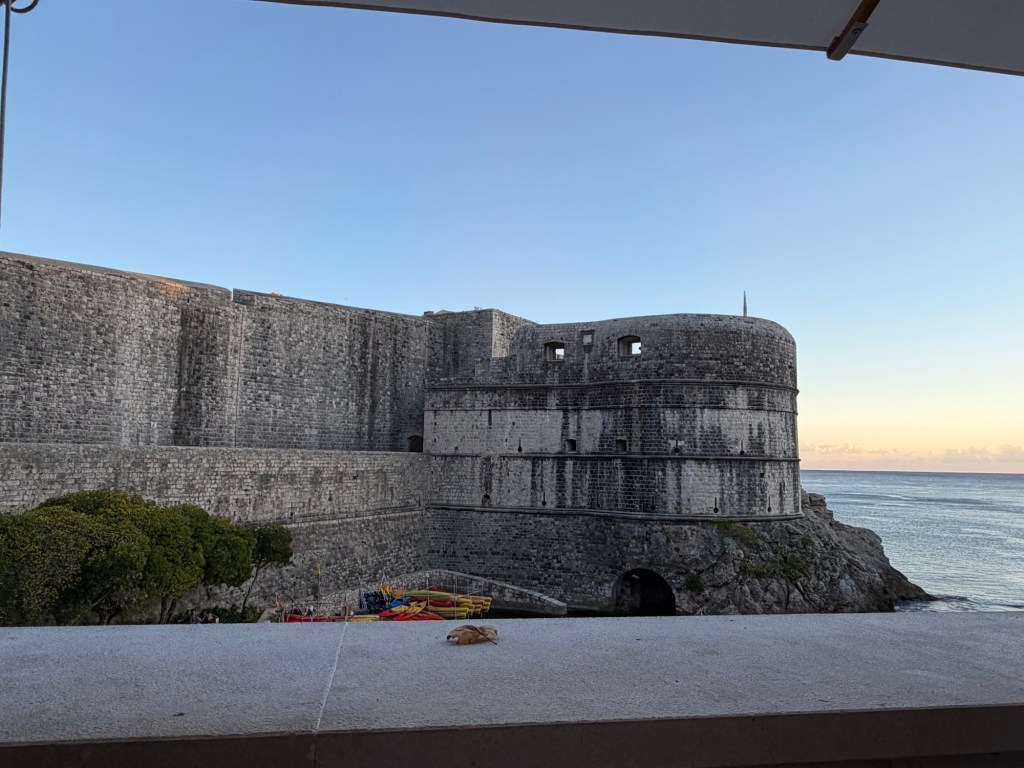
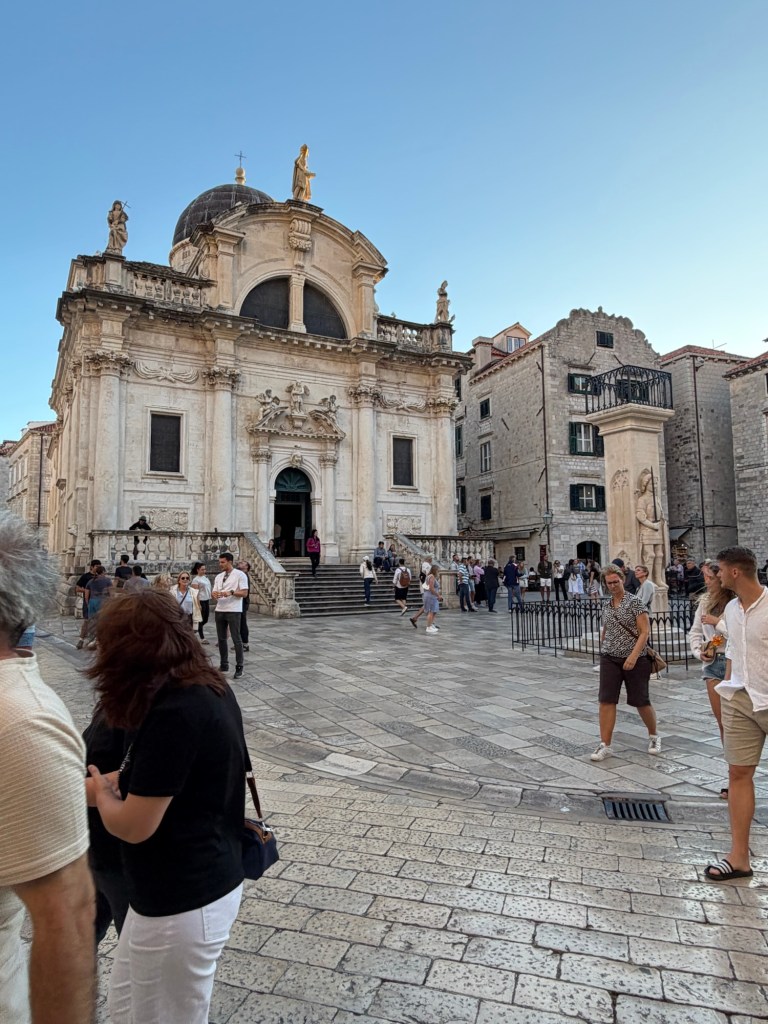
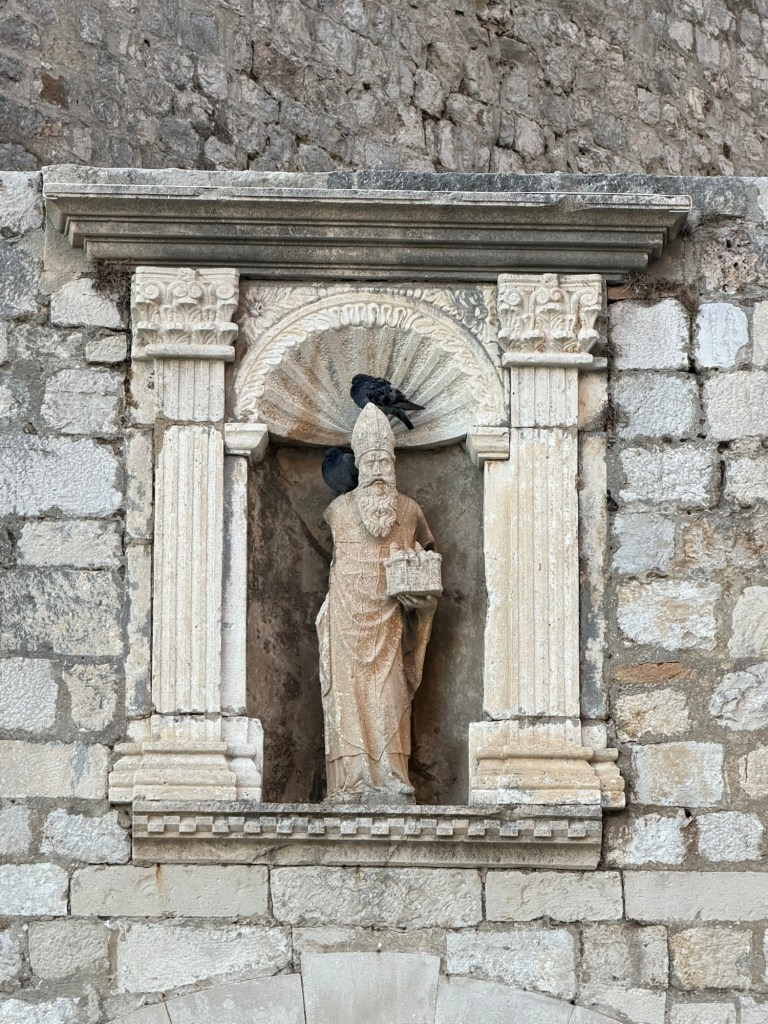
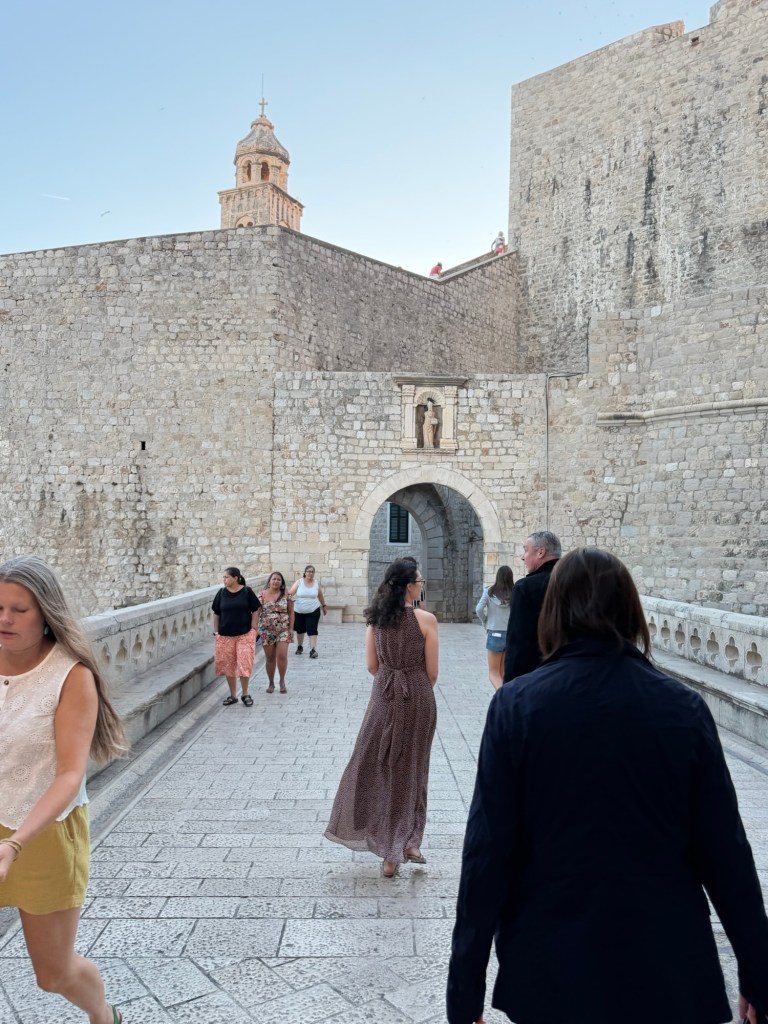
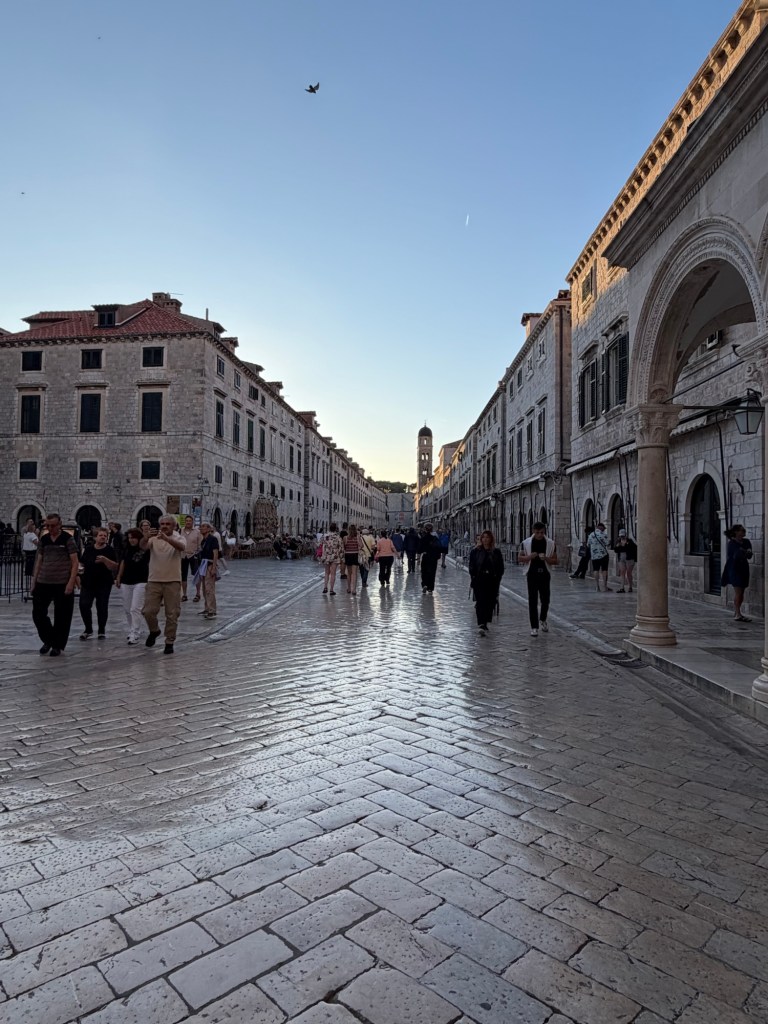
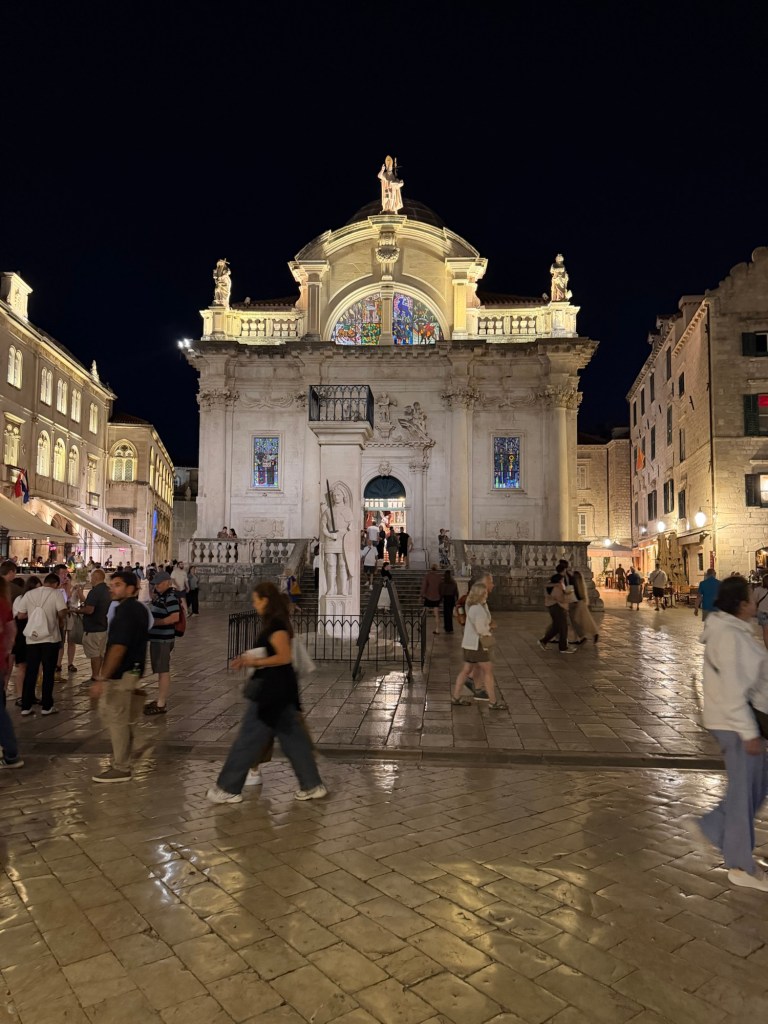
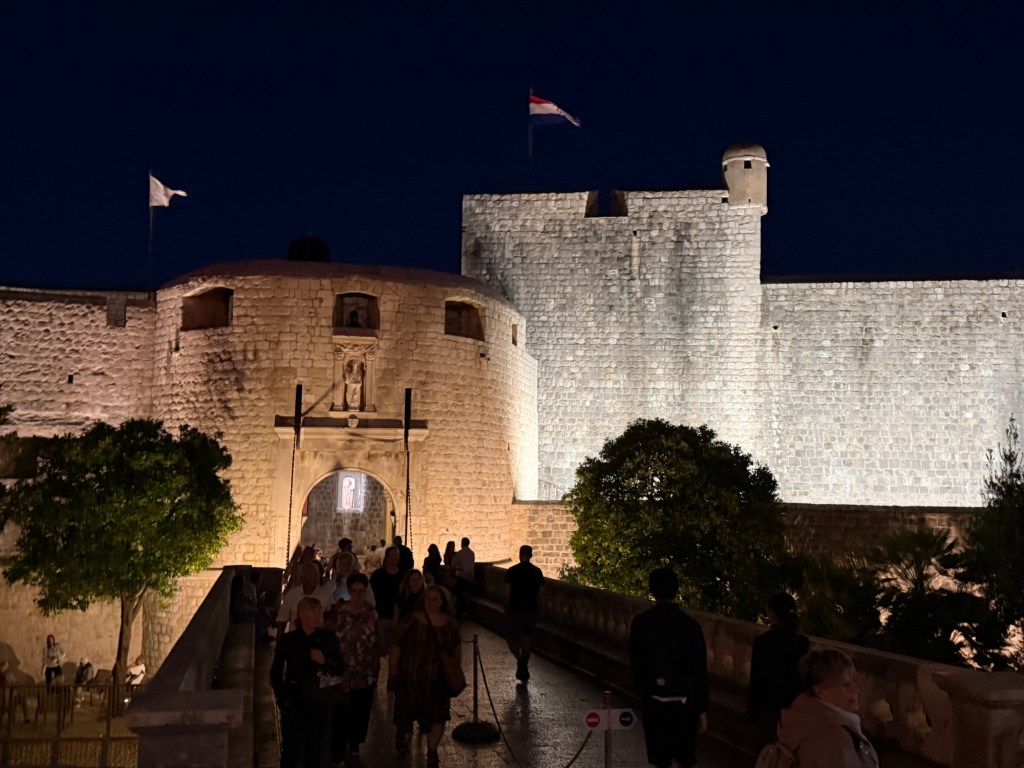
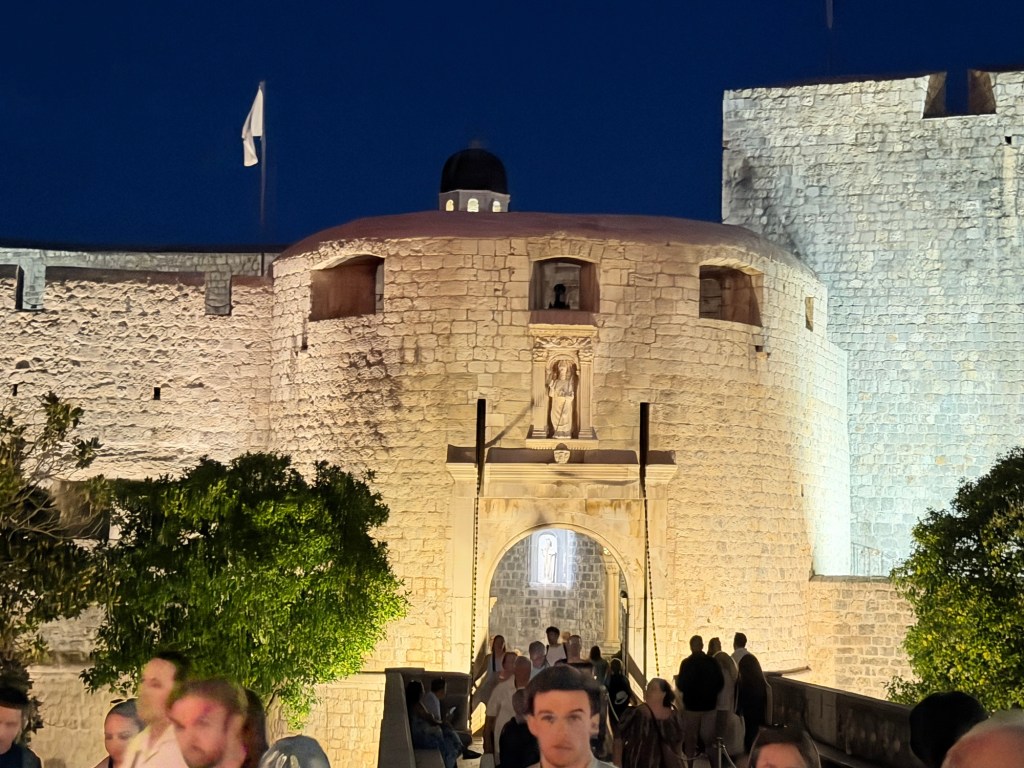
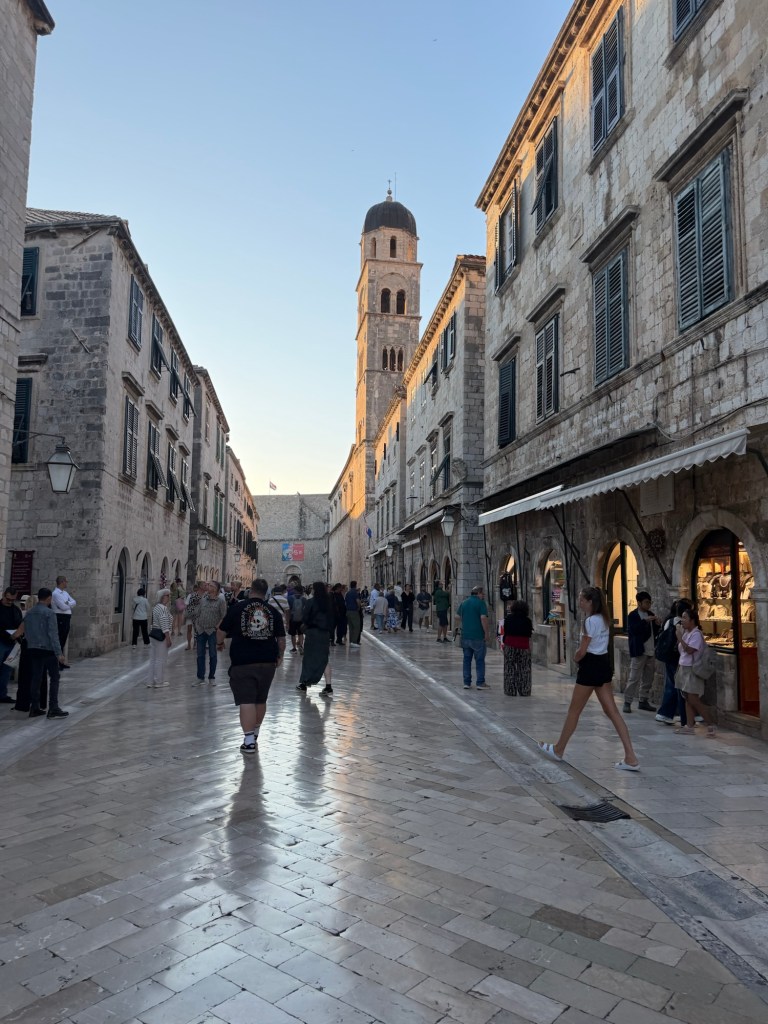
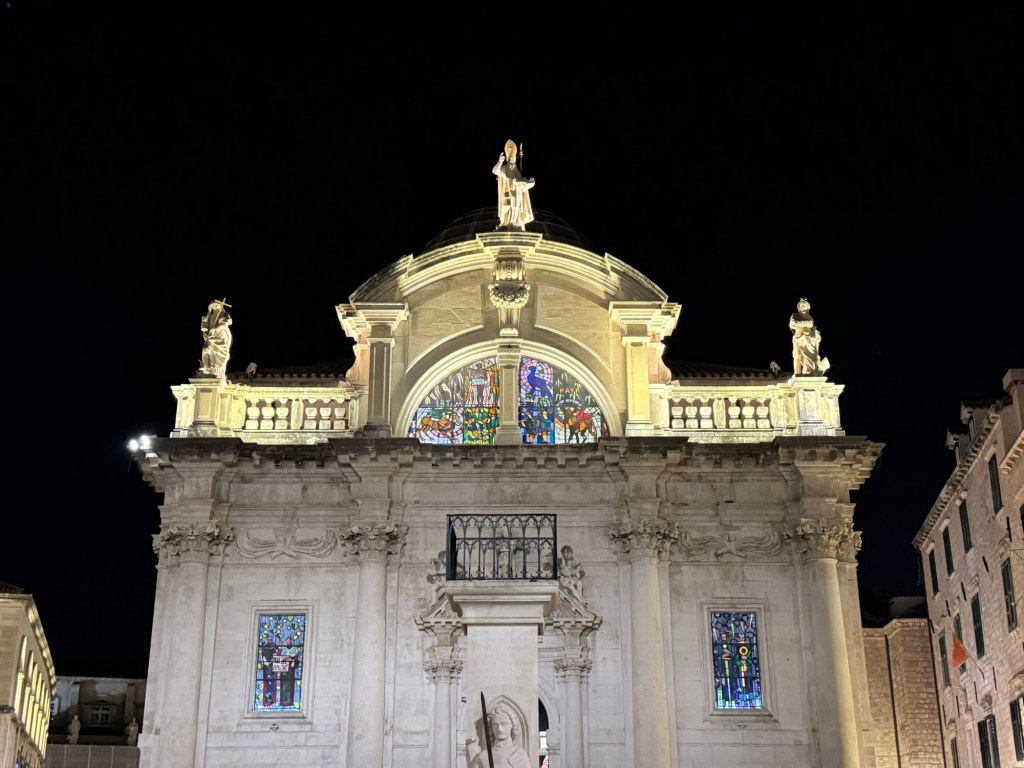
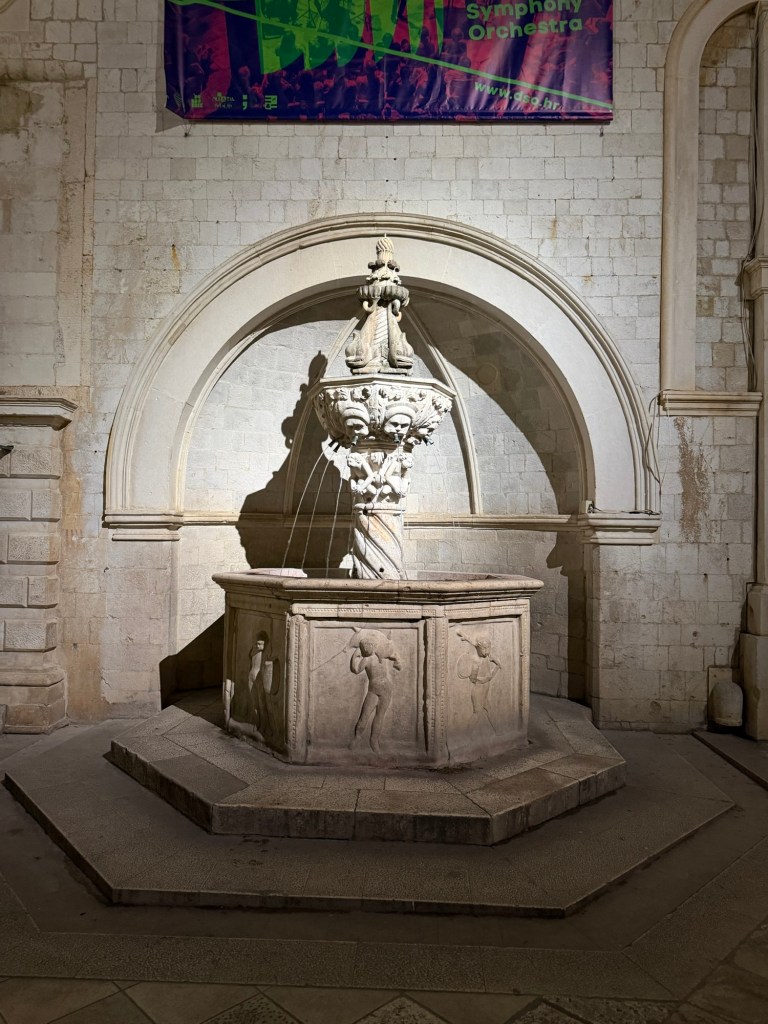
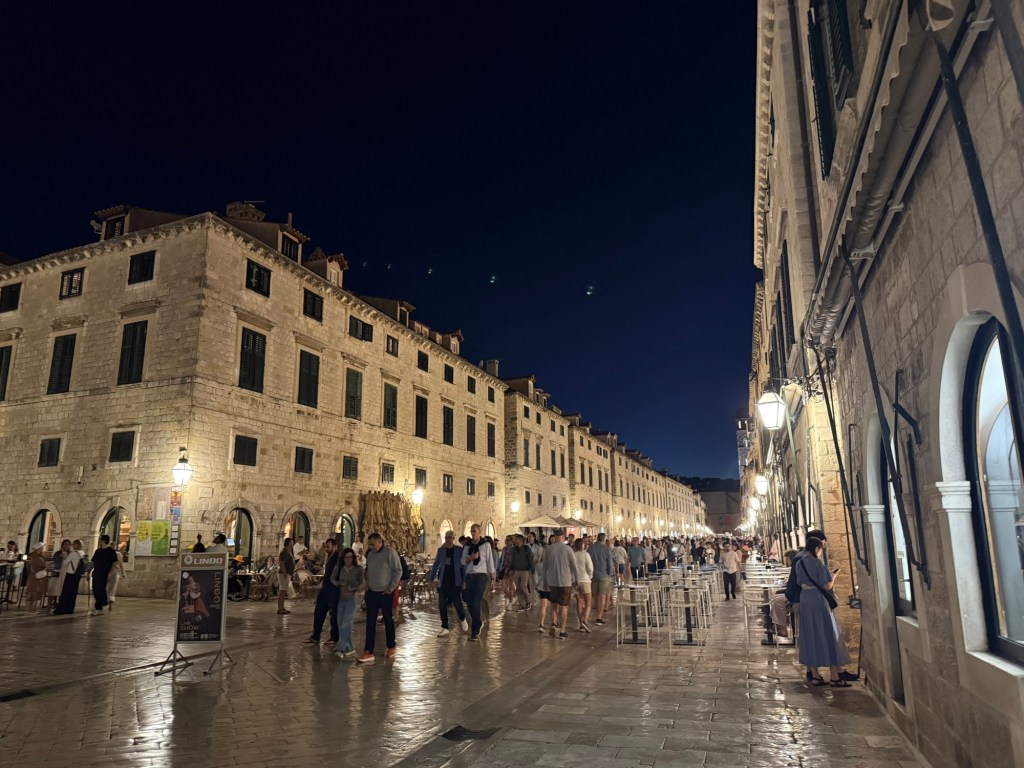
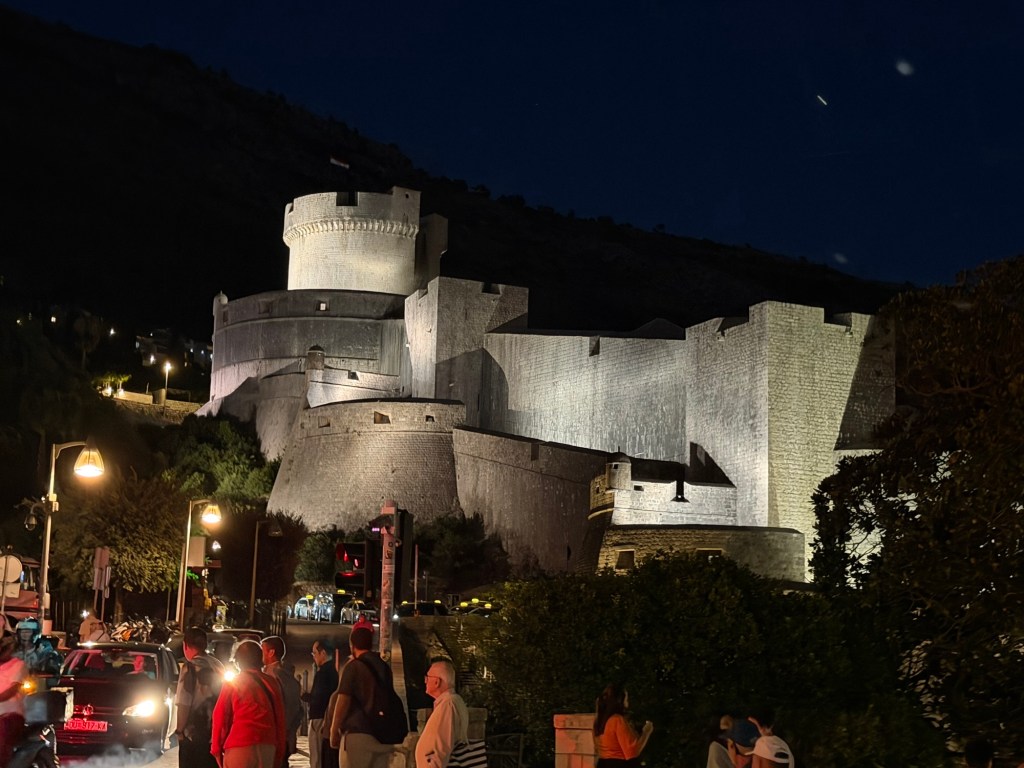
For centuries, Dubrovnik—then known as Ragusa—prospered as an independent maritime republic, trading and negotiating between East and West. Its independence ended when Napoleon abolished the republic in 1808. A devastating earthquake in 1667 destroyed or damaged much of the city, which was rebuilt with the Gothic, Renaissance, and Baroque buildings that still shape the Old Town today.
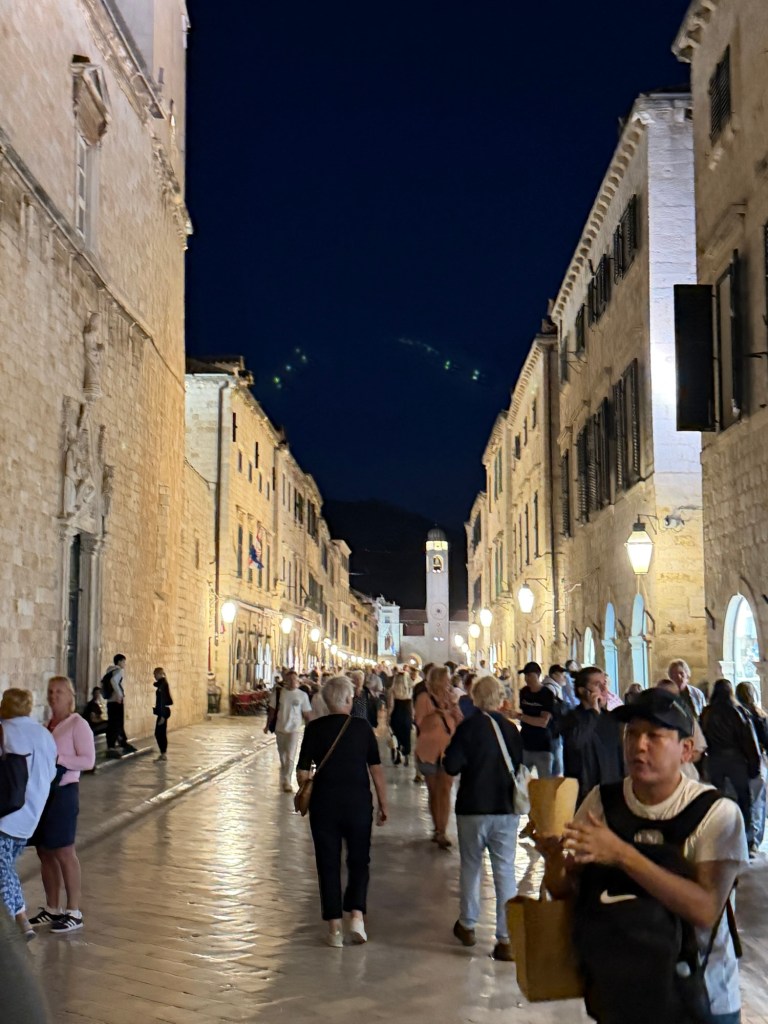
Old Town is real, and its history is present everywhere in the stone streets and buildings. Still, with the crowds and rows of souvenir shops, parts of Dubrovnik can feel a bit like Disneyland. That is the double-edged sword of UNESCO designation: recognition helps preserve and celebrate a place of extraordinary importance, while drawing crowds that can change the life of the city. Many locals have moved away, and shops that once served residents have largely given way to trinket shops selling cheap, Chinese-made souvenirs.