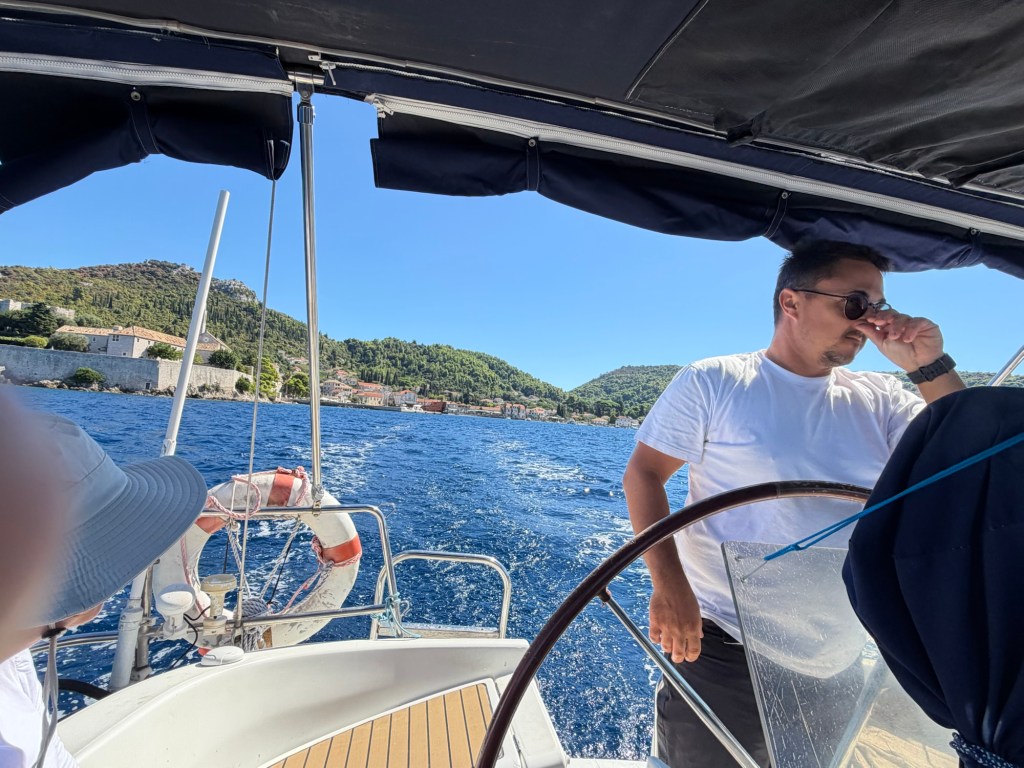
After several wonderful days in Dubrovnik, it was time to bid farewell to Croatia and begin the final chapter of our Balkan journey. Our driver, Tim, collected us at our hotel, and we headed southeast along Croatia’s spectacular Dalmatian Coast.
Our destination was Montenegro (meaning Black Mountain), a small country of stunning natural beauty, where rugged mountains plunge into the Adriatic and medieval towns line the shores of the magestic Bay of Kotor, its fjord-like landscape framed by towering limestone mountains.
Montenegro, has a rich and turbulent history. For centuries, its rugged mountains helped preserve its independence against the Ottoman Empire, while coastal towns such as Kotor and Perast flourished under Venetian rule. Montenegro gained international recognition as an independent nation in 1878, later became part of Yugoslavia, and regained its independence in 2006.
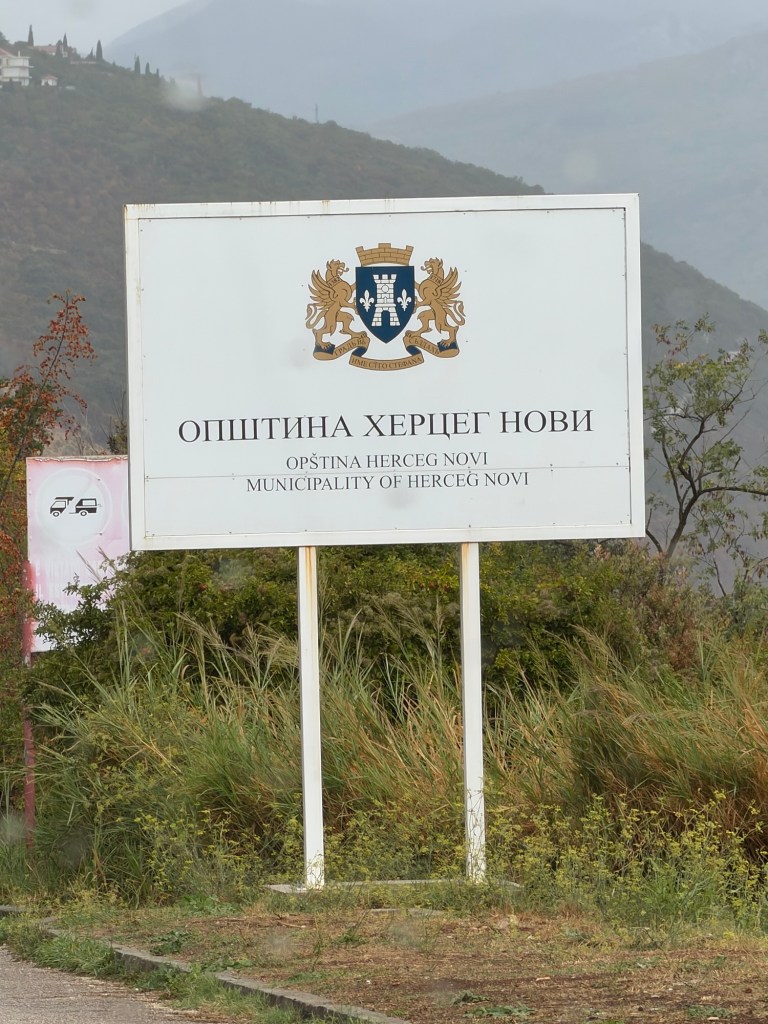
Though we were warned about border crossing nightmares, our crossing was remarkably straightforward. After presenting our passports and waiting approximately five minutes, we were on our way.
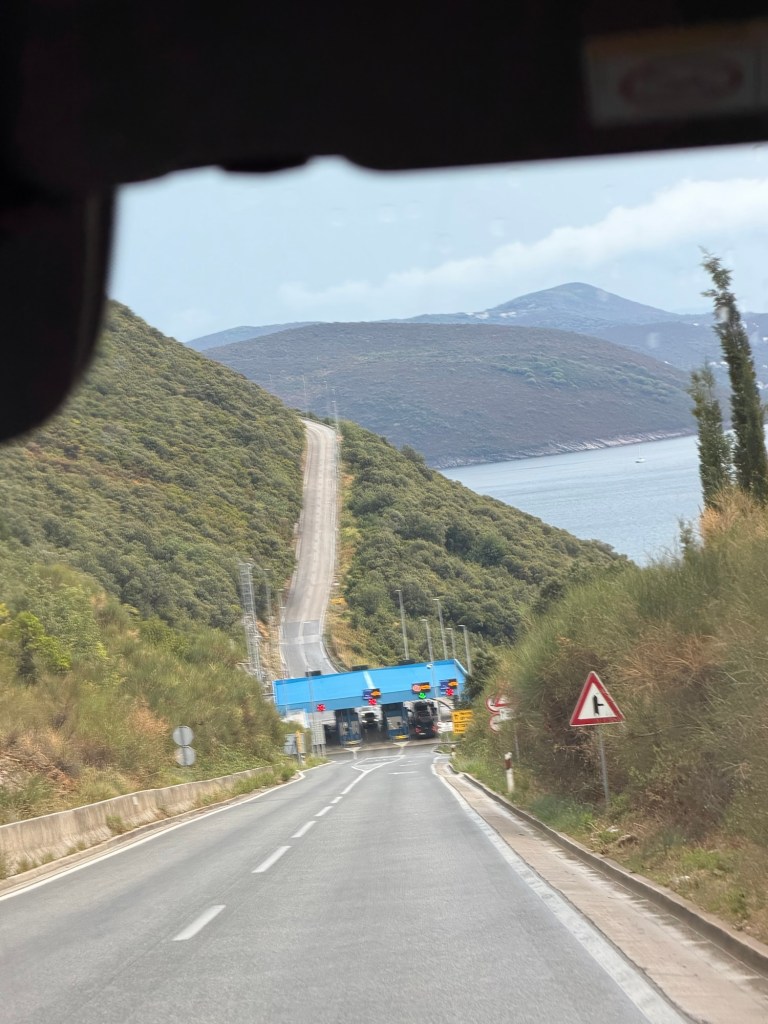
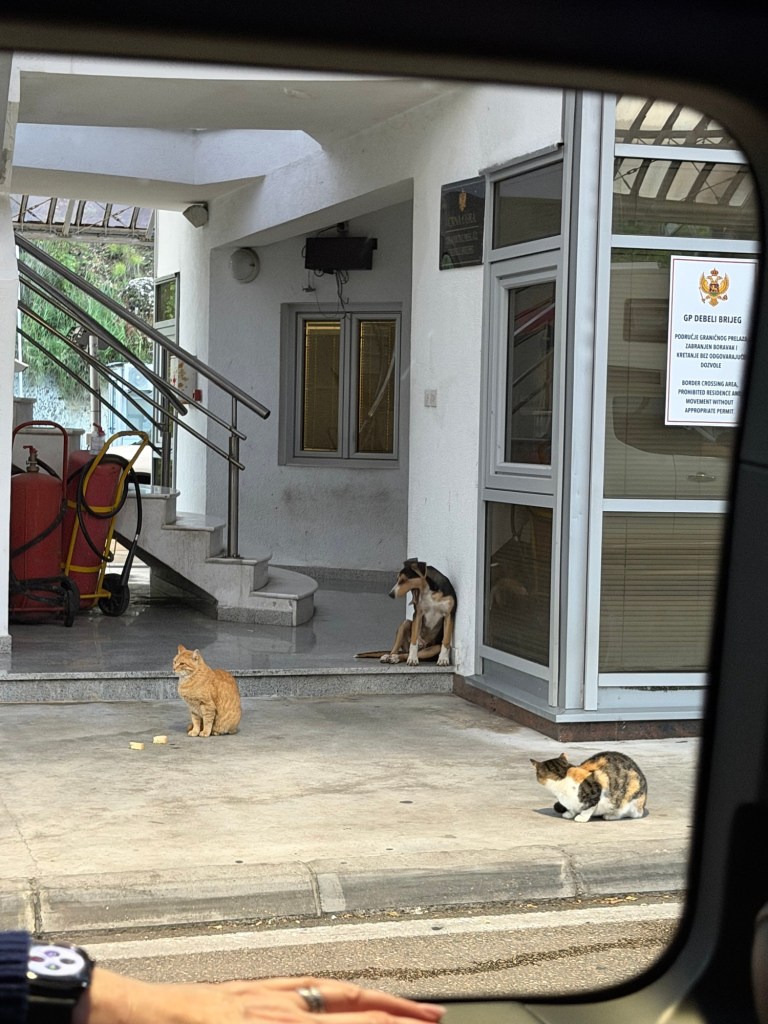
We did see a dog suspected of illegal entry being detained by two cats.
As we continued south, the scenery became increasingly spectacular. Steep mountains rose almost vertically from the water, picturesque villages hugged the shoreline, and the winding coastal road offered breathtaking views of the Bay of Kotor. It was a fine introduction to the final country on our Balkan itinerary.
Montenegro’s great nineteenth-century poet and philosopher, Petar II Petrović-Njegoš, once wrote, “After a storm the sky becomes clearer, after sorrow the soul is more serene.” His words seemed particularly fitting for a country whose breathtaking landscapes and turbulent history have long been intertwined.
Our home in Montenegro was the luxurious One&Only Portonovi, situated along the shores of Boka Bay. The resort was an extraordinary setting for the final stop on our journey, combining elegant architecture, beautifully landscaped grounds, and sweeping views of the surrounding mountains and water. More about this place later.
After checking in, we quickly met our local guide in the hotel lobby, eager to begin exploring.
Unfortunately, Mother Nature had other plans.
We had originally arranged a private boat excursion to explore the Bay of Kotor and its historic coastal towns. However, rain and strong winds made the excursion impractical. Rather than venture onto the water, we decided to explore the region by car.
Although disappointed, we soon discovered that Montenegro’s beauty is every bit as impressive from the road.
Perast: A Jewel on the Bay
Our first destination was Perast, a picturesque little town nestled between the mountains and the waters of the Bay of Kotor.
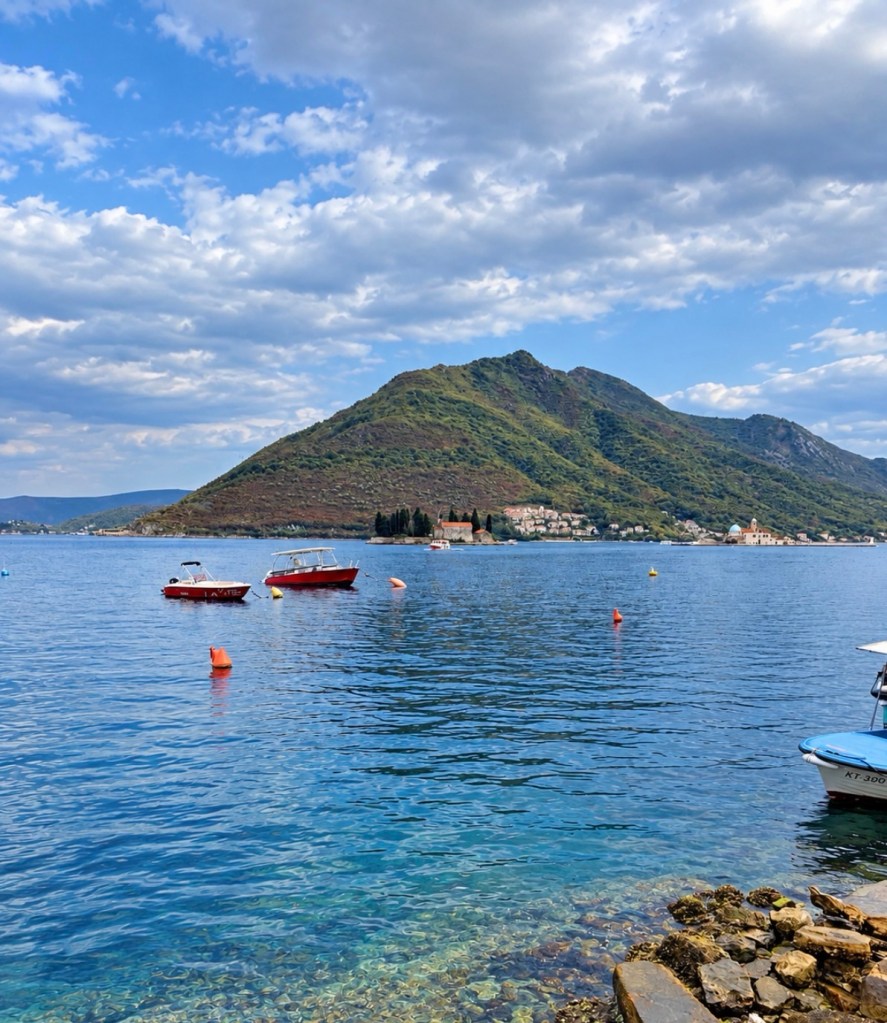
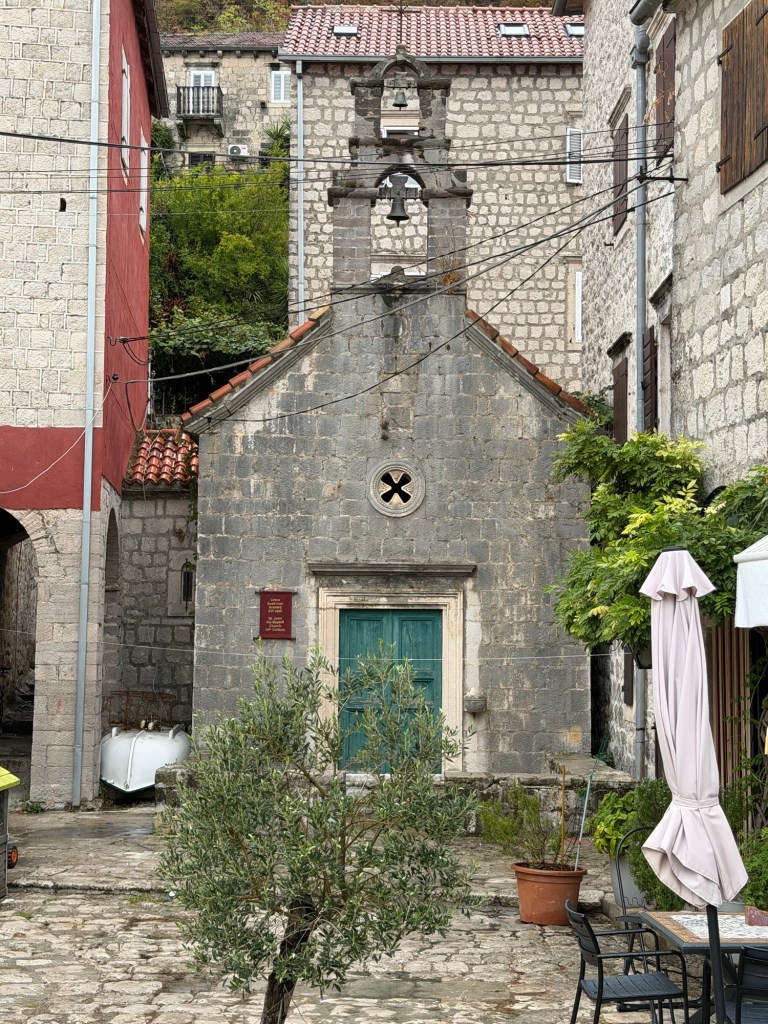
Once an important maritime center under Venetian rule, Perast retains much of its historic character. Elegant stone palaces, churches, and old captains’ residences line its waterfront, reminders of the wealth generated by the town’s seafaring past.
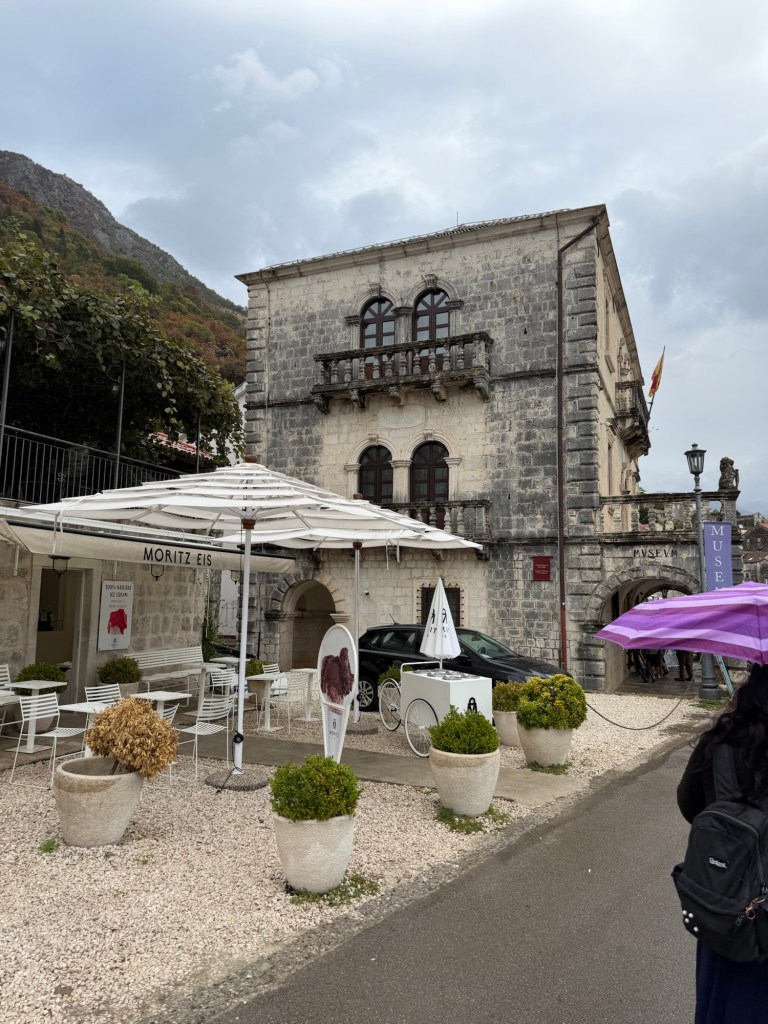
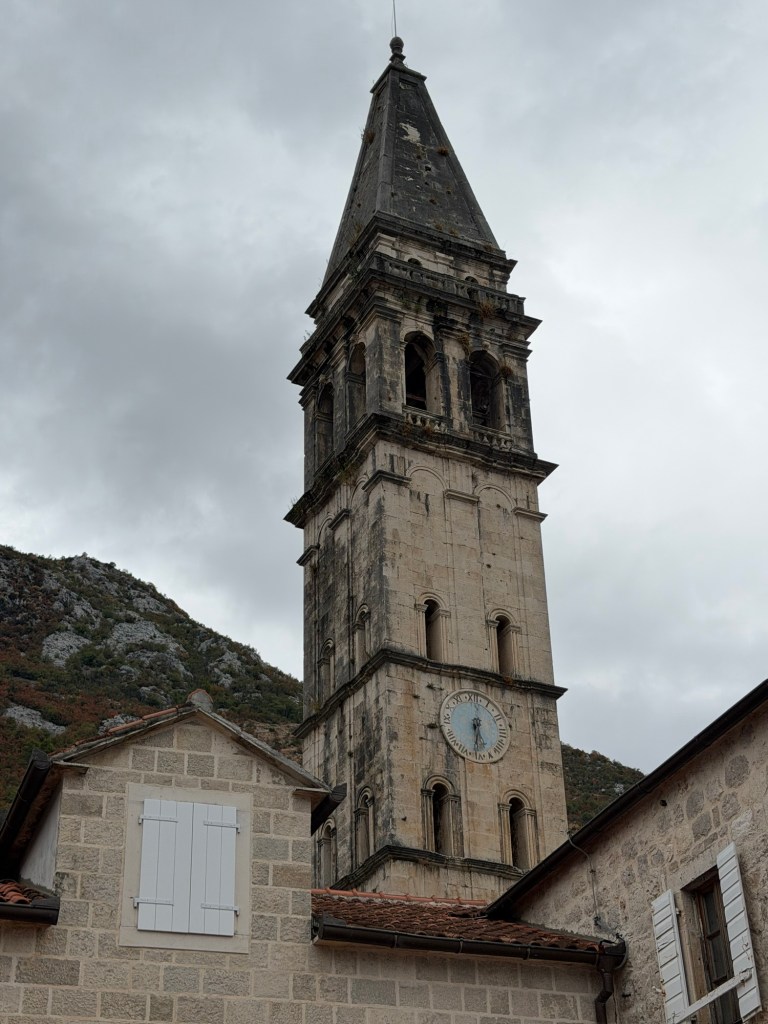
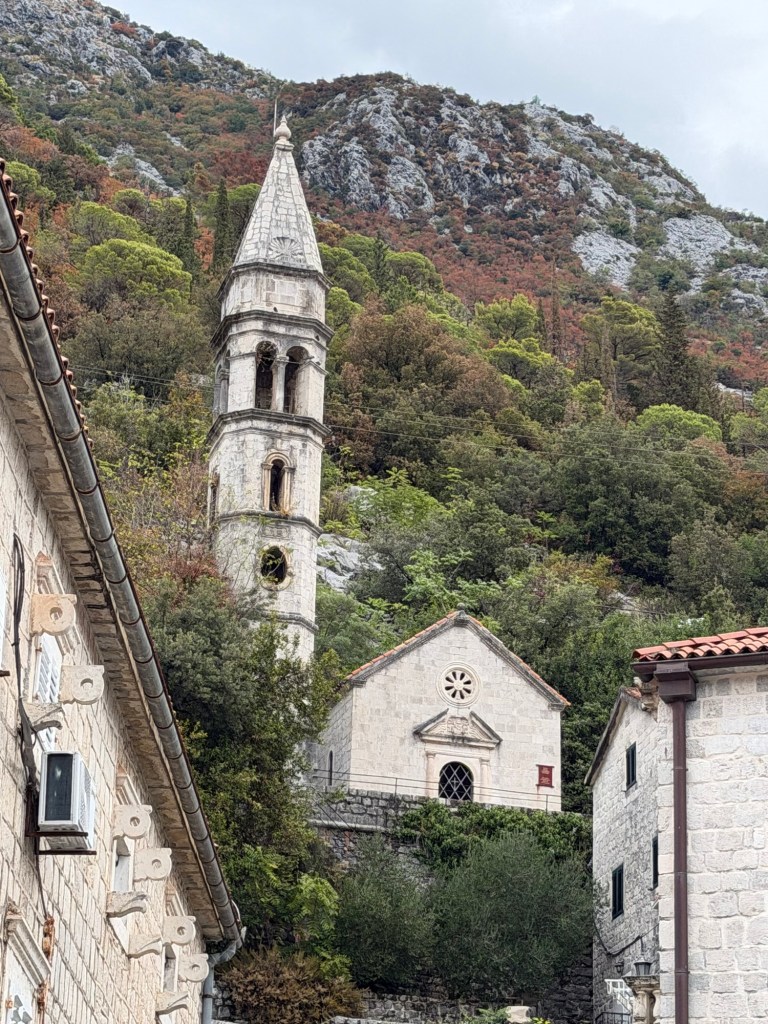
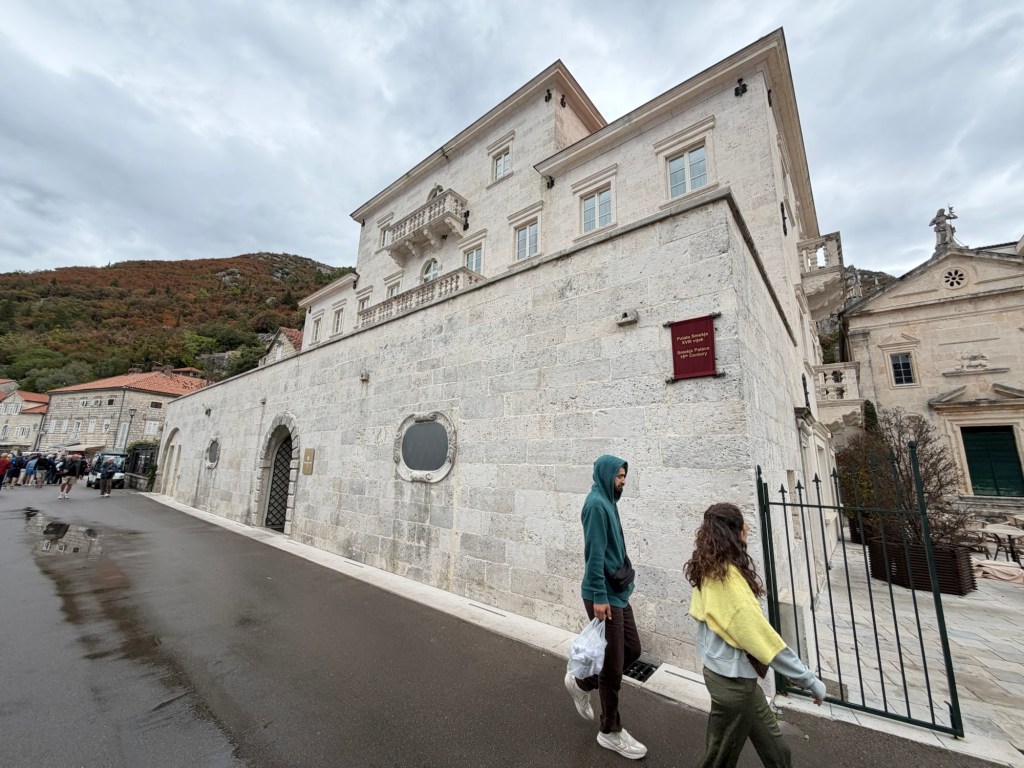
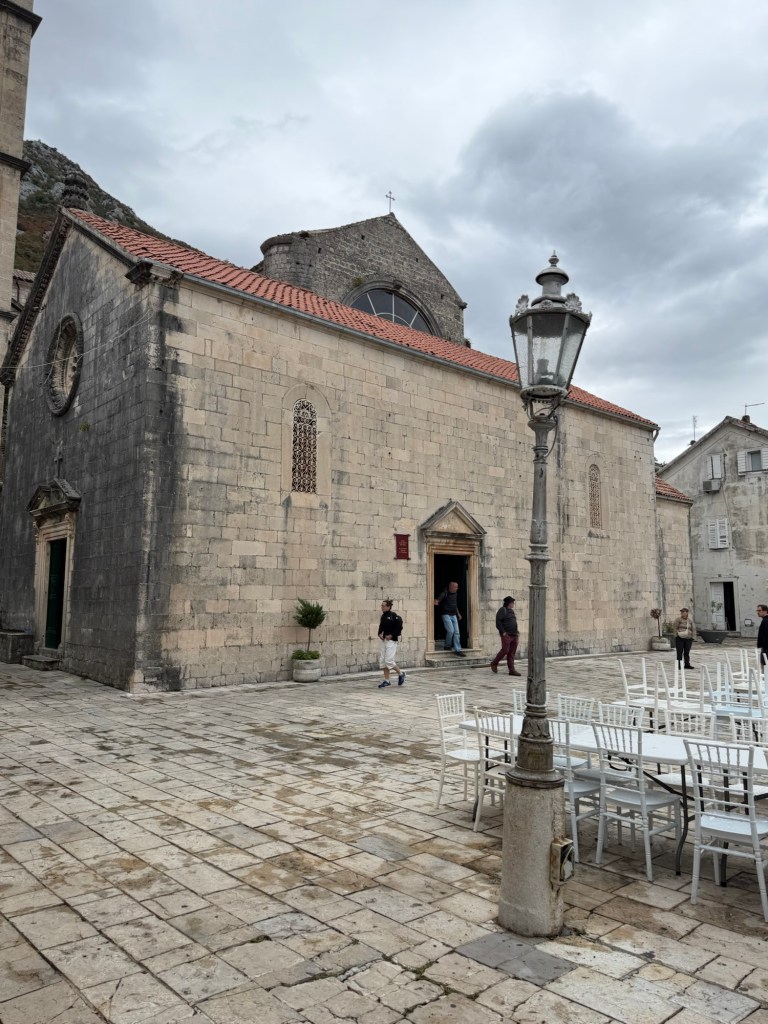
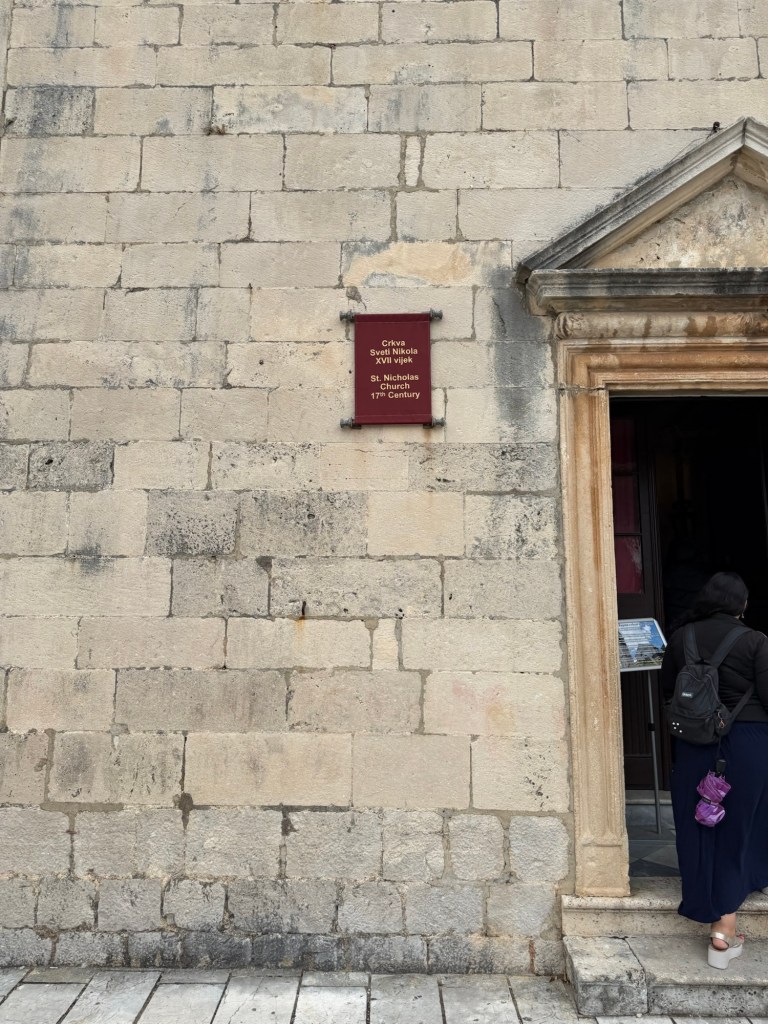
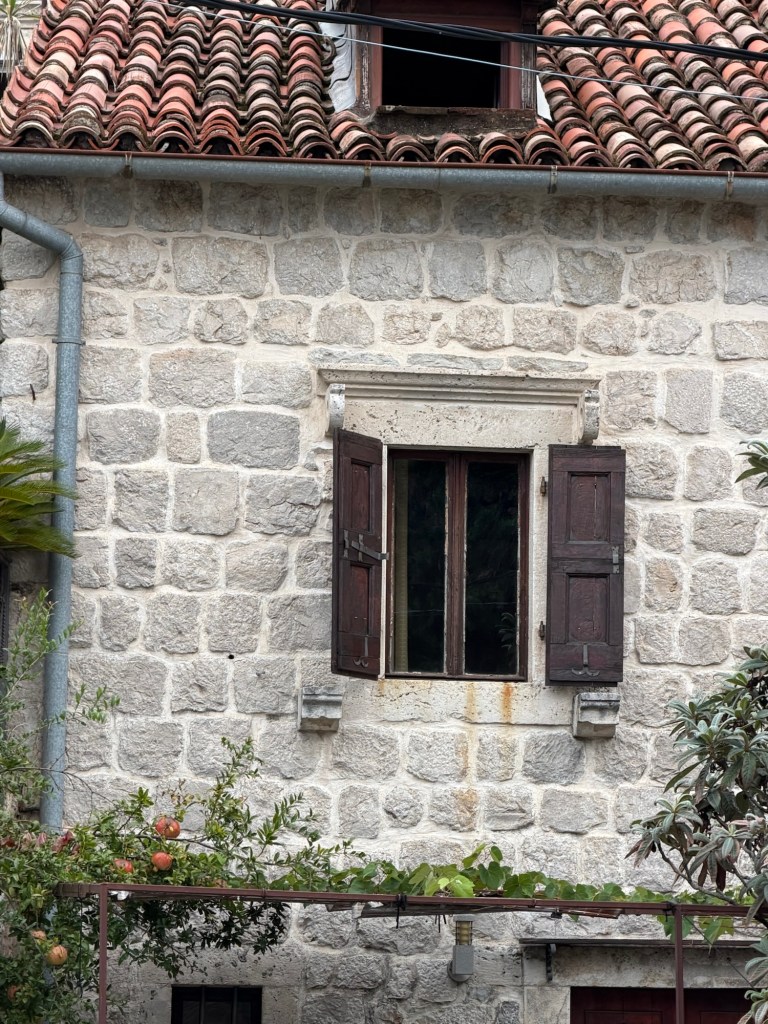
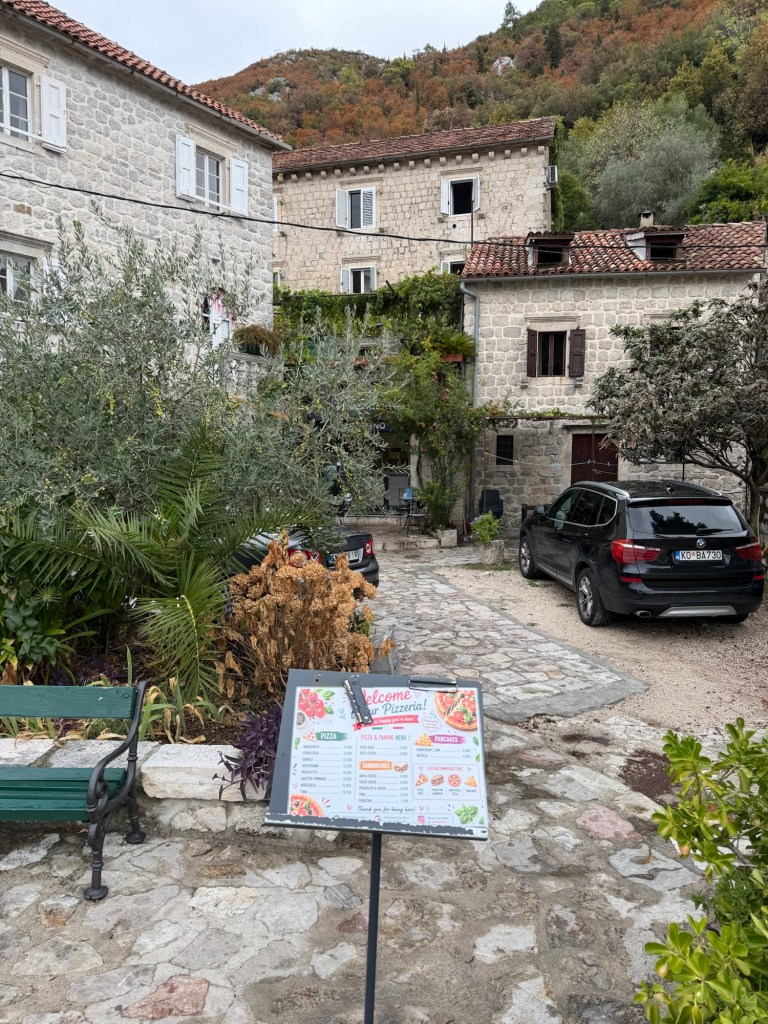
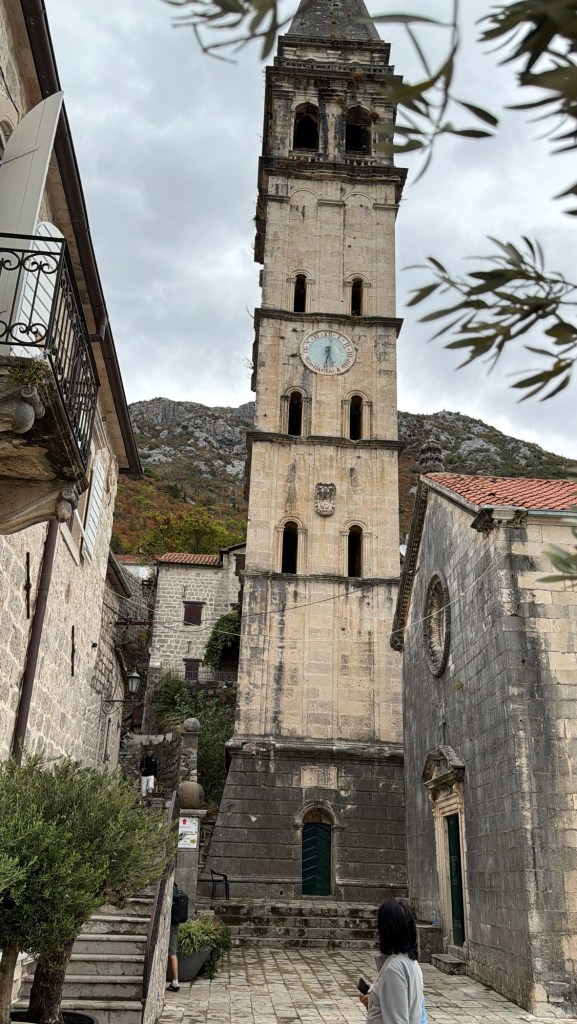
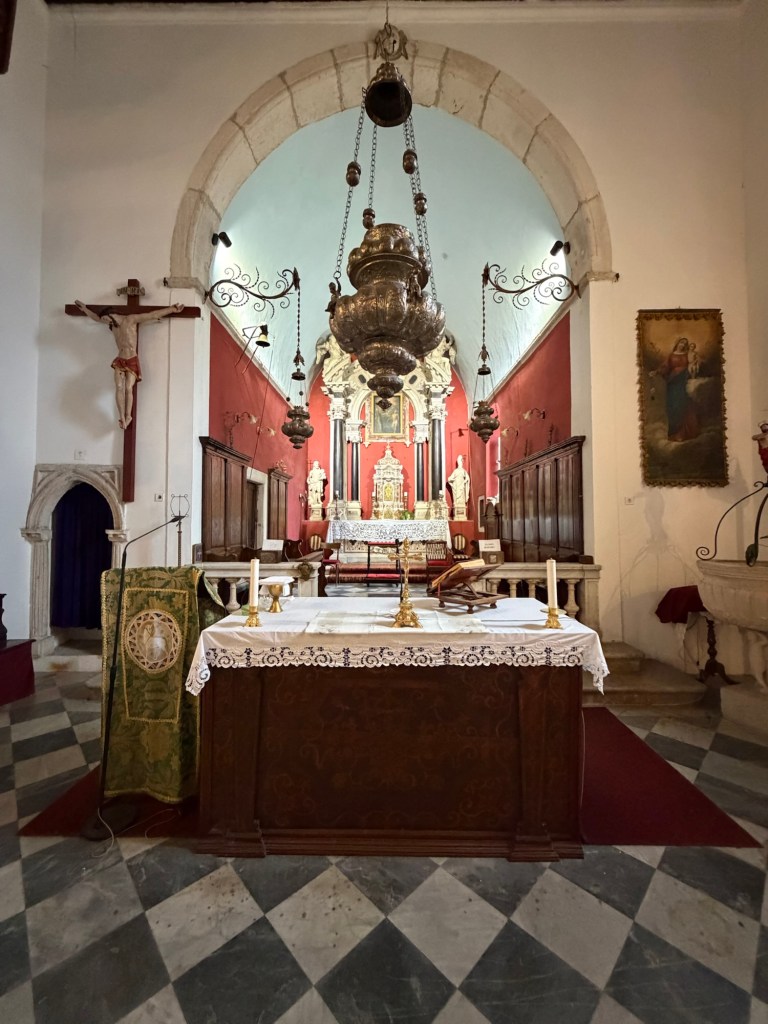
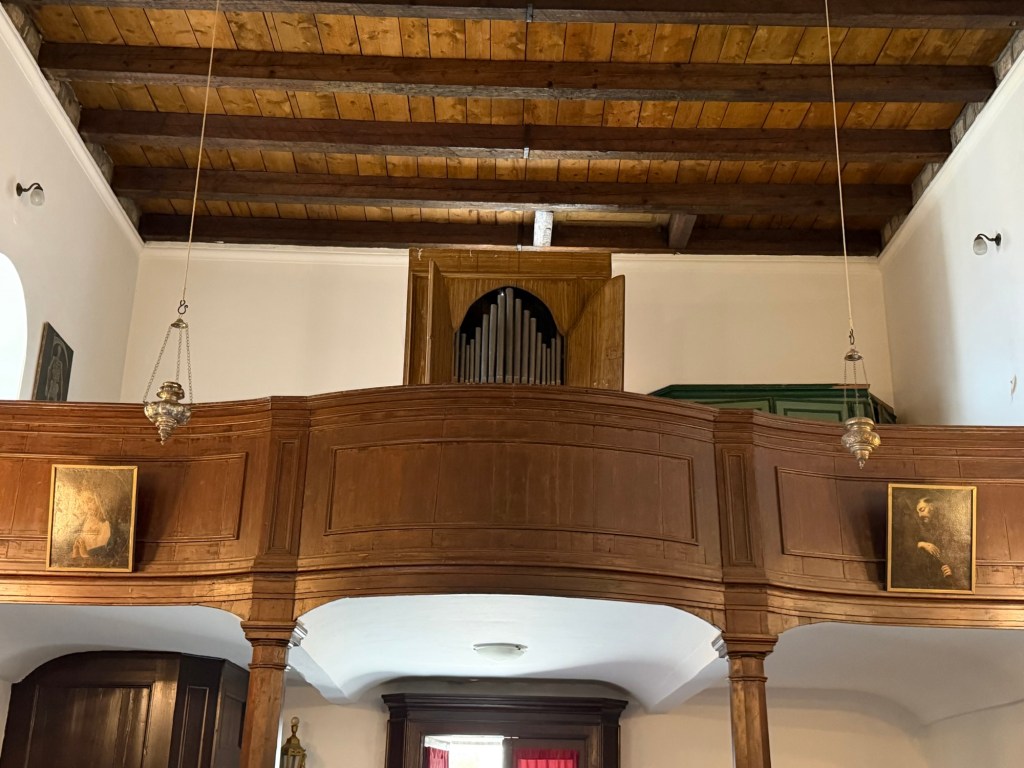
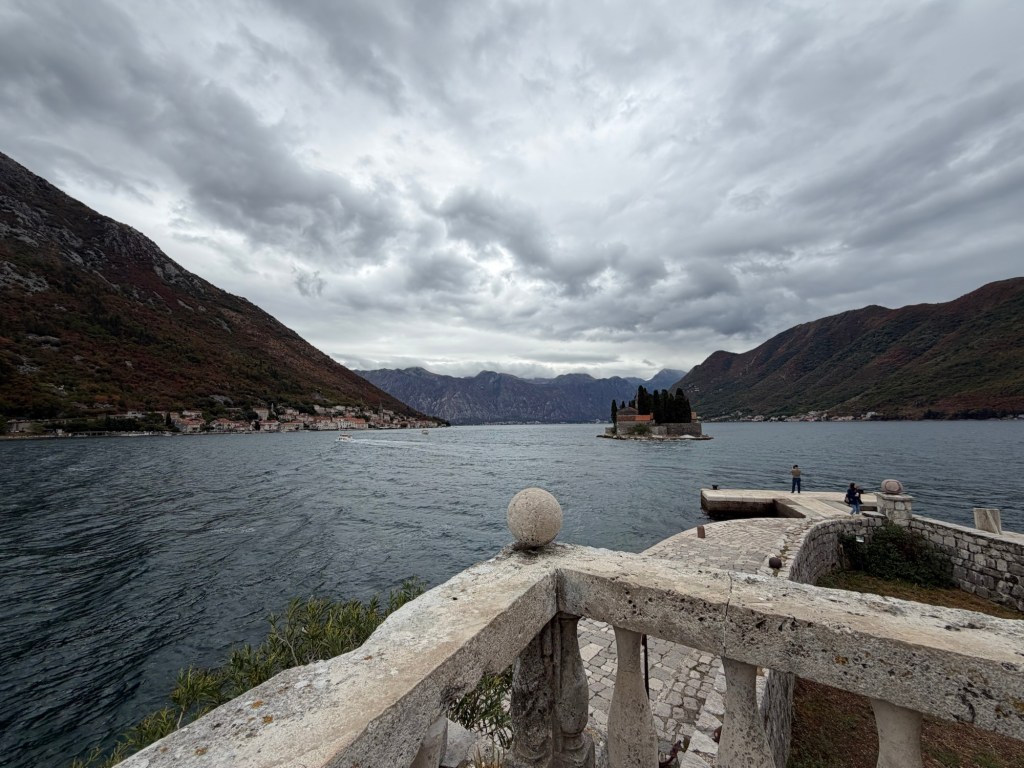
Just offshore lie two small islands that have become iconic symbols of the region: the natural island of St. George, with its monastery and cypress trees, and the extraordinary artificial island of Our Lady of the Rocks.
Our Lady of the Rocks
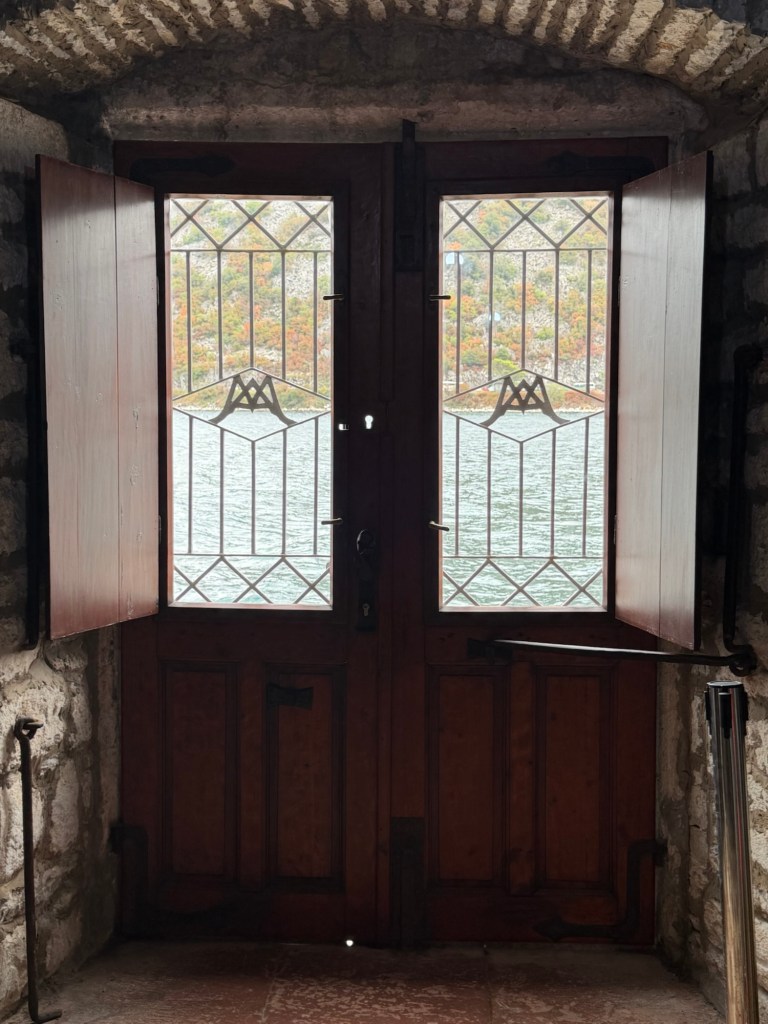
One of the most fascinating sights in the Bay of Kotor is Our Lady of the Rocks, an artificial island created over centuries by local sailors.
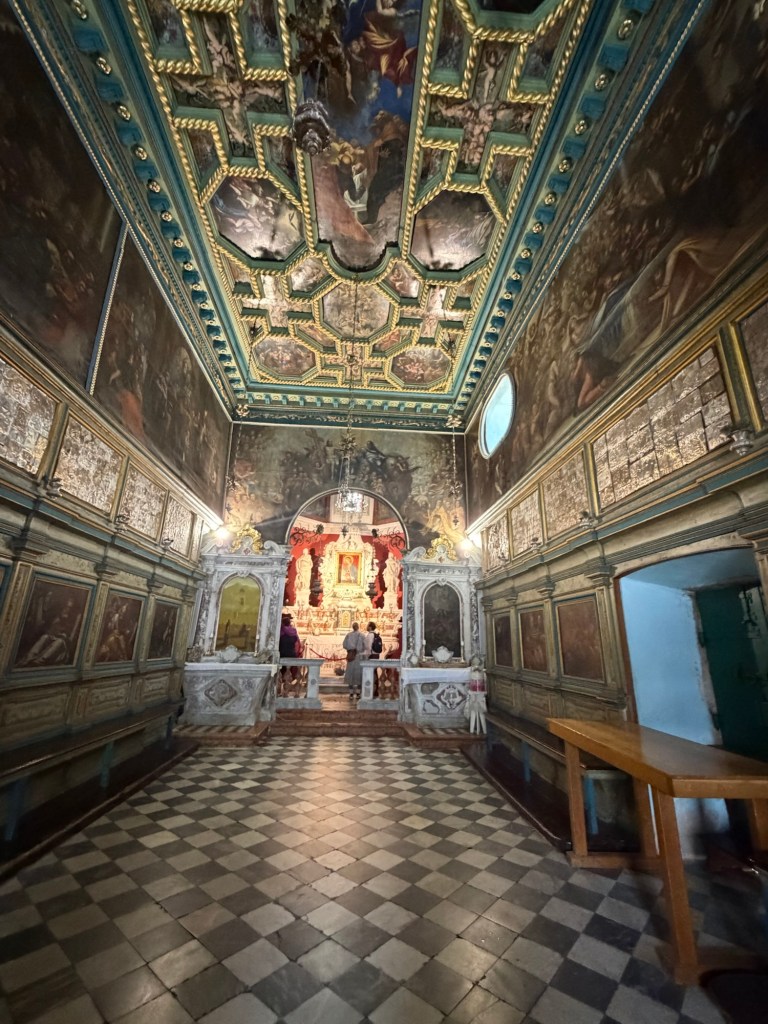
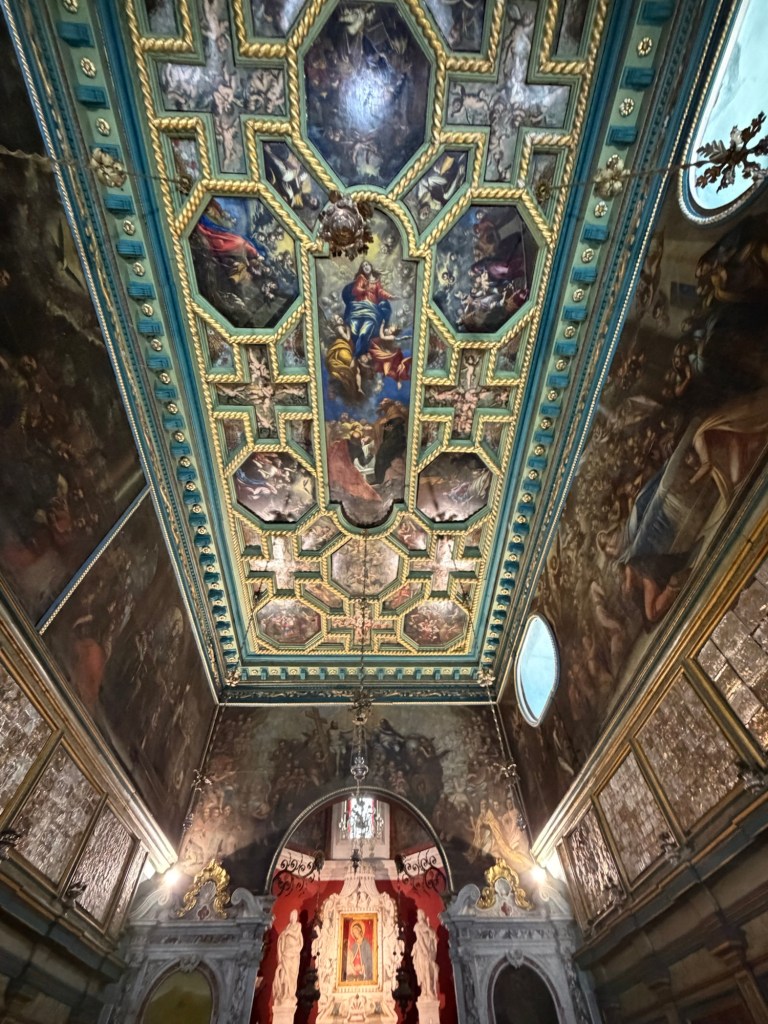
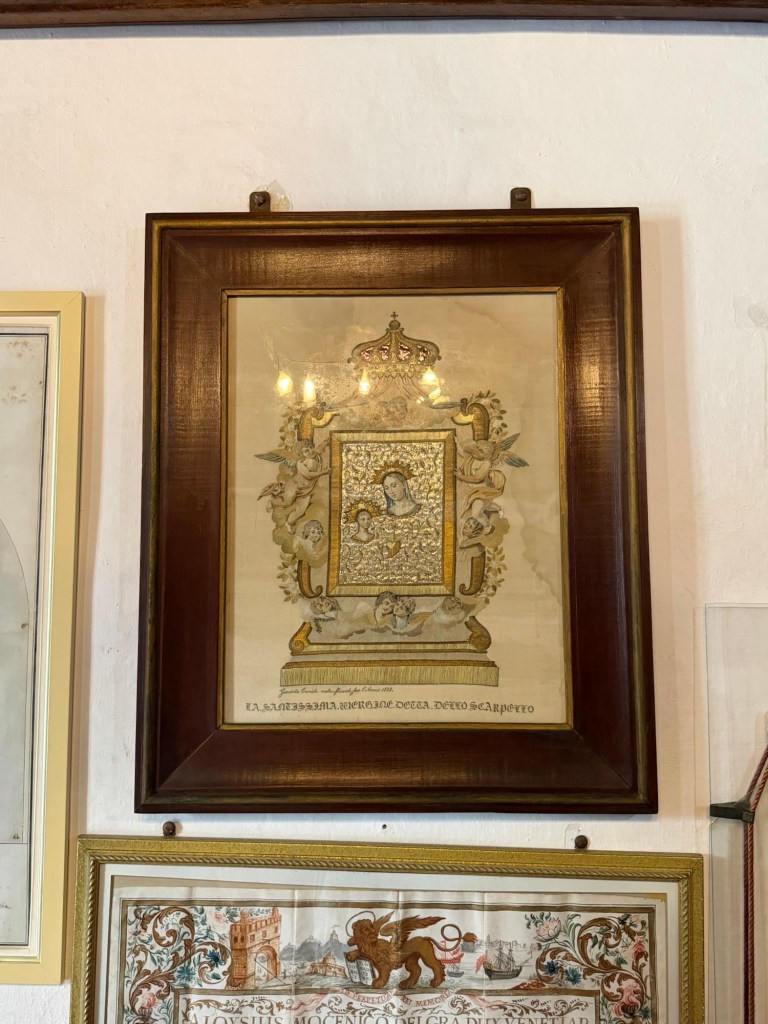
According to tradition, two fishermen discovered an image of the Virgin Mary on a rock in the bay in 1452. In gratitude, local mariners began depositing stones at the site, gradually creating an island upon which a church was eventually built.
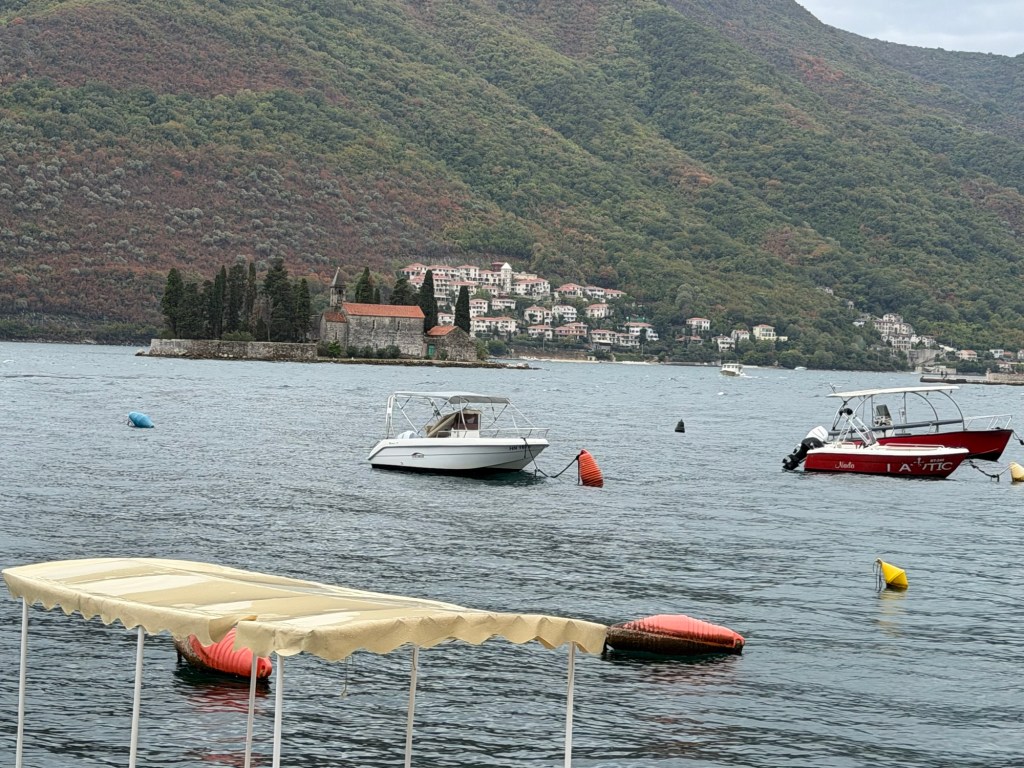
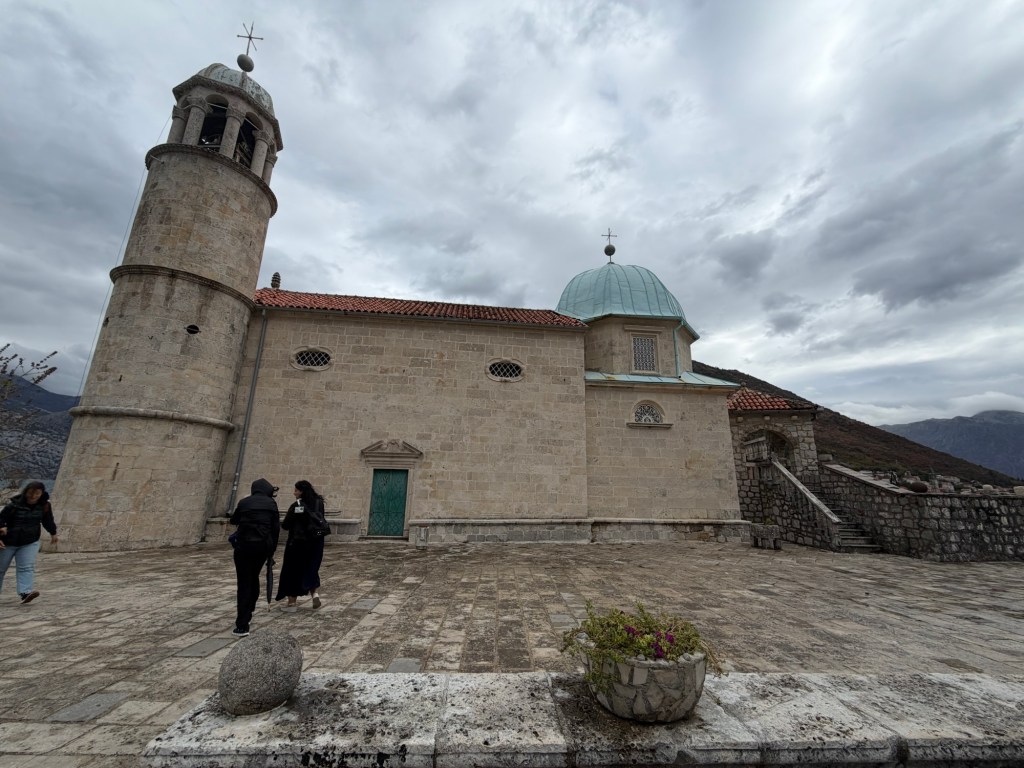
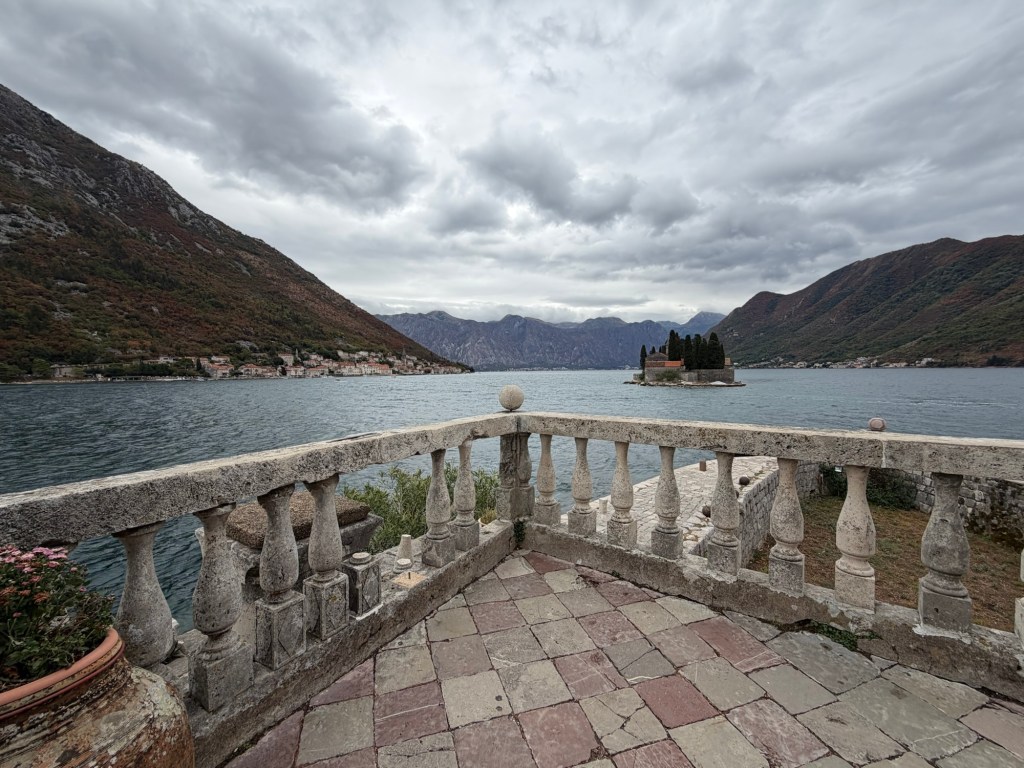
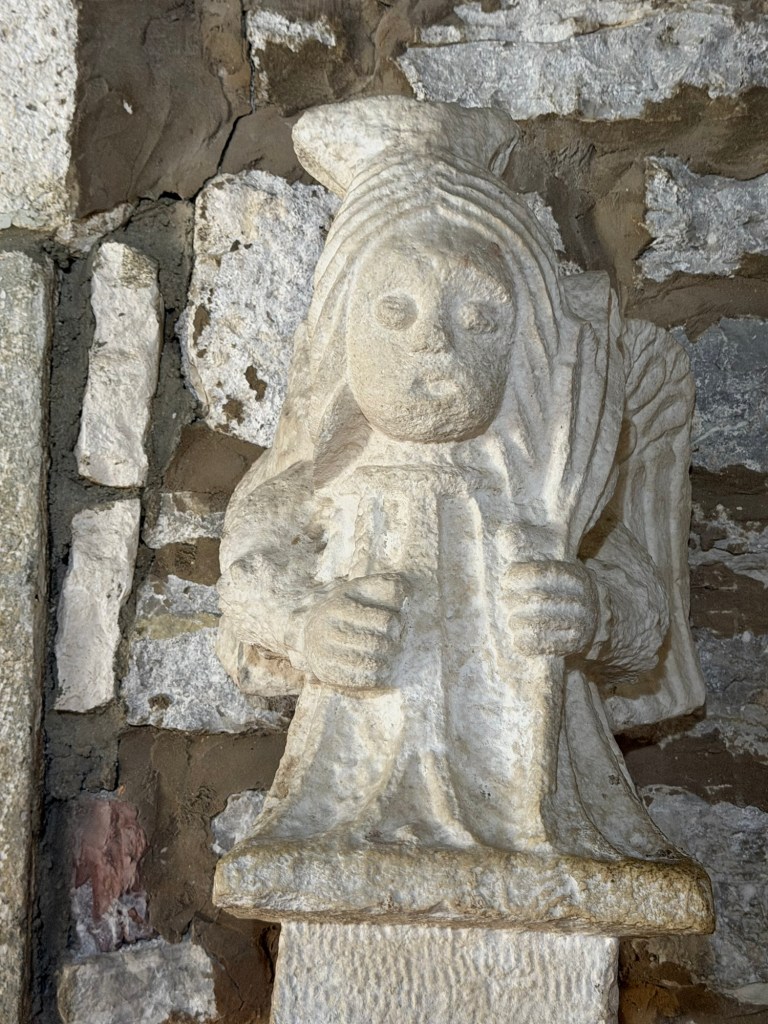
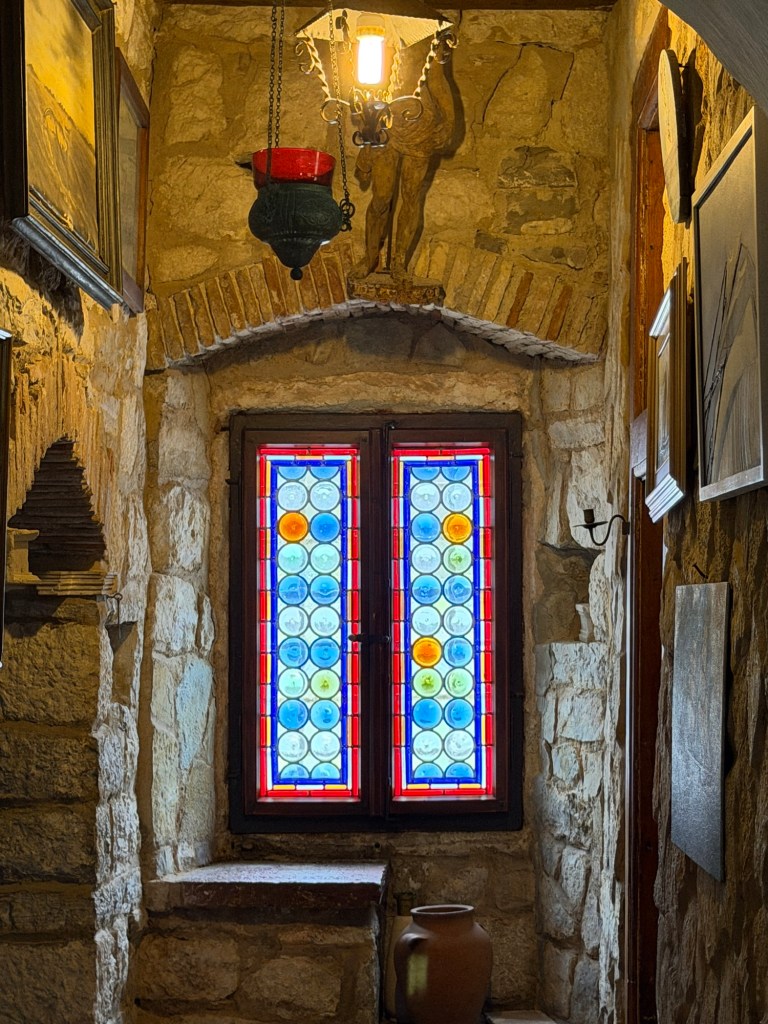
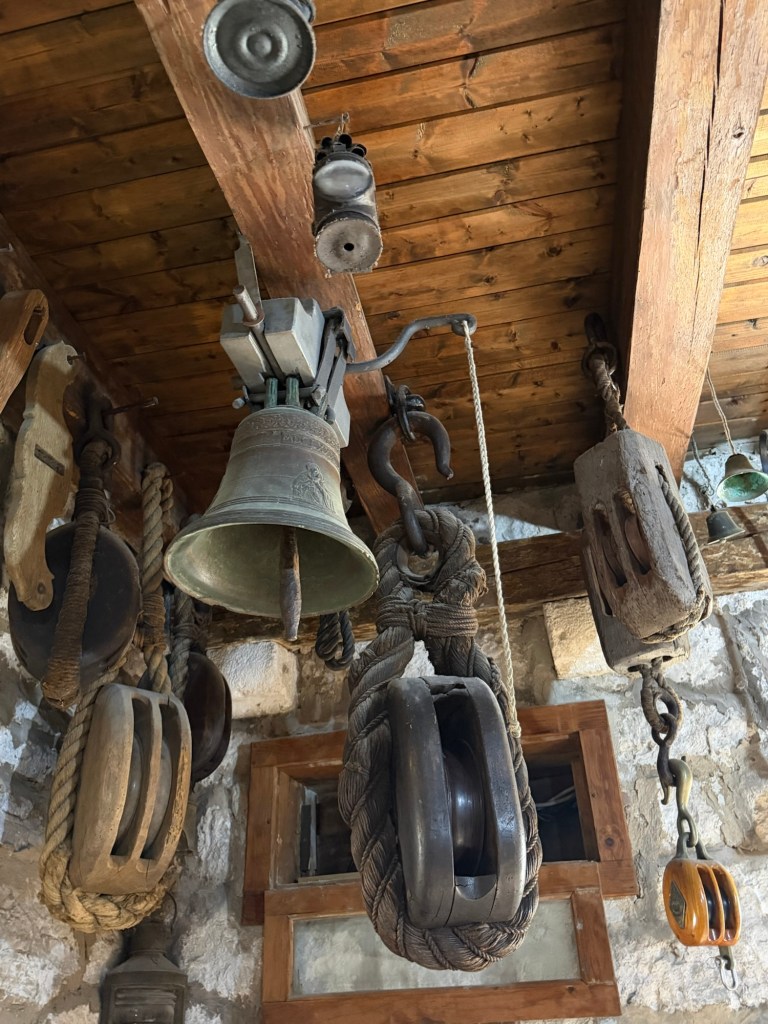
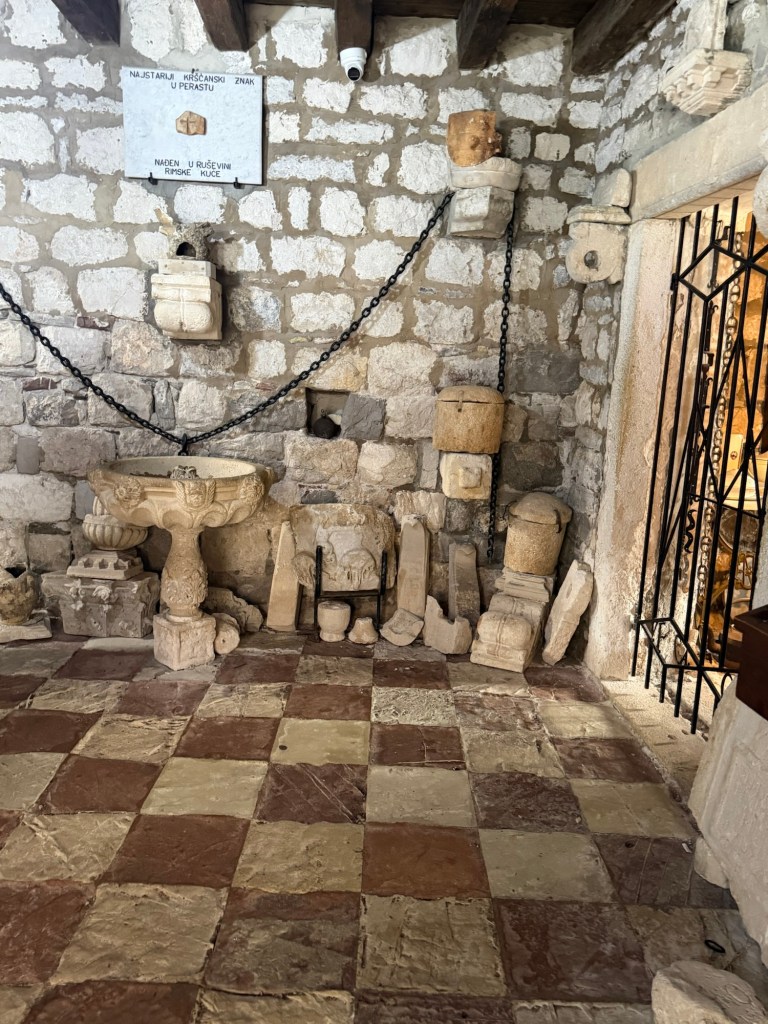
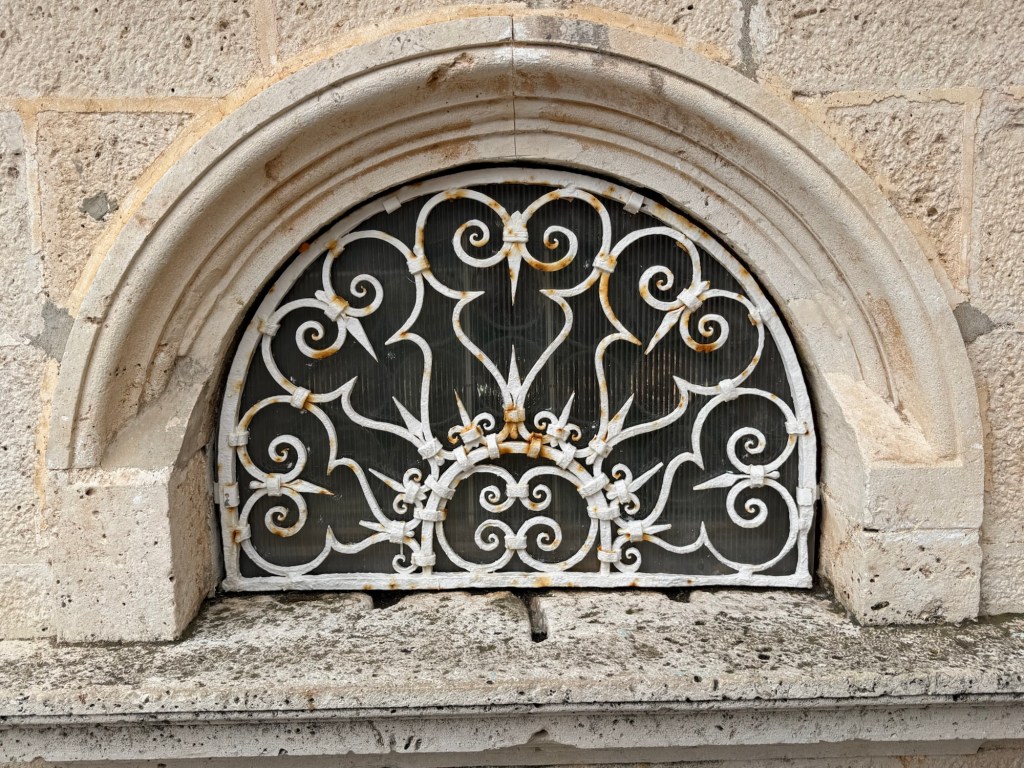
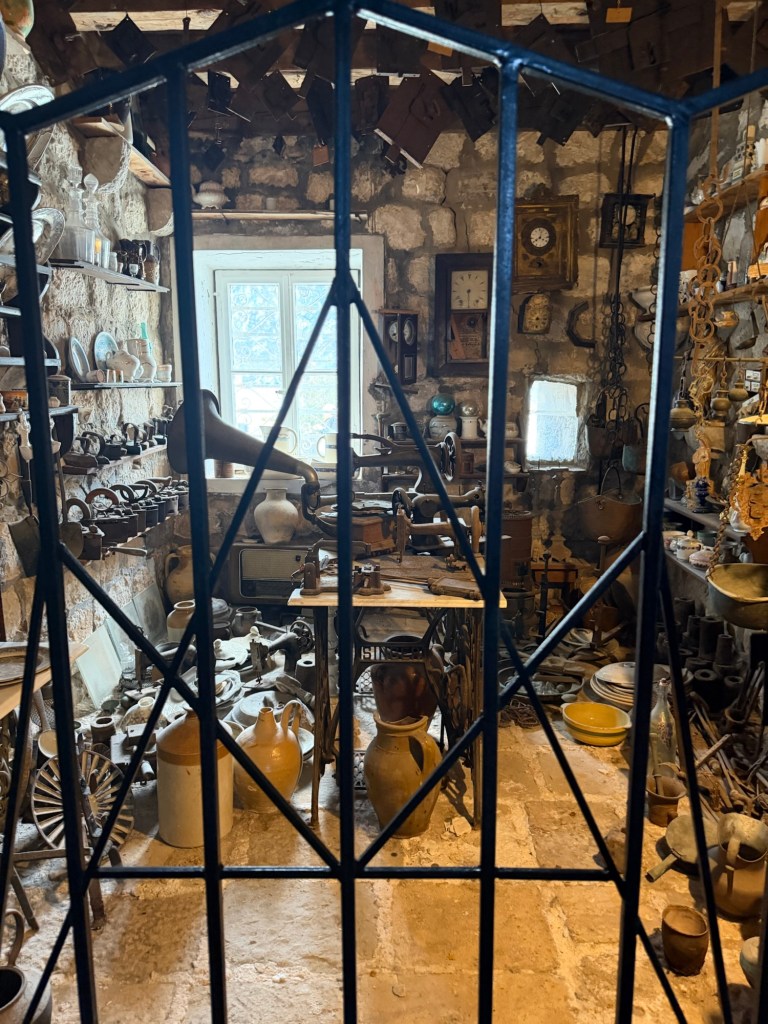
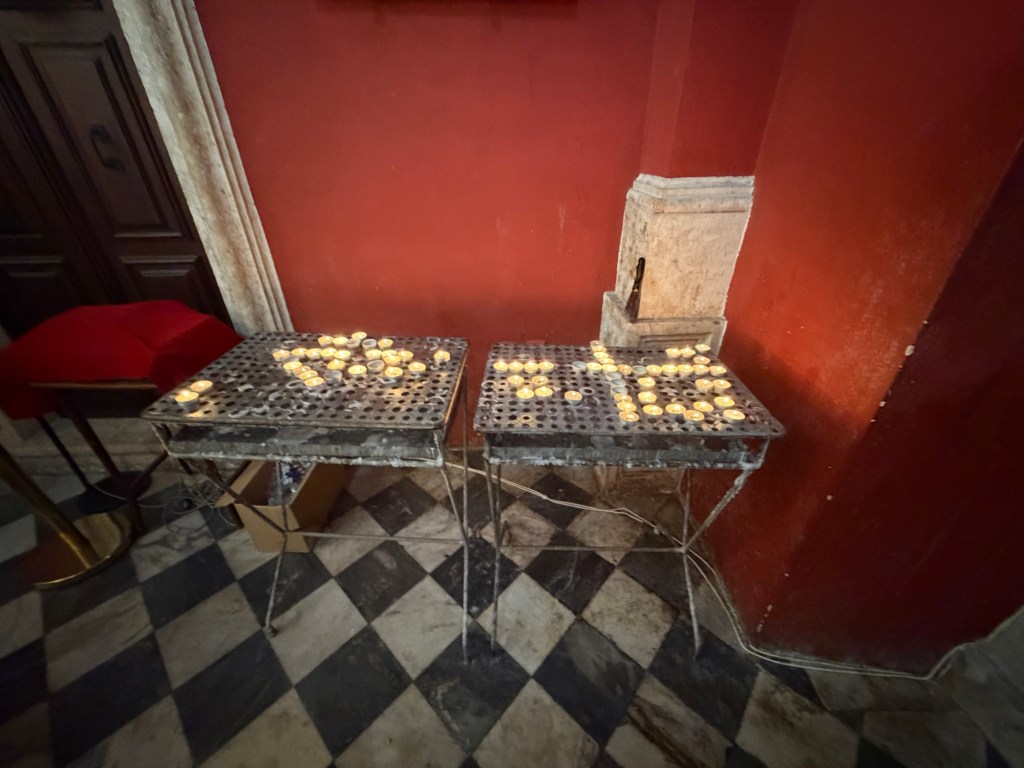
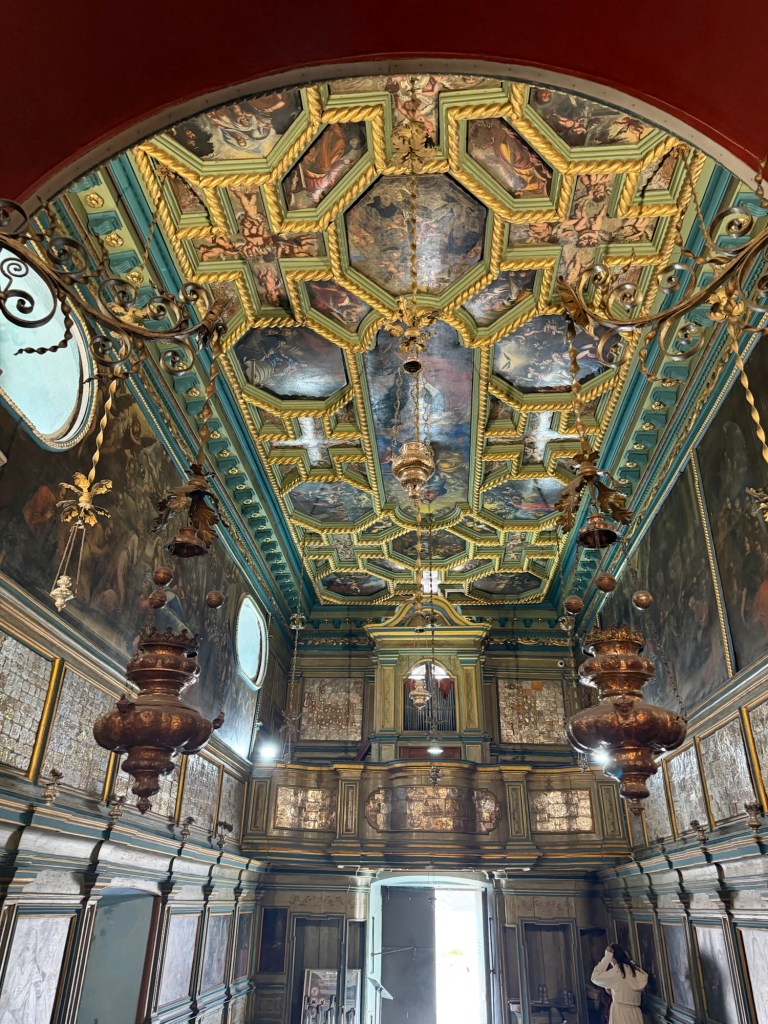
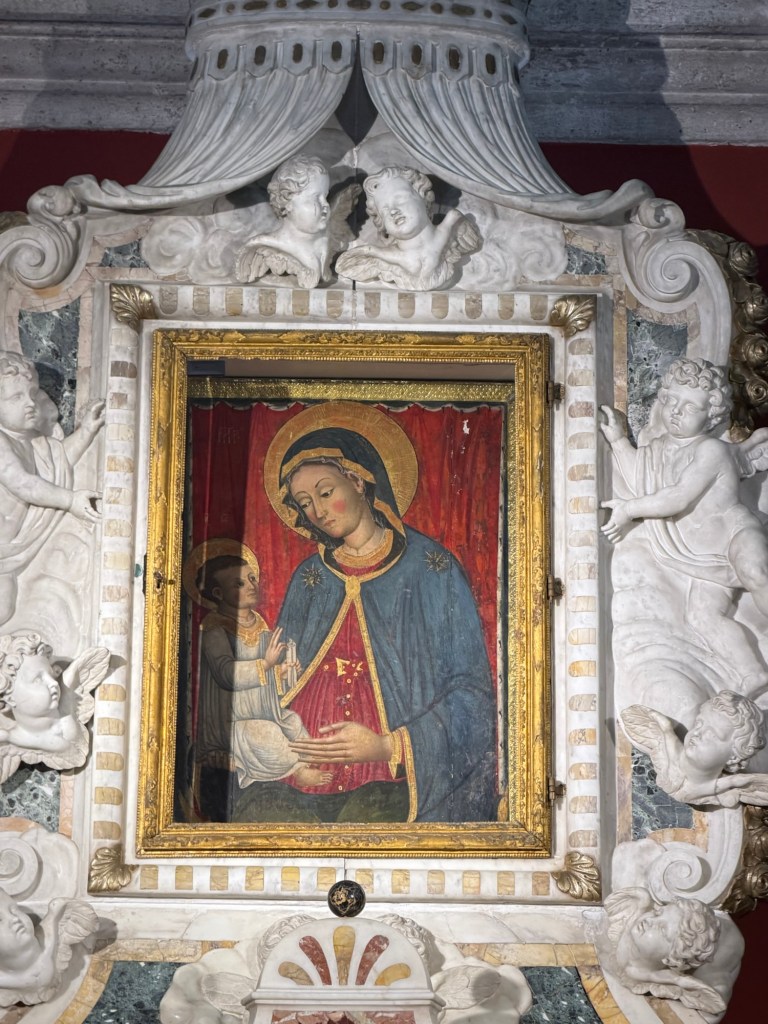
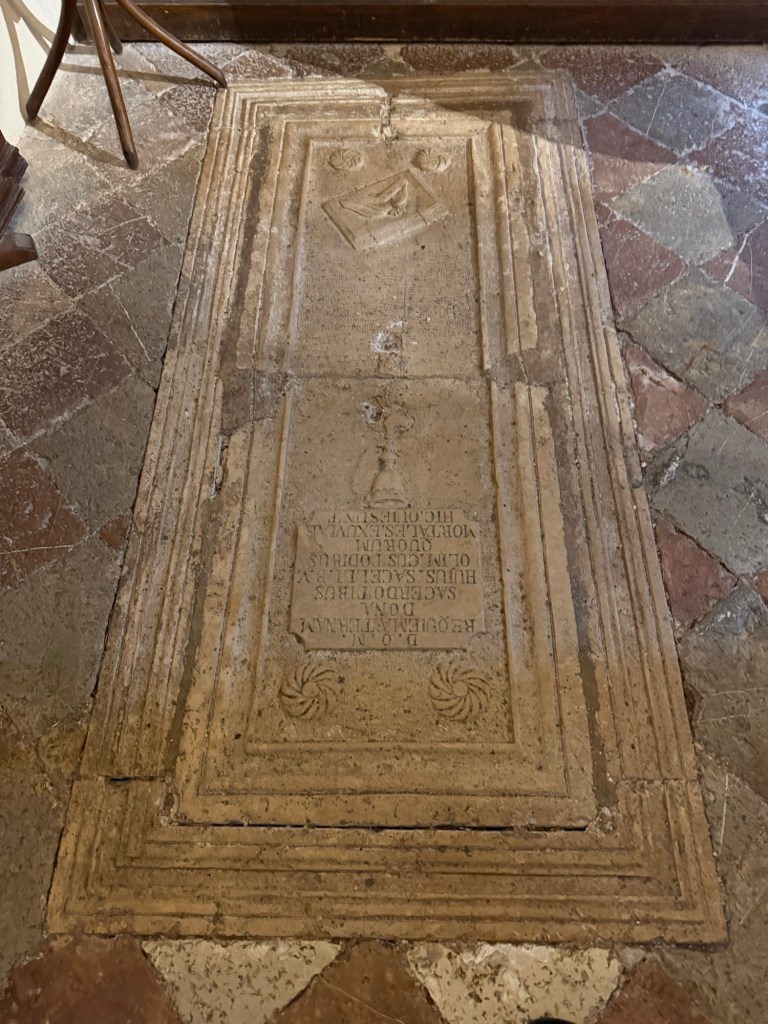
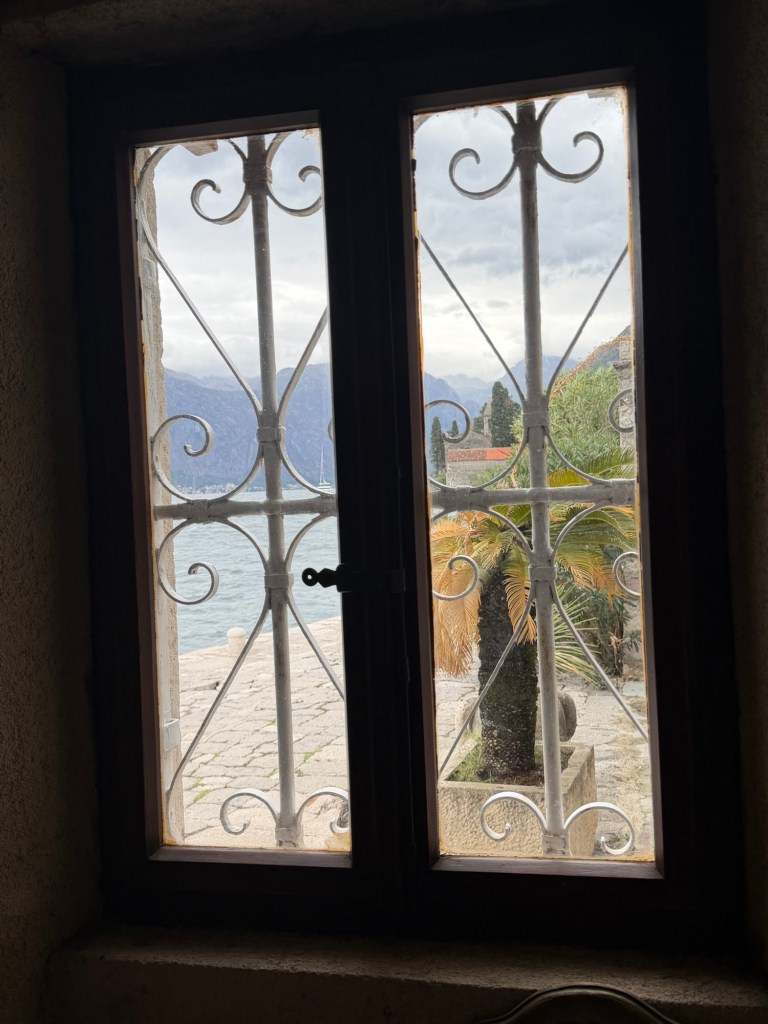

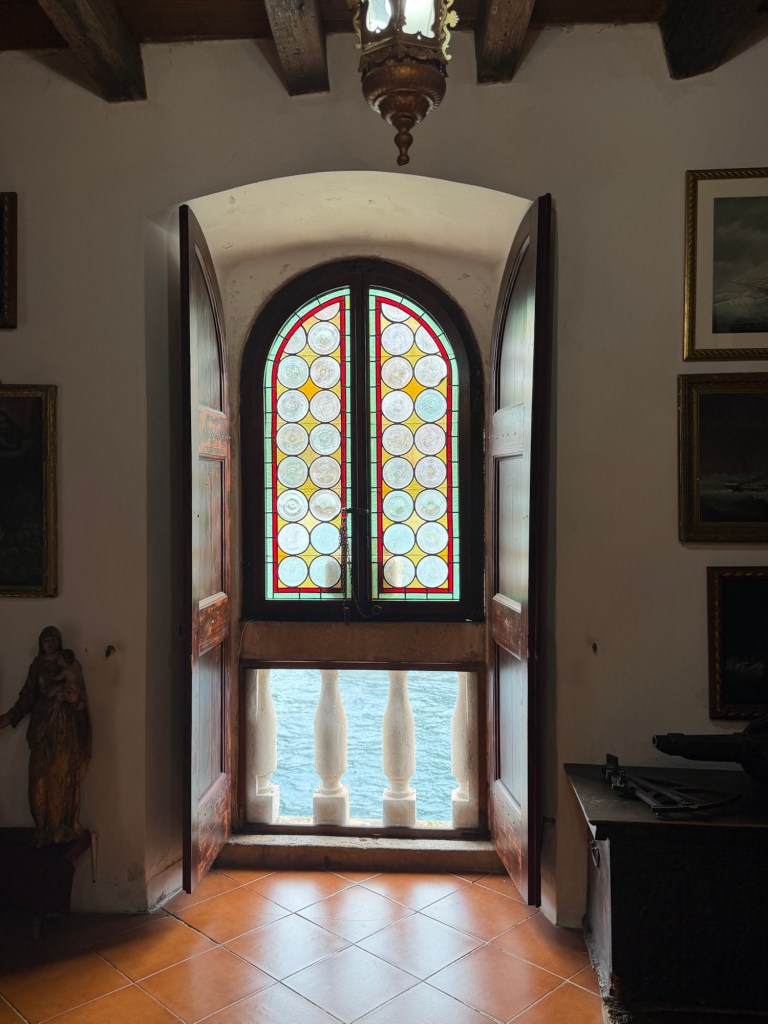
The tradition continues today during the annual Fašinada celebration, when residents travel by boat to deposit stones around the island.
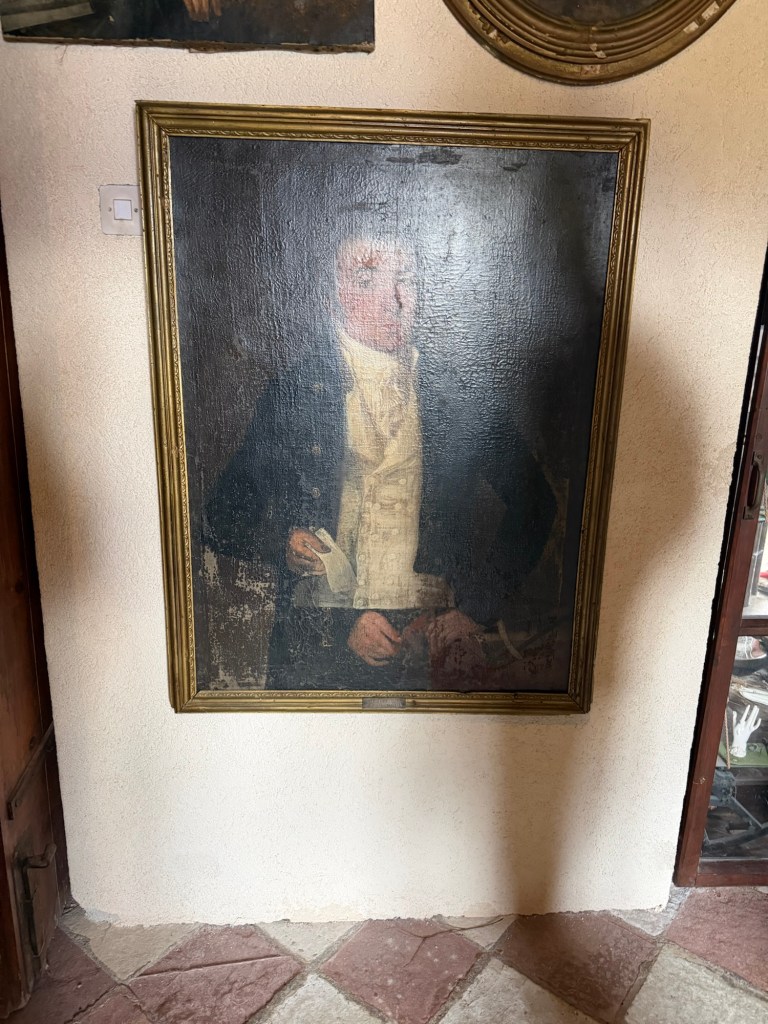
The present church, largely dating from the seventeenth century, contains religious paintings, maritime offerings, and other treasures reflecting the region’s long relationship with the sea.
The island is not simply a religious monument. It is a testament to centuries of faith, maritime tradition, and the determination of a small community to create something lasting.
Kotor: A Medieval City Beneath the Mountains
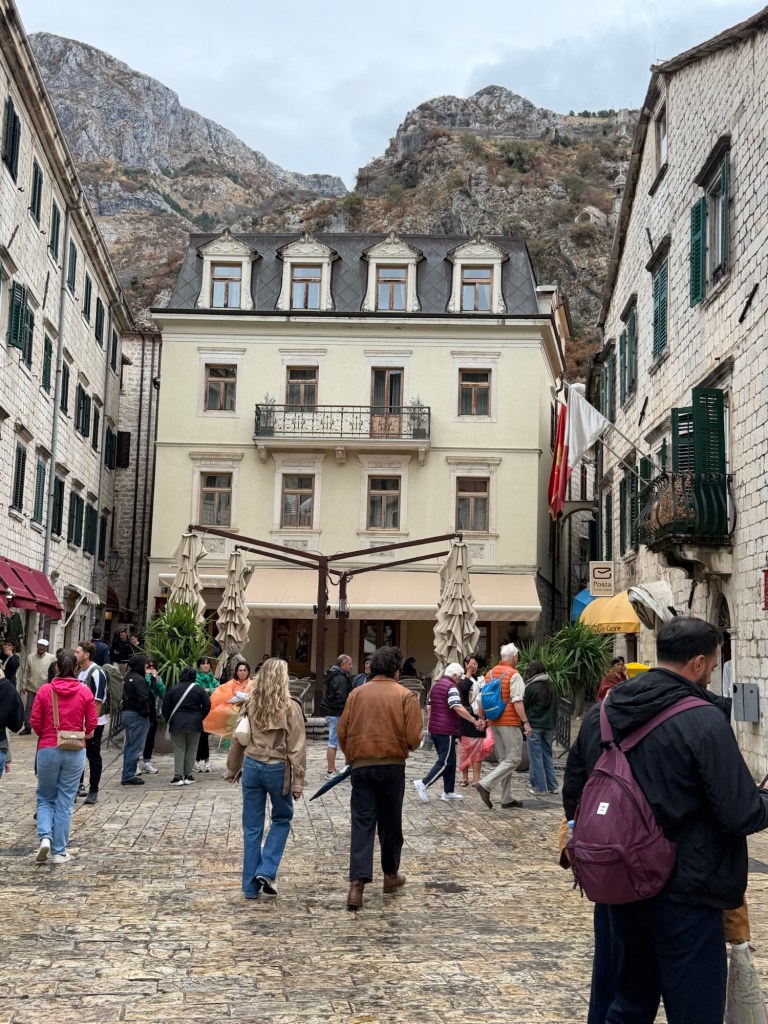
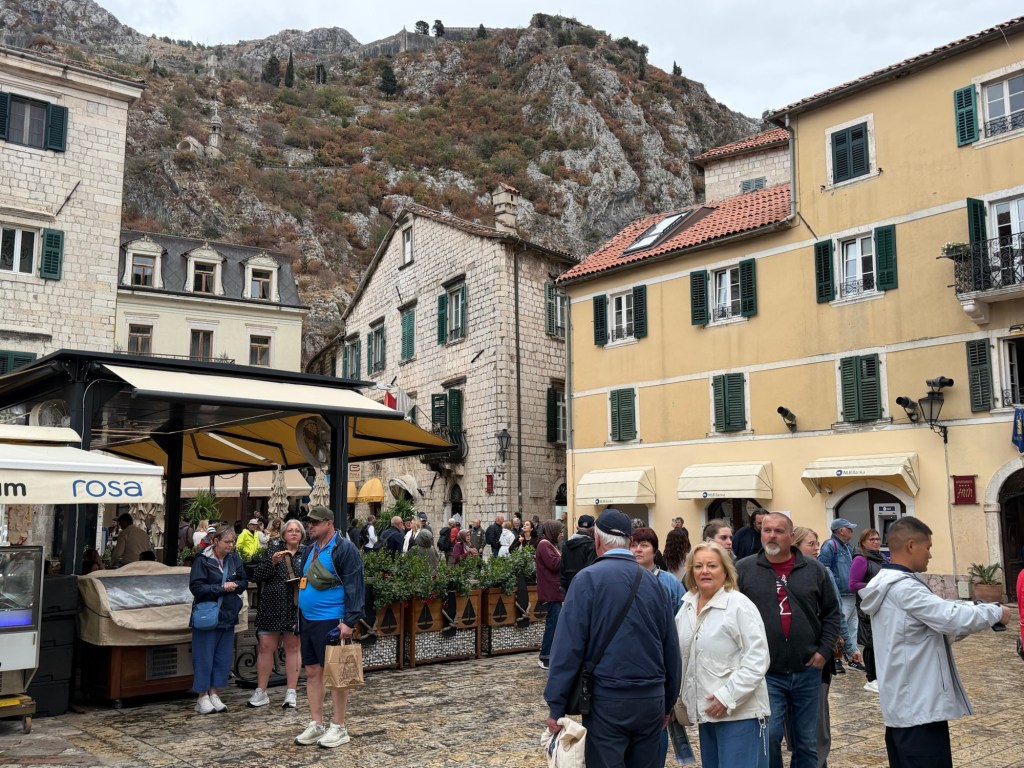
From Perast, we continued to Kotor, one of Montenegro’s most celebrated historic towns. Enclosed within formidable medieval walls, Kotor sits at the foot of towering limestone mountains that rise almost vertically above the town. The setting is spectacular.
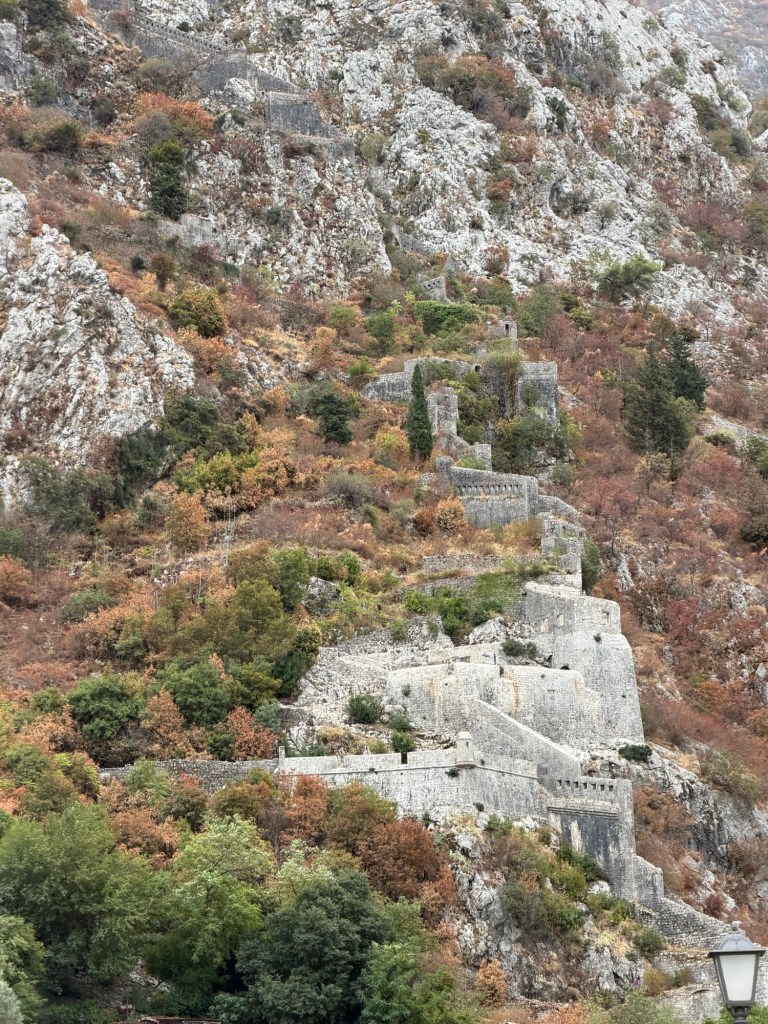
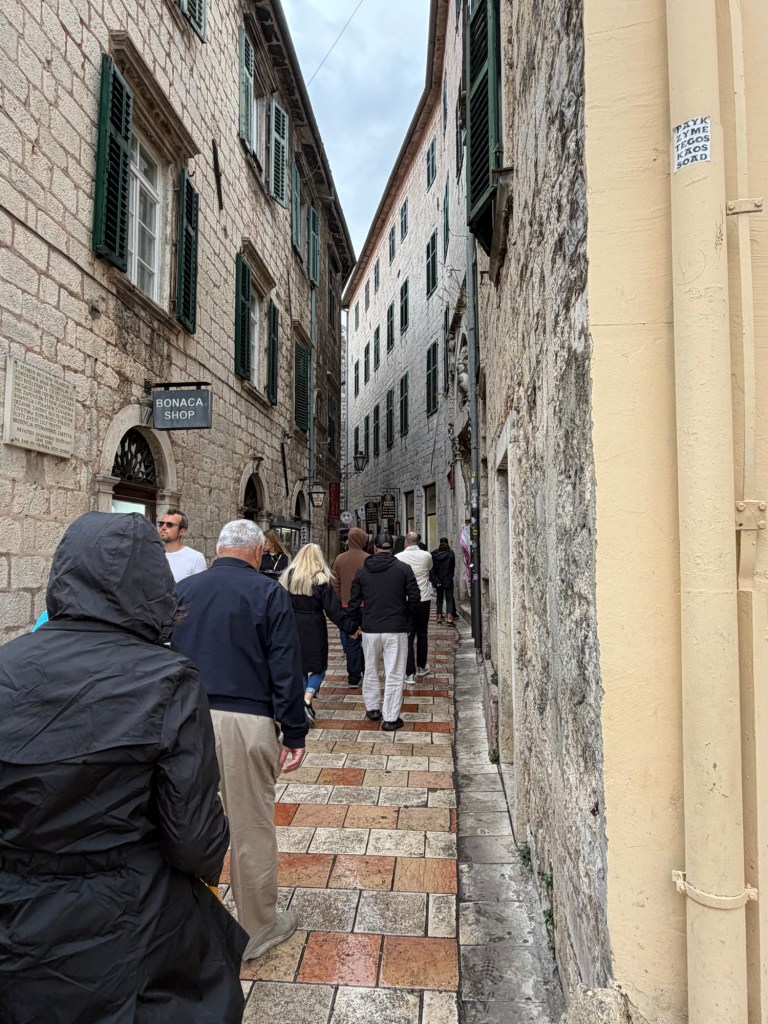
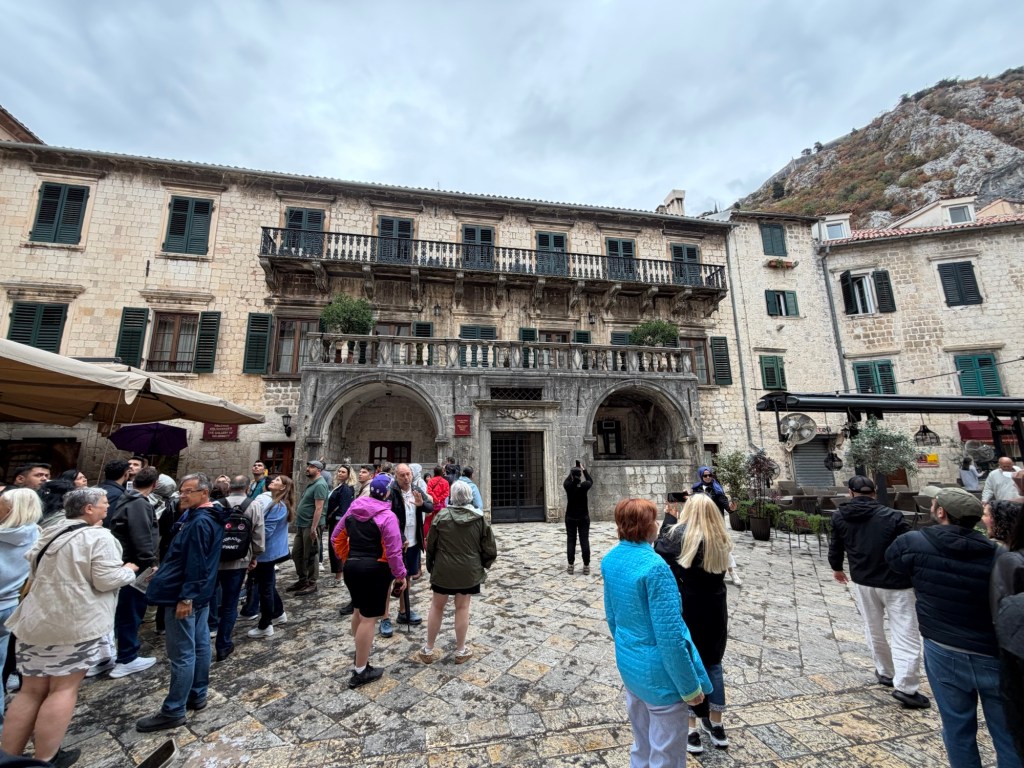
Entering through the old city gates, we found ourselves in a maze of narrow stone streets, intimate squares, ancient churches, and buildings reflecting centuries of Venetian influence.
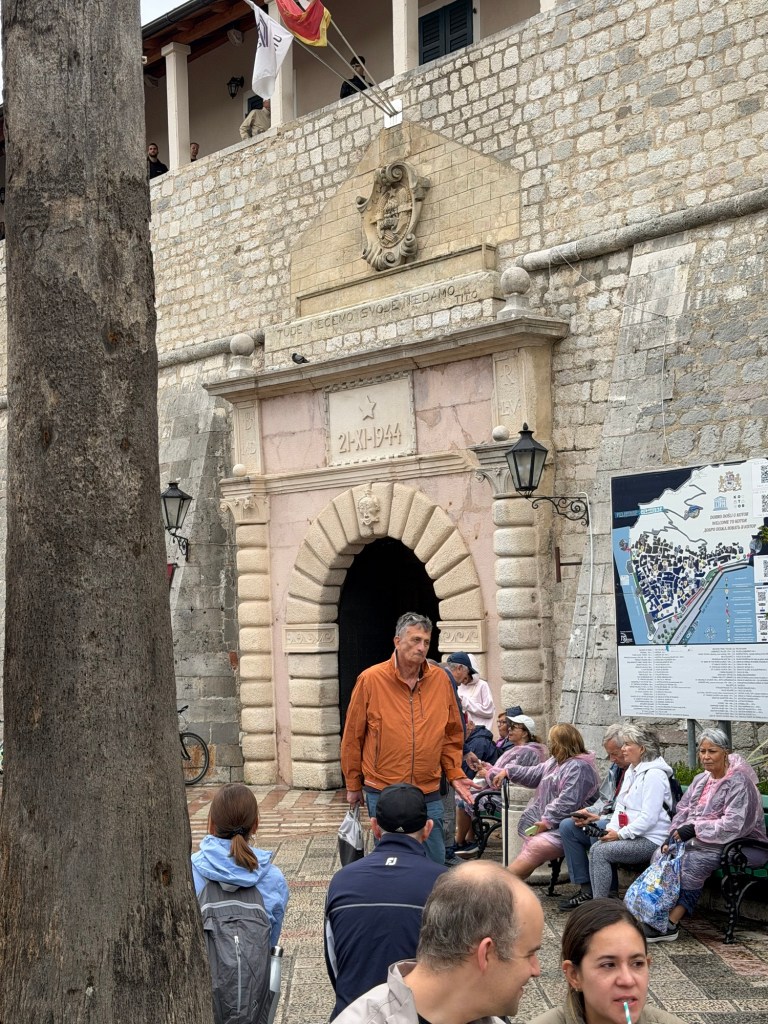
Kotor’s history stretches back more than 2,000 years, during which it passed through the hands of Romans, Byzantines, medieval Serbian rulers, Venetians, Austrians, and eventually Yugoslavia before becoming part of independent Montenegro in 2006. The Venetians, who ruled for nearly 400 years, left the most visible legacy: a maze of narrow stone streets, elegant squares, medieval churches, and formidable defensive walls that climb dramatically into the mountains. Today, Kotor’s remarkably preserved Old Town is a UNESCO World Heritage Site, where centuries of turbulent history seem to come alive around every corner.
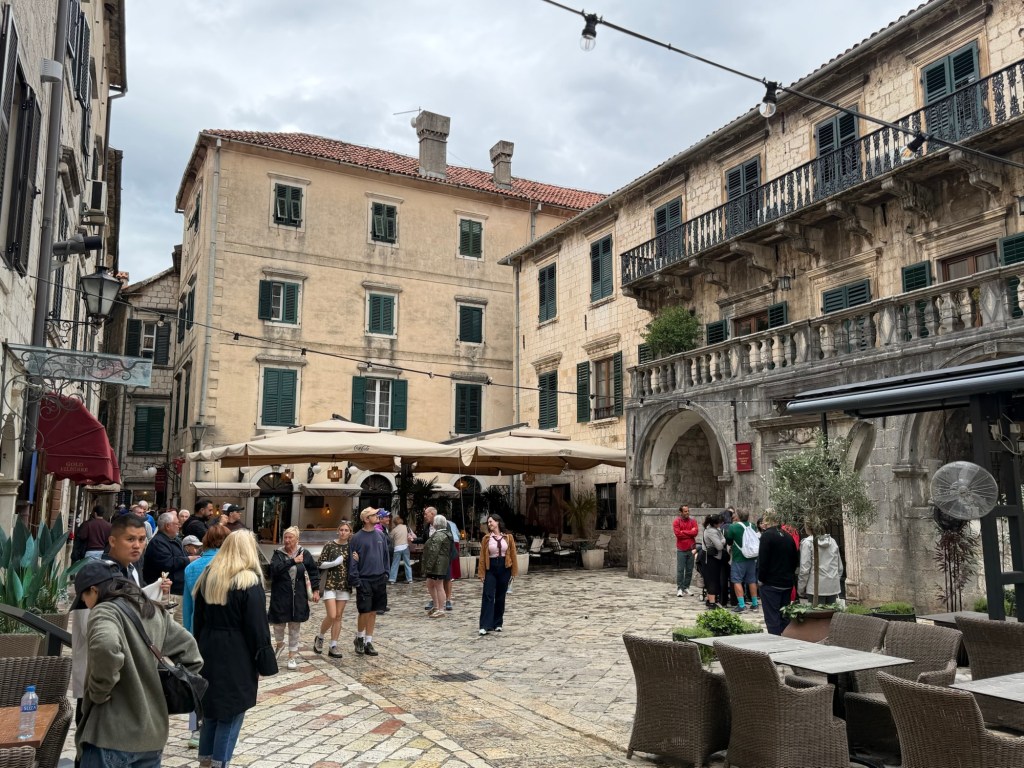
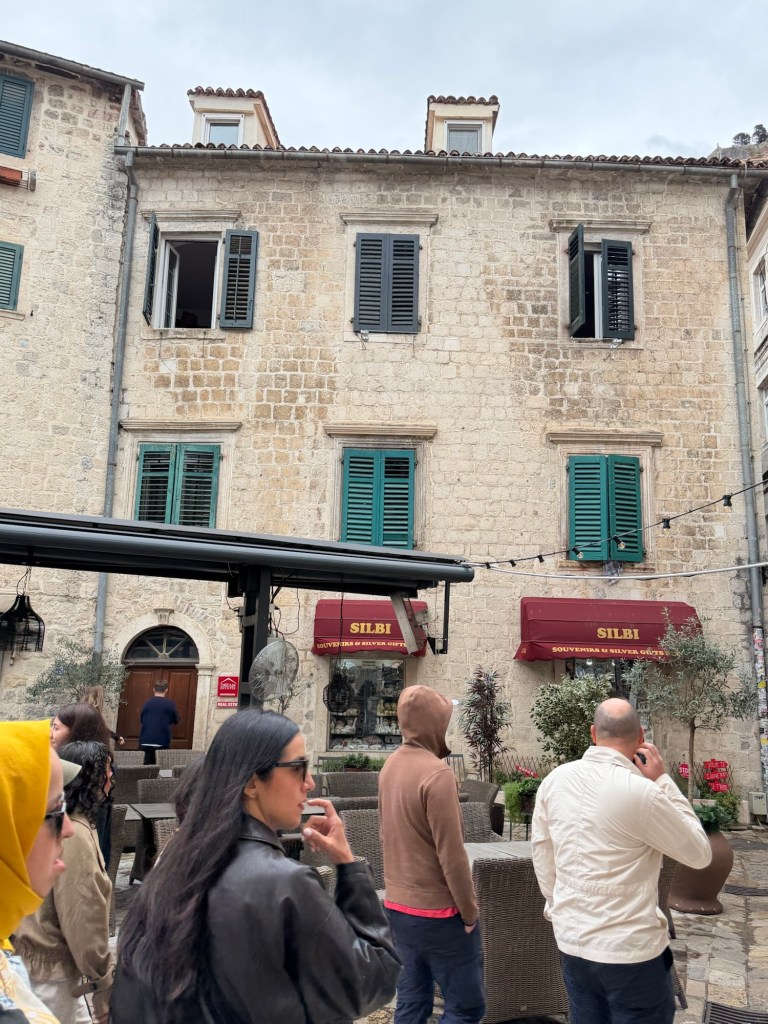
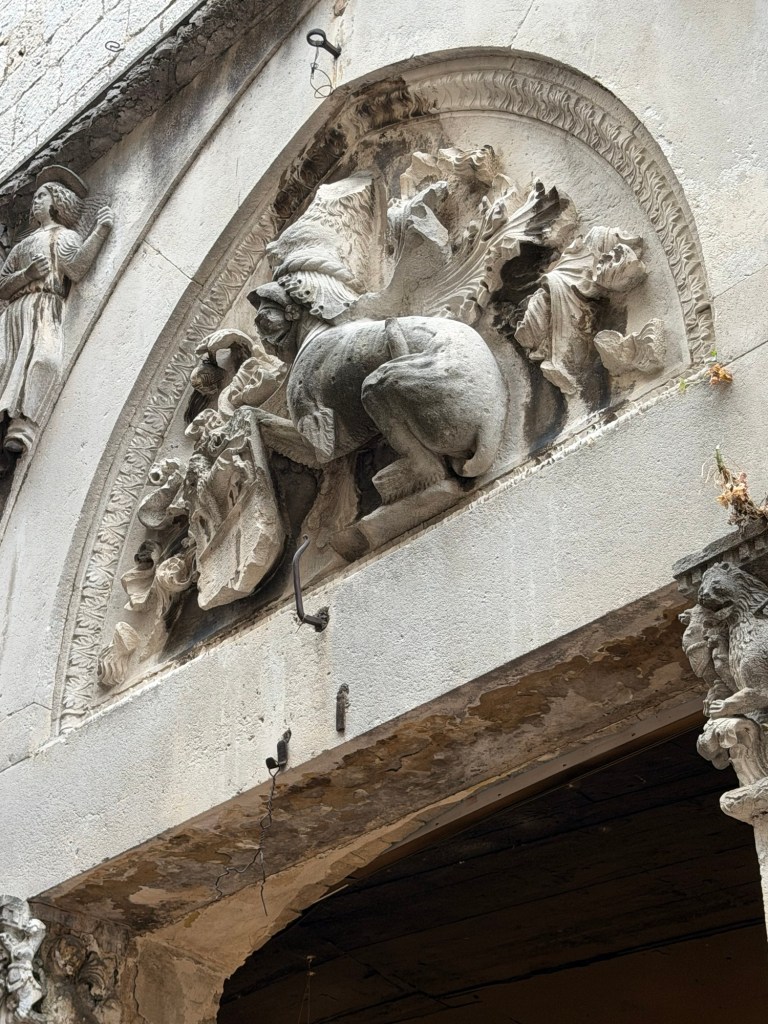
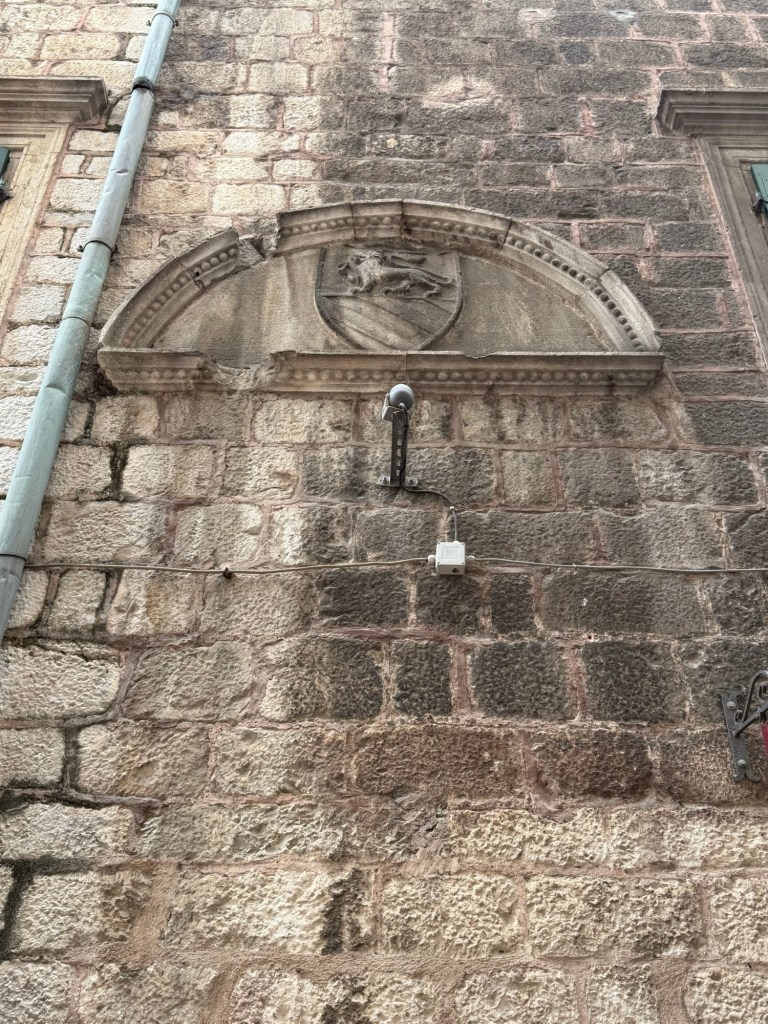
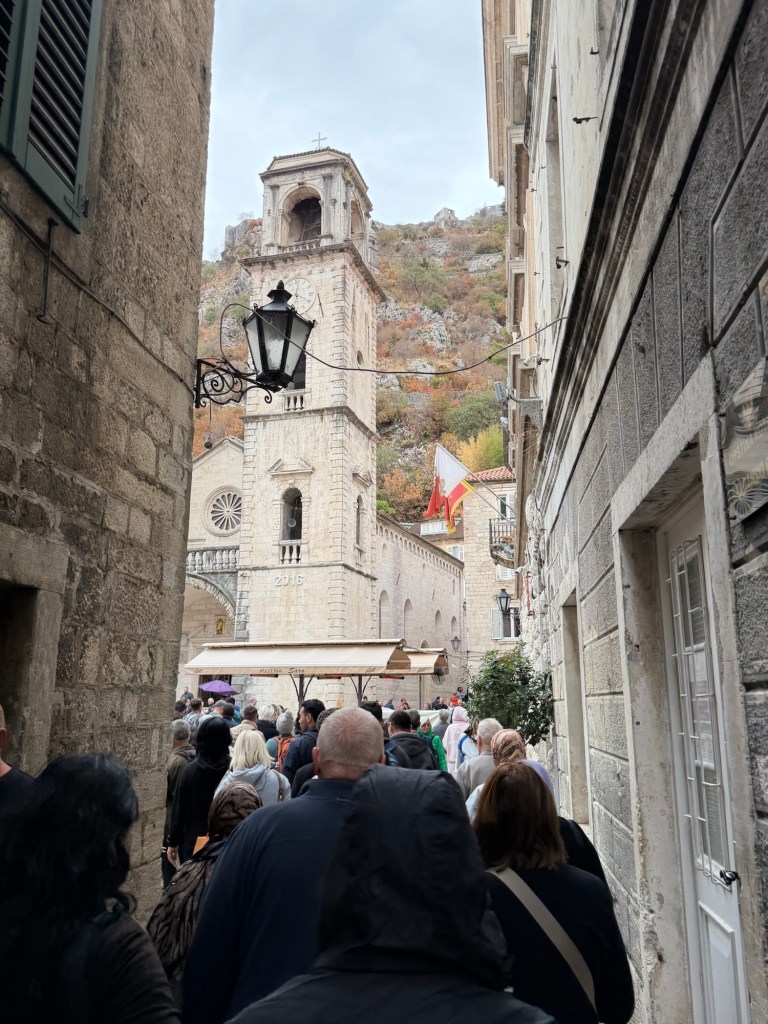
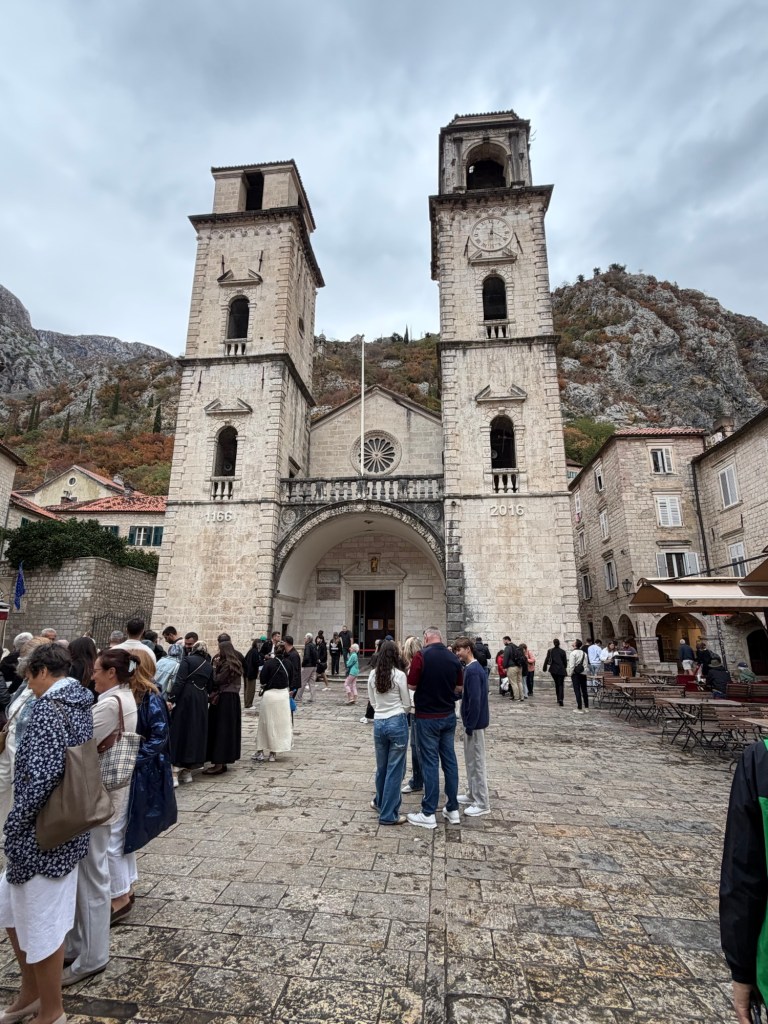
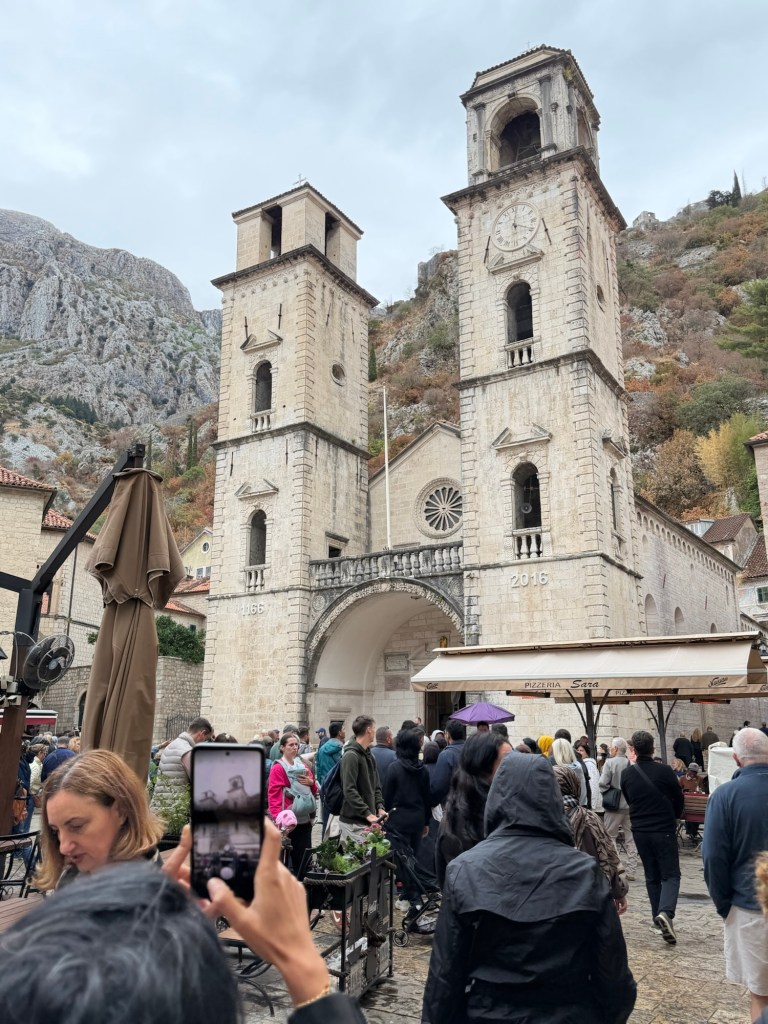
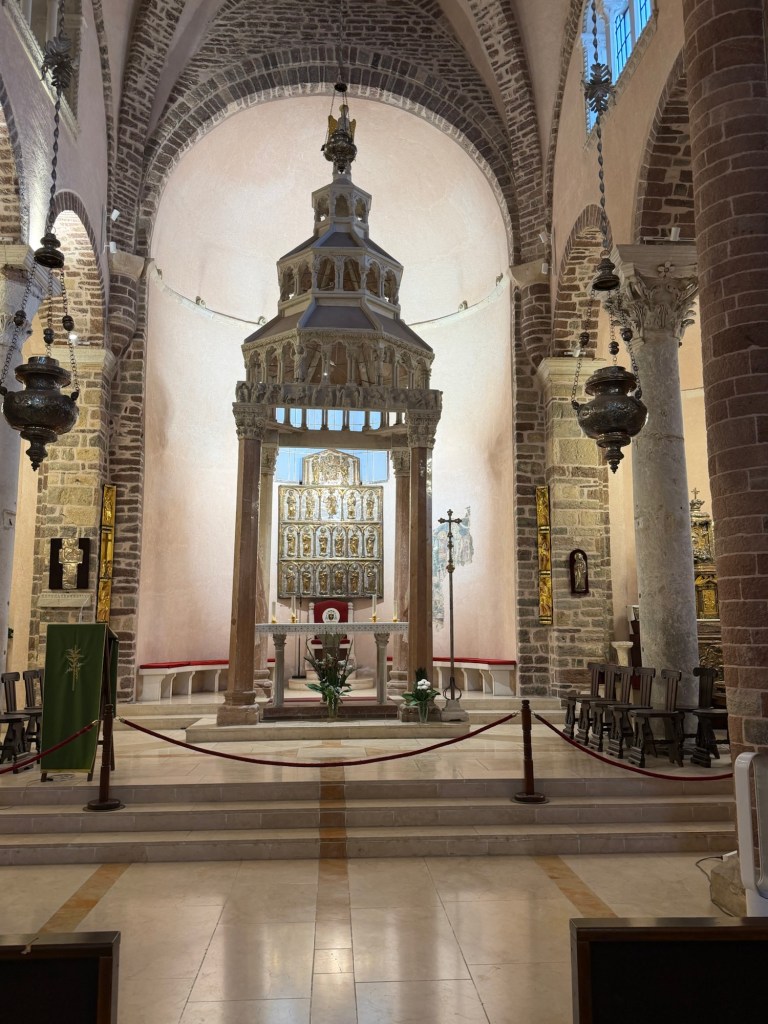
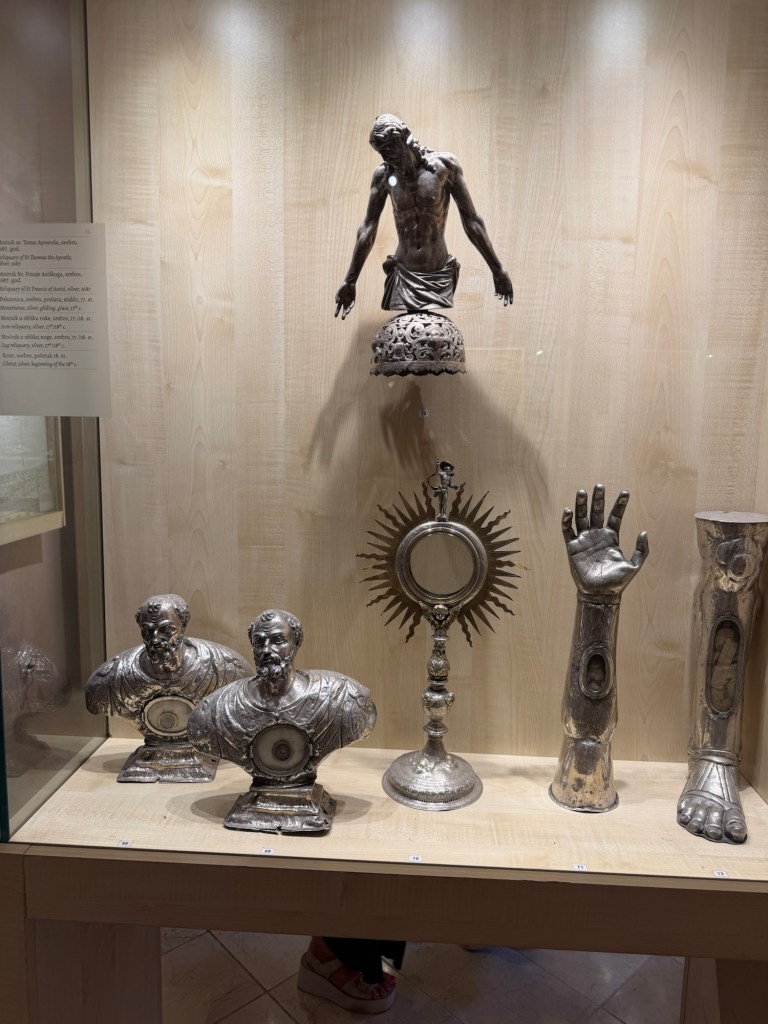
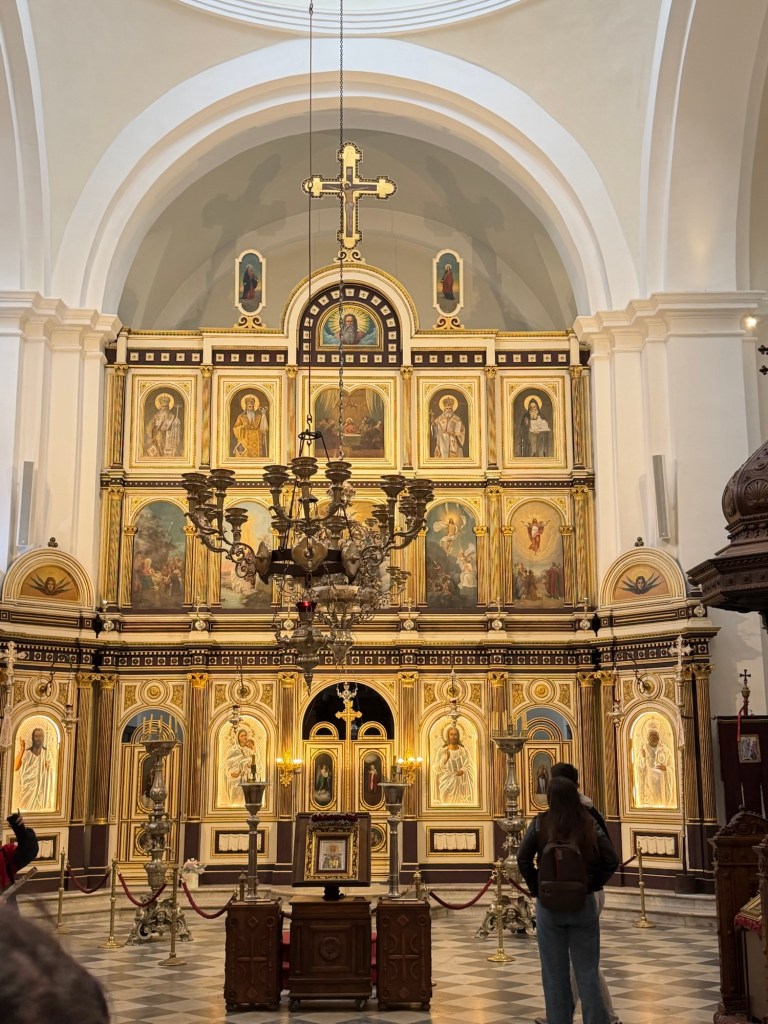
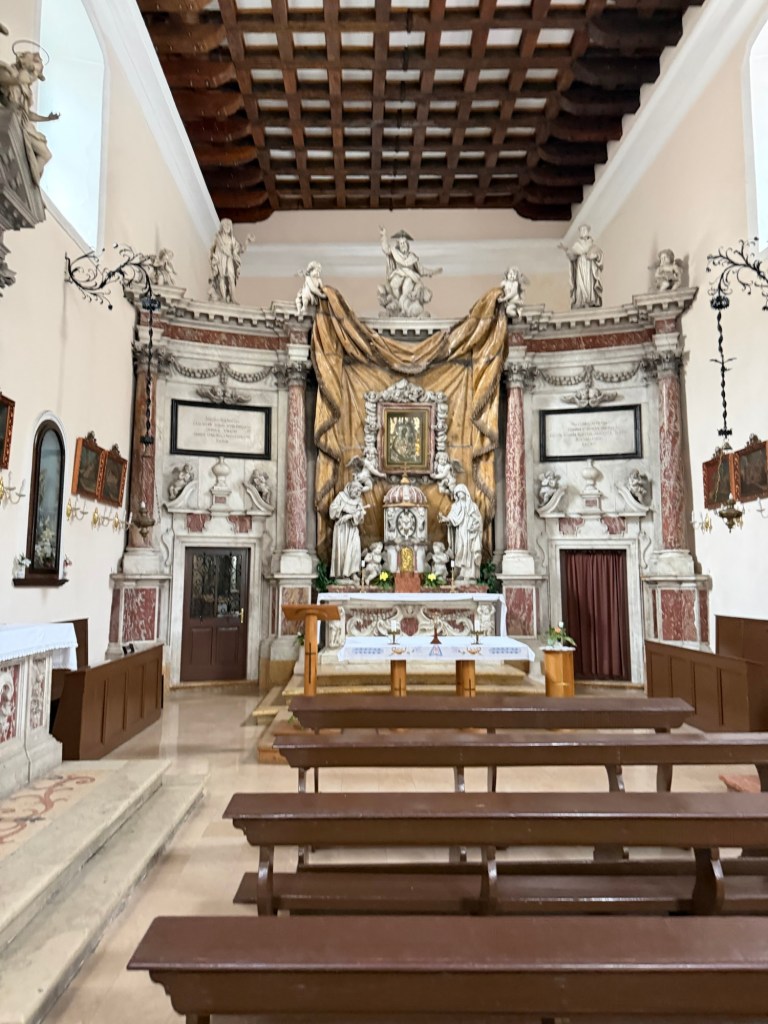
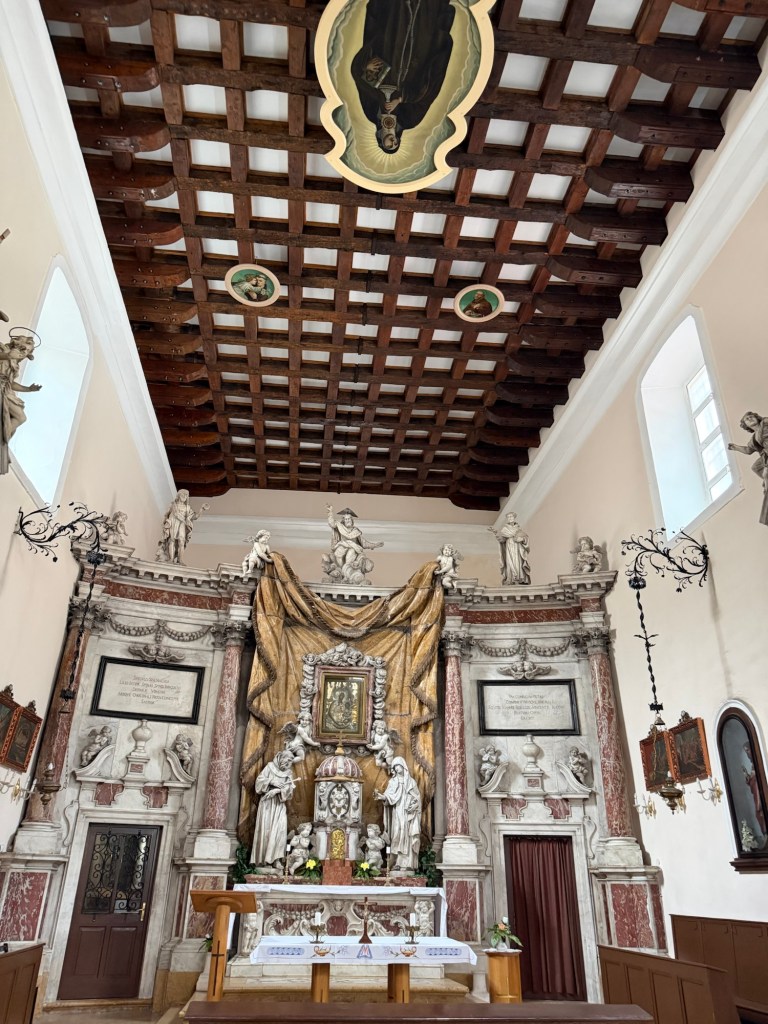
Among the city’s most important landmarks is the Cathedral of Saint Tryphon, consecrated in 1166. Its Romanesque architecture, twin bell towers, and collection of religious treasures make it one of the most significant historic buildings in Montenegro.
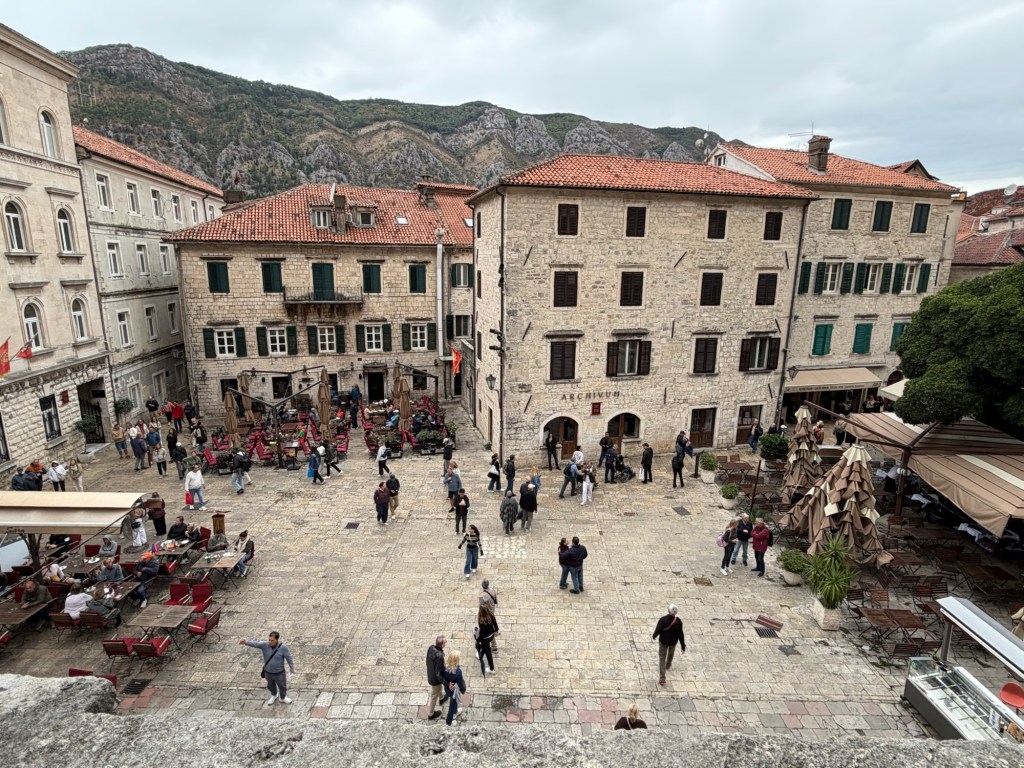
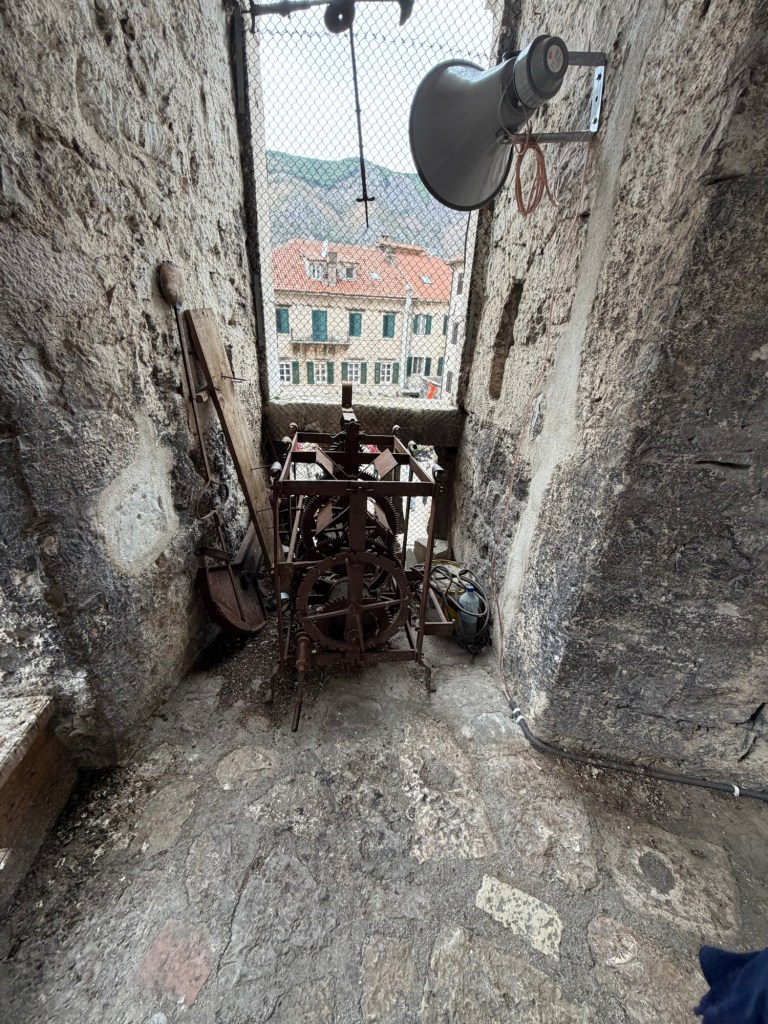
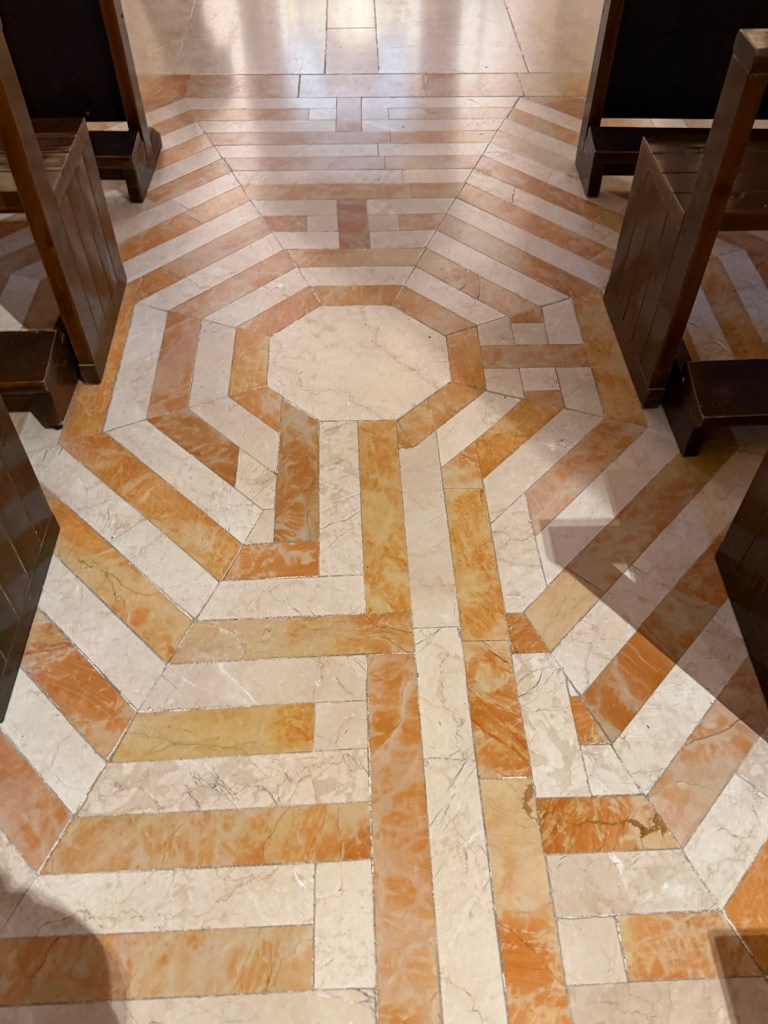
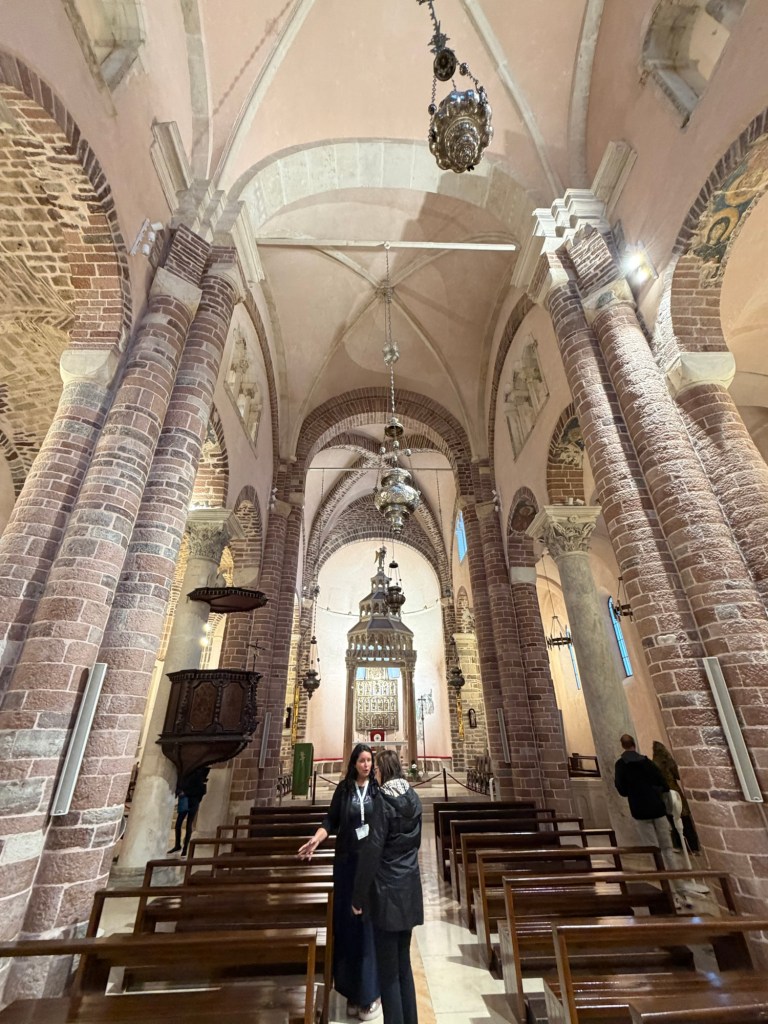
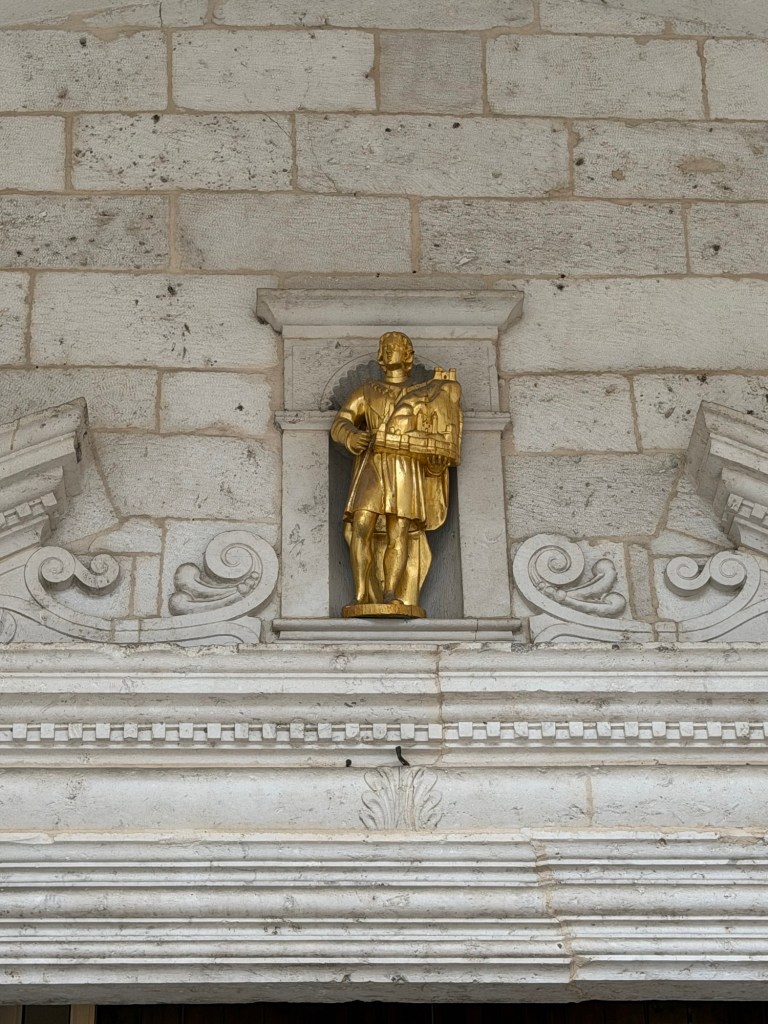
In the main square, we encountered Kotor’s rather ominously named Pillar of Shame, a reminder that medieval justice was not for the fainthearted. During Venetian rule, offenders were chained to the stone pillar and subjected to public ridicule, insults, and sometimes worse. Strategically positioned near the city’s main entrance, it served as a stark warning to anyone contemplating breaking the law. Today, the pillar stands quietly beside the Clock Tower, a curious relic of a time when public humiliation was considered an effective form of justice.
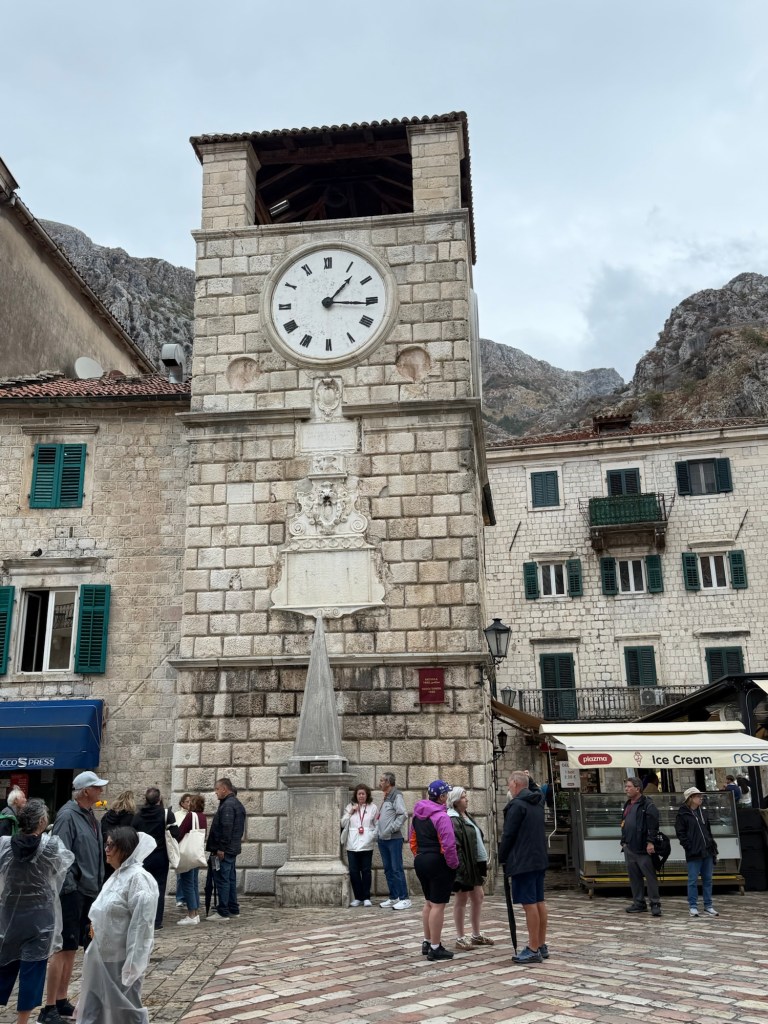
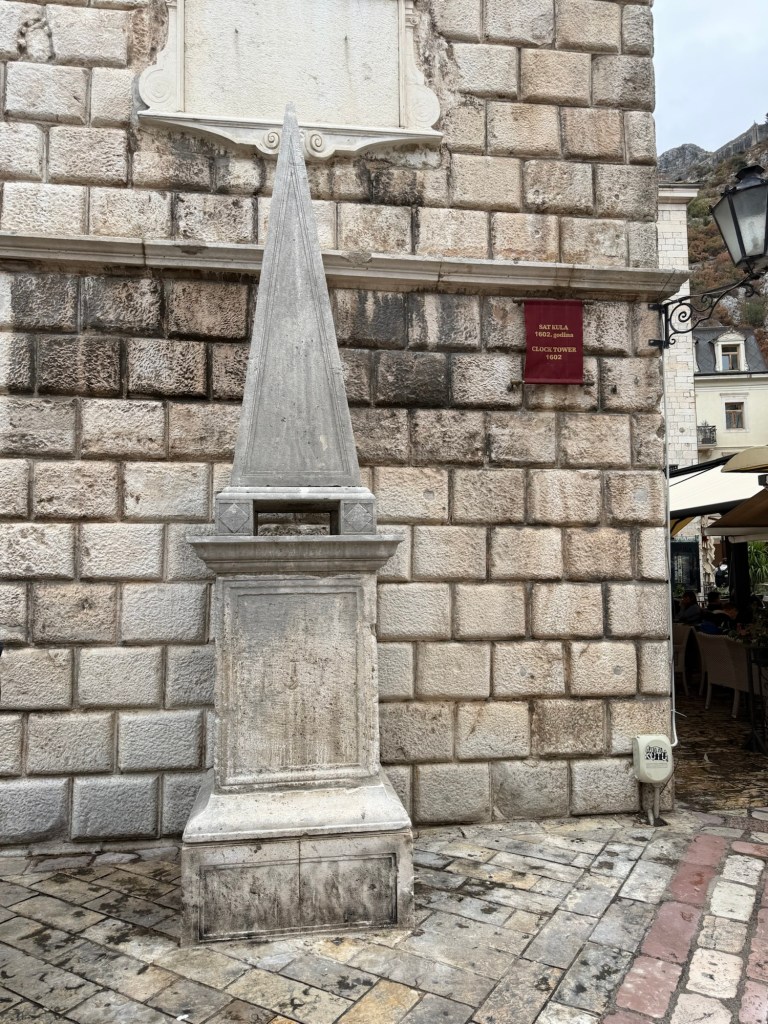
Despite the damp weather, the city’s atmosphere was captivating. The glistening stone streets, ancient architecture, and mountains looming overhead gave Kotor an almost theatrical quality.
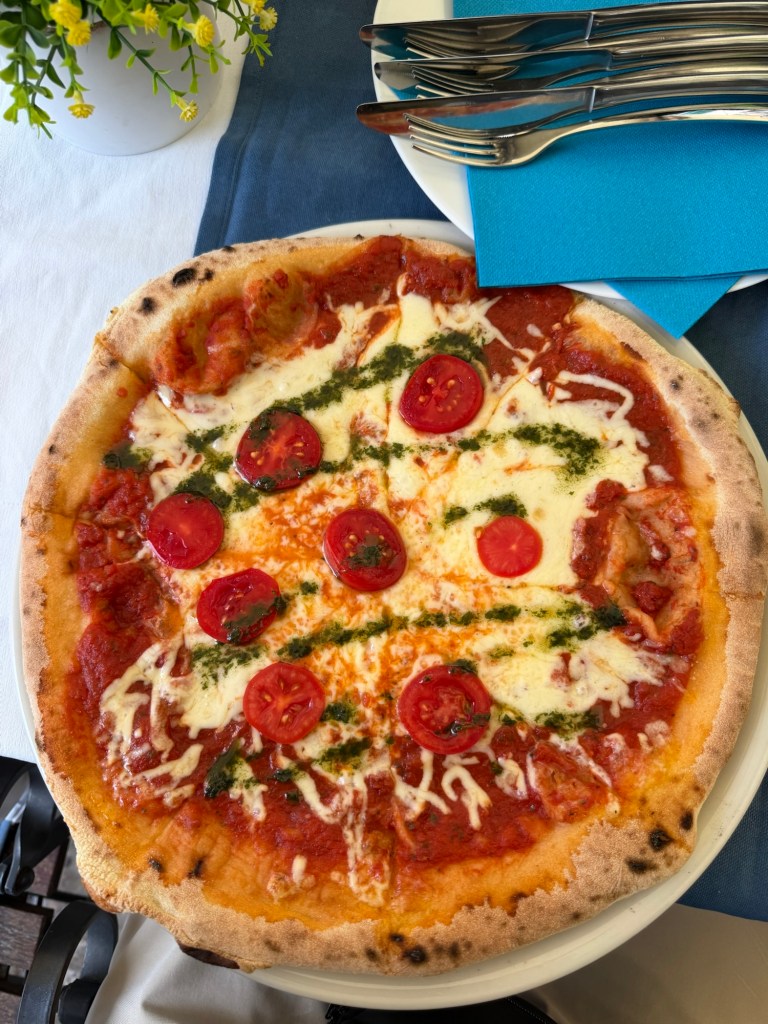
During our visit, we stopped at Dekaderon, one of the many charming establishments tucked into Kotor’s labyrinth of narrow streets and picturesque squares. Yes, I ate the whole thing, myself, although I did manage to resist the temptation of gelato afterward! Cats seemed to be everywhere, lounging in doorways, wandering through the squares, and even scrambling across the tops of café awnings, apparently convinced that they, rather than the tourists, were the true owners of the Old Town.


After leaving Kotor, we returned to the spectacular One&Only Portonovi, a hotel that has been described as one of the finest in the world—and it very well may be. We had two nights here, including an entire day with absolutely nothing on the itinerary. After 17 days of traveling, beginning in Slovenia and winding our way through Croatia before arriving in Montenegro, the prospect of doing absolutely nothing sounded positively wonderful. It was the perfect place to unwind, reflect on our journey, and enjoy a little well-deserved relaxation before heading home.
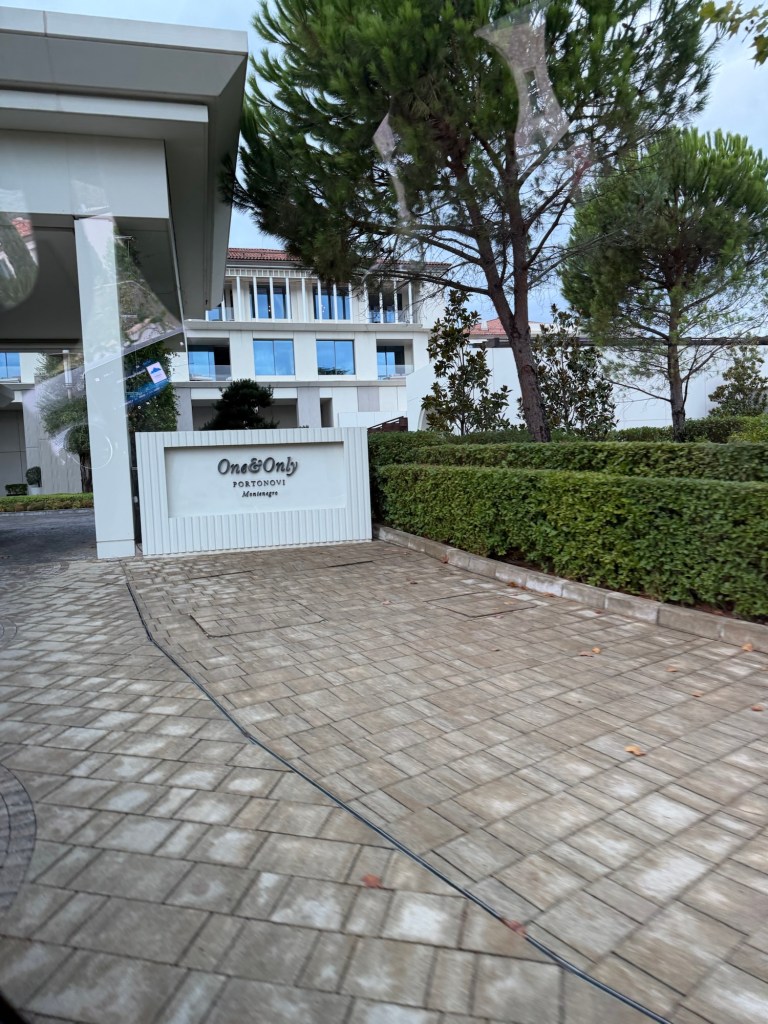
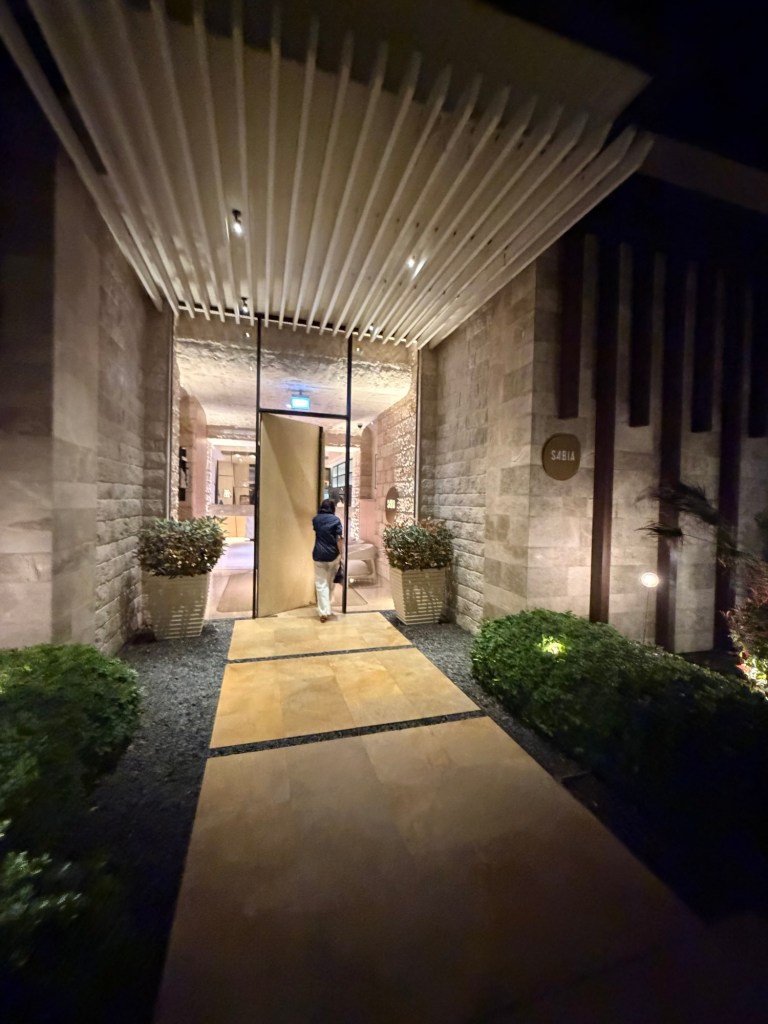
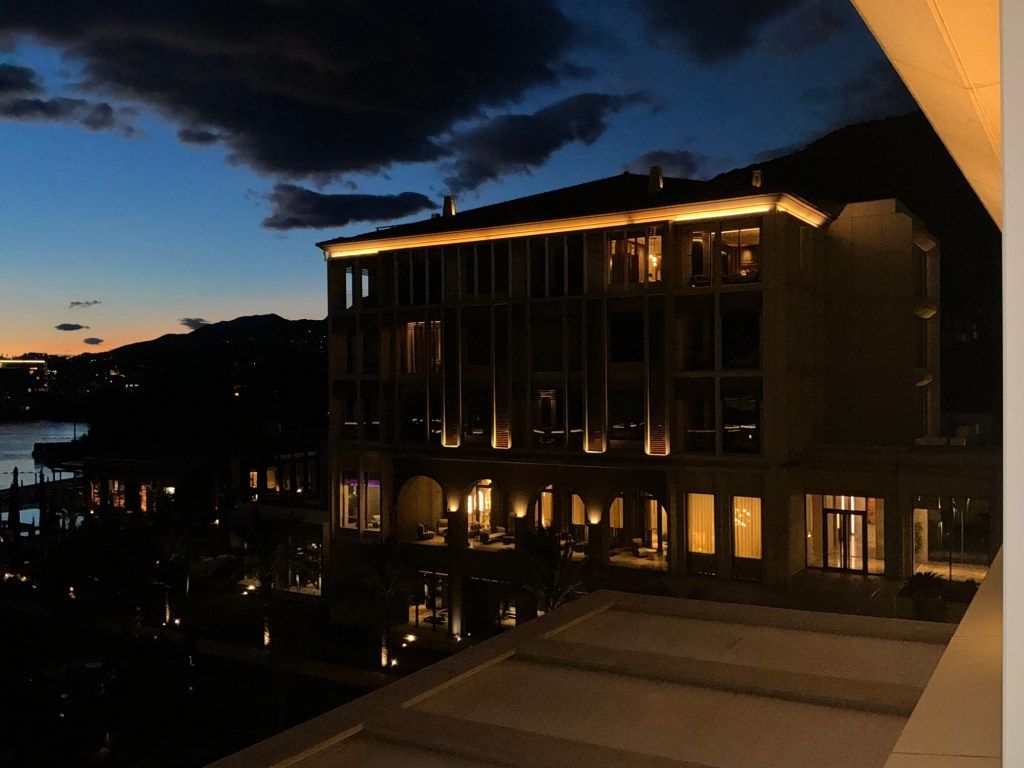
From the moment we arrived at the One&Only Portonovi, it was clear that this was no ordinary hotel. The entrance was surprisingly understated, with sleek contemporary architecture, manicured hedges, and towering pine trees offering only a hint of what awaited inside.
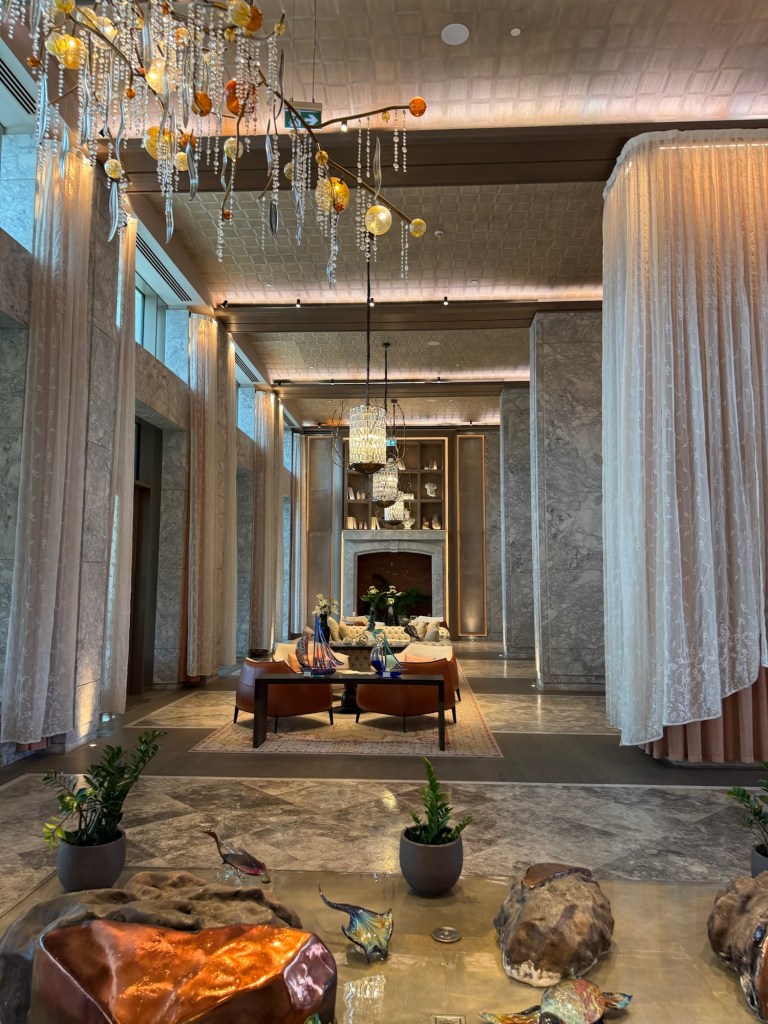
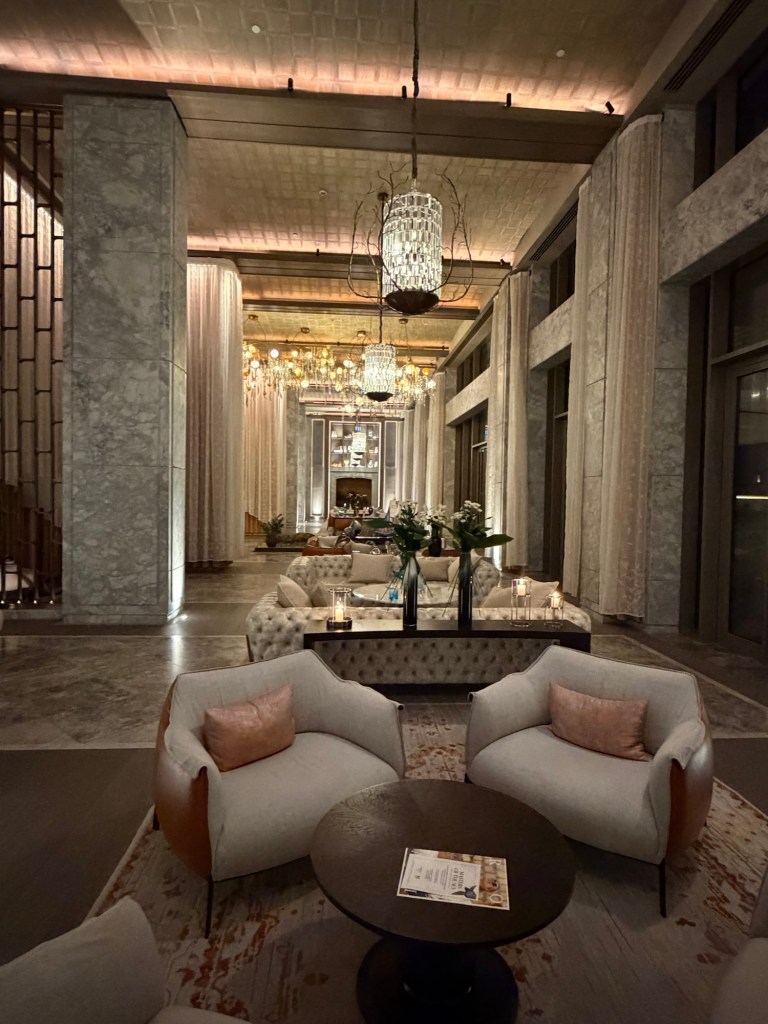
The lobby, however, was nothing short of spectacular. Soaring ceilings, magnificent marble walls and floors, and elegant seating areas created an atmosphere of pure luxury.
Overhead, an extraordinary sculptural chandelier stretched across the ceiling like the branches of a tree, adorned with hundreds of shimmering amber and golden glass ornaments and delicate strands of crystal. Below, a striking arrangement of natural stone, polished copper-colored sculptures, and colorful glass sea creatures evoked the nearby Adriatic. The combination of contemporary design, exquisite craftsmanship, and artistic imagination was breathtaking. Every detail seemed carefully considered, yet nothing felt excessive. It was a remarkable first impression of a hotel that promised to be something truly special.
And then there was our room, which was every bit as impressive as the lobby. Spacious, beautifully appointed, and designed with extraordinary attention to detail, it combined contemporary elegance with a warm, inviting atmosphere.
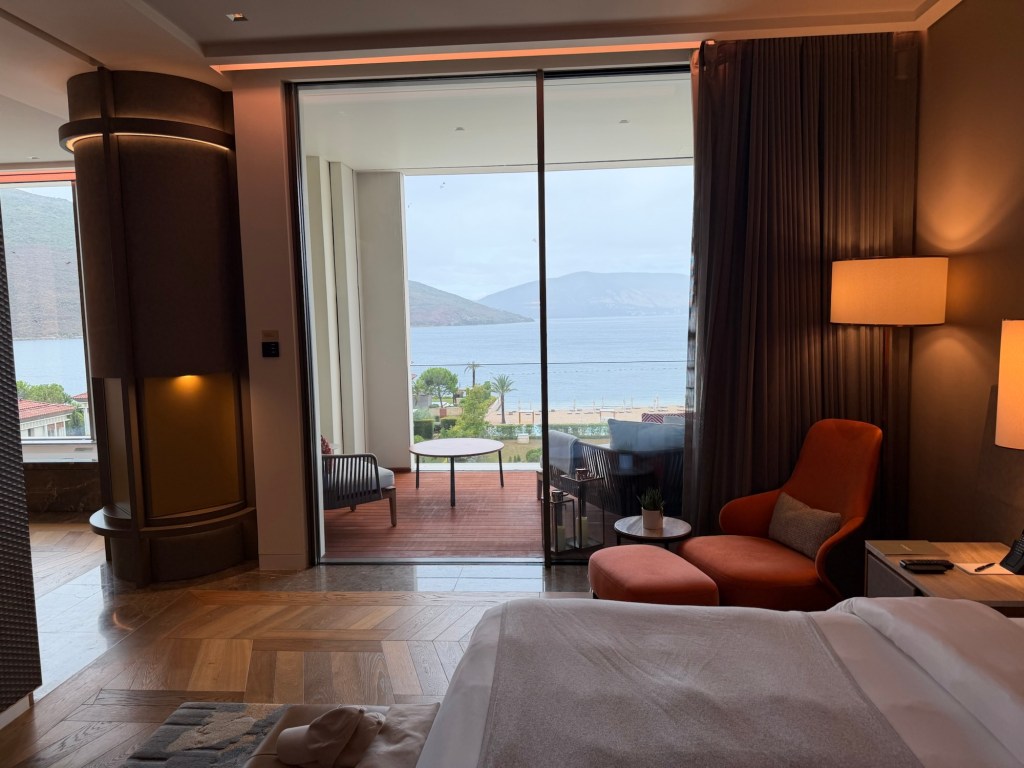
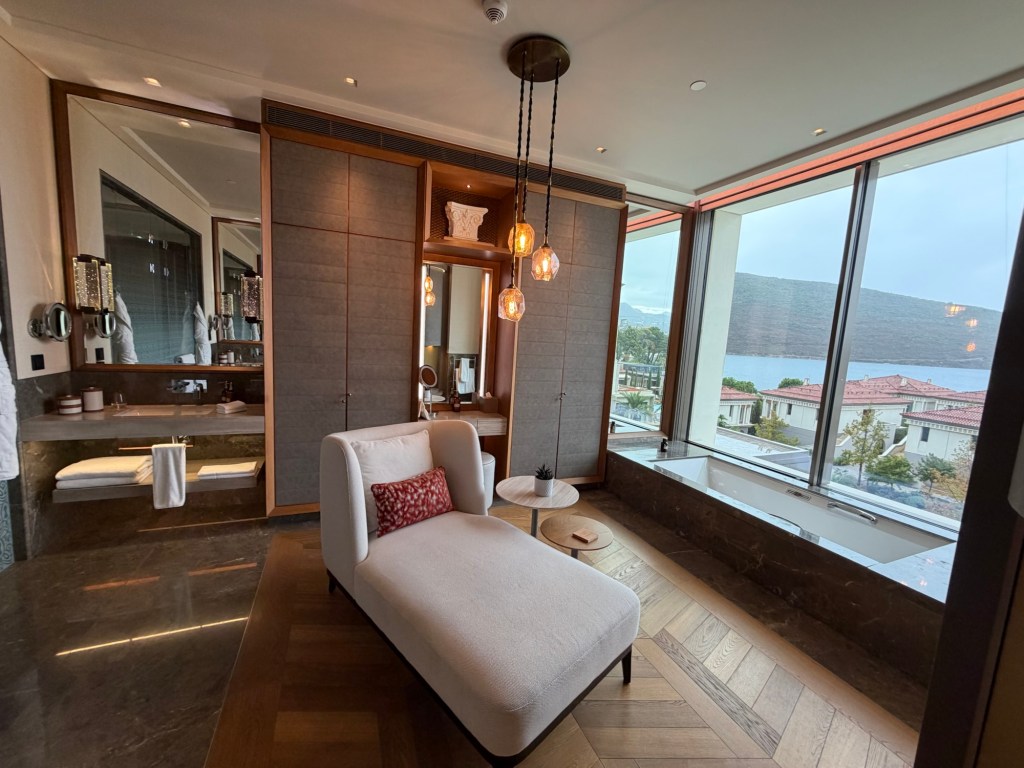
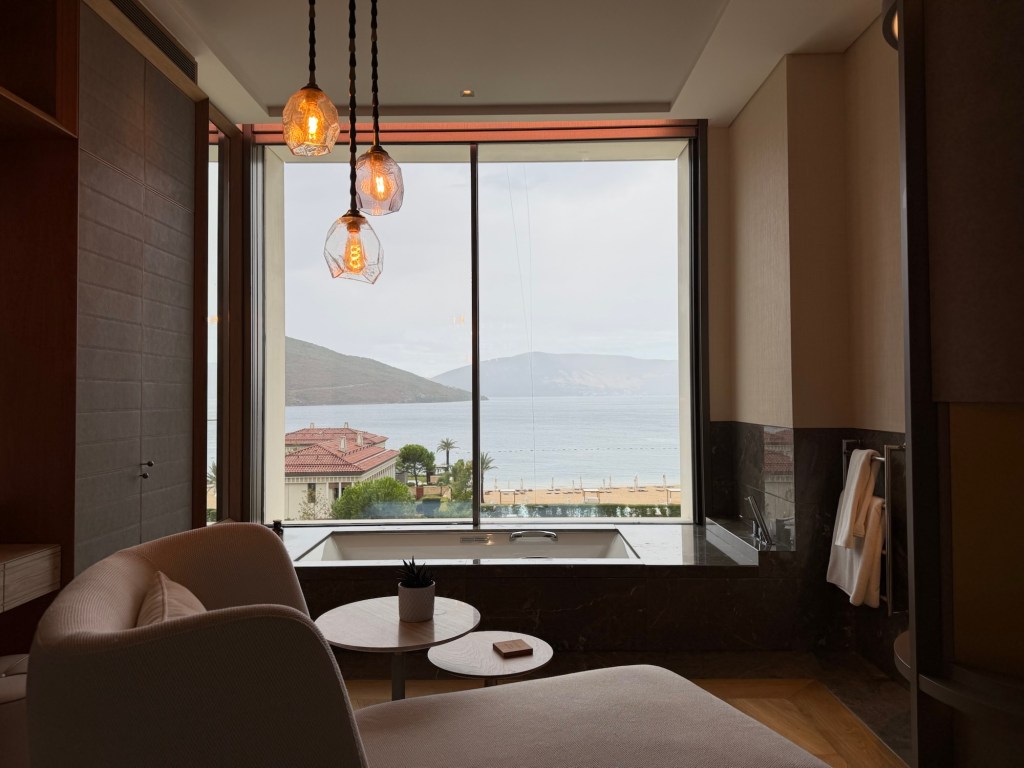
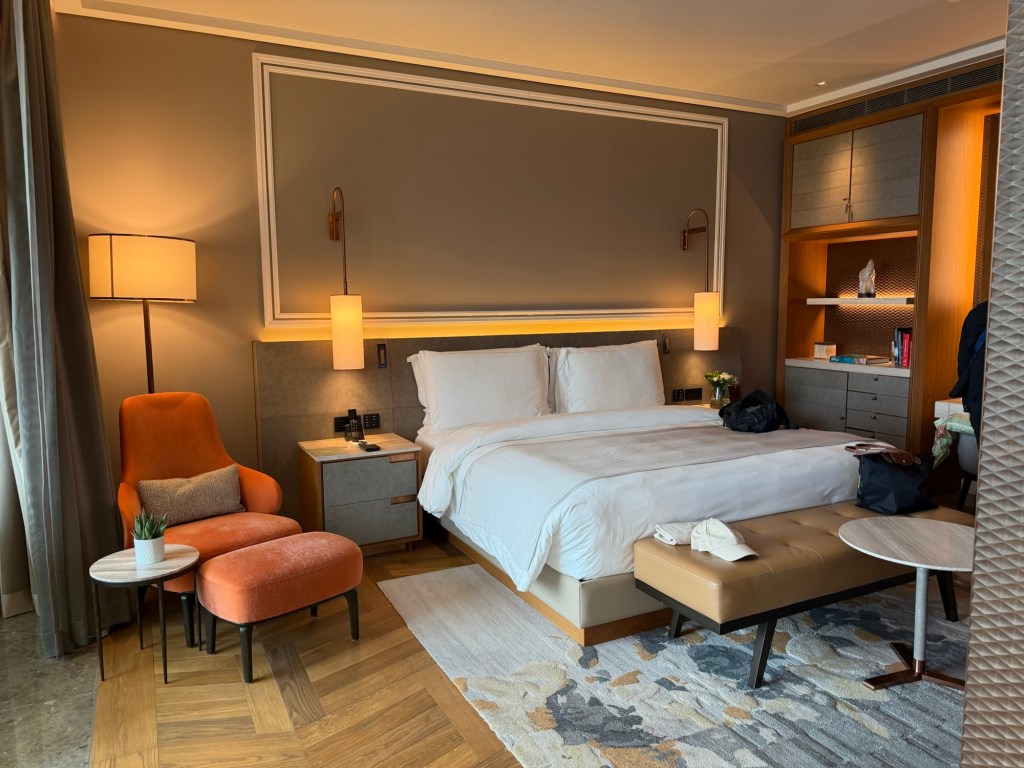
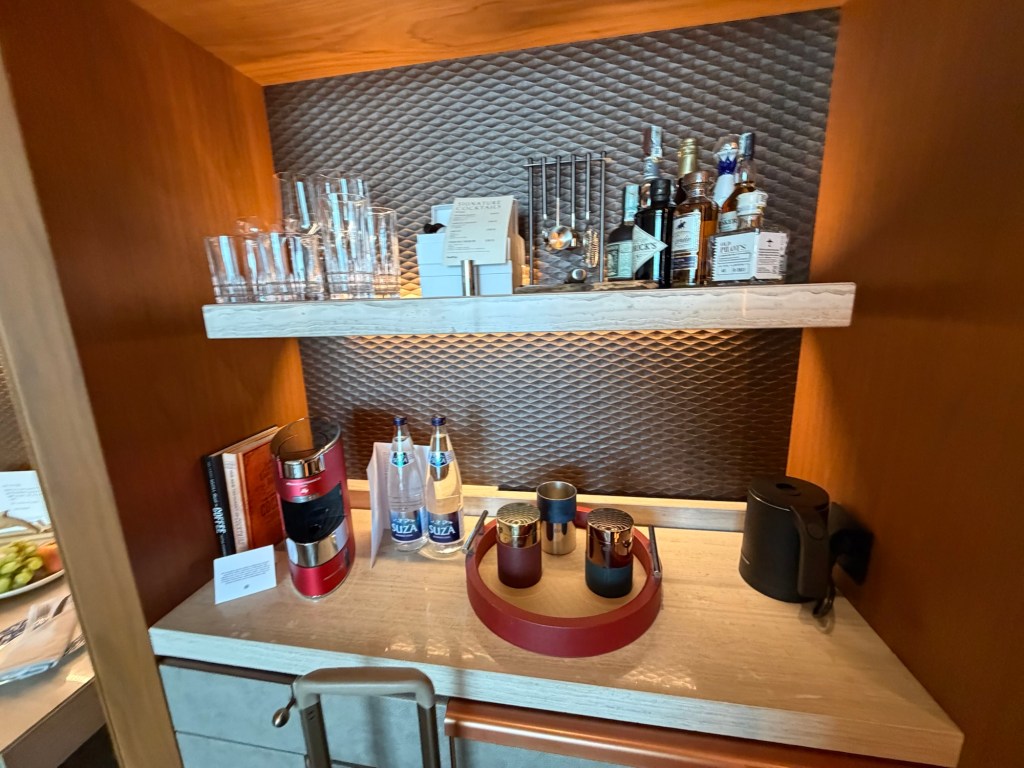
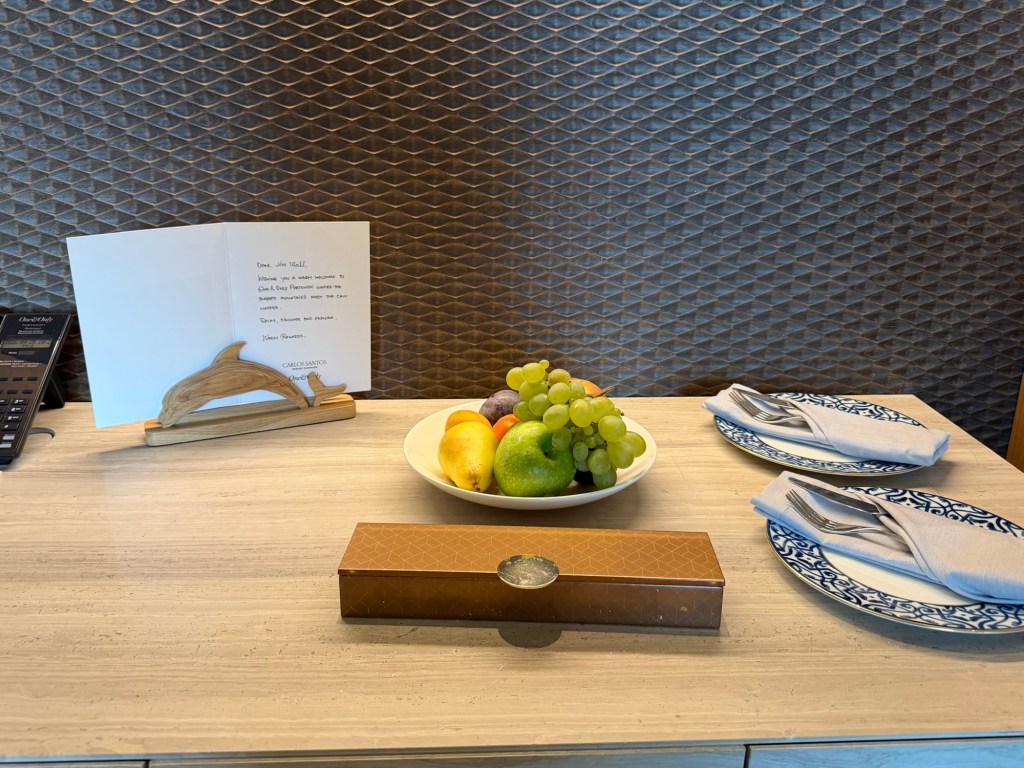
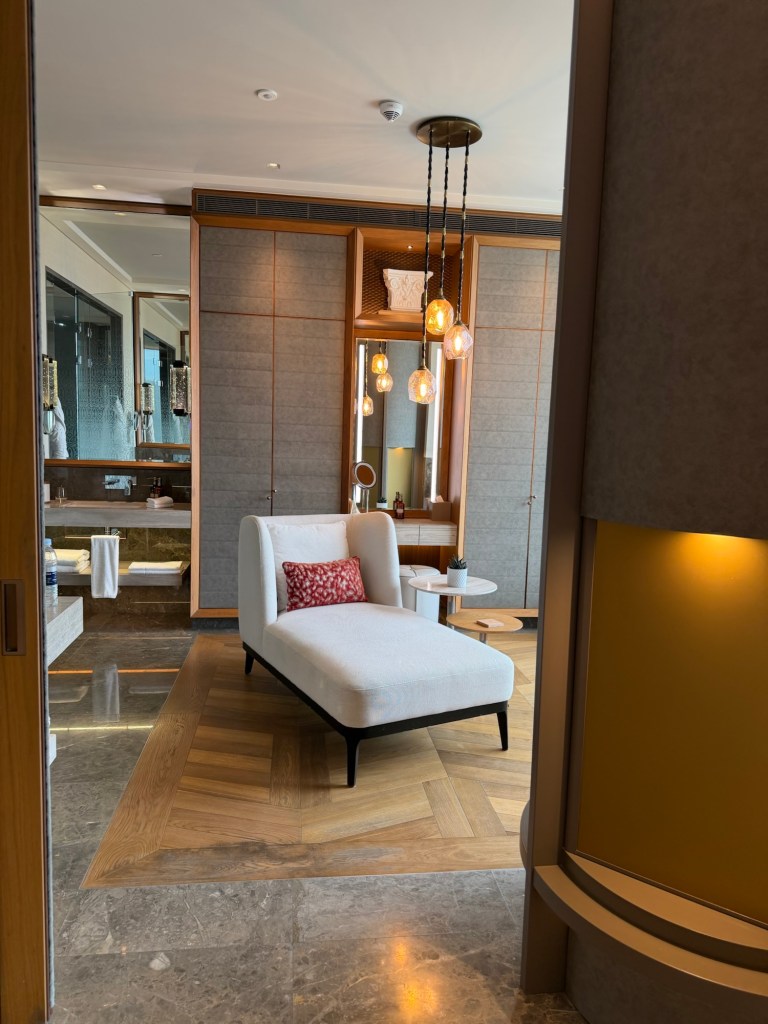
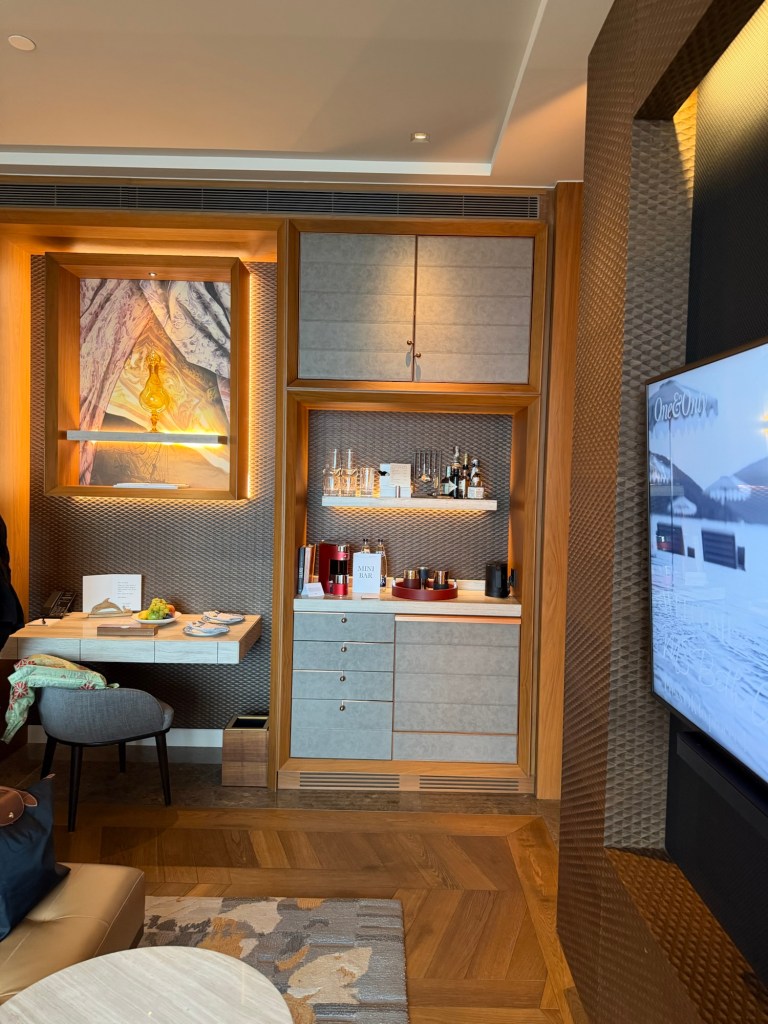
Rich wood finishes, polished marble, soft lighting, and luxurious furnishings created a sense of comfort and sophistication. The enormous bed looked particularly inviting after our many days of traveling, while a comfortable sitting area and thoughtfully designed minibar added to the experience. The bathroom was equally spectacular, featuring a built in soaking tub positioned directly beneath floor-to-ceiling windows overlooking the Bay of Kotor. Beyond the bedroom, doors opened onto a private terrace with sweeping views across the water toward the surrounding mountains. A lovely welcome note and fresh fruit awaited us, another thoughtful touch. It was the sort of room that made you reluctant to leave—and, fortunately, we had absolutely no reason to rush anywhere.
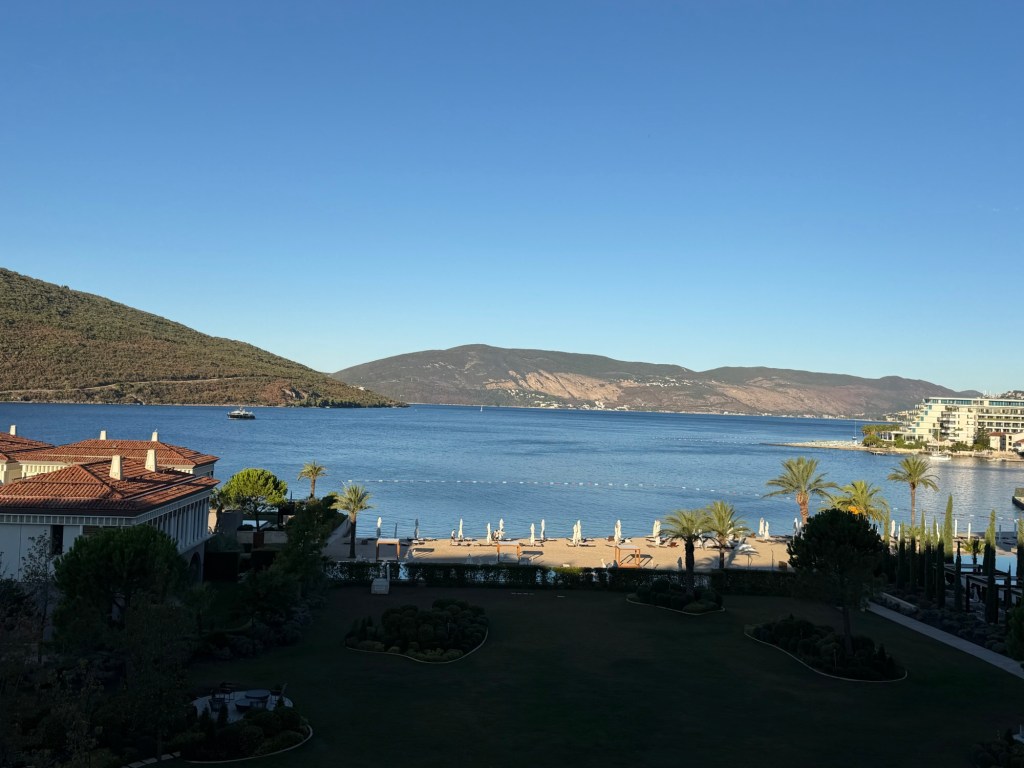
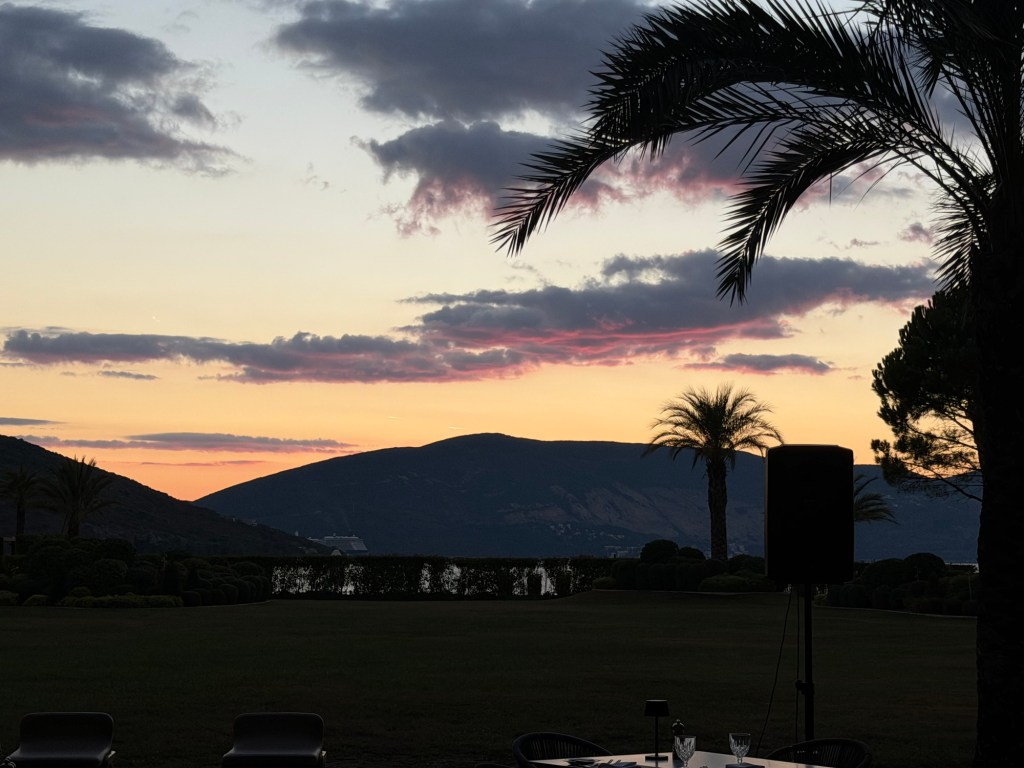
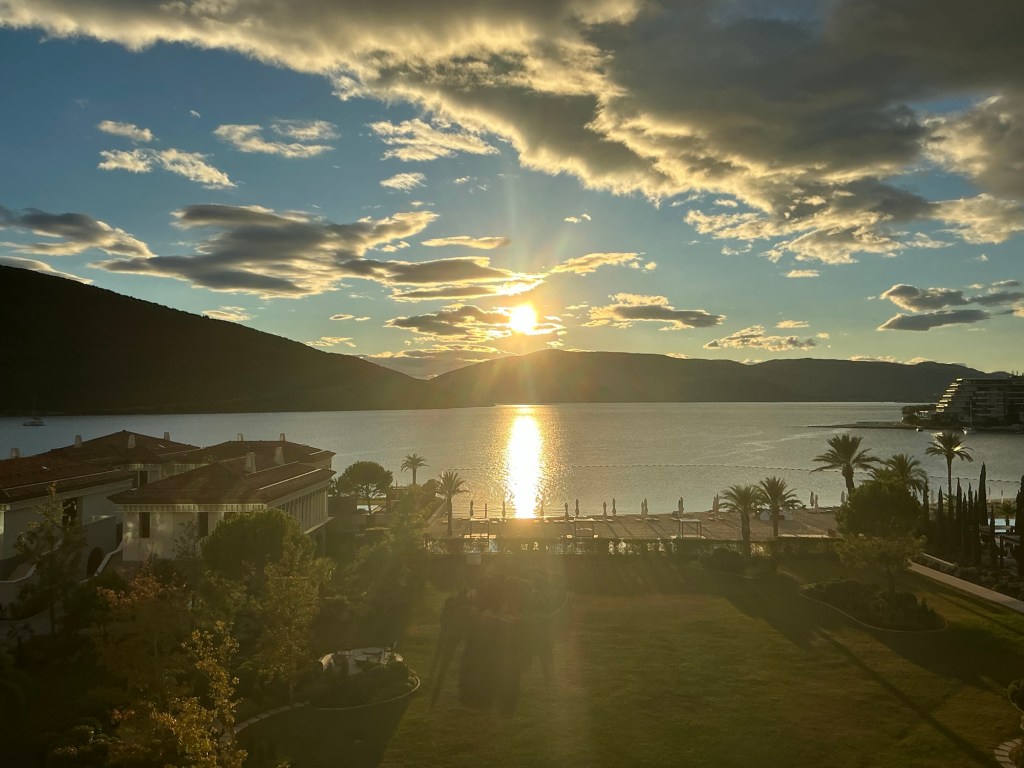
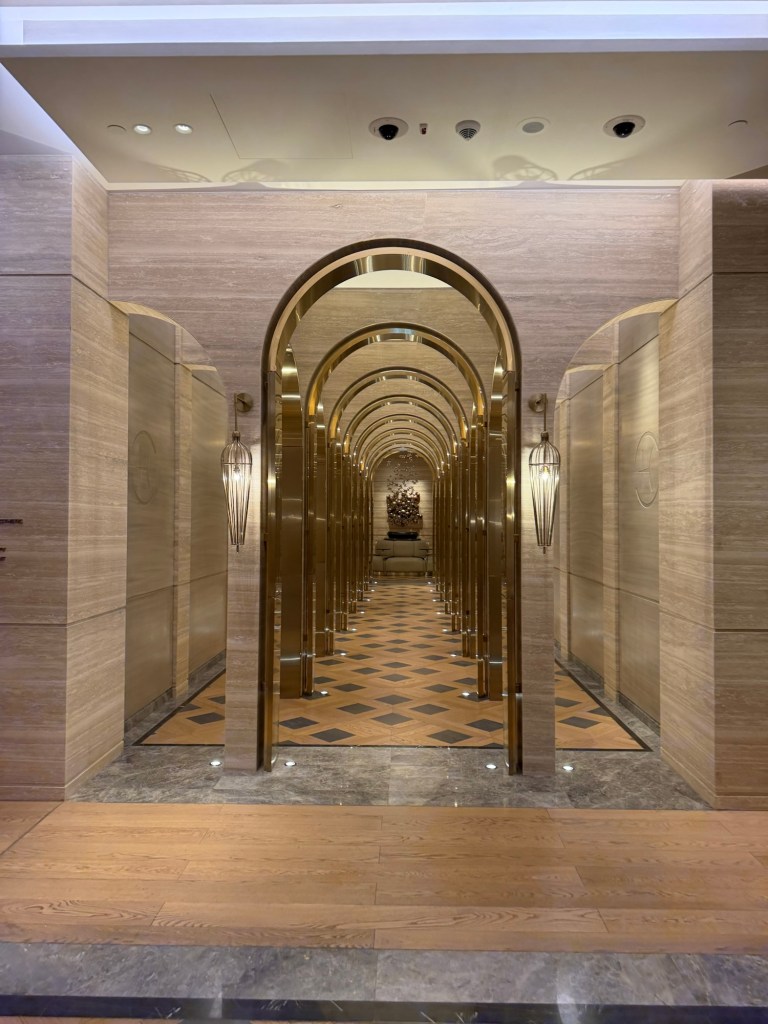
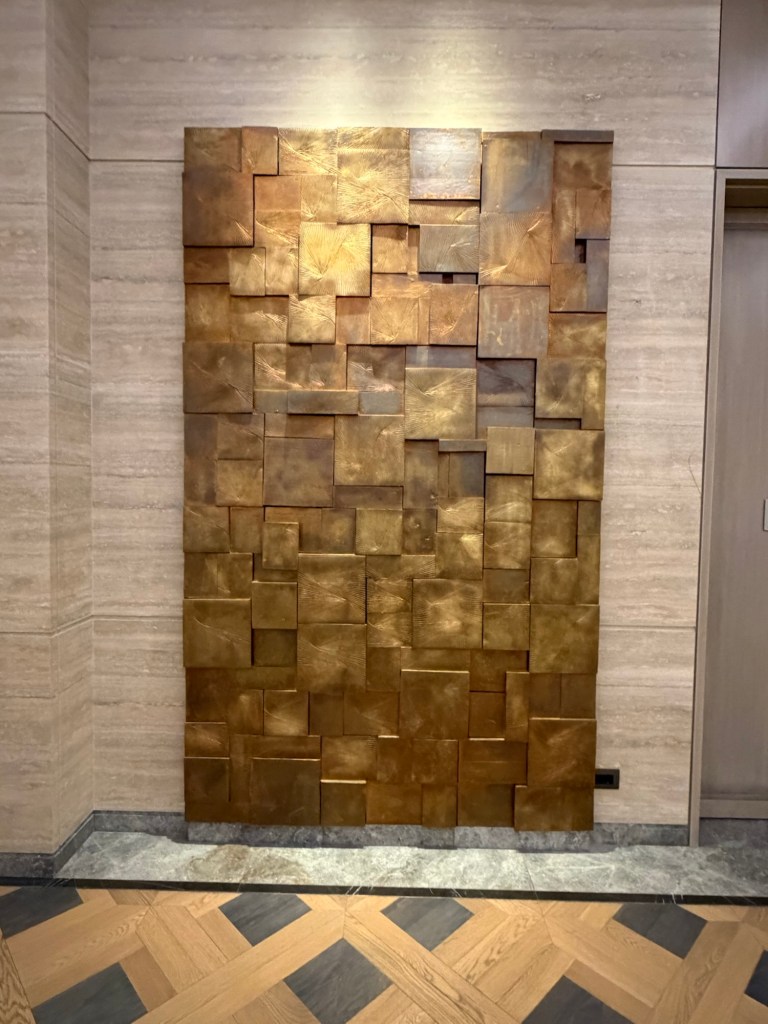
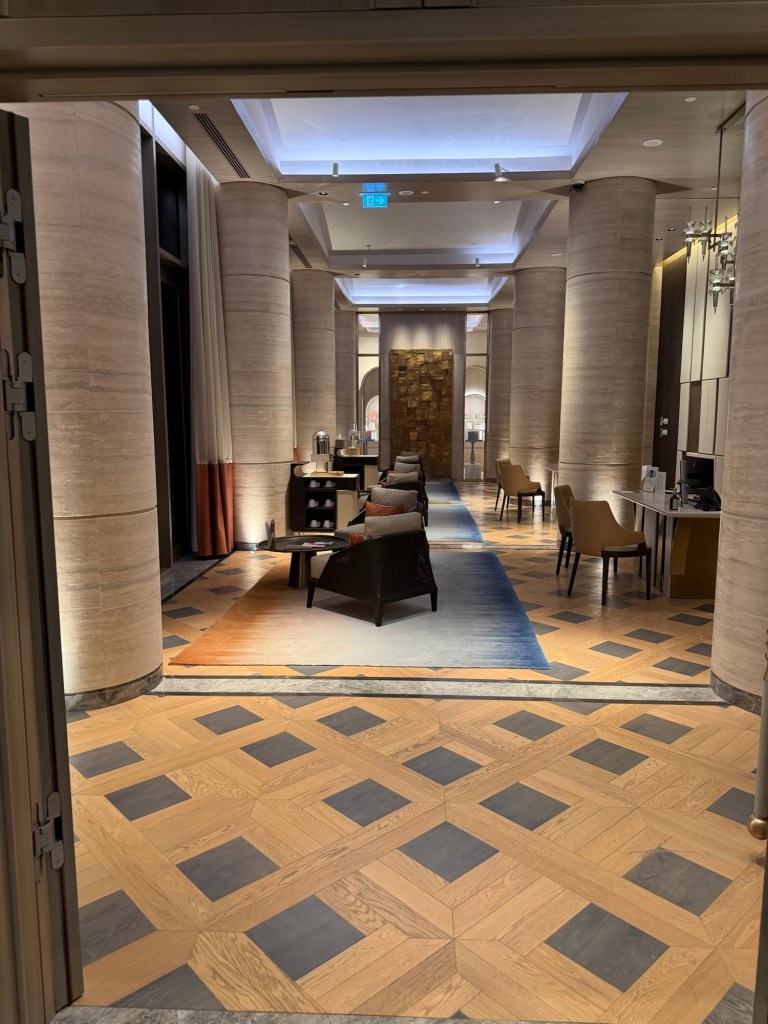
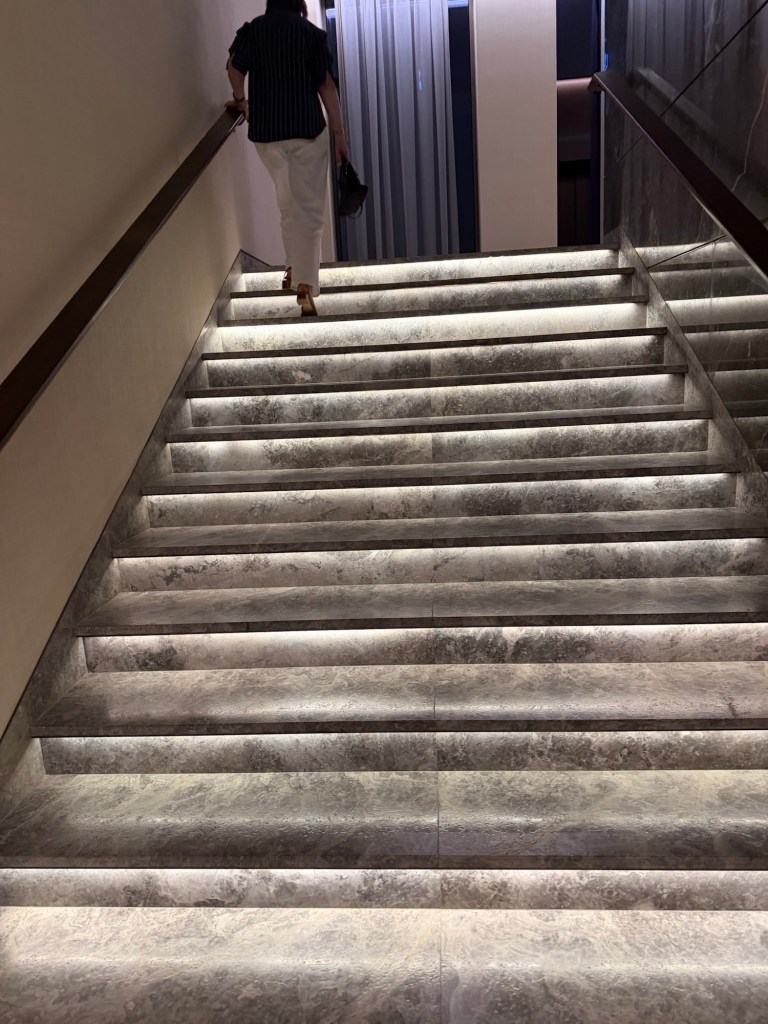
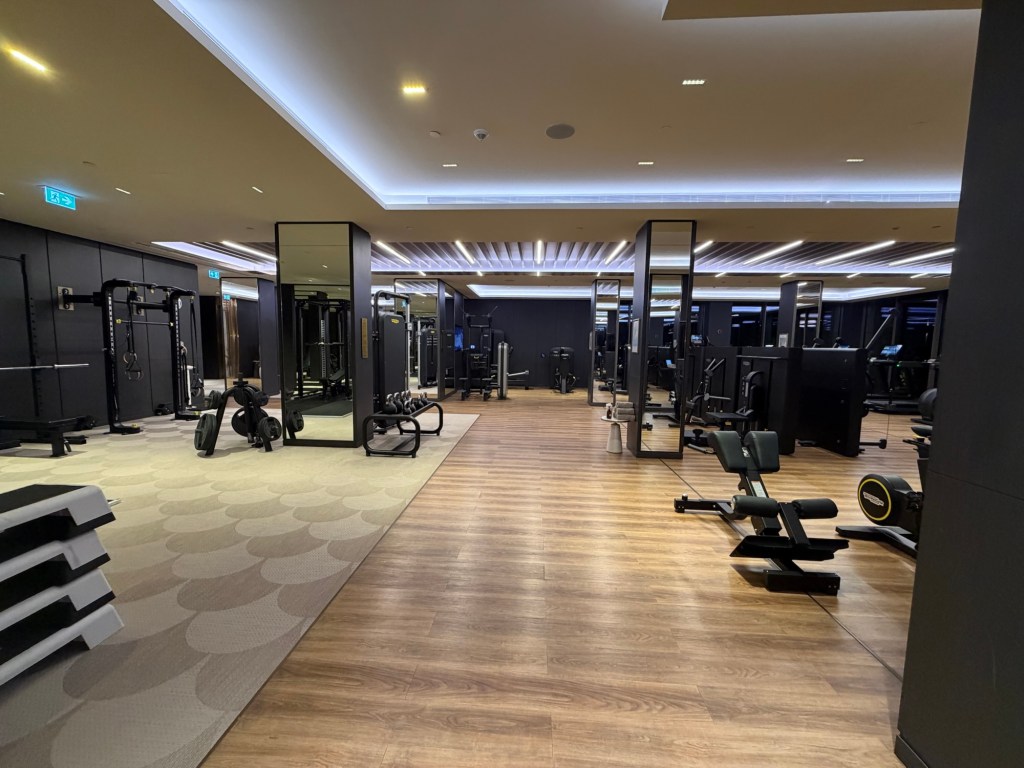
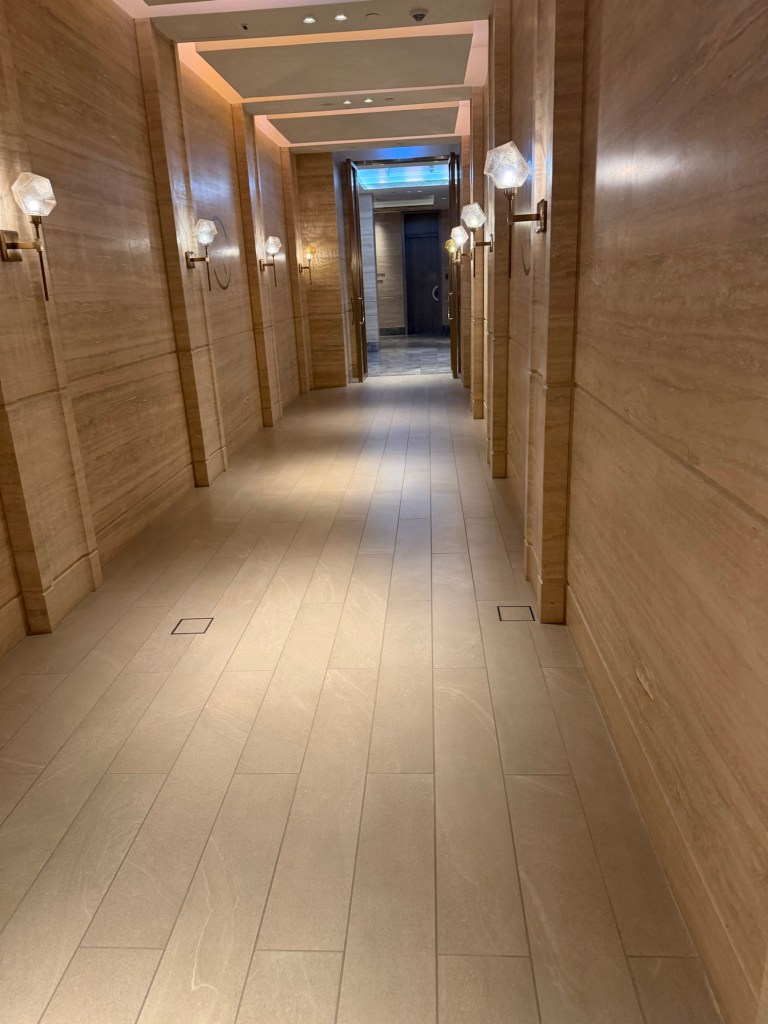
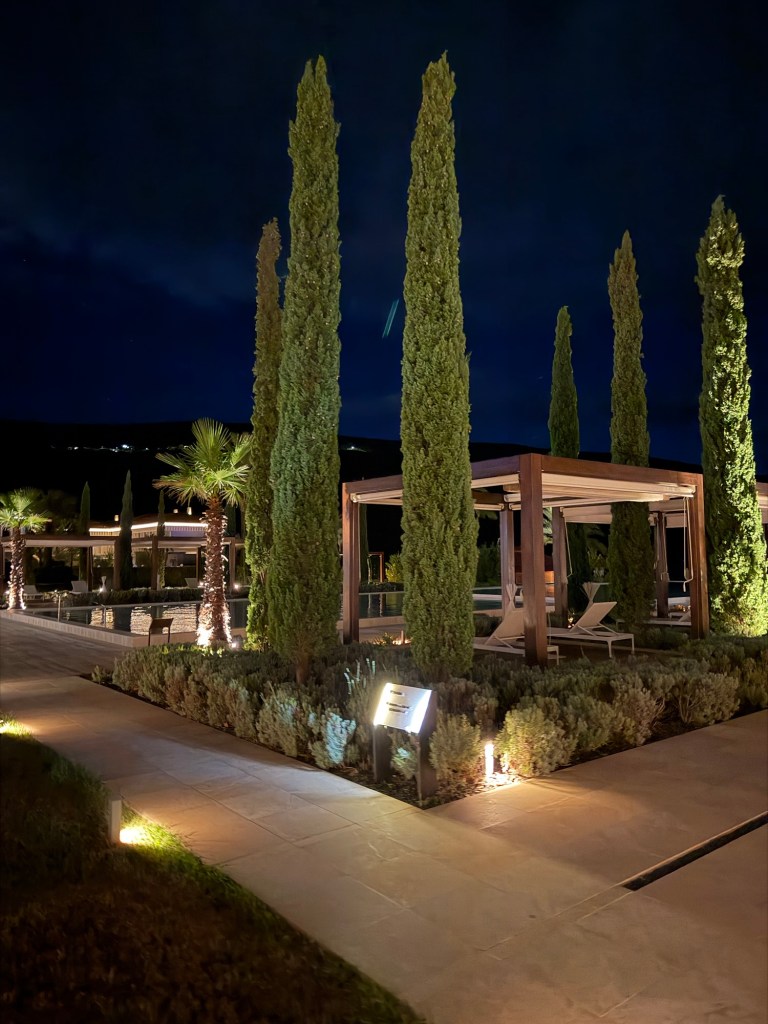
As extraordinary as our room was, the public spaces at One&Only Portonovi were equally impressive. Bronze-trimmed arches created endless perspectives through imposing corridors, while soaring stone columns, unending, travertine , geometric wood floors, and contemporary art gave the interiors the feel of a private museum. After dark, illuminated cypress trees, manicured gardens, and intimate poolside cabanas created an enchanting atmosphere. Even the spa, with its softly lit indoor pool and graceful arches, felt like an architectural experience. The property was a remarkable marriage of art, architecture, and luxury, making it difficult to imagine a more beautiful place to spend the final days of our journey.
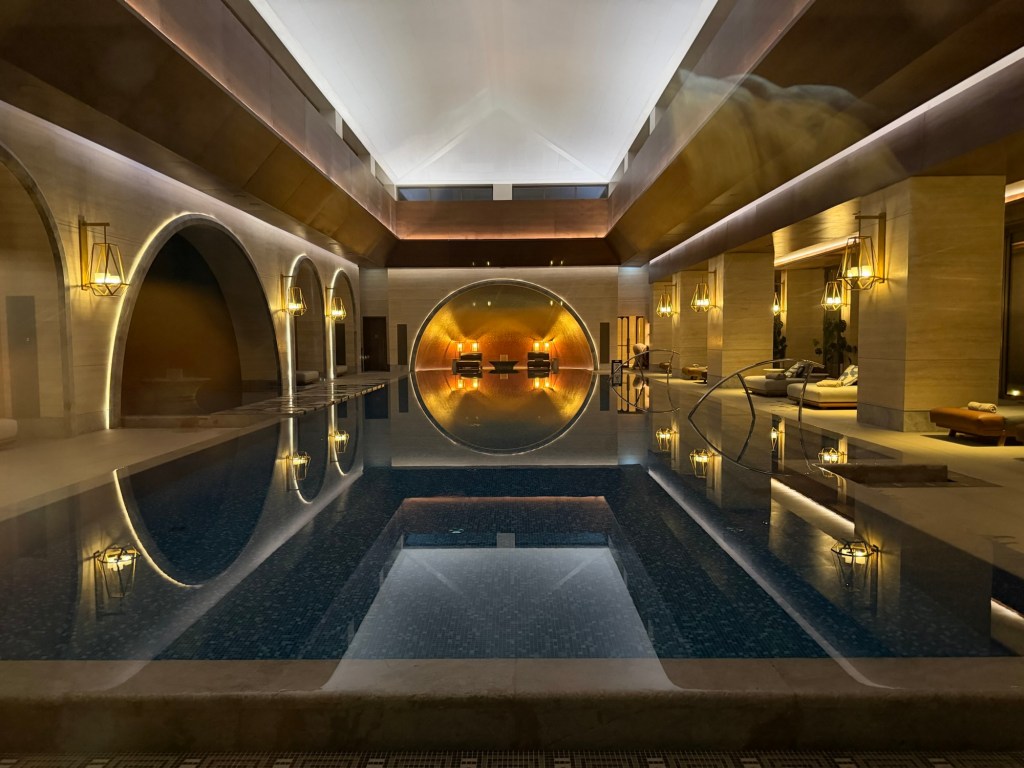
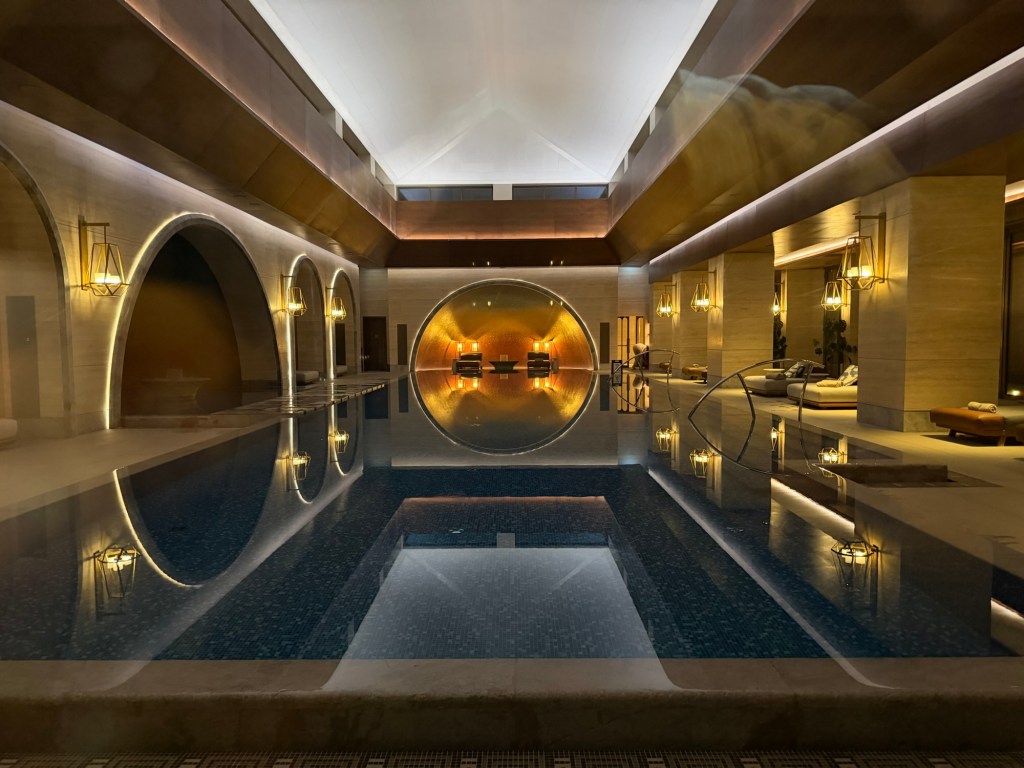
The indoor pool at the One&Only Portonovi was particularly spectacular when illuminated at night. The long, perfectly still expanse of water reflected a series of graceful stone arches and softly glowing lanterns, creating an almost mesmerizing symmetry. At the far end, a magnificent circular alcove bathed in golden light provided a dramatic focal point, its reflection forming what appeared to be a perfect illuminated circle. Elegant loungers lined the pool beneath soaring columns, while the warm lighting and rich architectural details gave the entire space the atmosphere of an ancient Roman bath reimagined for the twenty-first century. It was less like a hotel swimming pool and more like a work of art.
The following day, with our sightseeing behind us, we decided to do something we had rarely done during our whirlwind journey through the Balkans: absolutely nothing.
The One&Only Portonovi was the perfect place to unwind. The resort’s magnificent outdoor pools, with their shimmering turquoise waters, seemed to stretch endlessly toward the sparkling Bay of Kotor. Beyond the water, rugged, forested mountains rose dramatically against a brilliant blue sky, creating a spectacular backdrop.
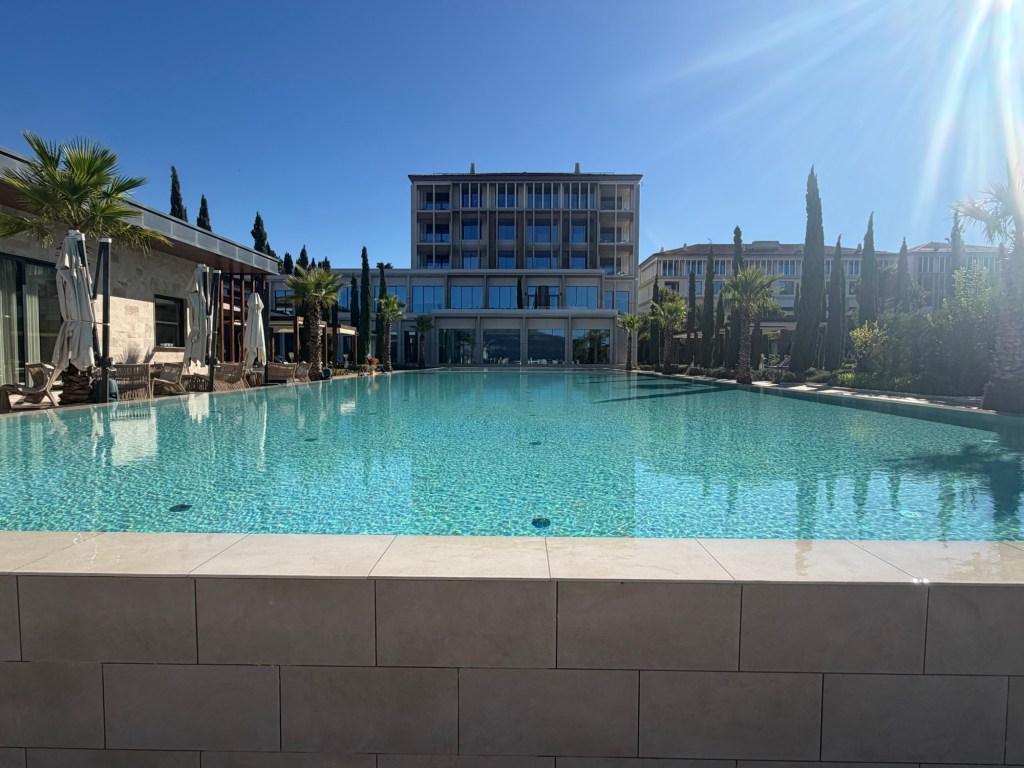
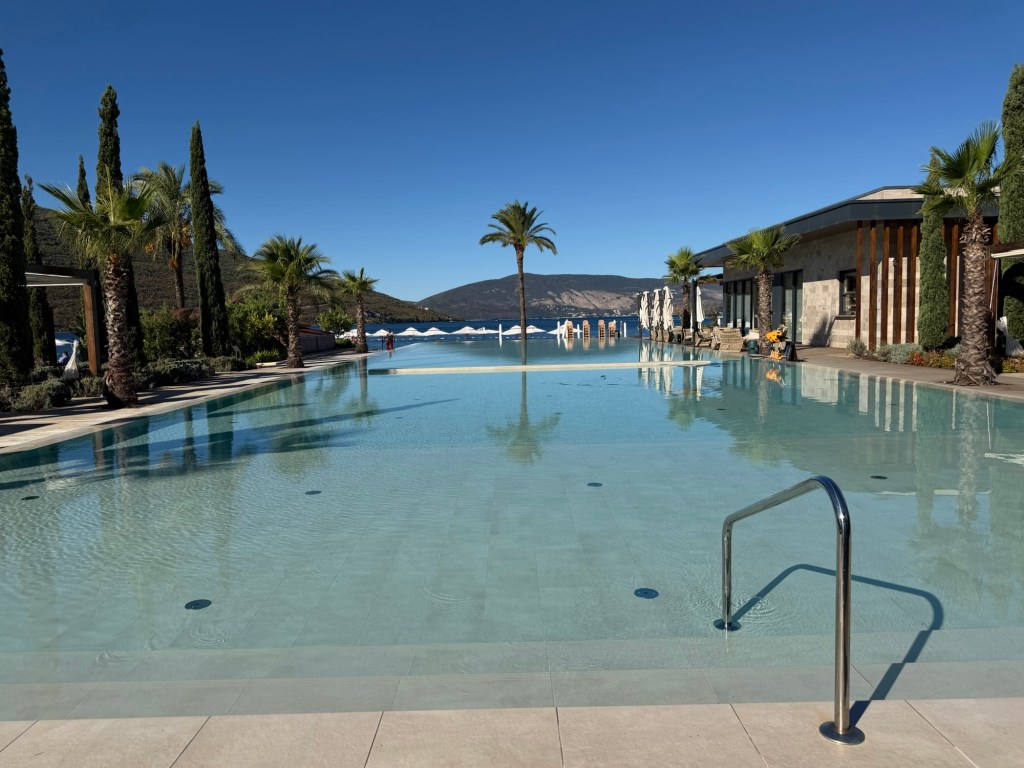
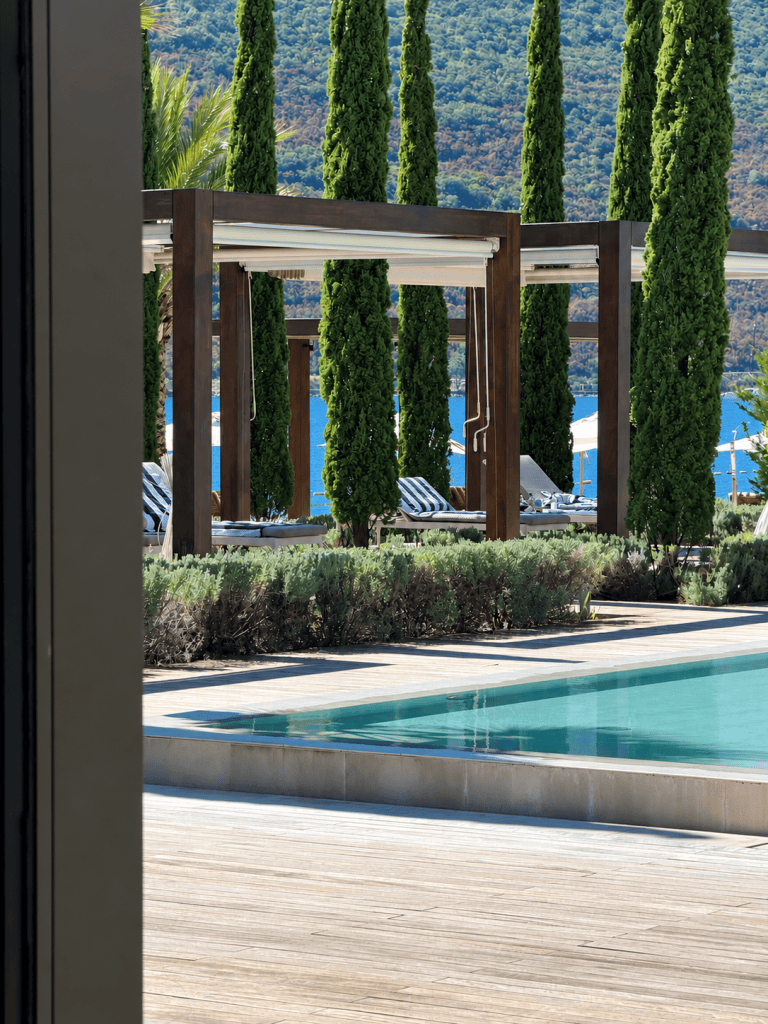
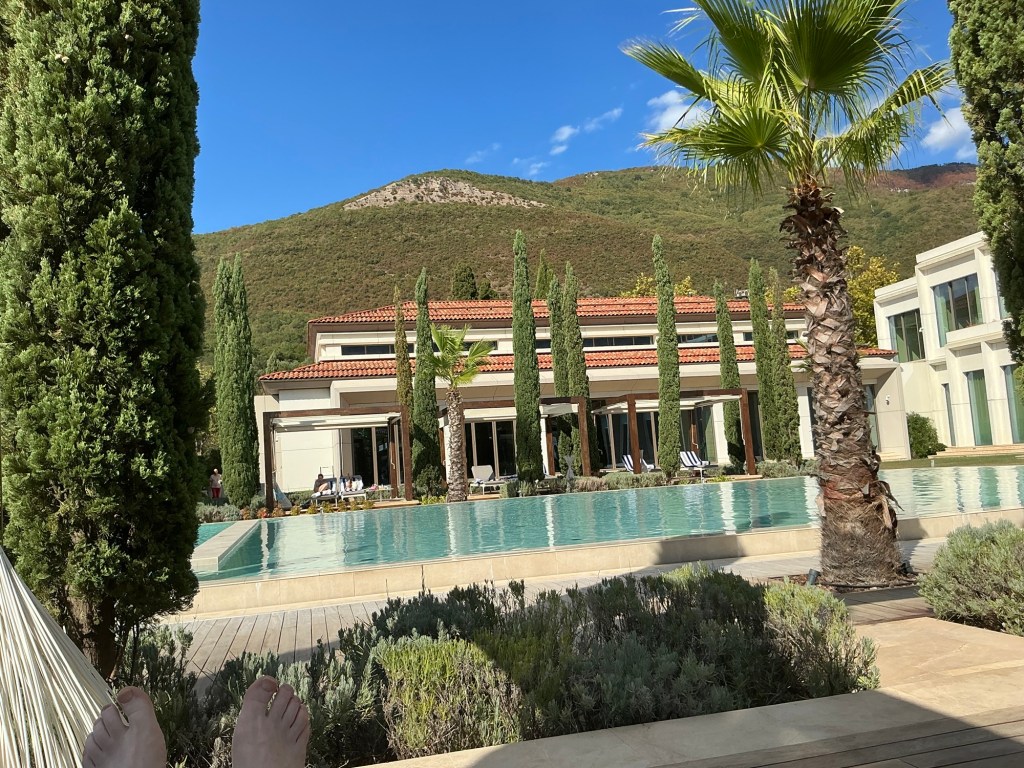
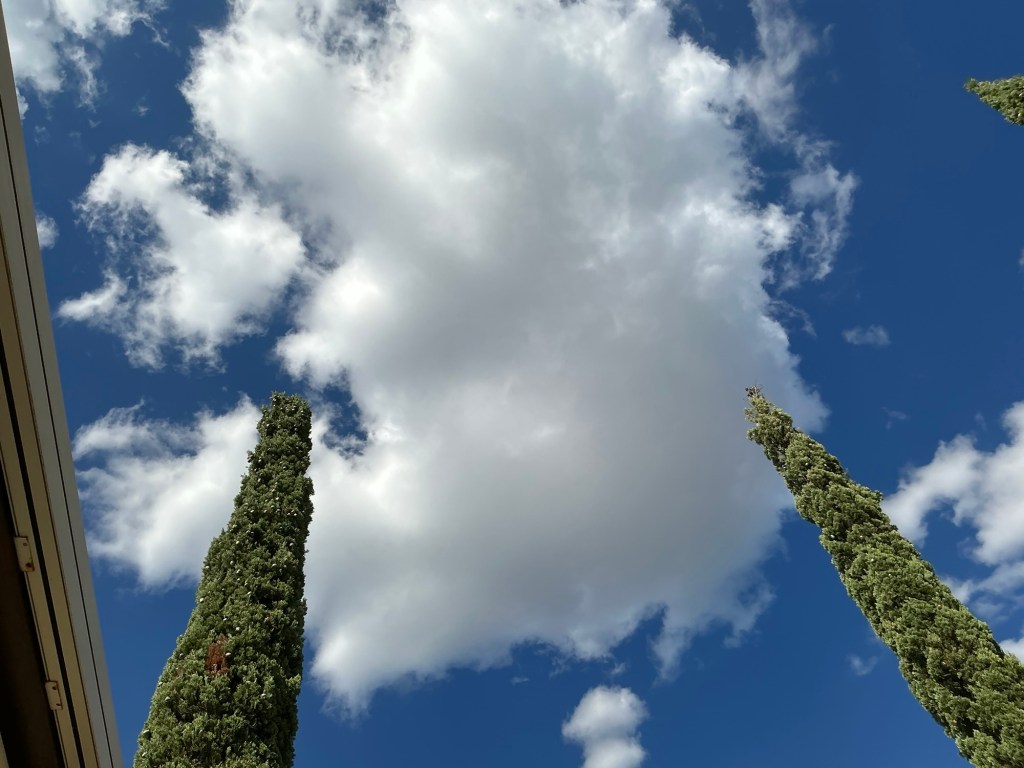
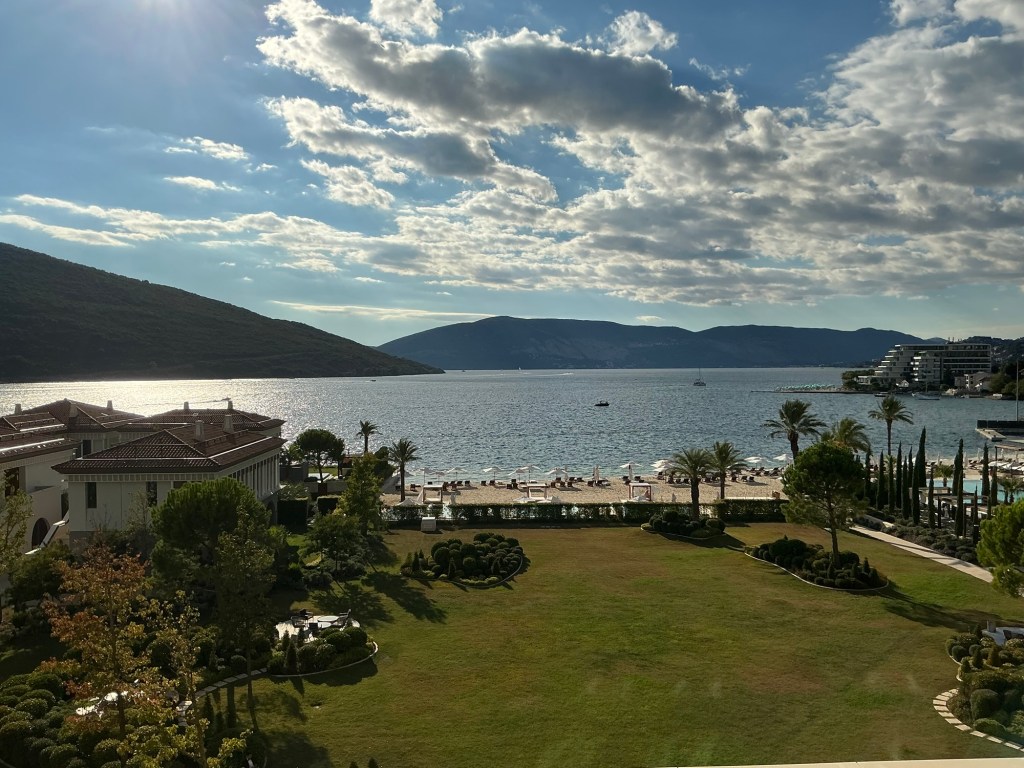
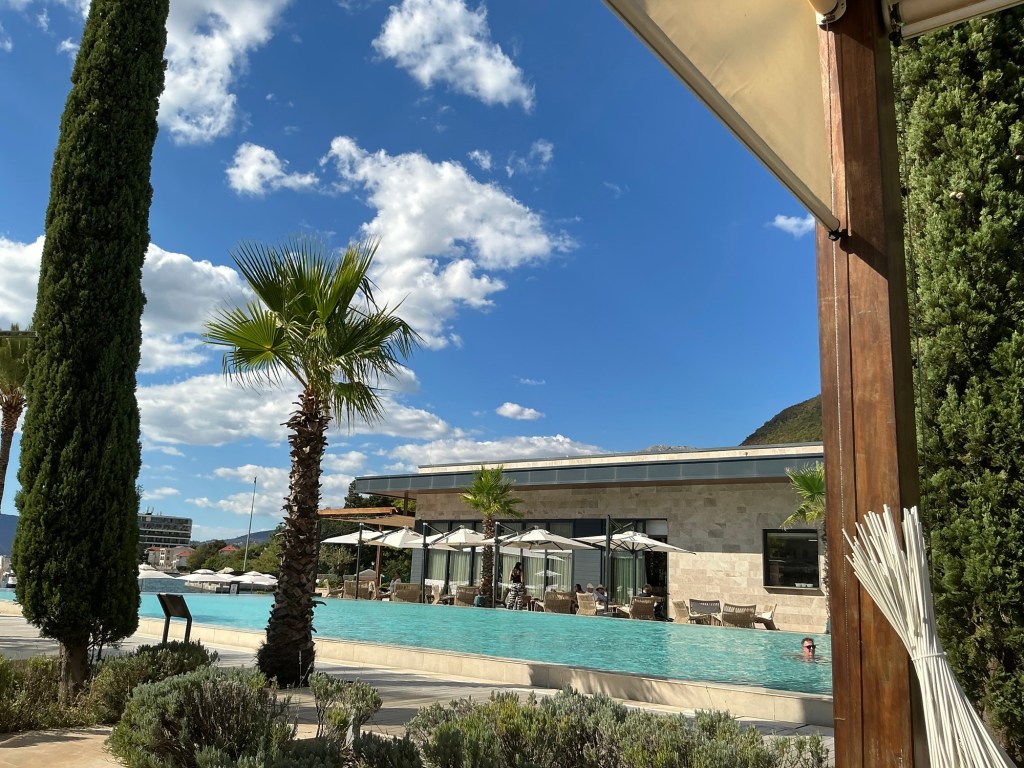
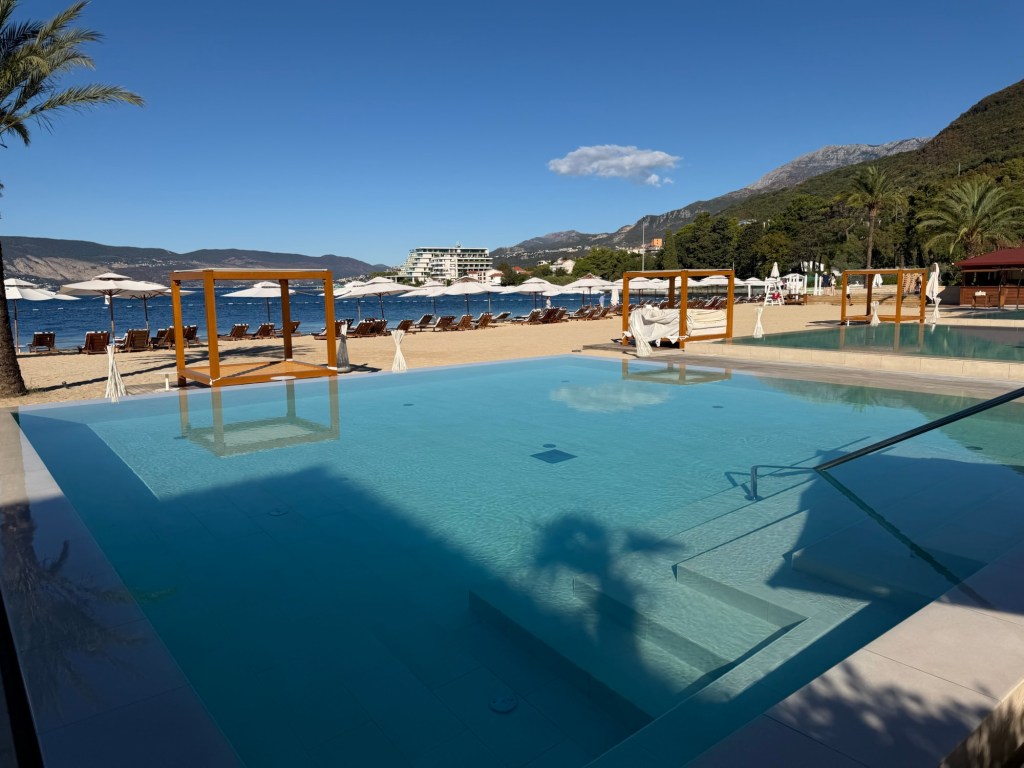
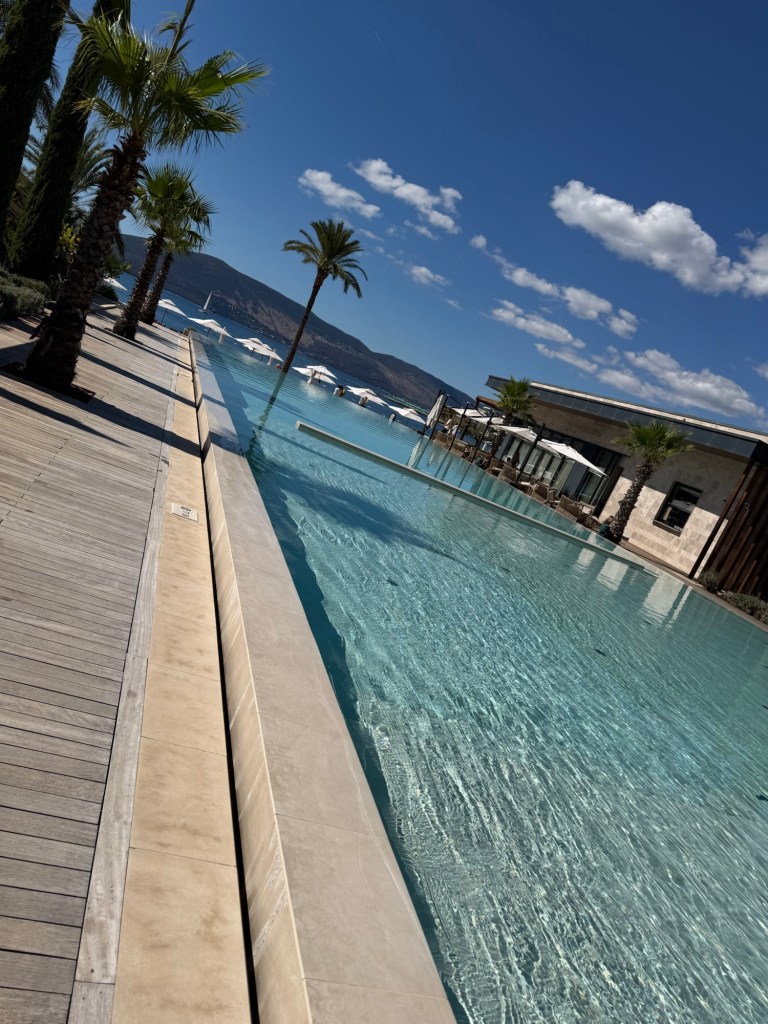
The grounds were equally impressive, with towering Italian cypress trees, graceful palms, beautifully manicured lawns, and fragrant Mediterranean plantings. Luxurious cabanas and comfortable loungers offered inviting places to settle in with a book (in my case Enemies by Bashevis), enjoy the sunshine, or simply admire the scenery. Just beyond the pools, a private beach lined with white umbrellas overlooked the tranquil bay.
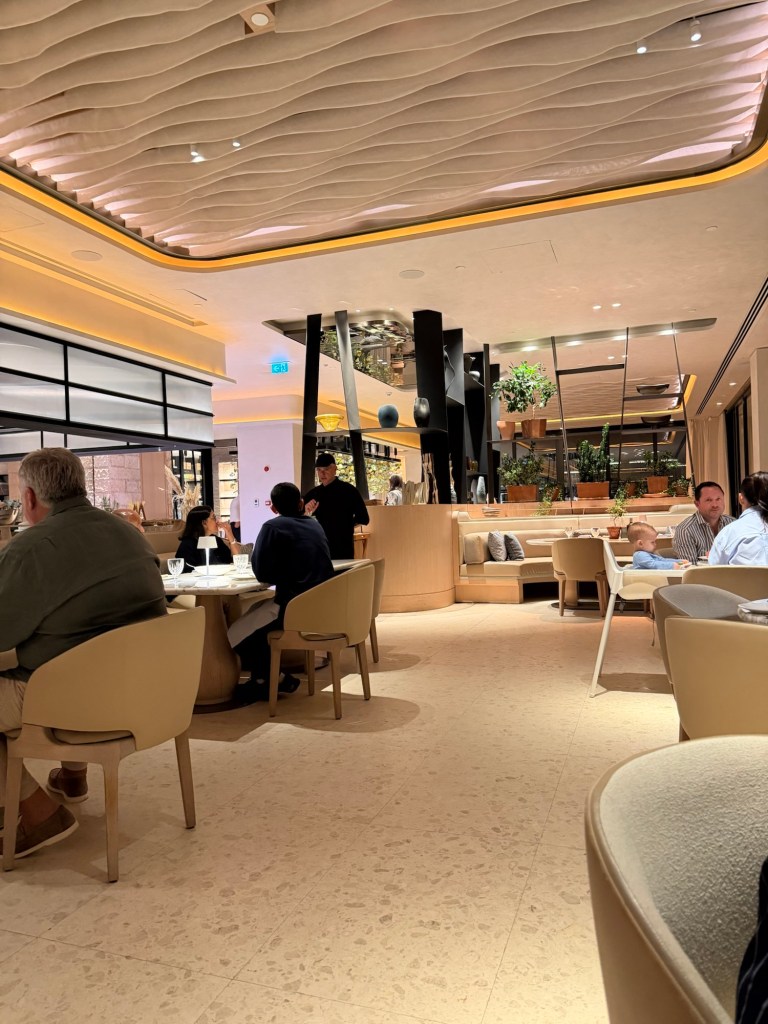
We spent much of the day relaxing poolside, soaking up the warm Mediterranean sunshine and enjoying the resort’s peaceful atmosphere. Even lunch was a leisurely affair, with an elegant, shaded outdoor dining terrace framed by graceful arches and lush greenery.
After more than two weeks of exploring ancient cities, wandering through medieval streets, visiting historic landmarks, and traveling along the Adriatic coast, it was wonderful to have a day with absolutely no agenda.
Sometimes the most memorable moments of a journey are not the places you visit or the sights you see, but the opportunity to sit quietly, take in your surroundings, and appreciate just how fortunate you are to be there.