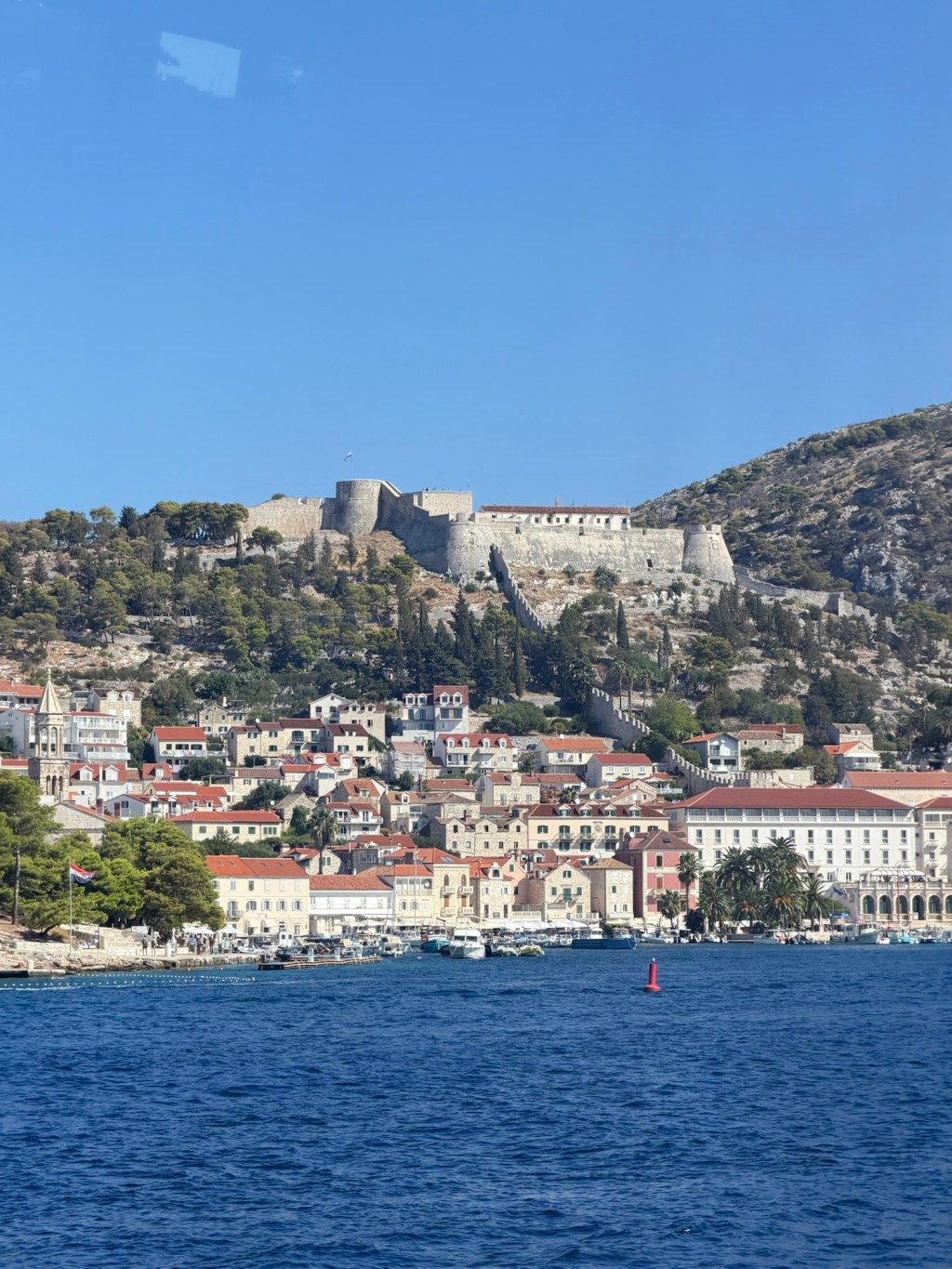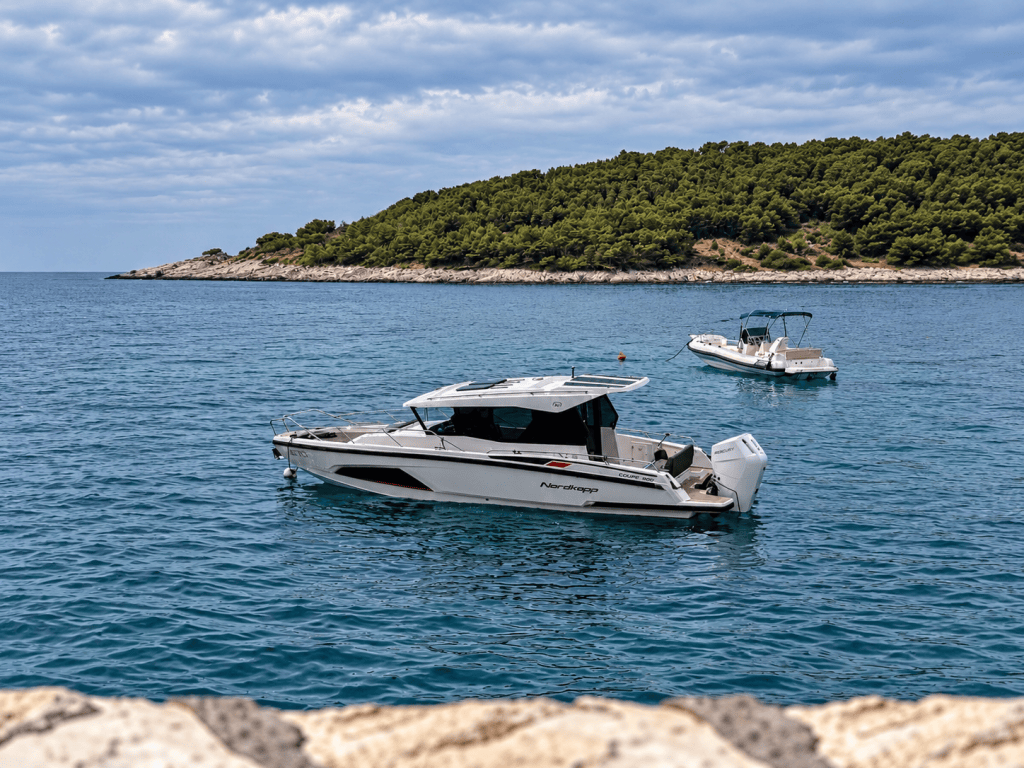
The next morning, we climbed aboard a sleek 30-foot Nordkapp Coupe 905, powered by a 300-horsepower Mercury V10, and set out with our skipper to explore the Pakleni Islands—a scattered chain of about twenty pine-covered islands and rocky islets lying just offshore from Hvar Town. With the engine rumbling behind us, the boat surged out of the harbor, carving a broad white wake through the brilliant blue Adriatic.
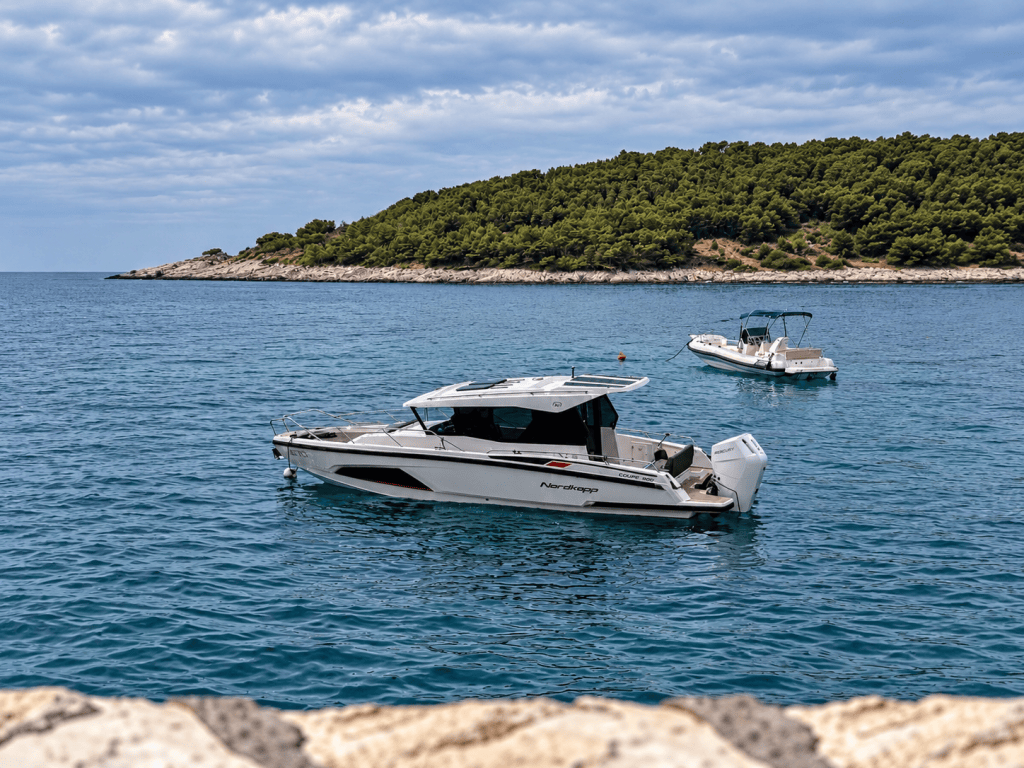
Leaving Hvar’s harbor, we passed Galešnik, the small islet guarding its entrance, as our skipper steered toward Sveti Klement, the largest of the Pakleni Islands.
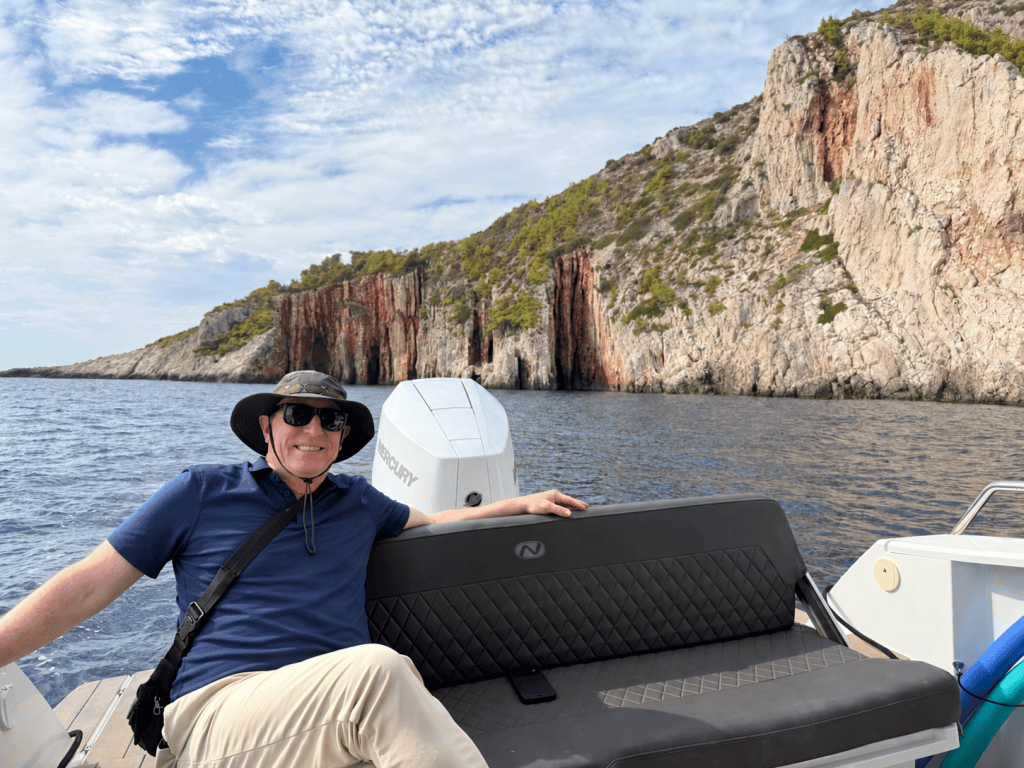
Shelley once described an island as lying “’twixt Heaven, Air, Earth and Sea, cradled and hung in clear tranquillity”—words that seemed especially apt as Sveti Klement emerged from the blue Adriatic. Although only about 5.4 square kilometres, the island has an extraordinarily intricate coastline, deeply indented by secluded coves and rocky inlets. Blanketed in pine and Mediterranean vegetation, it appears almost untouched from the water, with sheltered bays revealing themselves only as the boat rounds each headland.
We went ashore and followed shaded paths through the greenery, past pines, palms and garden plants, with glimpses of the sea between them.
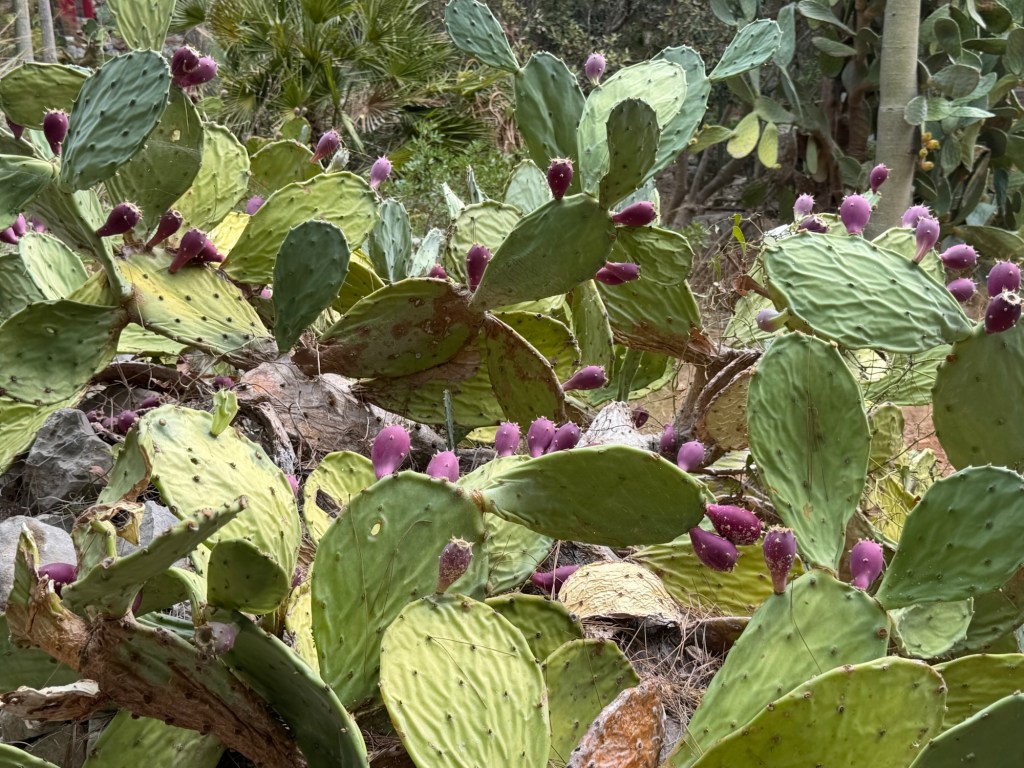
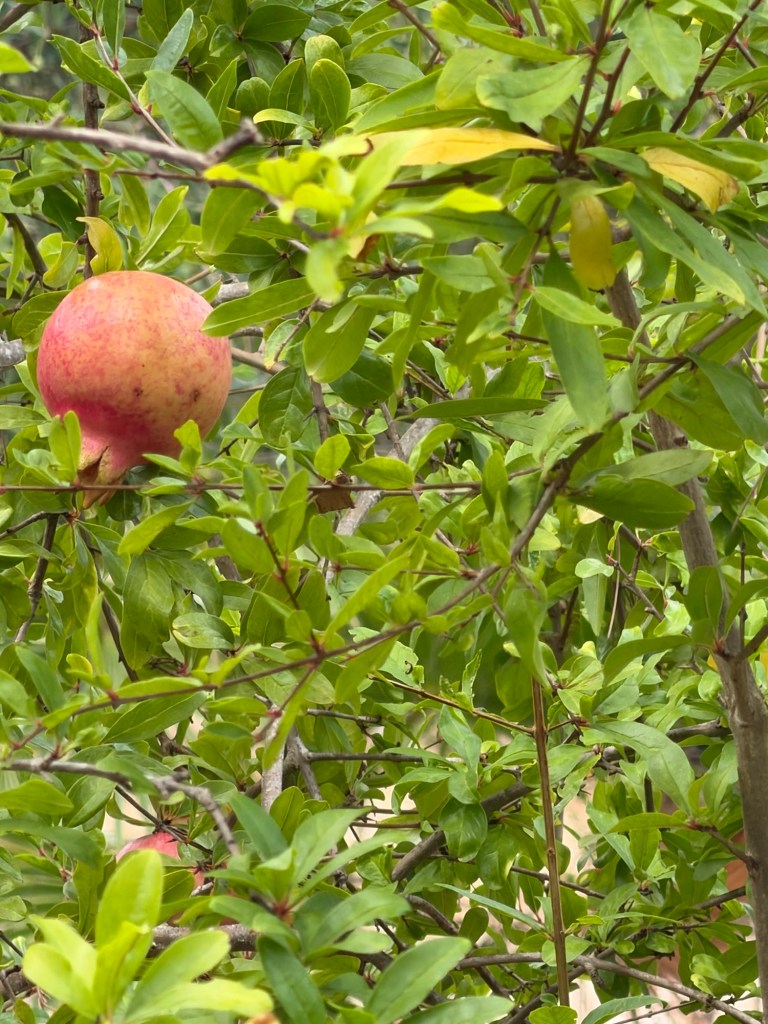
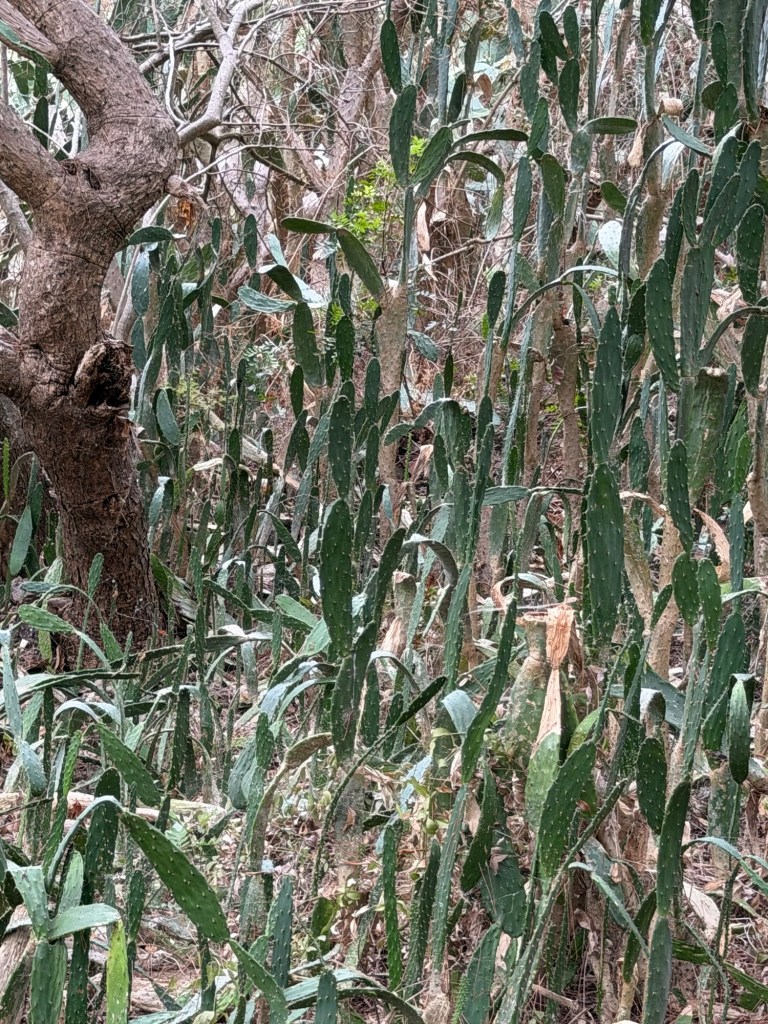
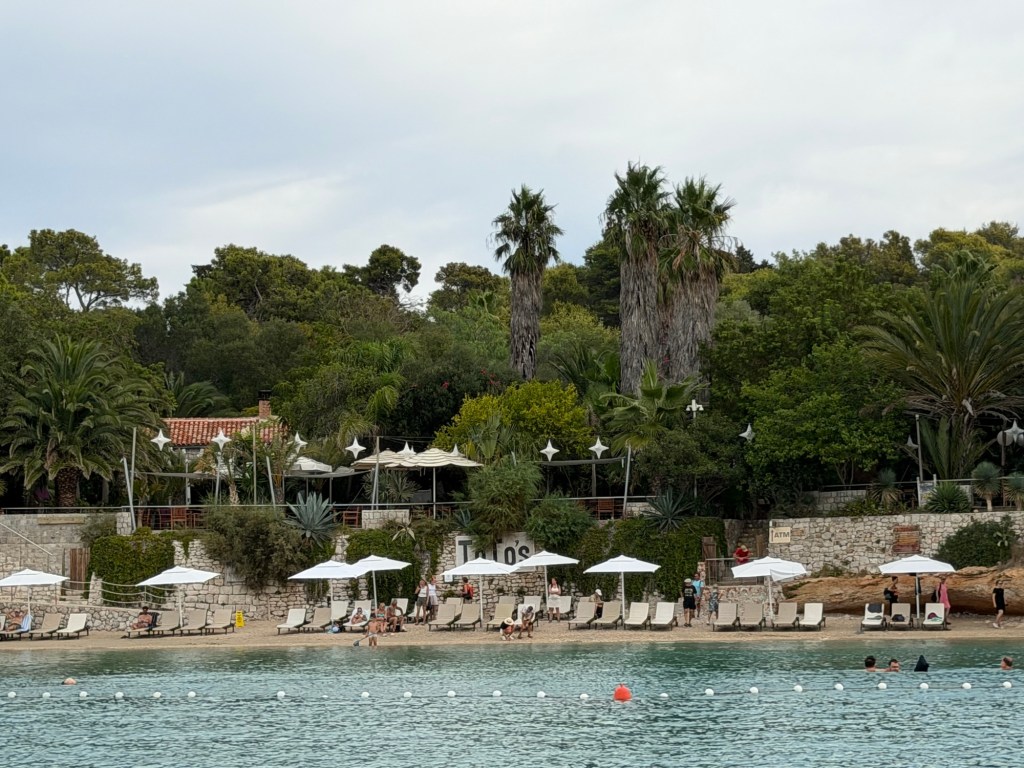
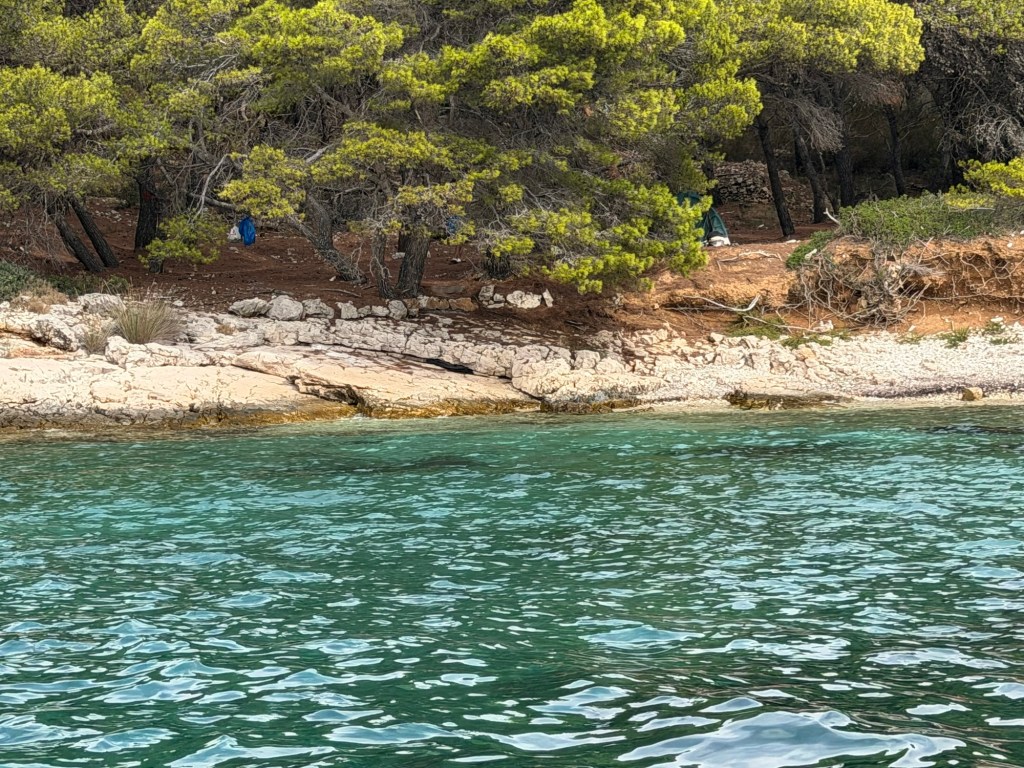
After our walk, we returned to the boat, and our captain found a secluded cove where I could take a dip in the Adriatic. In the interest of decency, I decided the pictures of me swimming in the Adriatic unsuitable for public viewing. After several days of several gelati—I looked, shall we say, a little too buoyant. It turns out the sea itself was helping: the Adriatic is saltier than the average ocean, about 38 parts per thousand compared with roughly 35, so it seemed to hold me up as I swam.
Later, we stopped beneath the Red Rocks, or Crvene Stijene, on Hvar’s southern coast. From the water, the cliffs rose dramatically above us—pale limestone streaked with rust-red and orange, split into tall ribs and shadowy clefts.
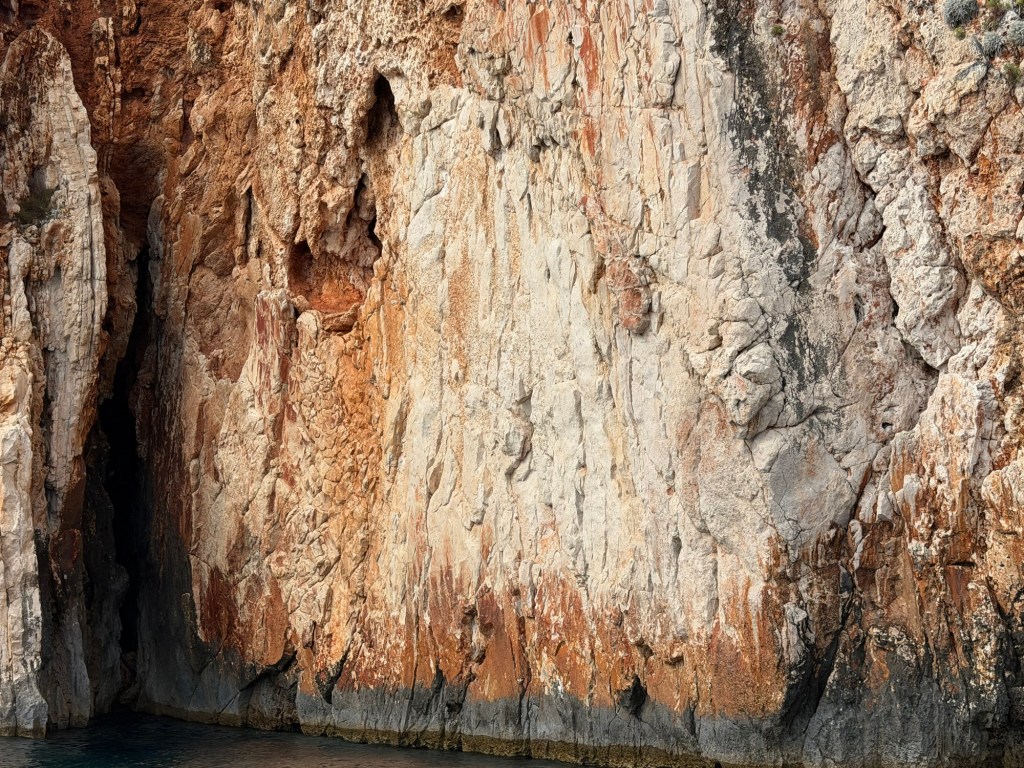
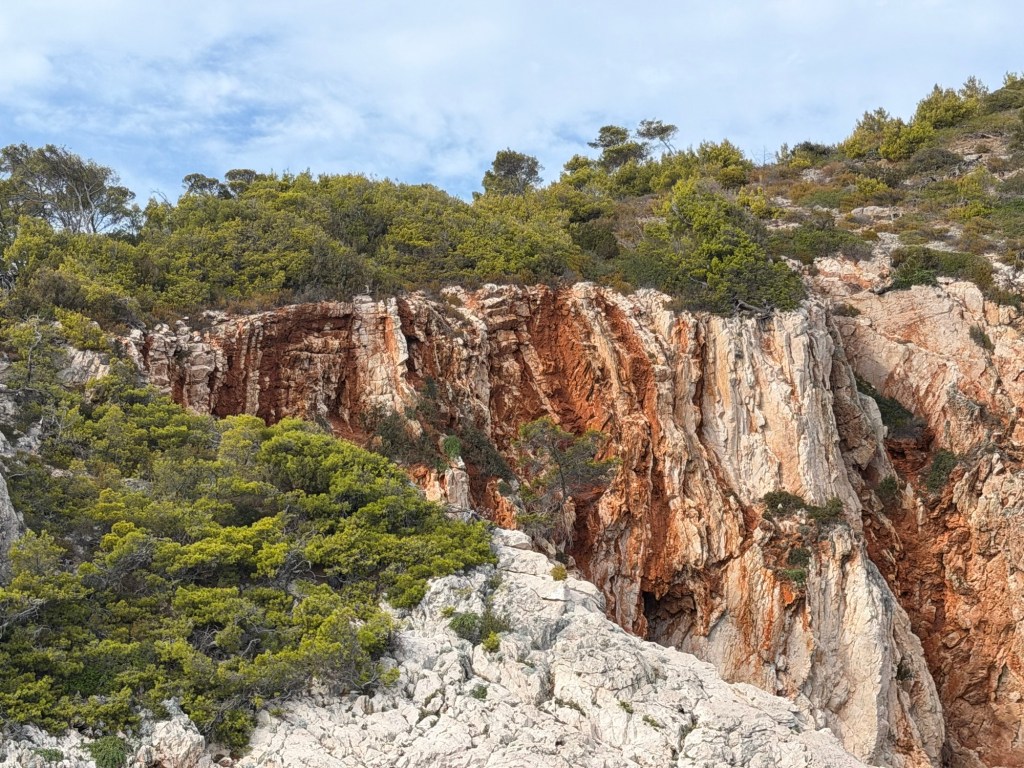
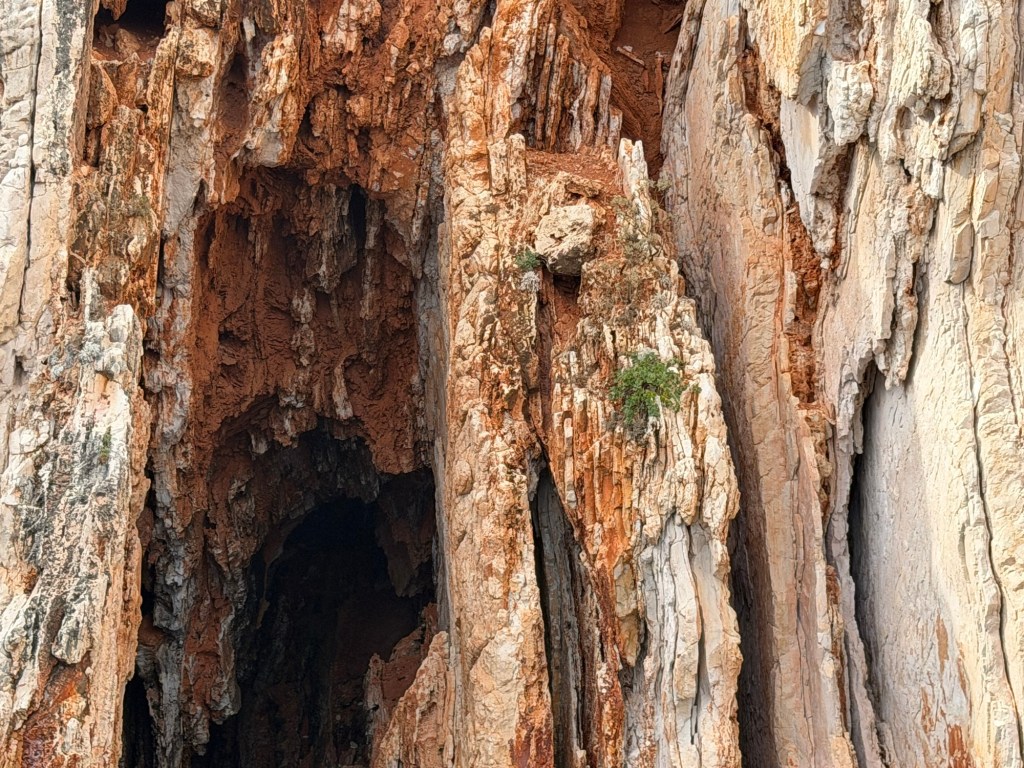
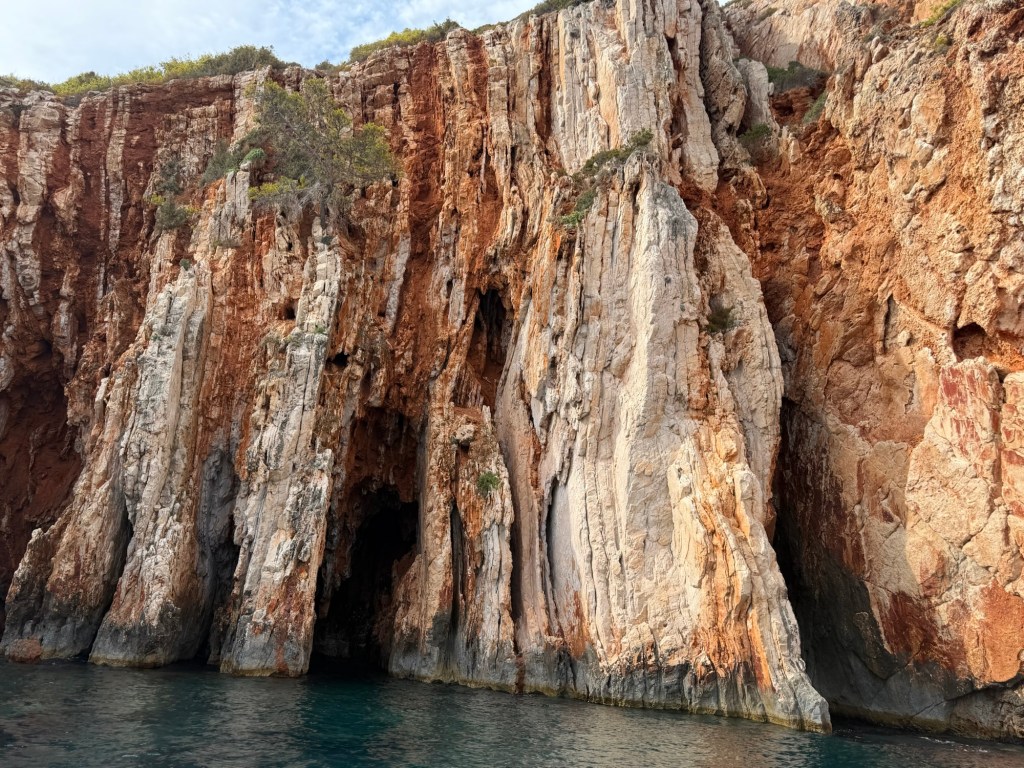
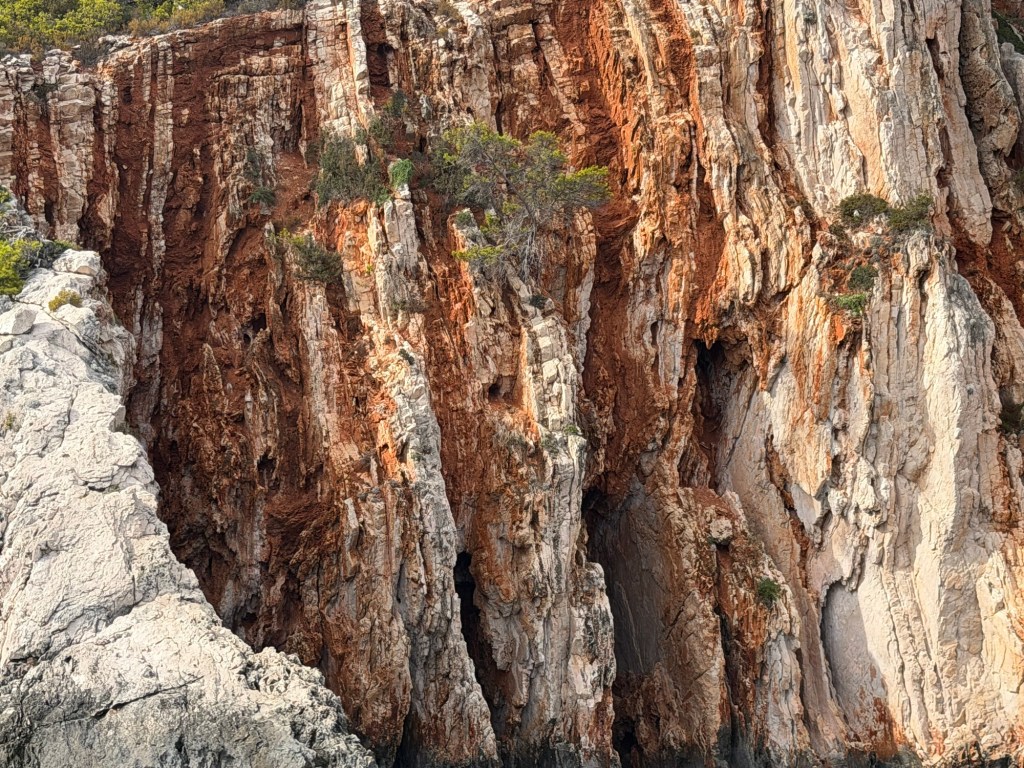
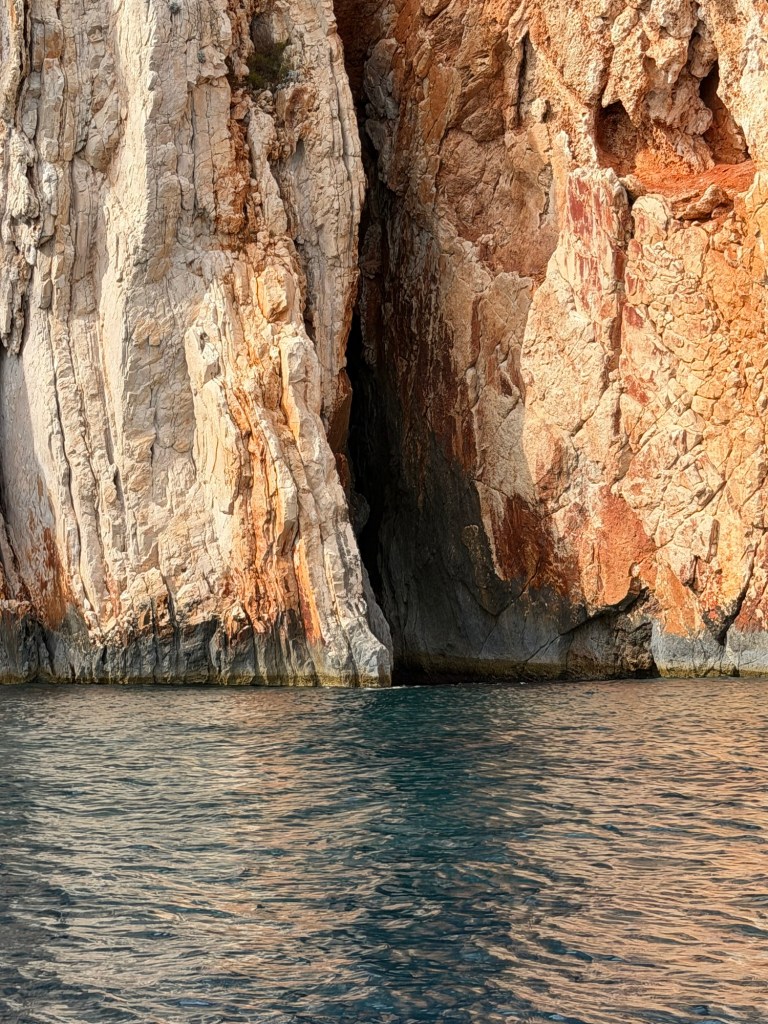
Rain and waves have carved hollows into the softer layers, leaving a wall of stone that looks almost sculpted.
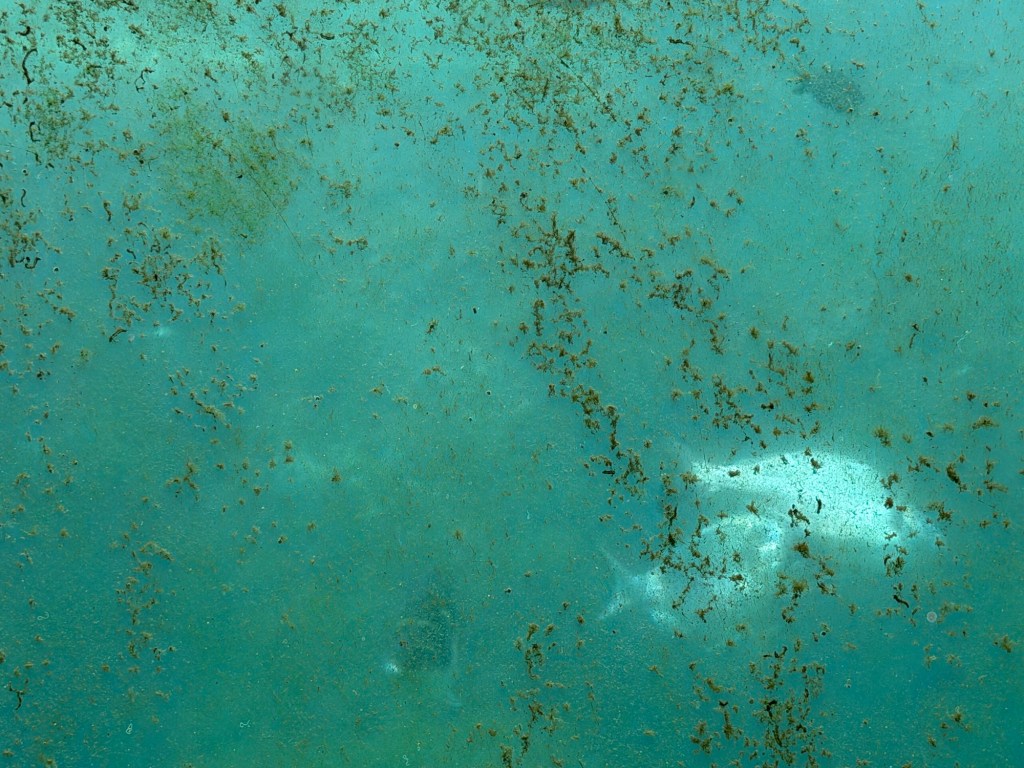
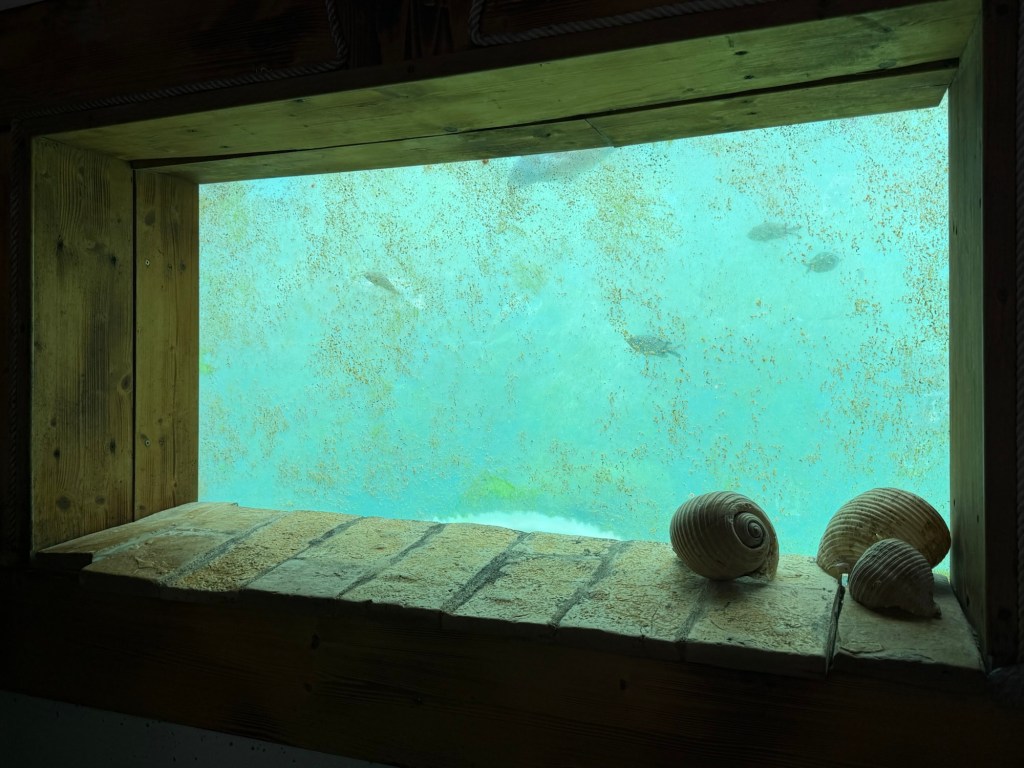
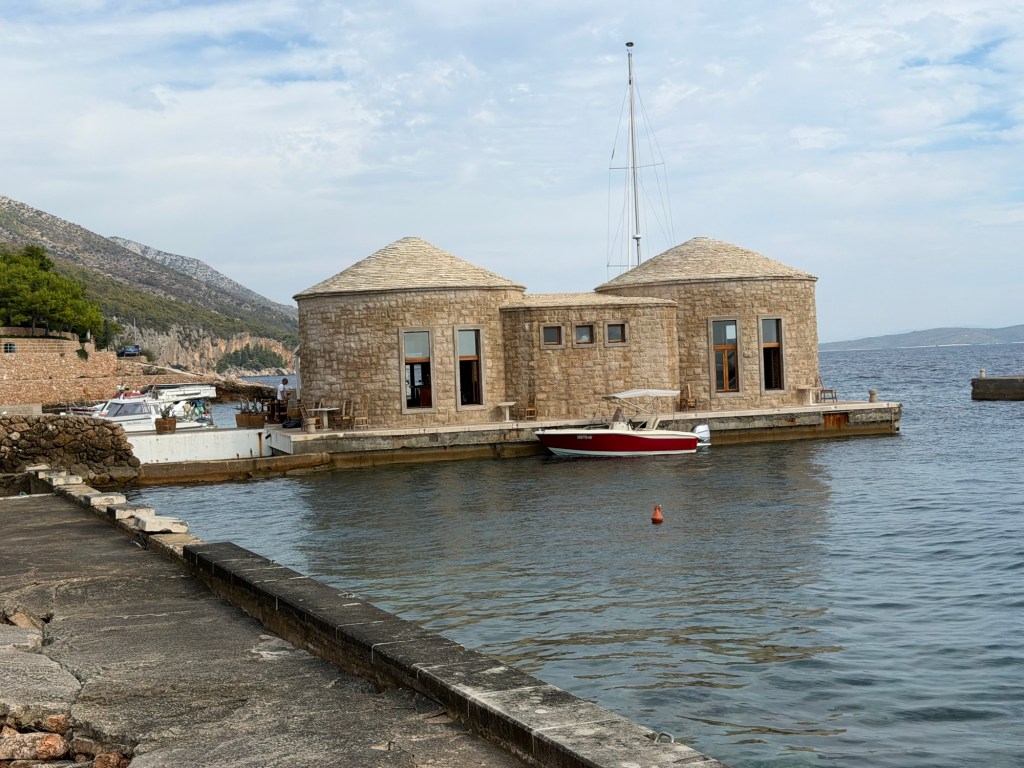
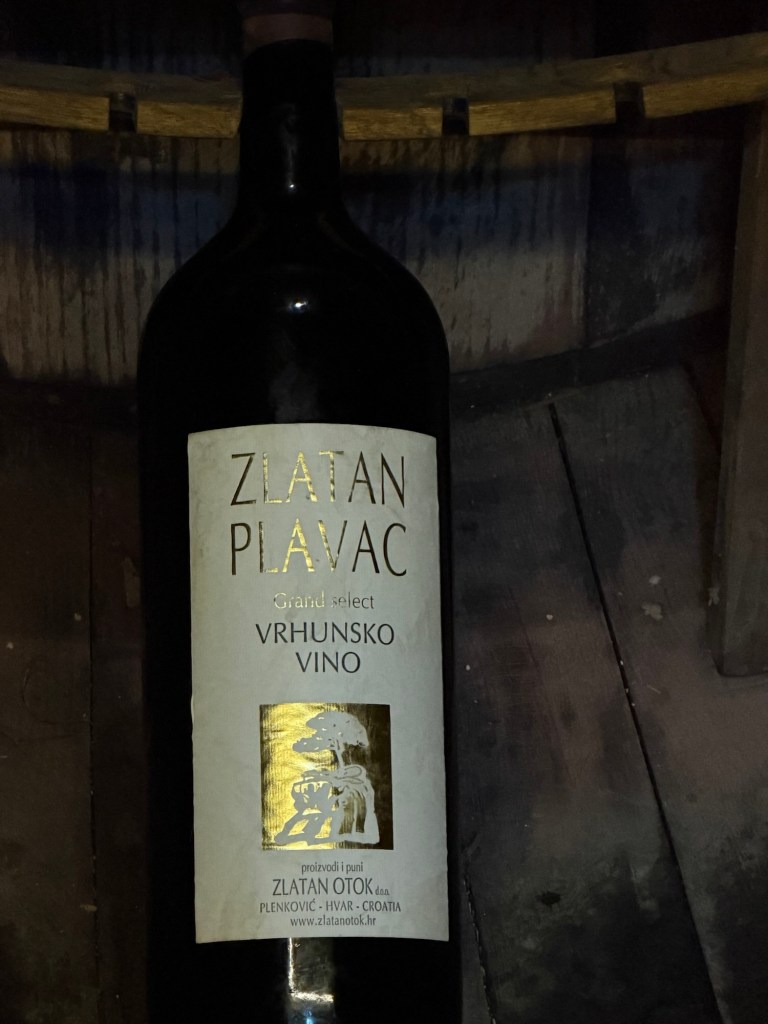
Then came Zlatan Otok, the winery in Sveta Nedjelja. Its unusual archive cellar lies beneath the sea, with a window looking out into the Adriatic. Inside, we saw barrels, bottles and awards; beyond the submerged window, fish drifted through the blue-green water.
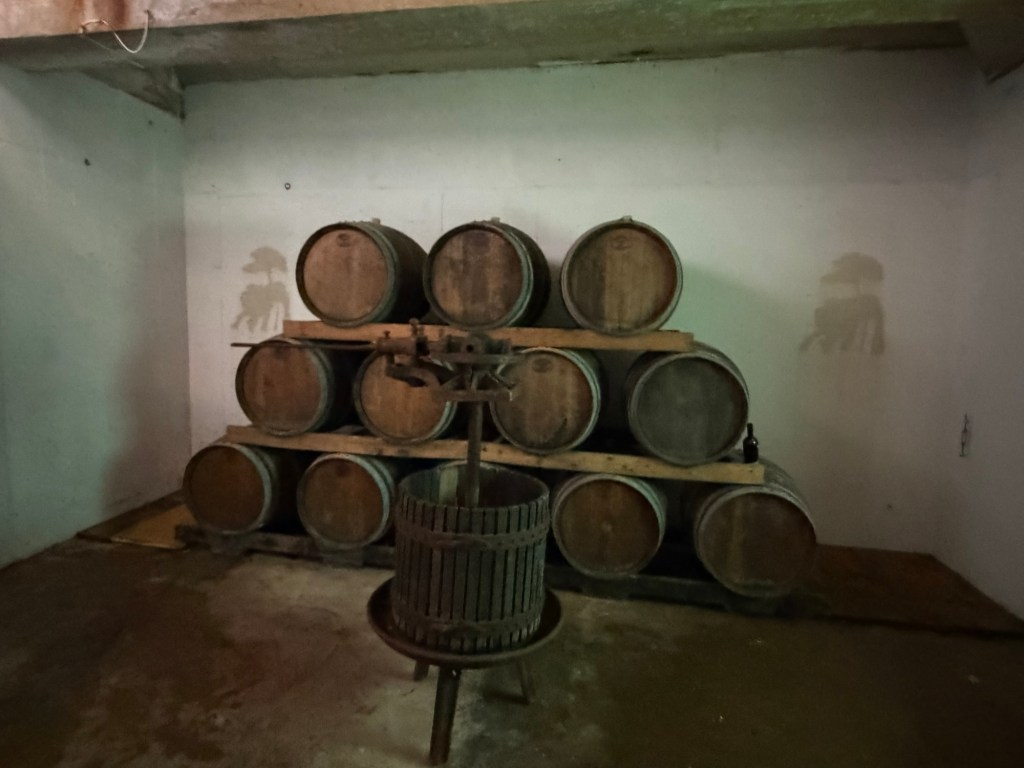
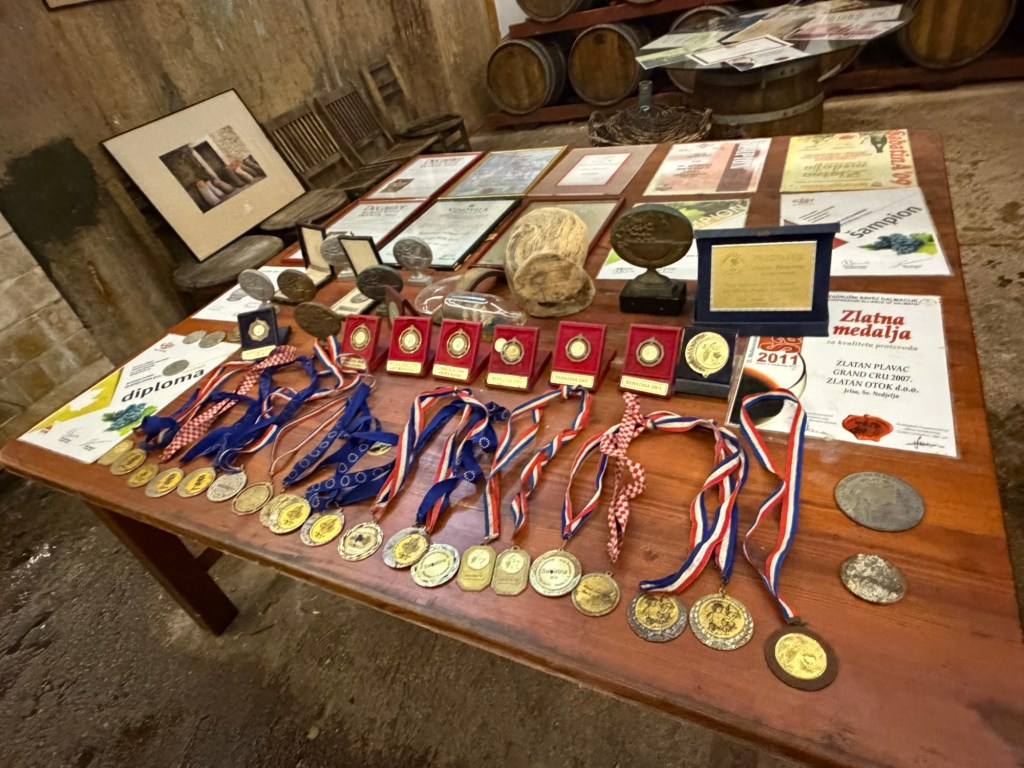
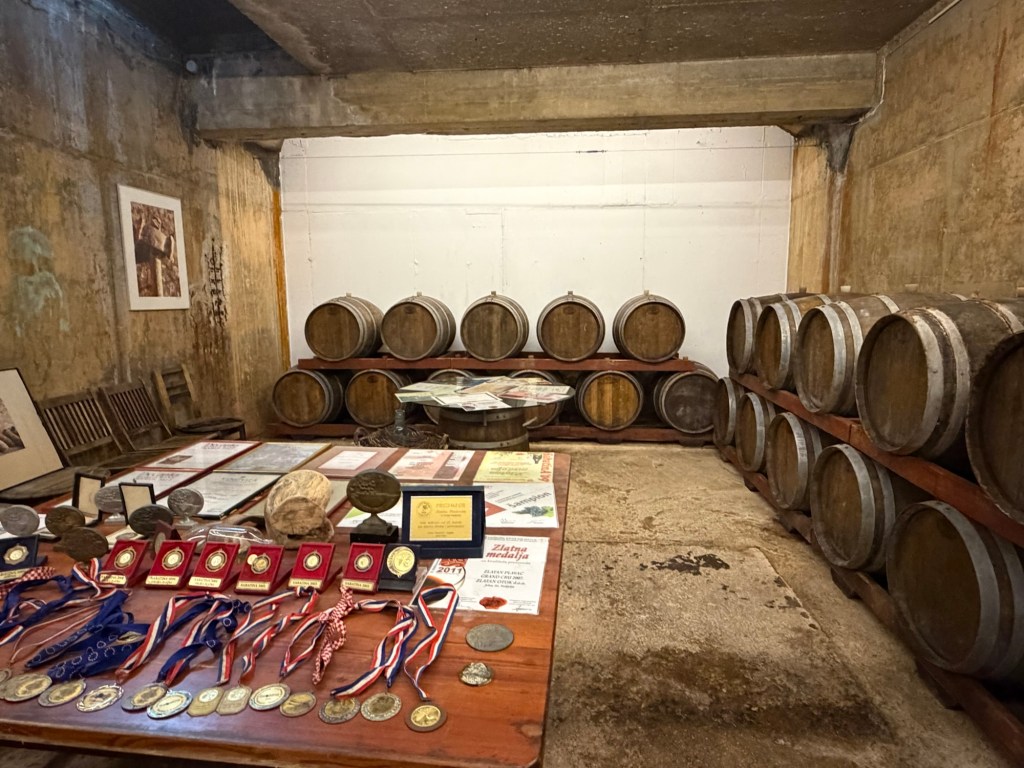
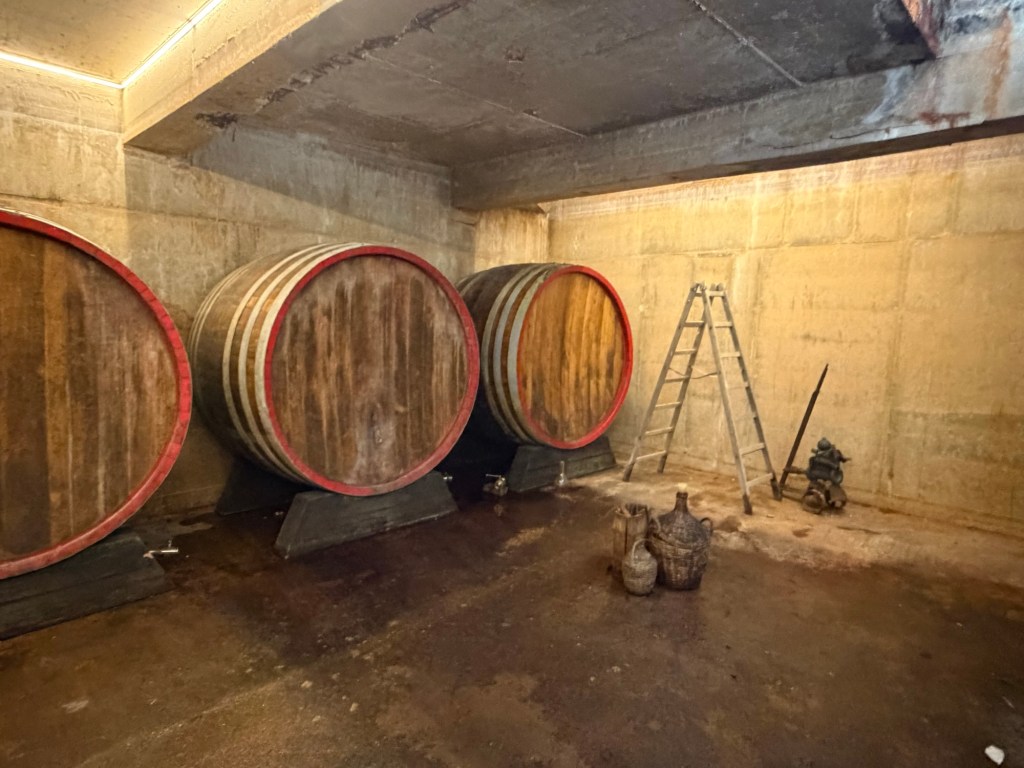
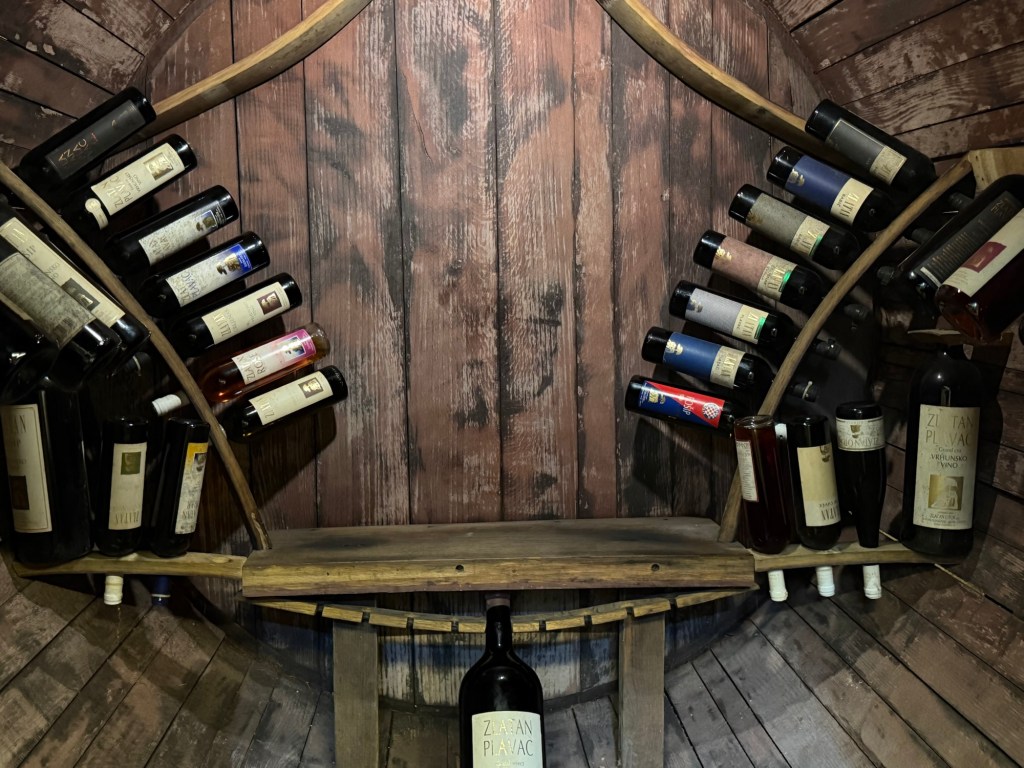
It was a fitting final stop for a day shaped by the sea—from island coves and a refreshing swim to the cliffs and wine of Hvar’s southern coast.
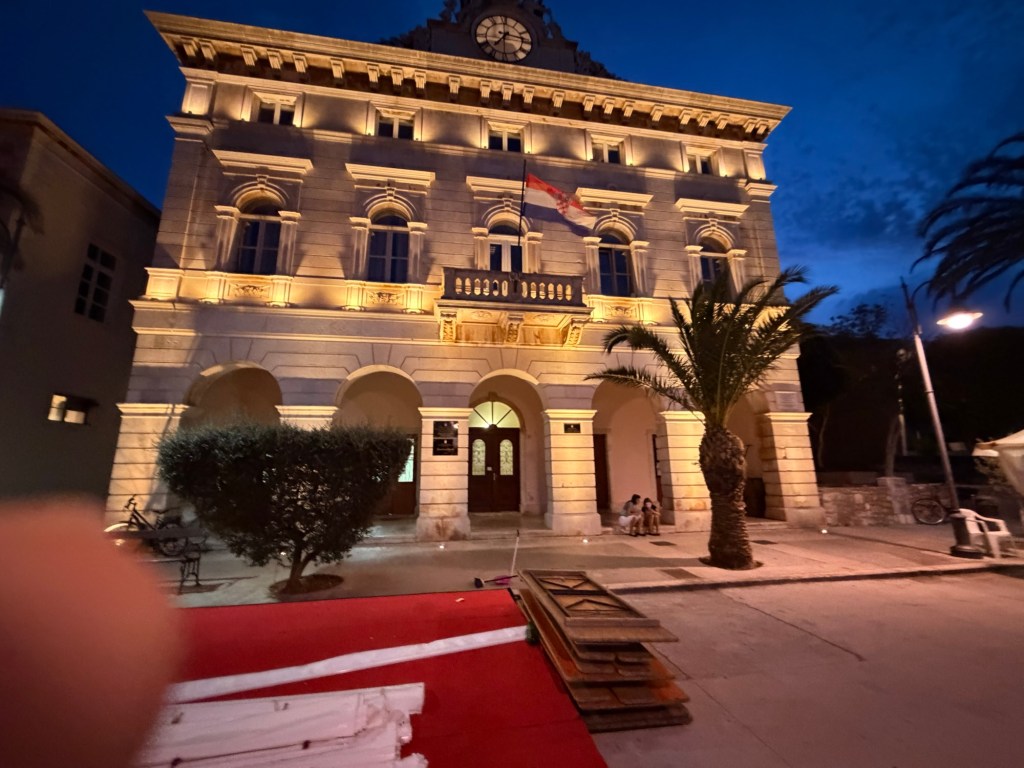
Later that evening, the hotel dropped us off in Stari Grad, and we walked through town toward dinner. The old stone lanes and squares seemed to carry the weight of the town’s long history: Greek settlers from Paros founded Pharos here in 384 BC, more than 2,400 years ago.
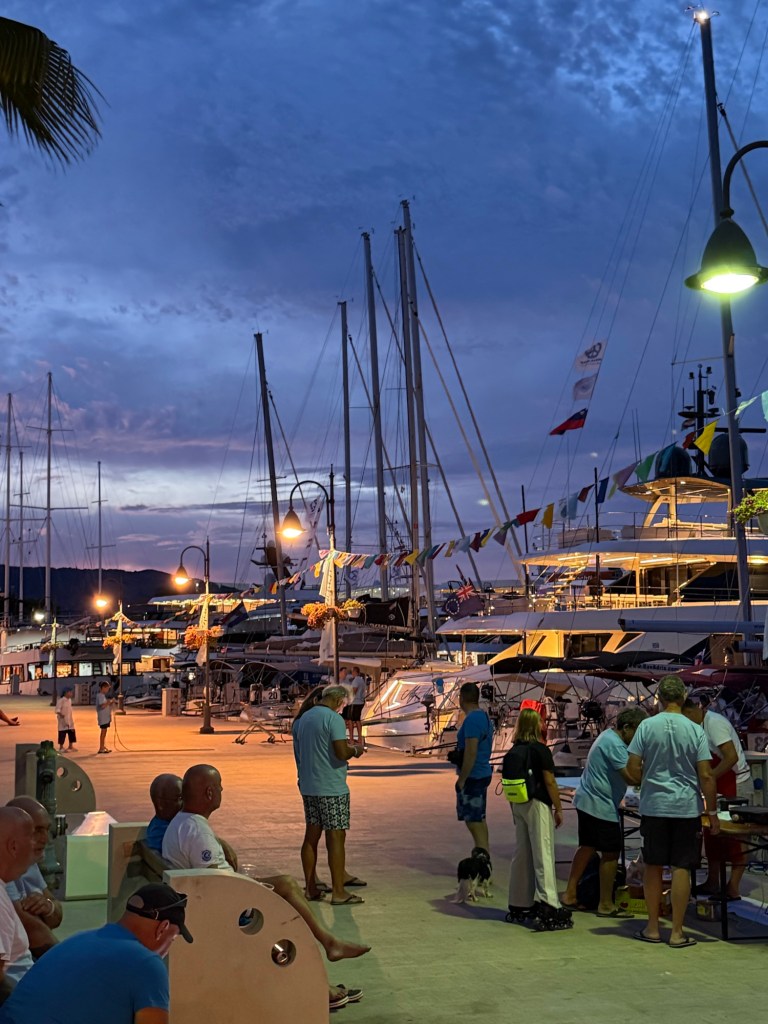
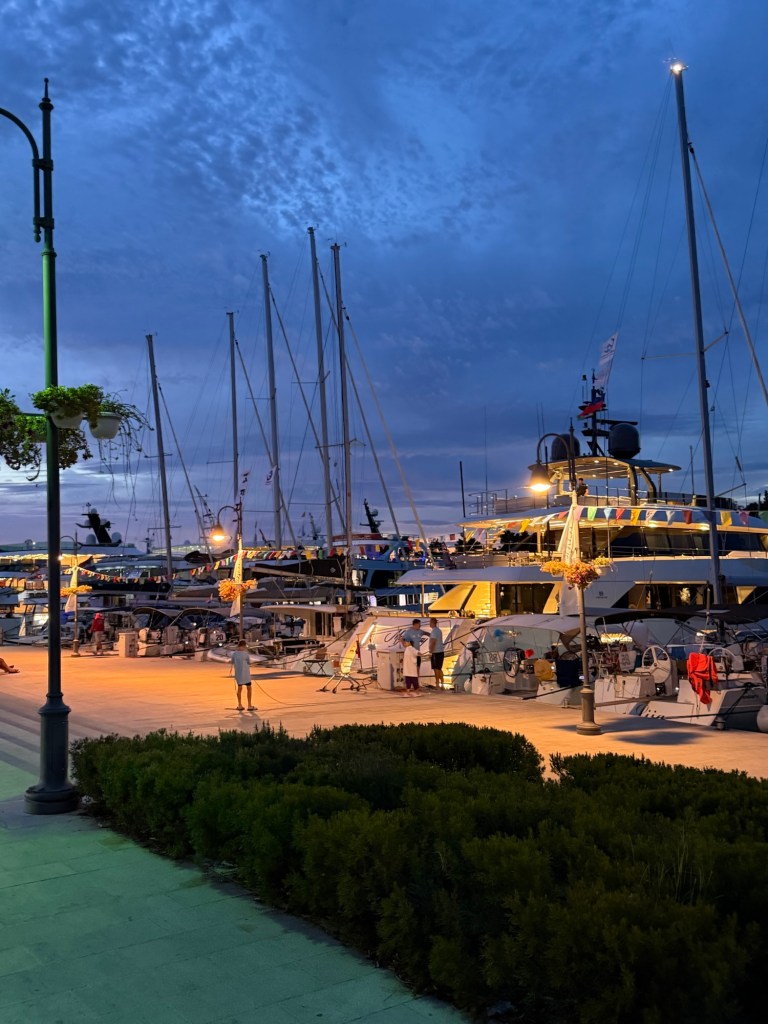
Our destination was Blue Doors, a family-run restaurant in the heart of town. It is known for fresh Adriatic fish, grilled Croatian steaks and Croatian wines.