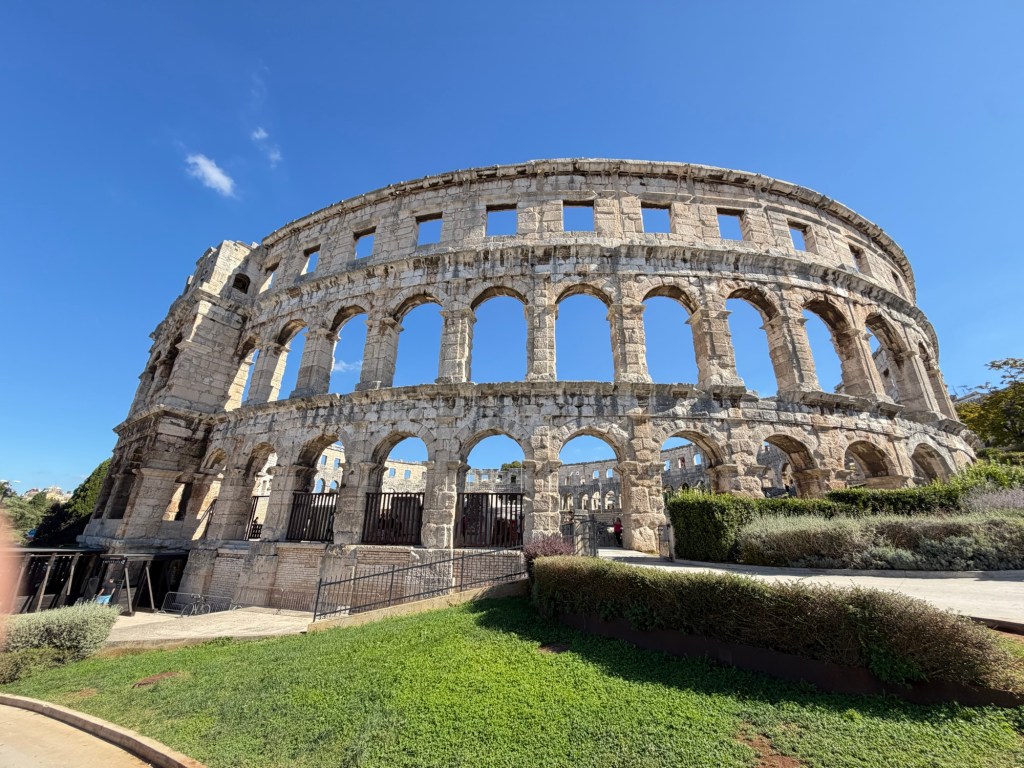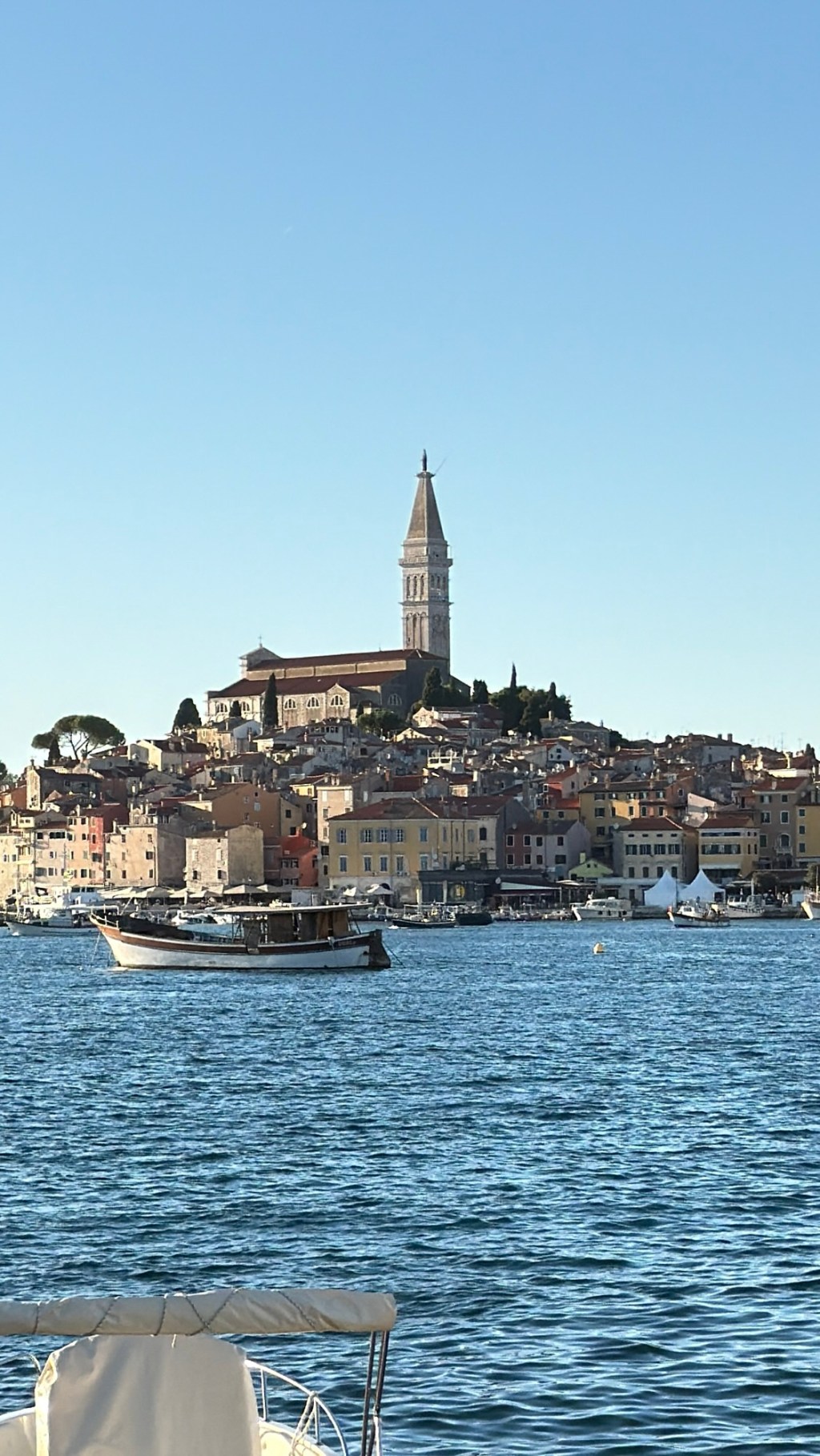
We left Rovinj before sunrise with our driver, Tim, for the 269-mile drive to Split. There, the names tell a story: the Delmatae, an ancient Illyrian people, gave Dalmatia its name; a Greek settlement called Aspalathos gave Split its own—possibly after the yellow broom that brightens the coast each spring. Rome renamed it Spalatum. Over time, Spalatum became Split.
After the long drive, we checked into the five-star Hotel Ambasador, billed as Split’s finest. It was pleasant and recently renovated, but to us, it fell short of both the reputation and the rating.
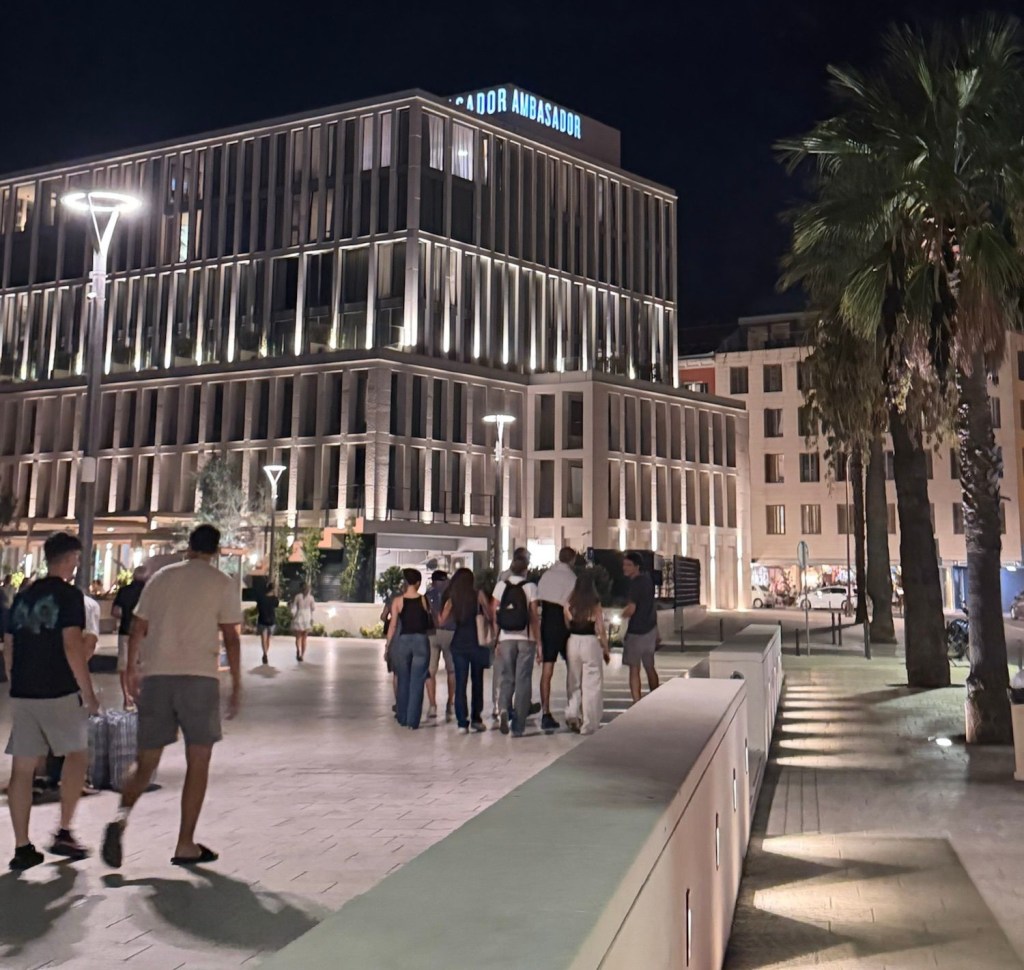
The original hotel opened on this site in 1937, while the sleek modern version reopened in 2022. Inside, the design is bright and understated, with pale stone floors, clean lines and a handsome marble-fronted bar.
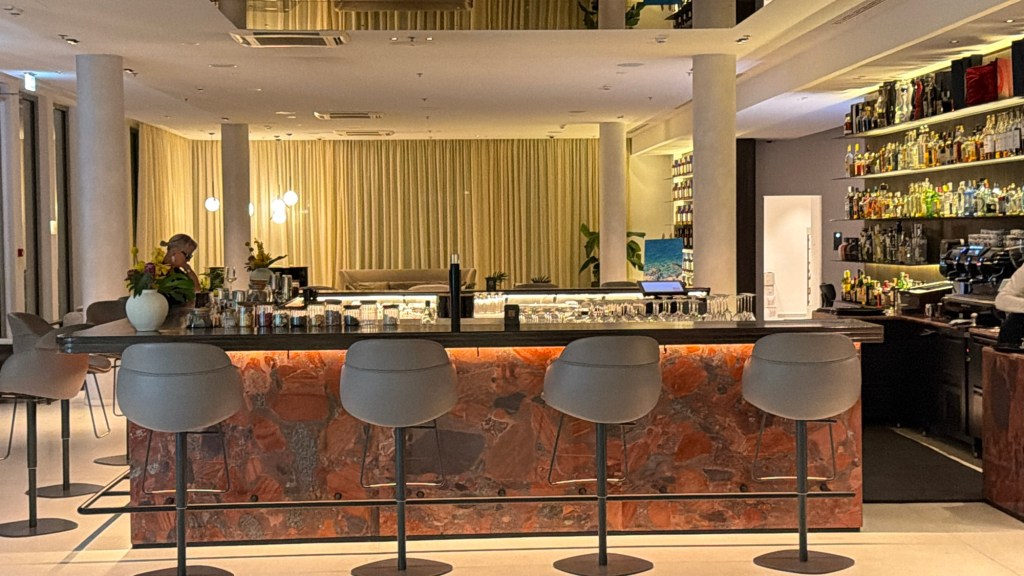
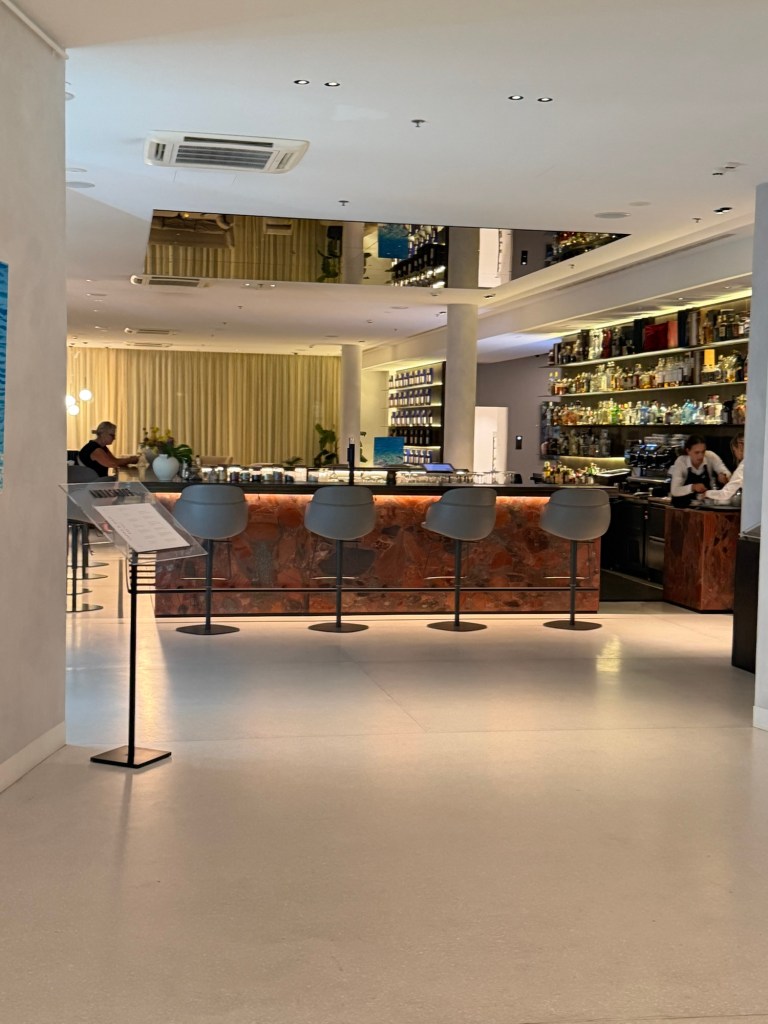
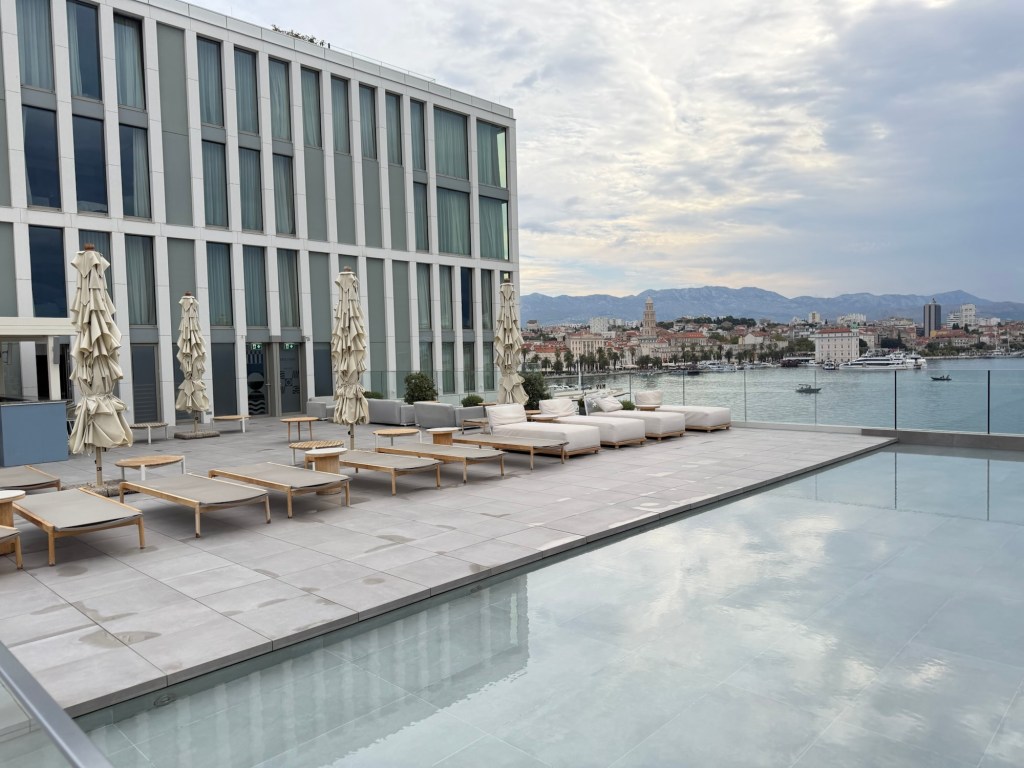
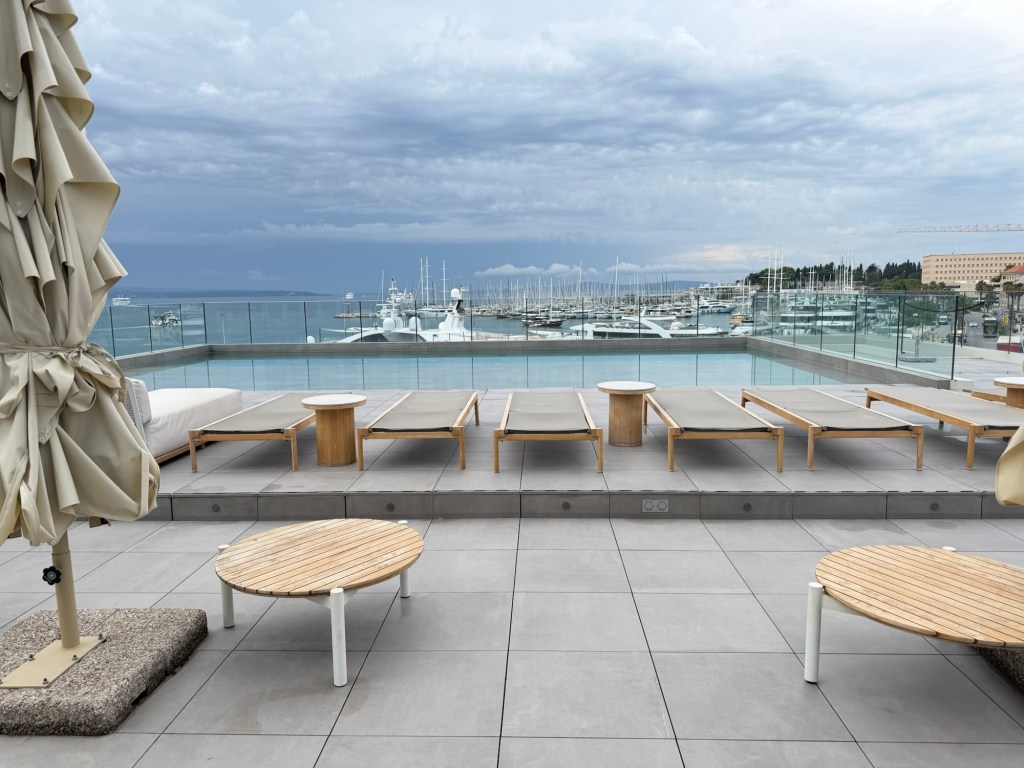
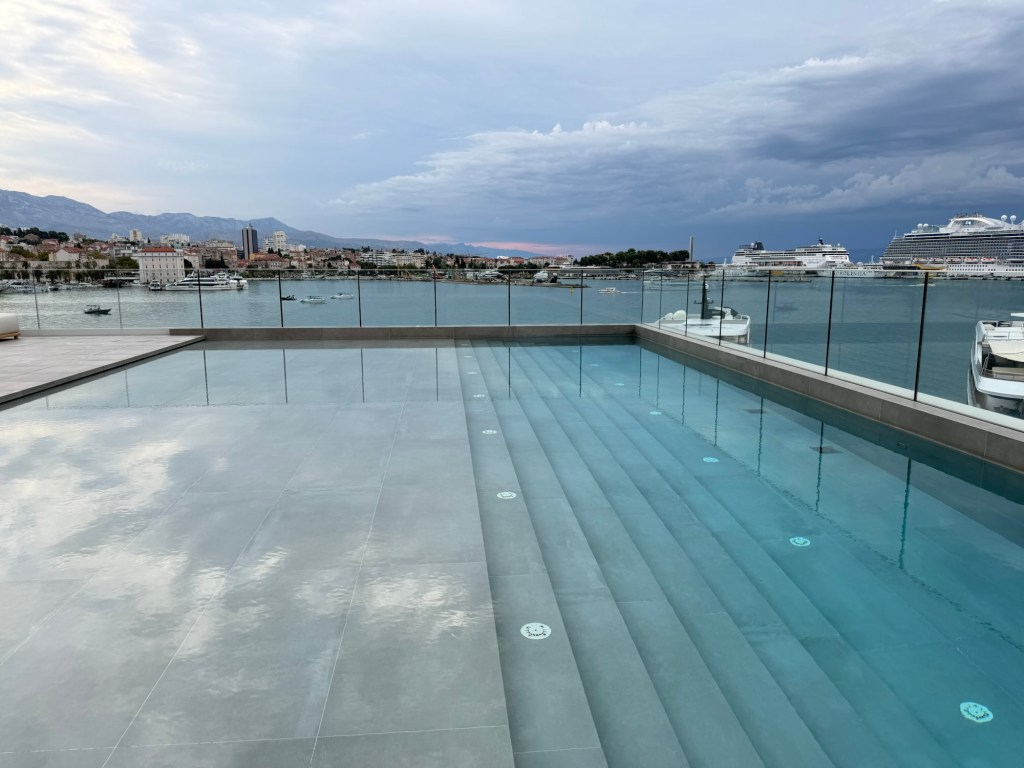
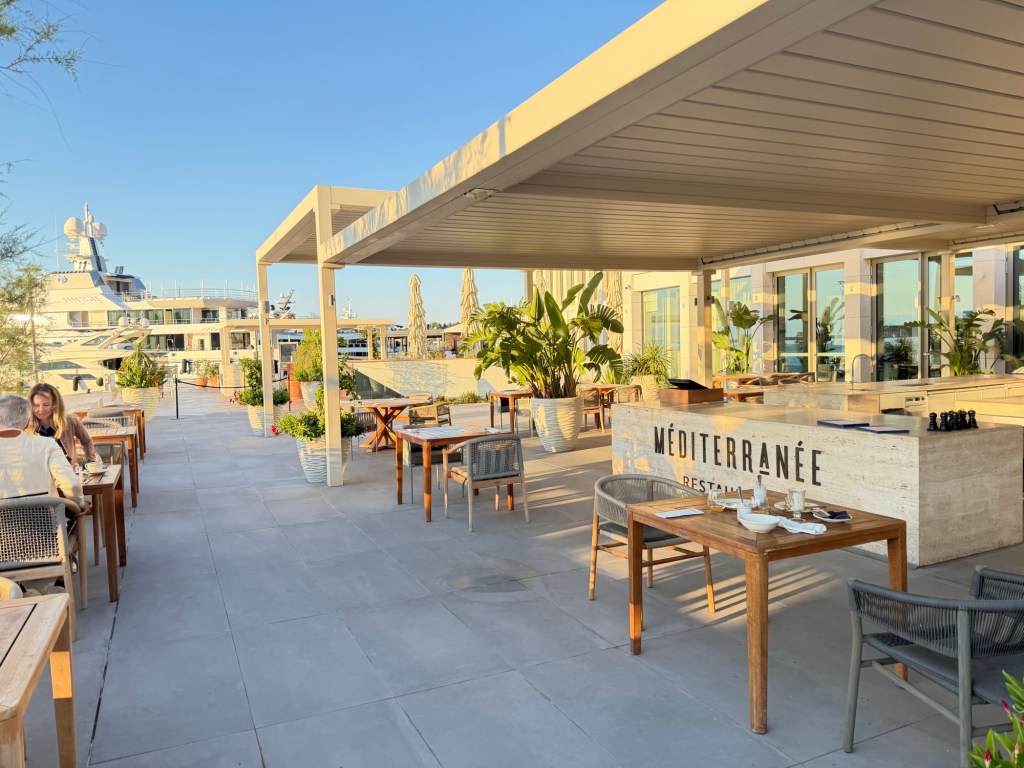
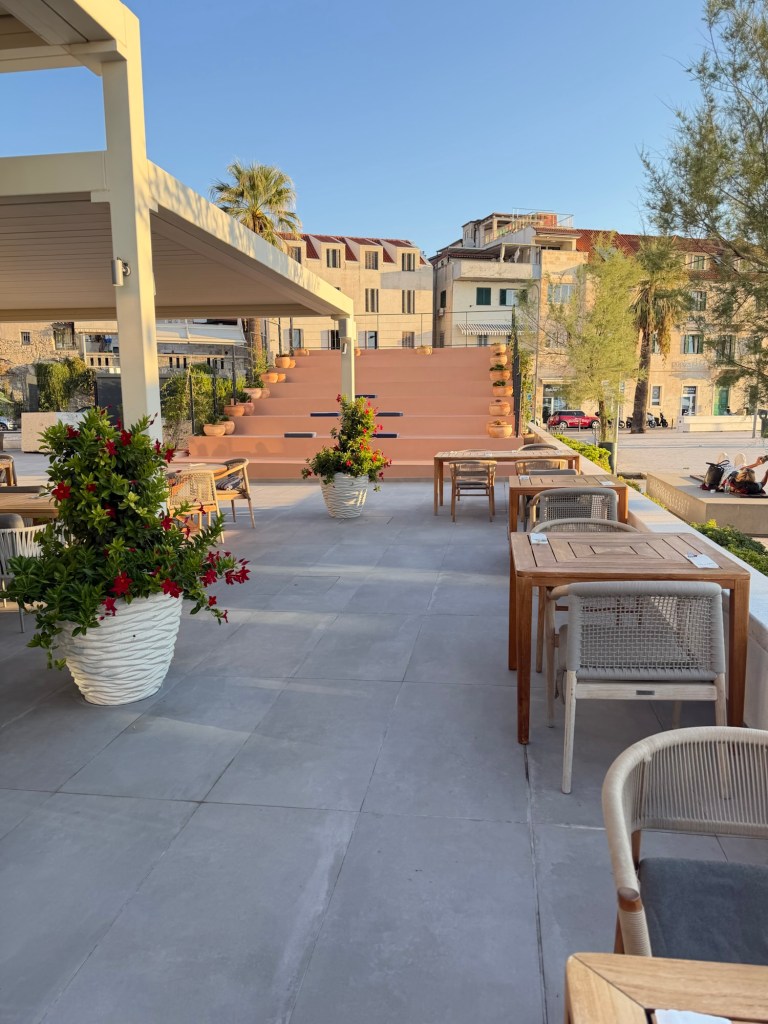
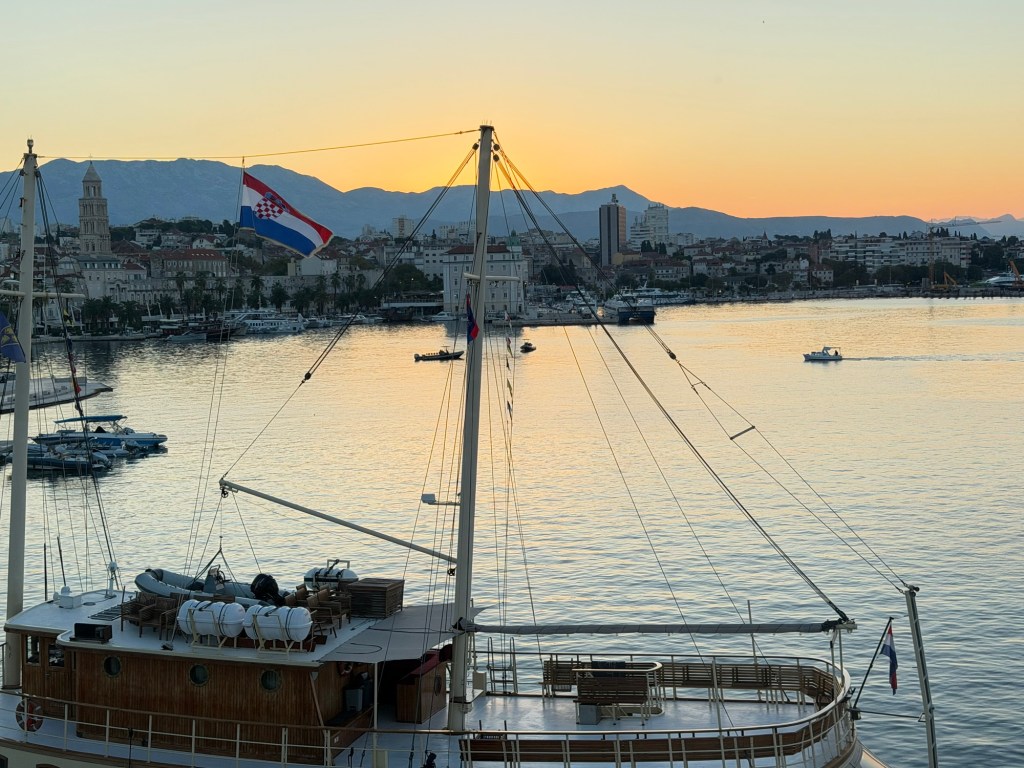
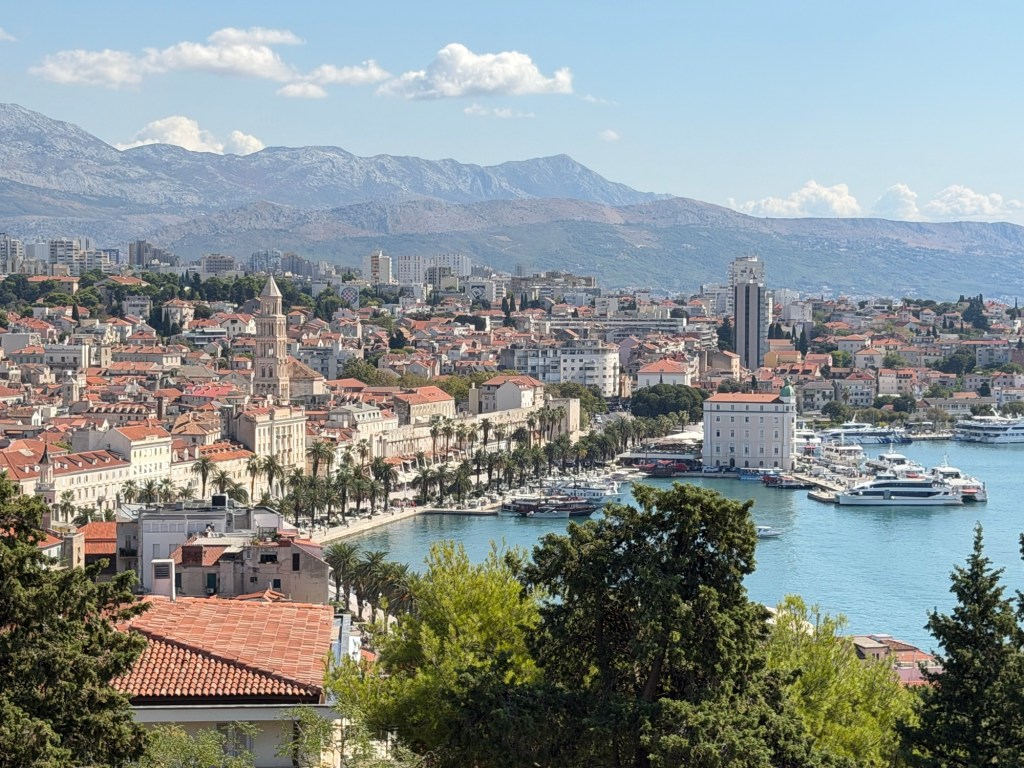
Its greatest luxury, however, is the setting. The hotel stands directly on Split’s waterfront promenade, only about 200 meters from the Old Town. From our room, we looked across the harbor toward Diocletian’s Palace, with the bell tower of the Cathedral of Saint Domnius rising above the red-tiled roofs and the mountains forming a dramatic backdrop.
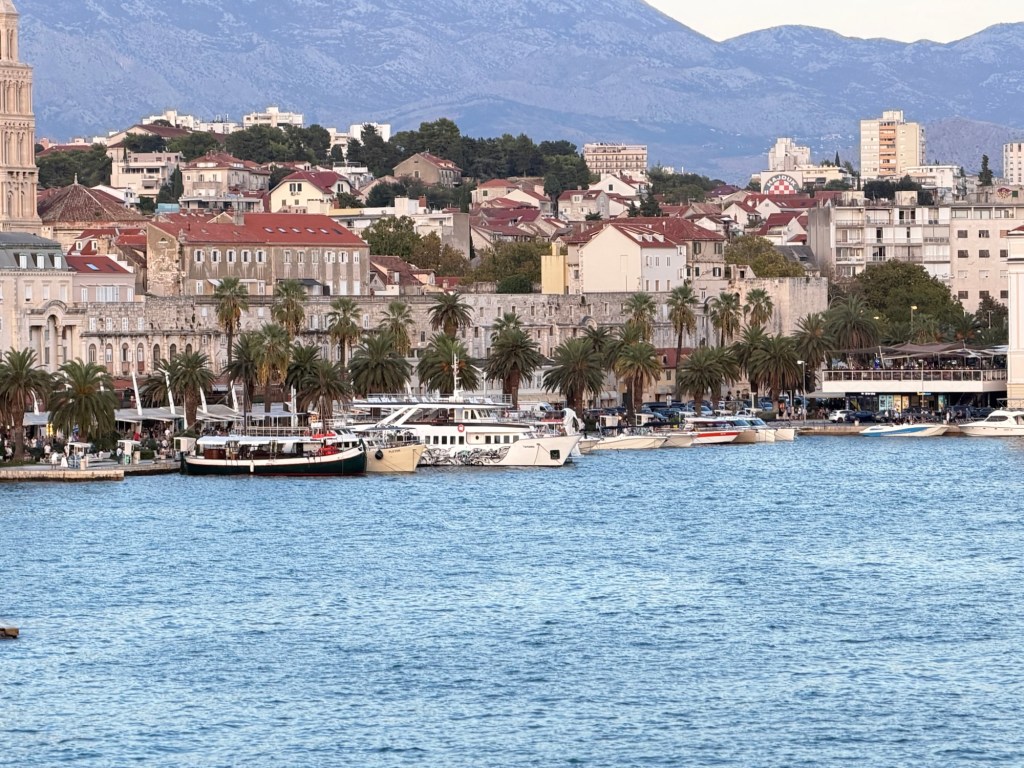
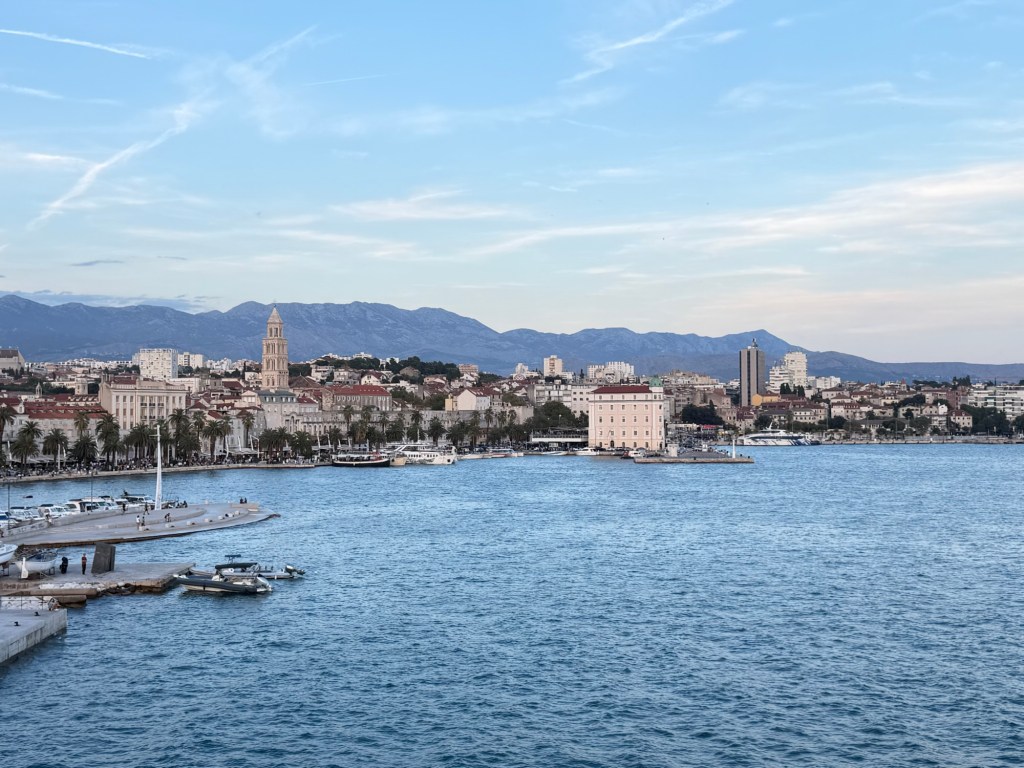
The rooftop terrace and pool offer an even wider panorama, stretching from the palace and palm-lined Riva to the marina, ferries and cruise ships beyond.
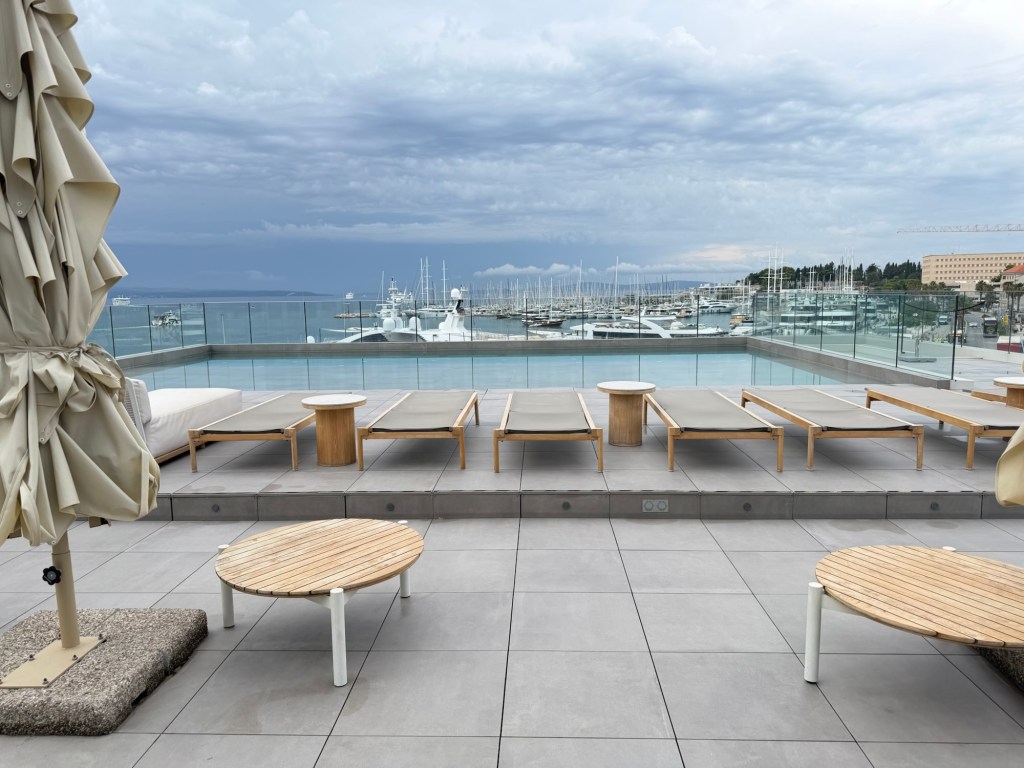
After 269 miles on the road, we had arrived at a hotel that made it very tempting simply to stay put and admire the view.
That evening, however, we walked into Split’s Old Town for dinner at a local restaurant. Google Maps once again pointed us in the correct direction—at least in the broad geographical sense—while leaving us to negotiate the final twists and turns ourselves.
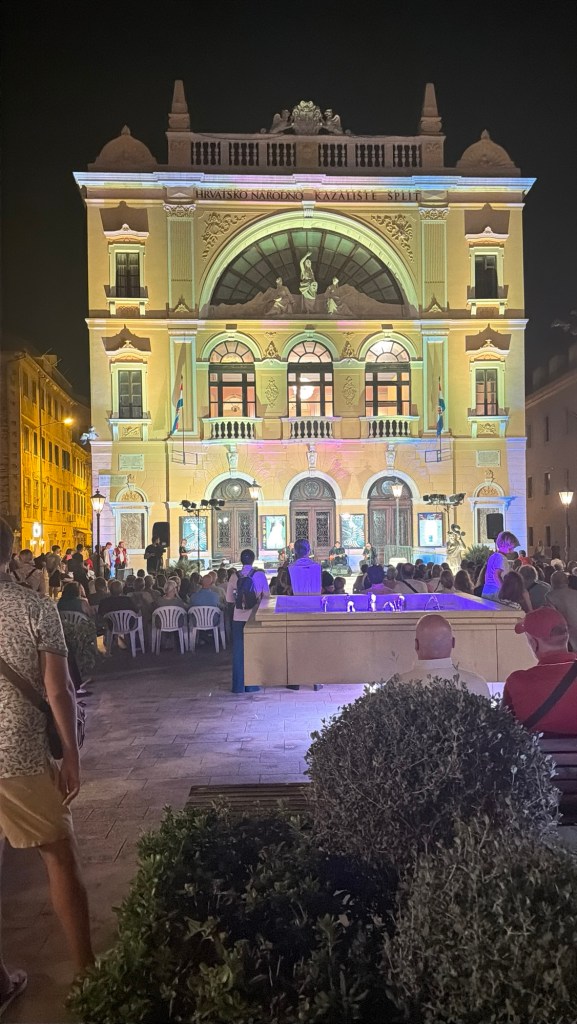
On the walk back, we caught a glimpse of Split after dark. The waterfront and surrounding streets were alive with music, crowded cafés and people enjoying the warm evening. Split is a much larger and livelier city than Rovinj, and its nightlife made that difference immediately apparent.
Of course, I took the opportunity to sneak in yet another gelato cone, reassuring myself that there were still several unused holes in my belt—and several days left in the trip to reach them. Despite the waitresses recommendation that I would be going to the best gelato in Split, that turned out to be ordinary.
The next morning, the real show began, with our guide Nadia. Our first stop was the magnificent Meštrović Gallery, housed in the seaside villa that Croatia’s greatest modern sculptor, Ivan Meštrović, designed as his family home, studio and exhibition space. There we were given a private tour by Zorana Juric Saber, the curator of the museum—making the visit even more special.
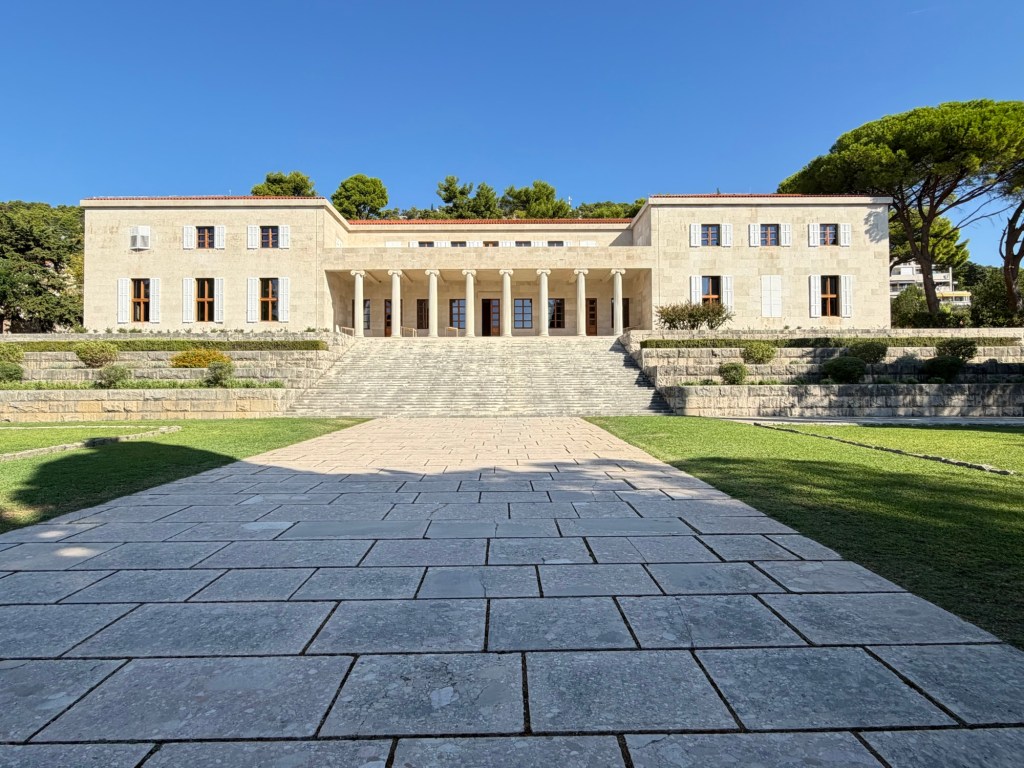
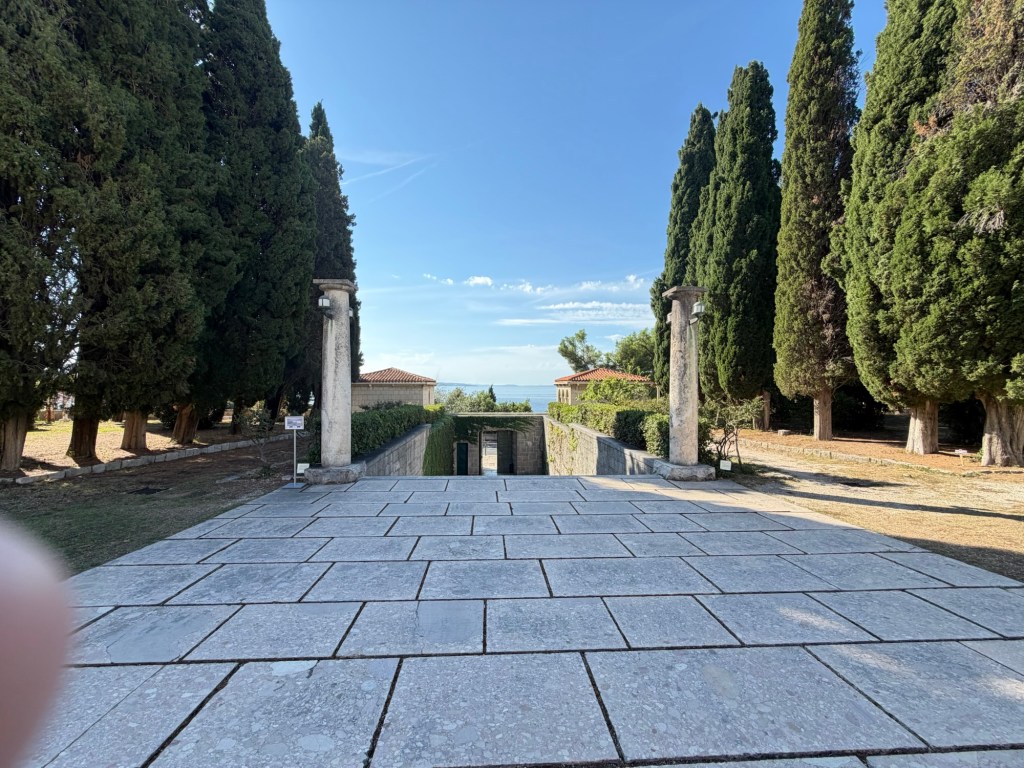
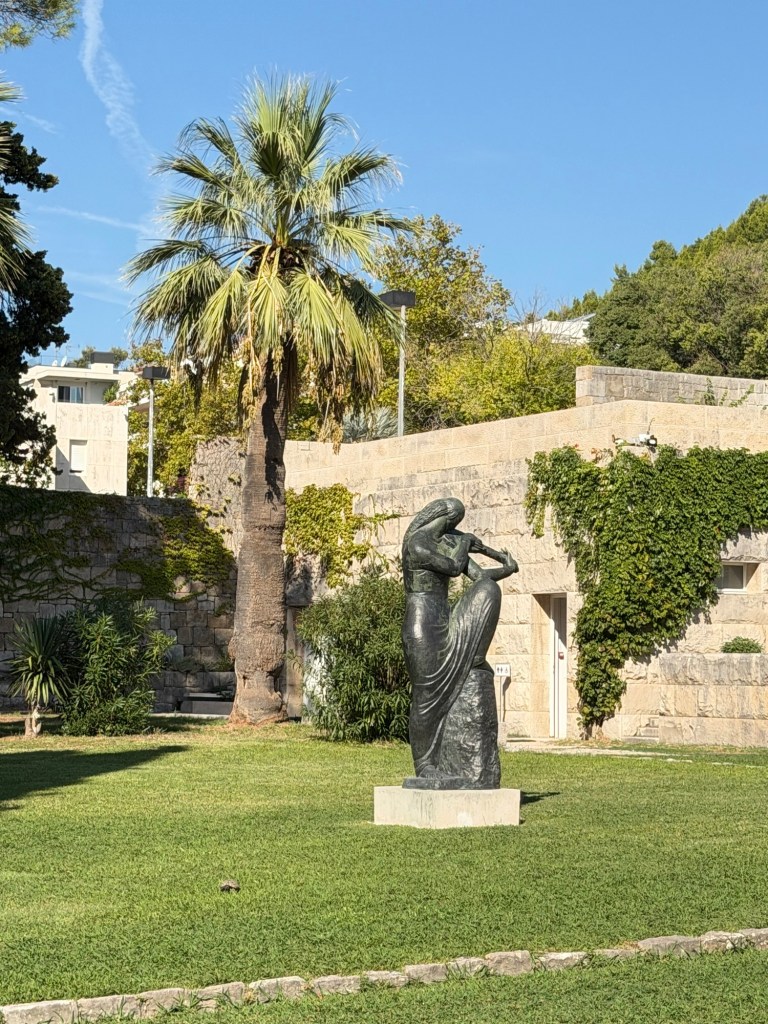
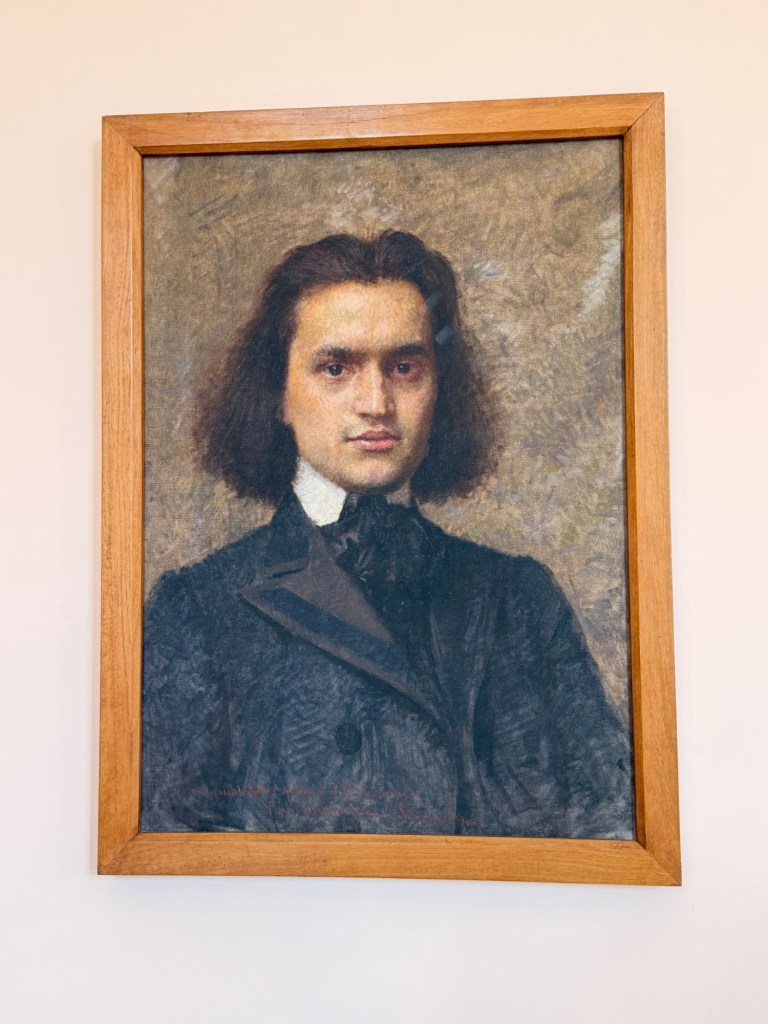
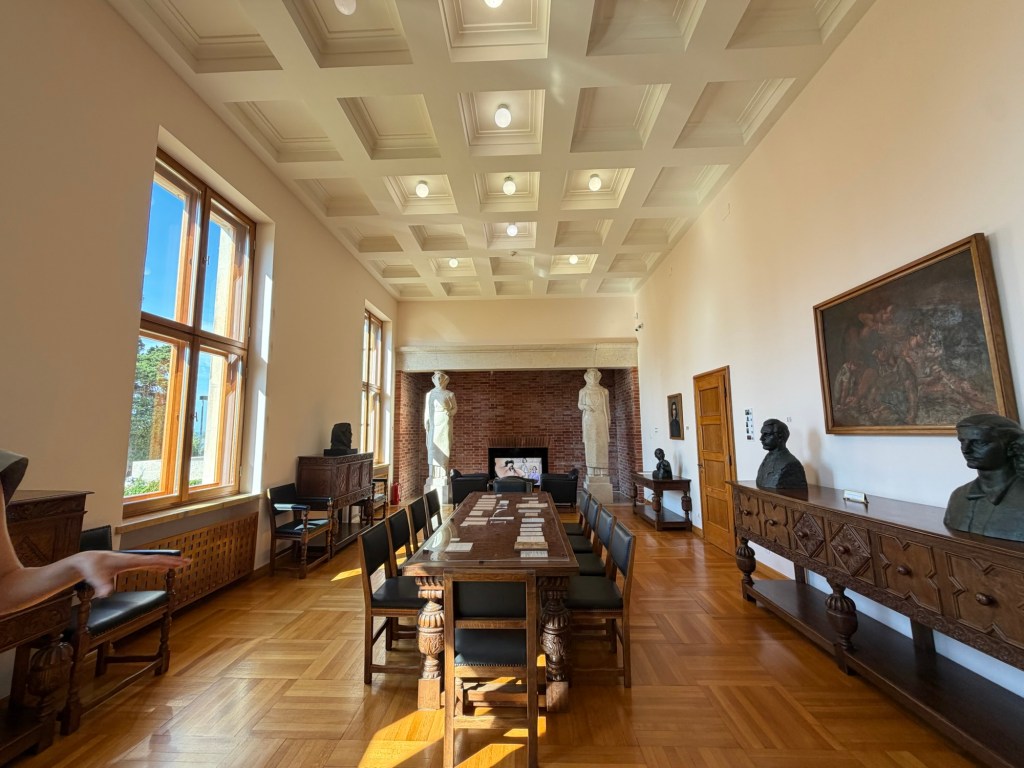
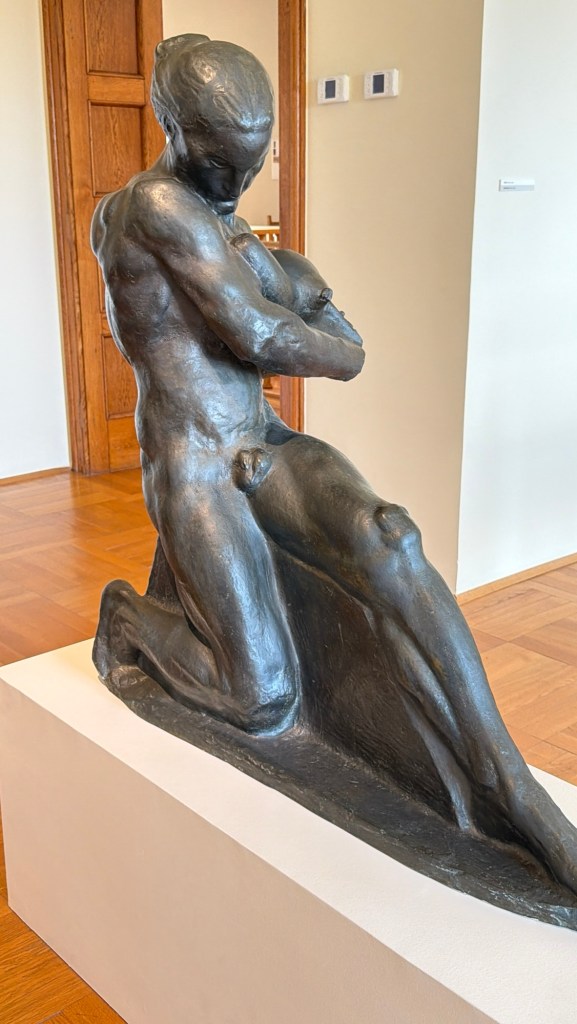
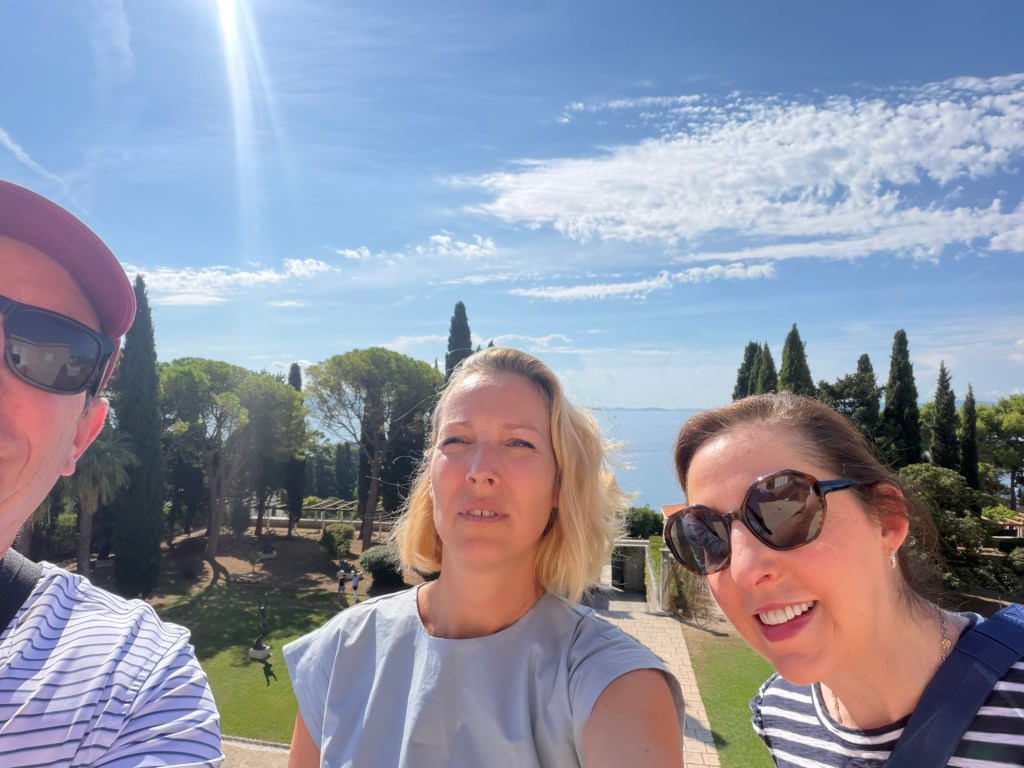
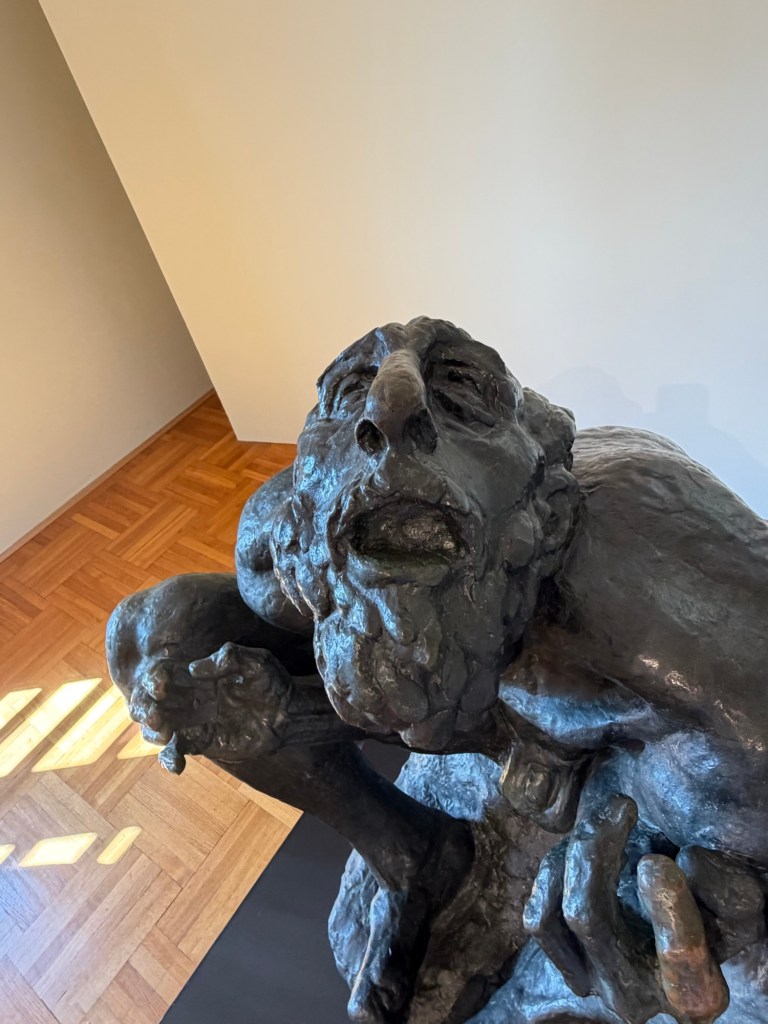
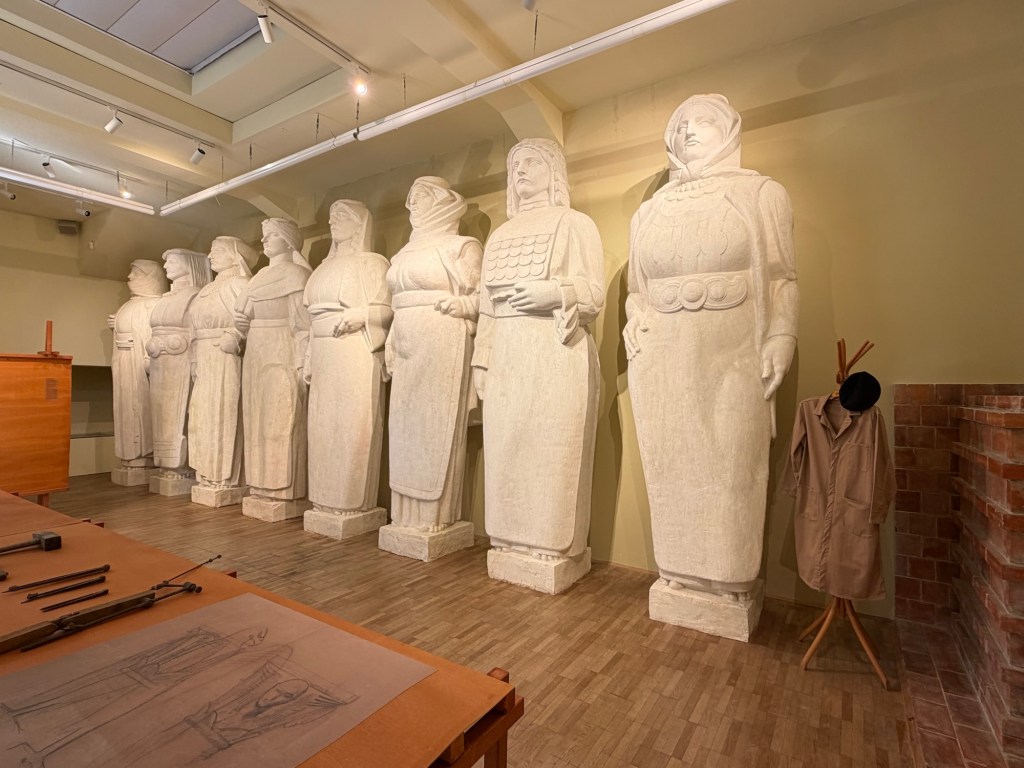
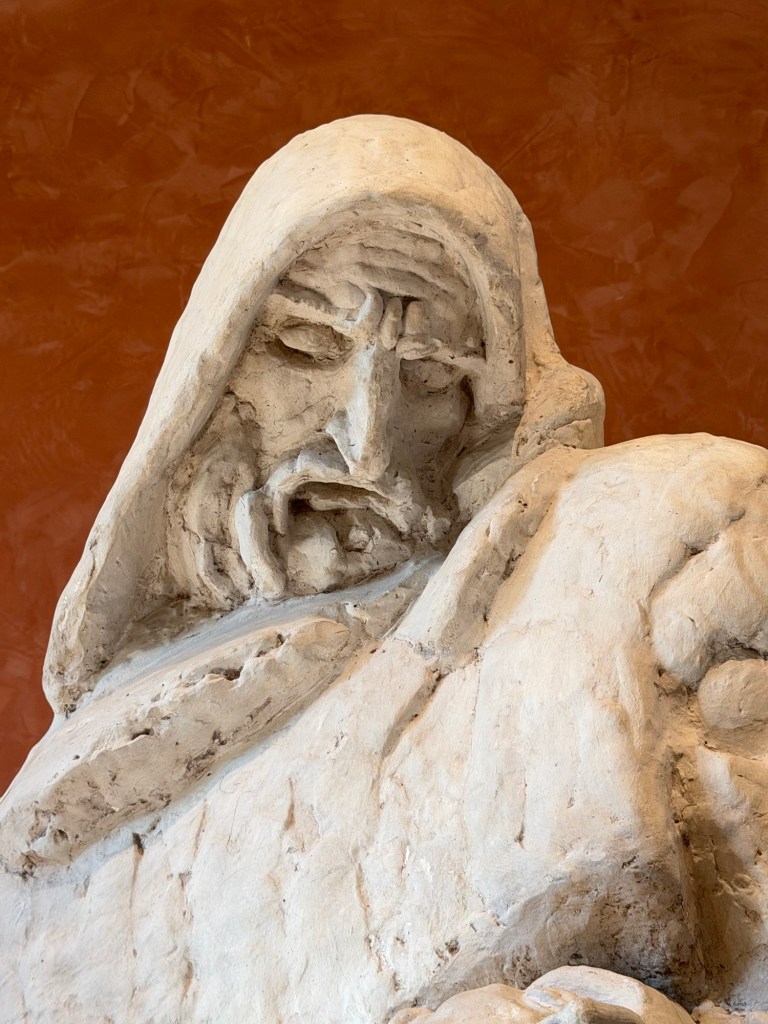
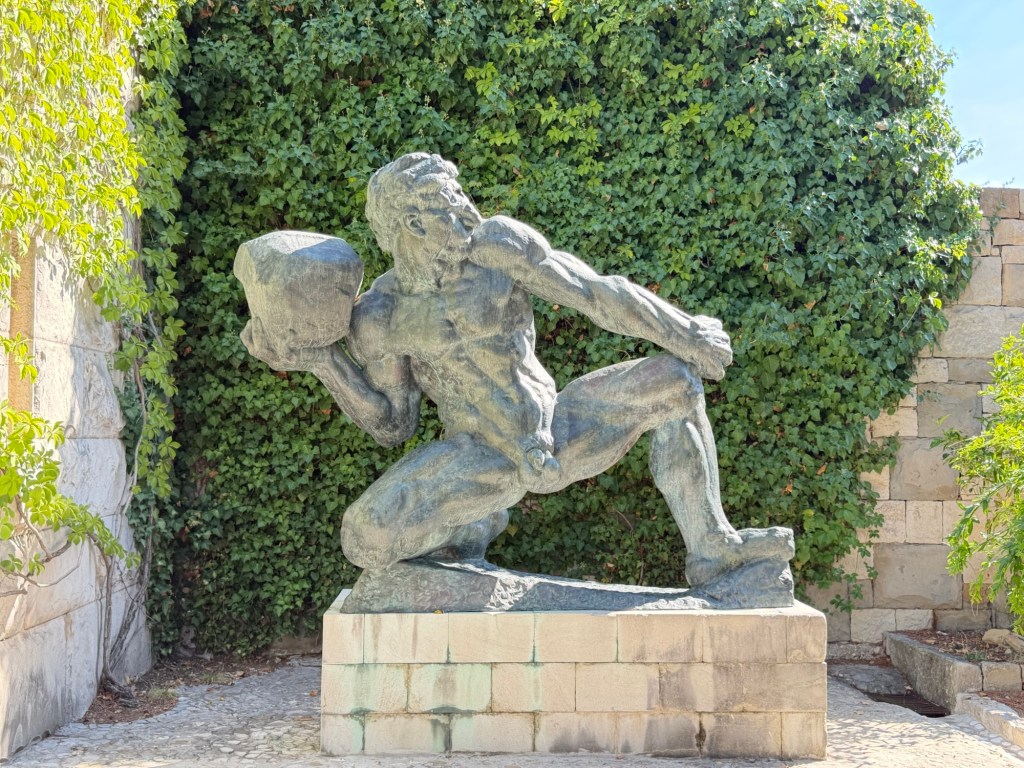
Built between 1931 and 1939, the pale stone residence is nearly a work of sculpture itself, with a broad staircase, classical colonnade and gardens filled with Meštrović’s powerful bronze figures. Inside, his muscular, elongated human forms explore family, faith, suffering and the expressive possibilities of the body.
The sculpture that struck me most stood near the bottom of the broad steps leading to the gallery’s front entrance.
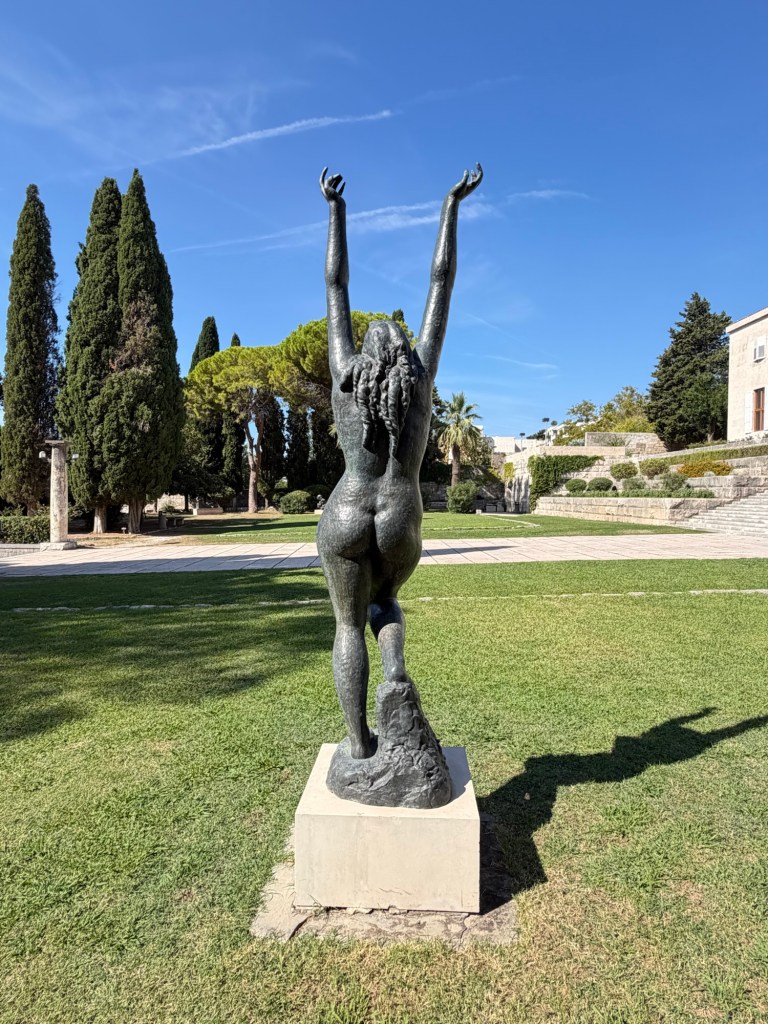
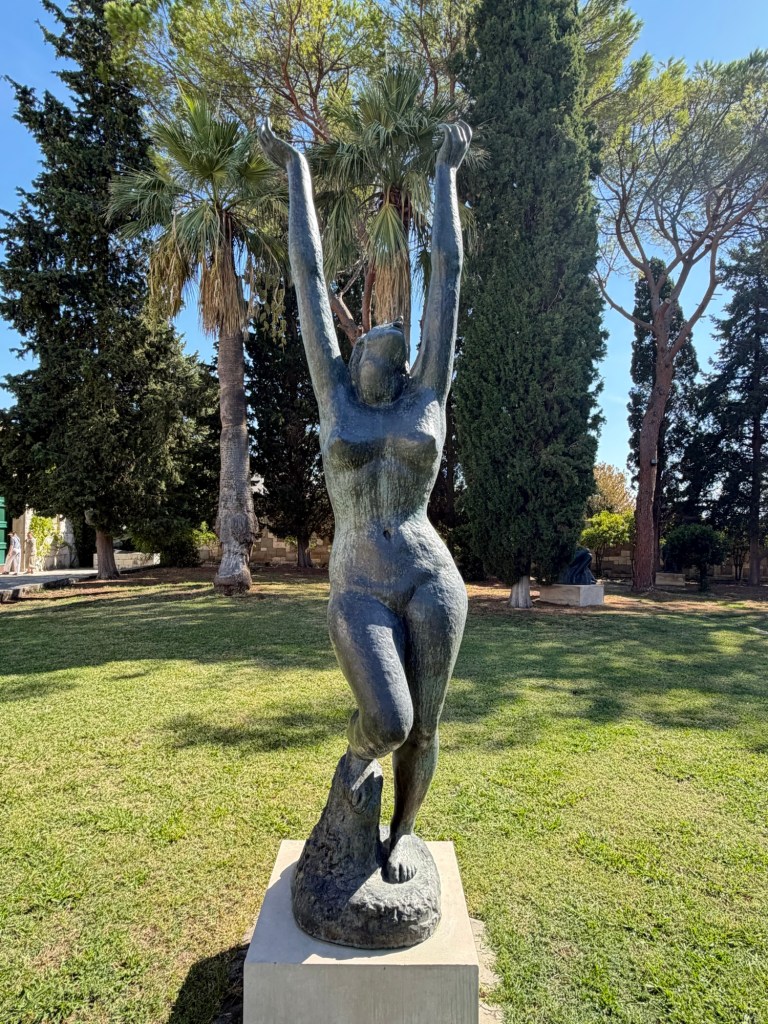
Meštrović’s 1946 bronze Persephone shows the mythological goddess balanced on one leg, her body stretched upward and her arms reaching desperately toward the sky. From the front, she appears to be pleading for release; from behind, the tension in her extended arms and twisting body is even more powerful.
Meštrović created the work after his own imprisonment by Croatia’s fascist Ustaše regime during World War II. Persephone’s anguish at losing her freedom therefore carried a deeply personal meaning for him—and gave the sculpture a force that I found difficult to forget.
Later, we visited the Old Jewish Cemetery on Marjan Hill, far above the city.
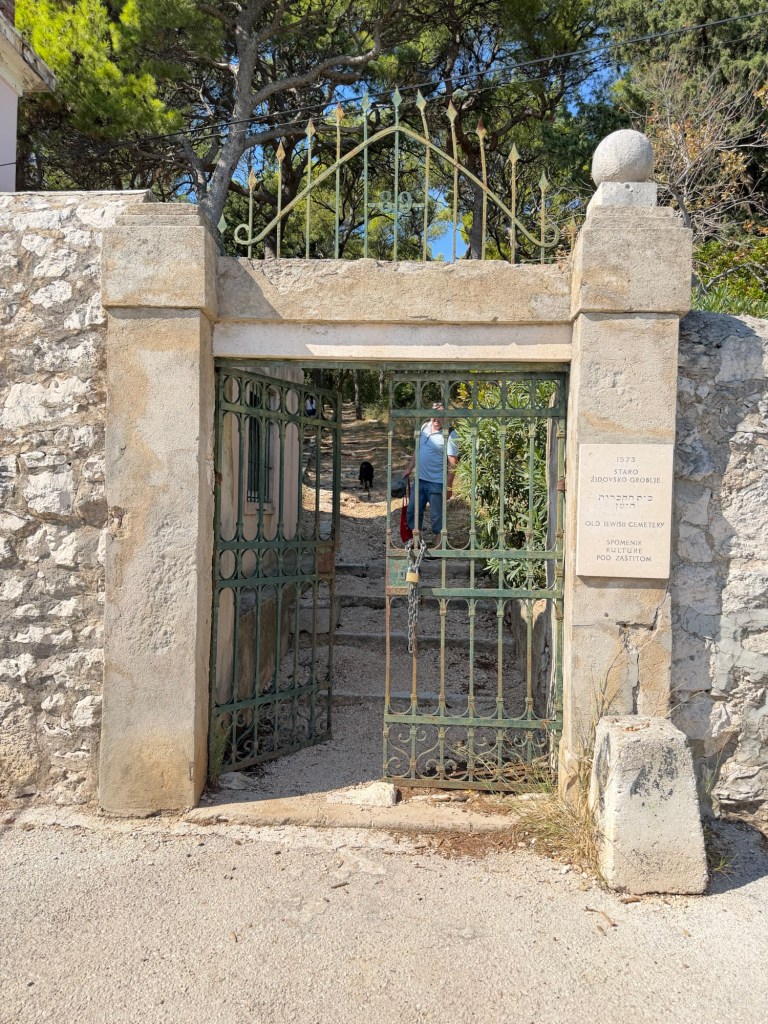
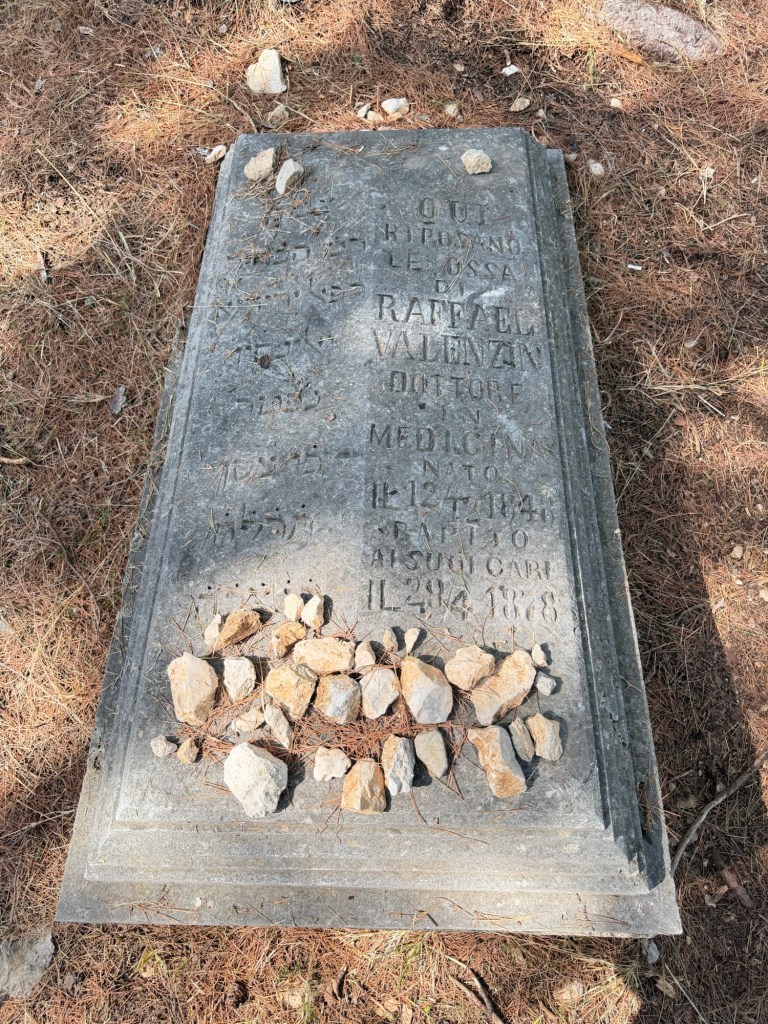
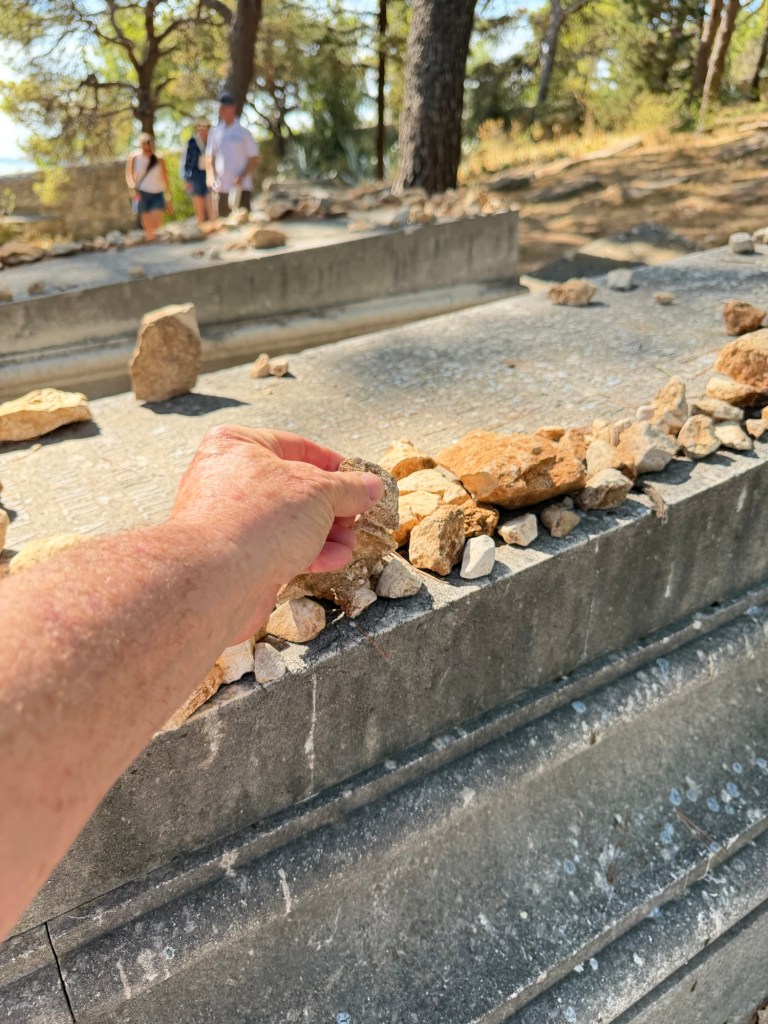
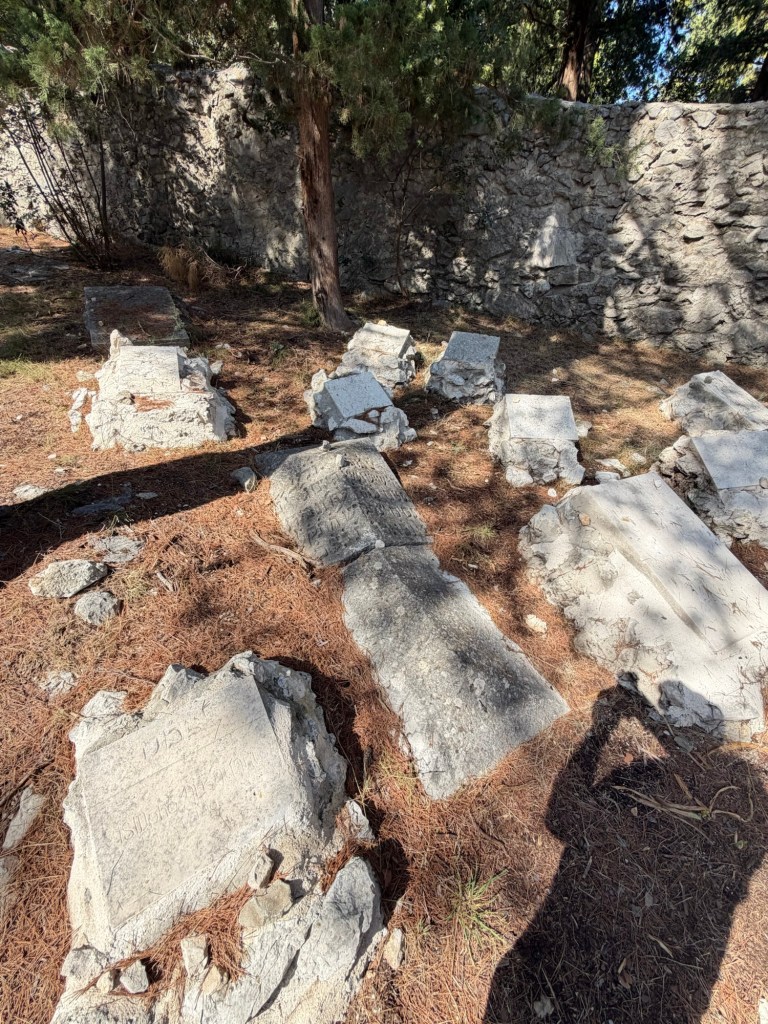
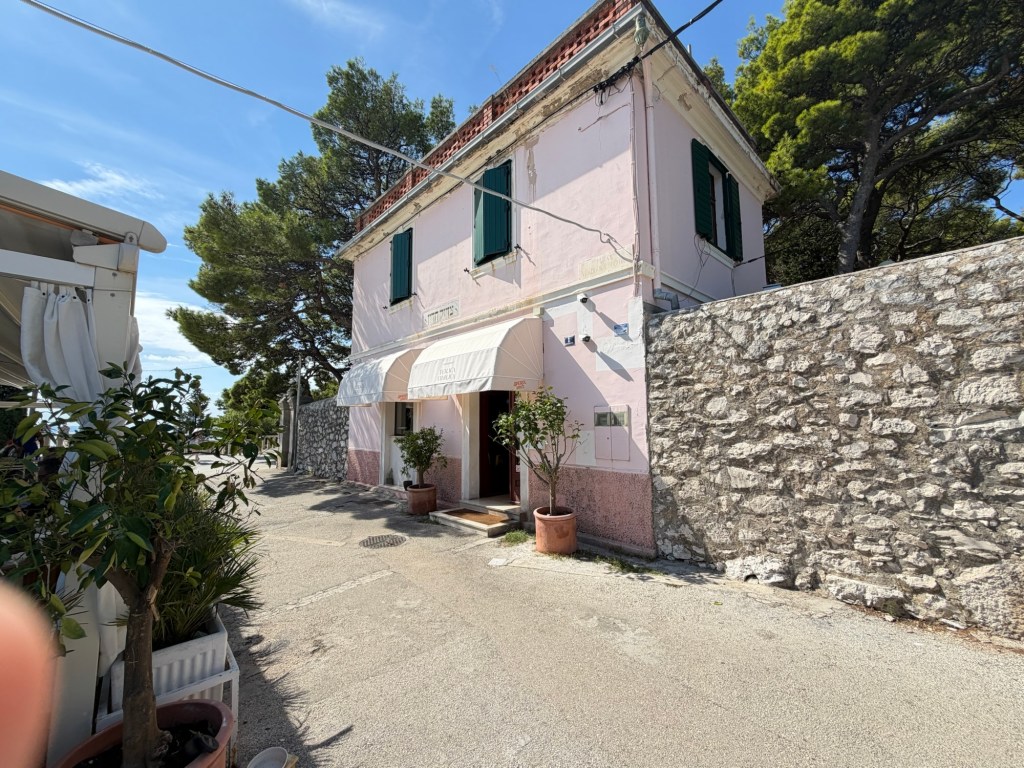
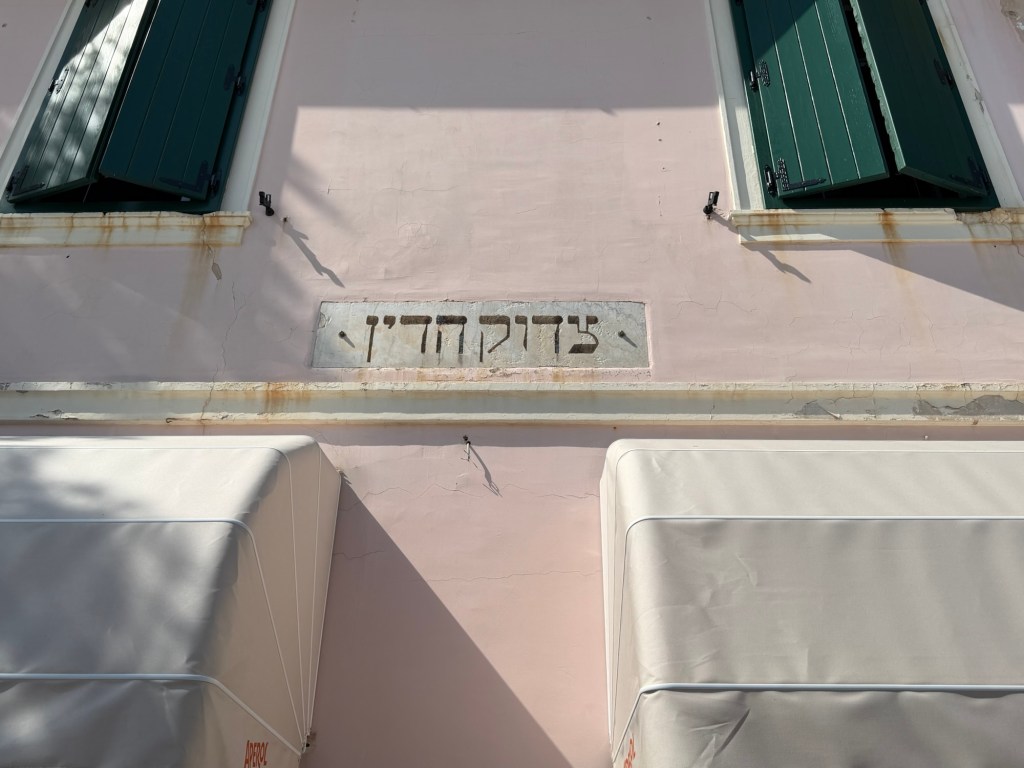
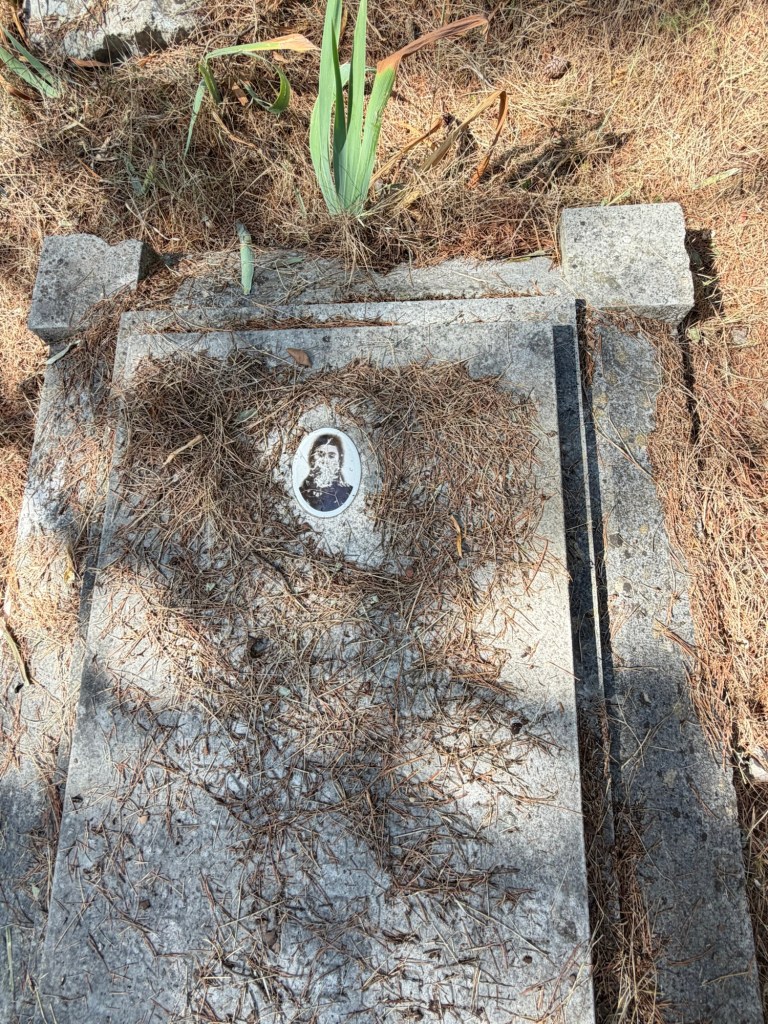
Established in 1573 and used for nearly four centuries, it contains roughly 700 graves, many bearing inscriptions in Hebrew, Italian, Spanish and Croatian. Its shaded, weathered entrance felt far removed from the bustle of modern Split and offered a quiet reminder that the city’s history extends well beyond emperors and palaces. Beside the cemetery stood its former mortuary chapel, now improbably reincarnated as a café. The Hebrew inscription, Tziduk HaDin, means “the righteousness of Divine judgment,” a solemn reminder of the building’s original purpose, even if it now serves cappuccino. This cemetery is closely connected to the synagogue we would be visiting later that day.
Directly across the street from the old Cemetery, was one of the best views of Split.
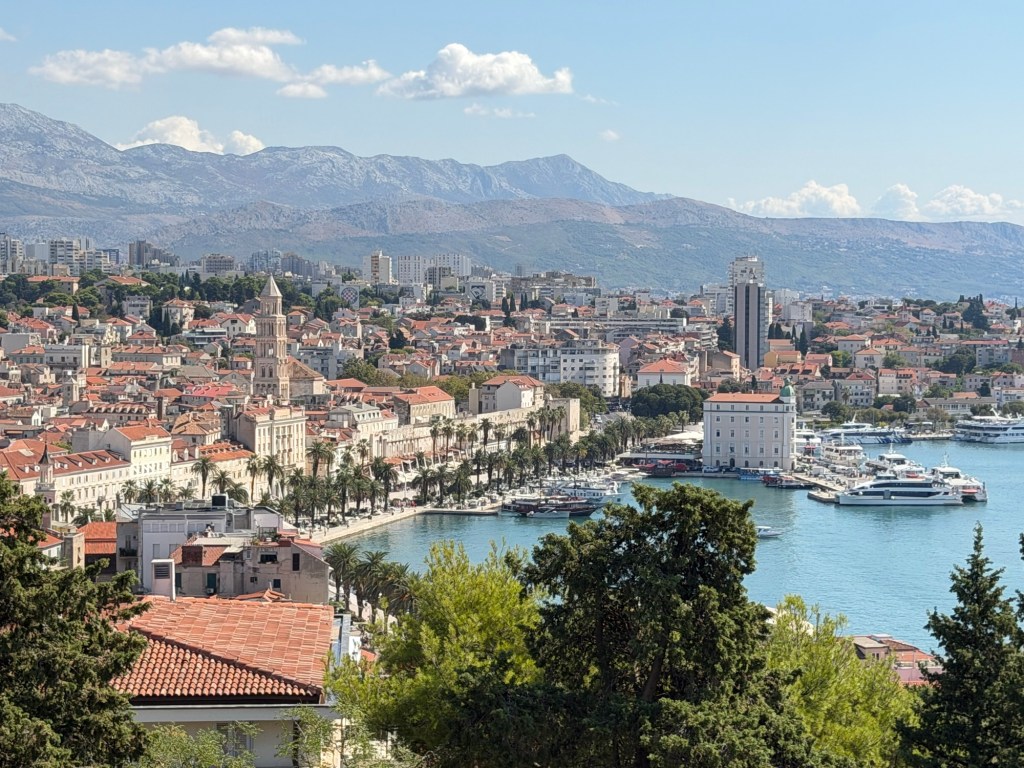
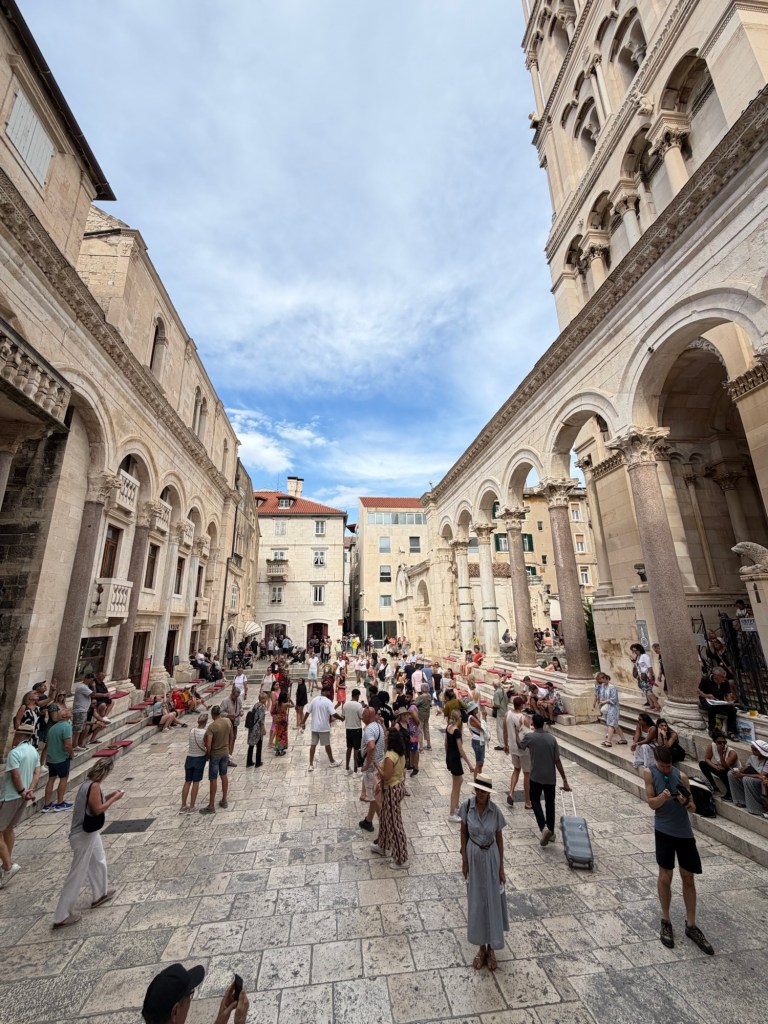
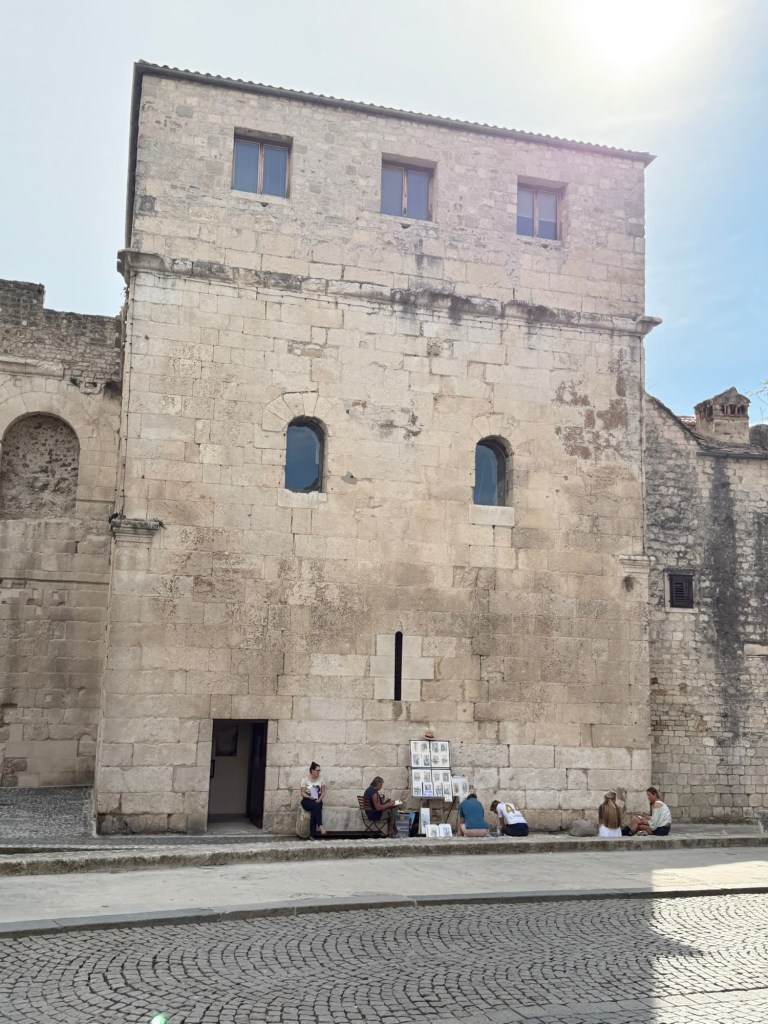
And then came Split’s main attraction: Diocletian’s Palace. Calling it a “palace,” however, is somewhat misleading. Built around AD 300 as the Roman emperor Diocletian’s retirement residence, it was part imperial villa, part military fortress and nearly a small city unto itself. Over the centuries, homes, shops, cafés and churches filled its ancient halls, transforming the palace into the living heart of Split. Nearly 1,700 years after Diocletian moved in, people still live and work within its walls—although the emperor no longer collects the rent.
Few Roman emperors left a legacy as contradictory as Diocletian’s. Born to humble circumstances, he rose through the ranks of the military to become emperor. He helped rescue the empire from the chaos of the third century, then created the Tetrarchy, sharing power among four rulers to make the vast empire easier to govern. In 305, he did something almost unheard of for a Roman emperor: he voluntarily surrendered power and retired. Yet under his rule began the Great Persecution, the empire’s most systematic campaign against Christians, in a futile attempt to suppress a faith that had already taken root. He saved an empire, surrendered a throne, and failed to stop a religion that would soon reshape the Roman world.
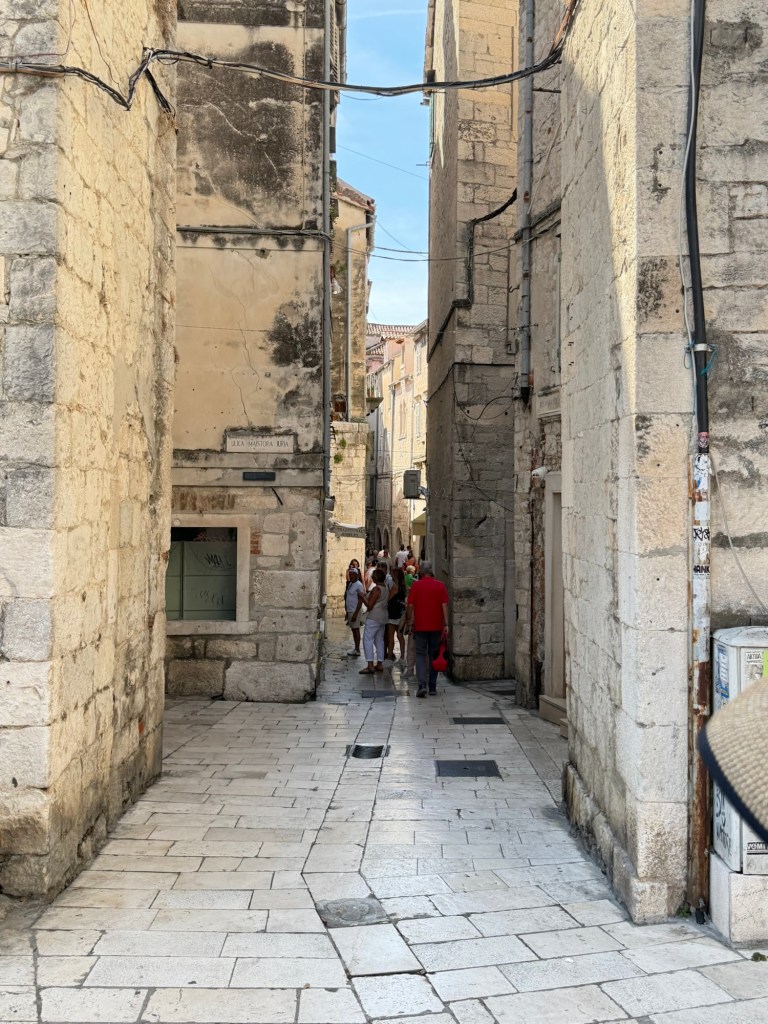
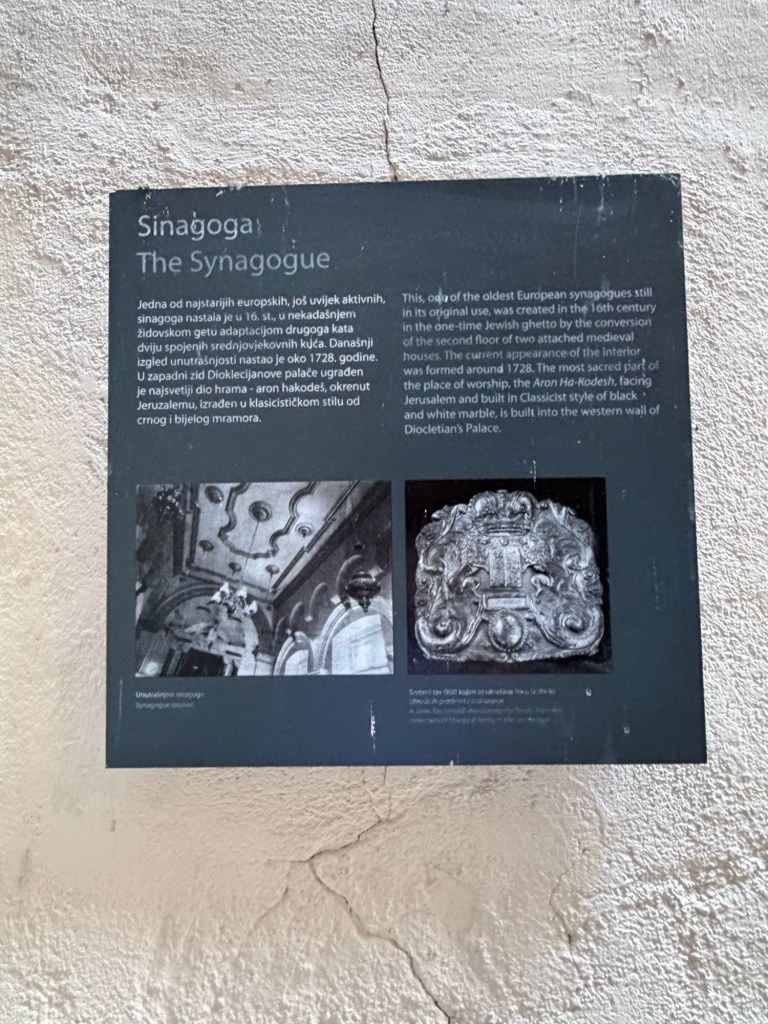
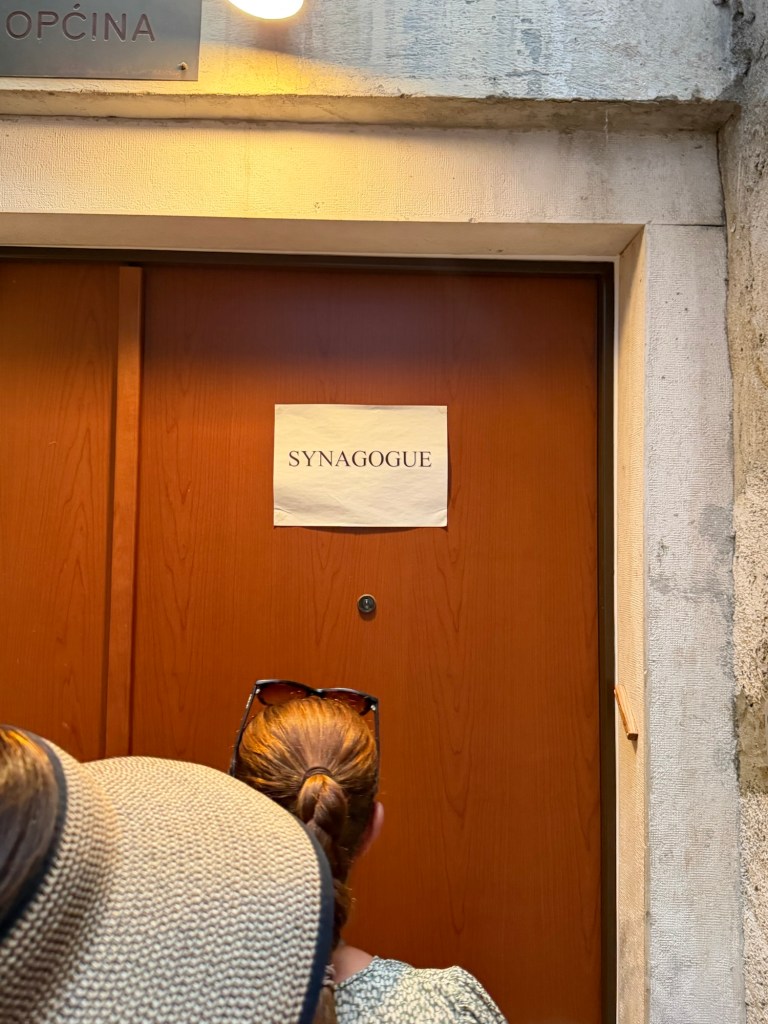
We entered through the palace’s western side, close to the old Jewish quarter. From there, we wound through the narrow lanes of the former ghetto and climbed several flights of stairs to reach a synagogue, hidden on the second floor of two connected medieval houses.
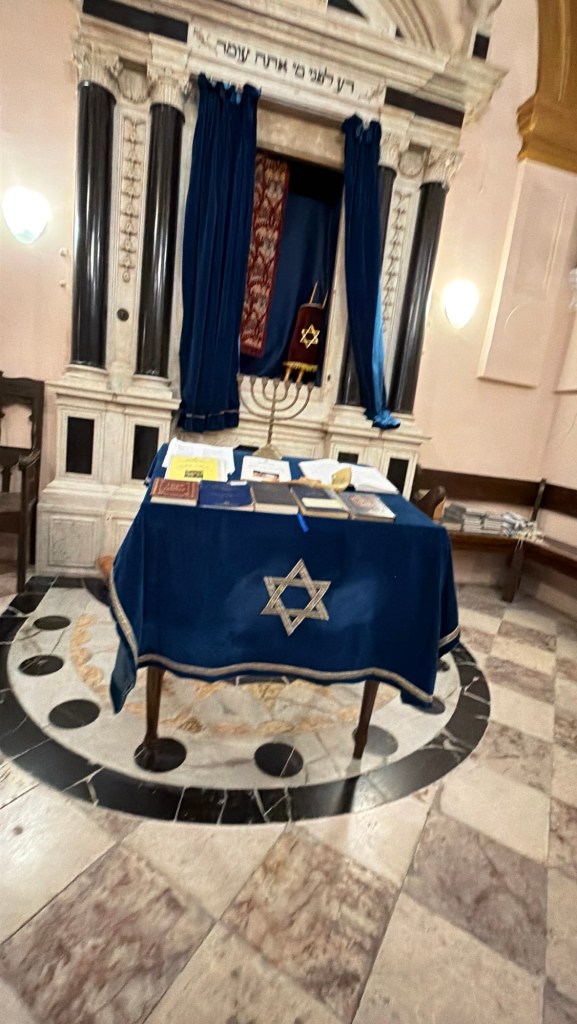
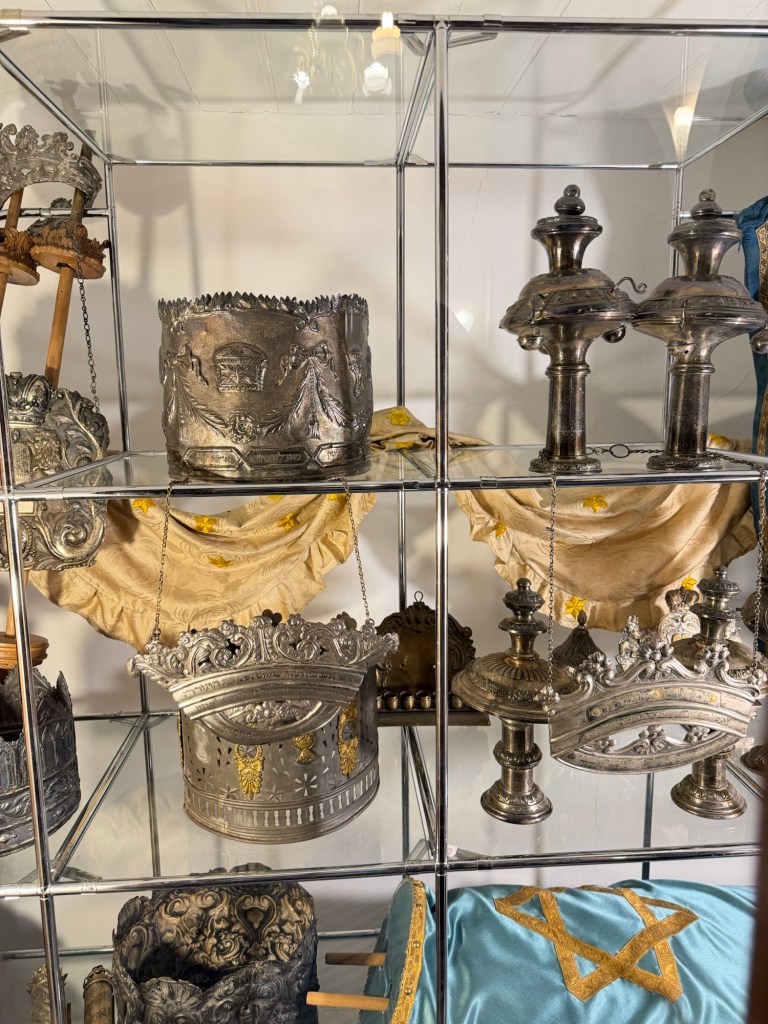
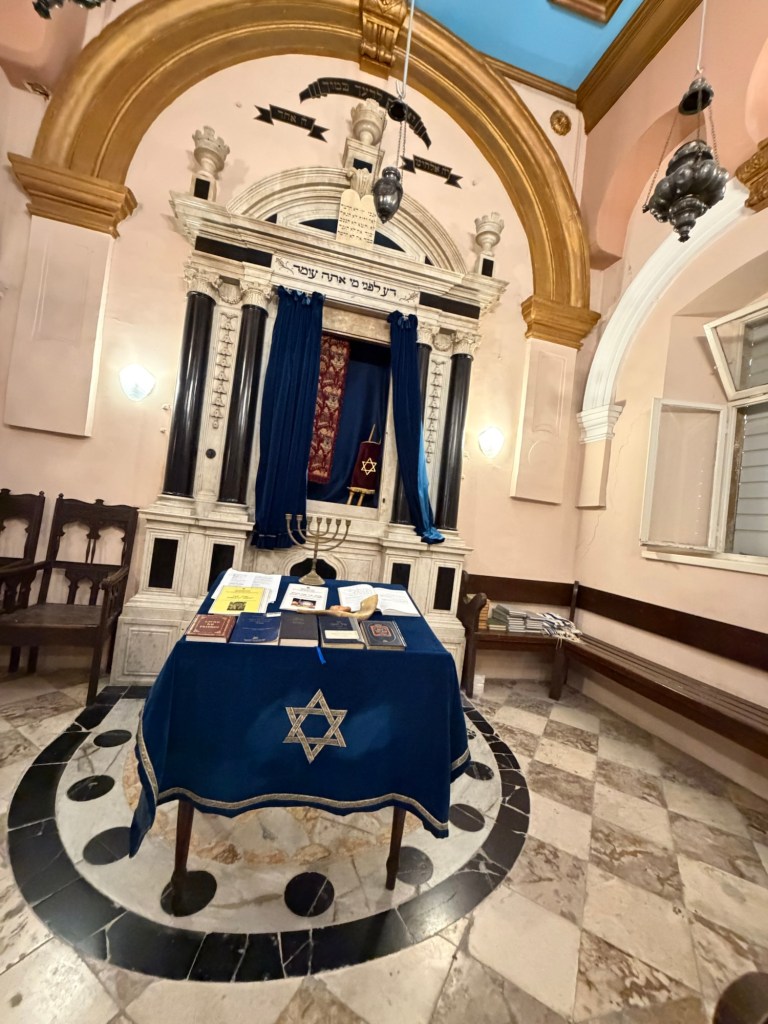
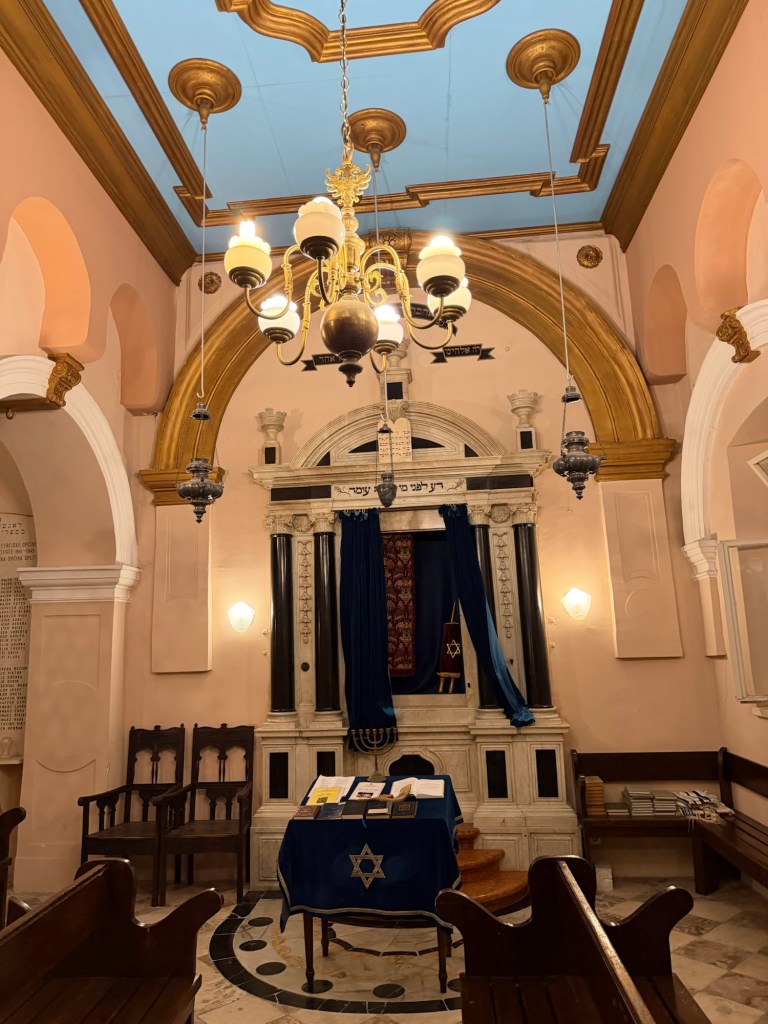
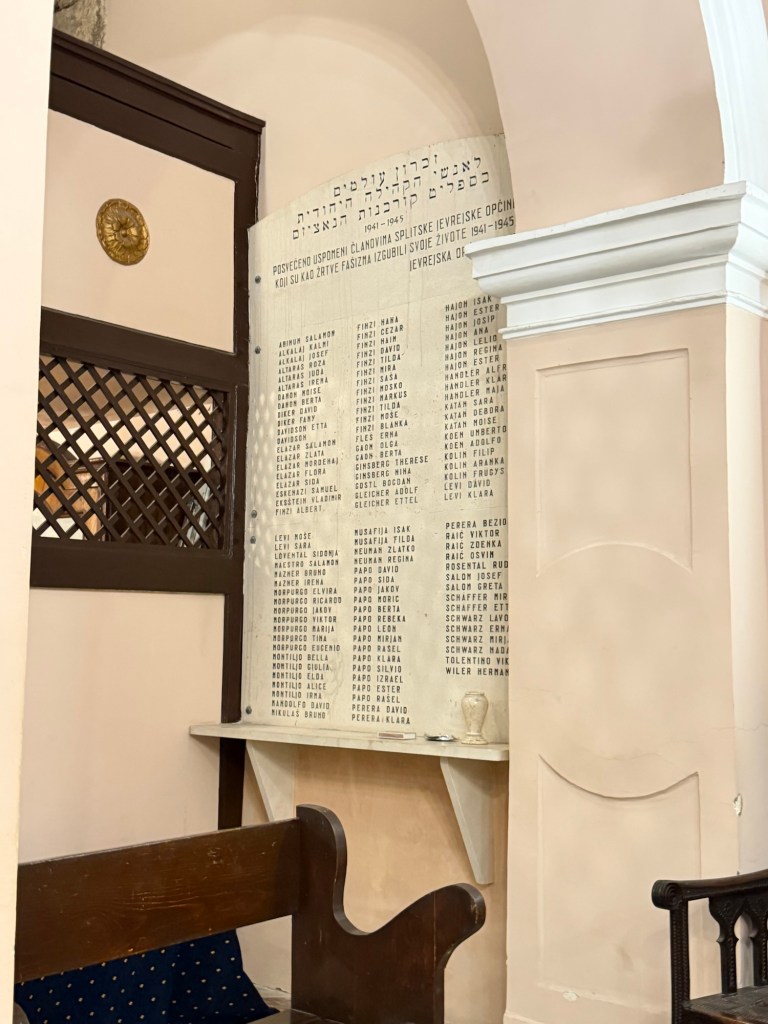
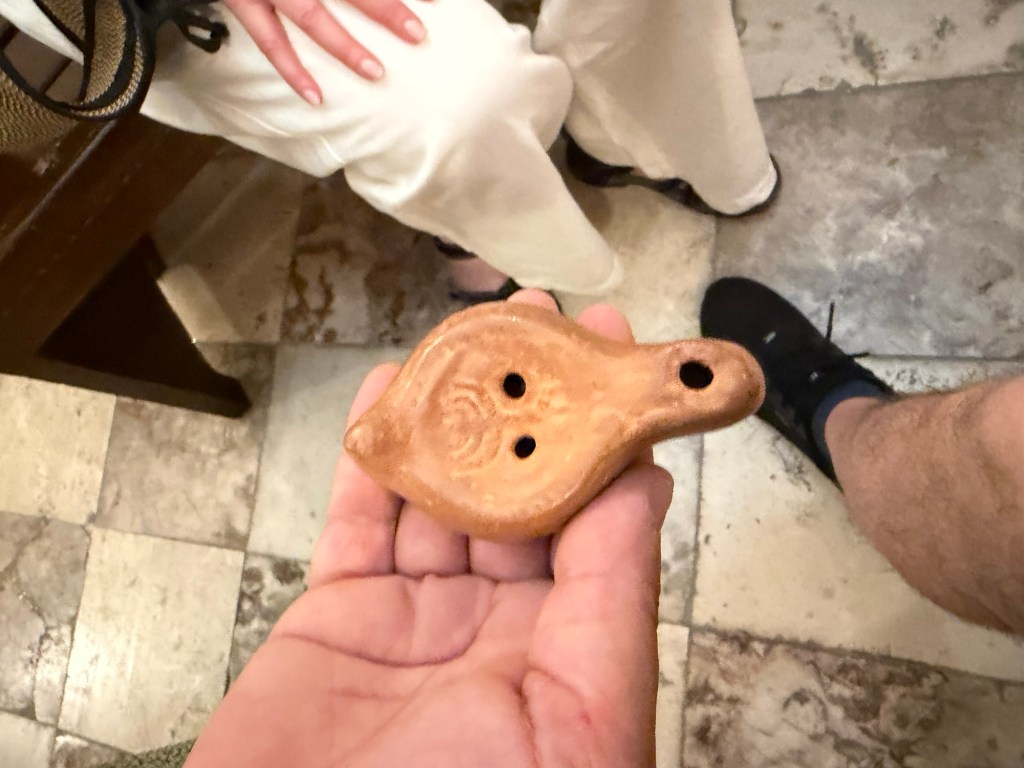
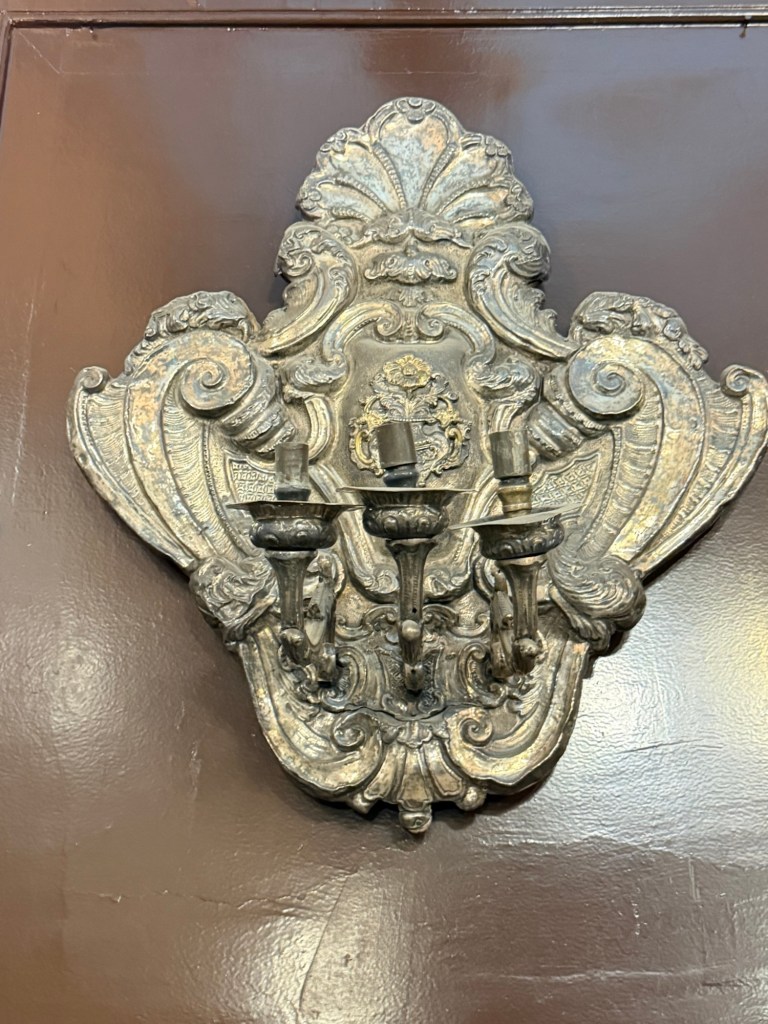
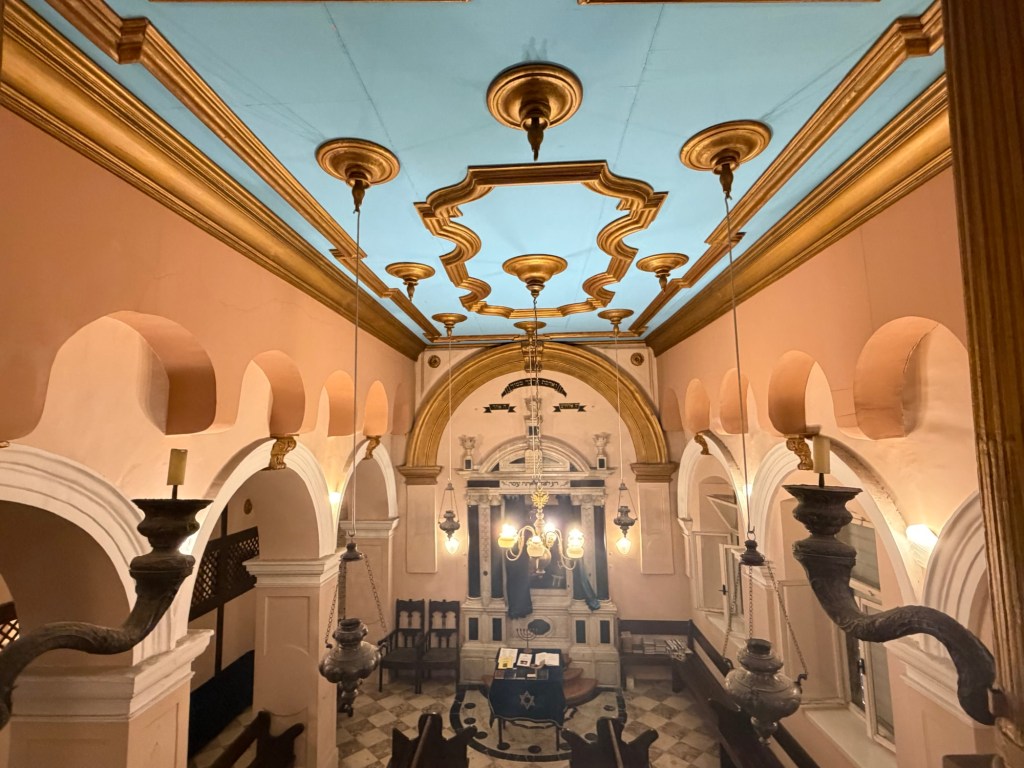
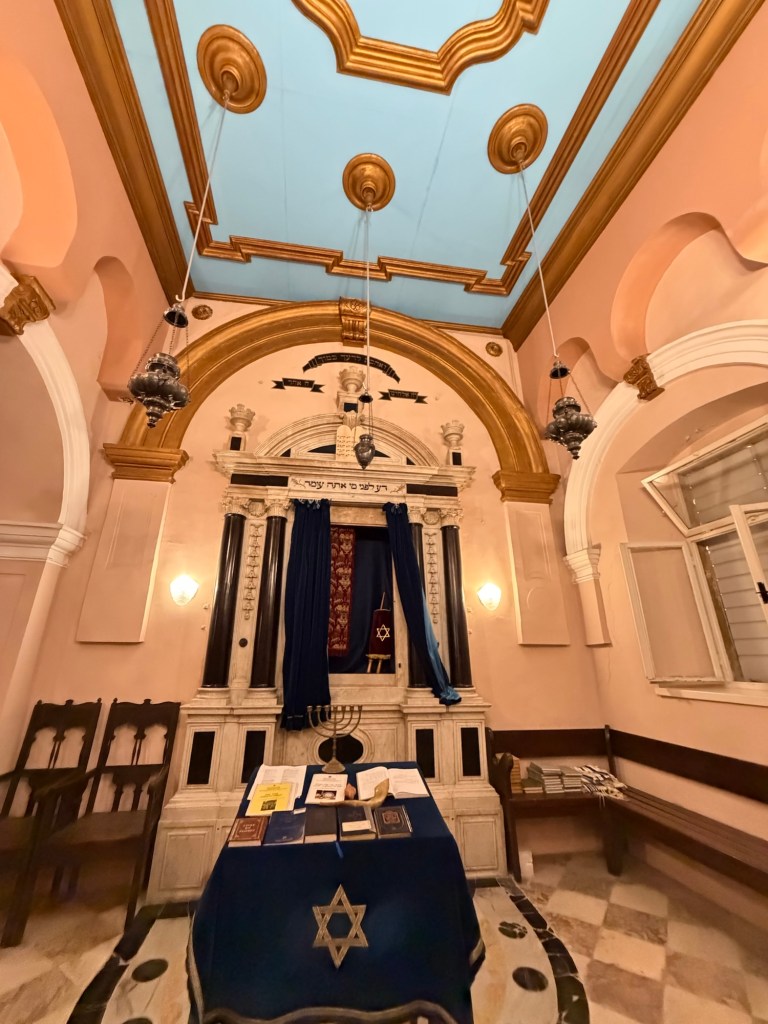
Inside the sanctuary, we met Albert, who told us that his ancestors were among the Sephardic Jews expelled from Spain in 1492 under the Alhambra decree issued by Ferdinand and Isabella, and that his family helped establish the Synagogue more than five centuries ago. Sitting with a descendant of its founders, in the same sanctuary his family had preserved for generations, made the history feel remarkably immediate.
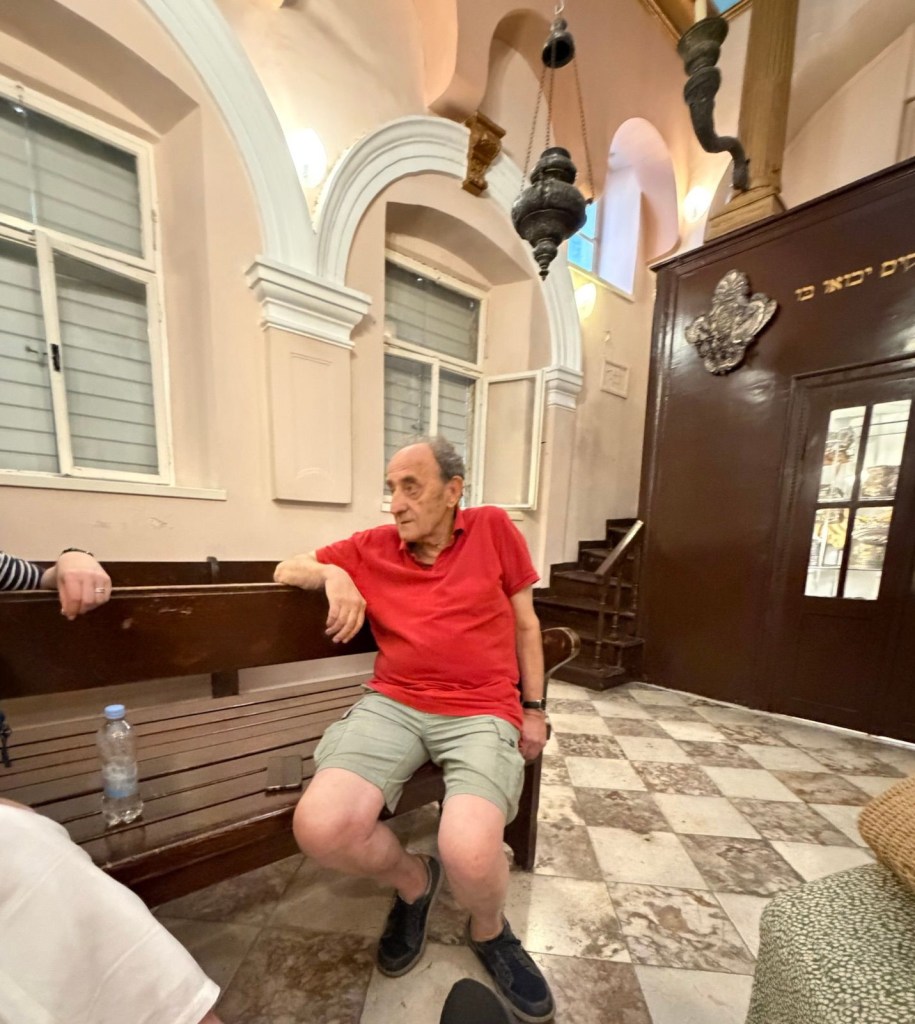
When asked about the centuries of hardship endured by Split’s Jews, Albert answered with four quiet but powerful words: “We are still here.” Coming from a man whose family has worshipped in that sanctuary for more than 500 years, the words required no further explanation.
I found myself contemplating the Hebrew words on the former chapel next to the cemetery we had just visited: “the righteousness of Divine judgment.” What was a person to make of that? What did righteousness mean when Italian Fascists occupied Split, attacked Jewish homes and businesses, and burned the Synogogue’s furnishings and sacred records? What did divine judgment mean when Nazi Germany later seized the city and hunted, arrested and deported the Jews who had been unable to escape? I could find no answer that made such suffering just. Perhaps the inscription was not intended to explain tragedy, but to defy it—an affirmation that faith and the Jewish people would endure even when the world had abandoned both. Albert had expressed it more simply: “We are still here.”
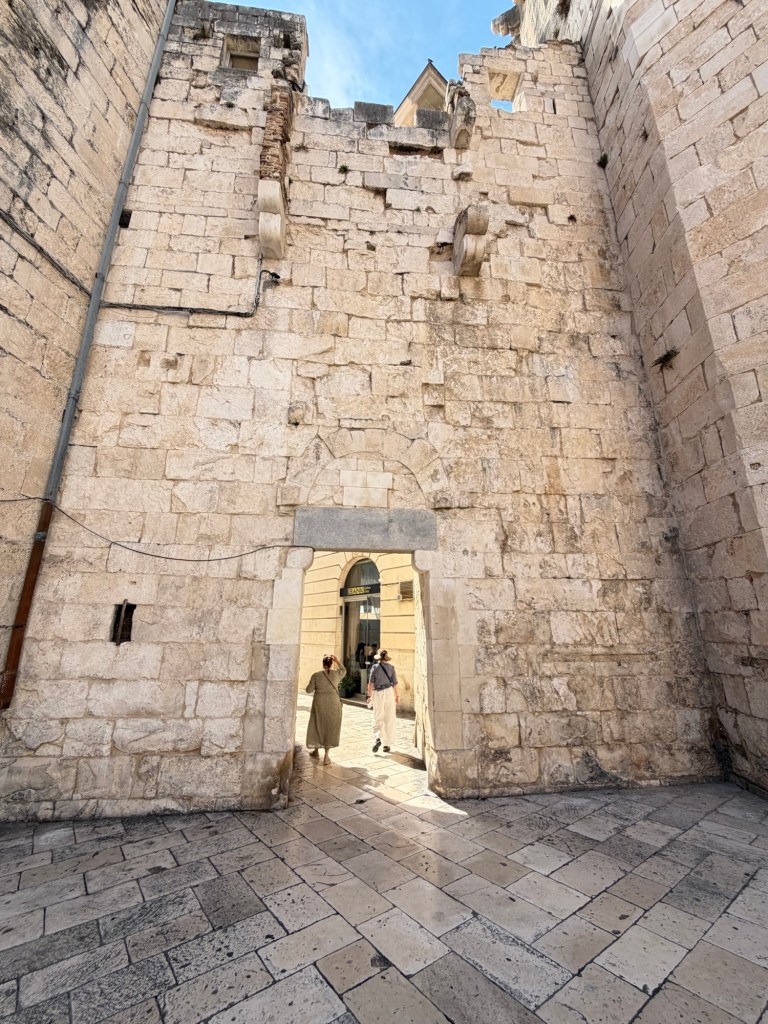
After leaving the Synagogue, we continued toward the heart of Diocletian’s Palace. We briefly stepped outside its ancient walls before reentering through the Bronze Gate, which led us beneath the palace and into its remarkably preserved underground chambers.
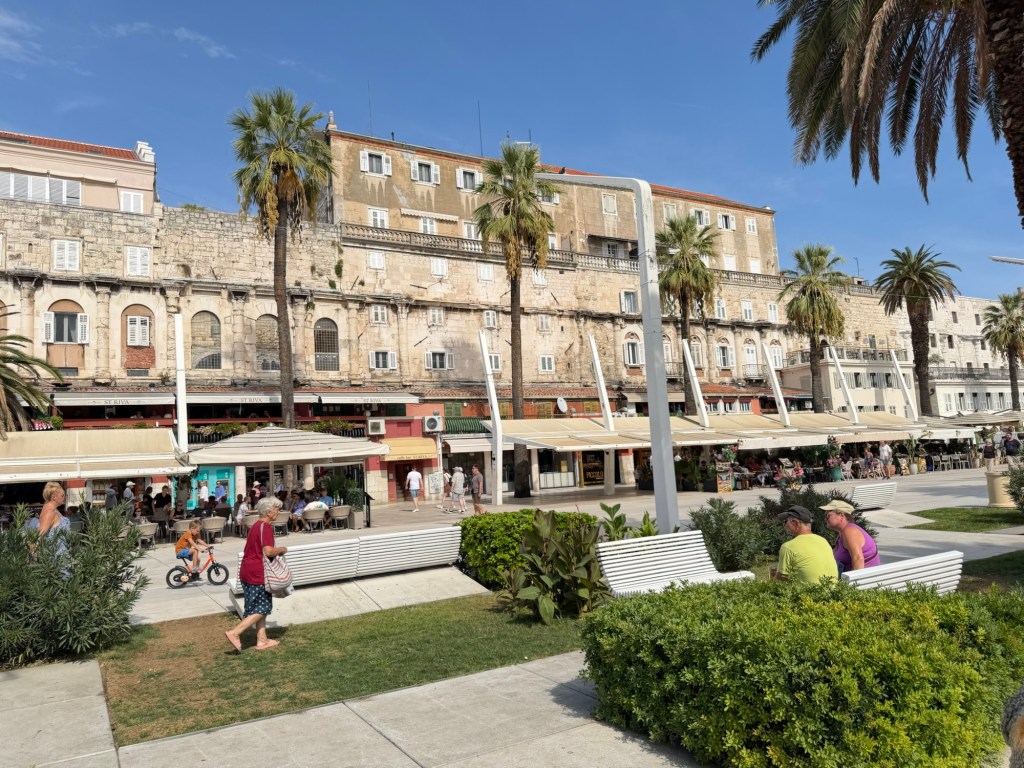
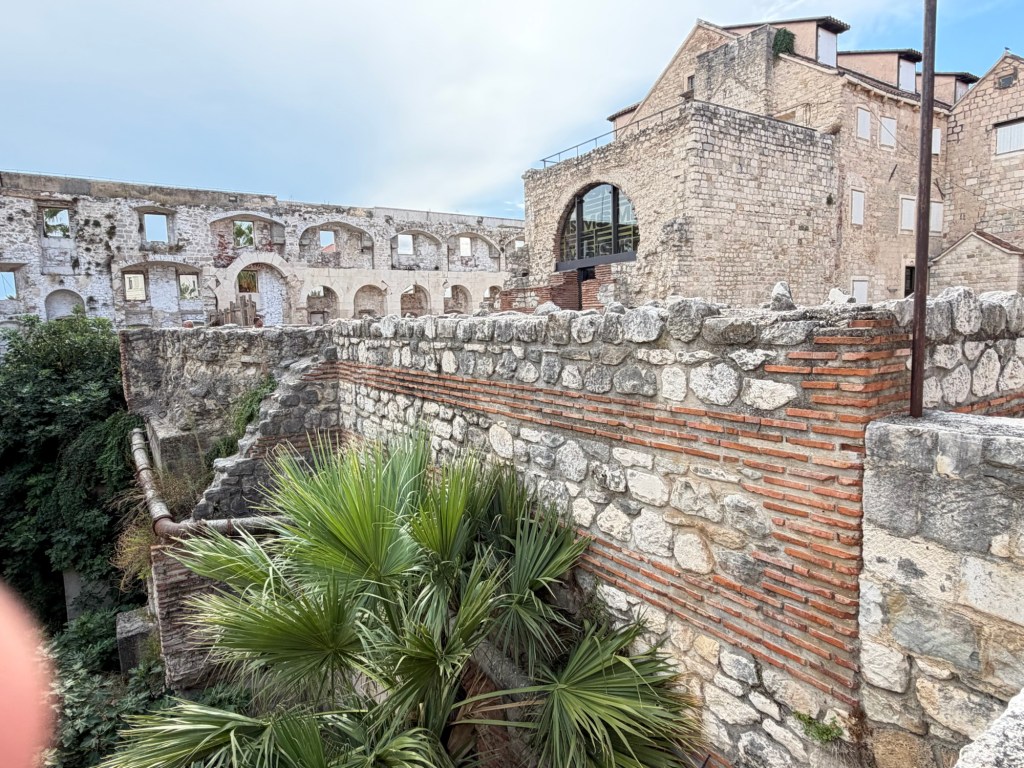
From the waterfront, the palace’s southern façade looked less like an ancient ruin than a Roman structure that had been steadily absorbed into the living city. Apartments, shuttered windows, cafés and palm trees now occupied walls first raised more than 1,700 years ago.
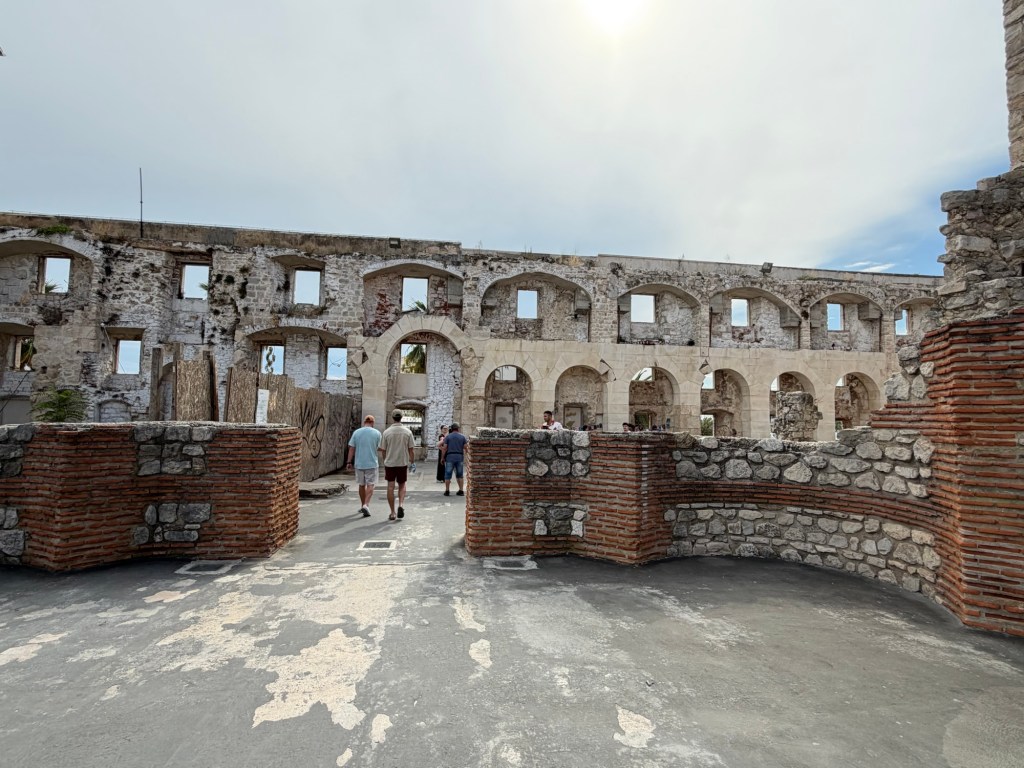
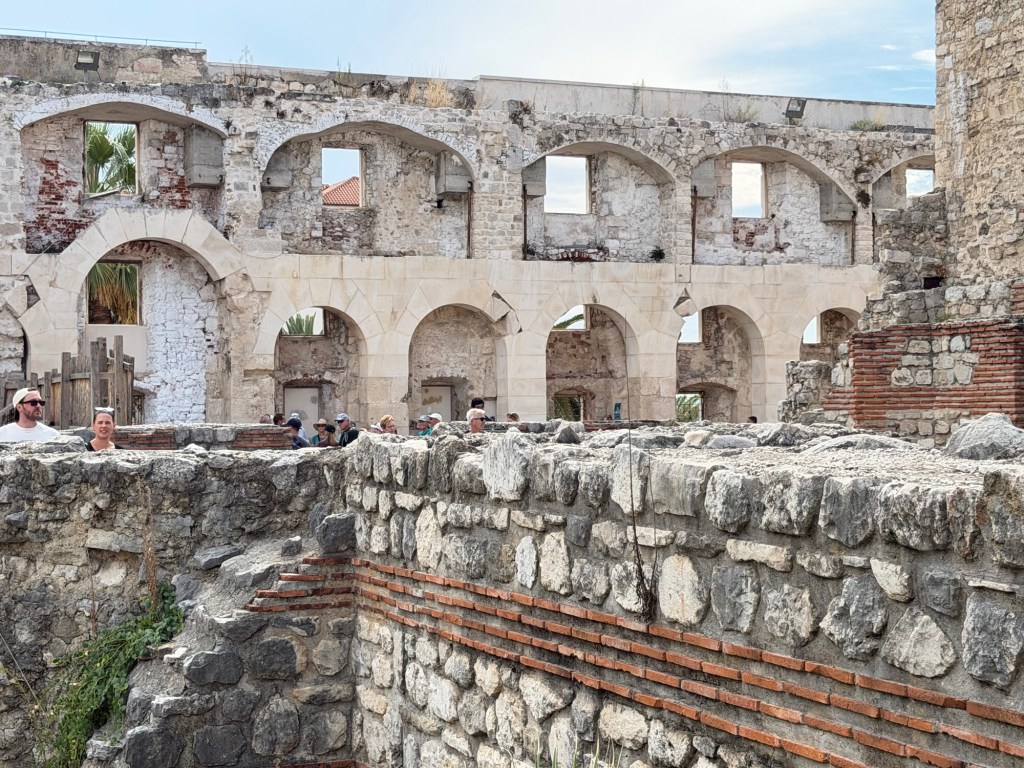
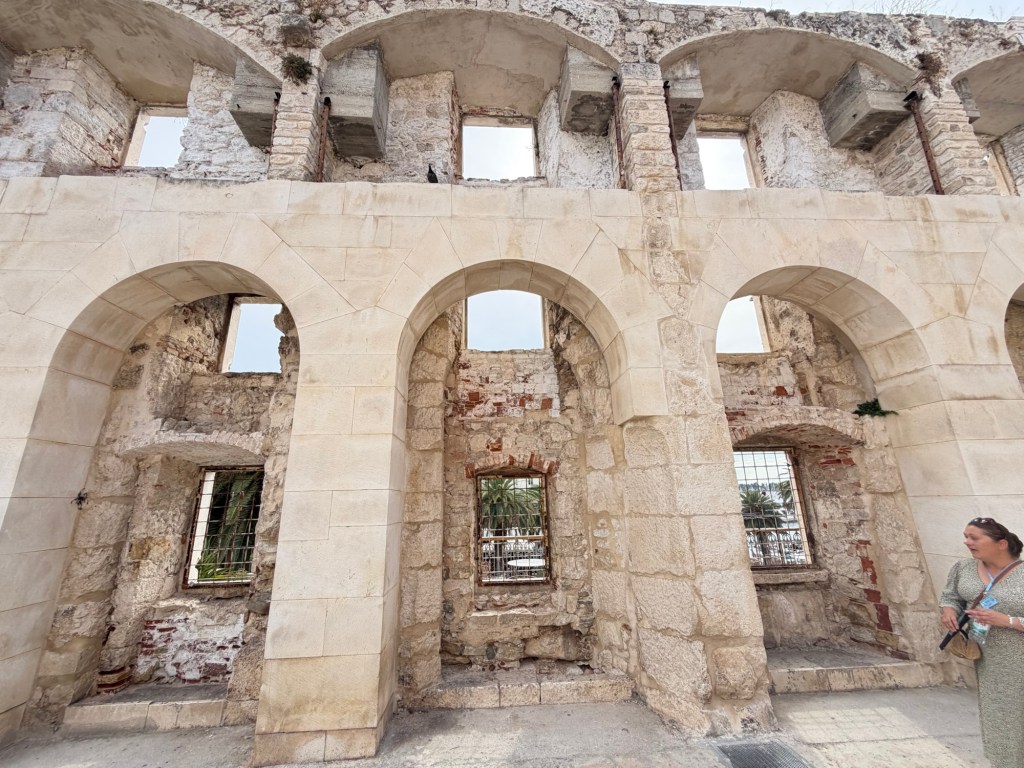
Passing through the Bronze Gate, we entered the palace’s vast substructures. Massive limestone blocks, rough Roman masonry, soaring arches and barrel-vaulted ceilings formed a cool, shadowy maze beneath the city.
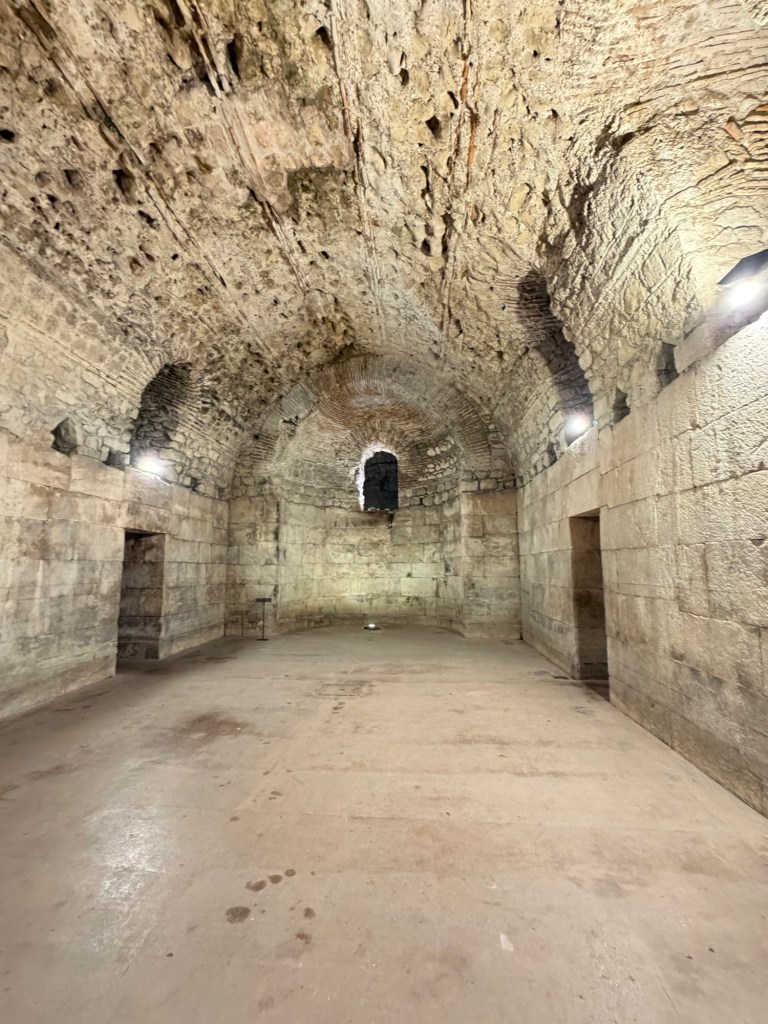
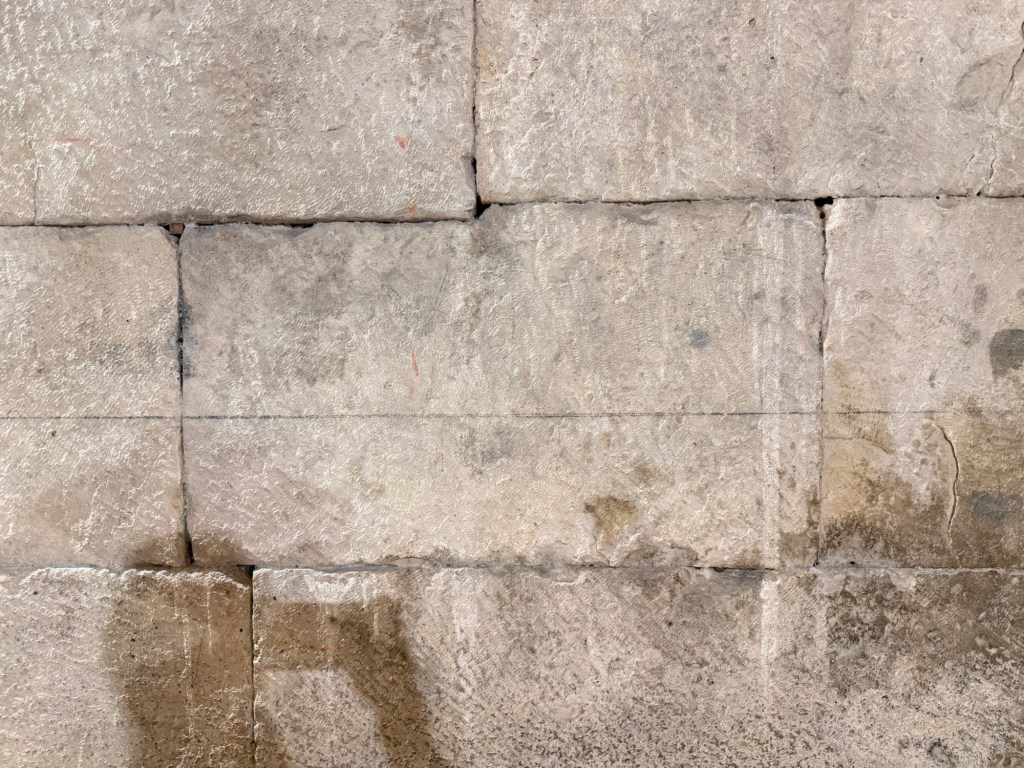
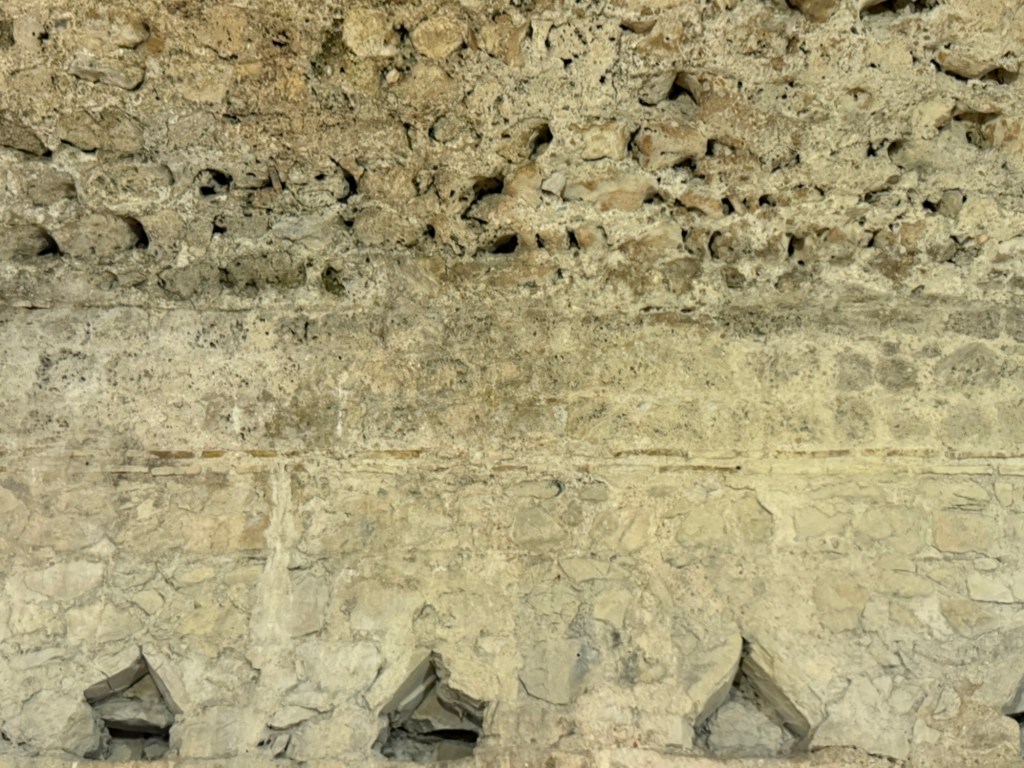
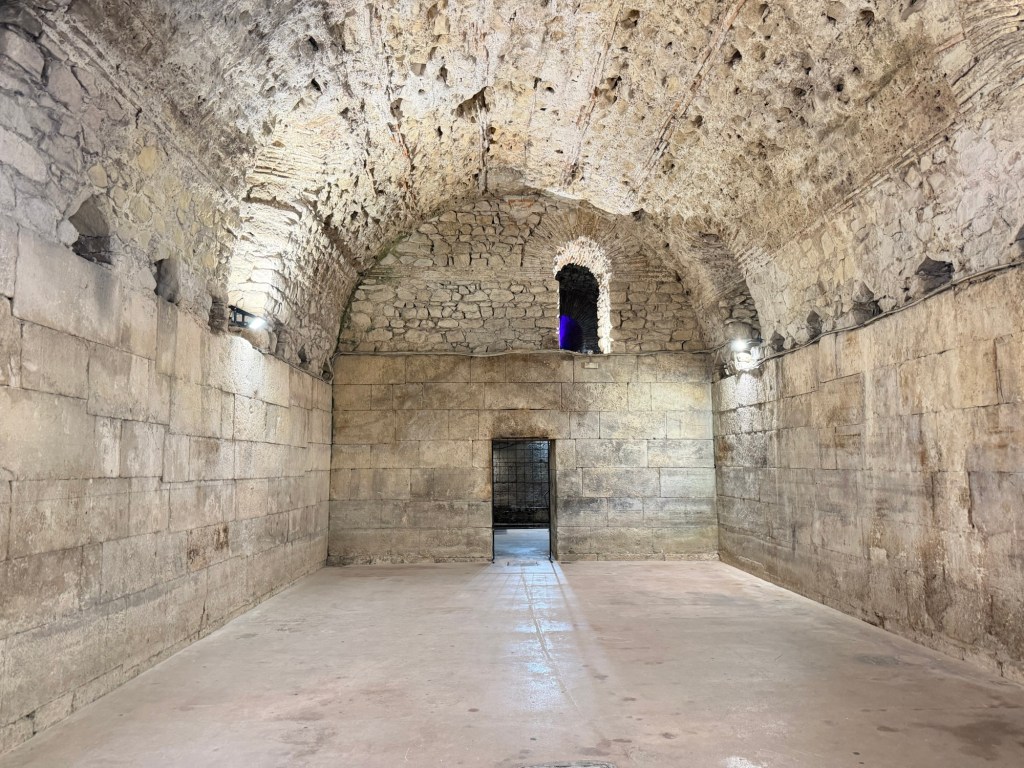
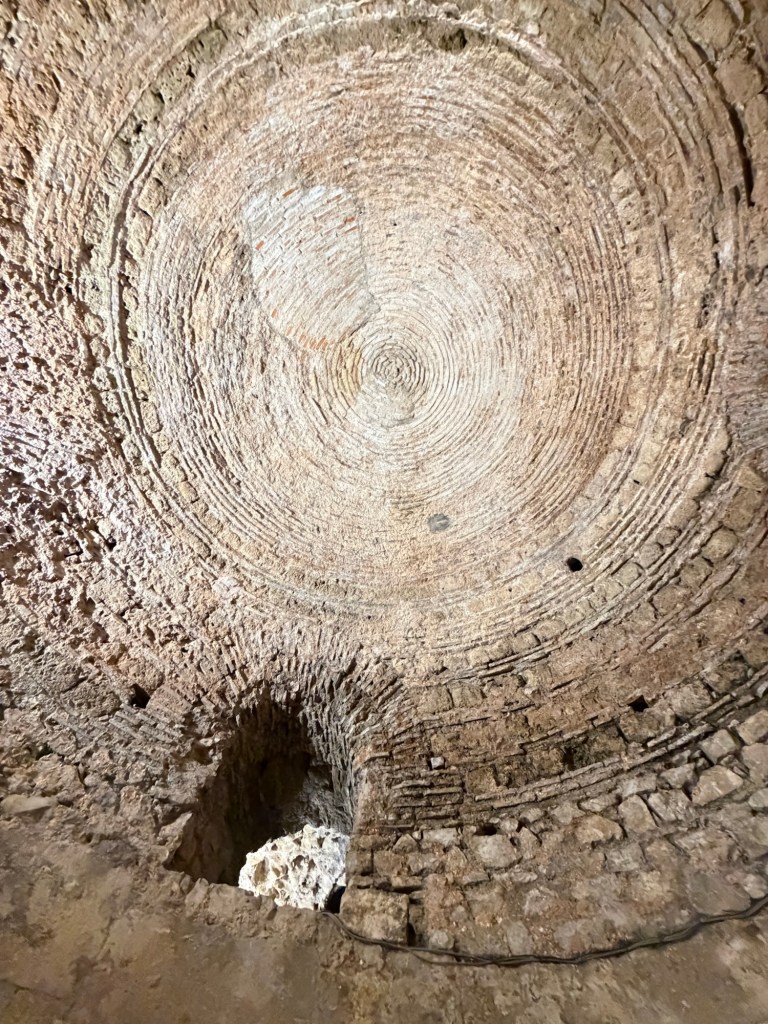
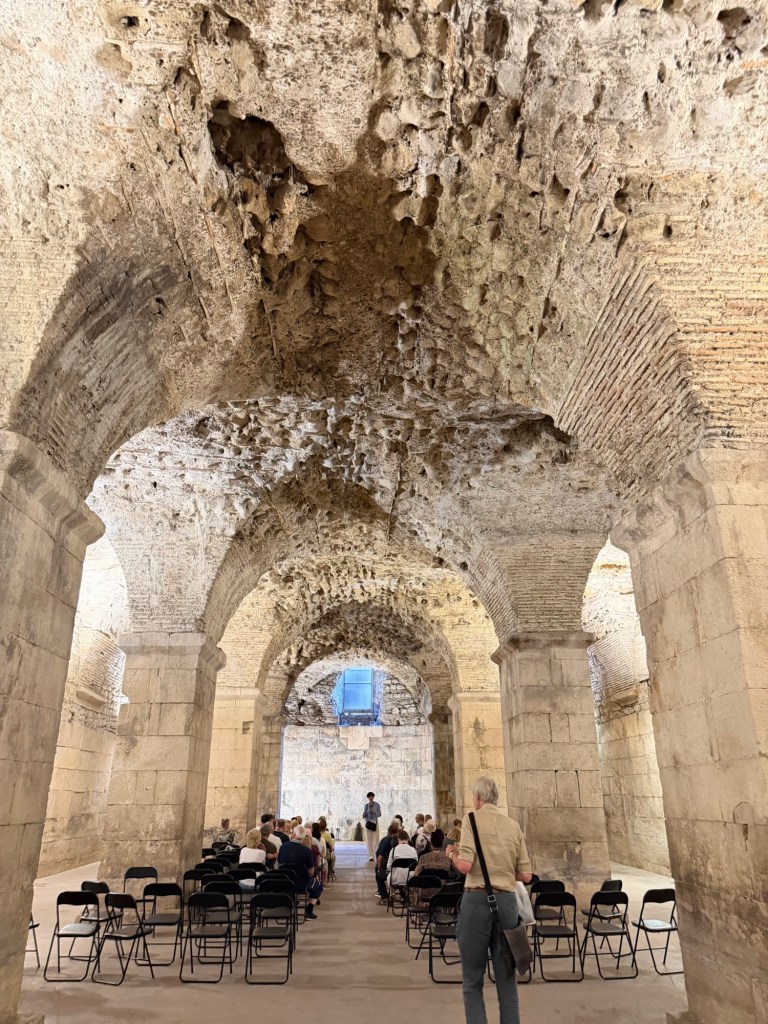
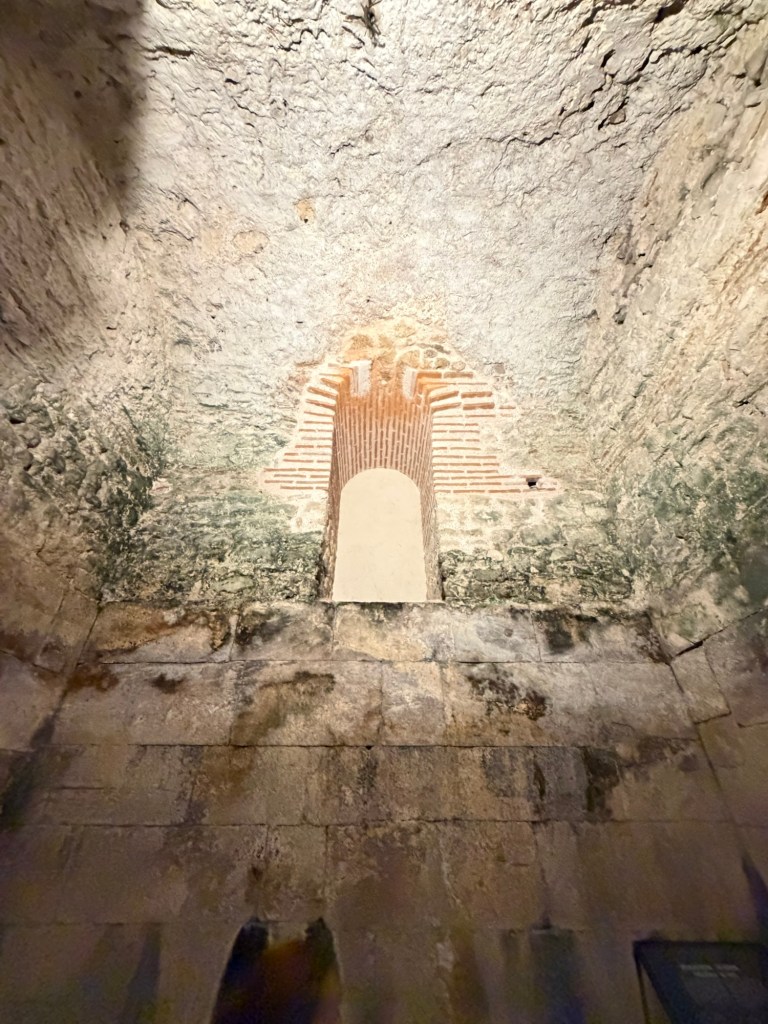
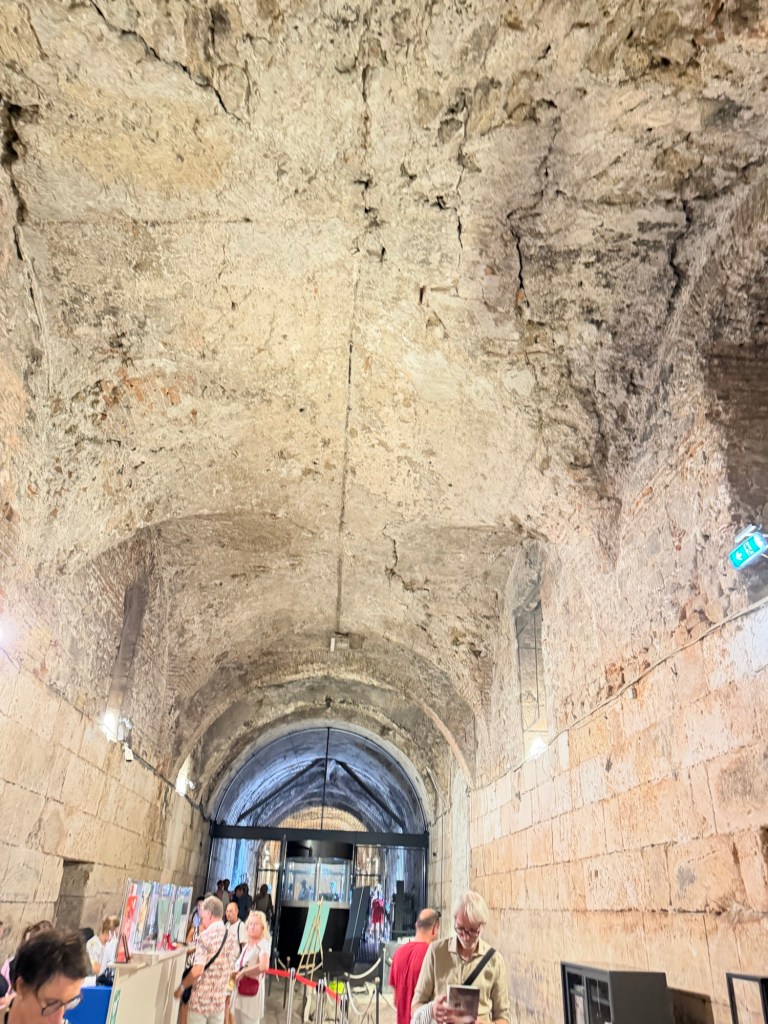
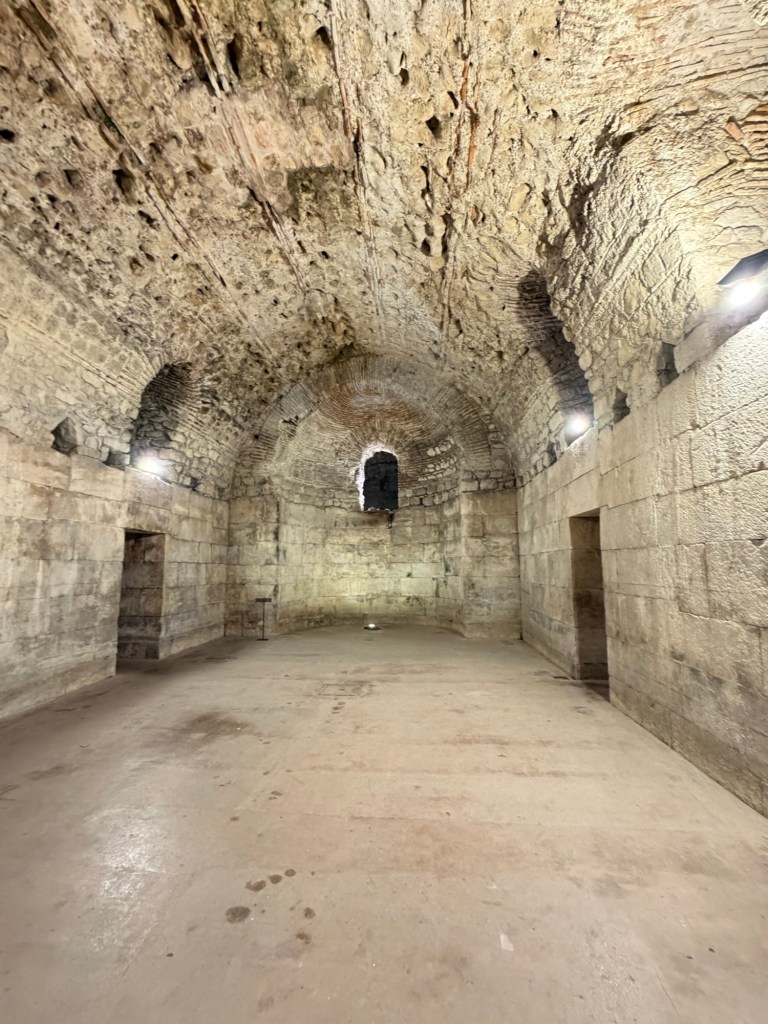
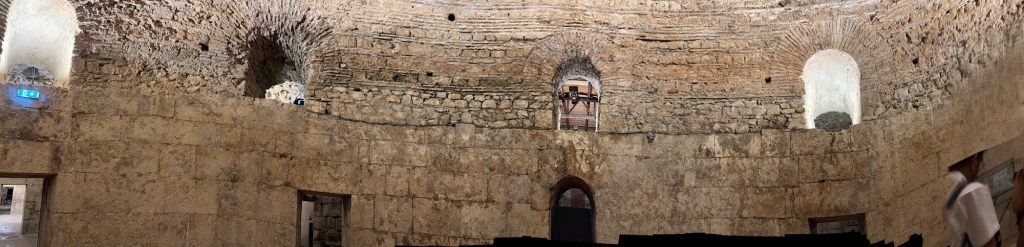
These chambers were not really cellars in the modern sense; they were built to level the sloping ground and support Diocletian’s private apartments above. Because their arrangement mirrored the vanished imperial rooms, they now provide a kind of stone blueprint of the emperor’s residence. Ironically, much of the complex survived because later residents filled it with rubble and refuse—possibly history’s least glamorous preservation program.
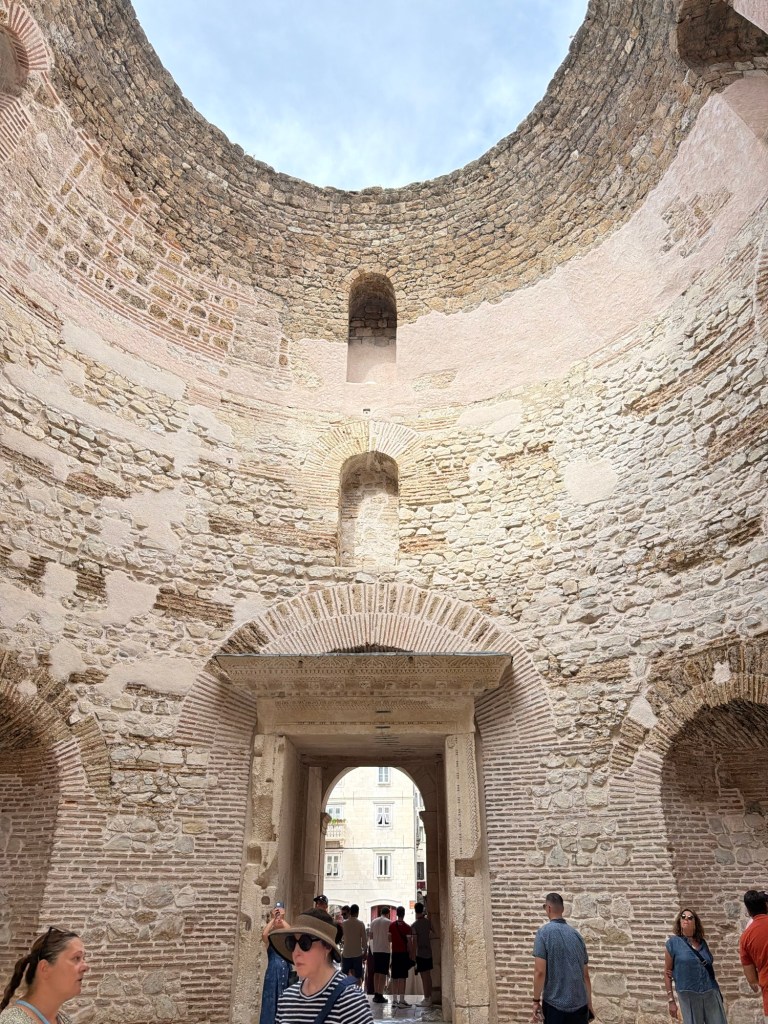
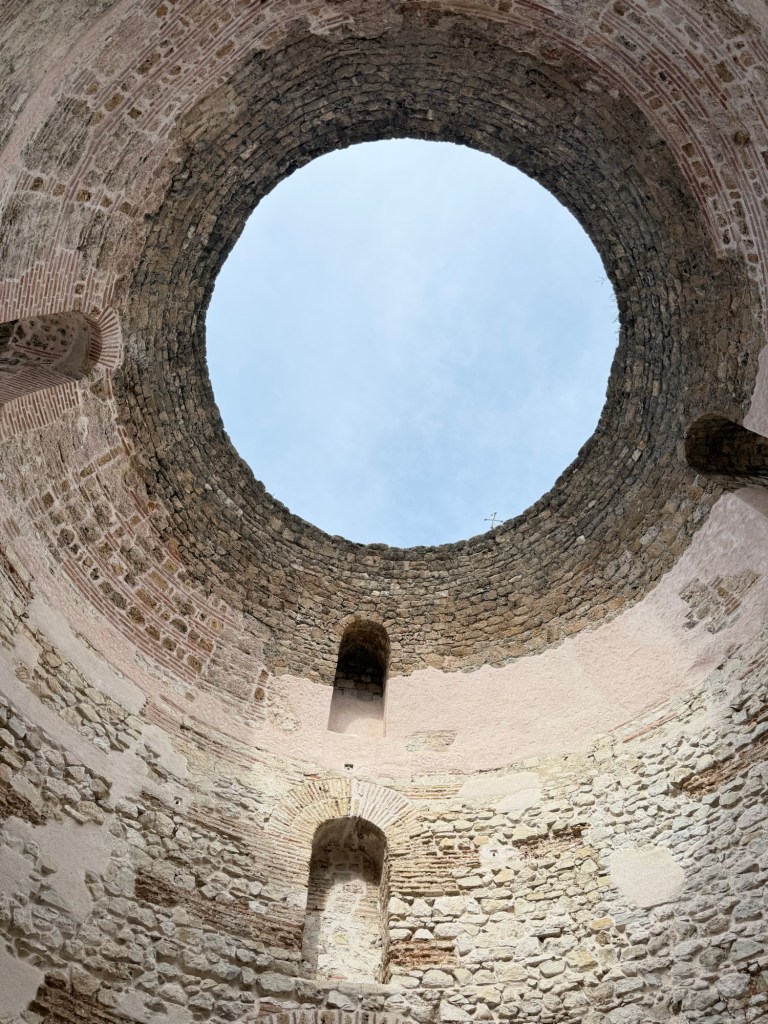
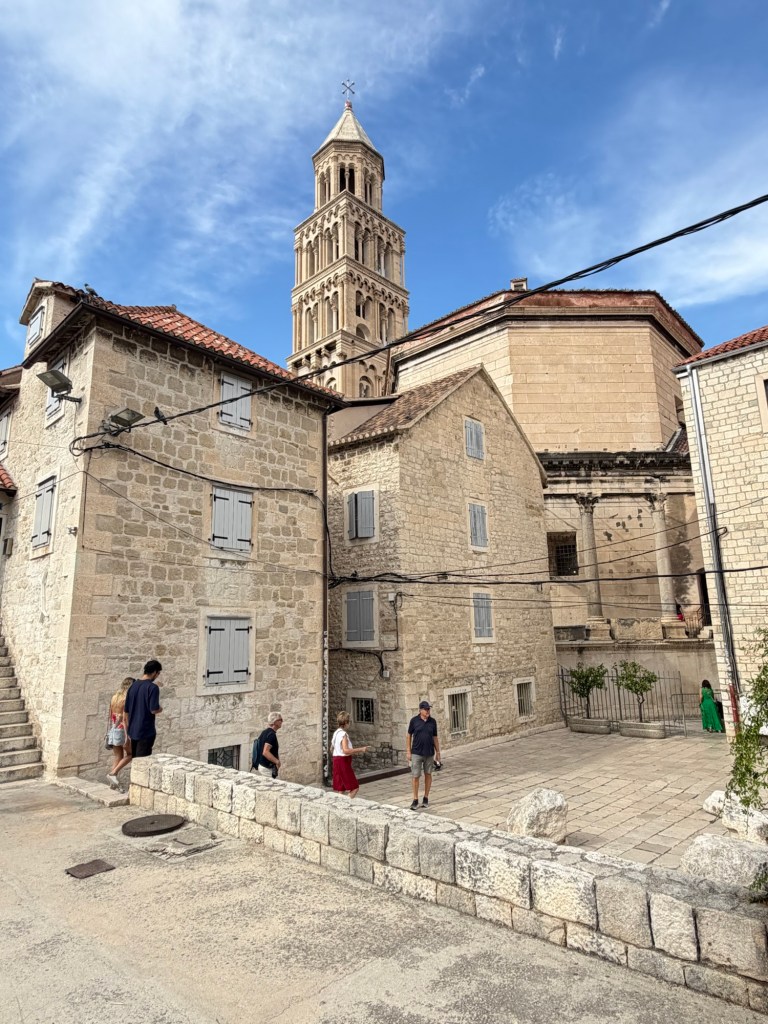
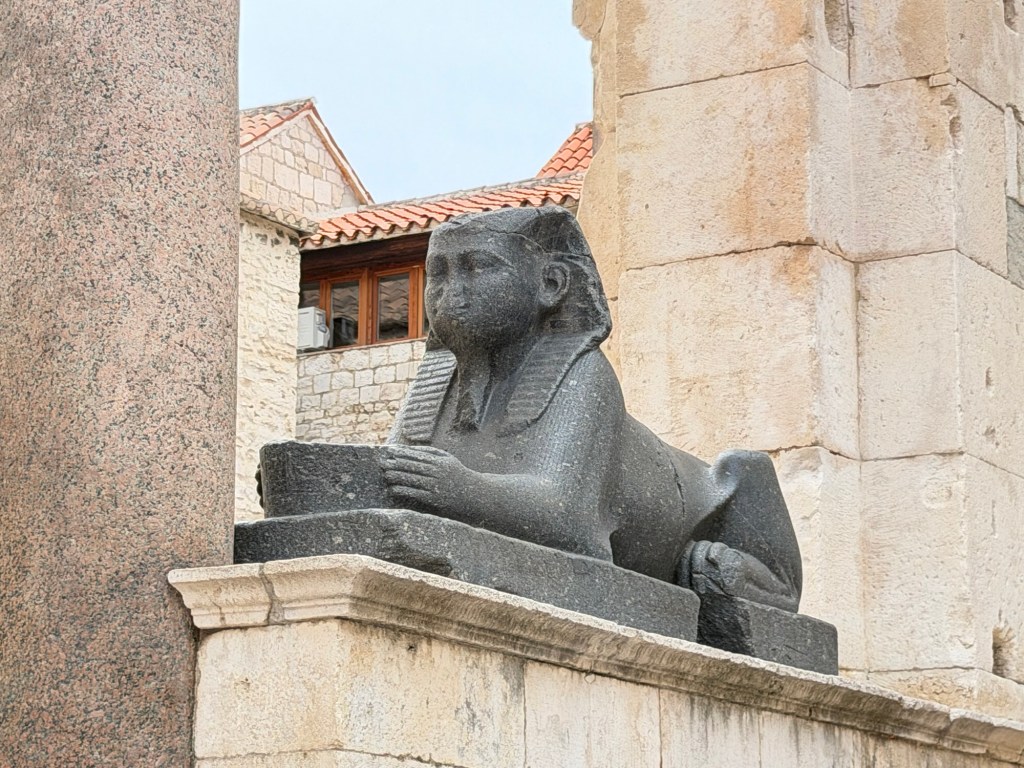
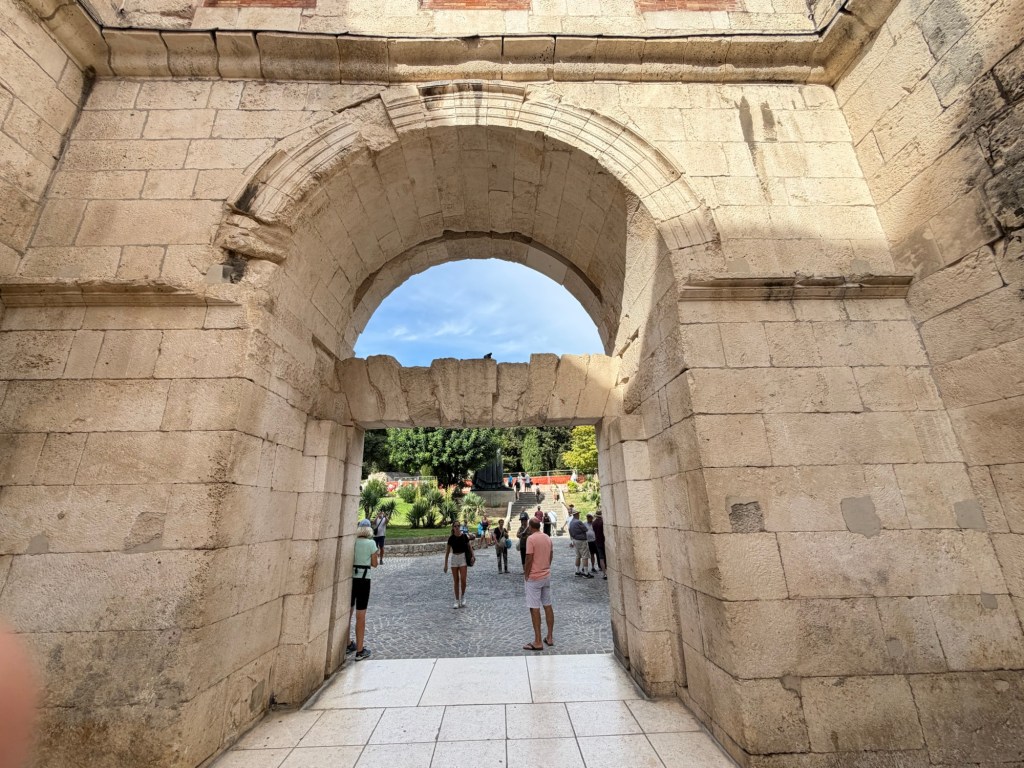
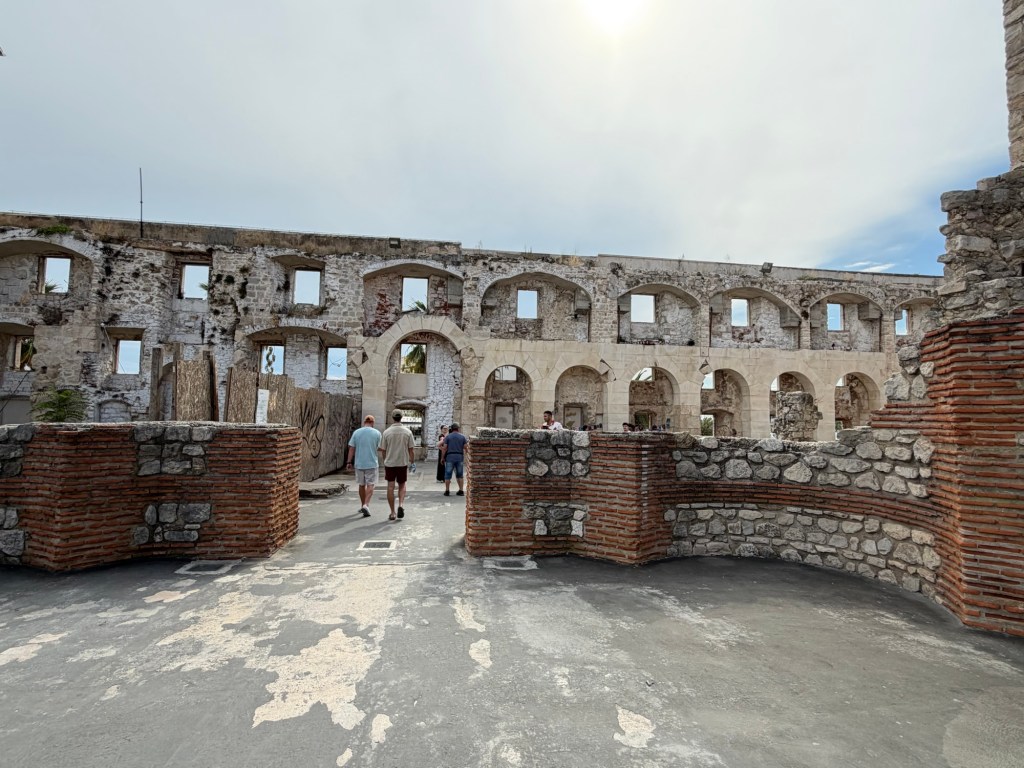
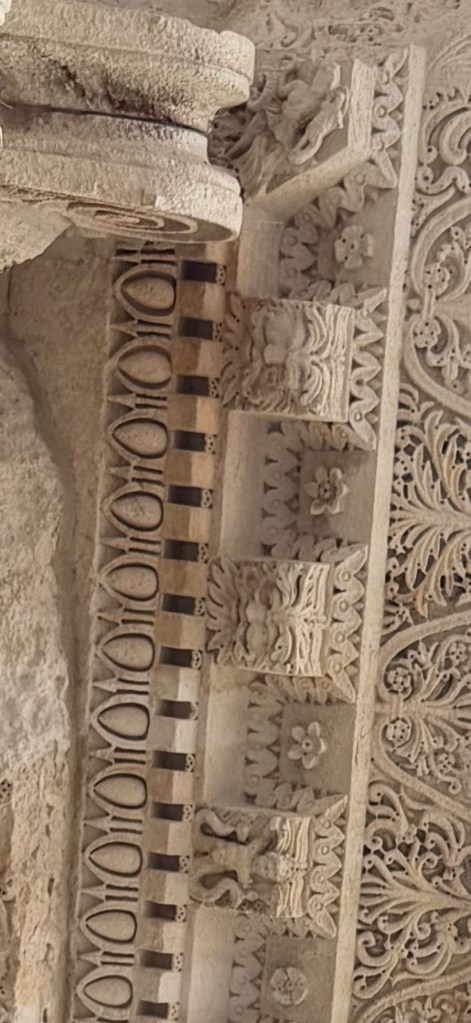
History ultimately delivered its own verdict. Much of Diocletian’s palace was absorbed into a Christian city, and his magnificent mausoleum became the Cathedral of Saint Domnius—named for a bishop believed to have been martyred during Diocletian’s persecution.
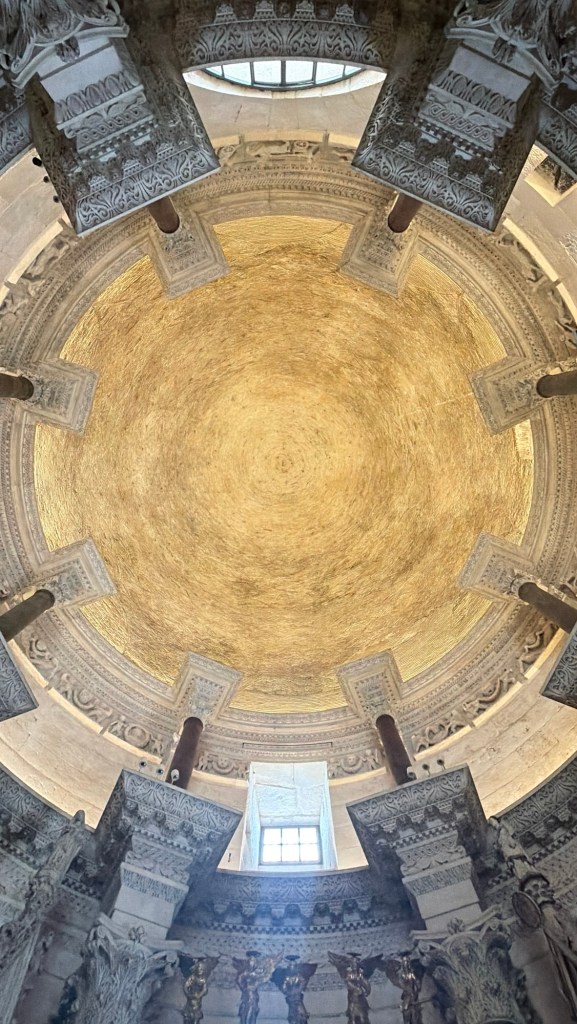
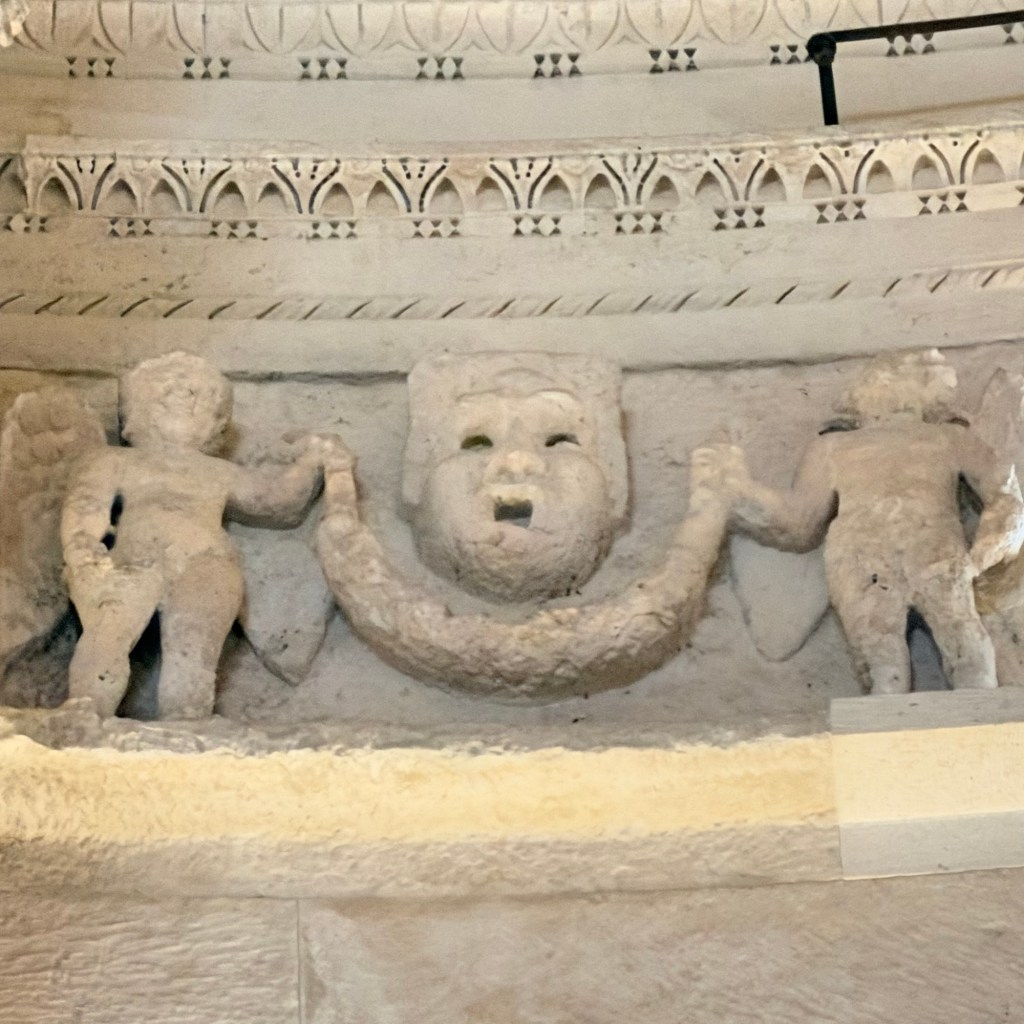
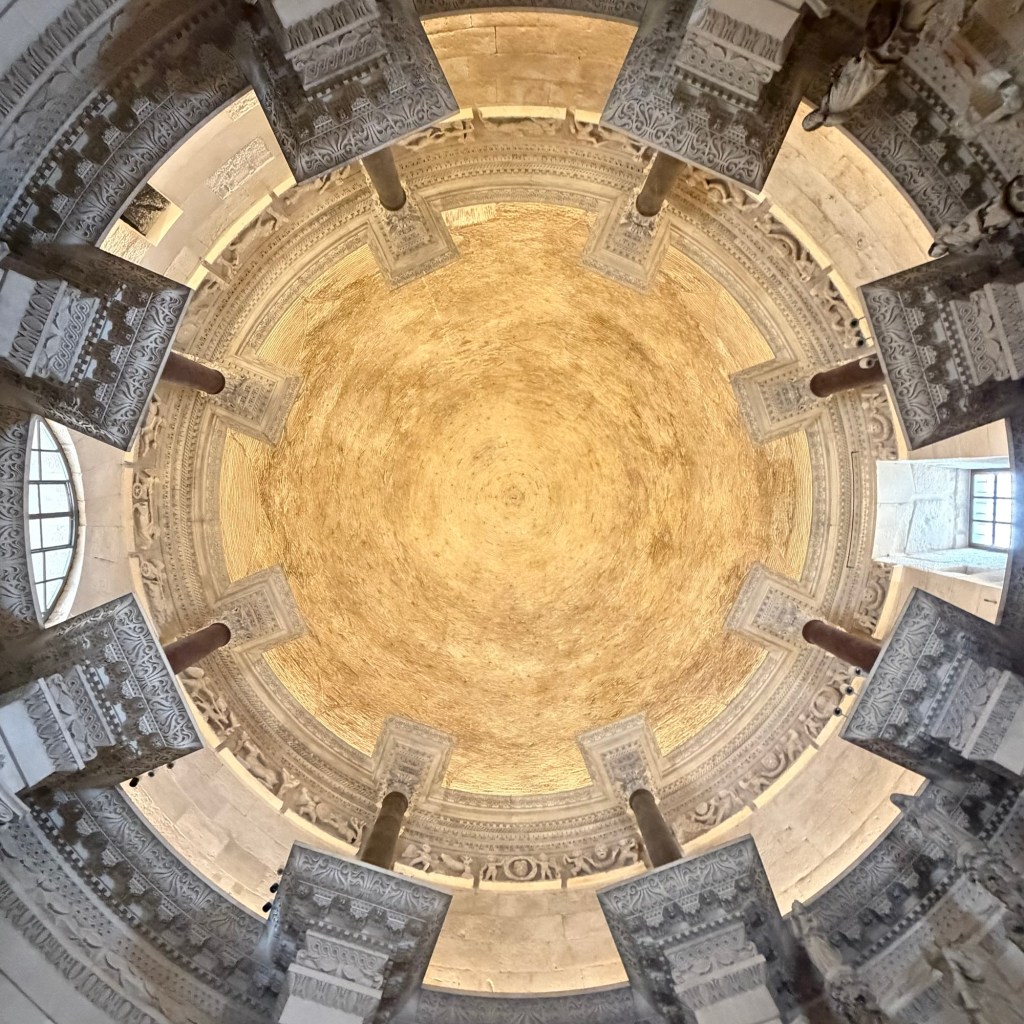
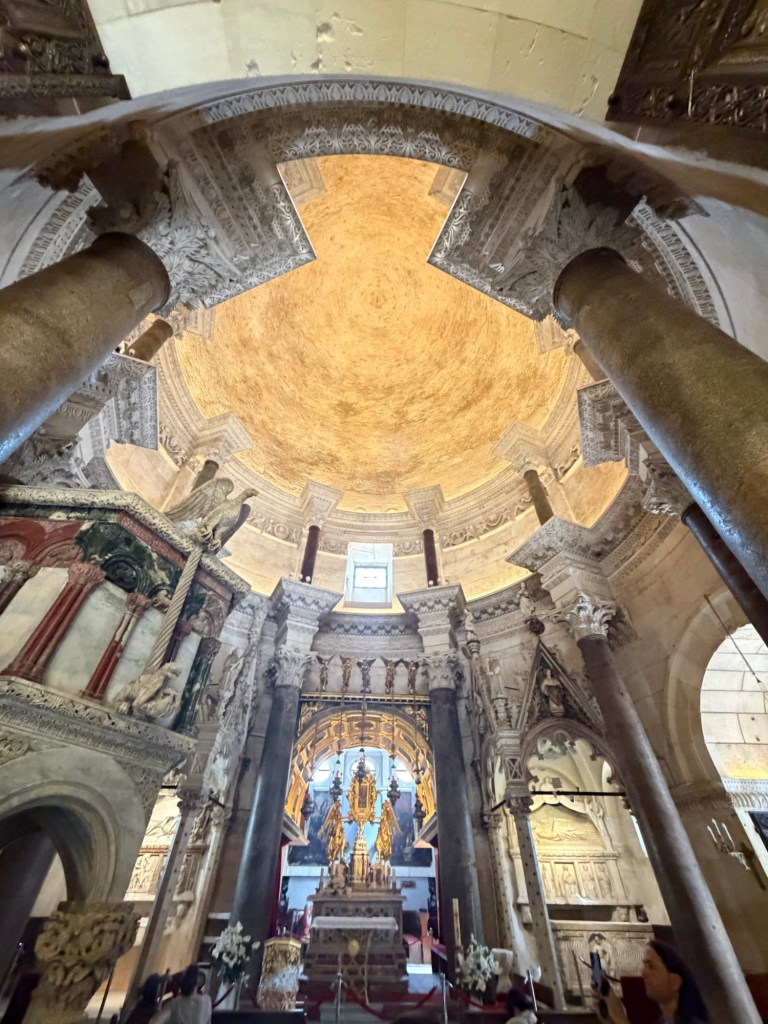
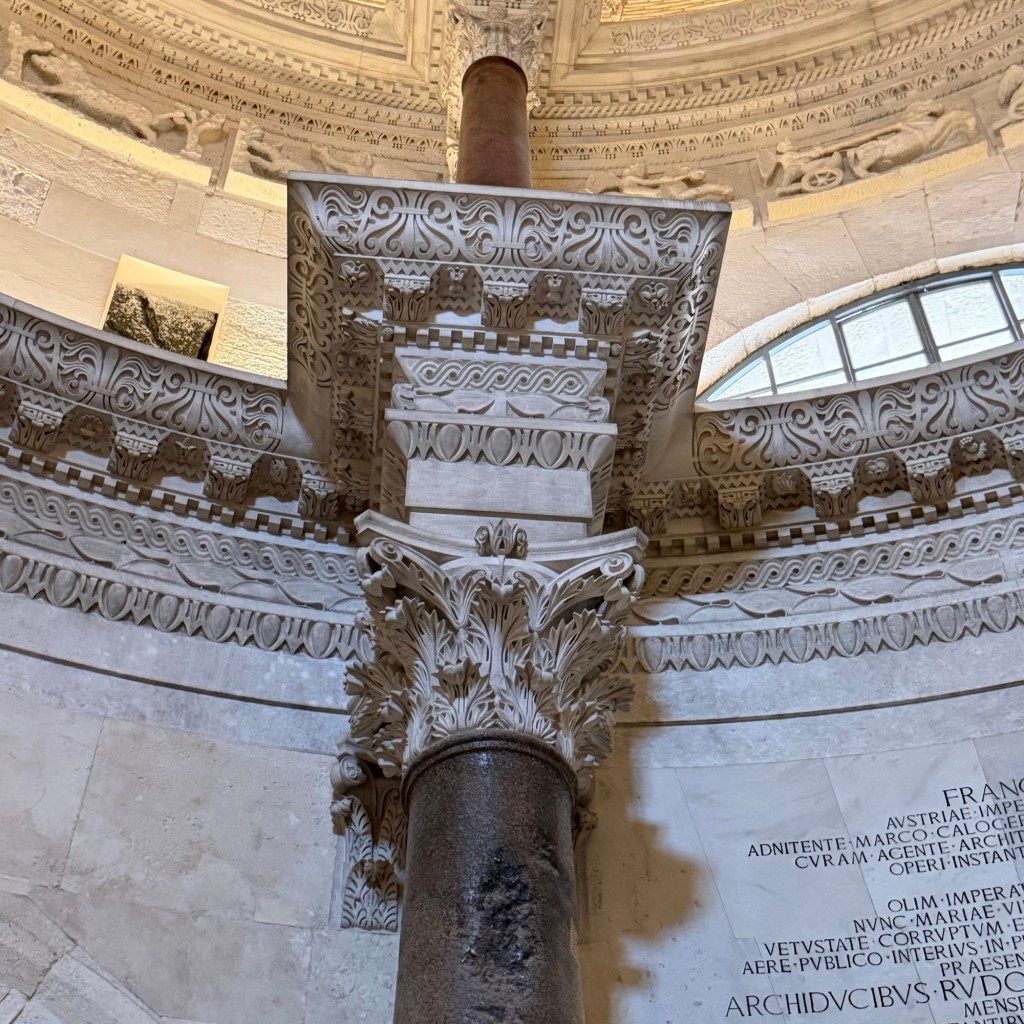
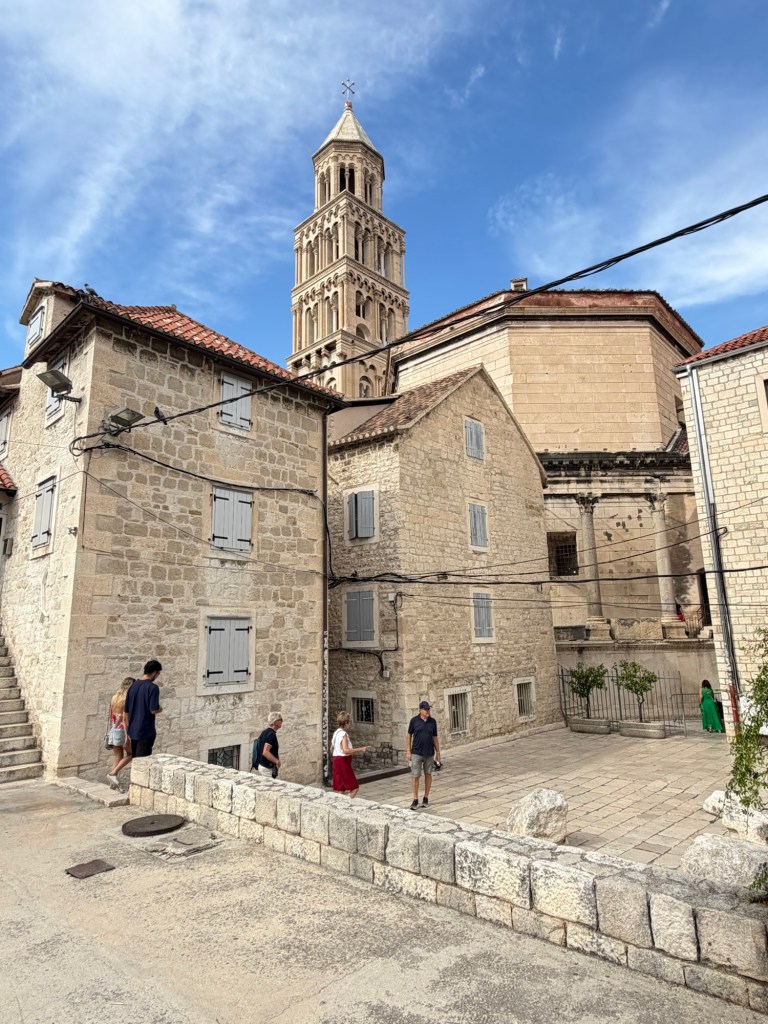
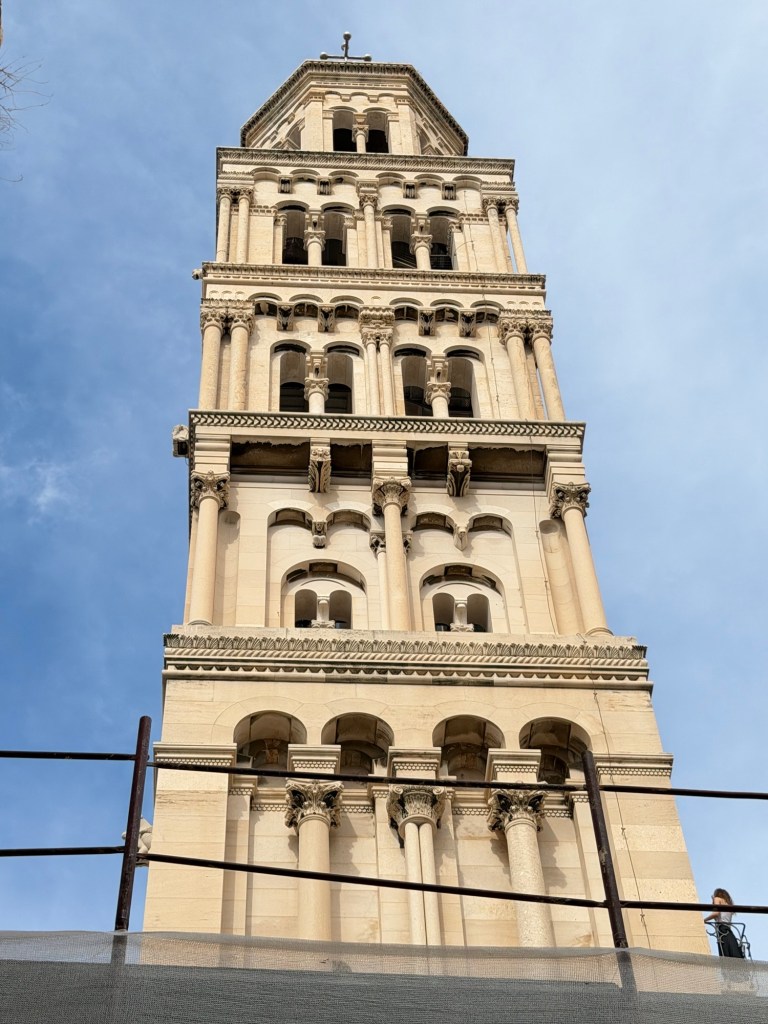
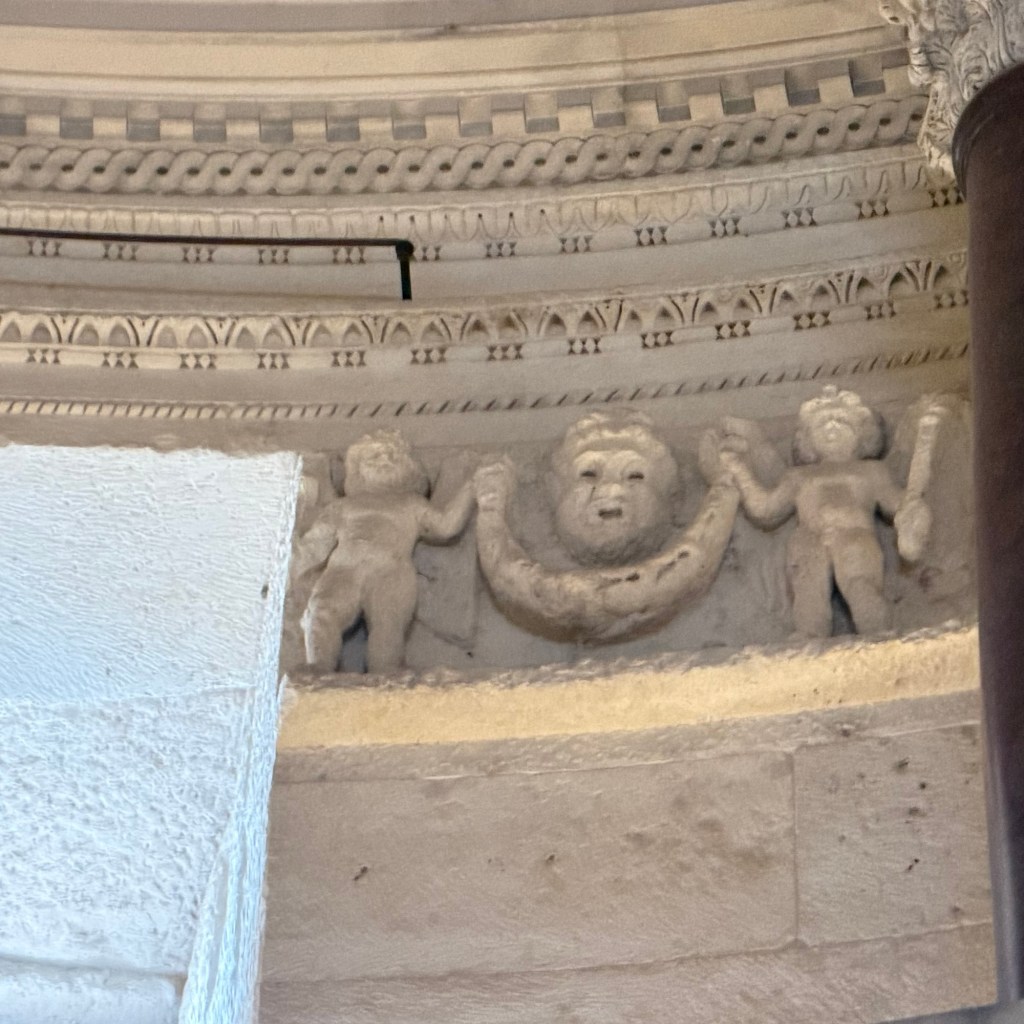
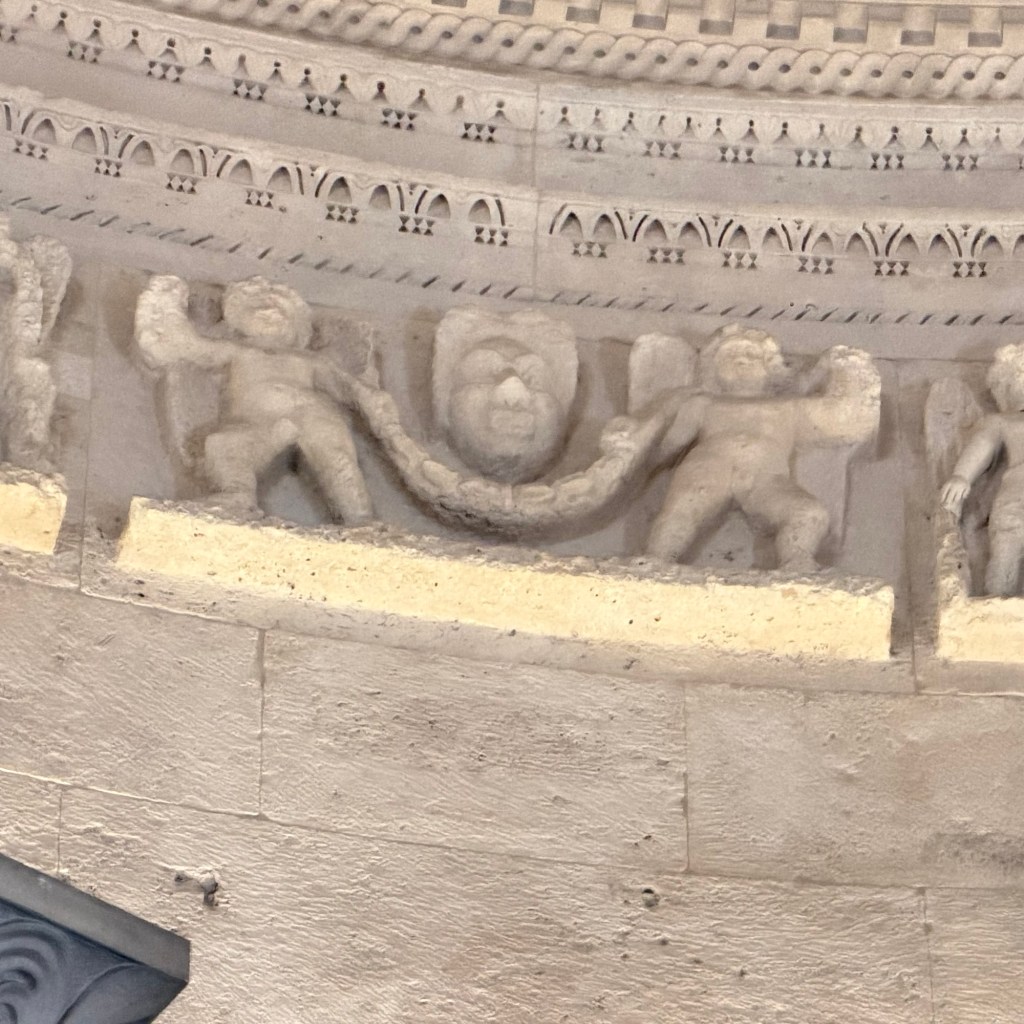
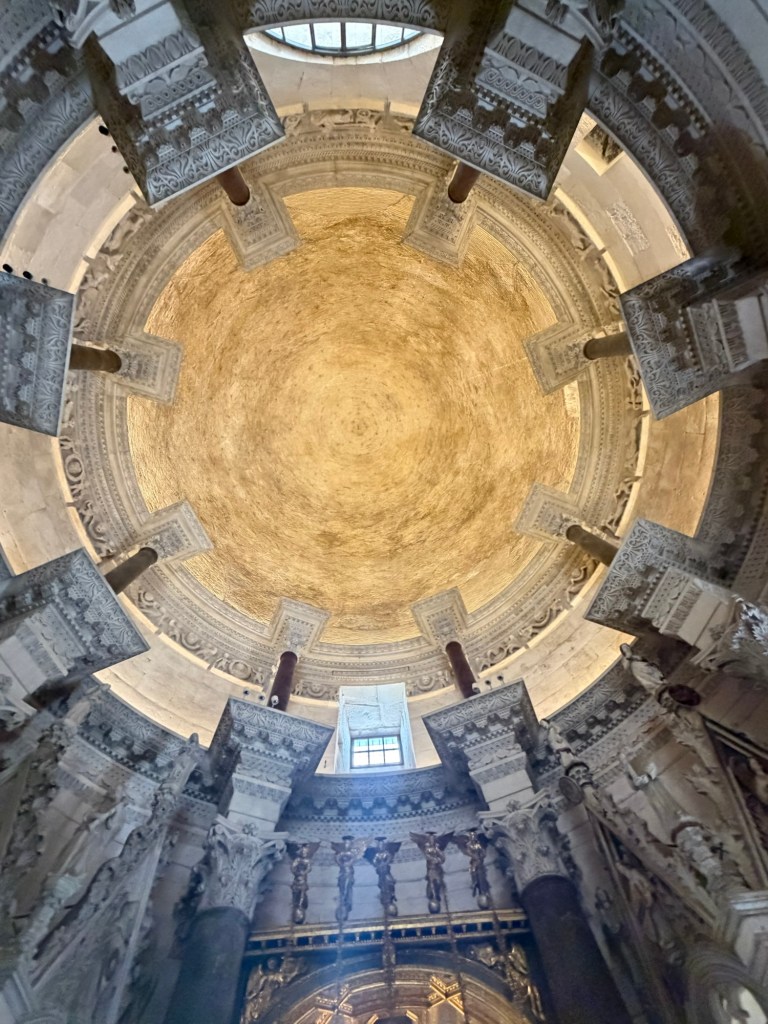
The emperor’s sarcophagus disappeared, his burial chamber was emptied, and the remains of Christian saints were placed where his own body had once rested.
Even Diocletian’s cherished Temple of Jupiter met a similarly ironic fate. The pagan sanctuary was converted into a Christian baptistery dedicated to Saint John the Baptist. Within the palace of Rome’s great persecutor, a temple to a Roman god became a place where new Christians were welcomed into the very faith Diocletian had tried to destroy.
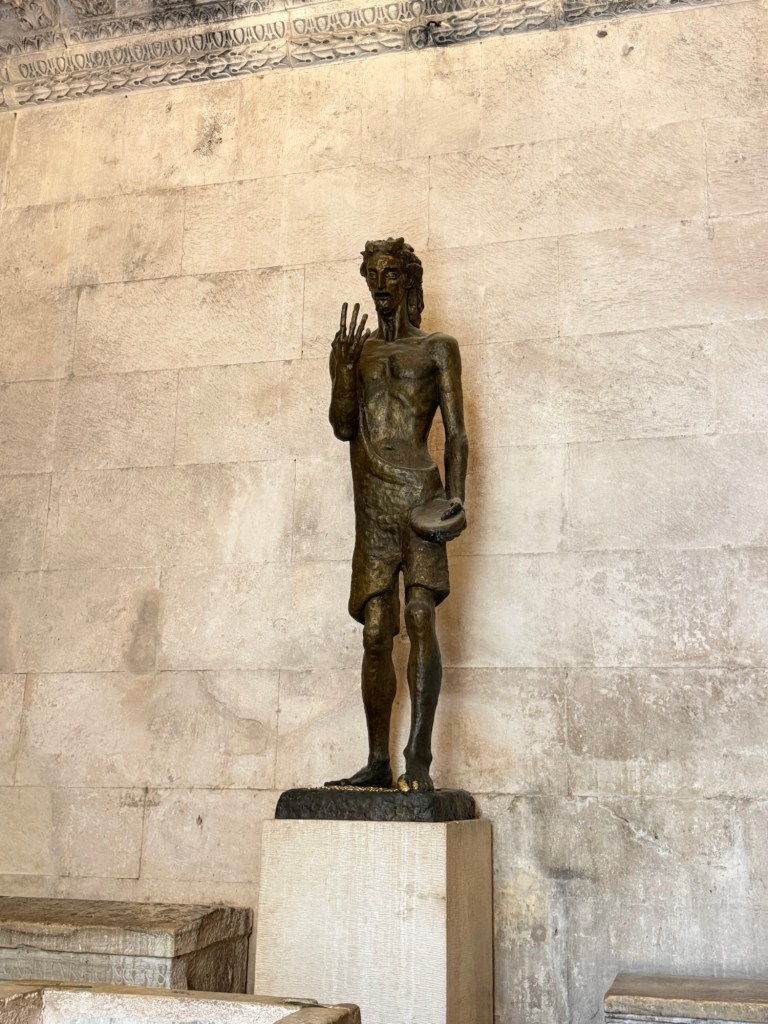
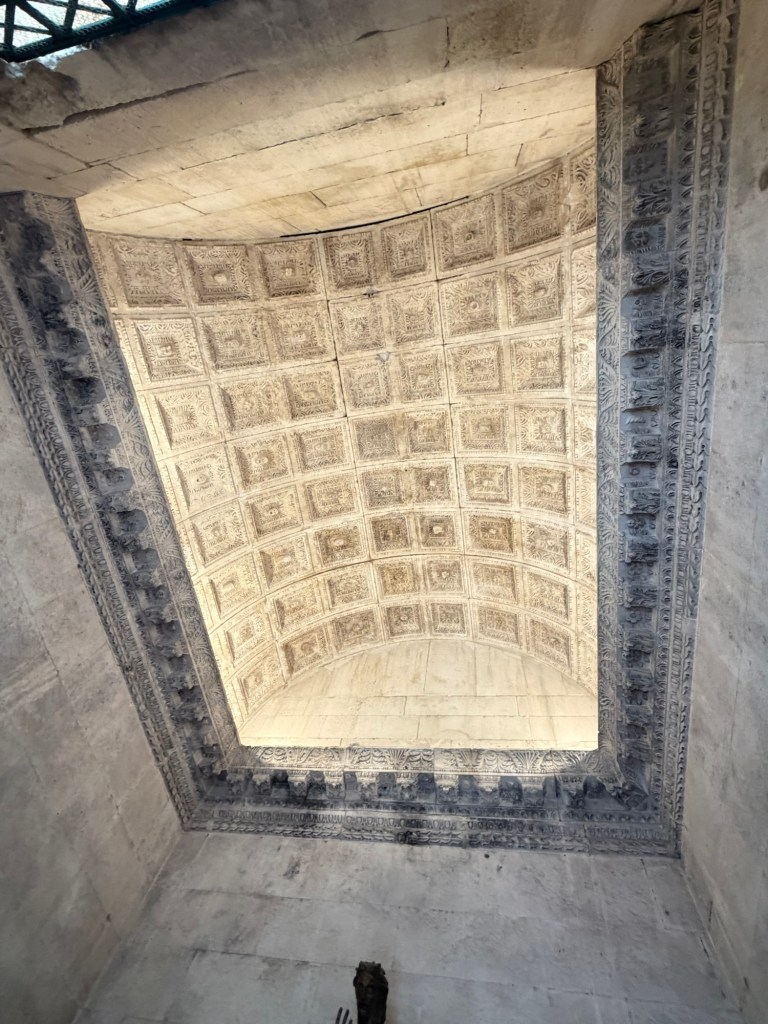
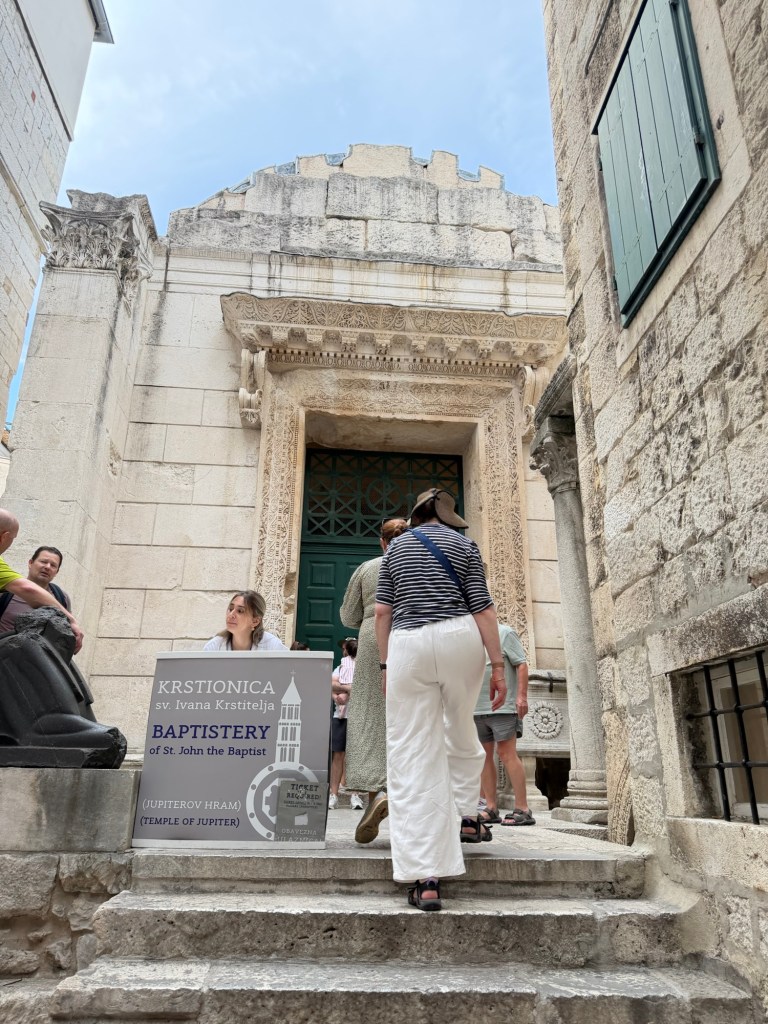
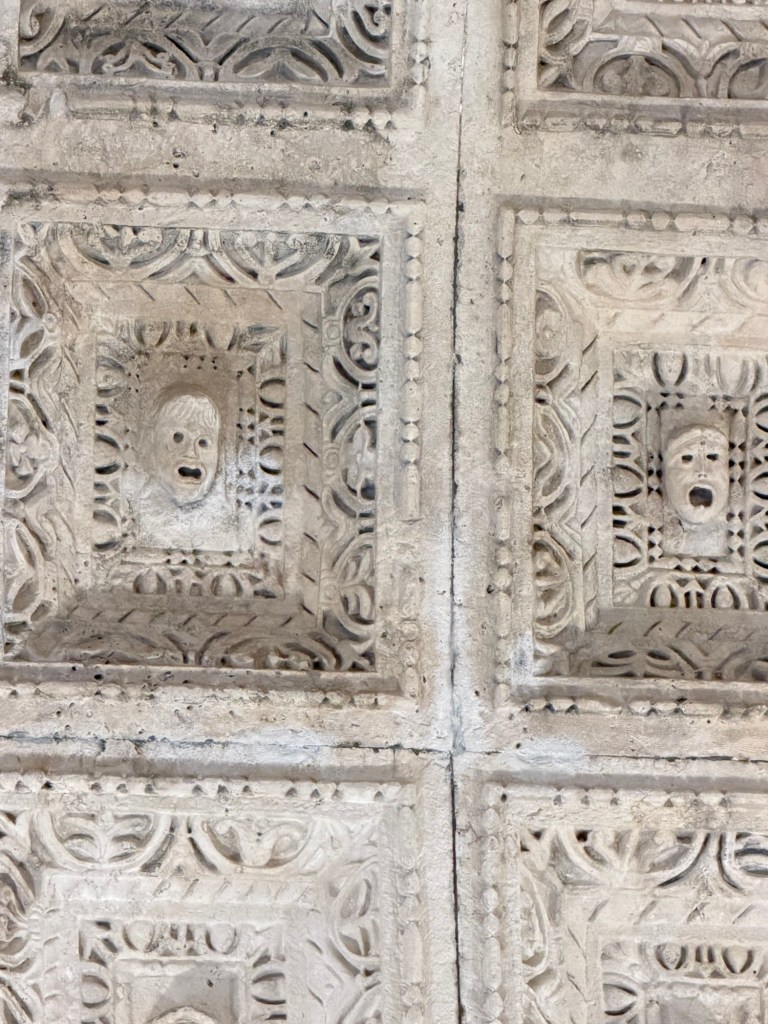
The man who tried to eradicate Christianity now lies forgotten, while Christian worship continues inside the tomb he built for himself.
According to an old Roman tradition, a victorious general rode into Rome in his triumphal chariot, crowned with laurel as the crowds roared around him. Behind him, amid all the spectacle, an attendant held a golden crown and whispered a reminder of his mortality: even the greatest triumph would pass. All glory is fleeting.
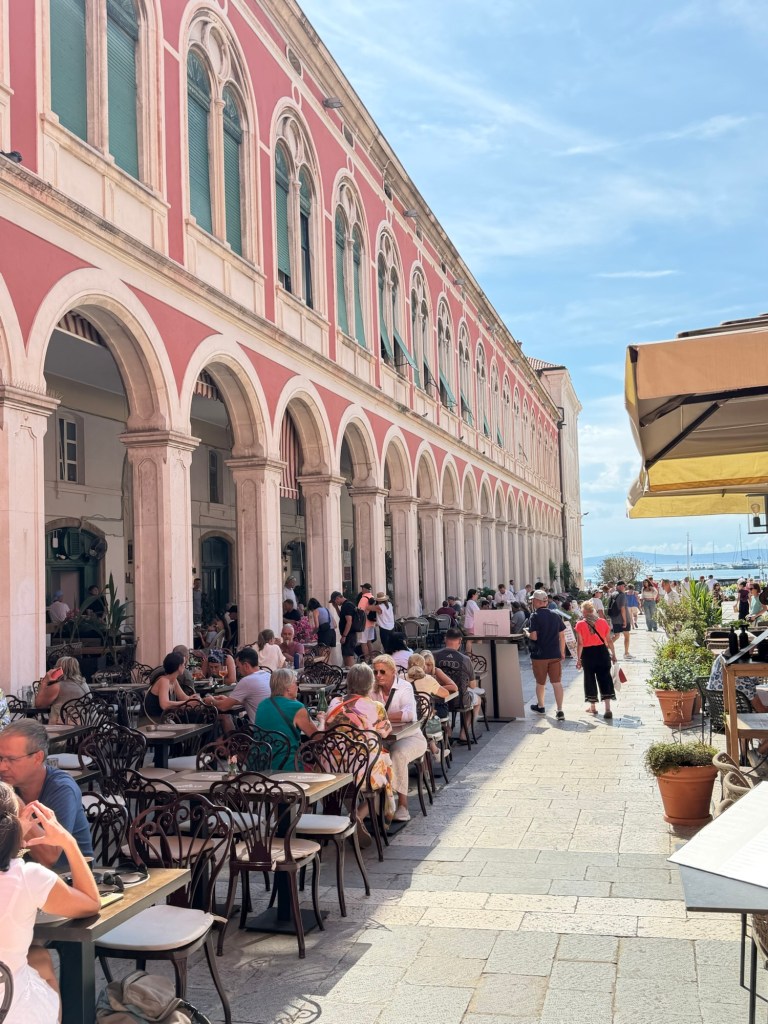
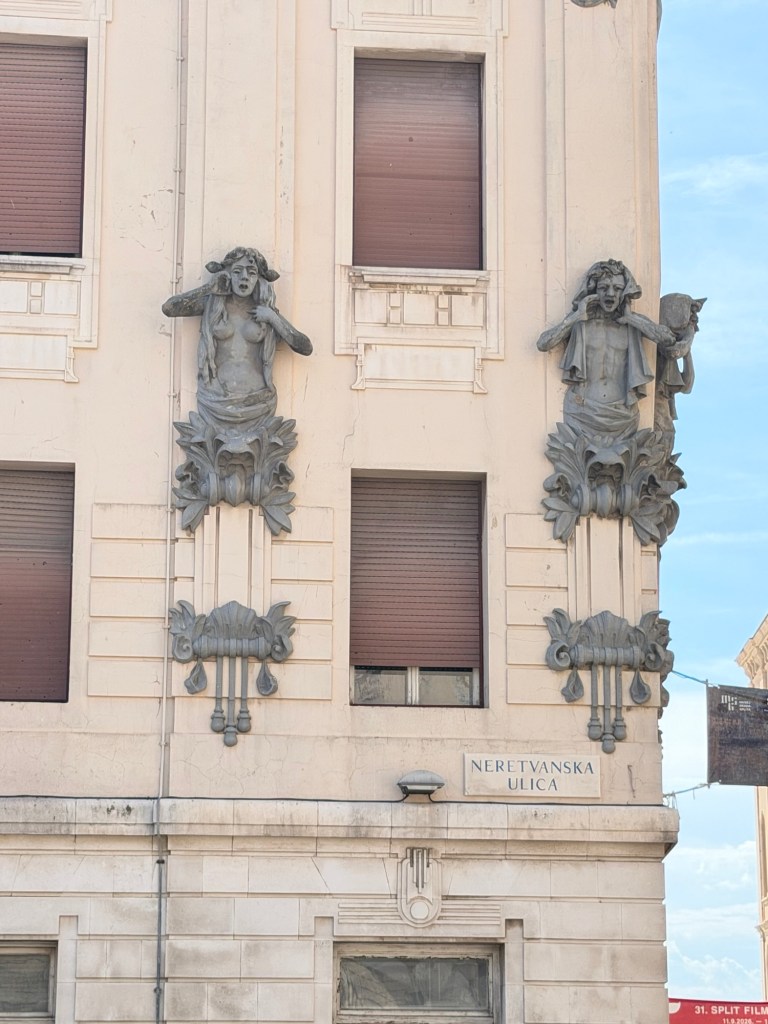
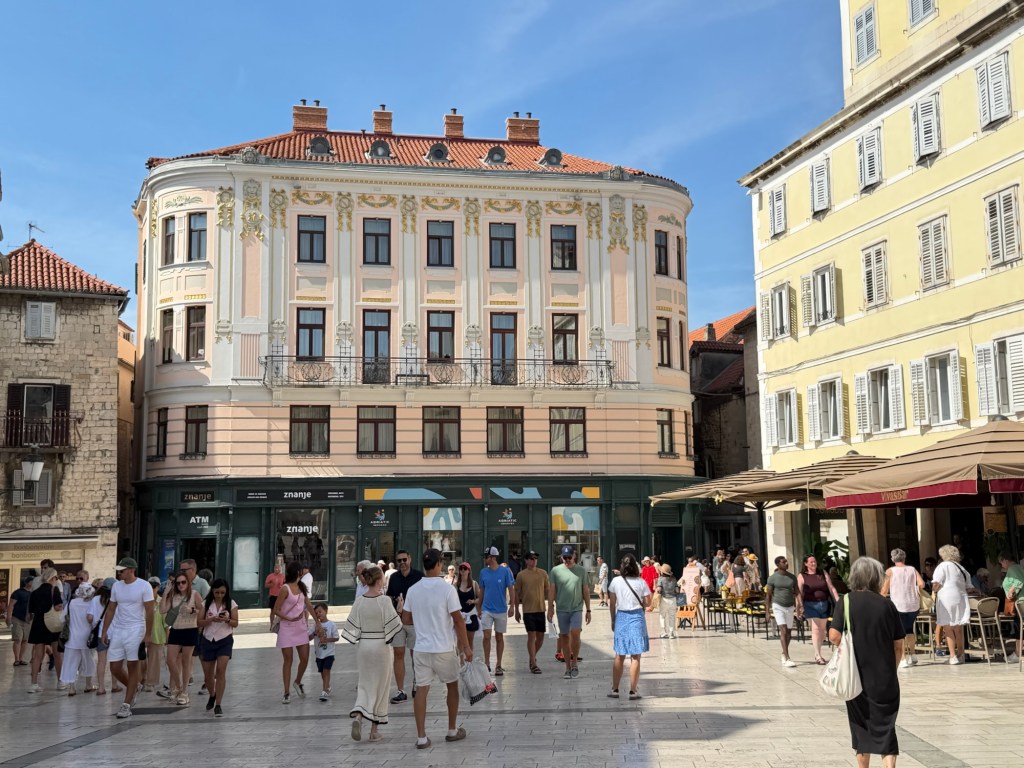
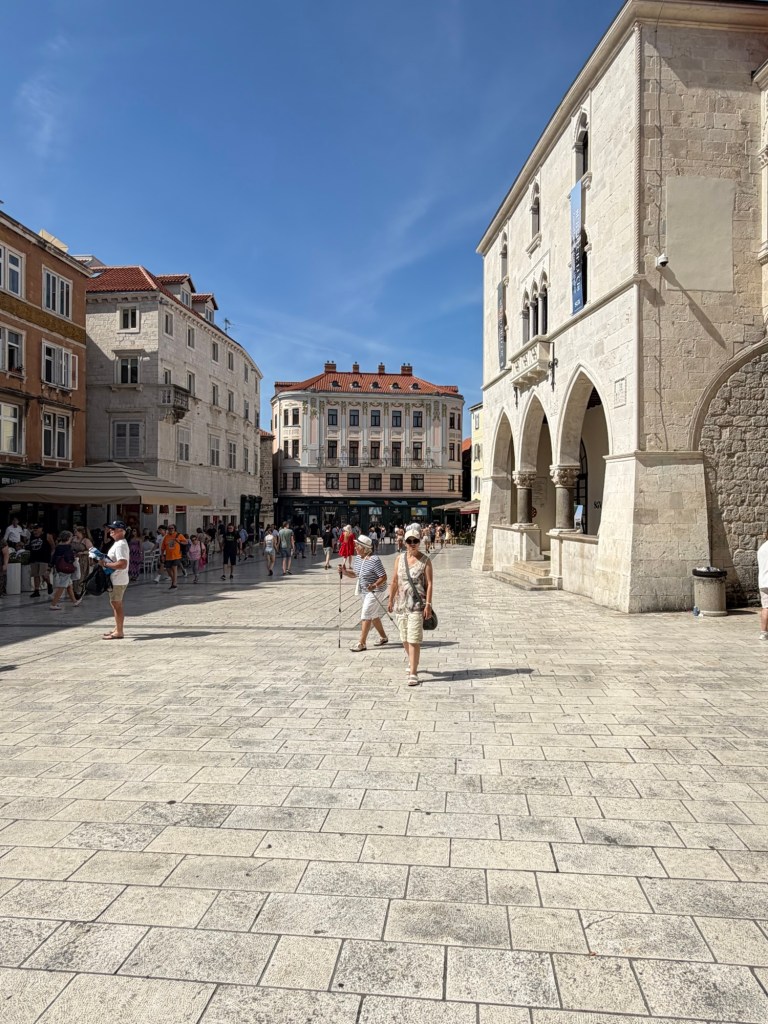
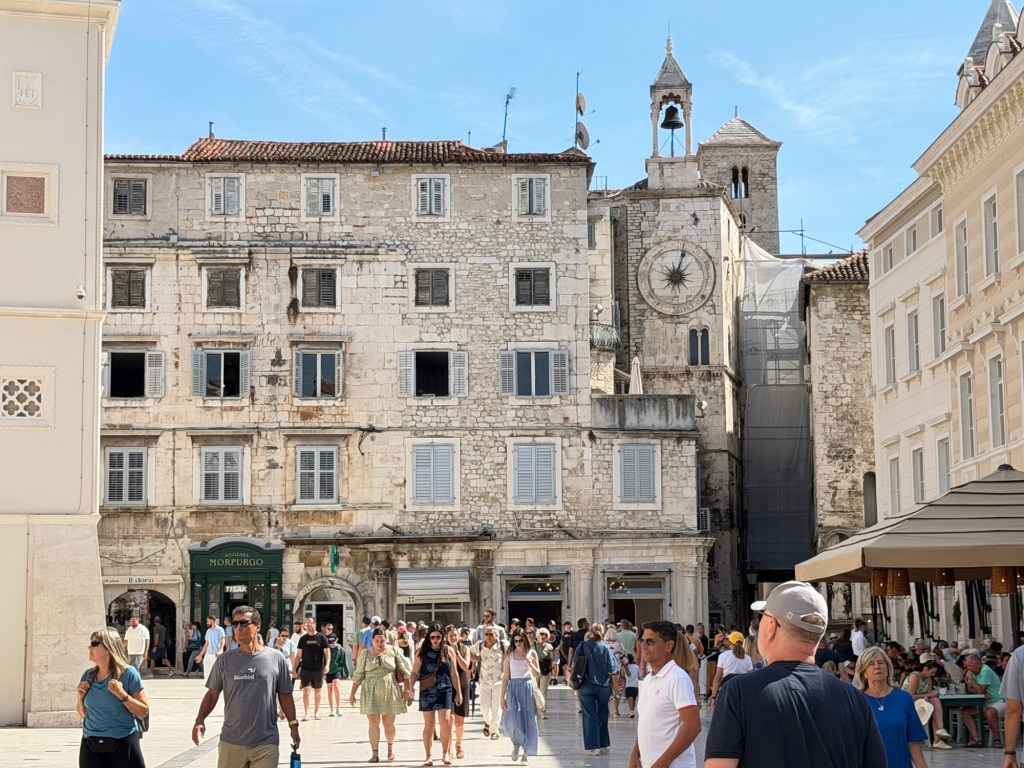
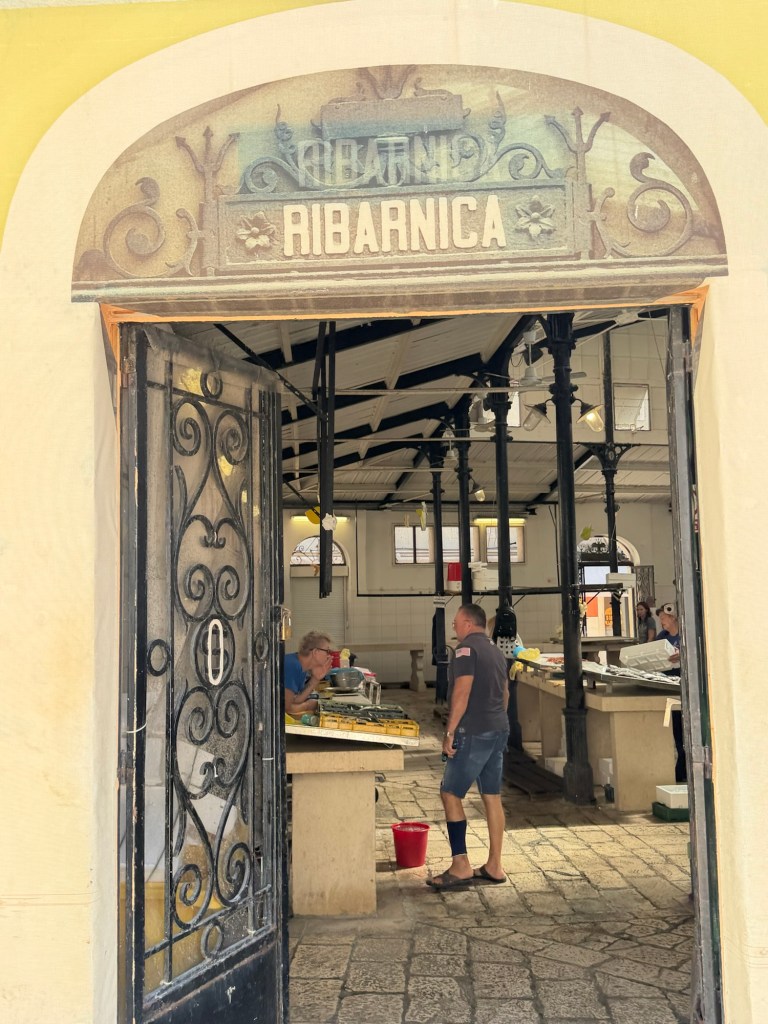
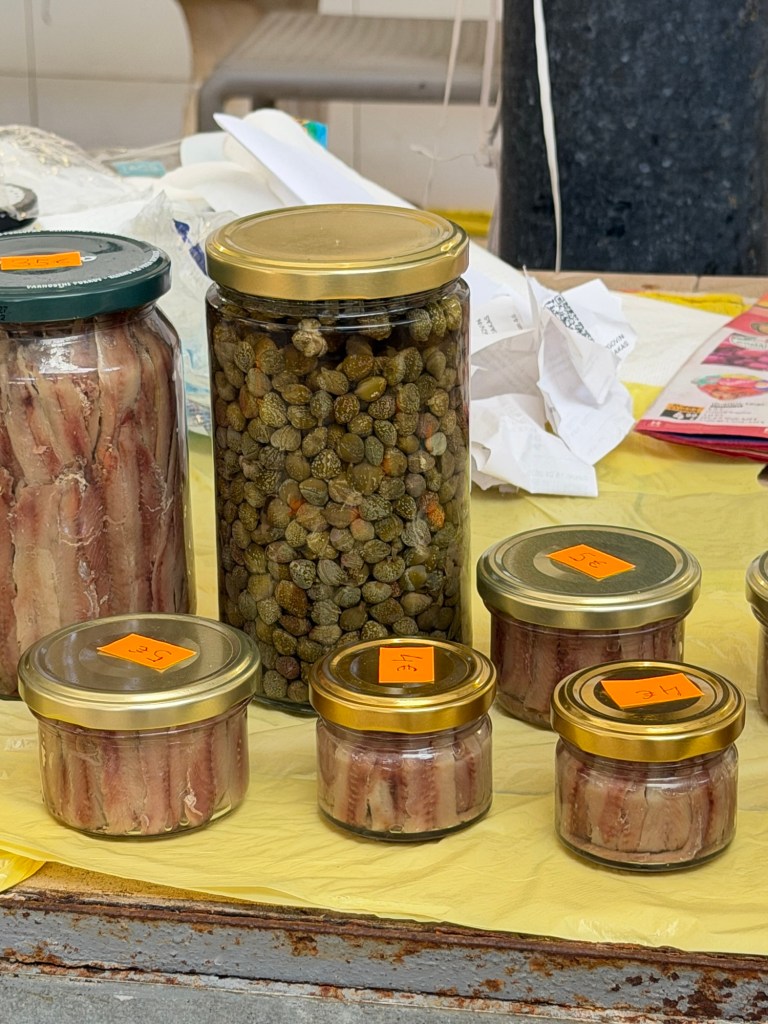
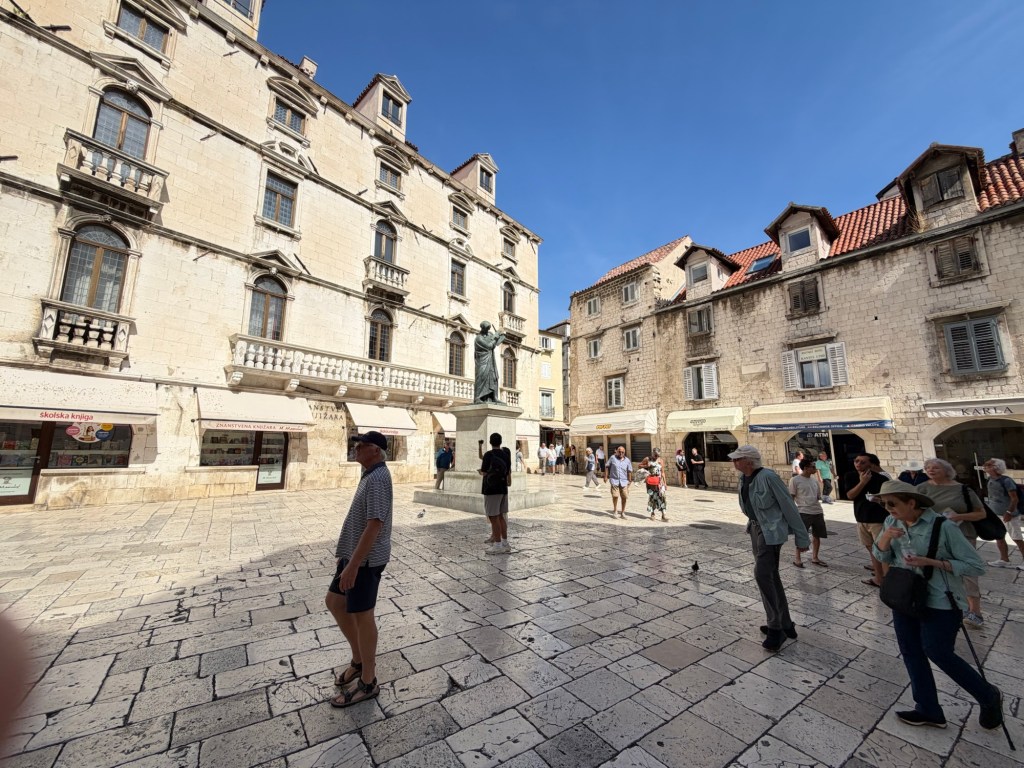
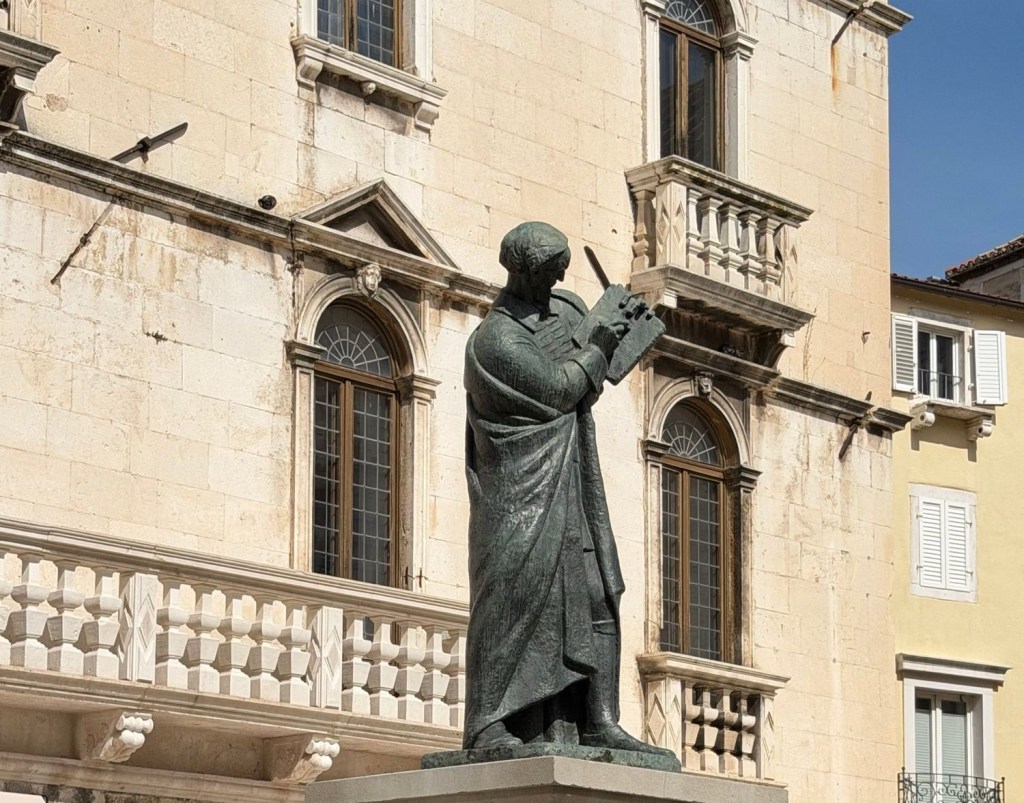
Of course, Split is much more than Diocletian’s Palace. It is a living, working city, and its streets were vibrant with tourists and locals going about their daily lives.
One of Split’s strangest little sights is the Pirja Fountain on Marmontova Street. High on the wall, a bronze hand makes the local figa gesture, sending a thin stream of water down into a funnel-shaped basin below. It is so unexpected that we stopped to look twice—and then, of course, to take a picture. The fountain, created by Croatian sculptor Kažimir Hraste, has become one of the city’s more mischievous landmarks.



We finished the day with dinner at Dvor, a Michelin Guide restaurant hidden within a tree-shaded courtyard above Firule Beach.
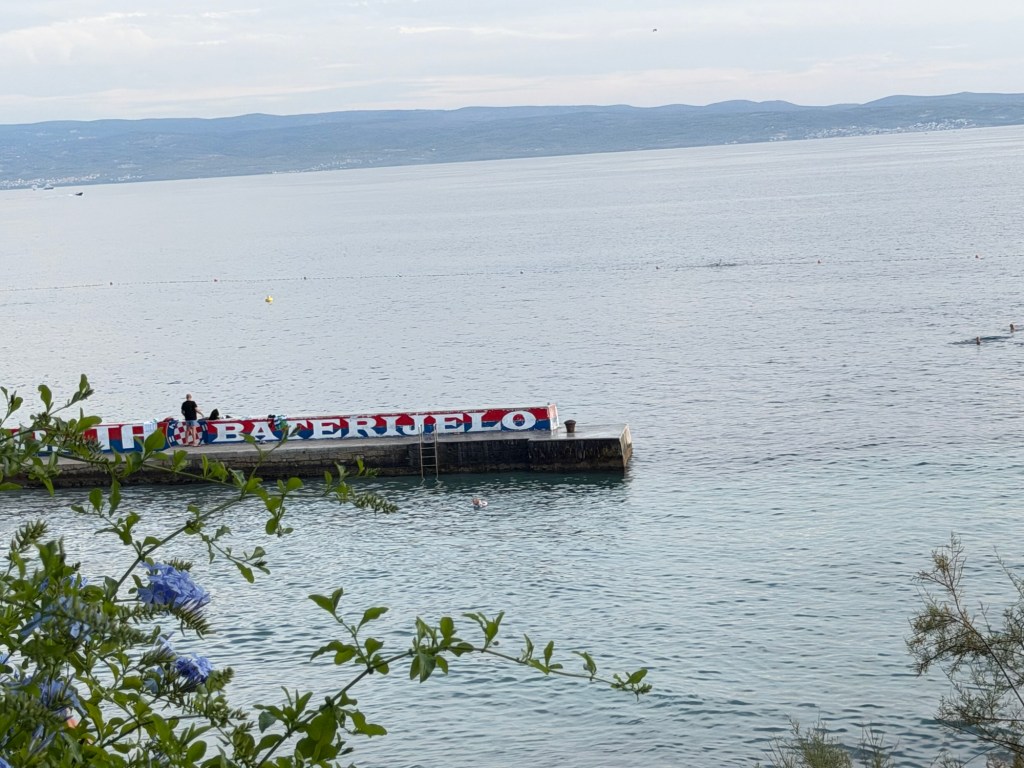
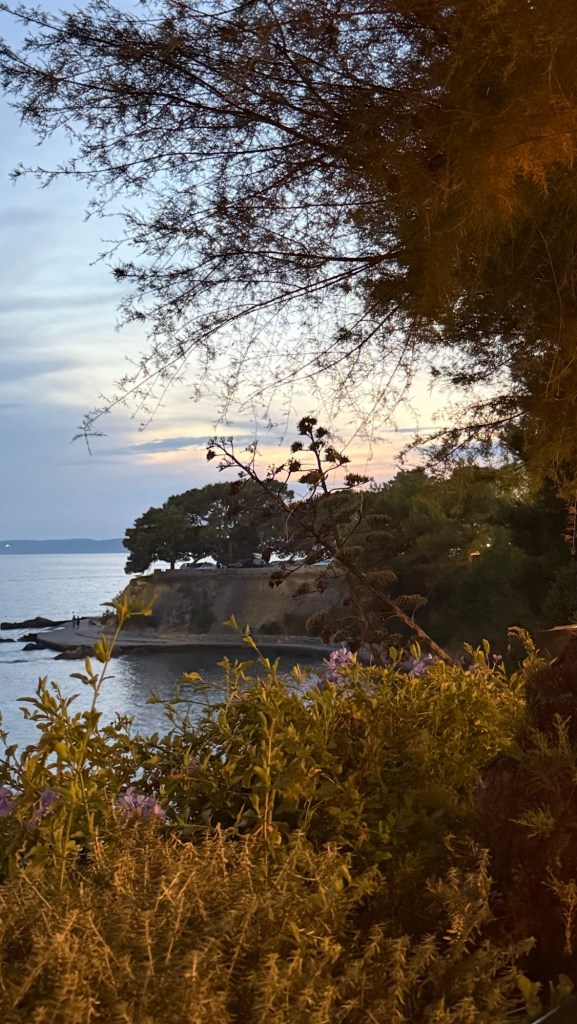
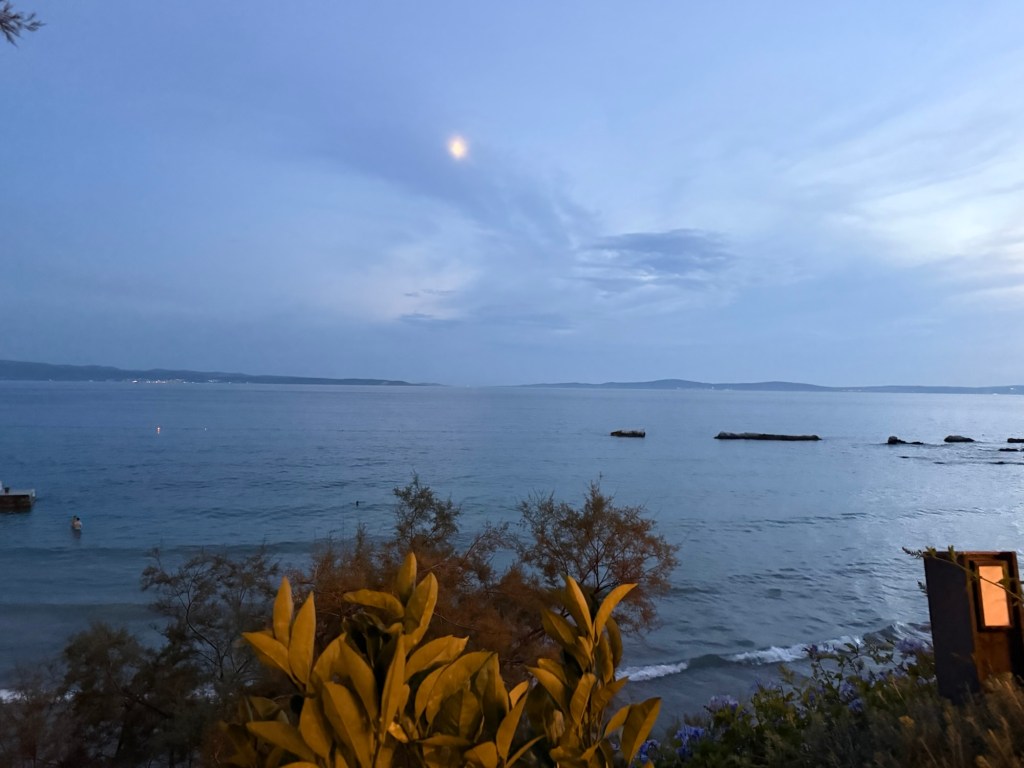

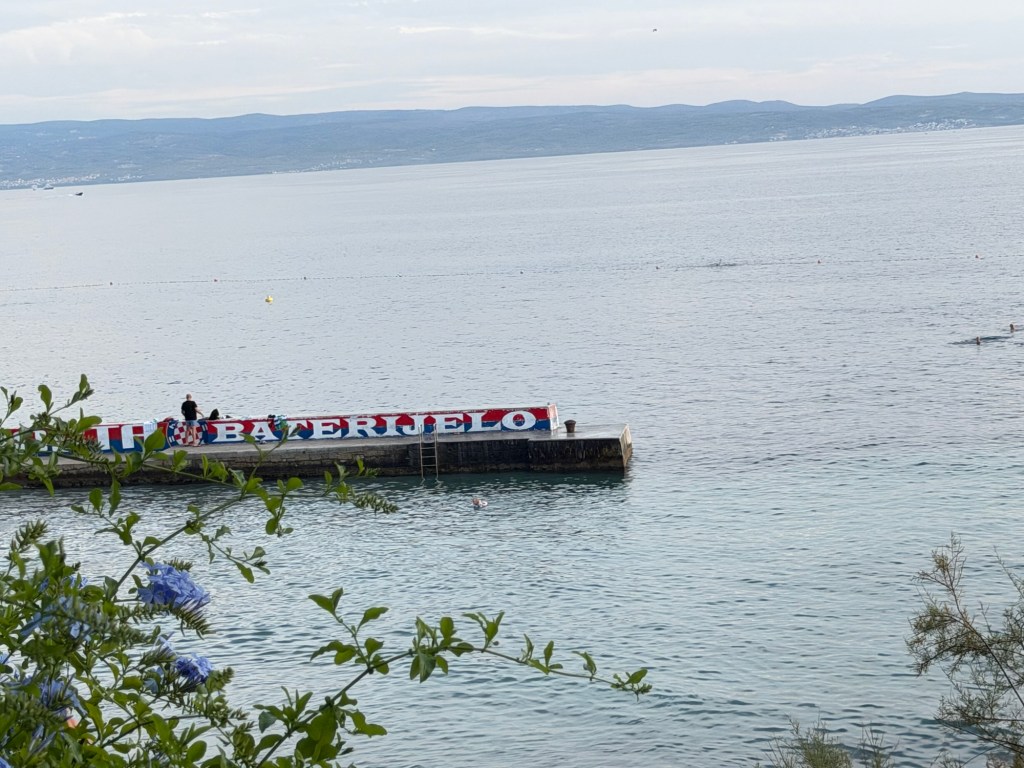
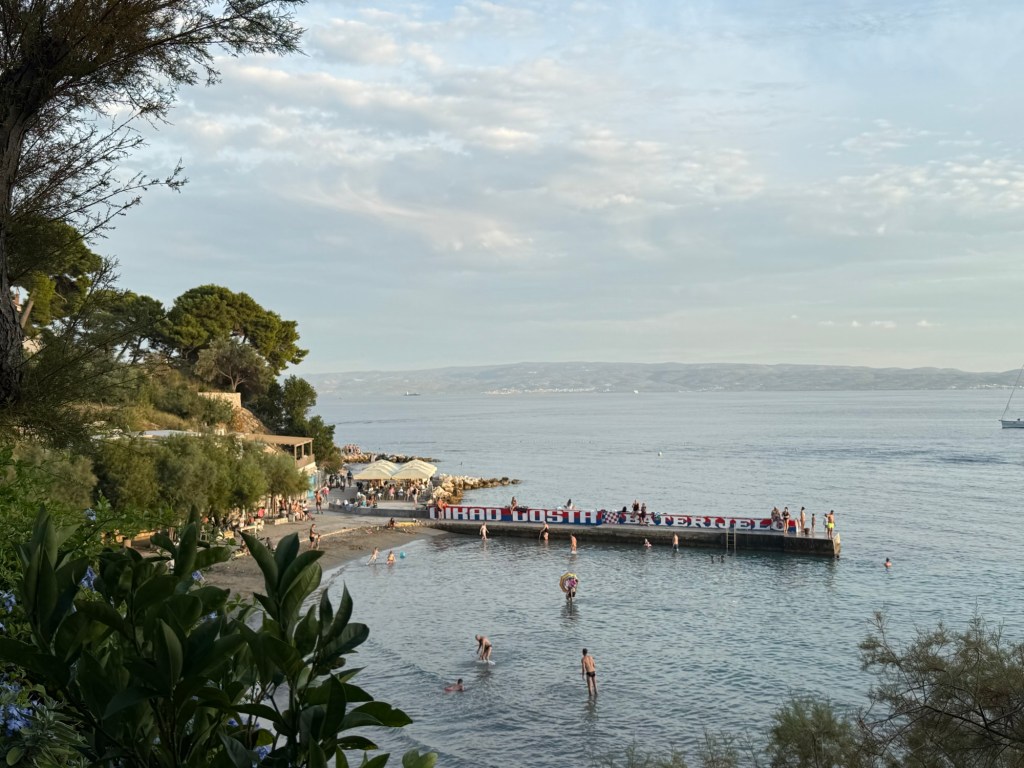
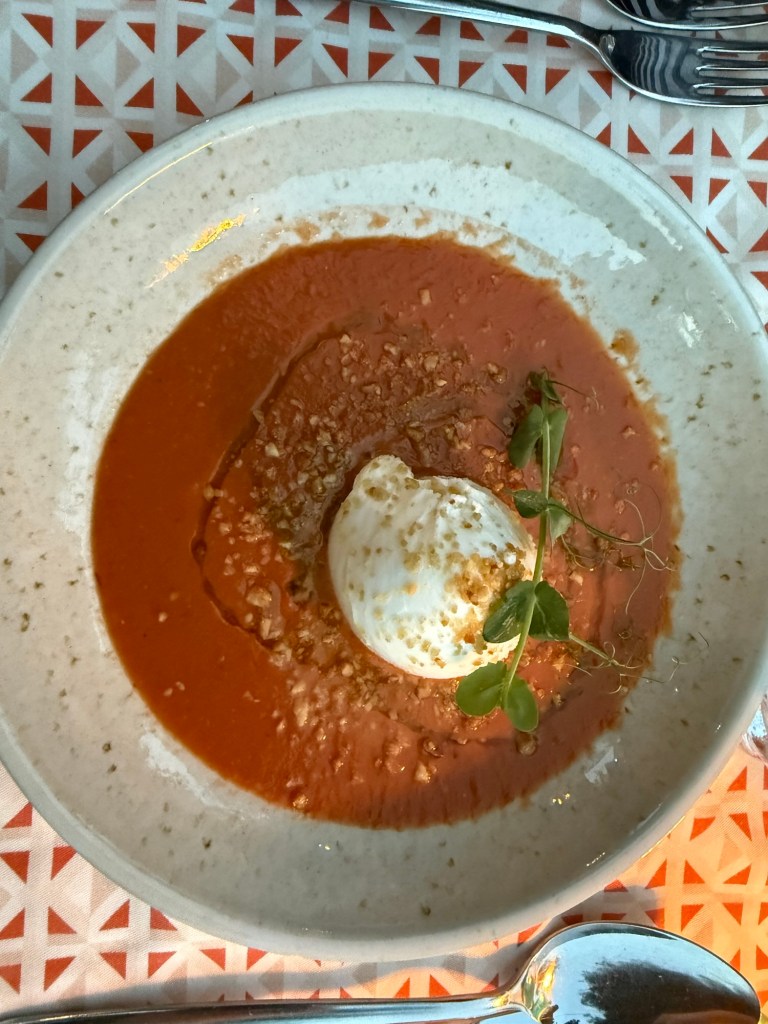
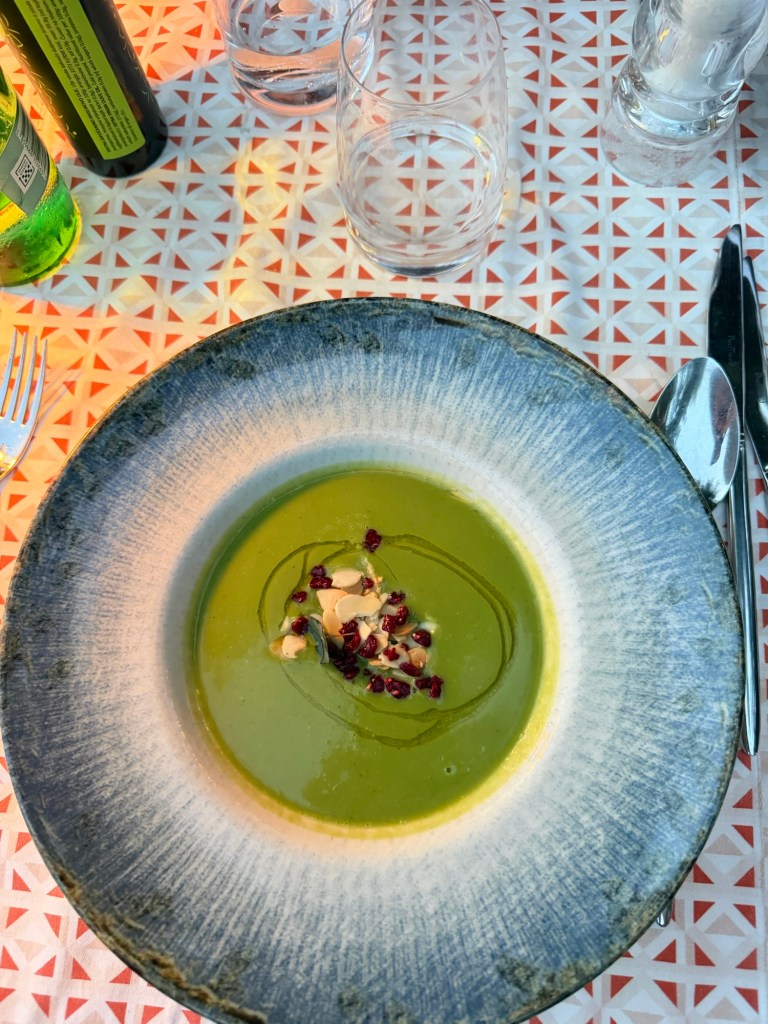
We began while the last daylight lingered over the Adriatic, with a velvety pea soup garnished with pomegranate seeds and sliced almonds, followed by burrata resting in a vivid tomato gazpacho.
Our waiter then insisted that we try John Dory, locally called kovač and also known as St. Peter’s fish, which I had never tasted before. Served whole from the wood-fired grill, it was not the Adriatic’s most handsome resident, but beneath its formidable face and spiny exterior was delicate, moist flesh with a mild, slightly sweet flavor.

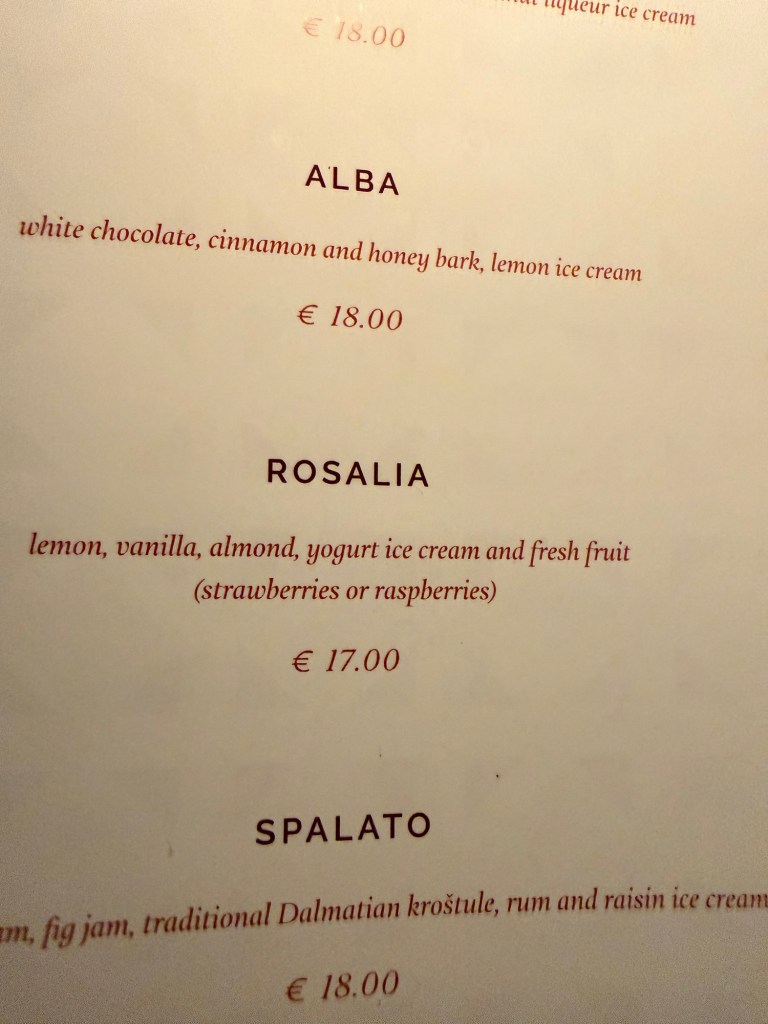
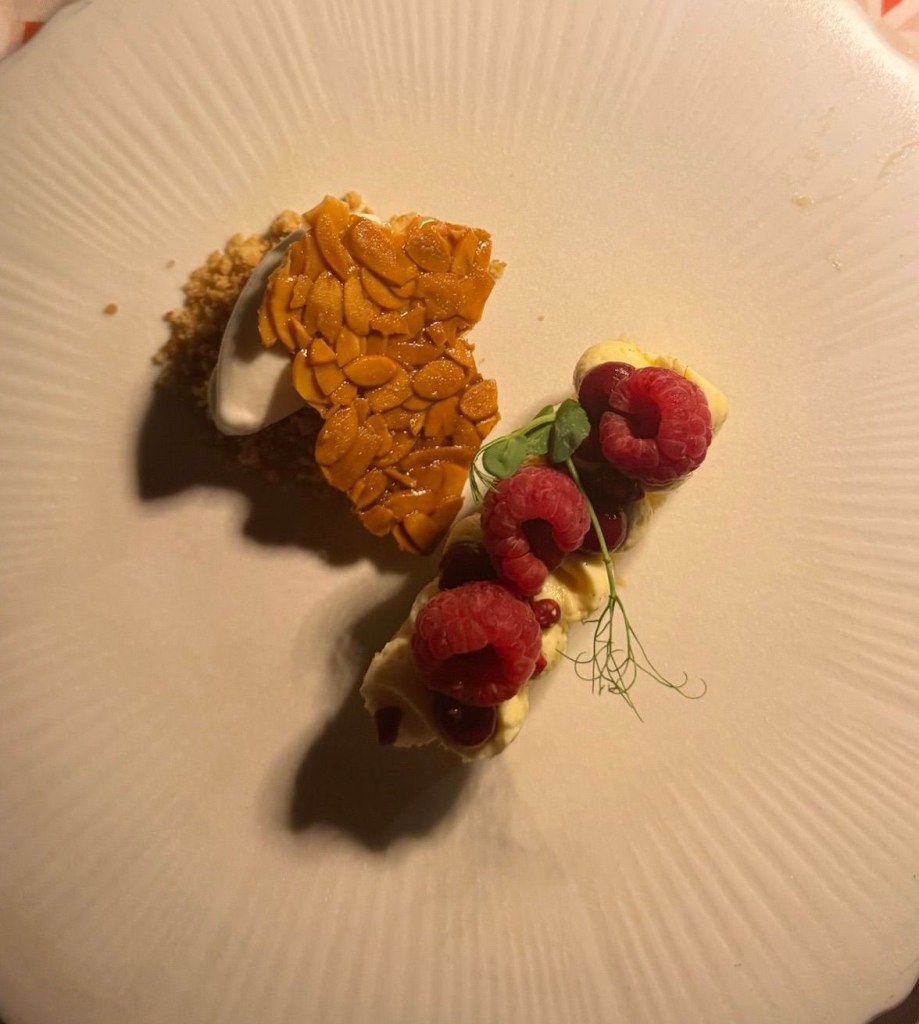
The waiter was right and, judging by his confidence, he had never seriously considered any other possibility. For dessert, we chose the Rosalia, a delicate arrangement of lemon, vanilla, almond, yogurt ice cream and fresh raspberries.
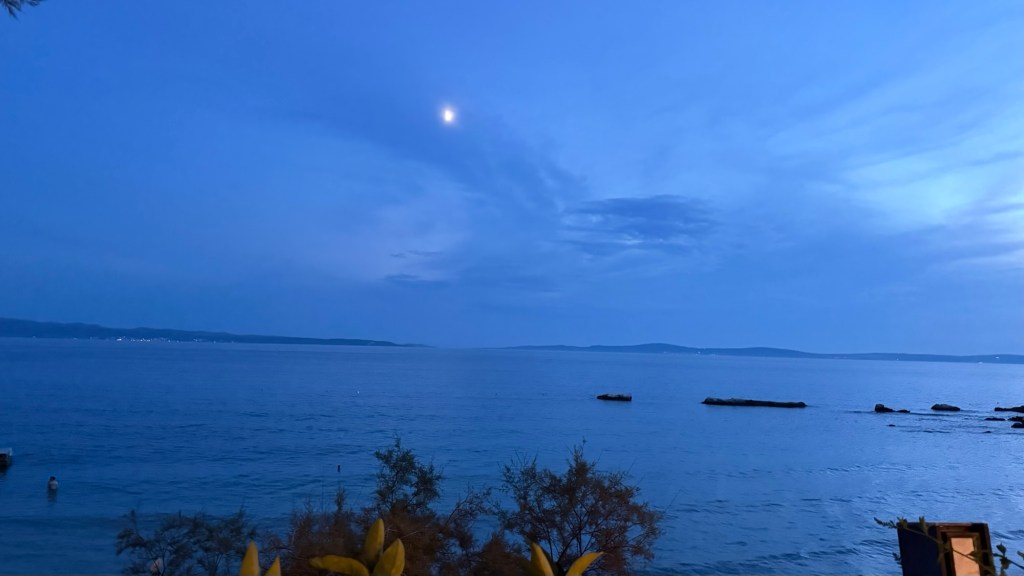
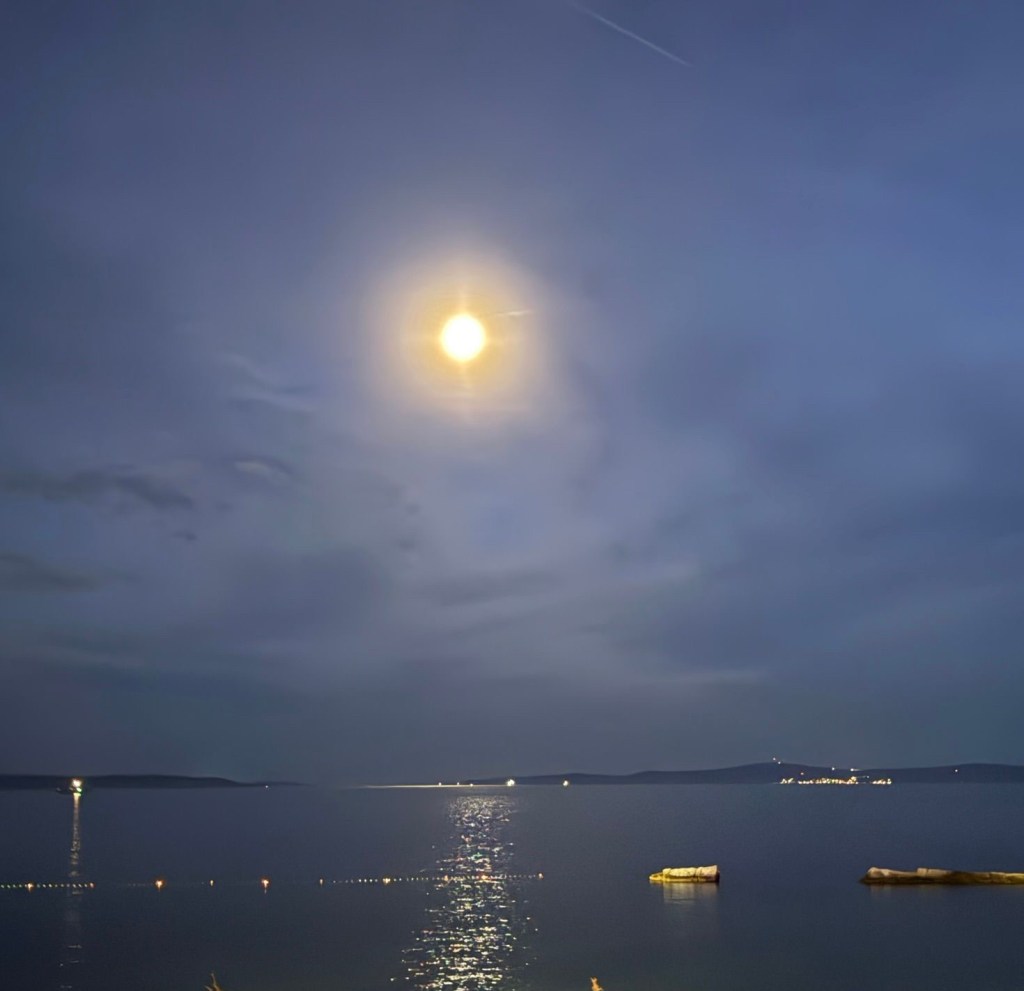
By the time we finished, the moon was casting a silver path across the water—a suitably elegant ending to our day in Split.
As I soaked it all in, I thought of the Scottish philosopher David Hume, who observed that the fact the sun has risen every day gives us no logical proof that it will rise tomorrow. That thought gives me pause and reminds me that there may be no greater reason to savor every moment of this day.