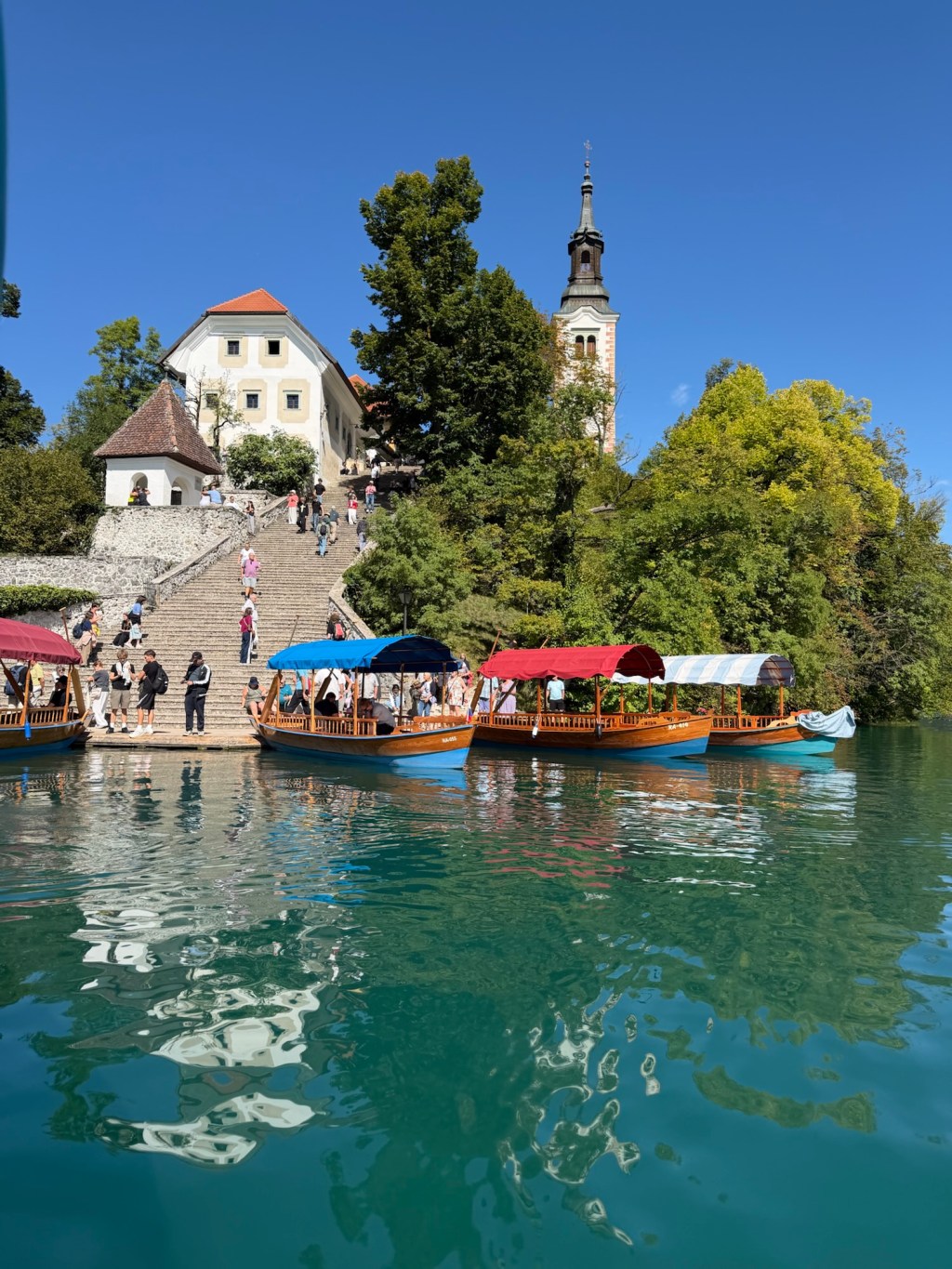
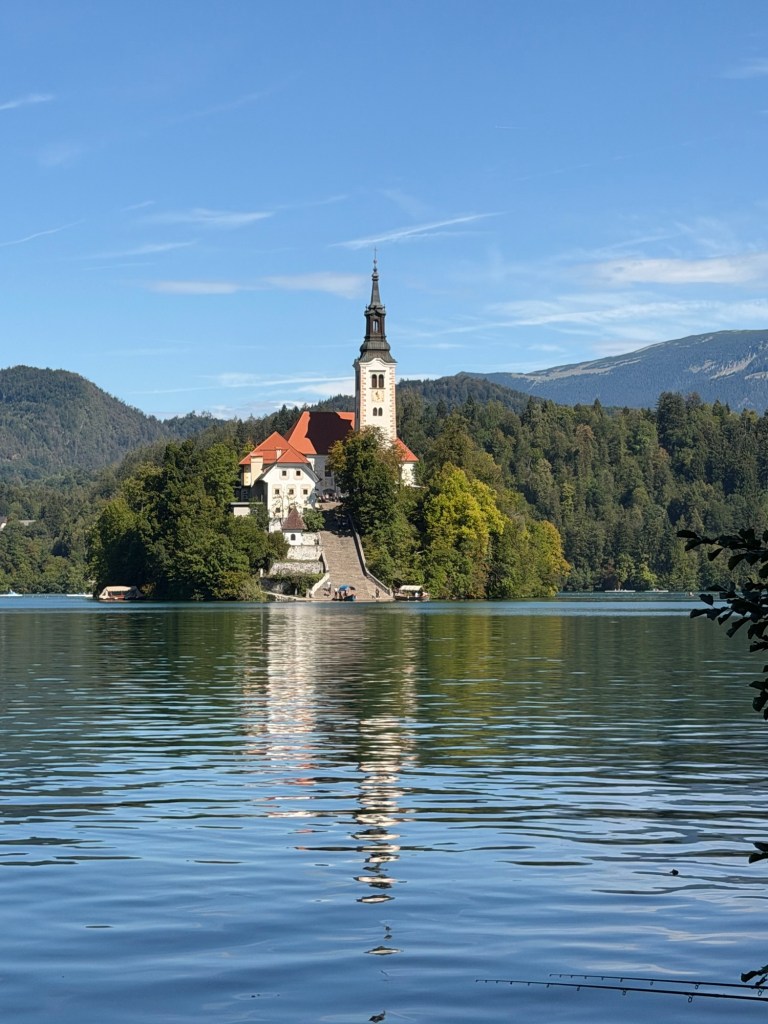
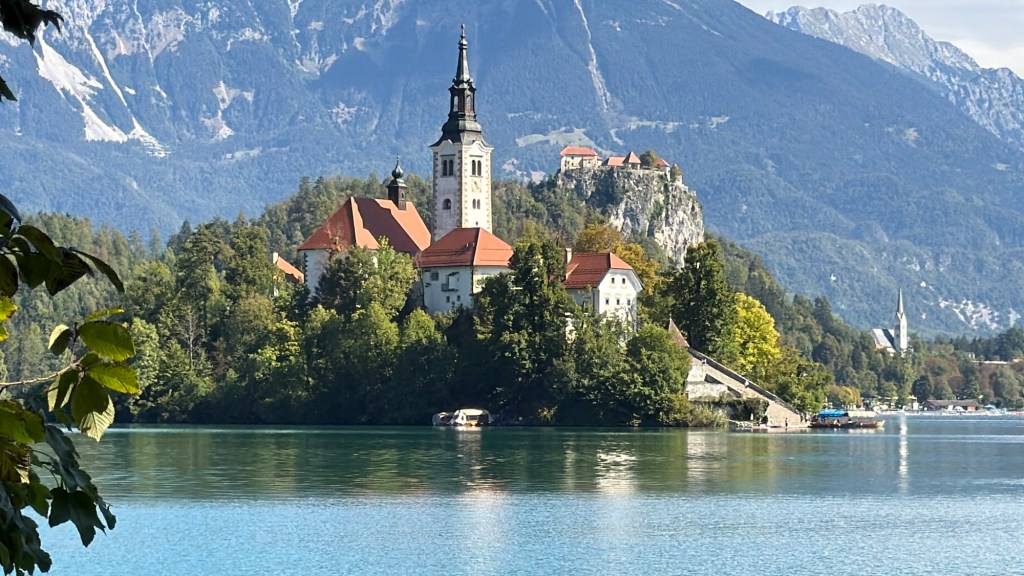
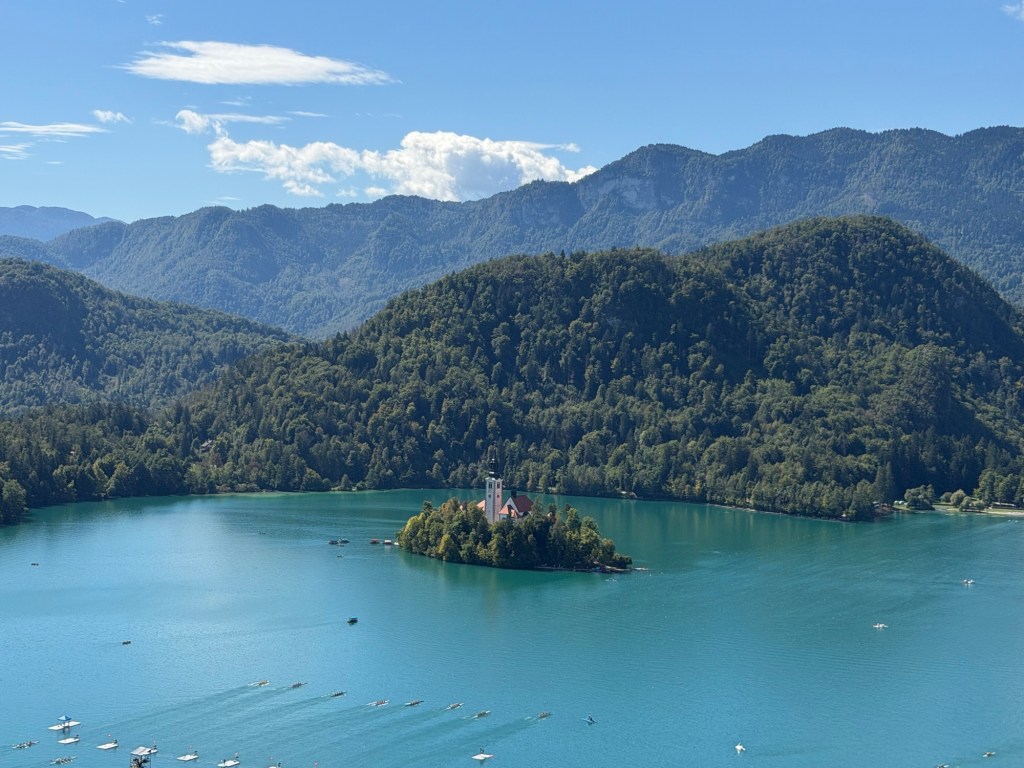
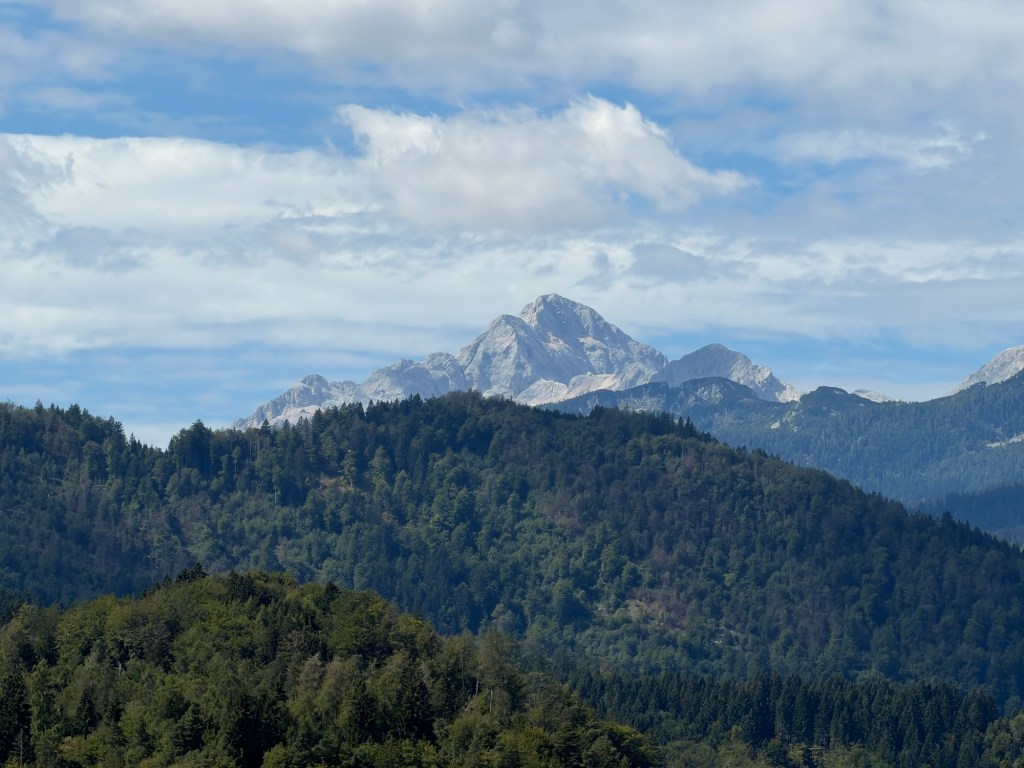
After spending a day in Ljubljana, we headed northwest with our guide Jasmina to explore the history of Lake Bled and its surroundings. As we approached, the lake appeared almost impossibly picturesque—clear, brilliantly colored water encircled by wooded hills, with the peaks of the Julian Alps rising in the distance. At its center stood tiny Bled Island, Slovenia’s only natural island, crowned by the white Church of the Assumption and its slender bell tower.
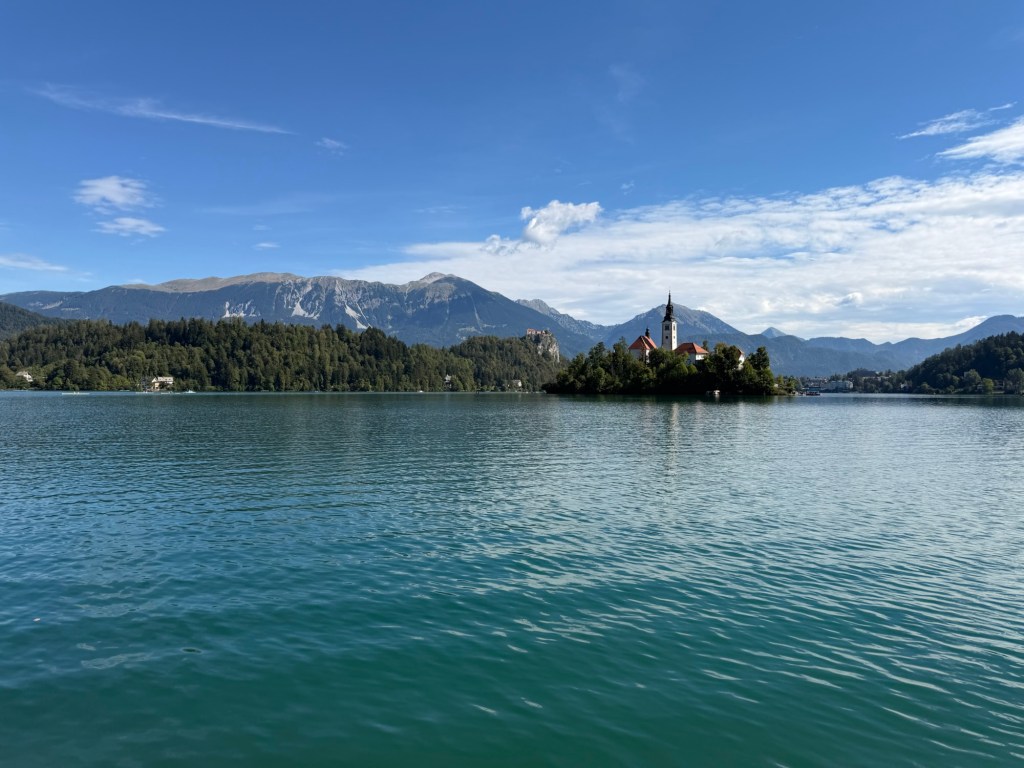
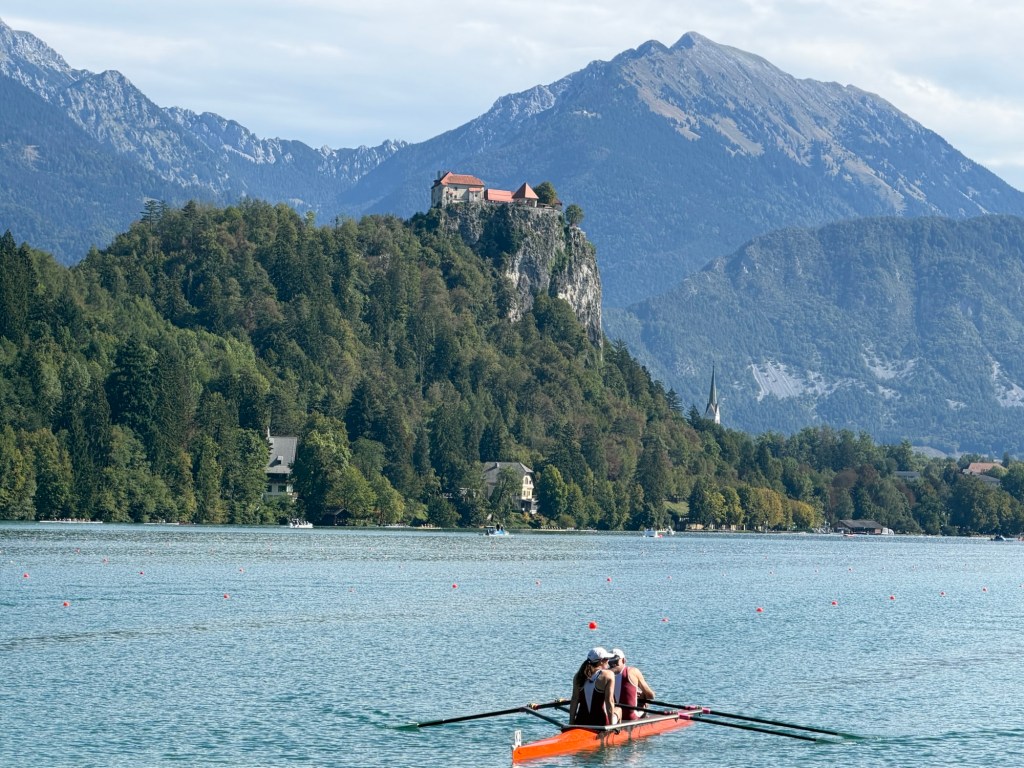
We first walked along the lakeshore to the boat landing, enjoying changing views of the island, surrounding mountains and Bled Castle perched high on its rocky cliff.
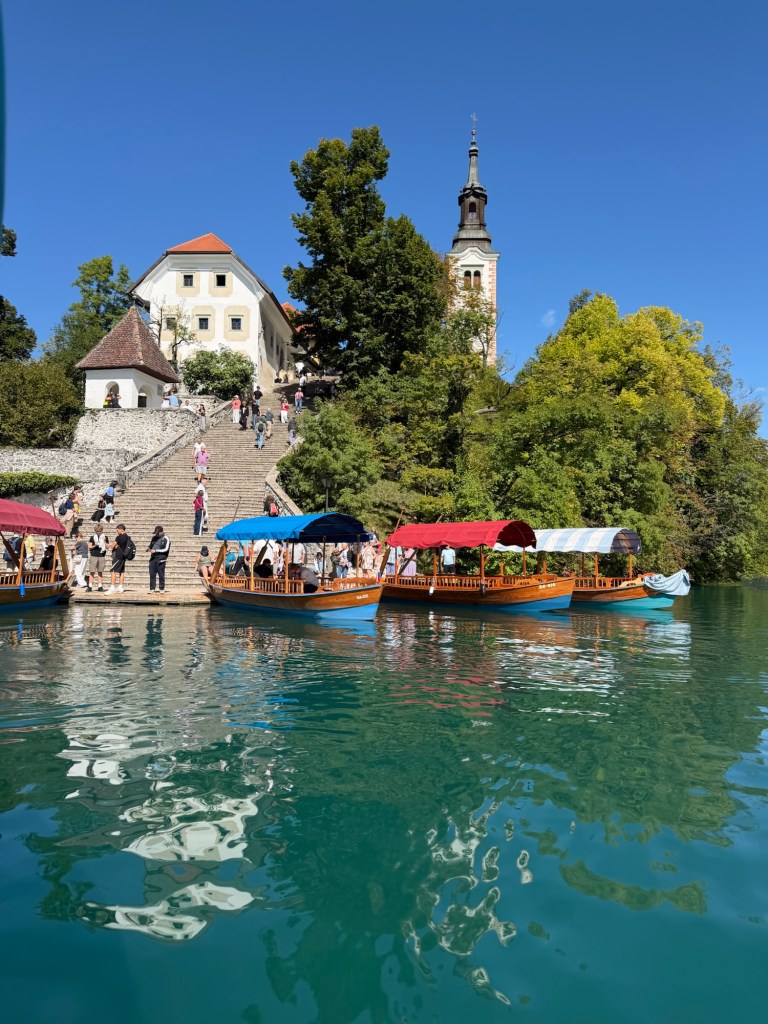
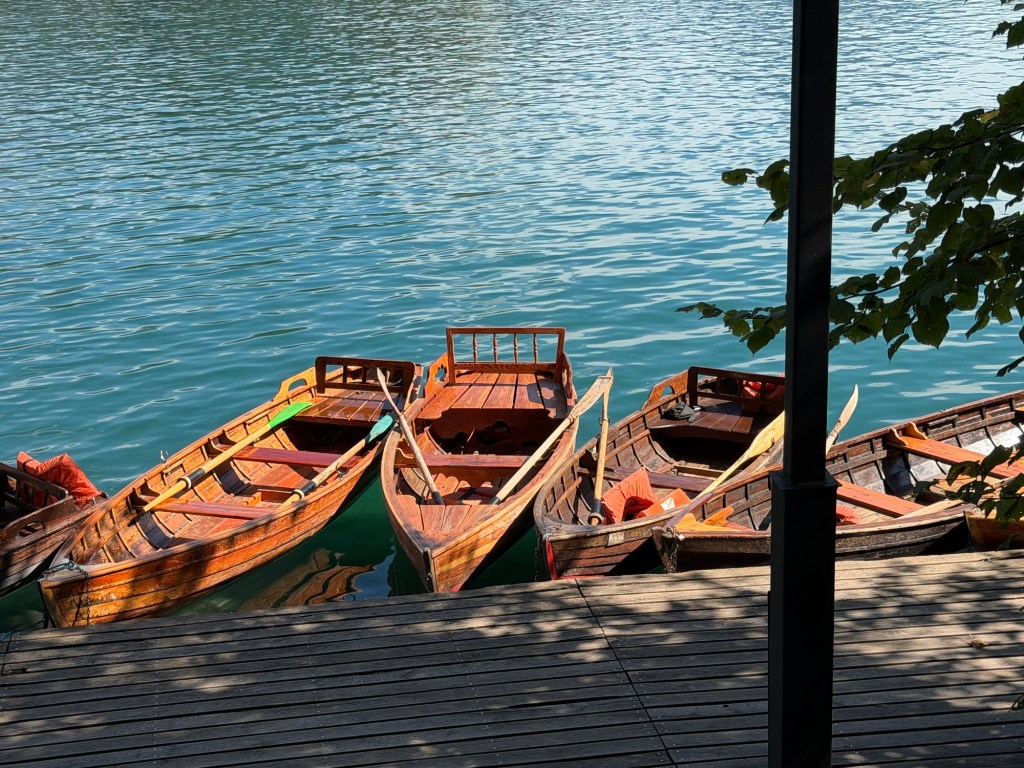
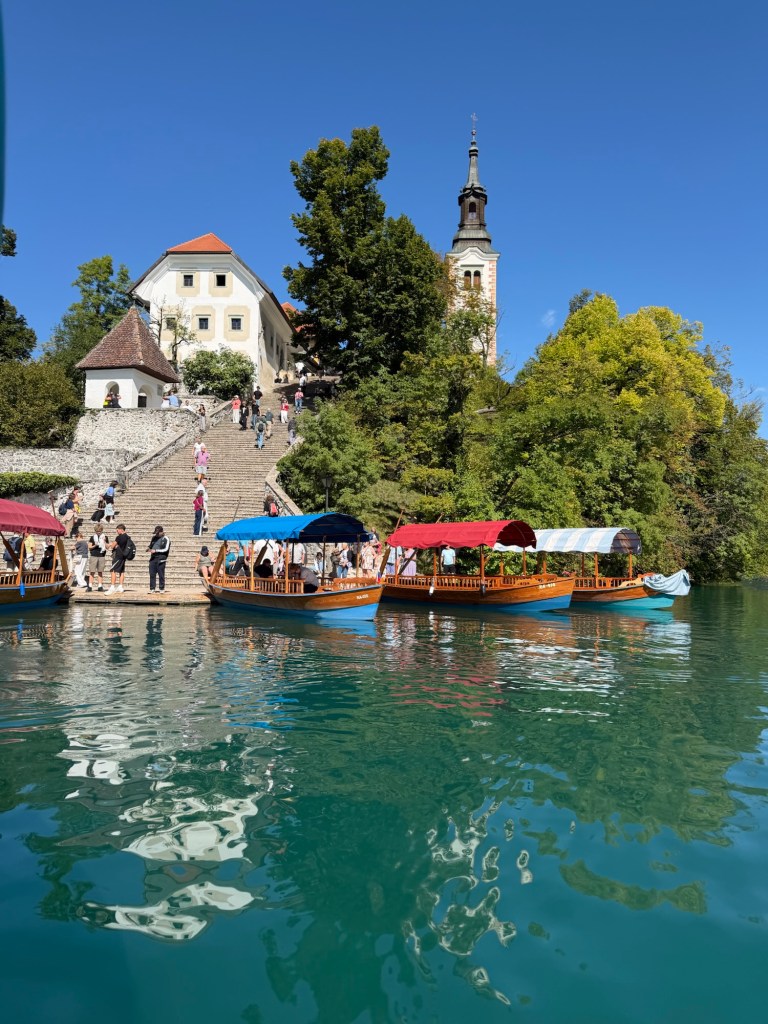
From there, we boarded a traditional pletna, a flat-bottomed wooden boat rowed from the stern by a standing oarsman. Beneath its brightly striped canopy, we glided quietly across the water toward the island.
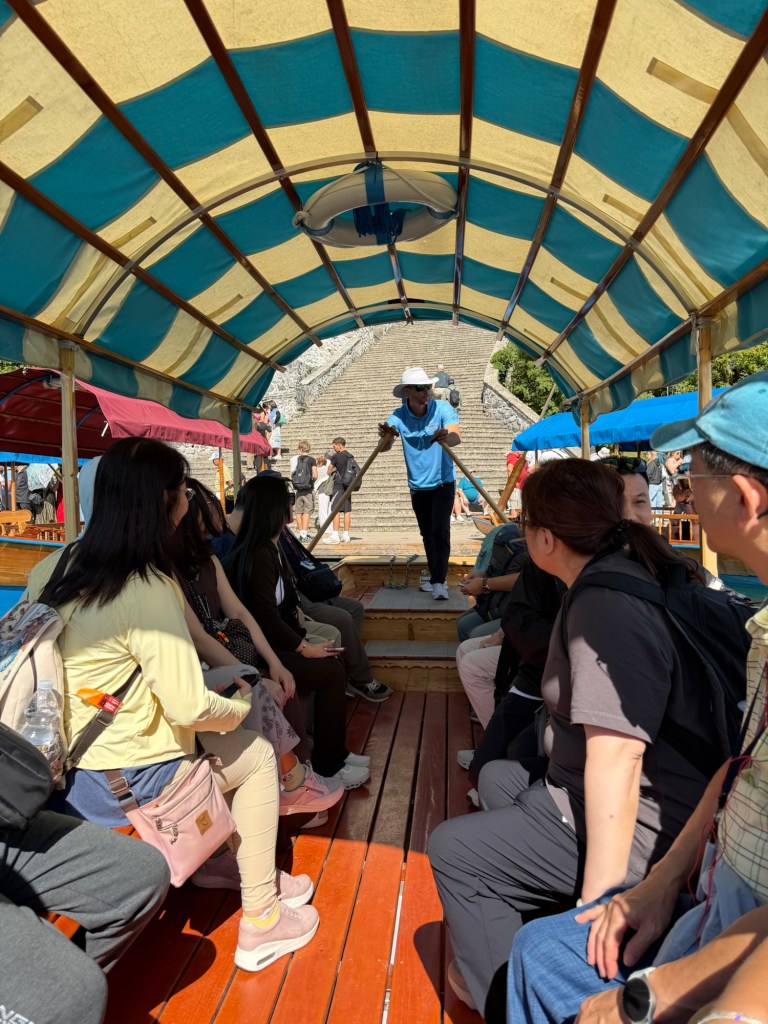
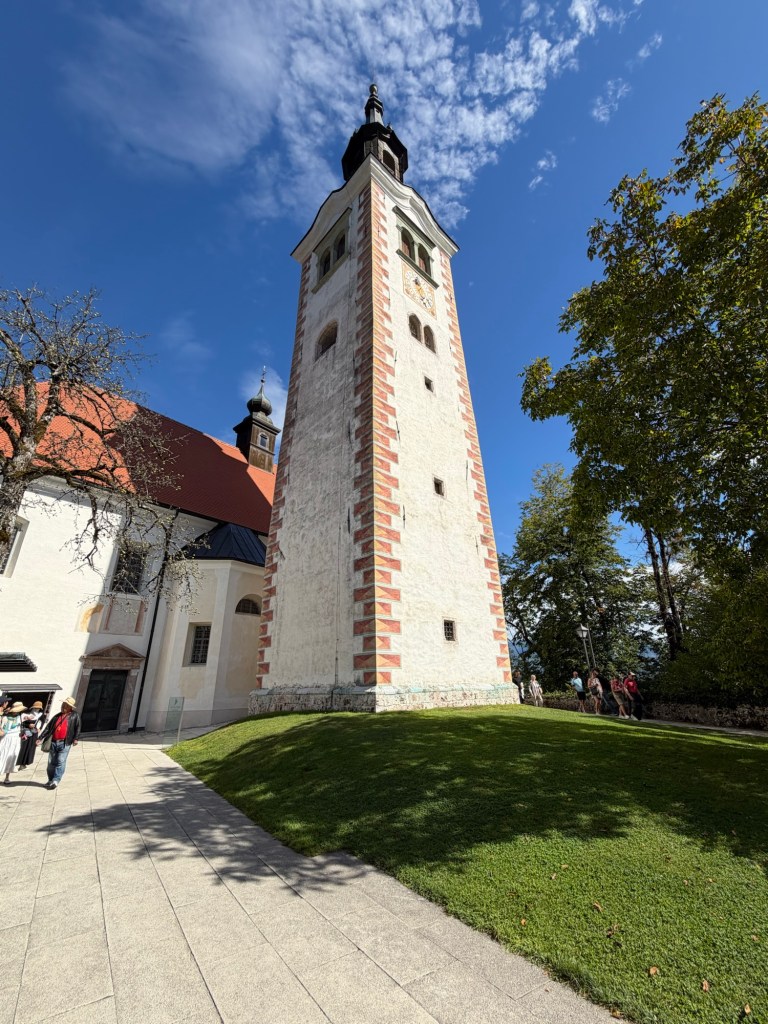
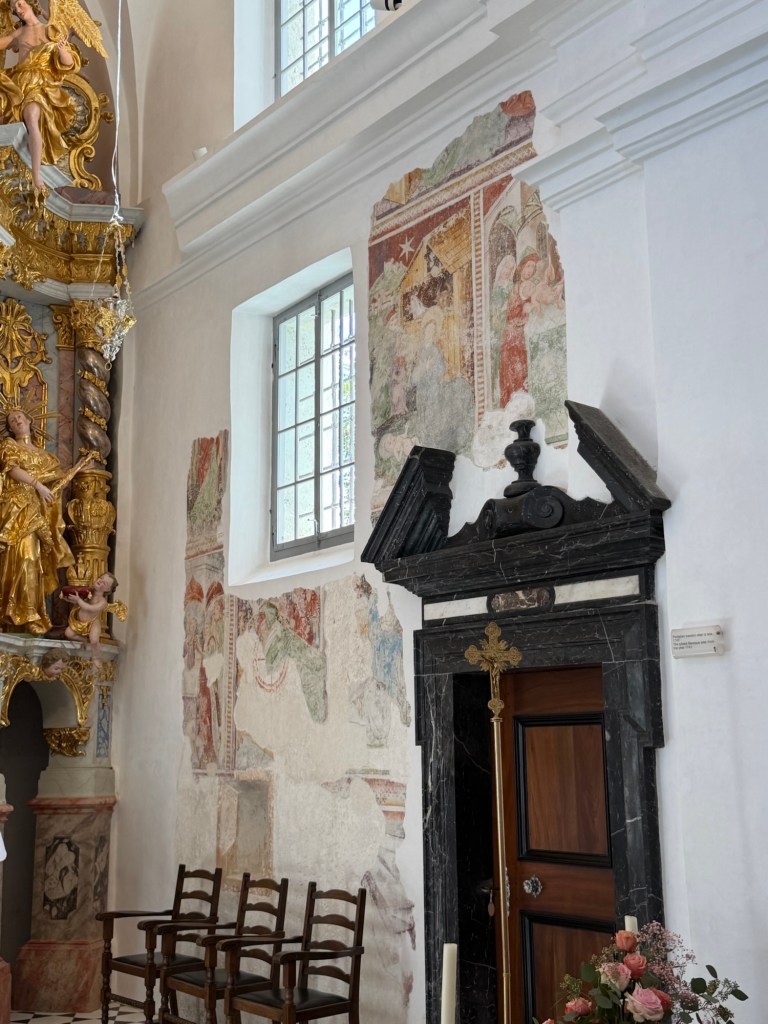
At the landing, ninety-nine stone steps led upward through the trees to the Church of the Assumption. The present Baroque building occupies a sacred site dating to the early Middle Ages. One of the fresco remnants is a rare Gothic depiction of the Circumcision of Christ, dating. Around 1470.

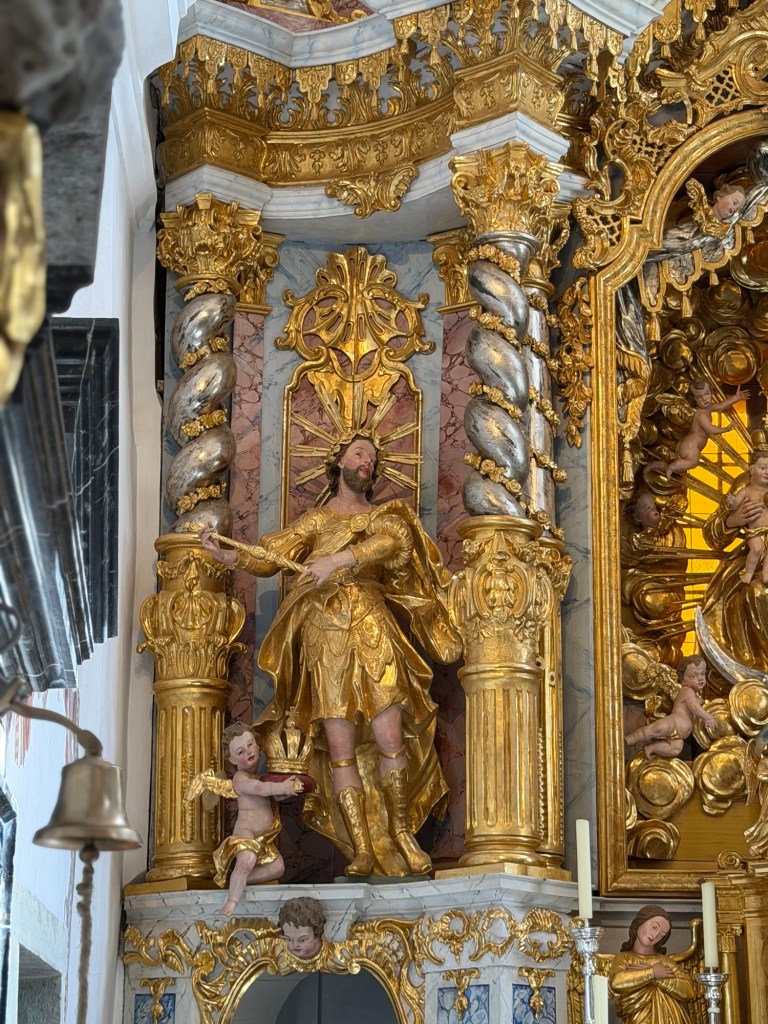
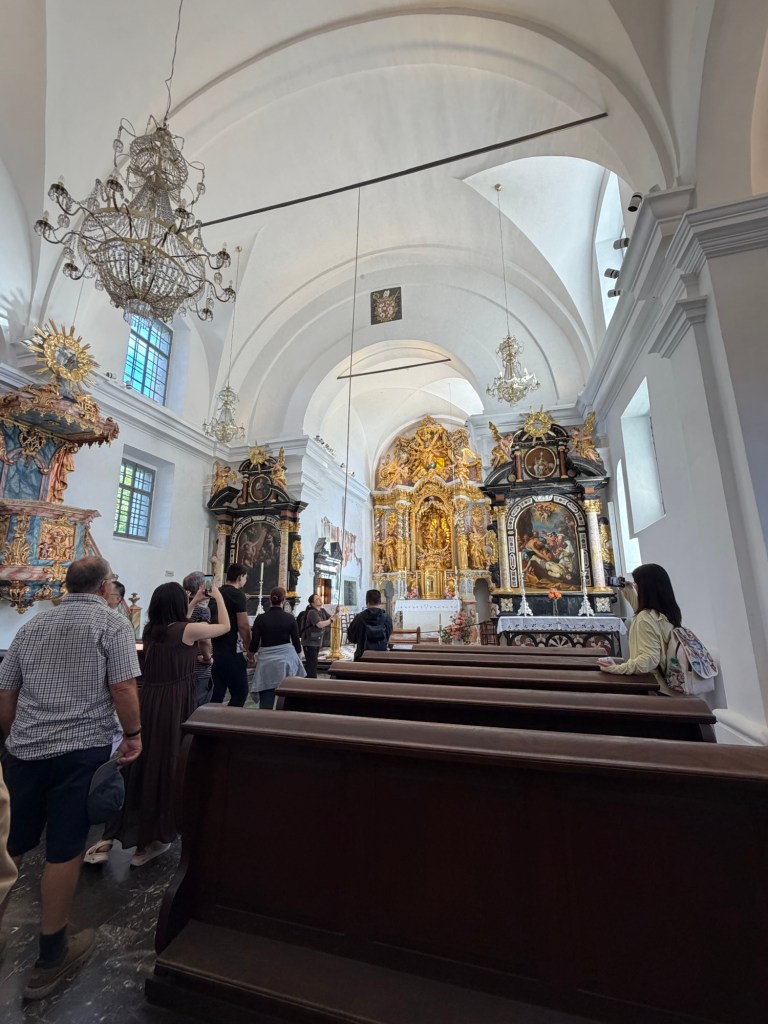
Inside is the celebrated “wishing bell,” which visitors ring in the hope that a sincerely held wish will be granted. I rolled it into several wishes.
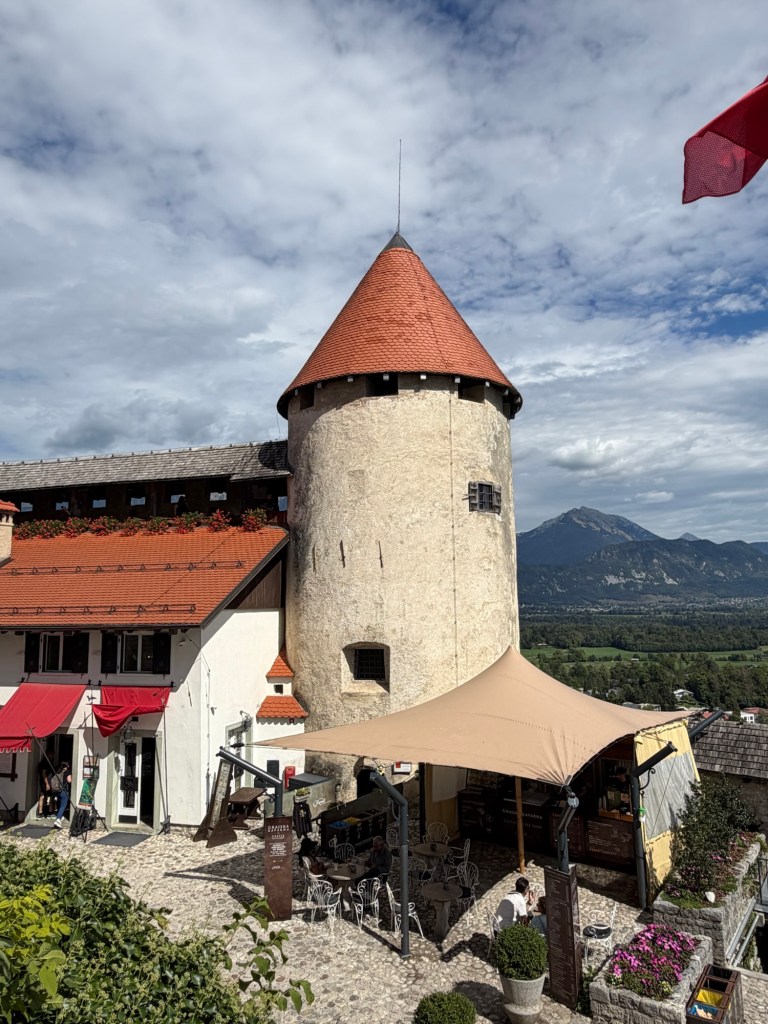
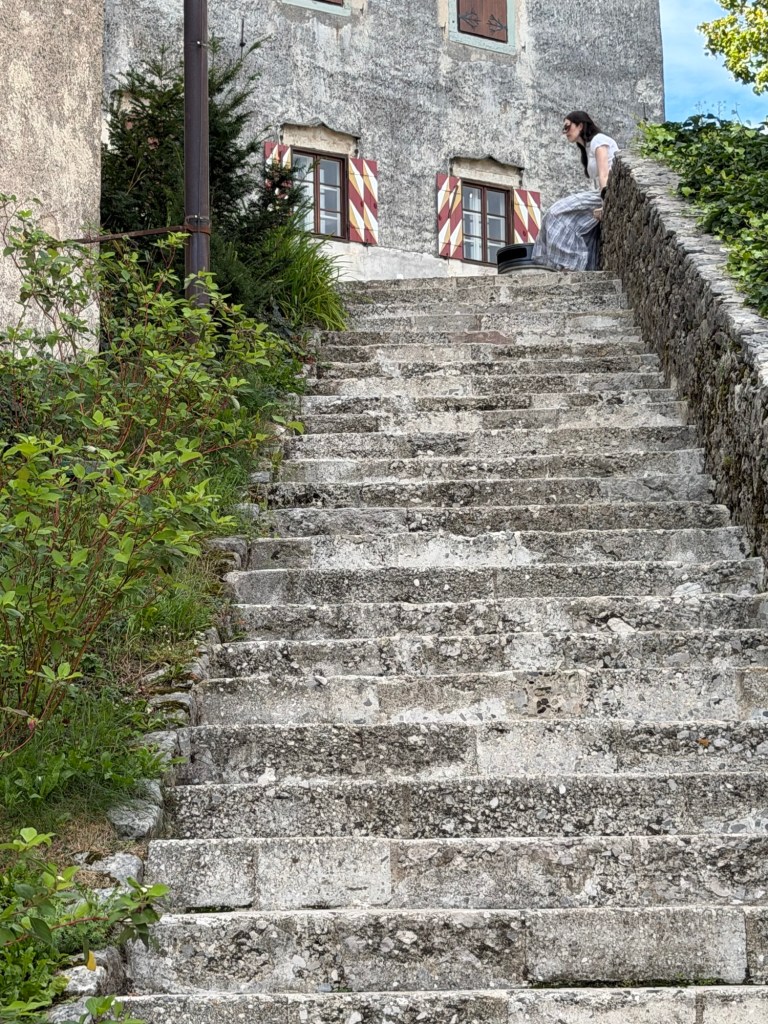
Later, we climbed to Bled Castle, dramatically positioned on a sheer cliff approximately 425 feet above the lake. First mentioned in 1011, it is considered Slovenia’s oldest documented castle and remained connected to the bishops of Brixen for centuries. Its weathered walls, defensive towers, red-tiled roofs and cobbled courtyards retain their medieval character.
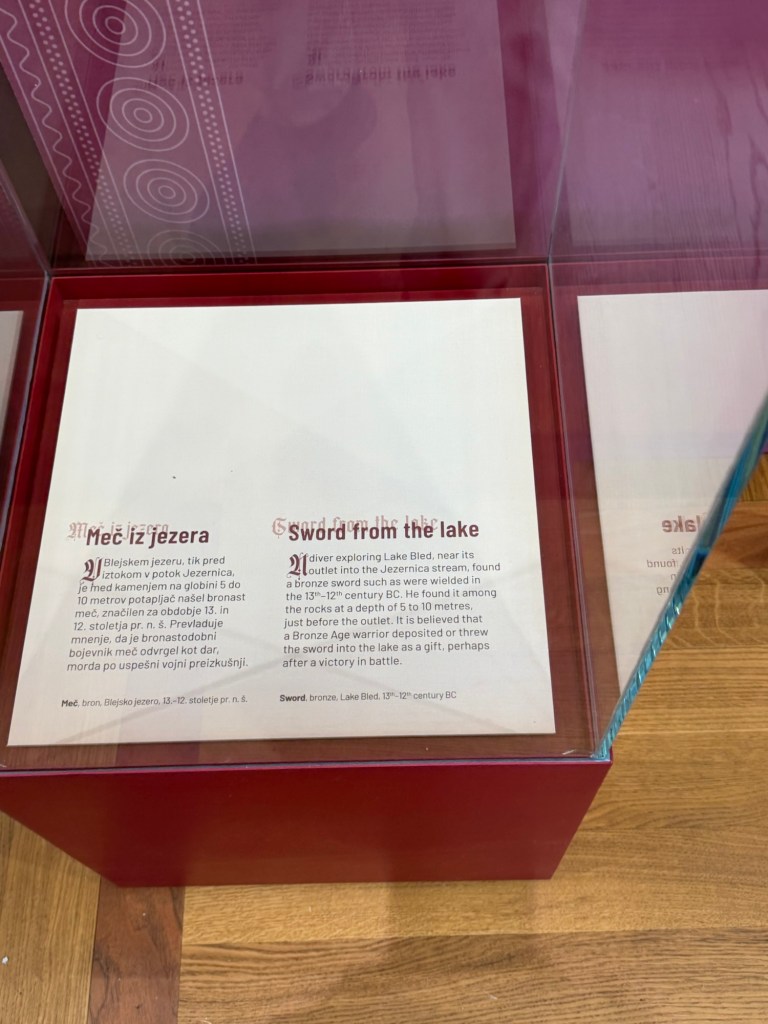
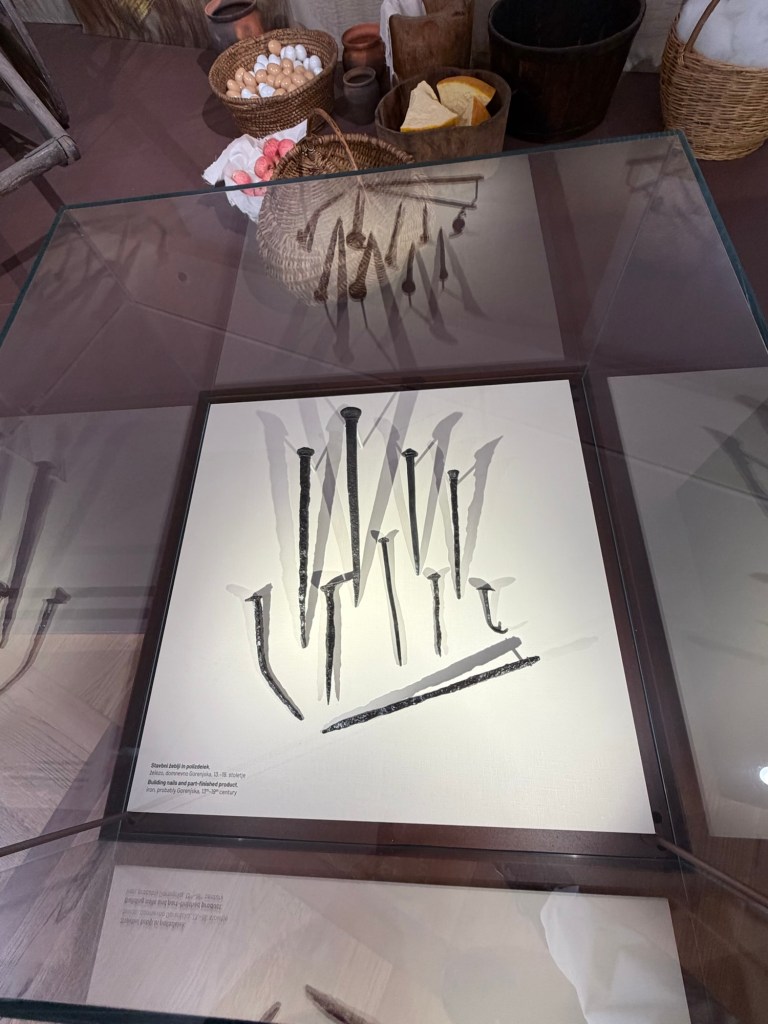
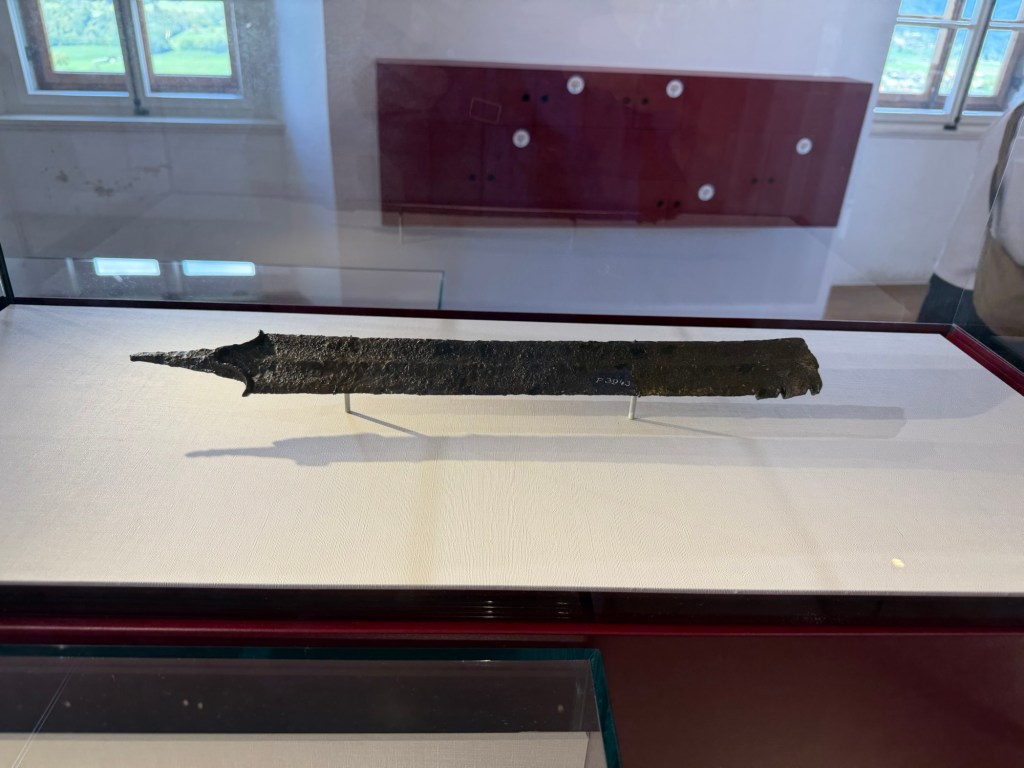
The castle museum contained weapons, household objects and archaeological finds tracing the region’s long history. Its most memorable interior was the small Gothic chapel dedicated to St. Albuin and St. Ingenuin. Built during the 16th century and later decorated in the Baroque style, its vaulted ceiling and walls were covered with softly faded frescoes depicting biblical scenes and saints.
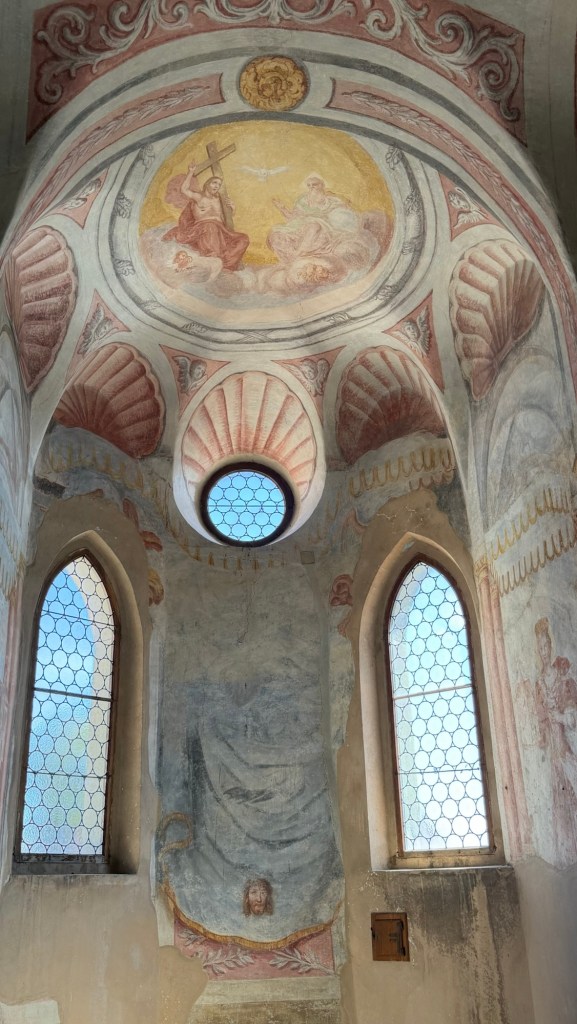
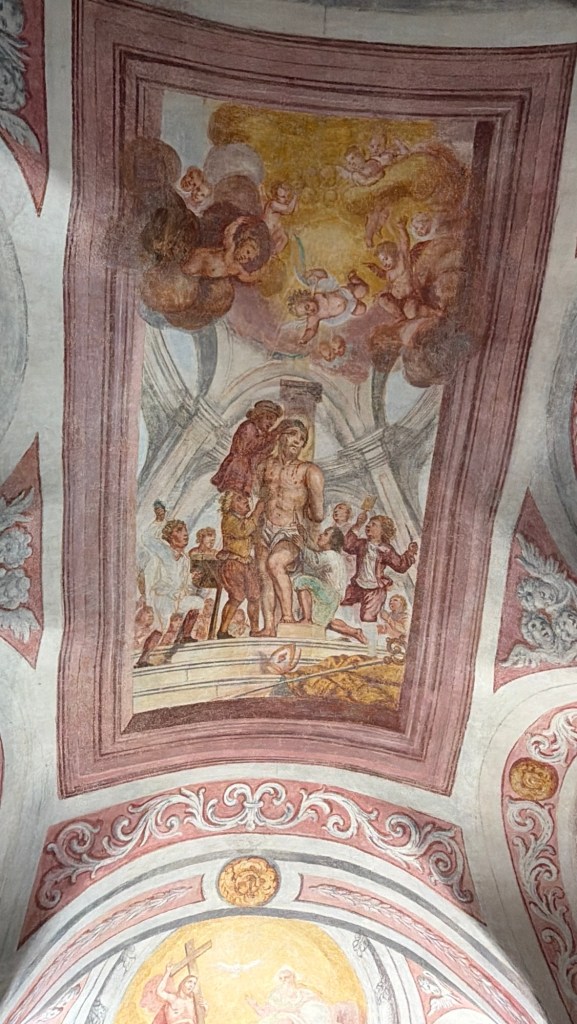
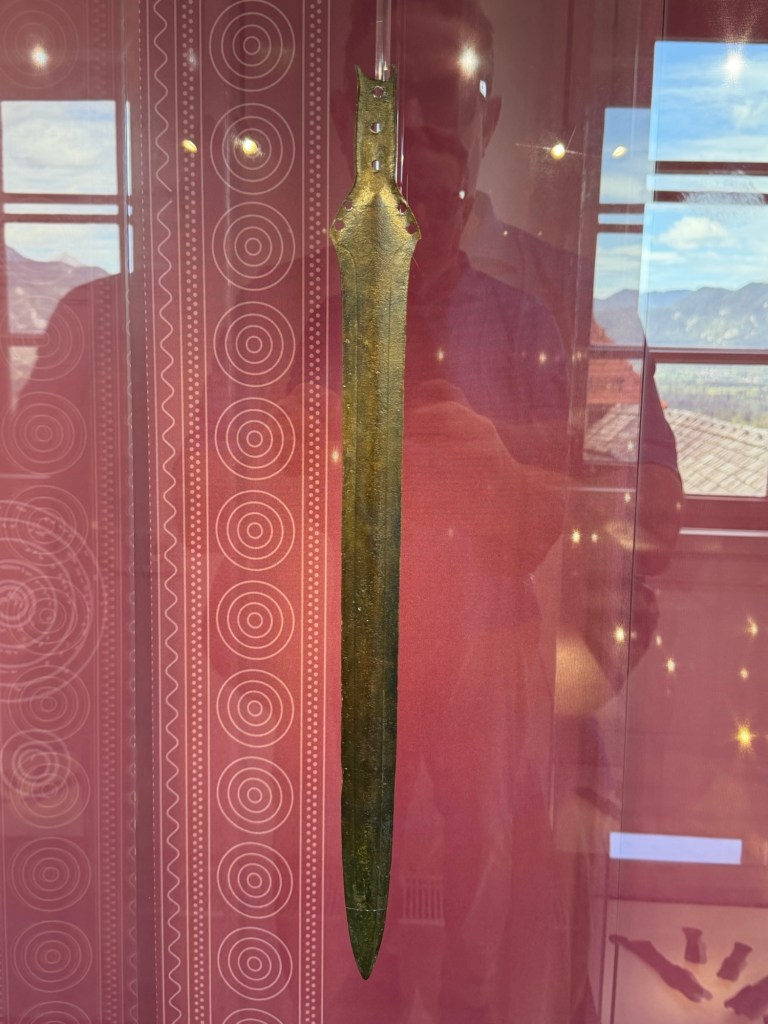
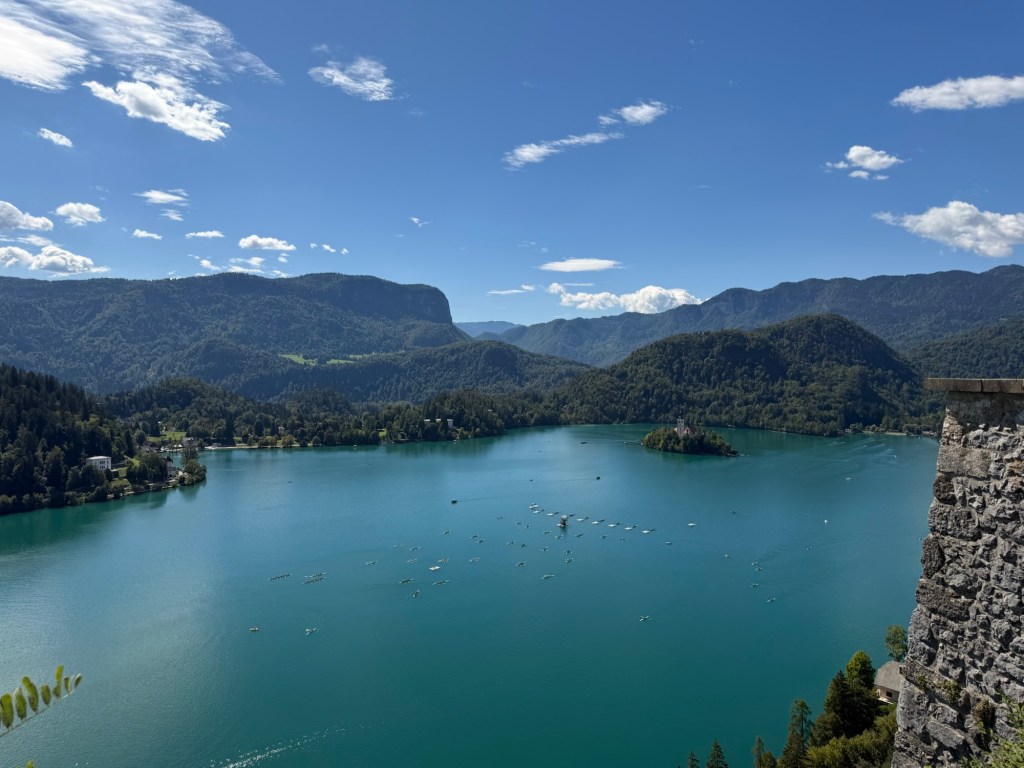
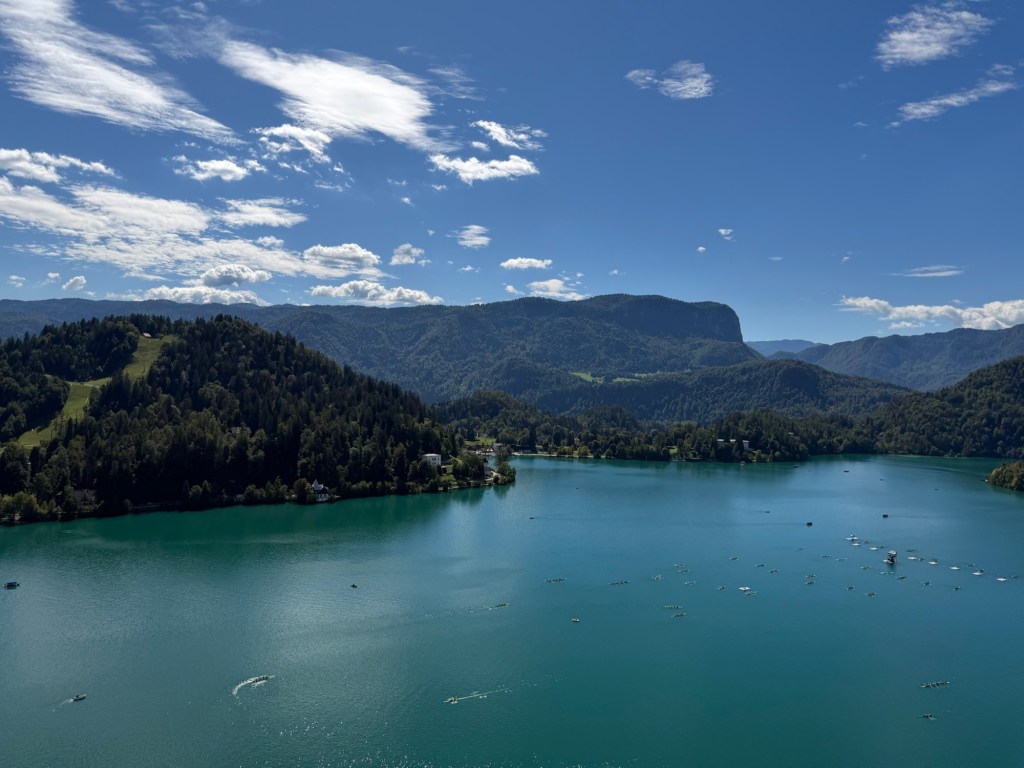
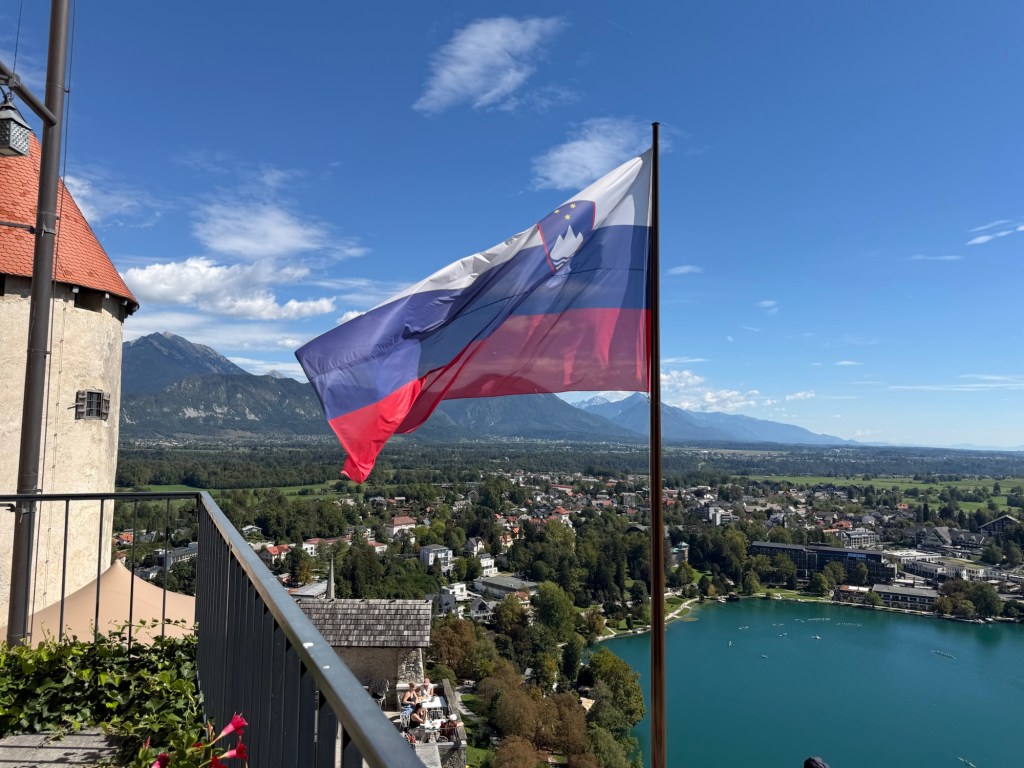
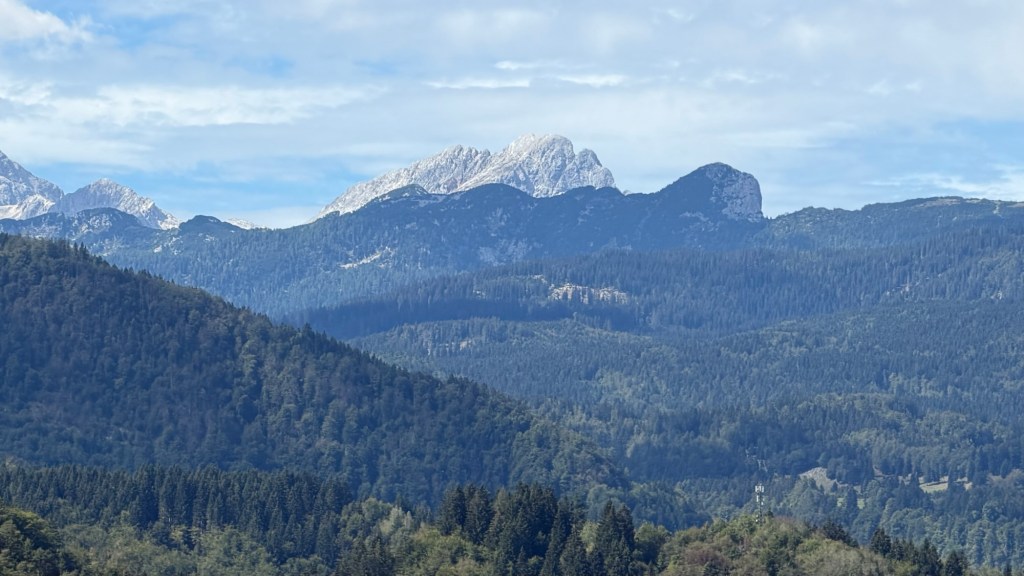
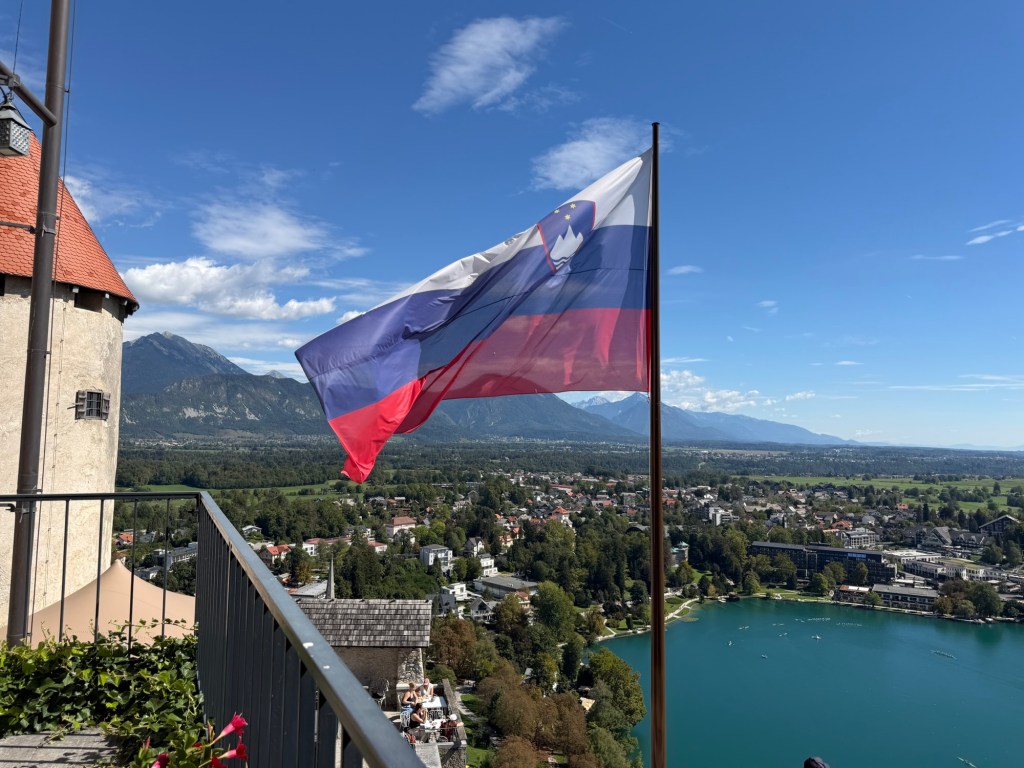
From the castle tower, the entire landscape opened beneath us. Far below, Lake Bled shifted between emerald green, turquoise and deep blue as the sunlight, depth and reflections of the surrounding trees changed across its surface. Traditional boats left faint trails through the otherwise glassy water, while the island church appeared almost miniature at the center of the lake. Beyond it, the red roofs of Bled spread among trees and green fields before giving way to successive ridges and the rugged peaks of the Julian Alps. With the Slovenian flag snapping in the wind above the ancient stone walls, the view brought together everything that defines Bled—lake, island, castle, village and mountains—in one sweeping panorama. Standing there was difficult not to get caught up in the moment of awe.
We also made time for Bled’s most famous culinary tradition—the kremna rezina, or Bled cream cake. Created at the town’s Hotel Park in 1953 by pastry chef Ištvan Lukačević, the imposing square consists of crisp puff pastry layered with thick vanilla custard and whipped cream, then capped with another sheet of pastry and a generous dusting of powdered sugar. The recipe apparently remains a closely guarded secret.

We enjoyed ours in the sunshine with the mountains in the background, although eating the flaky top without scattering pastry and sugar everywhere proved nearly impossible.
Together, the lakeside walk, traditional boat ride, island church, ancient castle, cream cake and Alpine landscape made Lake Bled a memorable blend of scenery, history and tradition.
From Lake Bled, we traveled with Jasmina to the beautifully preserved medieval town of Radovljica. Its historic center developed as a prosperous market settlement during the Middle Ages and was later protected by defensive walls and a moat, portions of which still survive. After a devastating earthquake in 1511, many buildings were reconstructed in the Renaissance style, creating much of the character visible today.
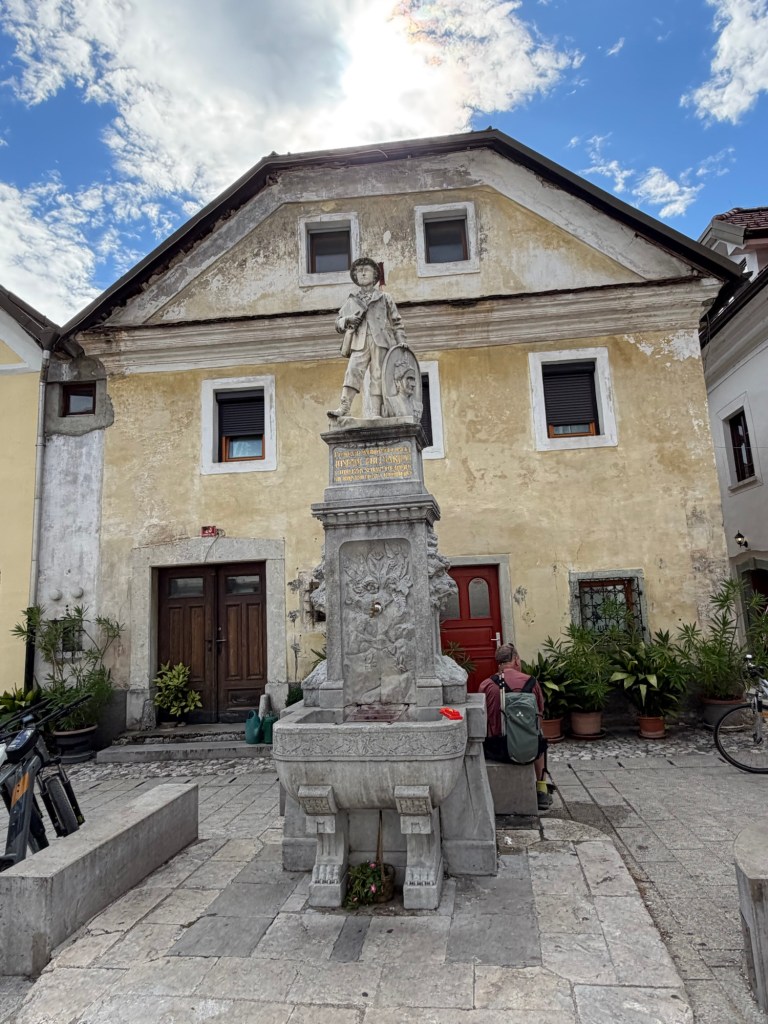
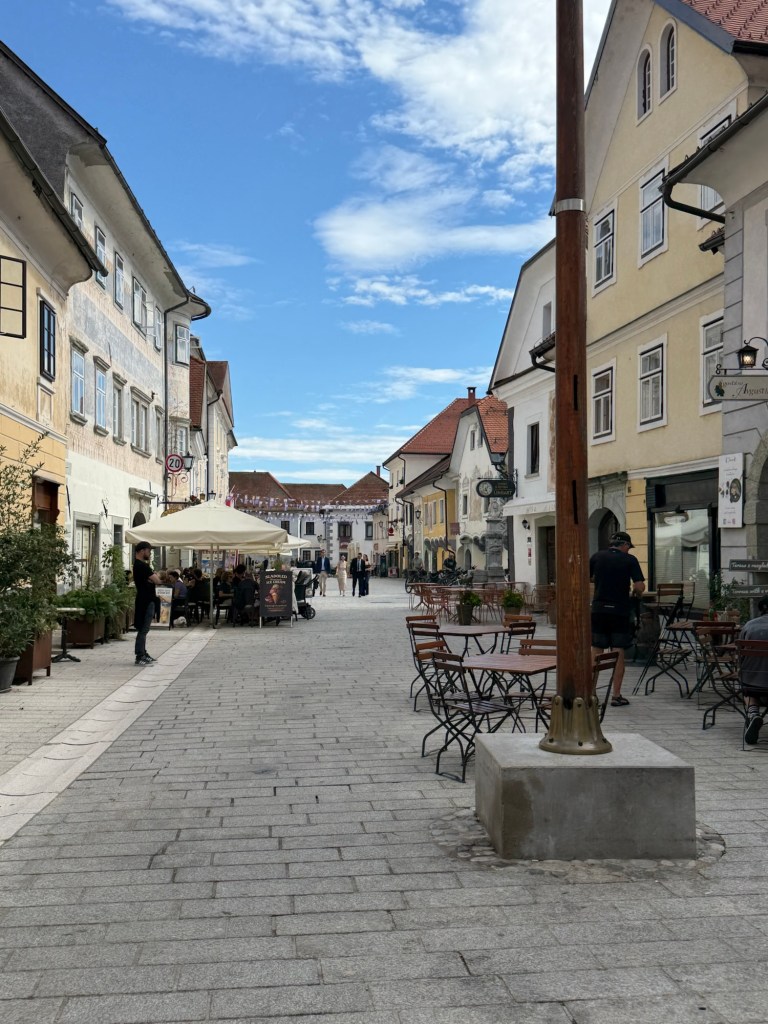
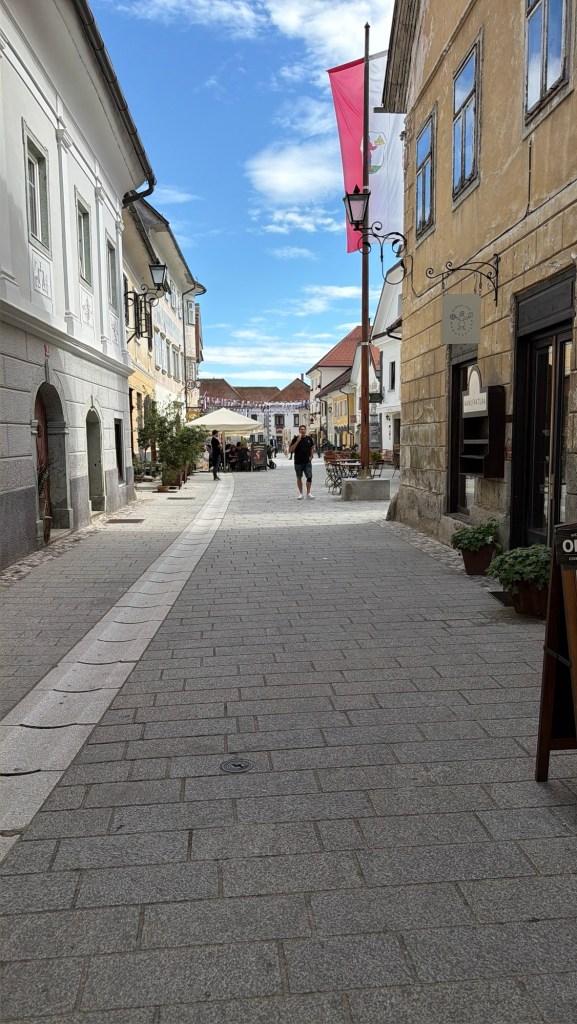
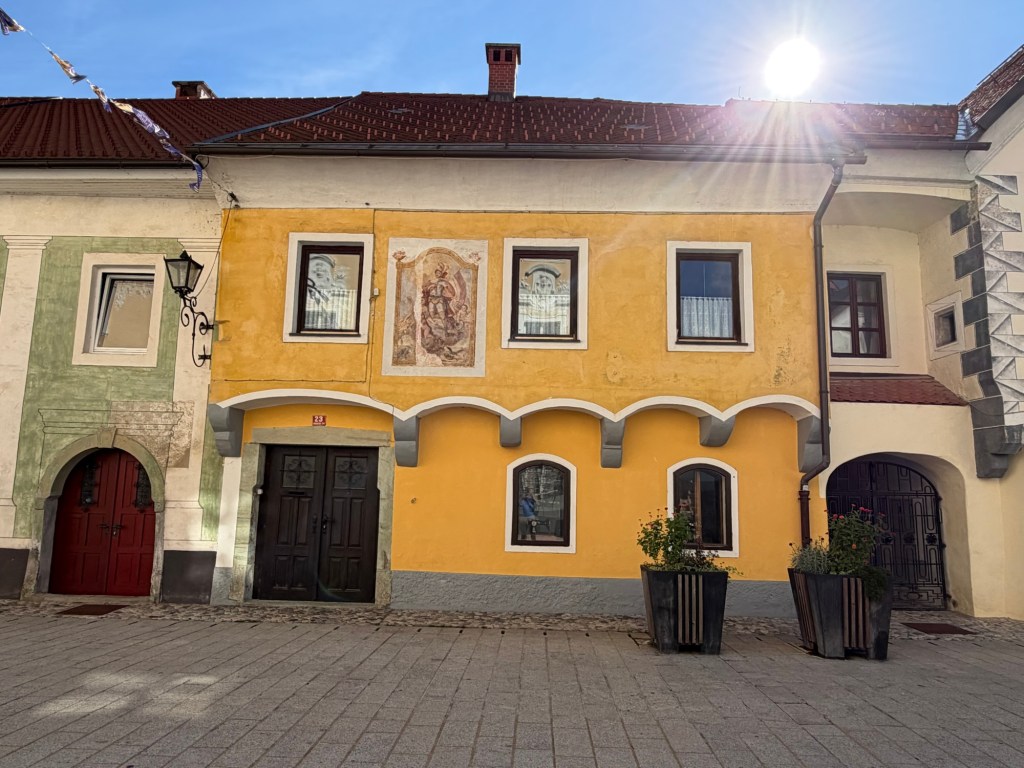
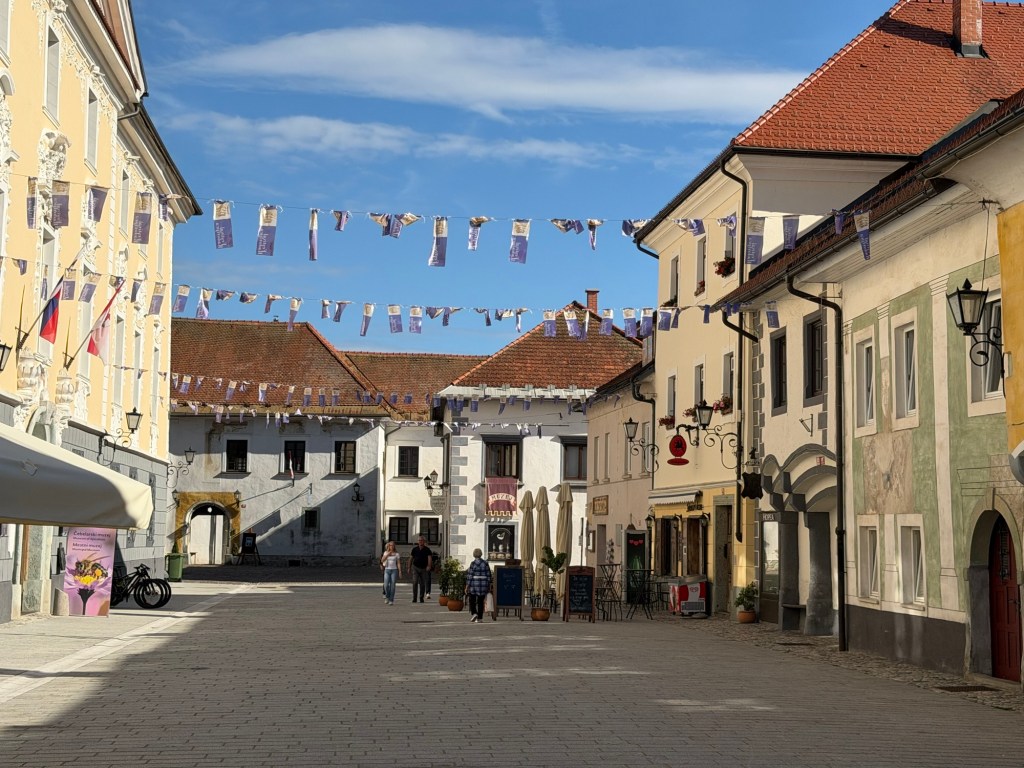
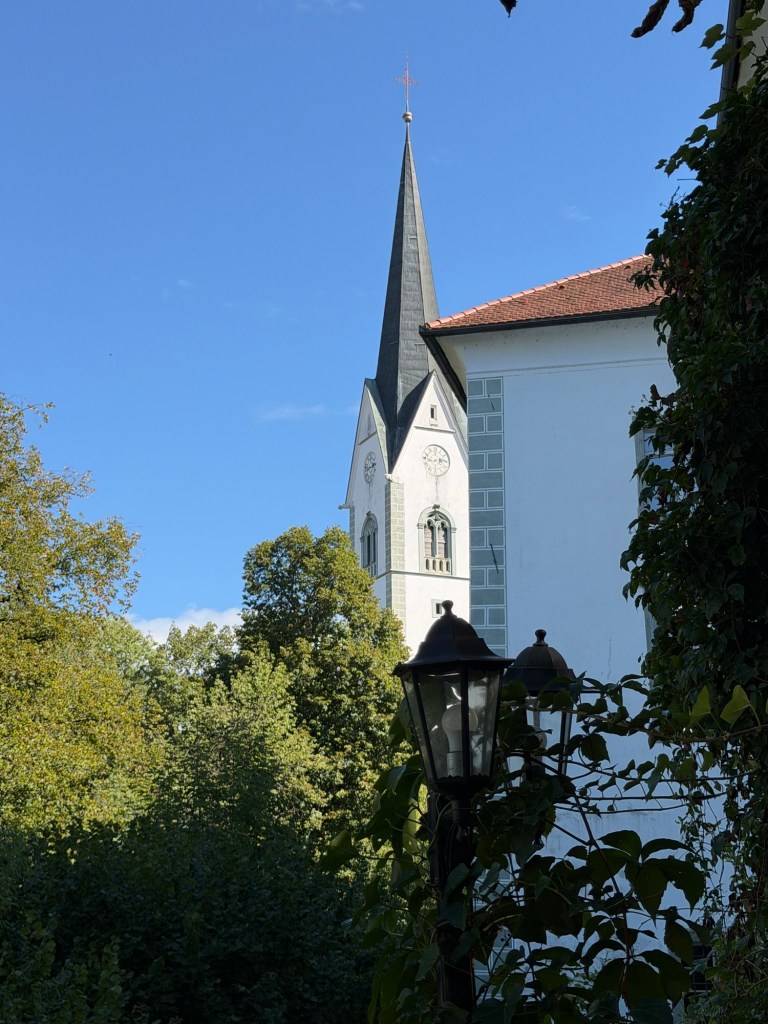
We strolled through Linhart Square, a peaceful pedestrian street lined with pastel-colored houses, red-tiled roofs, arched doorways and faded frescoes. Outdoor cafés spilled onto the stone pavement, while painted façades and a monument built around an old fountain recalled the town’s long history. The remarkably intact buildings, some dating from the sixteenth and seventeenth centuries, made Radovljica feel less like a museum and more like a medieval town that had simply continued living.
We stopped for lunch at Gostilna Lectar, a family-run restaurant on Linhart Square that has been serving traditional Slovenian food since 1822.
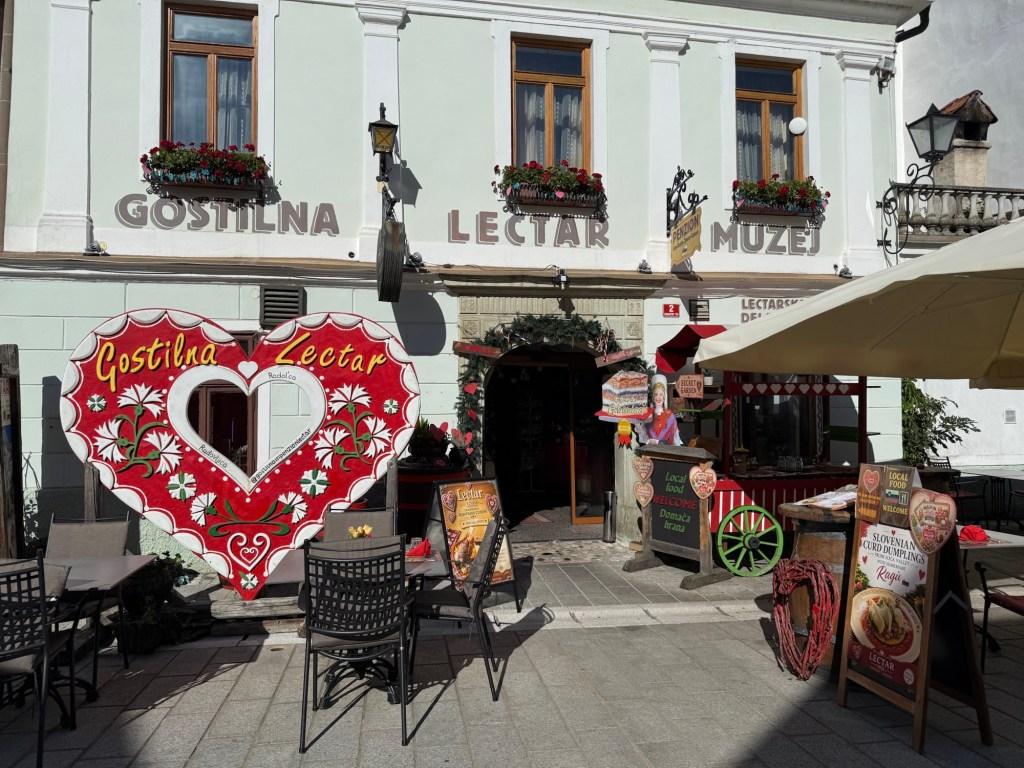
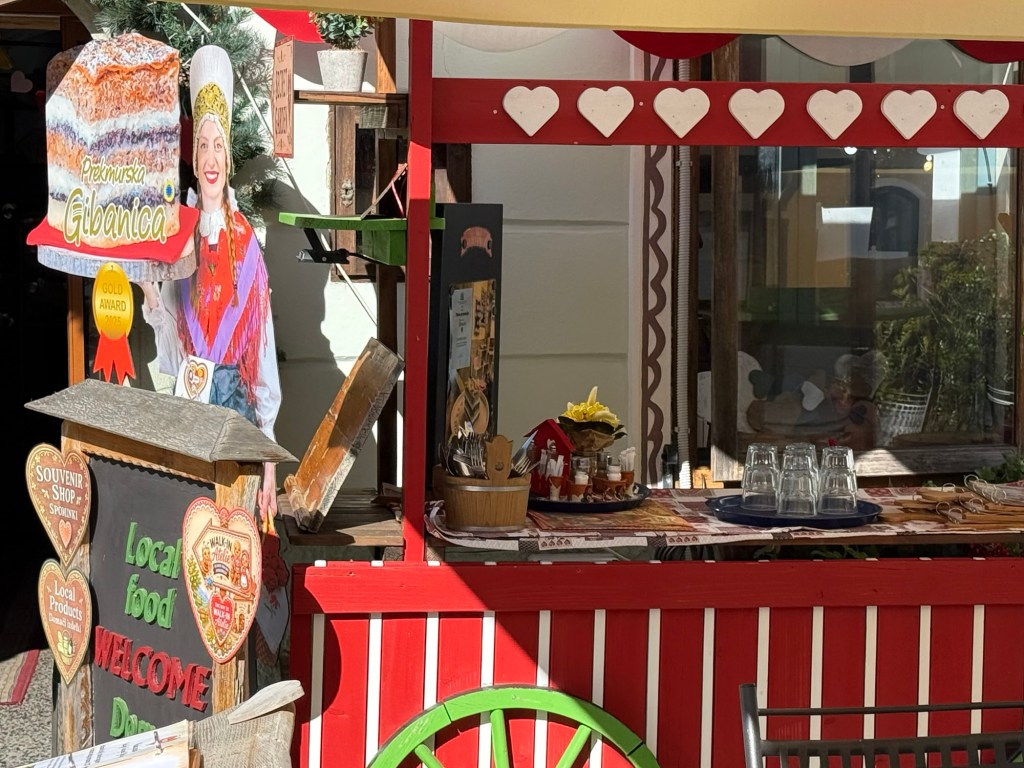
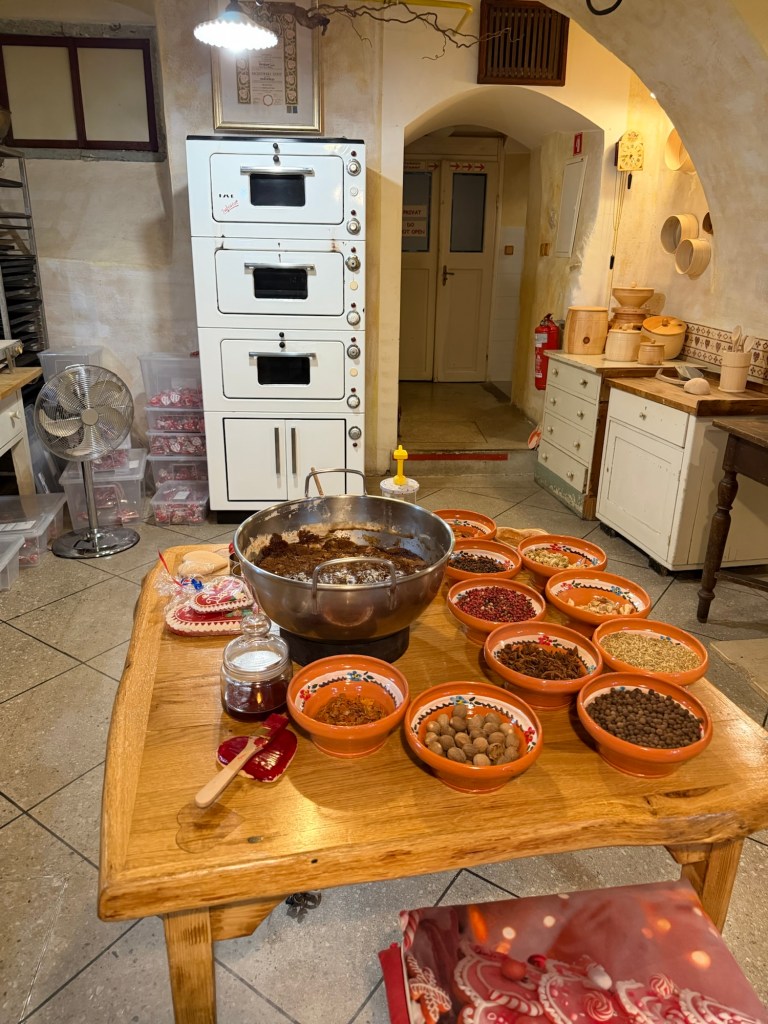
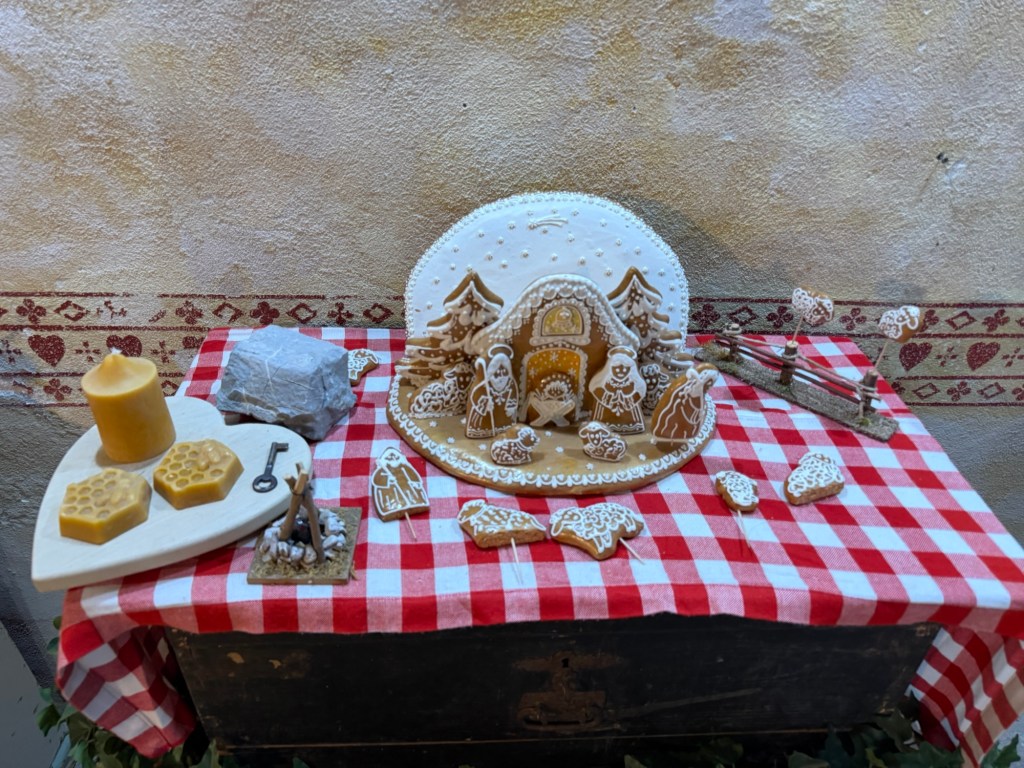
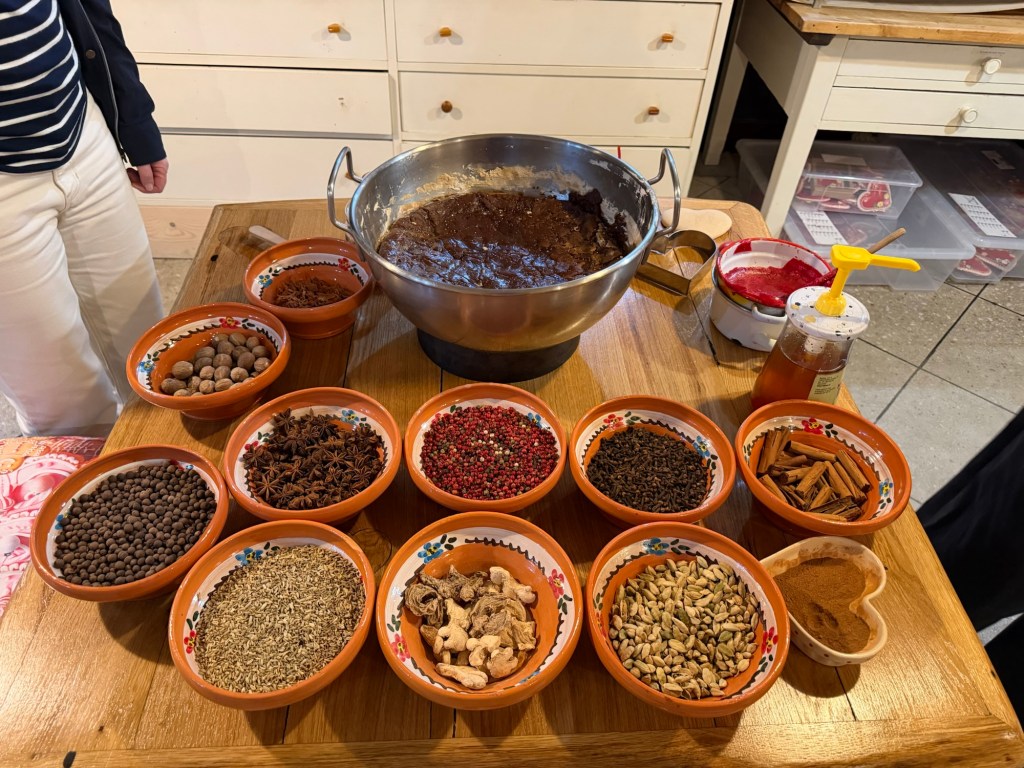
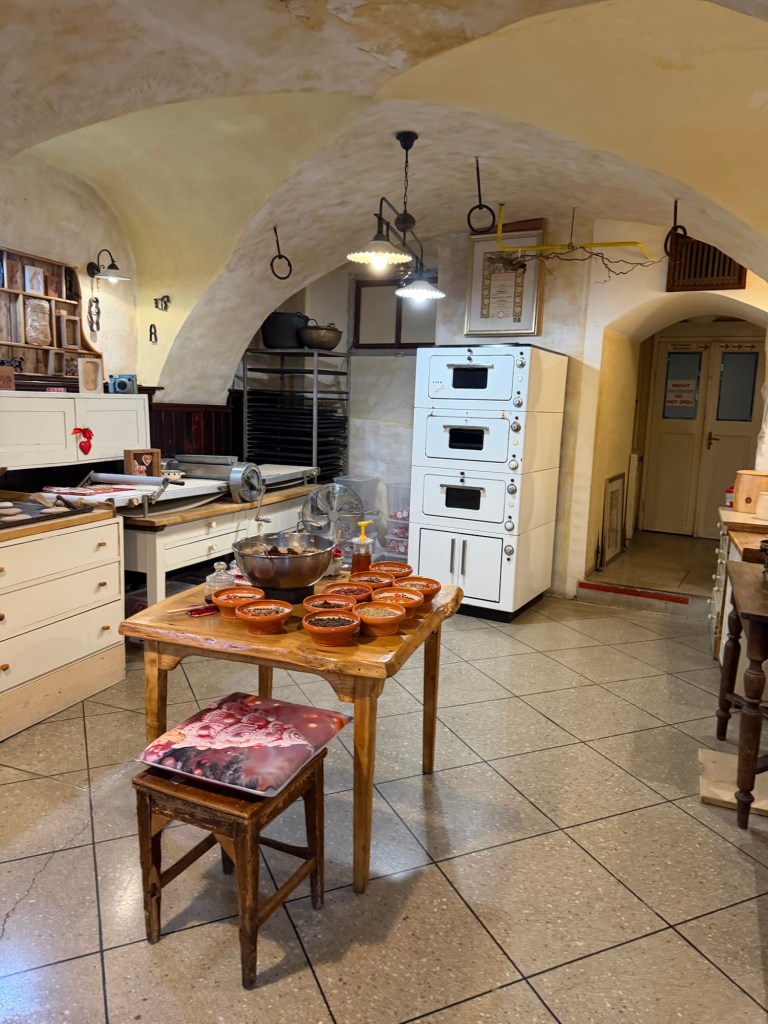
Its cheerful red gingerbread hearts reflect the building’s other long-standing tradition: a workshop and museum where the beautifully decorated honey-bread hearts known as lect are still made by hand.

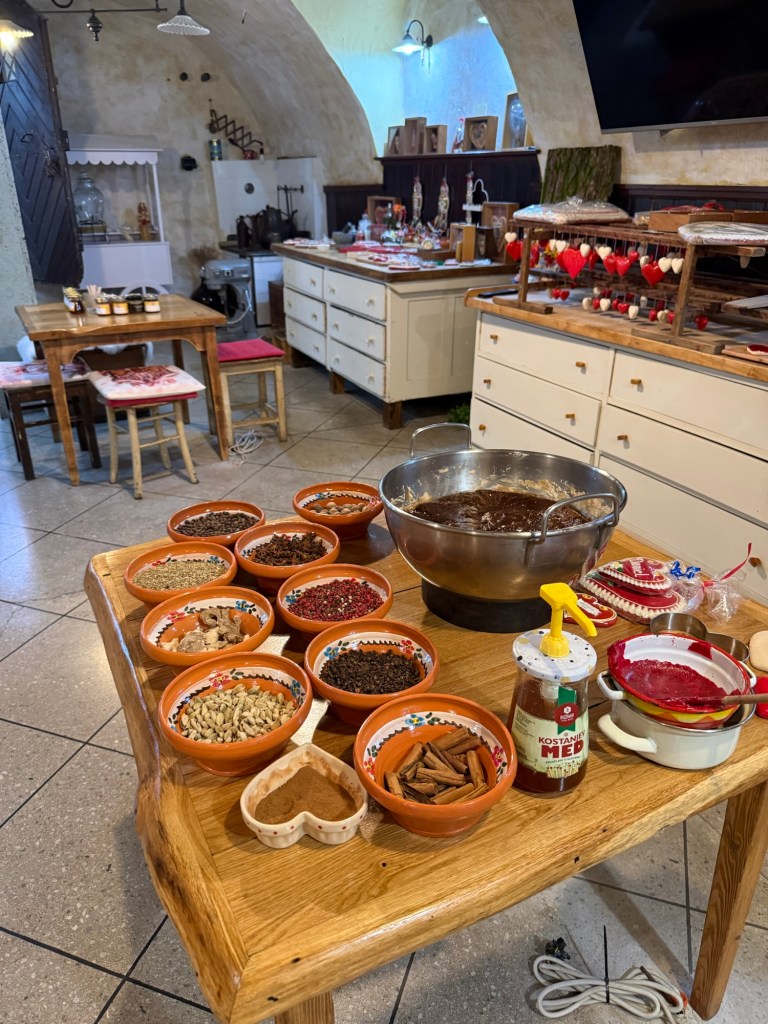
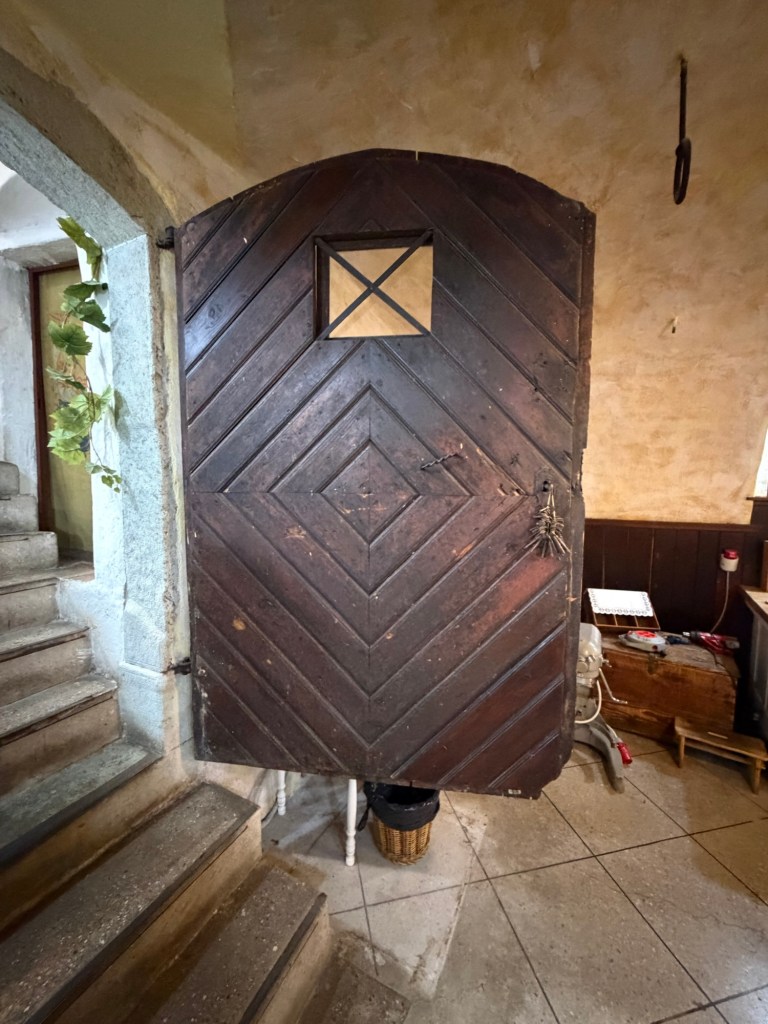
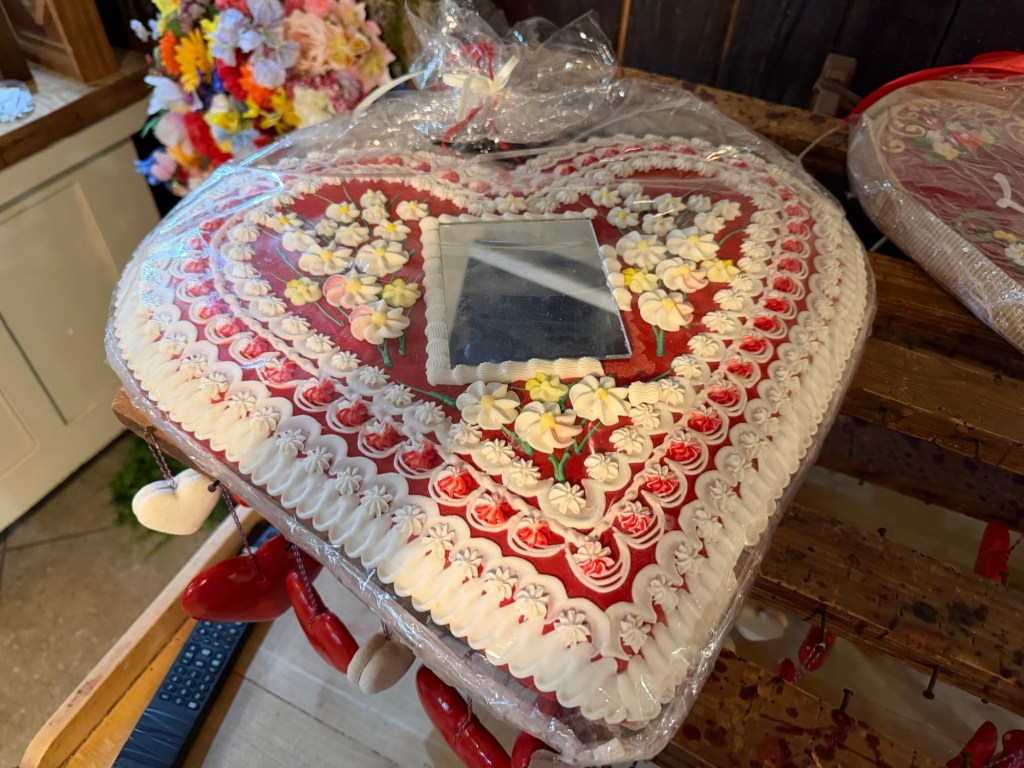
We ate lunch in the shady garden, beginning with a hearty mushroom soup served inside a round loaf of bread.
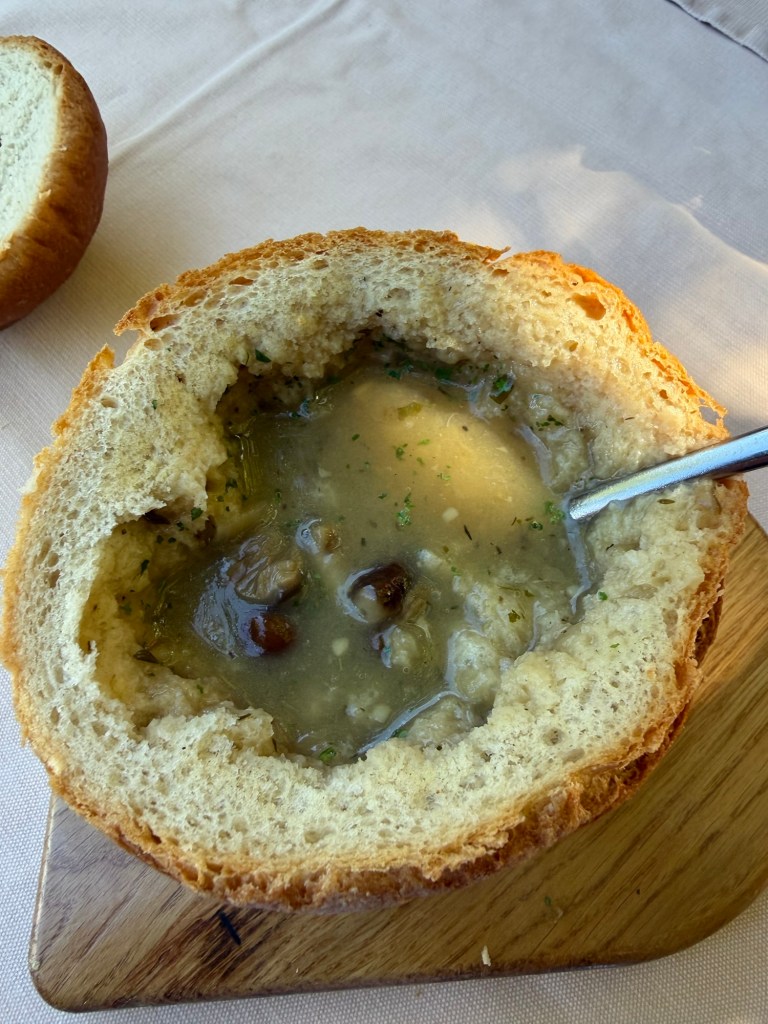
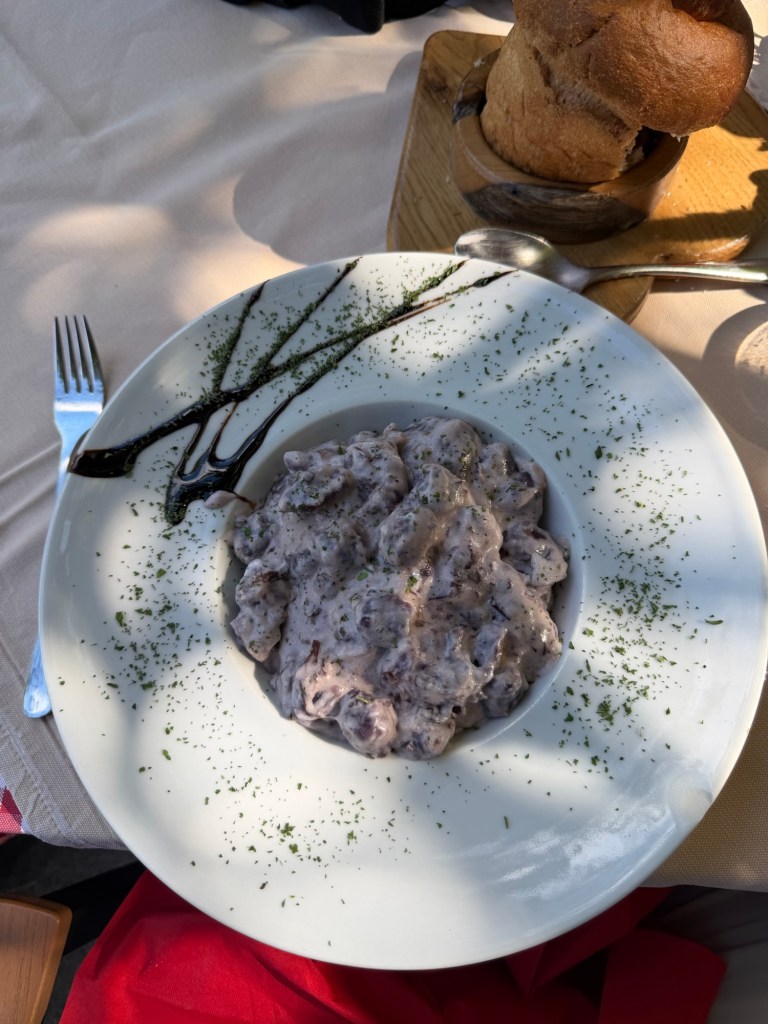
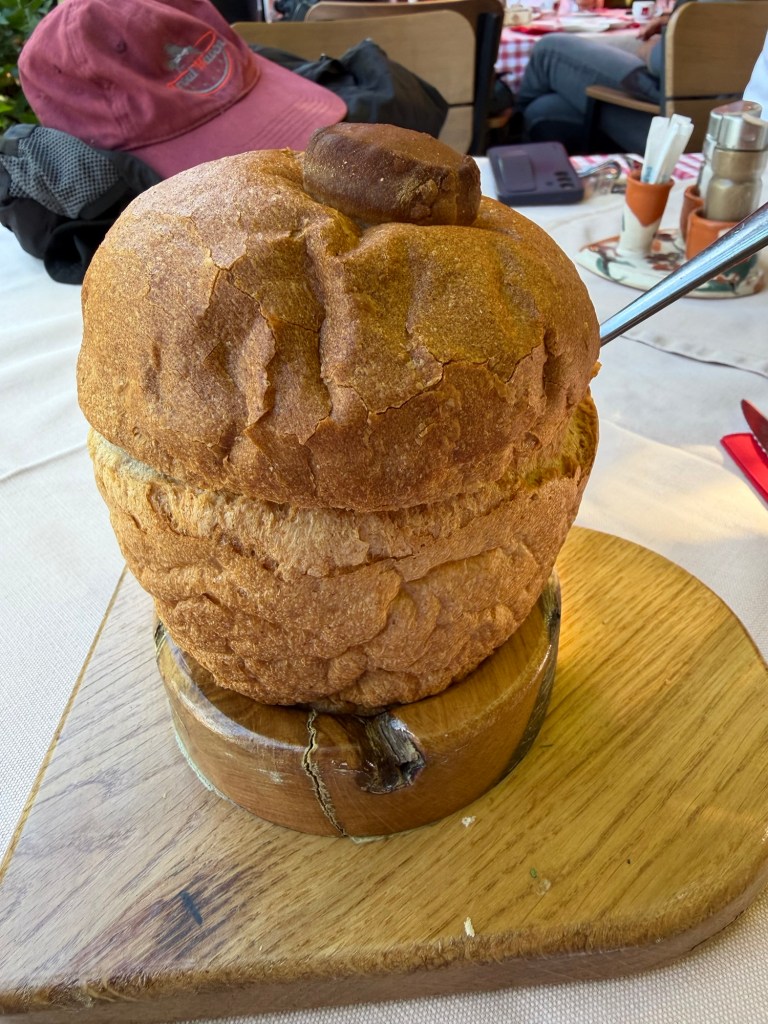
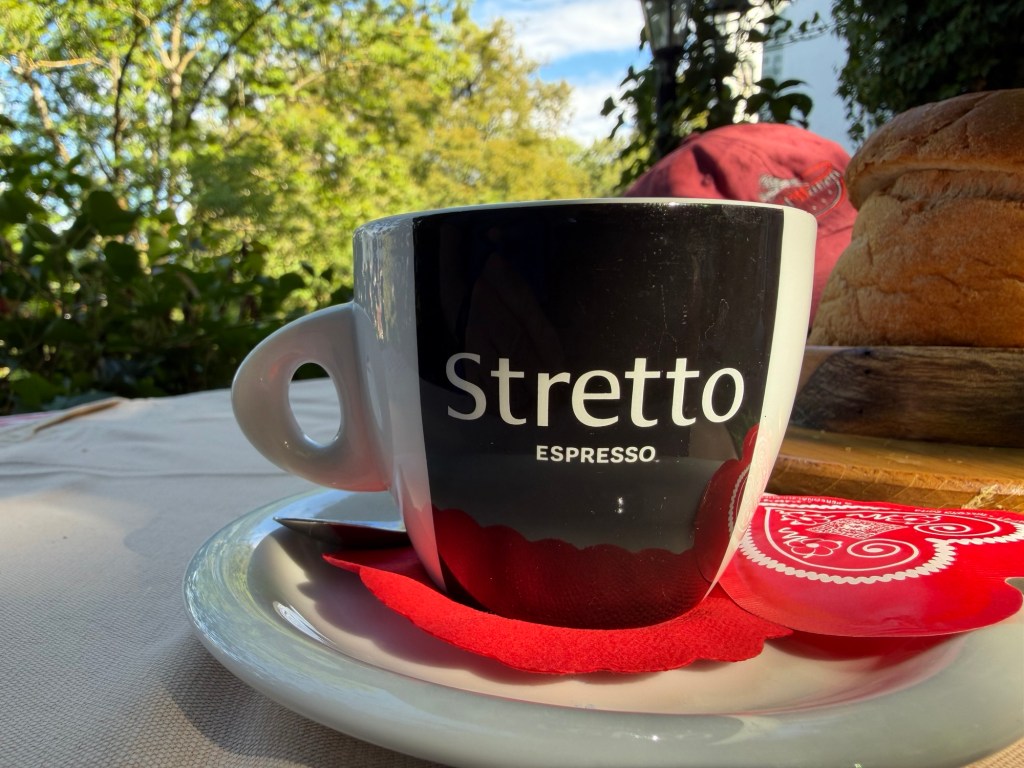
Once the lid was removed, the crusty loaf became both bowl and accompaniment, gradually soaking up the earthy broth. We also sampled soft dumplings in a rich cream sauce before finishing with espresso—a leisurely and thoroughly Slovenian lunch in the heart of the old town.
 YouDontKnowJackTravels