What appeared on the map to be a straightforward drive from Ljubljana to Rovinj became one of the most varied days of our journey. We began by going our separate ways: I descended into the extraordinary underground world of the Škocjan Caves, while Beth visited Slovenia’s celebrated Lipizzaner horses at the Lipica Stud Farm. Reunited afterward, we crossed briefly into Italy to explore the grand Habsburg port city of Trieste before continuing south to the Croatian coast. Join us.
Škocjan Caves
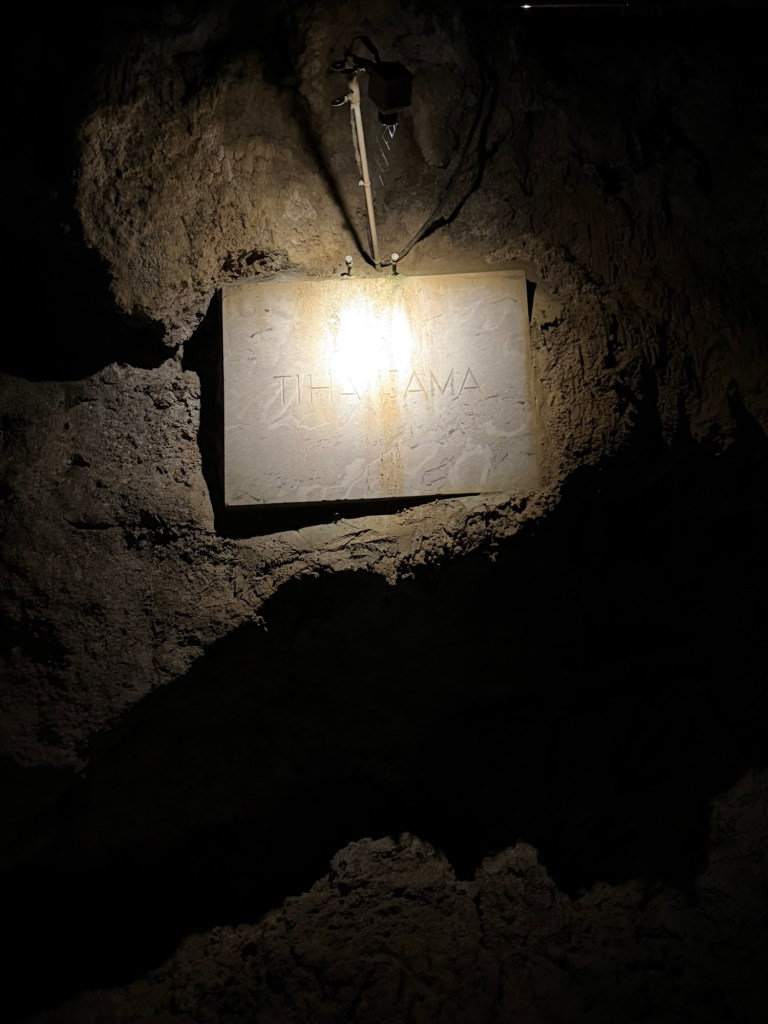
When I arrived at the Škocjan Caves, I had no idea what awaited me beneath the ground. The busy visitor center, with tourists milling about in every direction, gave little indication that one of the world’s great natural wonders lay beneath our feet. There I met my guide, Maja, and off we went—just the two of us—following a wooded path that wound away from the crowds. Ten minutes later, we stopped before an unremarkable steel door set into the hillside. Maja unlocked it, and we stepped into a long, narrow concrete tunnel that felt more like the entrance to a wartime bunker than to a cave. Curiously, she had to switch on the lights before we could proceed. This soon became a recurring ritual: guides farther ahead would turn off the lights, plunging us into complete darkness until Maja reached the next switch and brought the tunnel back to life.
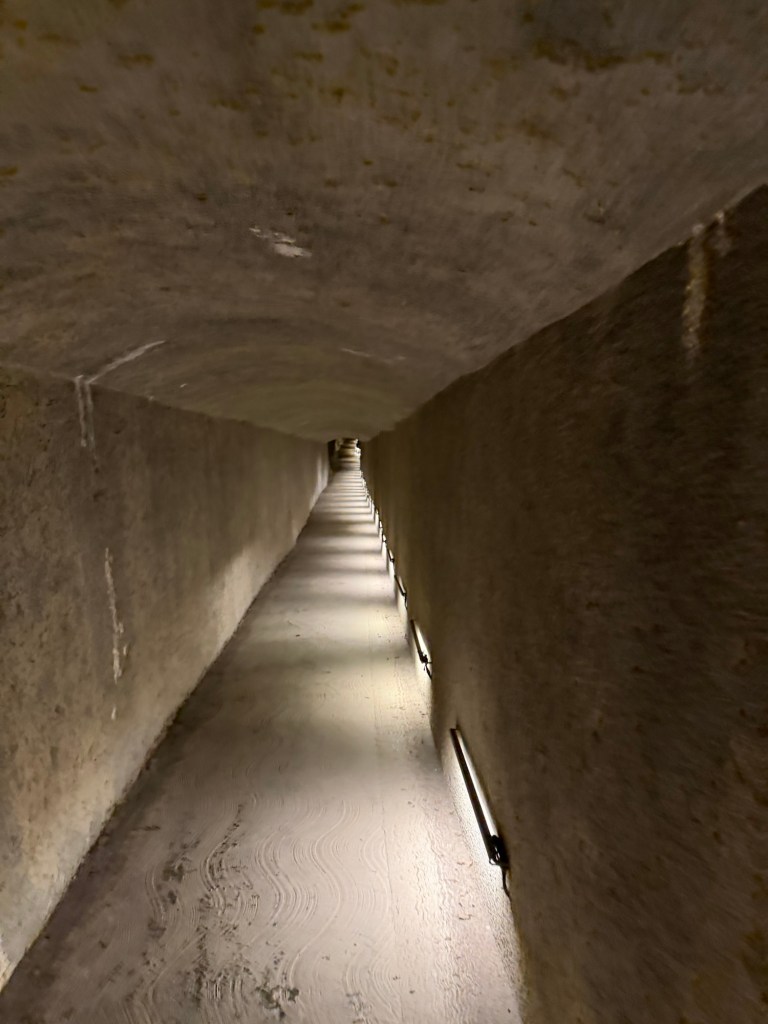
Step by step, we moved deeper beneath the earth, with no hint yet of the astonishing world about to reveal itself.
As I followed Maja along the path, something miraculous began to unfold before my eyes. The stark concrete tunnel gave way to a hidden world of glistening stalactites, rippling curtains of flowstone, sculpted columns, and small pools of clear turquoise water. Illuminated against the surrounding darkness, the formations seemed almost alive—nature’s sculptures, created one mineral-laden drop at a time over countless thousands of years.
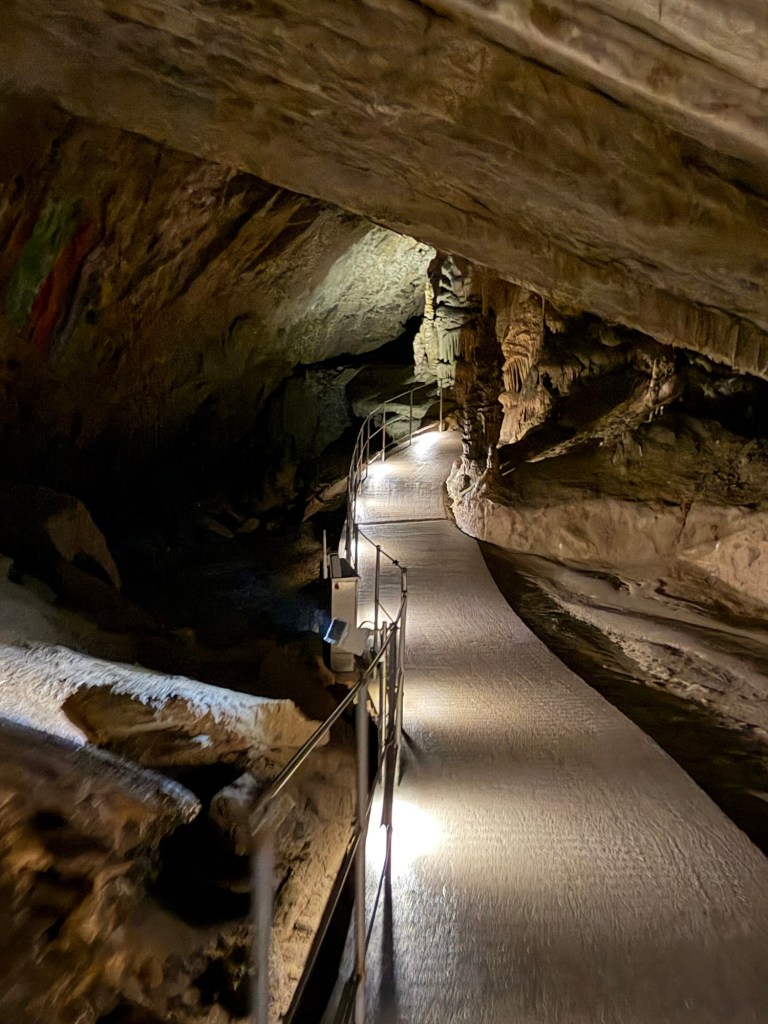
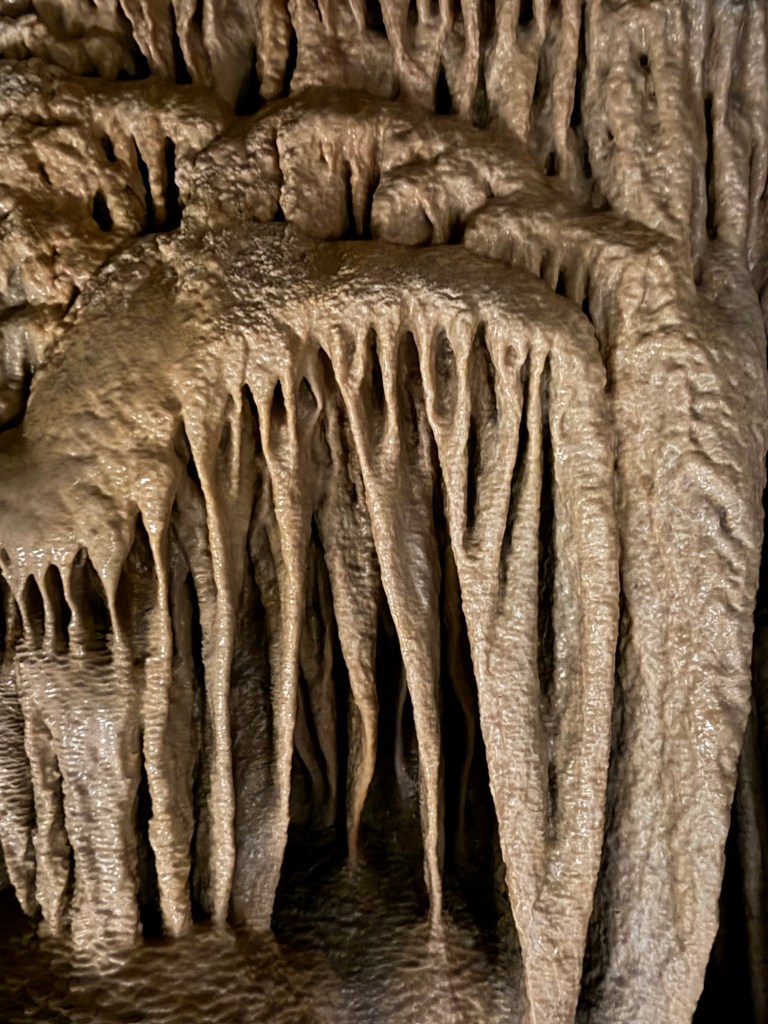
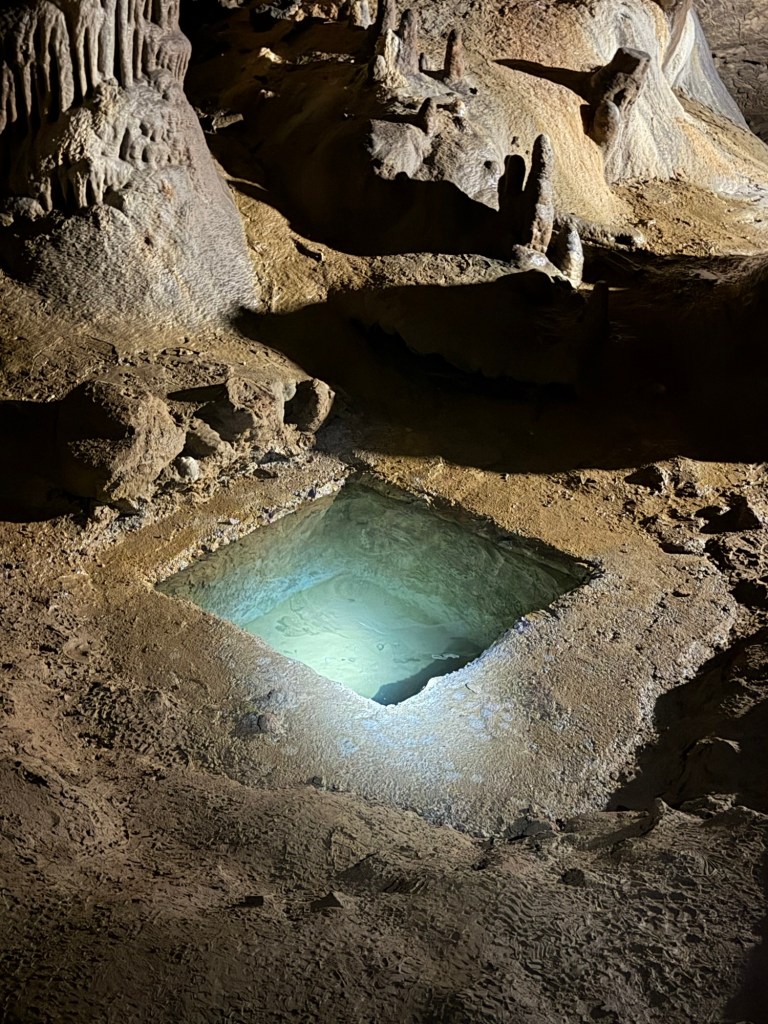
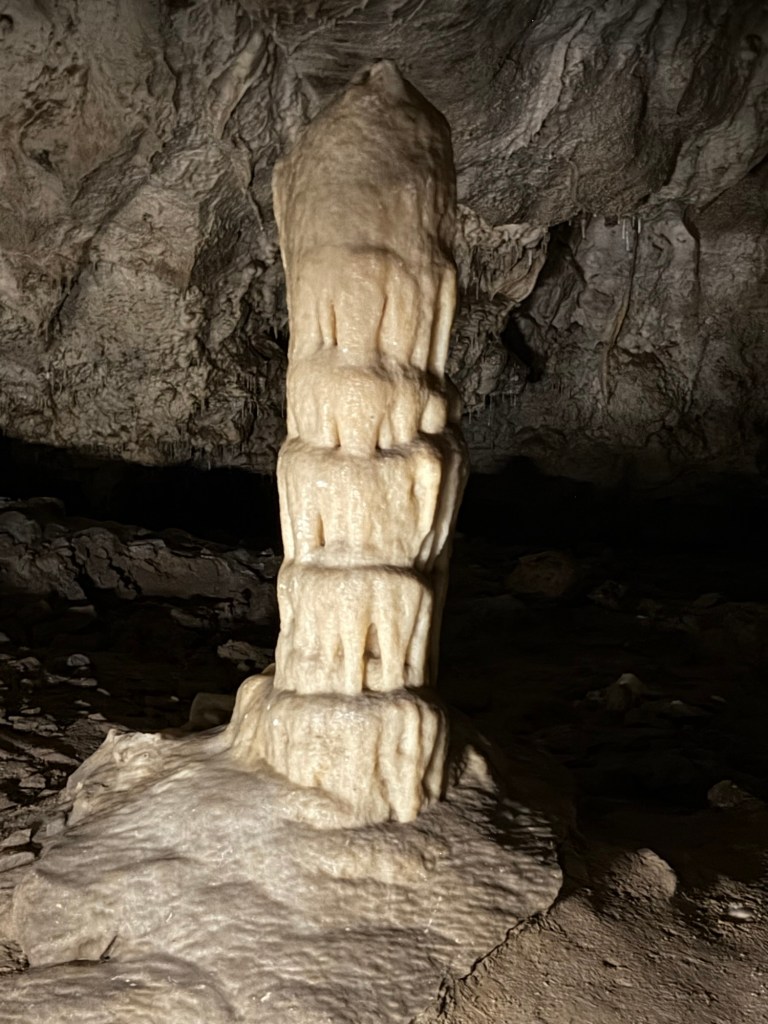
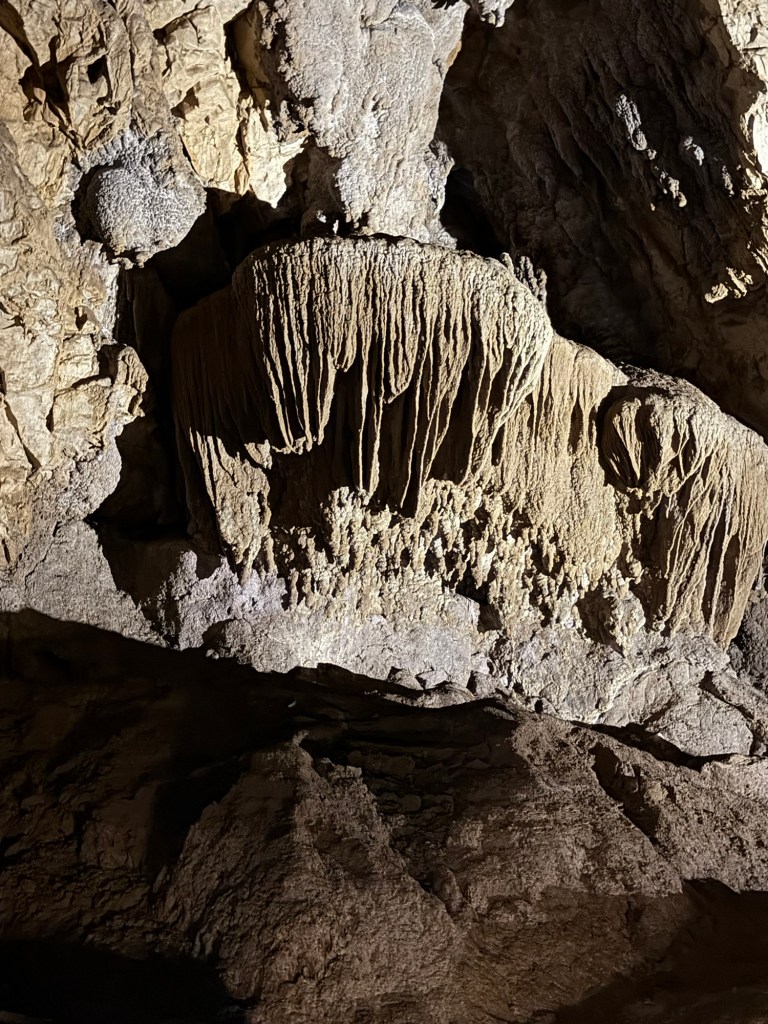
The Škocjan Caves are not a single cavern but an immense limestone cave system carved over millions of years by the Reka River. Beneath the Karst Plateau lies a network of roughly six kilometers of passages, descending more than 200 meters and containing waterfalls, vast chambers, and one of the largest known underground river canyons in the world. The region is so geologically significant that its name—Karst—became the scientific term for landscapes shaped by water dissolving limestone. The caves were designated a UNESCO World Heritage Site in 1986.
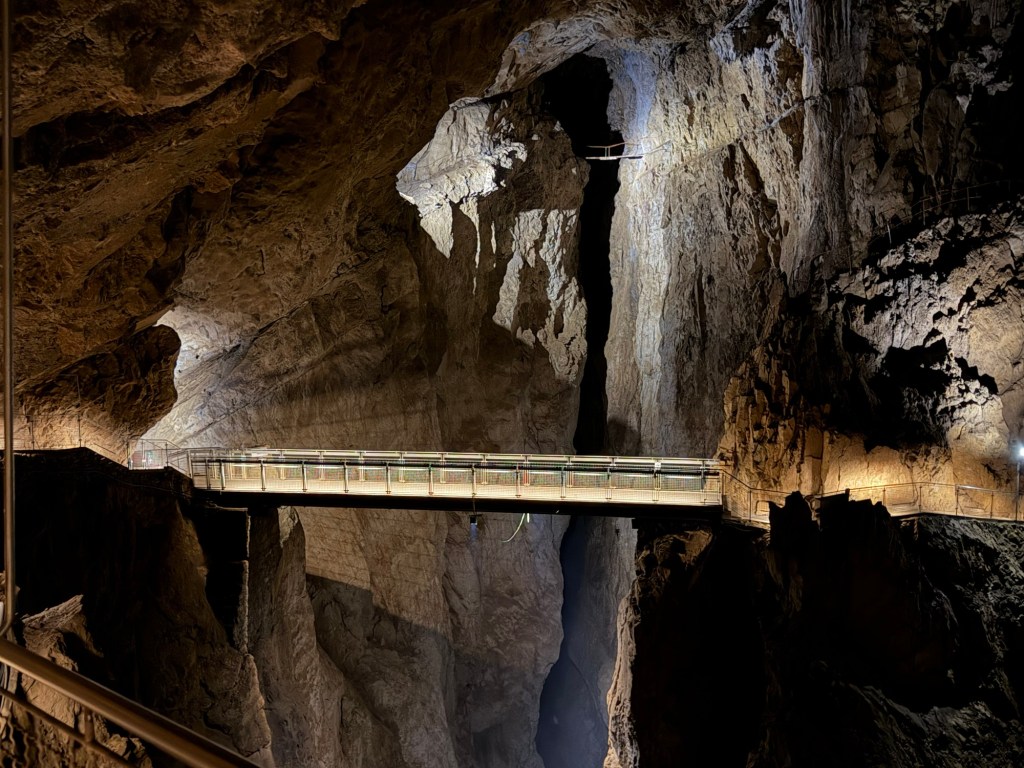
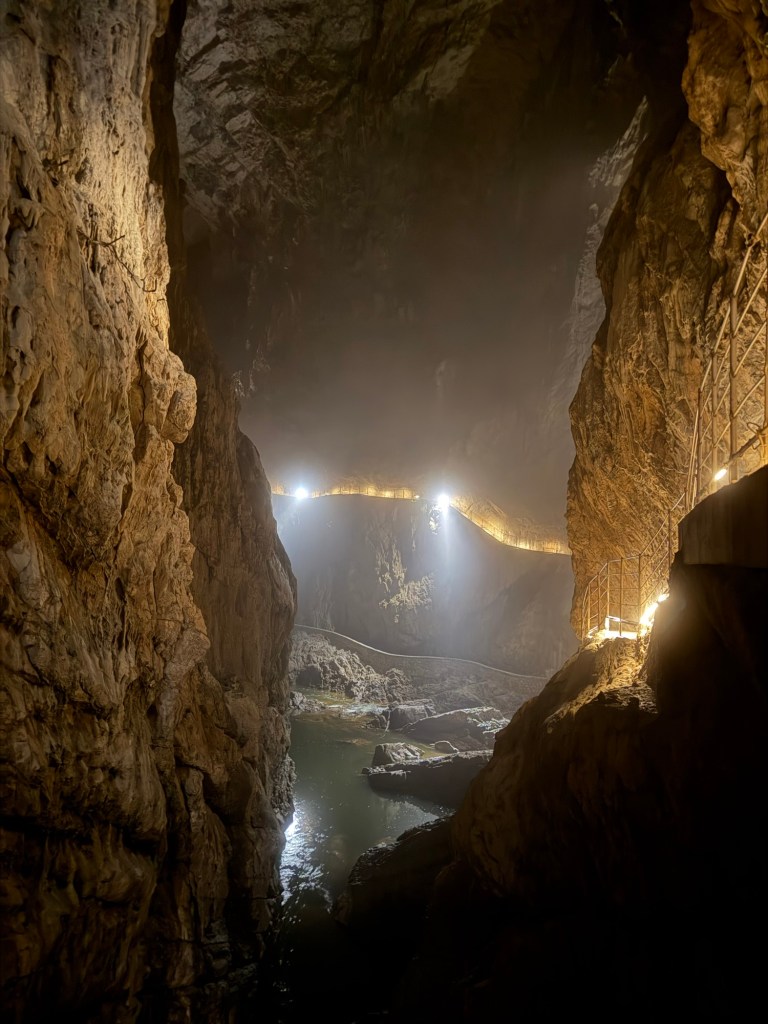
Then the cave suddenly fell away beneath me. The intimate chambers of stalactites and flowstone opened into an underground canyon of almost unimaginable scale, its sheer walls rising into darkness and the Reka River rushing far below.
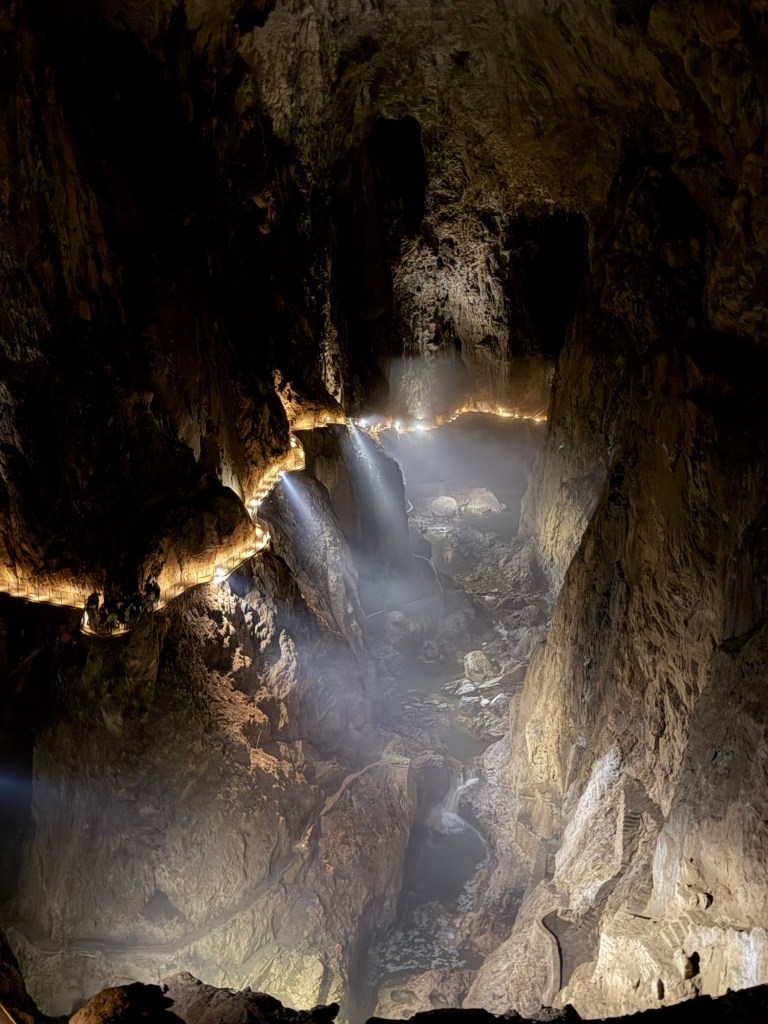
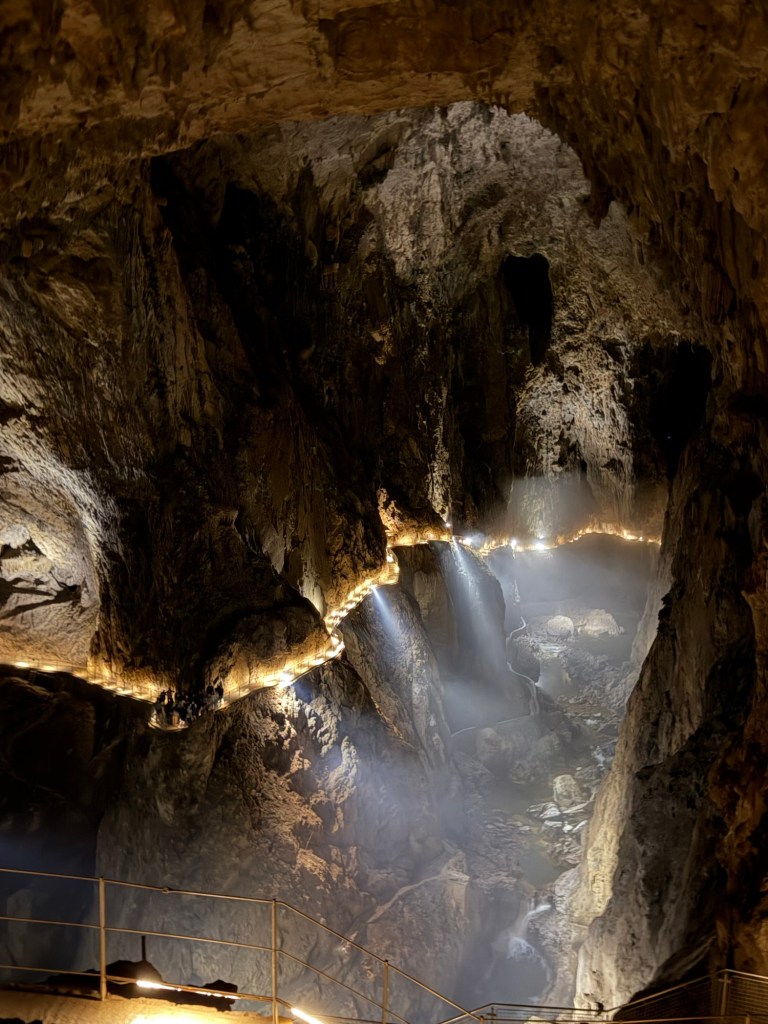
A ribbon of illuminated pathway clung to the rock face before reaching the Cerkvenik Bridge, suspended dramatically above the chasm.
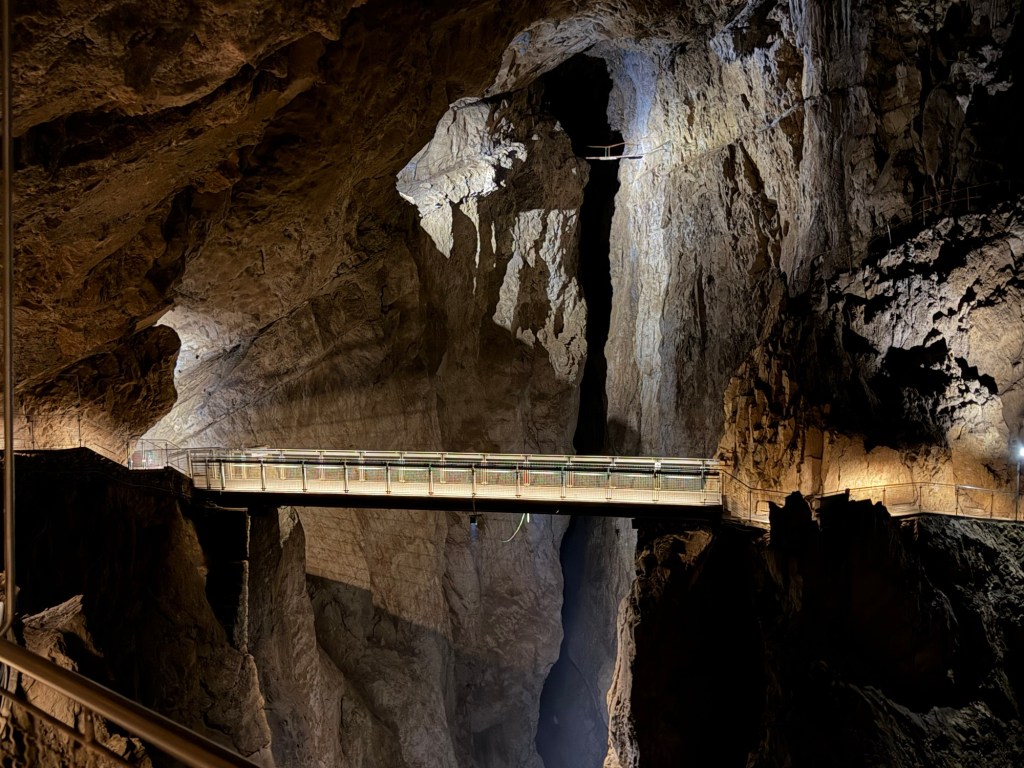
Mist drifted upward from the river and caught the beams of light, giving the entire scene an ethereal glow. Standing there, surrounded by darkness, rock, and the distant roar of water, I finally understood why the Škocjan Caves are unlike any other cave system in the world.
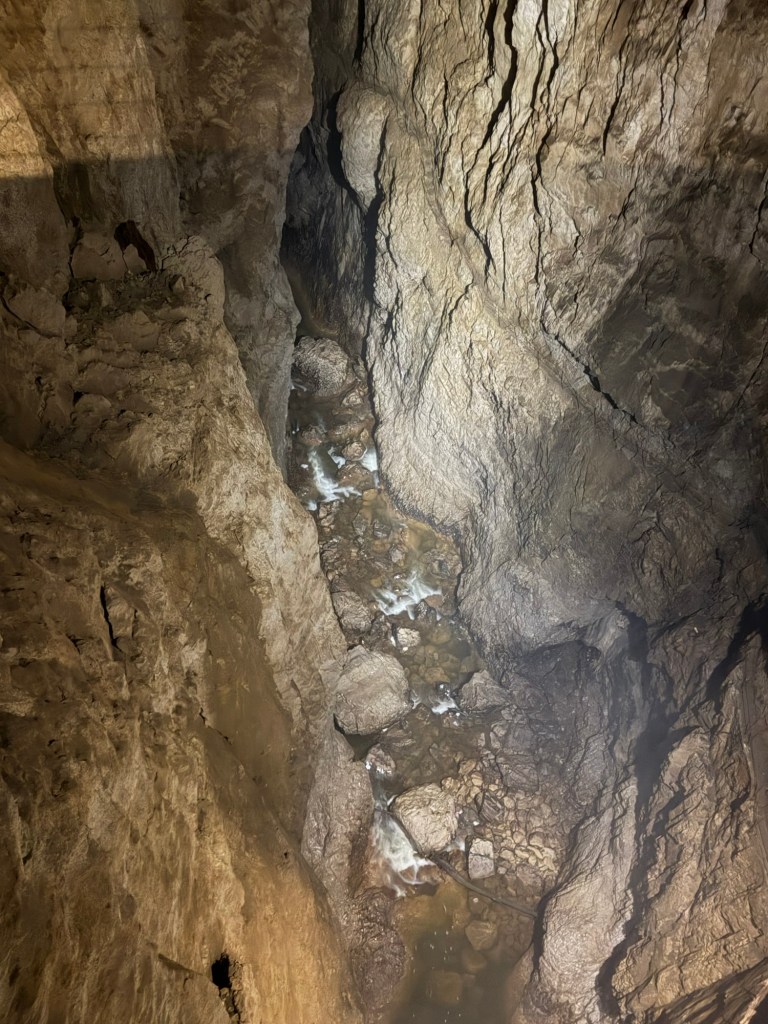
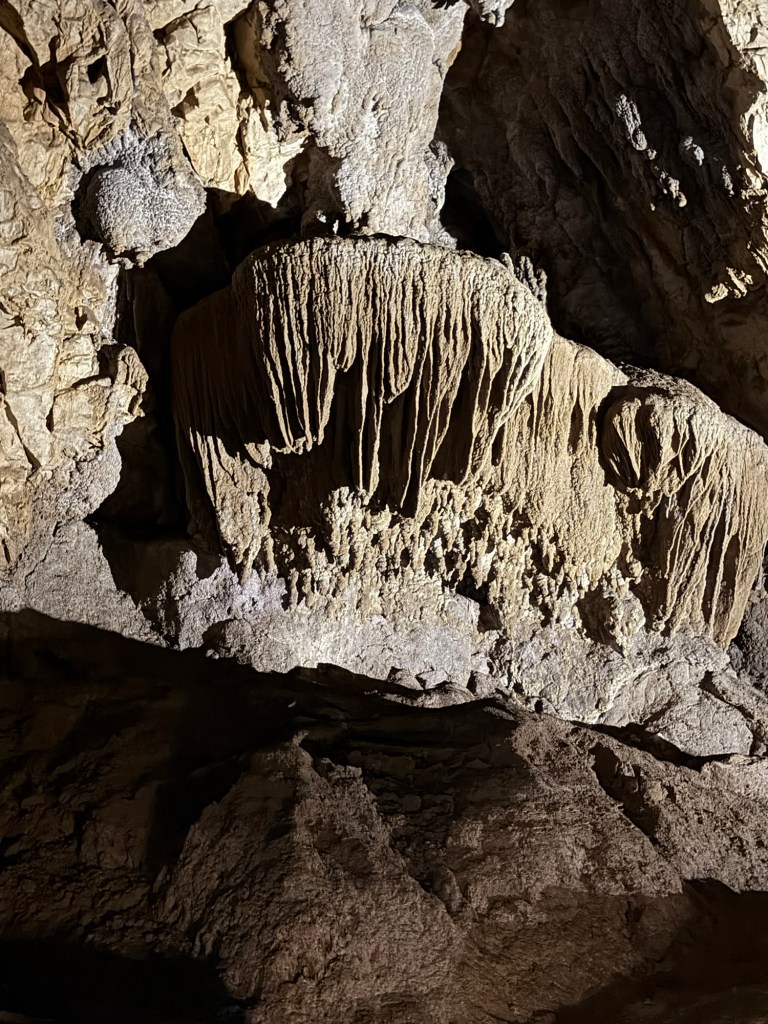
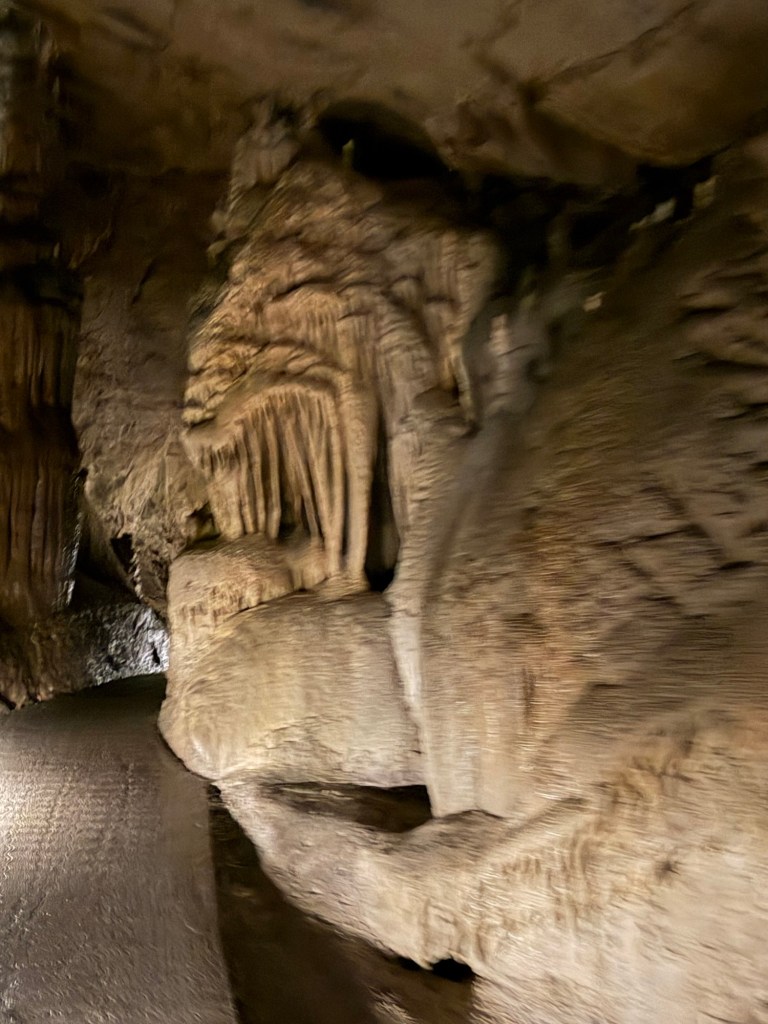
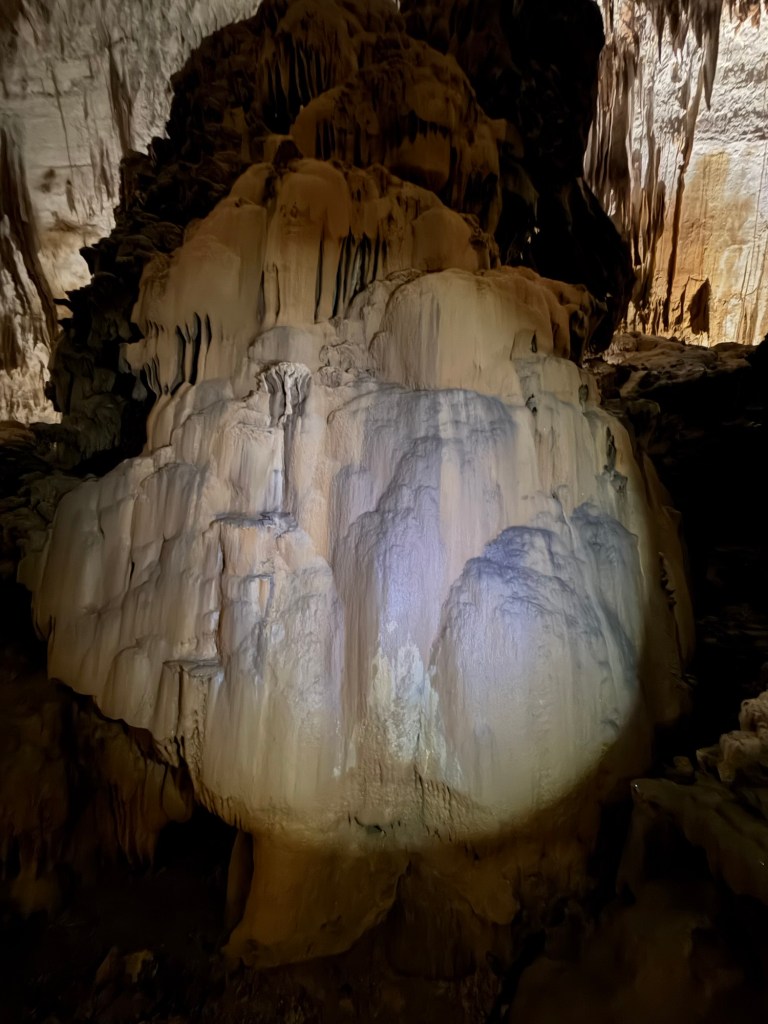
One of the formations, called The Organ (Dvorana Orgel), immediately caught my attention. It rose from the cave floor like the façade of a subterranean cathedral—part pipe organ, part frozen waterfall, and part enormous curtain folded in stone.
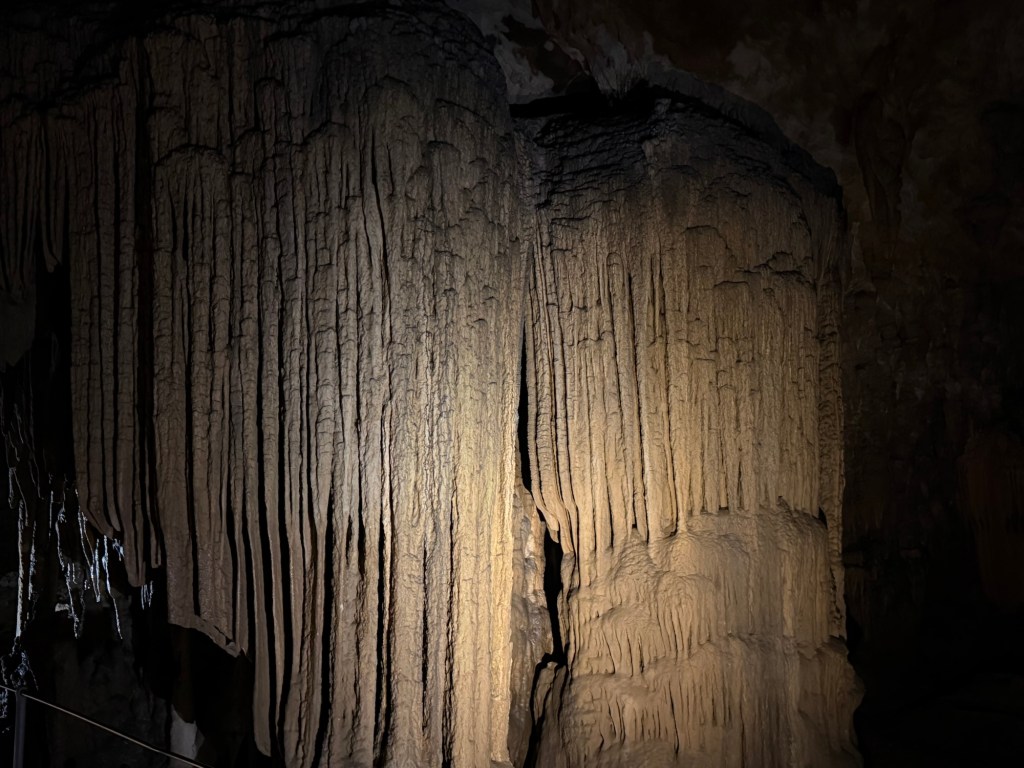
Warm light brought out shades of ivory, ochre, and gold, revealing the countless ridges and ripples left by mineral-rich water over thousands of years. Surrounded by darkness, it had an almost sacred presence—a reminder that this extraordinary structure had been created patiently, one drop at a time.
I felt awed, humbled, and almost overwhelmed by the scale of it all. Standing on that bridge, suspended between towering walls of rock with the river roaring somewhere in the darkness below, I became acutely aware of how small I was—and how brief a human life is compared with the millions of years required to create this place. Yet I did not feel insignificant.
I felt extraordinarily privileged to be there, witnessing a hidden world that had existed long before us and would remain long after we were gone.
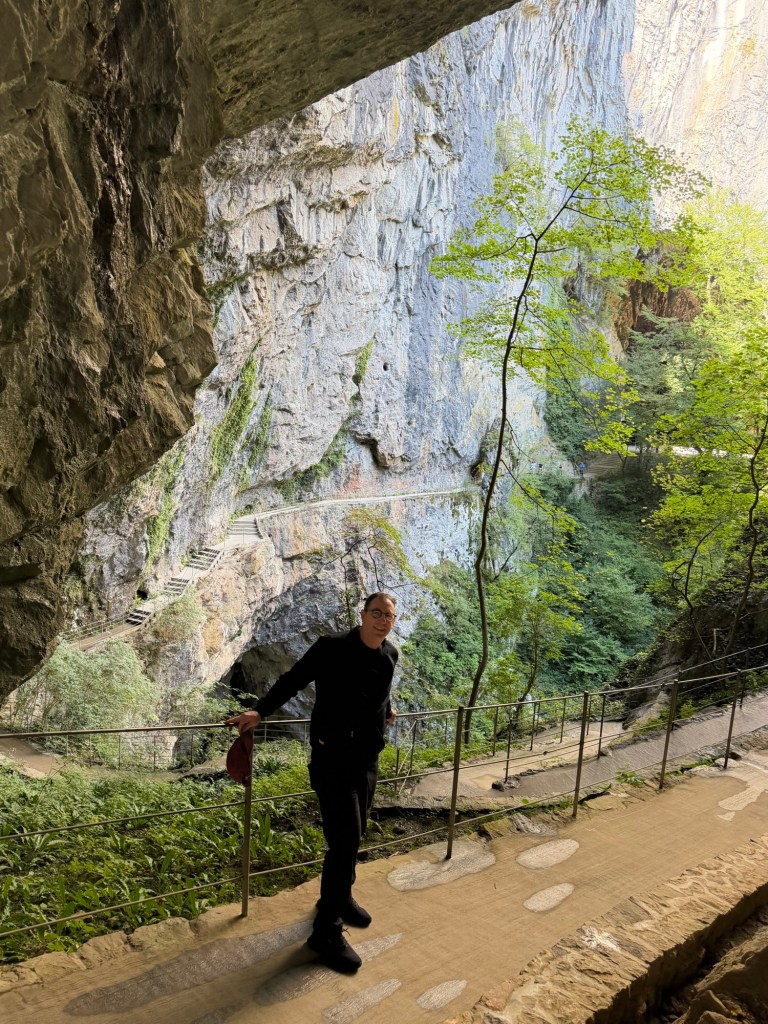
Just before we emerged from the cave, Maja paused to take my picture beneath the immense limestone arch.
The tour was over, but the wonder of what I had seen is a timeless memory.
Kobilarna Lipica—the Lipica Stud Farm
Just minutes from the caves, is Kobilarna Lipica—the Lipica Stud Farm—founded in 1580 to breed horses for the Habsburg court. It became the birthplace of the Lipizzaner, a breed famous for its strength, intelligence and graceful movements. The horses are usually born dark and gradually turn white as they mature. Today, Lipica remains a working stud farm and an important symbol of Slovenian history and culture.
While I was exploring the caves below, Beth had an entirely different experience above ground, visiting the Lipizzaners at the Lipica Stud Farm. She saw them both in their stables and wandering peacefully beneath the trees. Up close, with their calm expressions, powerful build, and striking near-white coats, it was easy to understand why these magnificent horses have captivated people for centuries.
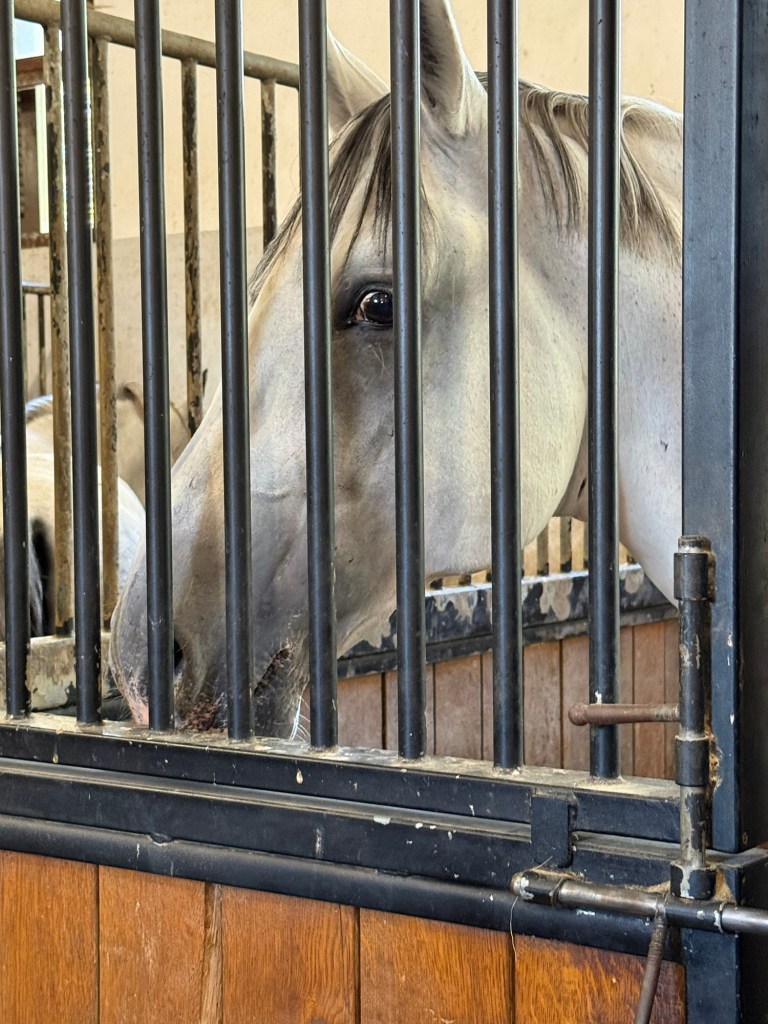
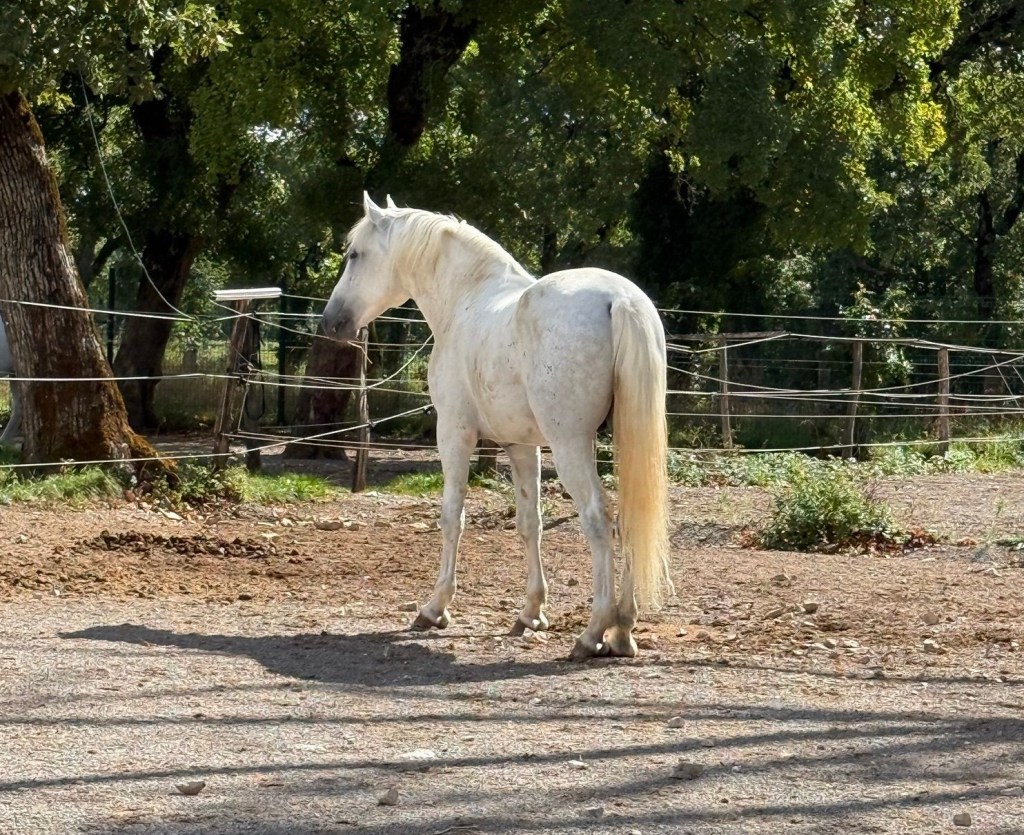
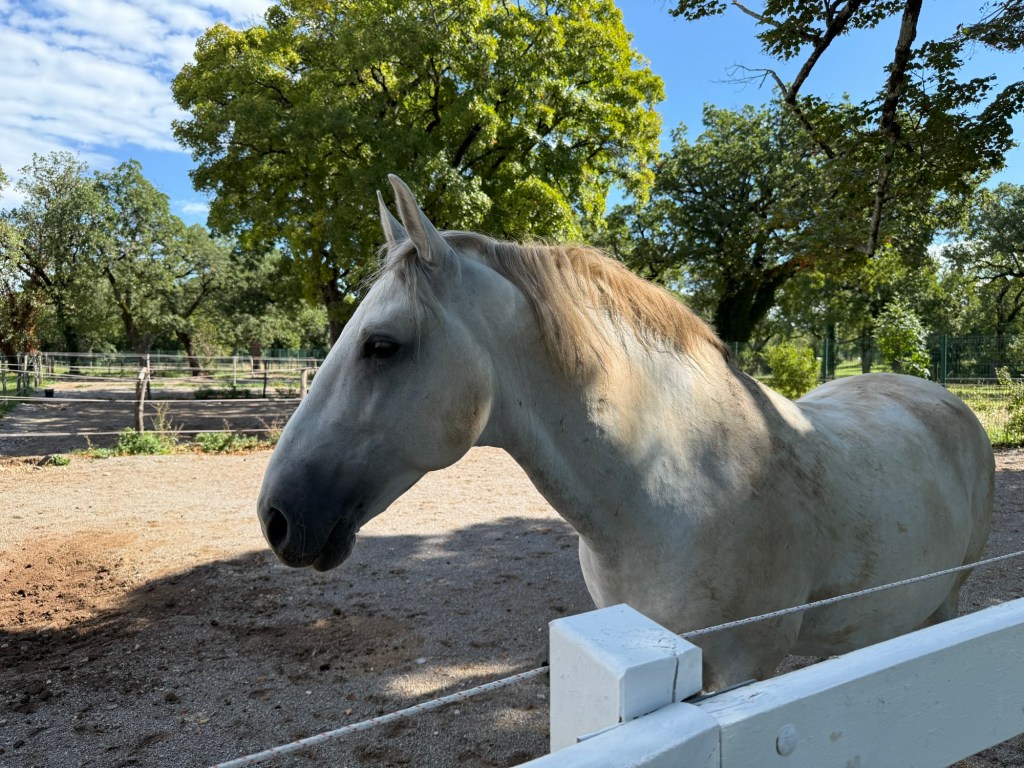
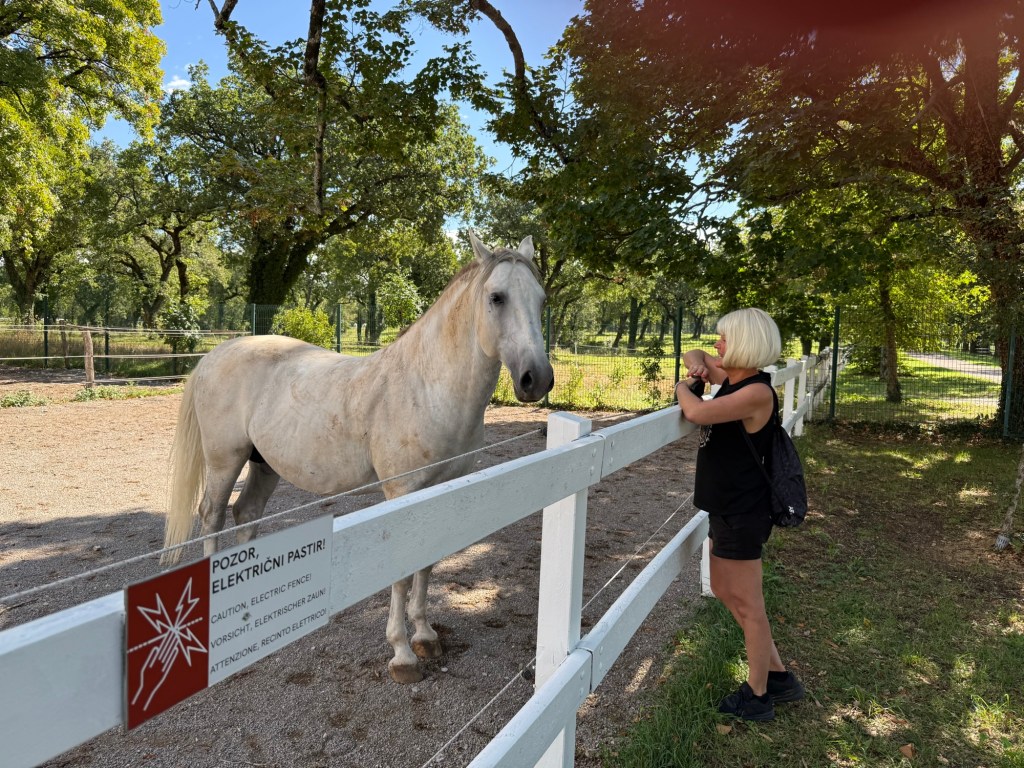
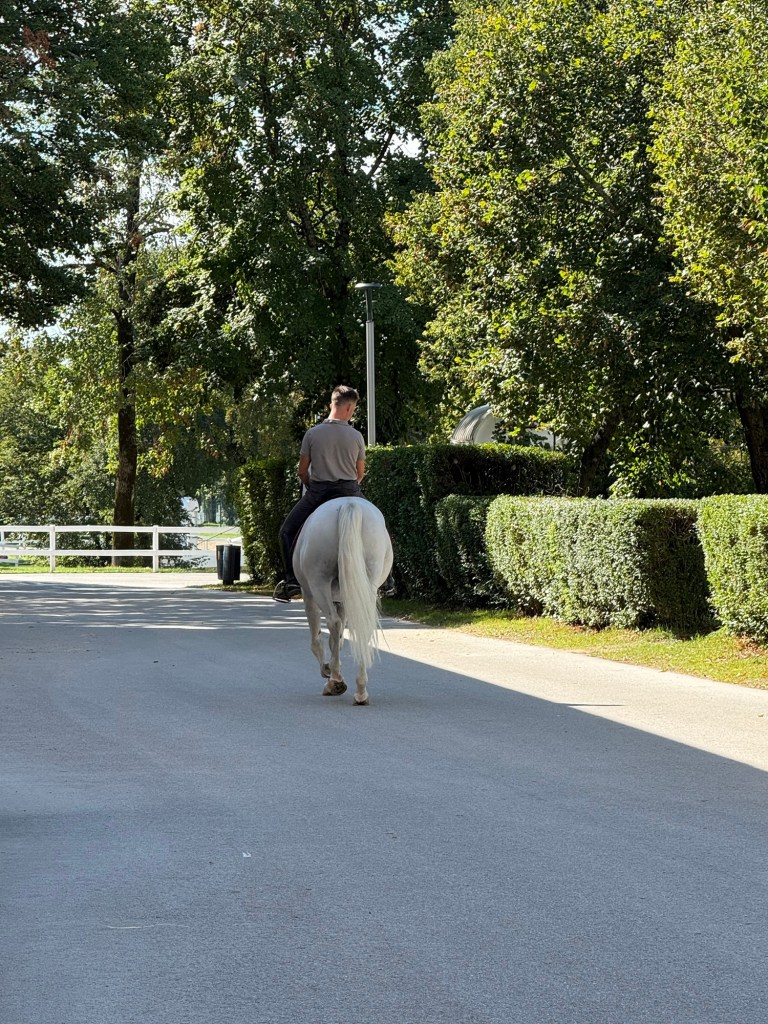
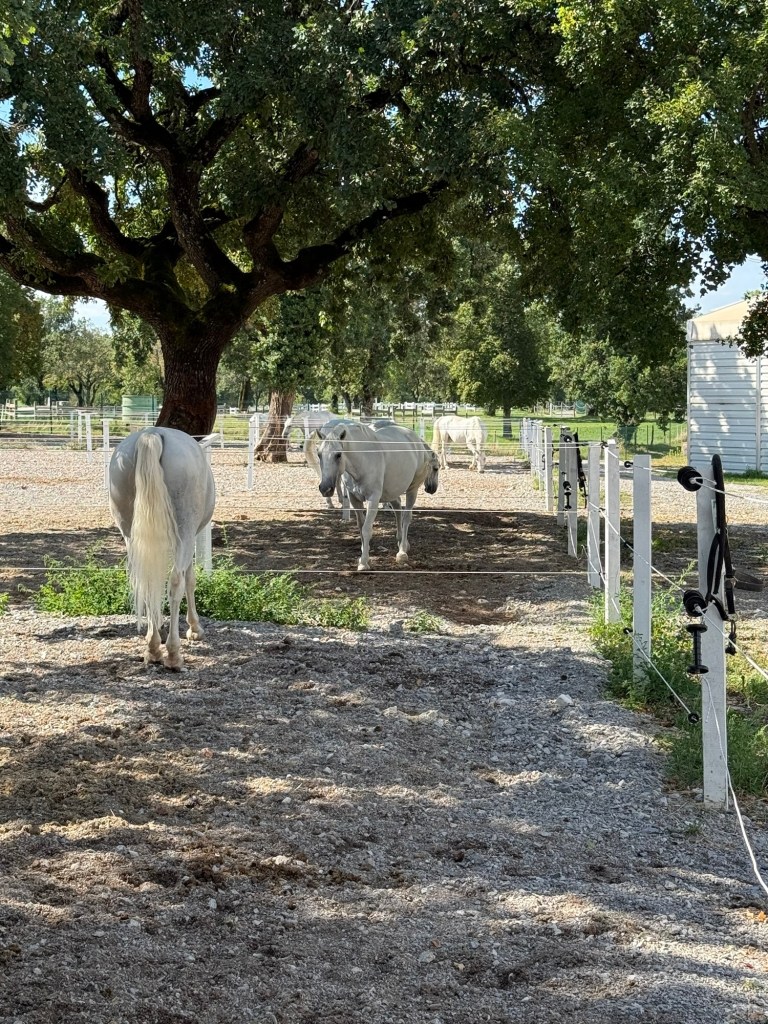
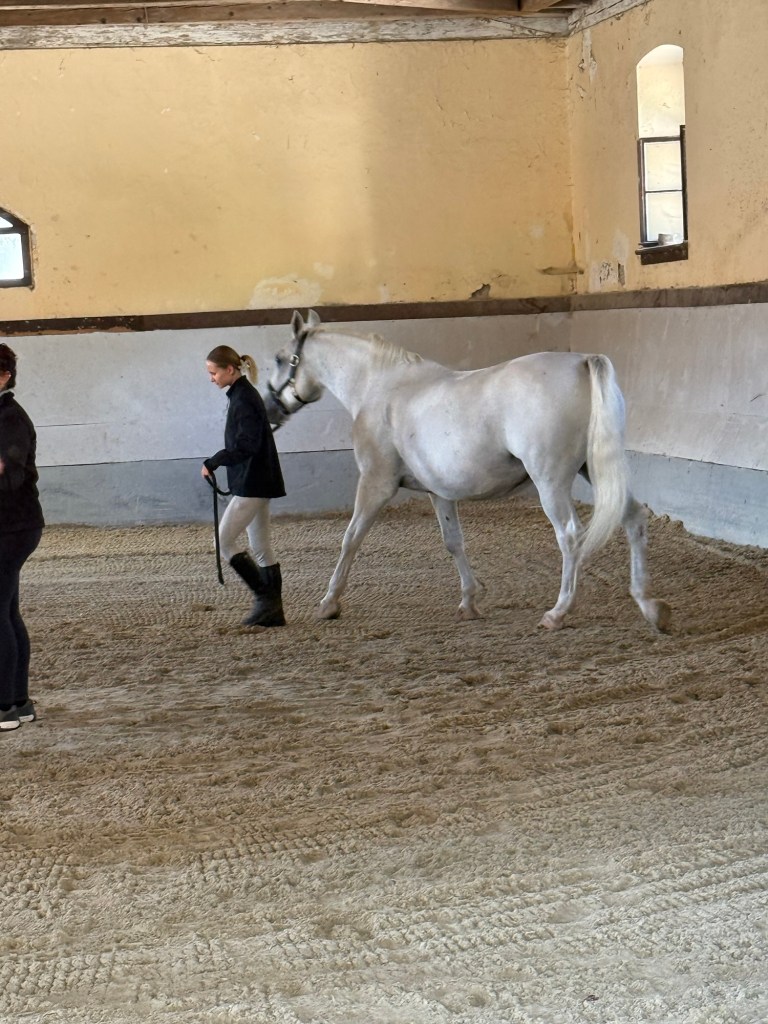
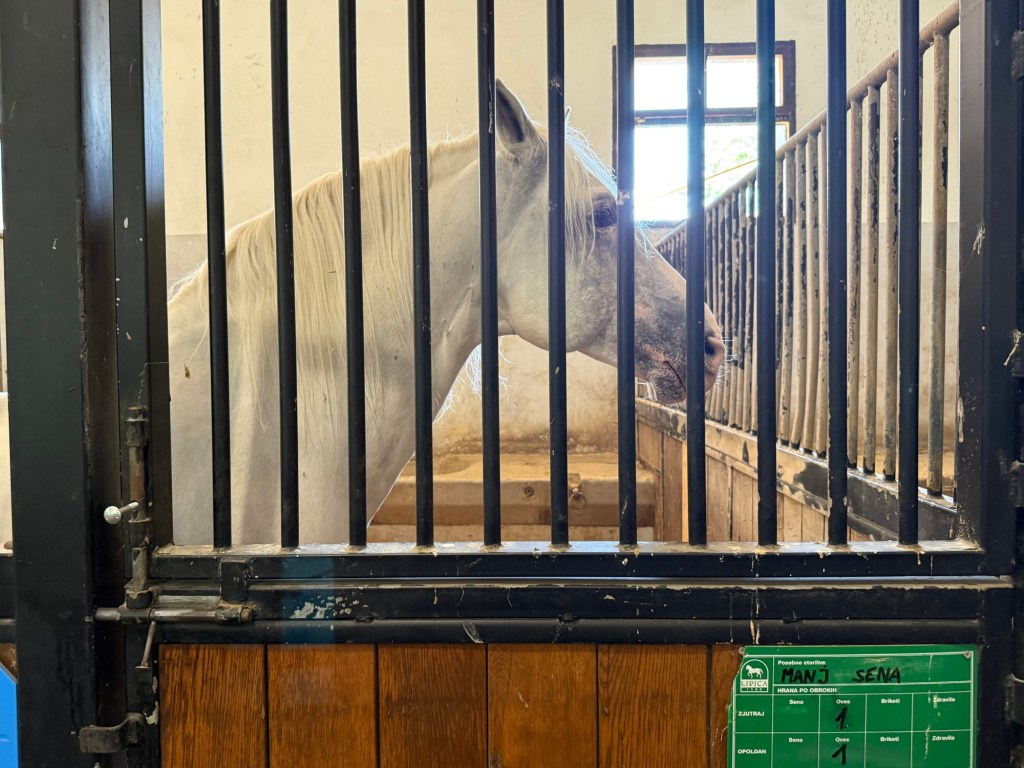
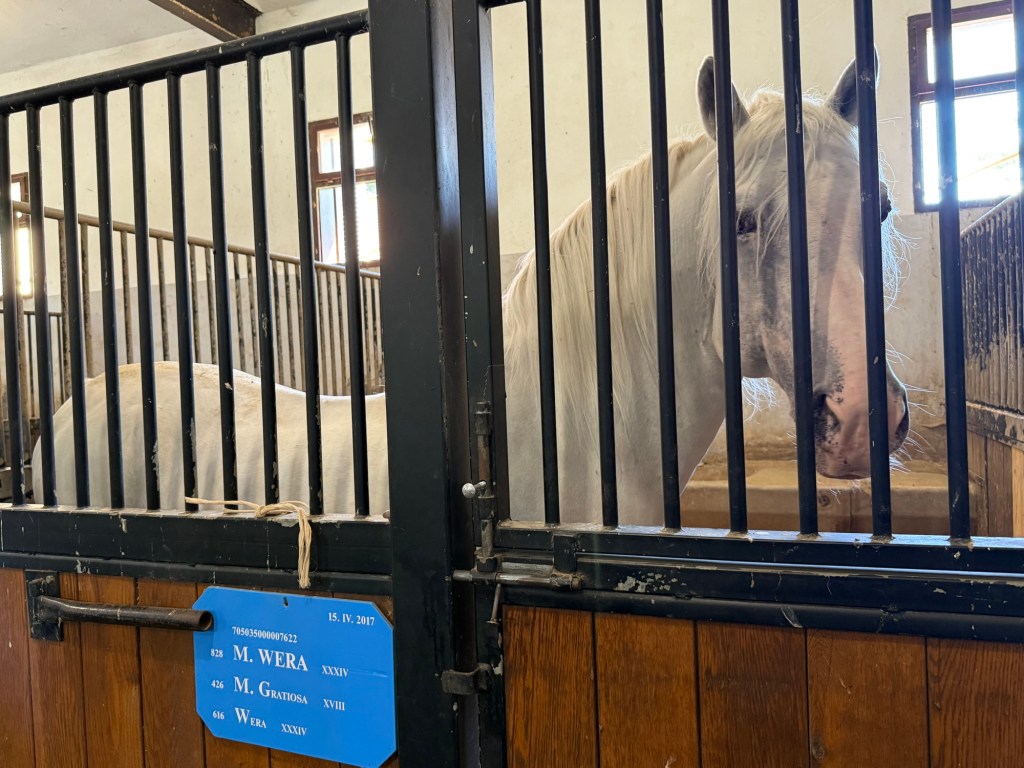
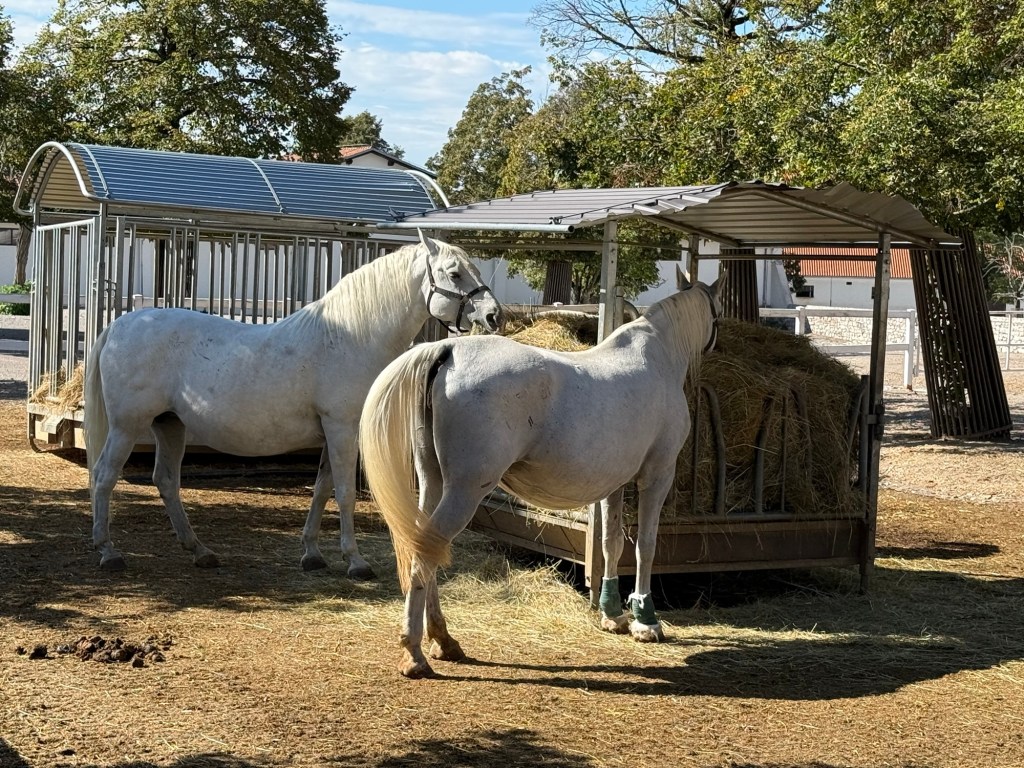
Beth came away with a new appreciation for why these magnificent horses have captivated people for centuries.
Trieste
From Lipica, we drove a short distance west to the Italian border. Trieste has a long and layered history. Founded as the Roman settlement of Tergeste, it later became part of the Habsburg Empire, which transformed it into a major port and a cosmopolitan trading center.
After the First World War, Trieste became part of Italy. Following the Second World War, it was administered as the Free Territory of Trieste before being divided between Italy and Yugoslavia in 1954. Today, Trieste remains an Italian city with strong Central European and Adriatic influences.
We began in Piazza Unità d’Italia, Trieste’s magnificent main square, open on one side to the Adriatic Sea. Grand buildings from the city’s Habsburg era surround the square, including the mosaic-covered Palazzo del Governo and the ornate City Hall with its central clock tower.
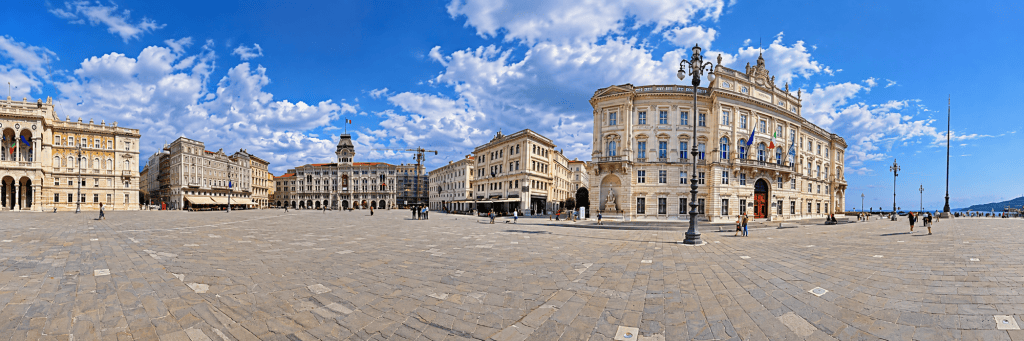
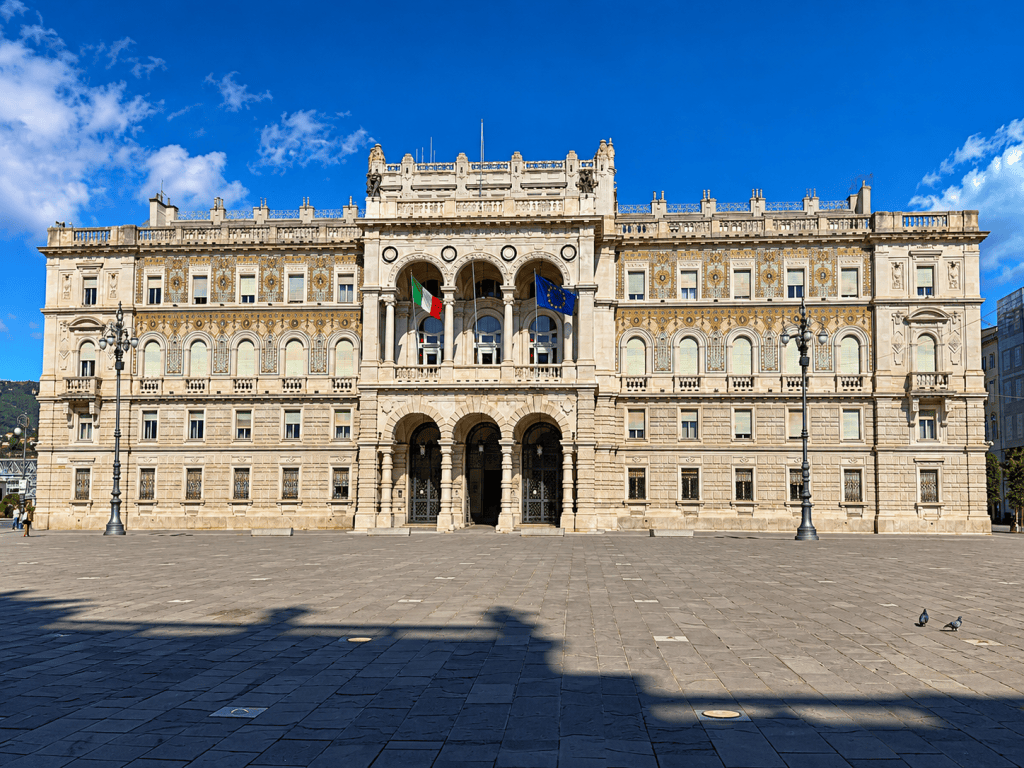
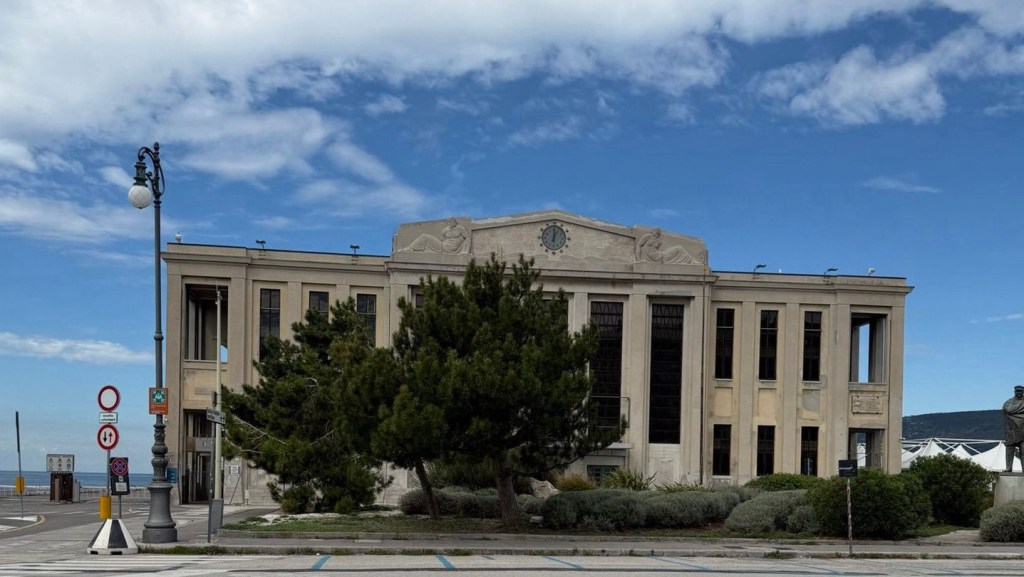
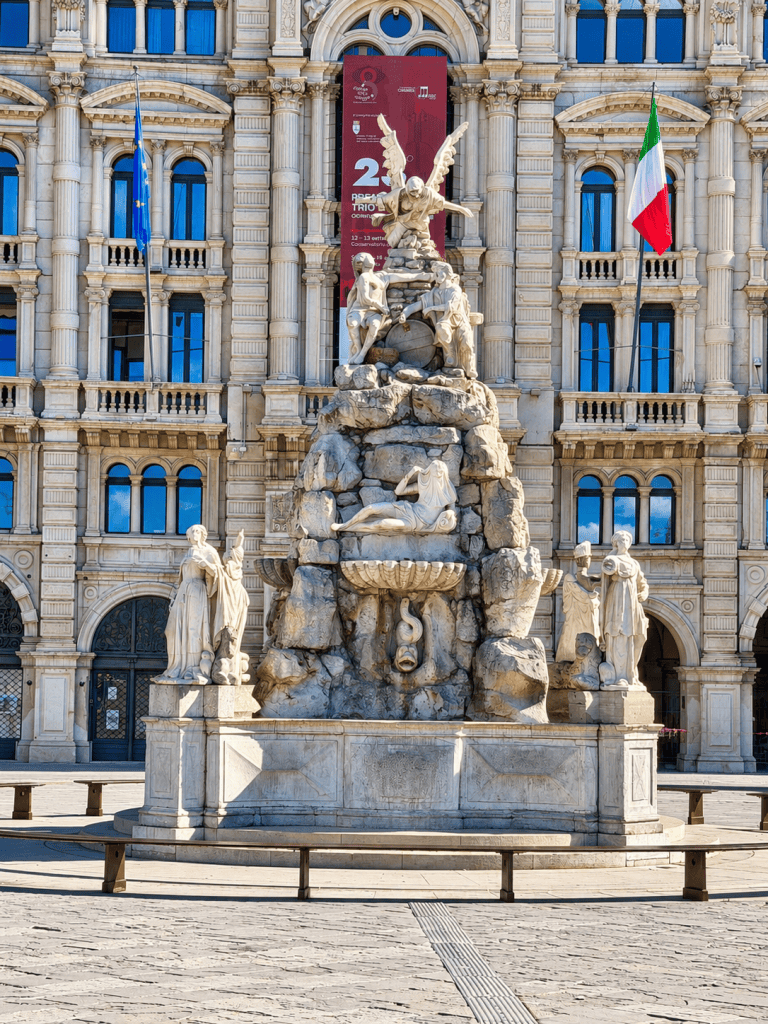
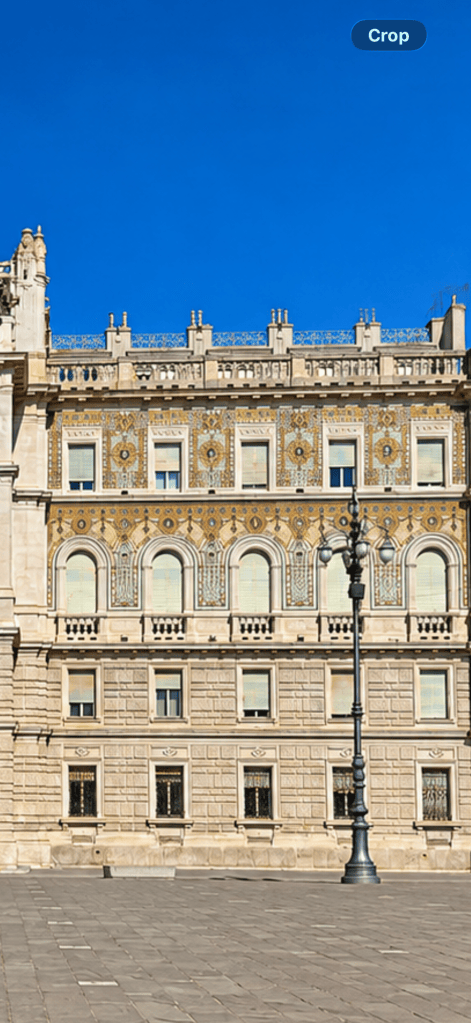
Near the waterfront stand two monumental flagpoles decorated with bronze soldiers, added in the 1930s as symbols of Trieste’s union with Italy.
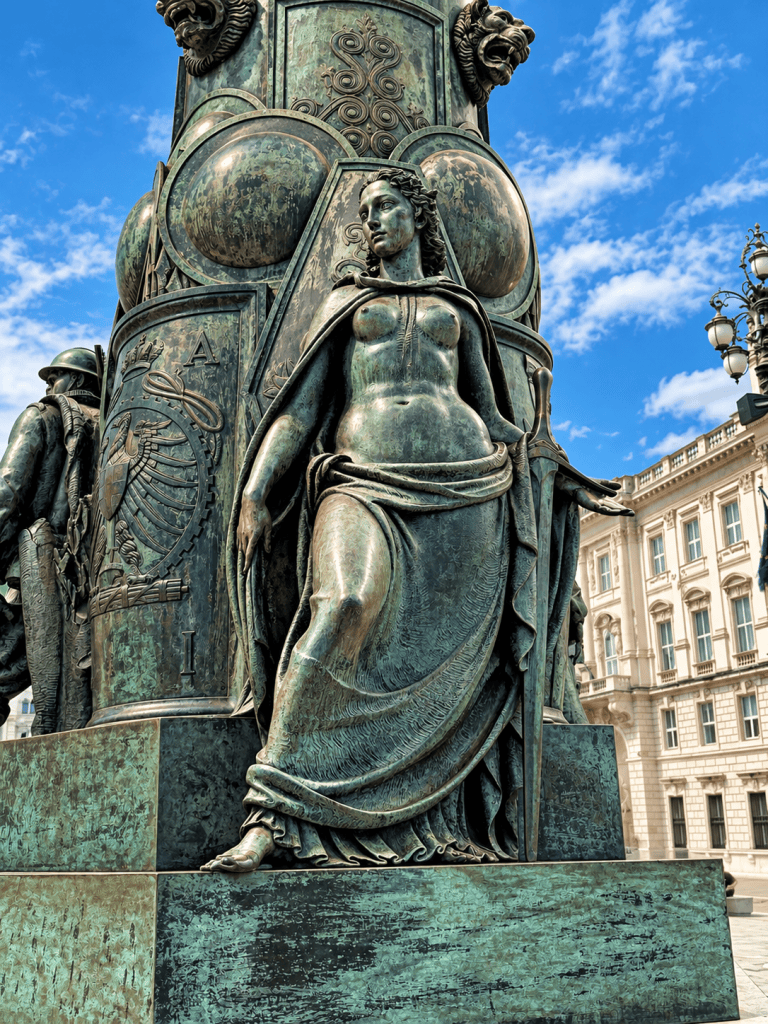
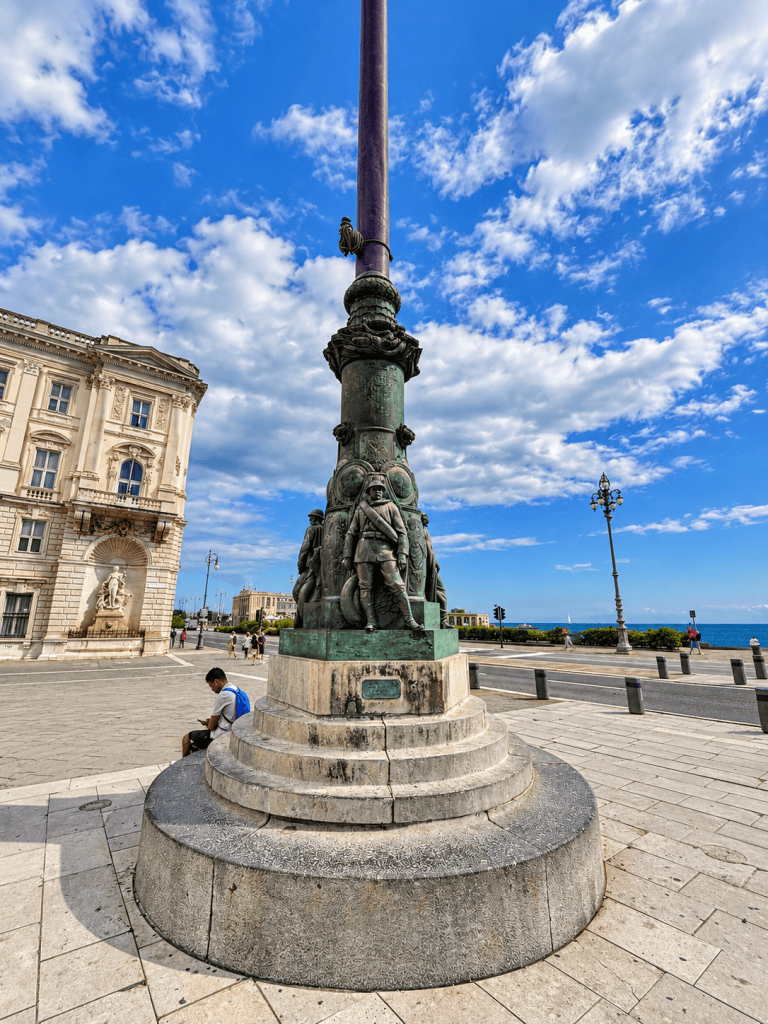
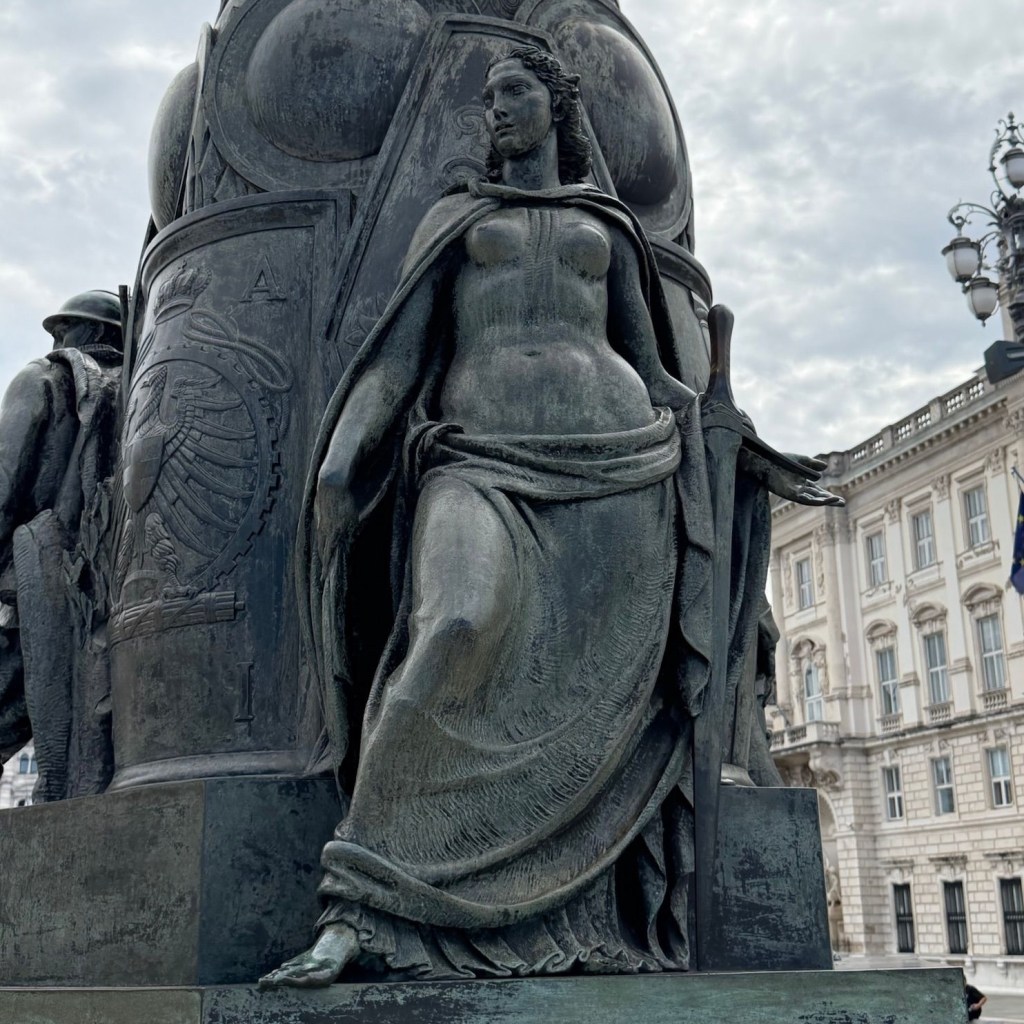
Together, the buildings and monuments reveal the city’s layered identity—Austrian in much of its architecture, yet unmistakably Italian in its national symbolism.
Standing near Unity square, we noticed an enormous, strikingly modern sailing vessel anchored in the harbor. It turned out to be Sailing Yacht A, a 468-foot, three-masted superyacht designed by Philippe Starck.
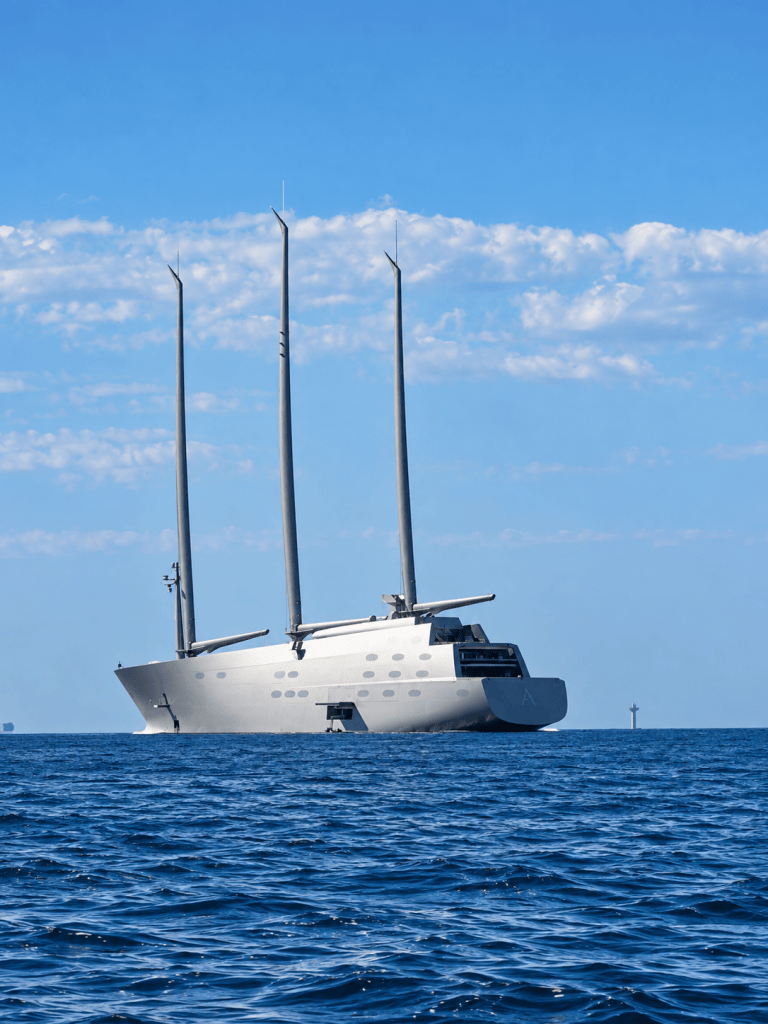
It was valued by Italian authorities at approximately €530 million when they seized it in 2022 under sanctions against Russian billionaire Andrey Melnichenko. It remains anchored off Trieste, embroiled in litigation, its ultimate fate unsettled.
Interestingly, Trieste became an important hub for importing coffee into the Habsburg Empire, a legacy that helped make the city one of Europe’s great coffee centers. That tradition continues today: the famous Italian coffee company illy was founded in Trieste in 1933 and still has its headquarters there. My partially successful efforts to curb my caffeine intake back home were thoroughly undone here. Trieste, with its centuries-old coffee culture and seemingly irresistible cafés around every corner, proved to be more than my willpower could withstand.

It seemed only fitting, then, that we experience a little of Trieste’s celebrated coffee culture for ourselves. We stopped for lunch at Caffè Tommaseo, one of the city’s historic cafés.
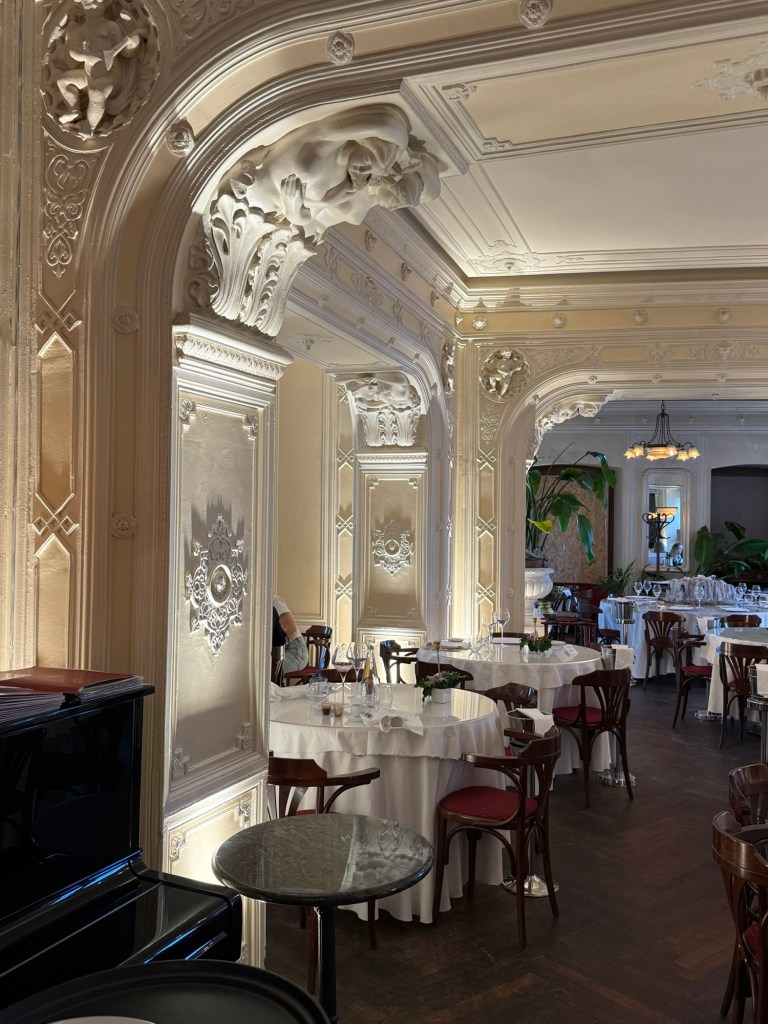
Its elegant rooms felt preserved from another era, with elaborate plasterwork, sculpted figures supporting graceful arches, glowing chandeliers, dark wooden floors, white-linen tables, and formally dressed servers moving briskly among the diners.
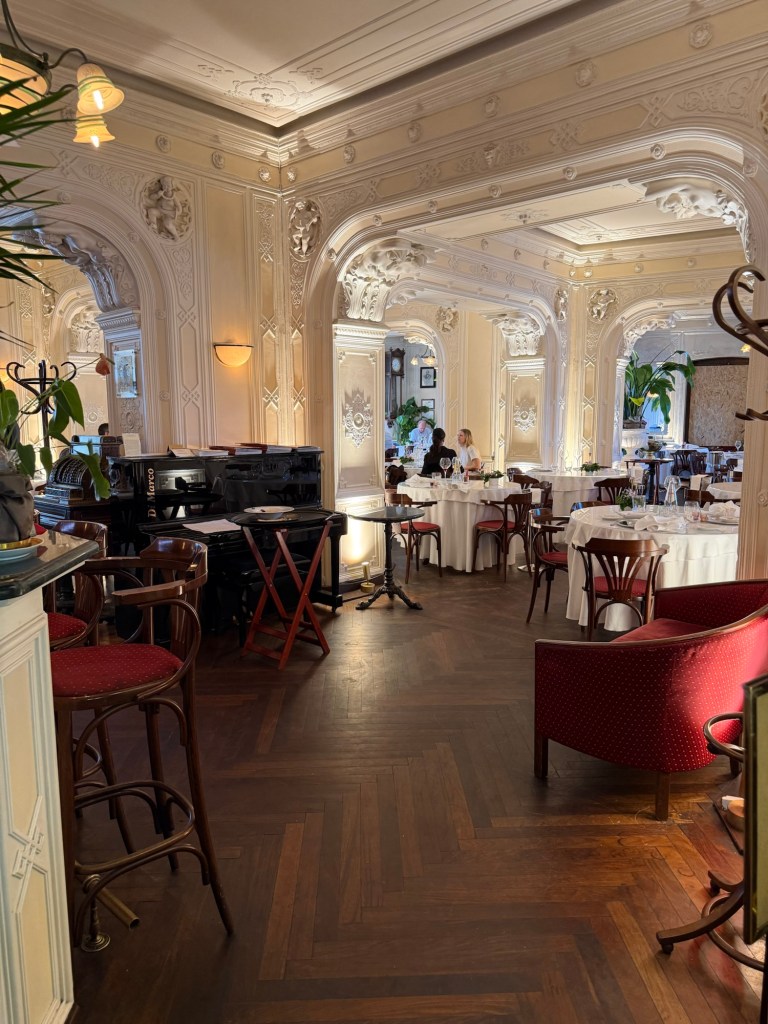
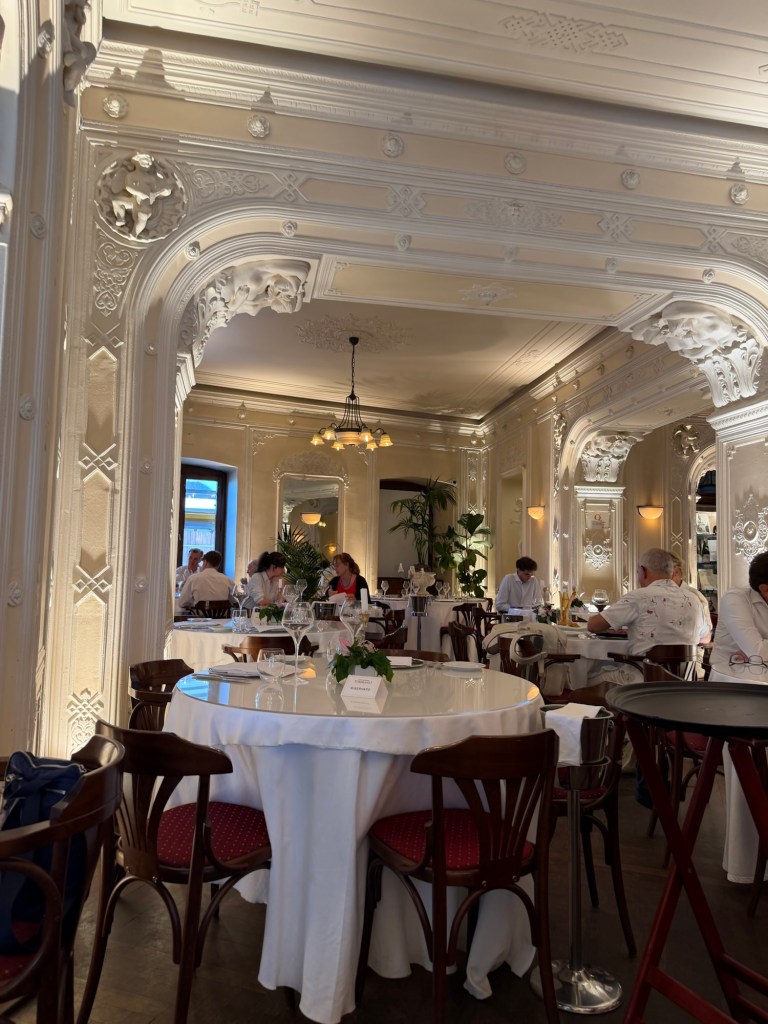
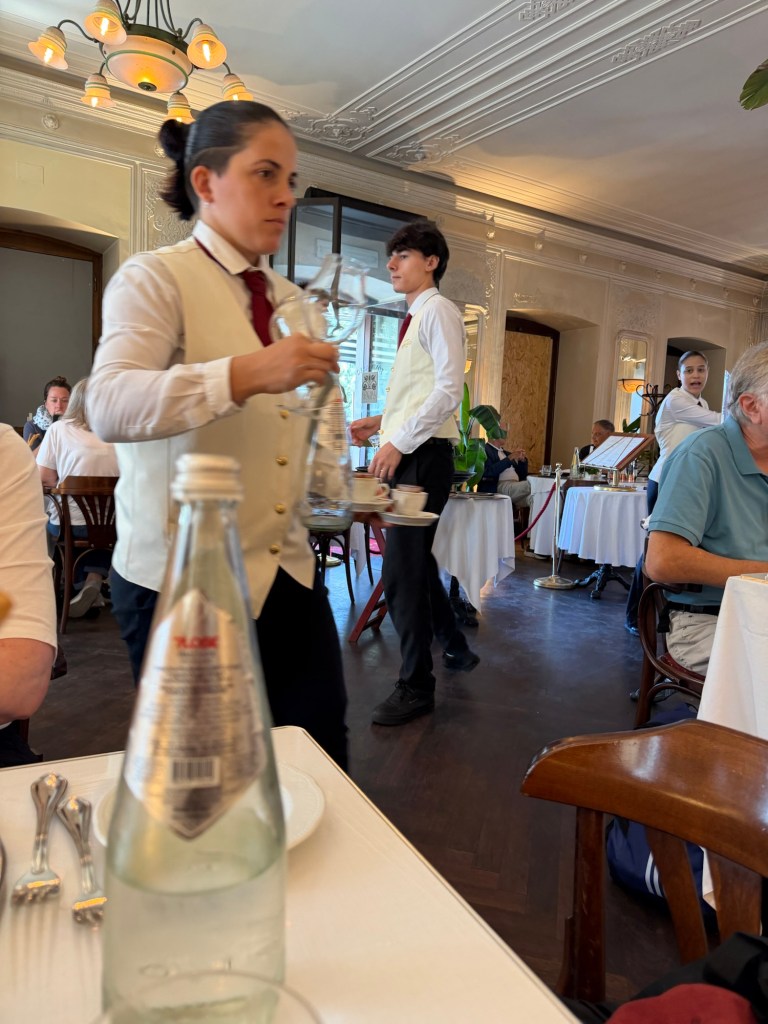
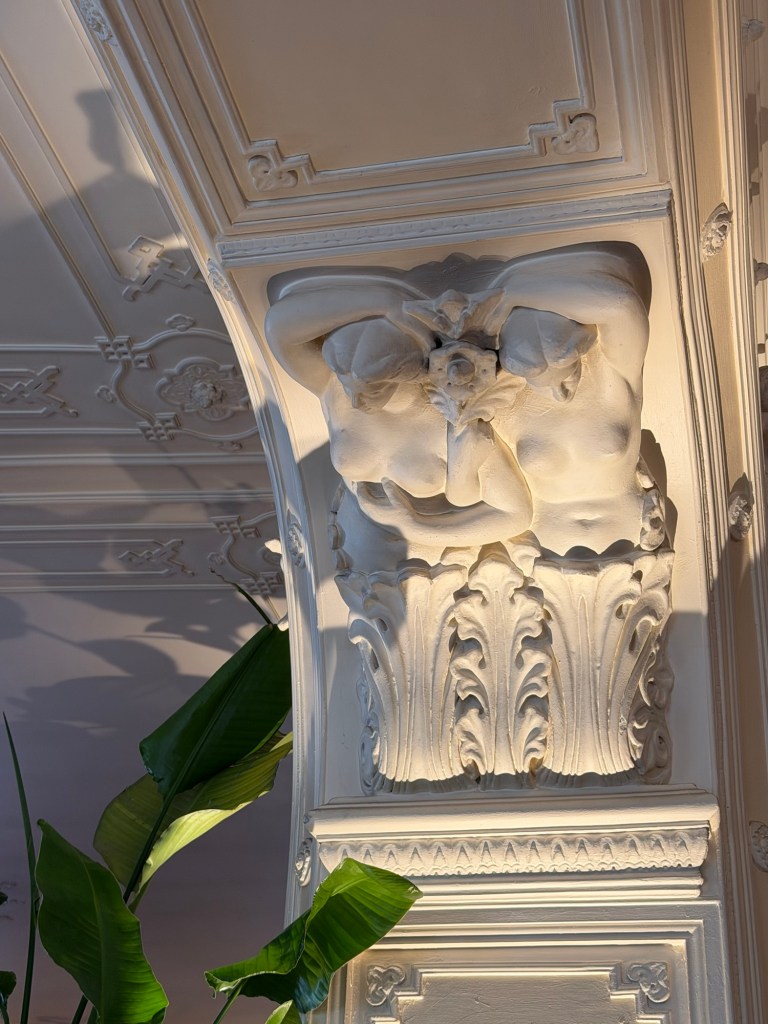
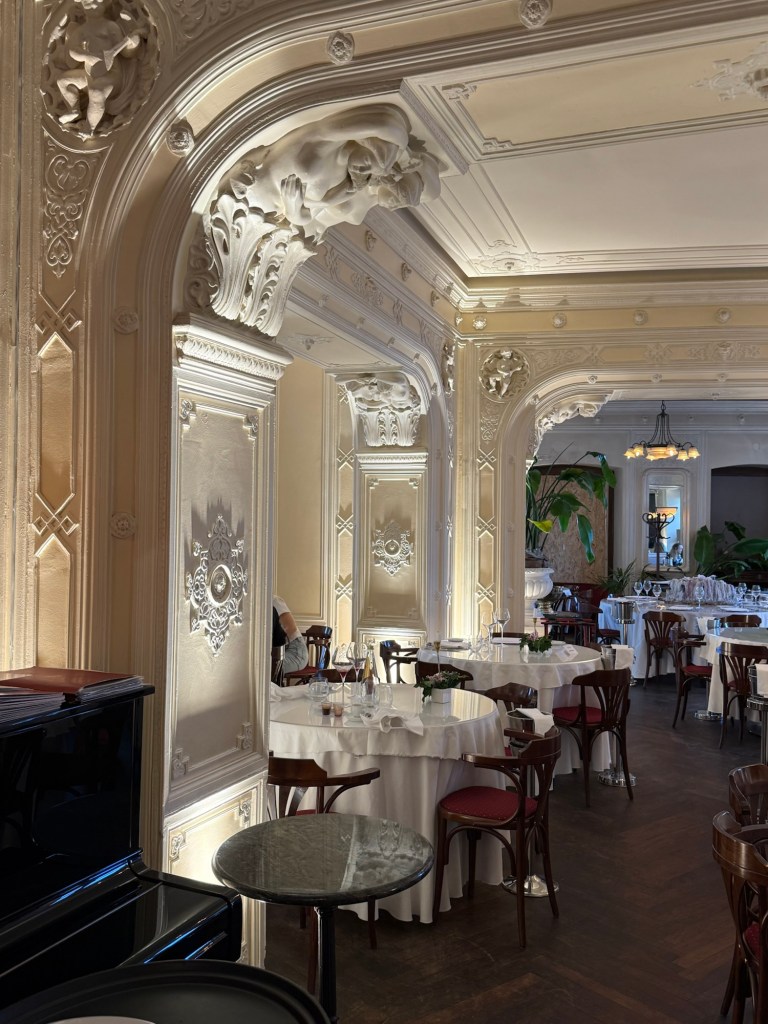
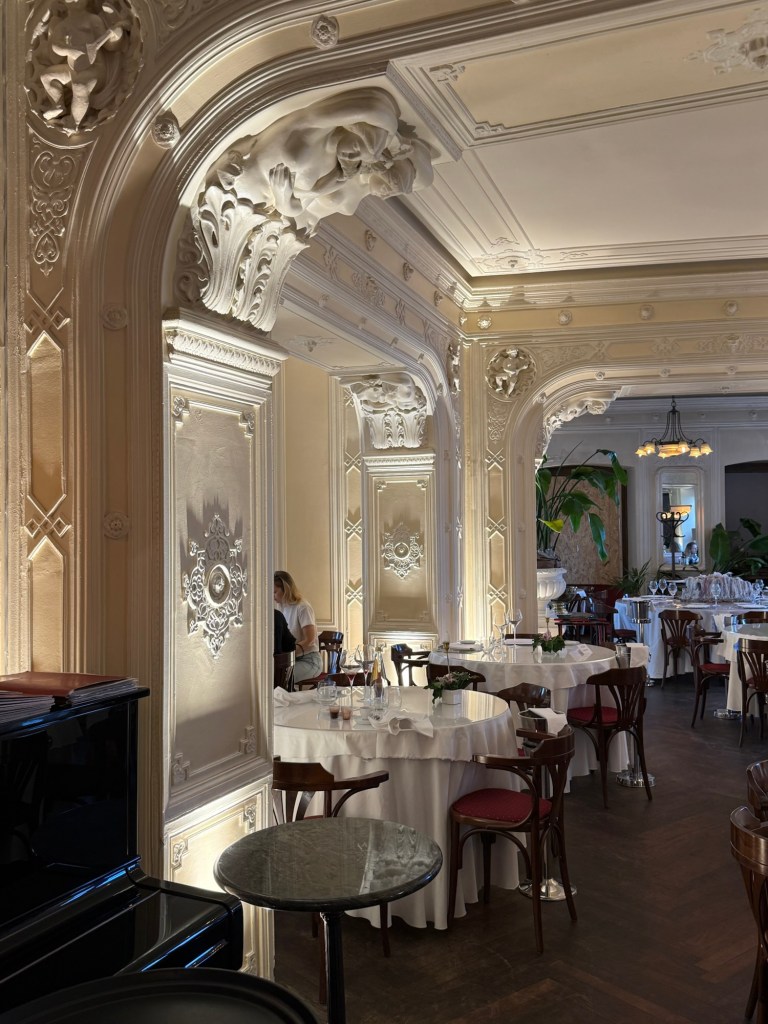
The food was unremarkable, but the magnificent Old World ambiance more than made up for it.
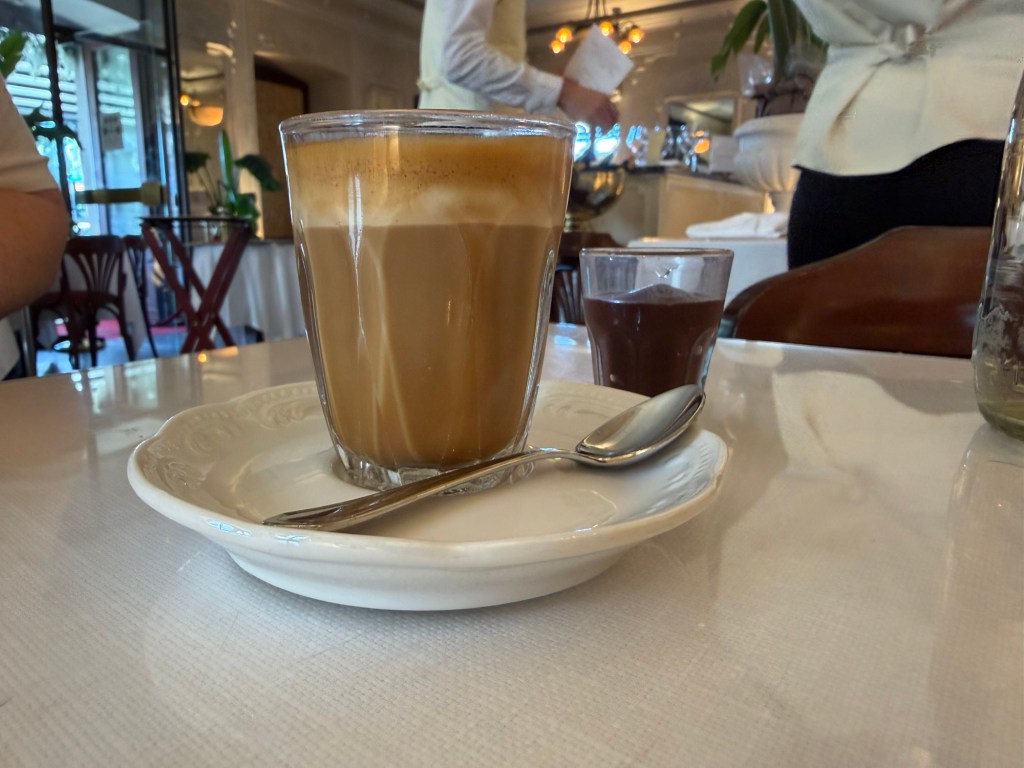
We did, however, enjoy one of Trieste’s signature pleasures: a capo in B—an espresso macchiato served in a glass.
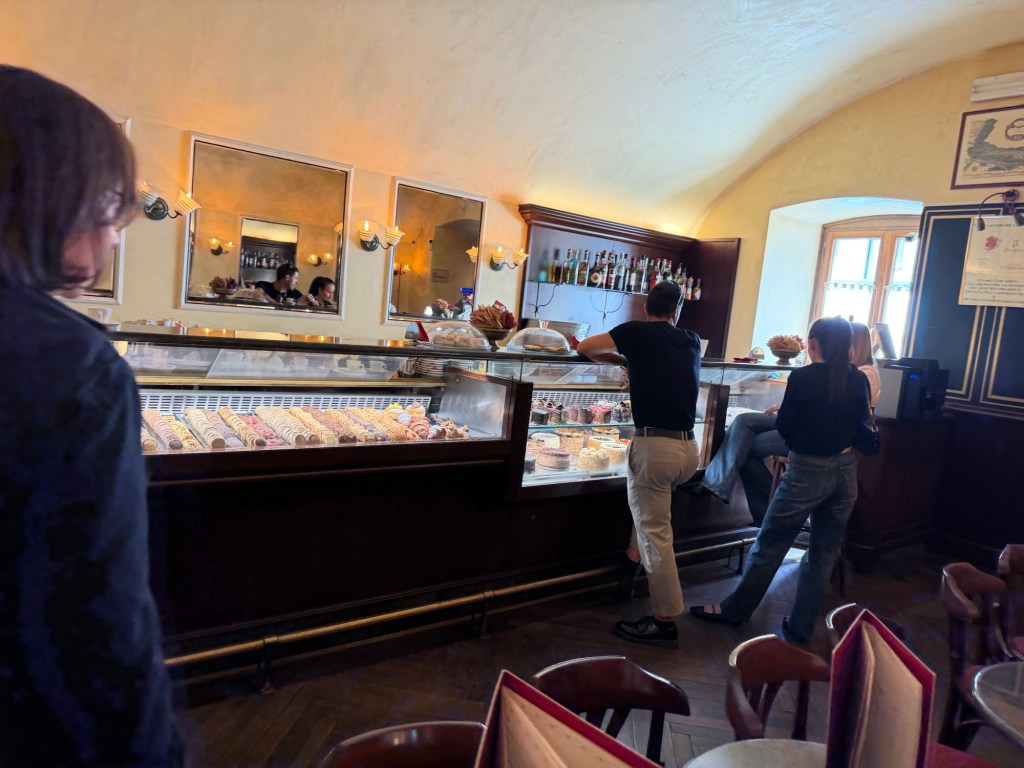
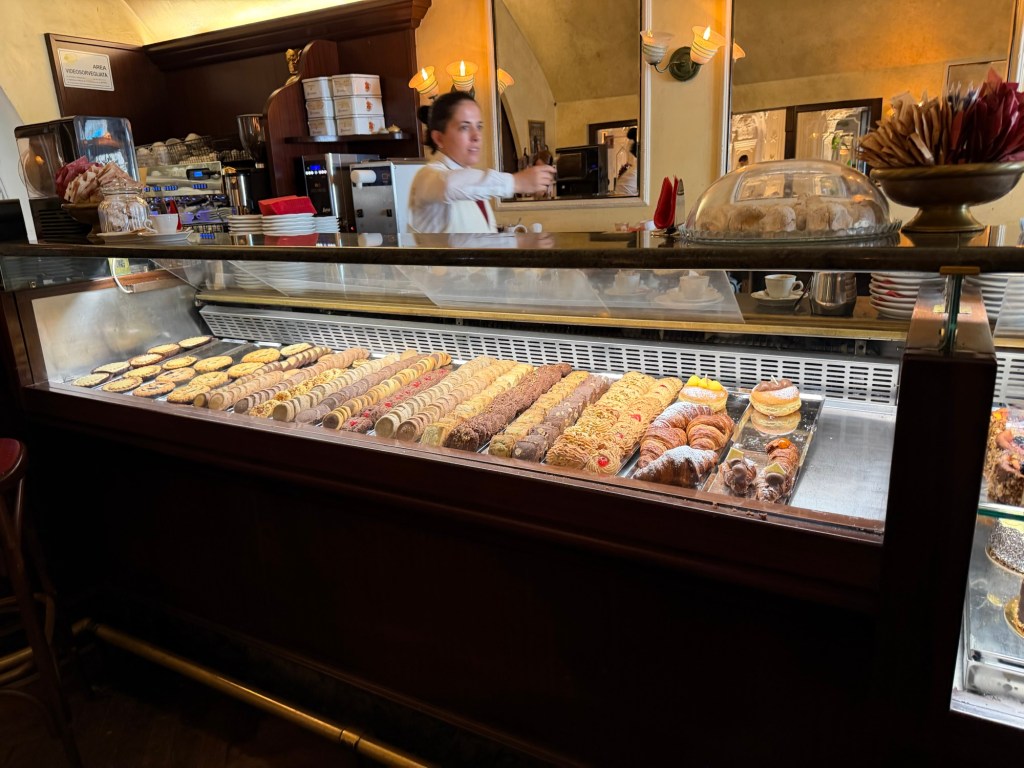
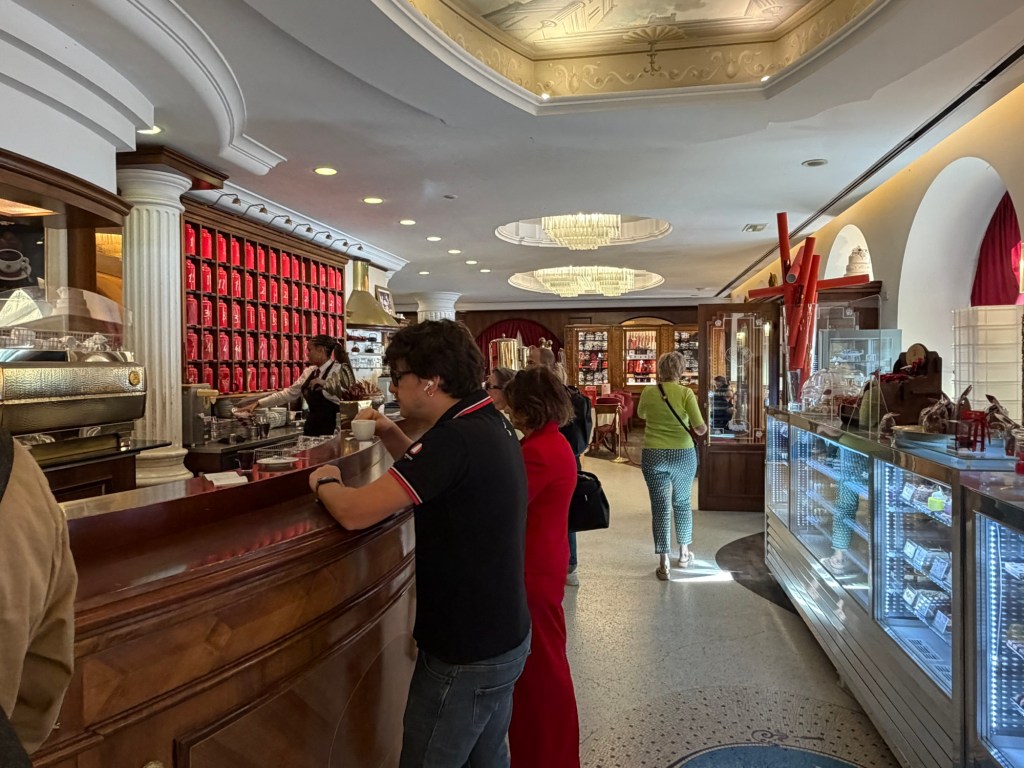
The real treat came afterward when we wandered into the adjoining coffee bar. Surrounded by polished wood, old mirrors and display cases filled with tempting pastries, we simply took in the atmosphere of a room that seemed to belong to another era.
After Caffè Tommaseo, we set off on a whirlwind tour of Trieste, courtesy of Google Maps—an extraordinarily useful navigational tool that, we discovered, is also remarkably capable of creating marital discord. Having eventually agreed on which way we were supposed to be going, we began with the remarkably well-preserved Roman Theatre, a reminder that the city’s history stretches back nearly two thousand years.
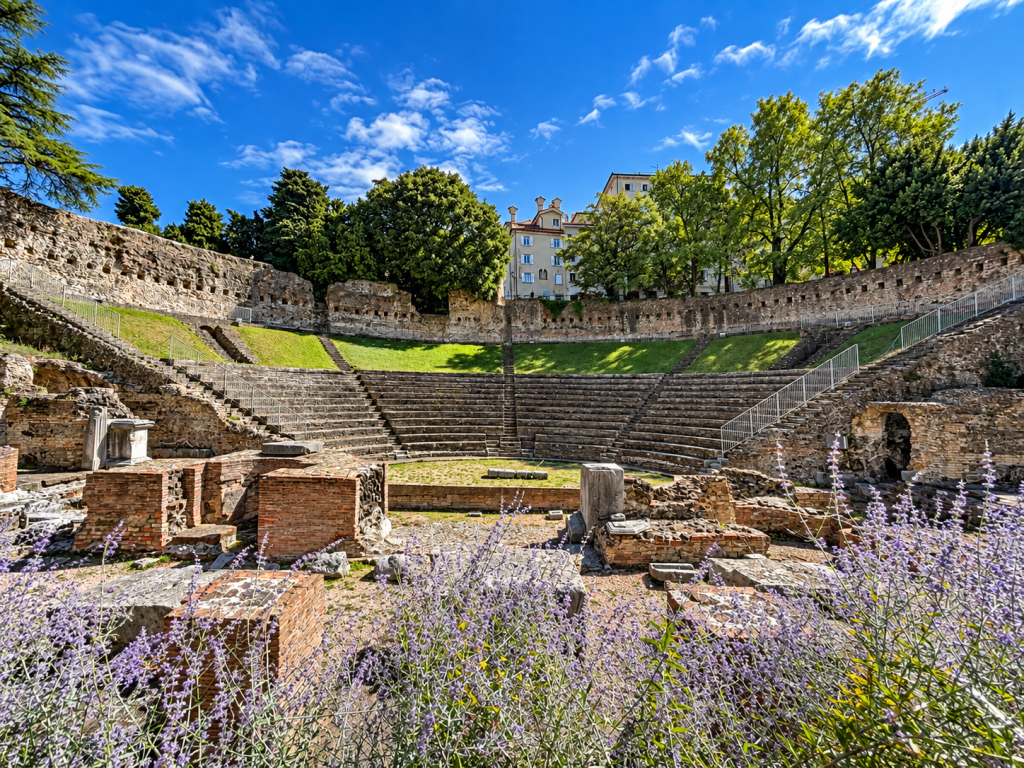
From there, we passed through some of the grand squares and streets of the Habsburg city before reaching the Canal Grande.
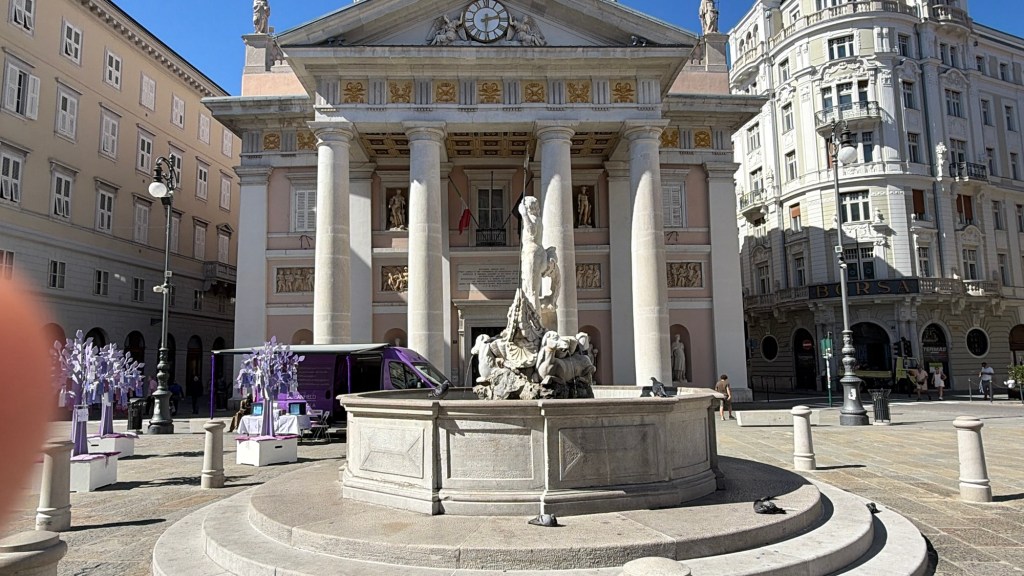
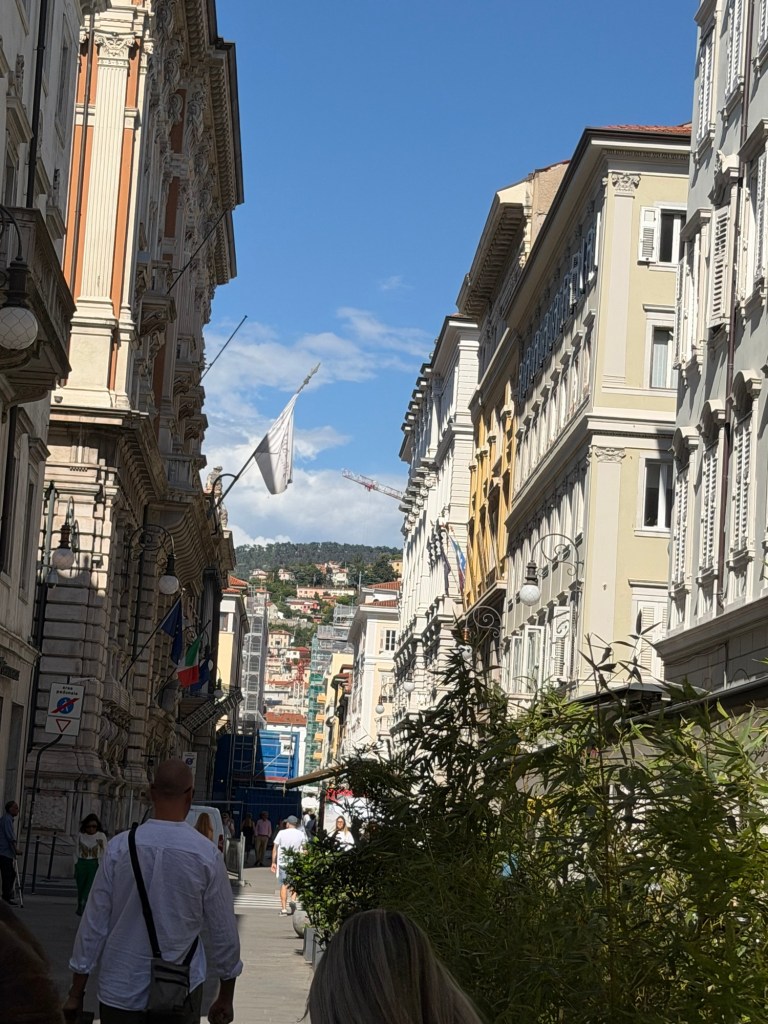
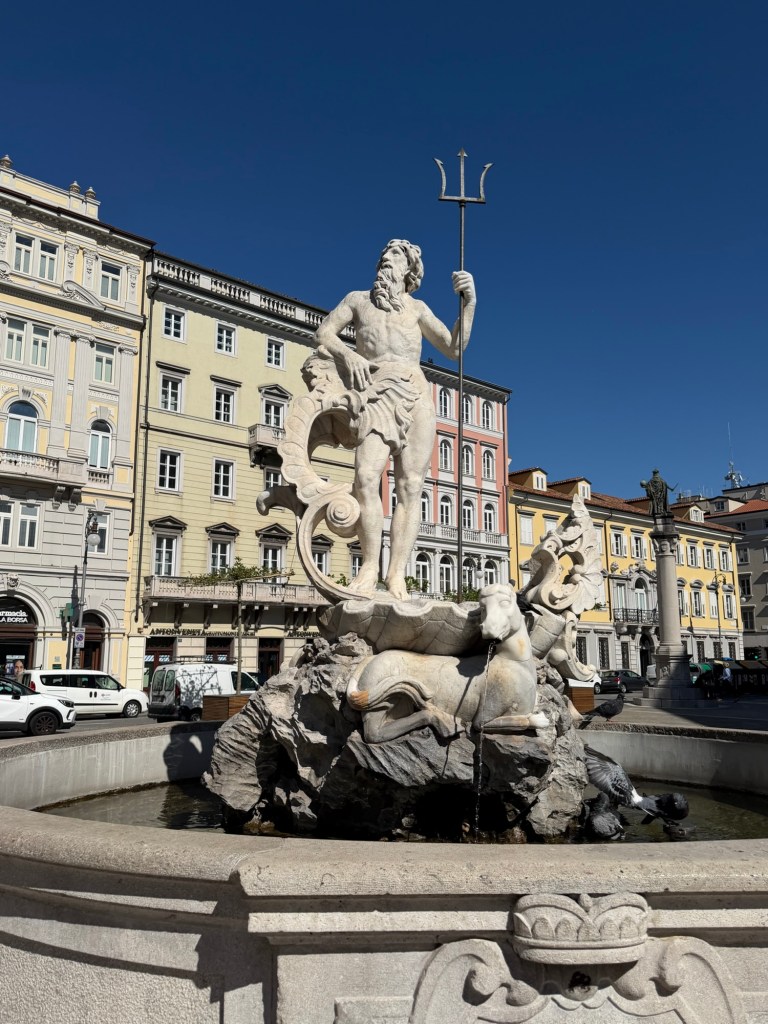
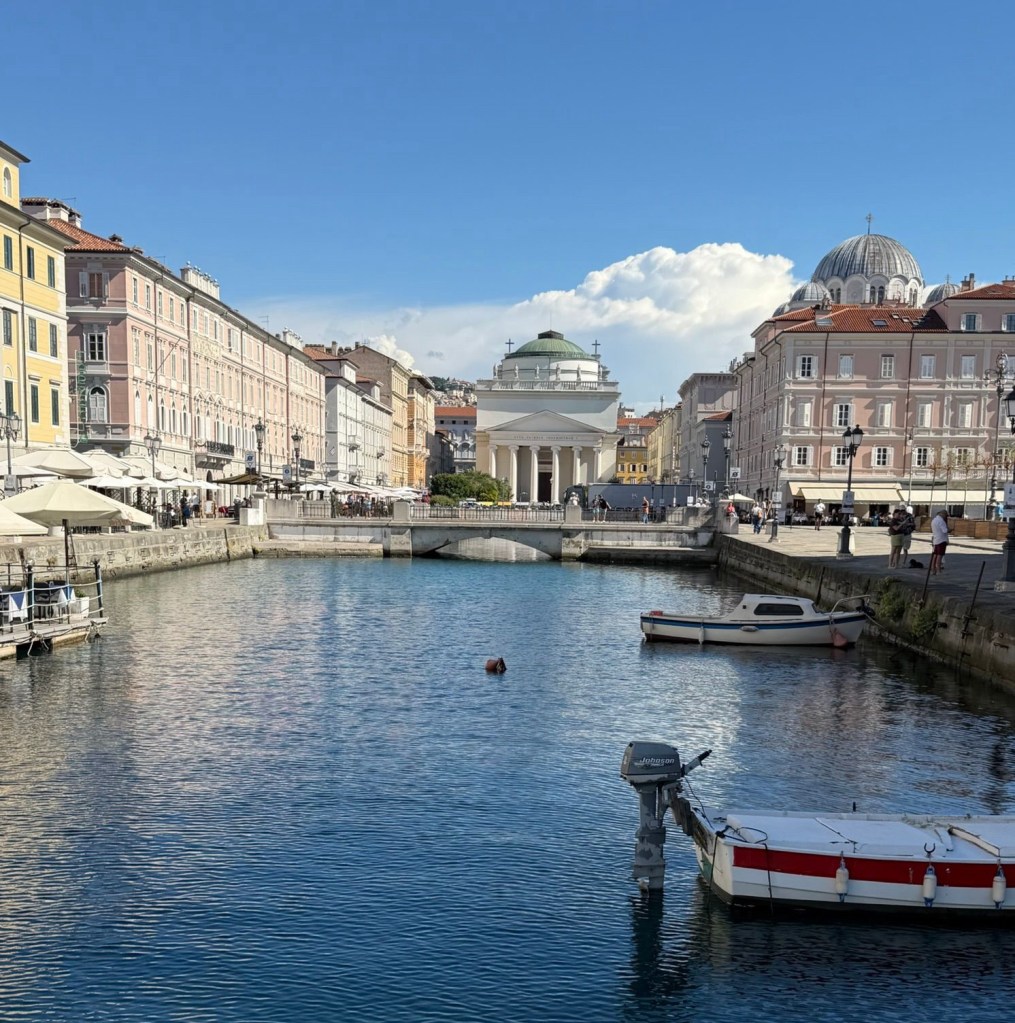
At its head stands the neoclassical Church of Sant’Antonio Nuovo, while the distinctive dome of the Serbian Orthodox Church of Saint Spyridon rises nearby. In just a short walk, Trieste seemed to shift effortlessly from ancient Rome to imperial Austria and then to the cosmopolitan port city it remains today.
We made one final stop at Caffè degli Specchi, the elegant café overlooking Piazza Unità d’Italia. Founded in 1839, it has been one of Trieste’s great gathering places for nearly two centuries, frequented over the years by merchants, officers, intellectuals and writers, including James Joyce and Italo Svevo. Even its name—“Café of the Mirrors”—has a story: important events were once recorded on mirrors or glass panels inside the café, three of which survive today.
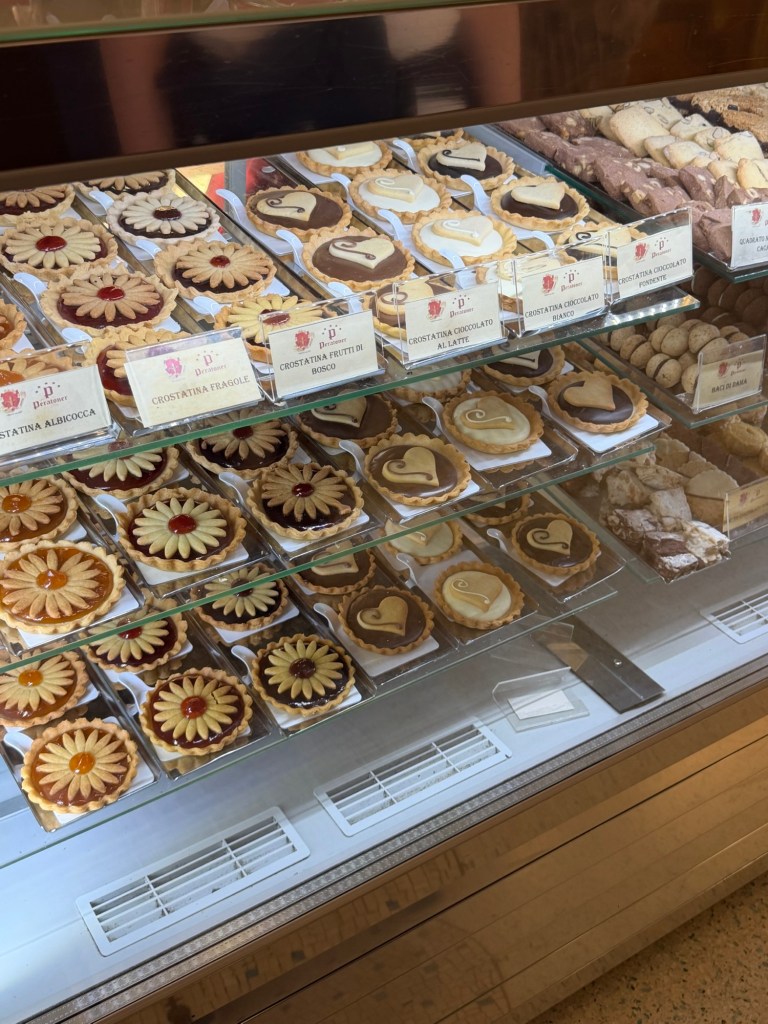
We weren’t there for quite so lofty a purpose. The pastry cases proved impossible to resist, so we picked up a selection of cookies and little pastries for our driver—and, admittedly, a few for us as well. A fitting final indulgence before saying goodbye to Trieste.
After a long but wonderfully varied day, we finally made our way to the Grand Park Hotel in Rovinj, Croatia. With the caves, Lipizzaners, Trieste, Roman ruins, historic cafés—and perhaps one too many pastries—behind us, we were more than ready to settle in and discover what awaited us in Istria.
 YouDontKnowJackTravels