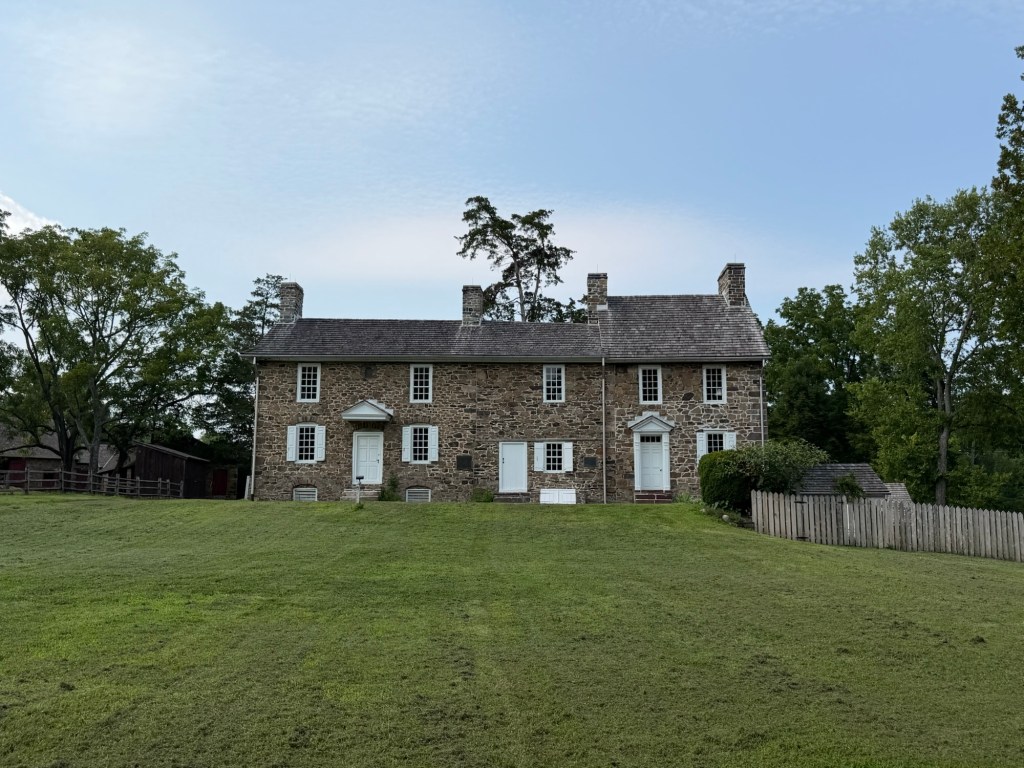
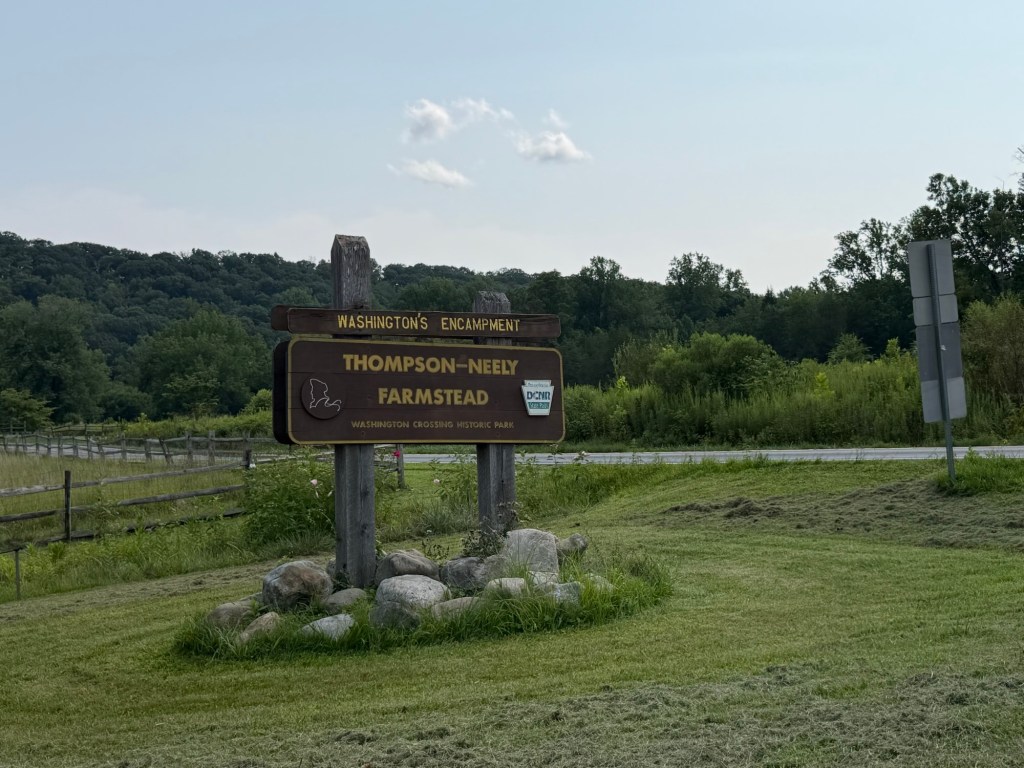
I’ve lived in Bucks County, Pennsylvania for over 40 years. I’d driven past it hundreds of times and walked past it as many while following the canal path that runs parallel to the Delaware River. It’s called the Thompson-Neely House. http://www.washingtoncrossingpark.org/
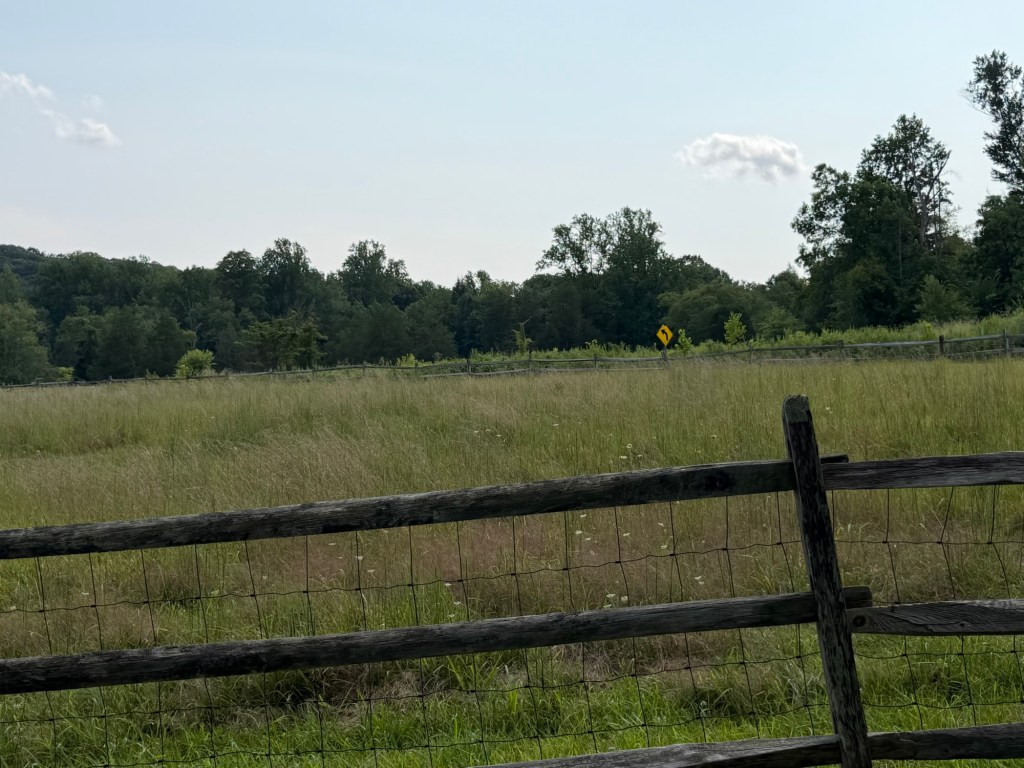
For all those years, it was simply one of those historic places I passed without giving much thought to what had actually happened there, and how inextricably intertwined it is with “Liberty”.
On a whim, my wife and I decided to change that. We recently took a tour.
The history of the property reaches back much farther than the house itself.
Long before European settlement, this land was inhabited by the Lenape Indians. Early records identify the larger tract by the Lenape name Win-na-haw-caw-chunk.
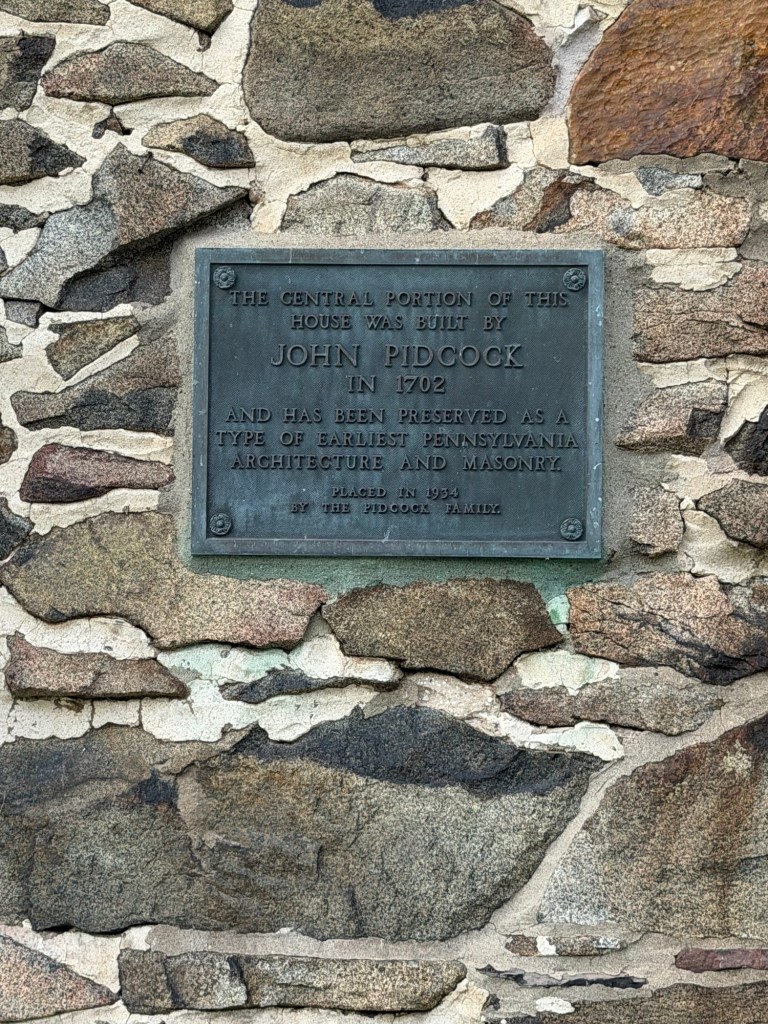
The first European known to have settled here was John Pidcock, whose name survives in Pidcock Creek, the small stream that runs through the property before spilling into Delaware. Pidcock arrived in the area around 1684.
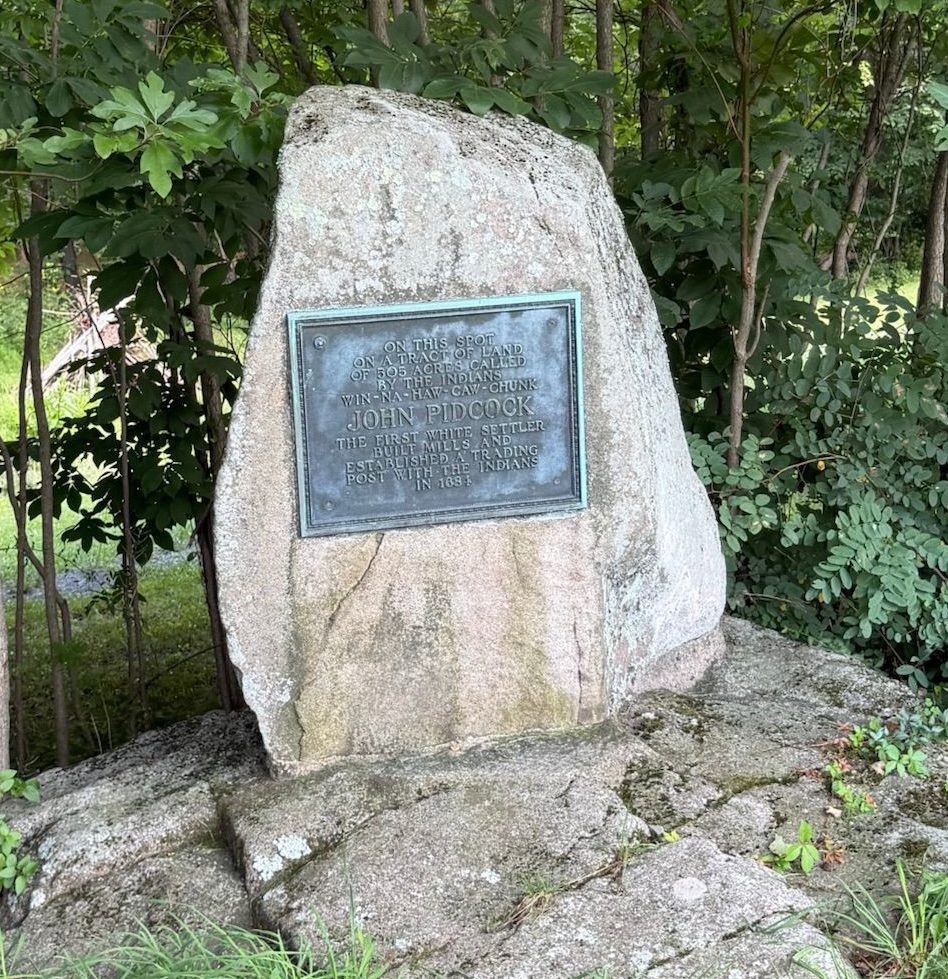
According to the history, Pidcock was a runaway indentured servant who took possession of the land and established a trading station where he traded with Native Americans.
Pipcock’s legal claim to the property was considerably less straightforward. The land was part of a much larger tract for which a warrant had been issued in 1681. After a series of claims and transfers, Pidcock ultimately obtained a deed to the tract in 1701.
Pidcock Creek, very near to the house, was particularly important. Today it is easy to overlook beside the Delaware, but in the eighteenth century a reliable stream provided something enormously valuable: water power. That would eventually make this an ideal location for a mill and help shape the history of the families who followed Pidcock.
Around 1740, an English Quaker named John Simpson acquired the property. Simpson was a miller. He constructed the central portion of the house we see today and established a gristmill along Pidcock Creek. The mill became the economic center of the property, grinding grain for farmers in the surrounding countryside.
Simpson died in 1747. About a year later, his widow, Hannah, married Robert Thompson, a miller who had worked under Simpson. Thompson took over the milling operation and prospered. By 1761, he had become one of the wealthier men in Solebury Township.
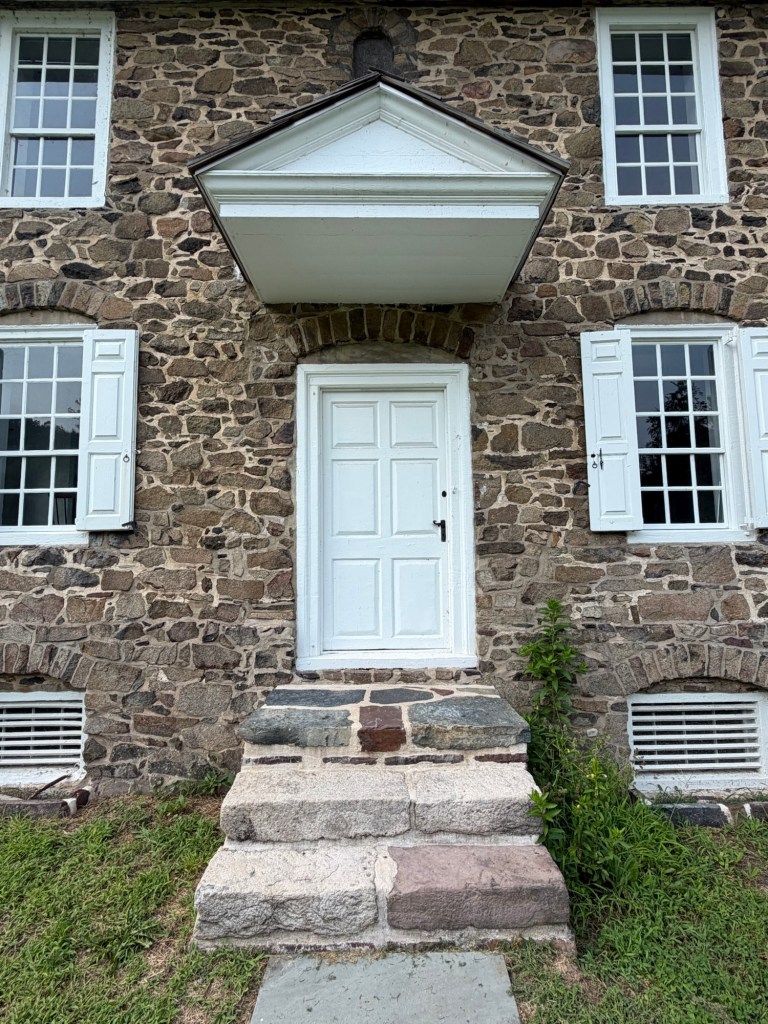
As the family’s fortunes grew, so did the house. In 1757, Thompson constructed a two-story addition on its western end. The house boasted nine panes of glass in each of its upper front sashes, a sign of wealth—or at least of the family’s desire to project it.
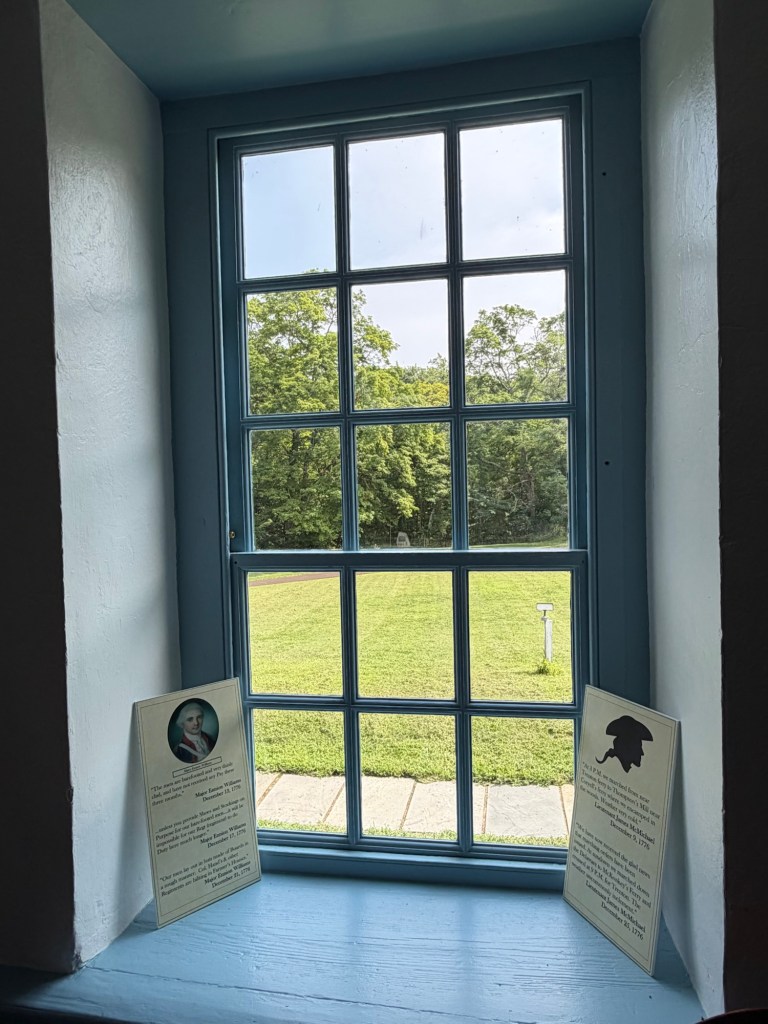
Nine years later, in 1766, his daughter Elizabeth married William Neely, and a second story was added over the original portion of the house. The marriage brought together the two names by which the house is known today: Thompson and Neely.
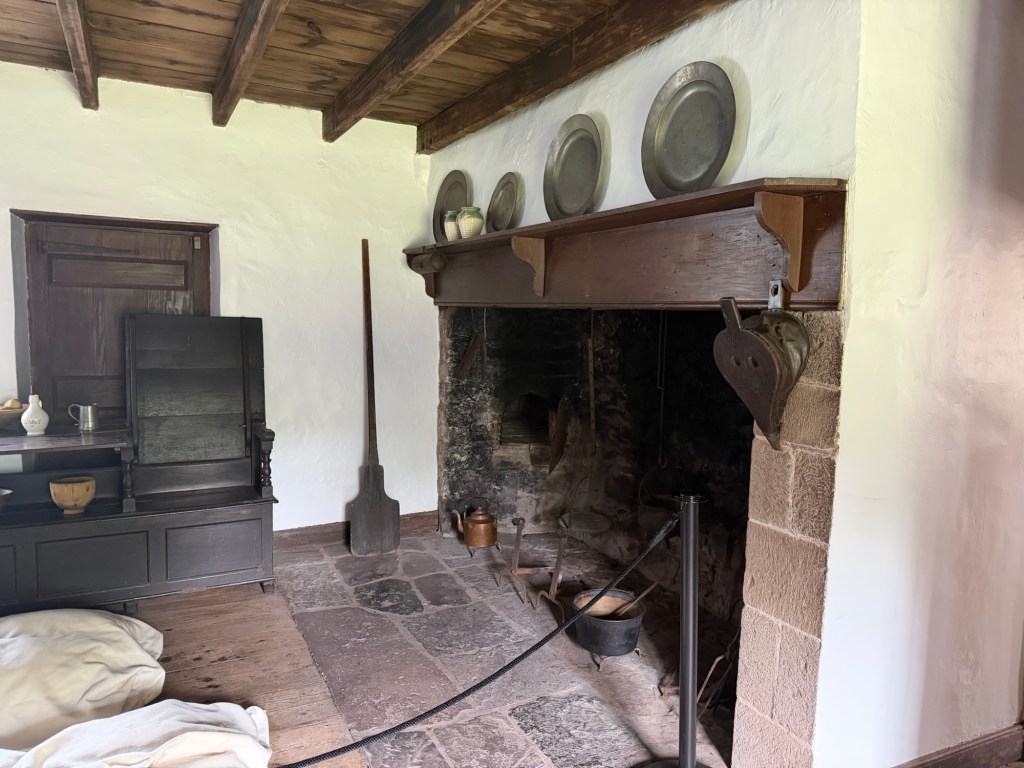
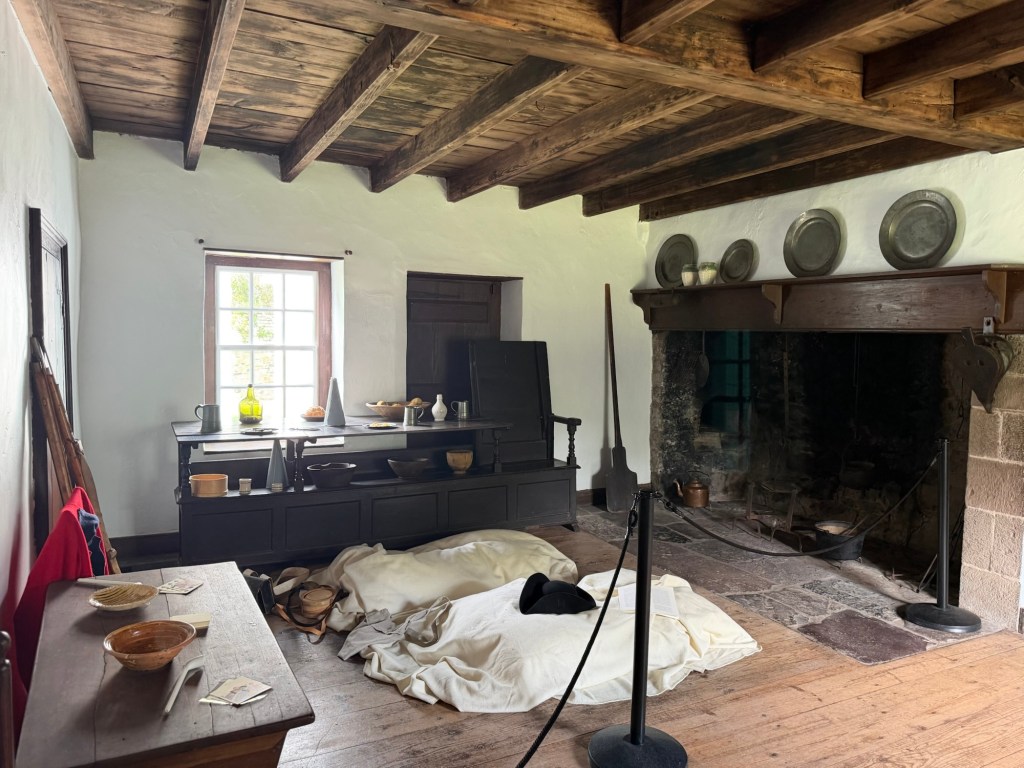
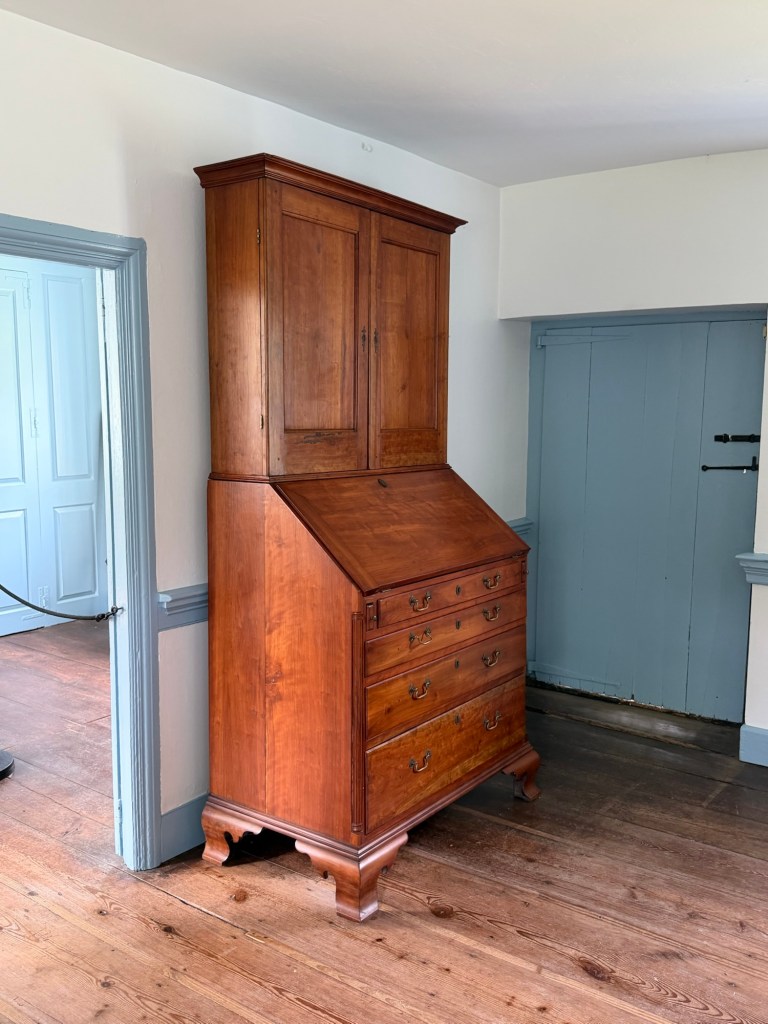
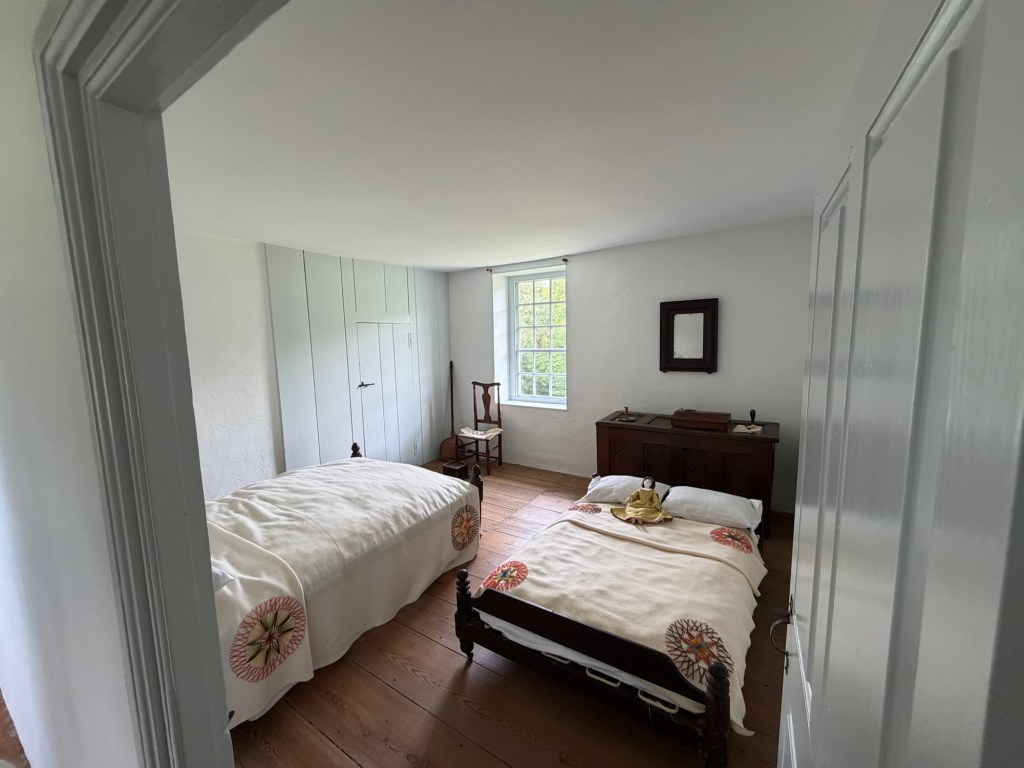
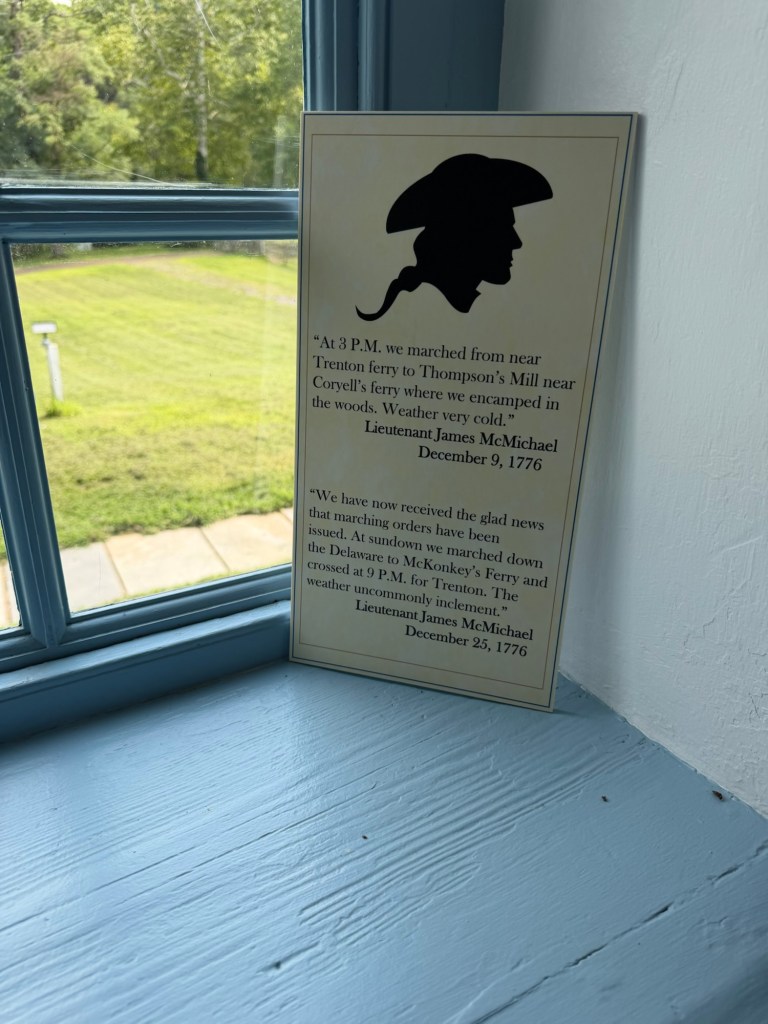
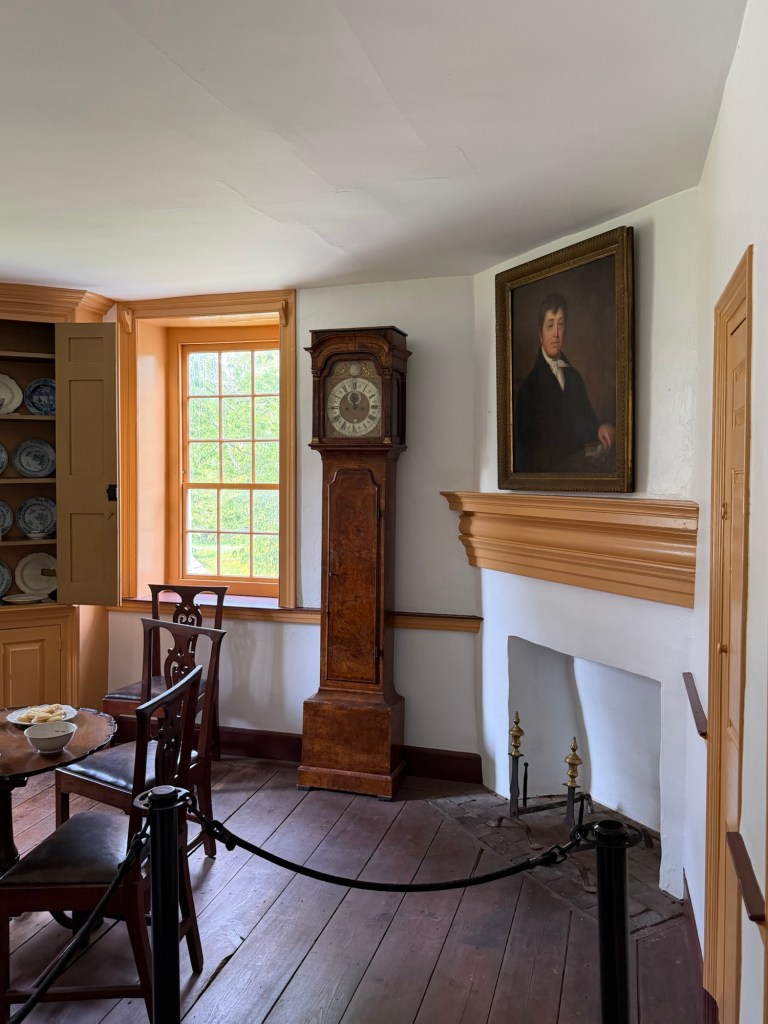
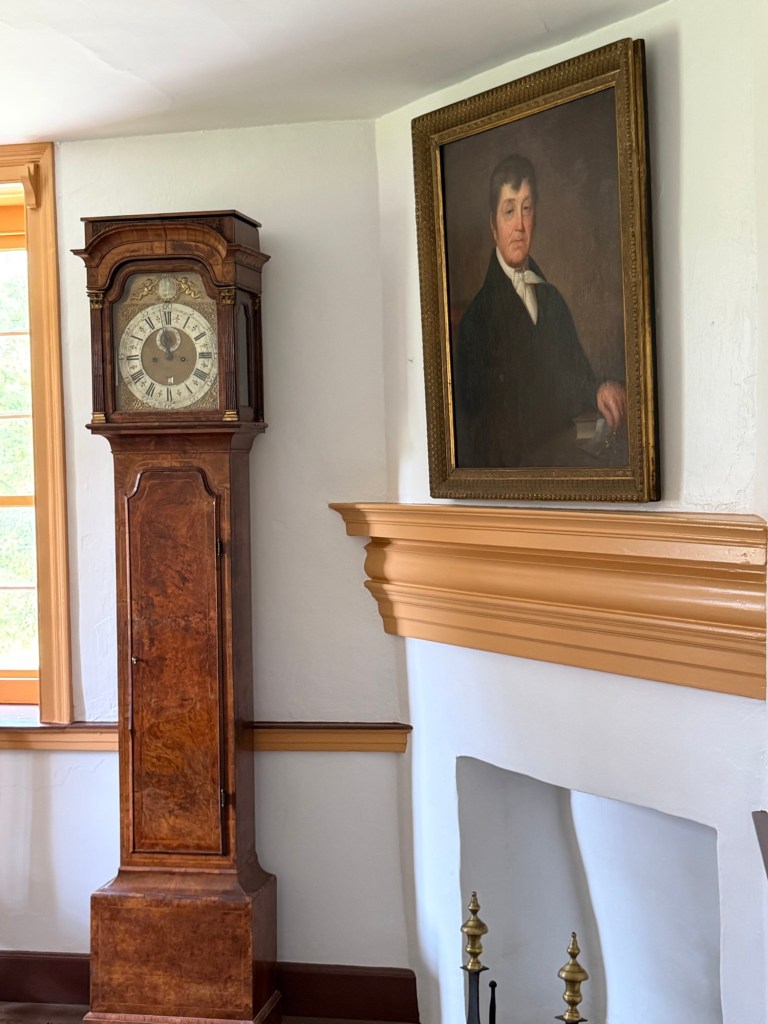
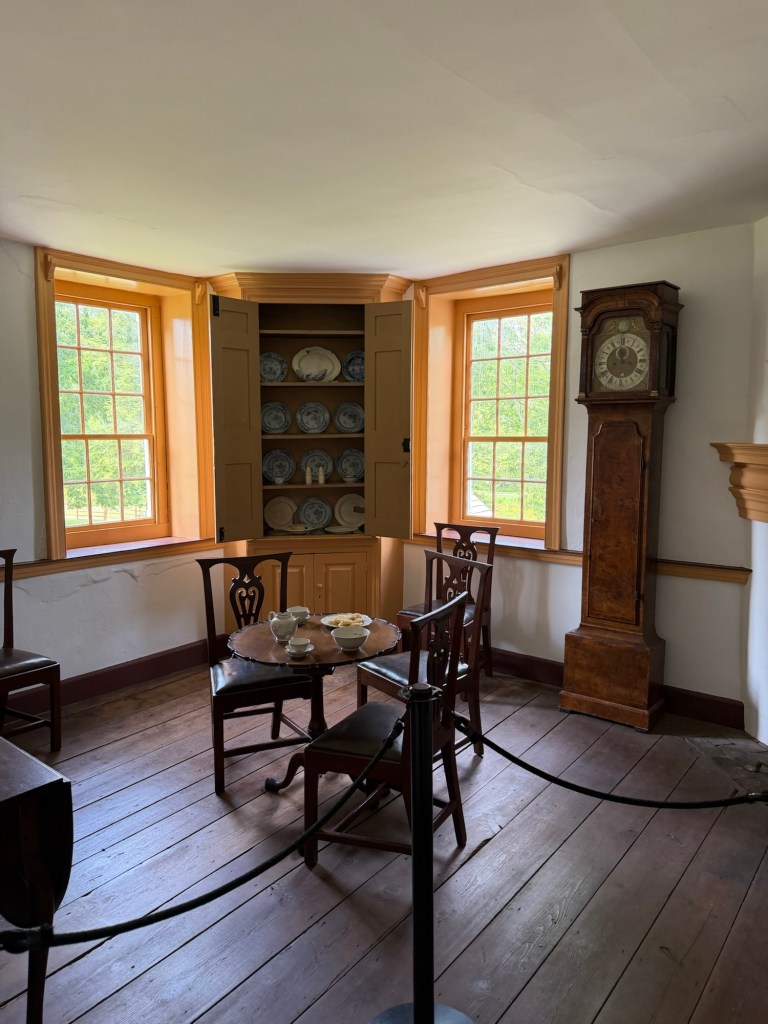
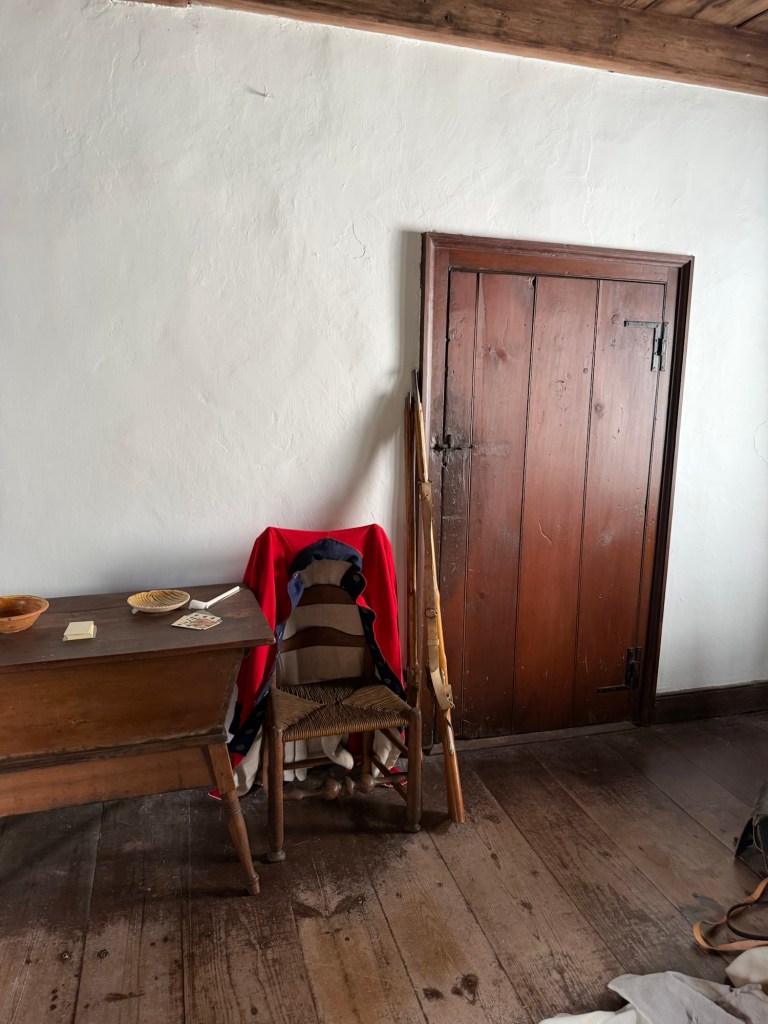
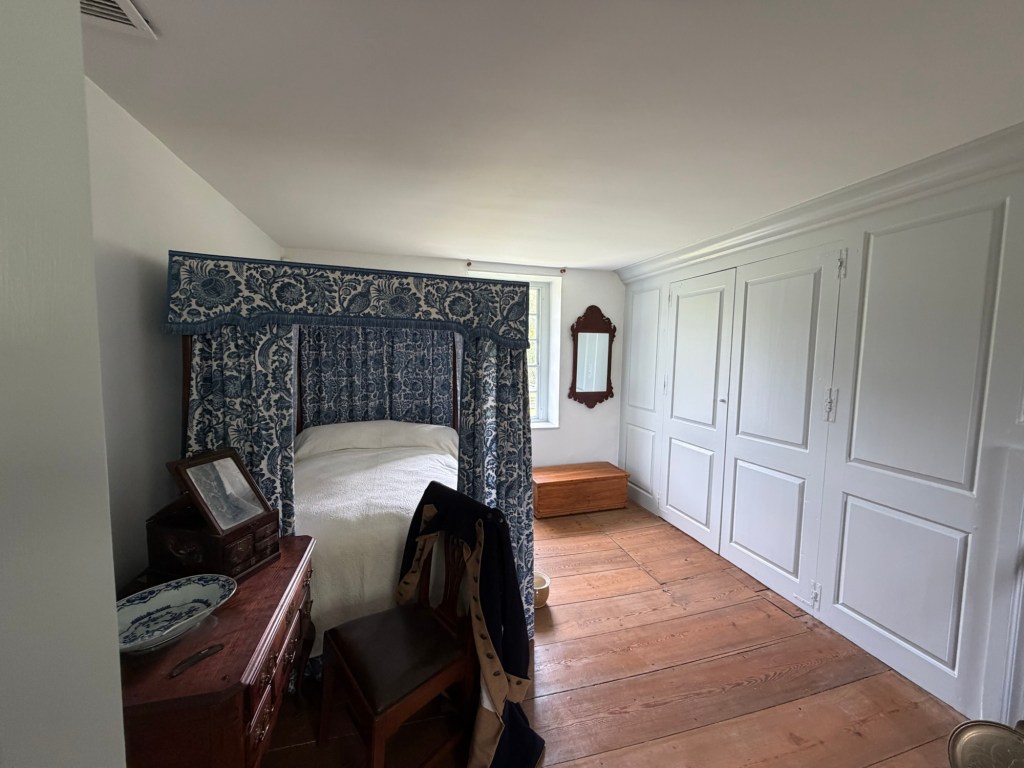
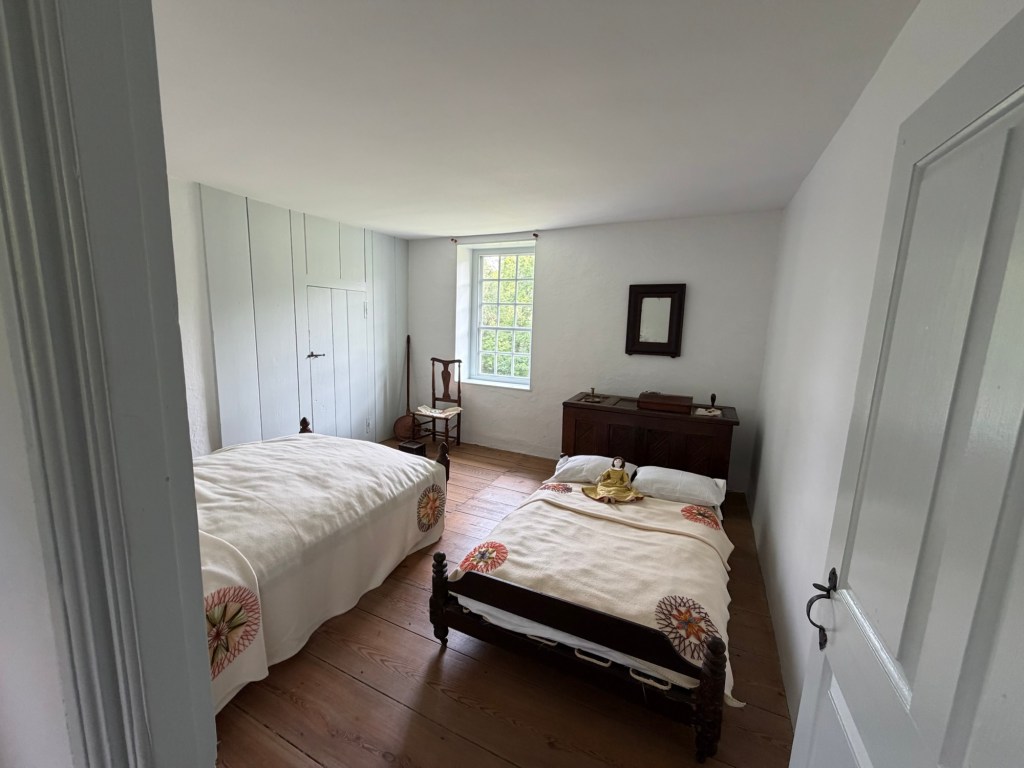
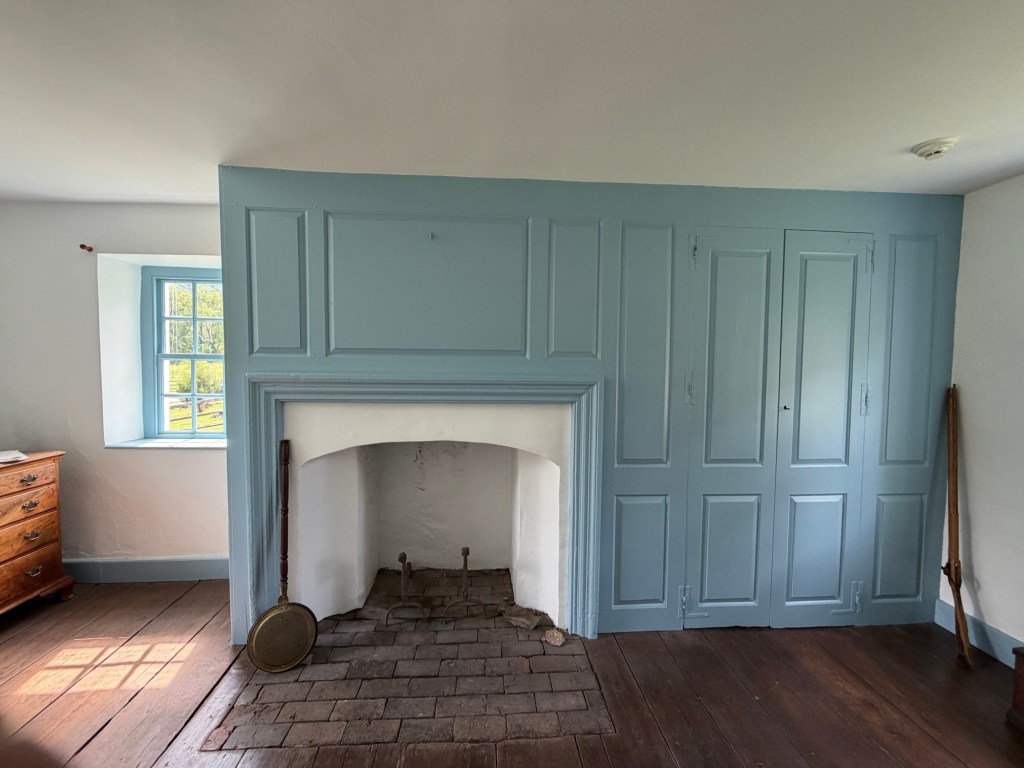
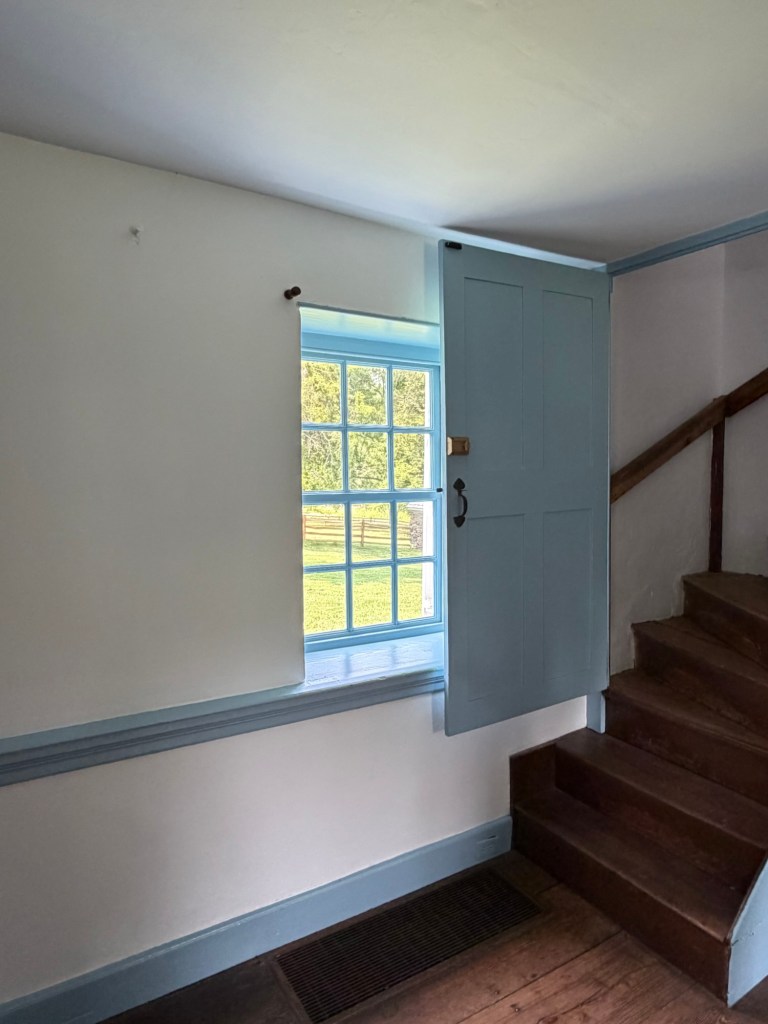
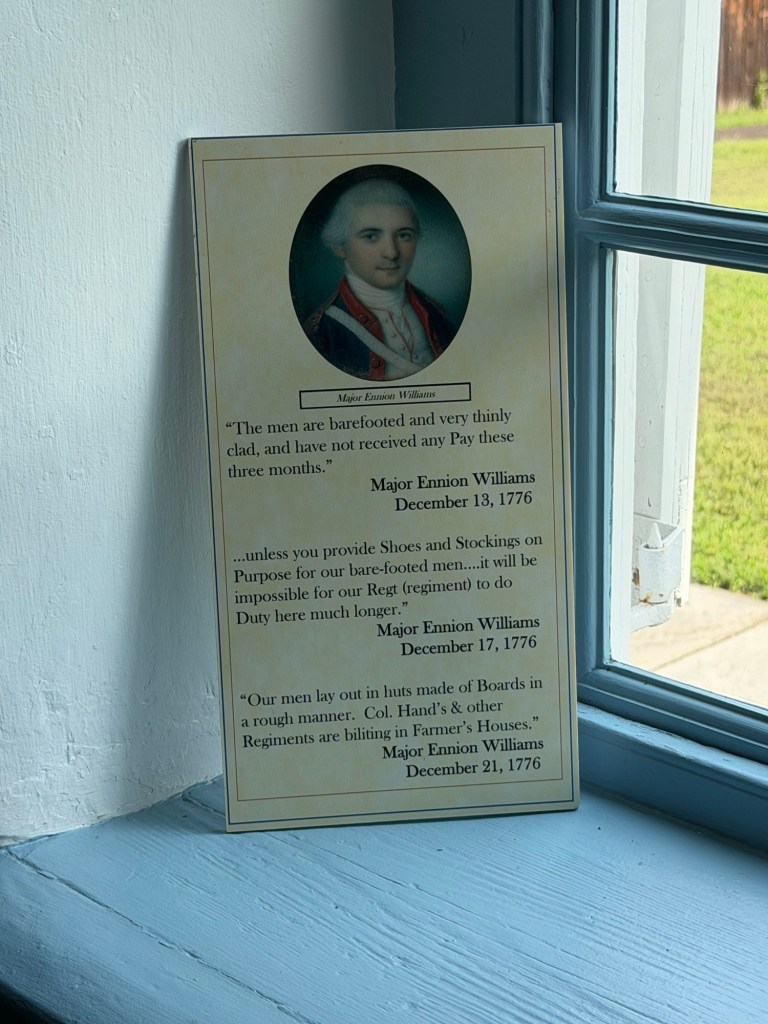
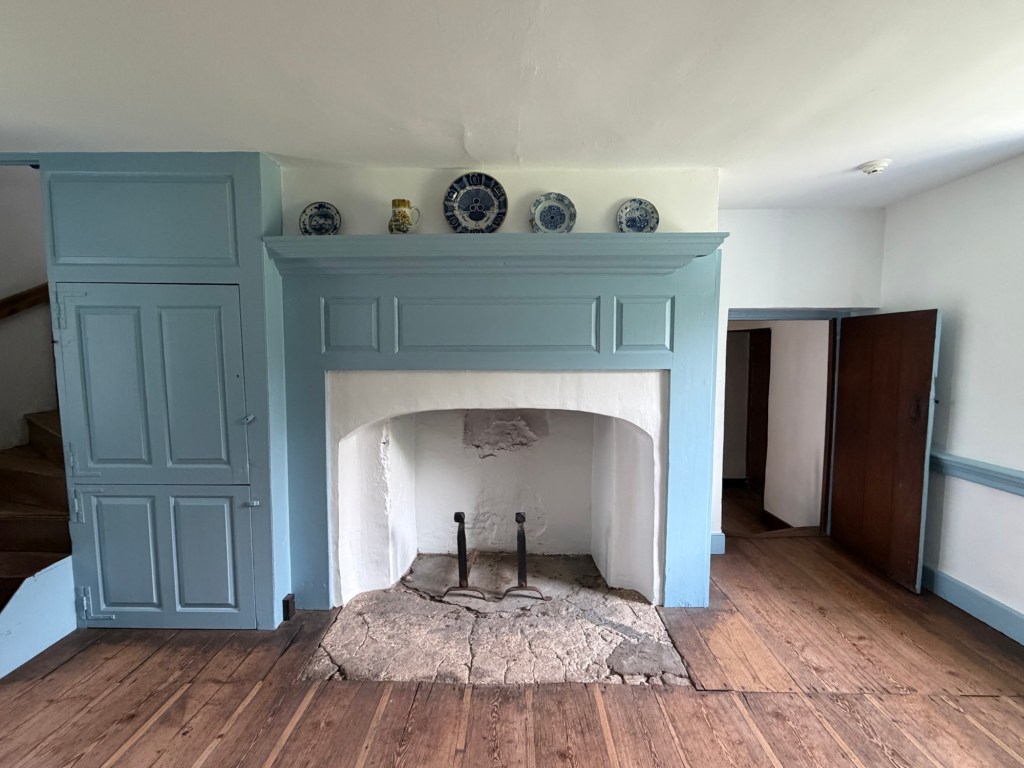
William Neely learned the milling business from his father-in-law and eventually became an important part of the family enterprise. The property was much more than a house. Over time, the family controlled hundreds of acres and an extensive operation that included mills, a distillery, a cooper’s shop and other buildings. Though most were lost to time, some of the other structures exist today.
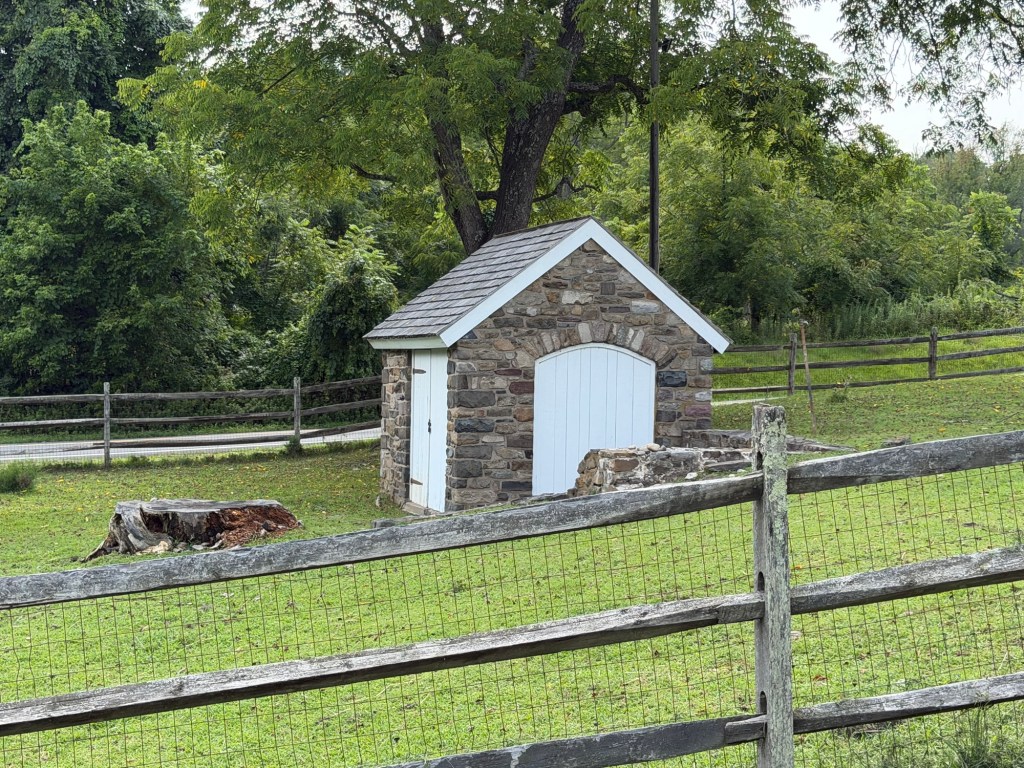
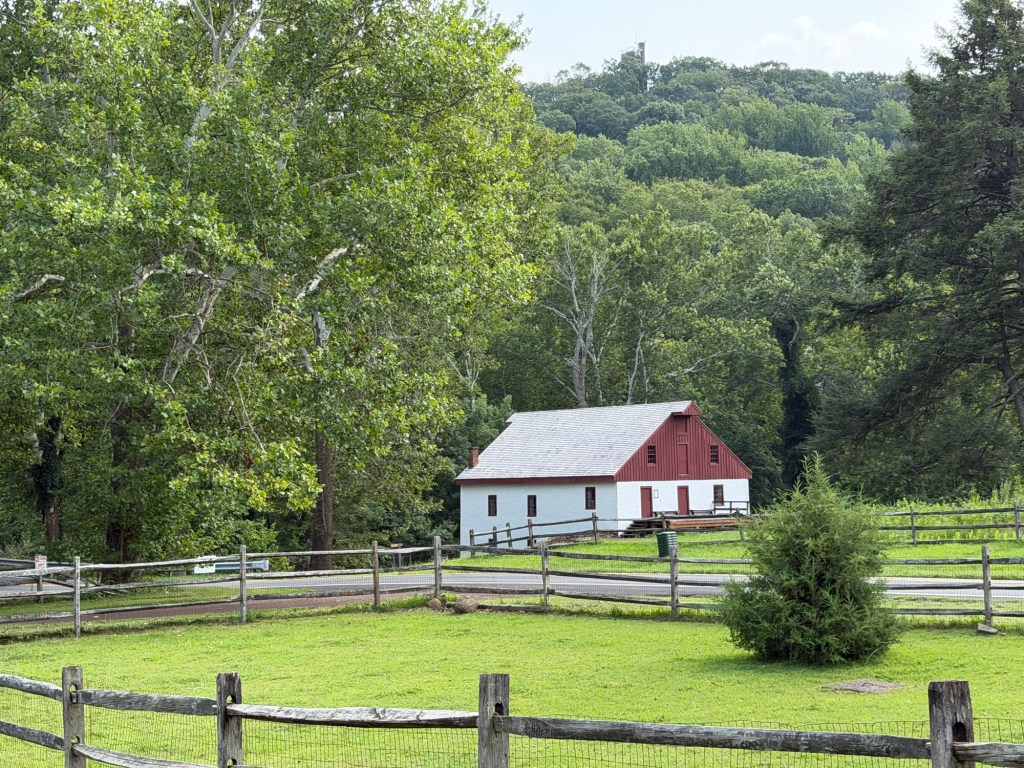
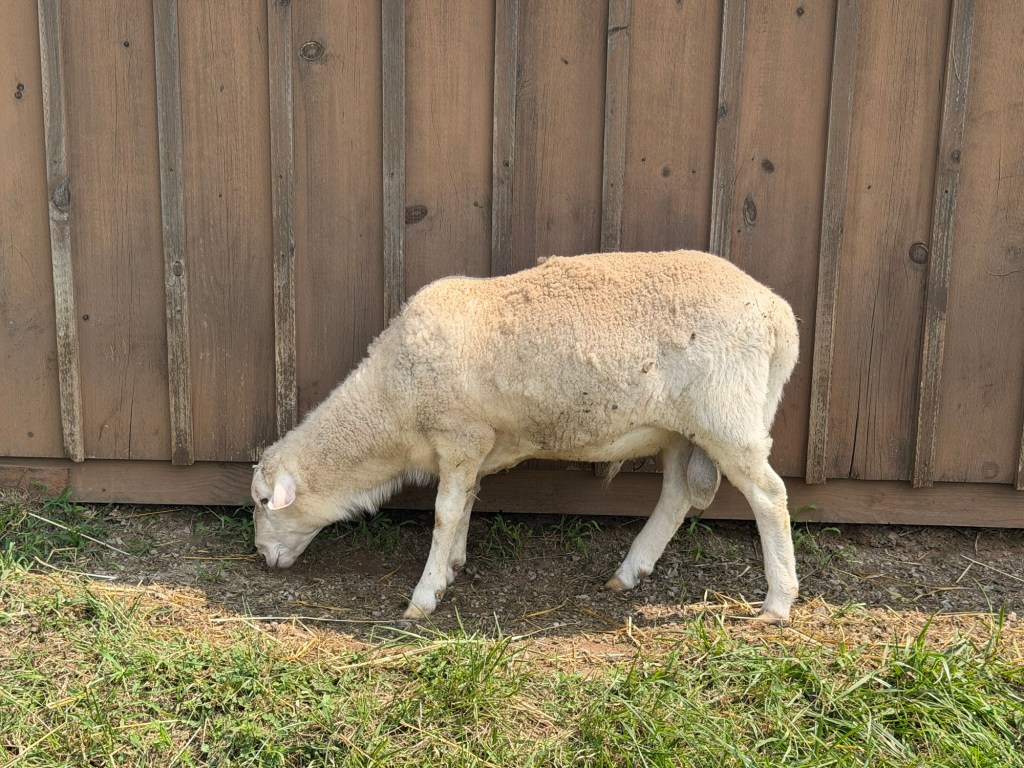
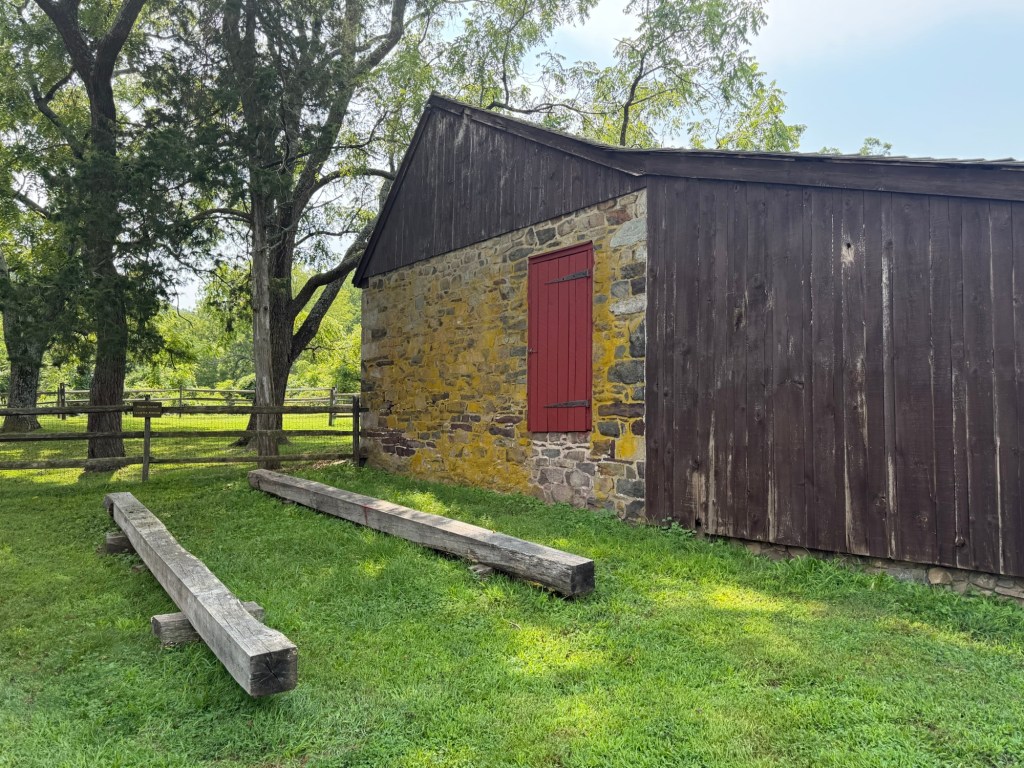
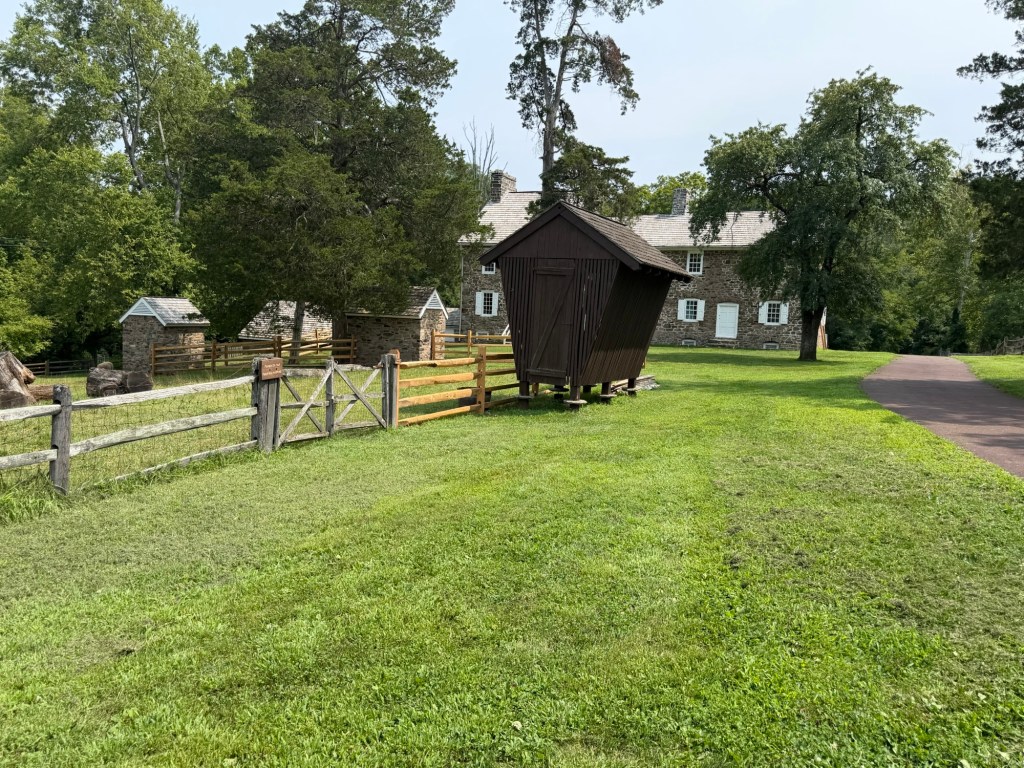
By the time of the American Revolution, Robert and Hannah Thompson were living in the house along with Elizabeth and William Neely. The stone building that survives today was not yet a historic landmark. It was simply their home—the center of a prosperous family enterprise along a quiet stretch of the Delaware River.
This is where the story gets really interesting.
By December 1776, the American Revolution was in serious trouble. Washington’s army had been driven out of New York, retreated across New Jersey, and crossed the Delaware into Pennsylvania. Enlistments were expiring, desertions were a problem, and many Americans were beginning to wonder whether pursuing independence had been a disastrous mistake.
Washington badly needed a victory.
Enter Thomas Paine. A copy of his American Crisis sits inside the house, essentially an early attempt to keep the American Revolution from collapsing at its darkest moment.
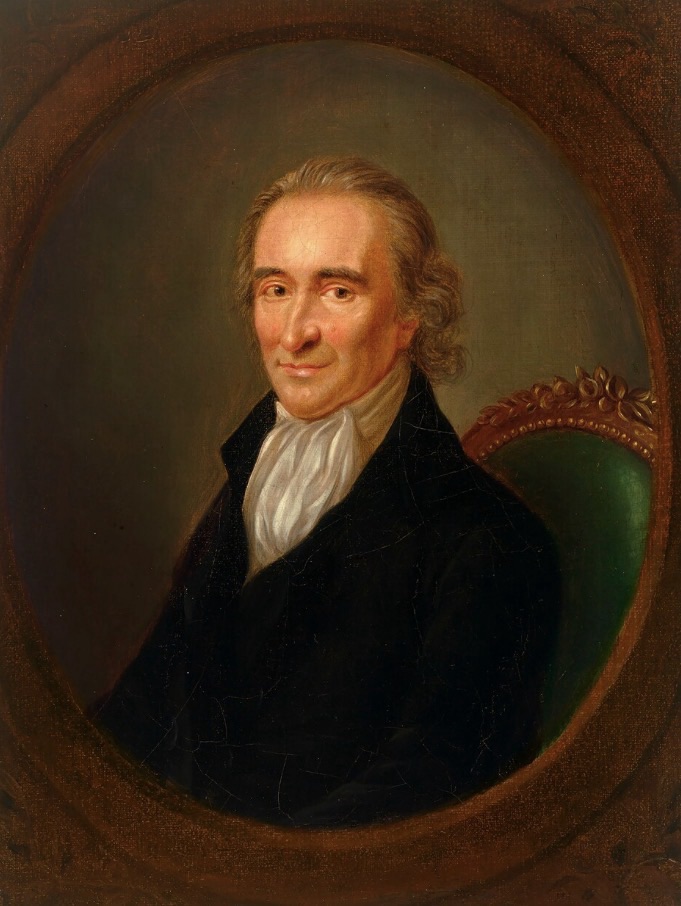
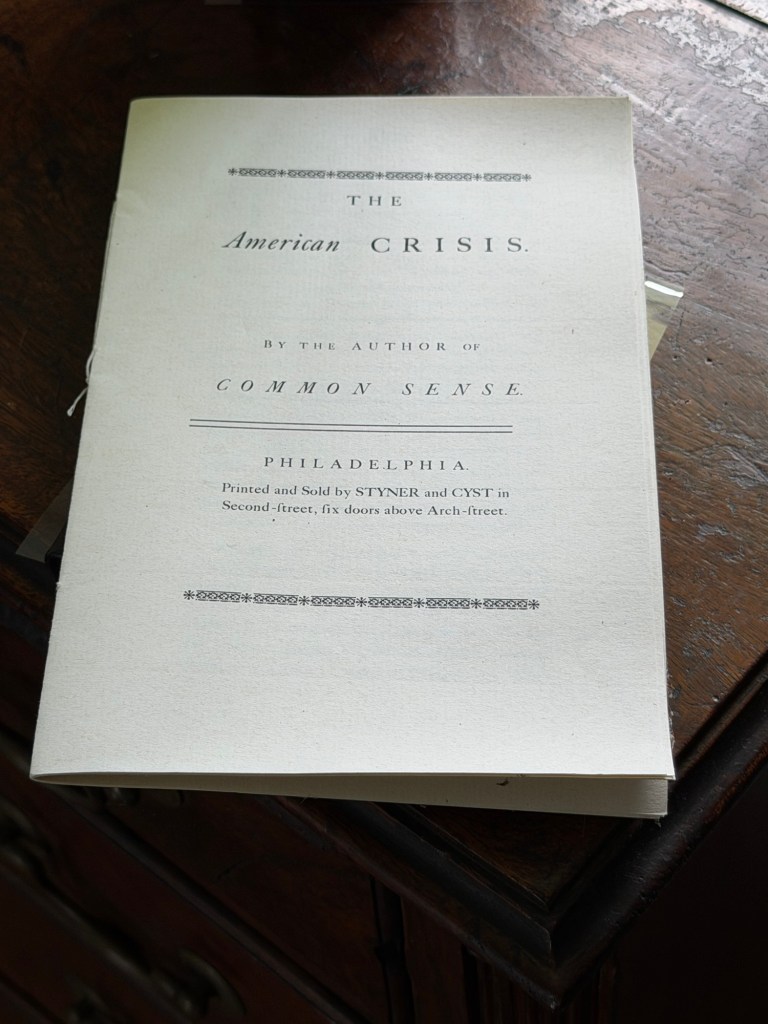
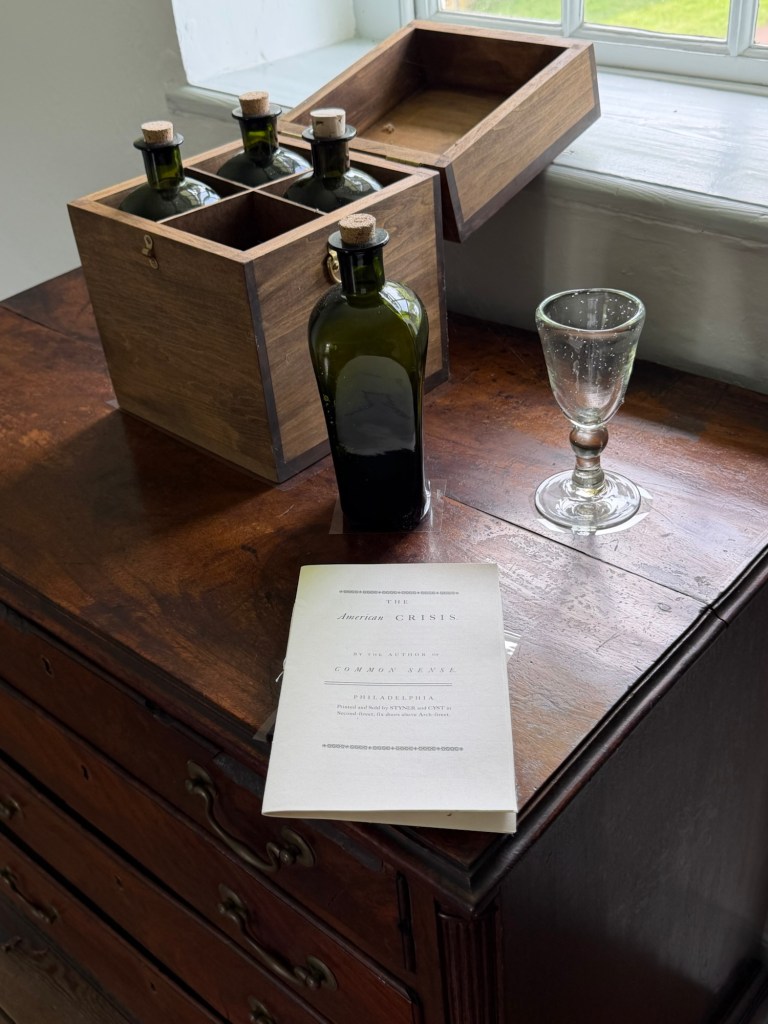
Paine published its first installment on December 19, 1776. The timing is important to the Thompson-Neely story.
Paine was writing directly to those frightened and discouraged Americans. He began:
“These are the times that try men’s souls.”
He then drew a distinction between the people who supported Liberty when it was easy and those willing to endure hardship for it:
“The summer soldier and the sunshine patriot will, in this crisis, shrink from the service of their country.”
His argument was direct and simple: freedom inevitably carries a price. If Liberty could be obtained without sacrifice, Paine wrote, people would not value it very highly: “What we obtain too cheap, we esteem too lightly.”
There was also a very practical purpose. Paine wanted Americans to keep fighting. He attacked the idea that Britain was too powerful to defeat, argued that reconciliation was no longer realistic, and tried to convince soldiers and civilians that the situation was desperate but not hopeless.
By December, however, independence was no longer an idea being debated in pamphlets. It was something men were freezing, fighting and dying to preserve in the fields surrounding this house.
Paine himself had followed the Continental Army during its retreat across New Jersey.
Paine’s words must have described the men encamped along the Delaware as well as any words could.
And here, suddenly, the quiet story of the Thompson and Neely families became part of a much larger one.
Thousands of Continental soldiers spread out along the Bucks County side of the Delaware.
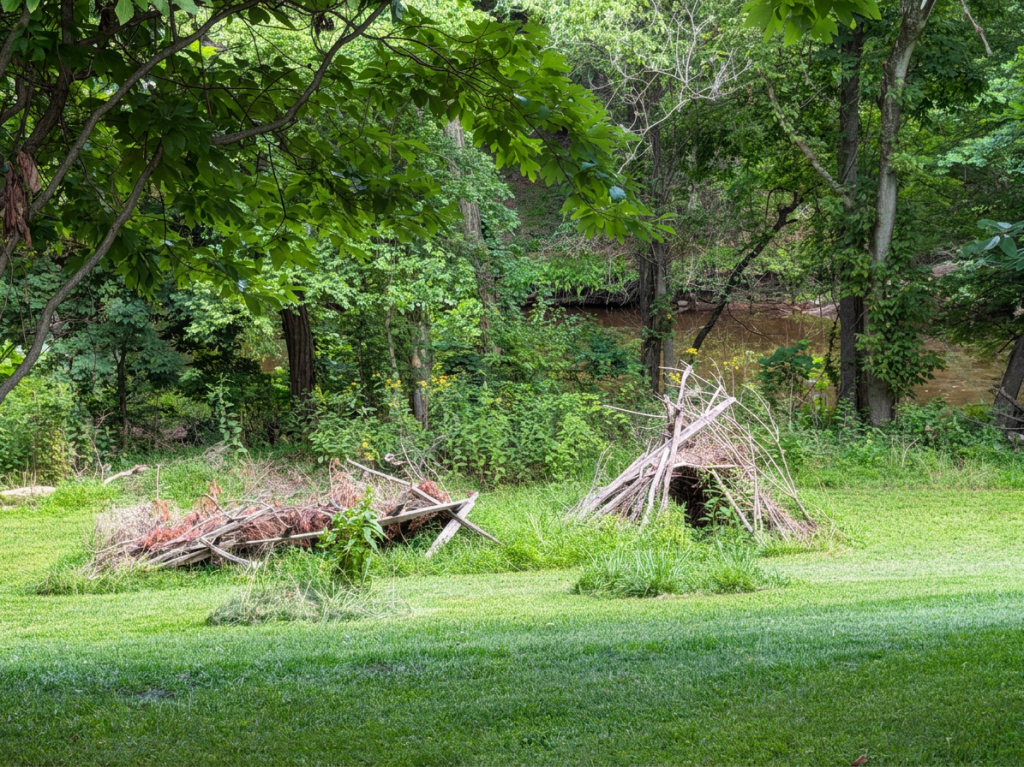
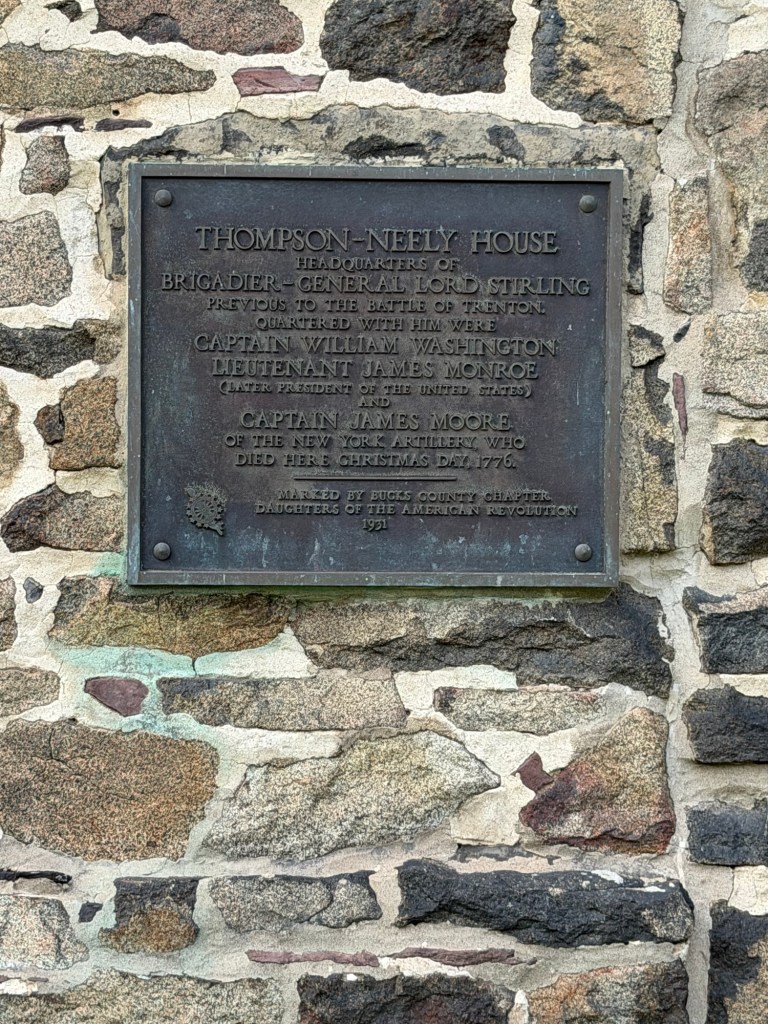
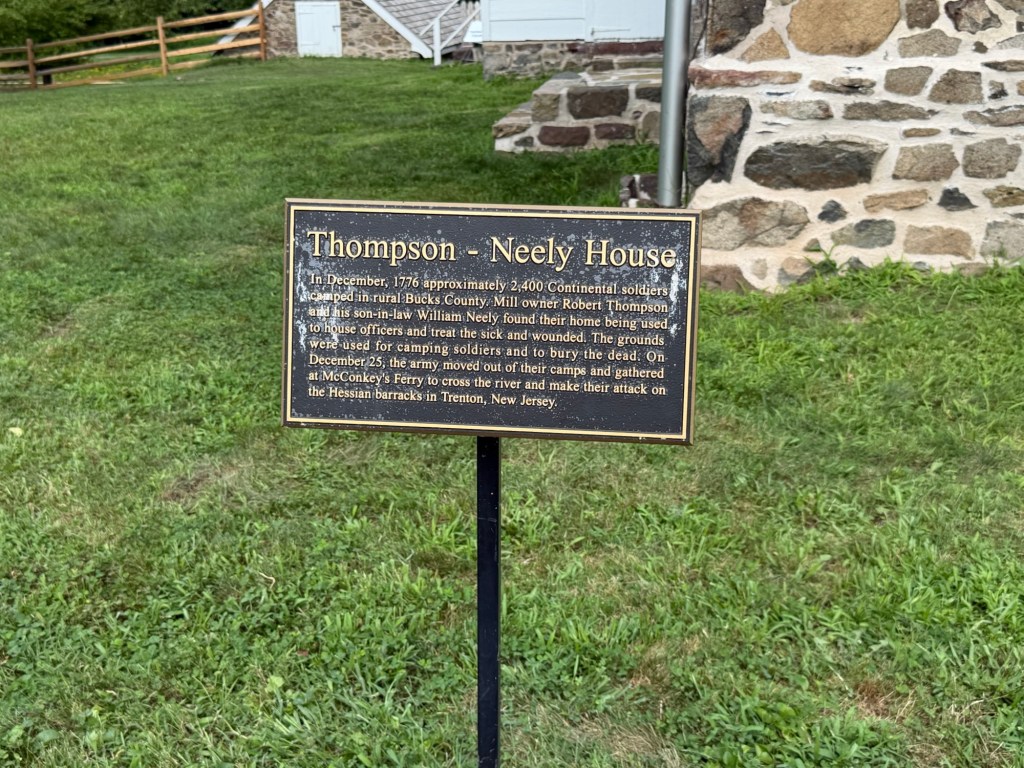
The fields and woods surrounding the Thompson-Neely property became part of a military encampment. The house itself was used to as the headquarters of Brigadier General William “Lord” Alexander Sterling, to lodge officers and to care for sick and injured soldiers. Although it was not a formal hospital in the modern sense, it functioned as a temporary regimental hospital during the encampment.
Think for a moment about what that must have meant to the Thompson and Neely families.
Their home, which only weeks earlier had been the center of a prosperous milling and farming operation, was suddenly surrounded by soldiers. Officers were staying inside. Sick men were being brought into the rooms of the house. Soldiers camped across the property, and some of those who died there were buried nearby.
Among the officers staying at the Thompson-Neely House was an eighteen-year-old lieutenant from Virginia named James Monroe. He was serving under Captain William Washington, a distant cousin of George Washington. Neither man could have imagined that the young lieutenant would one day become the fifth President of the United States.
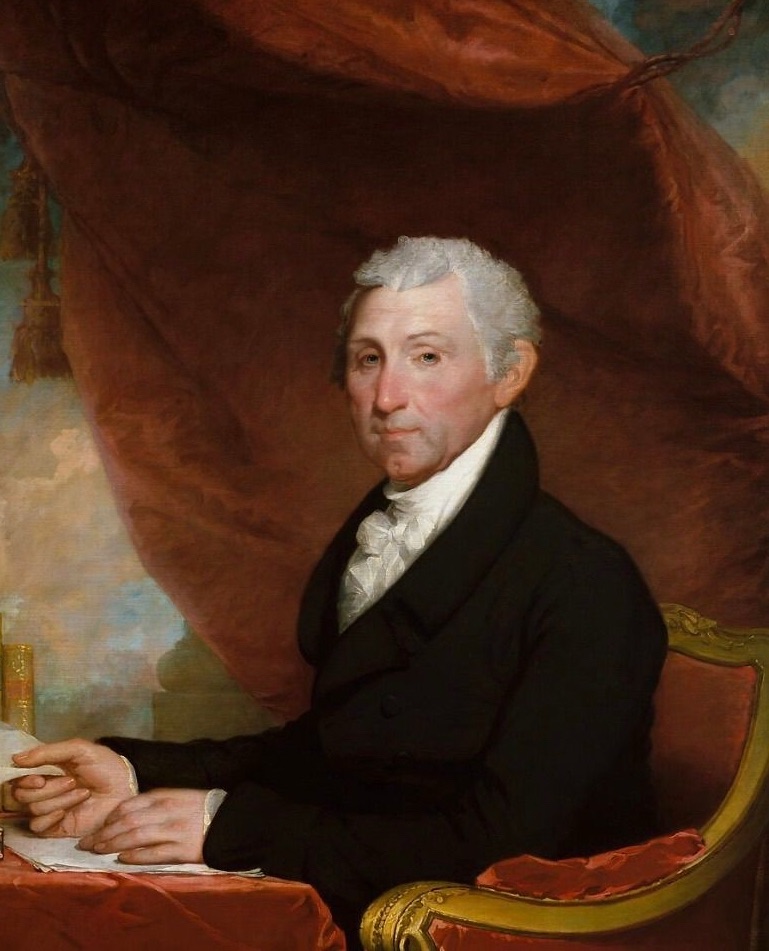
On Christmas night, Monroe crossed the Delaware with Washington’s army. In the fighting at Trenton the following morning, he was struck in the shoulder by a musket ball. The wound was serious and might easily have killed him. Timely medical treatment saved his life.
There is an interesting uncertainty about what happened next. Some accounts associated with Washington Crossing Historic Park state that Monroe returned to the Thompson-Neely House to recover. Other park research places his recovery at the home of a Mr. Coryell, whose ferry was about a mile north of the Thompson-Neely property.
What is certain is that Monroe had stayed at Thompson-Neely before the battle, marched from this area with Washington’s army, and was seriously wounded at Trenton.
That alone gives the house a remarkable connection to American history. The eighteen-year-old soldier who slept here in December 1776 would, forty-one years later, take the oath of office as President of the United States.
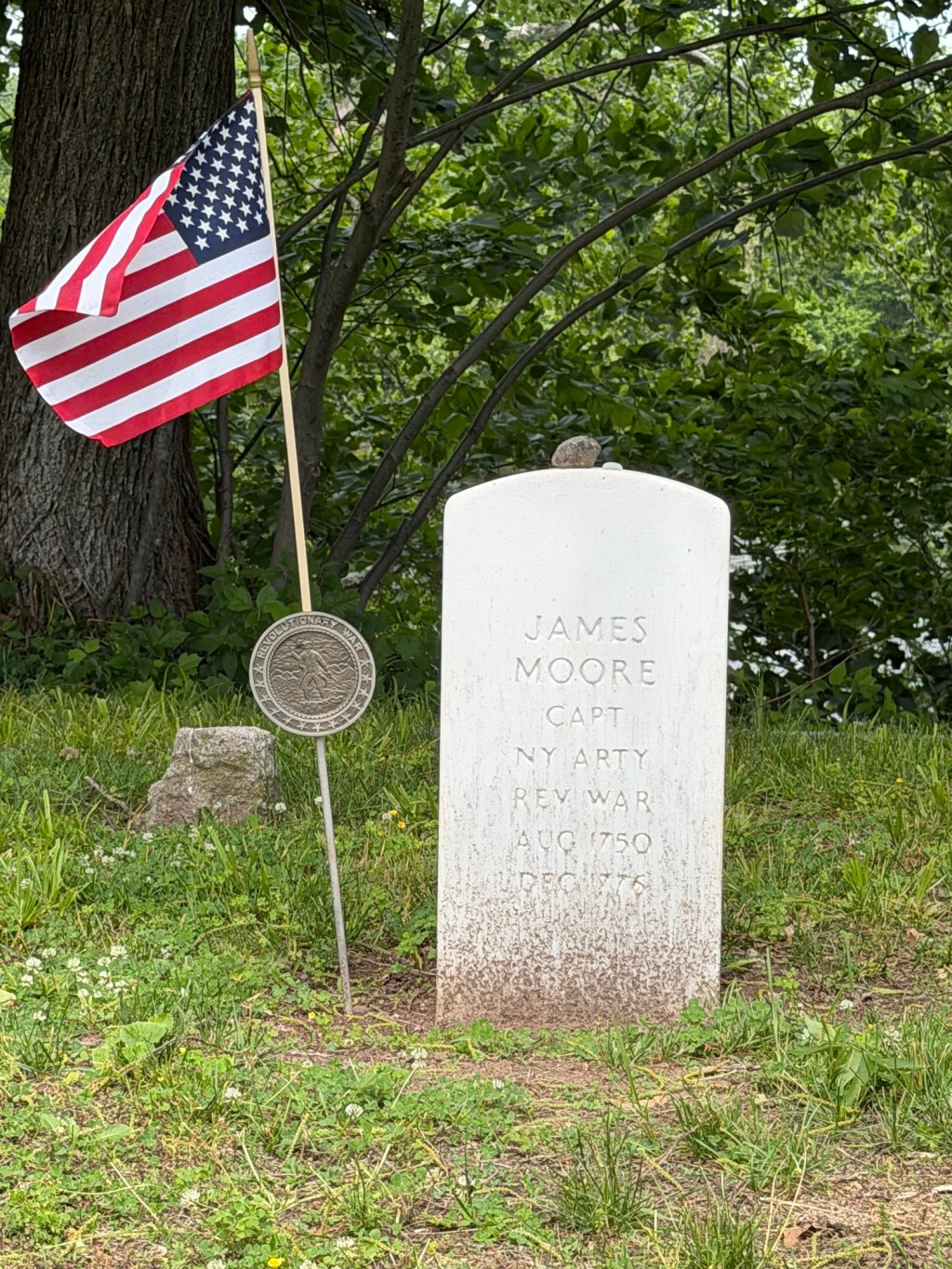
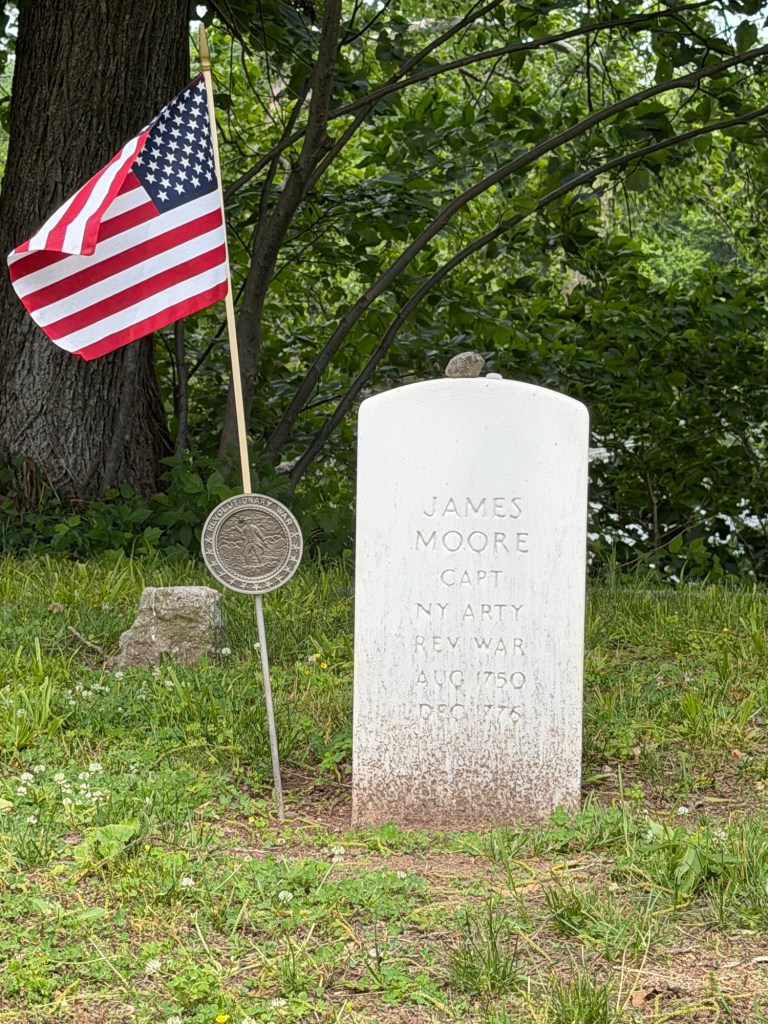
There was tragedy at the house even before the attack began. Captain-Lieutenant James Moore was a young officer in the New York Provincial Company of Artillery, serving closely with its captain, the foundational figure Alexander Hamilton. At only twenty-four years old, Moore was already one of the company’s senior officers and had at times assumed command in Hamilton’s absence.
But Moore would never see the victory at Trenton. Stricken with camp fever, he died in the Thompson-Neely House on Christmas Day, 1776, only hours before Washington’s army began its march to the Delaware. While Hamilton and his artillerymen crossed through the snow and darkness toward Trenton, Moore was left behind.
Moore is buried near the house, along with other soldiers who died during the encampment, in what is now known as the Soldiers’ Graves. Their exact number and identities have been lost to history. Moore is the only one whose name is known.
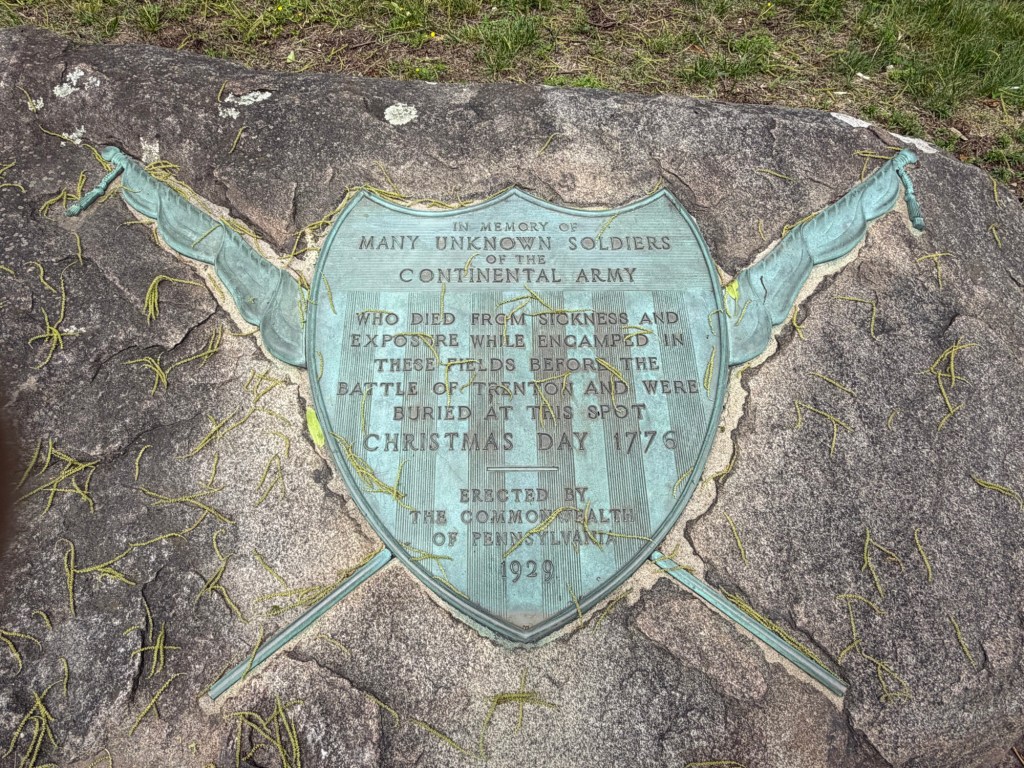
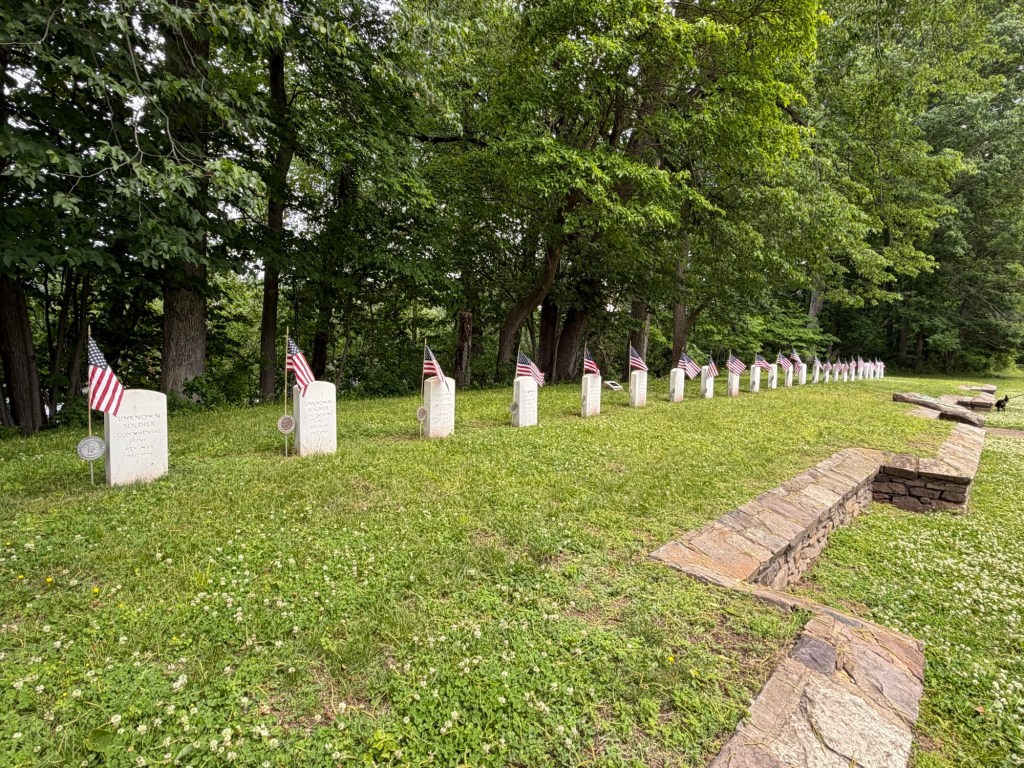
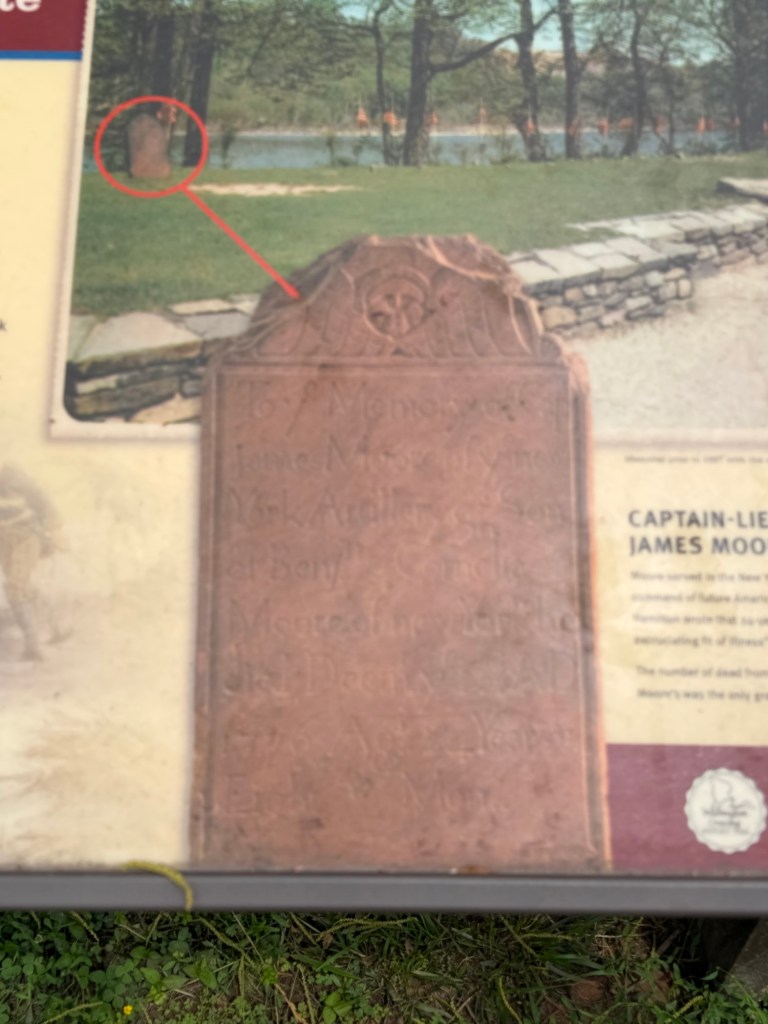
Meanwhile, only a few miles down the Delaware, Washington was preparing one of the boldest operations of the war.
On the evening of December 25, 1776, more than 2,000 Continental soldiers began crossing the ice-filled Delaware near McConkey’s Ferry. They crossed in darkness and miserable winter weather, then marched through sleet and snow toward Trenton.
The plan was extraordinarily risky. The army was exhausted. The weather was terrible. The river was dangerous. Washington was moving against professional soldiers, and failure could have been catastrophic.
And yet they crossed.
On the morning of December 26, Washington’s army surprised and defeated the Hessian garrison at Trenton. Constructed during the French and Indian war, the garrison still stands in Trenton. http://www.barracks.org.
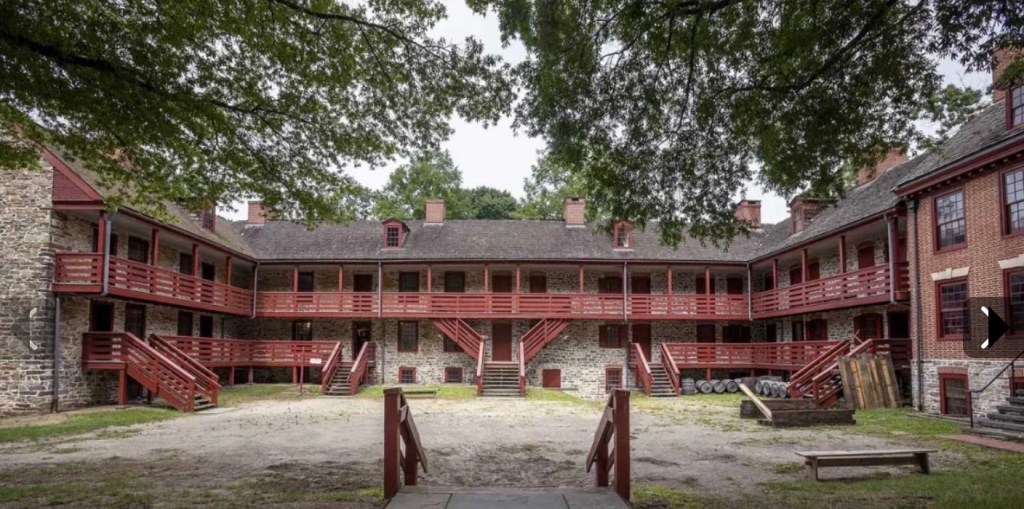
In strictly military terms, Trenton was not an enormous battle. But psychologically, it was tremendous. An army that had appeared to be disintegrating had defeated professional troops and demonstrated that the Revolution was not finished.
Trenton was followed by the Second Battle of Trenton and then Princeton. Together, the engagements became known as the Ten Crucial Days, a remarkable reversal that helped preserve the American cause at one of its darkest moments.
The change in mood was striking.
Nicholas Cresswell, an English traveler in America and no admirer of the Revolution, recorded the transformation after Trenton. The people, he wrote, had become “liberty mad again.”
I love that phrase.
Liberty mad again.
It captures something about what happened along this stretch of the Delaware in December 1776. Only days earlier, the Revolution seemed to be collapsing. Washington’s army was exhausted and shrinking. The British appeared to have every reason to believe the rebellion was nearing its end.
Then came one desperate gamble on a freezing Christmas night.
Today, standing inside the Thompson-Neely House, it is difficult not to think about how close all of this was.
The Revolution wasn’t taking place somewhere off in the distance. It was happening in these rooms, in these fields, along Pidcock Creek and on the Delaware just beyond it.
For the Thompson and Neely families, history had arrived at their front door.
For Washington and his soldiers, it was one desperate chance to keep a revolution alive.
There is something in those words that seems particularly relevant today. Liberty is easy to celebrate when it is secure. It is harder—and far more important—to defend when it is threatened. The people who gathered along the Delaware in December 1776 were willing to endure extraordinary hardship (death, capture, starvation, and exposure) because they believed that certain freedoms were worth fighting for.
It is true and tragic that Liberty, as understood in 1776 and sometimes after, did not extend to everyone here. Enslaved people, women, Native Americans, and others were excluded—some deliberately—from many of the rights being proclaimed. That contradiction should neither be ignored nor excused. But human failings do not diminish the principle itself. If anything, the power of the principle of Liberty lies in the fact that it ultimately reaches beyond the limitations of the people who first proclaimed it. The promise was greater than its original application.
We do not have to agree about every issue confronting the country to recognize that liberty is not self-sustaining. It depends upon citizens who pay attention, who question those who exercise power, who oppose those who seek to impose forms of government that have never worked anywhere, and who are willing to become angry when the principles they value are threatened.
Perhaps we have become a little too comfortable.
Perhaps it is time to be Liberty Mad Again.
 YouDontKnowJackTravels