On our second day in Bruges, we were met by Niels, from Retro Roller, who would take us beyond the canals and cobblestones into the quieter rhythms of the surrounding countryside.
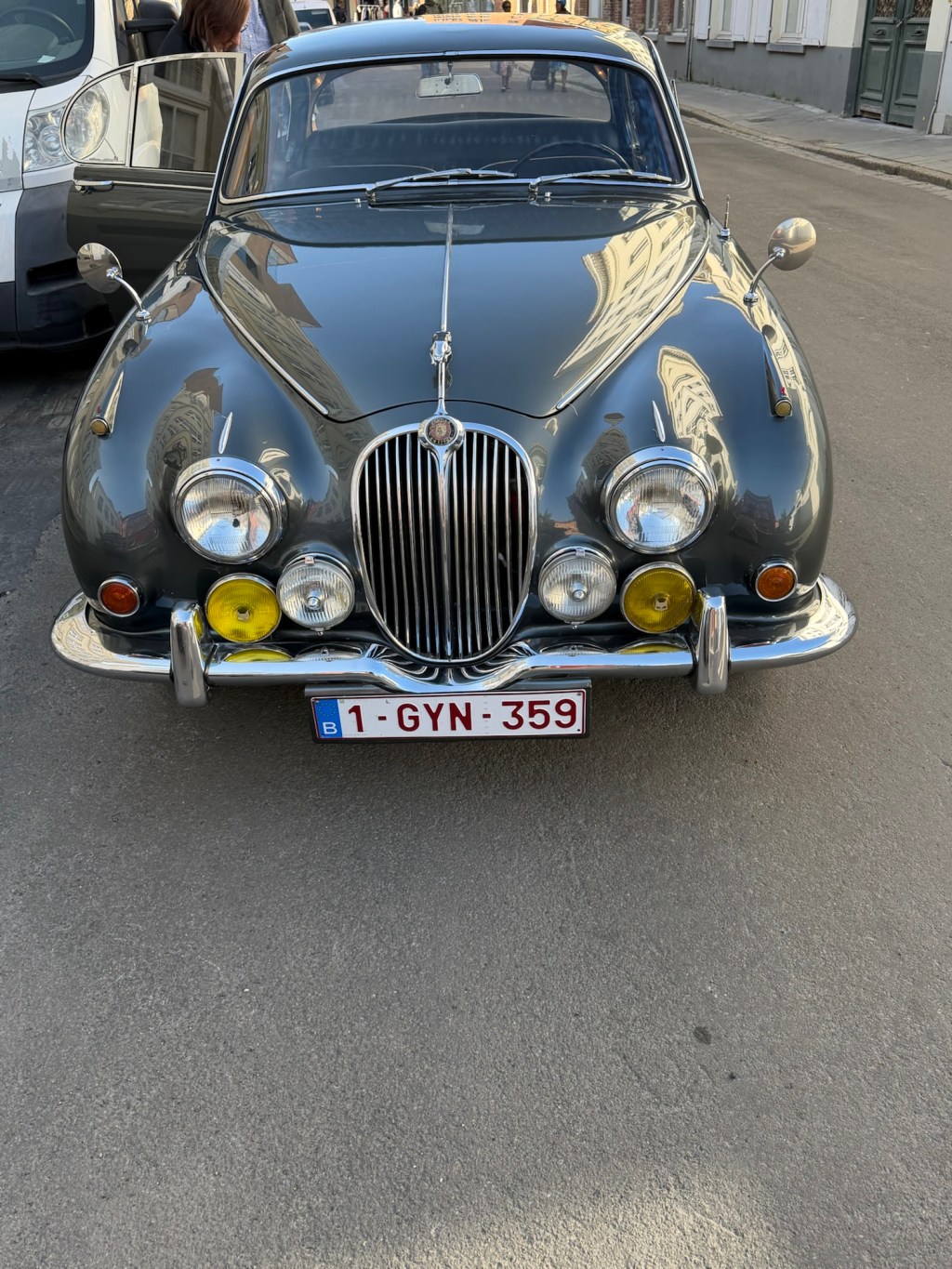
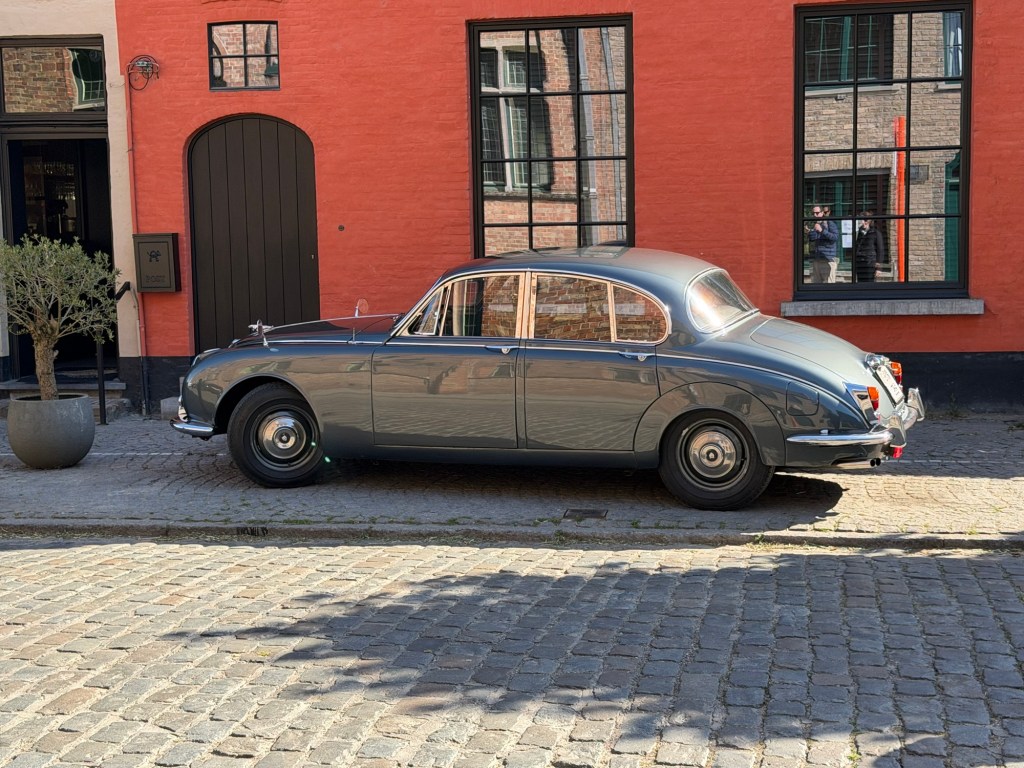
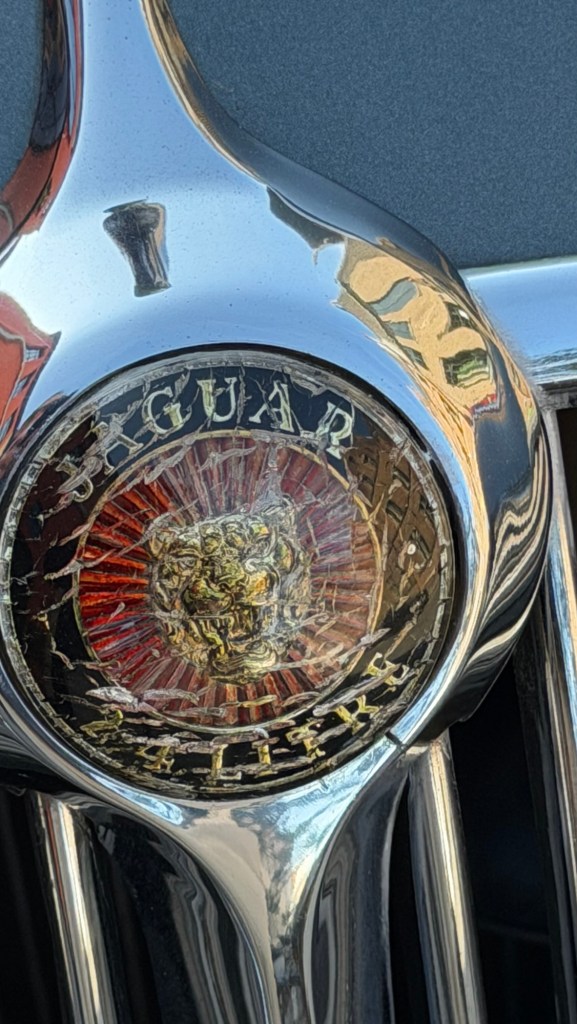
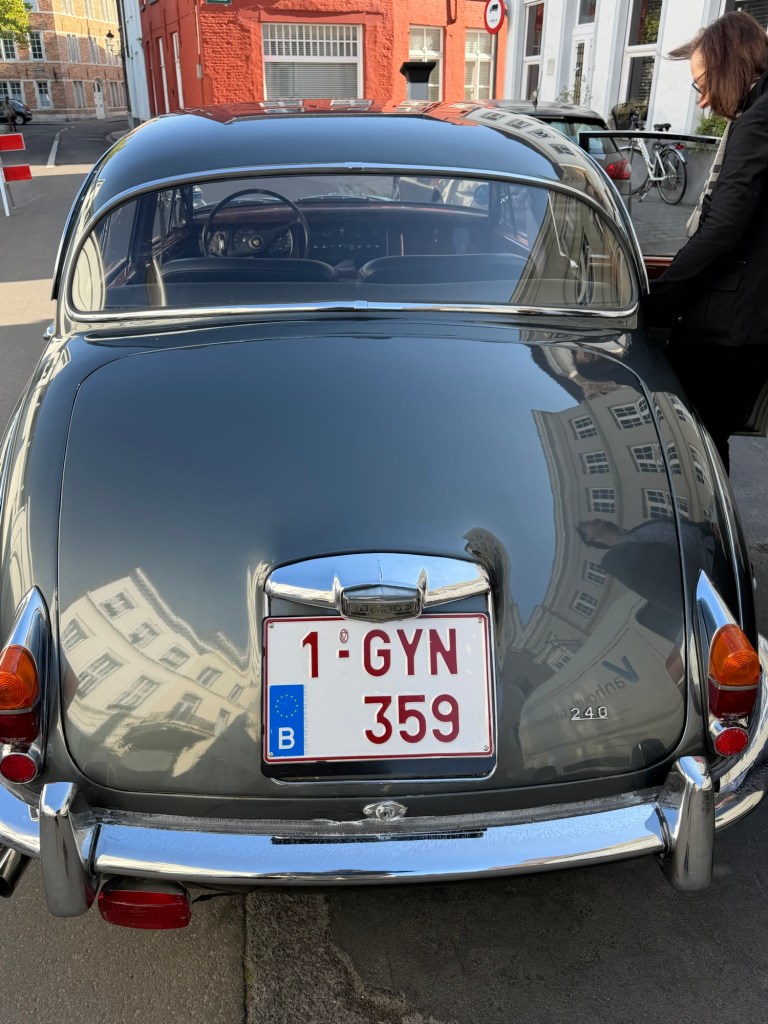
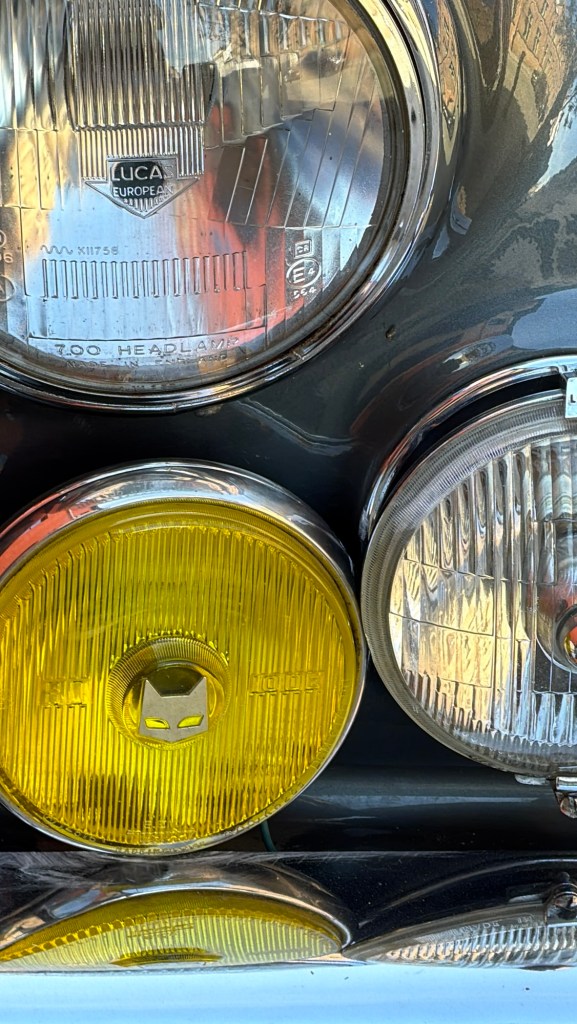
What made the day truly special was that he drove us in his beautifully preserved 1968 Jaguar 240—a classic that felt perfectly at home on Bruges’ streets and even more so on the open roads beyond.
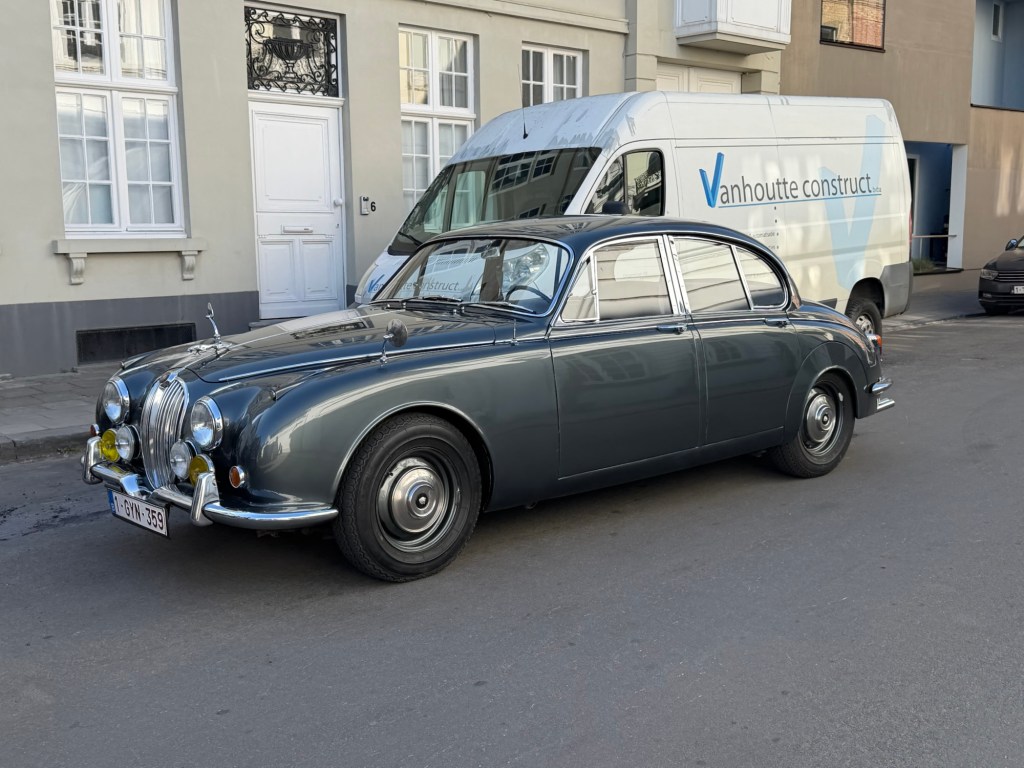
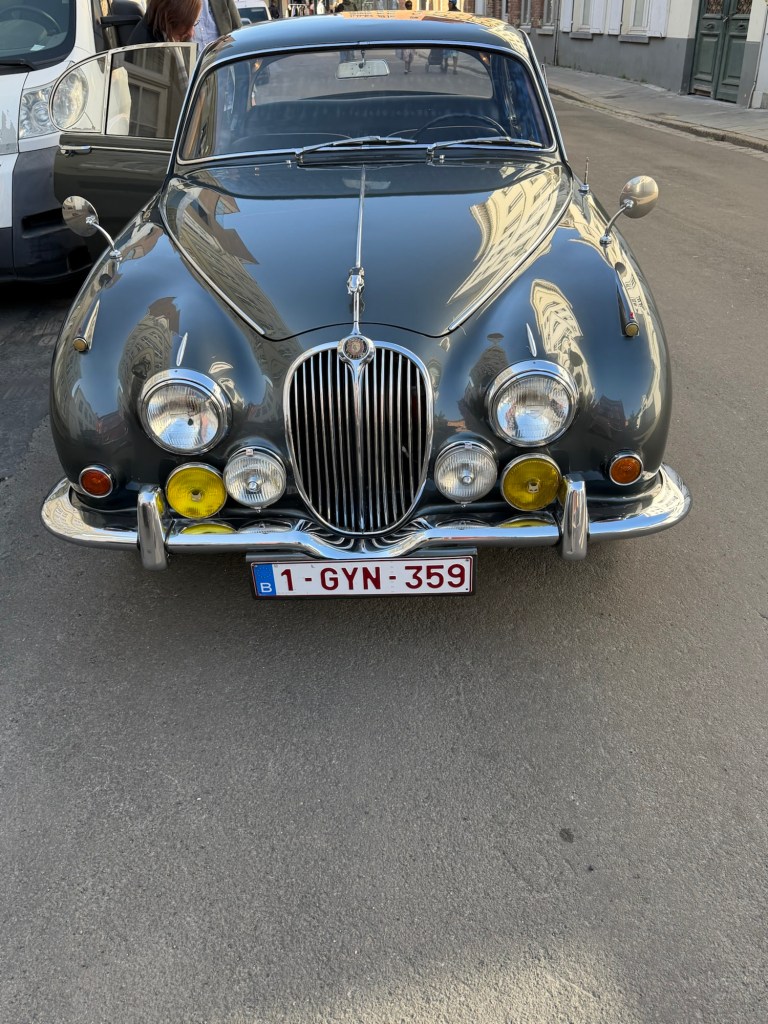
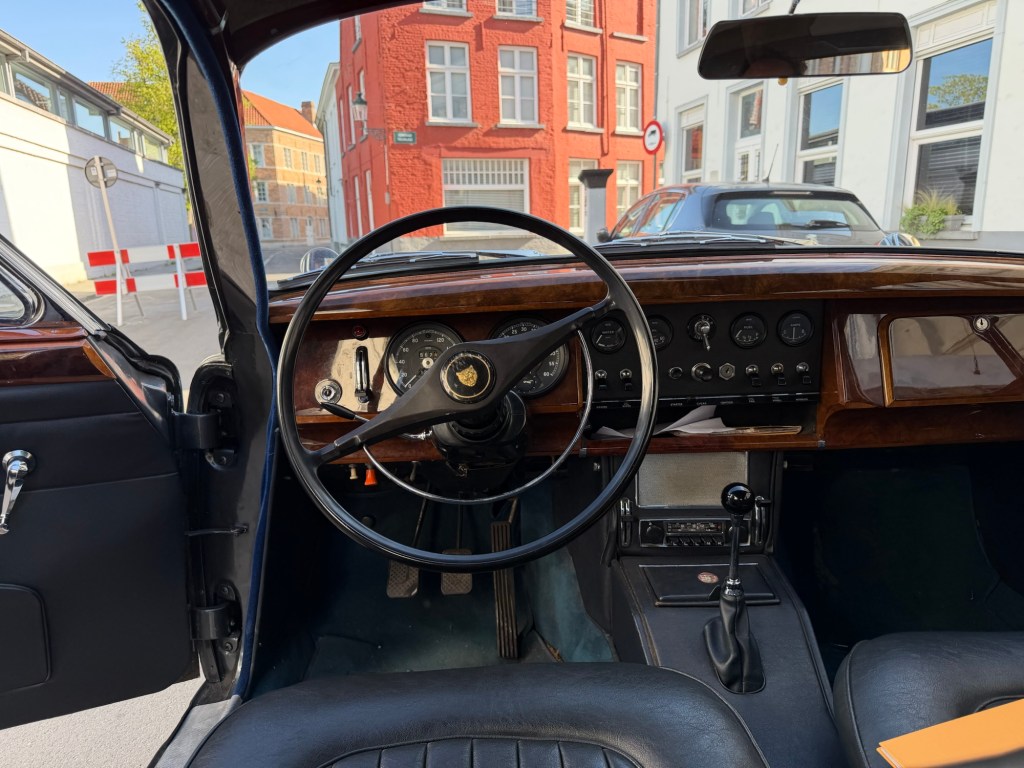
Seated in the back, it felt less like a drive and more like being carried through another era.
Framed by wide windows and polished wood, we watched the landscape unfold—long, straight roads lined with trees, sunlight flickering across the interior, and the steady hum of the 2.4-liter inline-six engine, with its 133 horsepower and twin SU carburetors, moving us along at an unhurried pace.
And that Jag engine had a character all its own. At idle, it gave off a soft, confident burble—barely more than a whisper—but as we moved along, it settled into a smooth, low hum, punctuated by a gentle mechanical whirl. There was no urgency to it, just a quiet assurance, as if the car had all the time in the world.
The windows are tall, almost upright—real glass, not the narrow slits you get today. They wind all the way down, opening the cabin to the outside world. No cocoon, no insulation bubble—just air, light, and the passing countryside.
A small rear quarter pane, framed in chrome, that opens, adds that its unmistakable Jaguar.
Inside, the air carried that unmistakable scent of a well-kept classic. The warm leather, polished wood, and the faintest trace of oil and fuel—subtle, but enough to remind you this was a machine from another era. It was a smell that felt both mechanical and refined, something you don’t encounter in modern cars, and it lingered just enough to become part of the memory.
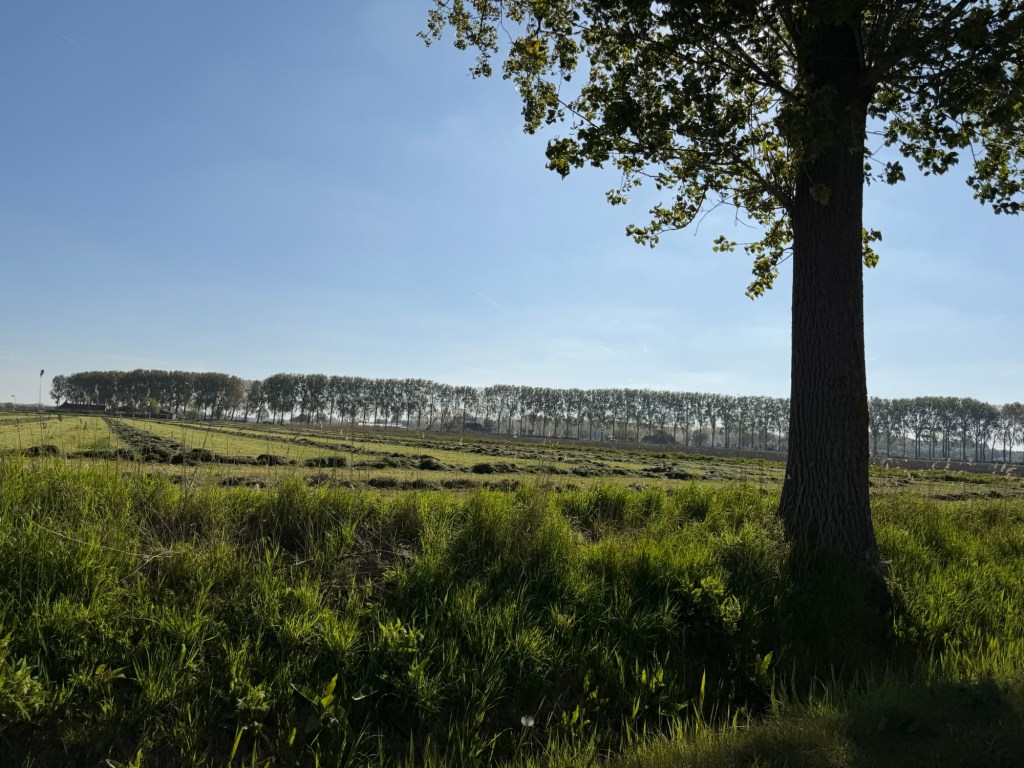
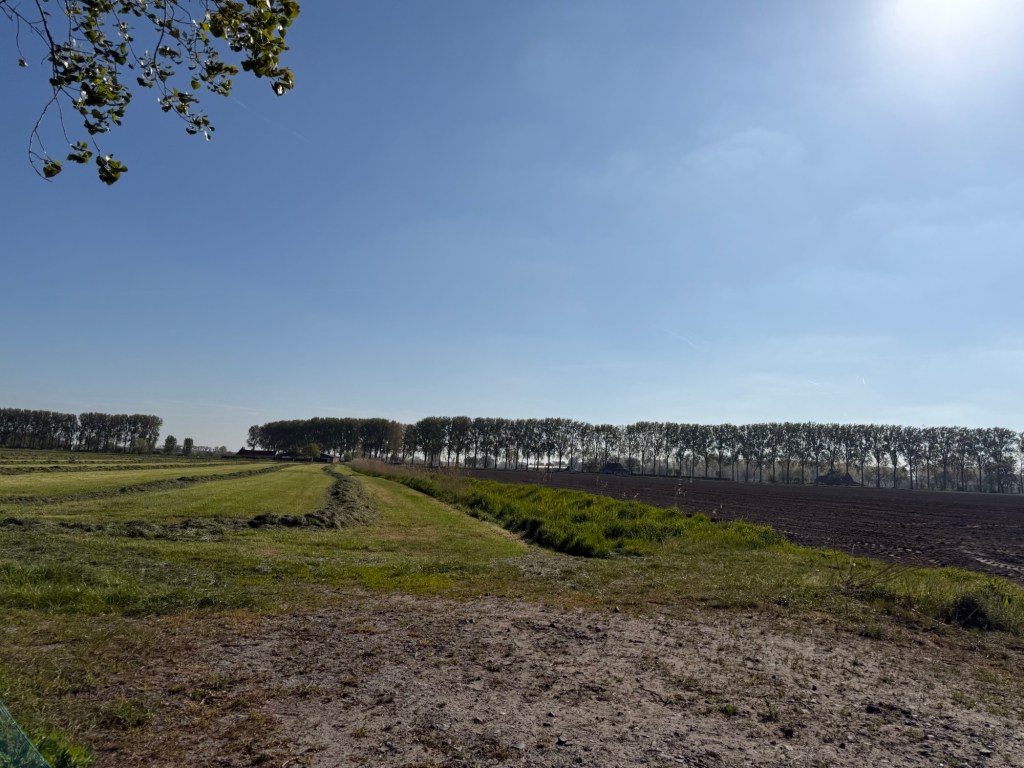
Leaving Bruges, the transition was almost immediate. The city gave way to flat, open farmland—fields stitched together by canals and bordered by perfectly spaced rows of trees. The landscape felt deliberate, almost painted, with working farms stretching toward the horizon and a quiet rhythm that invited you to slow down.
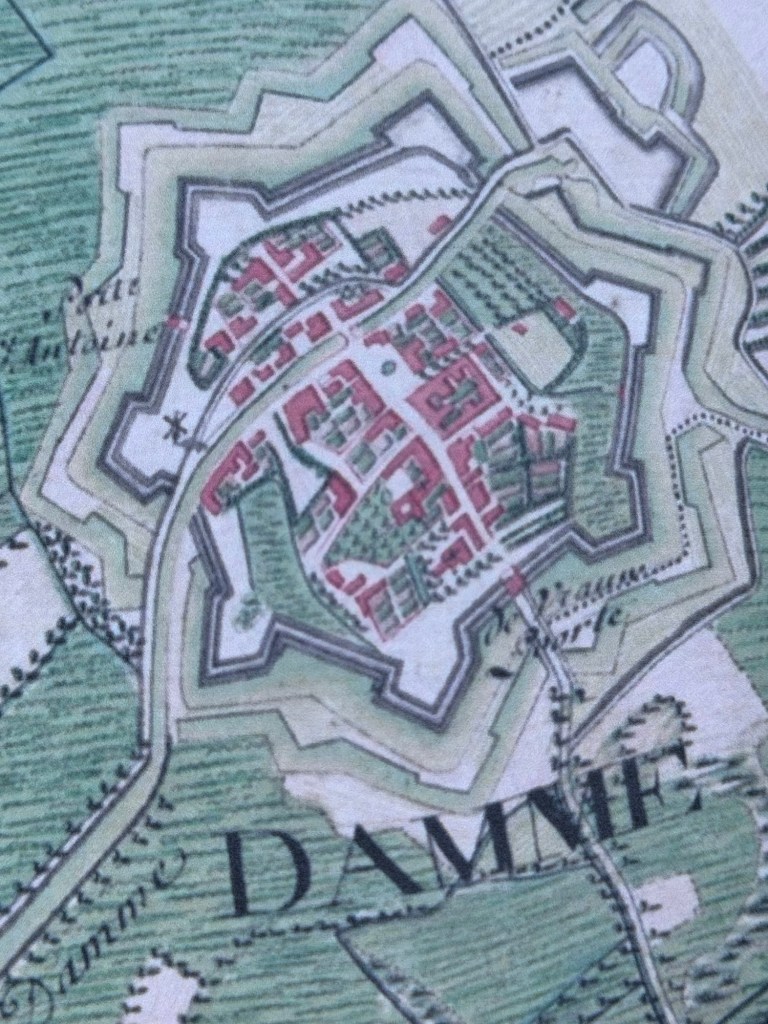
Our first stop was the small village of Damme, once a thriving medieval port and Bruges’ vital link to the North Sea. Today, it feels worlds away from that past, its importance diminished over time as the waterways gradually silted making its waters unnavigable. The town’s distinctive star-shaped layout—once part of a system of defensive fortifications designed to control access and protect this vital link—can still be traced.
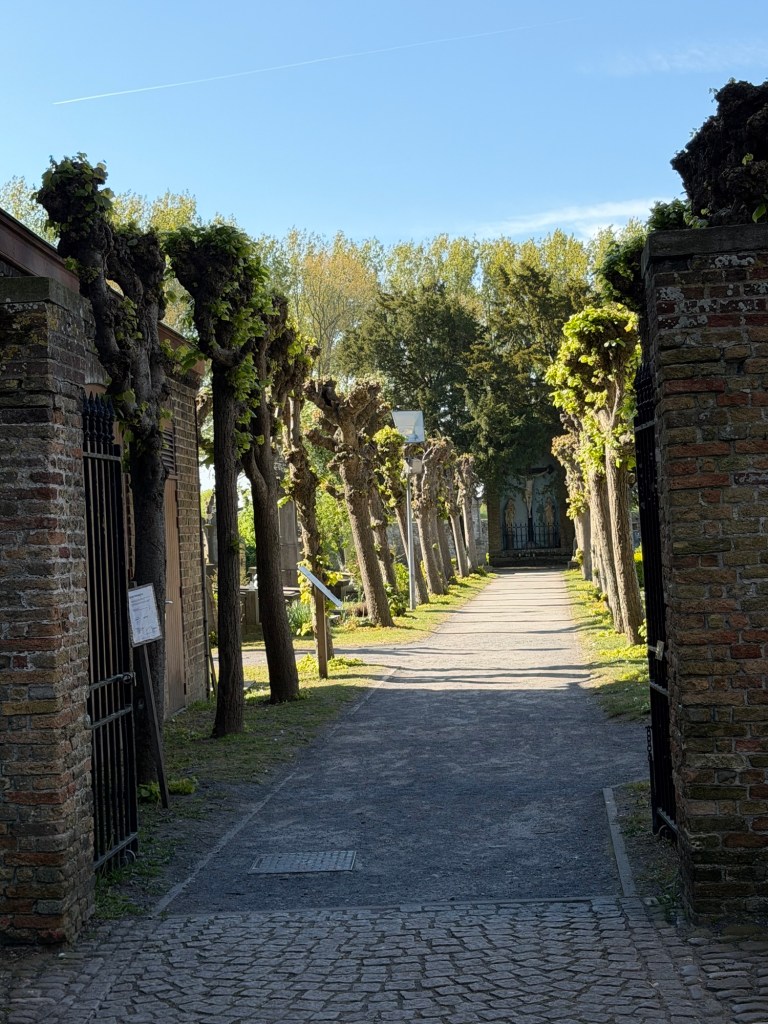
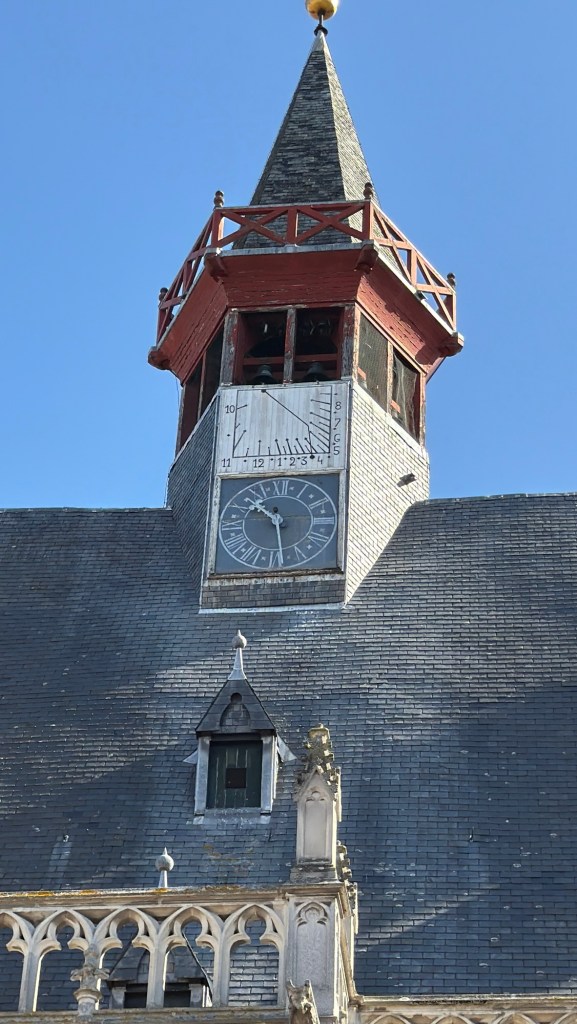
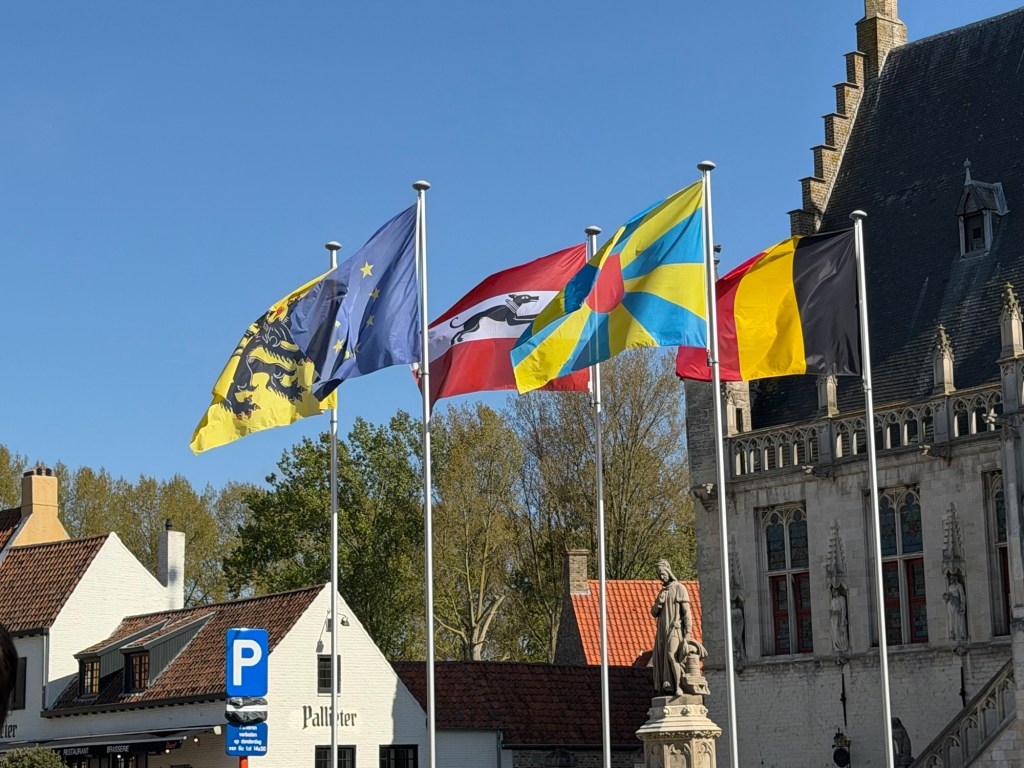
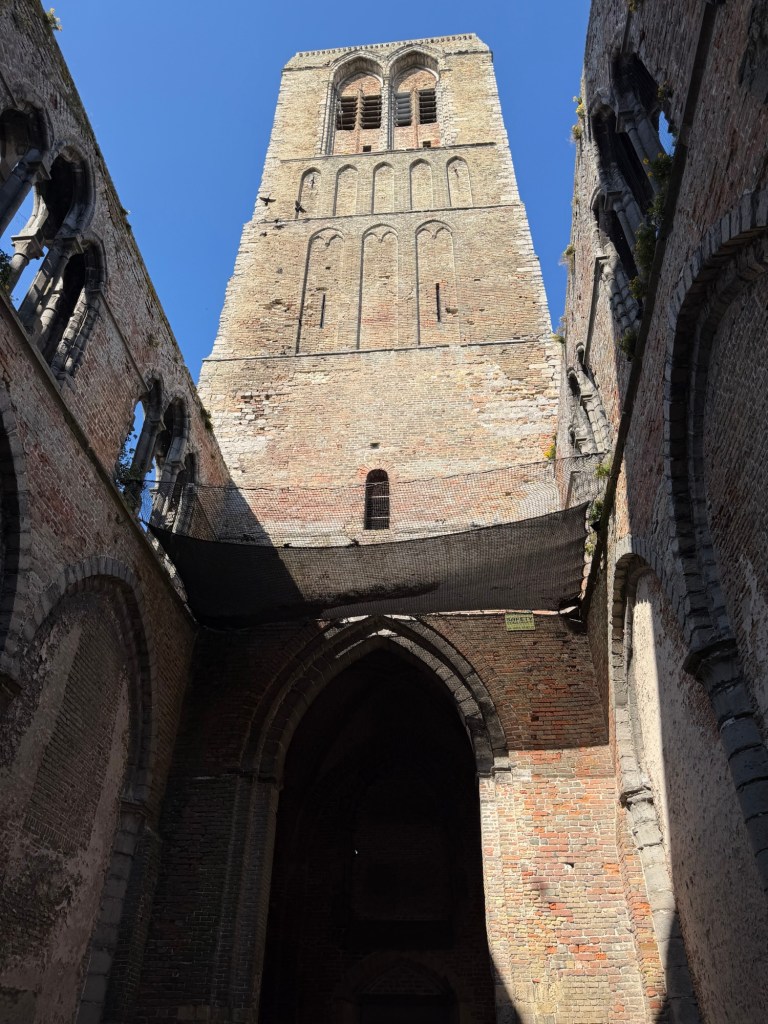
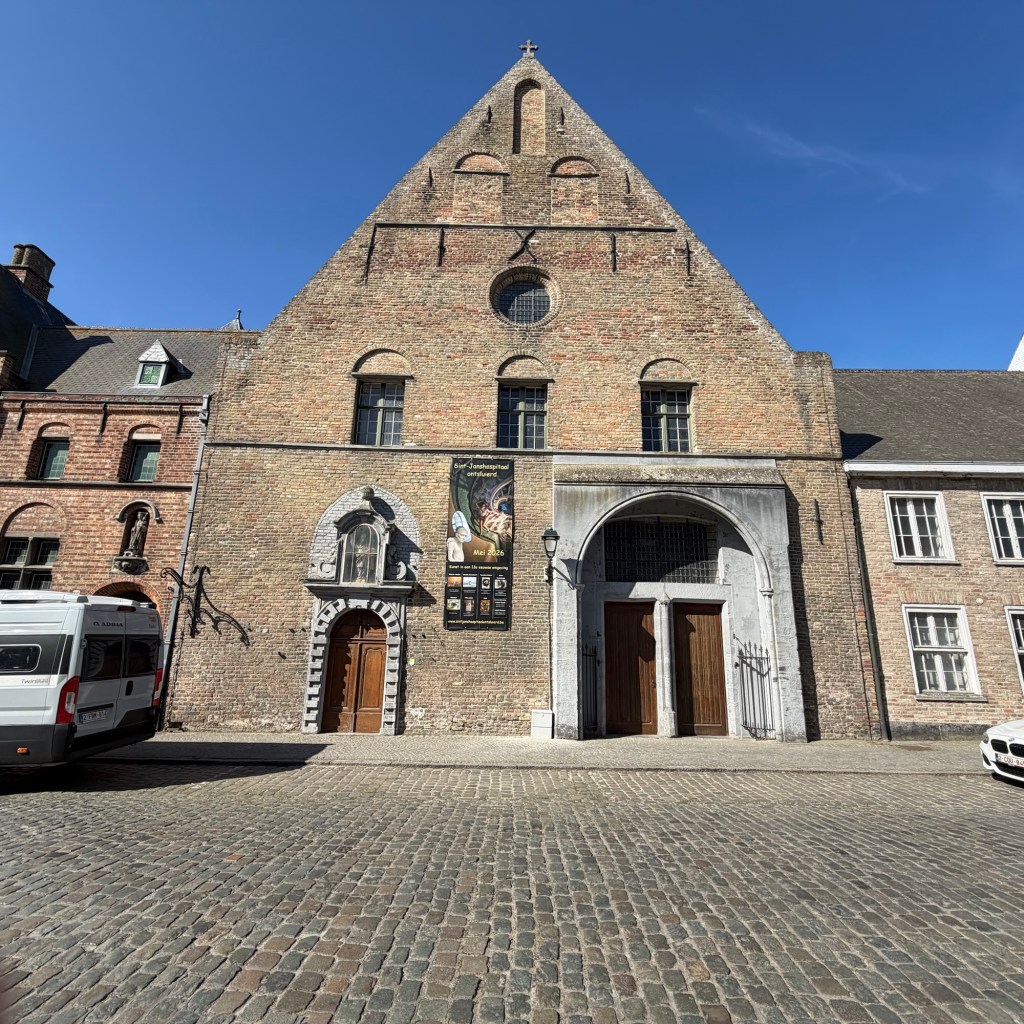
We arrived quietly, the road opening into a simple square where the Church of Our Lady (Onze-Lieve-Vrouwekerk) and its tower rise above the low brick buildings, part of it standing in quiet ruin, while lines of pollarded trees frame parts of the edges of the village—still, orderly, and watchful.
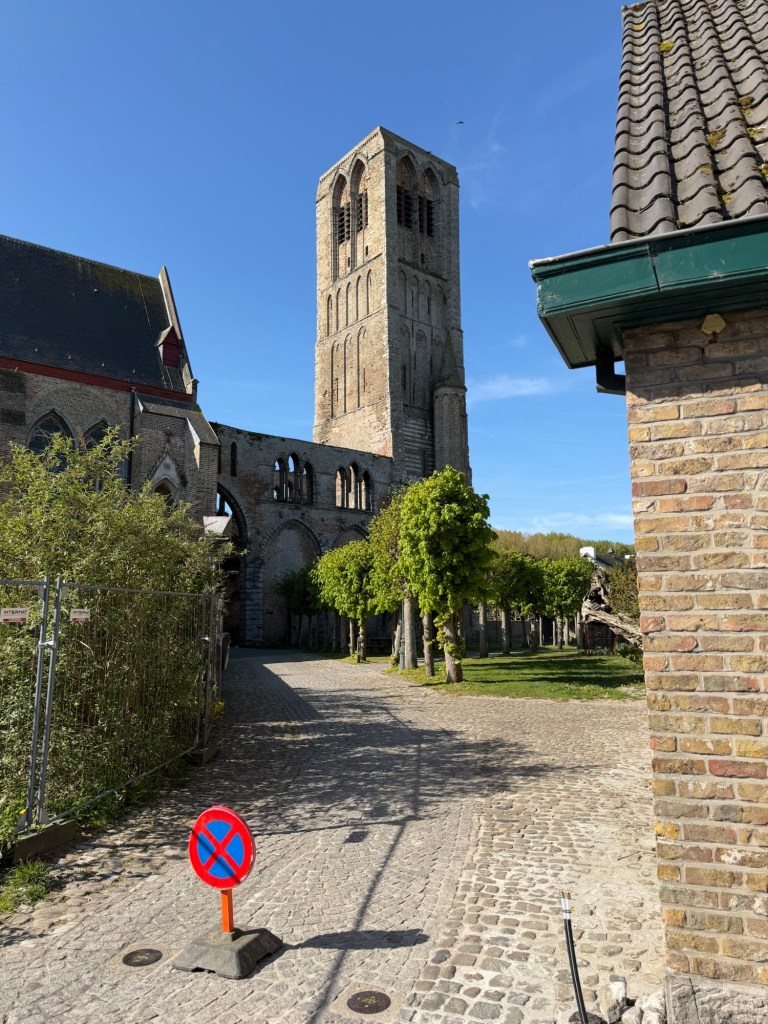
From there, we continued on through the countryside, stopping to see two of what are often called “castles”—though not castles in the English sense of imposing fortresses and battlements.
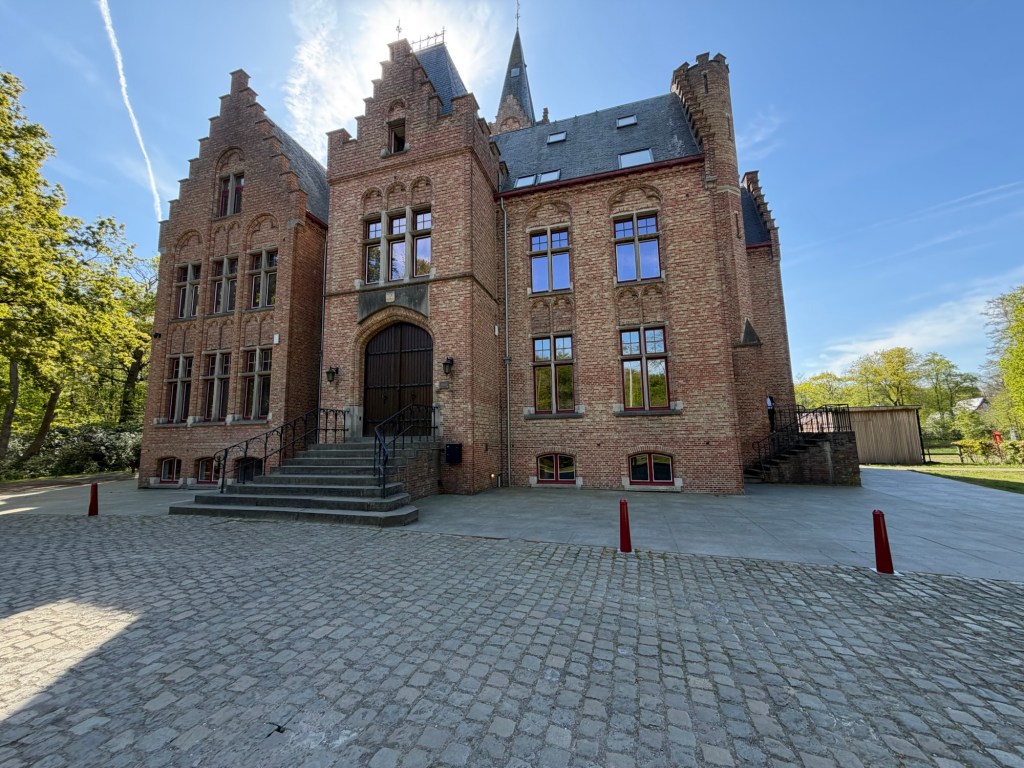
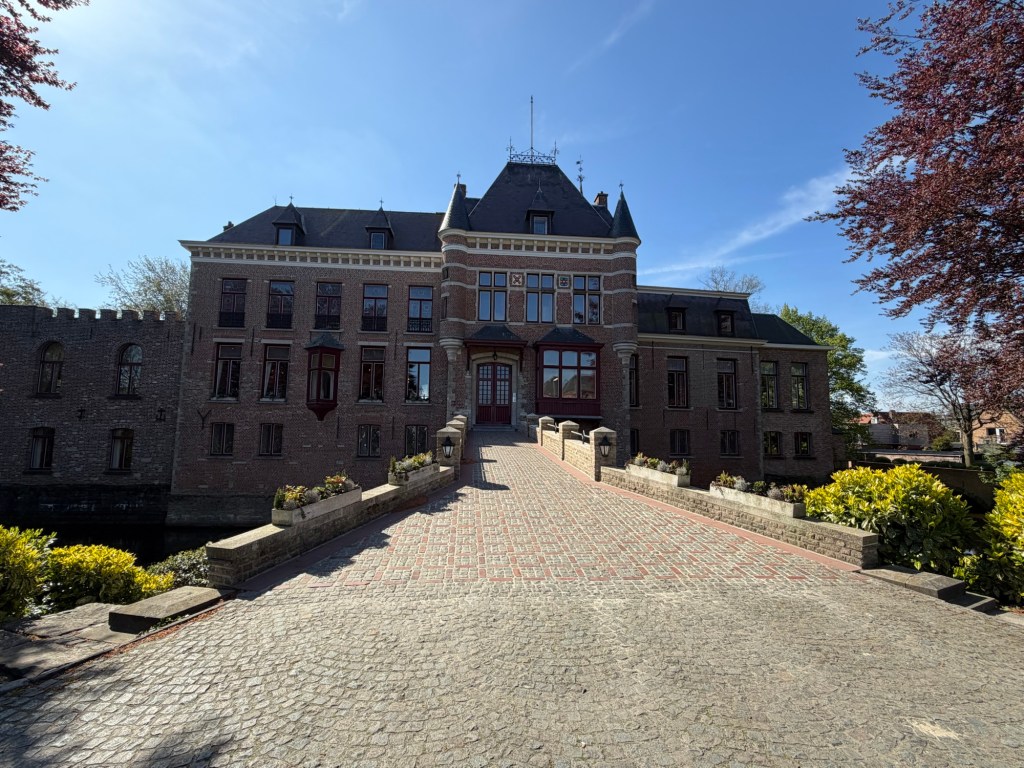
These were elegant country estates, often moated, set quietly among trees, fields and gardens, more about refinement and lineage than defense.
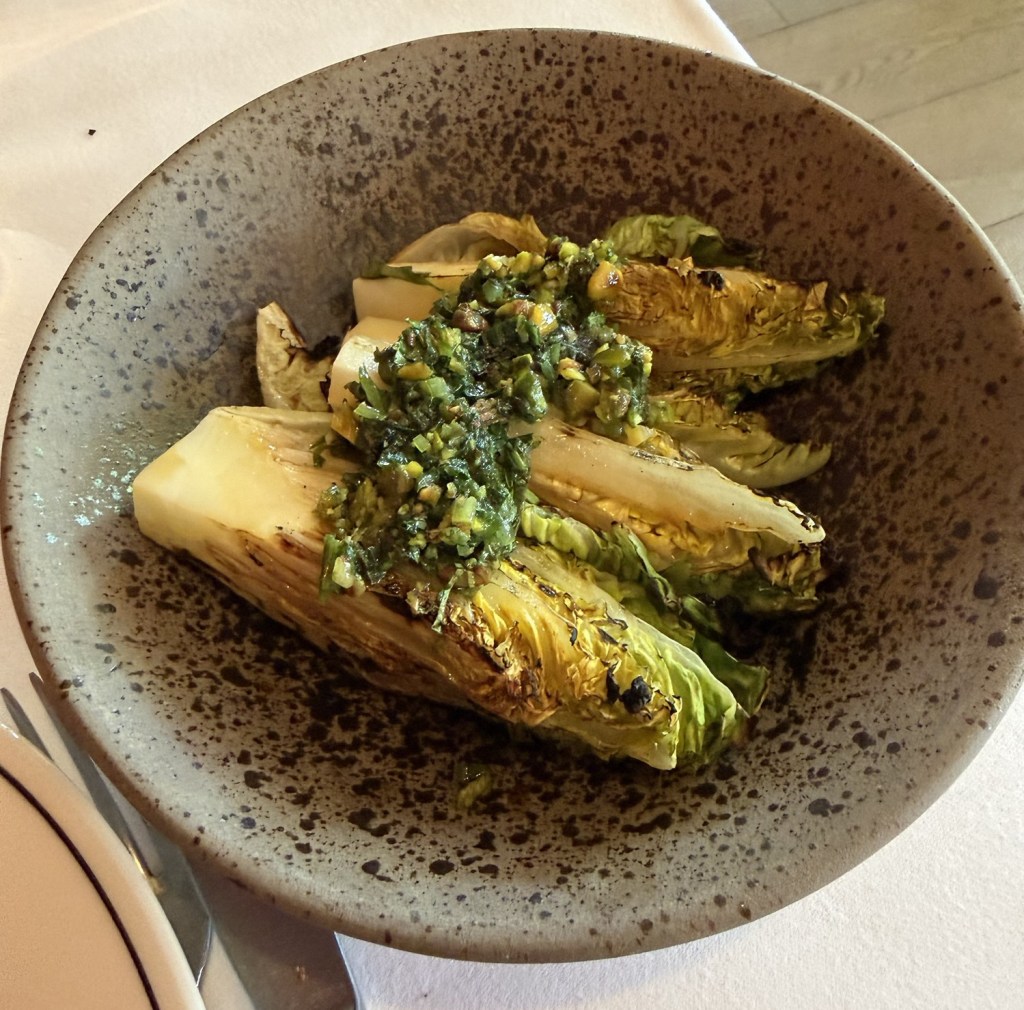
By midday, we stopped for lunch at De Herten (www.deherten.be/), a place that felt perfectly in tune with the day—simple, understated, and rooted in the local landscape. The menu reflected a modern Flemish sensibility, with an emphasis on seasonal ingredients and clean, thoughtful preparation. One dish in particular stood out: grilled little gem lettuce, lightly charred and topped with a bright, herb-forward dressing that brought the whole plate to life.
Our last stop was Loppem Castle, a striking neo-Gothic estate that feels closer to a storybook than a fortress. Built in the 19th century but designed to echo an earlier medieval style, it stands surrounded by landscaped grounds and a sense of quiet grandeur.
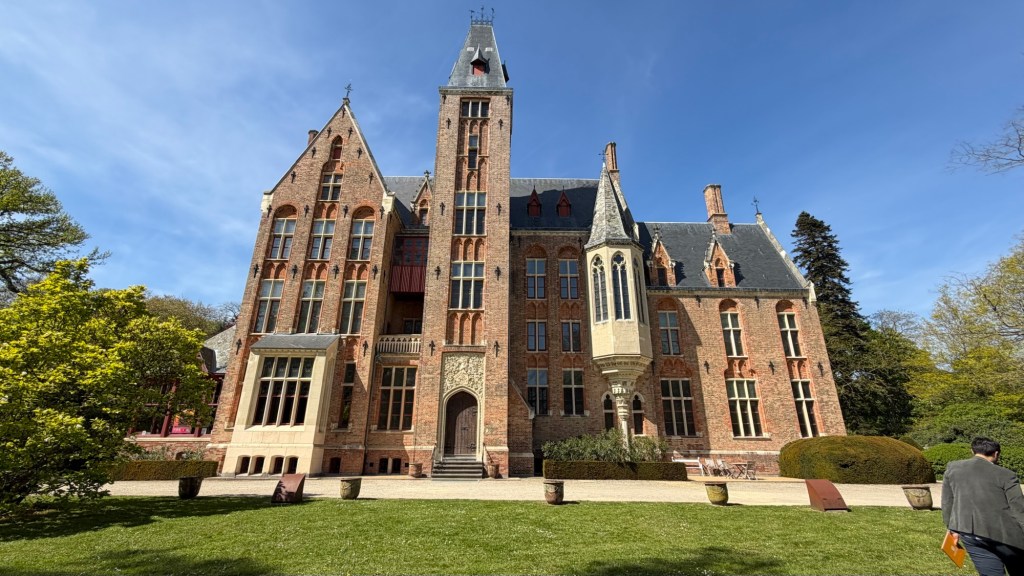
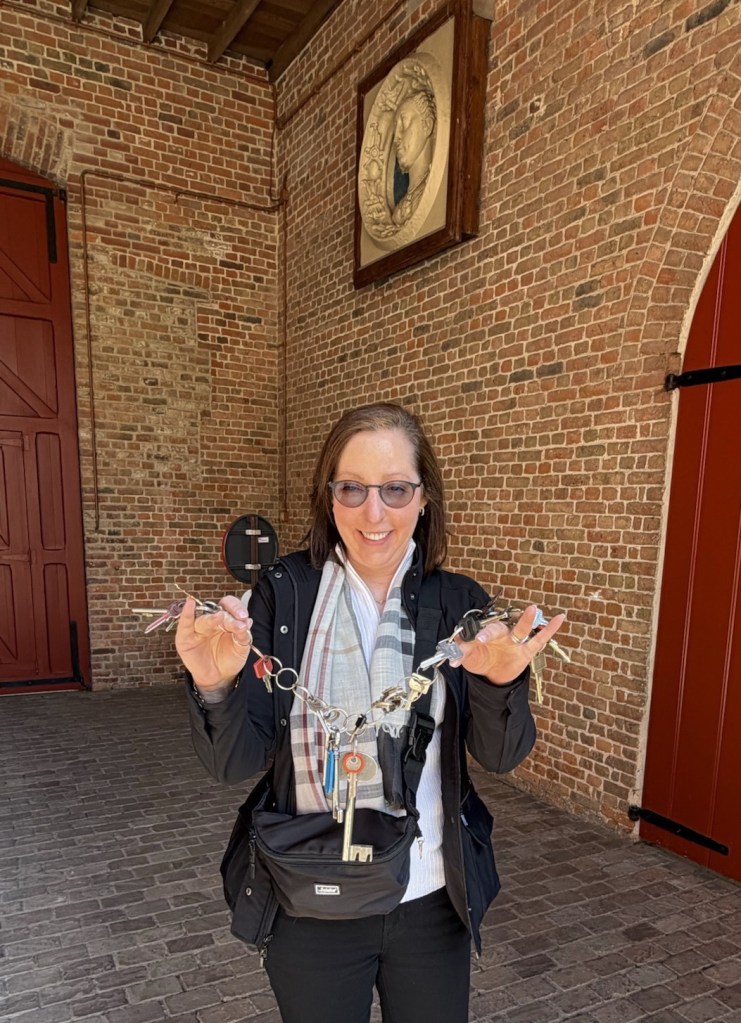
While access to Loppem is limited, we happened to run into the owners just outside—Baron Thierry van Caloen and Baroness Isabelle van Caloen—who graciously invited us in. As it turned out, they had family visiting and welcomed us to share their visit inside. In a gesture that still feels hard to believe, they quite literally handed Beth the keys, trusting us to wander and take it all in on our own. It was one of those rare, unscripted moments—quietly generous, deeply personal, and all the more memorable because it could never have been planned.
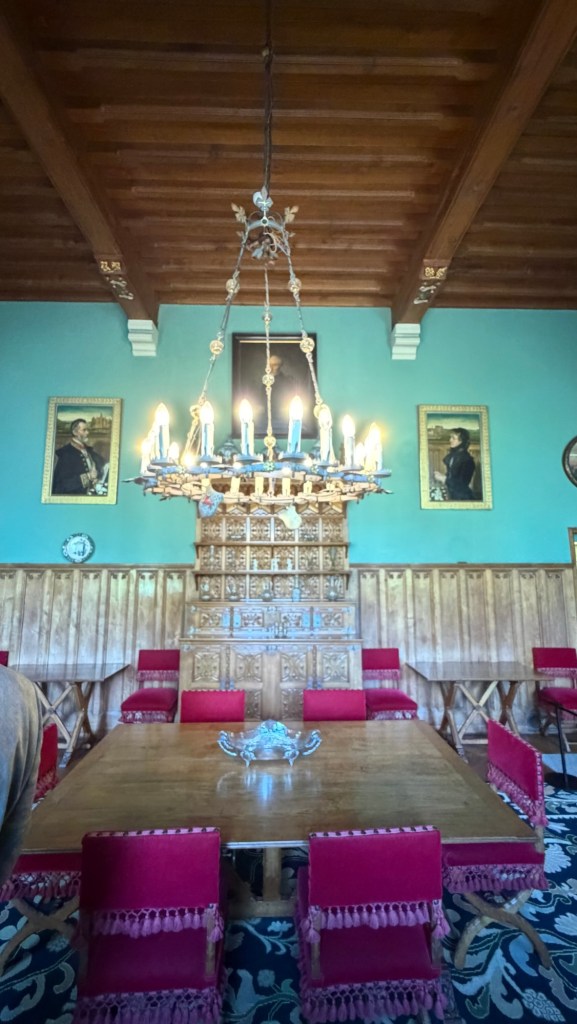
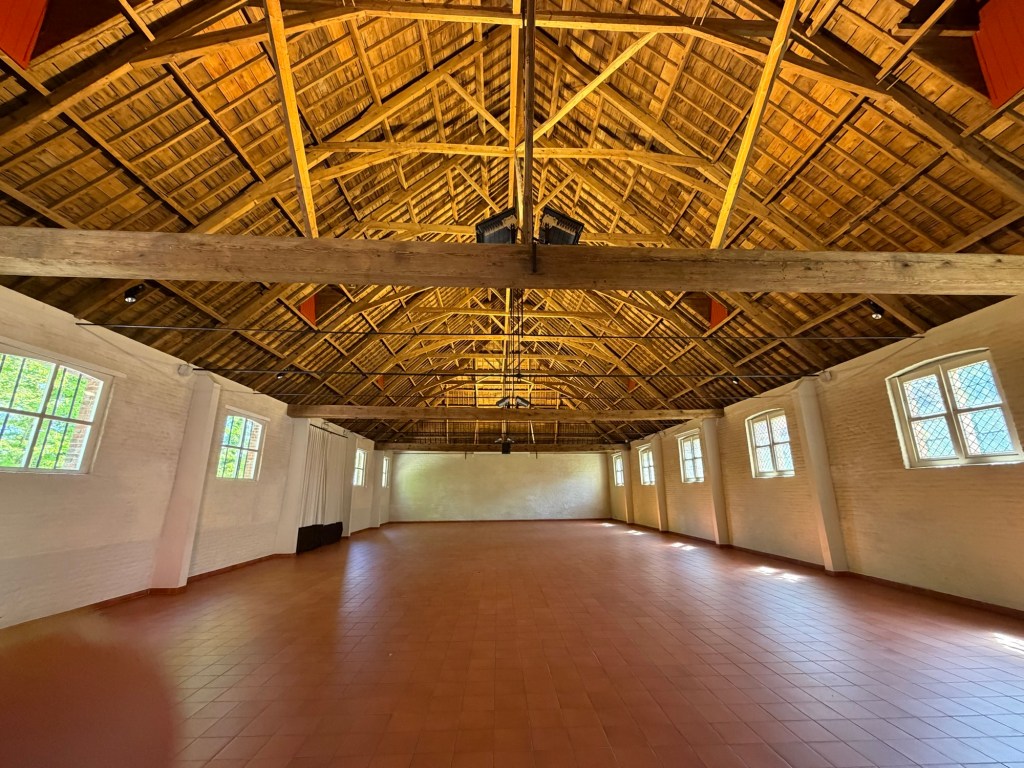
Inside, the castle is extraordinary. Room after room reveals a richly preserved world—vaulted ceilings with intricate detailing, carved wood galleries, stained glass filtering soft light across the floors, and walls filled with portraits that quietly hold centuries of family history. The great hall feels almost cathedral-like, while the dining rooms and smaller spaces retain an intimacy that reminds you this once was a home.
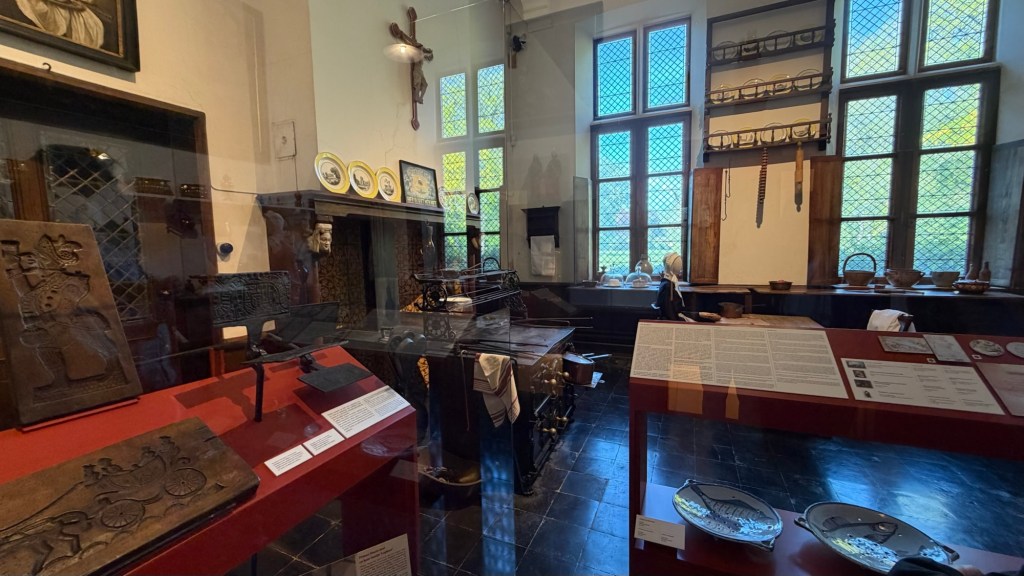
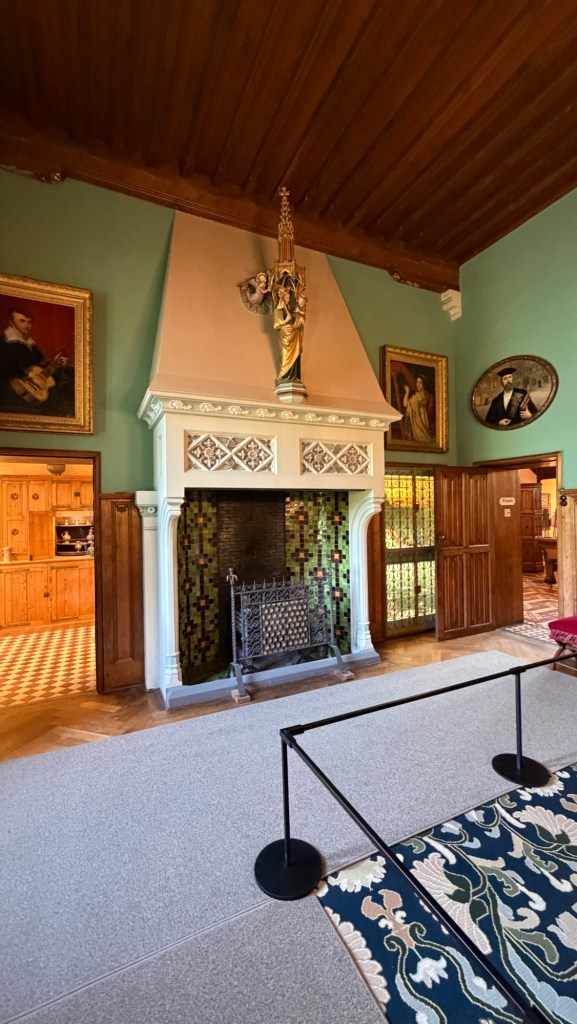
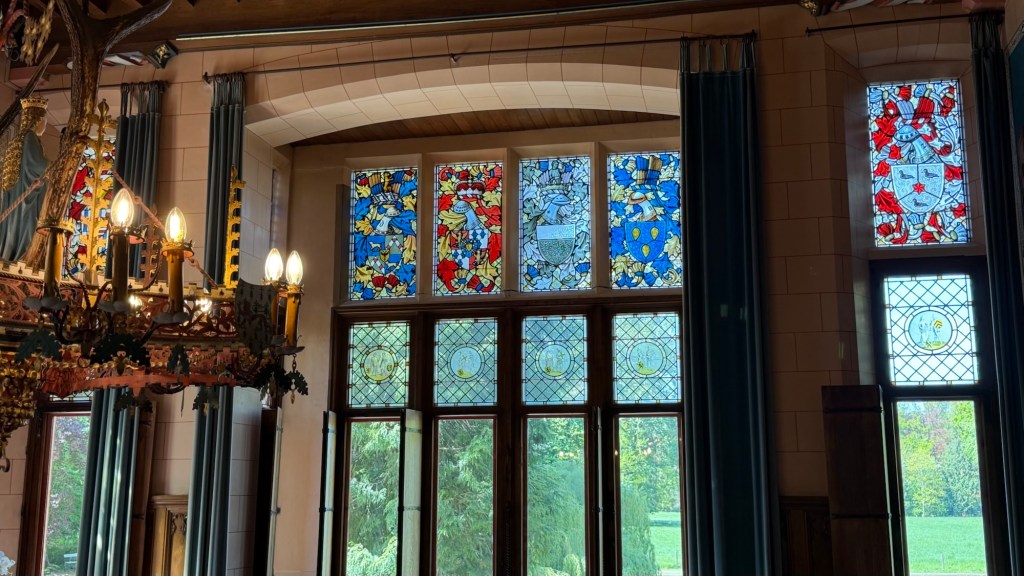
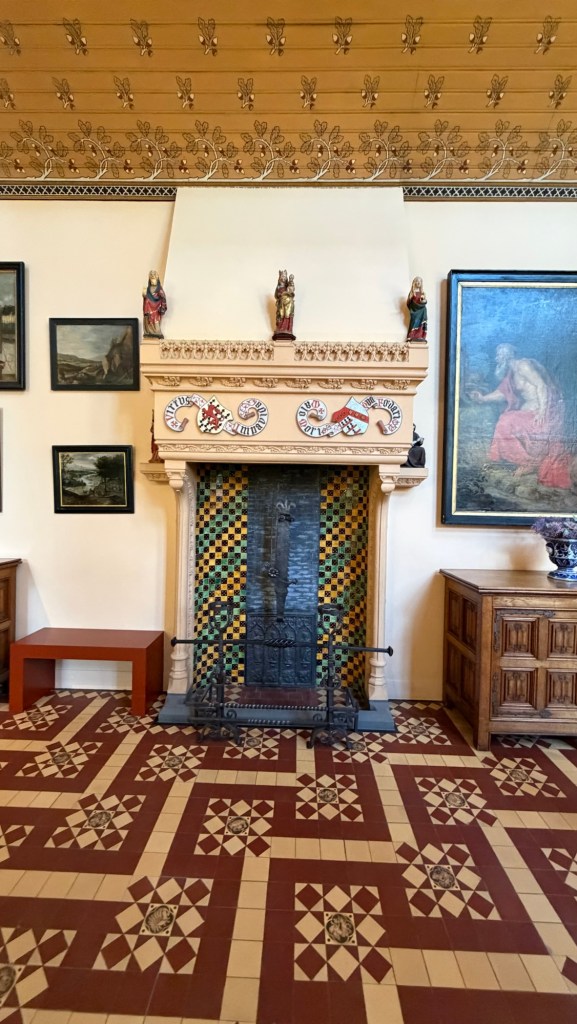
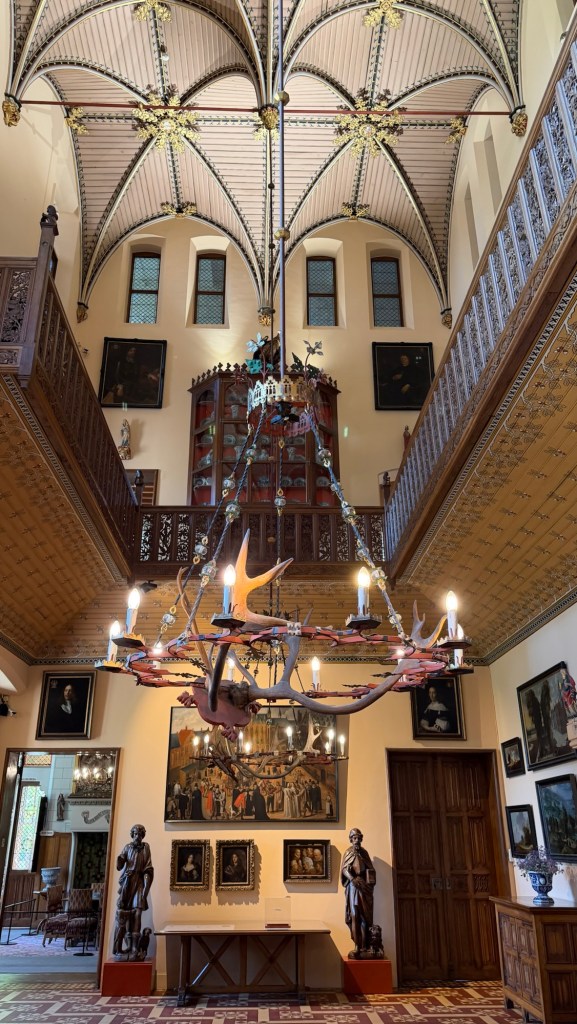
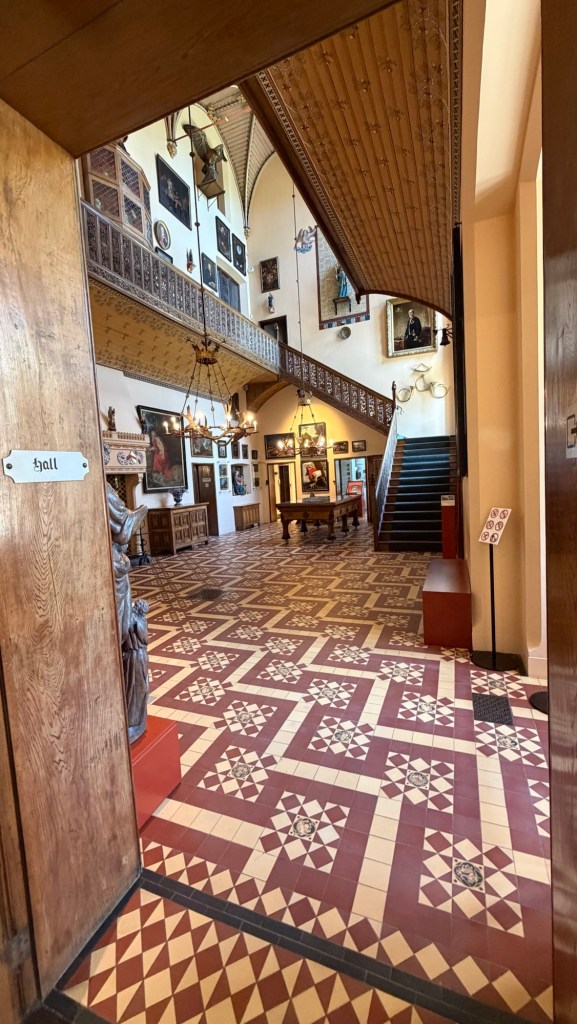
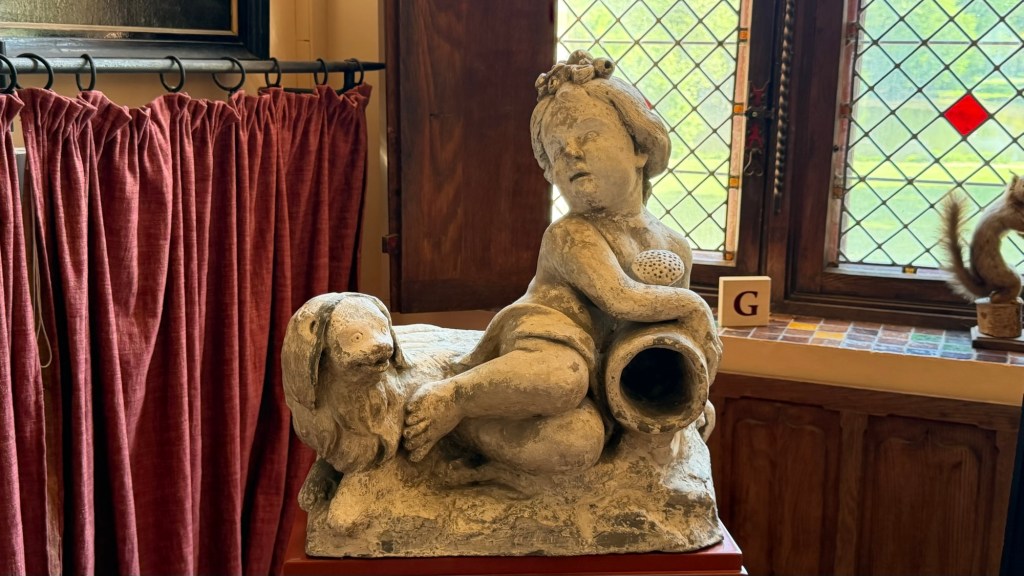
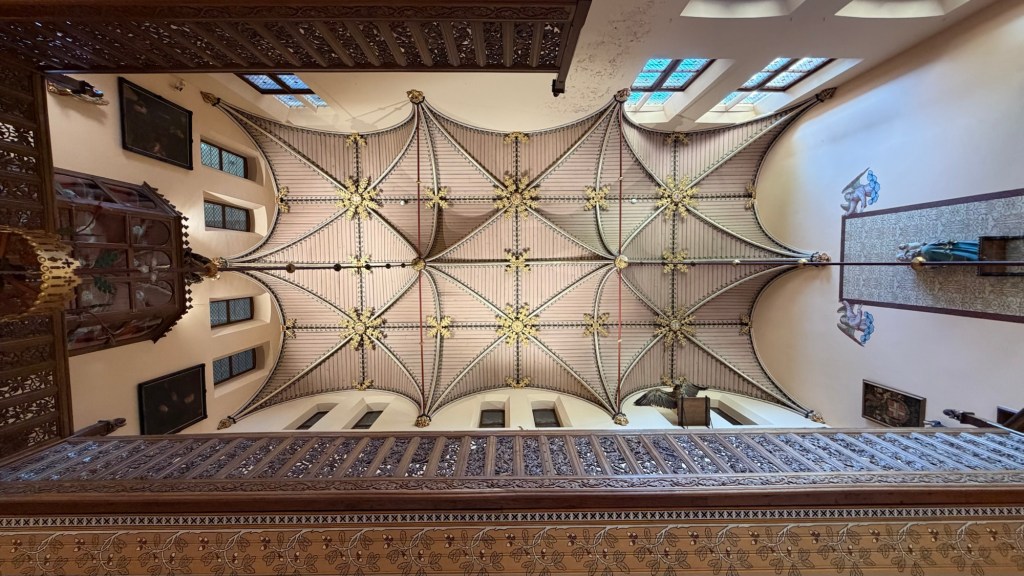
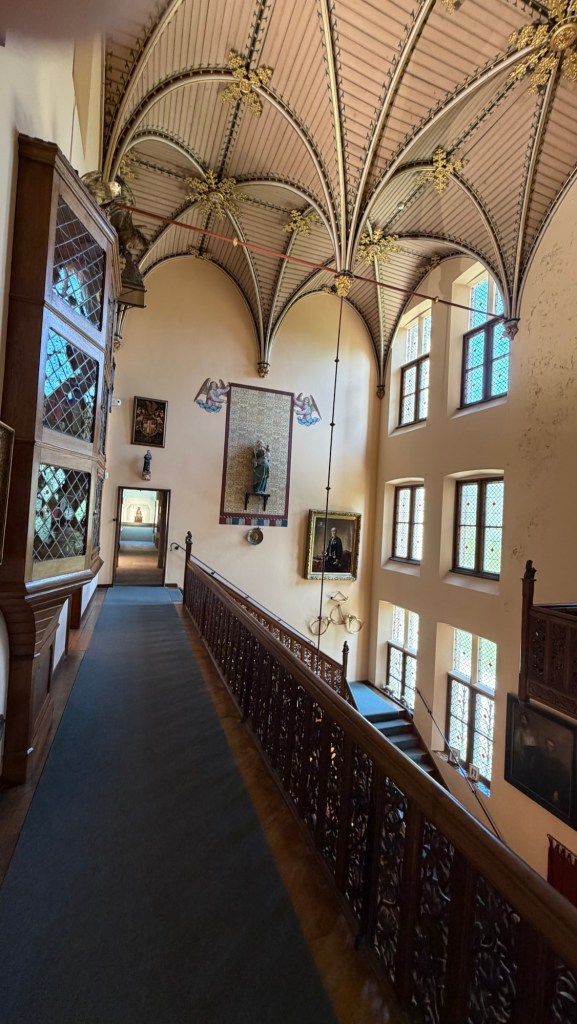
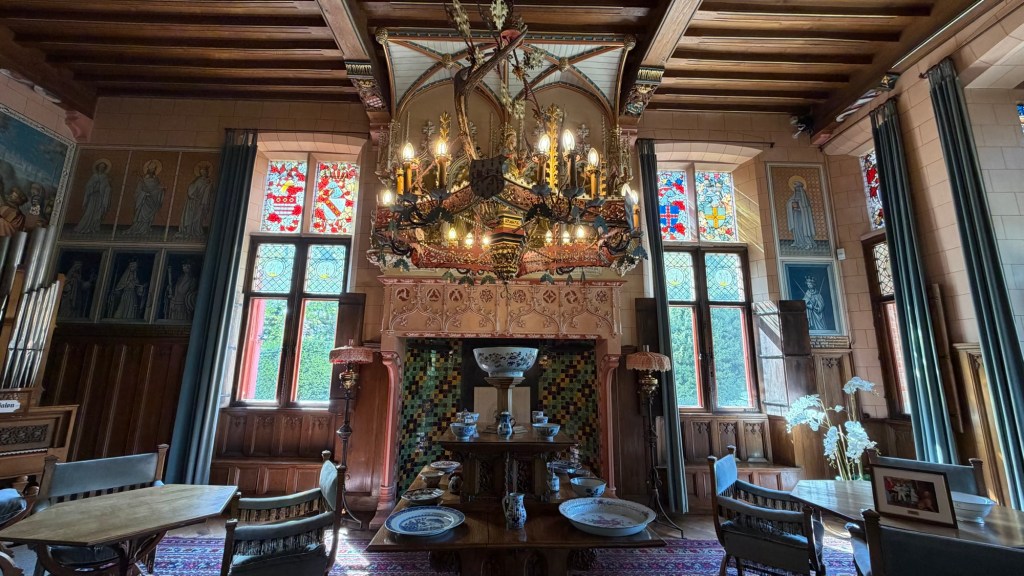
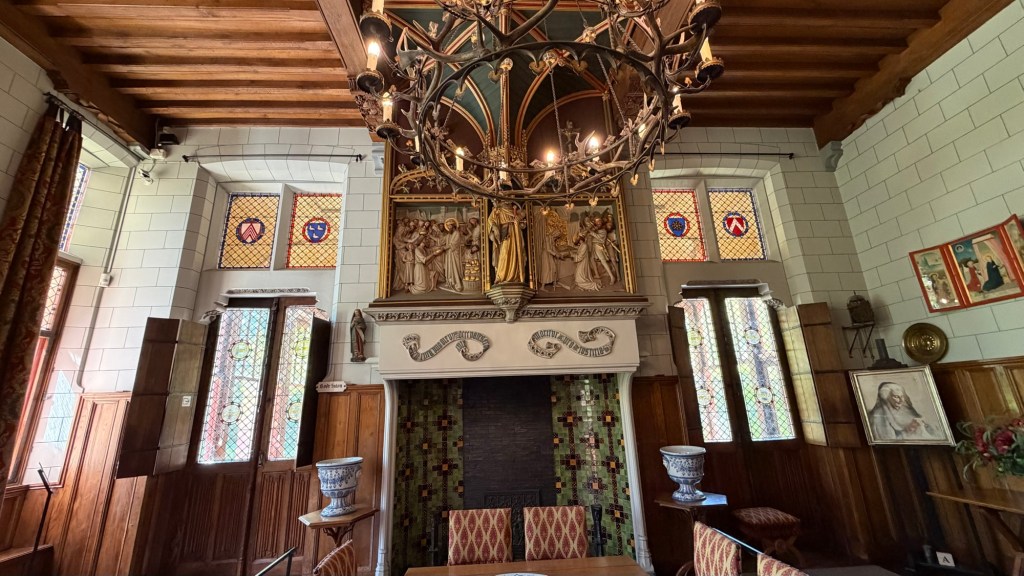
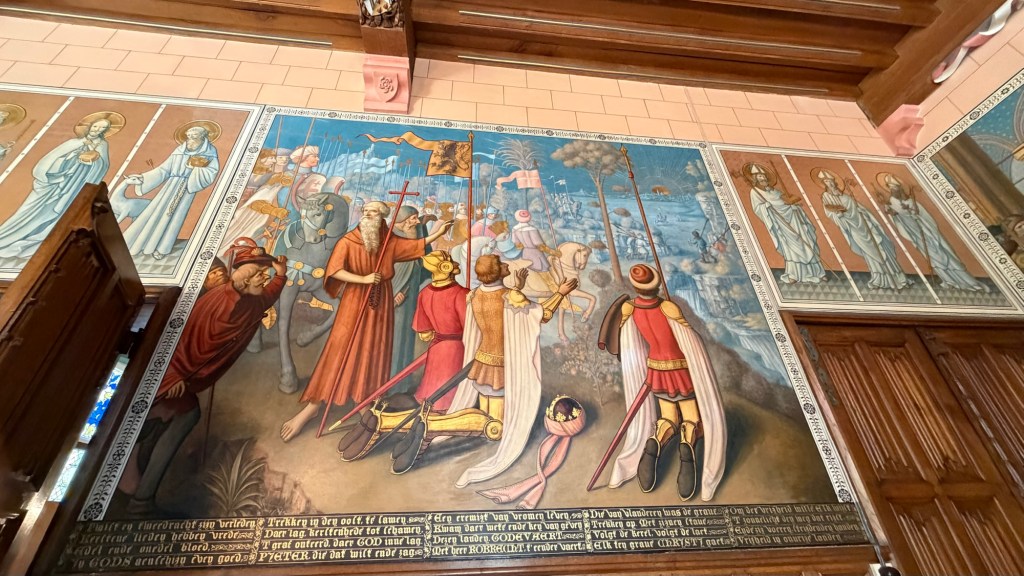
There is a palpable sense of history here—a feeling that this is not just a place that preserves the past, but one where history quietly unfolded. Indeed, King Albert I used Loppem as his headquarters during World War I, and his transition back to power.
It was a fitting final stop, where architecture, history, and a bit of whimsy came together—bringing the day to a close in the same spirit in which it began.