After leaving Antwerp, Hotel Van Cleef (www.hotelvancleef.be/en) became our next destination—for three nights—tucked along a quiet canal just far enough from the crowds to feel like a retreat, yet close enough to step easily into the heart of Bruges.
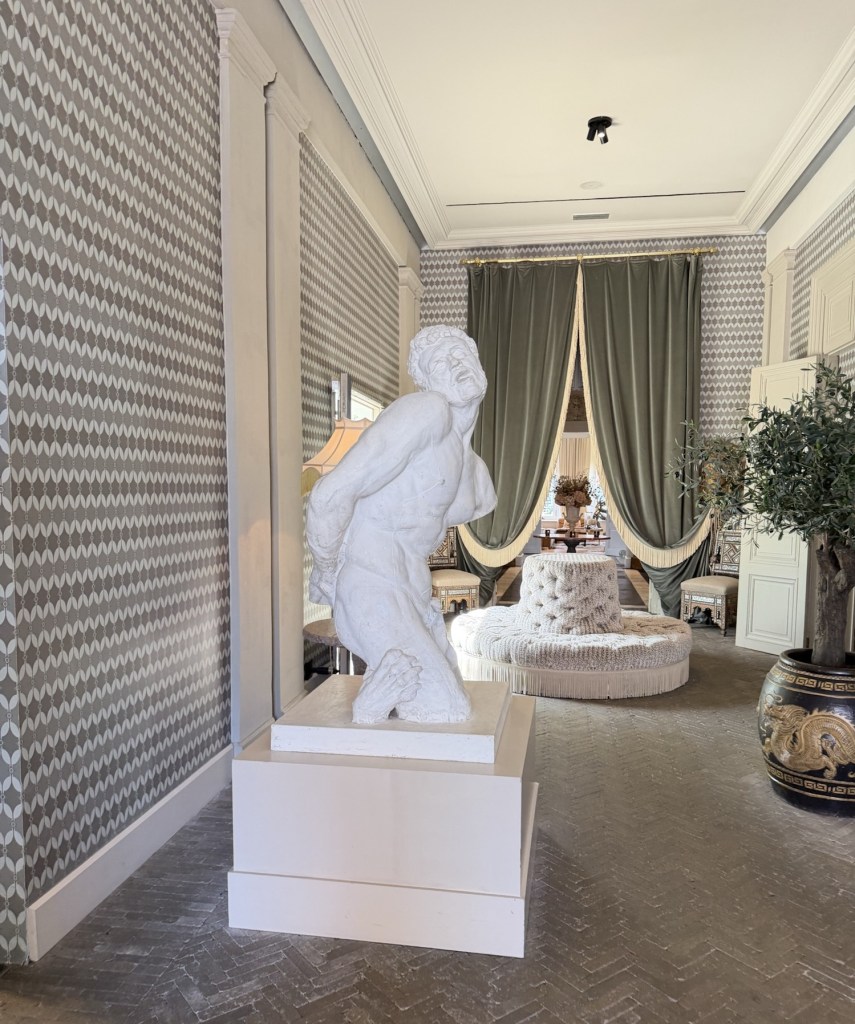
From the moment you enter, it’s clear this is not a traditional hotel experience. The bones are unmistakably historic—high ceilings, elegant symmetry, and the proportions of a classic Bruges townhouse—but what unfolds inside is something far more layered.
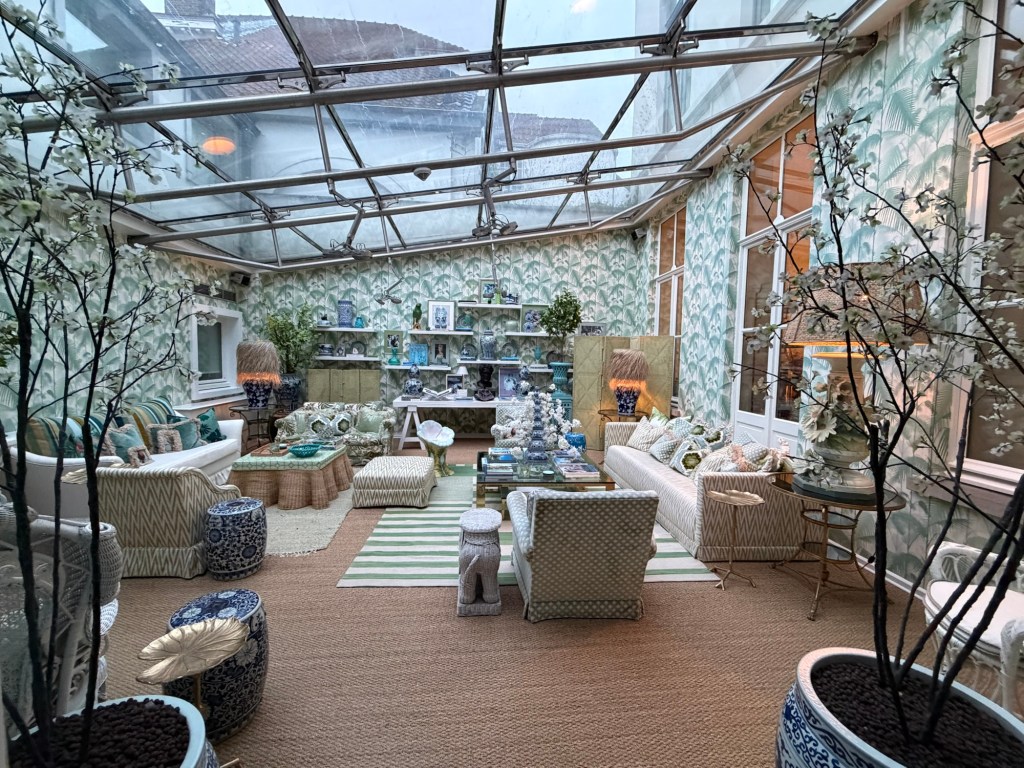
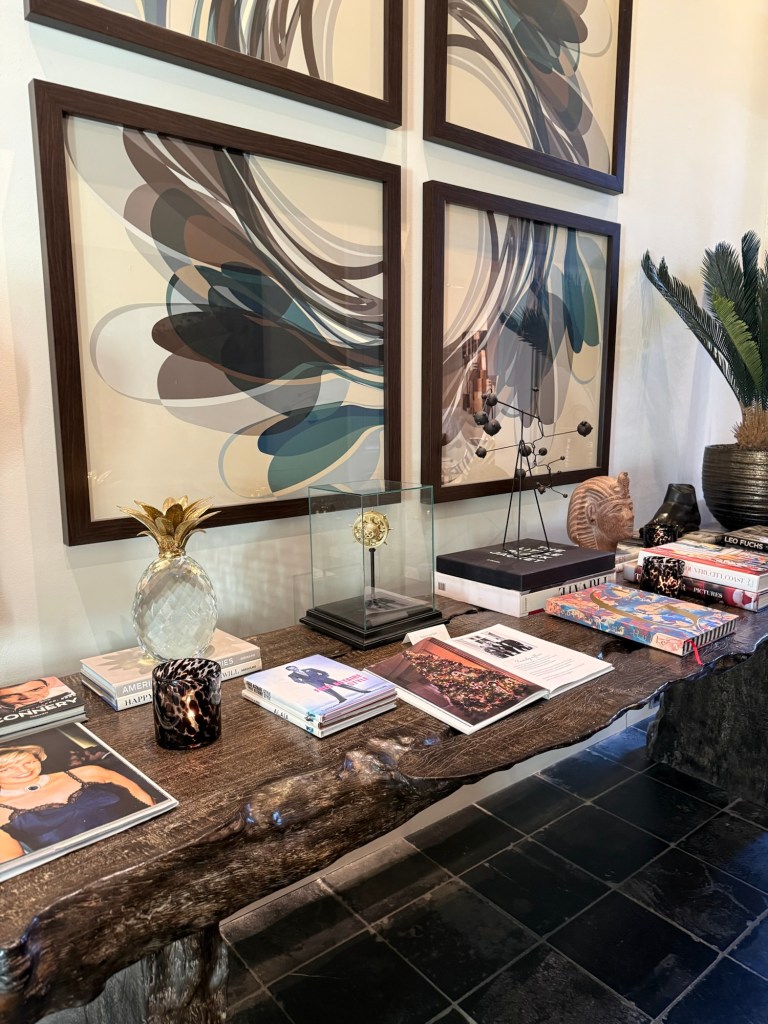
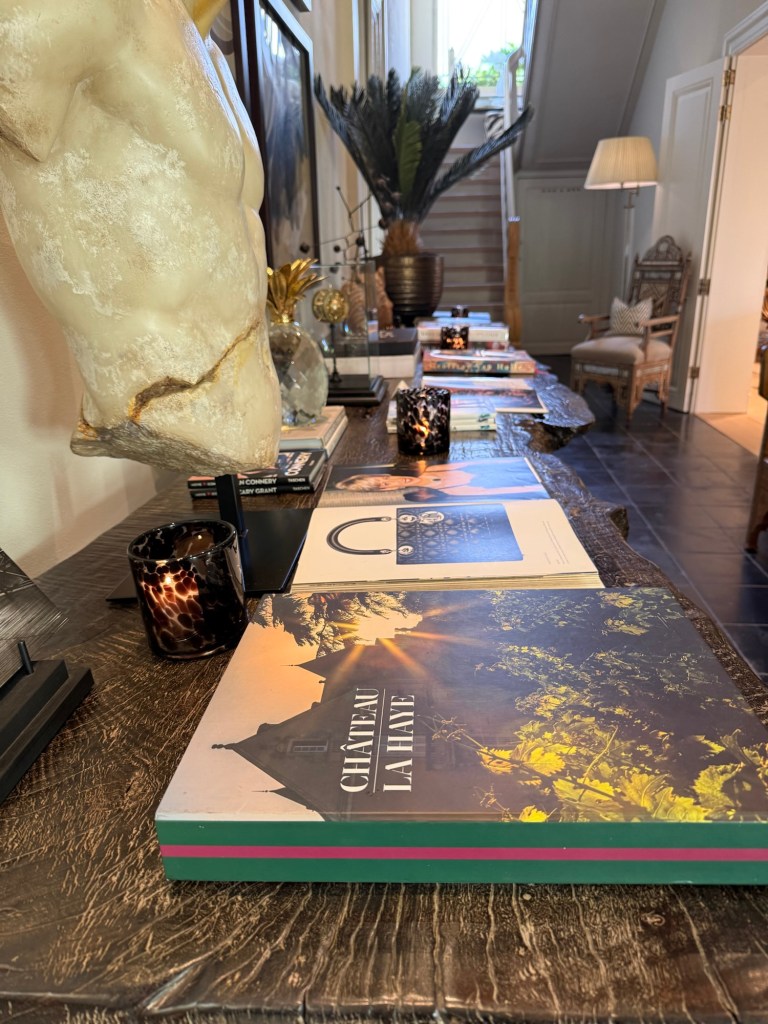
Light pours in through a glass roof in a sitting room, softening the space and setting the tone. Rooms open one into another with a sense of quiet intention, each space curated rather than simply decorated.
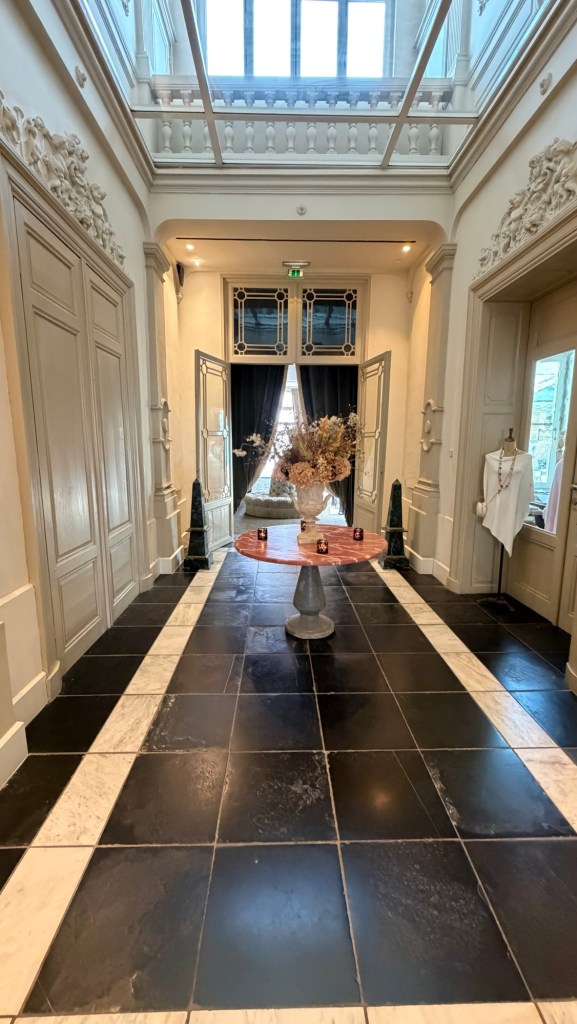
The building itself carries centuries of quiet history. Like many canal-side homes in Bruges, it likely began as a merchant residence, its position along the water no accident.
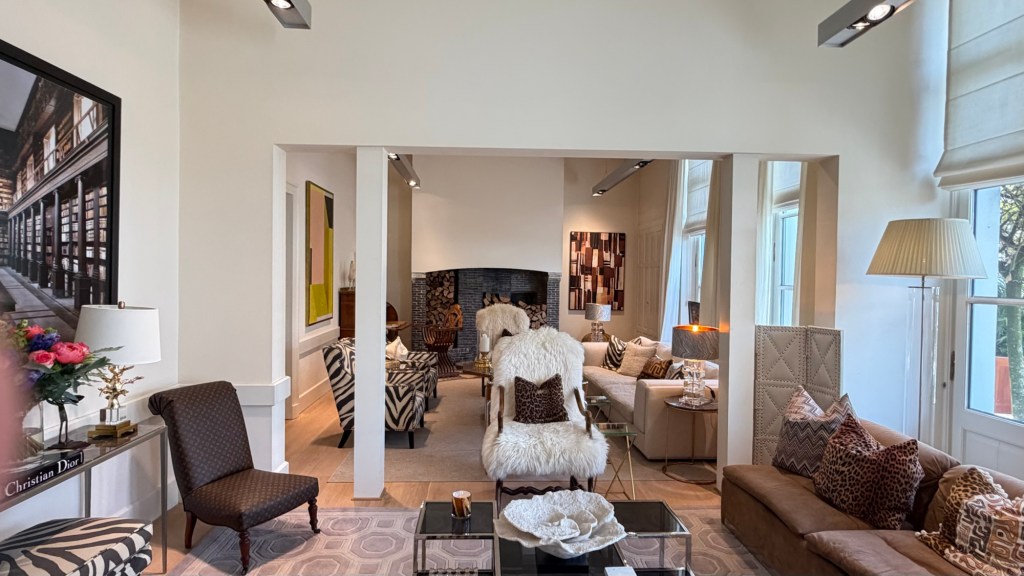
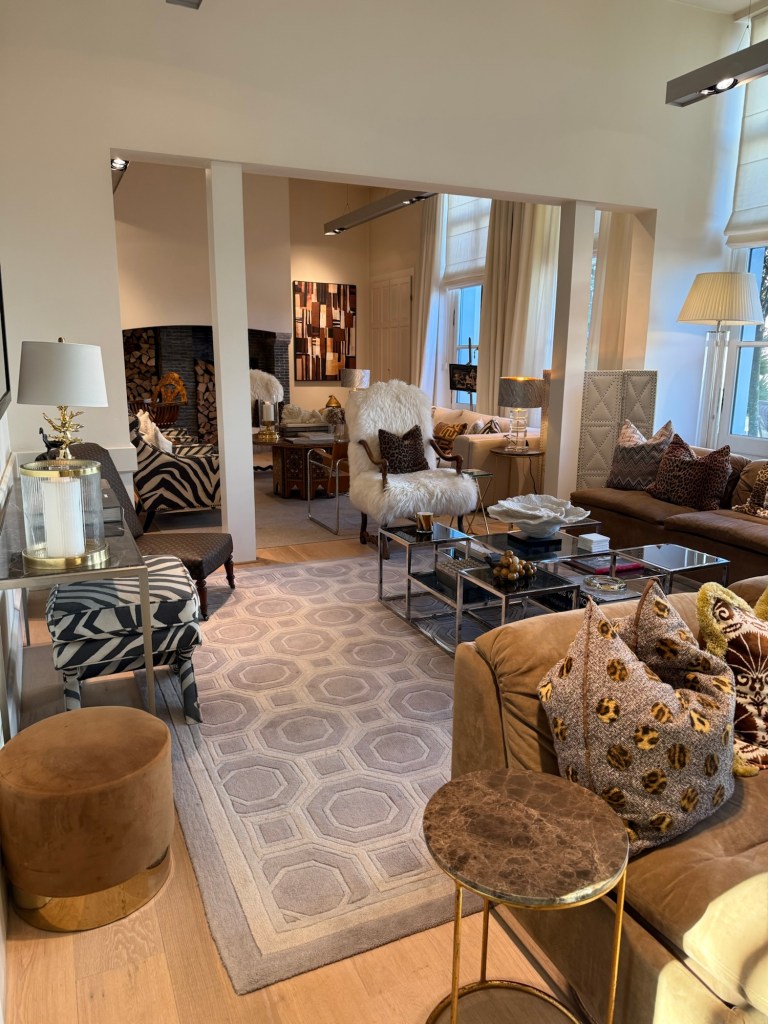
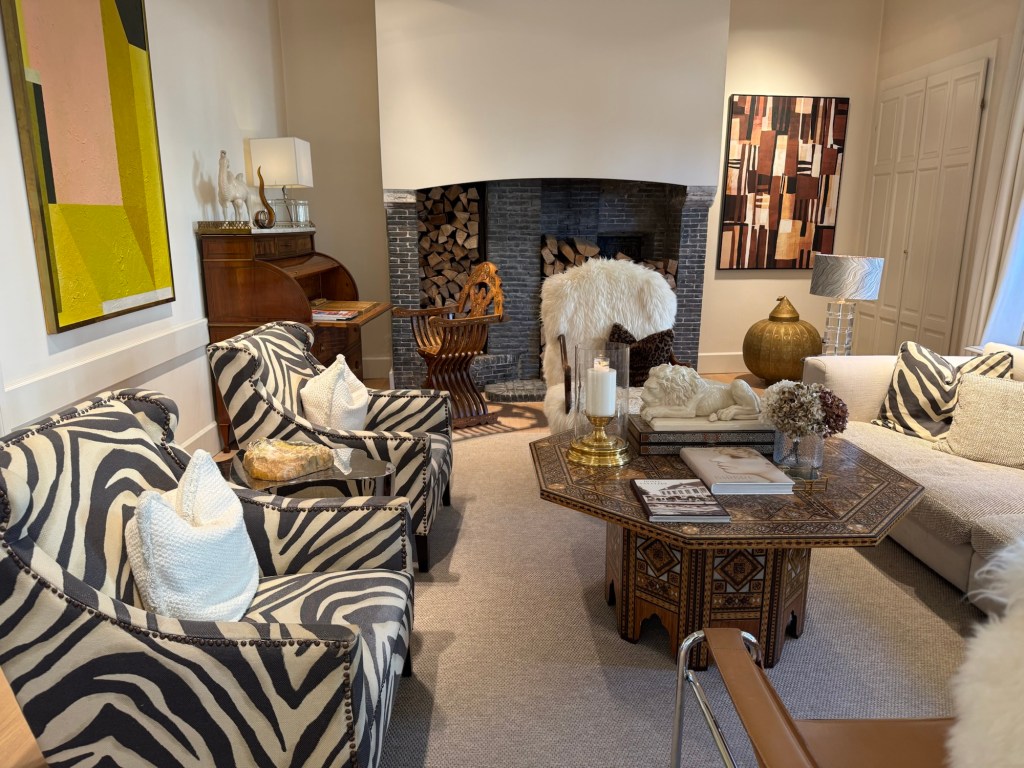
One of our favorite spaces was the sitting room—intimate, comfortable, and quietly elegant, with a fireplace that anchors the room and invites you to settle in. It feels less like a hotel lounge and more like a beautifully kept private living room, the kind of place where time slows just enough to be noticed.
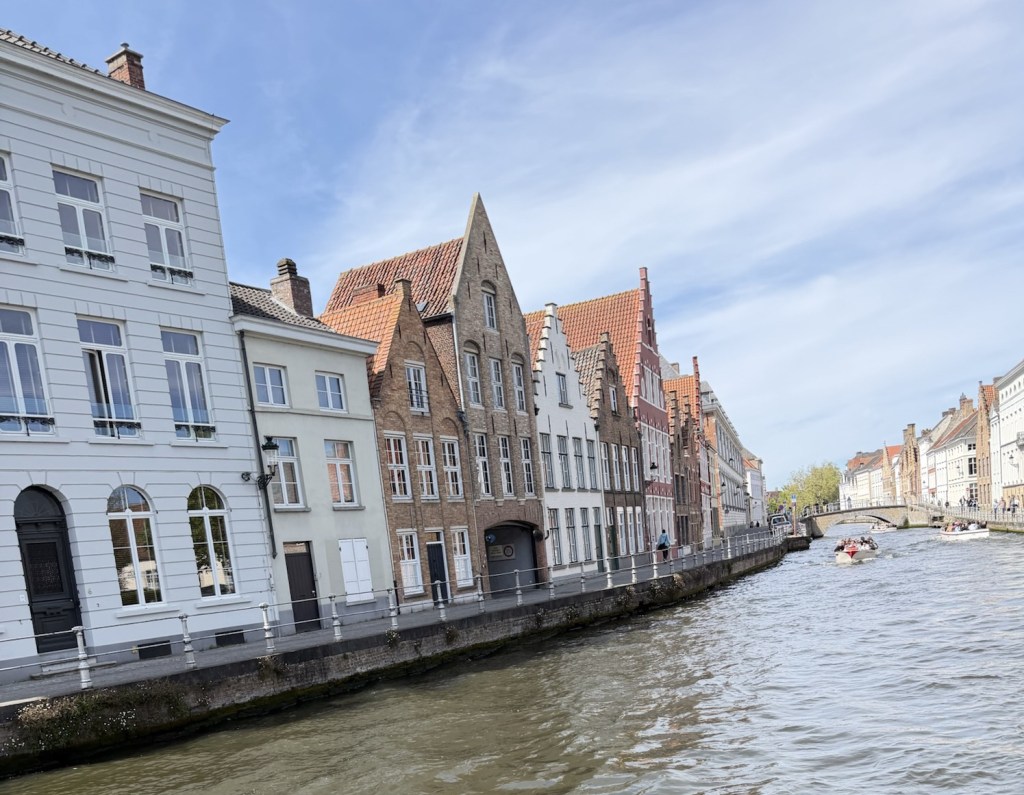
Just beyond, the terrace opens directly onto the canal—a perspective that reminds you exactly where you are. From here, Bruges reveals itself in motion: boats gliding past, façades reflected in the water, and the gentle rhythm of a city that has always lived alongside its canals.
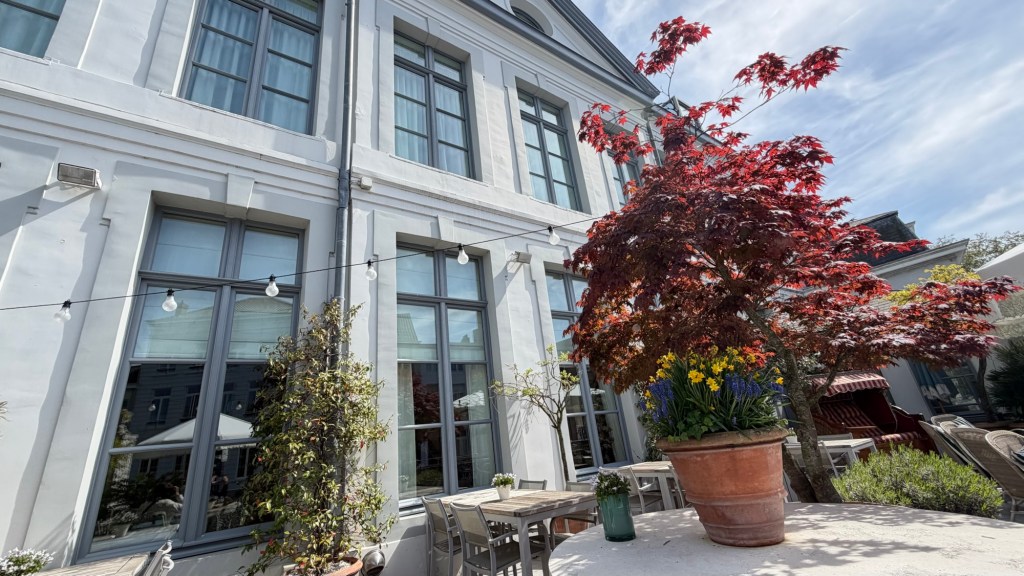
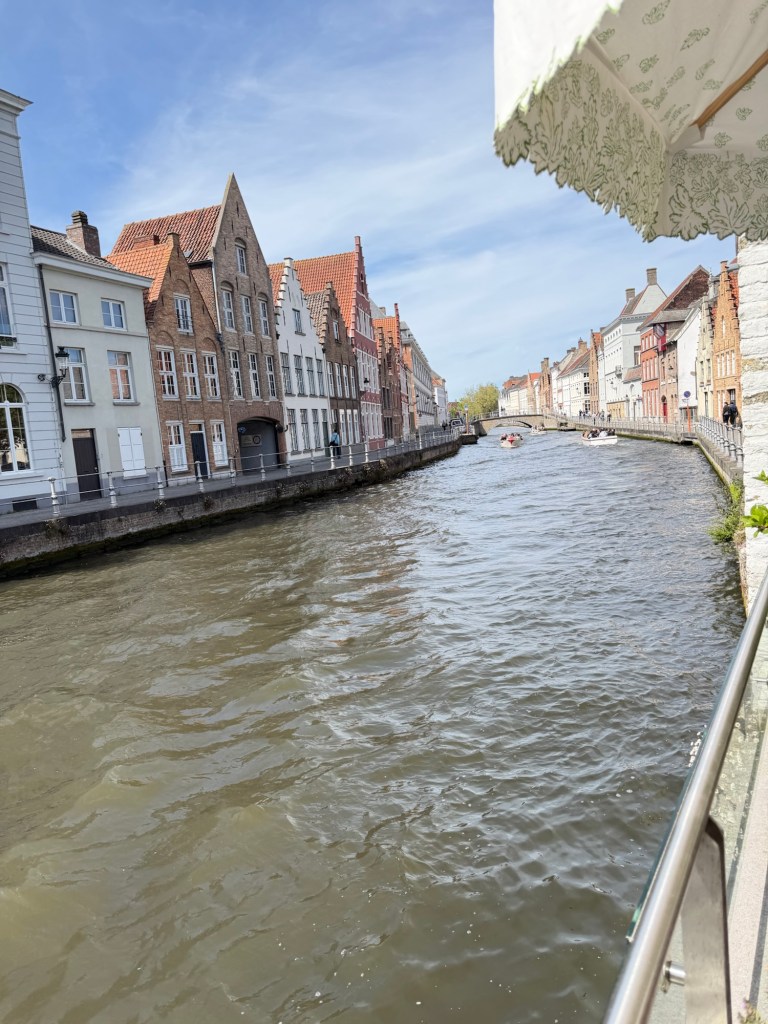
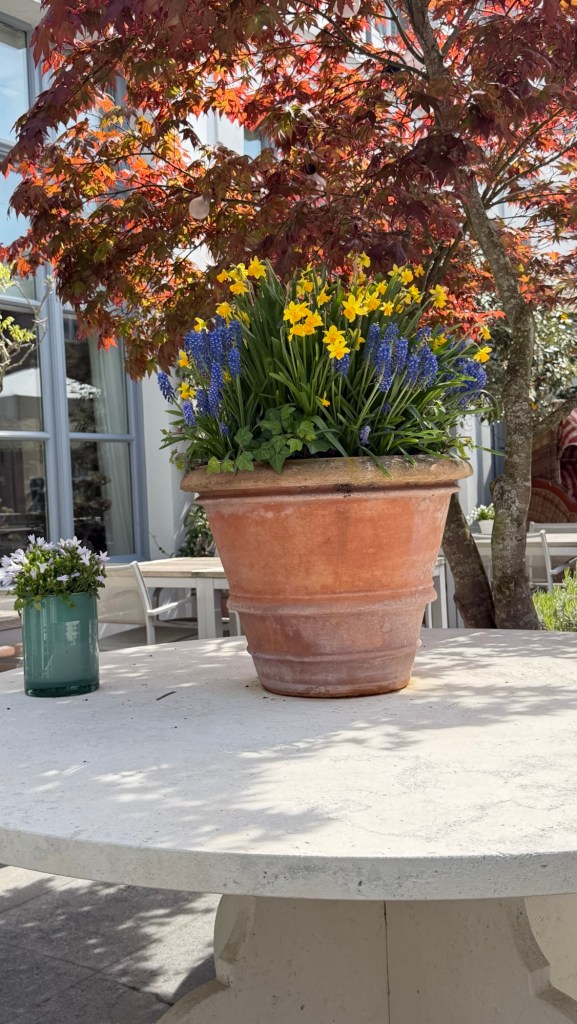
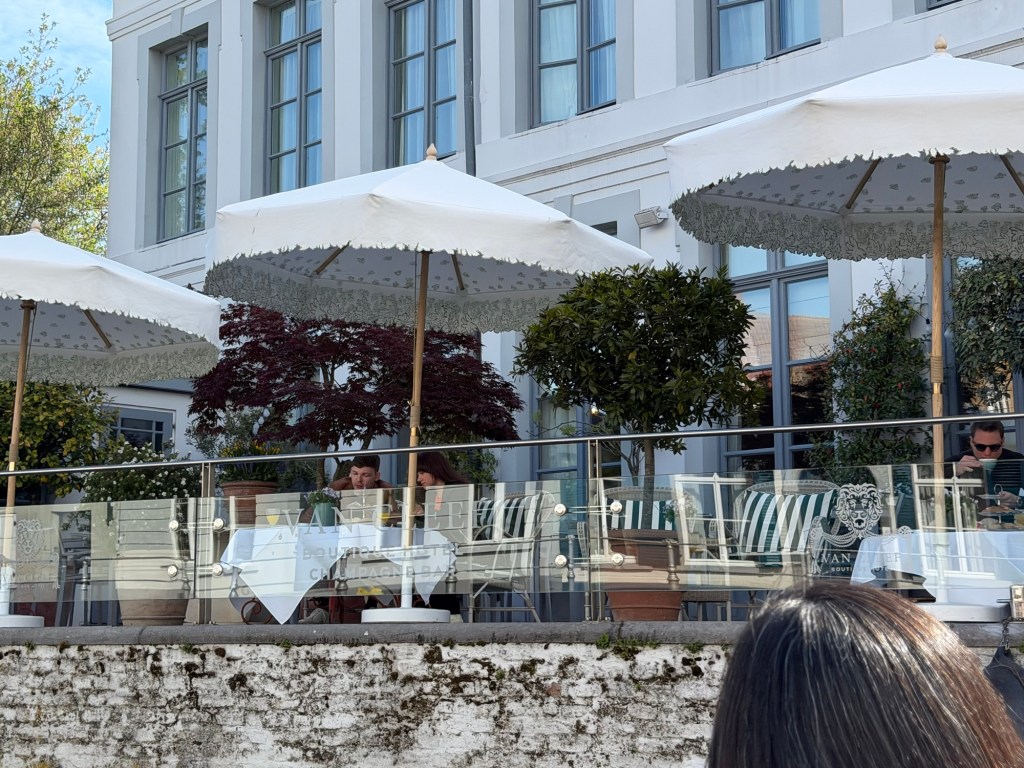
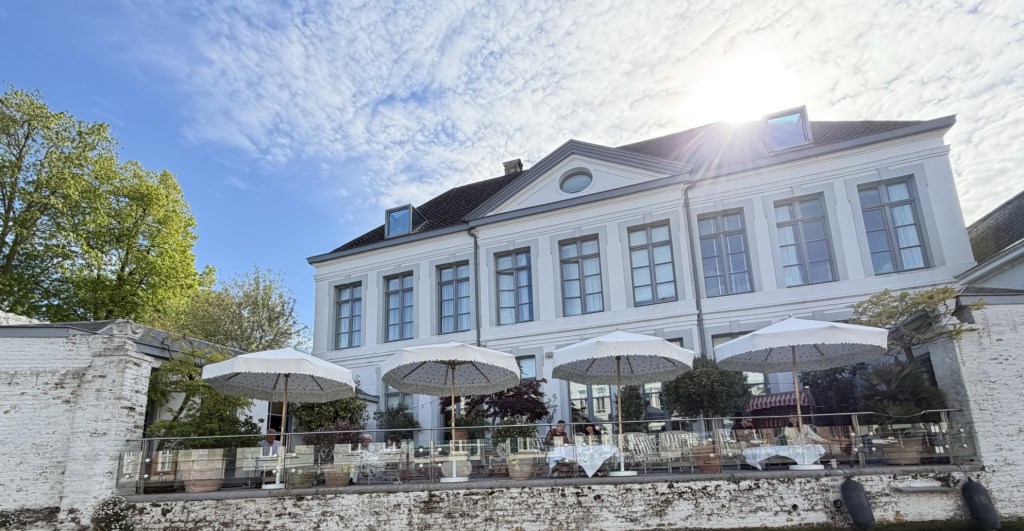
It’s both peaceful and quietly captivating, the kind of view you return to more than once.
In the city’s medieval and early modern heyday, these canals were the lifeblood of trade—bringing goods, wealth, and influence directly to the doorsteps of families who lived and worked here. Over time, as Bruges’ prominence faded and later re-emerged as a cultural destination, homes like this one were adapted, preserved, and reimagined—each generation leaving its imprint. The Van Cleef reflects that evolution: a structure rooted in the past, now thoughtfully transformed for the present.
Our room carried that same thoughtful balance. It revealed the structure of the original building in the most intimate way—exposed timber beams stretching overhead, framing the space and grounding it in its history. At the same time, the furnishings brought a clean, modern comfort.
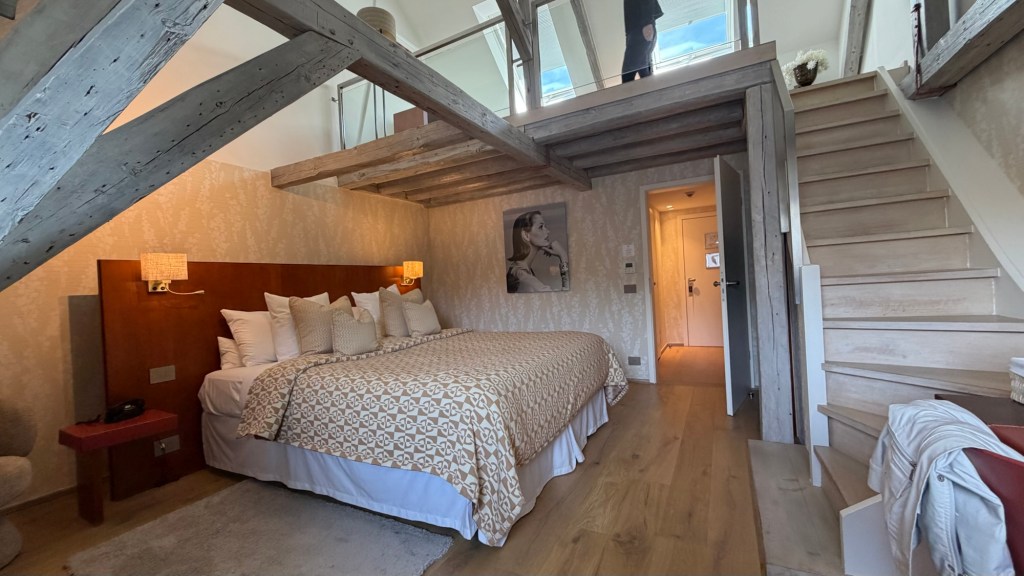
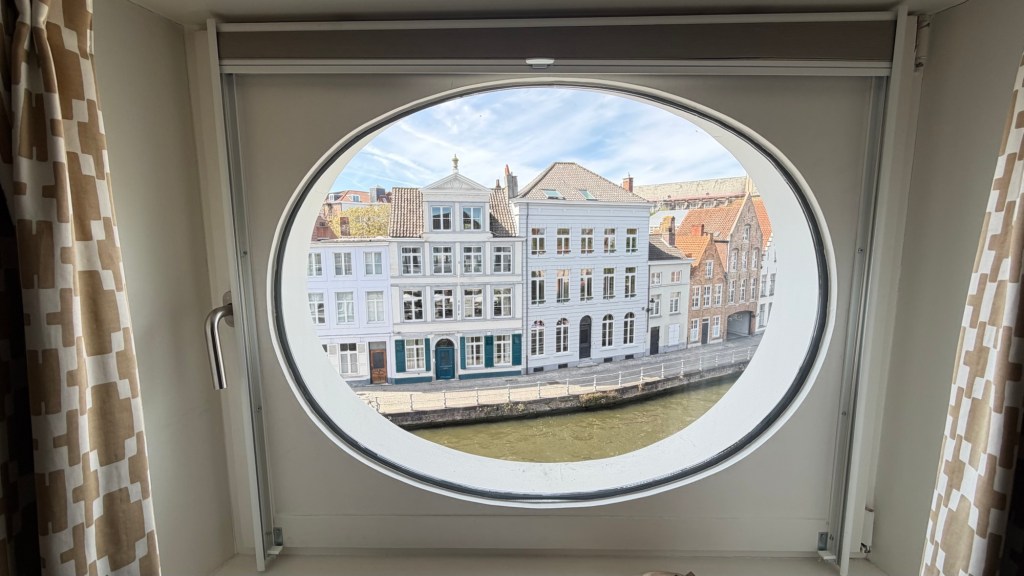
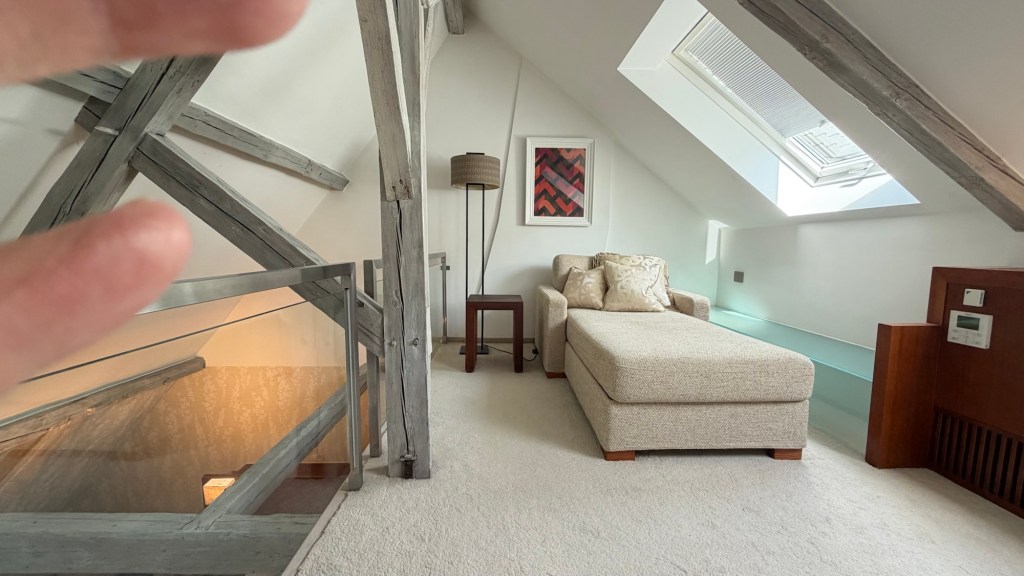
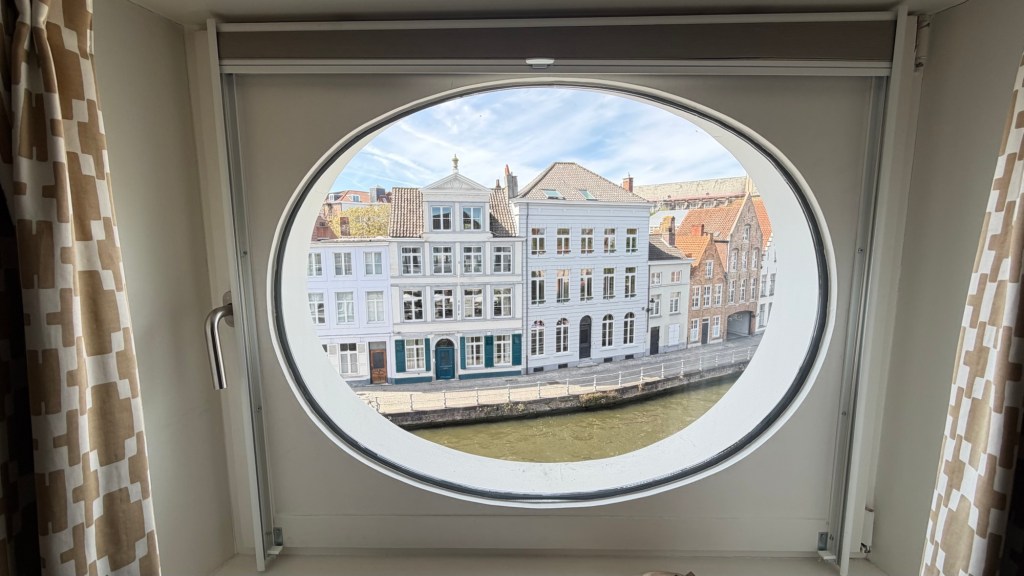
A small loft created an area to pause. An oval framed window, almost like a picture—looked directly onto the canal and the row of historic façades beyond. It felt entirely consistent with the rest the hotel: rooted in the past, but designed for how you want to live in the space today.
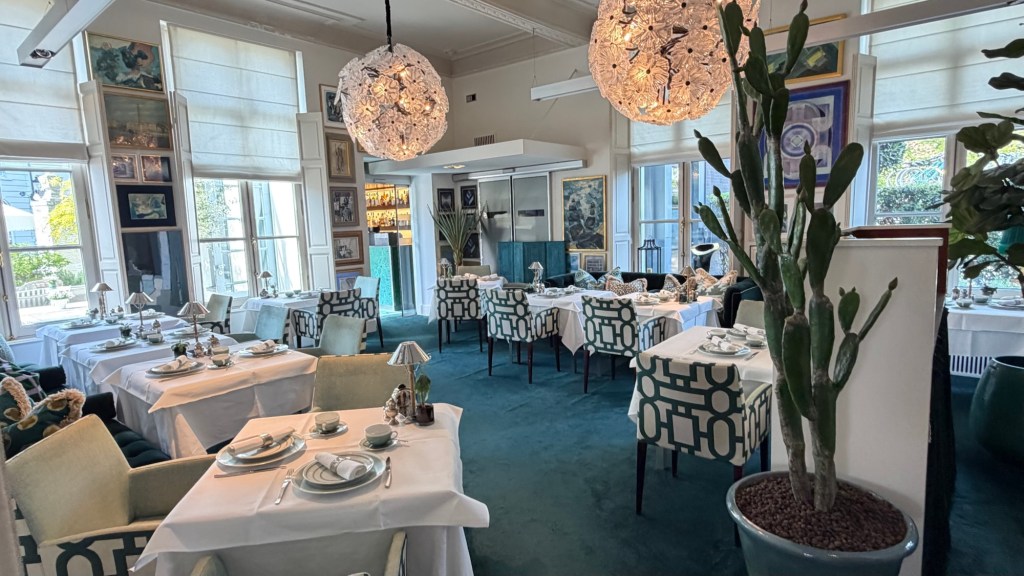
Breakfast felt less like a hotel routine and more like a quiet ritual. Served in the light-filled dining room, it carried the same balance as everything else here—elegant without being formal, thoughtful without being fussy.
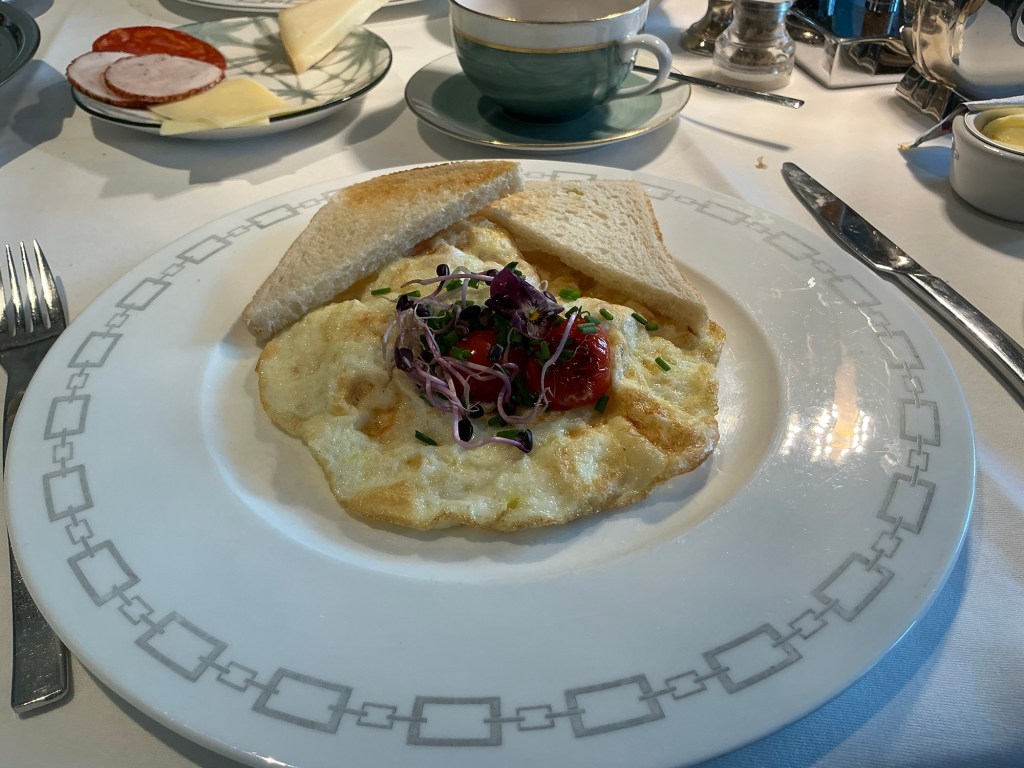
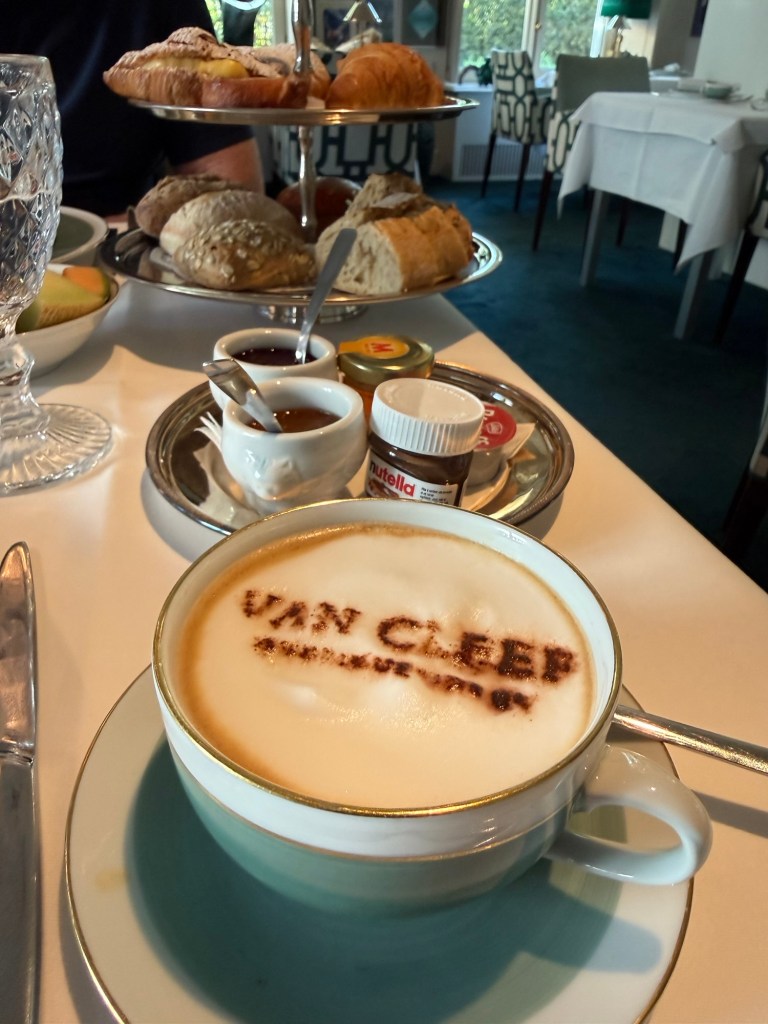
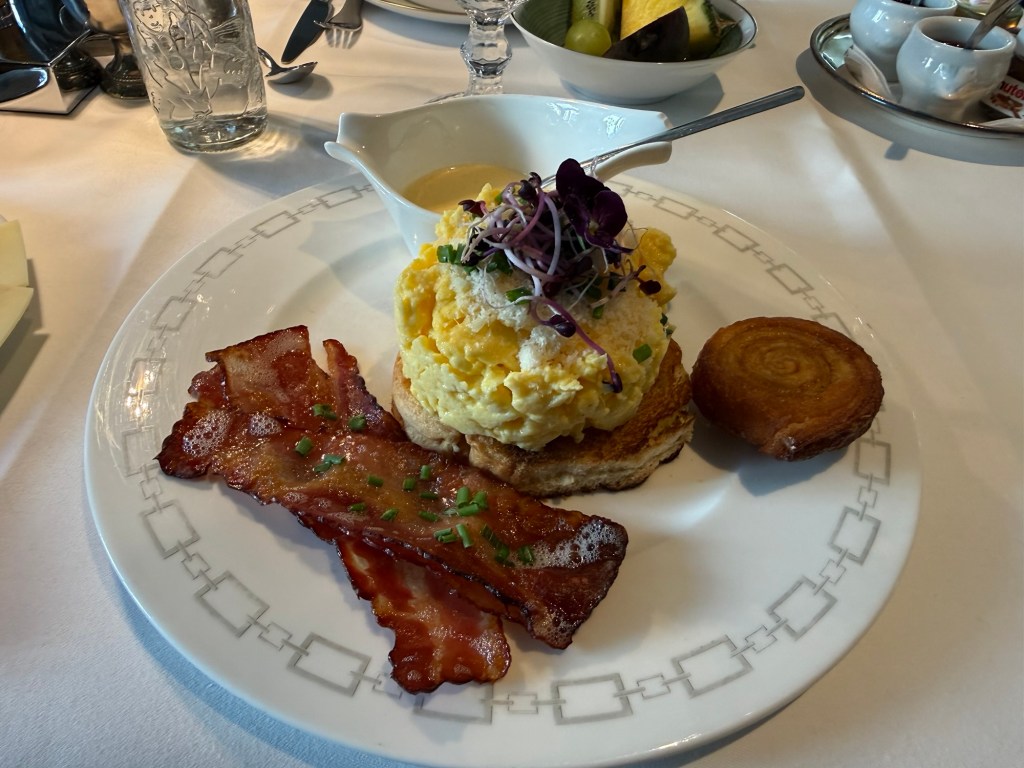
A beautifully prepared plate of soft, creamy scrambled eggs arrived perfectly warm, alongside simple slices of bread, while a tiered stand offered fresh pastries and rolls. Local cheeses, fresh fruit, and small jars of preserves rounded things out, each element presented with care but never excess. Even the coffee arrived with a subtle flourish, a small touch that made you pause for just a moment before the first sip. It was the kind of breakfast that invites you to slow down, linger a bit longer, and ease into the day rather than rush it.
Frederic Vanhaecke the proprietor, is not just behind the scenes—he’s actively engaged, warmly present—greeting guests, noticing the little things, and making you feel less like a visitor and more like you’ve been welcomed into his home.
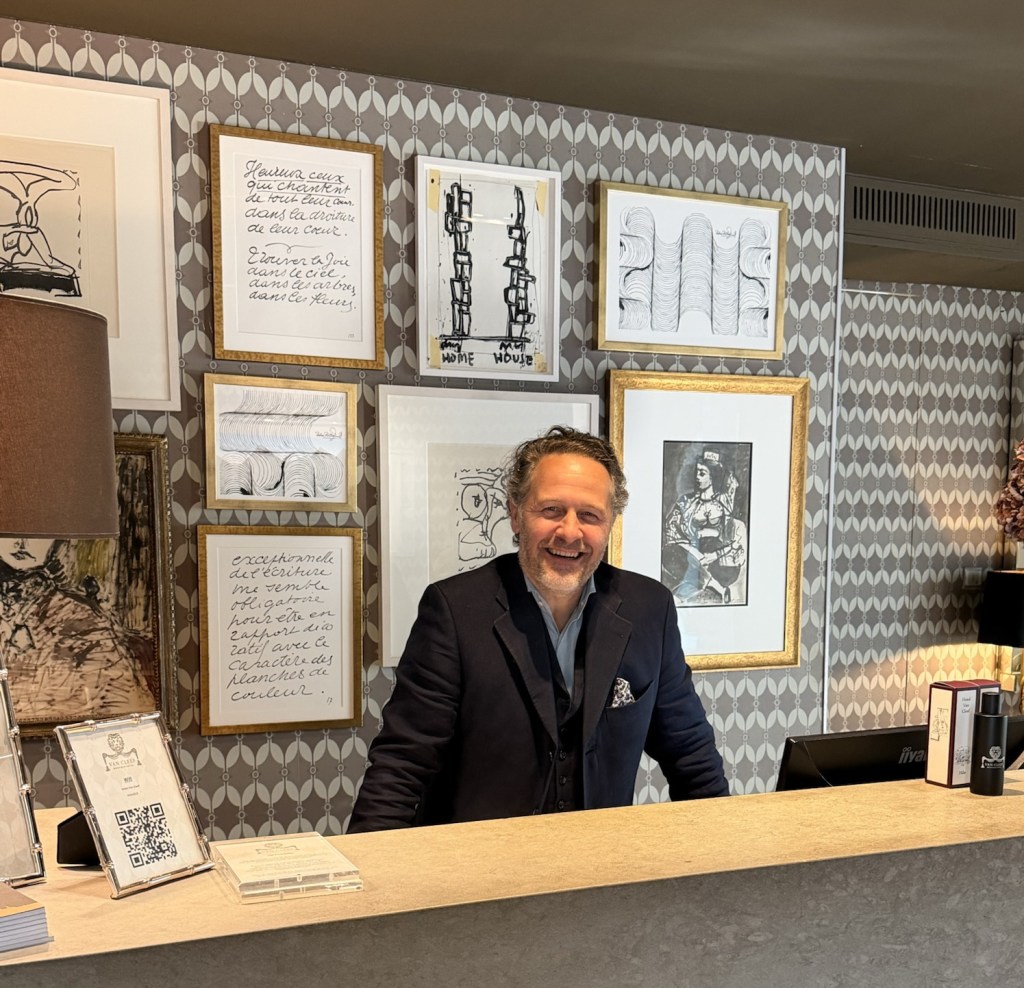
It’s that feeling, more than anything, that defines the stay. Not simply where you are, but how you are made to feel while you’re there.
Frederic mentioned he would enjoy reading this blog entry, somehow fitting, because the experience itself feels personal enough that you want to share it directly back with him.
Once settled in, we met our local guide, Sophie Steen, a Bruges native with a deep, almost instinctive understanding of her home city, the kind that doesn’t just recite history but seems to live inside it.
But almost immediately, we were confronted with a tension that defines Bruges today.
Along the canals, the scene could not have been more picturesque—arched stone bridges, ivy climbing centuries-old walls, and water quietly moving beneath it all. Yet just steps away, cafes were packed shoulder to shoulder, tables spilling over with visitors, the steady hum of tourism rising above the stillness the setting seems to promise.
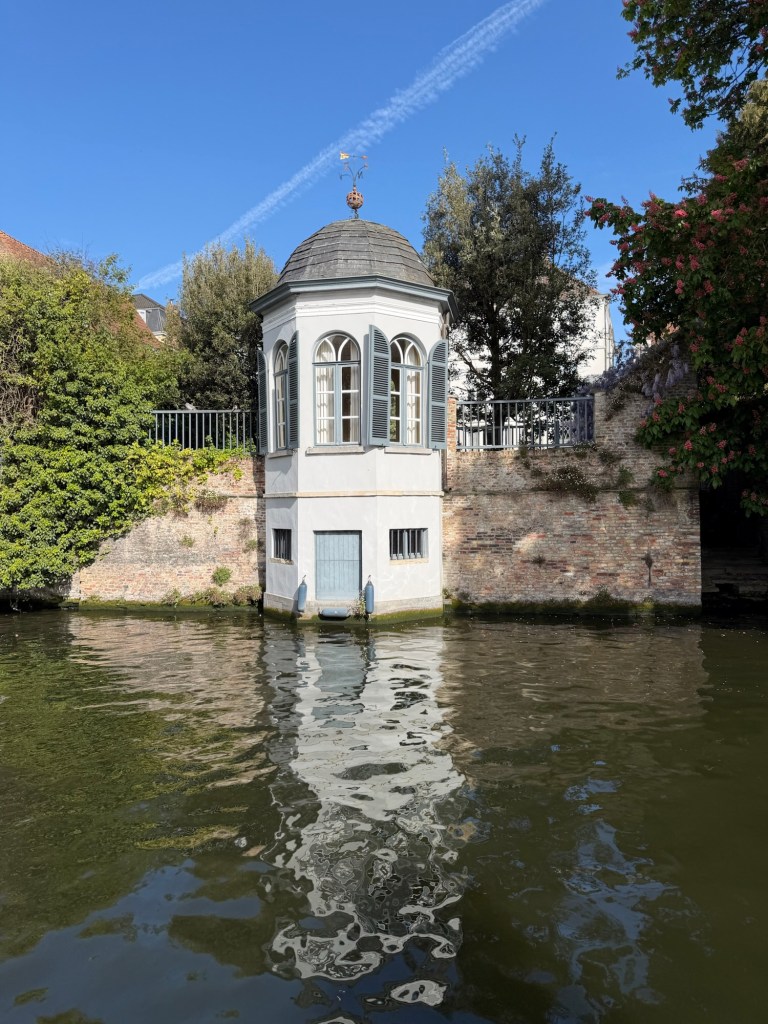
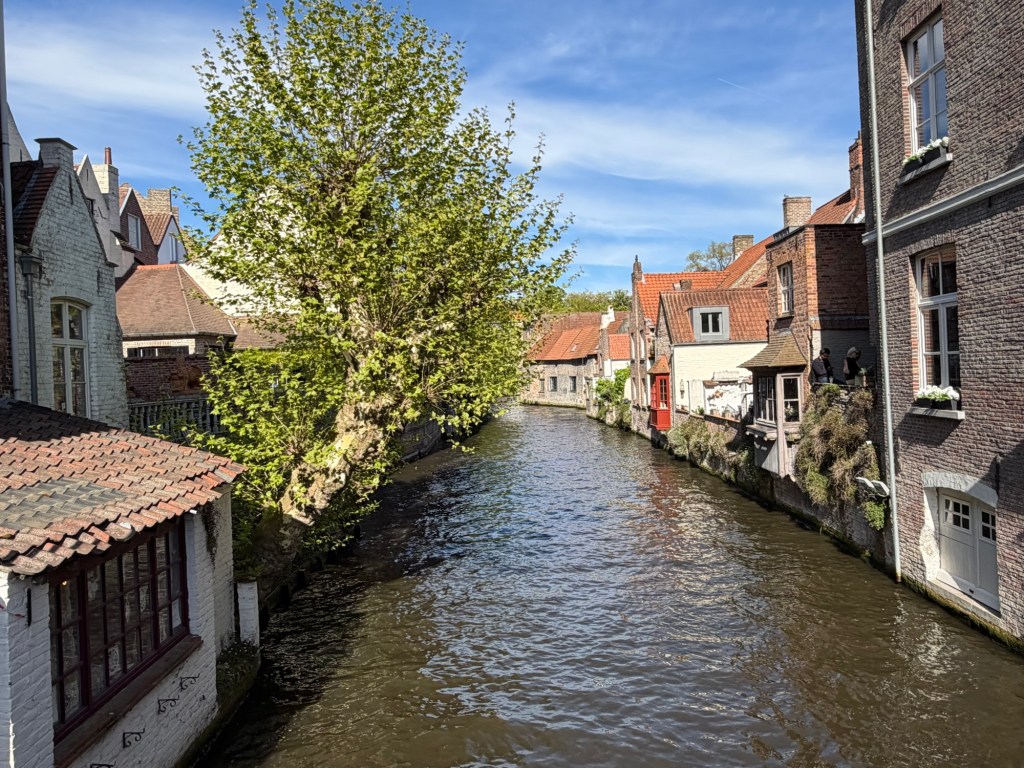
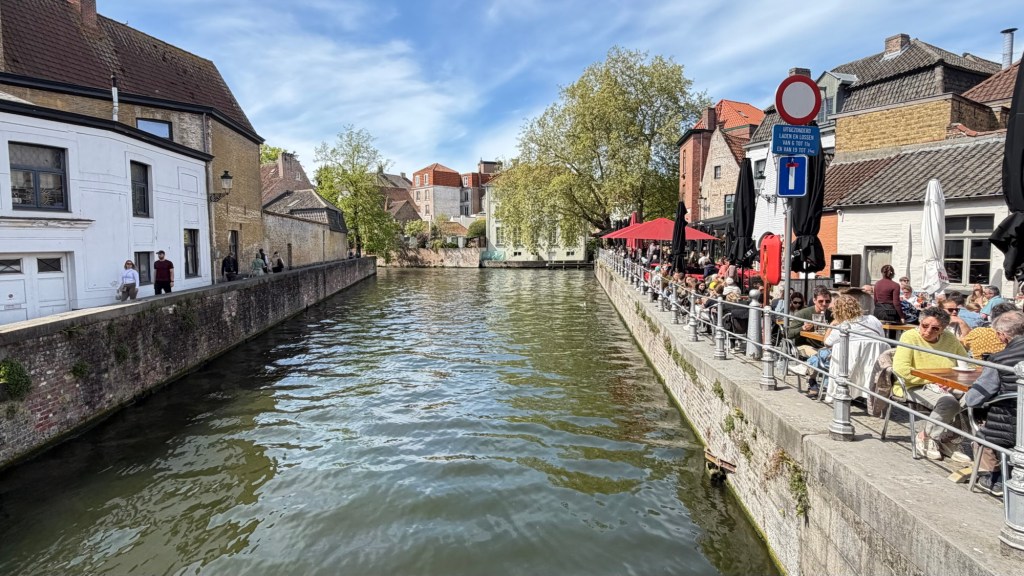
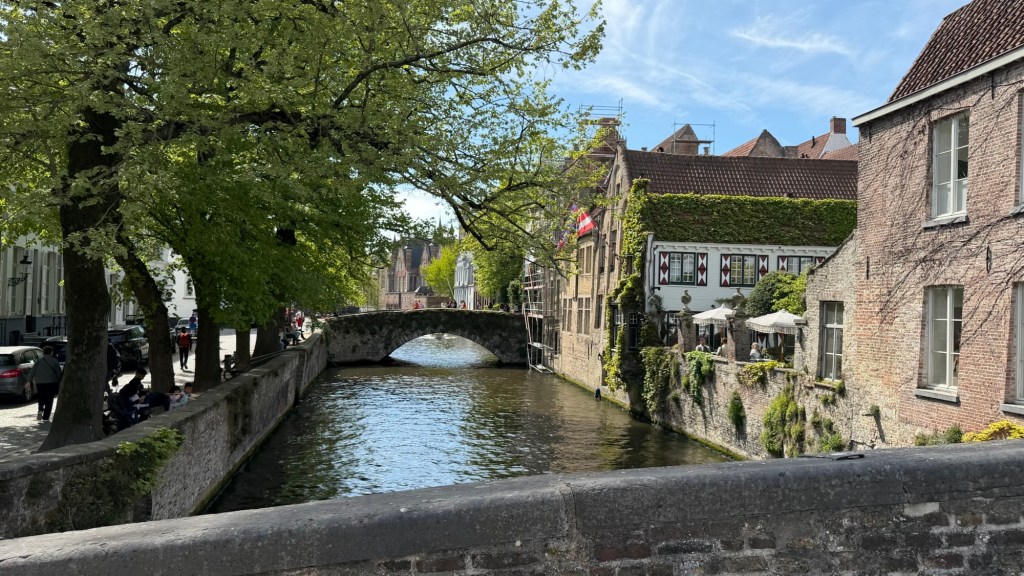
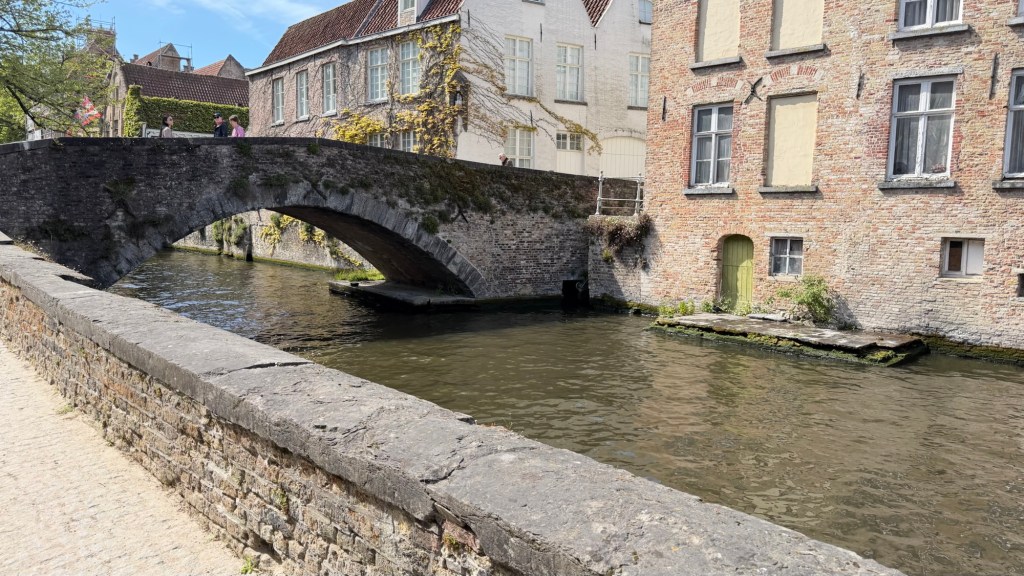
Like many places designated as a UNESCO World Heritage Site, Bruges is grappling with the weight of its own beauty. The very charm that draws the world here has, in some corners, begun to overwhelm it. It’s the paradox of preservation. Recognition brings protection, but also exposure—and exposure, in excess, can begin to erode the very experience visitors come seeking.
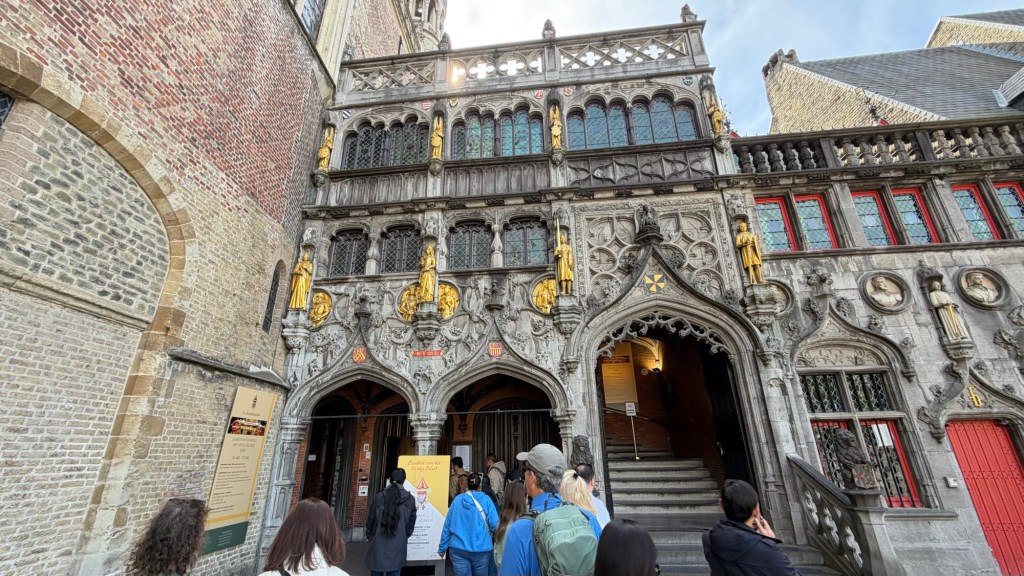
Still, Sophie guided us effortlessly through it all—not just along the crowded arteries, but into the quieter side streets and hidden canals where the city softens, the crowds thin, and Bruges begins to feel like itself again.
We arrived at the Basilica of the Holy Blood, where the mood shifted. Inside, the noise softened. Painted ceilings arched overhead, stained glass filtered the light into color, and centuries of devotion seemed to settle into the space. Visitors still filled the pews, but here the energy was different—quieter, more reflective, as if the building itself insisted on it.
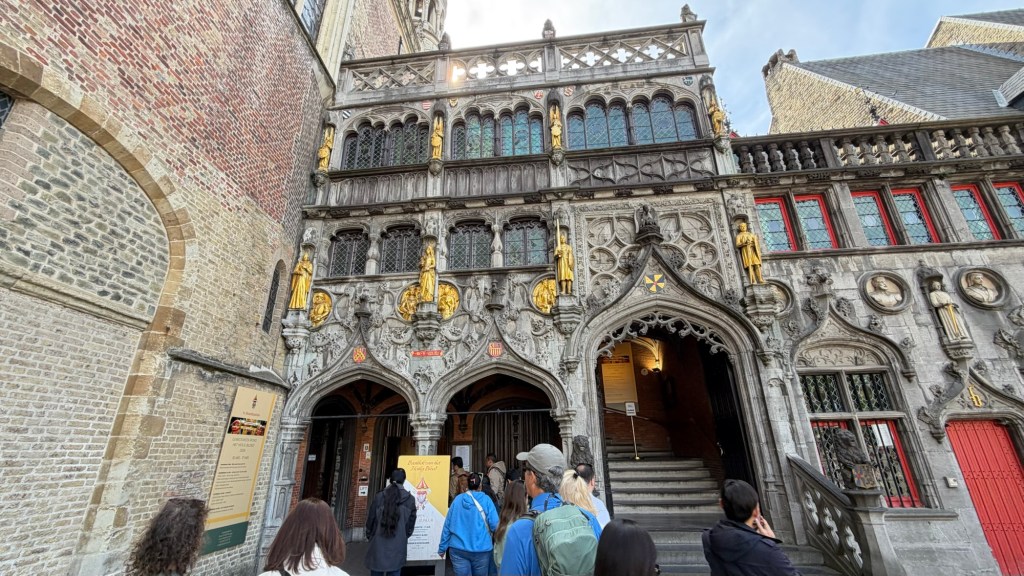
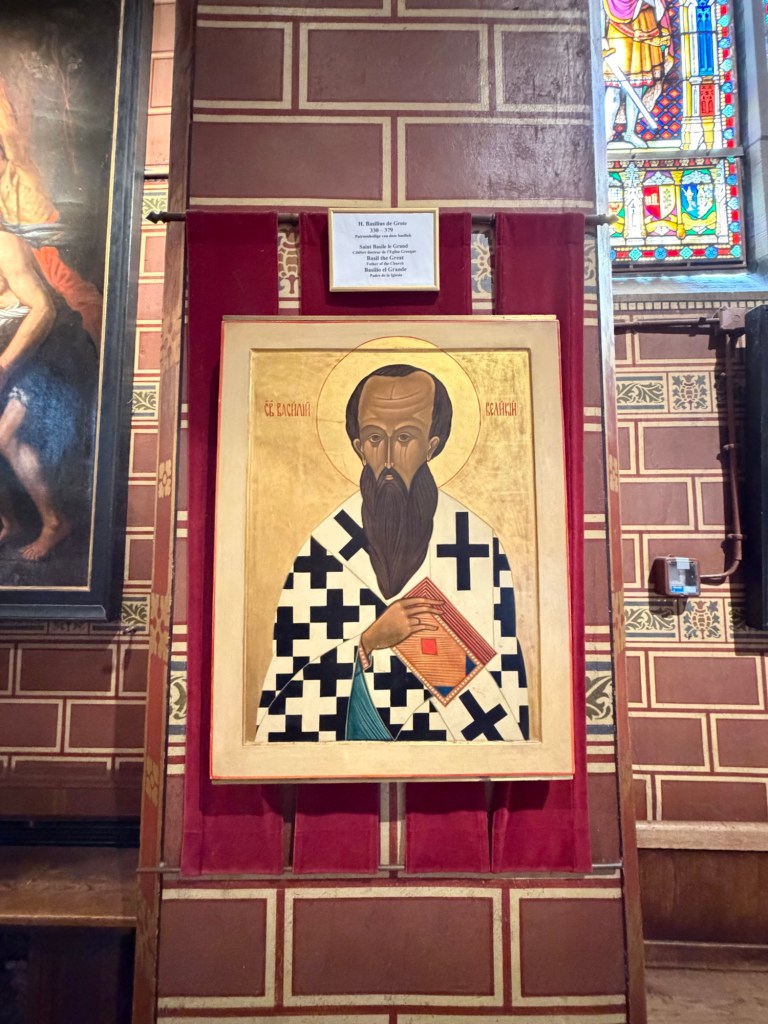
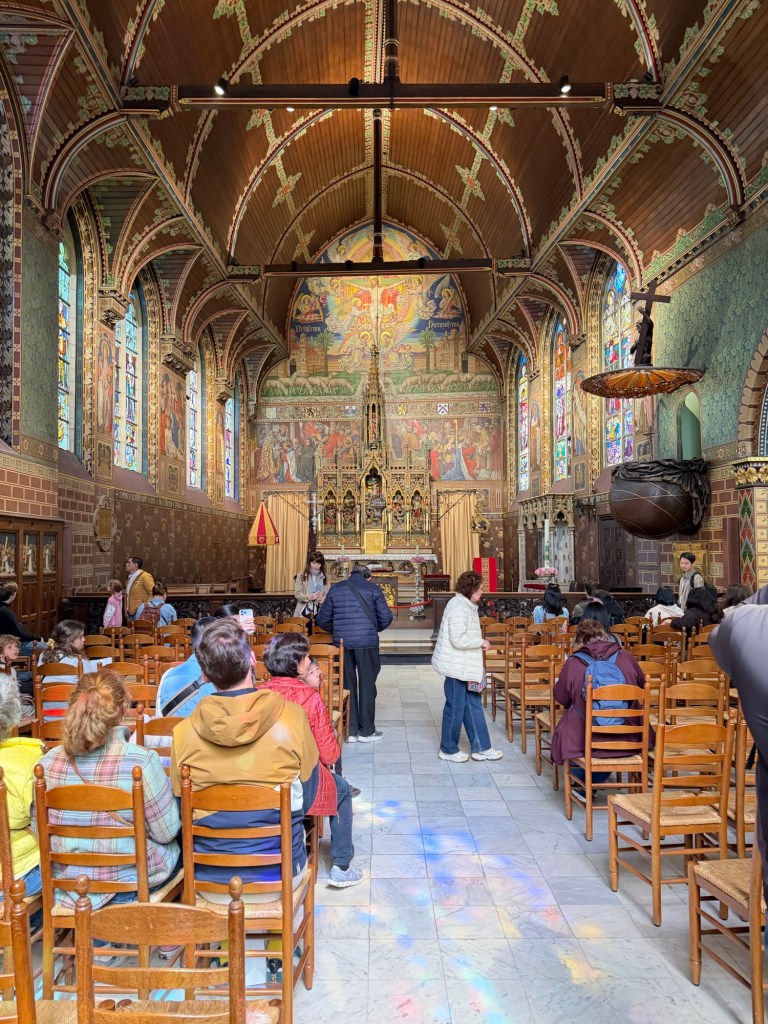
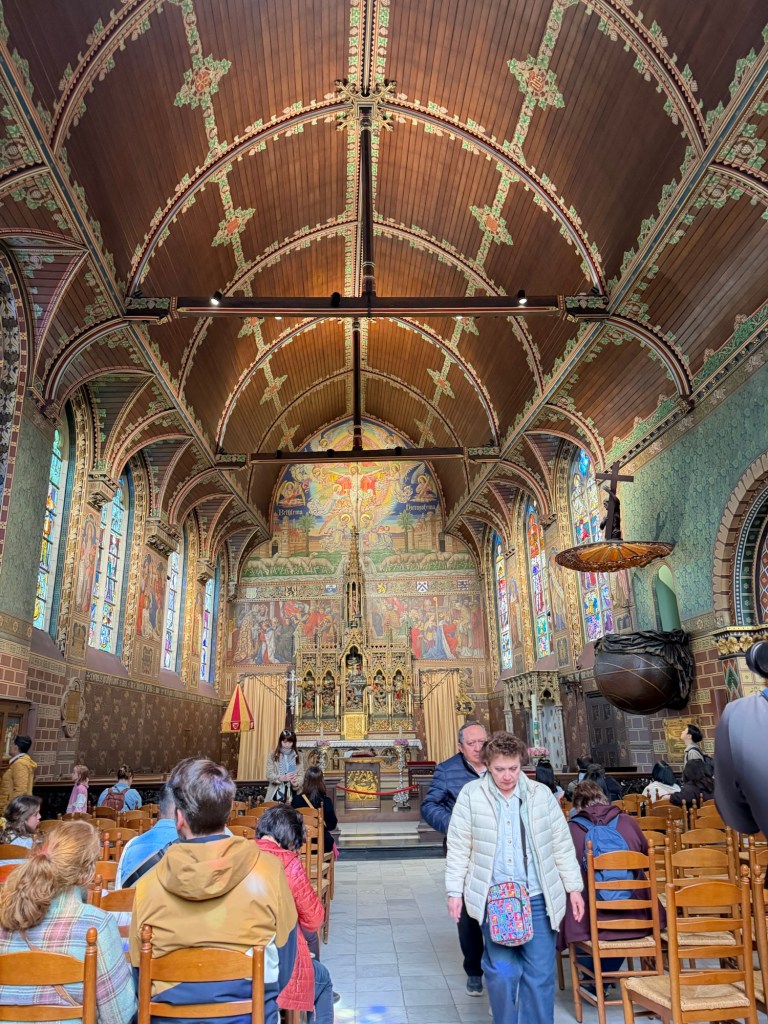
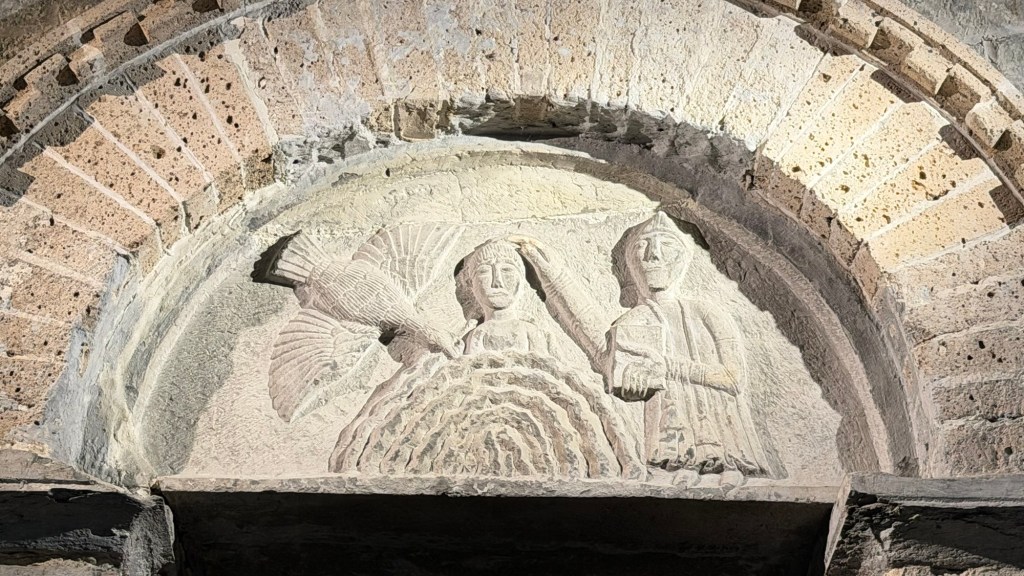
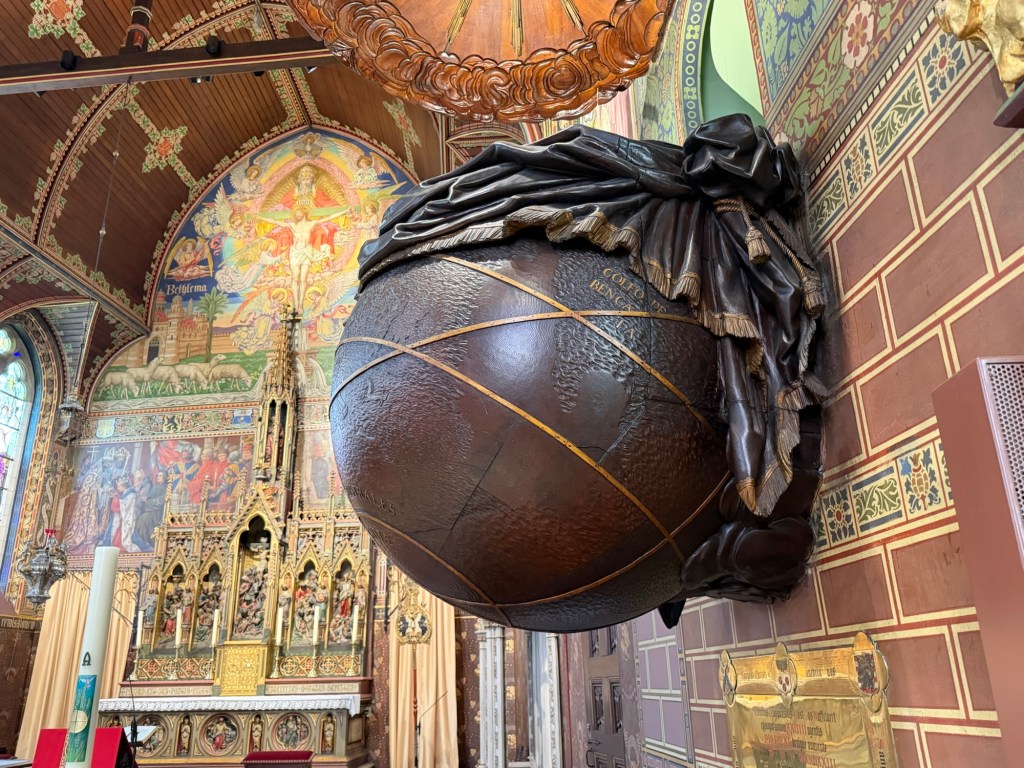
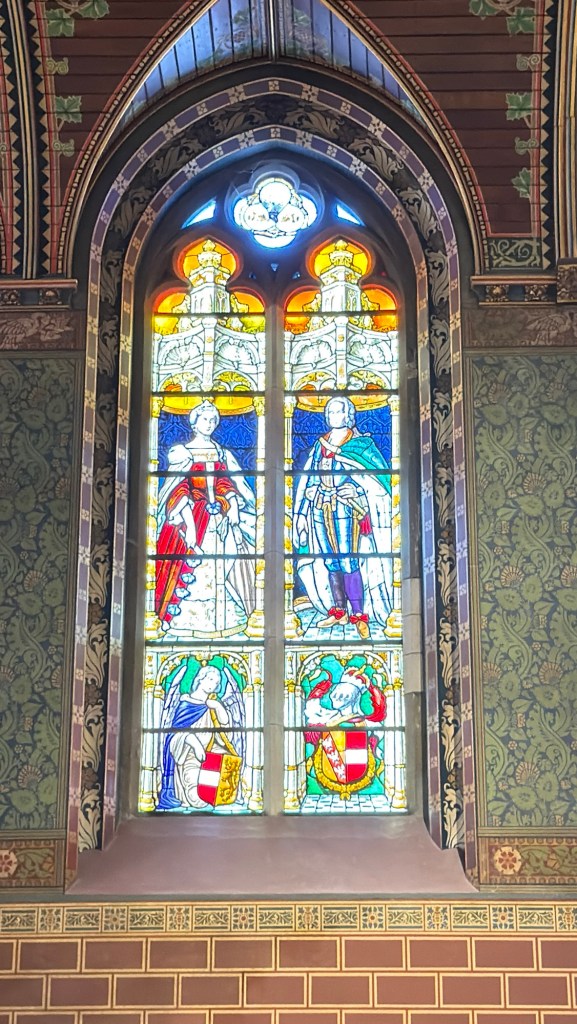
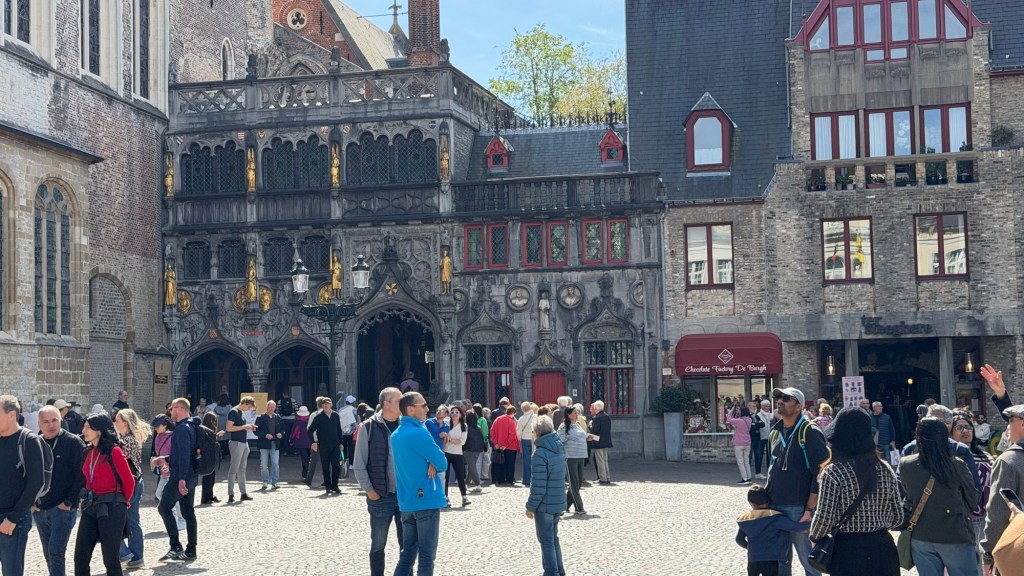
Near the altar, a priest sat quietly guarding the chapel’s most sacred object—a revered relic, believed to contain a vial of Christ’s blood. Whether approached as faith, history, or tradition, its presence added a palpable gravity to the room, drawing visitors forward in hushed curiosity and respect.
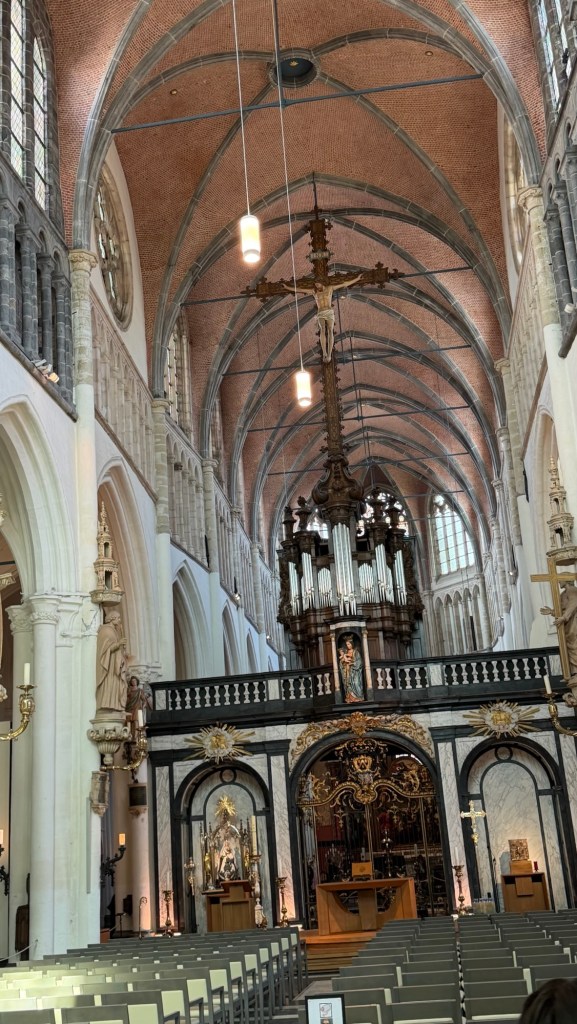
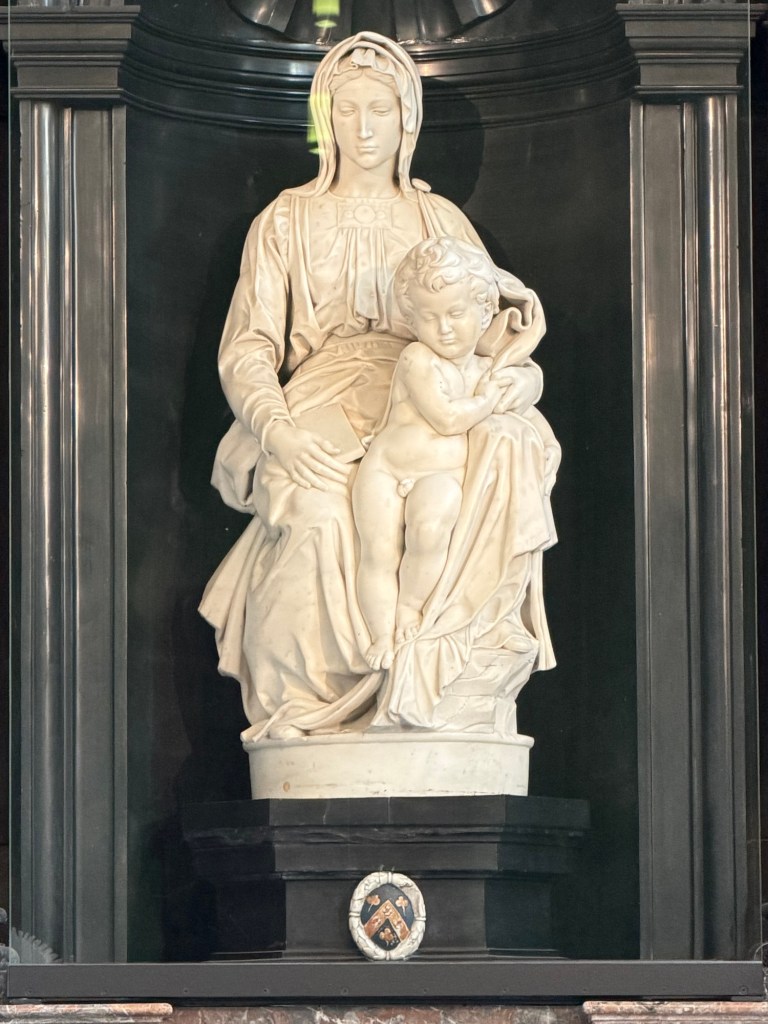
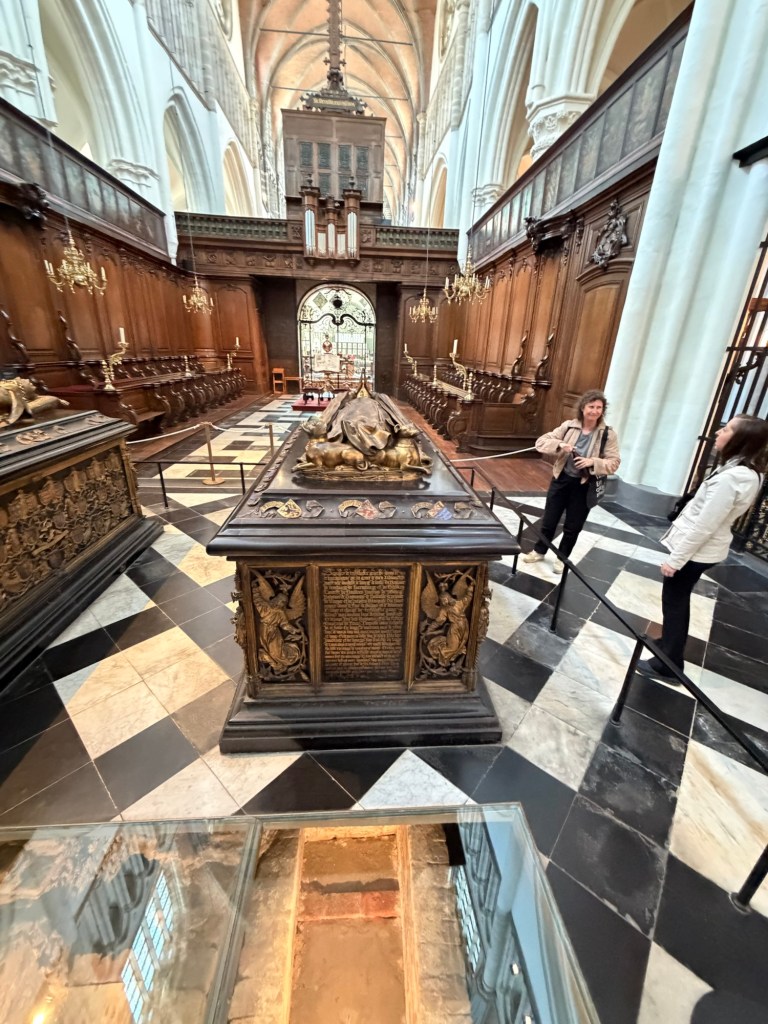
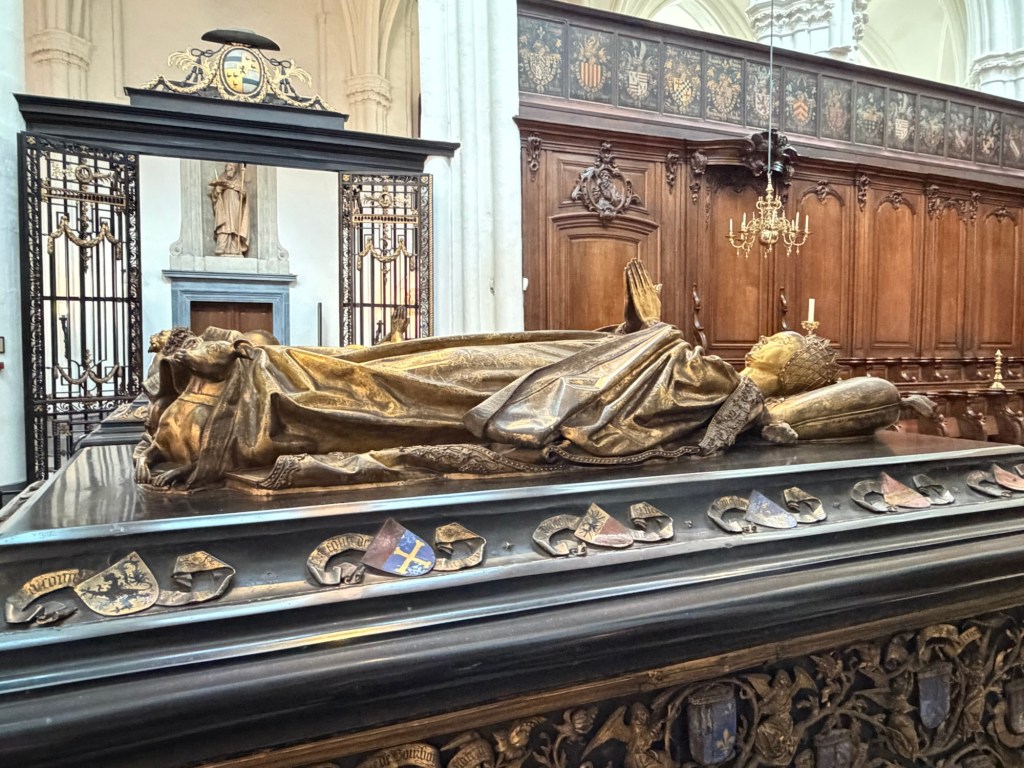
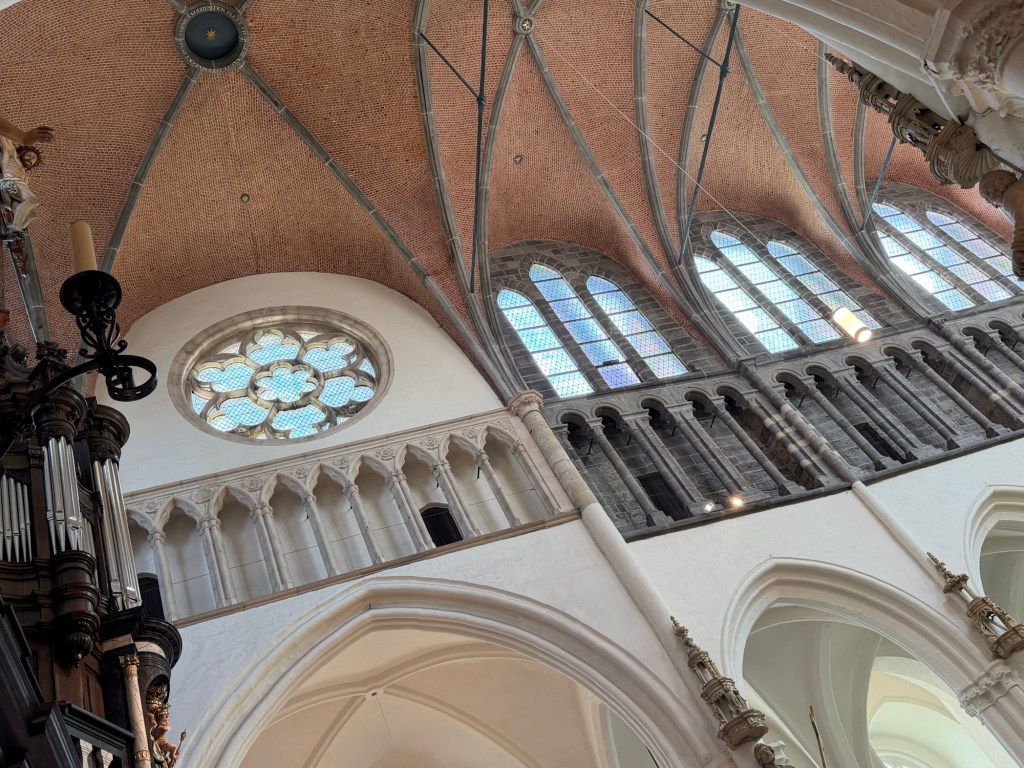
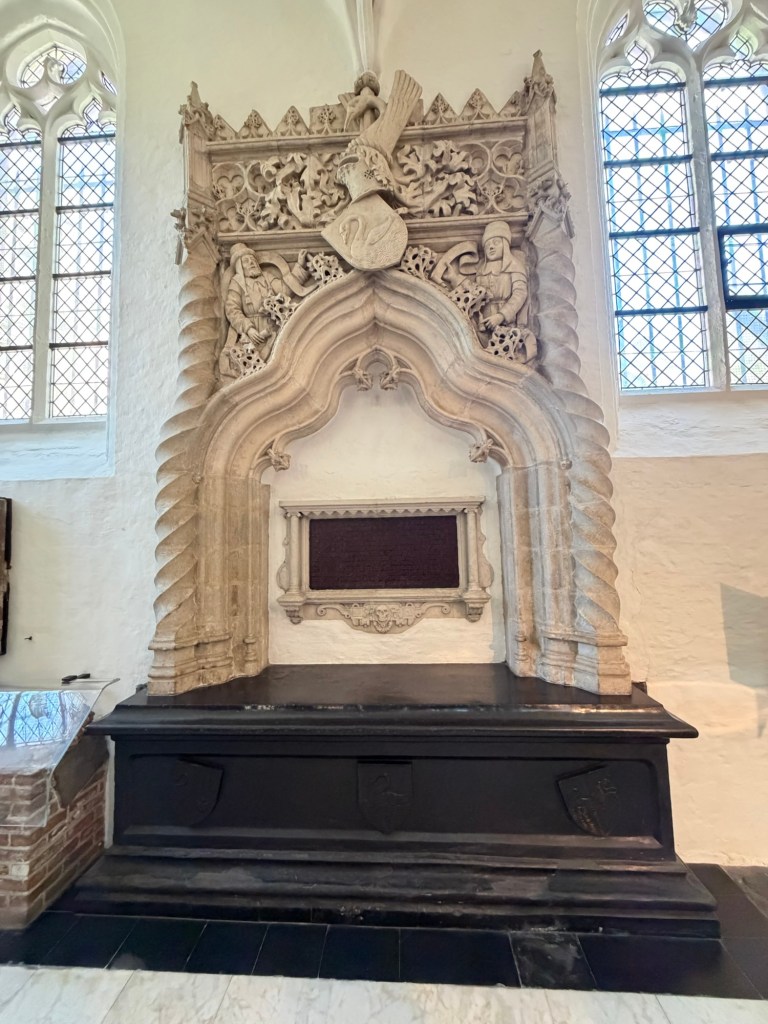
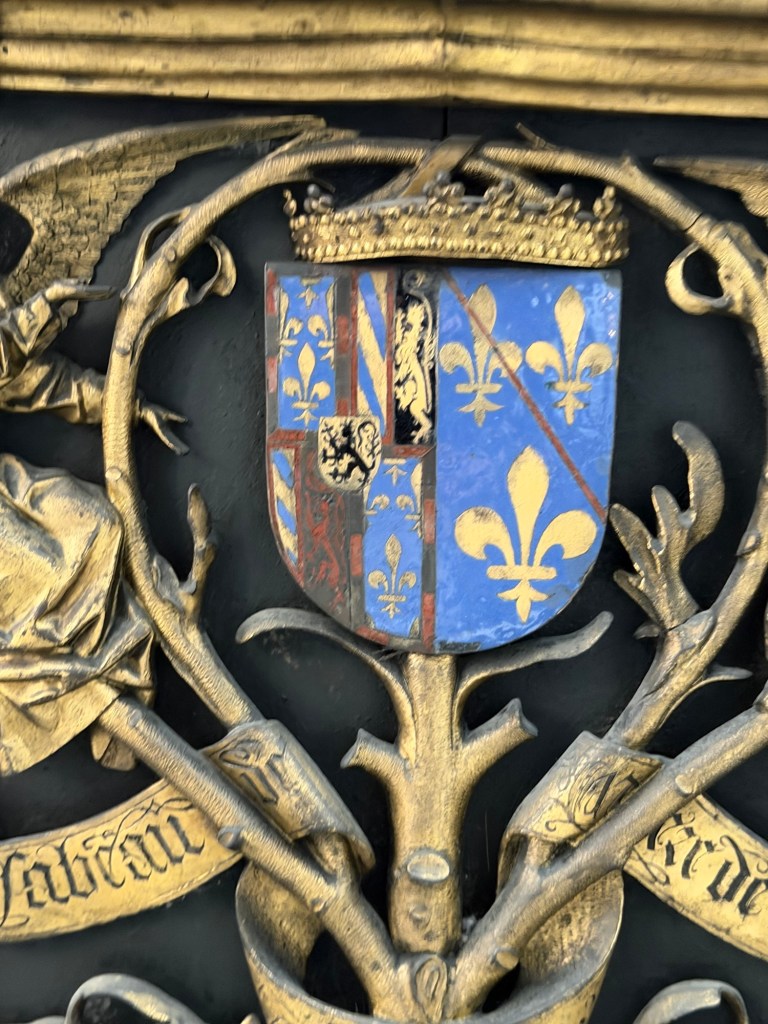
From there, we continued on to the Church of Our Lady, where the sense of history deepened further. Here, art and memory intertwine—the serene marble Madonna and Child, long attributed to Michelangelo, and the solemn tombs of Charles the Bold and Mary of Burgundy resting within the quiet grandeur of the nave.
And then—almost inevitably in Bruges—the experience turned to chocolate.
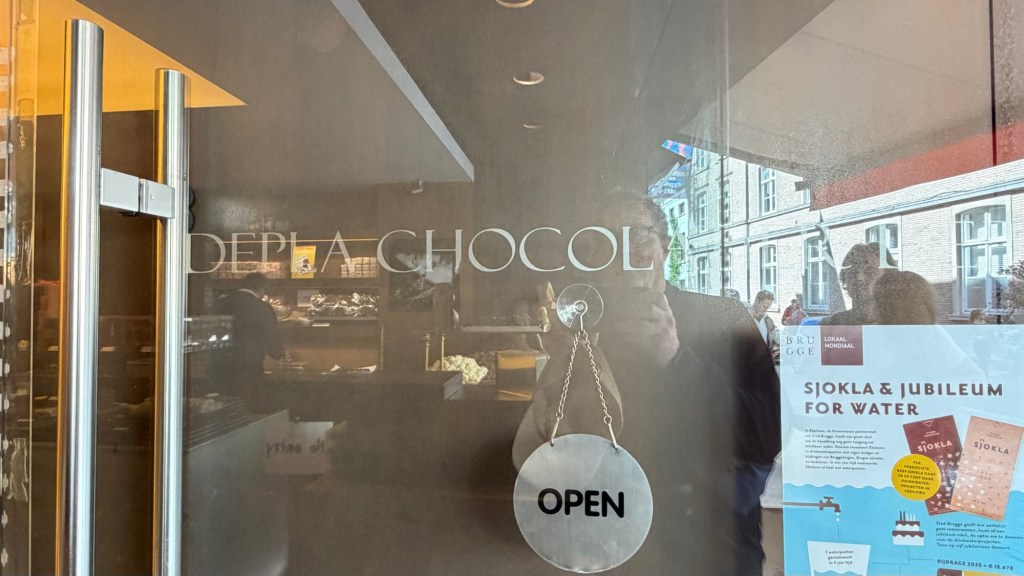
We had a private chocolate experience at Depla Chocolatier http://www.poldepla.be) —- it turned out to be far more than just a tasting.
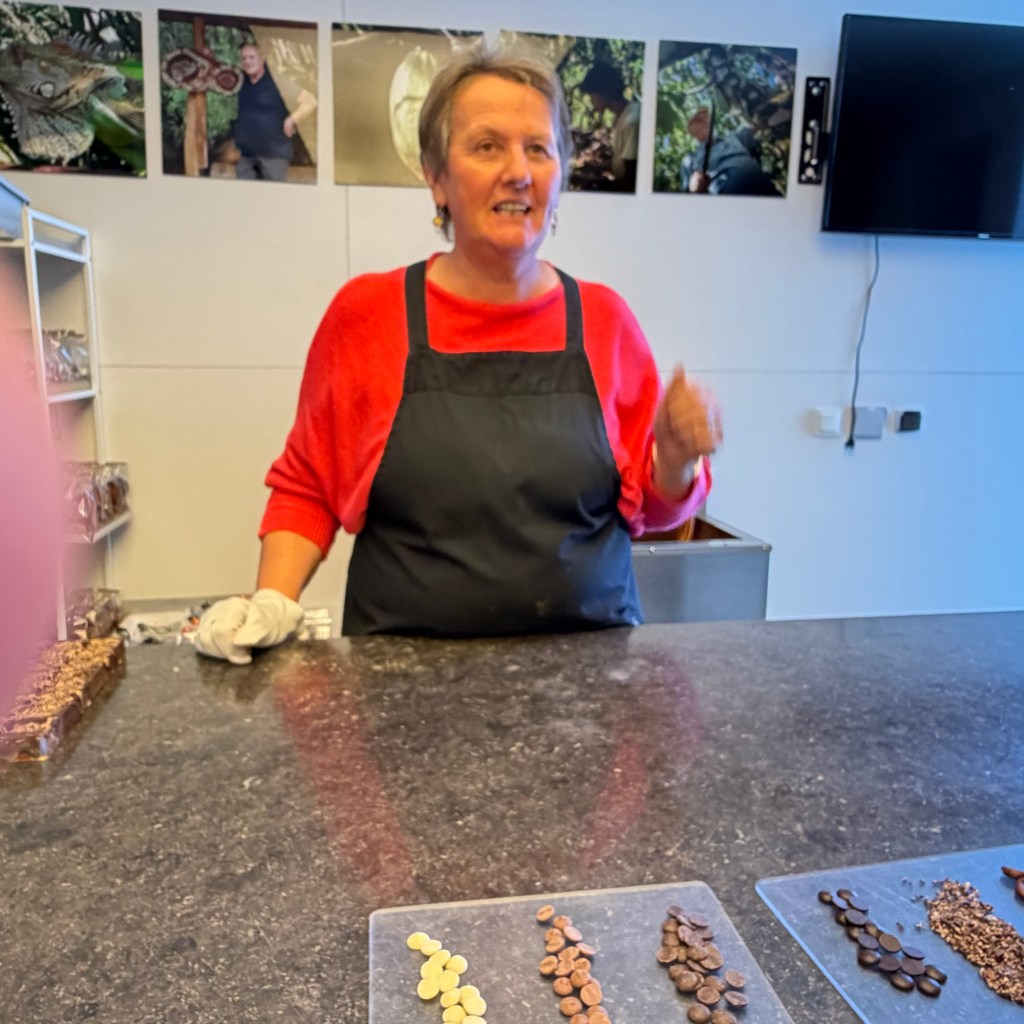
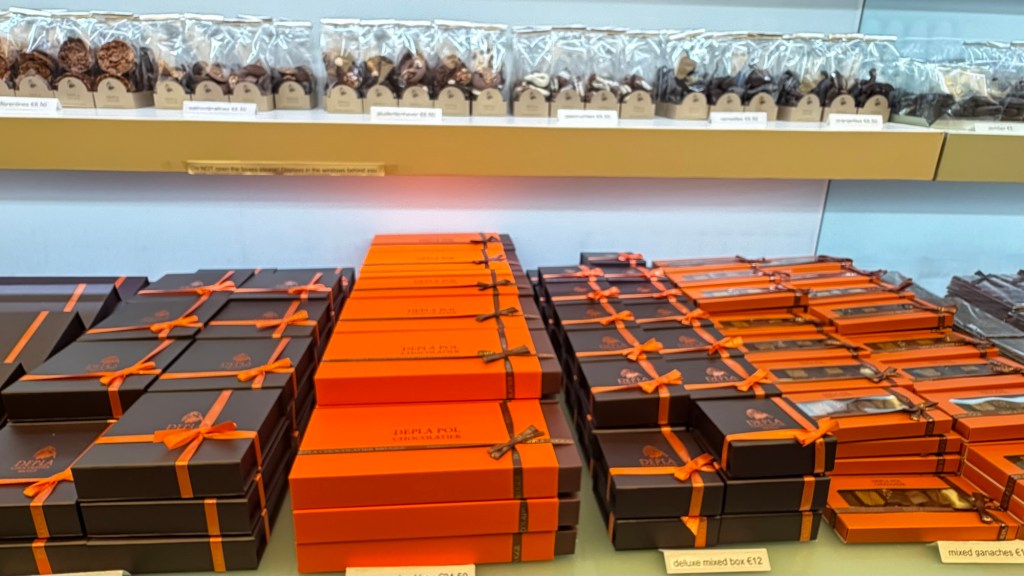
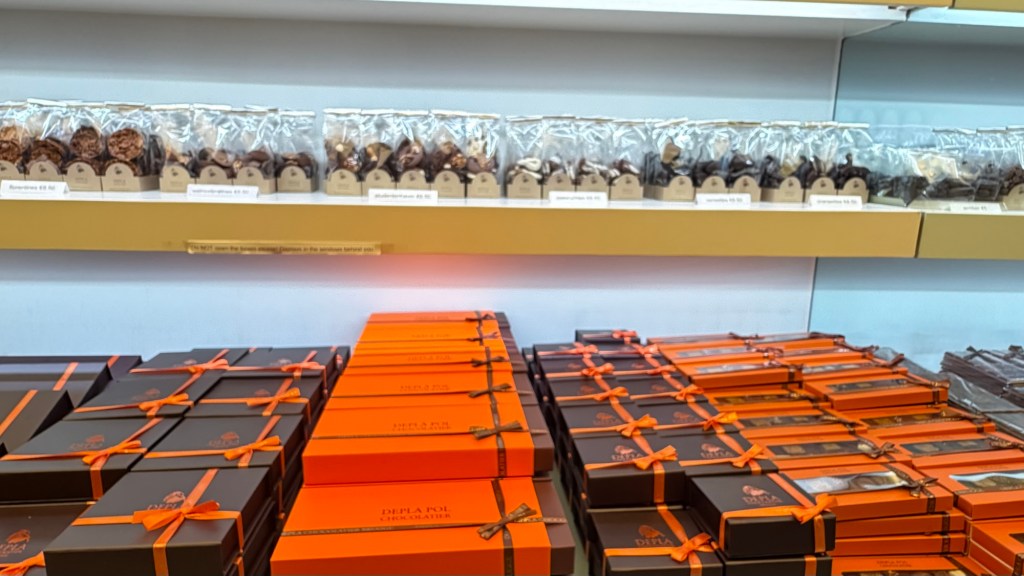
Behind the shop, the experience slowed down and became personal. Our host Ann walked us through chocolate from its very beginning: the raw cocoa bean, rough and bitter, then the nibs, then the gradual transformation into something smoother, richer, more familiar. On the counter, small samples told the story better than words—each step laid out in a progression you could see, touch, and taste.
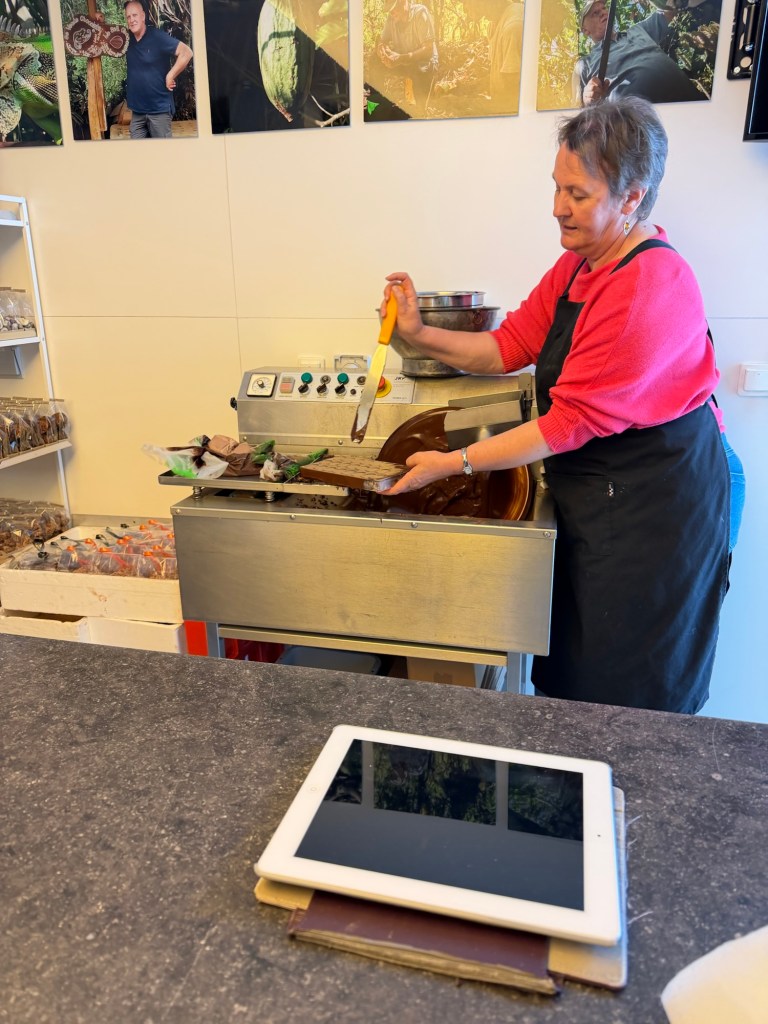
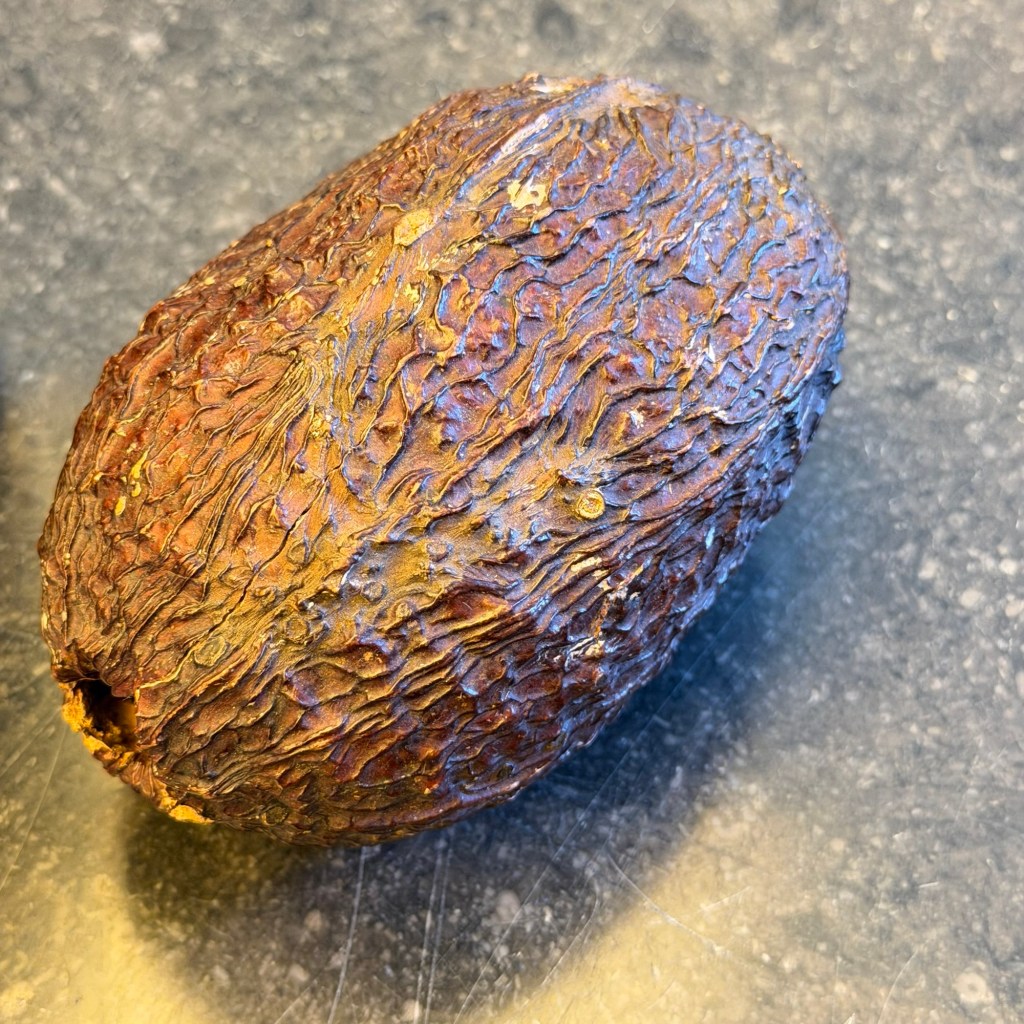
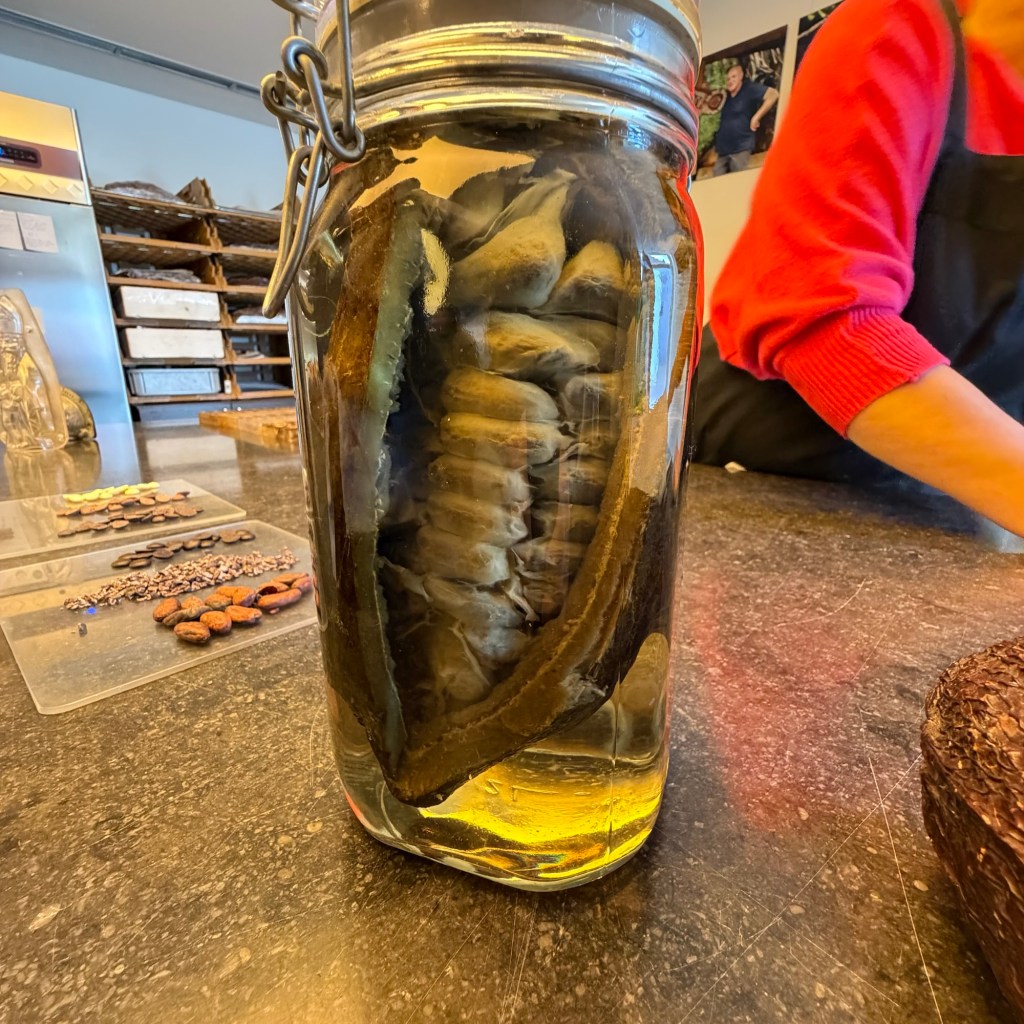
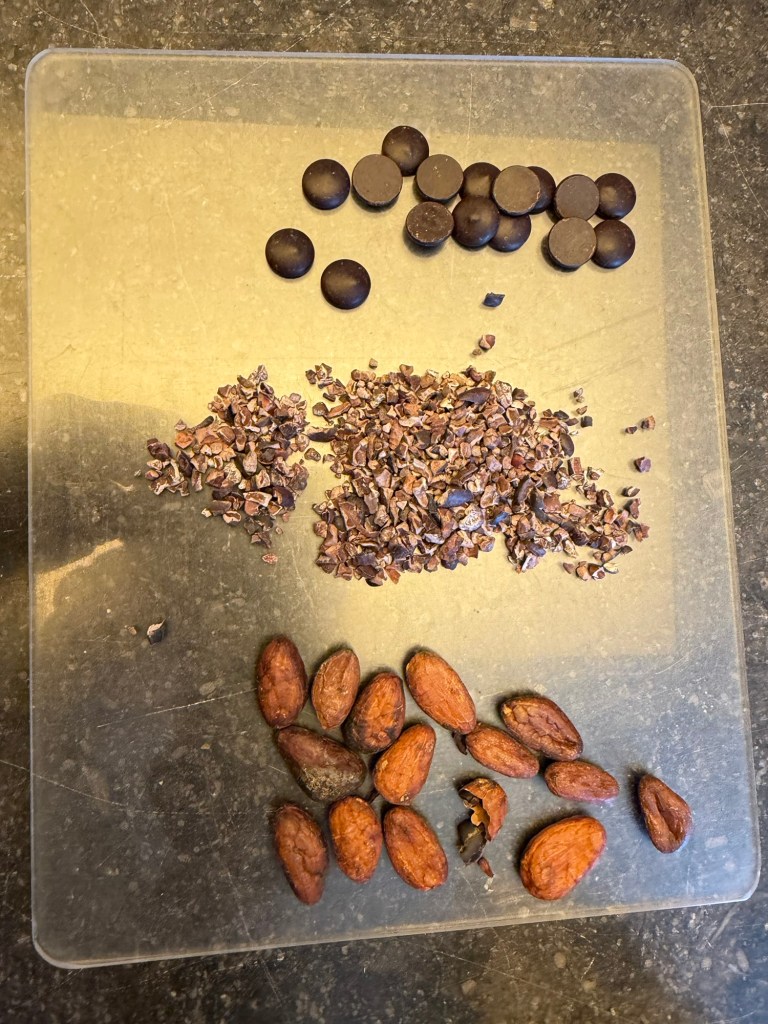
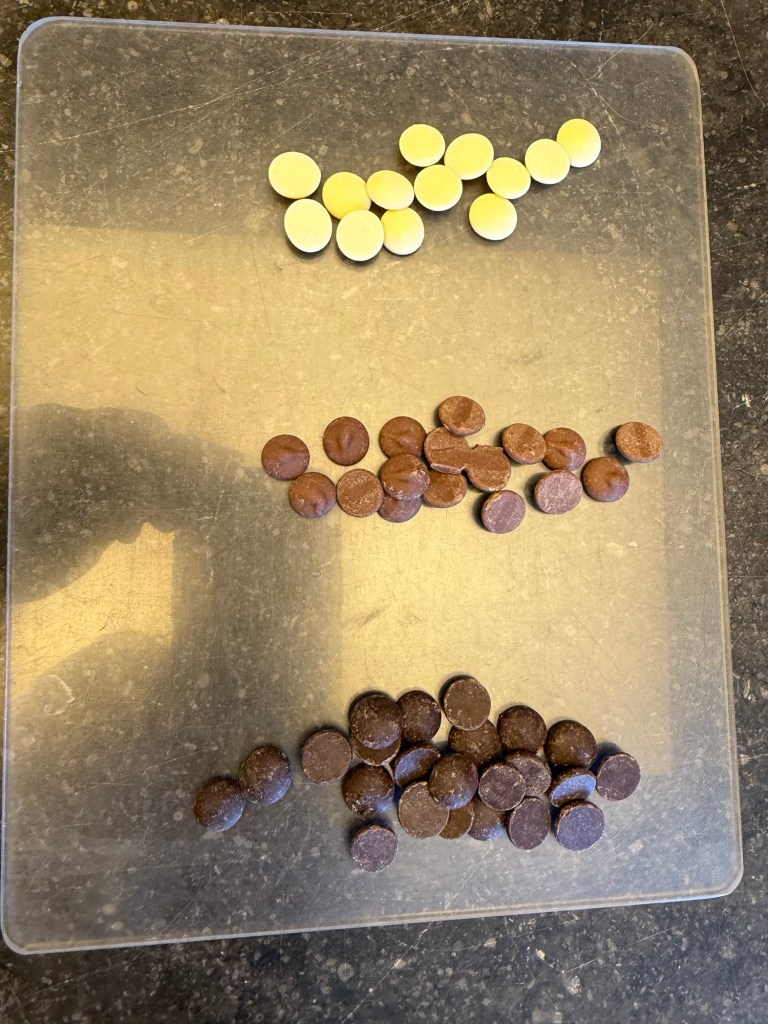
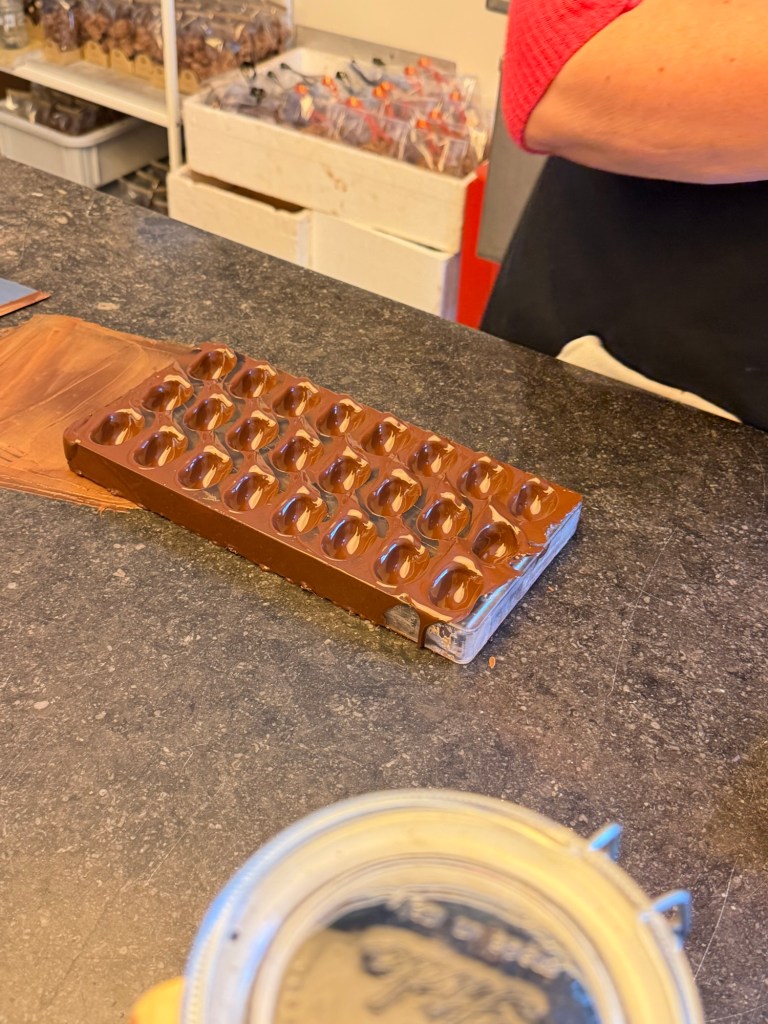
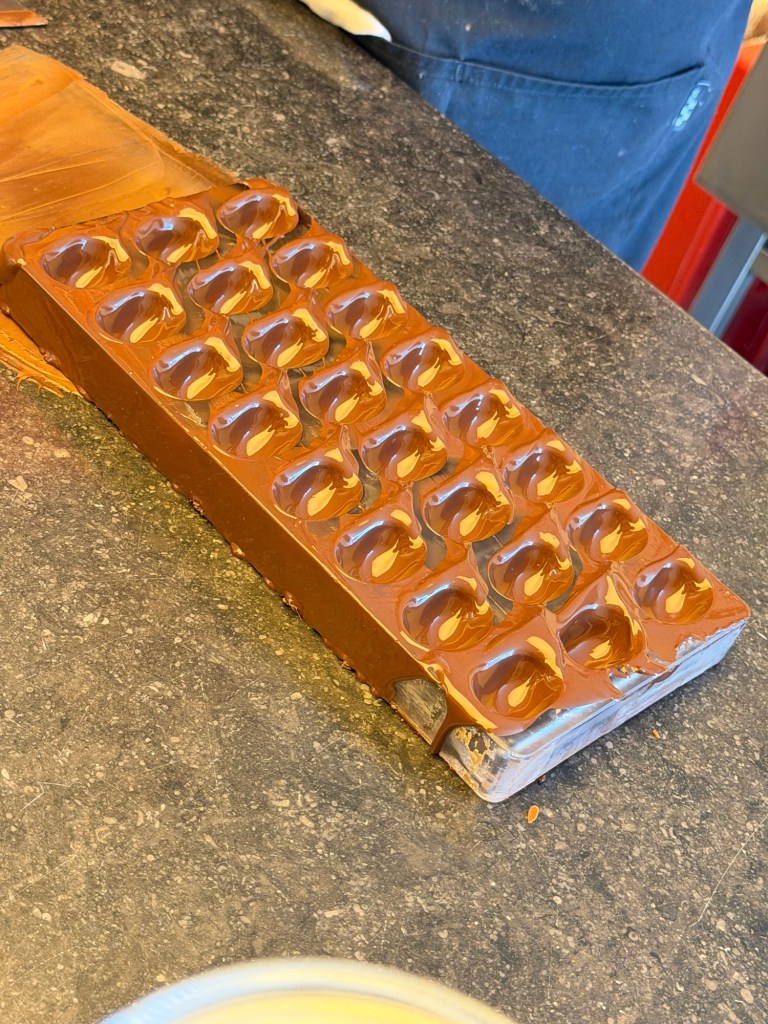
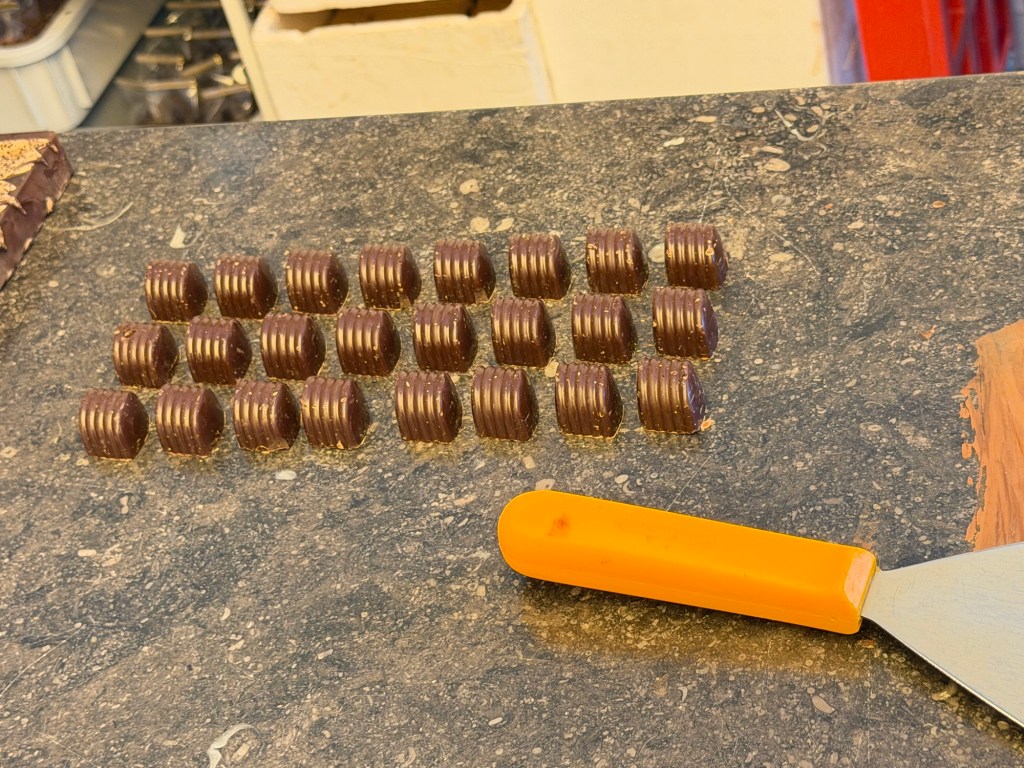
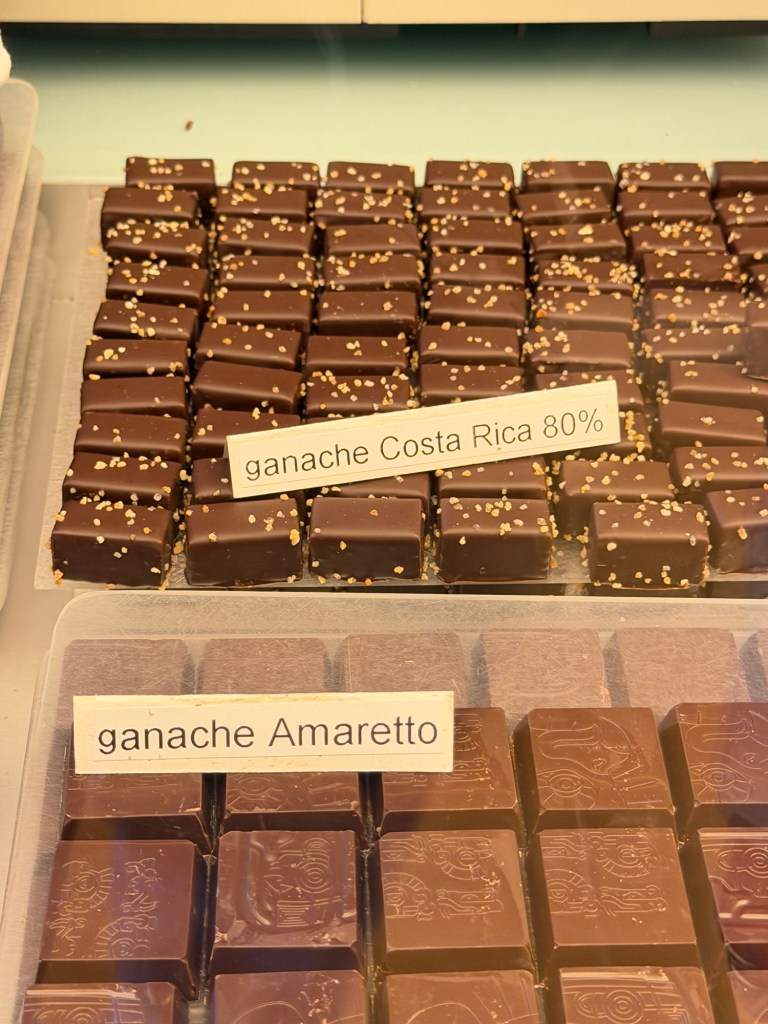
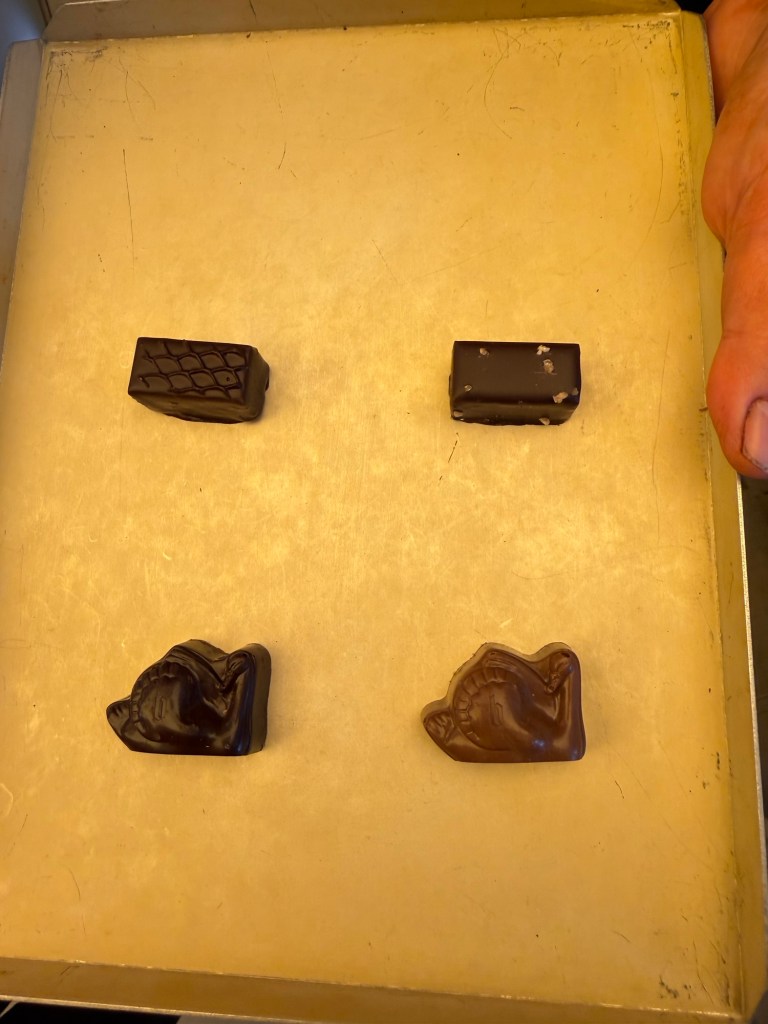
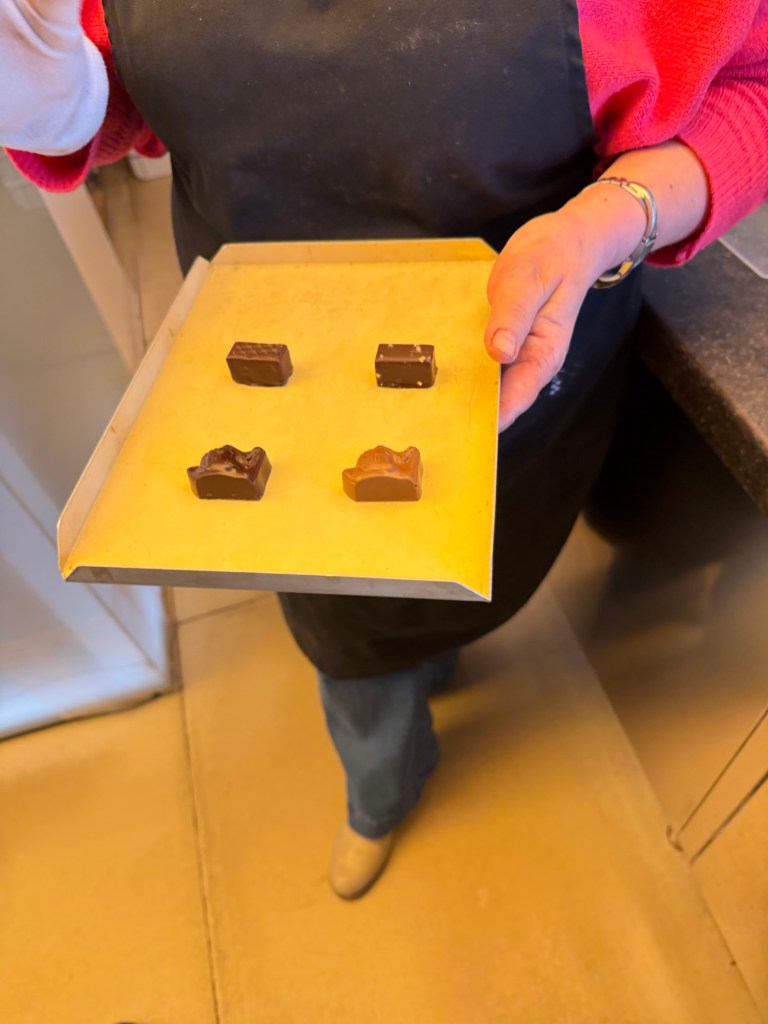
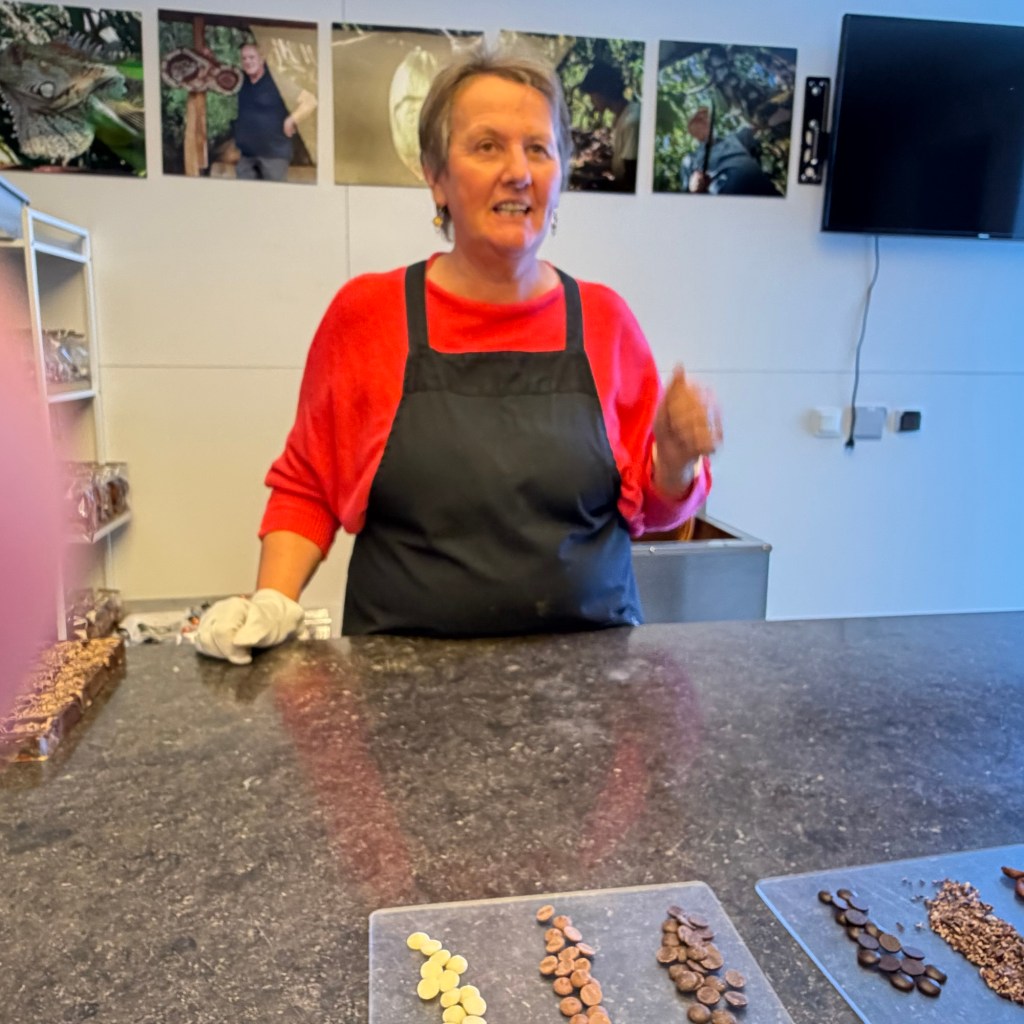
What made it special was the intimacy. This wasn’t a crowd moving past displays—it was a conversation. Questions were answered, preferences explored, and flavors unpacked in a way that made you realize how much nuance lives inside something we usually eat without thinking.
And then came the pralines.
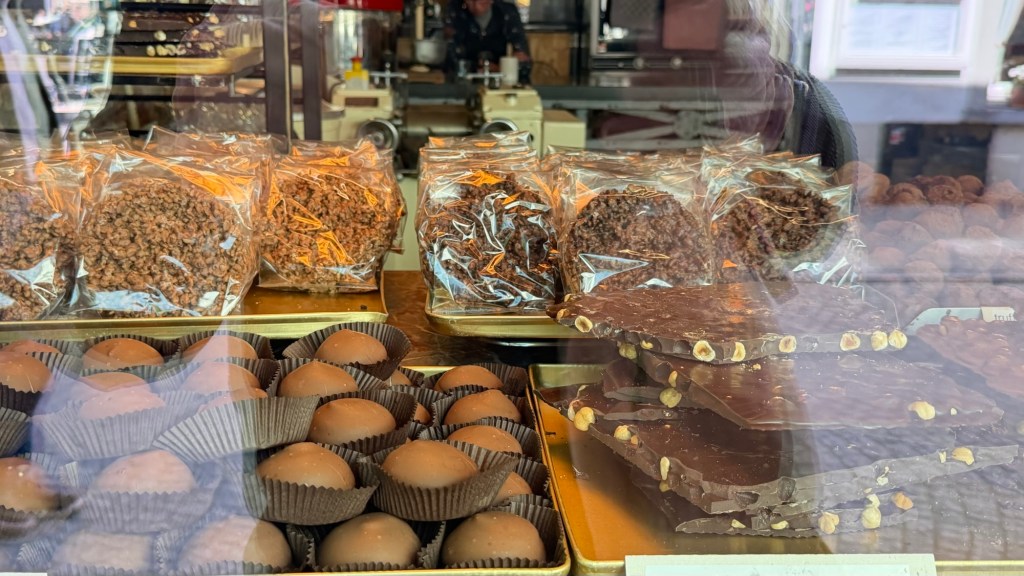
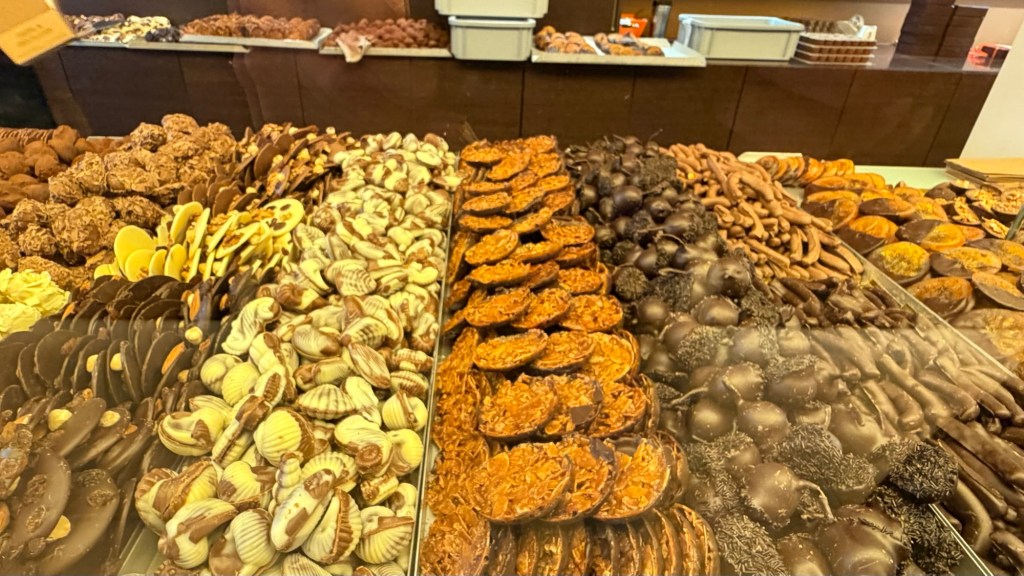
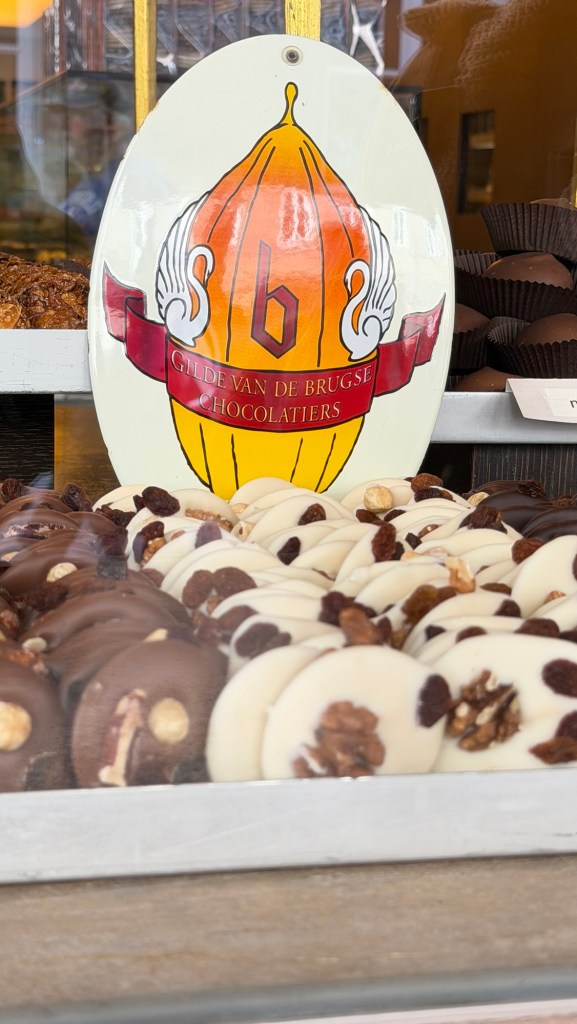
Row after row, each one handcrafted, each one slightly different—hazelnut, ganache, caramel, fruit—encased in perfectly tempered chocolate with that clean, delicate snap. You begin to understand that in Bruges, chocolate isn’t just a treat; it’s a craft with lineage, discipline, and pride.
By the end, you weren’t just tasting chocolate—you were tasting the process, the place, and the people behind it.
I left the store with a box that I devoured over the next few days.
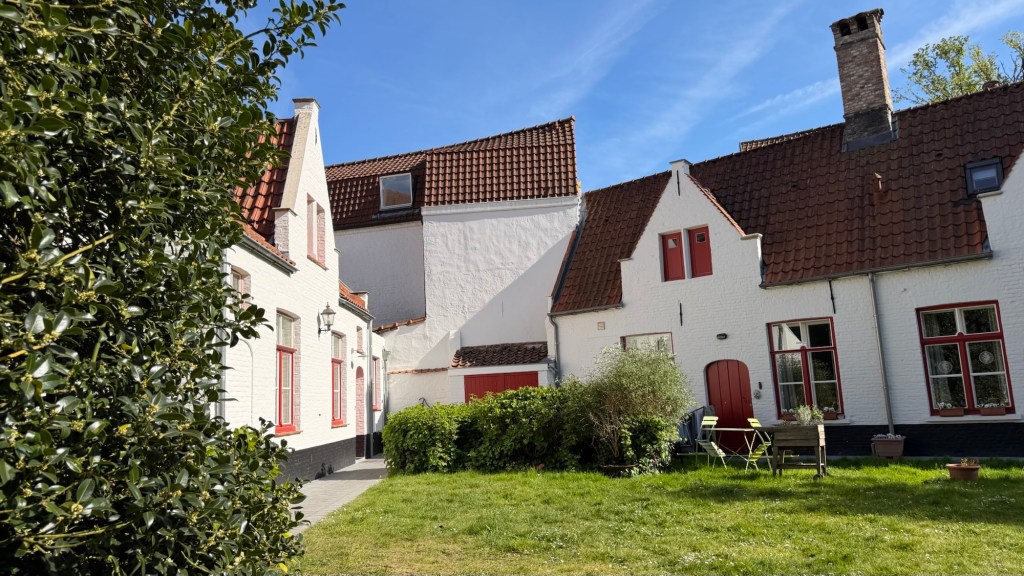
Just a short walk from the bustle of Bruges, we stepped into another world at the Begijnhof.
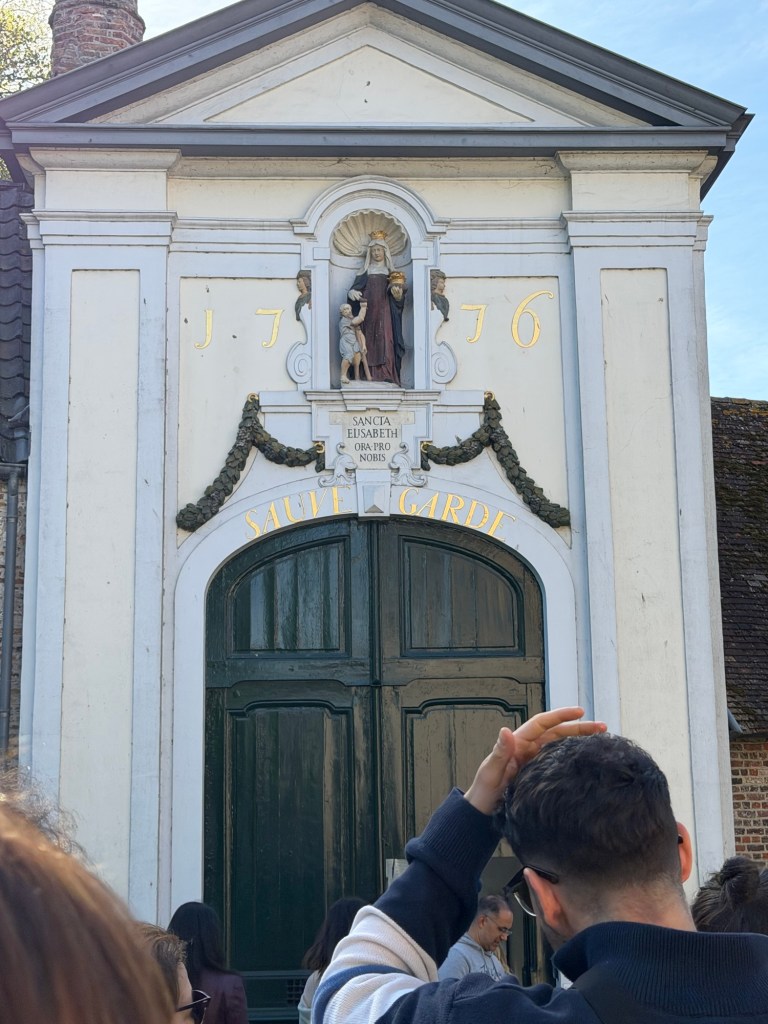
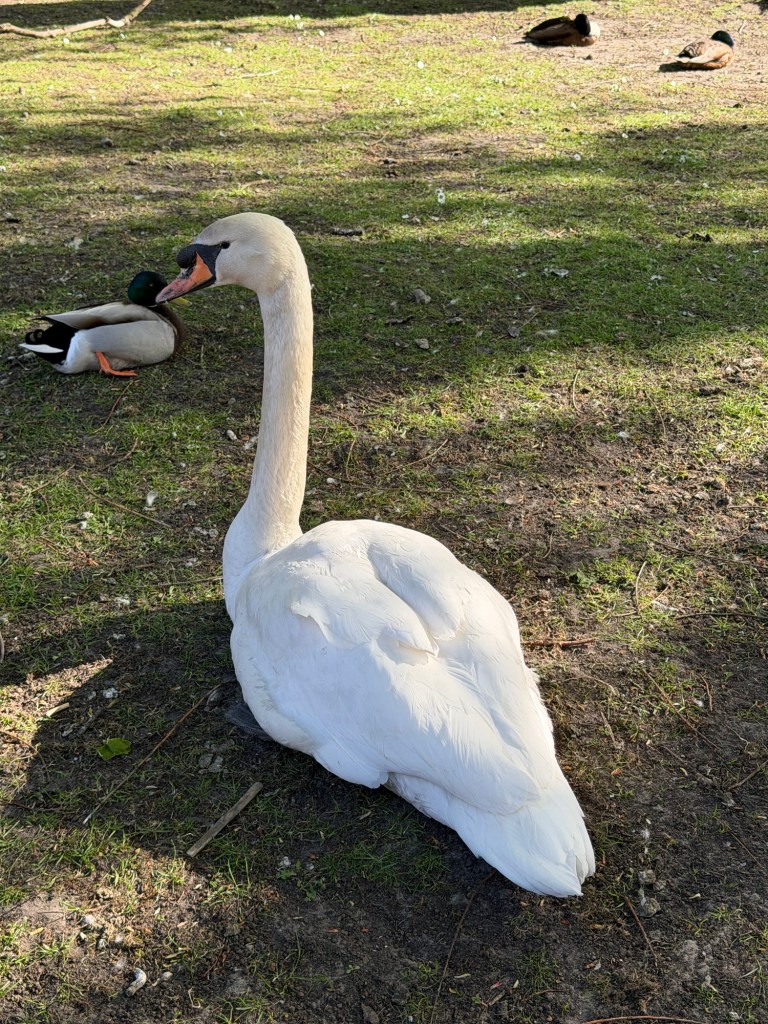
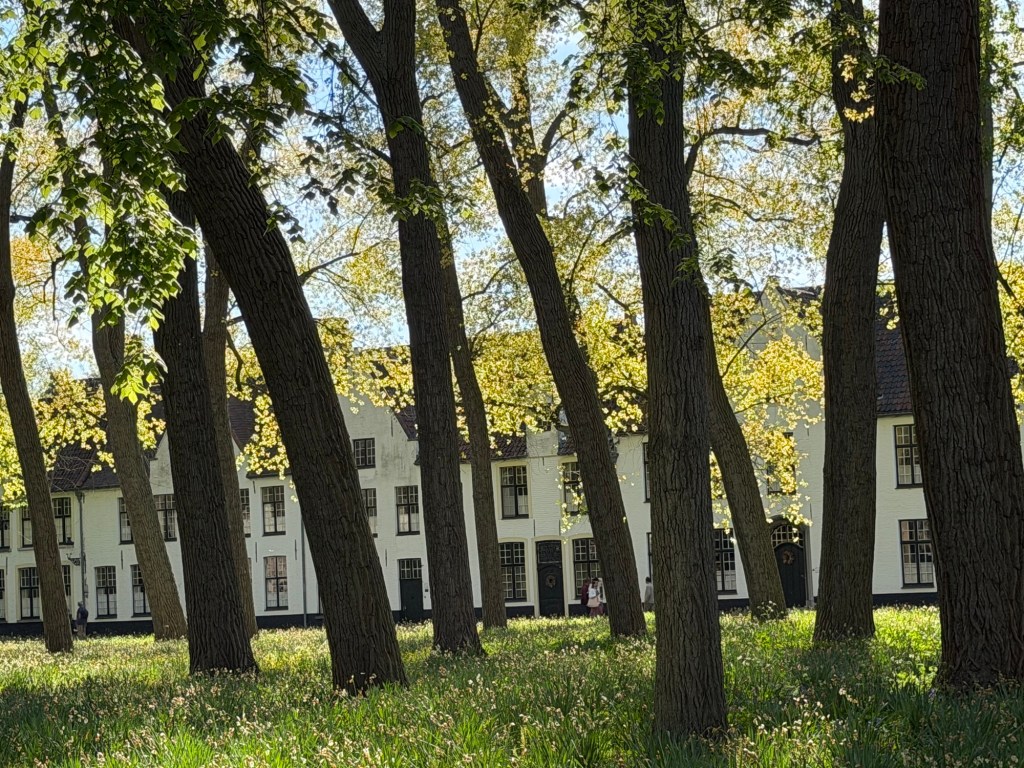
The shift was immediate. Cobblestones softened underfoot, the noise faded, and the light filtered gently through tall trees scattered across a quiet lawn dotted with spring flowers.
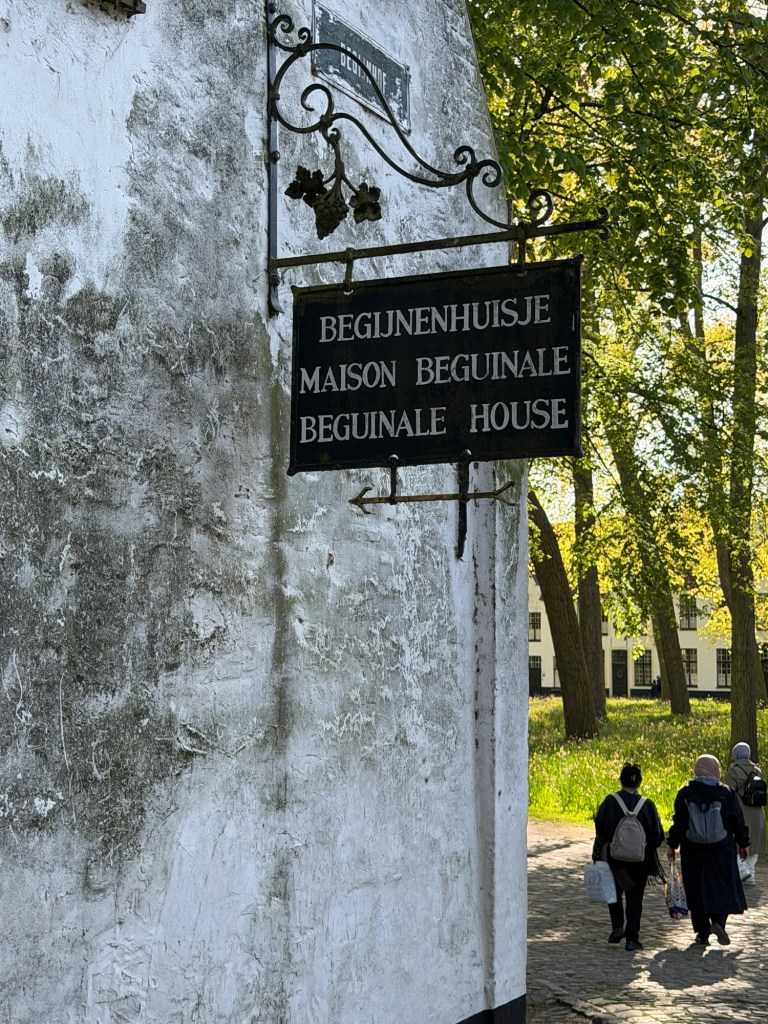
The sign—Begijnenhuisje—points to a way of life that once flourished here. The beguines were not quite nuns, but women who chose a life of devotion and independence, living in community without taking permanent vows. For centuries, this enclosed world offered both refuge and purpose.
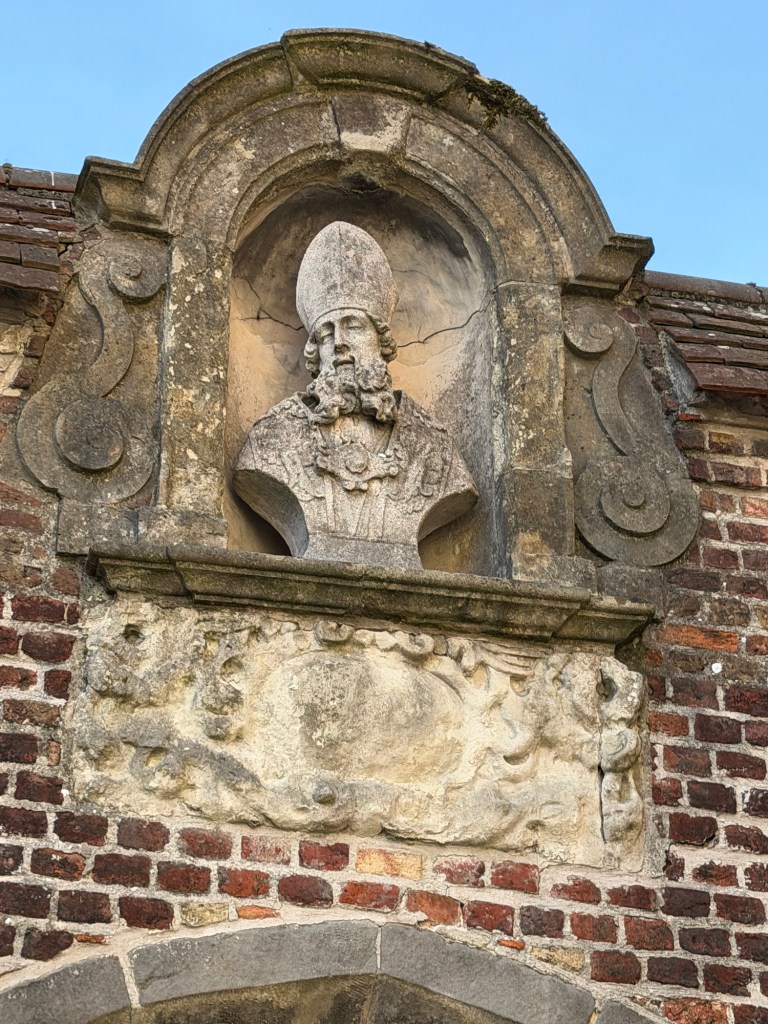
Today, the whitewashed houses remain, simple and serene, wrapped around a courtyard that feels almost suspended in time. Even the smallest details—the worn brick arch, the weathered statue watching over the entrance—carry a sense of continuity.
After the richness and indulgence of chocolate, this was something entirely different.
A pause.
A reminder that Bruges isn’t just meant to be tasted—it’s meant to be felt.
That evening, we ventured about 15 minutes from the hotel to De Verloren Hoek (deverlorenhoek.com/nl/)— a spot that clearly felt like a locals’ place.
The kind of restaurant where the menu leans heavily into tradition—rich sauces, hearty portions, and dishes that have likely been served the same way for generations.
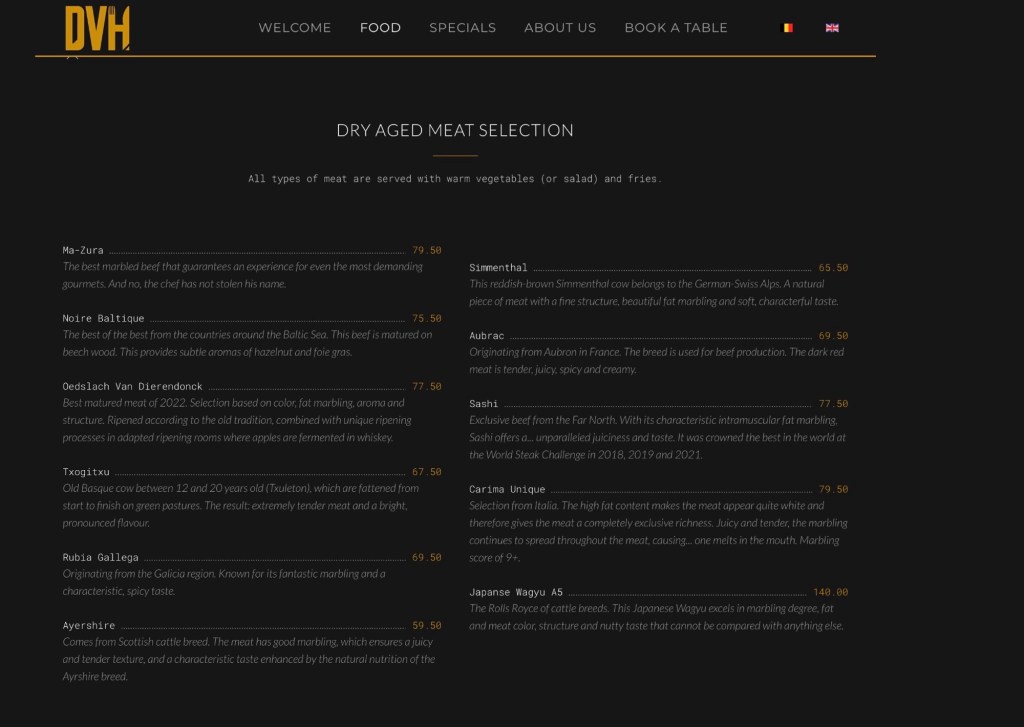
The menu literally list 11 kinds of meats ——a bit of a challenge as a vegetarian.
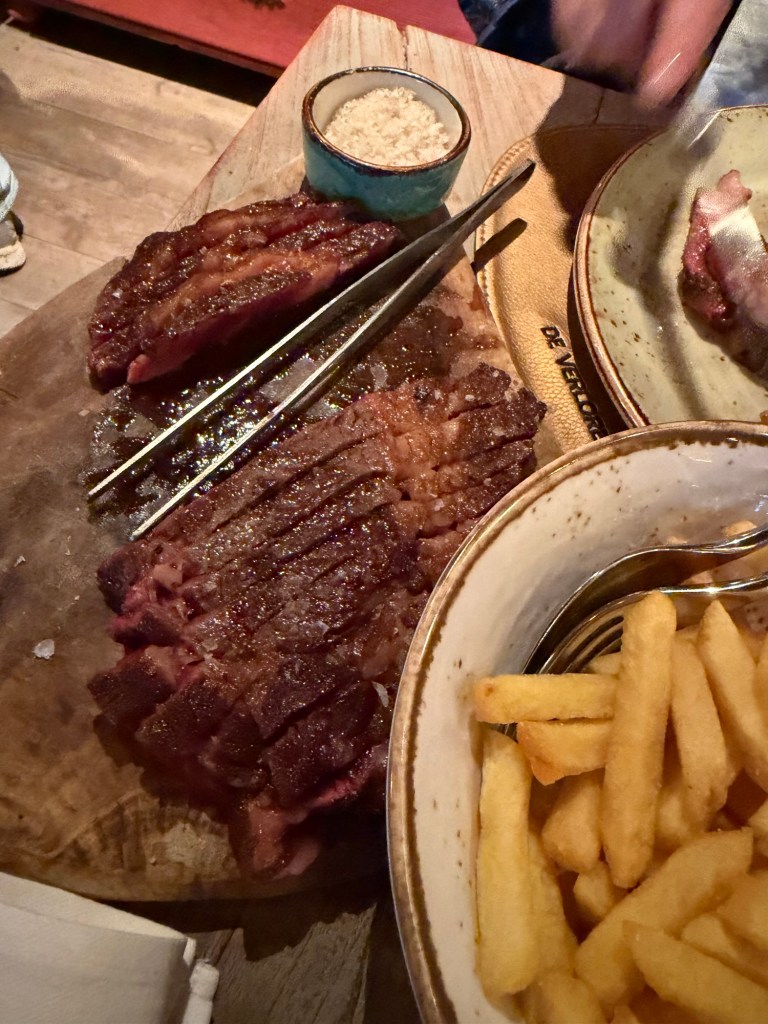
The menu leaned confidently into serious ingredients, and Beth went all in—choosing the Sashi beef.
It’s not just steak; it’s a statement piece. Sourced from the far north and known for its intense marbling, Sashi beef has been crowned “World’s Best Steak” multiple times at the World Steak Challenge. And when it arrived, it looked the part—deeply seared, richly colored, and clearly the star of the table.
By all accounts, it delivered—exceptionally tender, deeply flavorful, the kind of dish built for those who come to Belgium ready to indulge.
Which, as it turns out… left me navigating a very different path as a vegetarian.
While others at the table embraced that richness, my options felt more limited—present, but not quite the focus of the kitchen’s ambition. Well, there was a vegetarian option, it looked too spicy for me. No problem, though the kitchen whipped something up for me, which was fine,
Still, there’s something to be said for stepping into a place that isn’t curated for you. It felt authentic, unpolished, and very much rooted in the rhythms of local life.
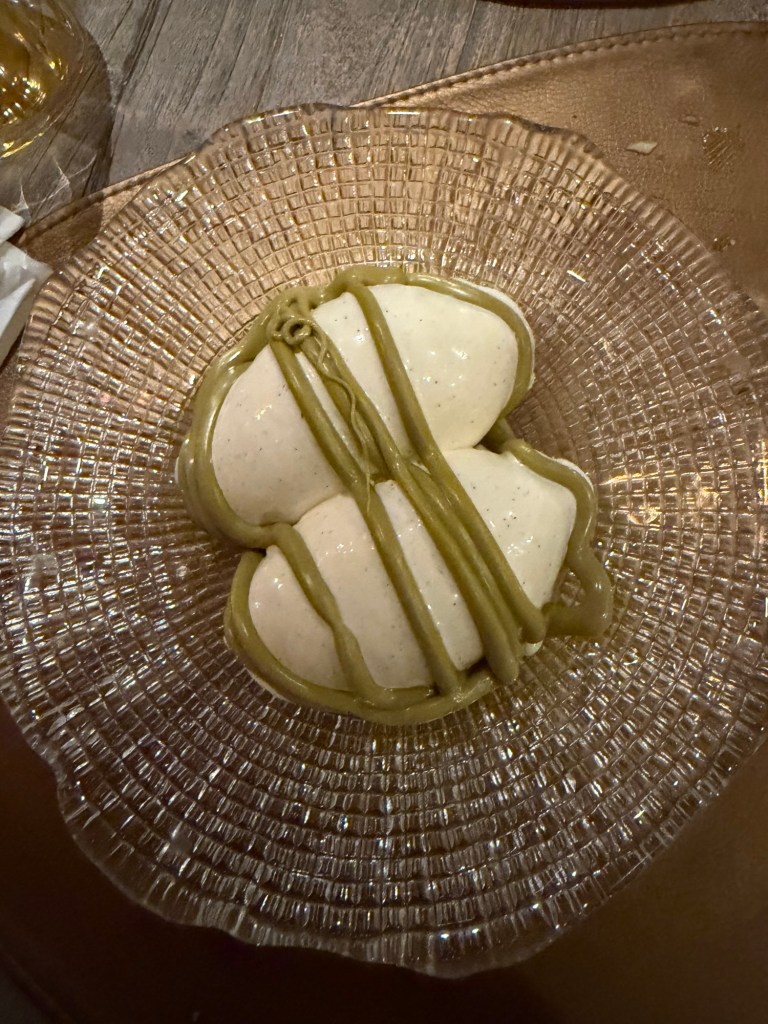
And then came dessert.
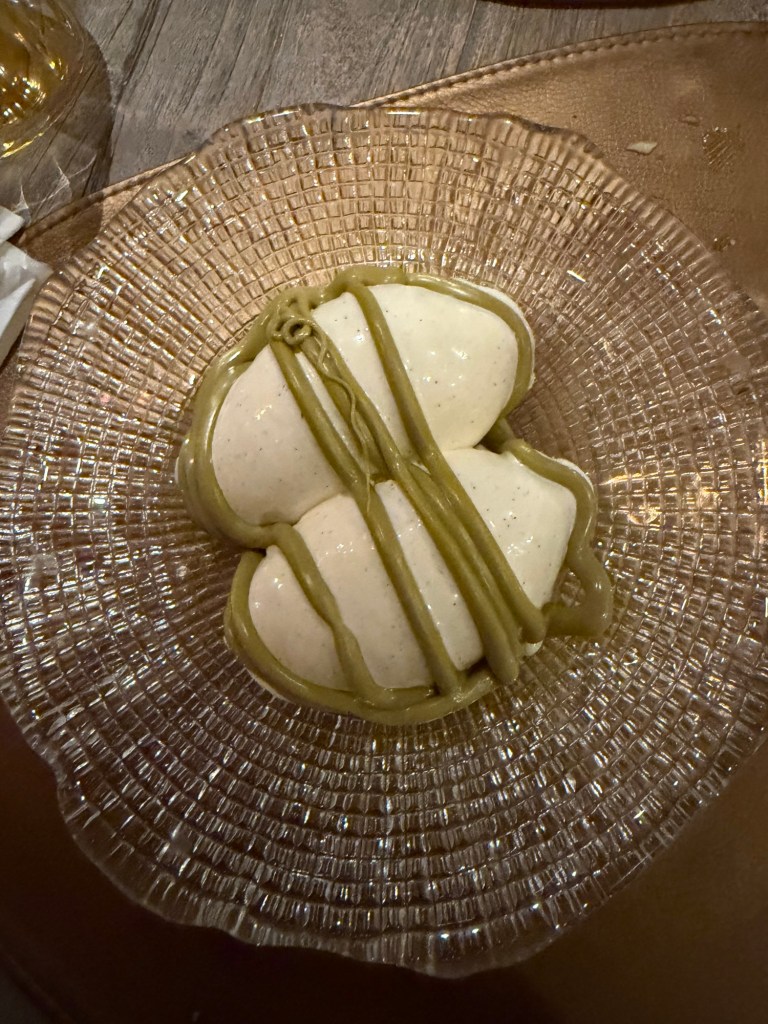
A careful balance of textures and flavors, where sweetness was layered and restrained. Something smooth paired with something crisp, perhaps a touch of acidity cutting through the richness—each bite thoughtfully constructed.
Tomorrow we will be taking a tour of the Bruges countryside, and a vintage Jaguar.