We spent the day exploring Antwerp on foot with our guide Herman, who introduced himself with a mix of pride and understatement. Herman had been a policeman in the city for forty years. It quickly became clear that this wasn’t just a job he once held—it shaped how he sees Antwerp. Every street seemed to come with a story, and often one you wouldn’t find in a guidebook.
Our first stop was the Bourla Theatre, an elegant neoclassical building that once sat at the center of a cultural divide.
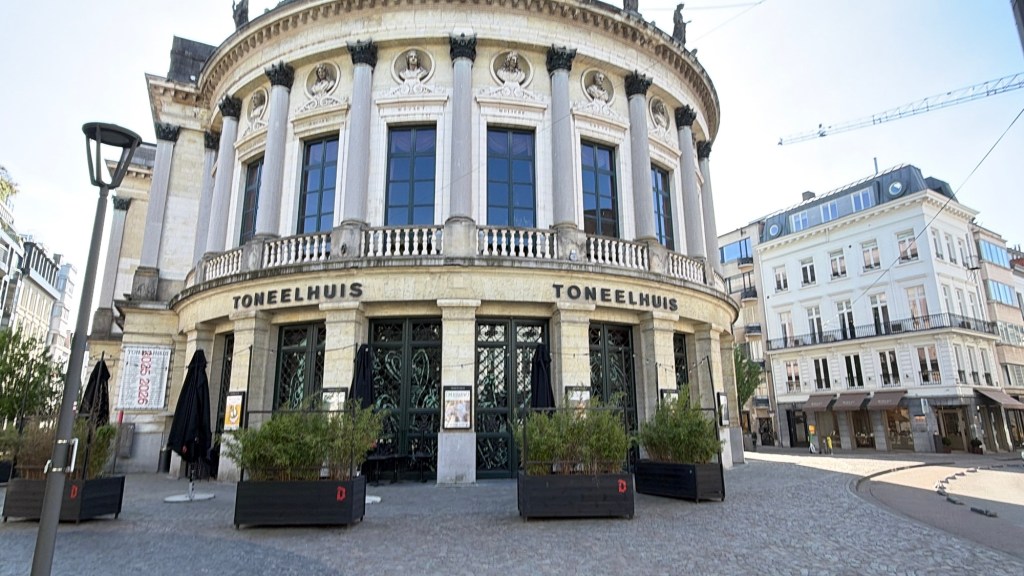
In earlier days, performances here were exclusively in French—the language of the elite—while Dutch speakers were effectively shut out. That tension eventually led to the construction of a second opera house, a reminder that even culture can reflect deeper social fault lines.
From there, we made our way toward the Boerentoren, one of Europe’s earliest skyscrapers, rising in a distinctly Art Deco style—its clean vertical lines and understated geometry giving it a more restrained, businesslike presence.
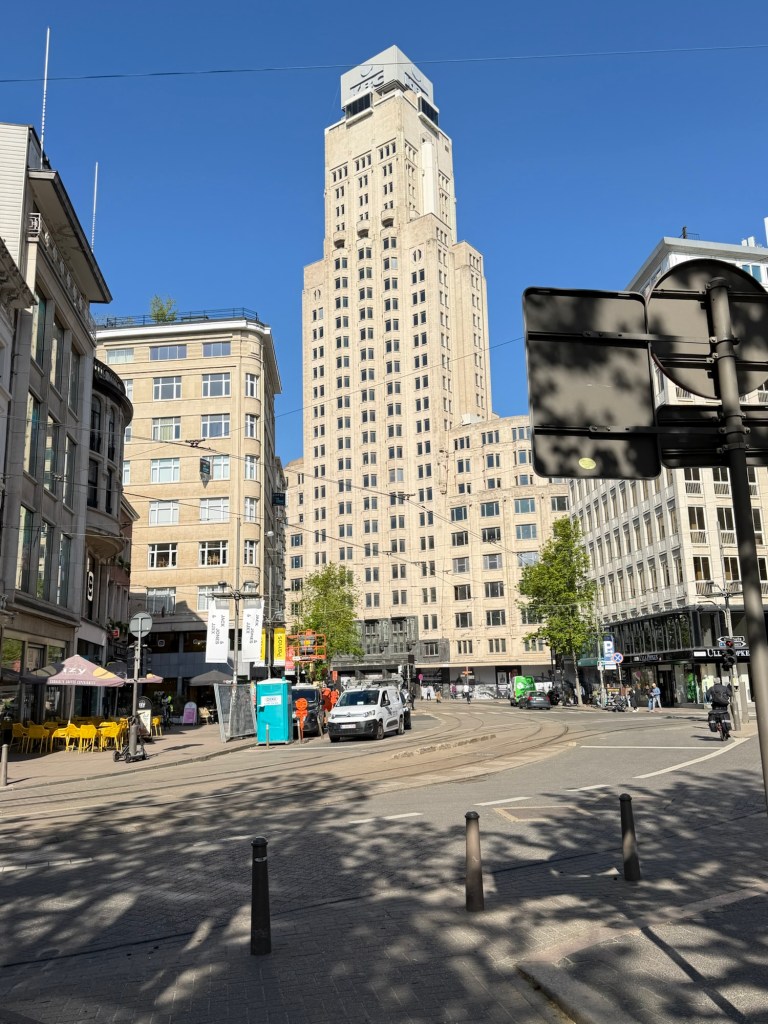
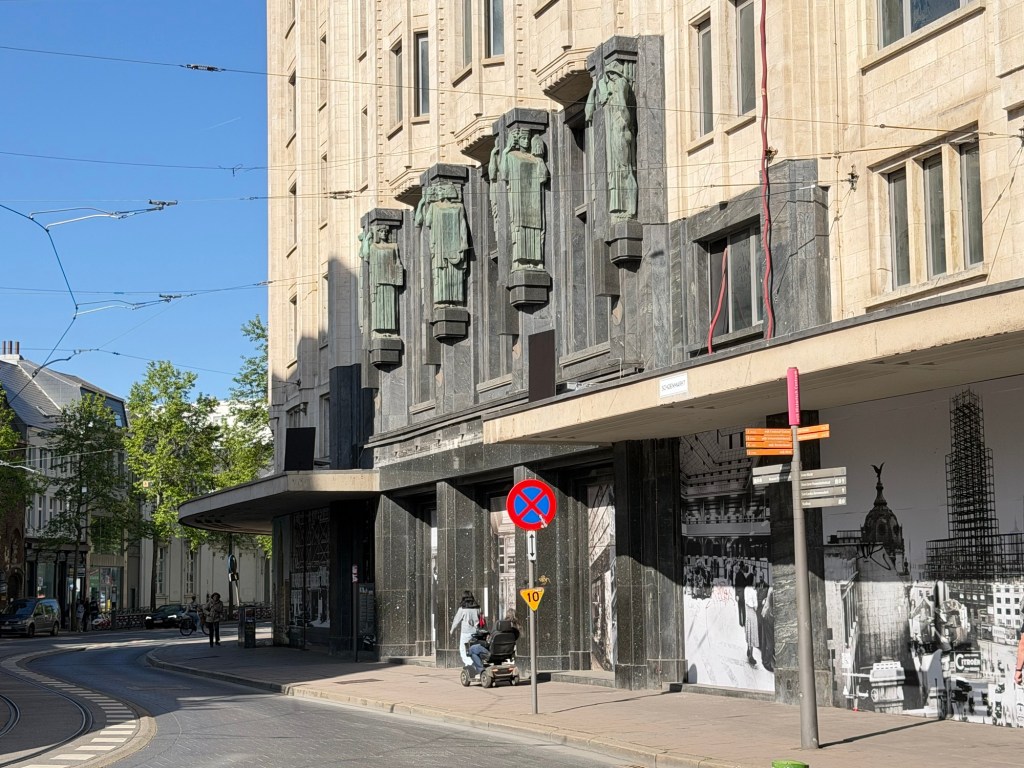
It still stands out against the skyline, a bold symbol of Antwerp’s early embrace of modernity and commerce. Herman pointed out how the building once represented financial ambition in a city long defined by trade.
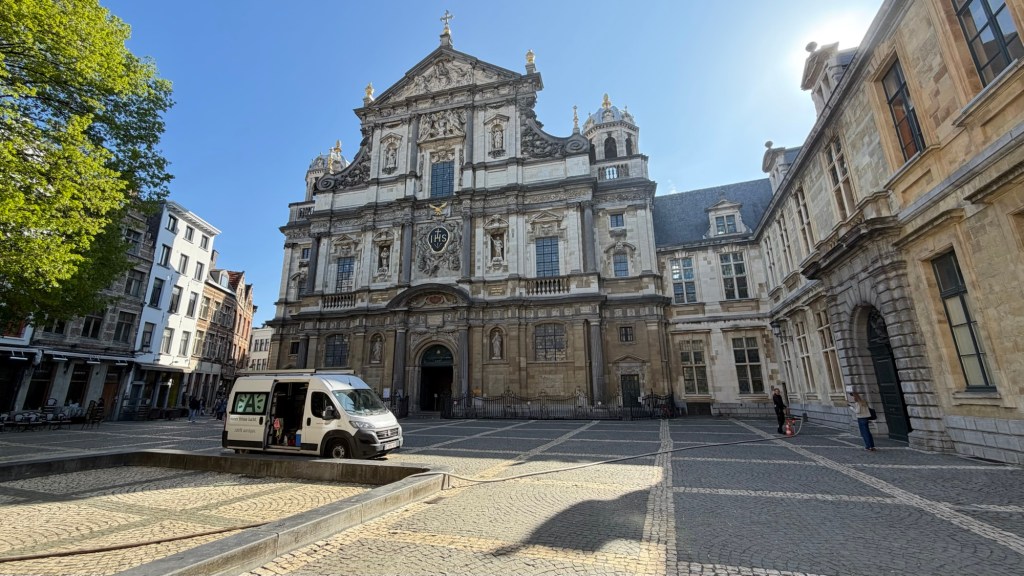
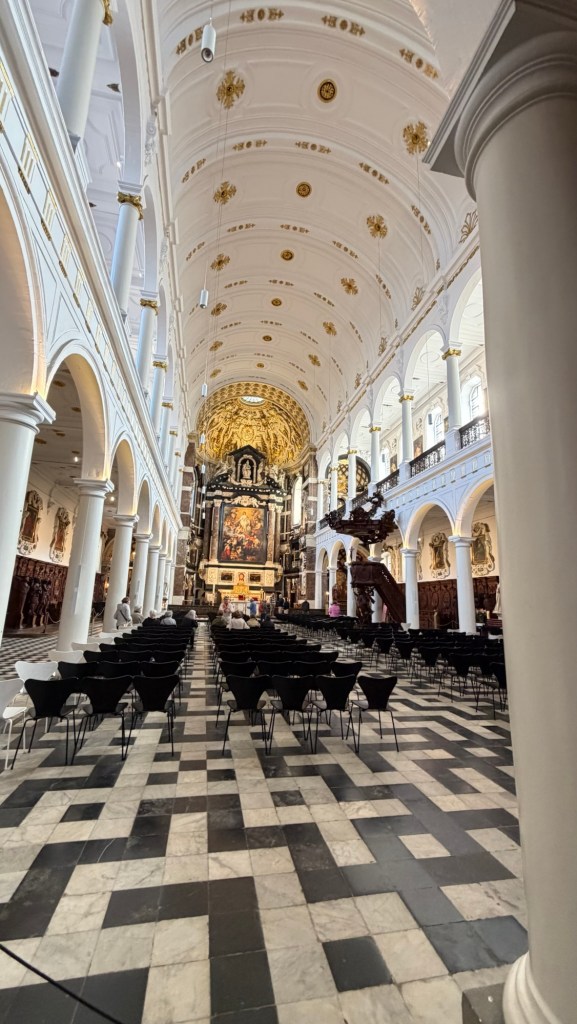
We continued on to the St. Charles Borromeo Church, where art and religion intertwine. The church has strong ties to Peter Paul Rubens, whose influence helped shape the grandeur inside. The original ceiling paintings, designed by Rubens, were destroyed in a fire in 1718, leaving behind a space that hints at a far more elaborate past.Herman used this stop to weave in the broader history of religious conflict in the region—Catholics, Protestants, shifting power, and the lasting marks those struggles left on the city.
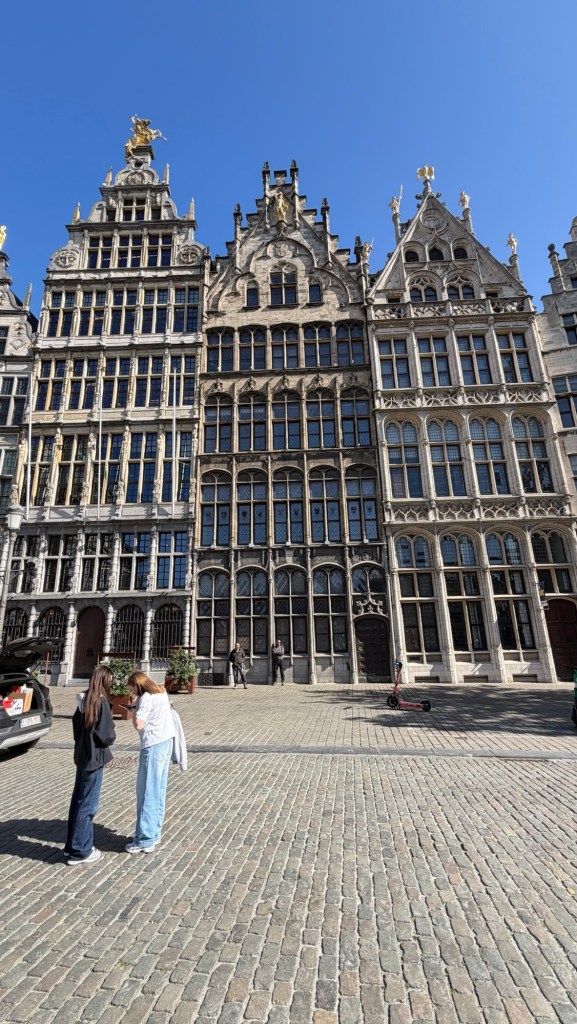
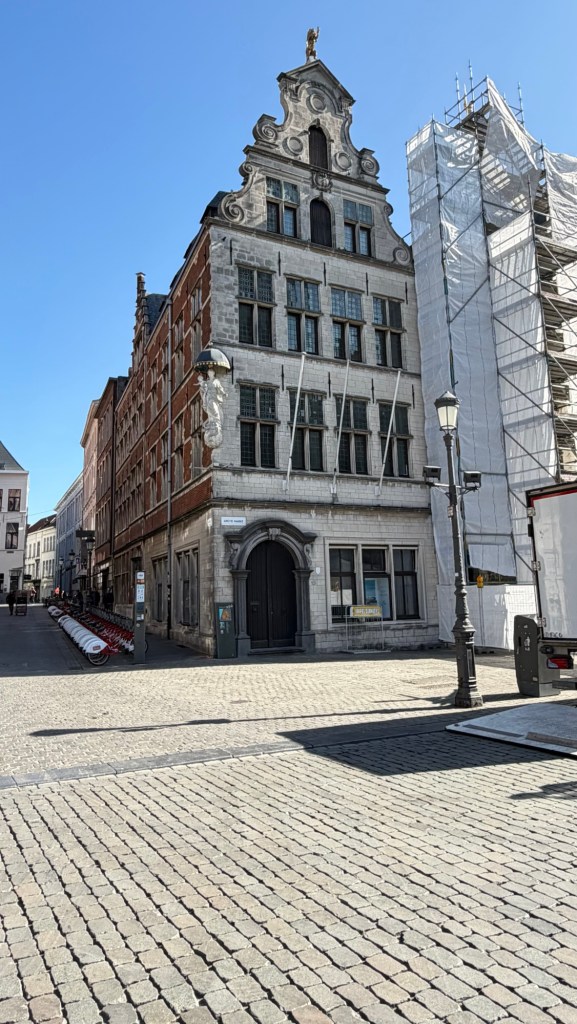
Eventually we reached the Grote Markt, the main square and one of the most striking in Europe. The guild houses lining the square are ornate and theatrical, each one representing a different trade that once powered the city’s economy—and together, they project the immense wealth and power those guilds once held.
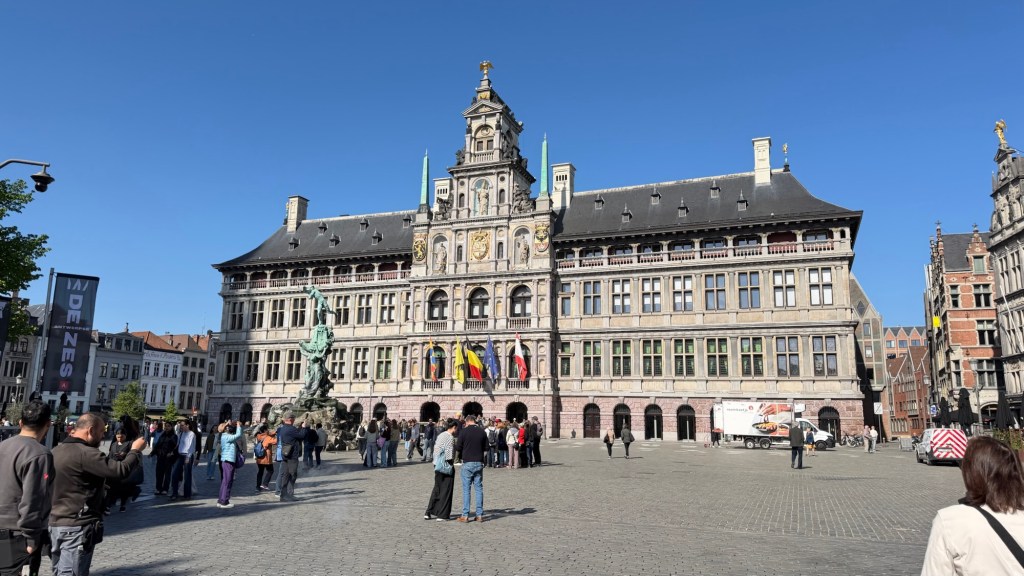
At the center stands the Brabo Fountain, depicting the legendary Roman soldier who cut off the hand of a giant and threw it into the river—an origin story for the name “Antwerp.”
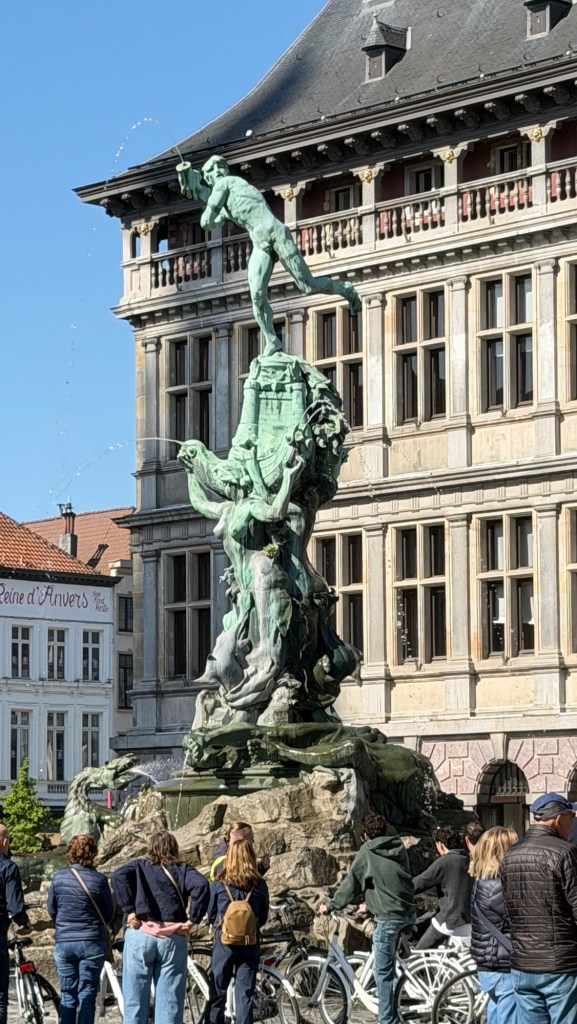
It’s the kind of legend that feels both dramatic and oddly fitting for a city shaped by trade, power, and resilience.
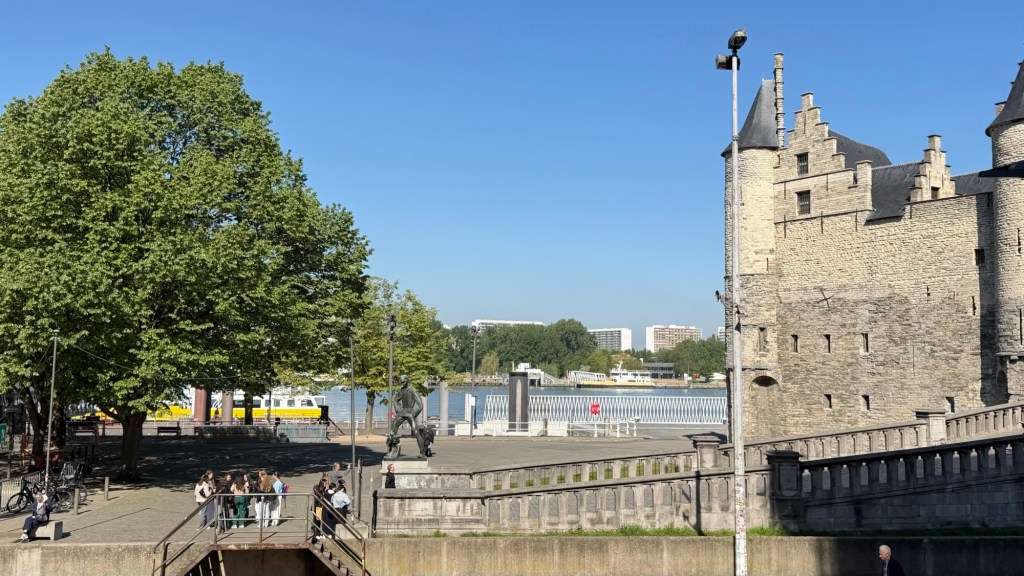
From there, we made our way down to the Scheldt River. Standing along the water, Herman shifted from legend to geopolitics, explaining how control of the river—and access to the sea—determined Antwerp’s fortunes over centuries, up to the present. Nearby sits Het Steen, the city’s oldest building, which has served as a fortress, a prison, and now a kind of historical anchor along the waterfront.
We continued past the Cathedral of Our Lady, a towering Gothic landmark that dominates the skyline.
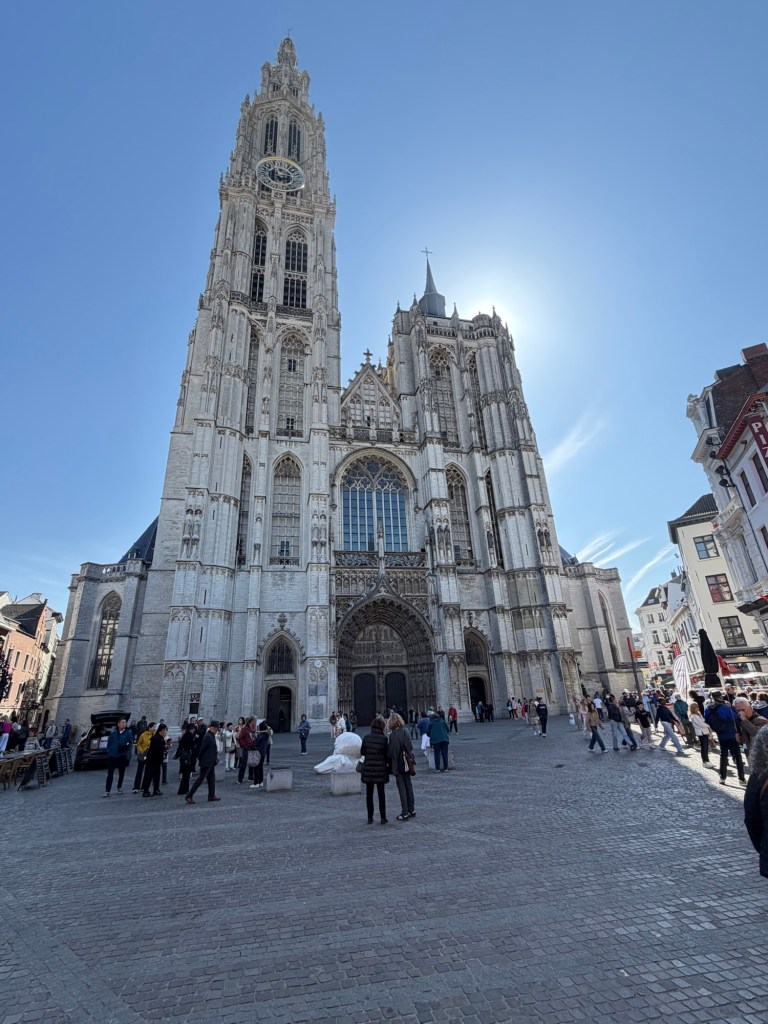
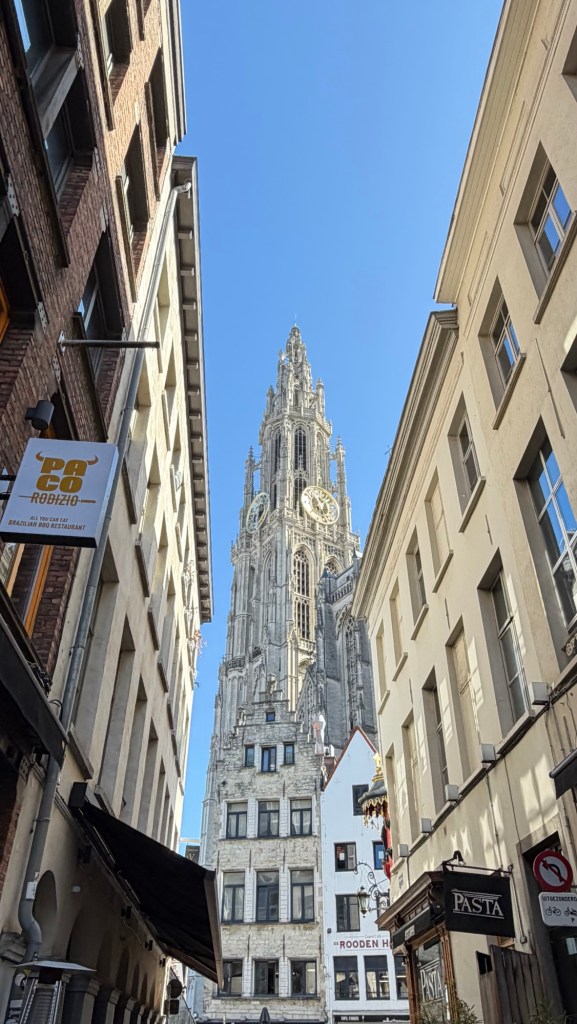
Here again, the conversation returned to religion—iconoclasm, destruction, rebuilding—and how the church survived waves of upheaval while still housing masterpieces, including works by Rubens.
We headed to Antwerp’s Diamond District—often referred to as the “Diamond Mile”—a tightly controlled enclave. The shift was immediate—less picturesque, more discreet, and noticeably secure.
Unlike its origins in the old city—around the Grote Markt and the early trading bourse, where diamonds were just one part of Antwerp’s broader mercantile life—the modern district is purpose-built and self-contained. It grew up in the late 19th and early 20th centuries alongside Antwerpen-Centraal, where rail access made it easier to move high-value goods quickly and securely.
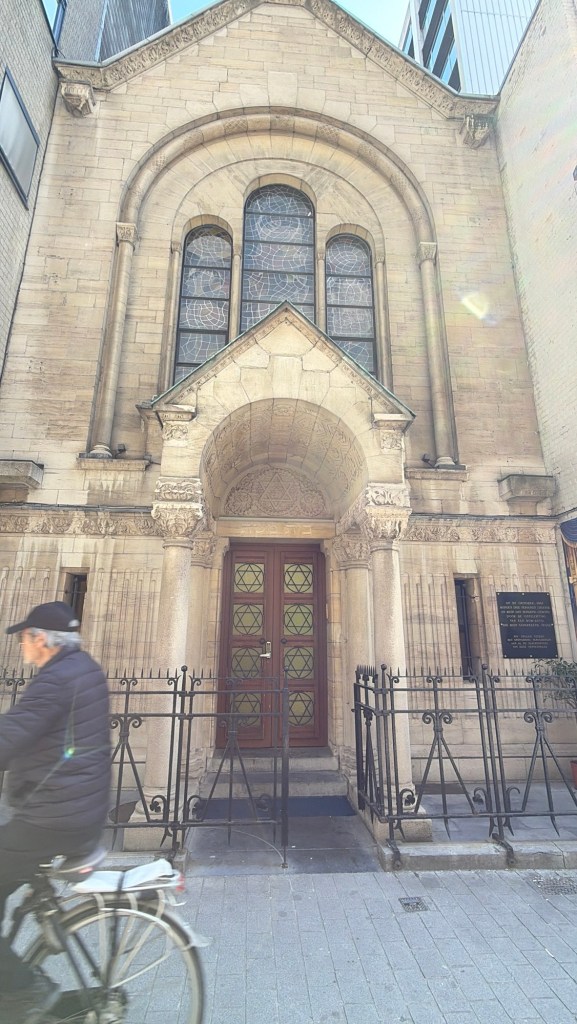
The presence of synagogues—most notably the Shomre Hadass Synagogue—speaks to the central role of Antwerp’s Orthodox Jewish community in the diamond trade. Many dealers and polishers have been part of this world for generations, and the rhythm of the district still quietly follows religious life as much as market forces.
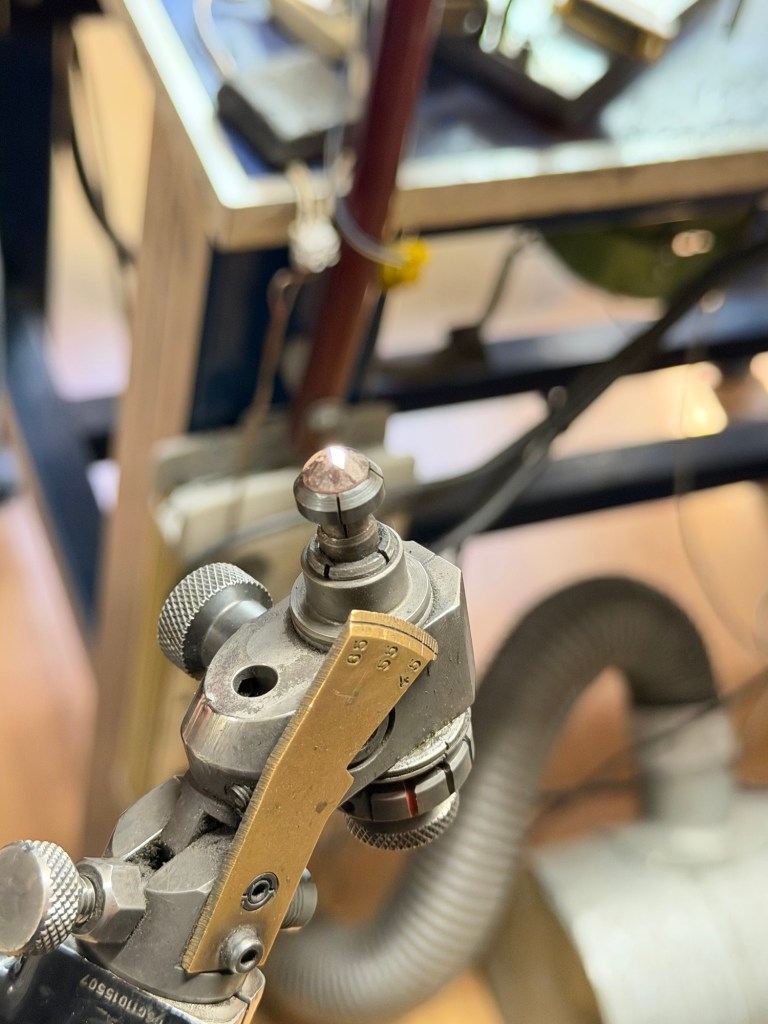
Tom Stinglhamber of Billiant Ideas, who organized our entire Benelux tour (www.brilliantideas.travel/eng/about-us/our-team) arranged for us to visit a private diamond cutting workshop, where we got a close-up look at the process: cutting, polishing, and grading stones with a level of precision that borders on obsessive. We even had the chance to try polishing ourselves, which gave a new appreciation for the skill involved and the time required.

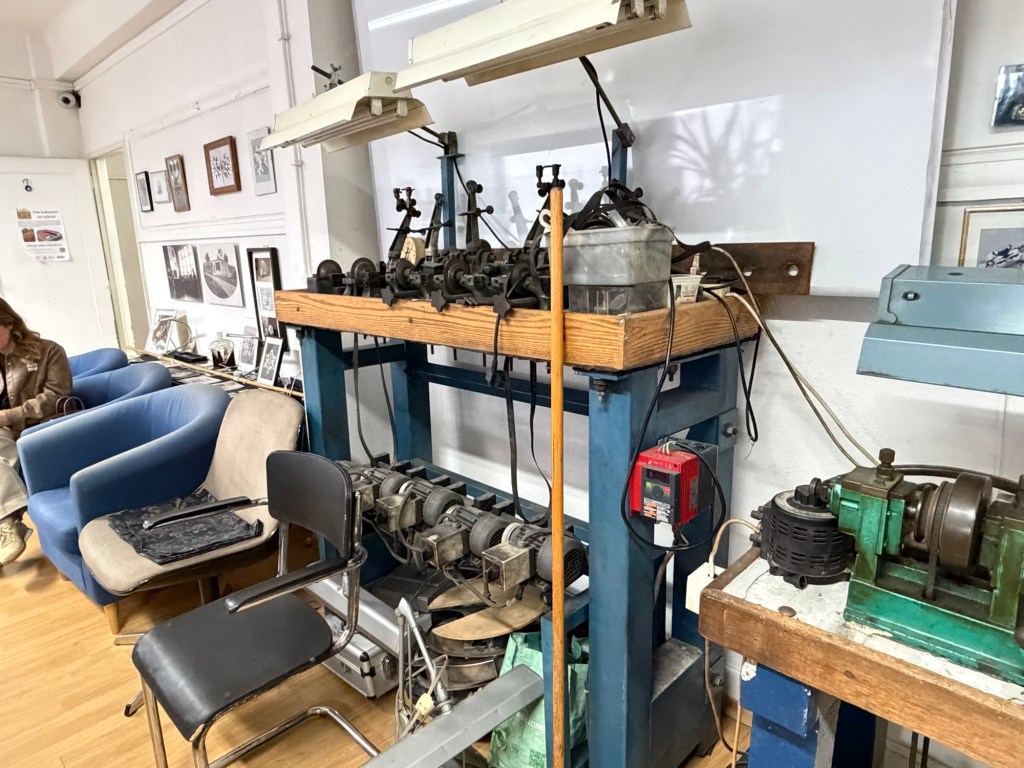
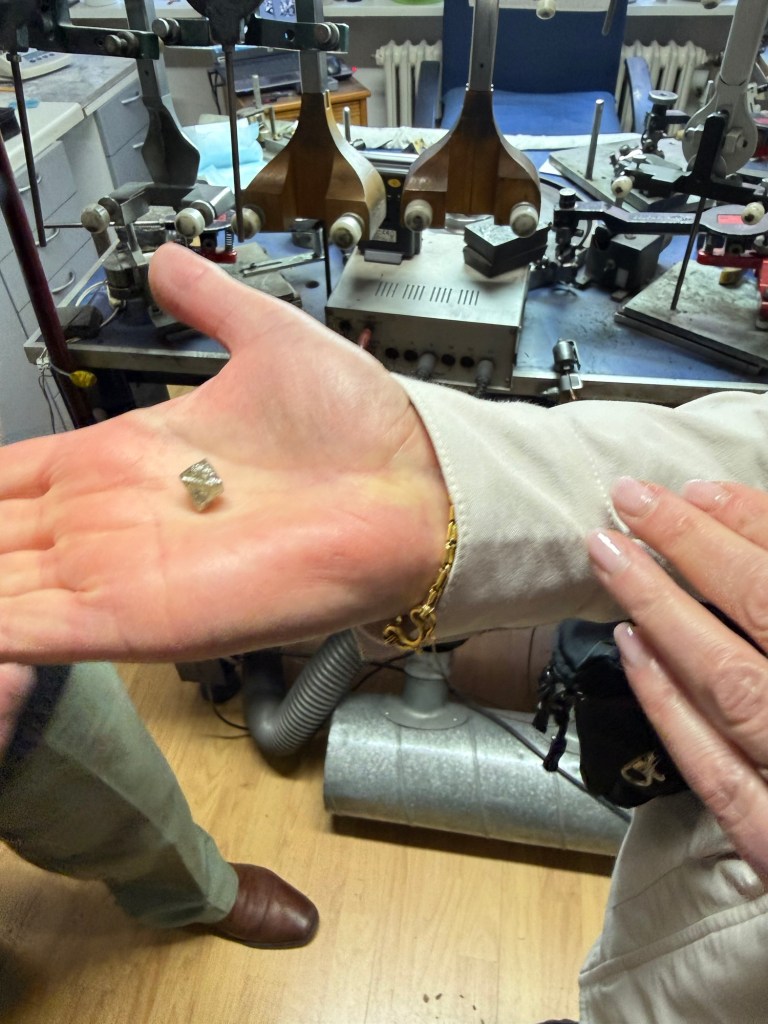
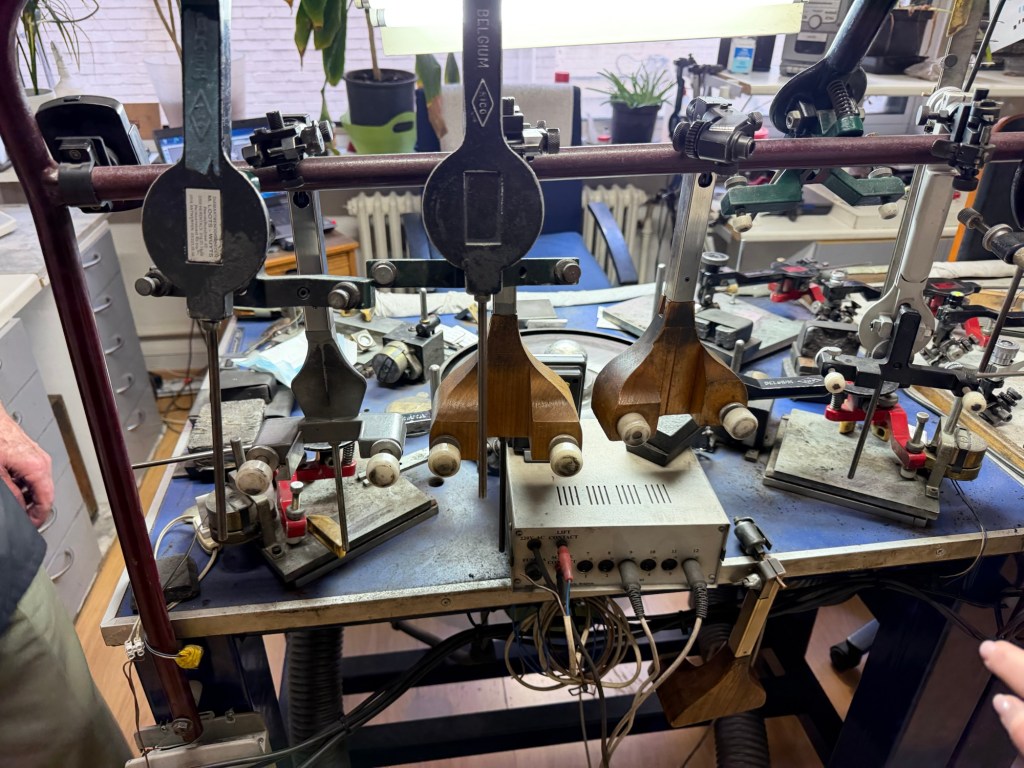
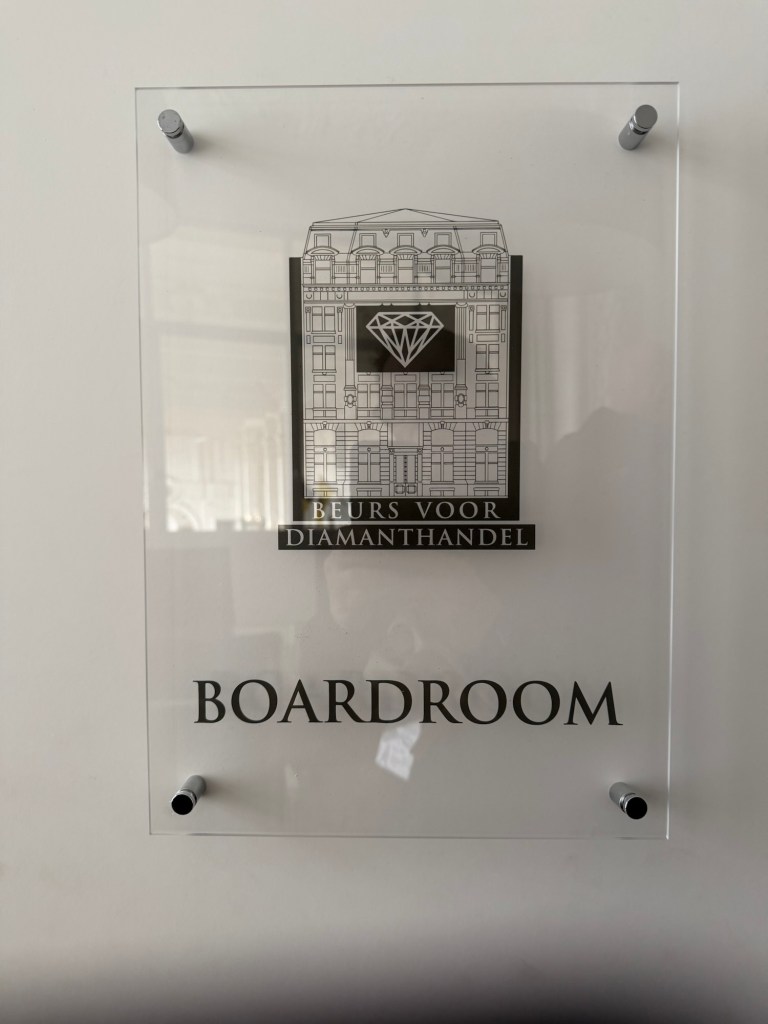
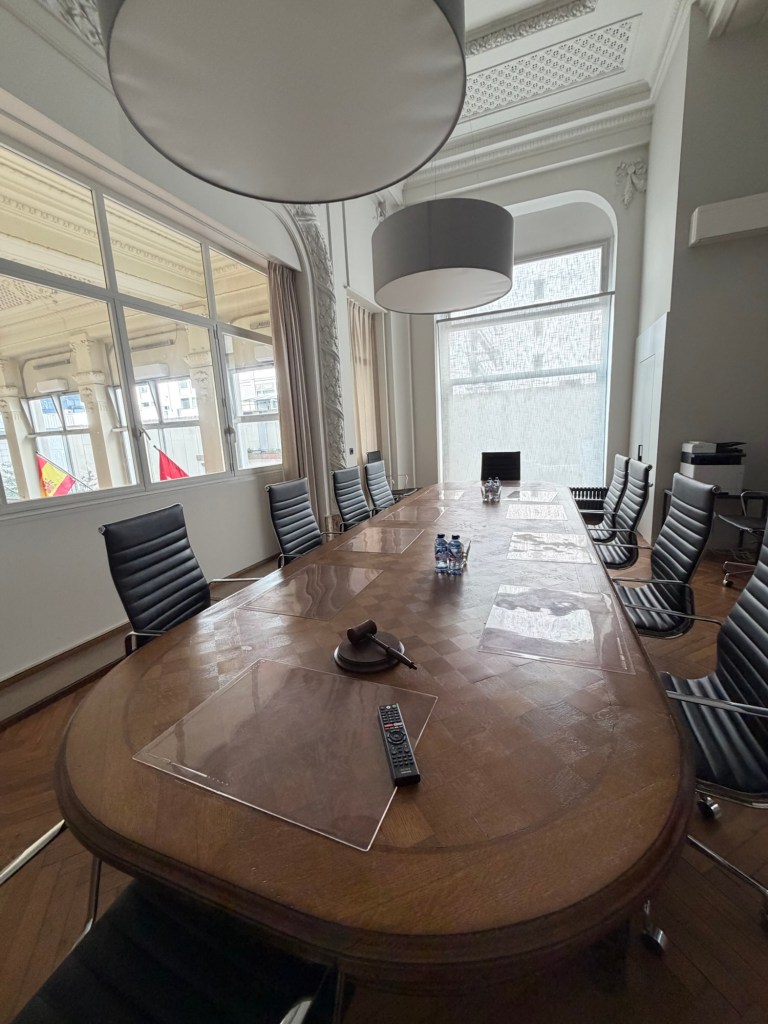
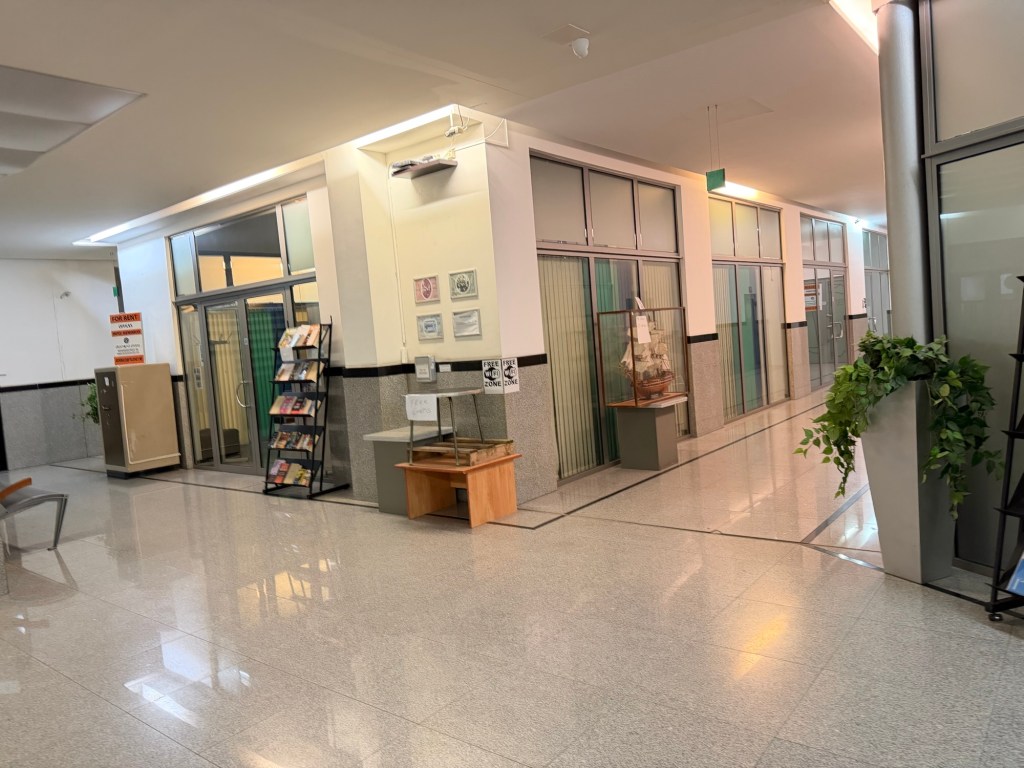
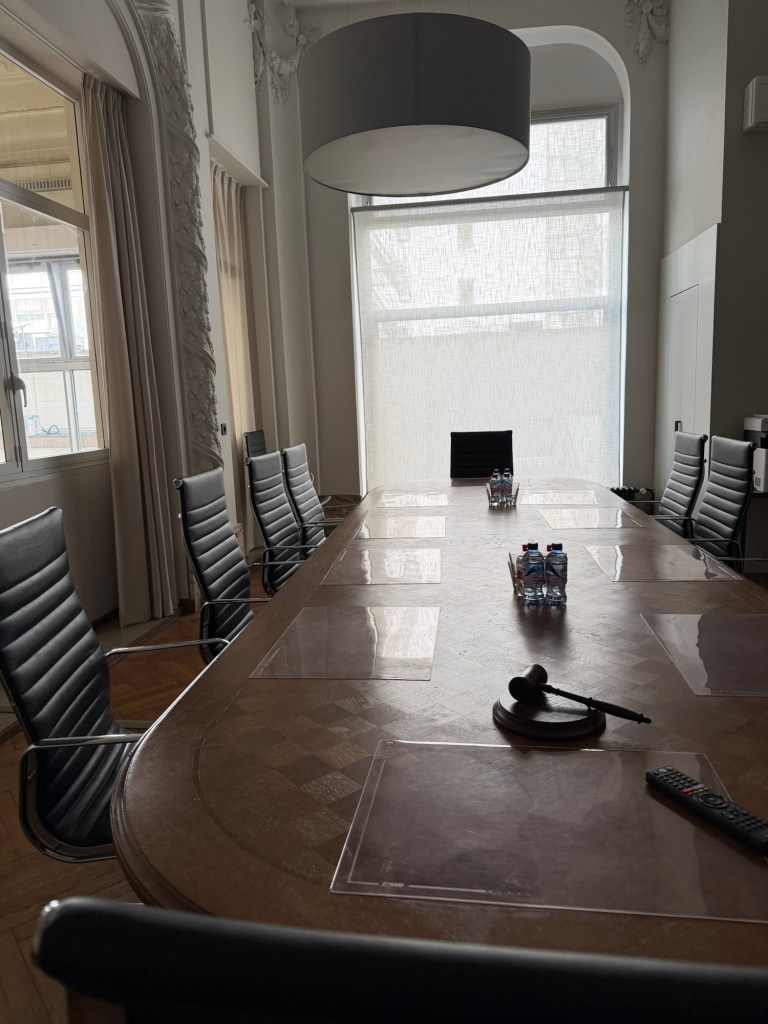
Security throughout the district was tight, as expected. We were also shown parts of the diamond trading floor and a boardroom—spaces recognizable from the rough diamonds. No photos are allowed on the trading floor, but the atmosphere alone made it memorable: quiet, controlled, and intensely focused.
But there was also a sense that we were looking at something past its prime. The trading floor, once the center of Antwerp’s diamond world, has largely been overtaken by digital trading—business now happens behind screens and in private offices rather than out in the open. What was once a hub of face-to-face deals now feels more like a relic of an earlier era.
For safety and security reasons, I’m not showing the faces or identities of those we met. What I can share is their extraordinary knowledge and skill—this was truly an amazing experience.
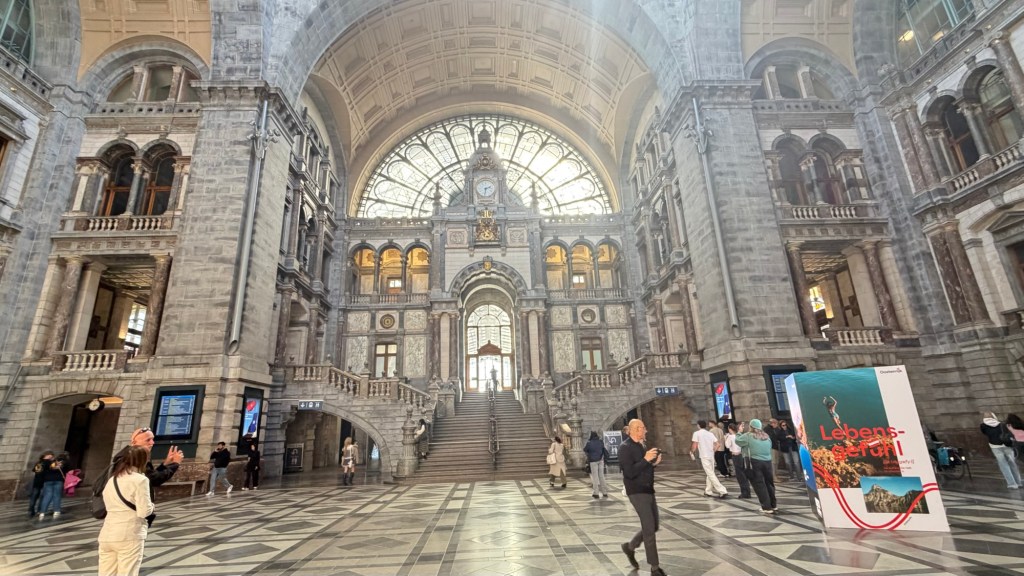
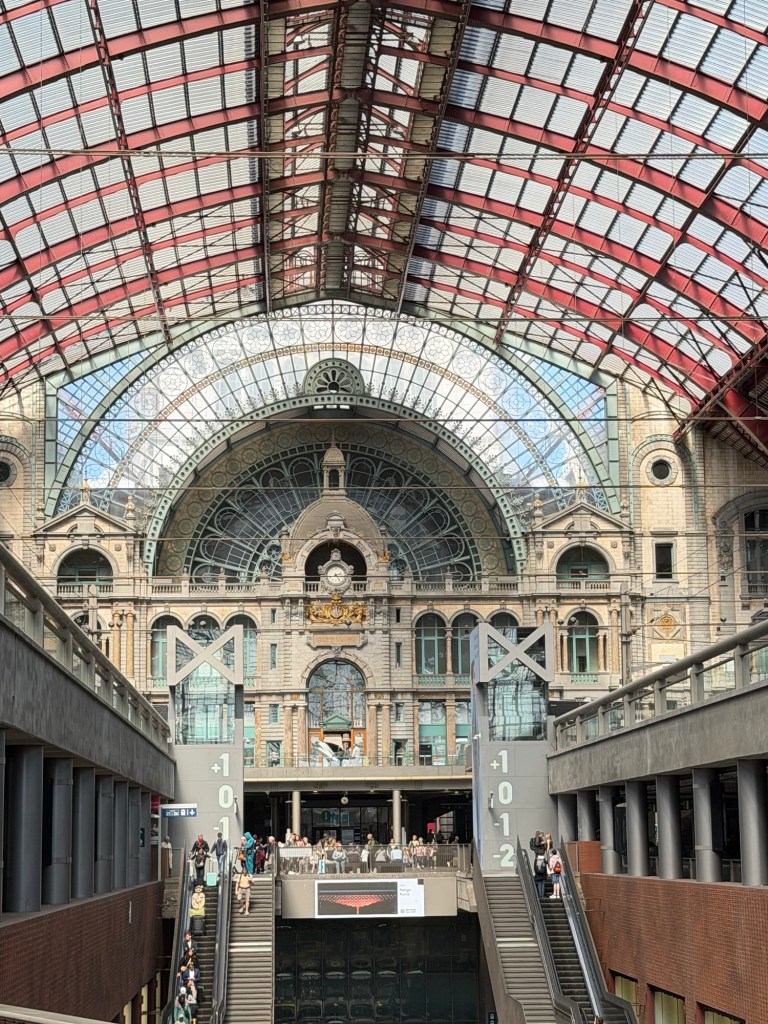
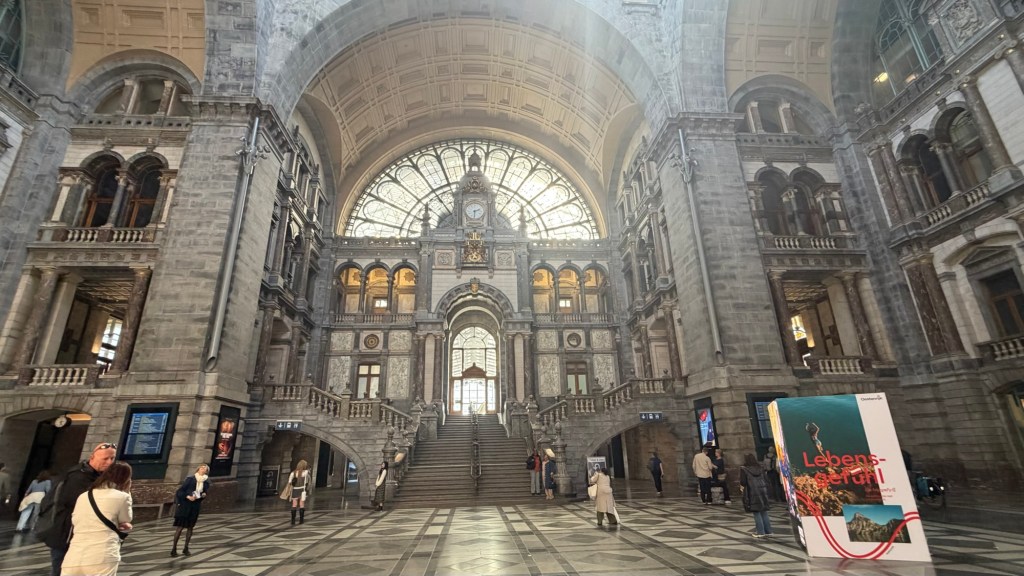
Our final stop brought us to Antwerp Central Station, often described as one of the most beautiful train stations in the world. It didn’t disappoint. The soaring dome, grand staircases, and layered platforms feel more like a cathedral than a transit hub—a fitting end to a day that moved seamlessly between history, art, commerce, and modern life.
By the time we wrapped up, it felt like we had seen Antwerp not just as visitors, but through the eyes of someone who had spent a lifetime walking its streets. Herman’s stories—part history, part personal memory—gave the city a texture that’s hard to capture otherwise.