Flower Auction
We met our driver and our guide, Joris van Vuure (guideinholland.com), at the hotel early in the morning, and about 20 minutes later arrived in Aalsmeer, just outside Amsterdam, at Royal FloraHolland. This is the home to the world’s largest flower auction (royalfloraholland.com), already awake as the the day was just beginning.
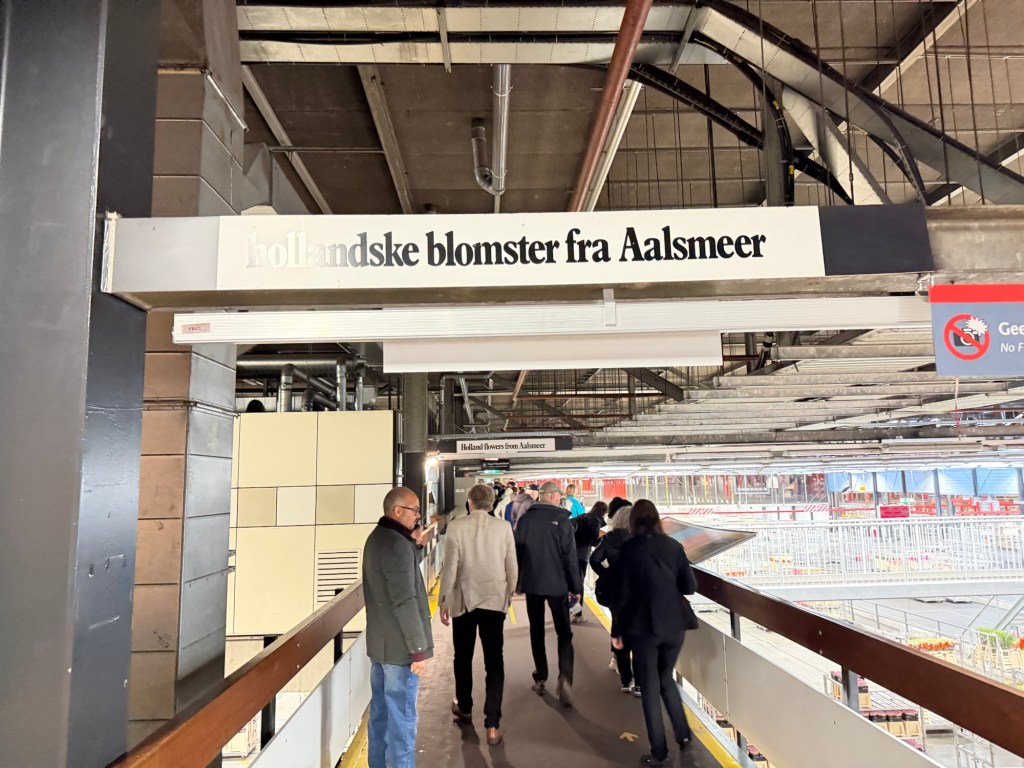
By 7:00 a.m., the vast operation was already in motion. From the elevated walkways, we looked down on a remarkably efficient system: endless carts of flowers gliding along tracks while prices were set through a digital auction happening largely out of sight.
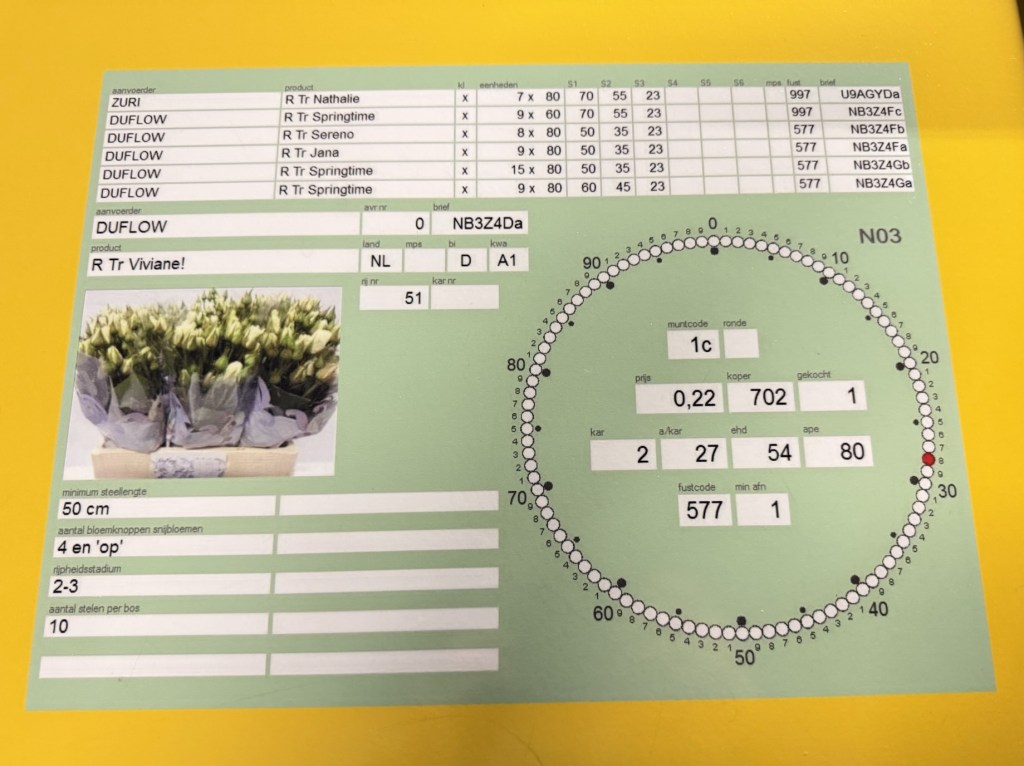
A Dutch auction starts at a high price and ticks downward until a buyer steps in—the first click securing the lot. Today, most bidders participate remotely, watching the descending “clock” on their screens and acting in seconds. Speed is everything—hesitate, and the lot is gone.
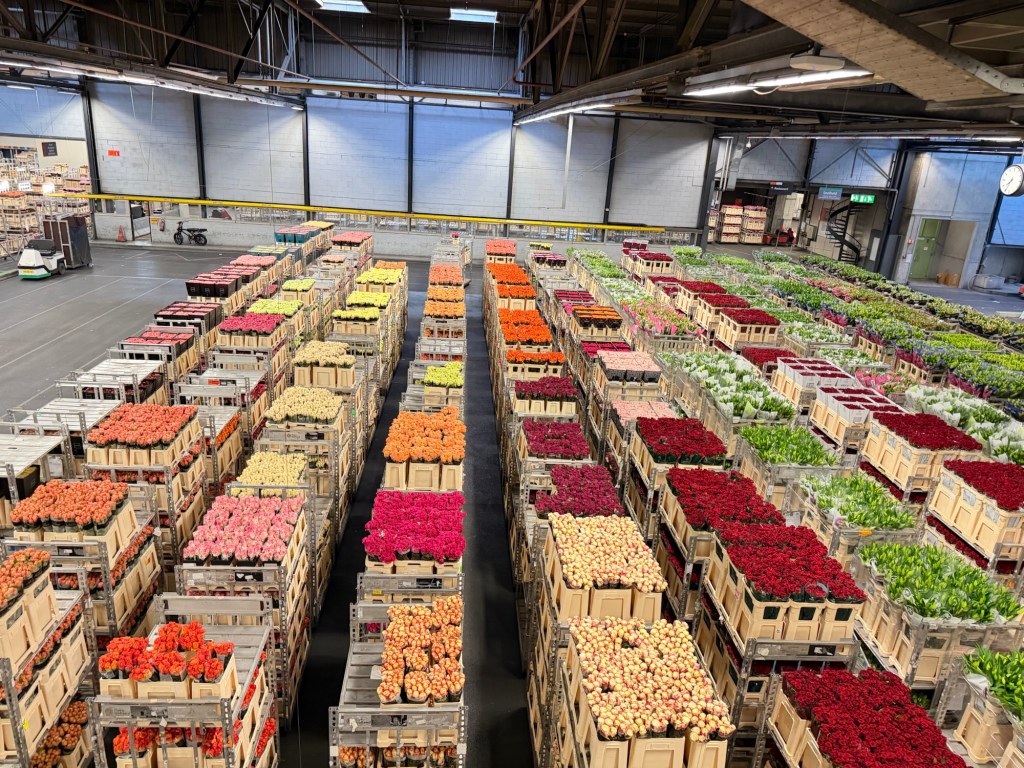
The scale is hard to overstate. For many years, this was the largest commercial building in the world, operating 24/7. Flowers arrive not only from the Netherlands and nearby countries but from as far as Kenya, Ecuador, Israel and others, converging here before moving back out again. On a typical day, over 40 million flowers pass through the auction—sold, sorted, and assembled into orders for delivery by land and air within hours. Roses, tulips, lilies, orchids, hydrangeas, peonies, ranunculus, and freesia moved past in a steady flow, their subtle variations visible only up close.
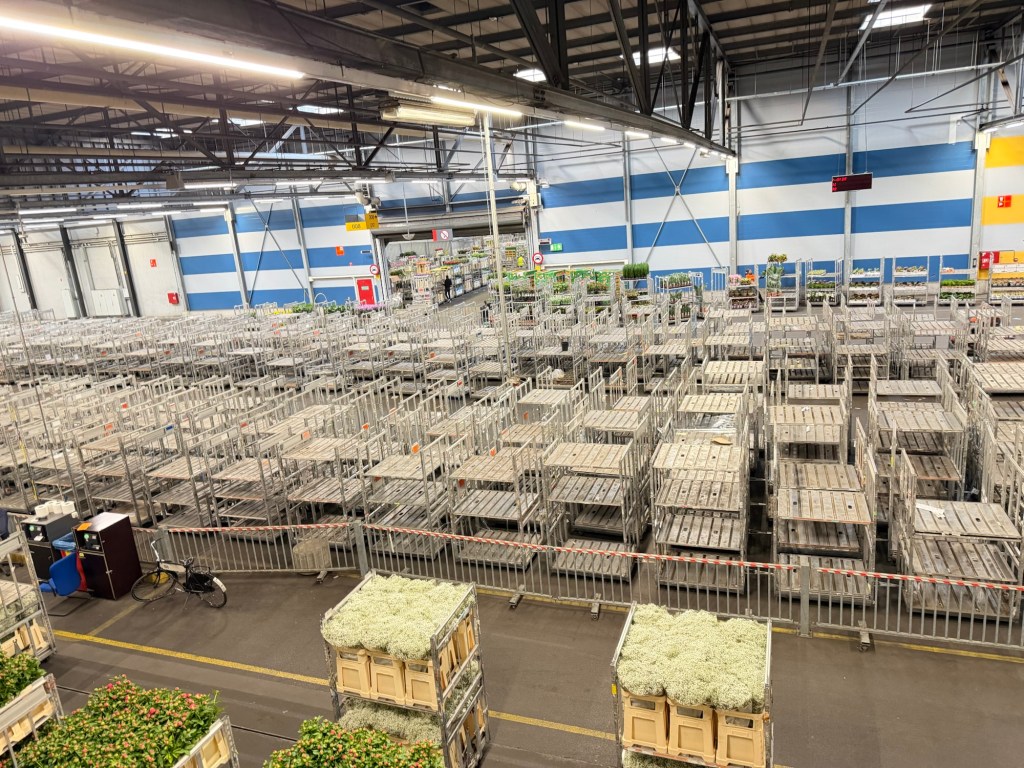
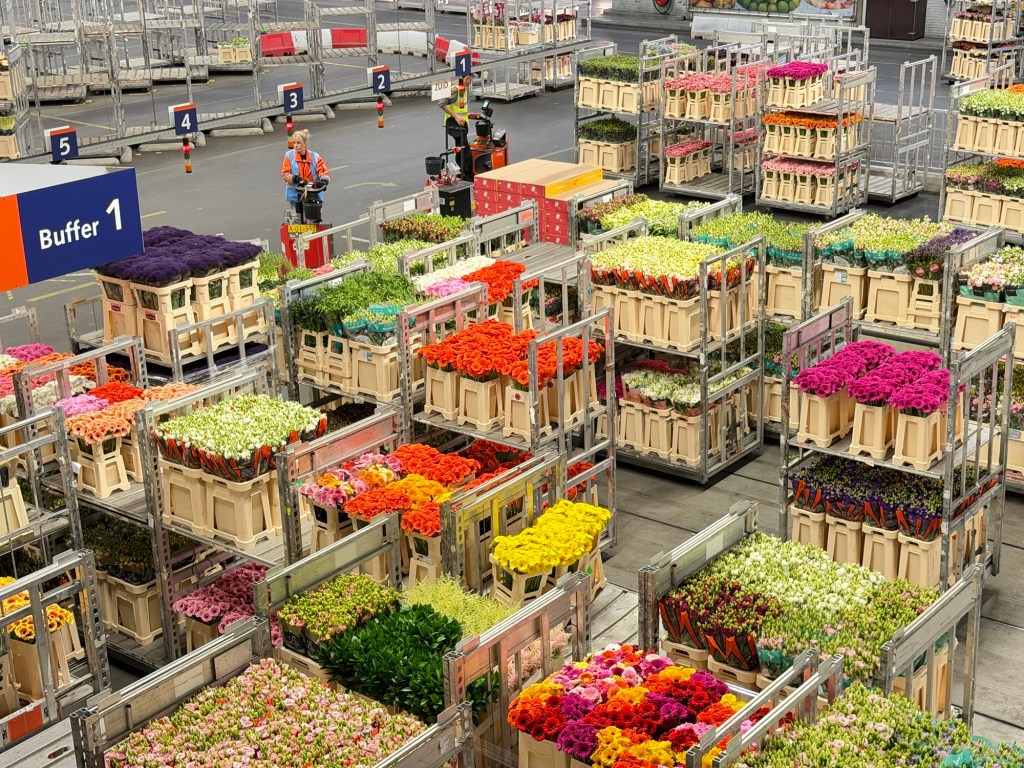
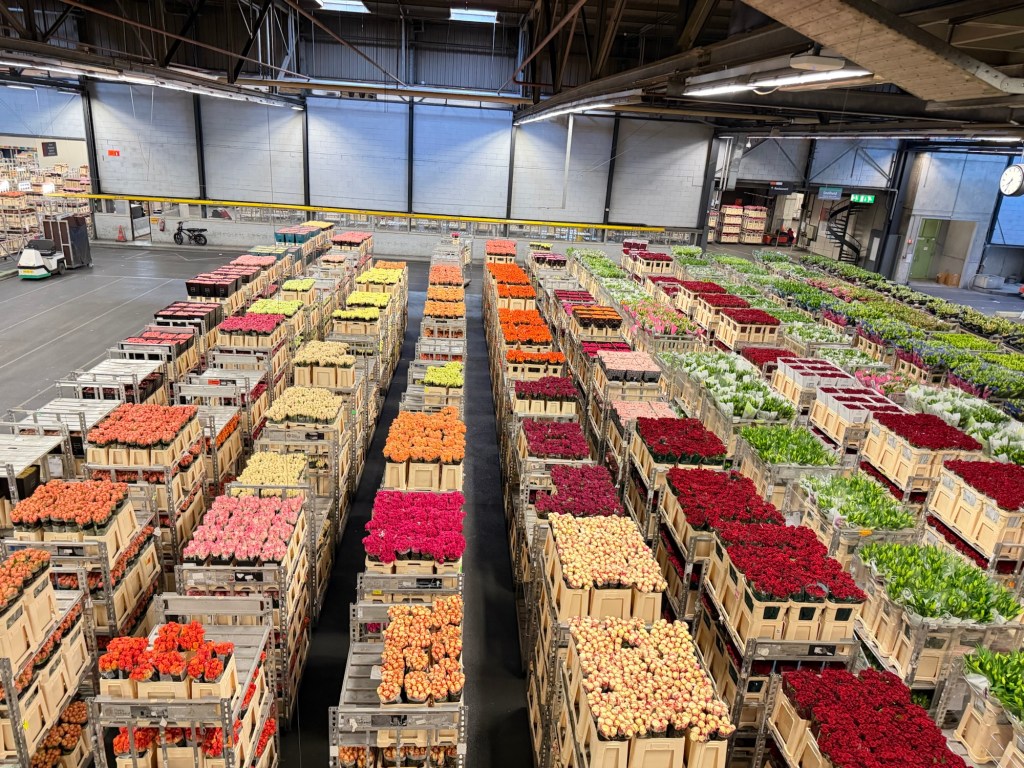
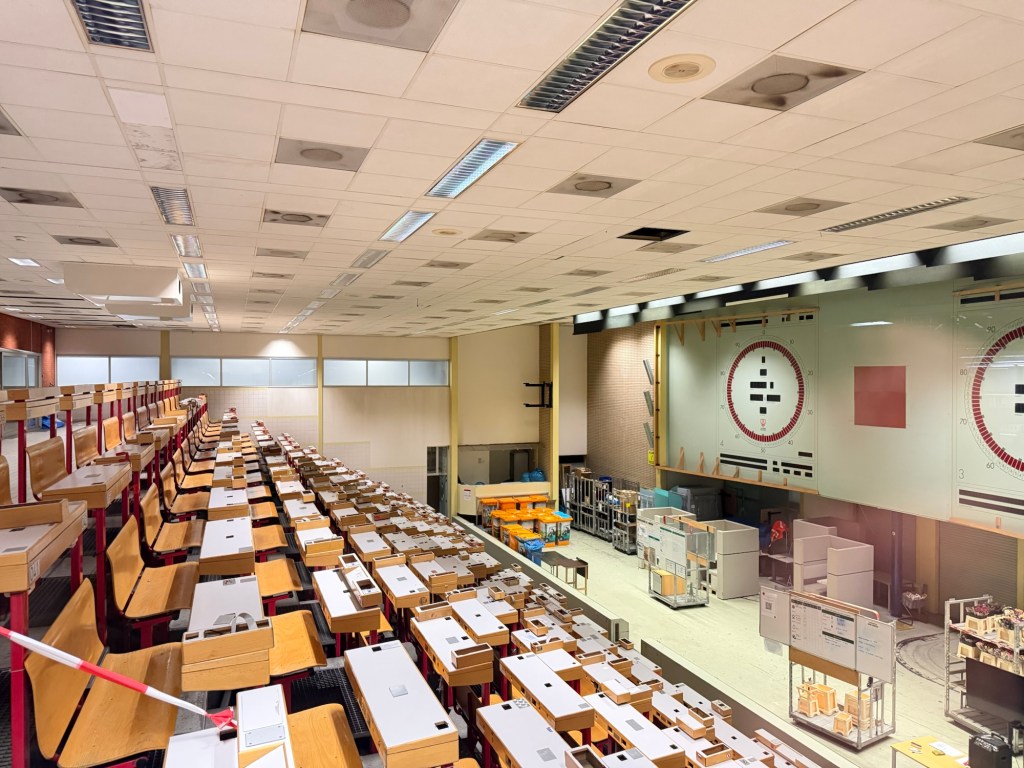
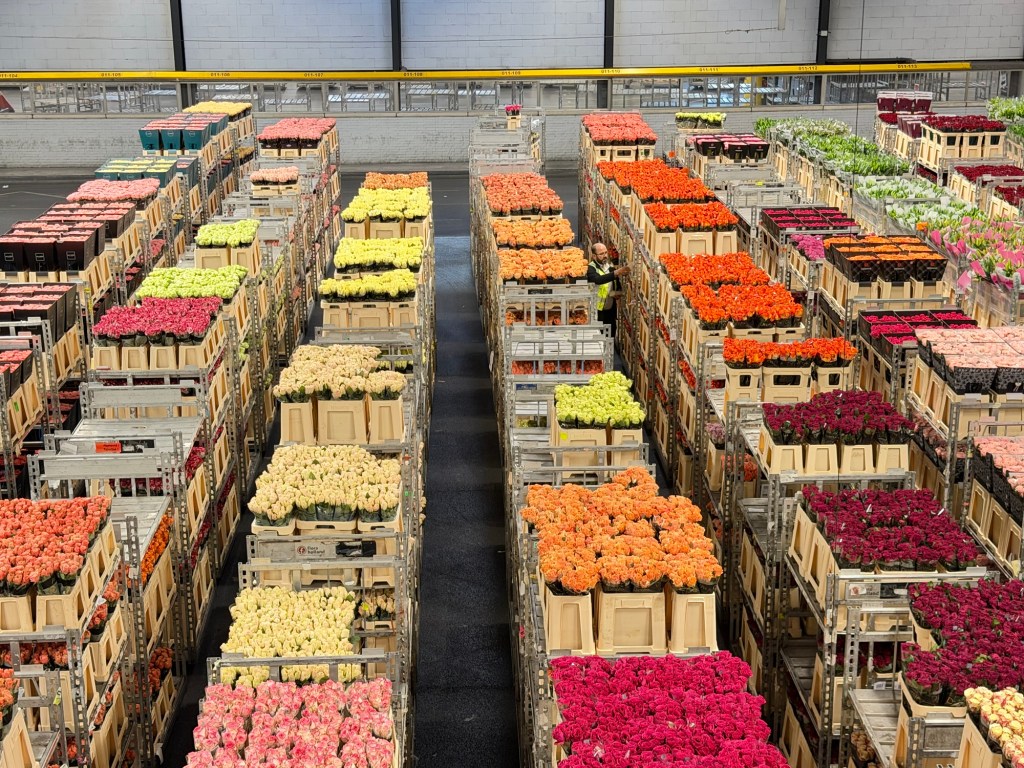
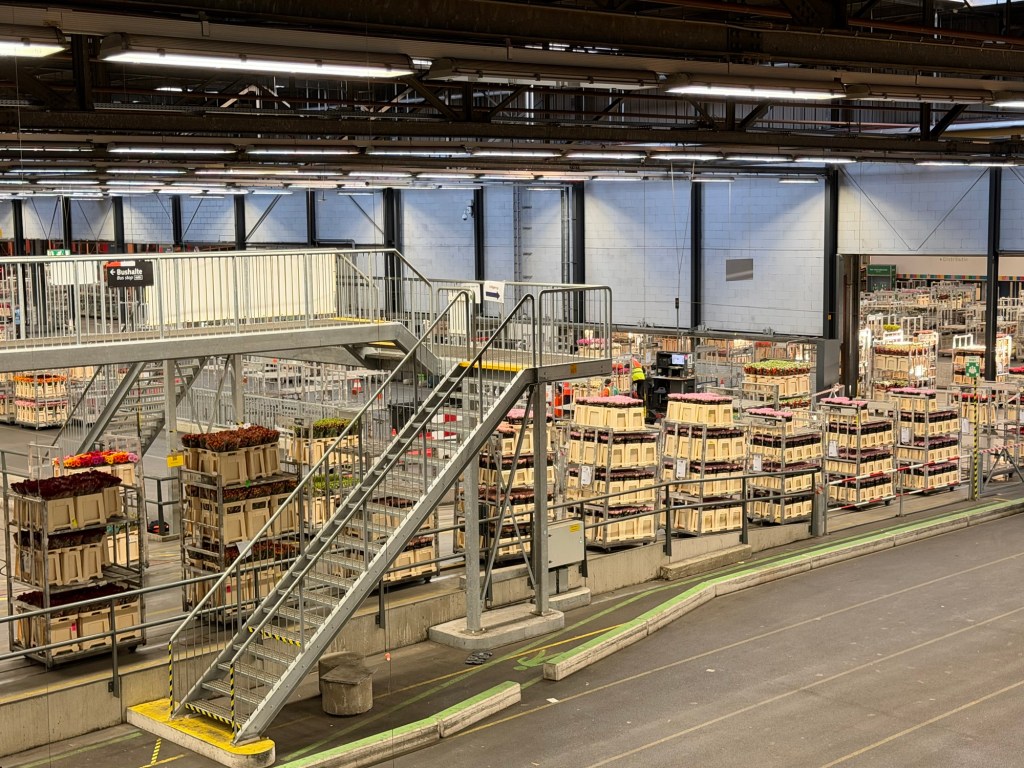
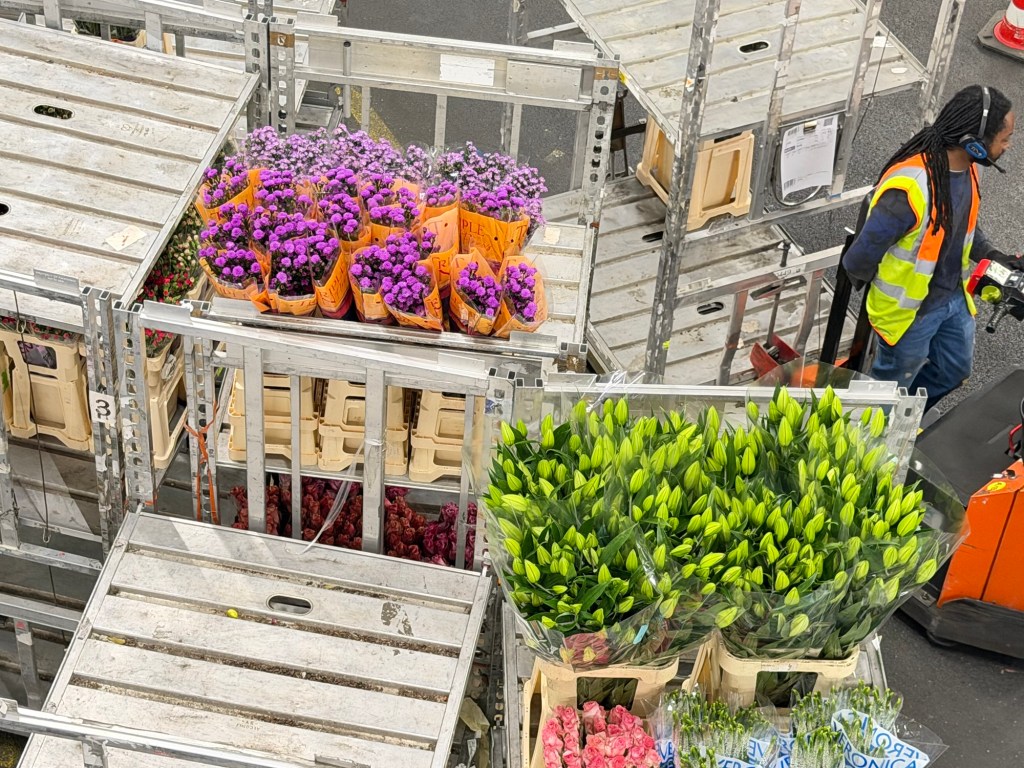
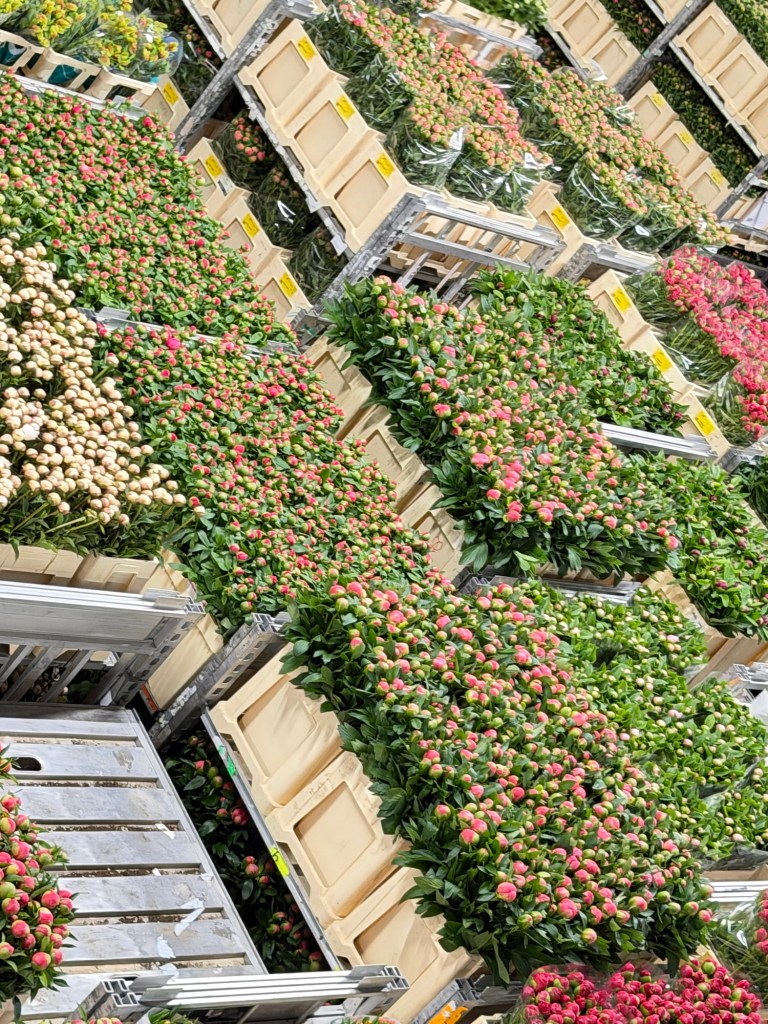
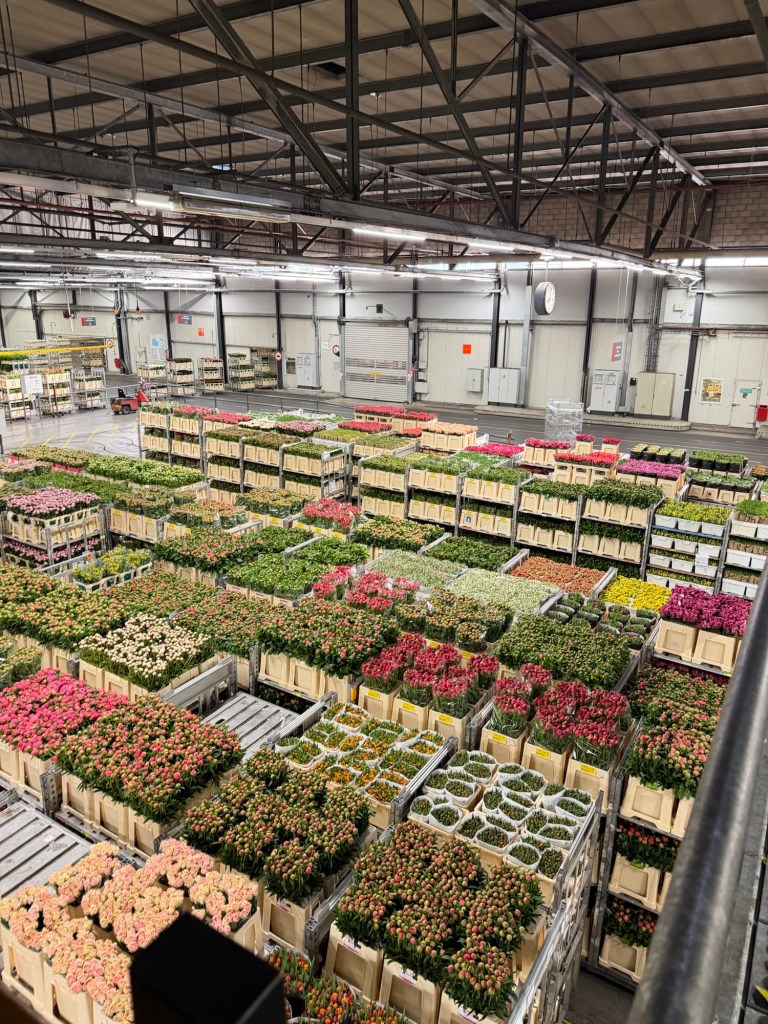
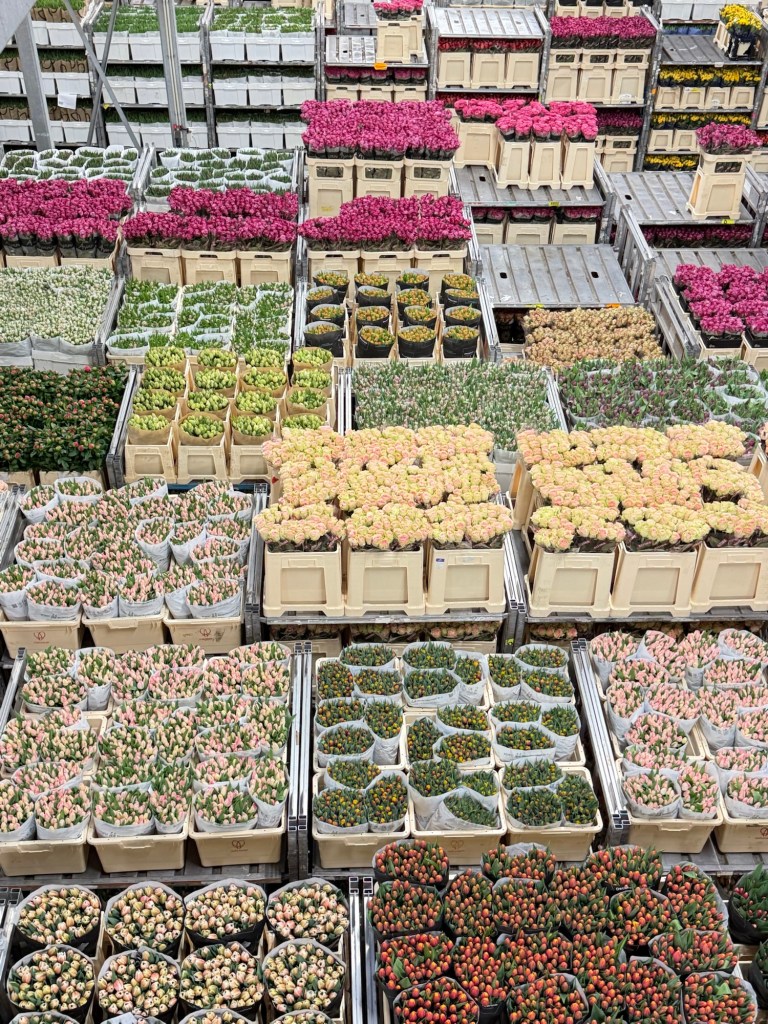
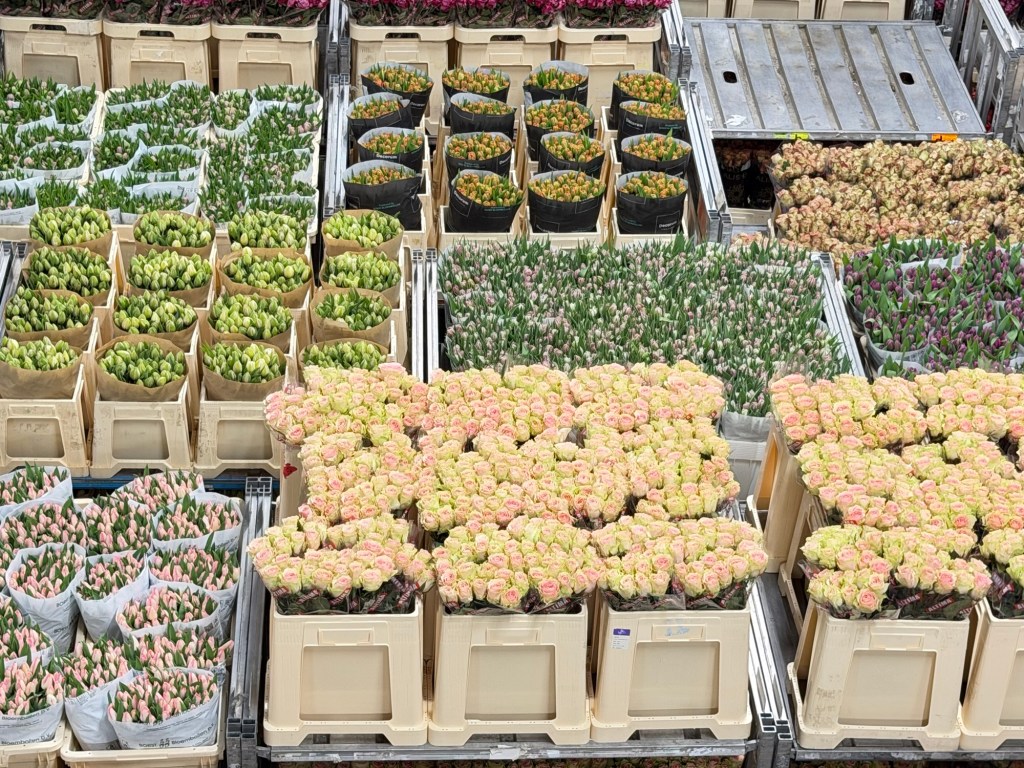
The early hour felt essential. This is when the market is most alive—fast, precise, and surprisingly calm given the volume and pace at which everything unfolds. Flowers are typically delivered to retailers within 48 hours of being cut.
It was less a visit than a glimpse into a system—one that quietly sets the price of flowers for much of the world. This is an experience that is well worth it, even at the early hour.
Keukenhof
We continued on to Keukenhof in Lisse—about 20 minutes from the Royal FloraHolland auction in Aalsmeer and roughly 30 minutes from Amsterdam—where the scale of the flower trade gives way to its artistry (keukenhof.nl).
Open only for a few weeks each spring, the gardens are vast, spread across more than 75 acres, and feel less like a park than a carefully staged exhibition—millions of bulbs supplied by Dutch growers, who provide them as a showcase for their varieties, planted months in advance to ensure a continuous bloom.
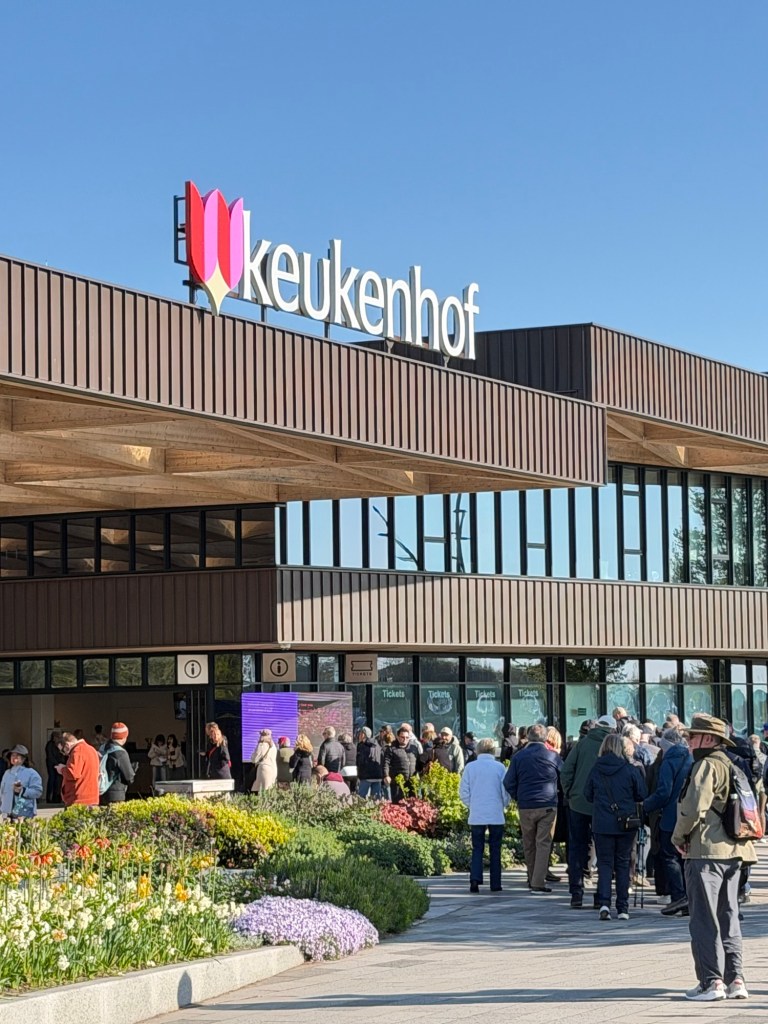
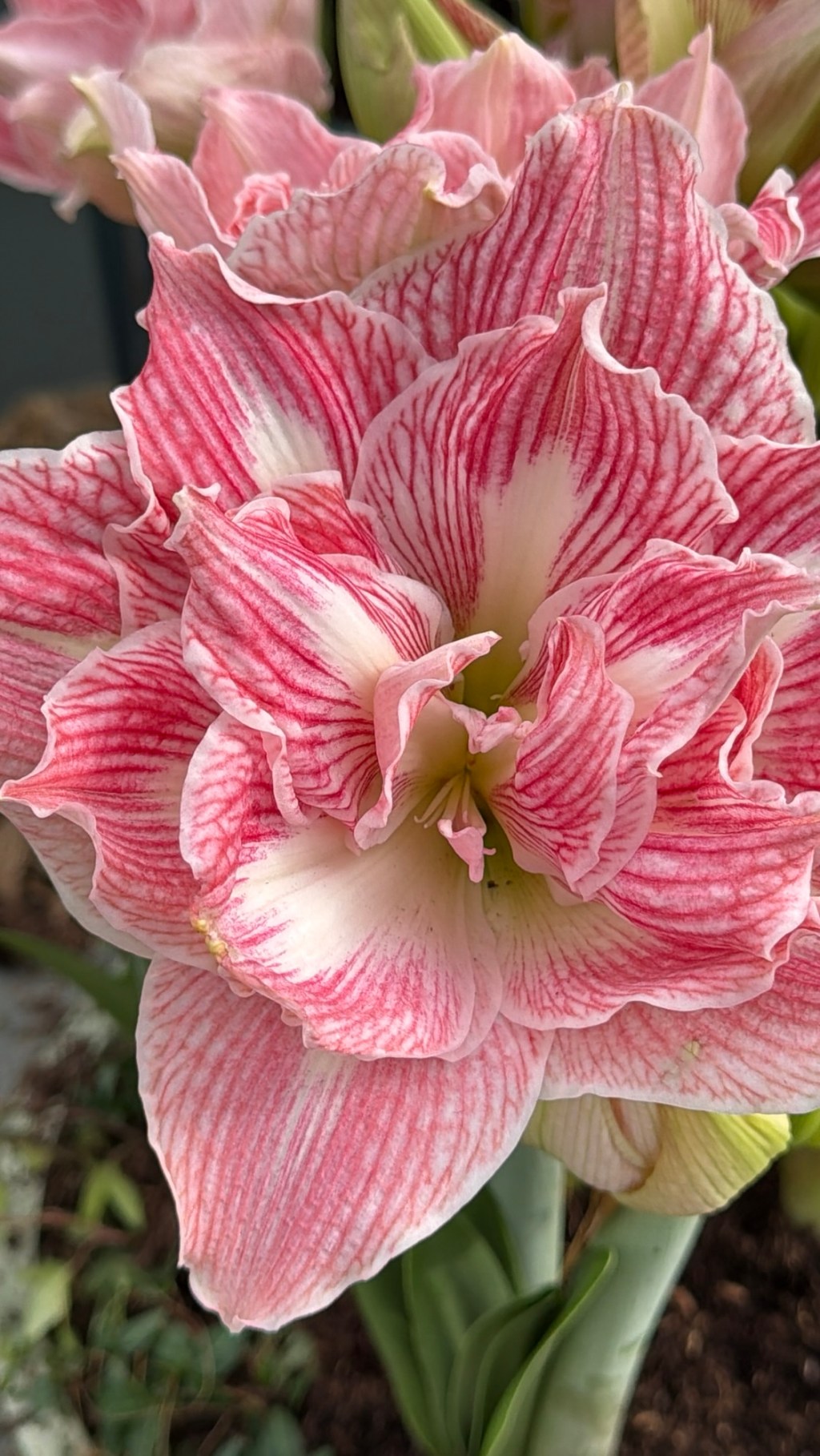
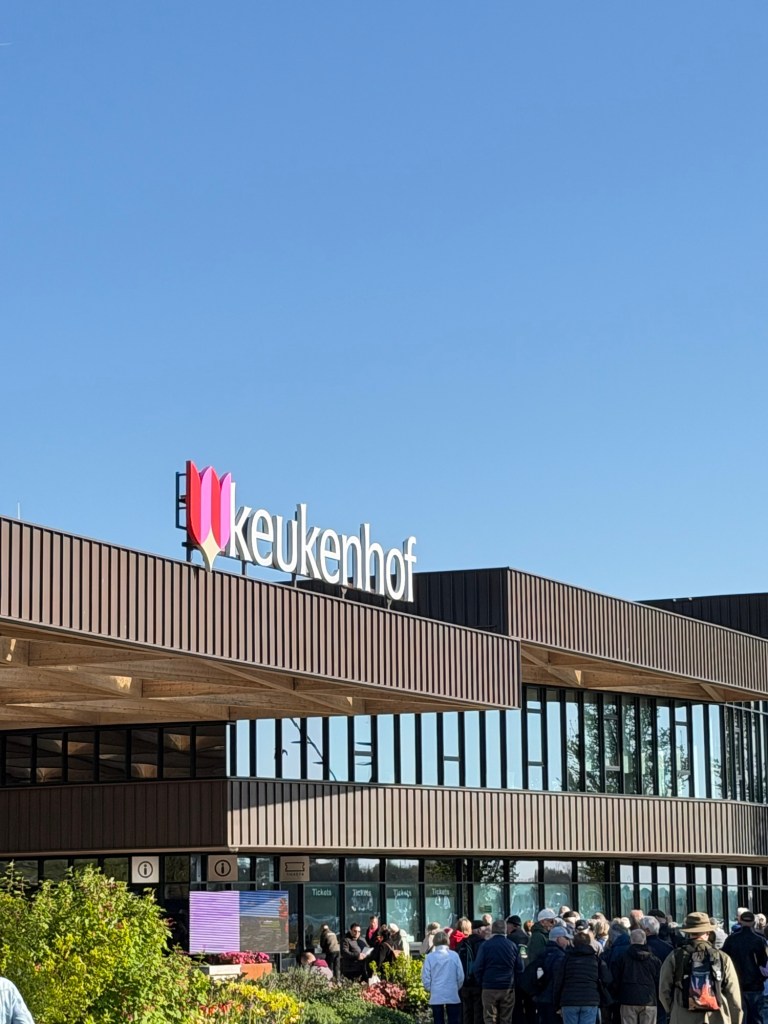
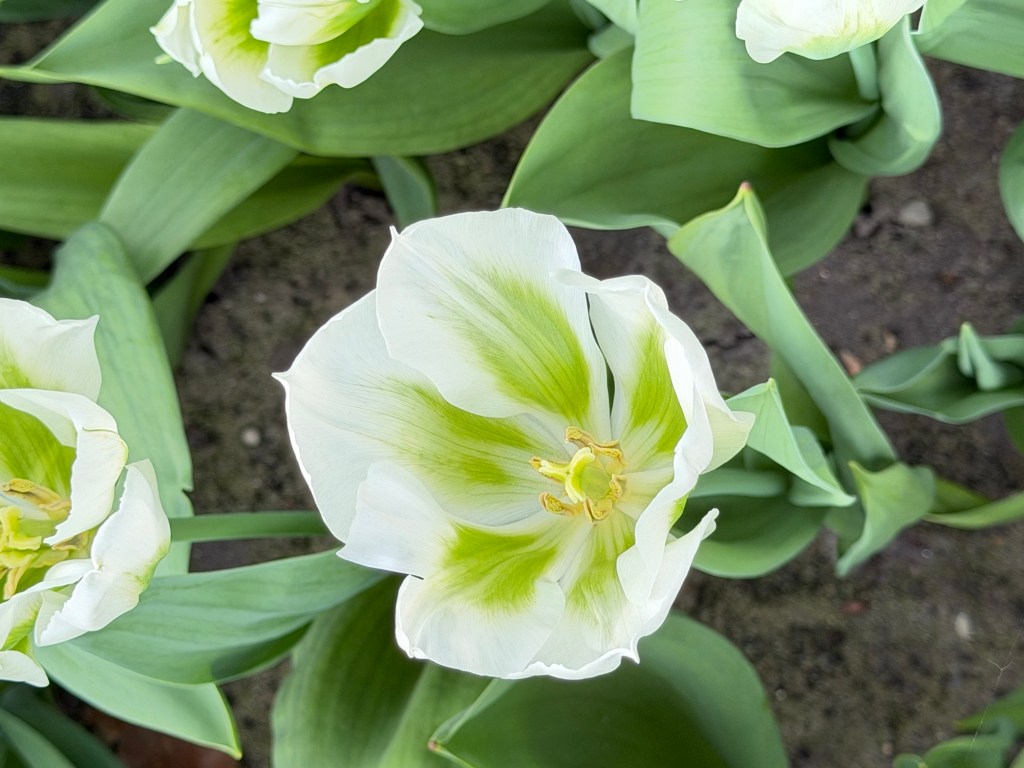
The entrance, marked by its clean lines and a tulip emblem, gives little hint of what follows. Inside, beds of tulips unfold in long, deliberate ribbons—classic single varieties in deep crimson and soft ivory, others edged like brushstrokes in red and white, and still others flamed with streaks of purple and gold. Some stand tall and uniform, their petals tightly cupped; others open wide, almost peony-like, layered and textured. Parrot tulips twist and curl at the edges, while fringed varieties catch the light with a fine, serrated outline.
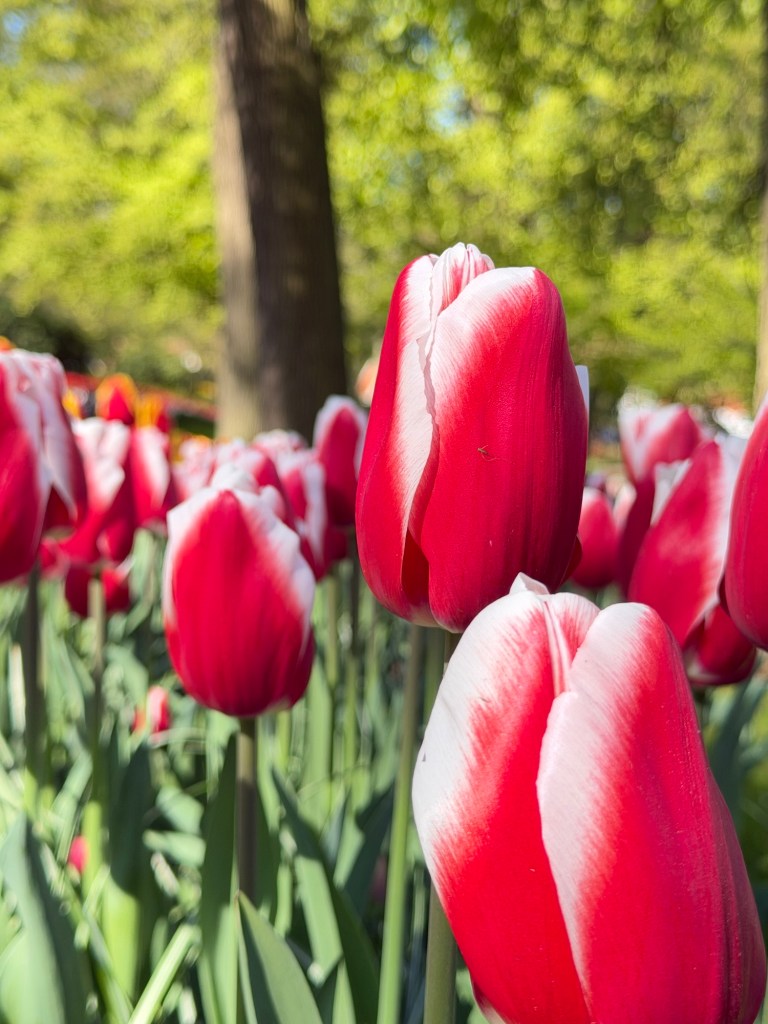
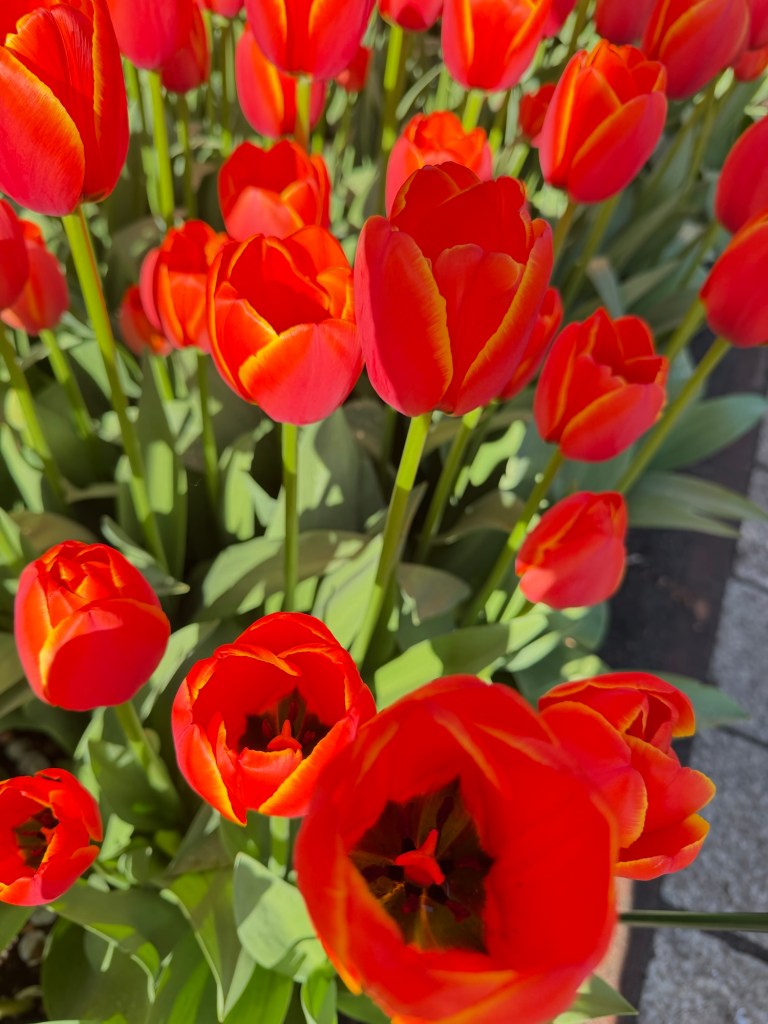
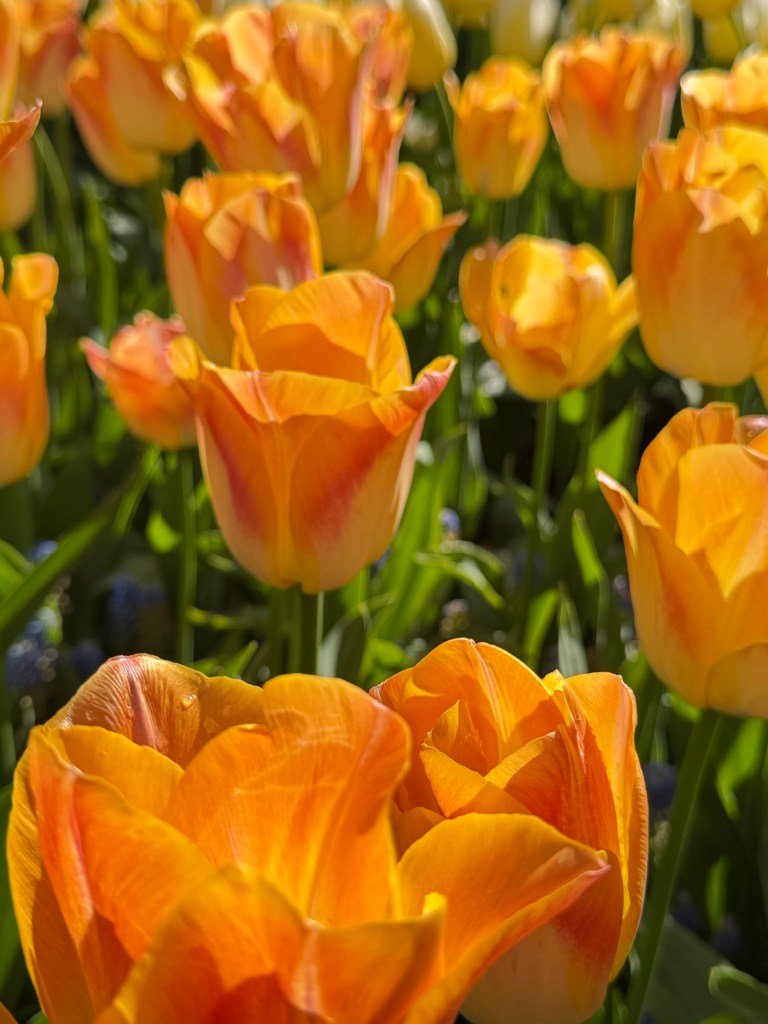
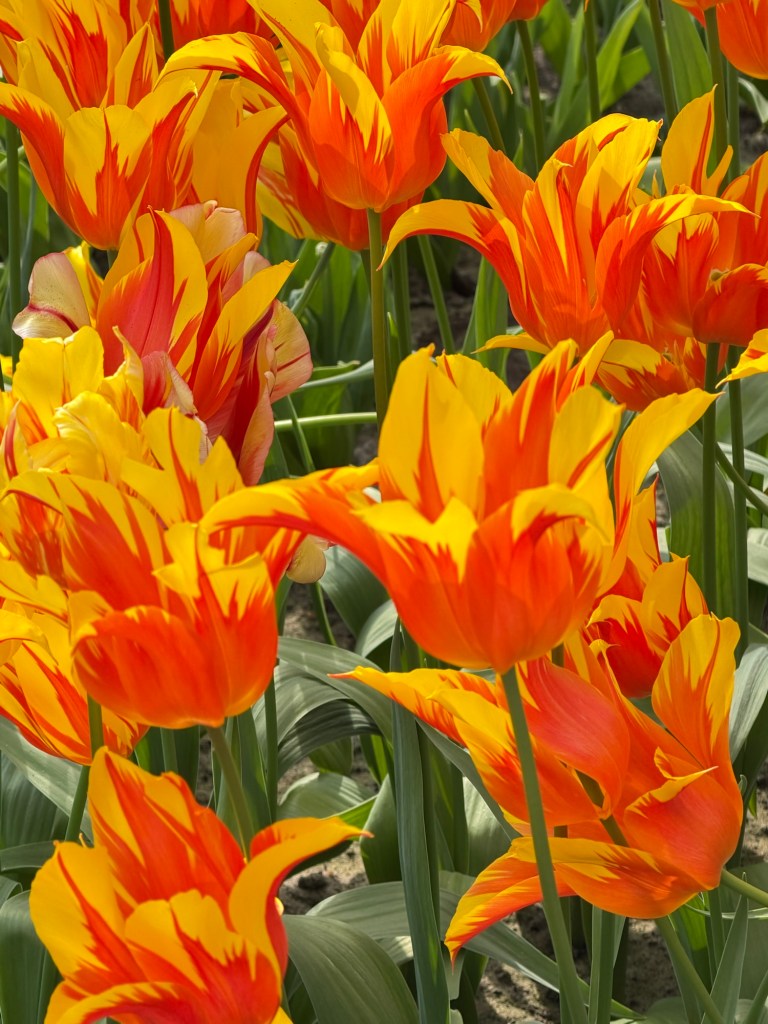
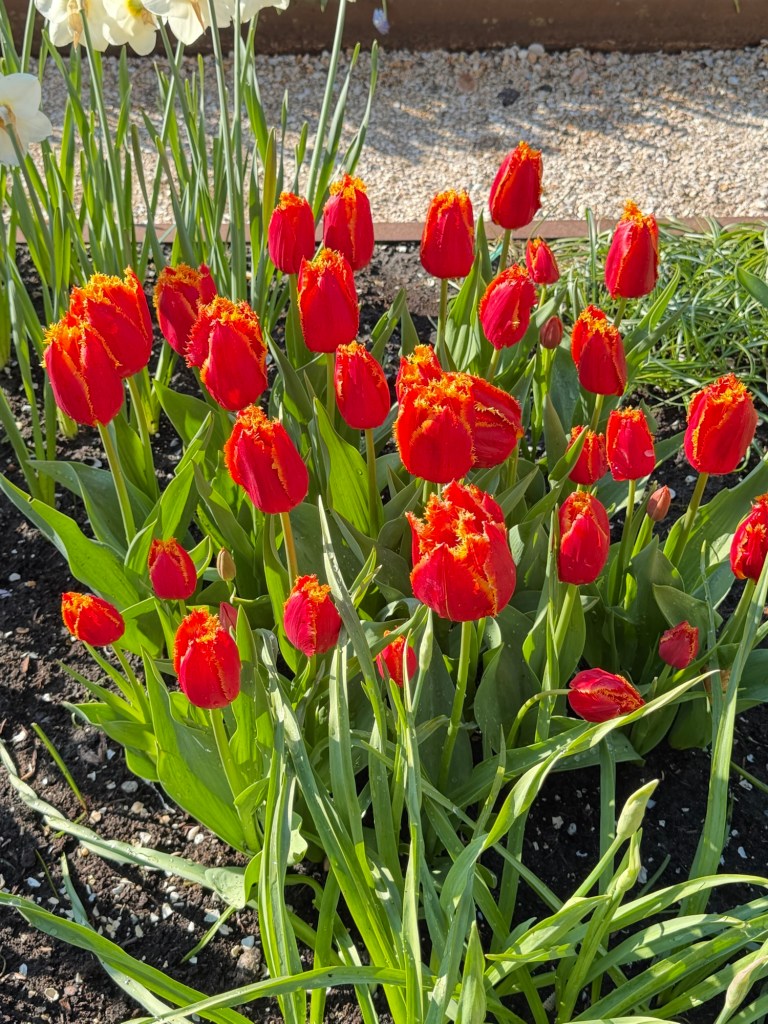
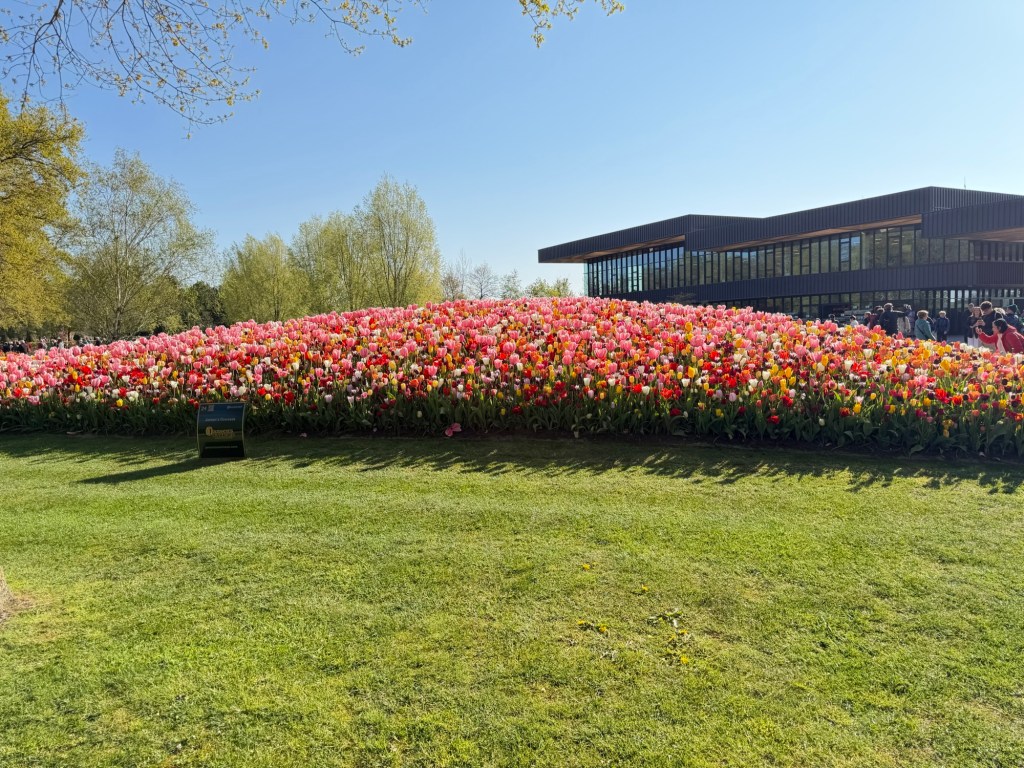
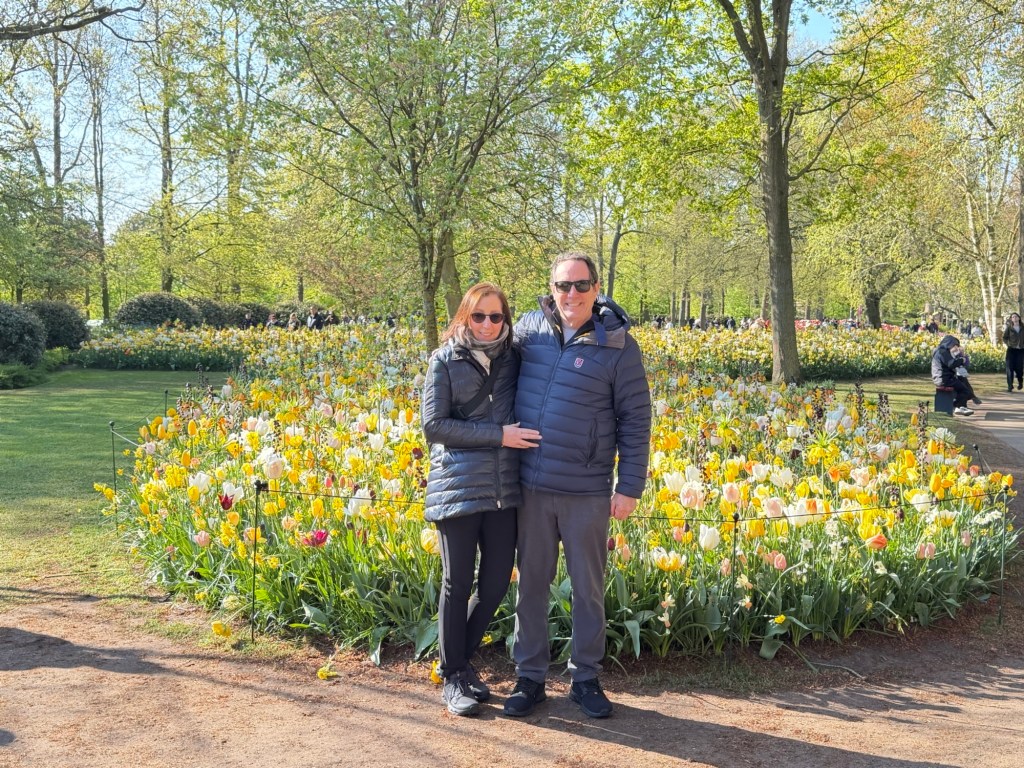
Set against wide lawns, winding paths, and water, the colors feel almost arranged in bands—each distinct, yet part of a larger composition.
Up close, the detail becomes more apparent: tightly closed buds alongside fully opened flowers, subtle variations in color and shape within what at first appears uniform. Hyacinths, daffodils, and smaller plantings are tucked into more formal beds, offering quieter, more contained moments within the broader expanse.
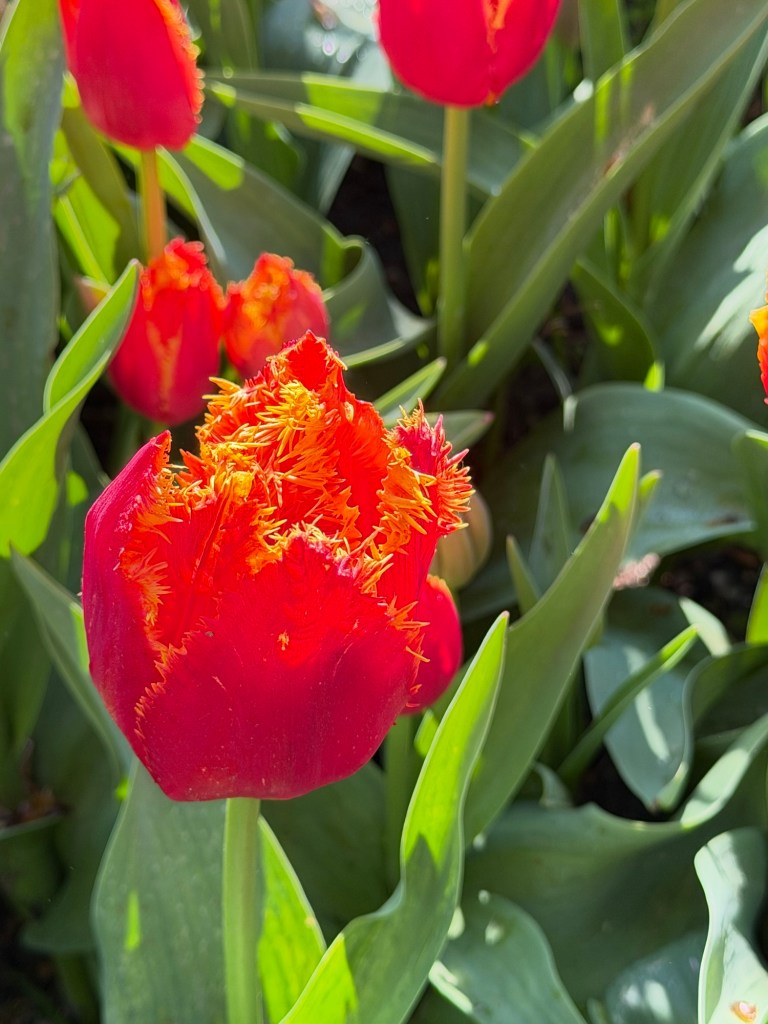
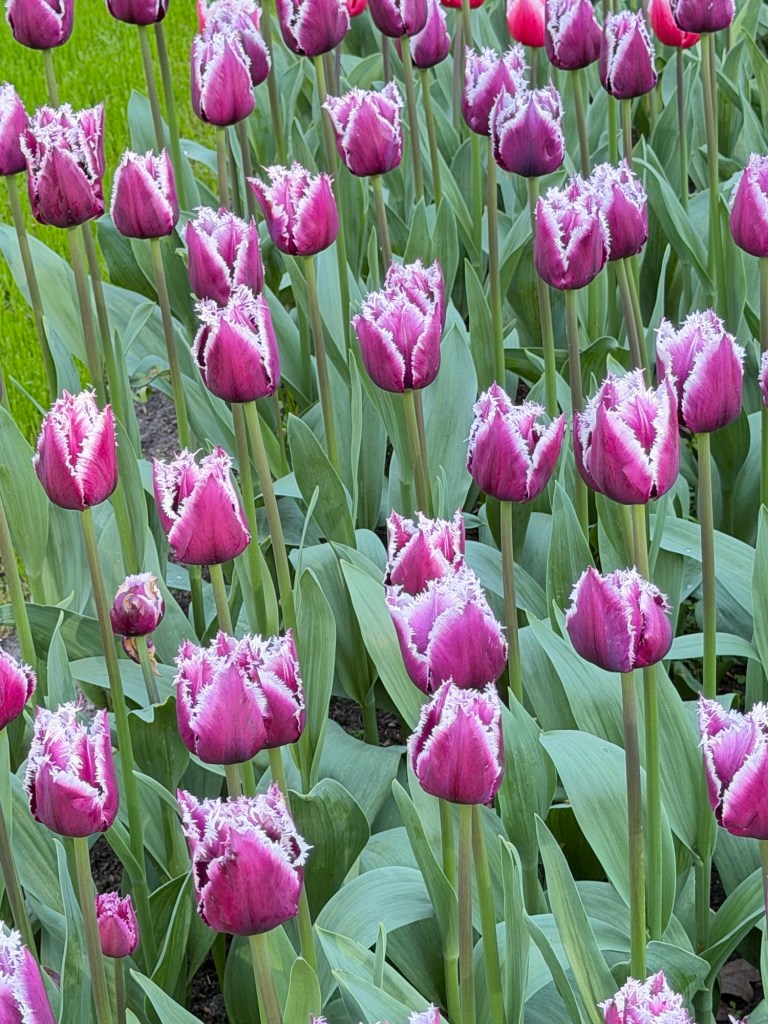
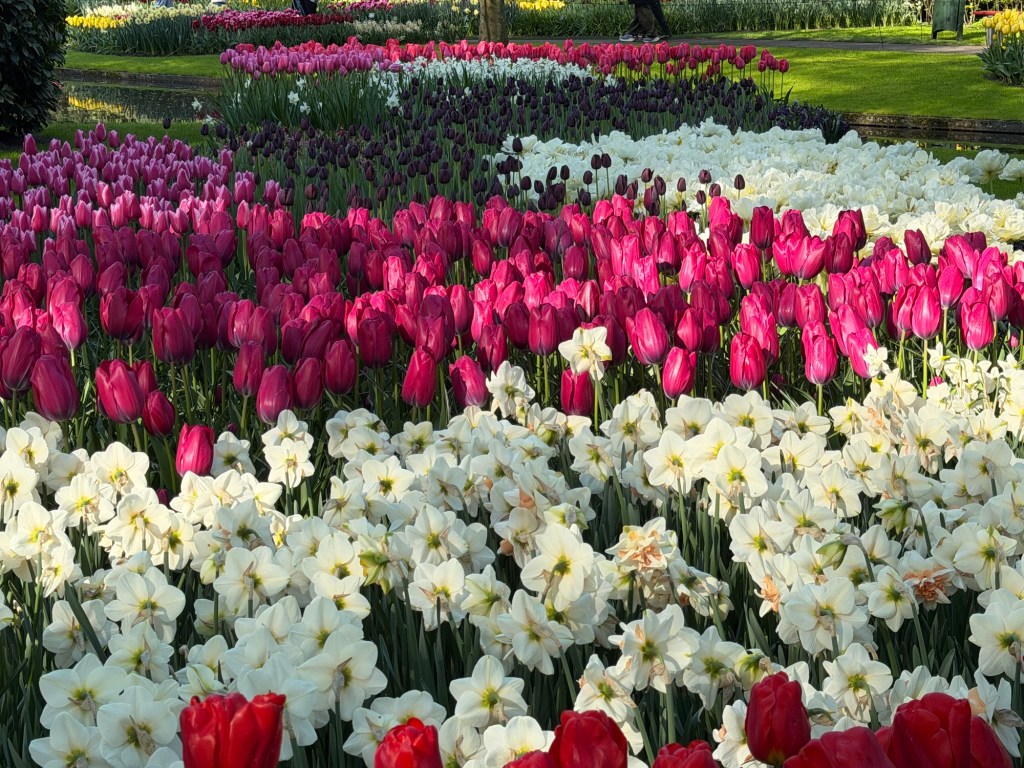
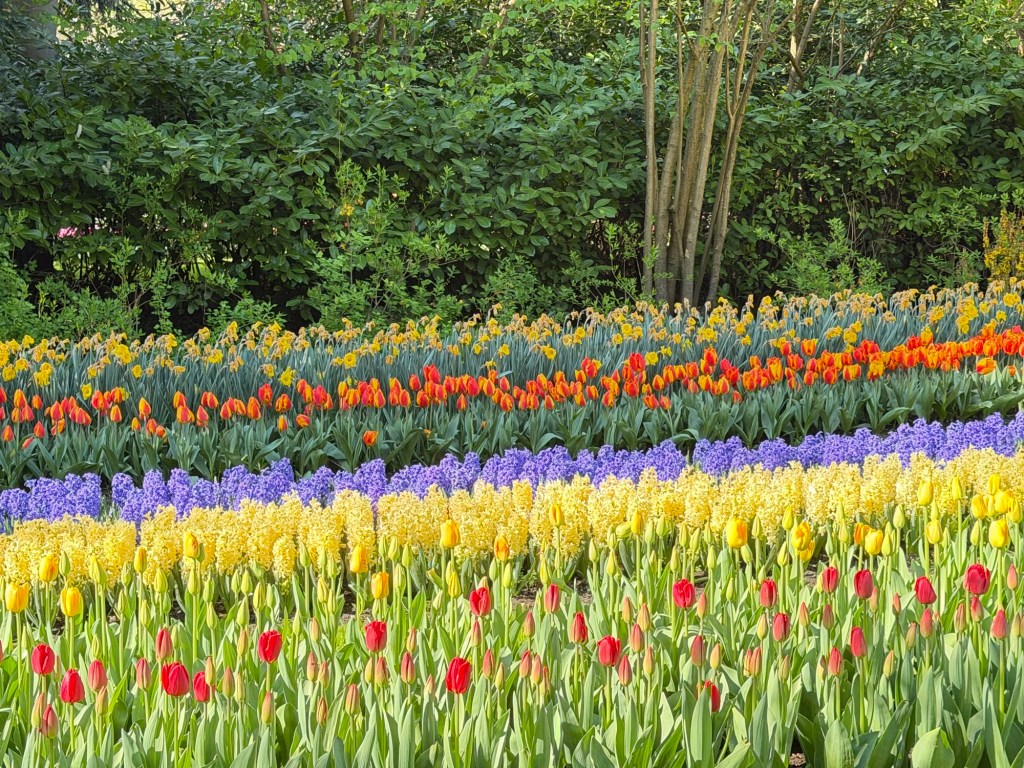
We found ourselves slowing down, moving from one display to the next, occasionally stopping—sometimes just to take in the symmetry, sometimes to capture it. Even with the crowds, the layout disperses people easily, and the scale prevents it from ever feeling crowded.
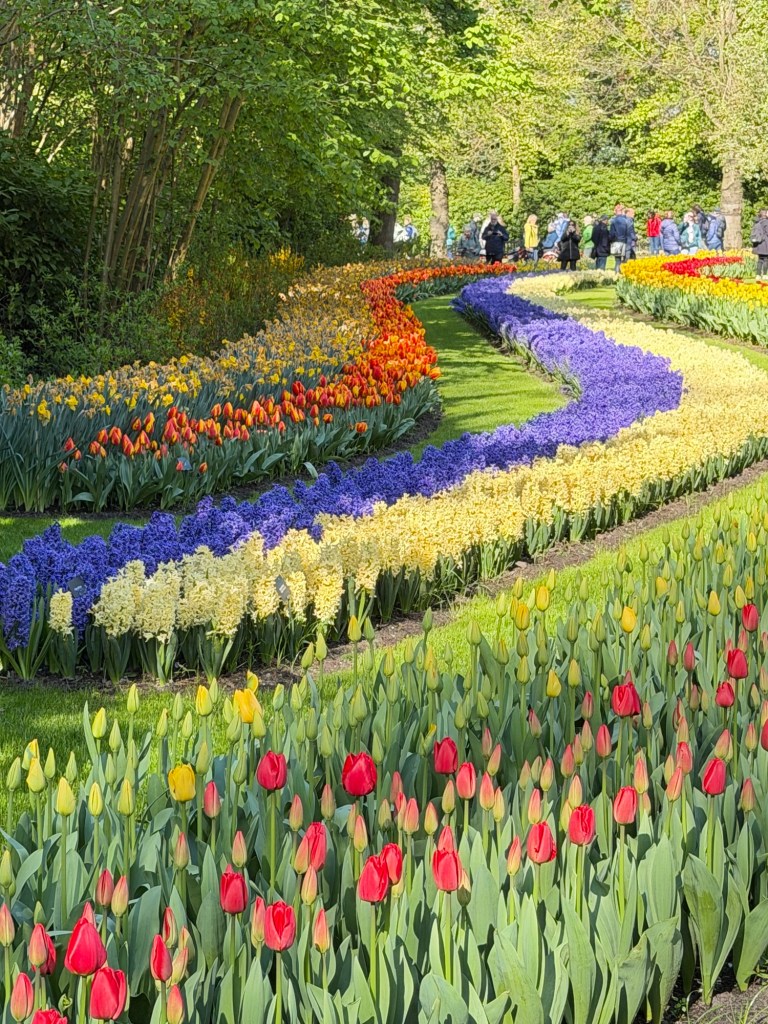
Seen after the early morning at FloraHolland, the difference is hard to miss. What begins before dawn in Aalsmeer—fast, precise, and transactional—while here is artistry in full color, arranged for appreciation rather than speed.
Leiden
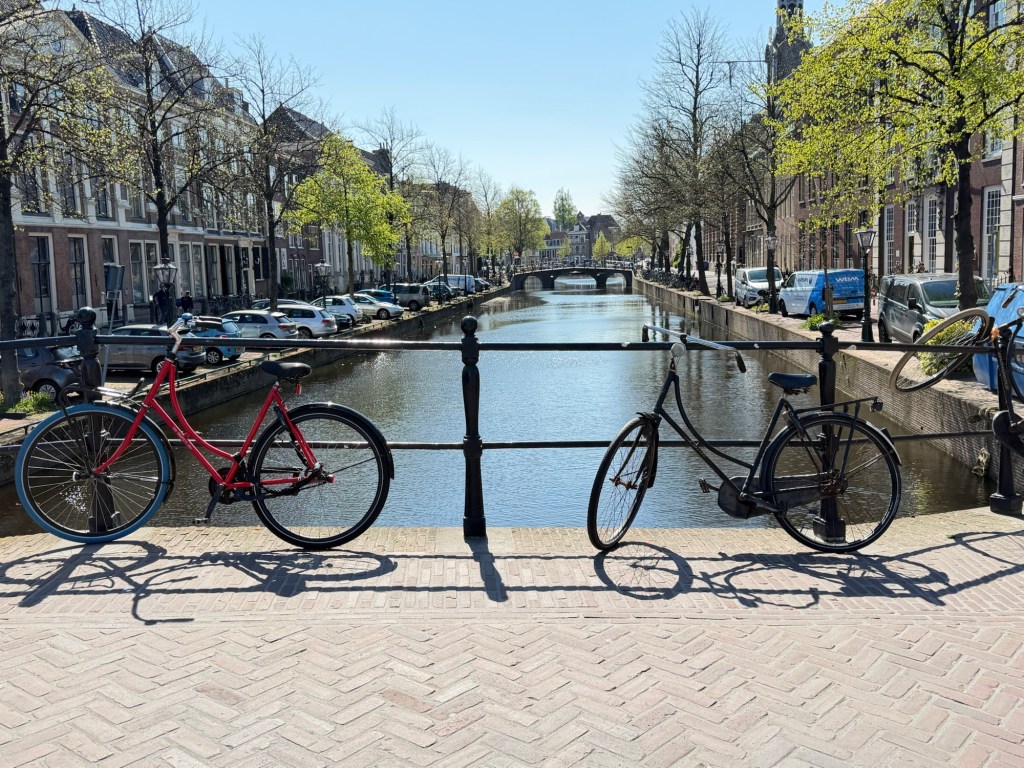
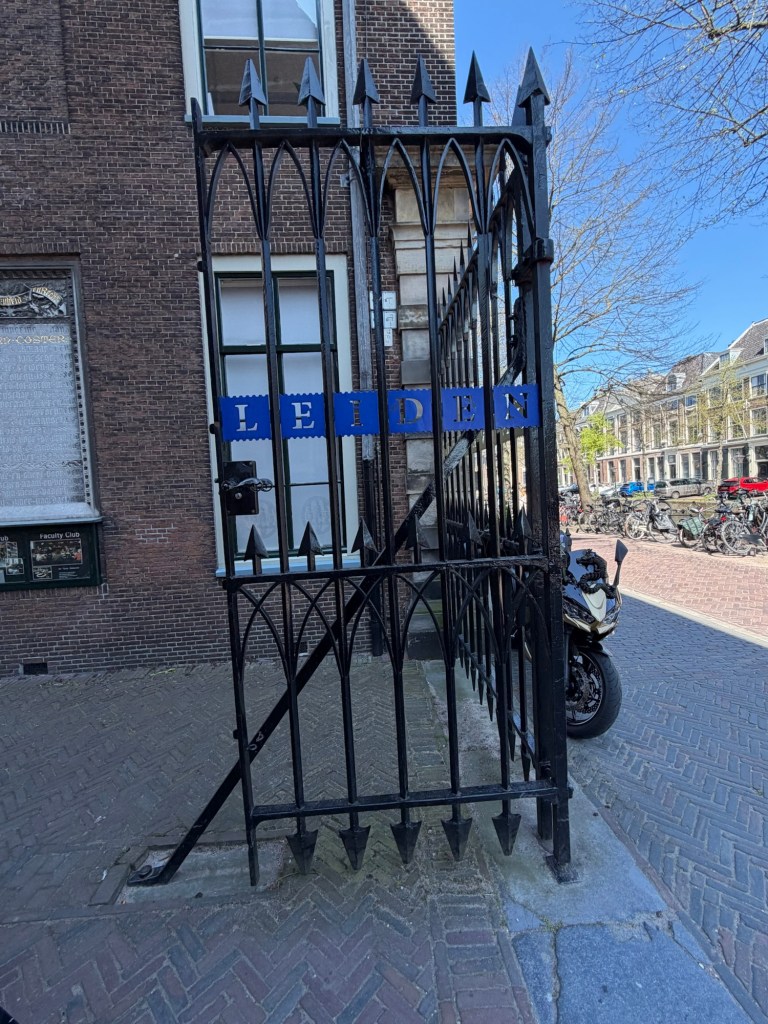
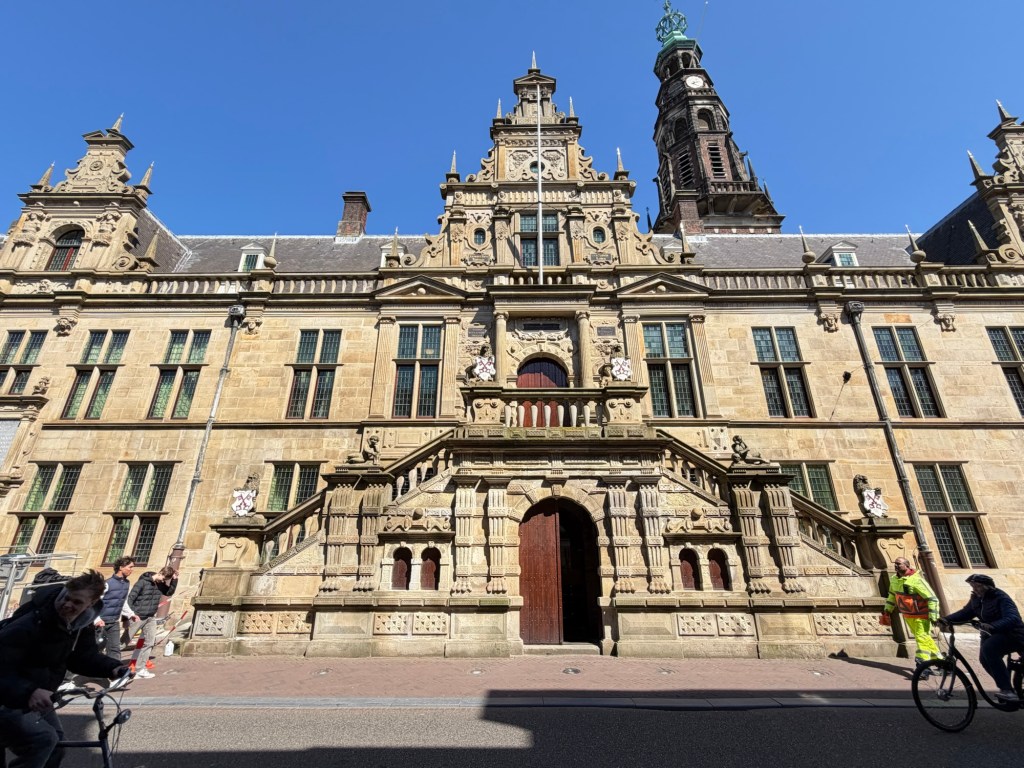
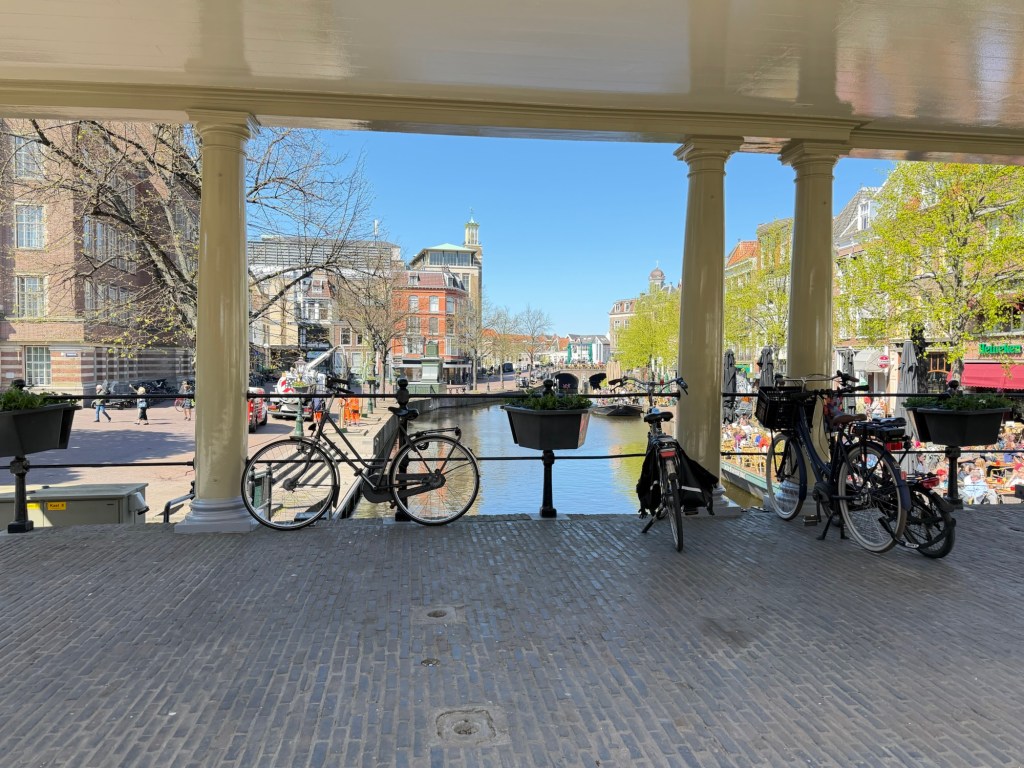
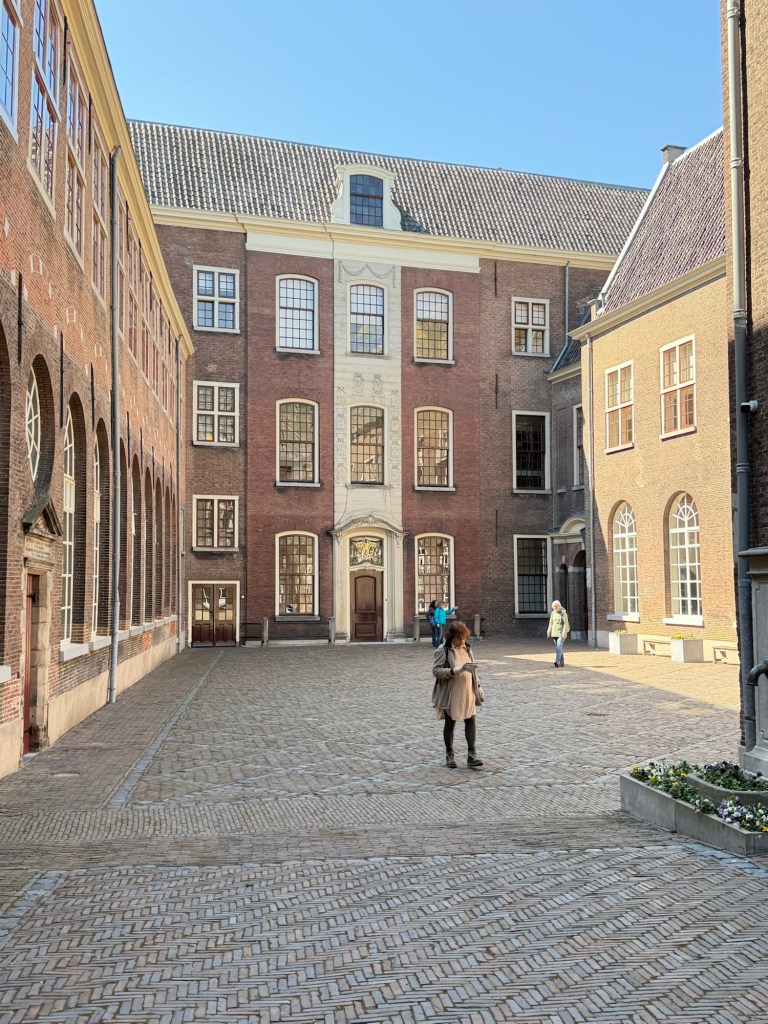
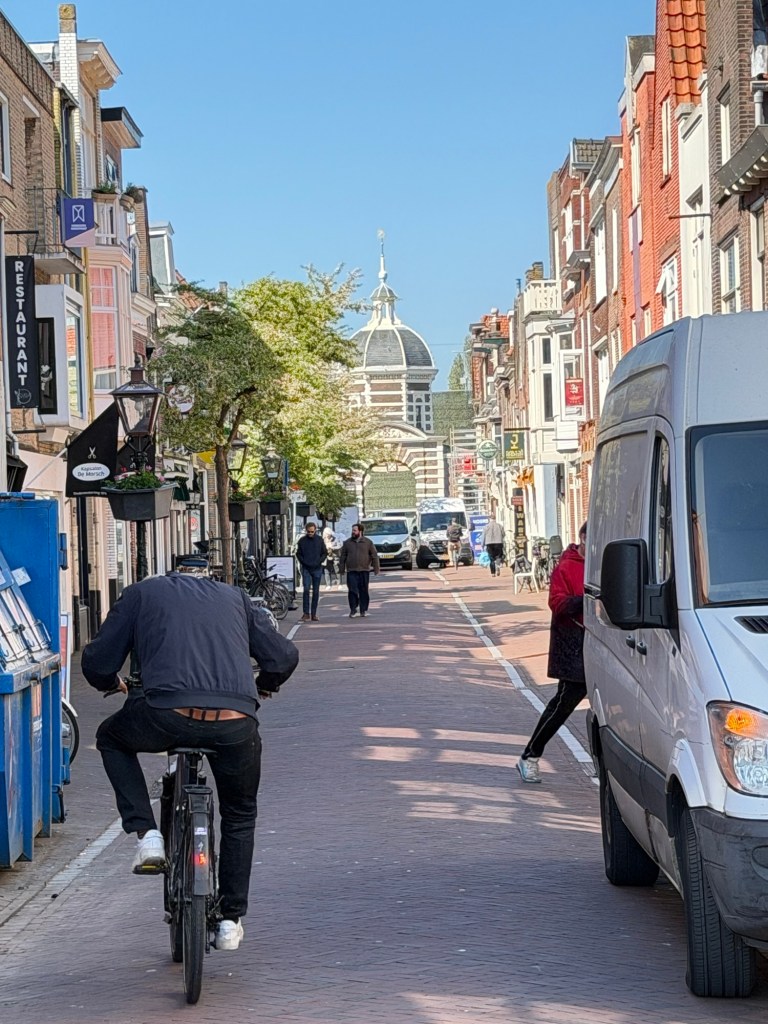
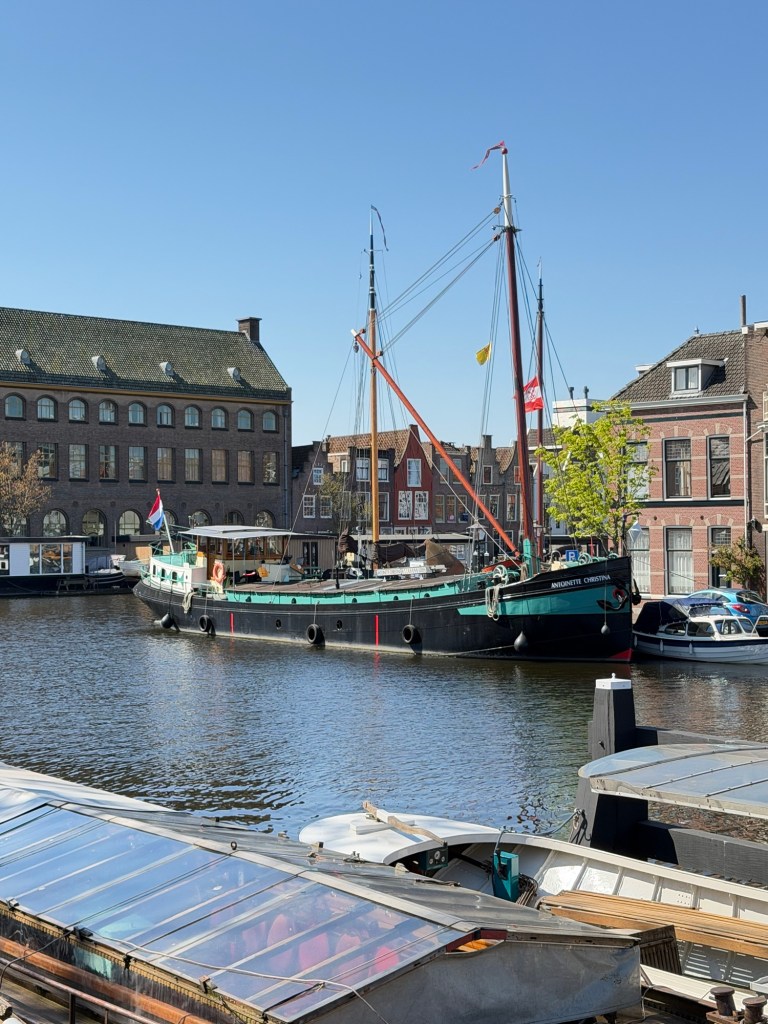
Next, we visited Leiden—about 25 minutes from Keukenhof and roughly 35–40 minutes from Amsterdam—and walked its streets with Joris. The town feels immediately more intimate—narrow canals, brick facades, and stepped gables reflecting a quieter, older rhythm.
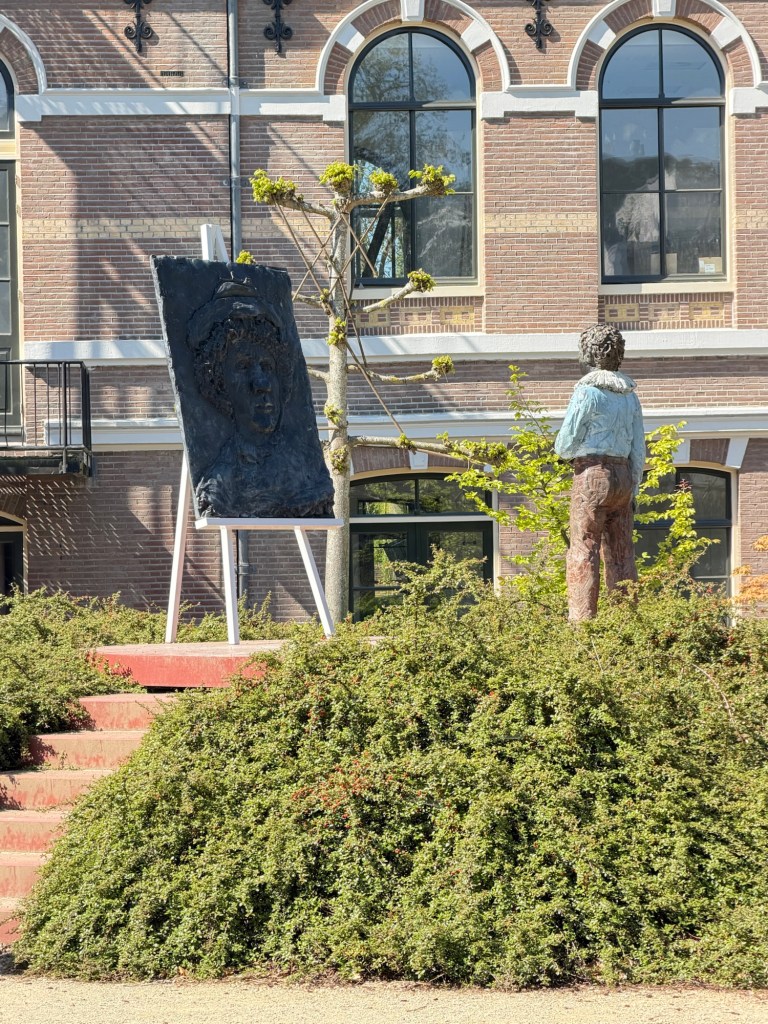
Leiden’s history runs deep. It was a key city during the Dutch Golden Age and is home to the country’s oldest university, founded in 1575 by William of Orange as a reward for the city’s resistance during the Spanish siege. It was also the birthplace of Rembrandt van Rijn, and we passed the Latin School where he studied as a boy—an understated building tied to one of the greatest painters in history.
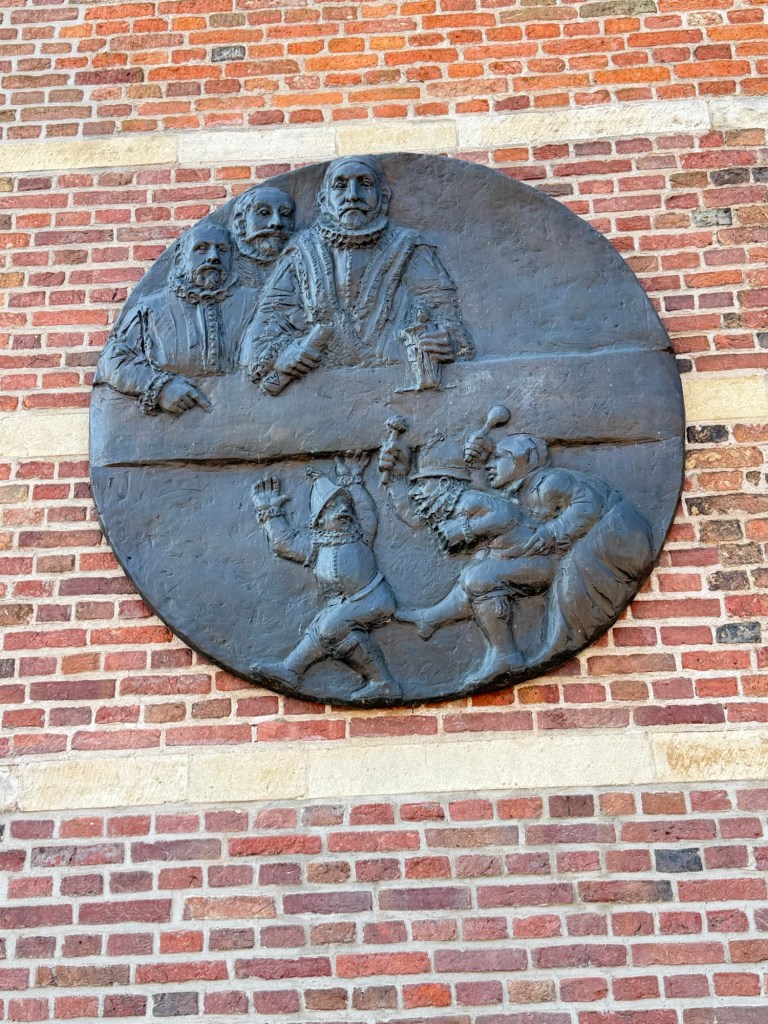
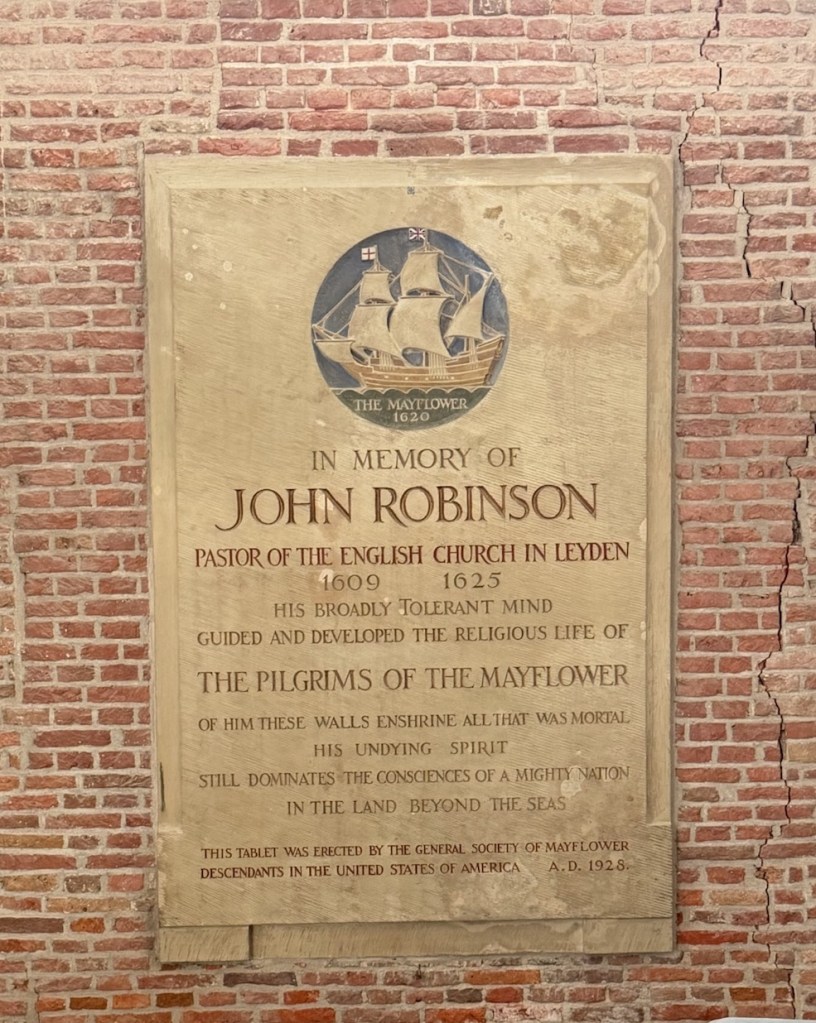
The city was, for a time, home to the Pilgrims, who lived here in the early 17th century before sailing to America on the Mayflower. We visited Pieterskerk, the church associated with the Pilgrim community, where they worshipped during their years in Leiden. That connection endures: U.S. presidents visiting the Netherlands often include Leiden in their itineraries in recognition of this shared history.
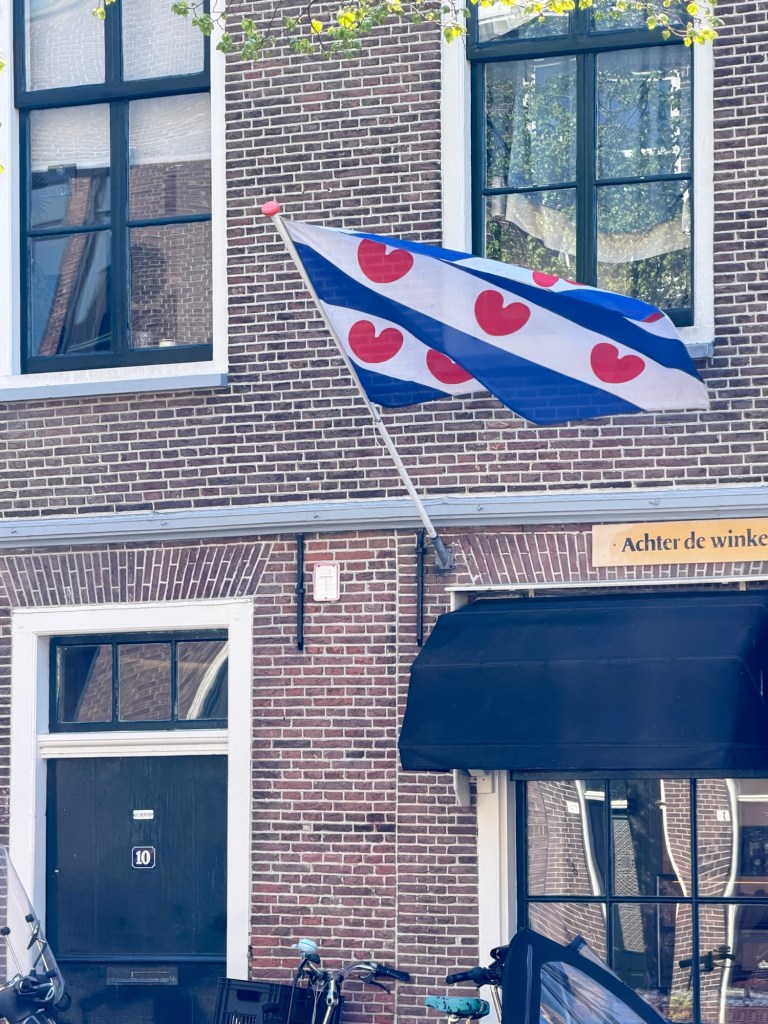
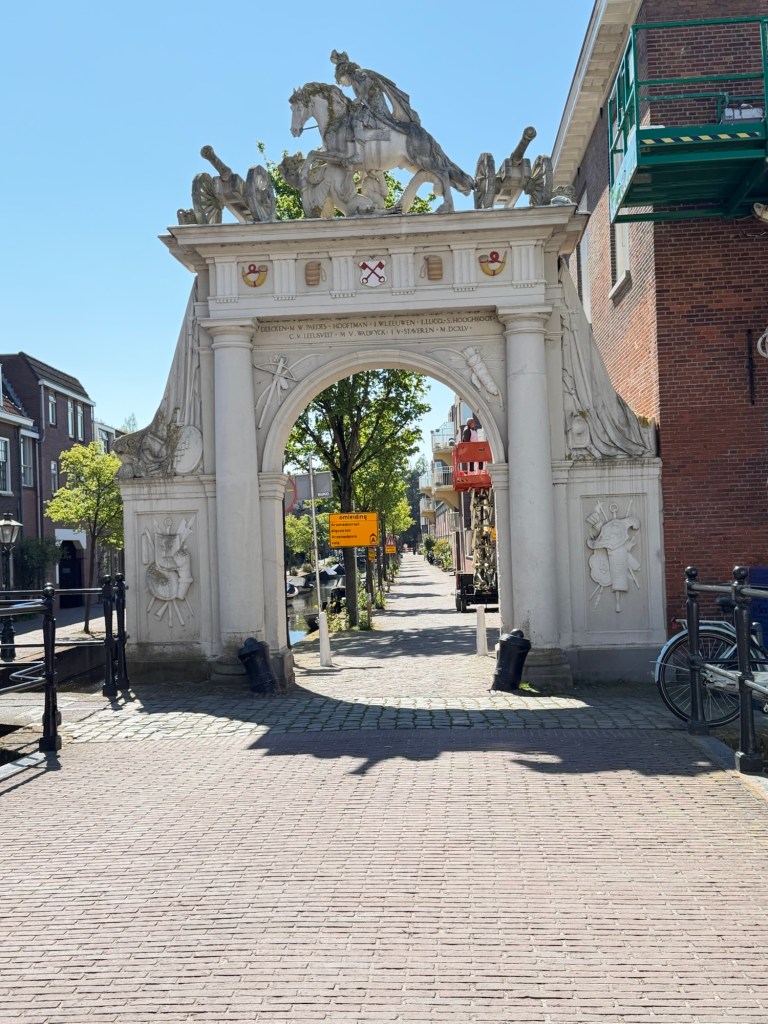
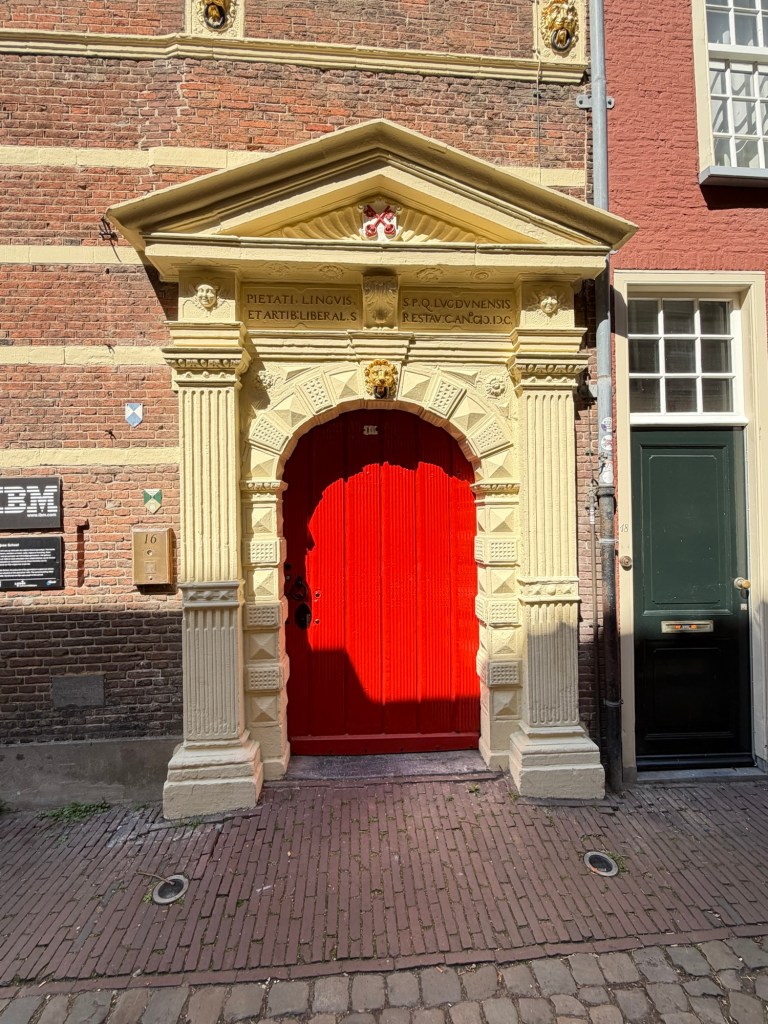
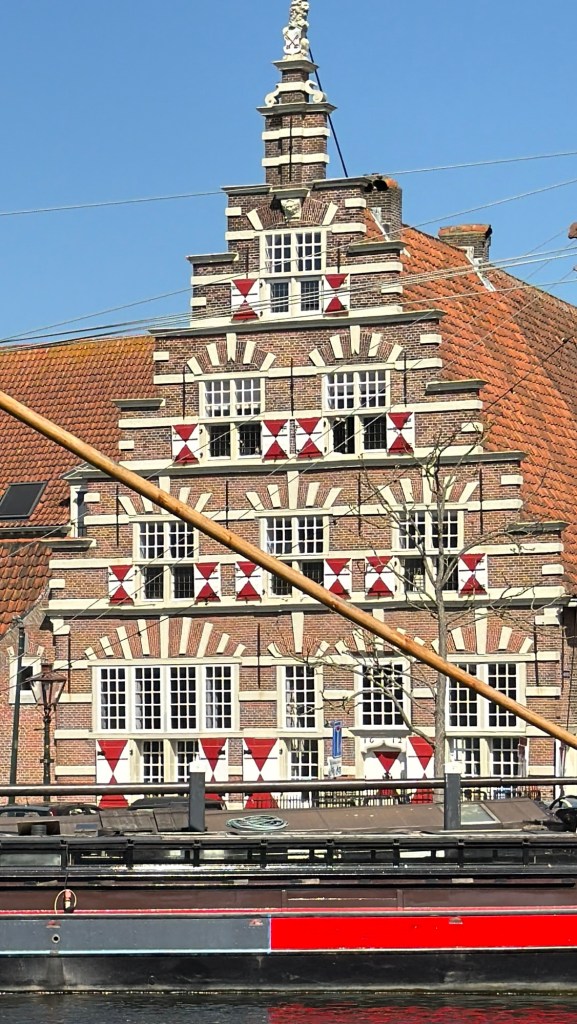
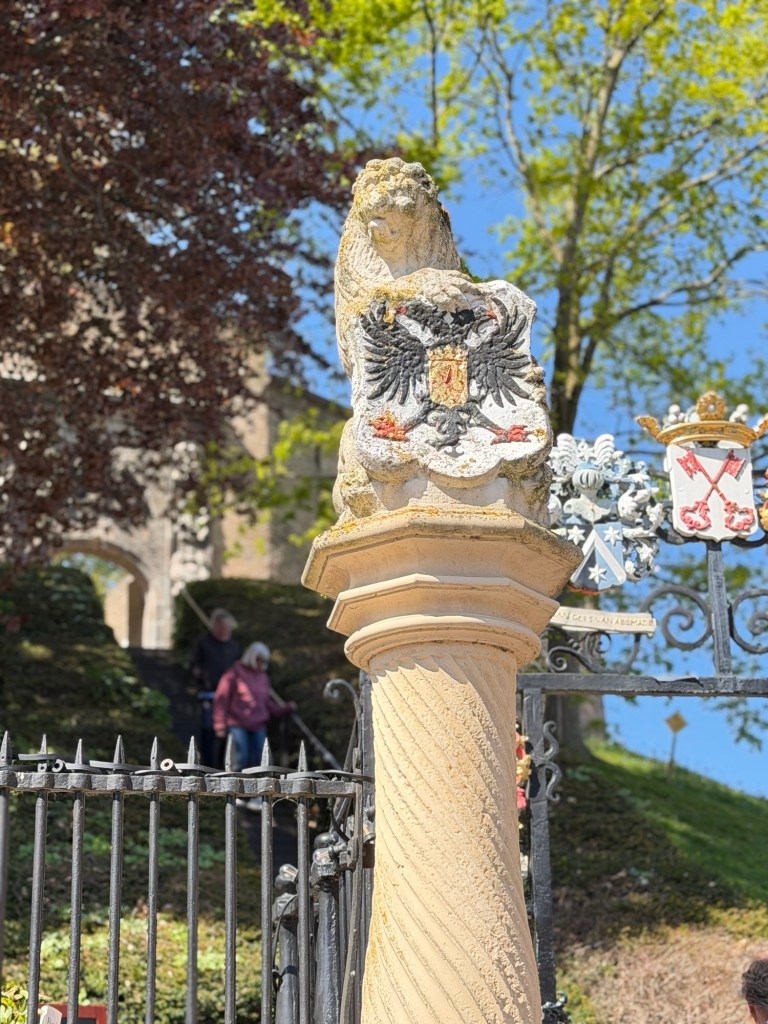
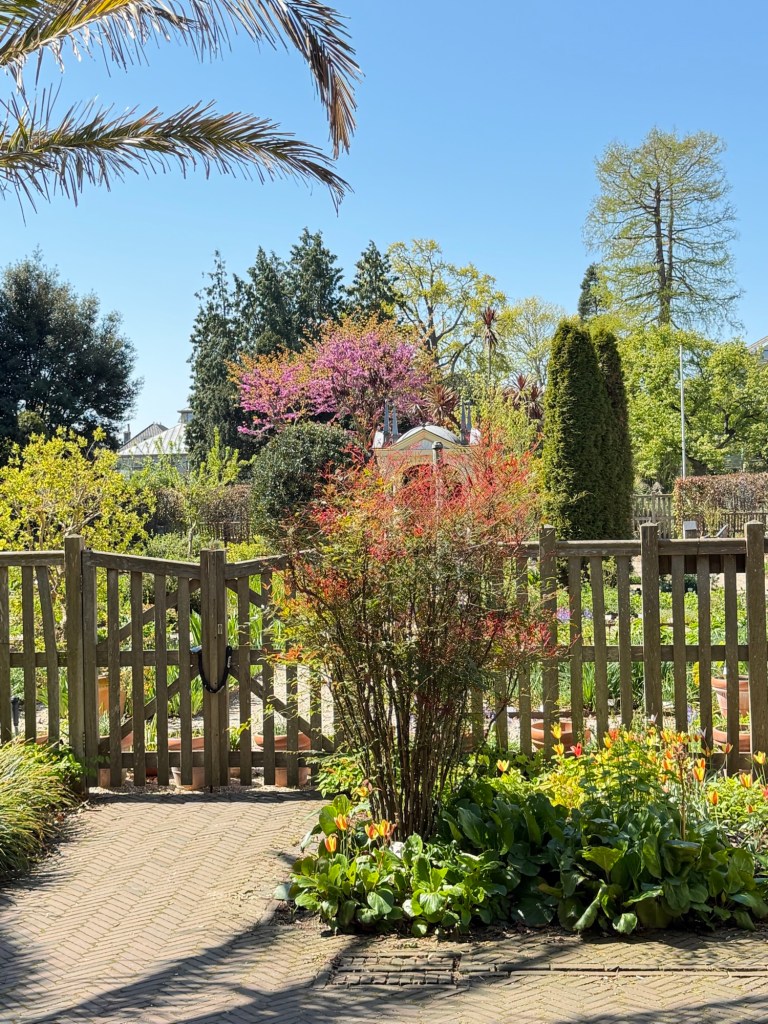
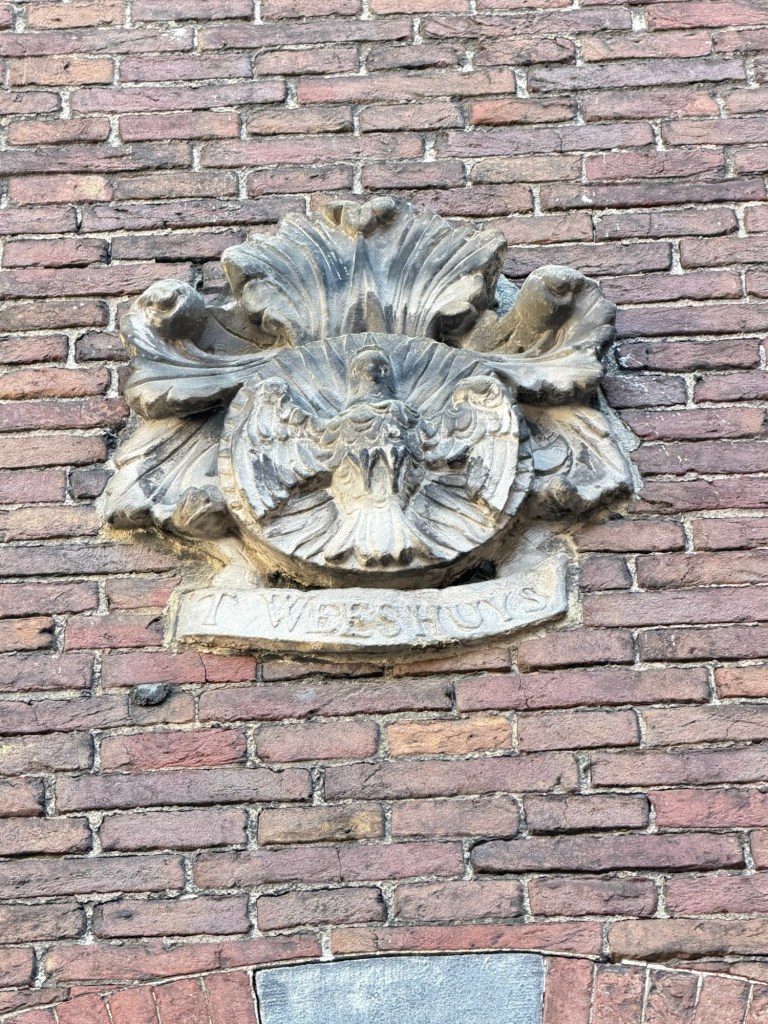
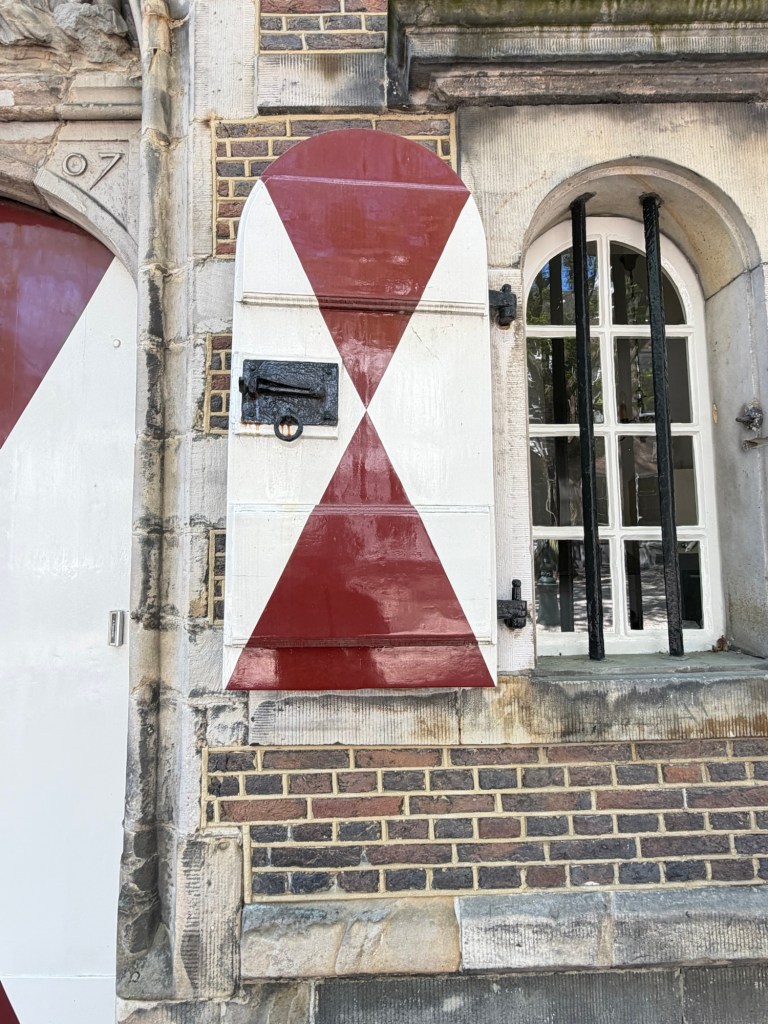
We passed houses with distinctive red-and-white shutters, their symmetry almost ornamental, and flags hanging at an angle over doorways. An ornate stone entrance—carved, weathered, and framing a bright red door—felt like a small architectural surprise tucked into an otherwise modest street. Along the canals, windmills rose unexpectedly into view—reminders of the city’s long relationship with water and industry.
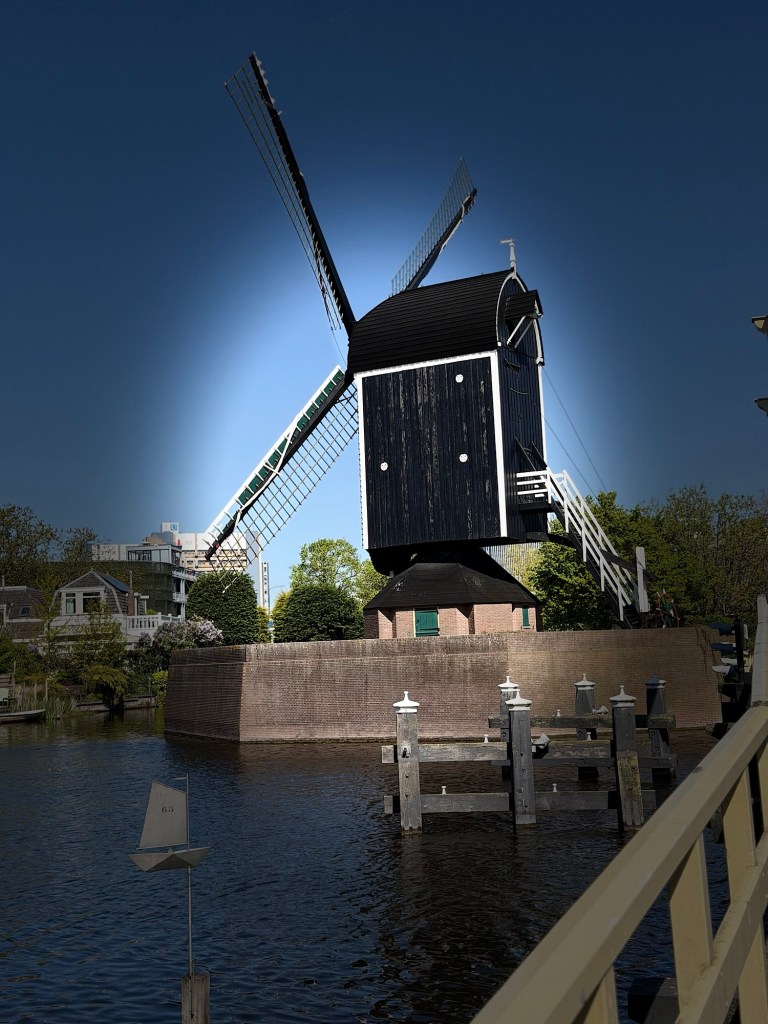
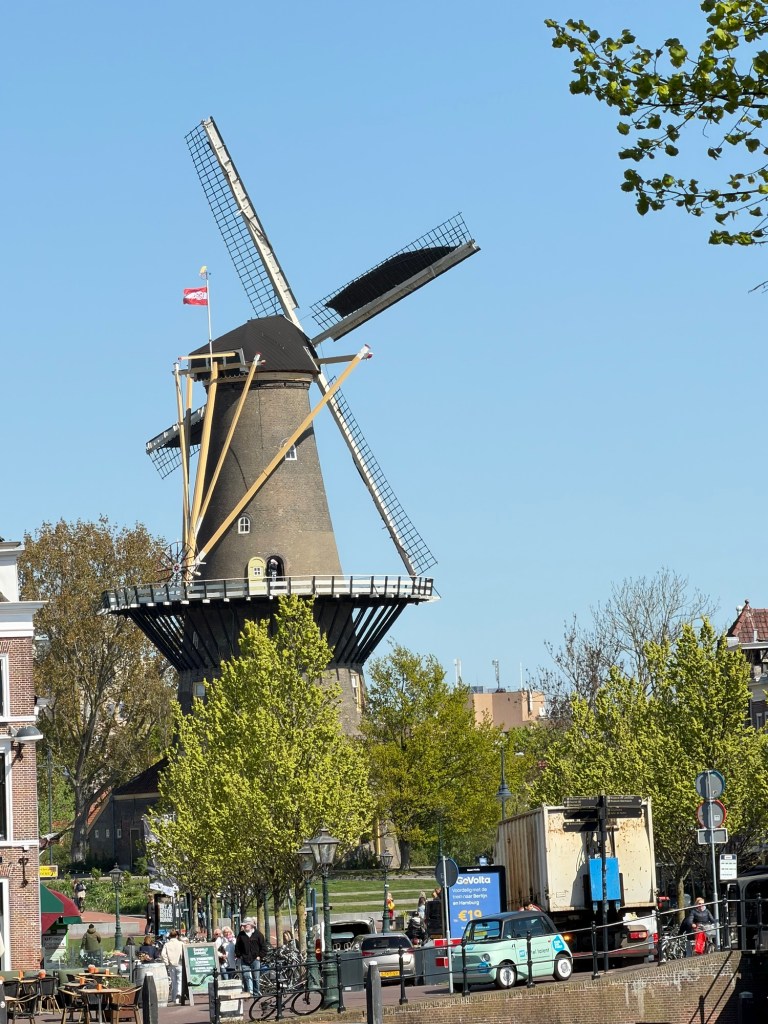
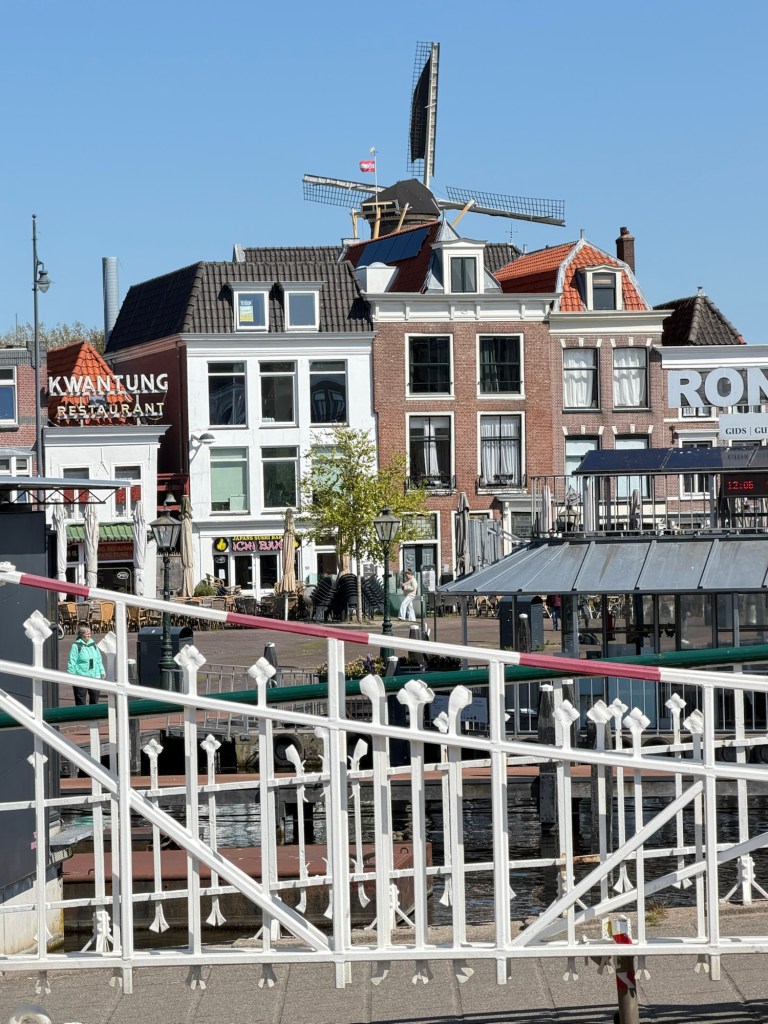
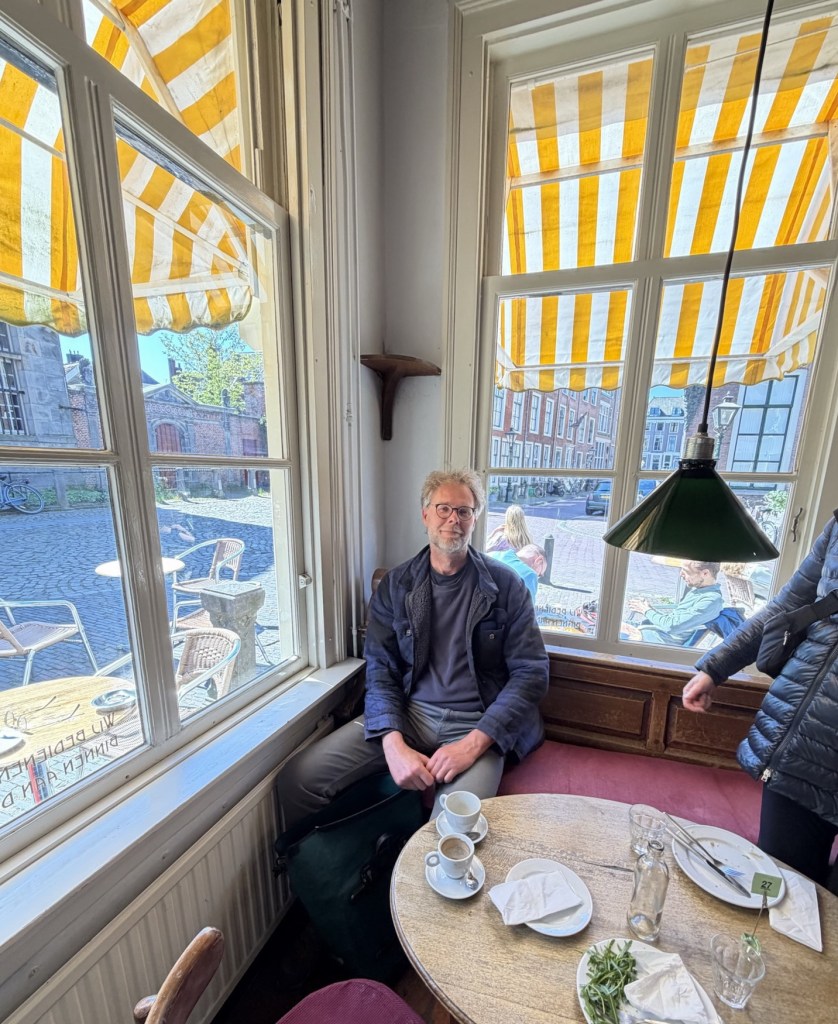
We stopped for lunch at Koffiehuisje (koffiehuisje.com), a small cafe just off the canal, its yellow-striped awnings filtering the midday light. Inside, the space was compact and worn in the best way—wooden beams, a simple bar, and tables close enough to encourage conversation.
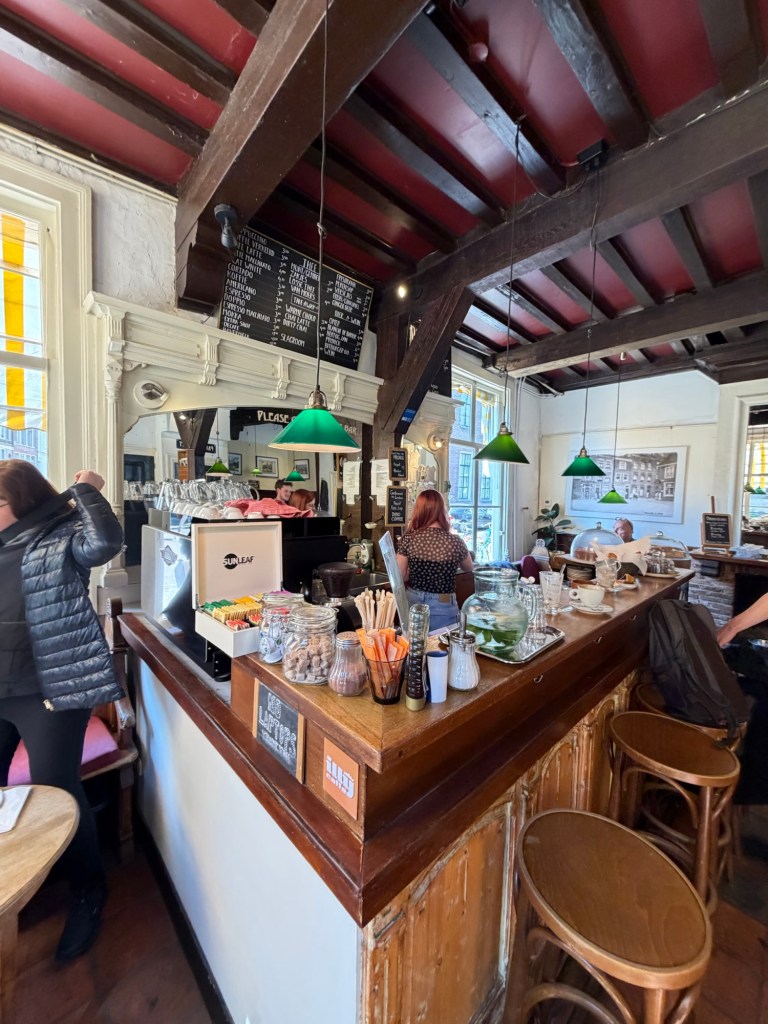
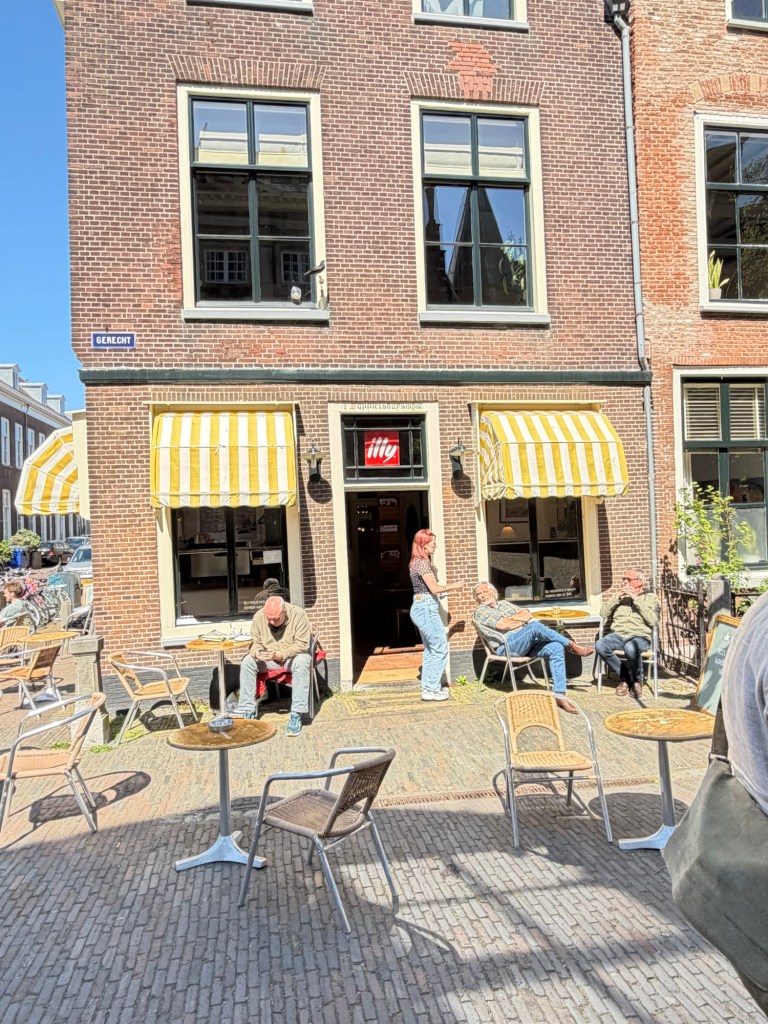
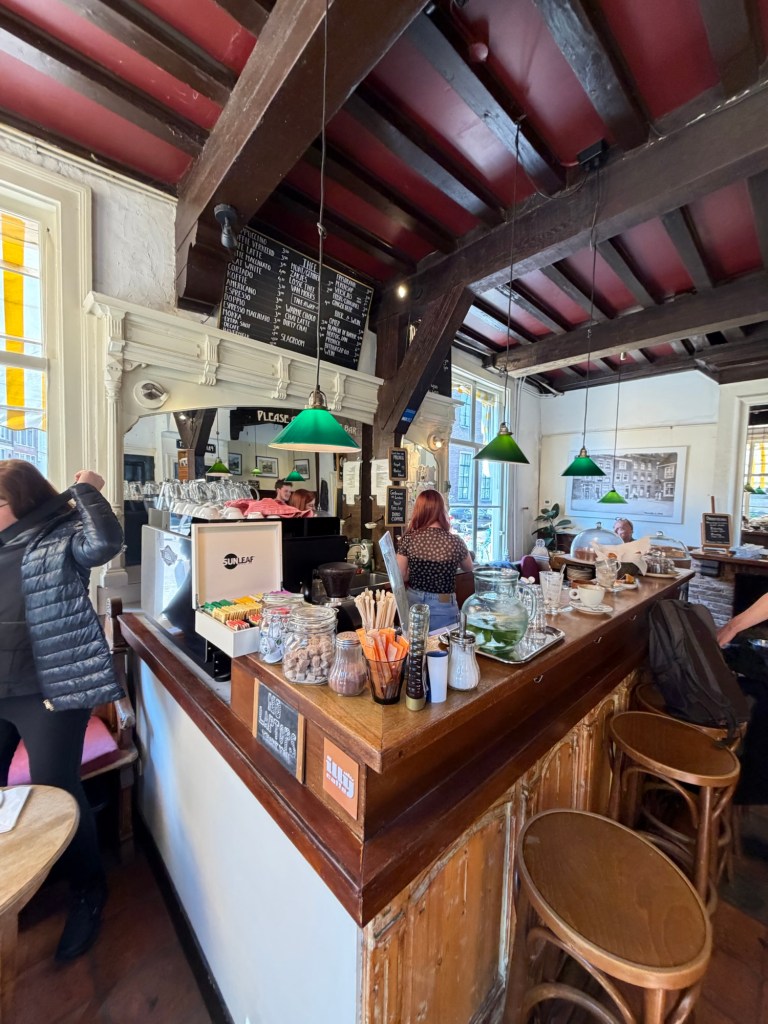
With most seats taken, a man named Jeroen Witvliet (https://jeroenwitvliet.com) offered us a place at his table. What began as a practical kindness turned into something more. Jeroen introduced himself, originally from Leiden, back in town visiting family. Turns out Jeroen is an accomplished artist. (Jerone’s style sits somewhere between representation and abstraction—recognizable at first glance, but never fully literal). There was nothing formal about the exchange—just an easy conversation—but it felt emblematic of the place.
We continued walking through the city after lunch for some time, lingering along the canals and side streets.
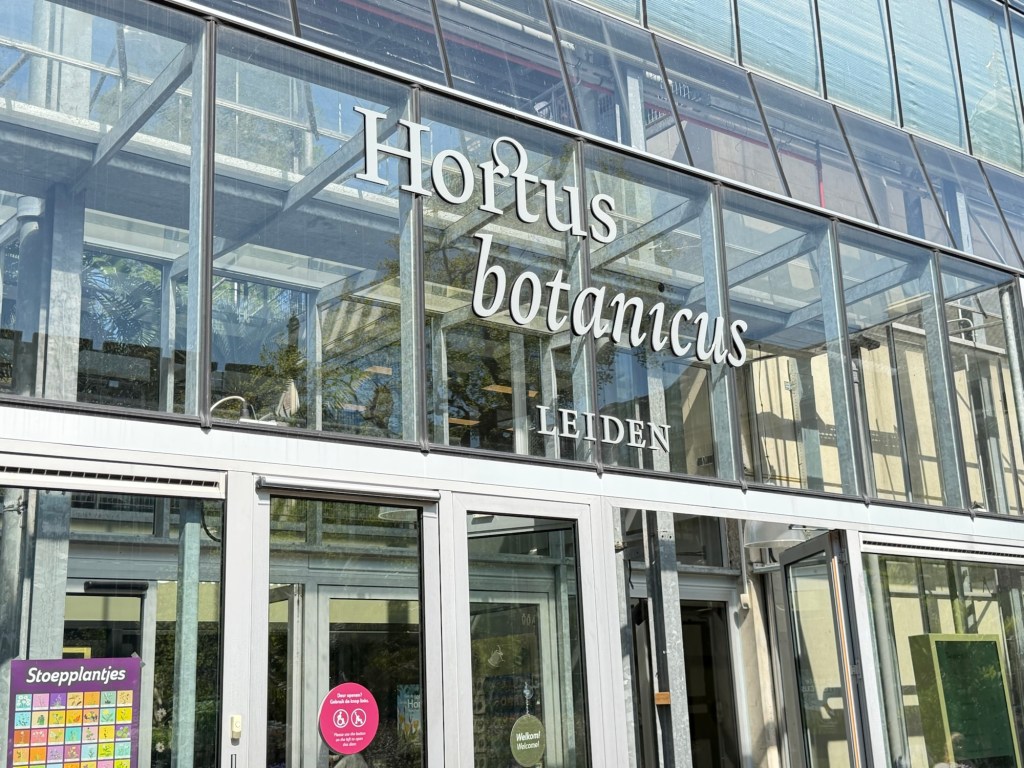
Eventually we returned to the van for the short drive to The Hague. Leiden has a rich history and is worth the drive for a visit.