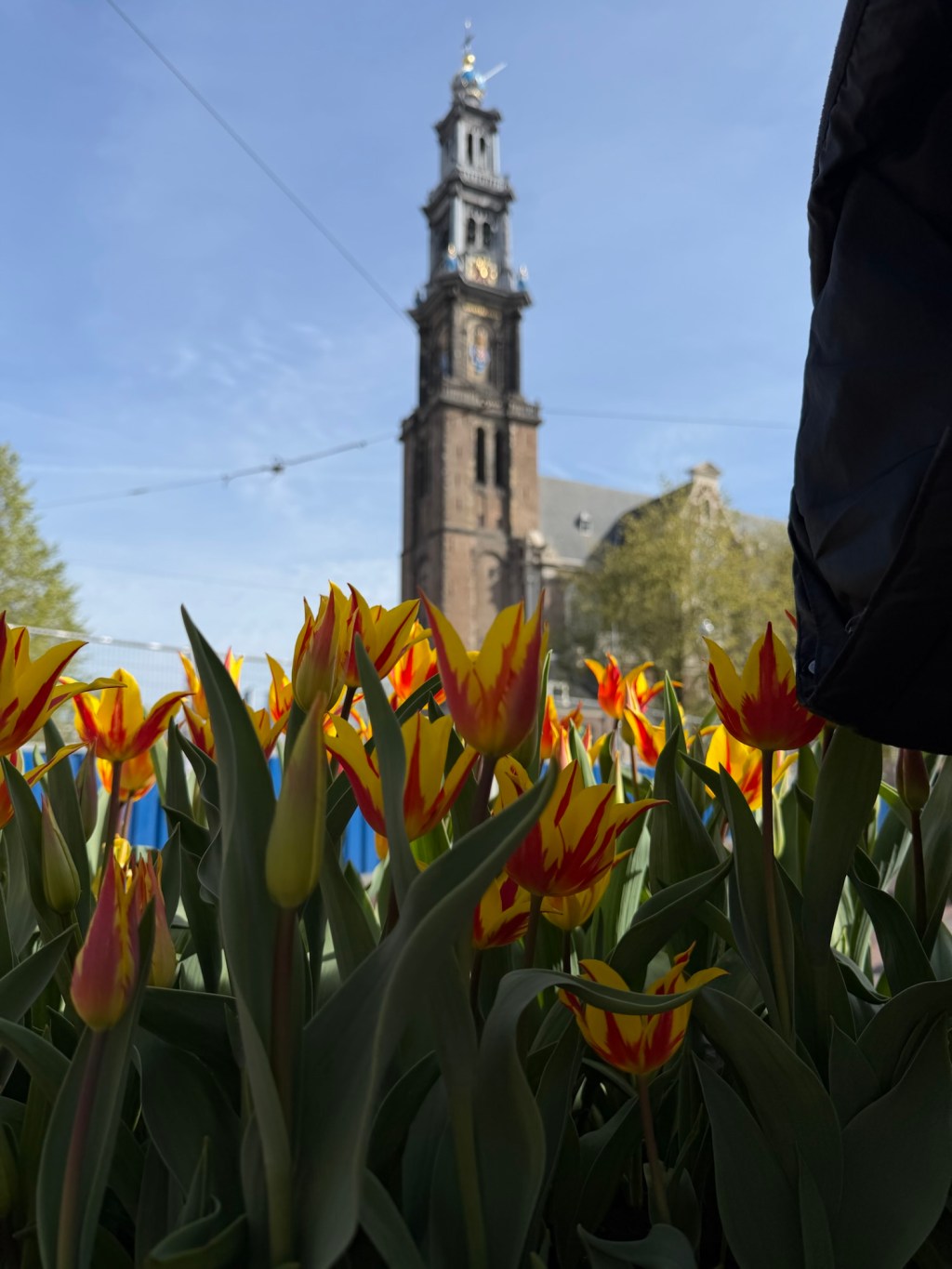
Our trip starts in Amsterdam. The drive from Schiphol Airport to the Rosewood Hotel, located in the historic part of the city, took only 20 minutes, likely because it was only 6 a.m.
You can learn a lot about a city like Amsterdam when it’s just waking. At that hour, the streets feel unguarded. Delivery trucks idle along the canals, a few early cyclists move with purpose, and the water reflects a sky that hasn’t quite decided to be morning yet. There’s no performance to it—just the city as it is.
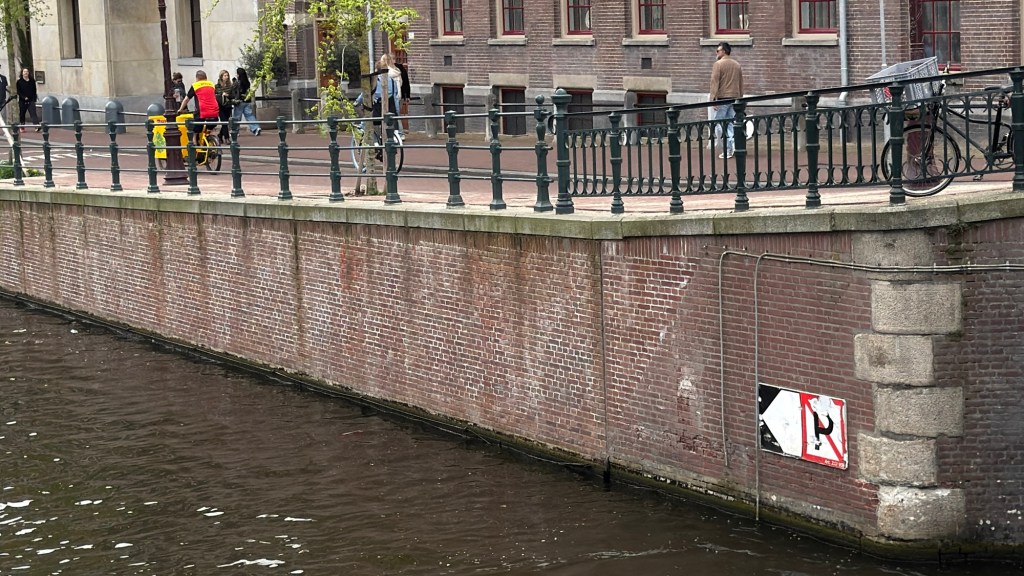
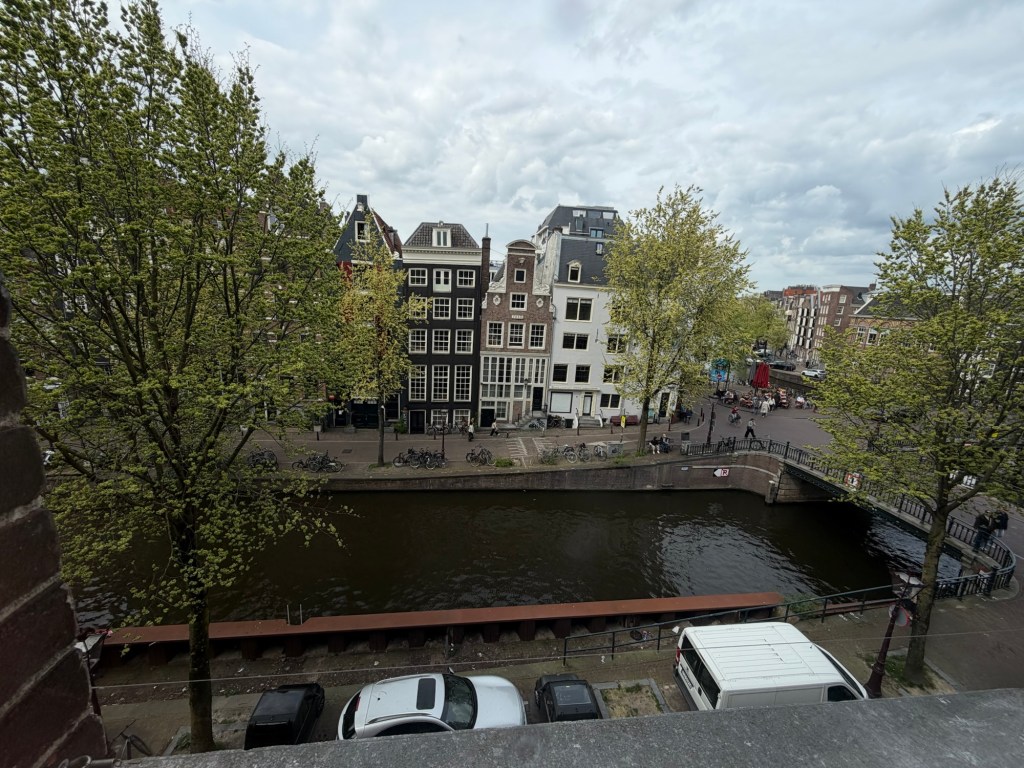
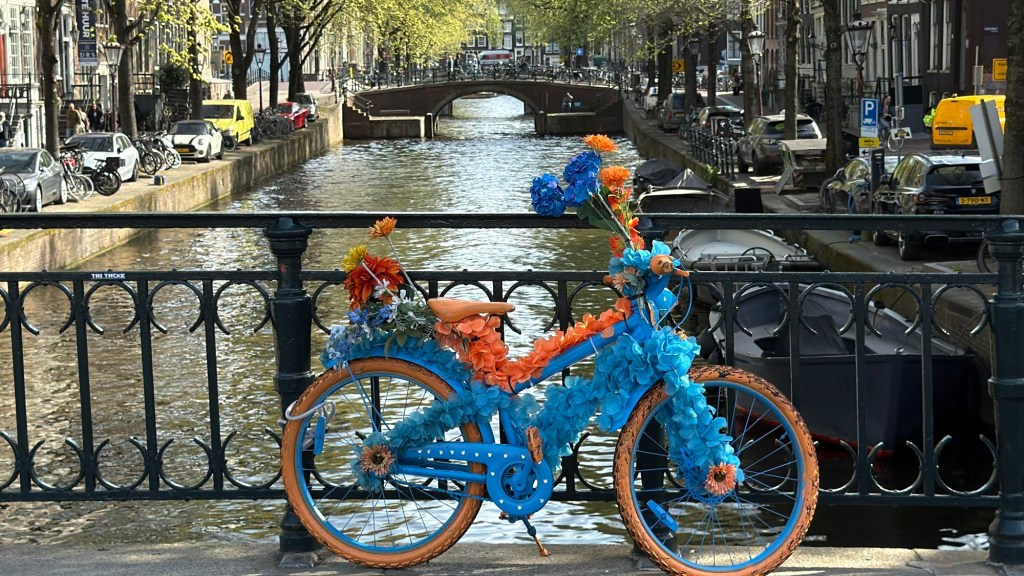
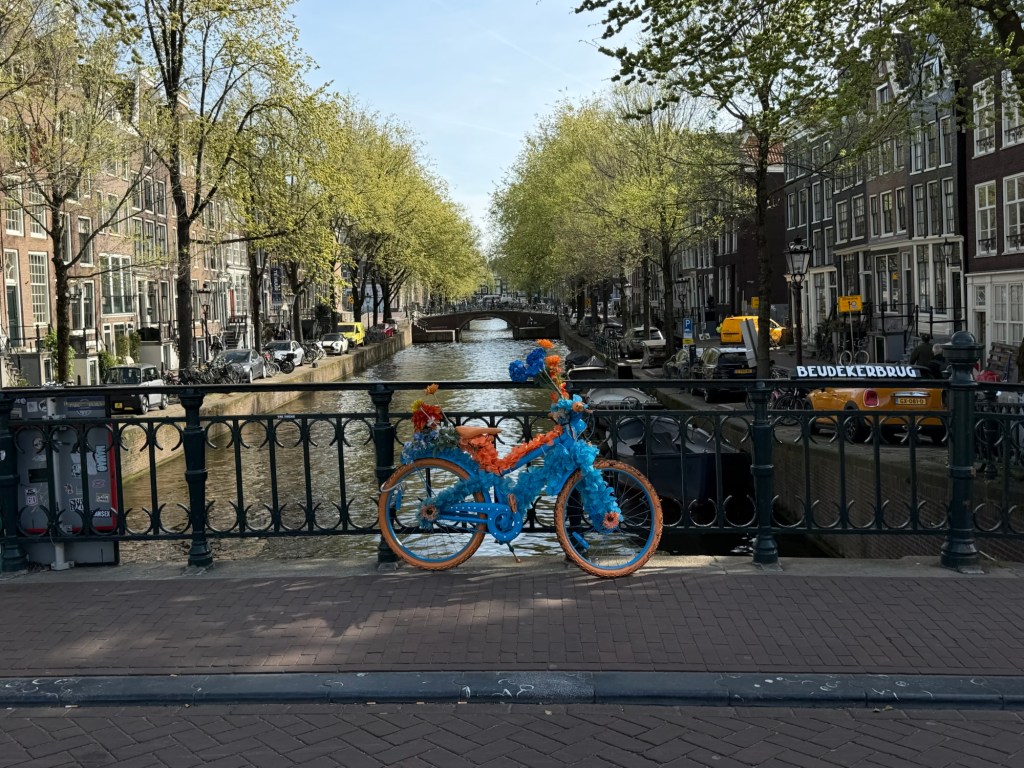
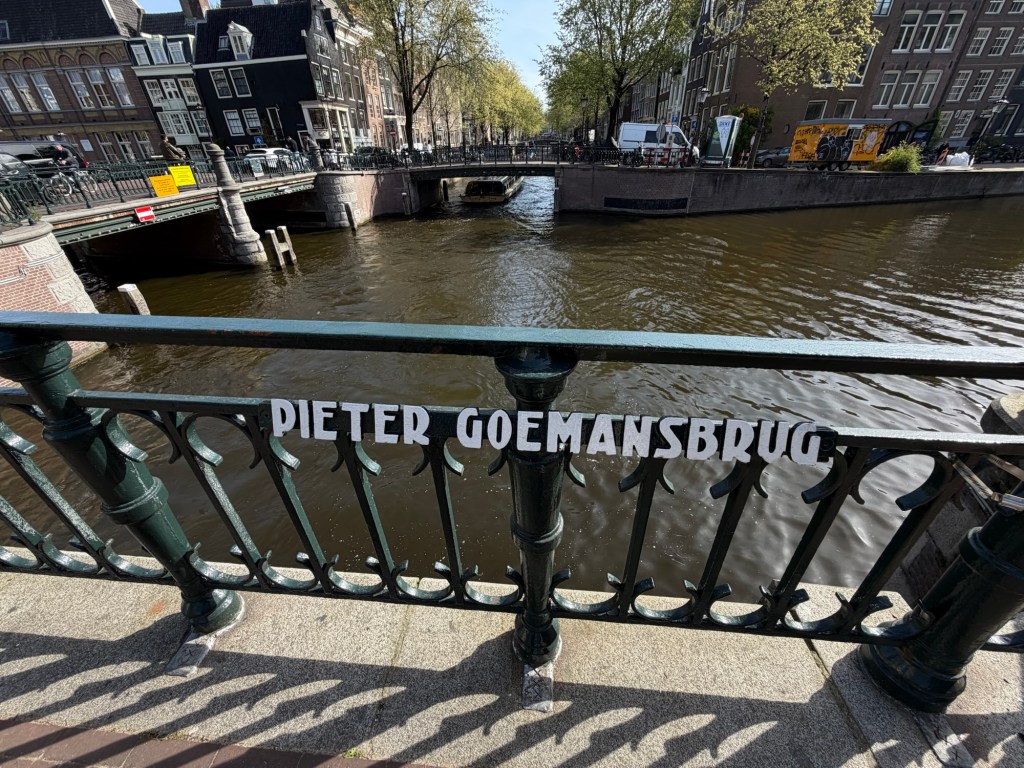
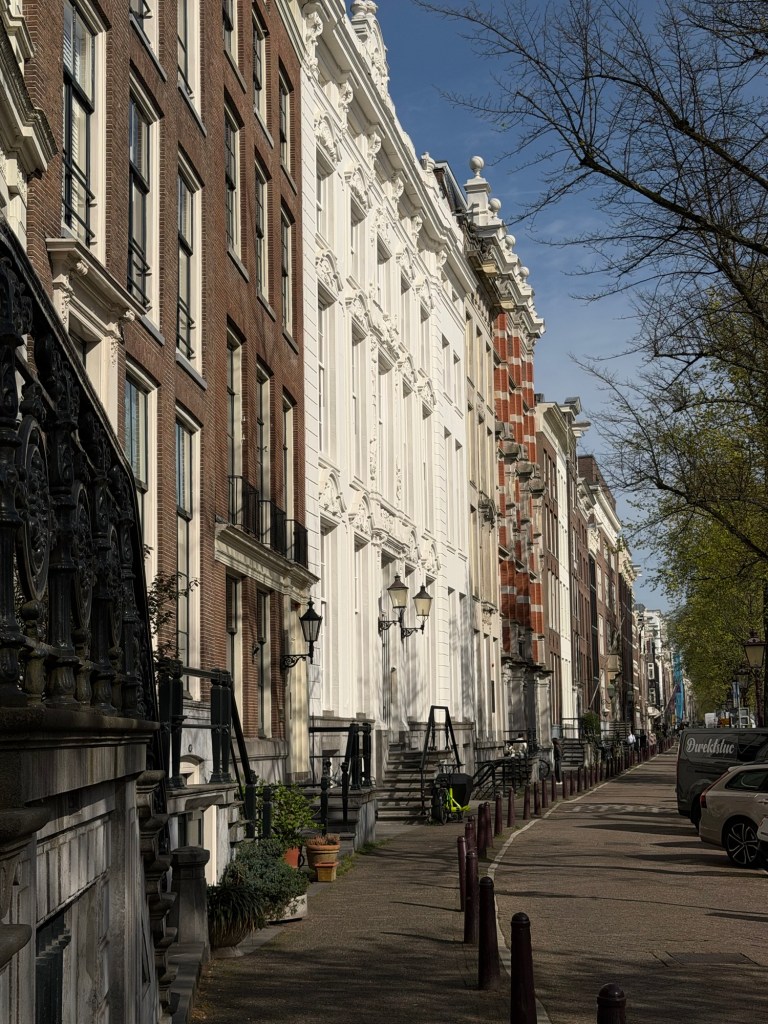
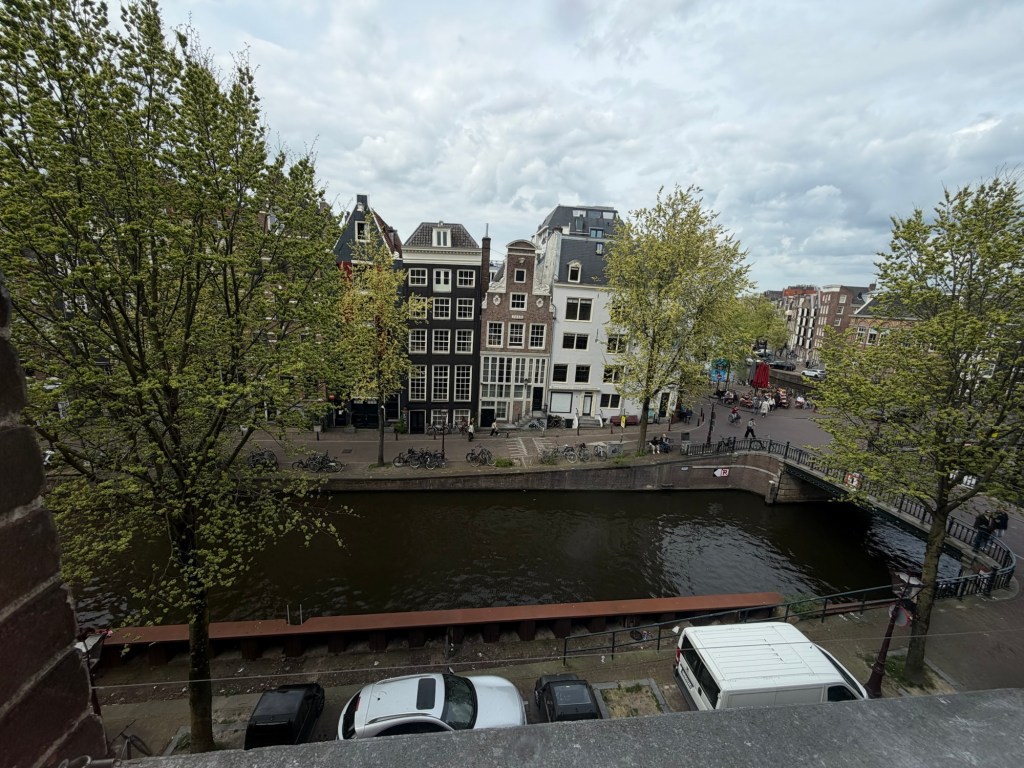
Prominent are the one-of-a kind narrow houses with stepped, bell or neck gables that line a labyrinth of canals. Designed in the 17th century for transport, defense and water management, the canals provide the quiet framework the city rests on, like a set of lines that give everything else its shape.
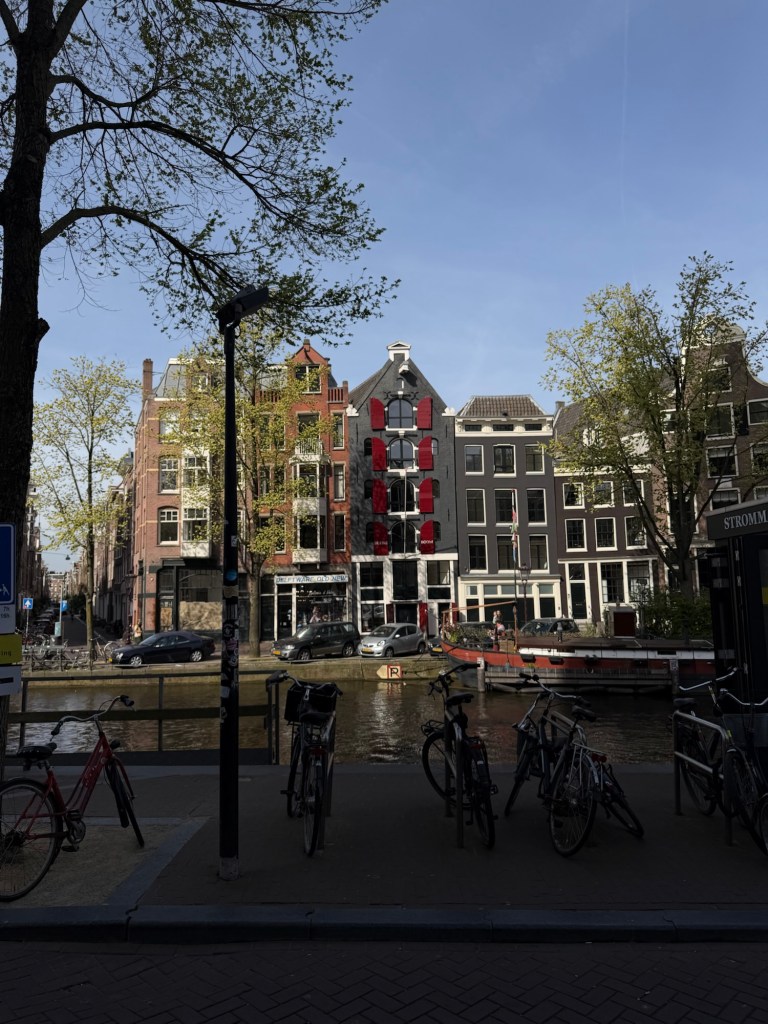
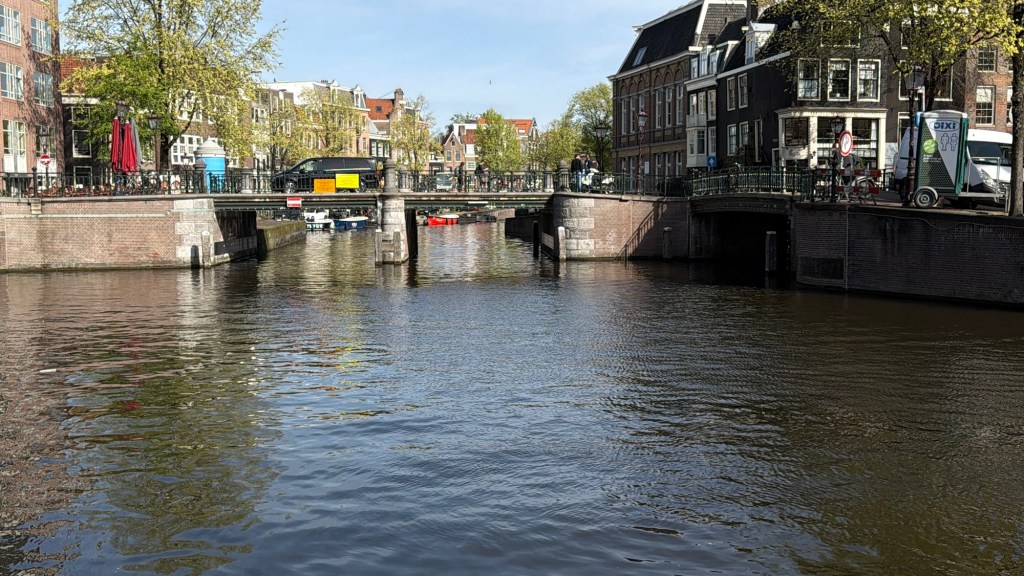
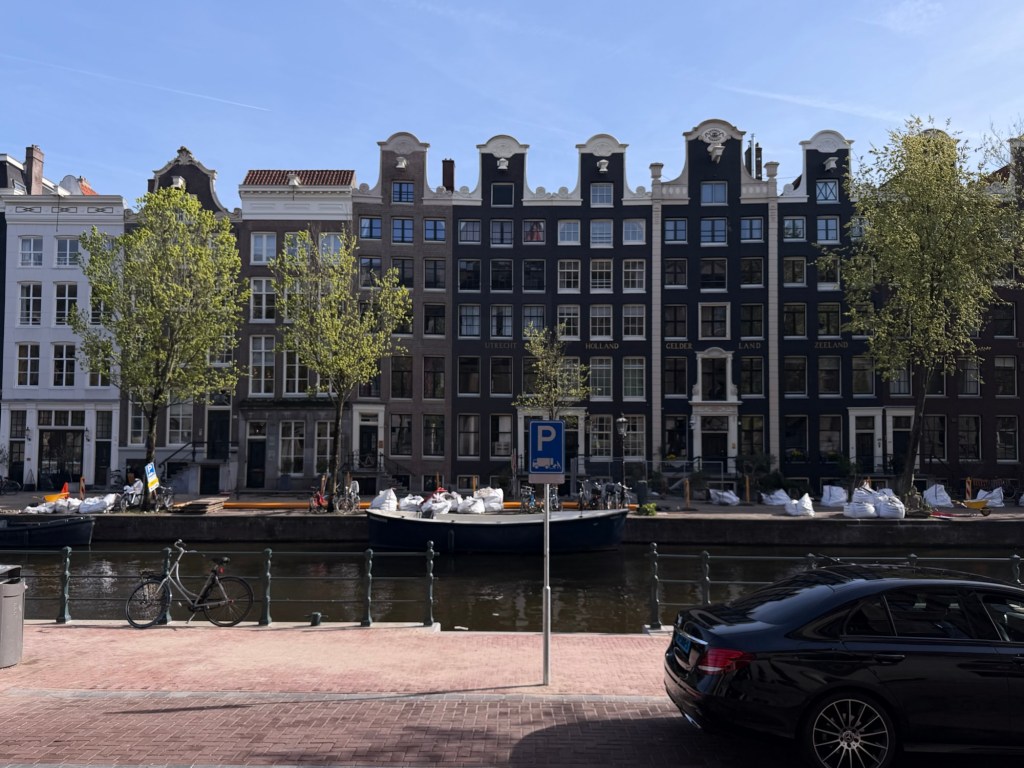
By the time we reached the Rosewood, the quiet still lingered. Set along the Prinsengracht canal, the building carries its history with it—it was for 175 years once the Palace of Justice—and you feel that weight the moment you step inside.
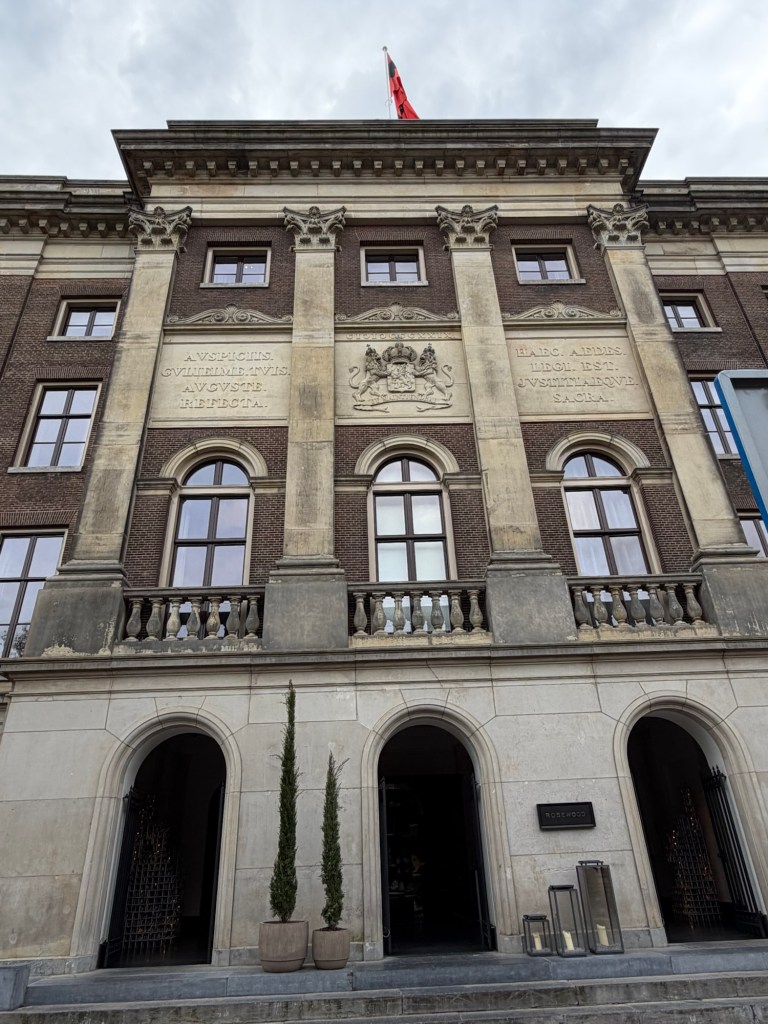
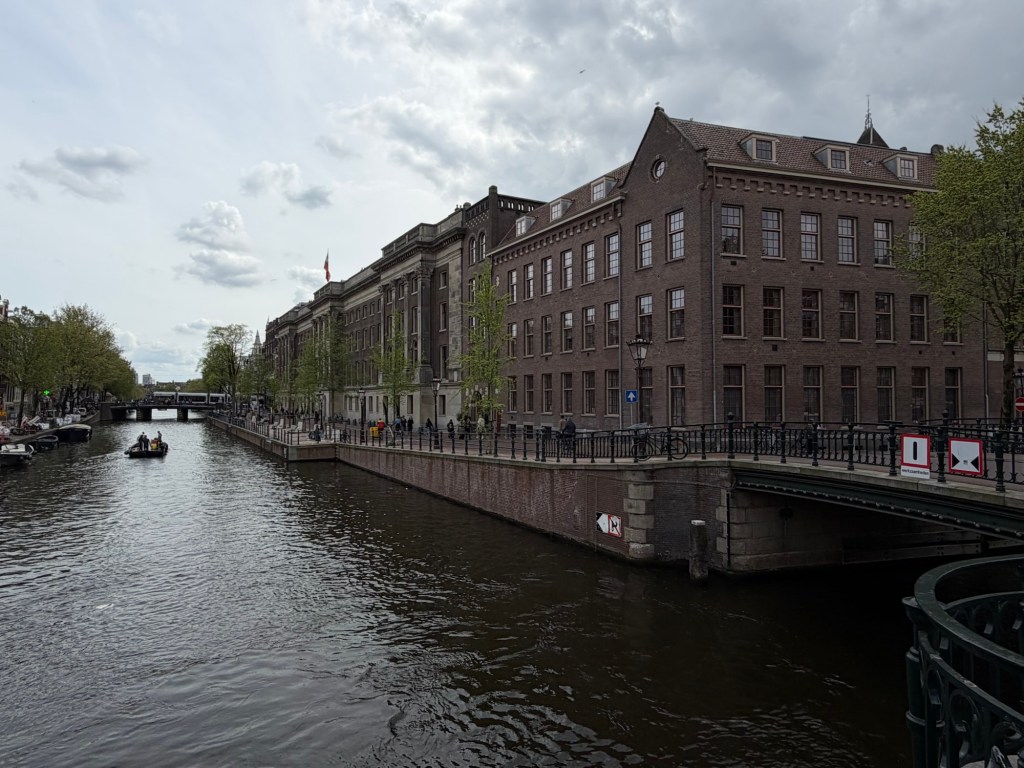
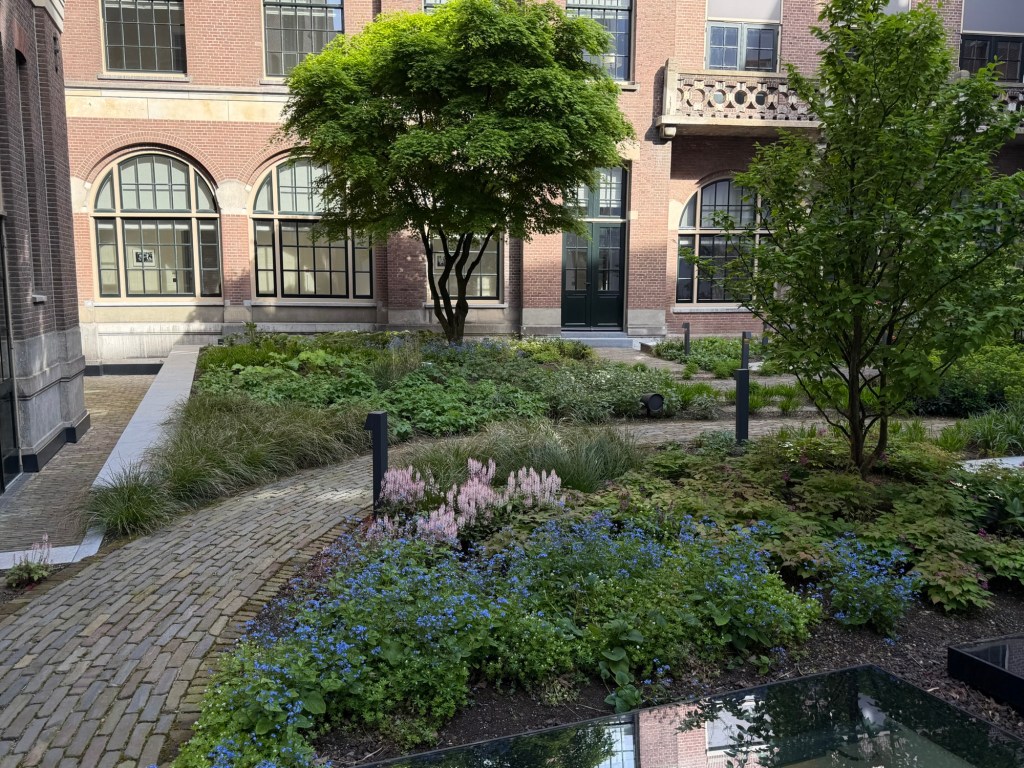
But it’s been softened. The interiors are understated, warm, and deliberate and more residential than grand. A finely curated ornamental garden adorns a central courtyard.
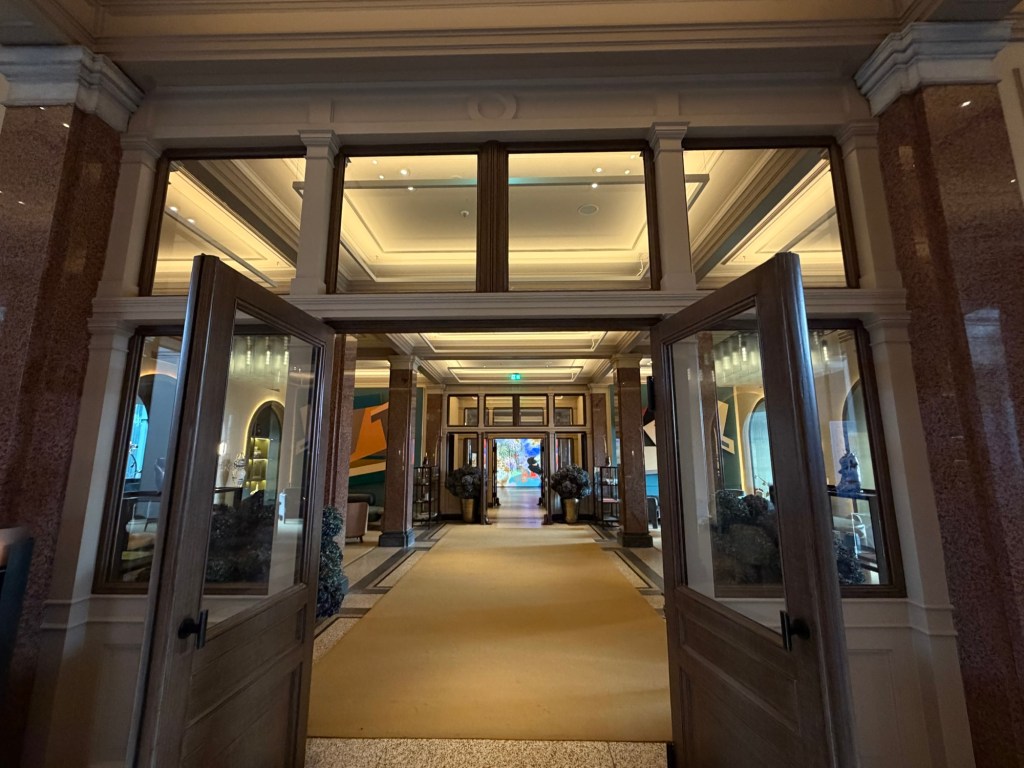
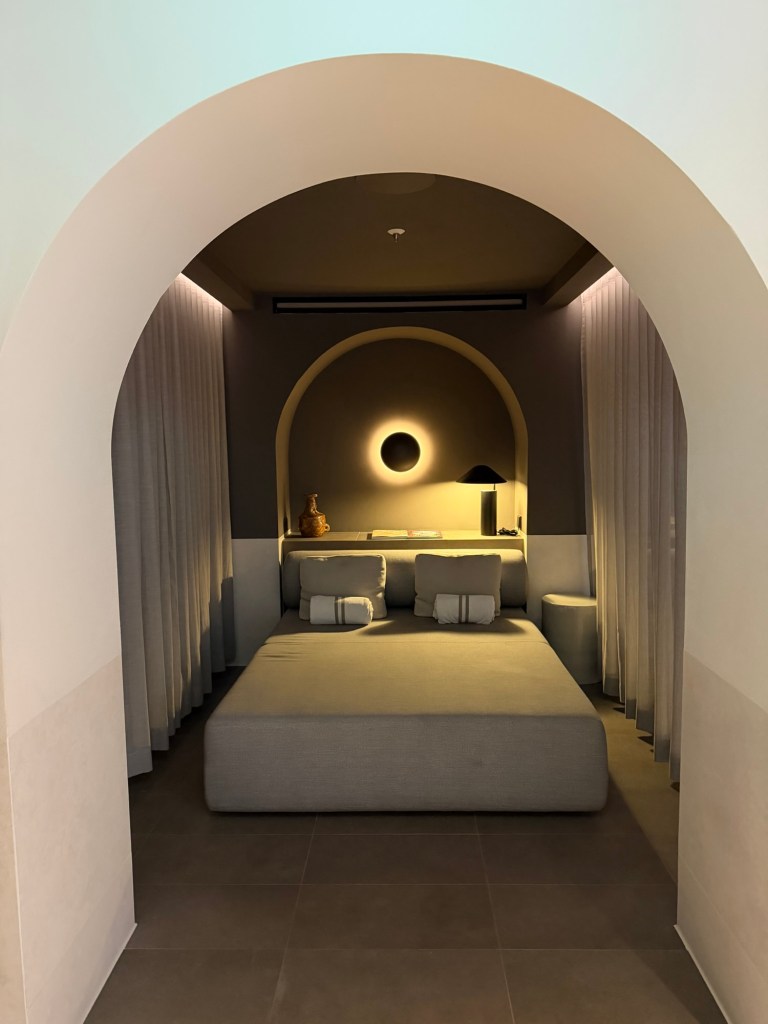
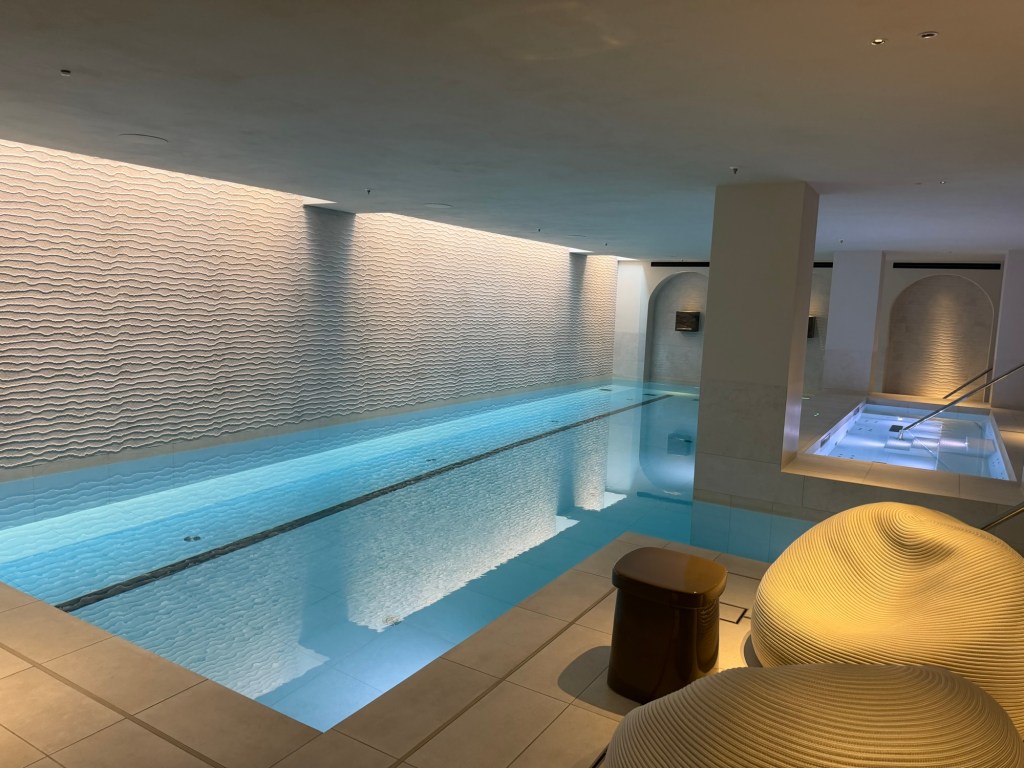
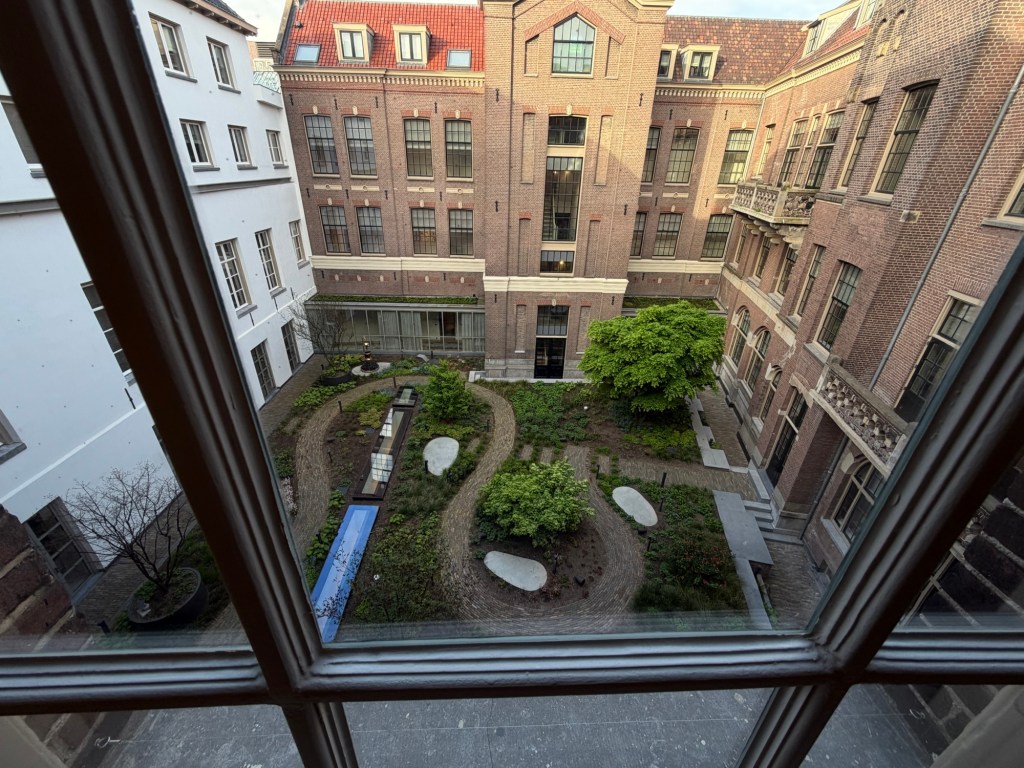
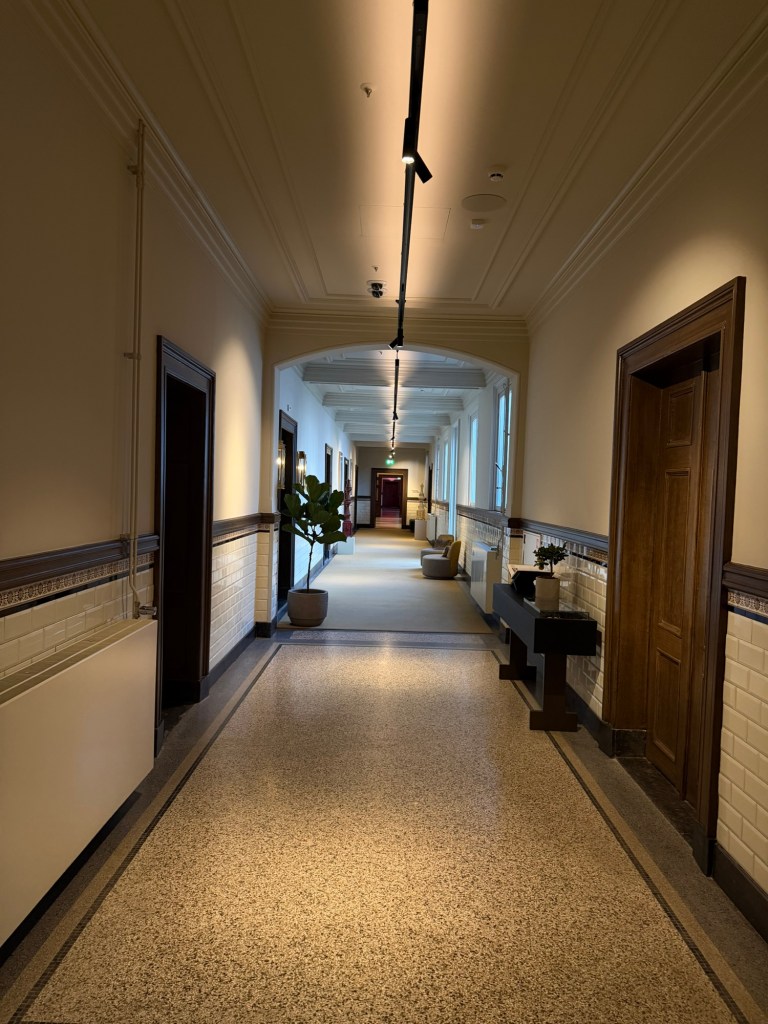
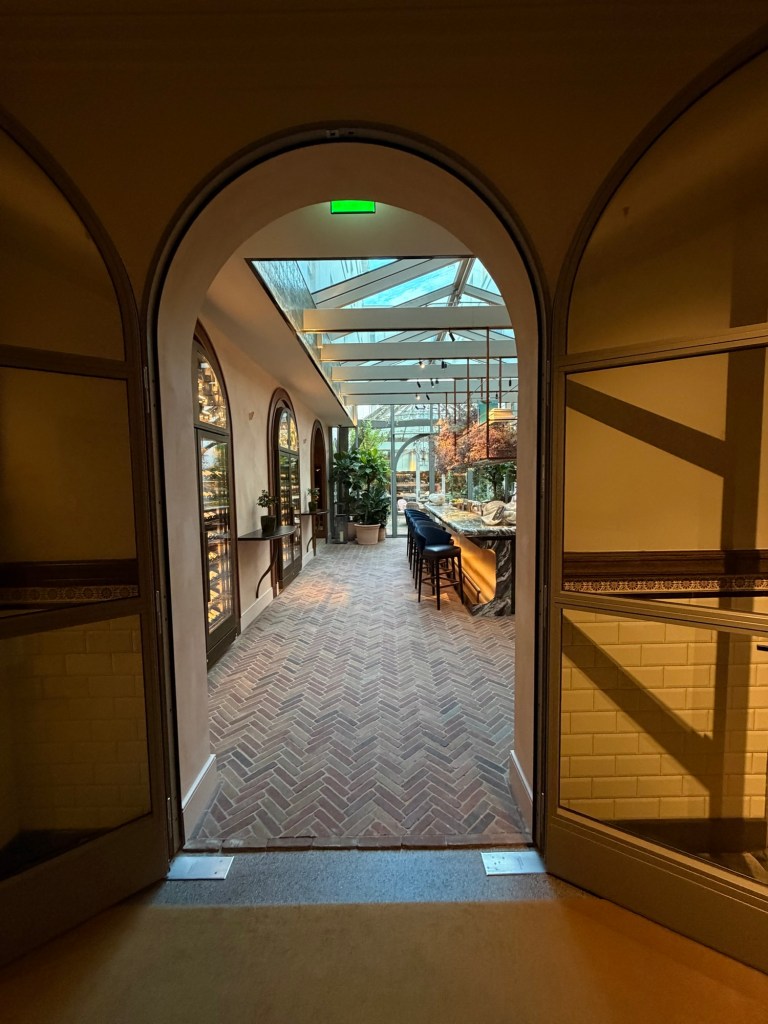
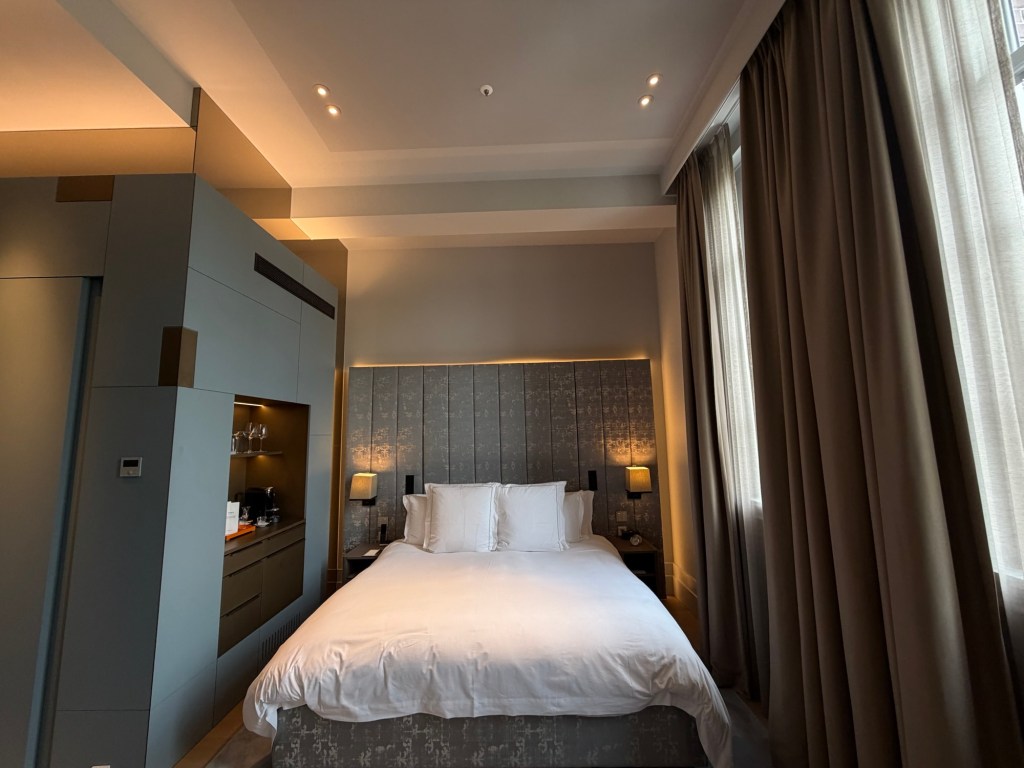
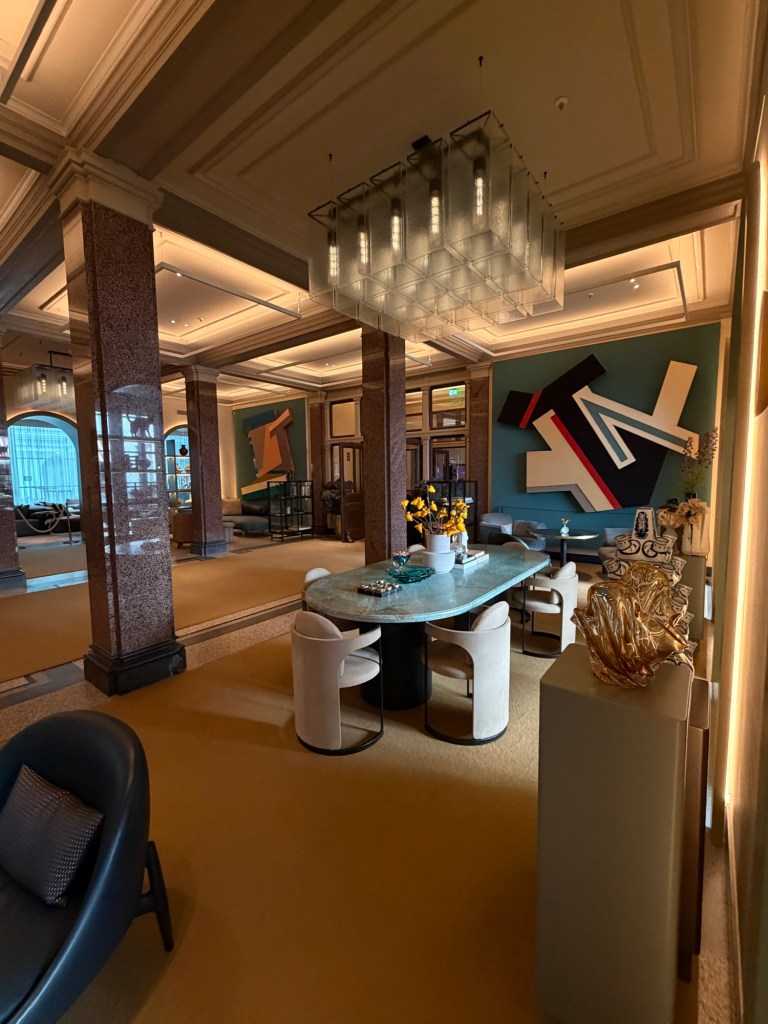
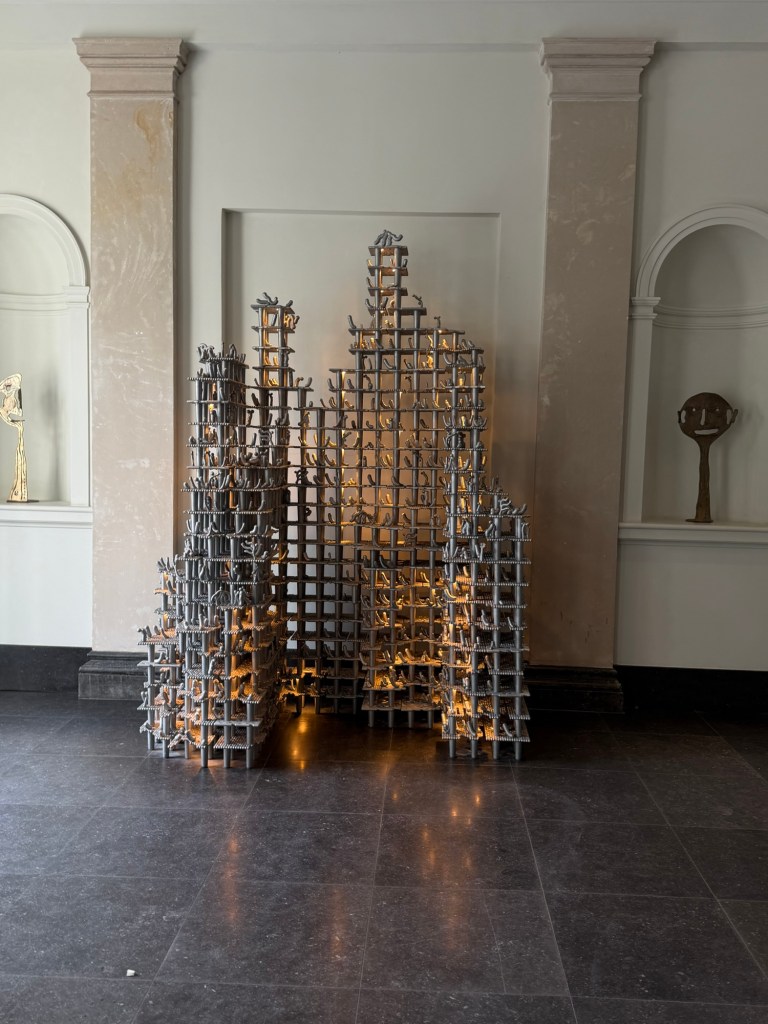
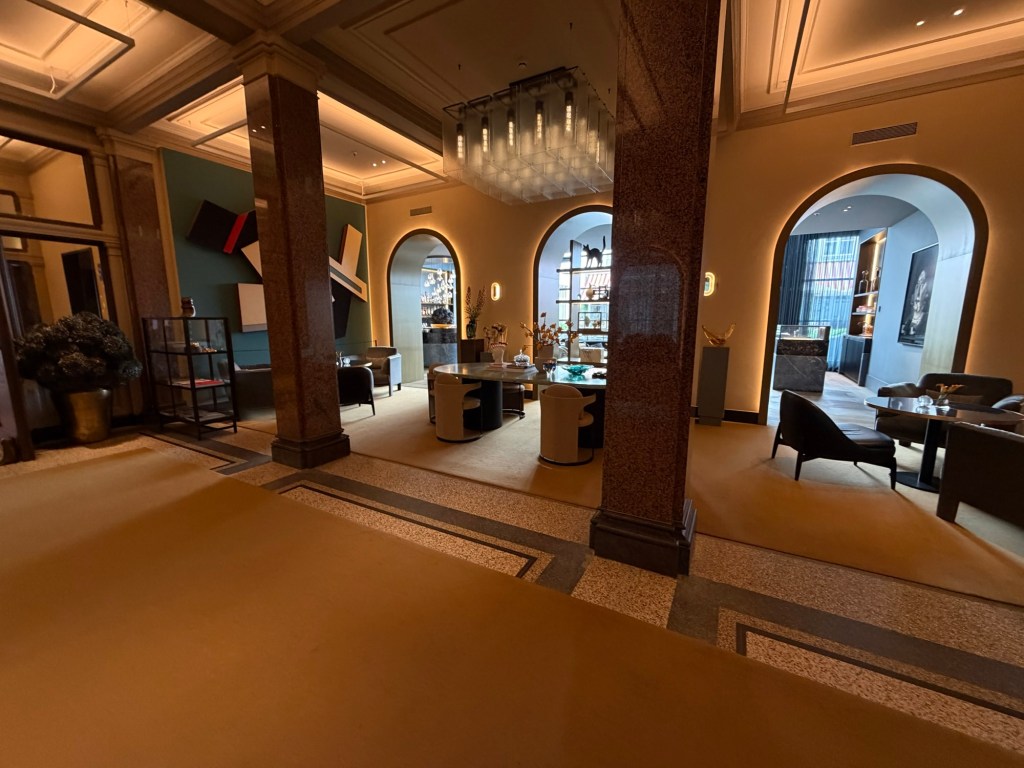
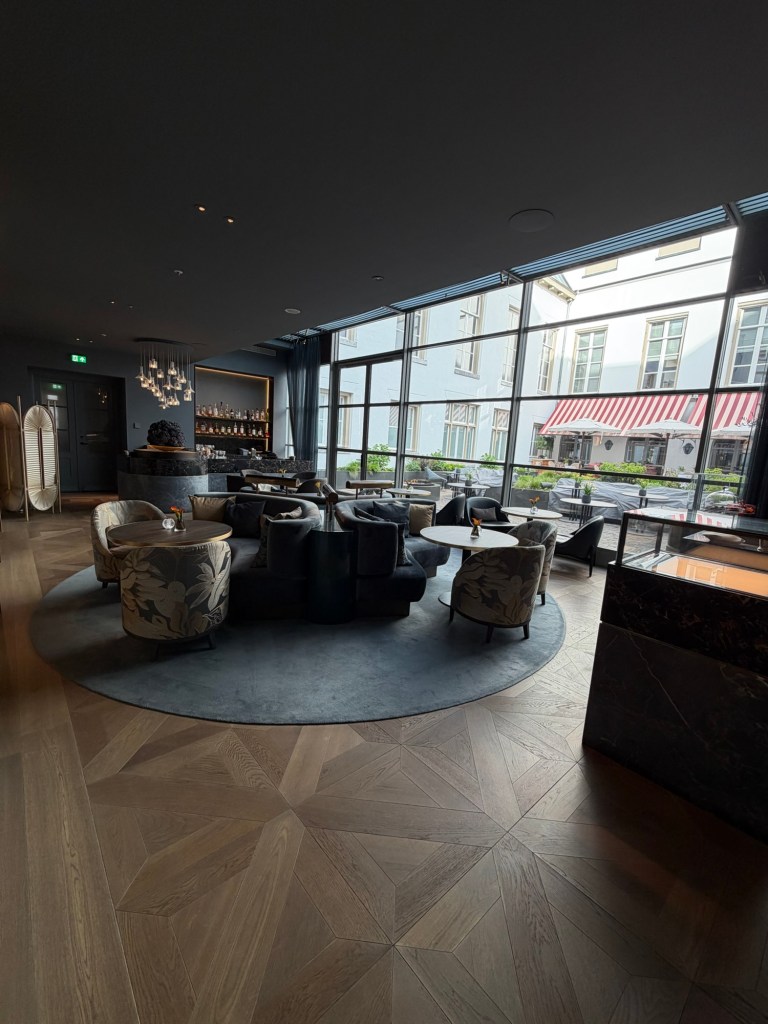
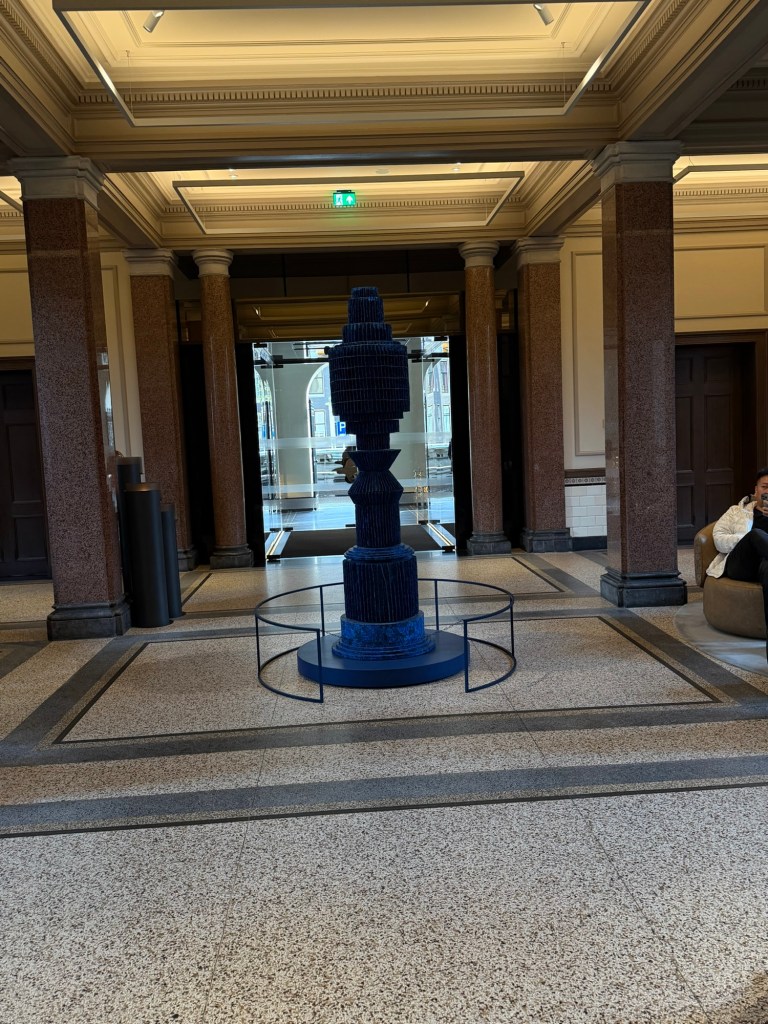
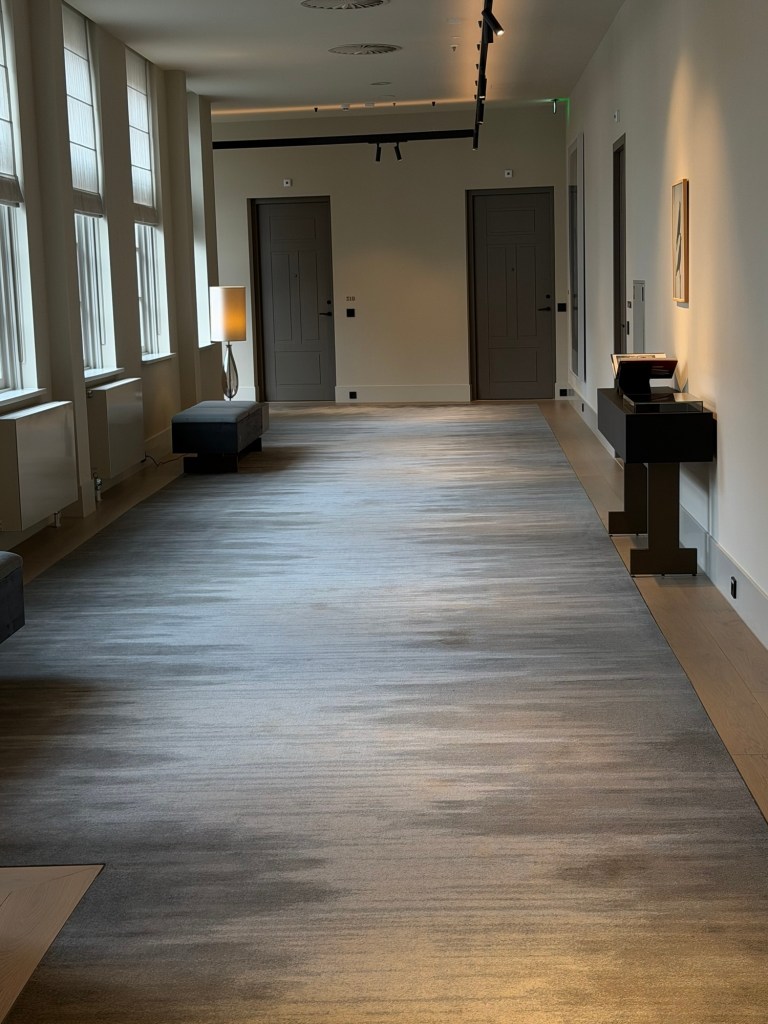
Nothing about it feels rushed. High ceilings, muted tones, and carefully placed art give the sense that the space is meant to be experienced slowly. Even the rooms feel less like hotel accommodations and more like private spaces that just happen to be in what is said to be one of the most beautiful cities in Europe.
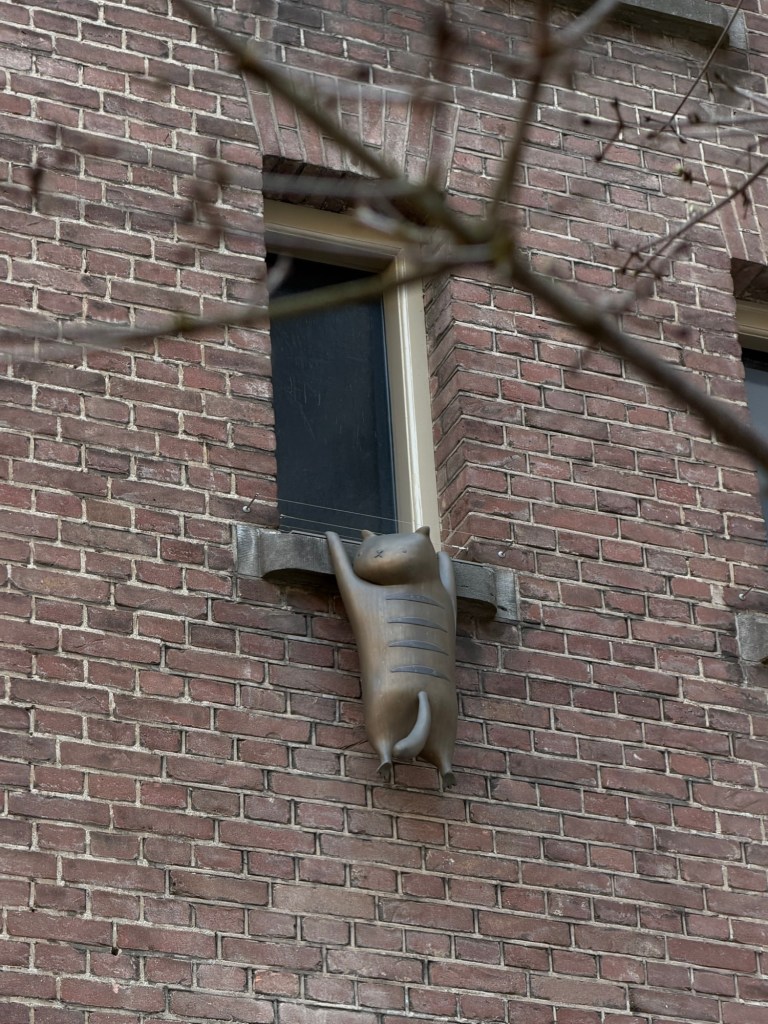
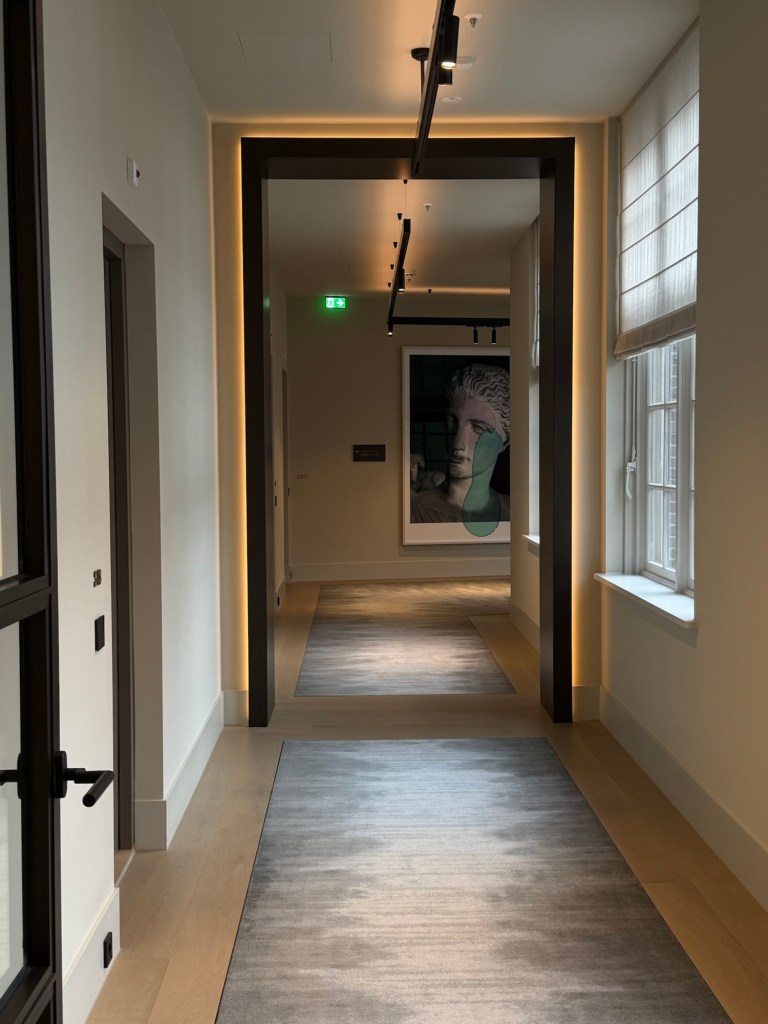
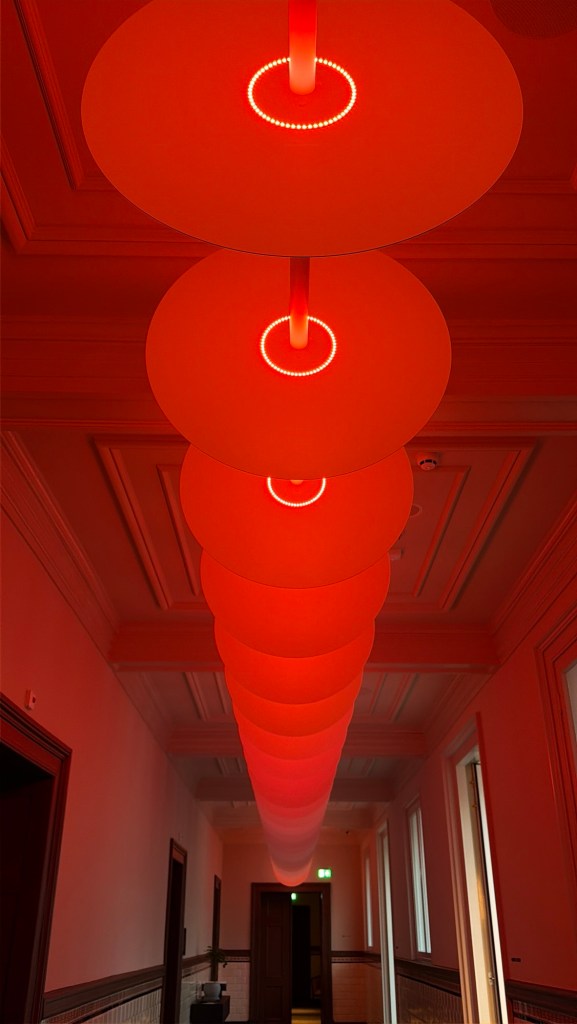
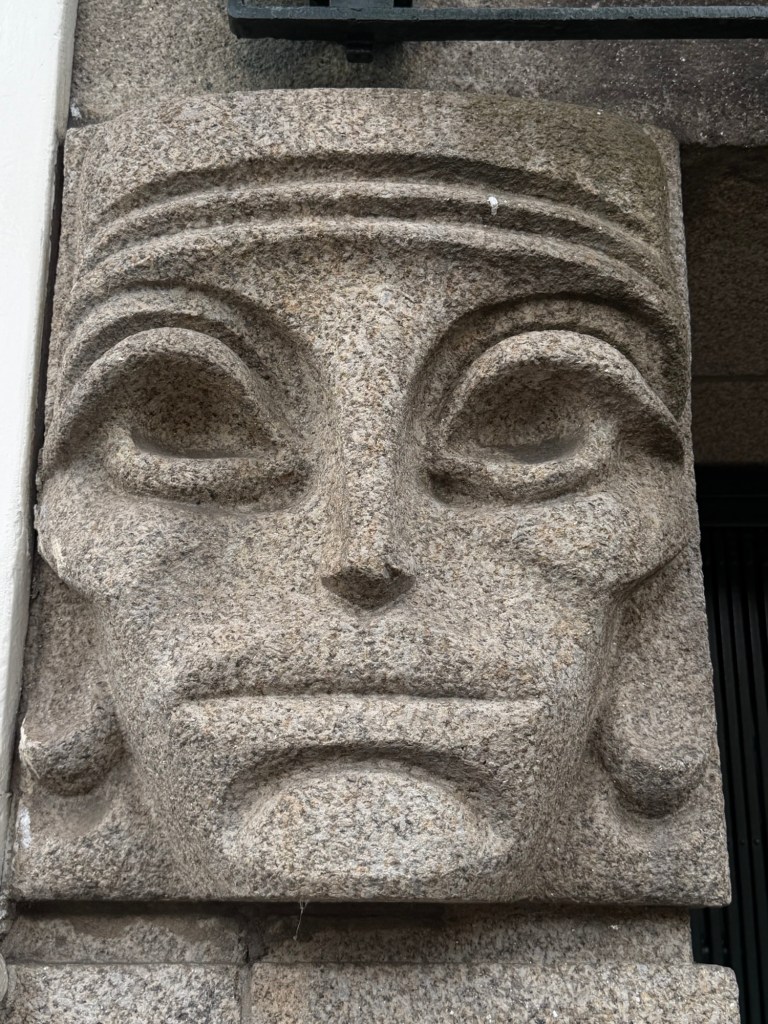
Art is woven into the hotel itself. You encounter it in hallways, in quiet corners of the lobby, along staircases, even in transitional spaces you might otherwise pass through without thinking. It doesn’t announce itself loudly. There are no crowds, no sense of “now you are entering the gallery.” Instead, it reveals itself gradually.
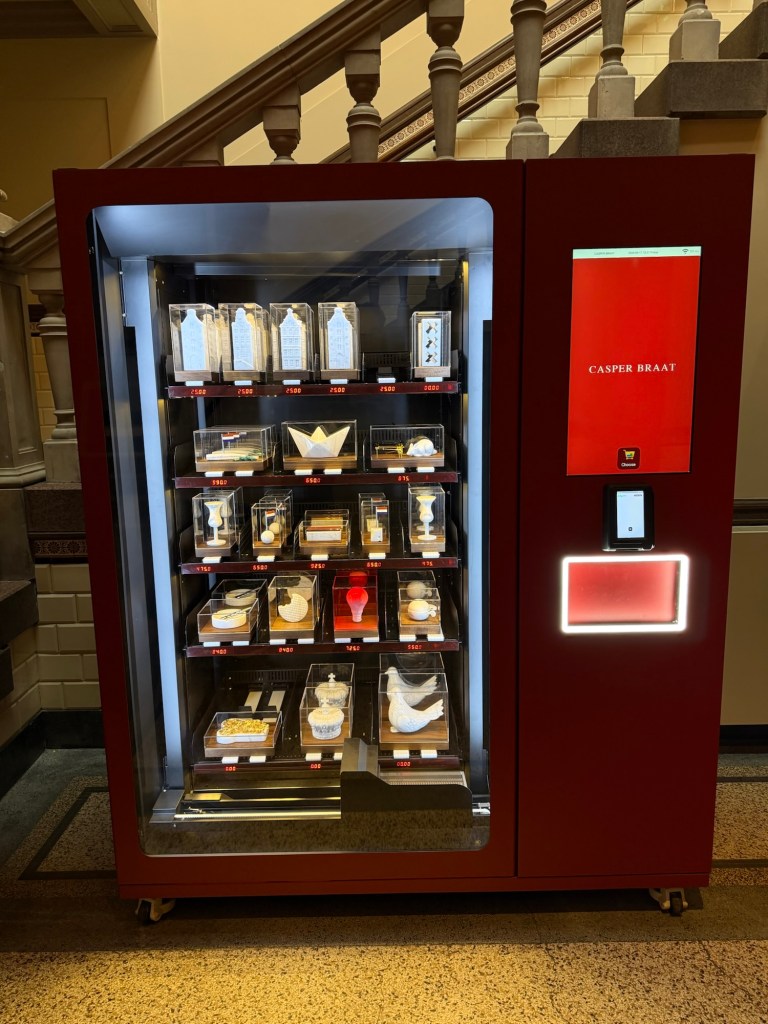
You’ll see sculpture, mixed media, and installations that play with light, space, texture, and even humor, such as the art vending machine.
Because it was so early—and our room wouldn’t be ready until three—we headed out for a walk around the city.
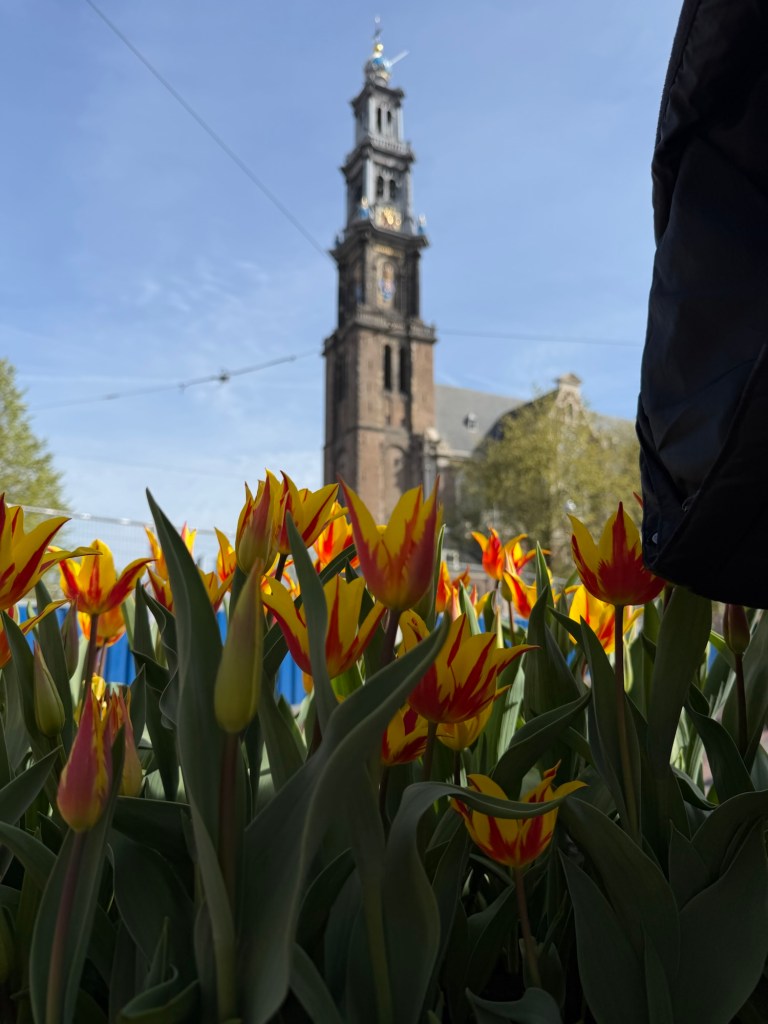
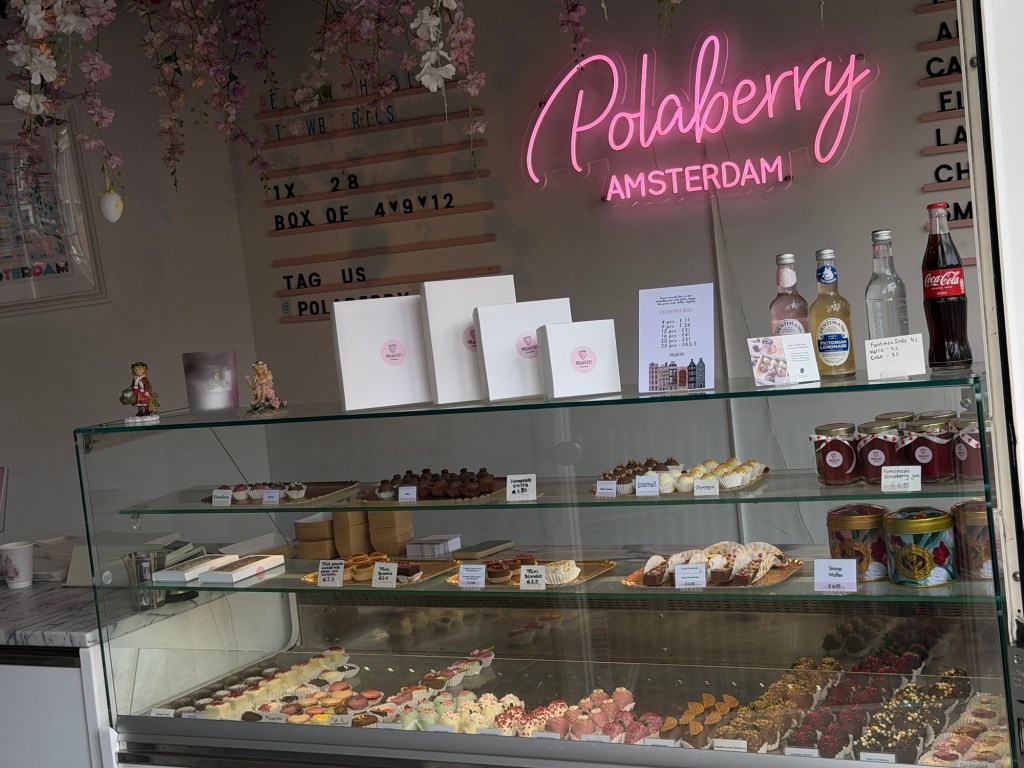
There’s something about stepping into Amsterdam at that hour with nowhere you have to be. The canals guide you without effort, the streets unfold quietly, and the city reveals itself in small, unplanned moments. A bakery just opening its doors. The first café setting out chairs. The steady increase in bicycles as the morning gathers itself.
It’s the kind of walk that doesn’t feel like sightseeing. It feels like being let in early.
By the time the city fully wakes, you already understand something about it—and somehow, it feels like it already understands you.
Our only planned destination for the day was a visit to the Anne Frank House. Make sure you buy tickets well in advance — or you will not get in.
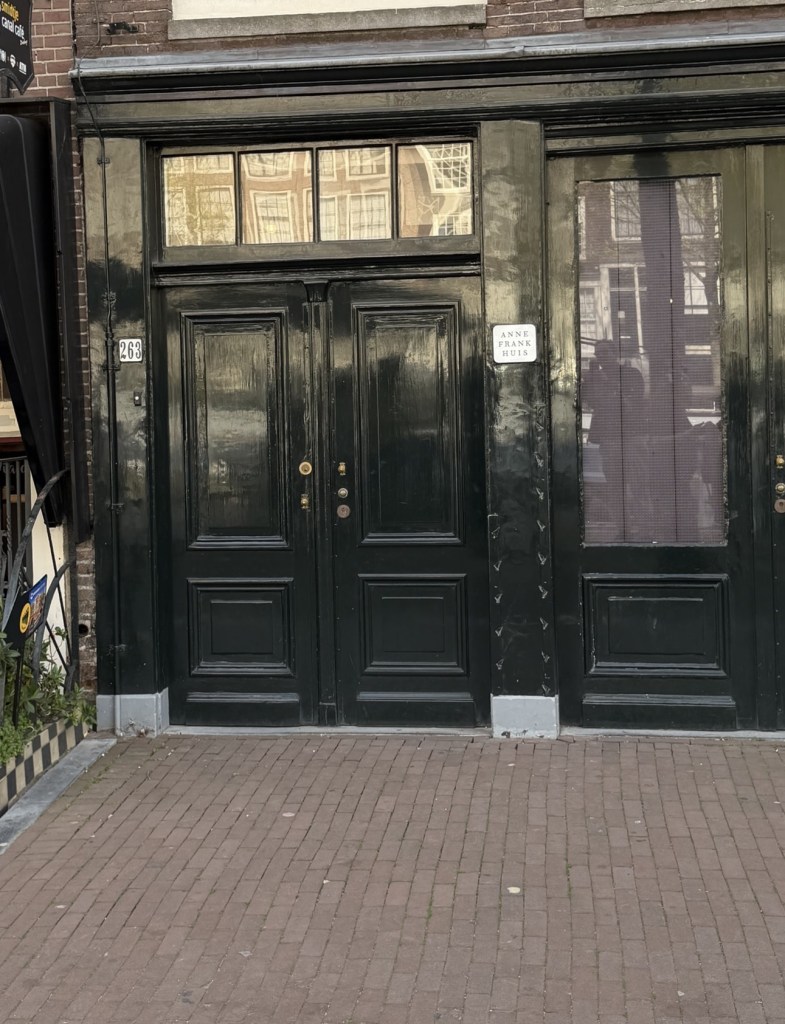
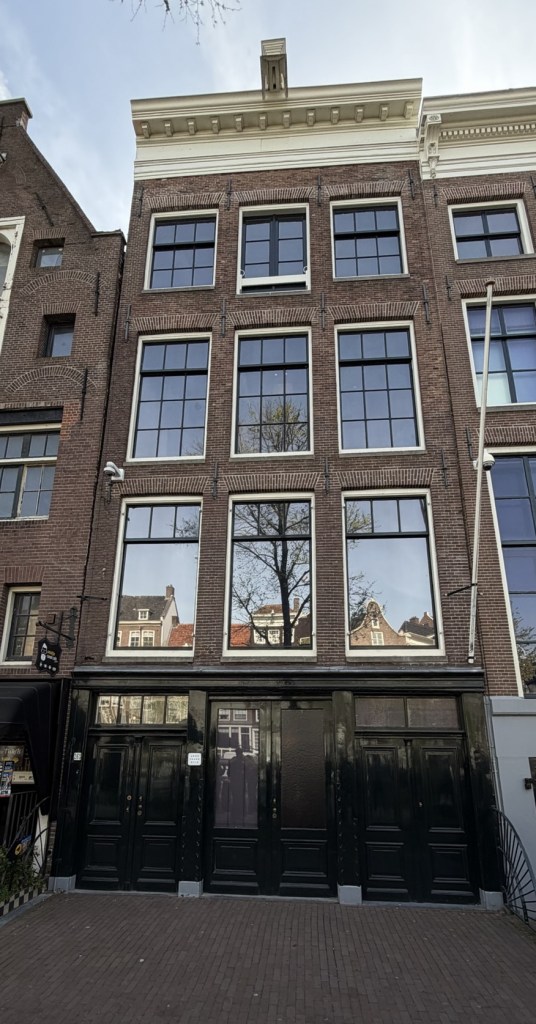
You begin outside along the canal, where the building looks like so many others in Amsterdam—narrow, unassuming, almost easy to pass by. You enter through an added structure. But once inside, the tone shifts. Voices lower. Movement slows.
Then comes the bookcase.
It’s smaller than you expect. Ordinary. And that’s what makes it unsettling. You step through, and suddenly you’re in the hidden annex—the place where eight people lived in silence and fear for more than two years. The rooms are mostly empty now, deliberately so. No furniture, no attempt to recreate comfort. Just space—and the weight of what once filled it.
You notice details. The marks on the wall where Anne’s height was measured. The pictures she pasted to brighten her room. Windows covered to keep out the world, even as the world pressed in.
It’s not dramatic. There’s no music, no staging. Just a slow unfolding of reality. You don’t “see” history here as much as you feel it closing in on you.
And when you leave—when you step back out into the light, onto the canal, into the ordinary rhythm of the city—it all continues as it always has. But something has shifted. The streets look the same.
You don’t…
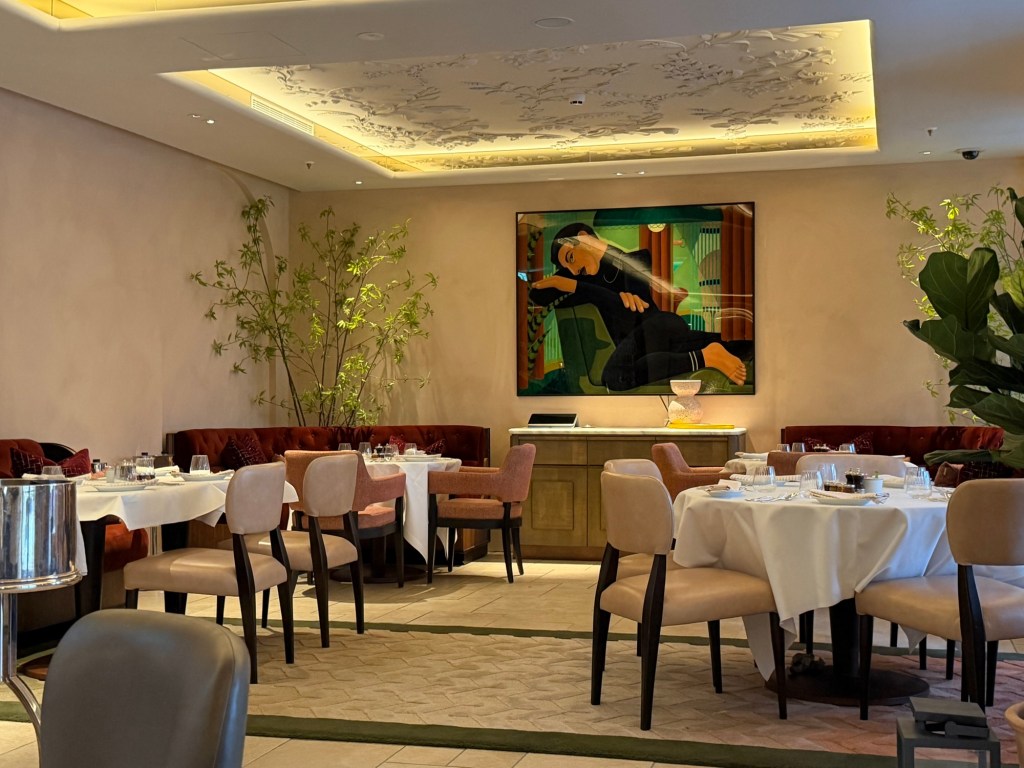
Our first day in Amsterdam ended with quiet dinner at eeuwen, the hotel restaurant.
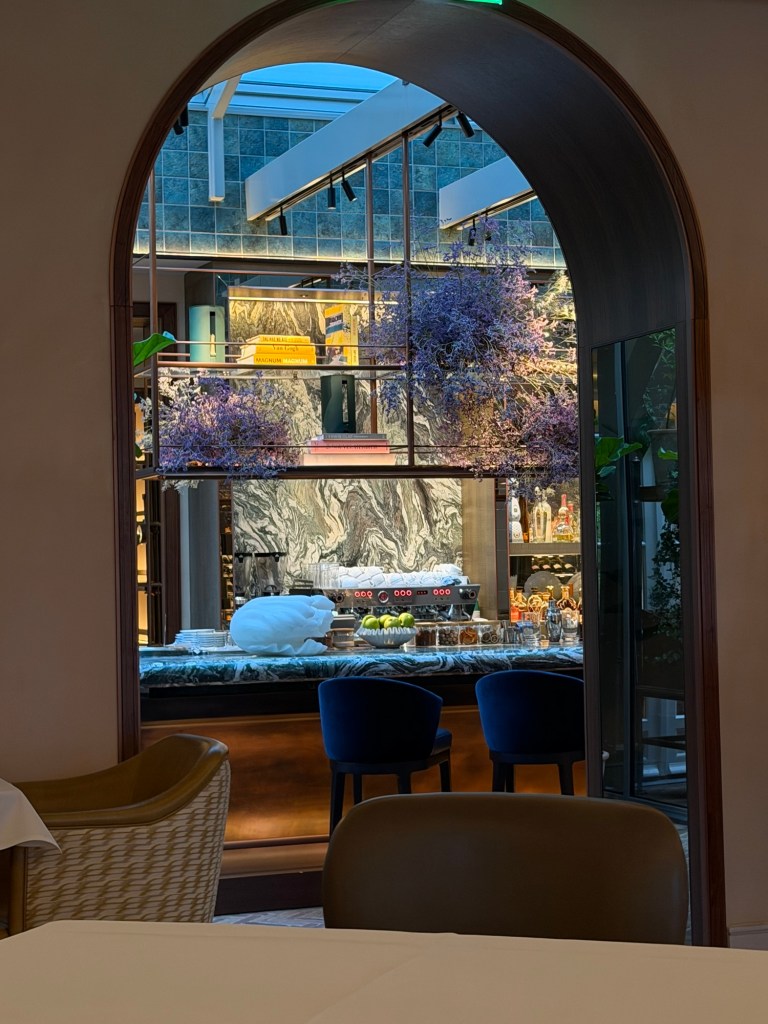
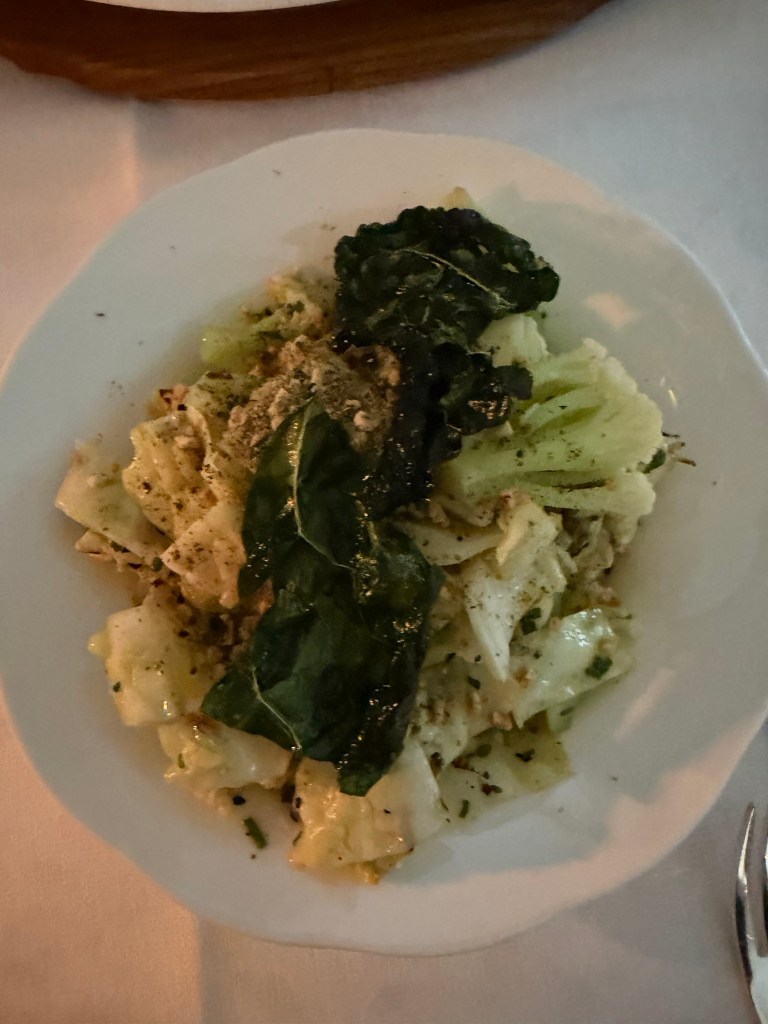
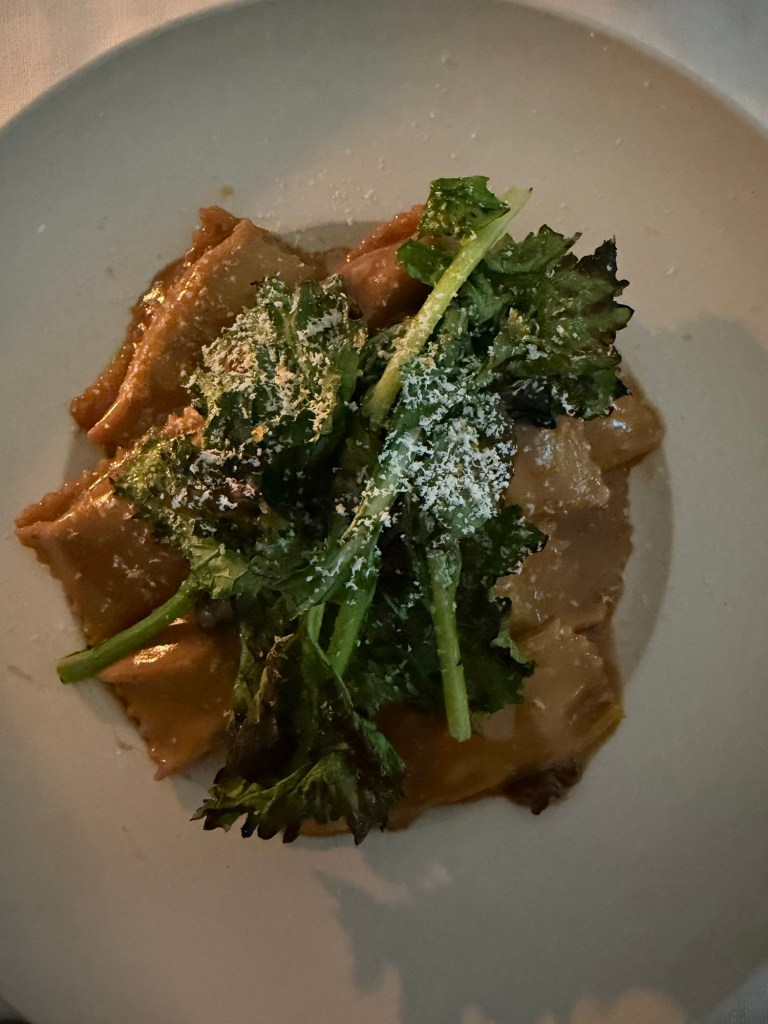
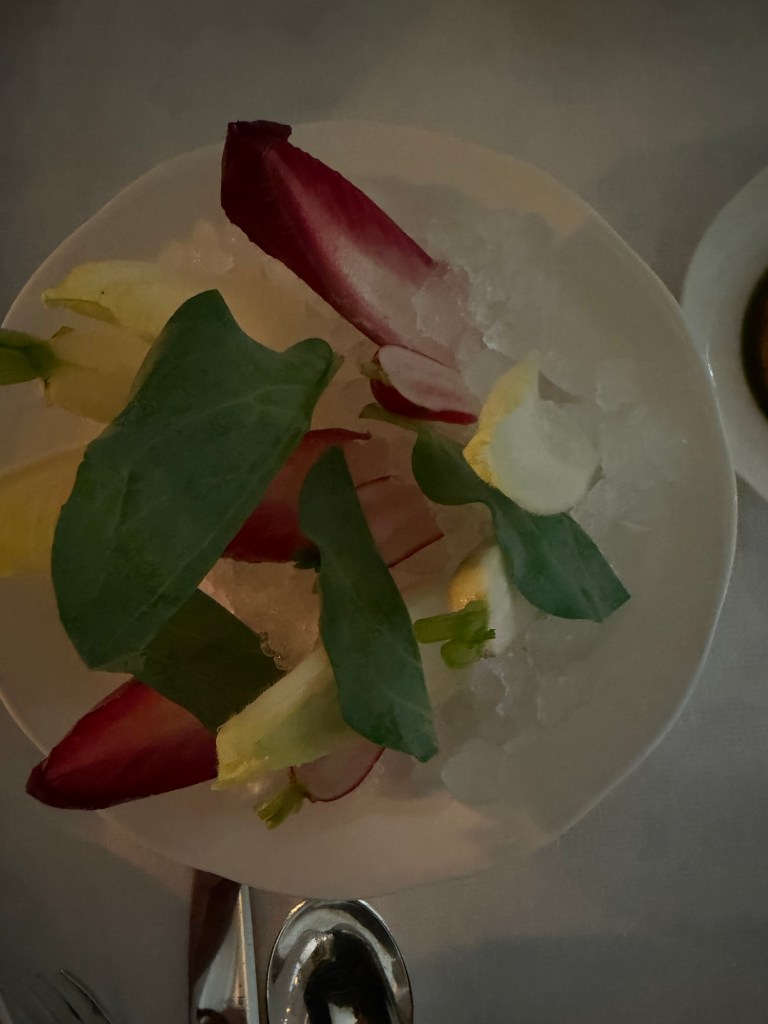
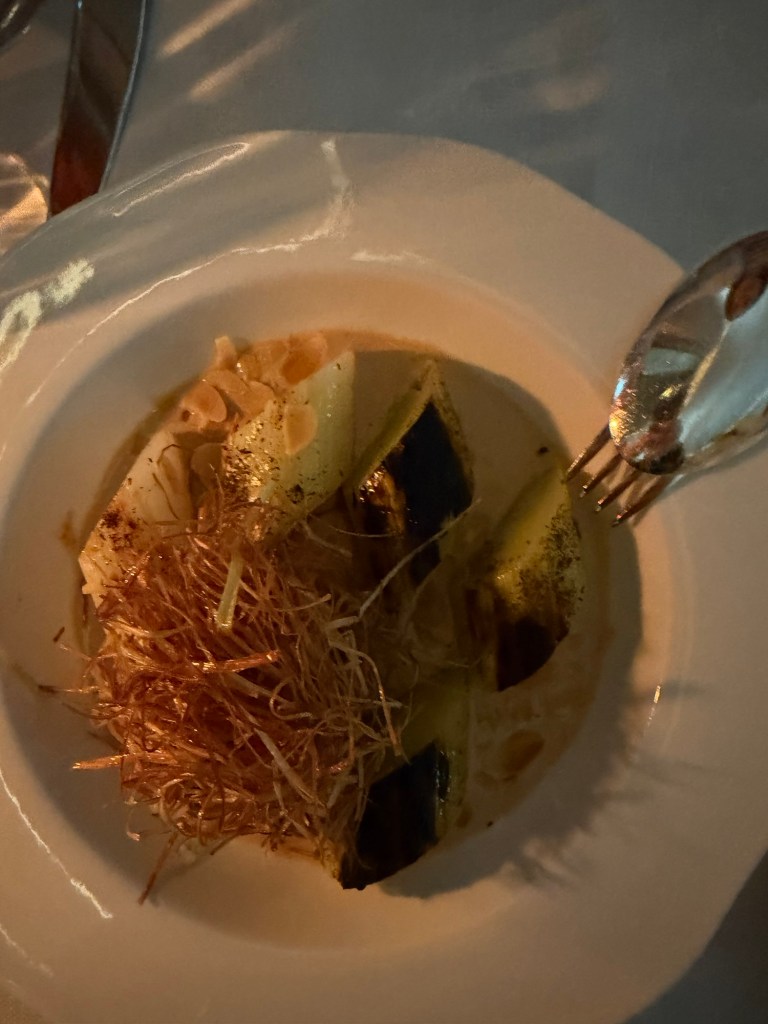
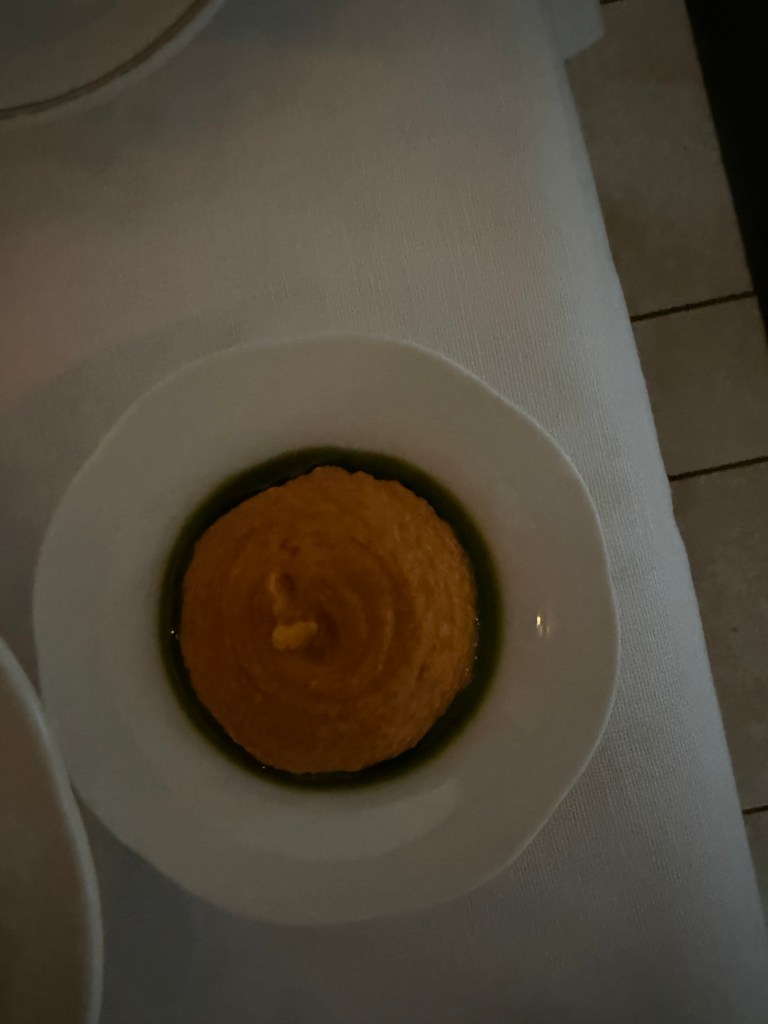
Some dishes announce themselves. Others sit quietly on the table and reveal more the longer you pay attention. The homemade agnolotti at Eeuwen falls into the second category.
At first glance, it’s restrained—small, precise parcels of pasta arranged without excess. No theatrics, no unnecessary flourish. But the balance is what draws you in.
The morel mushrooms set the tone. Earthy, almost woodsy, they give the dish a depth that feels very much of the season. The ricotta, lightly salted, doesn’t weigh things down—it lifts, adding a clean, subtle richness that never turns heavy. And then there’s the cime di rapa, bringing just enough bitterness to keep everything in check.
It’s a composed dish. Thoughtful rather than indulgent.
In a city where so much catches your eye—the canals, the architecture, the constant motion—this is the kind of plate that asks you to slow down for a minute. To focus. To notice.