Vestmannaeyjar (Westman Islands) — where a town once vanished beneath fire and ash in the 1973 volcano eruption, only to claw its way back from the brink. Our visit traced that story of survival before taking to the sea, skimming past cliffs alive with one of the world’s largest puffin colonies and into a realm of volcanic spires and wave-carved walls that rise from the ocean like the remnants of a lost world.
Our day began at the Umi Hotel, the morning calm broken by two sudden plot twists. As we headed to the ferry dock at Landeyjahofn through windswept fields and along the black-sand coast, someone realized their valuables were still locked in the hotel safe. In an instant, Kristinn turned back, tearing up the road in a race against the ferry’s unforgiving timetable. A call also warned that shifting weather might jeopardize our planned sea excursion. Two clocks were now ticking: one counting down to the ferry’s departure, the other to the arrival of a storm that could put a dent in a huge part of our day.
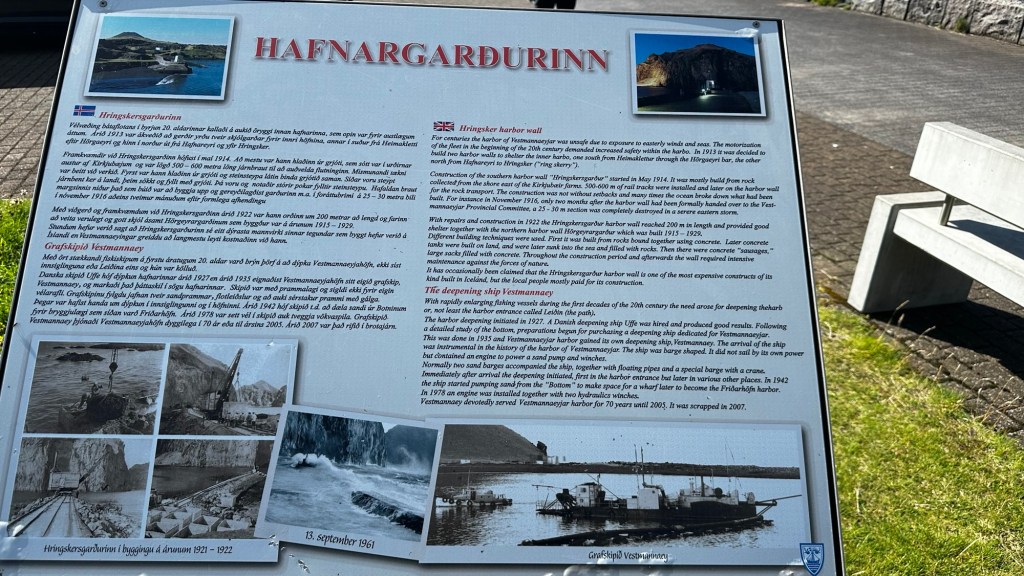
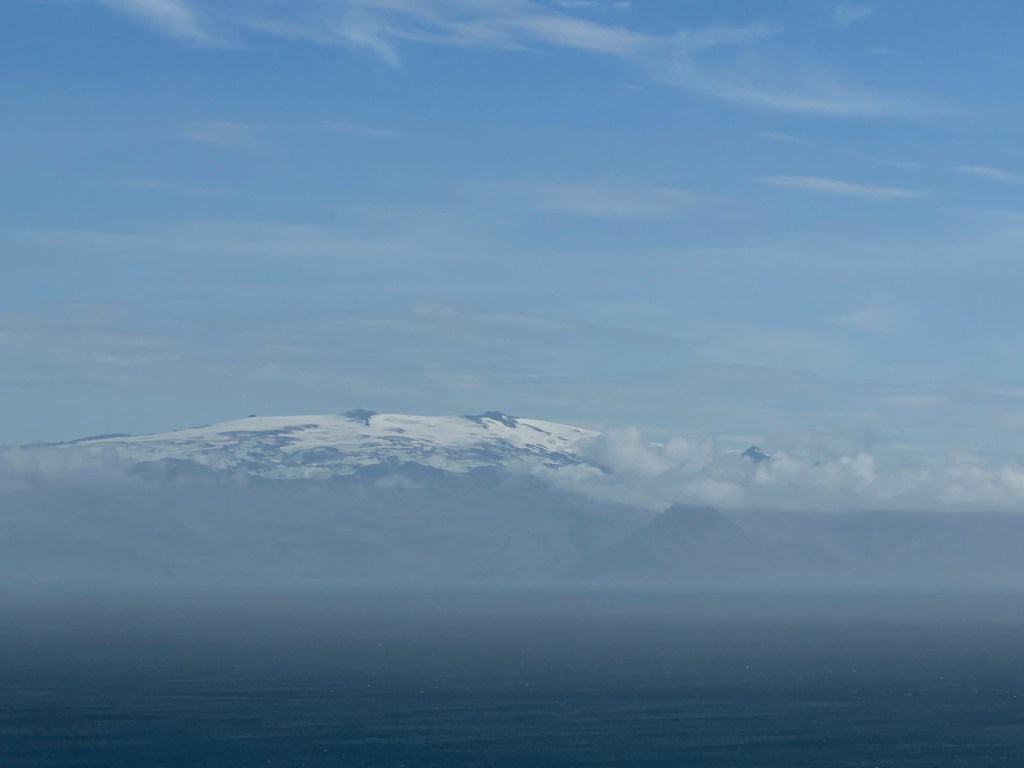
We made it. The Herjolfur eased away from the dock, its duel fuel engines (electric and diesel) thrumming as we cut across the choppy, steel-grey water like a metal semi-god. The mainland receded quickly, a dark smear of cliffs and black-sand beaches dissolving into the mist. Out on the open sea, the wind carried the tang of salt and the cries of seabirds skimming the waves. Ahead, the Westman Islands began to take shape — jagged volcanic peaks draped in green, their cliffs streaked with seabird colonies. As we drew closer, the largest island, Heimaey, revealed itself like a fortress rising from the ocean, its harbor tucked safely behind walls of lava and stone.
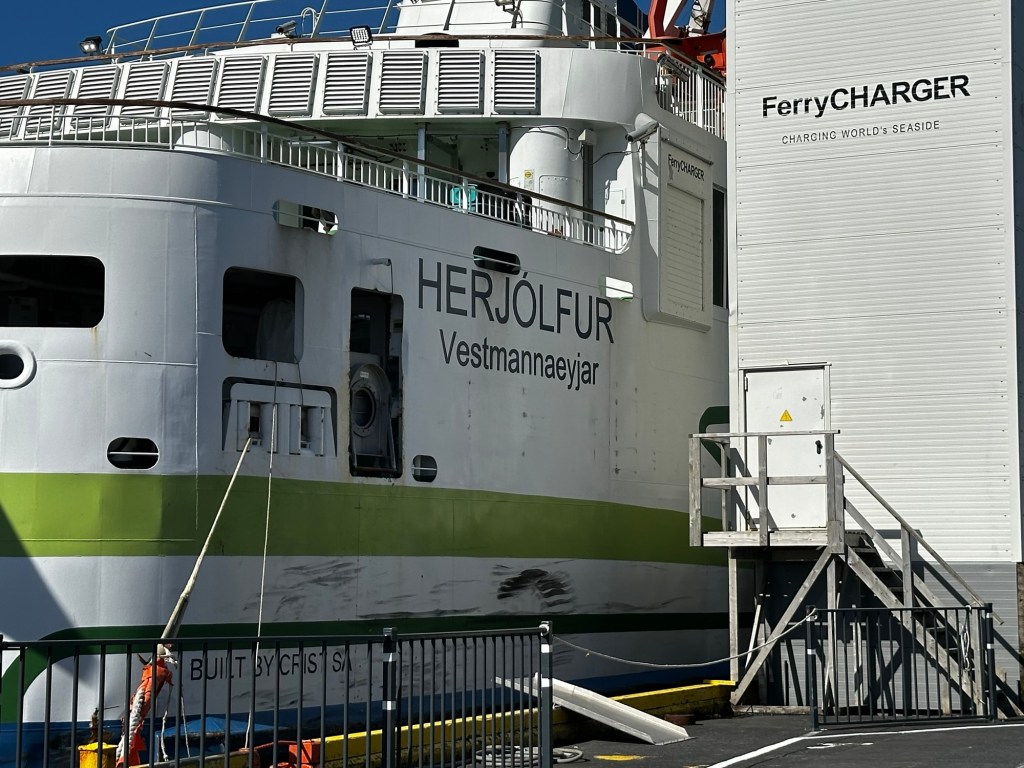
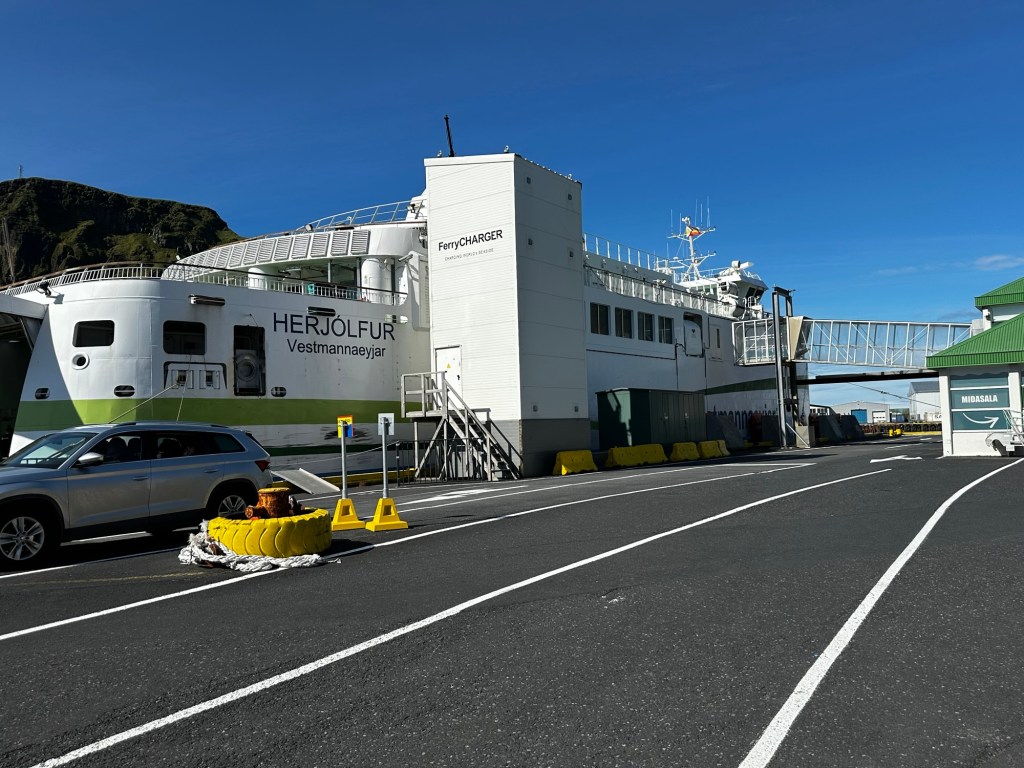
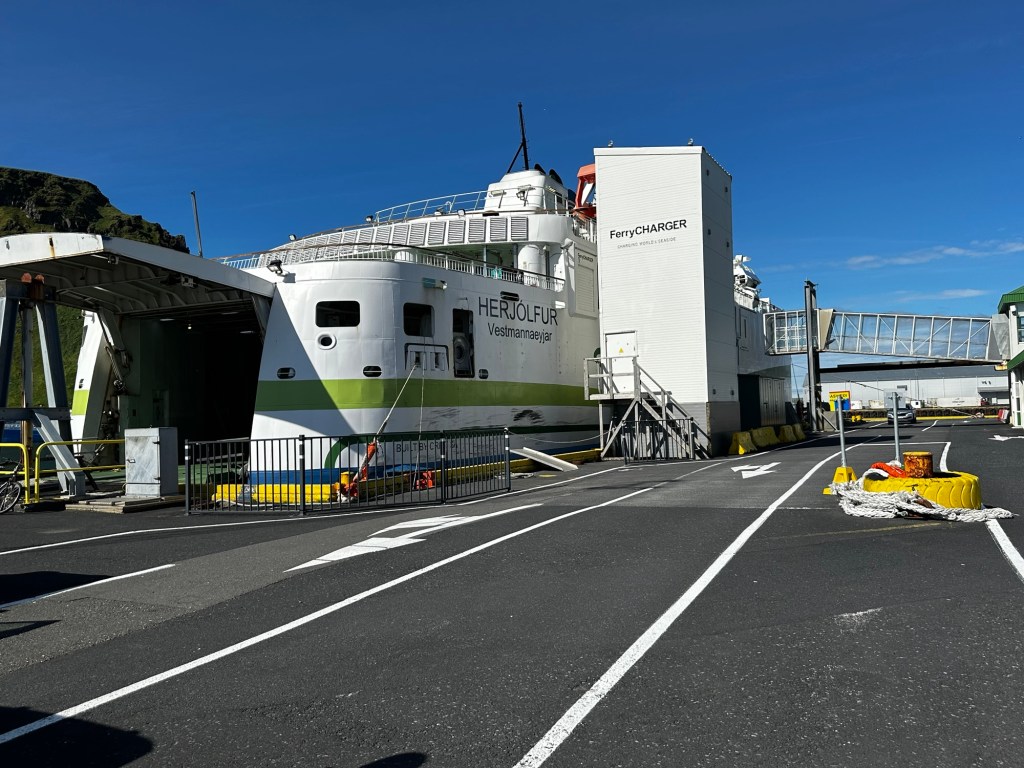
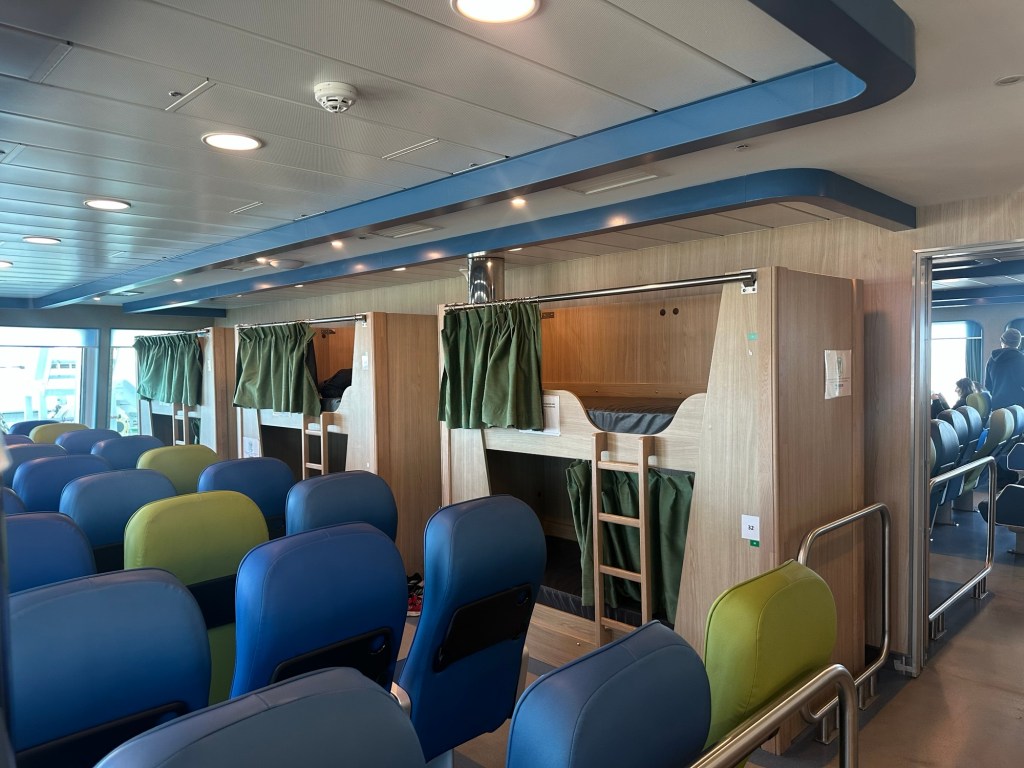
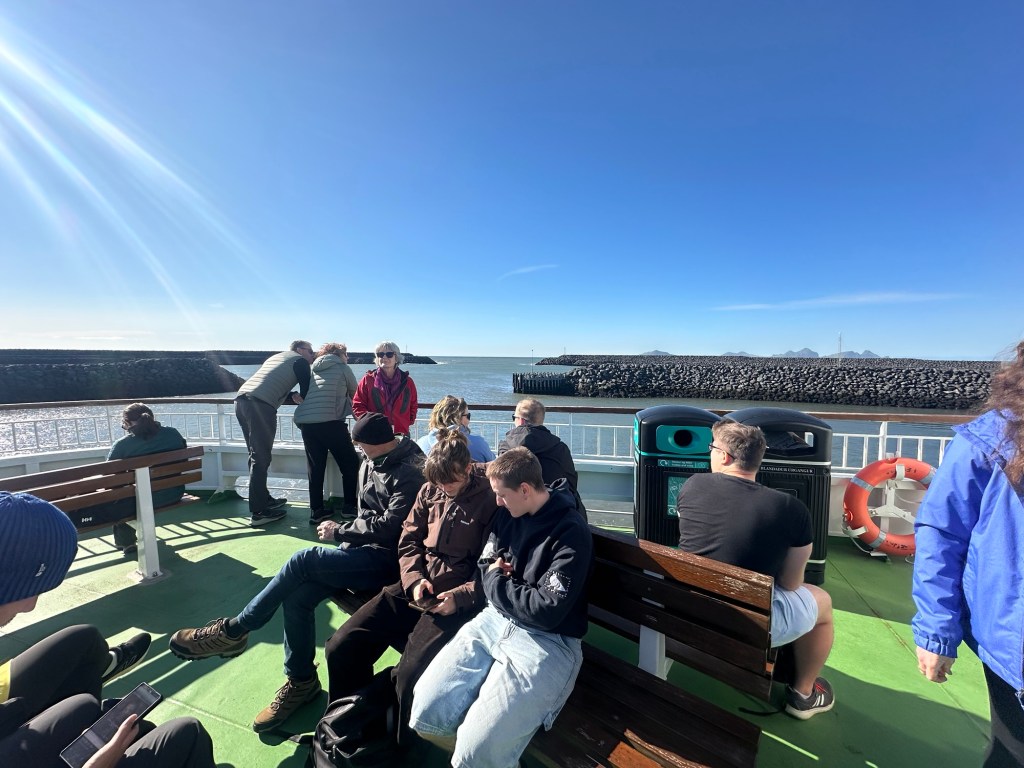
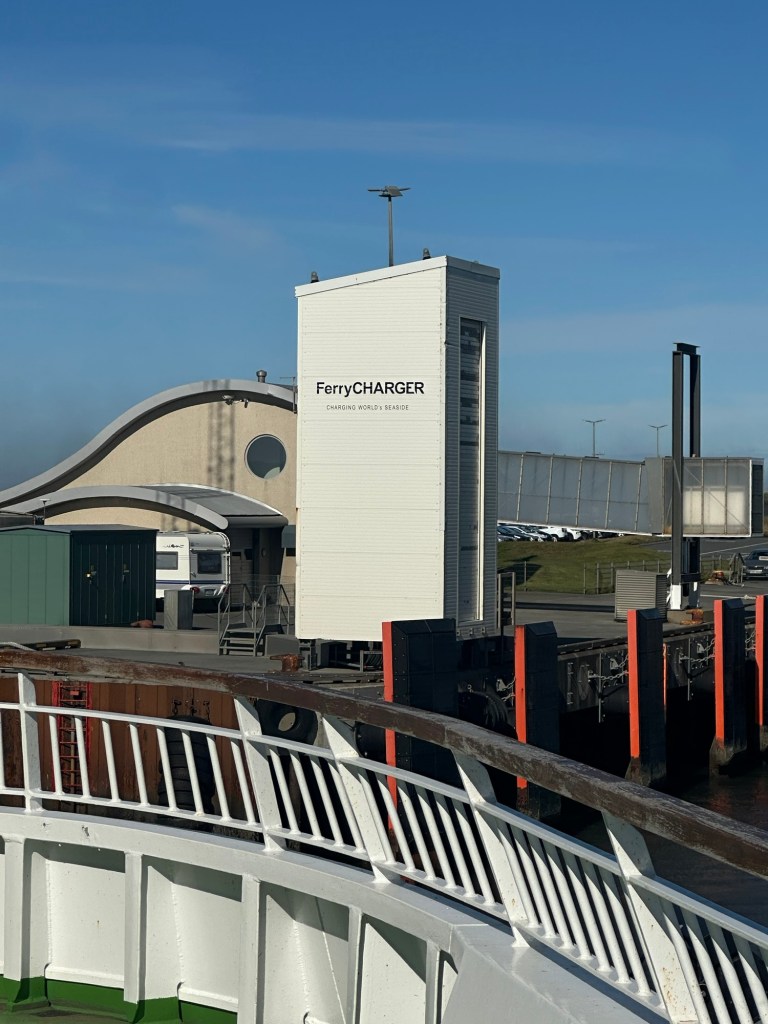
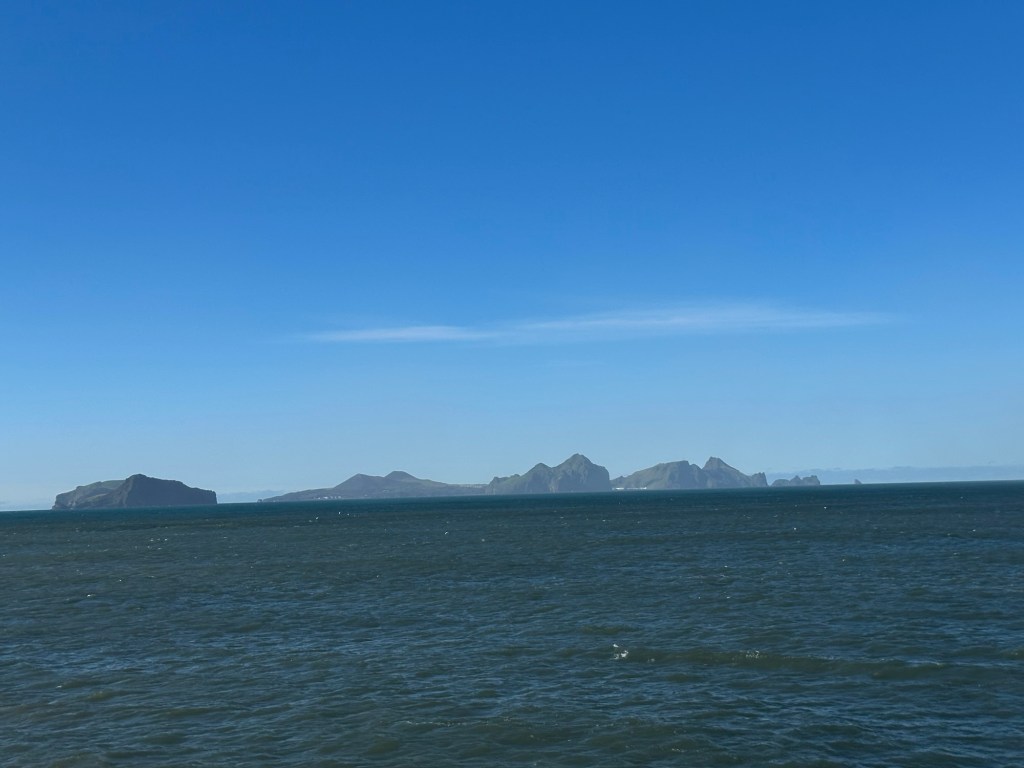

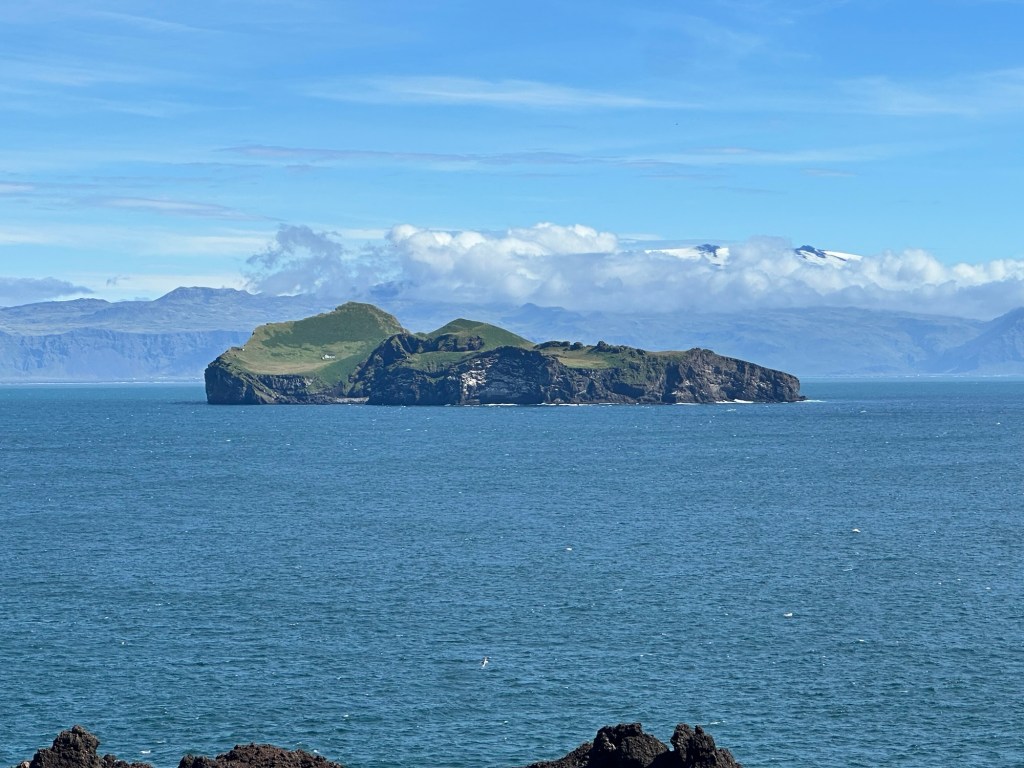
These archipelago of islands off Iceland’s south coast were born of underwater volcanic eruptions. Heimaey is the largest and only inhabited island, home to two volcanoes, Helgafell and Eldfell.
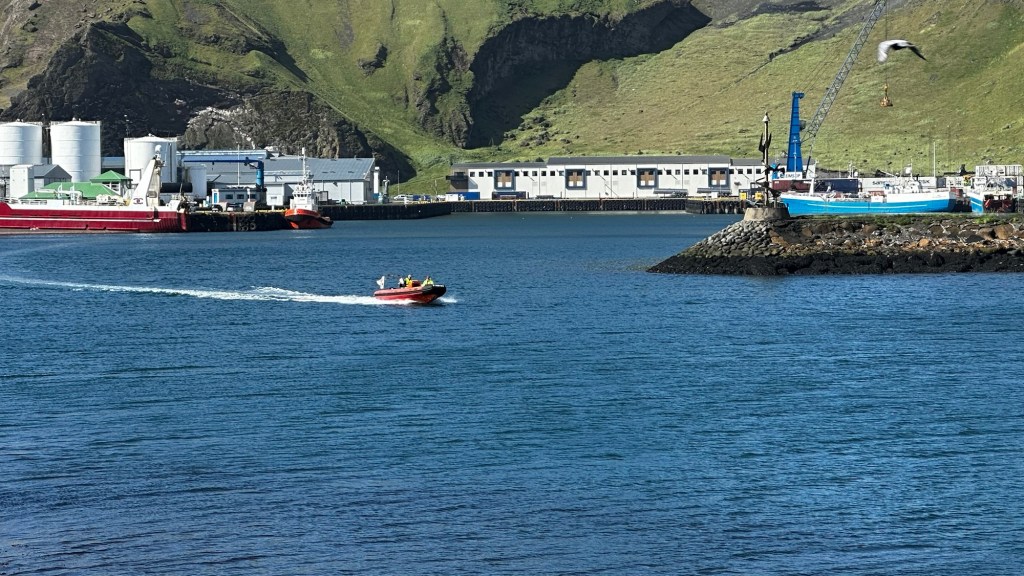
We hopped into Kristinn’s van while still aboard the ferry, ready to roll the moment the ramp dropped. Kirstinn’s story-telling launched in a back street at the heart of the Westman fishing industry, where the scent of salt and freshly caught fish hung in the air from nearby processing plants.
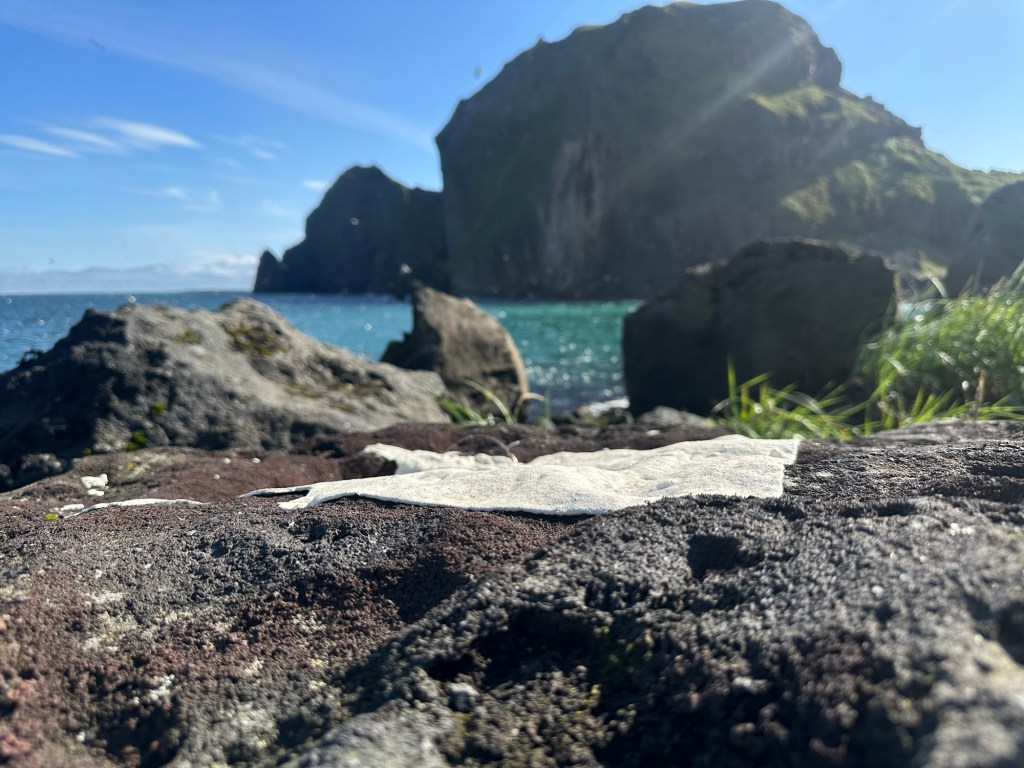
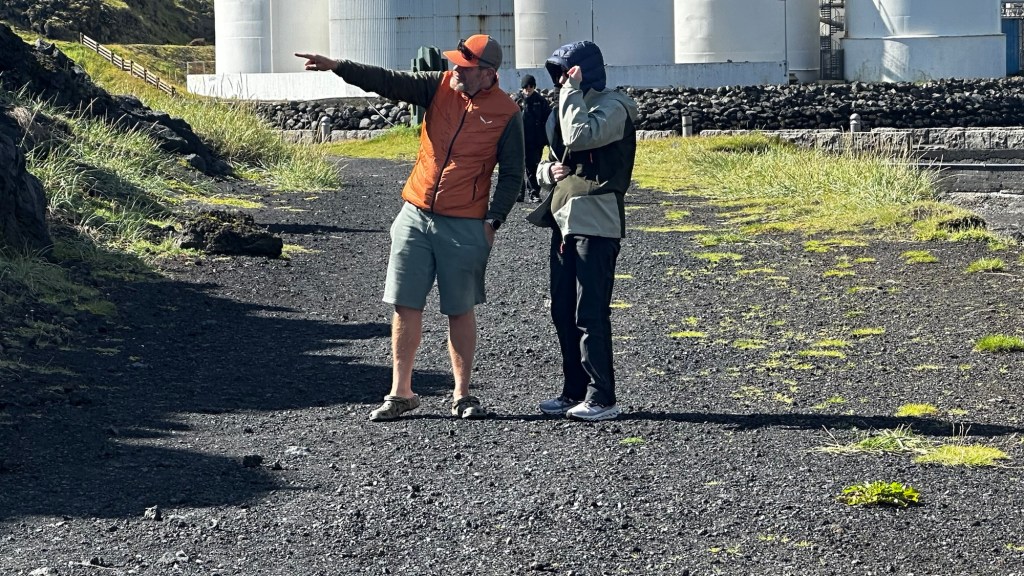
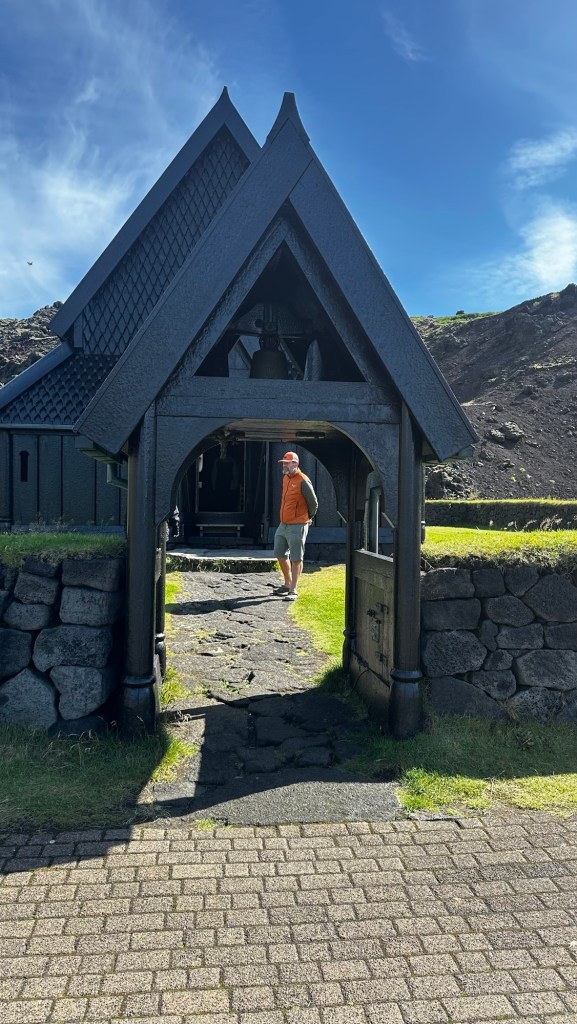

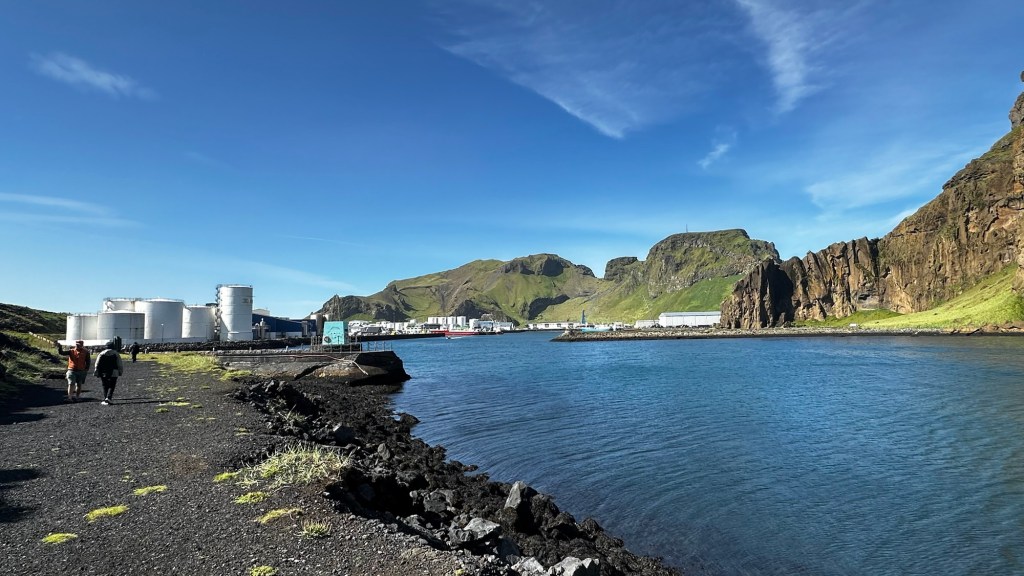
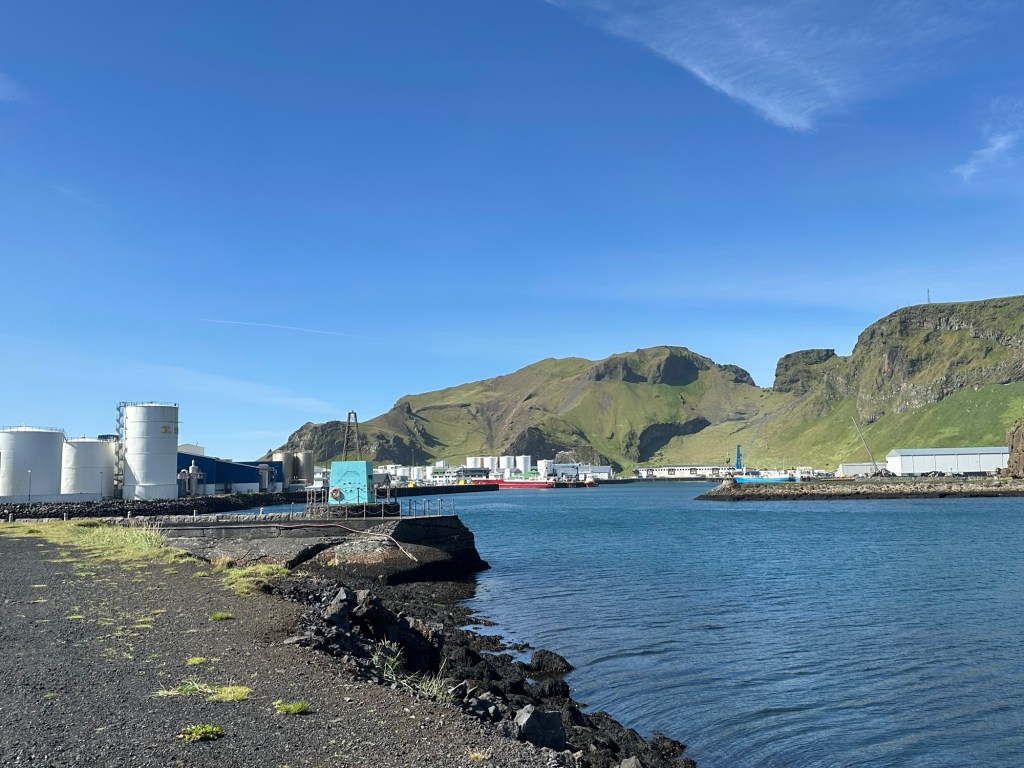
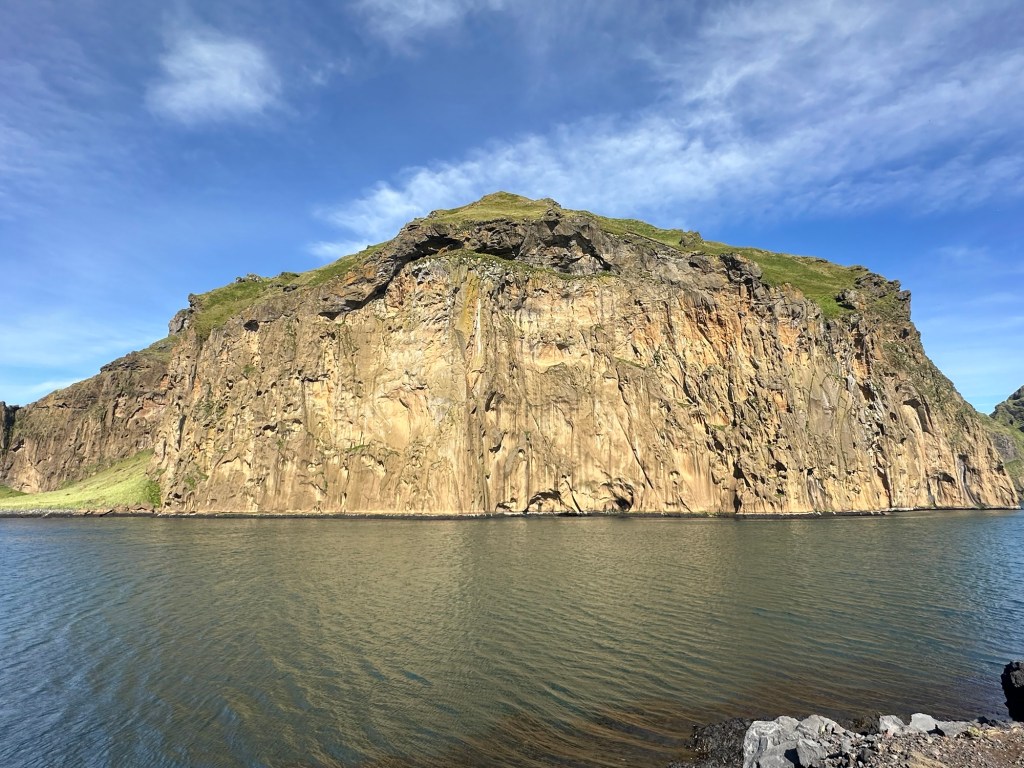
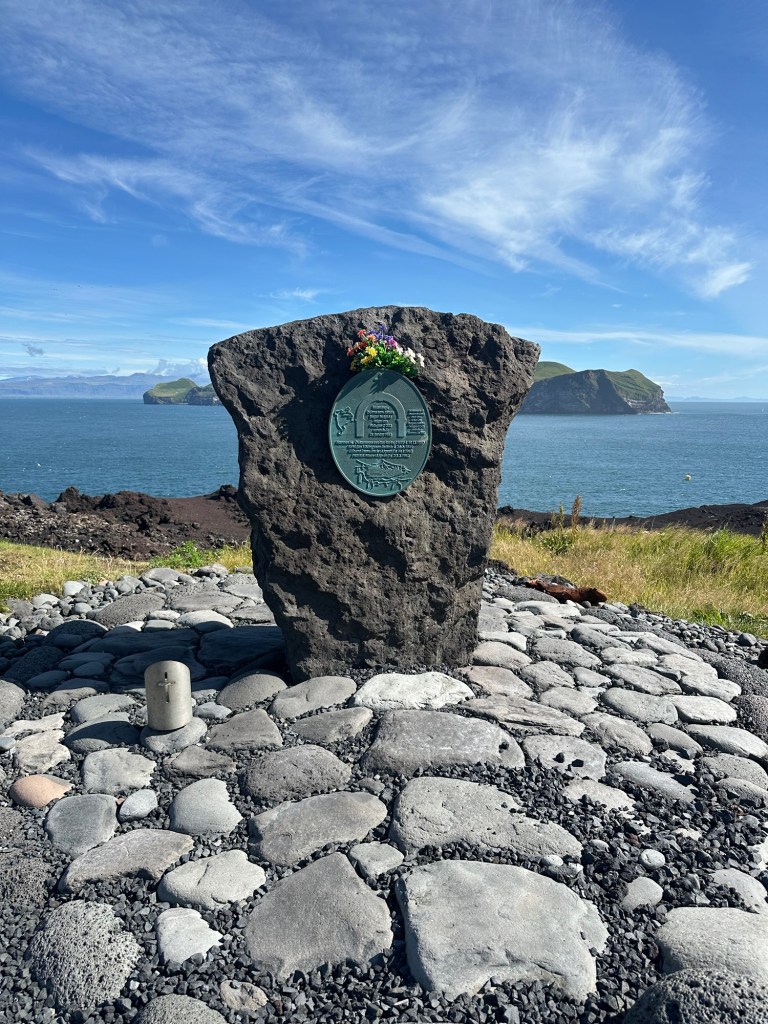
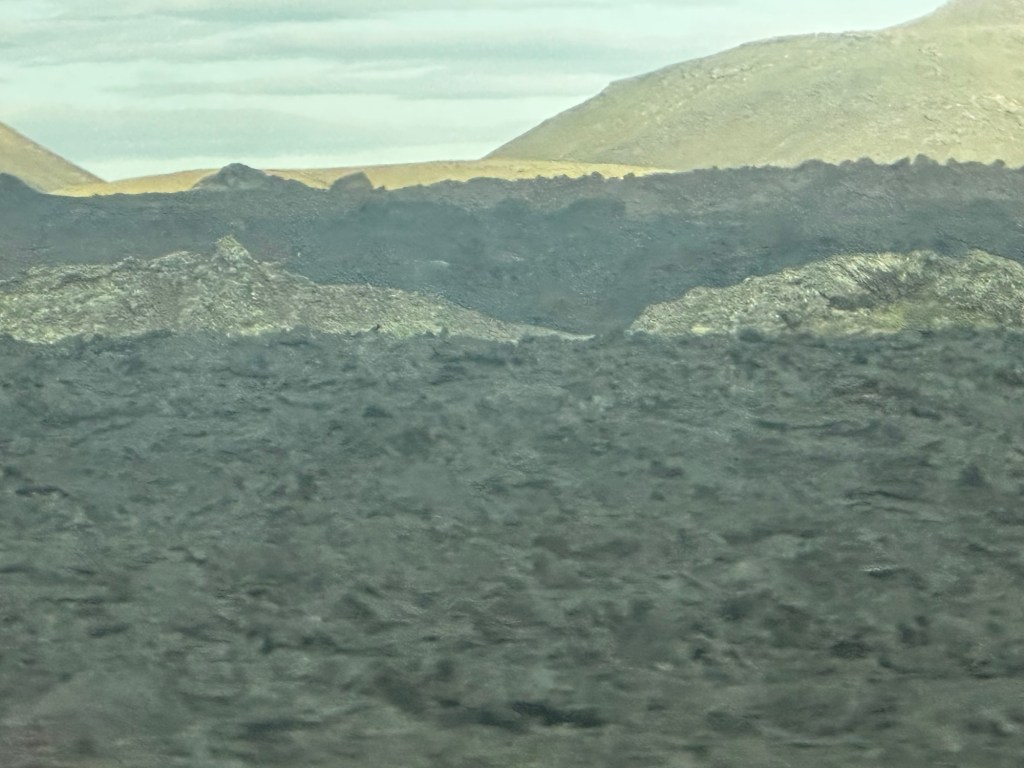
The Eldheimar Museum, called the “Pompeii of the North,” stands on the very lava field that consumed part of Heimaey in 1973. Its modern glass-and-steel structure encloses a preserved home, frozen in time beneath layers of ash and pumice.
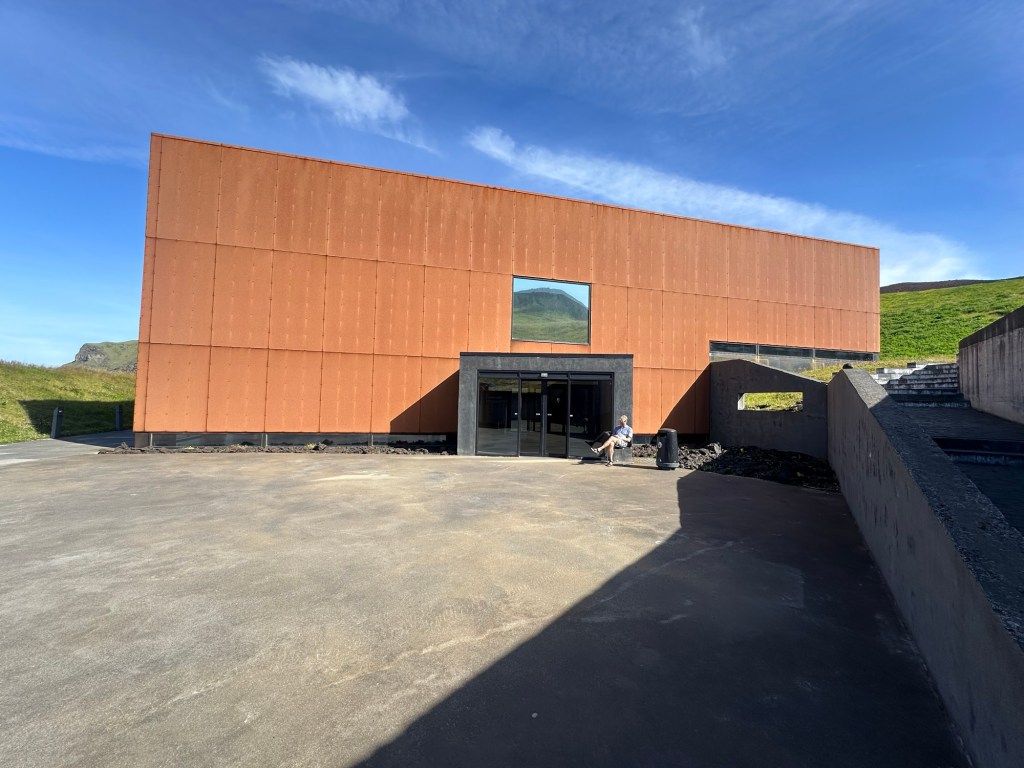
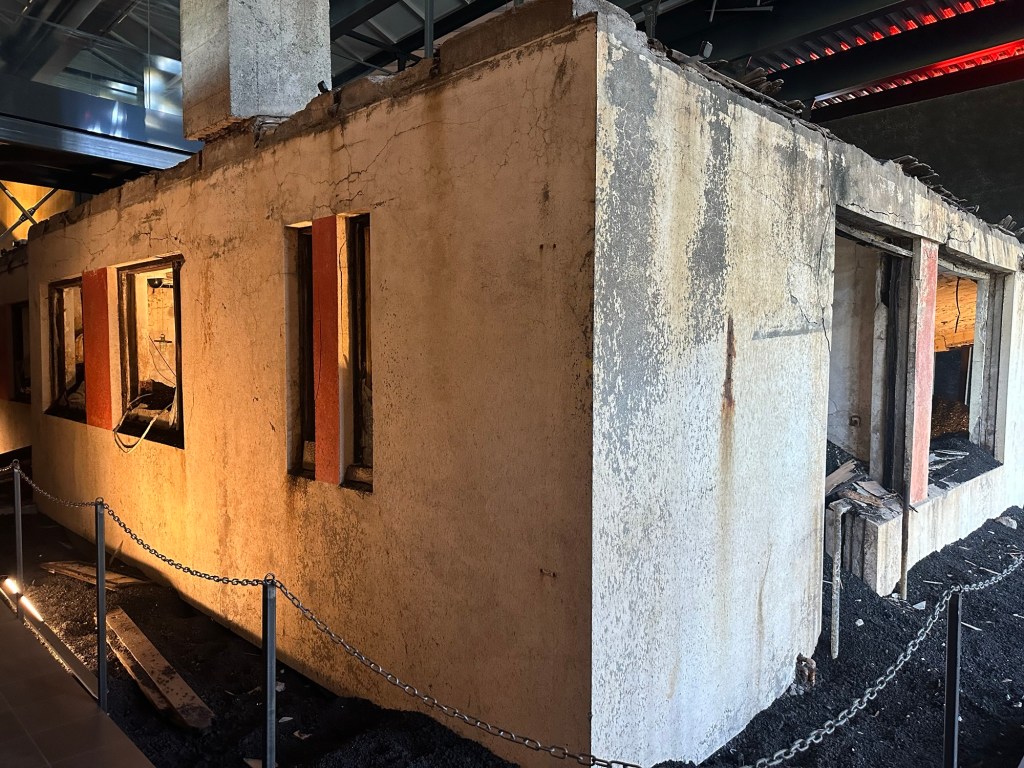
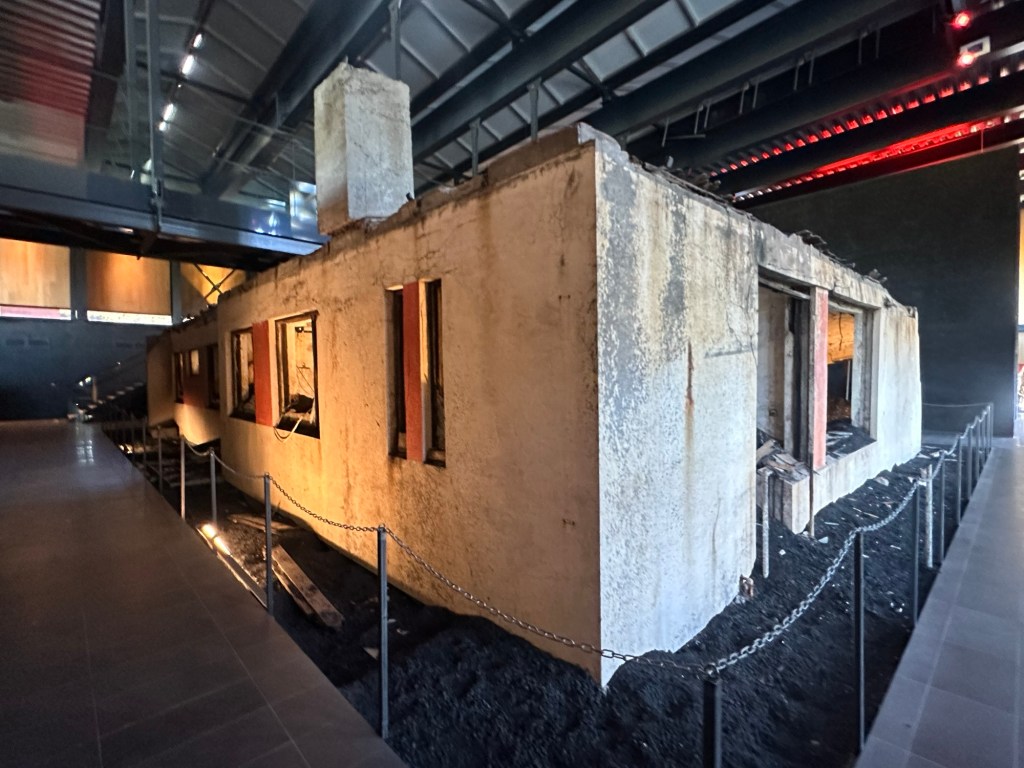
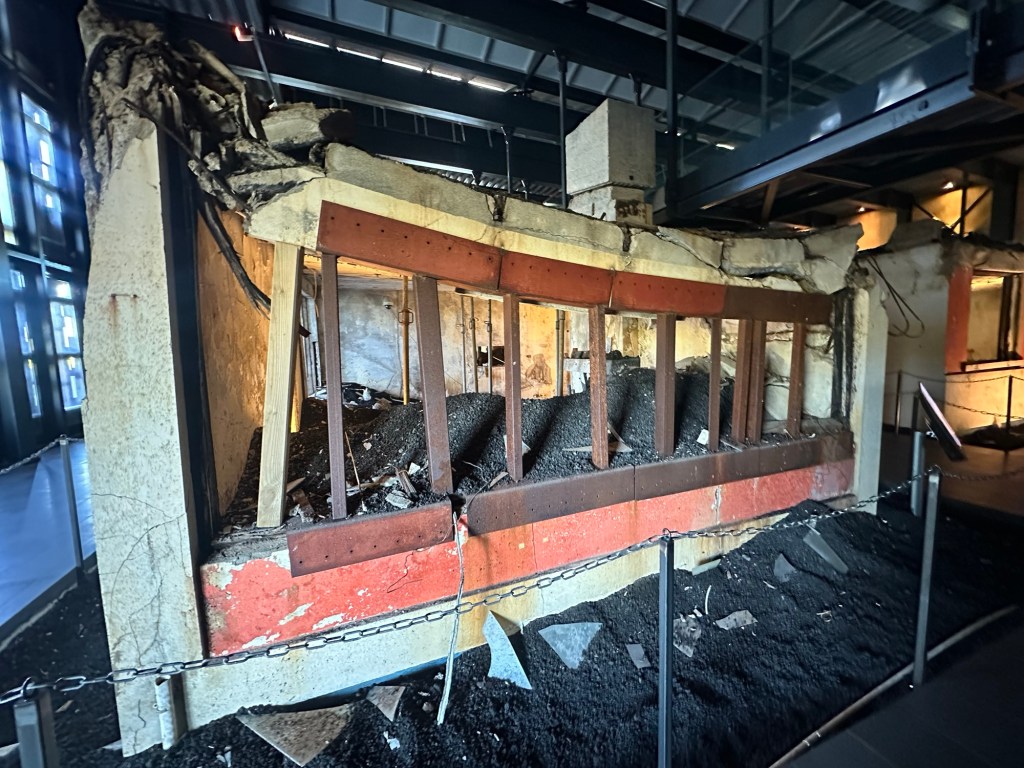
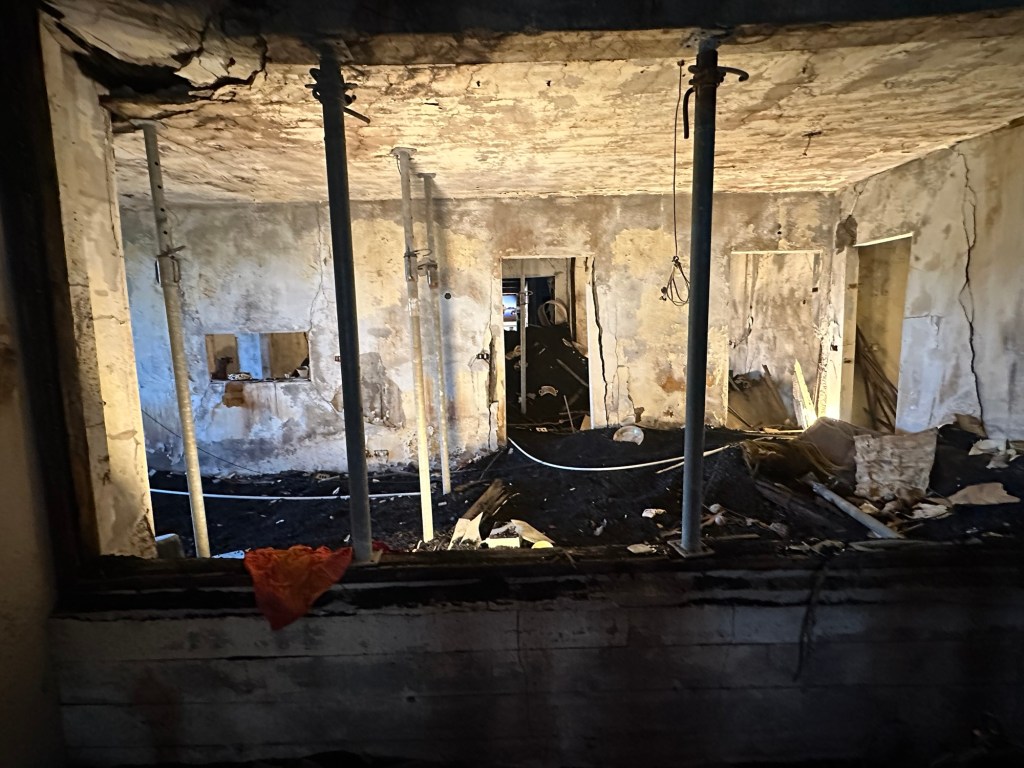
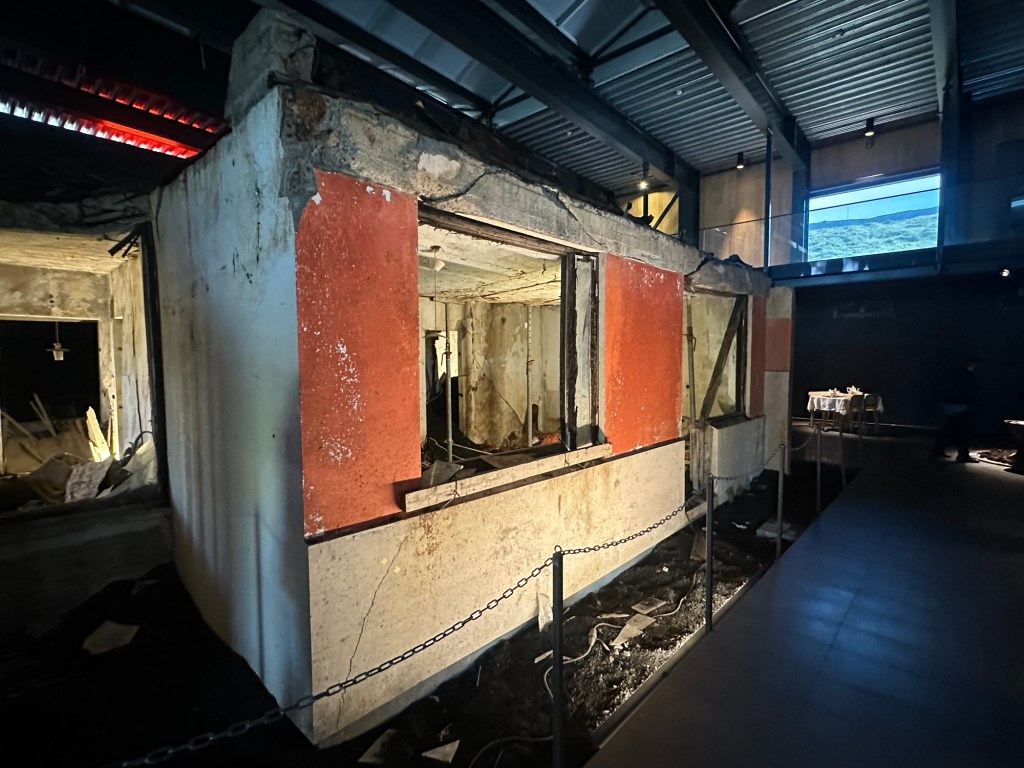
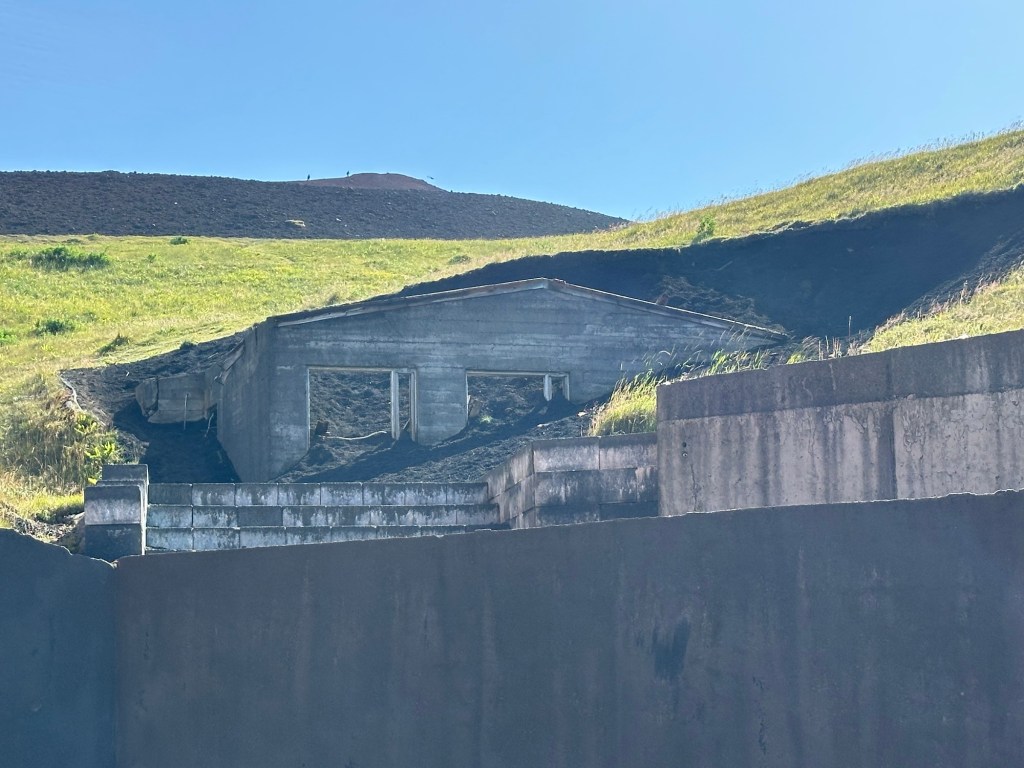
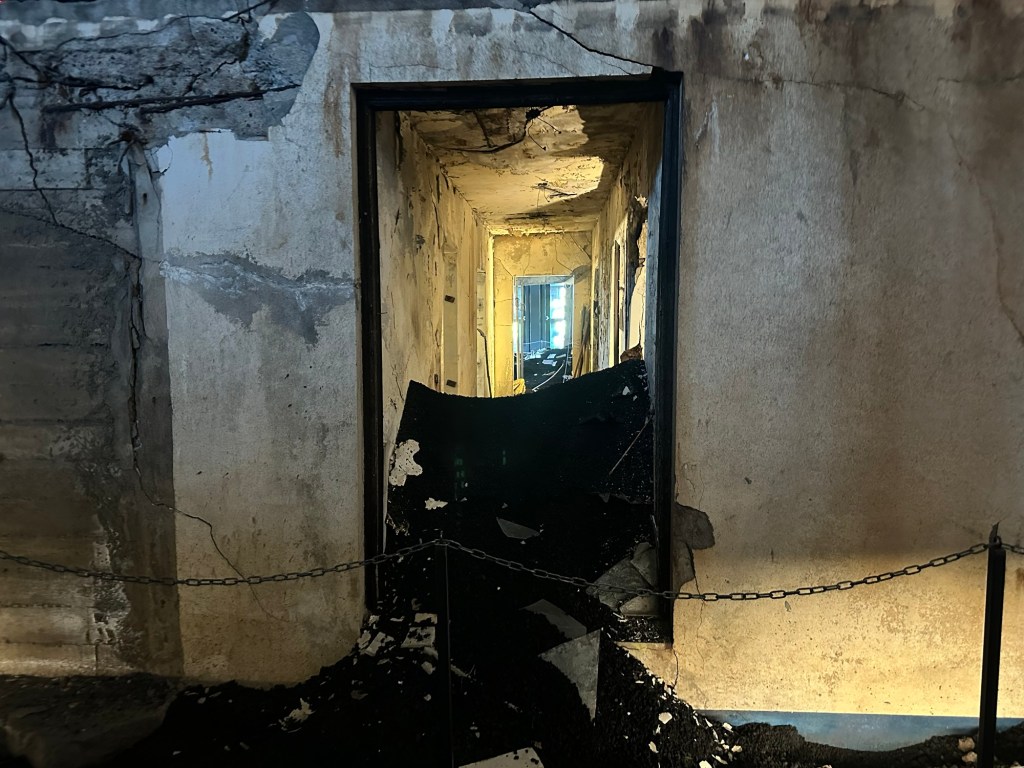
Dimly lit walkways wind around the excavated ruins, where everyday objects — a sewing machine, children’s toys, kitchenware — remain just as they were when the islanders fled in the night. Interactive exhibits and dramatic footage trace the eruption’s sudden onset, the frantic evacuation of 5,000 residents, and the months-long battle to save the harbor from being sealed by lava. The smell of ash still lingers faintly, making the past feel startlingly close.
Rib SpeedBoat Tour of Westman Islands
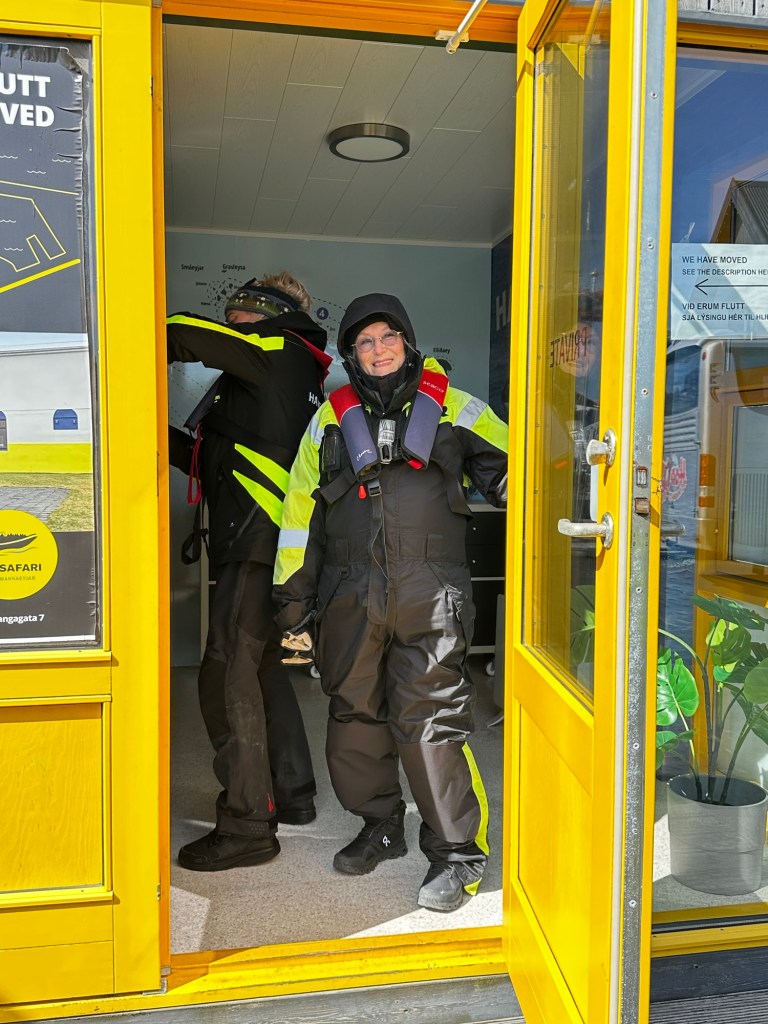
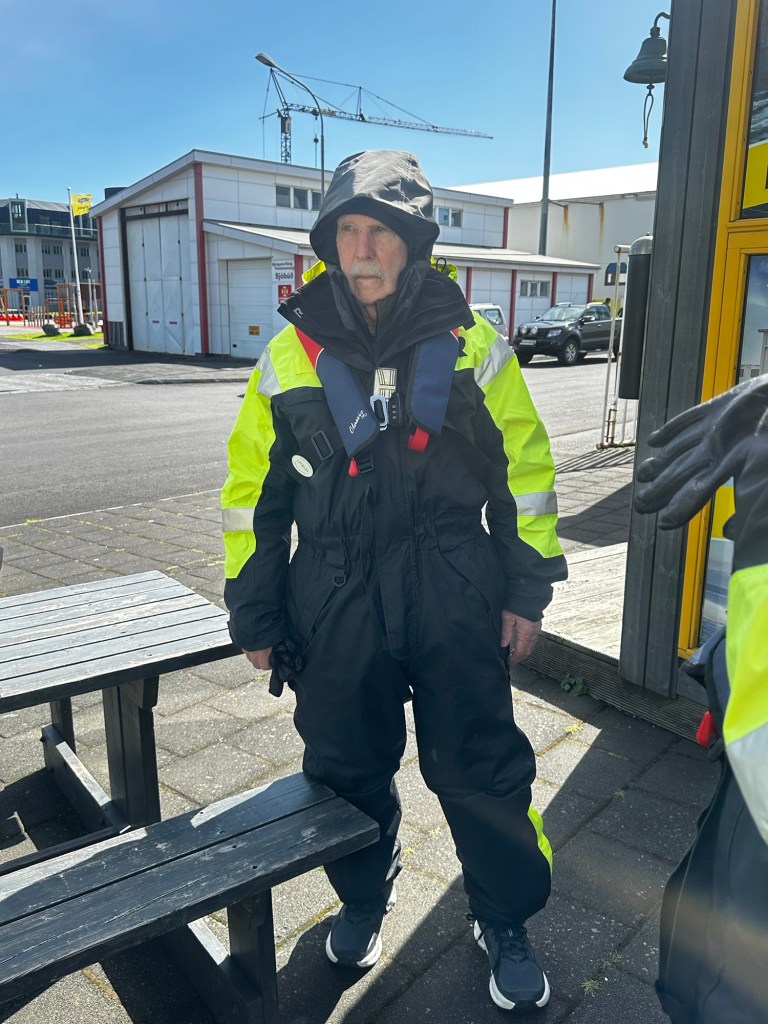
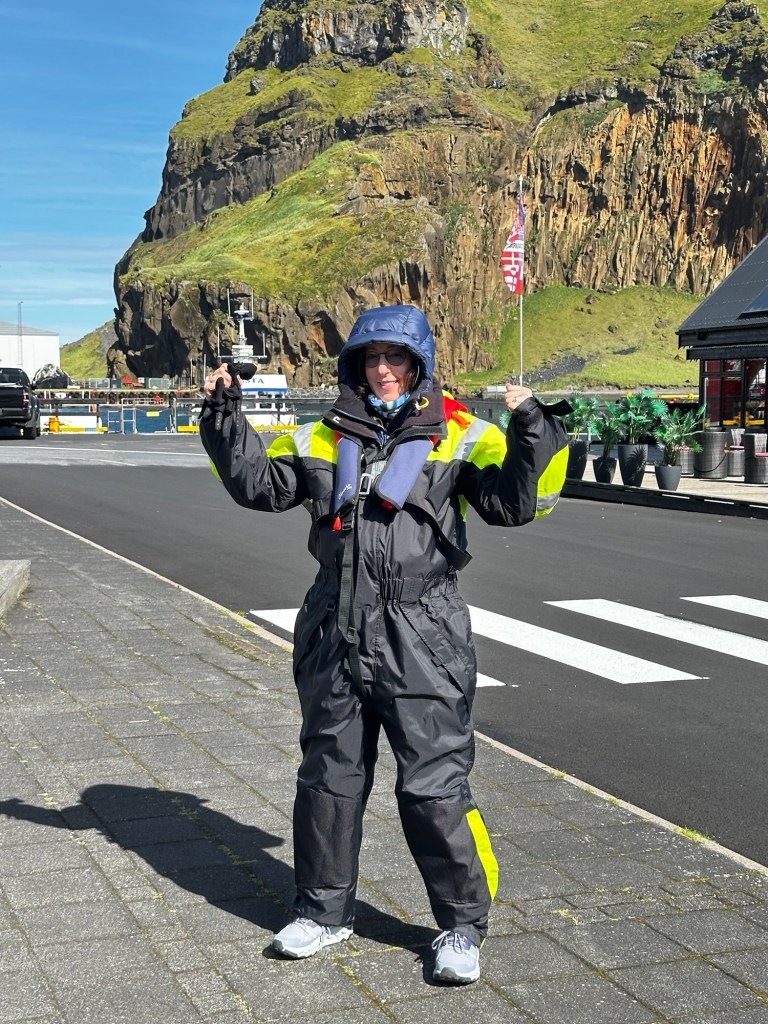
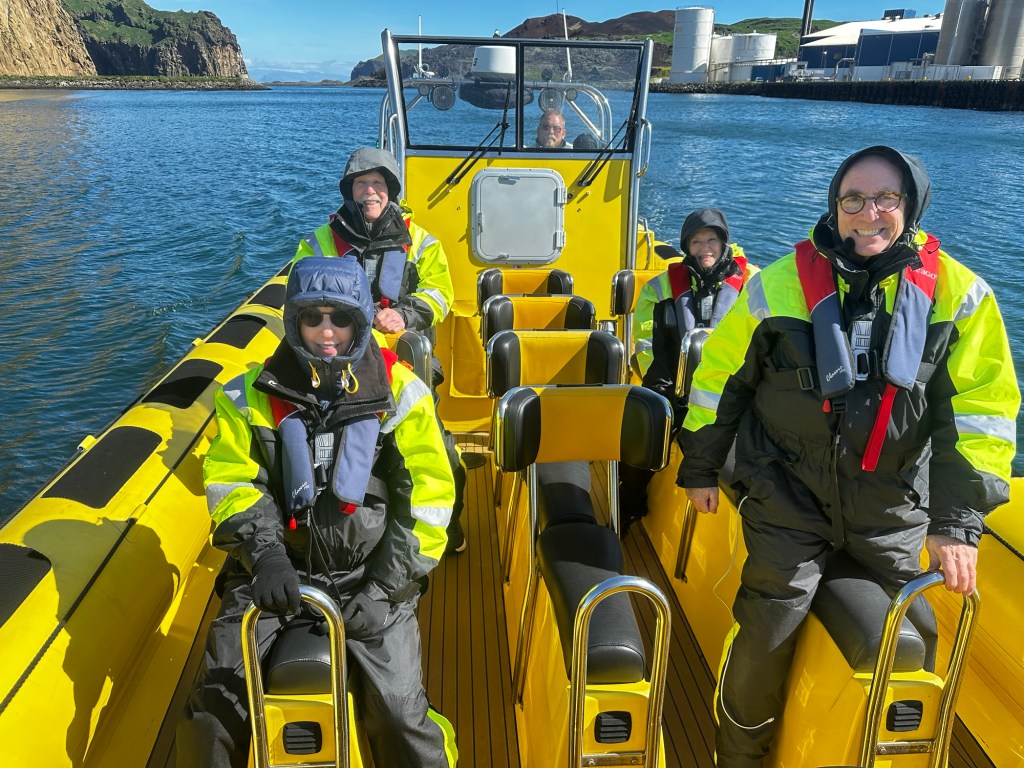
At the harbor, we traded solid ground for a sleek yello RIB boat — part speed demon, part inflatable raft — its twin outboards growling in anticipation. Clad in bright flotation suits, we clambered aboard and gripped the side ropes and climbed onto a saddle like seat, as the crew cast off. With a roar, the boat leapt forward, skimming over the chop, spray flying in our faces as the volcanic cliffs of Heimaey loomed ahead. For the first ten minutes, I was convinced I’d found my true calling as an Arctic adventurer — until the swells reminded me I’m more of a “land-based” explorer. I fixed my eyes on the horizon, breathing like a yoga novice in a hurricane, bargaining with my stomach not to stage a full mutiny before we reached the world’s largest puffin colony.

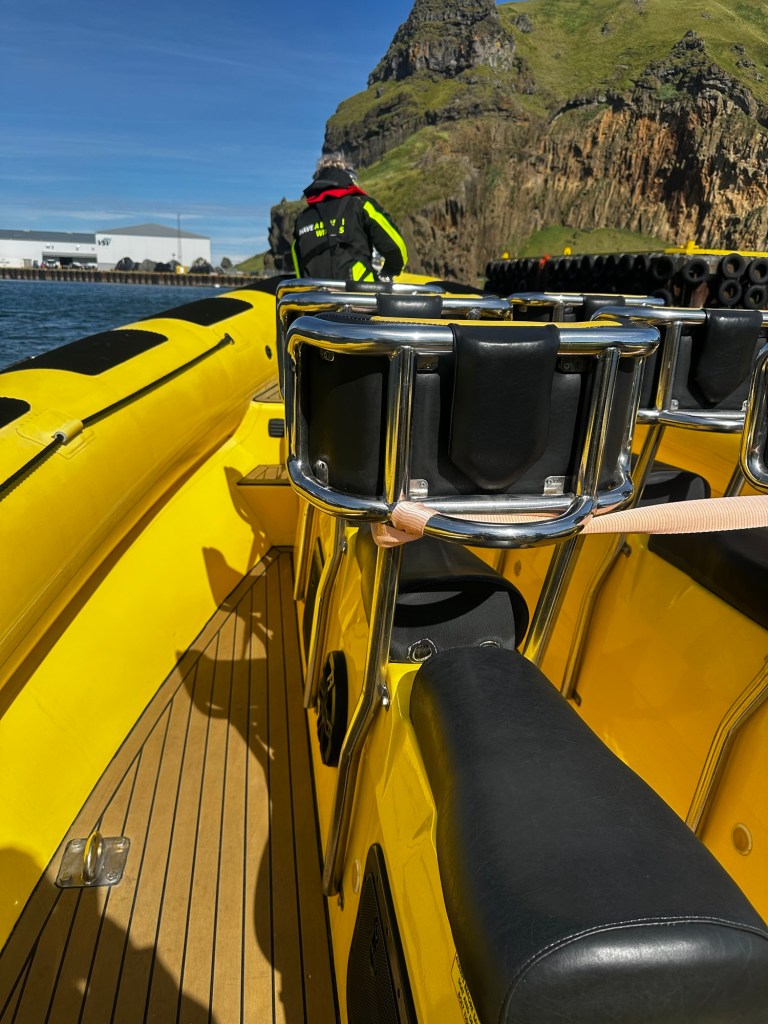
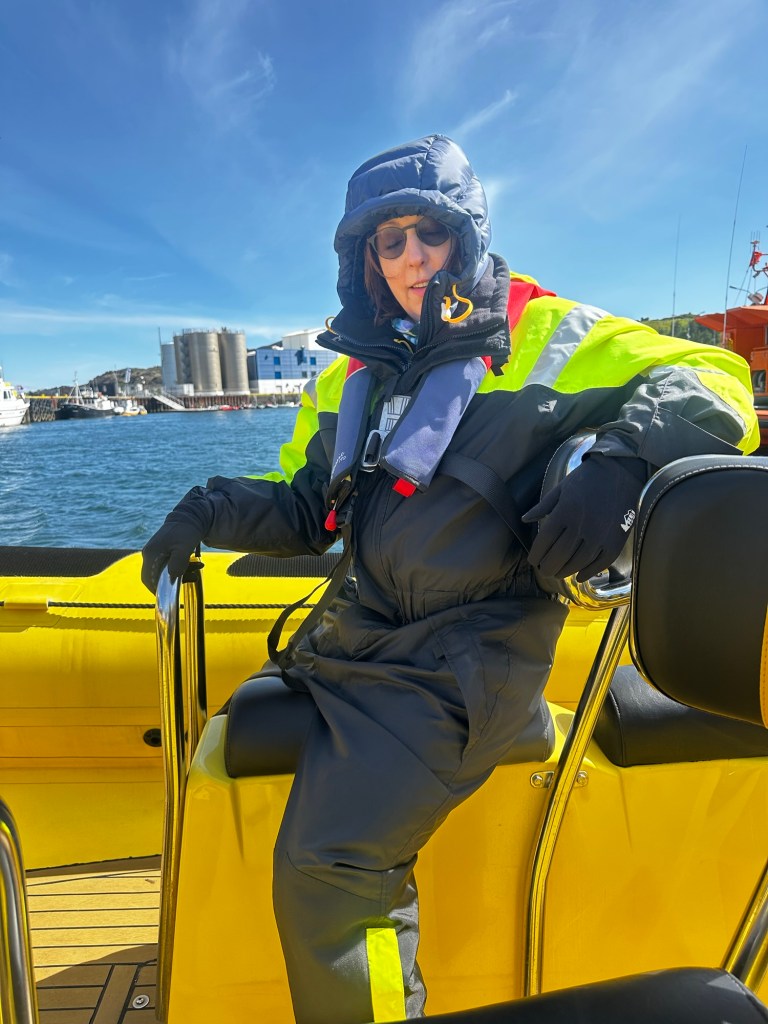
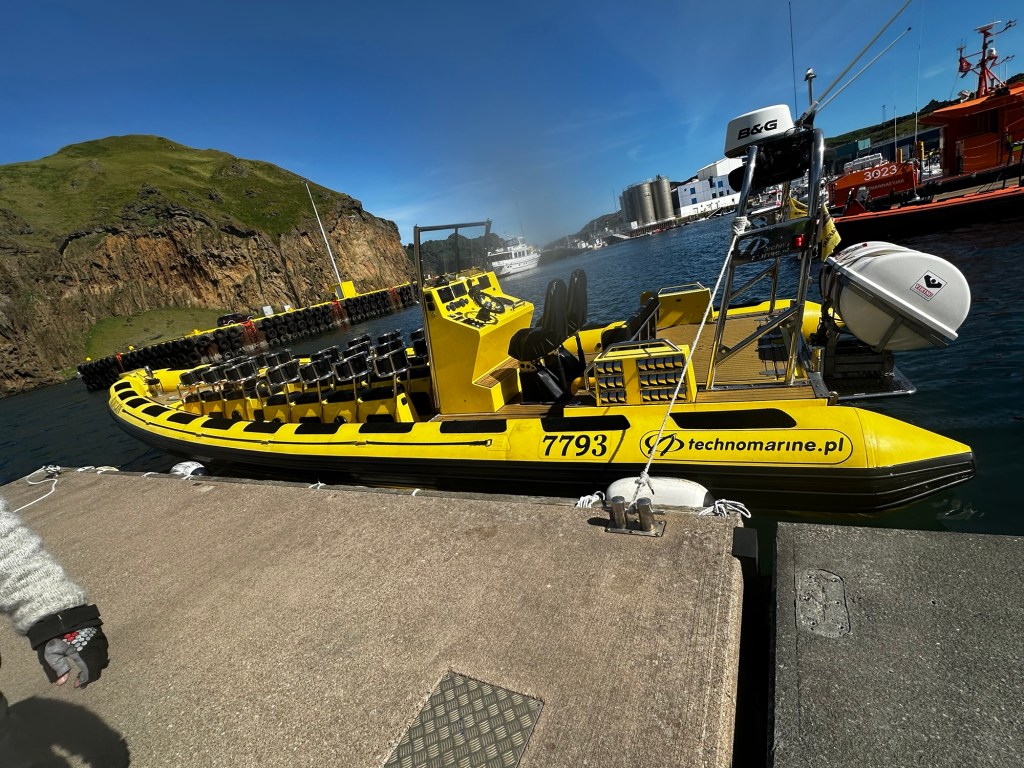
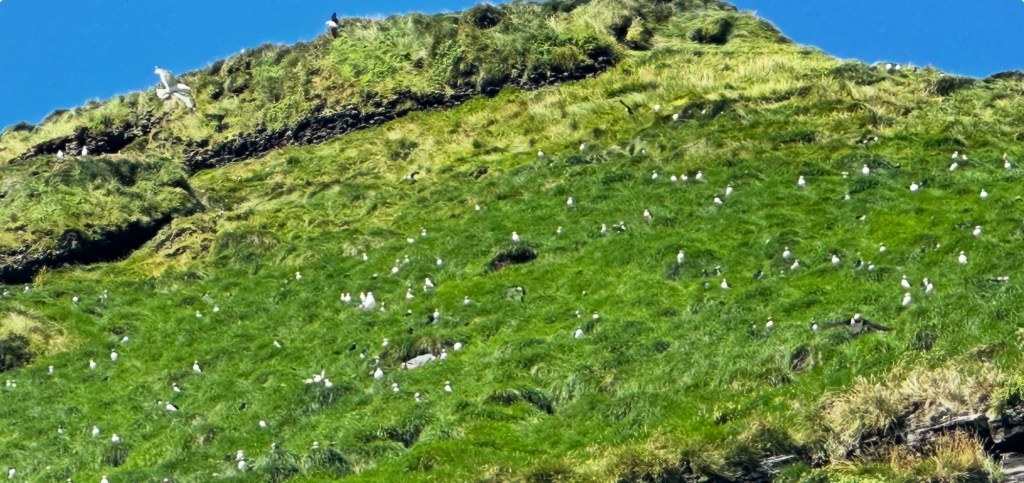
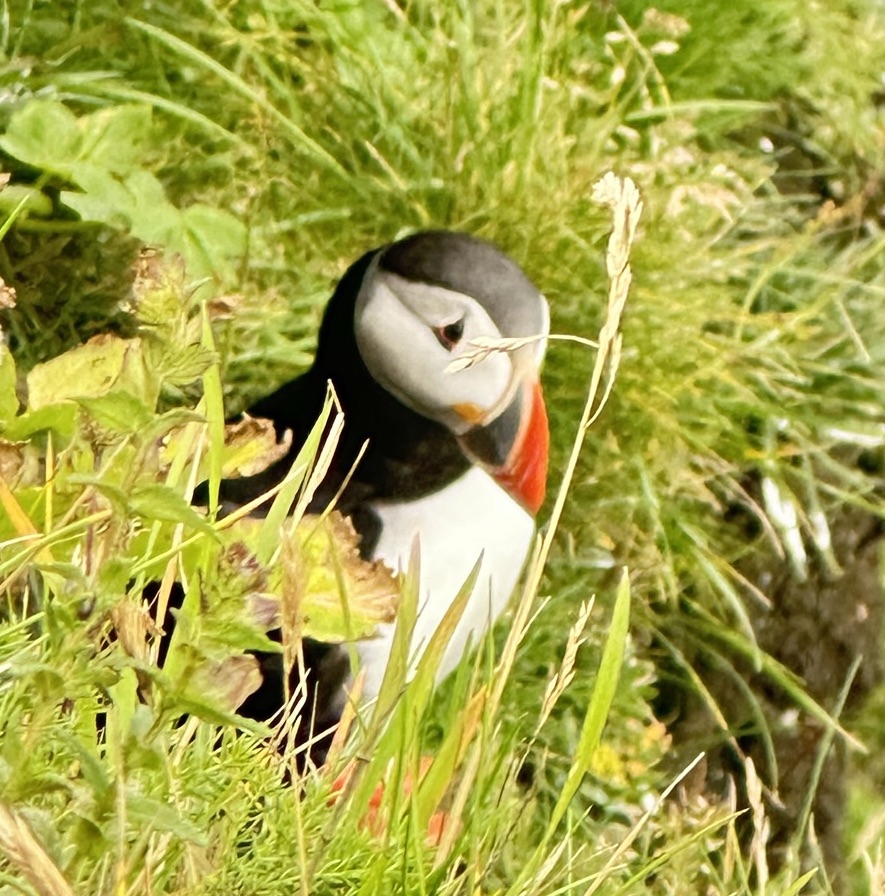
Just when I was beginning to wonder if I’d make it back to with my dignity intact, the cliffs ahead appeared dusted in thousands of tiny white dots. As we drew closer, the “dots” revealed themselves as puffins in their nests, each a little sentinel perched on the cliffside. Some took to the air in whirring bursts of wings, others bobbed on the swells below like miniature boats at anchor. Before long, their young will be nudged — or rather, kicked — from the nest by their parents, sent tumbling into the sea to begin three years of life entirely on the water before returning to these cliffs. Parents of lazy-spoiled millennial adult-children would do well to follow their lead, pushing them out of the nest, letting them sink or swim.
The scene was so full of life — the chatter of birds, the glint of sun on water — that for a while, even my queasy stomach surrendered to the spectacle. Estimates suggest that about 830,000 breeding pairs of puffins nest on the islands during the April-August breeding season, representing roughly 20% of the world’s population.
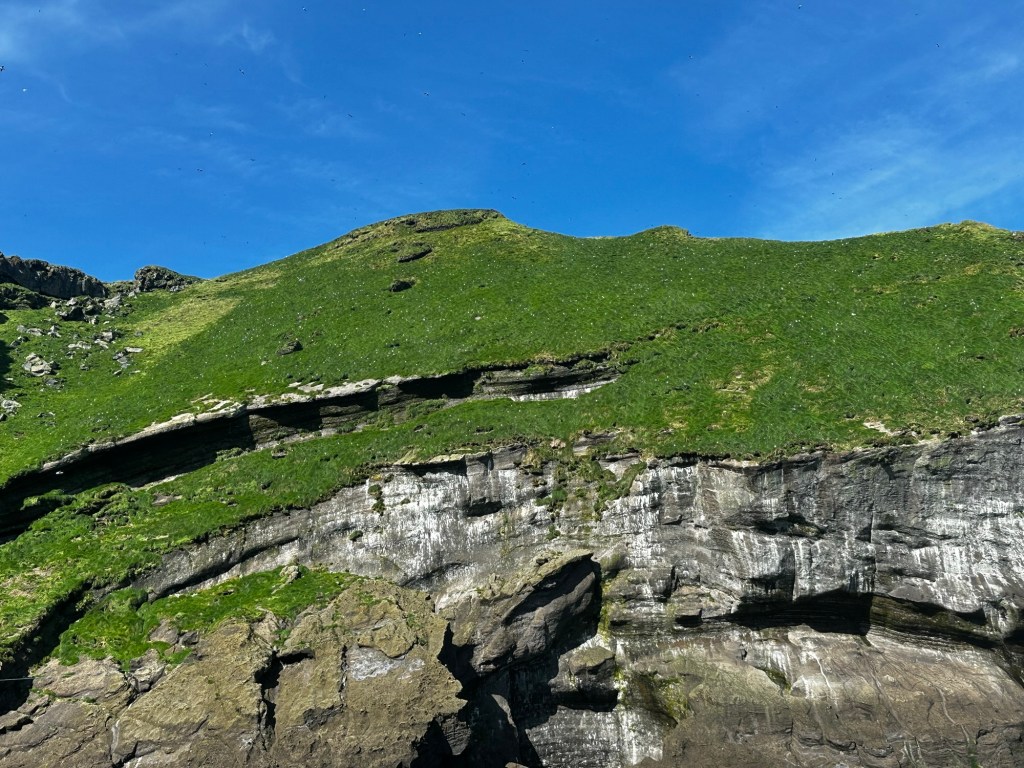

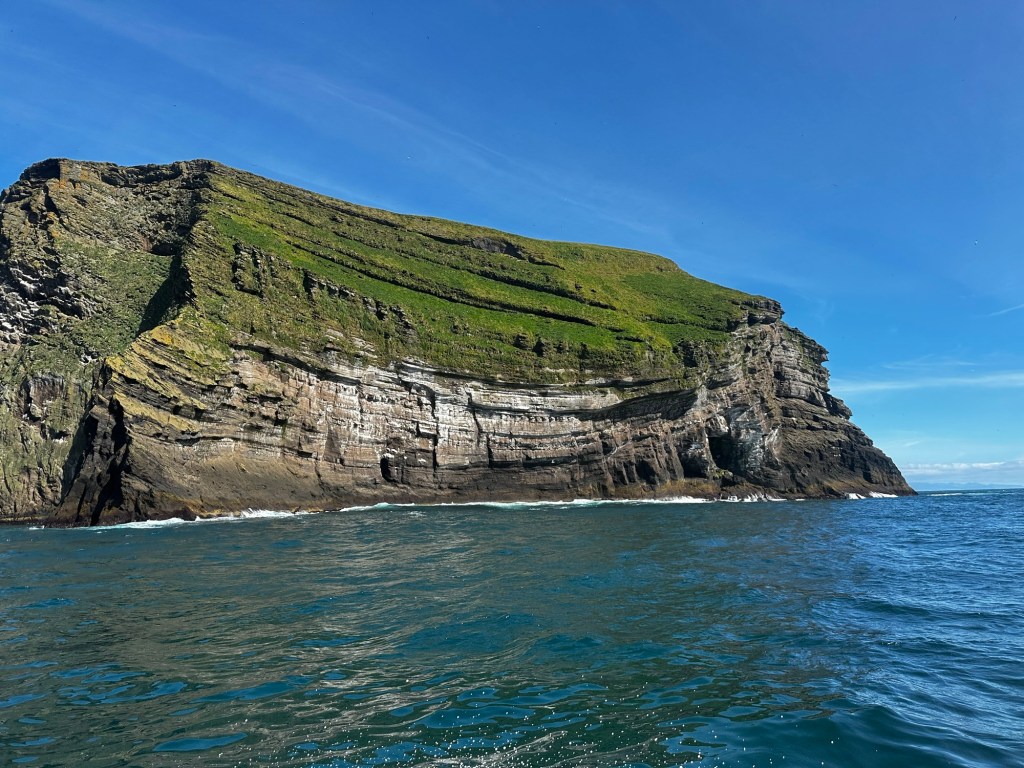
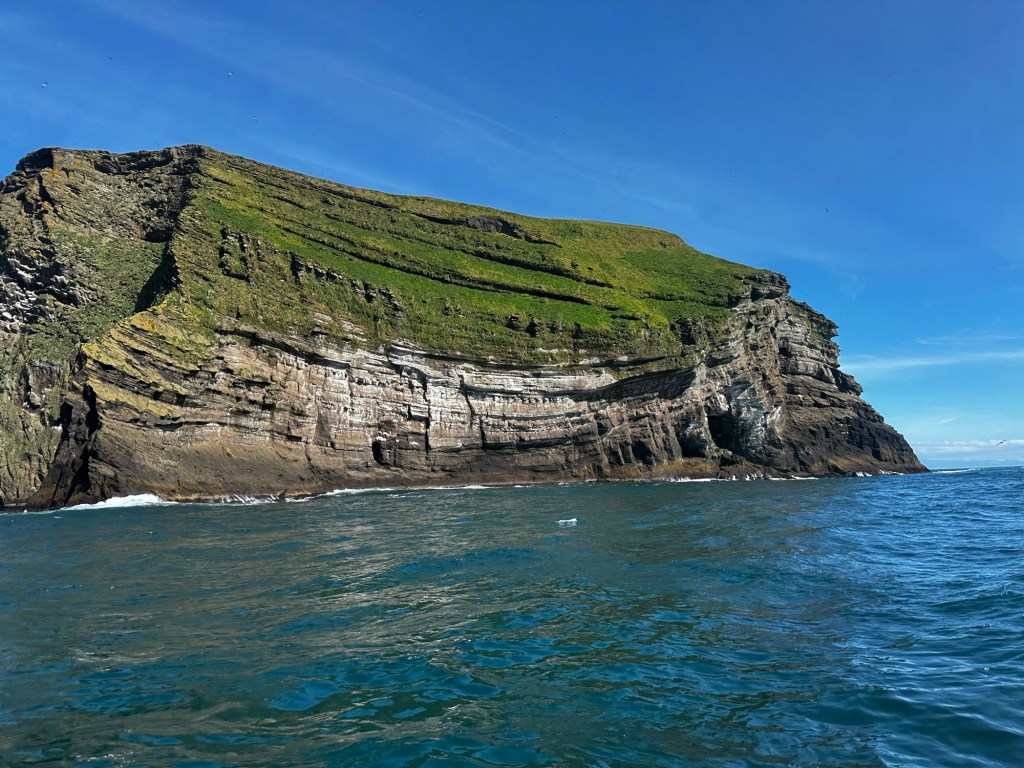


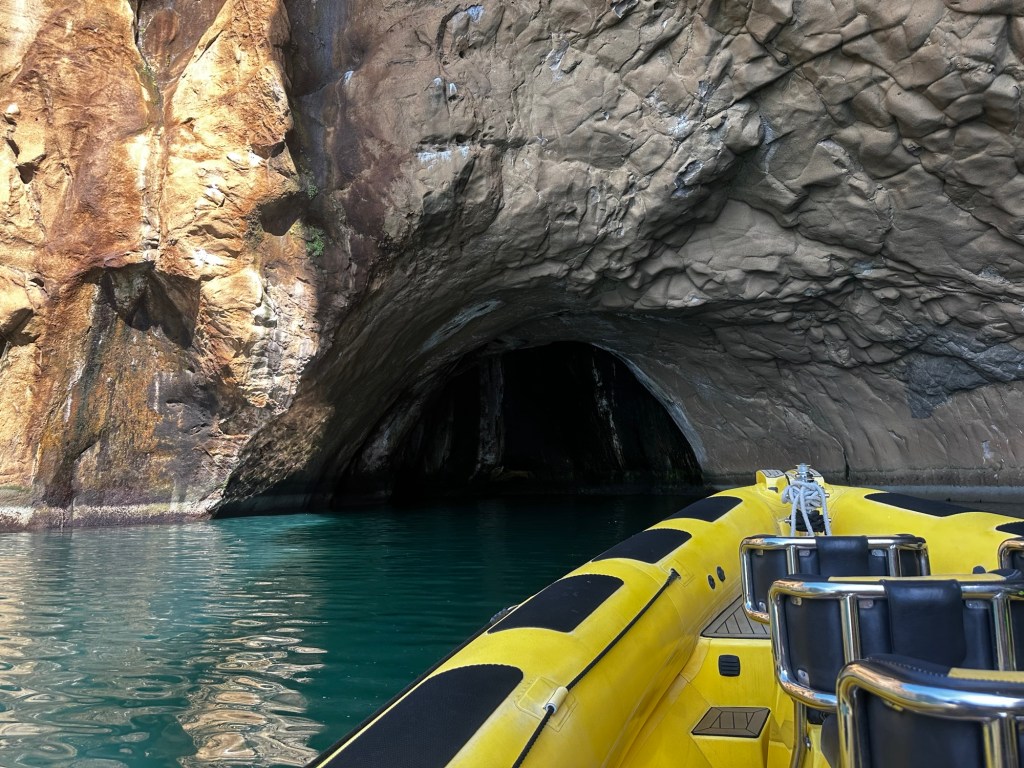
We left the puffins to their cliffside colonies and powered along the coast, where the volcanic history of the Westman Islands rose around us in jagged, improbable shapes. Basalt columns stood like giant organ pipes, their dark fluted walls plunging straight into the sea. The captain nosed the RIB toward a yawning sea cave, its entrance framed in black lava, the water inside a surreal, glowing blue. The engine’s hum echoed off the rock, mingling with the hollow boom of waves striking the walls.
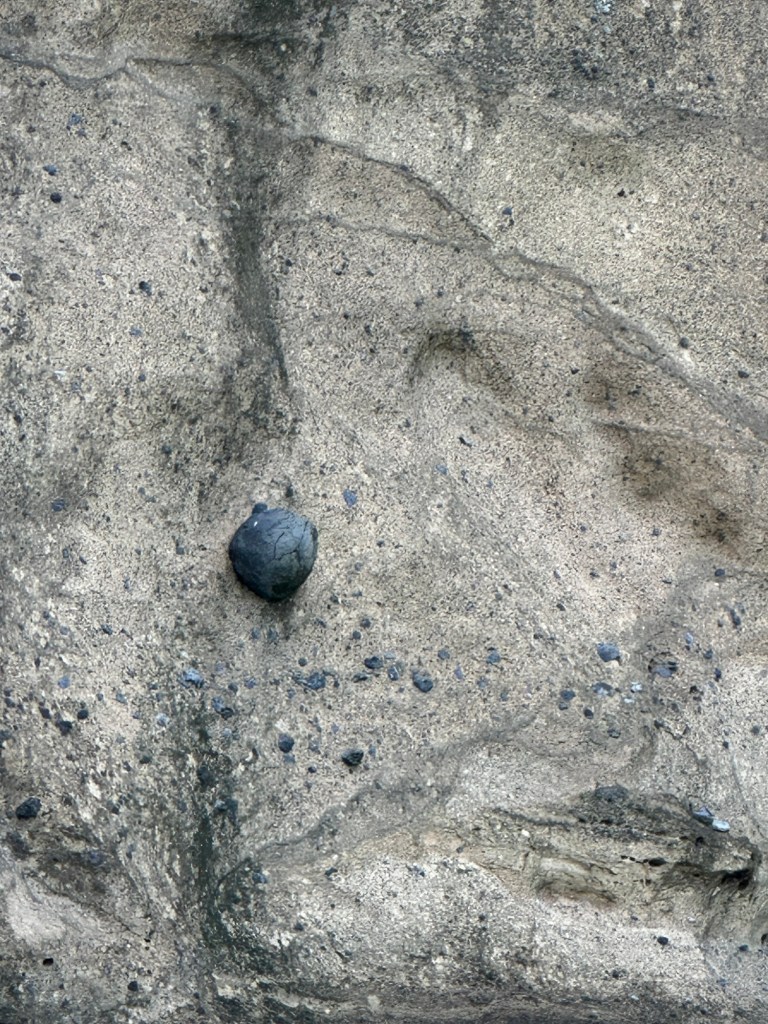
Further along, we came to one of the islands’ stranger relics — said to be a rusted, centuries-old cannonball lodged high in the cliff, fired during a 17th-century pirate raid. How it ended up so far above the waterline is a mystery, though some swear the cliffs were lower back then, before layer upon layer of volcanic rock lifted them skyward. Whether history or tall tale, it felt like proof that in the Westman Islands, even the rocks have stories to tell.
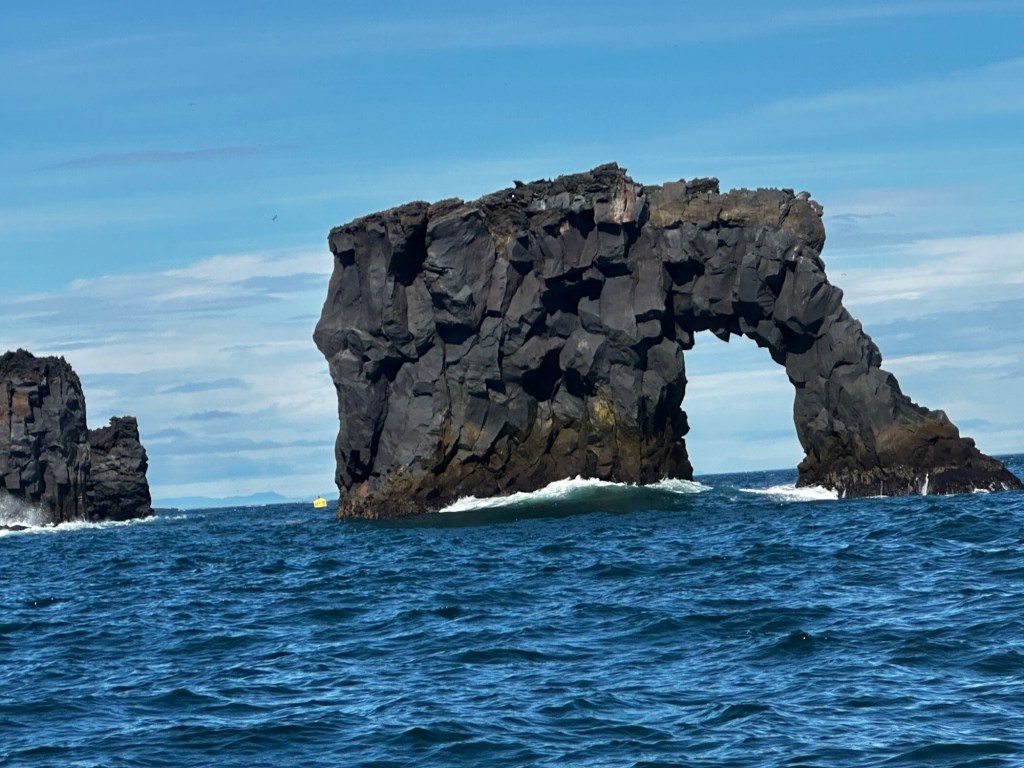

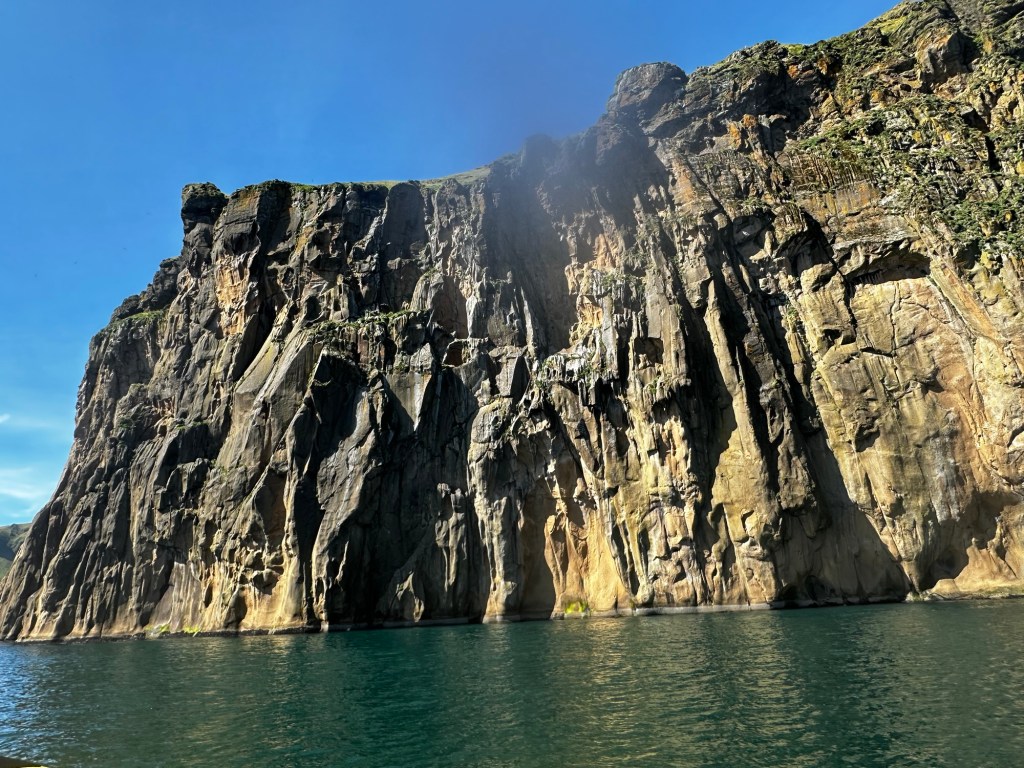
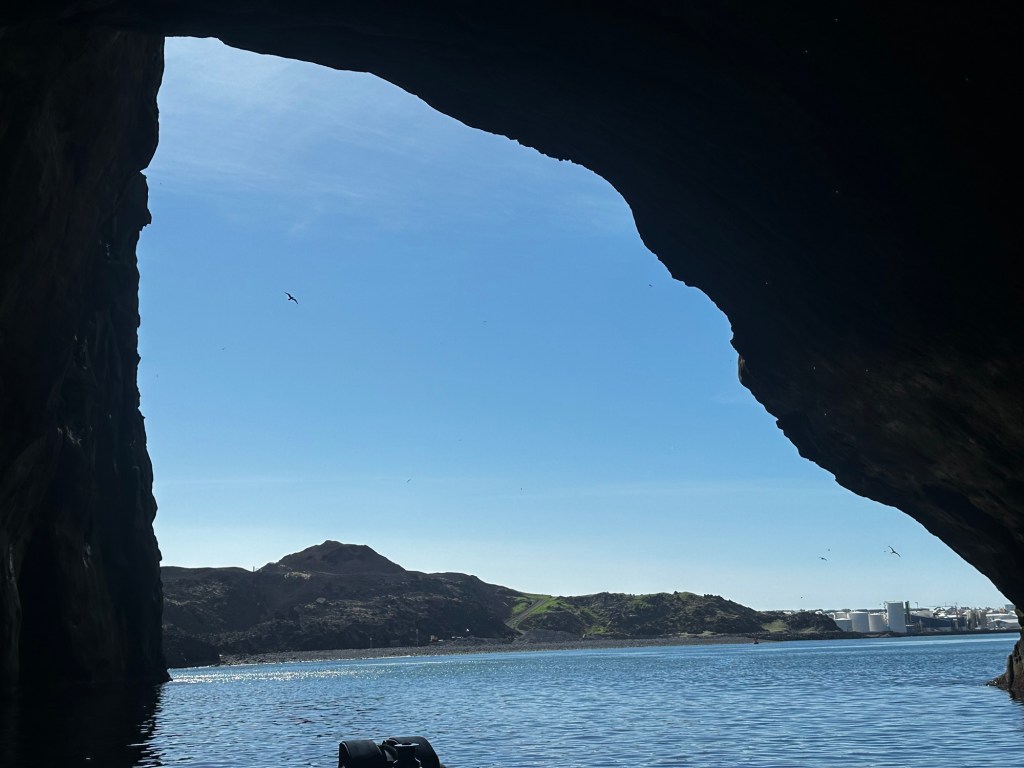
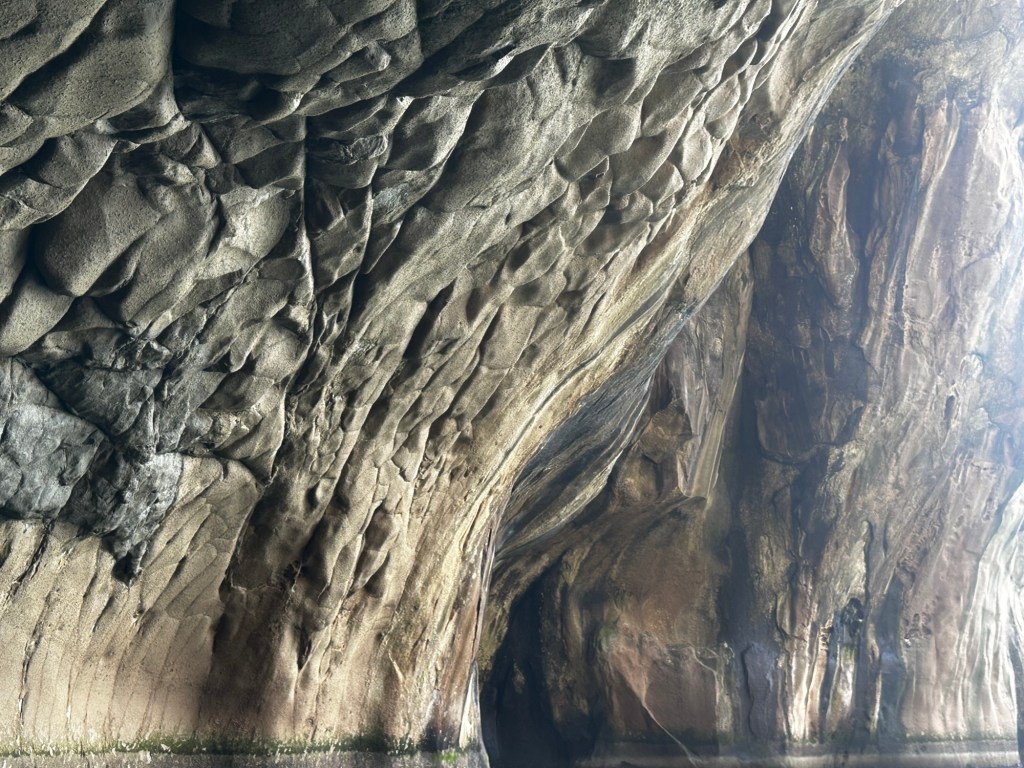
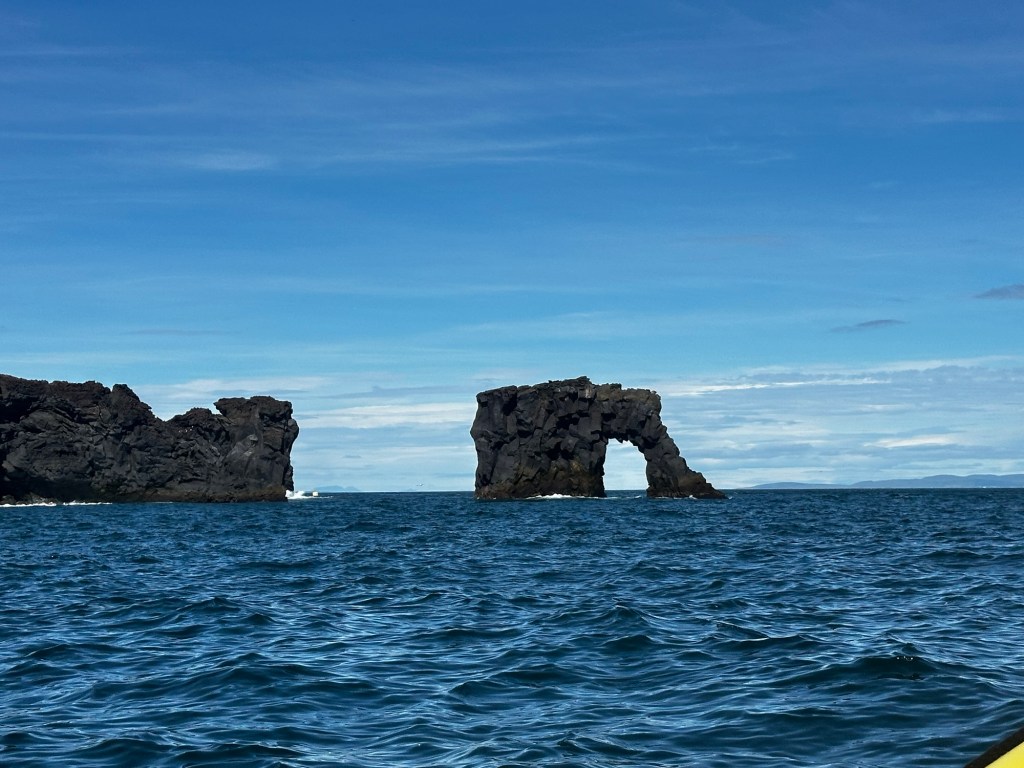
Inside the sea cave, the world shifted. The water glowed an otherworldly blue, and every sound seemed amplified by the dark volcanic walls — the low growl of the engine, the sharp slap of waves, the ghostly cry of a gull unraveling into endless echoes. Then the captain played Icelandic music inside the cave. Notes rose and swirled through the cavern, bending and blending until it felt as if the cave itself were breathing the melody back to us. In that moment, stone, sea, and sound became one.
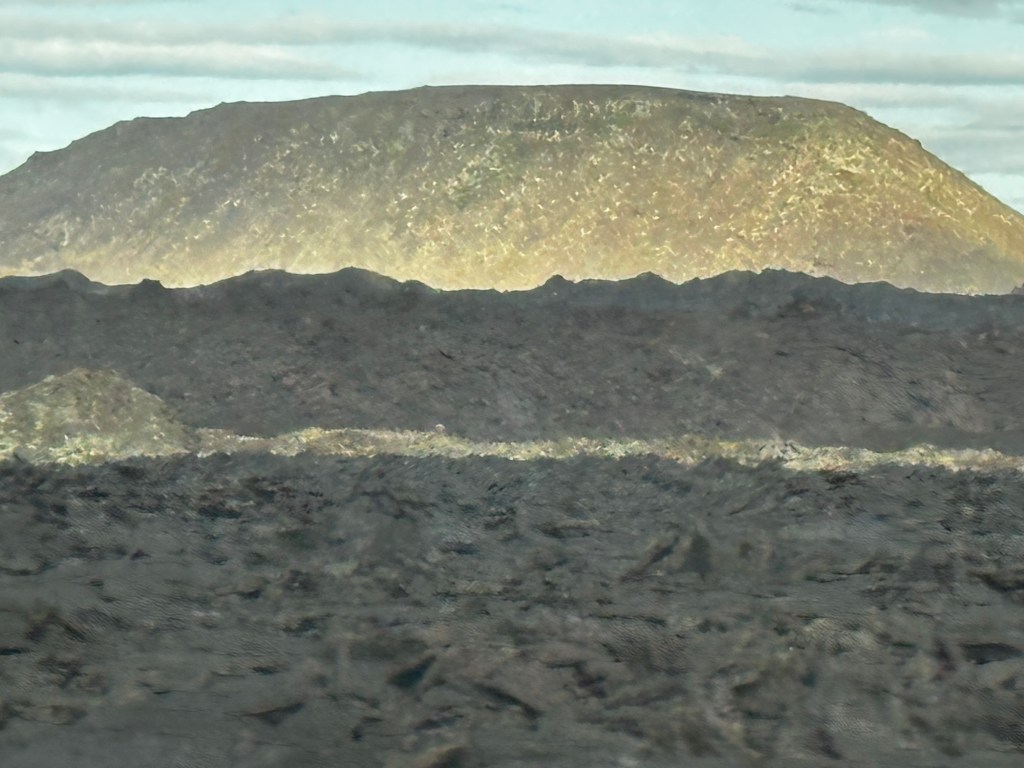
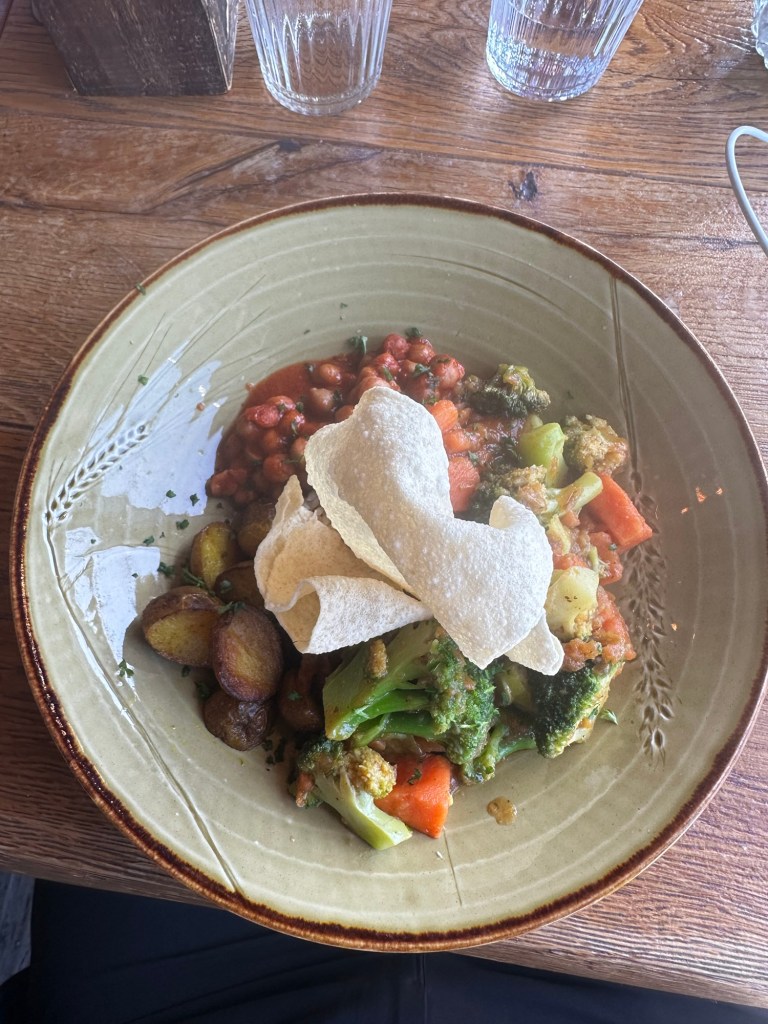
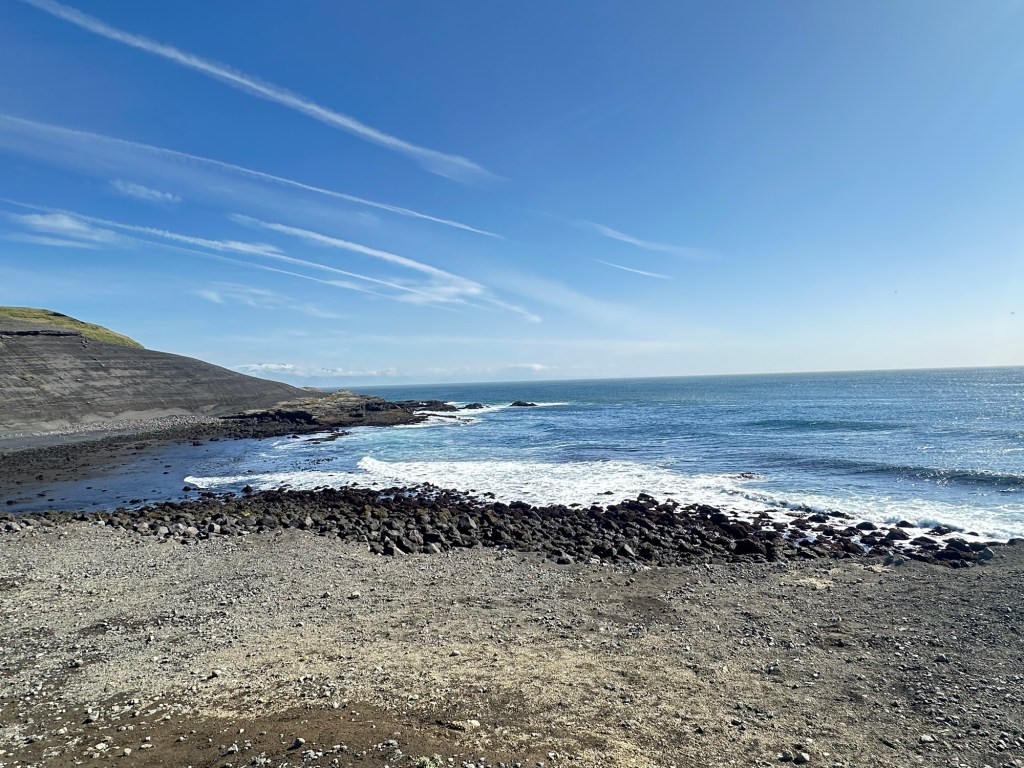
Back on land, we grabbed a quick lunch at a local harborfront spot called Tanginn, the air rich with the scent of the sea and freshly caught fish. Refueled, we set out to explore a few final corners of the island before boarding the ferry for the ride back to the mainland.



After the ferry ride and a three-hour drive, we arrived at the Retreat at the Blue Lagoon — but that’s a story for the next post.

 YouDontKnowJackTravels