
Today we set out to tour the natural wonders of Iceland’s South Coast, though a bout of cold rain nudged us toward a change in plans.
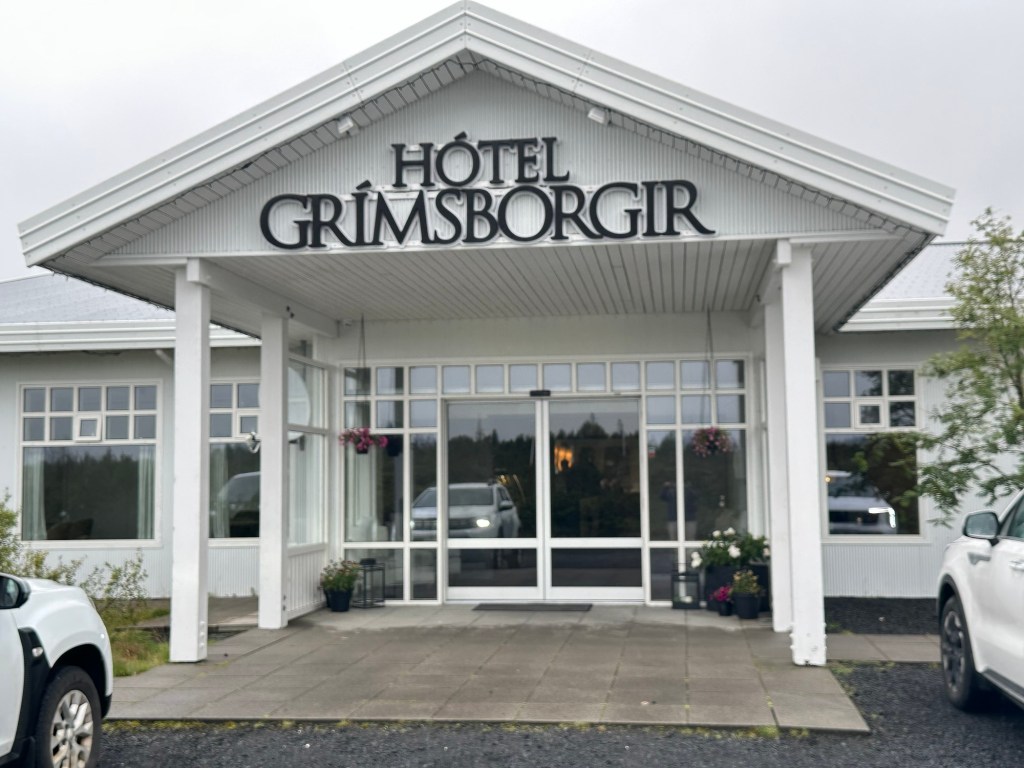
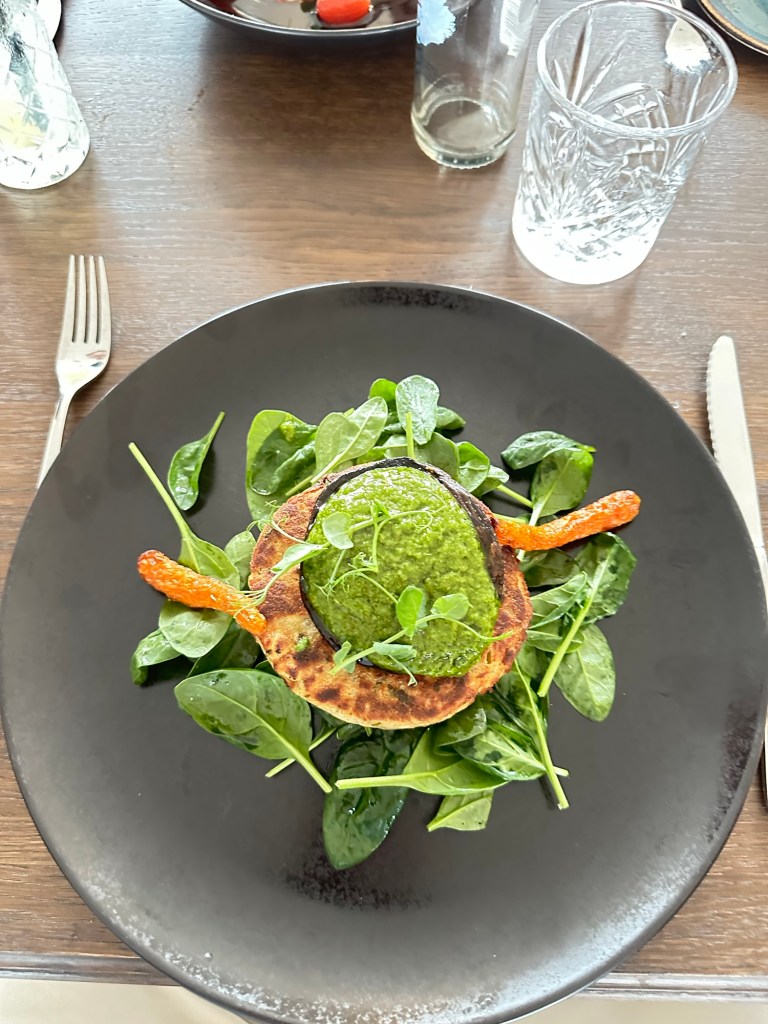
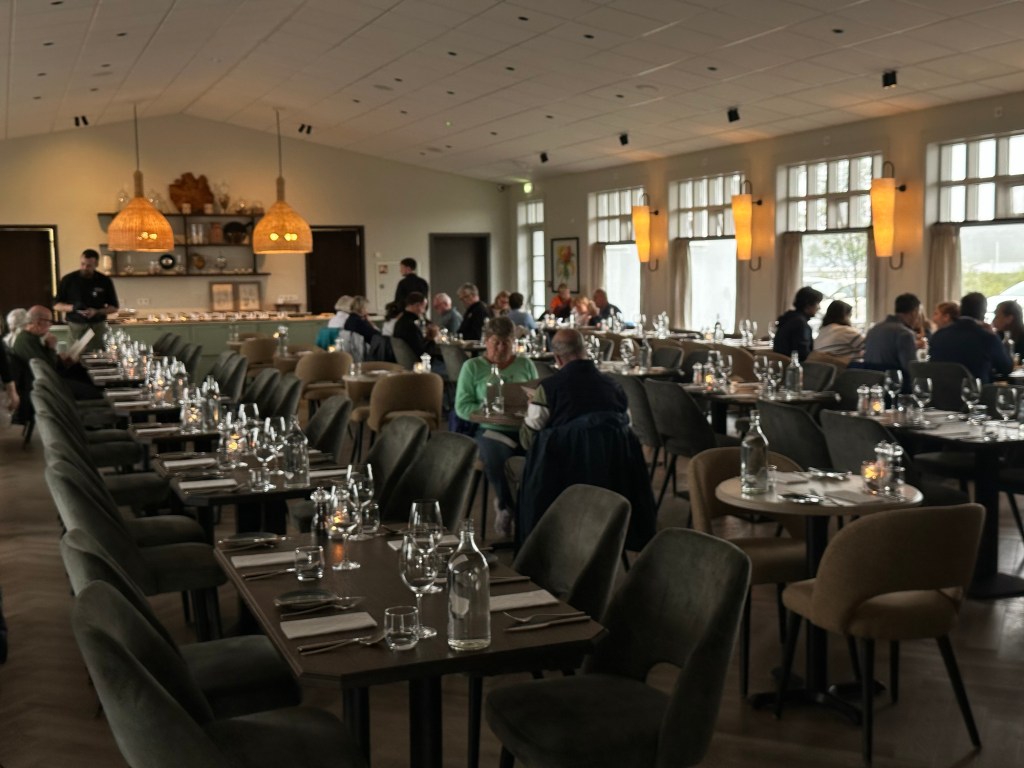
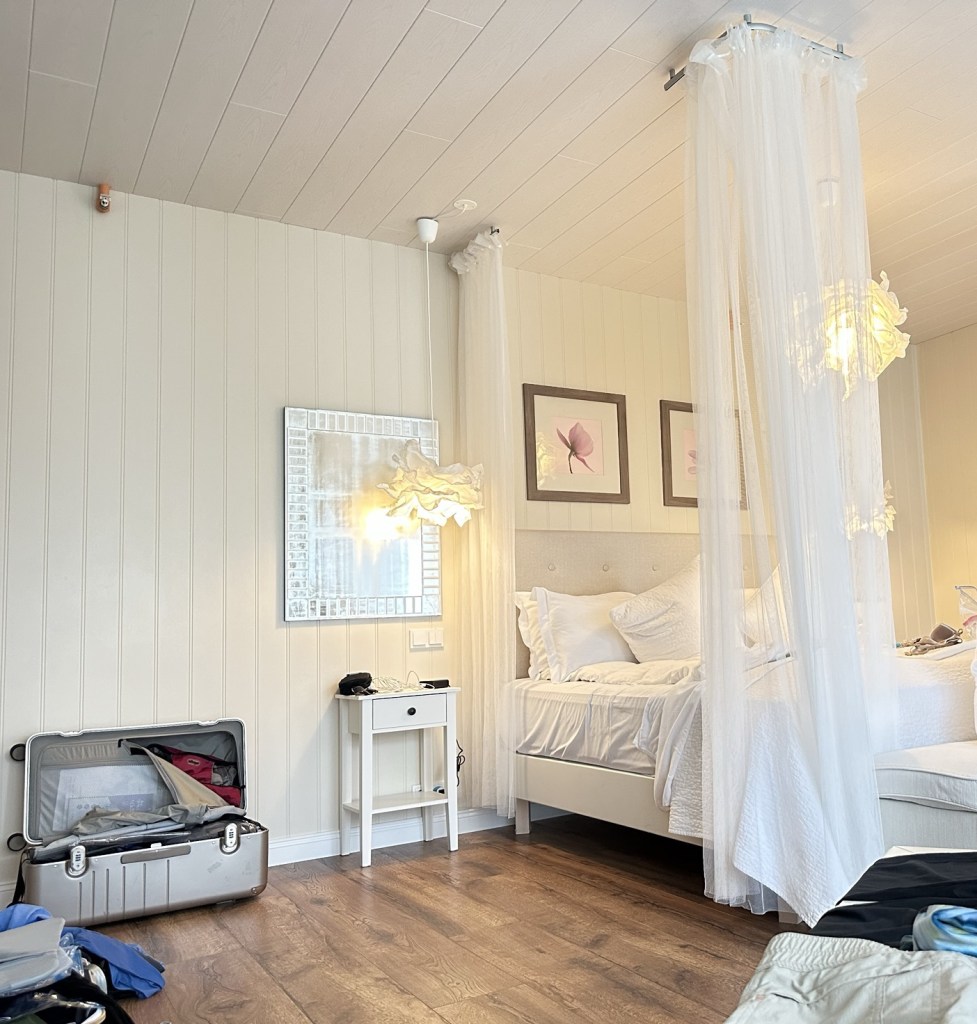
We started our day at the Hotel Grimsborgir, where we had checked in the night before, for some much needed rest and sustenance after our fishing fiasco.
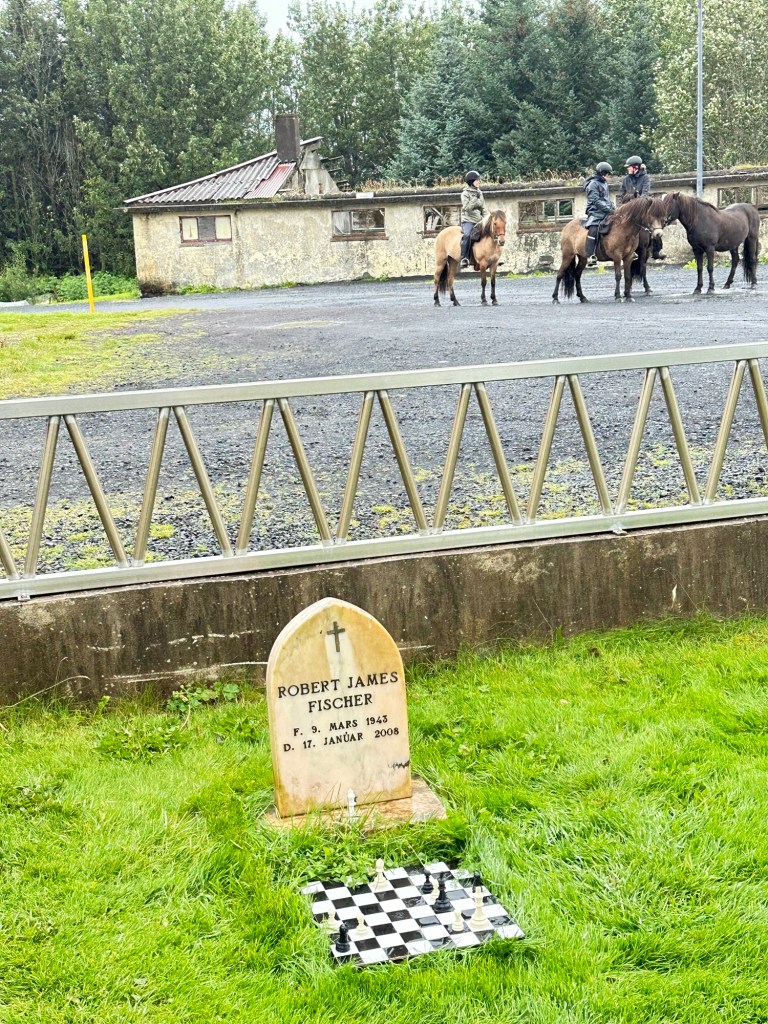
Bobby Fisher
Whatever happened Bobby Fisher? After a short drive through some local lanes, Kristinn brought us to a true Icelandic oddity—the grave of Bobby Fischer. It lay in a small churchyard in the village of Laugardaelir, just outside Selfoss, marked by a chess themed headstone. The wind moved quietly through the grass, and the only sound was the clip clops of some nearby horses.
Kristinn, with the timing of a practiced storyteller, began to unravel the tale: how Fischer had arrived in Iceland in 2005, decades after his legendary 1972 World Championship match in Reykjavik had made him a Cold War icon. By then, he was a recluse, wanted in the United States for tax evasion and other disputes, and Iceland—remembering how he had once put their small nation on the world stage—offered him refuge and citizenship. He spent his final years here, walking these same quiet lanes, far from the world’s chessboards and cameras, before his death in 2008.
Standing there, with the mountains watching in the distance, it was hard not to feel the strange symmetry of it all: a man who spent his life mastering a game of infinite complexity, ending his journey in one of the simplest, most peaceful corners of the earth.
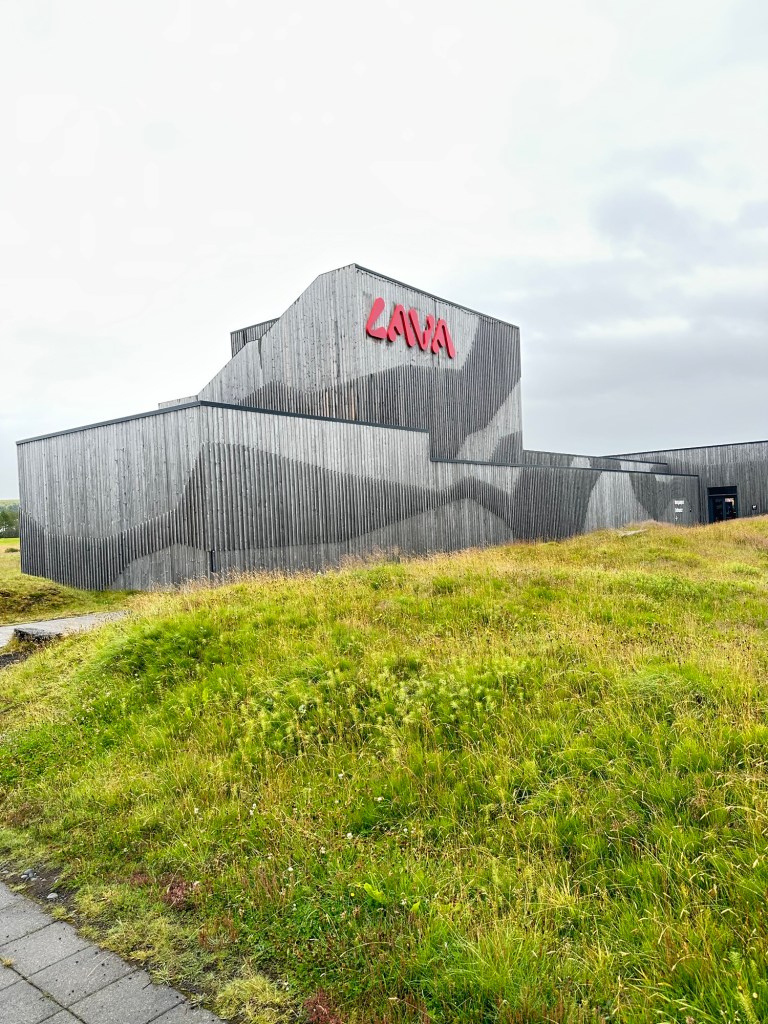
Lava Center
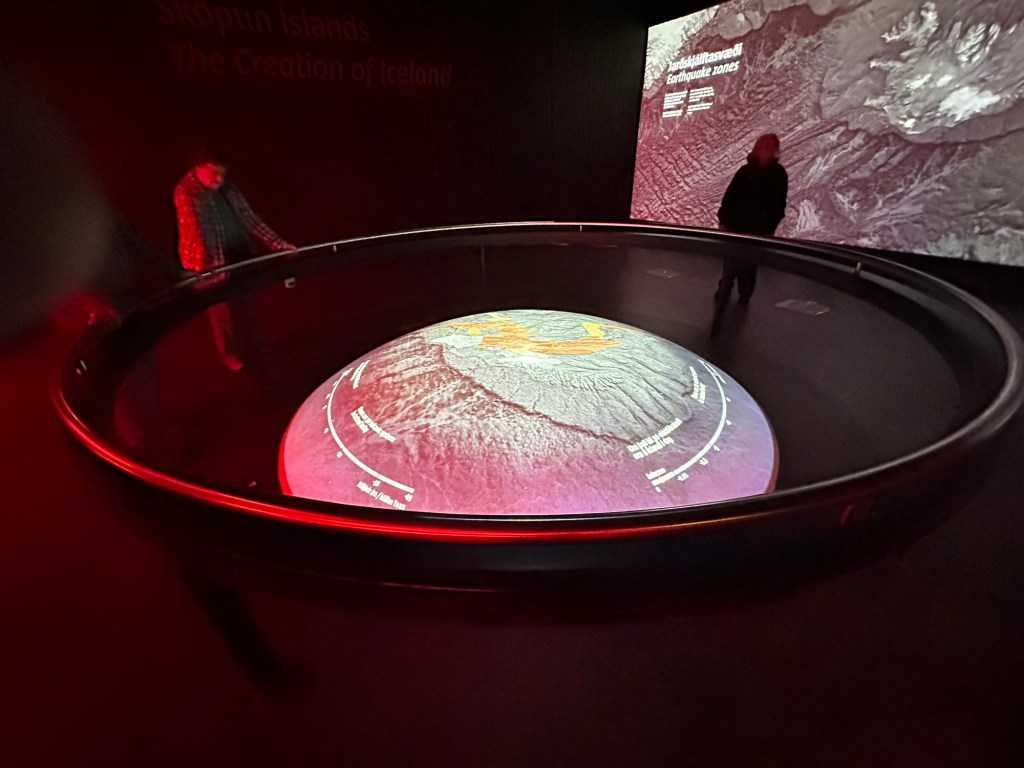
Kristinn scored again, whisking us off to the Lava Center in Hvolsvollur—think “Volcanoes for Dummies,” but with better special effects. If you’ve ever dreamed of stepping into the restless heart of Iceland, this is your shot—no fireproof suit required. Part science lab, part thrill ride, it serves up molten rock, ash clouds, and tectonic drama with all the flair of an IMAX blockbuster.
The floor rumbles under your feet as you “feel” an earthquake. A glowing wall of magma pulses like a living thing. Real-time seismic monitors track tremors across the island—if a volcano sneezes in the north, you’ll know in seconds.
It’s not just a museum—it’s a reminder that in Iceland, the ground beneath you is alive and always plotting its next move.
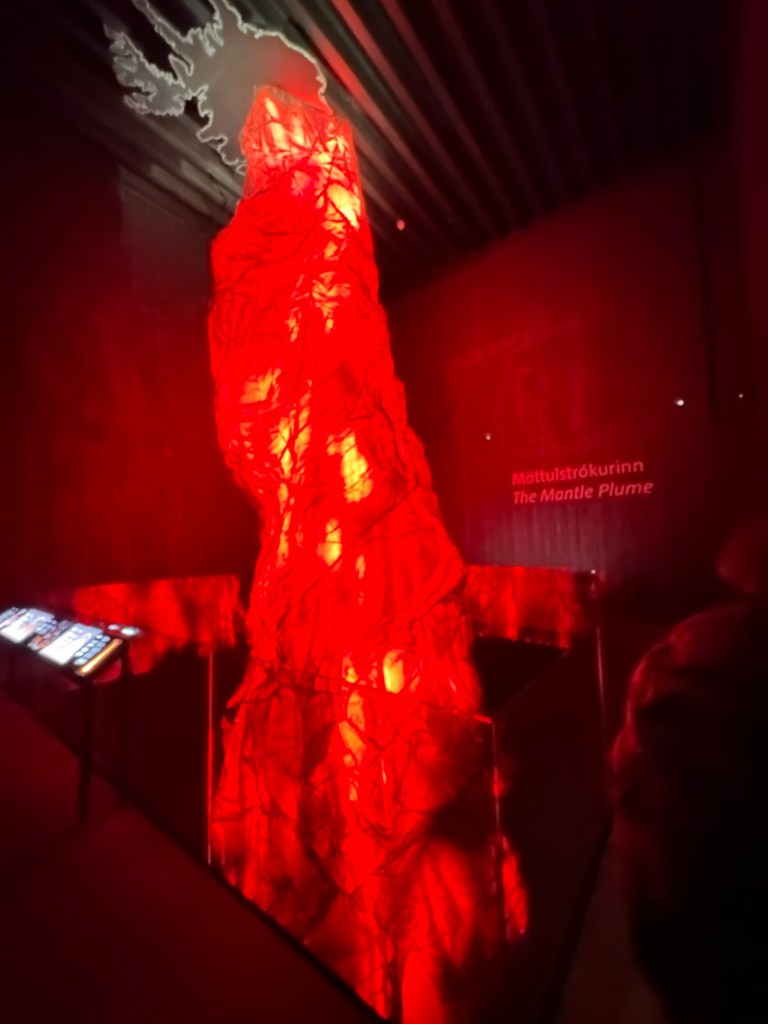
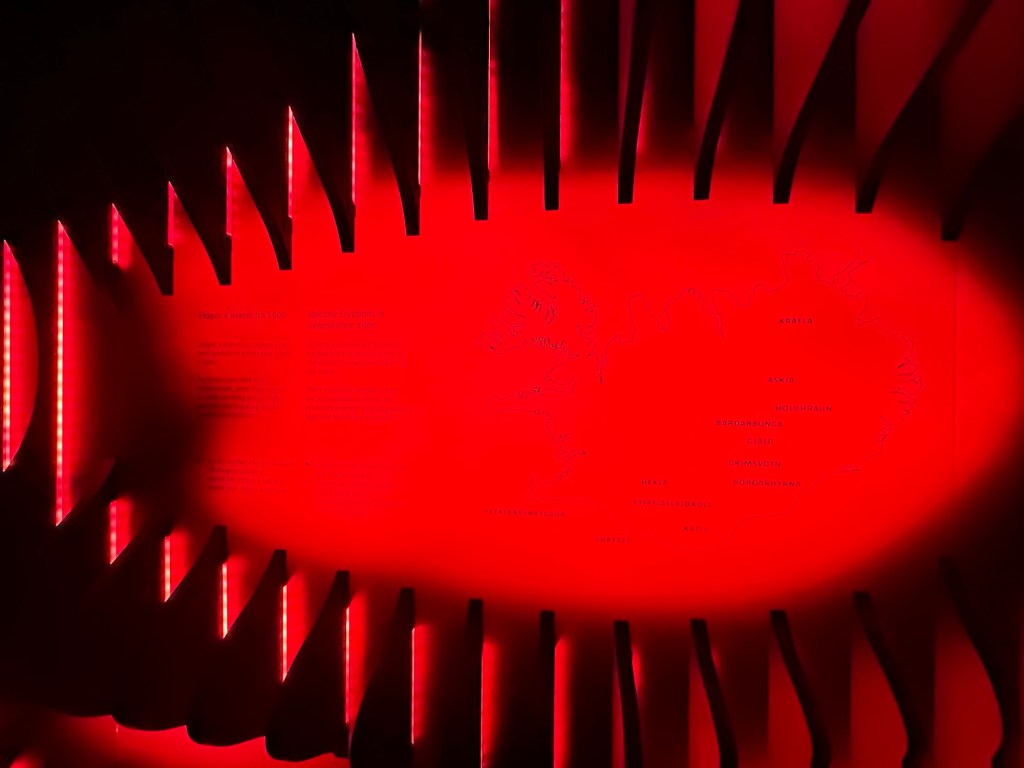
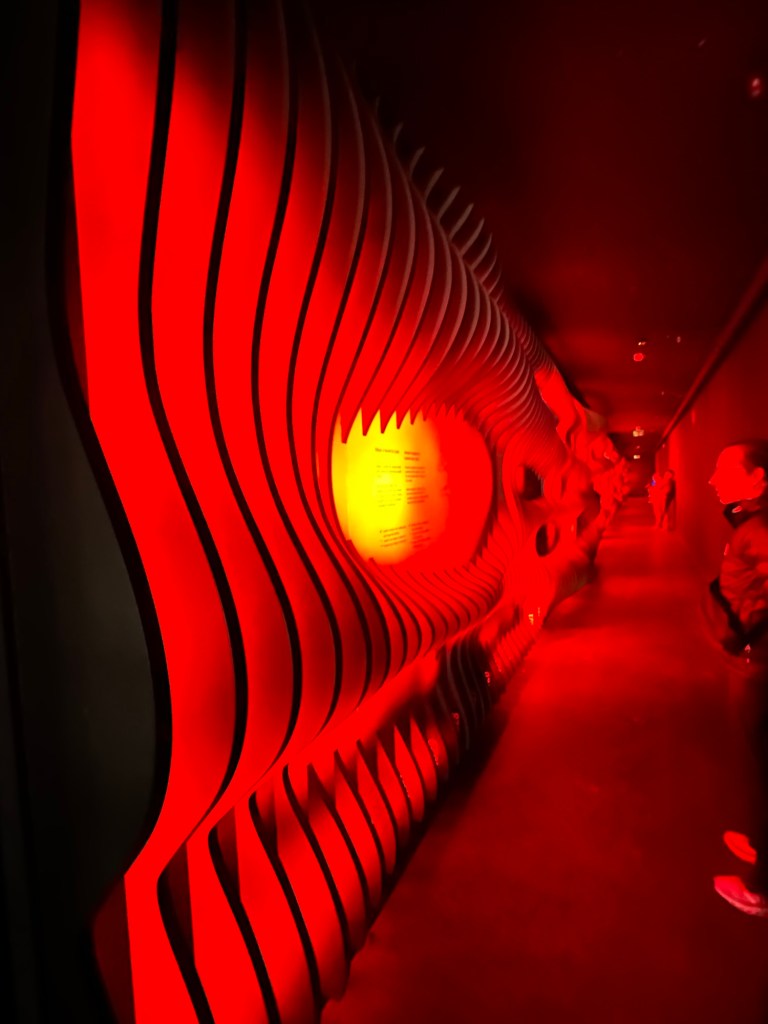
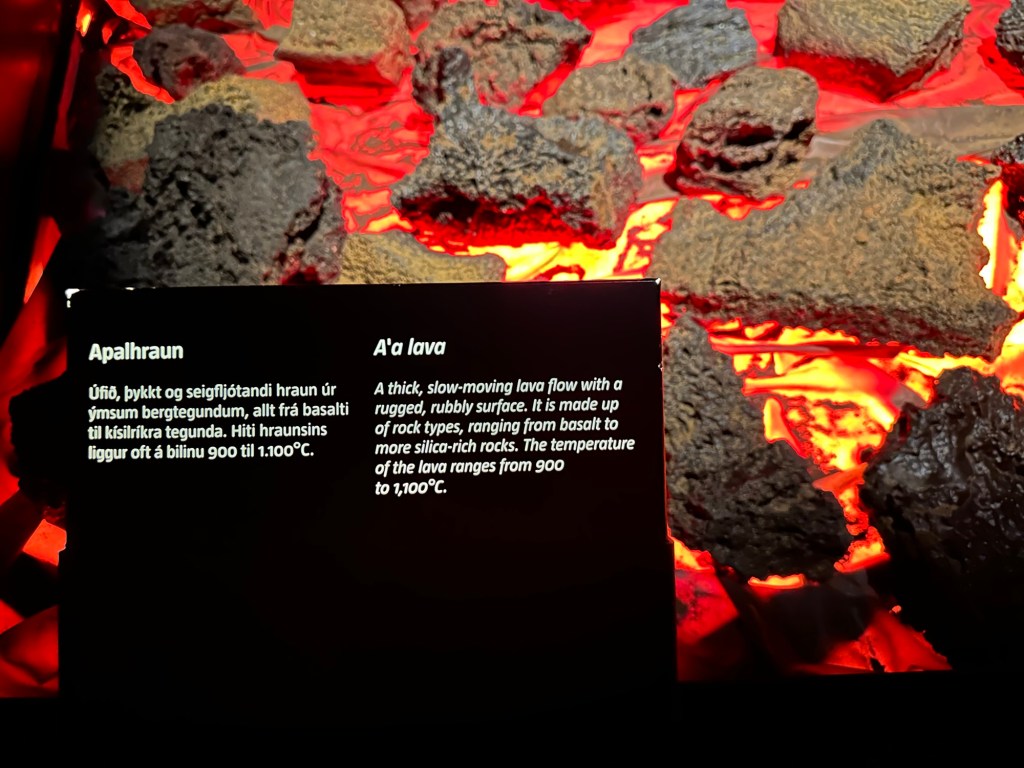
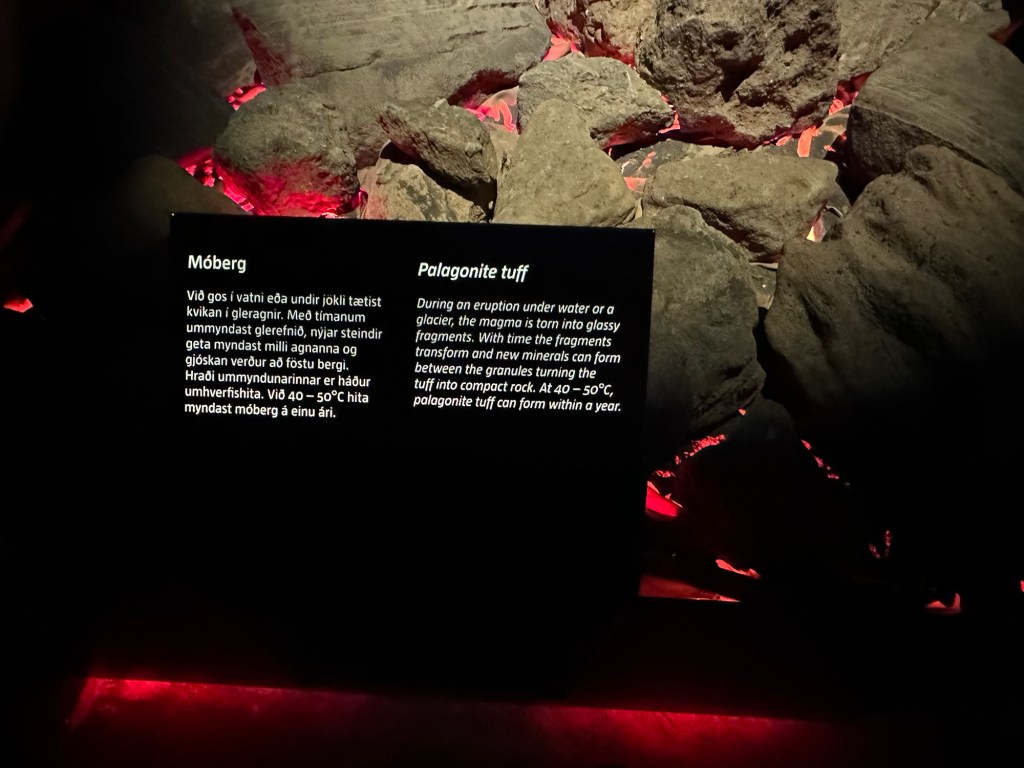
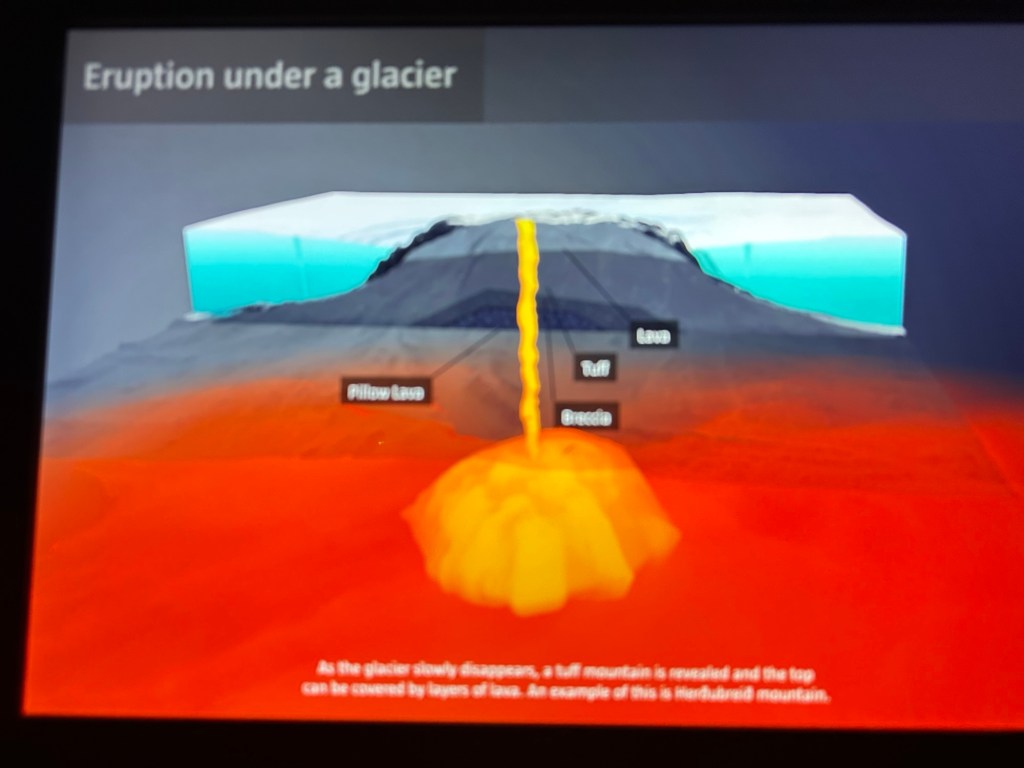
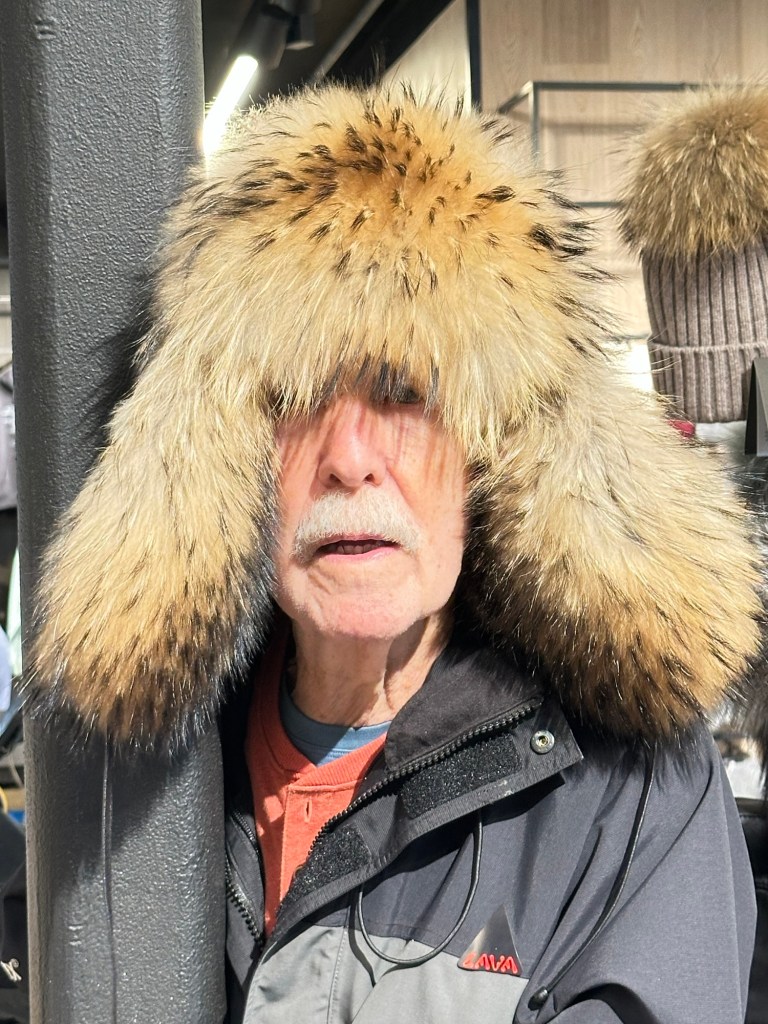
Bud was so ignited by the presentation at the Lava Center that he bolted straight to the gift shop for some groovy head-ware.
Seljalandsfoss
Seljalandsfoss is one of Iceland’s most famous and photogenic waterfalls, located along the country’s southern coast just off Route 1—the Ring Road—about 120 kilometers (75 miles) from Reykjavik. Its 60-meter (197-foot) drop is fed by meltwater from the Eyjafjallajokull glacier, creating a graceful cascade that plunges from ancient sea cliffs into a small pool below. What makes Seljalandsfoss truly unique is the narrow footpath that winds behind the waterfall, allowing visitors to view the rushing curtain of water from the inside out.
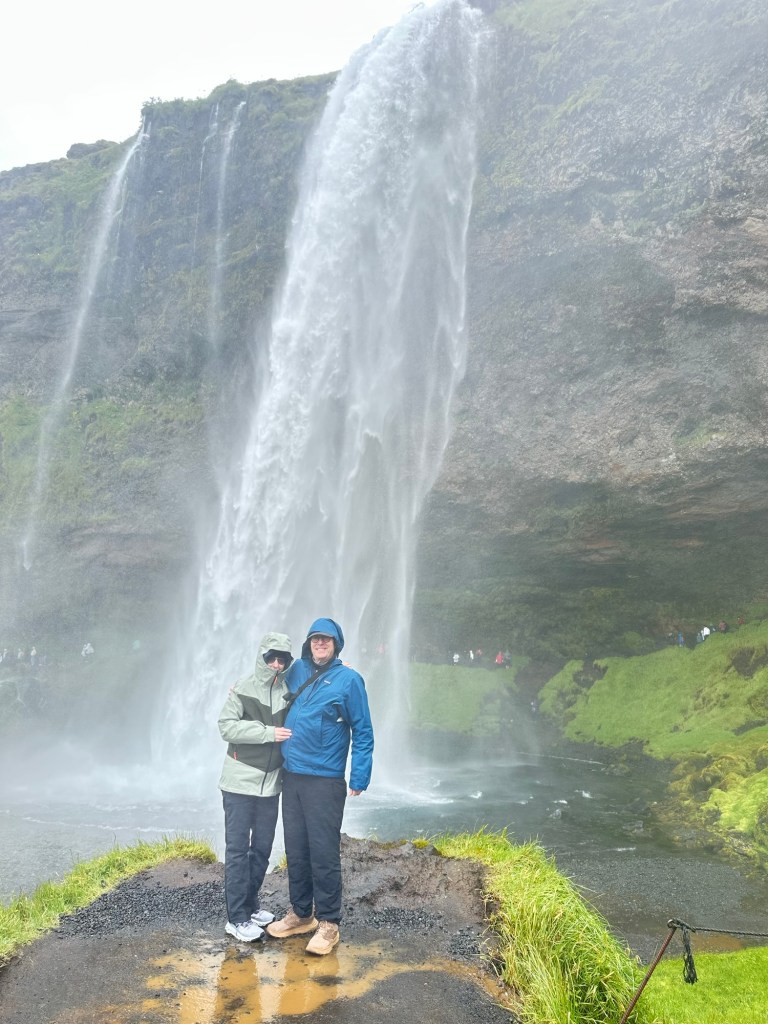
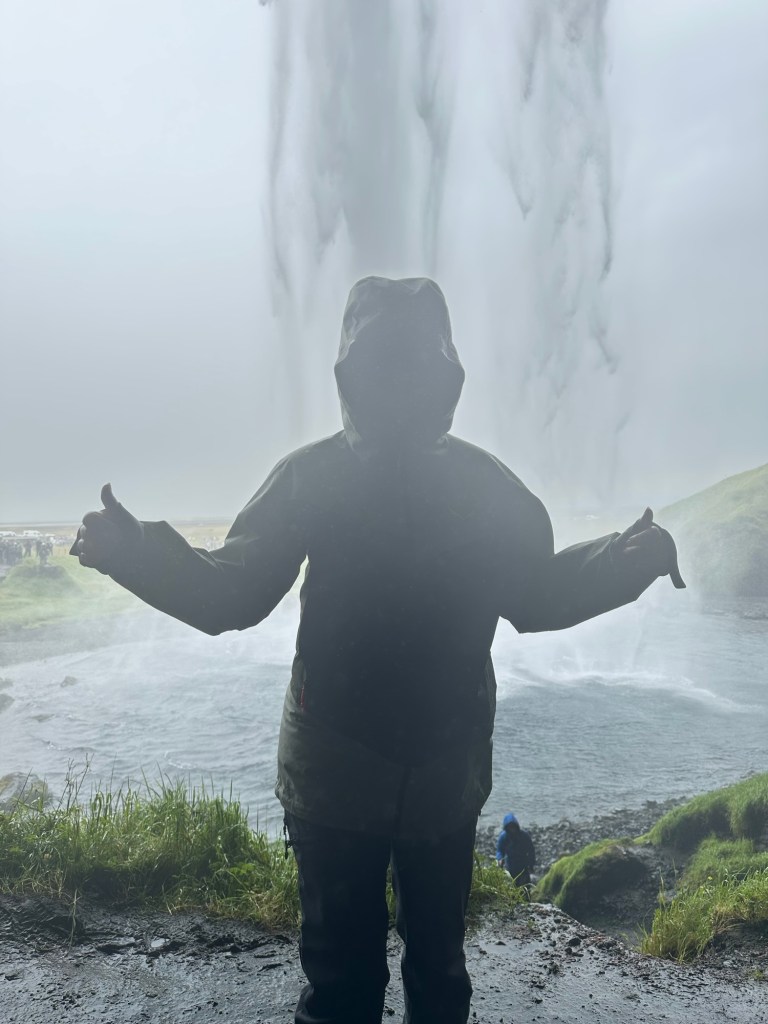

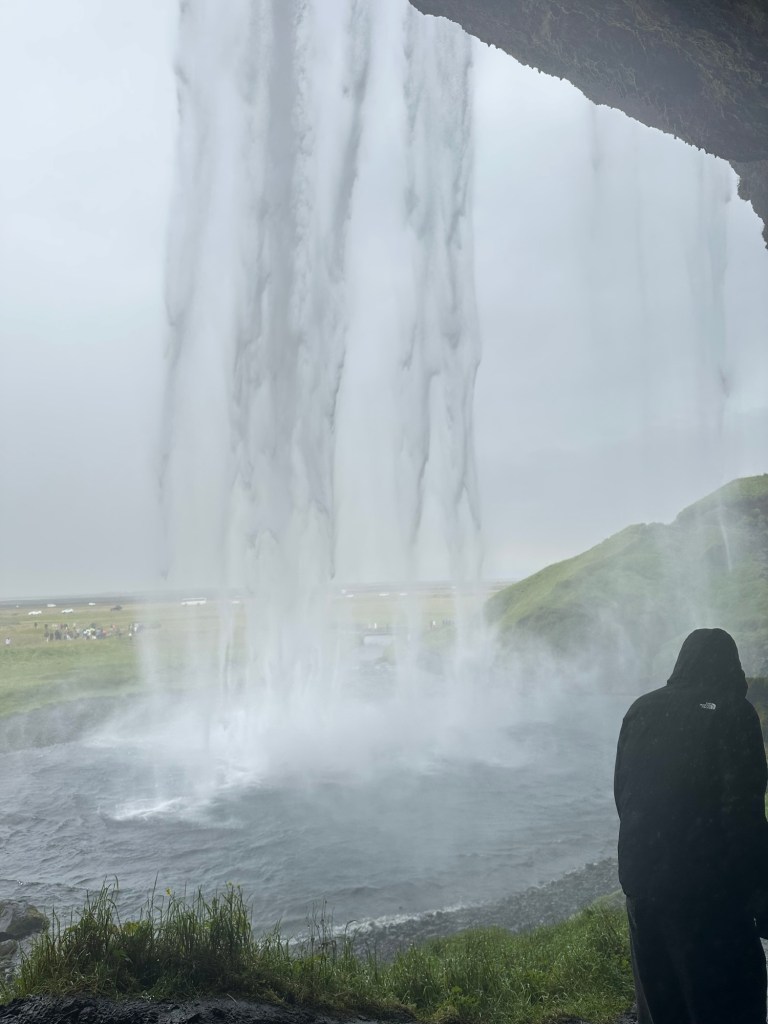
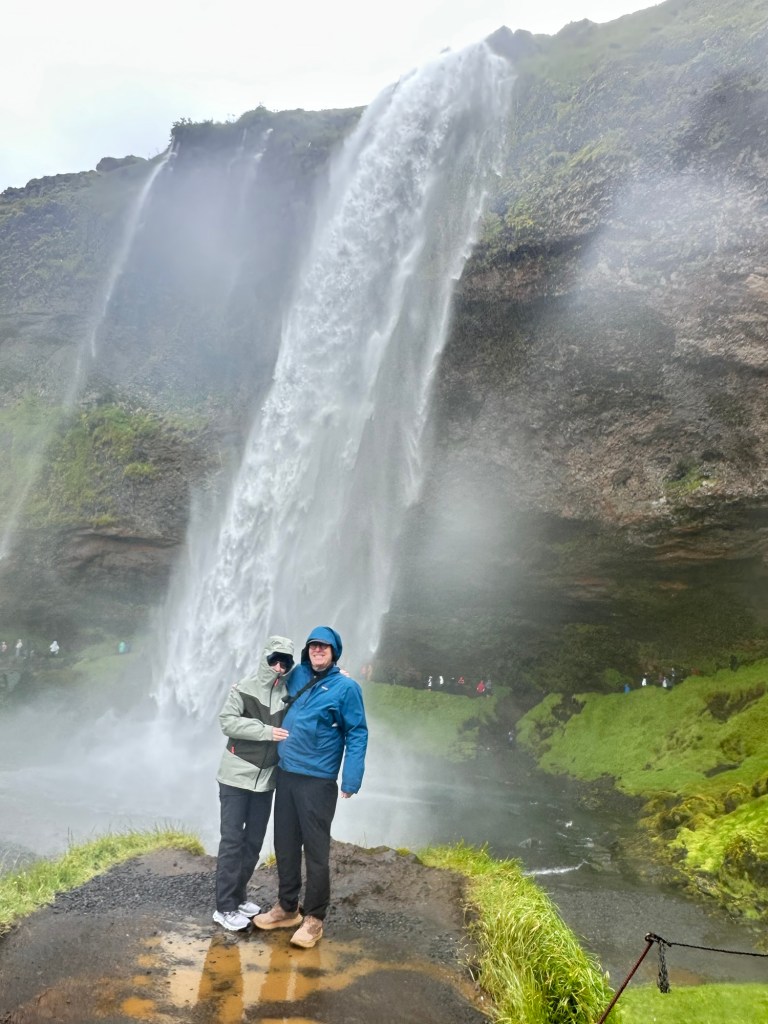
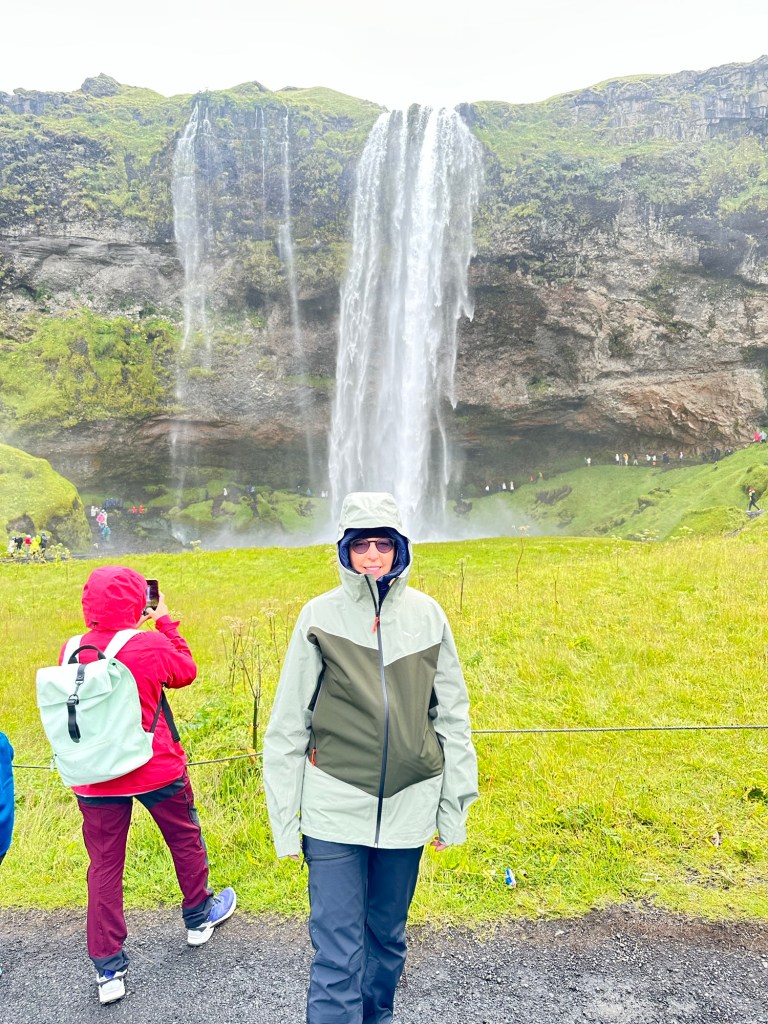
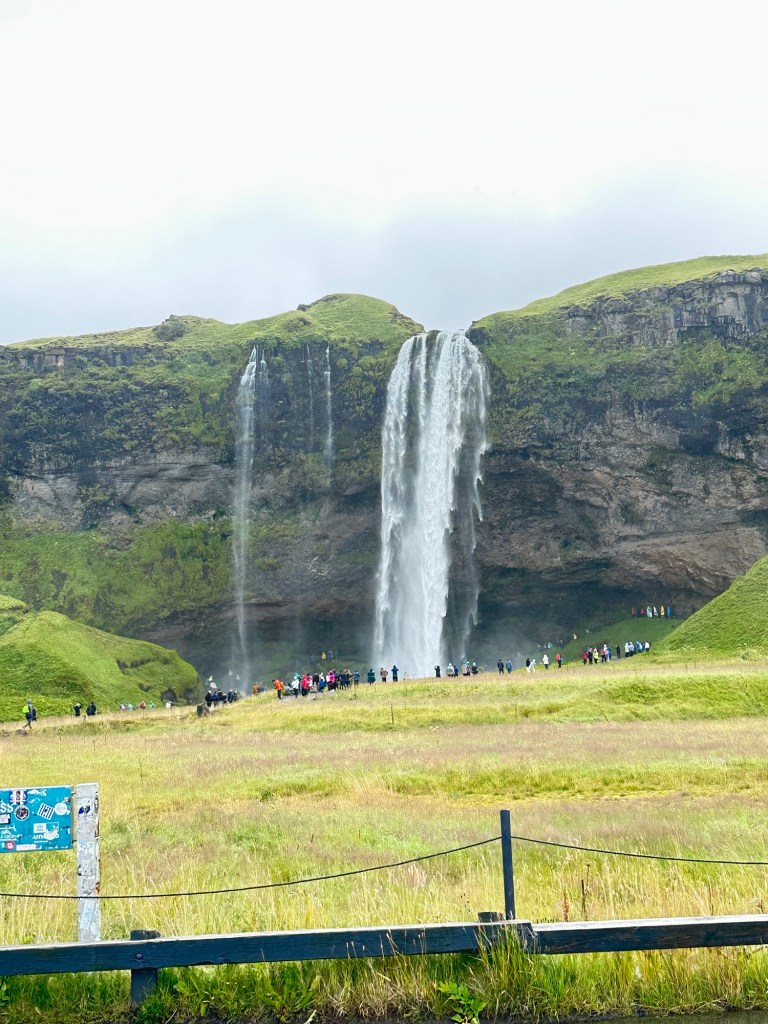
Walking that path feels like slipping into another world. The roar of the falls swallows every other sound, and the air turns cool, heavy with mist that clings to your skin. Each step reveals a new angle—first the sheer drop from above, then the blurred shimmer of water in front of you, and finally, as you emerge, the southern plains unfurling to the horizon. You step out damp, grinning, and half-convinced you’ve just walked through the beating heart of Iceland.
Lunch at Gamla
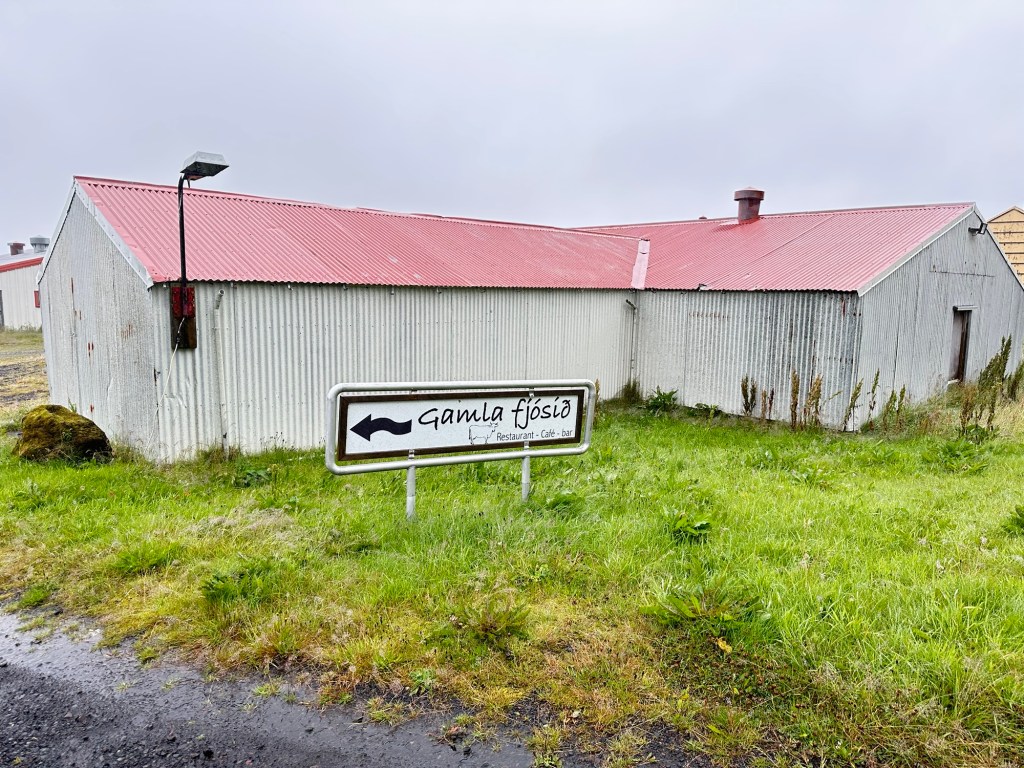
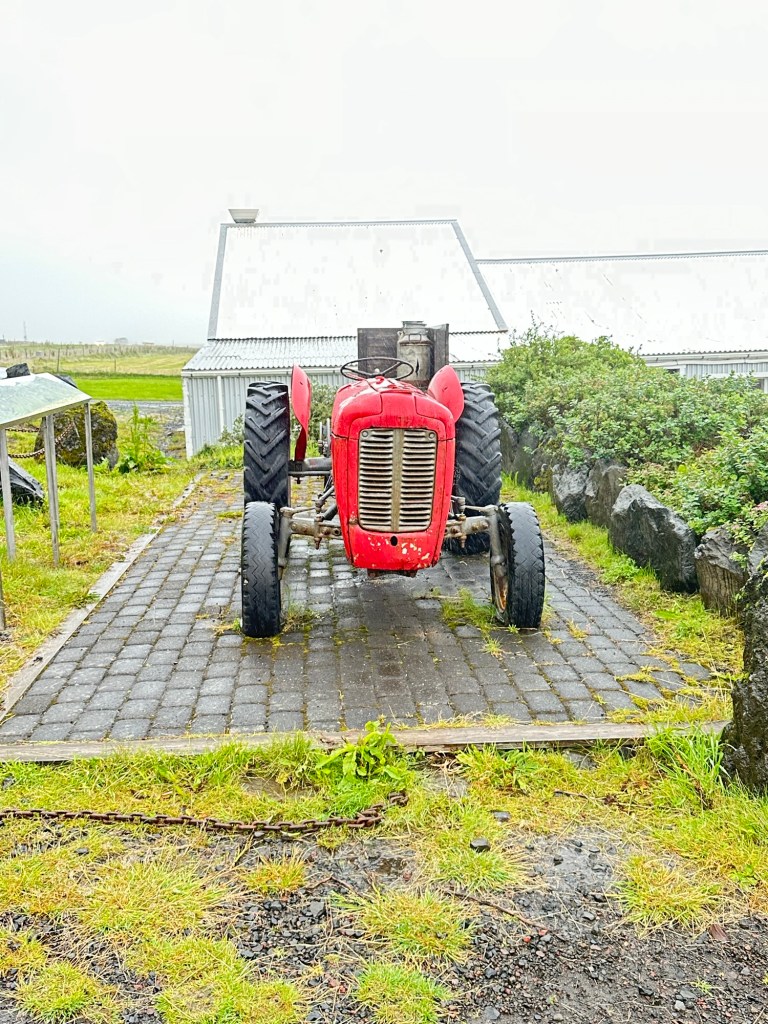
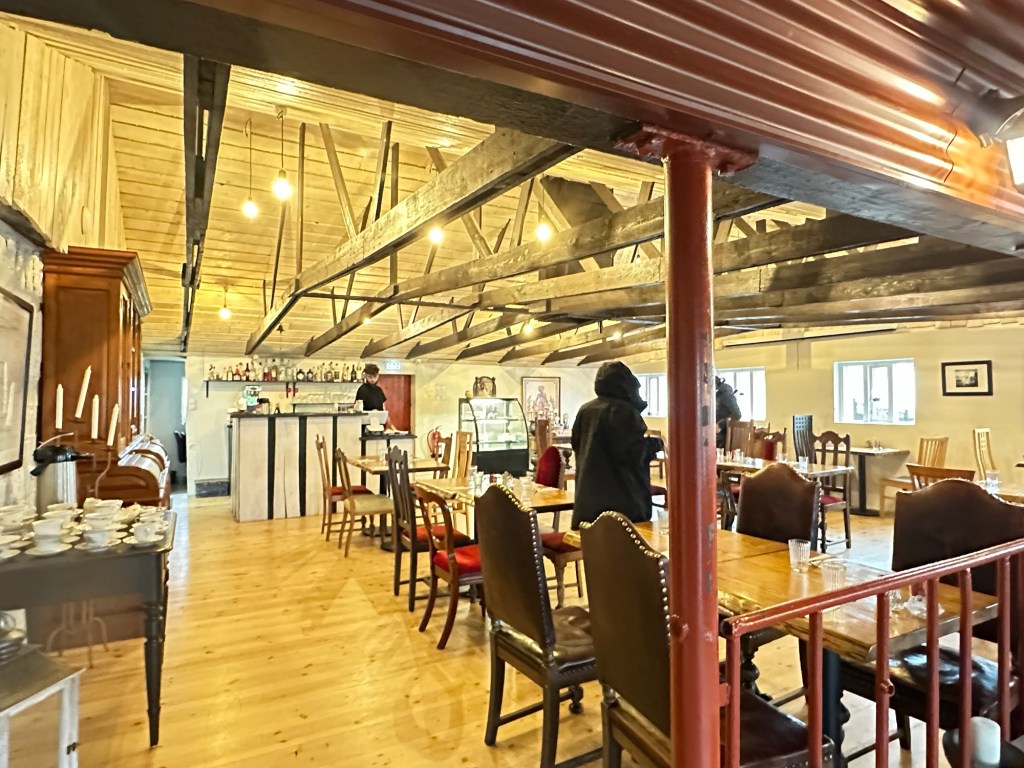
We pulled off Route 1 not far from Eyjafjallajokull, following a small sign that promised Gamla Fjosio—“The Old Cowhouse.” From the outside, it looked exactly that: a sturdy old barn, weathered by wind and time, with mountains looming behind it like patient guardians. But step inside, and the scent of sizzling meat and fresh bread made it clear this was no ordinary farm stop.
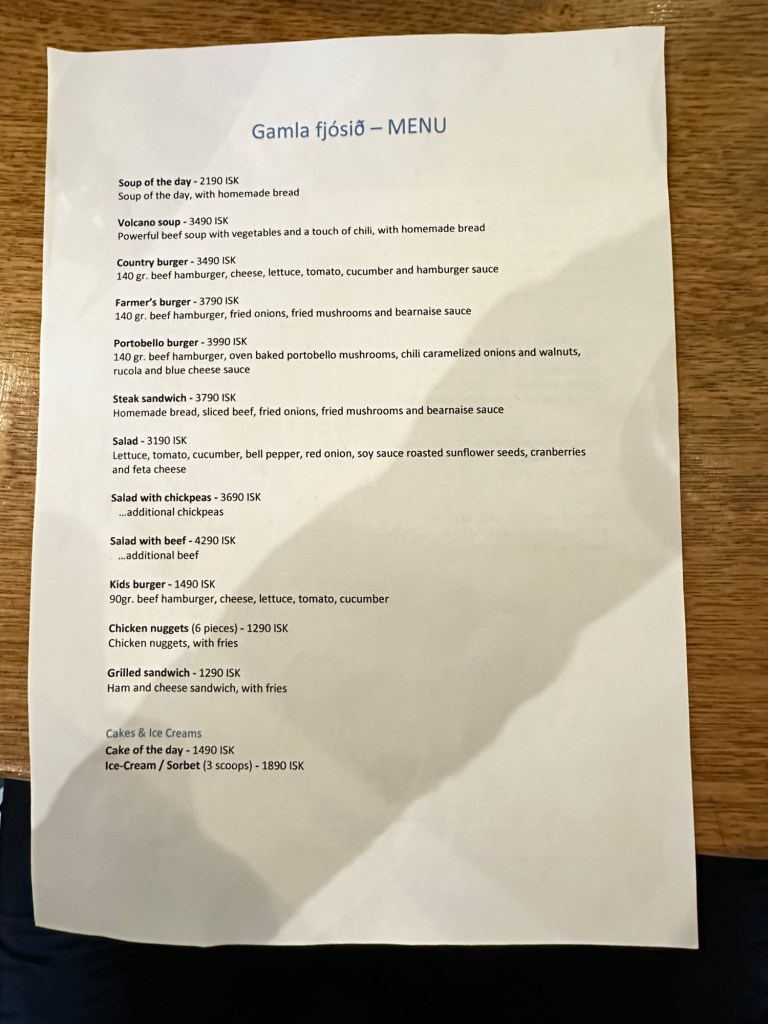
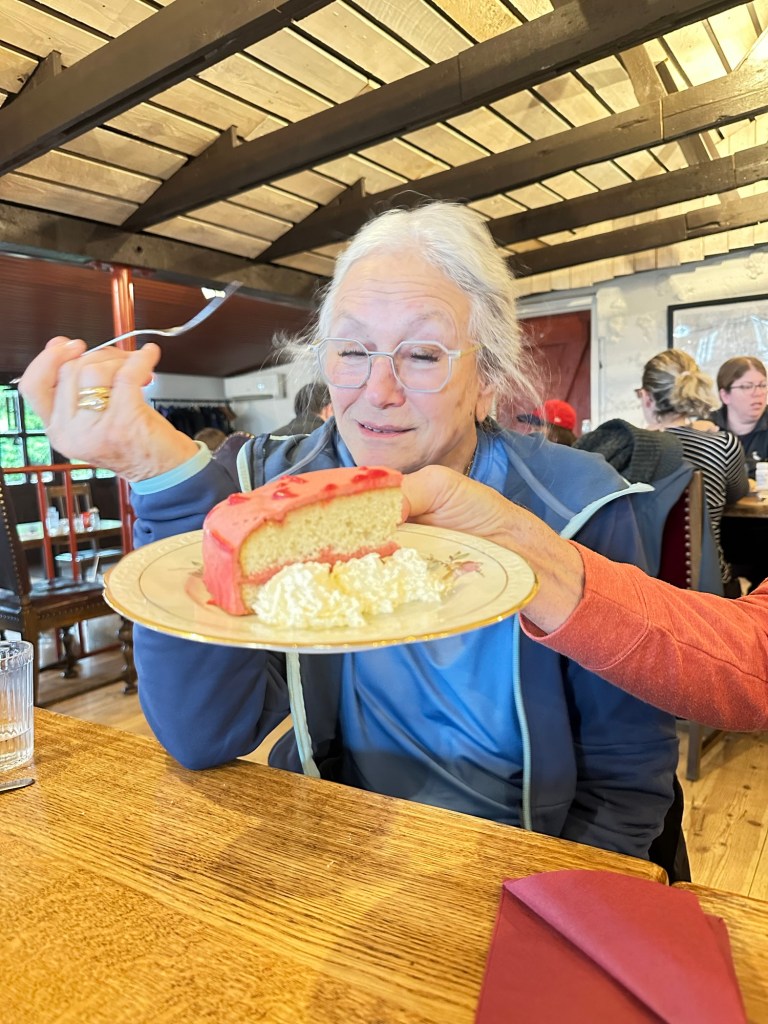
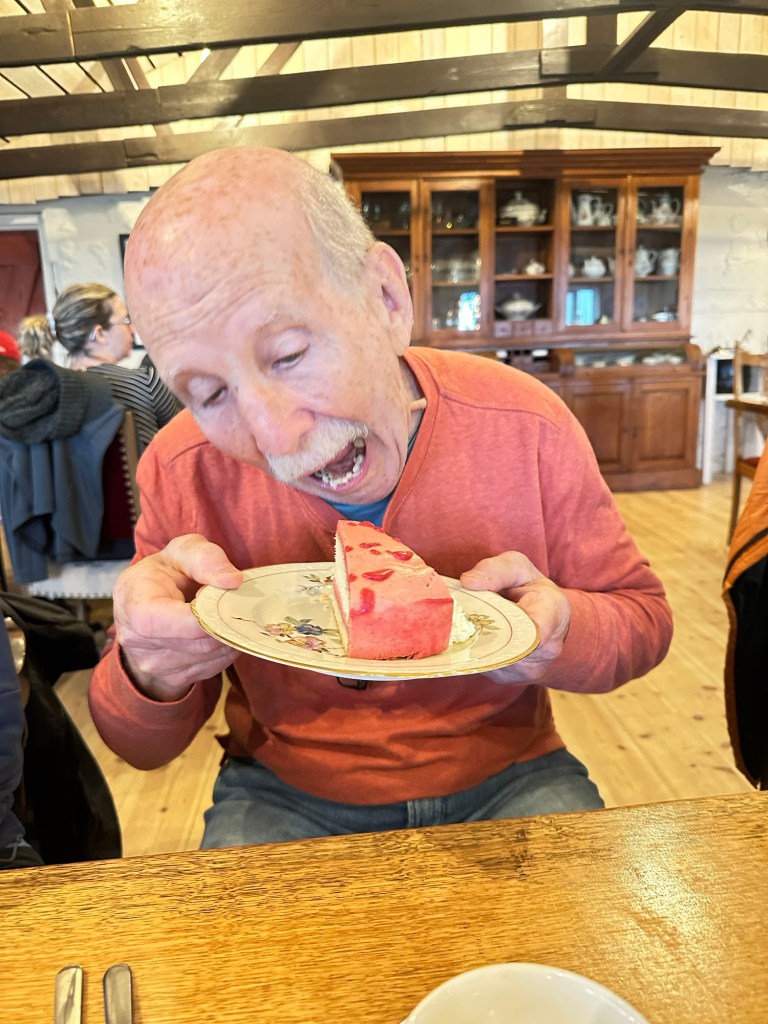
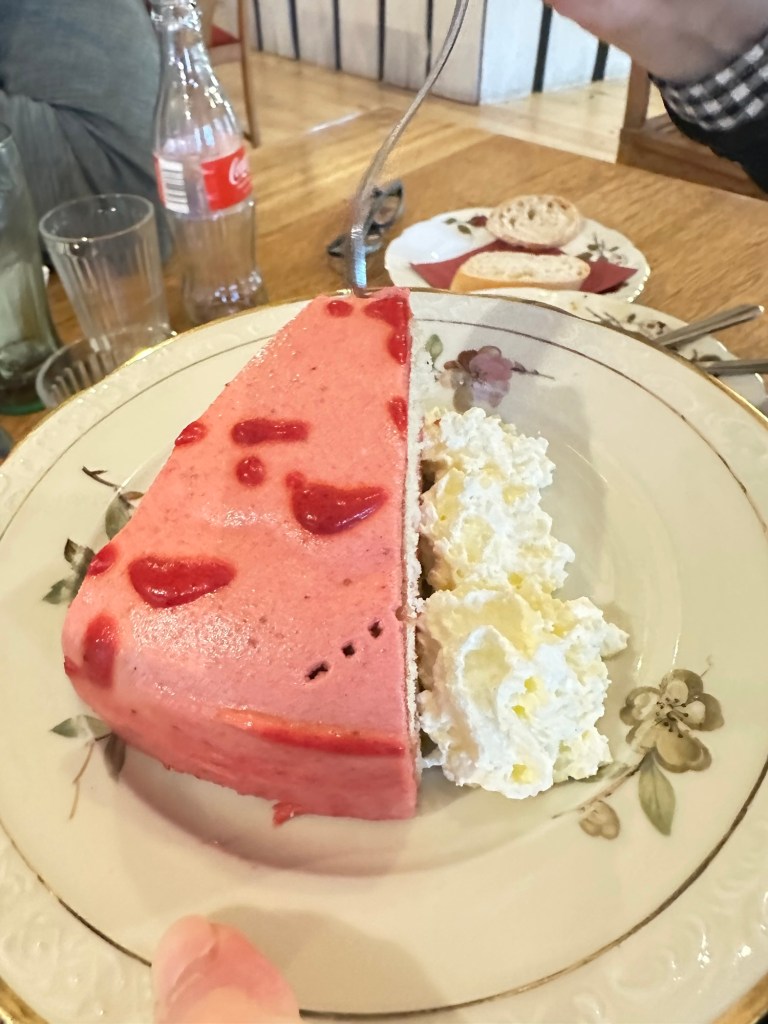
The family behind Gamla Fjosio still raises cattle on the land, and the menu proudly features their own beef. I’m not a meat eater, so I opted for the silky asparagus soup, while Beth and Bud ordered the “volcano soup” — but asked the waiter to hold the lava. Judy finished strong with a pink cake so scrumptious it could have been trademarked.
It’s the kind of place where the pace slows. You might find yourself staring out the window between bites, watching clouds drift over the glacier, or noticing how the wood beams still smell faintly of hay. And when the plate’s empty and the last sip of coffee’s gone, you leave feeling not just fed, but welcomed—like you’ve been let in on one of Iceland’s best-kept roadside secrets.
Skogafoss
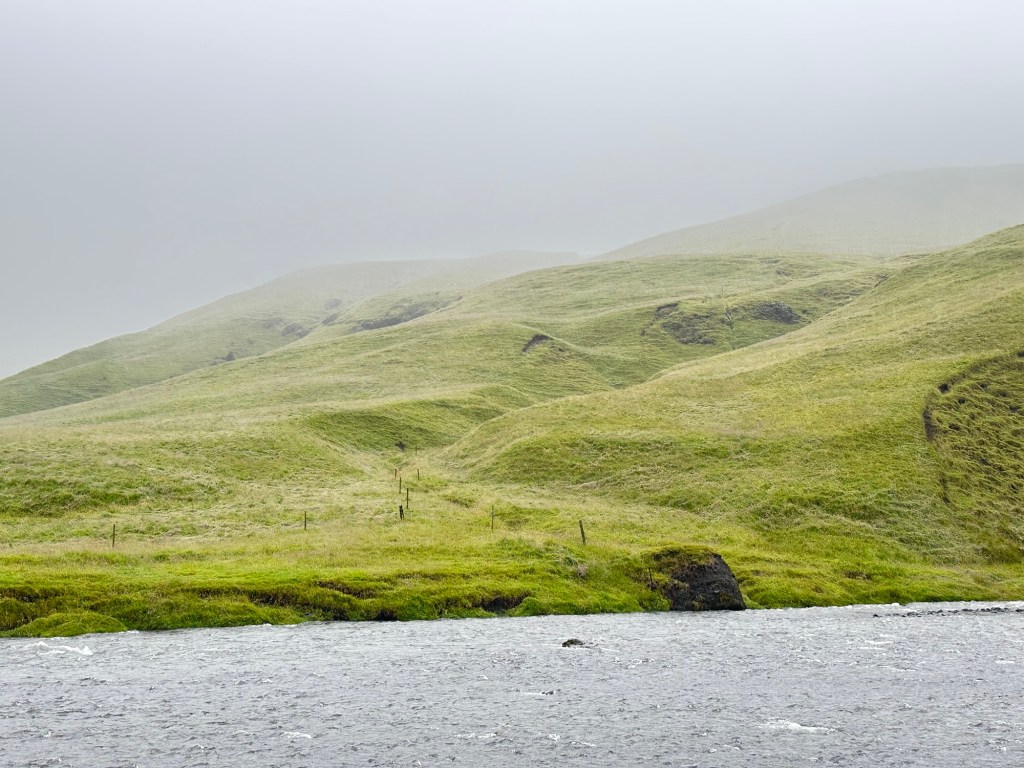
Skogafoss is in southern Iceland, along the country’s famous Ring Road (Route 1) in the village of Skogar. Need a shower? Forget the hotel bathroom—Skogafoss has you covered, literally. This 200-foot wall of water thunders into a pool below, throwing up a mist so thick it could star in a car wash commercial. Stand anywhere within 50 feet and you’ll walk away looking freshly laundered, courtesy of glacial meltwater that’s been tumbling down since before Iceland had a name.


Skogar museum
Ever the quick thinker, Kristinn whisked us out of the cold, drizzling Icelandic rain and into the Skogar Museum, just a short drive from the falls. Inside, we found a surprisingly rich trio of collections: a folk museum packed with turf houses, fishing gear, and homespun tools; an open-air village of relocated historic buildings; and a technical museum charting Iceland’s leap into the modern age, with everything from early snowmobiles to vintage switchboards. Together, they make Skogar a rare place where you can get thoroughly soaked — in both water and history.
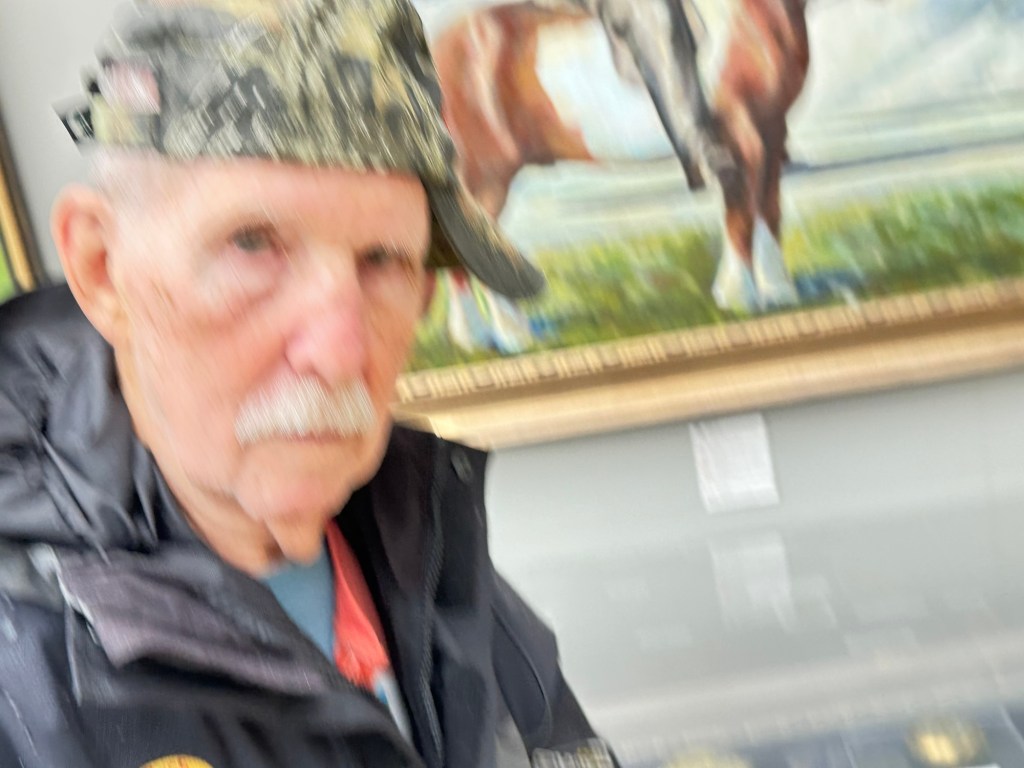
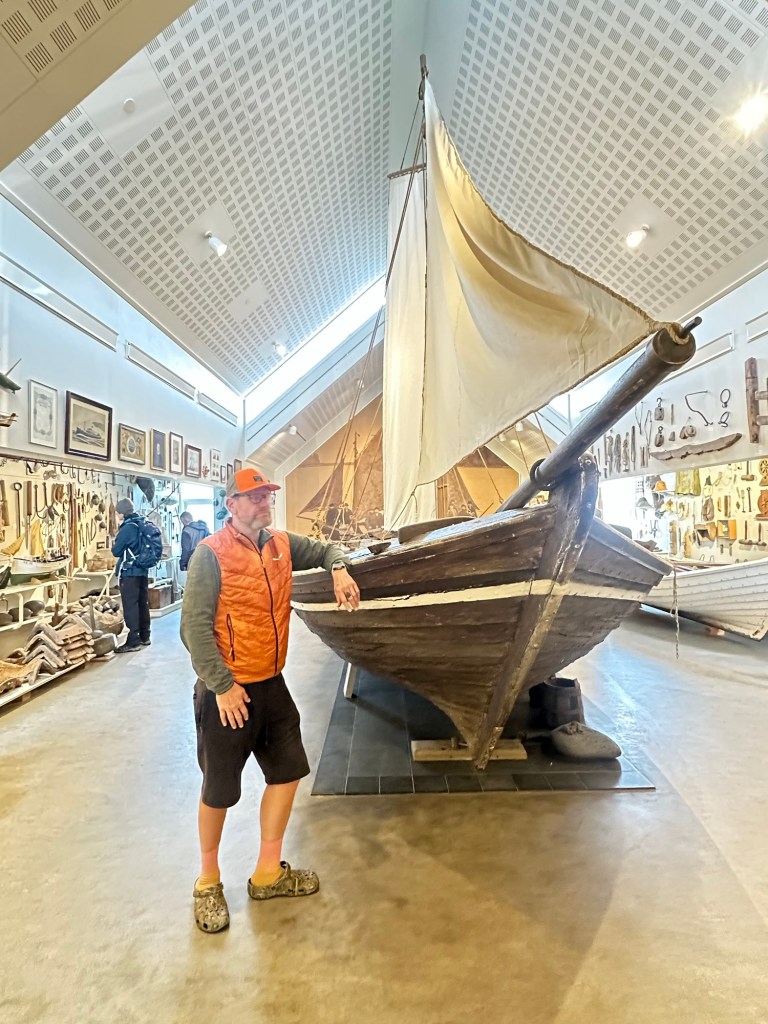
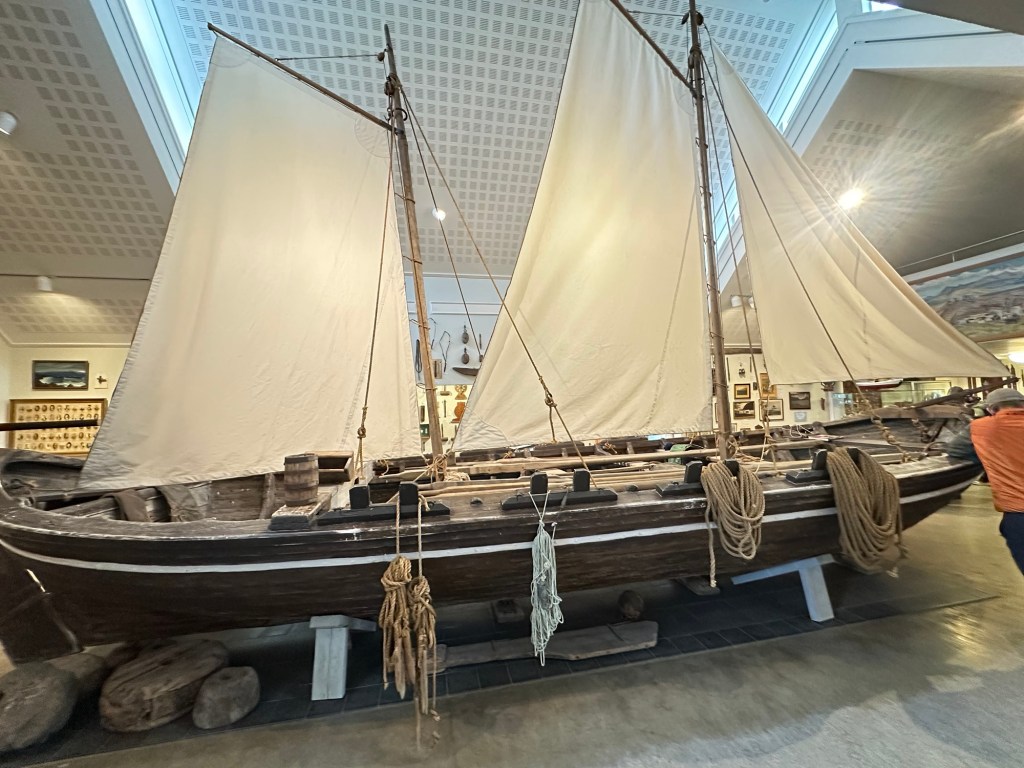
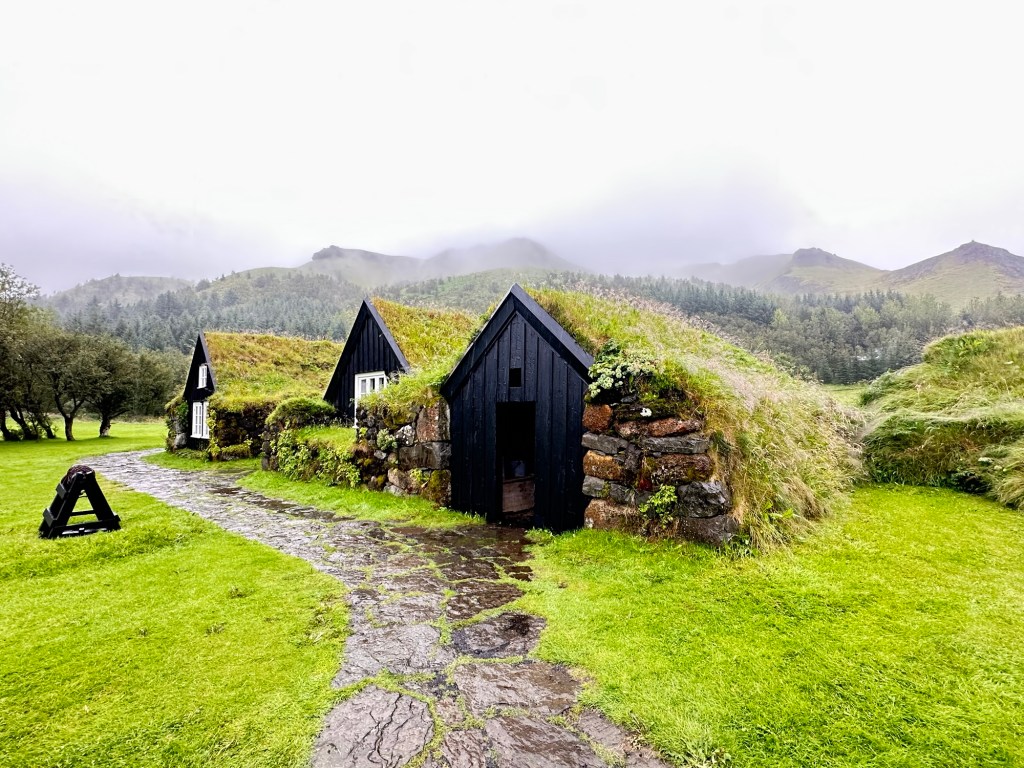
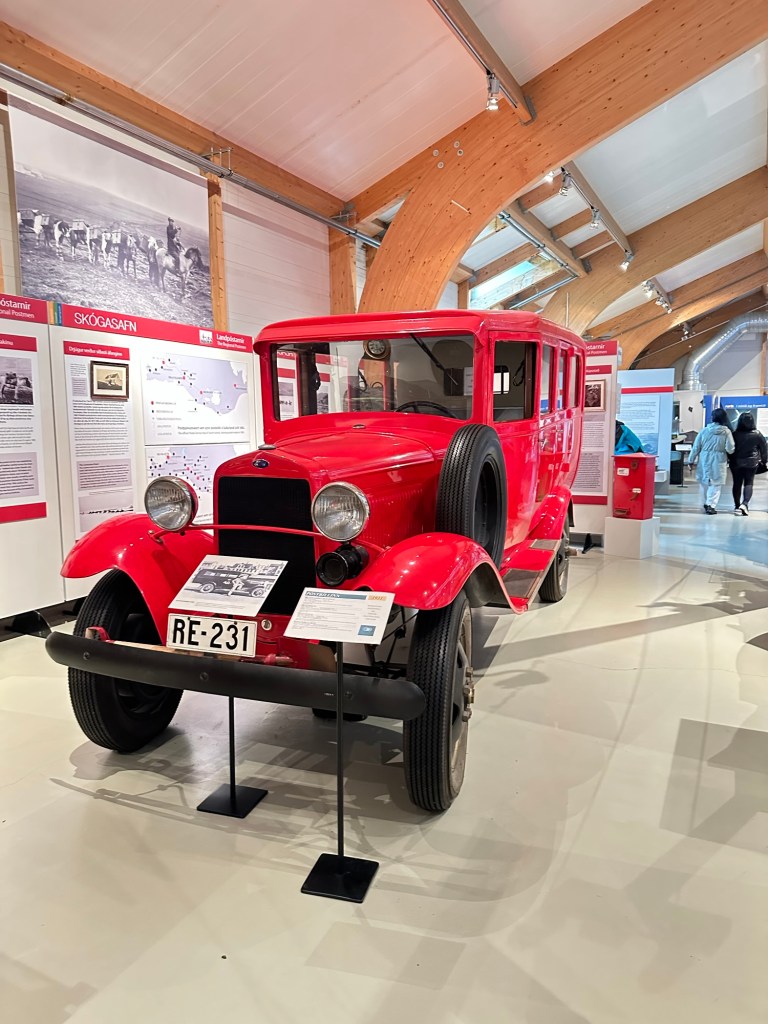
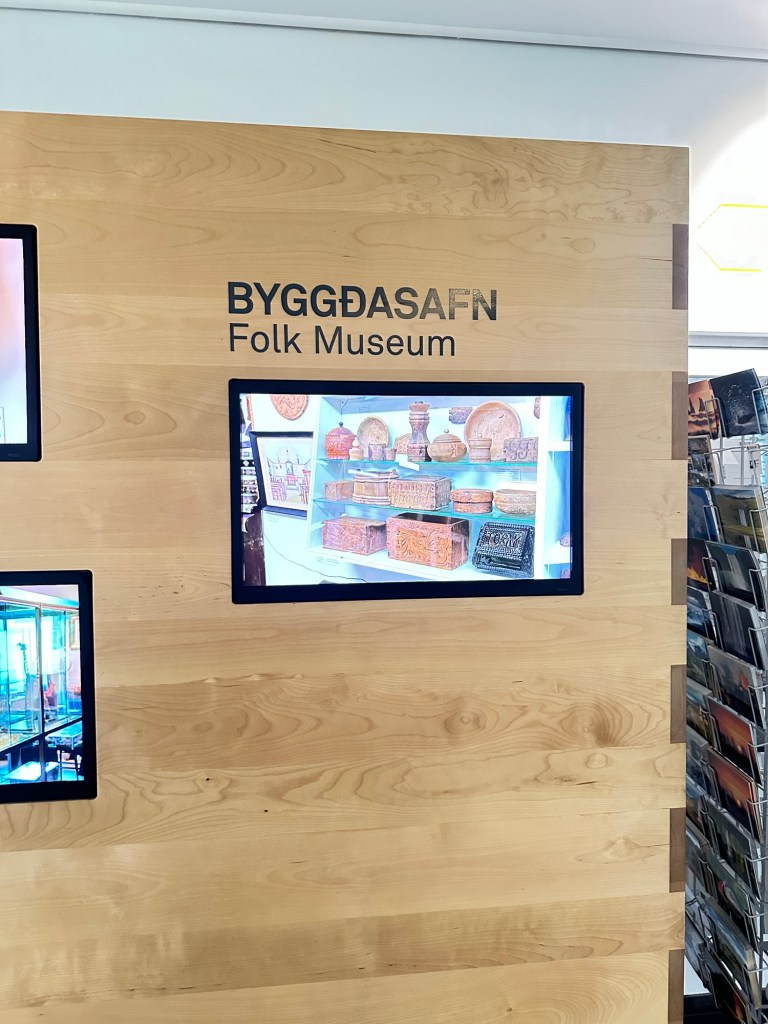
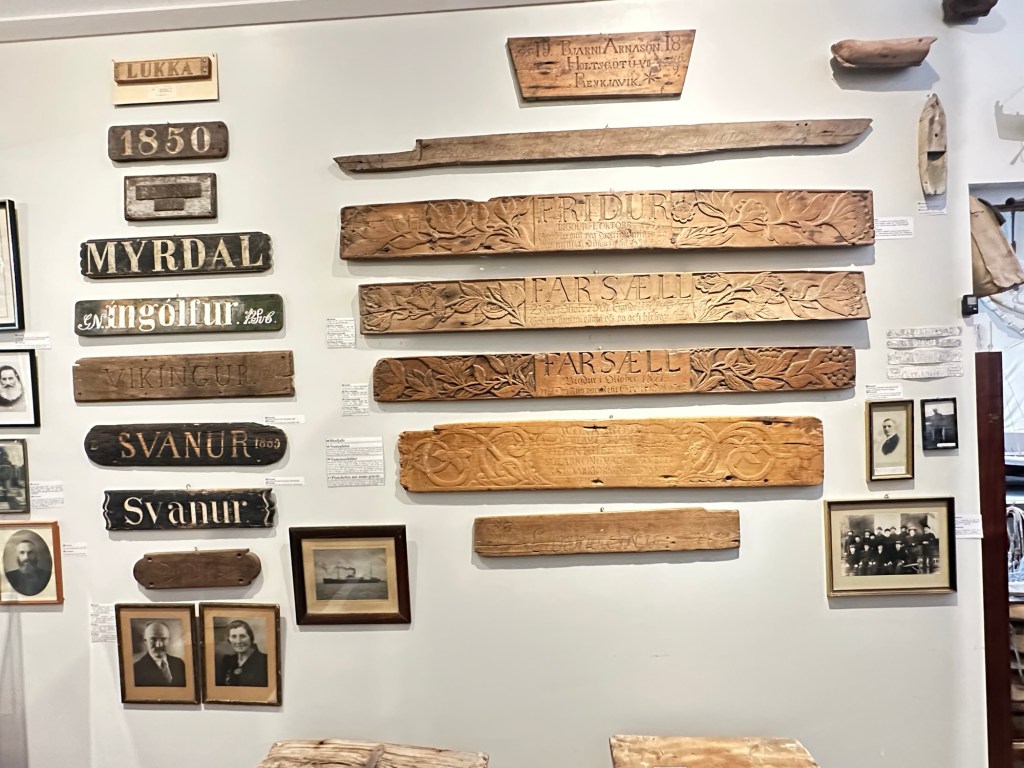
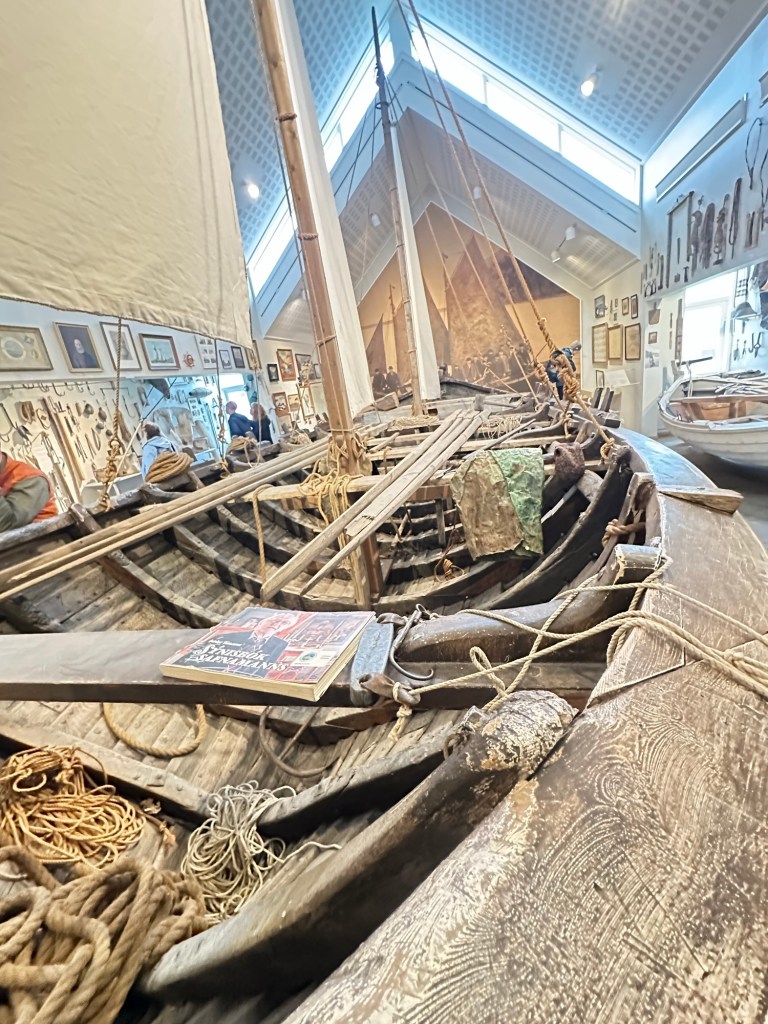


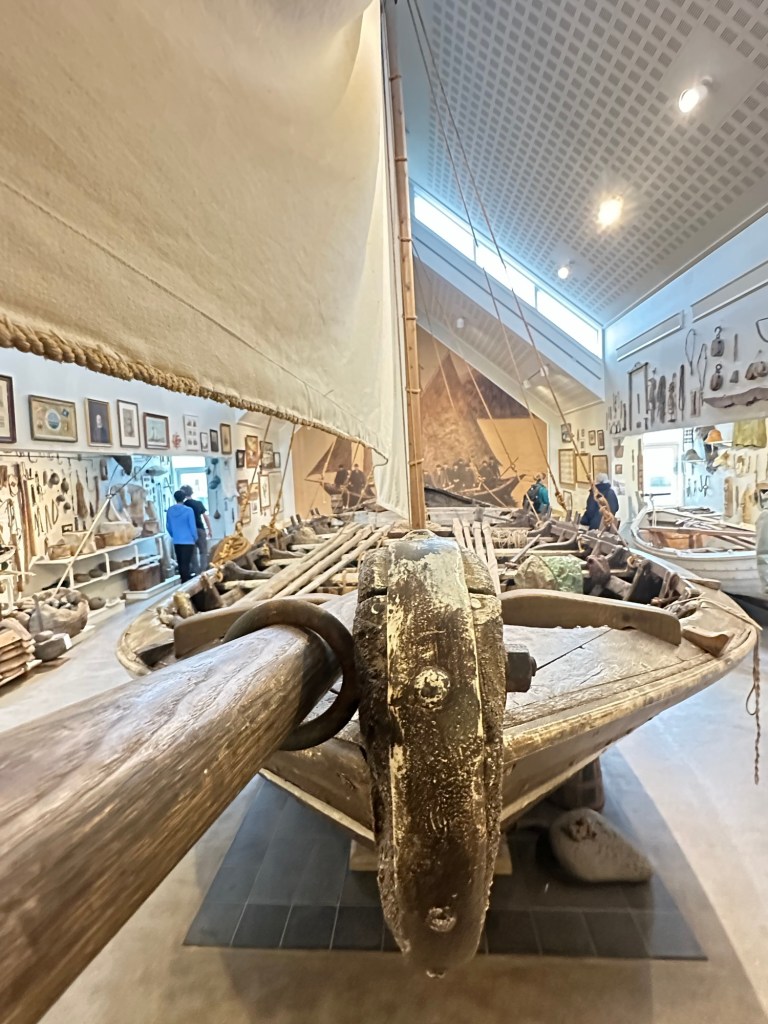

The biggest surprise at the museum came when Bud stumbled upon of his long lost relative, staring back at him from the wall. To this day, Bud’s Icelandic roots have always been a mystery.
Reynisfjara Black beach
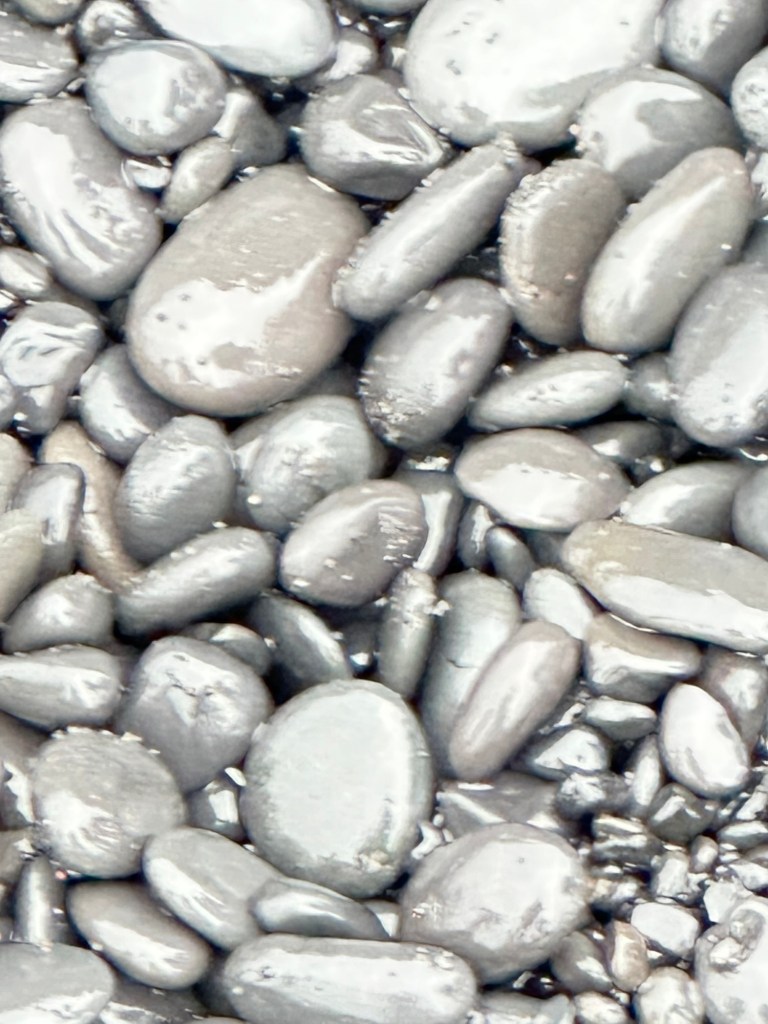
Reynisfjara is Iceland’s most famous—and most treacherous—black sand beach, a sweep of volcanic ash framed by looming basalt columns and the restless North Atlantic. Out to sea, the jagged Reynisdrangar sea stacks pierce the horizon, like the petrified remains of trolls caught in daylight. The waves here are no ordinary waves; “sneaker waves” can surge far higher and faster than they appear, dragging the unwary straight into icy waters. Tragedies have happened here, and the warning signs are not decoration—they are gospel. It’s a place of stark beauty and raw power, where the line between awe and danger is razor-thin. A yellow light means beware. Red means run—your life depends on it, asa 120 foot sneaker wave may be gunning for you.
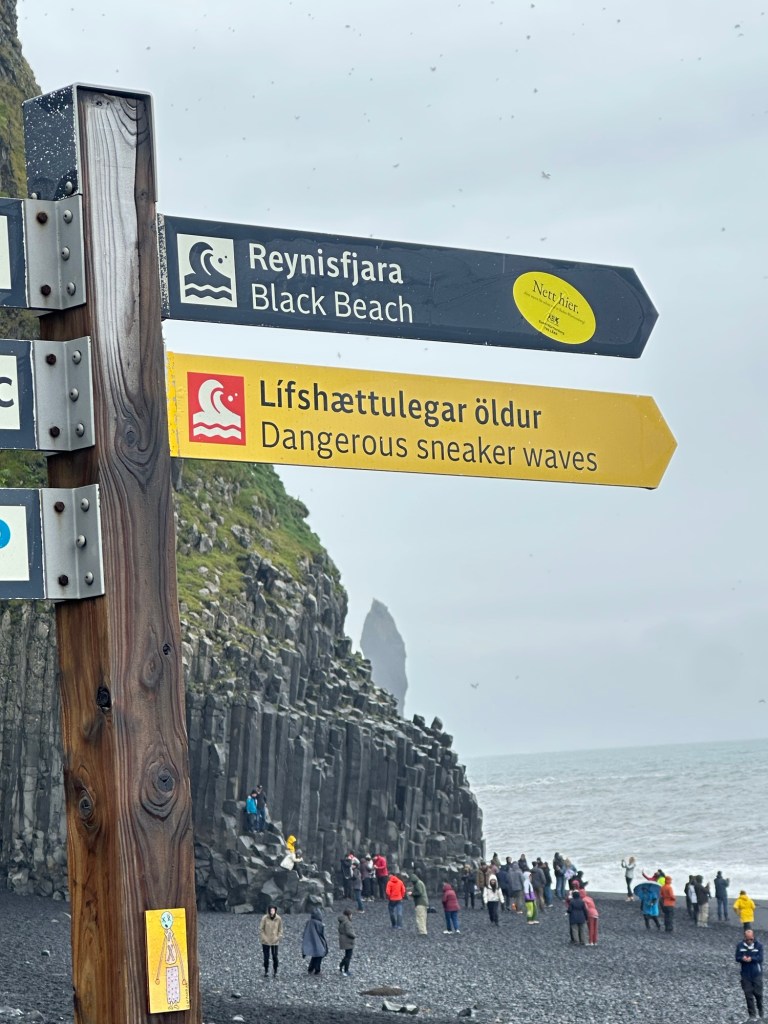
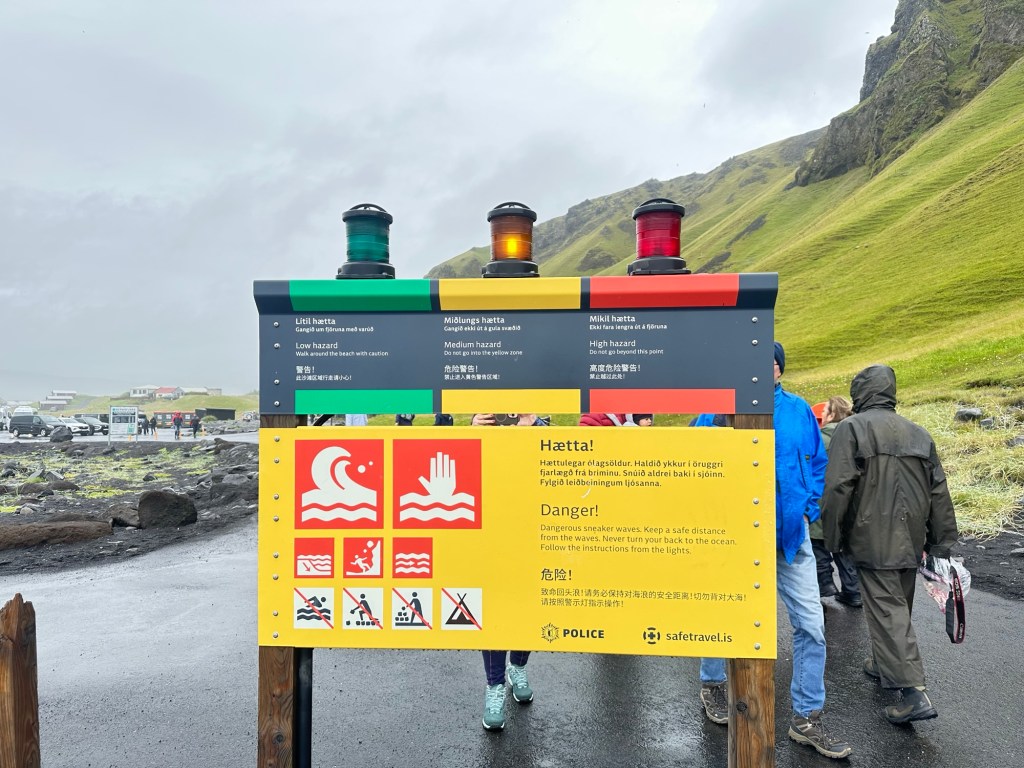

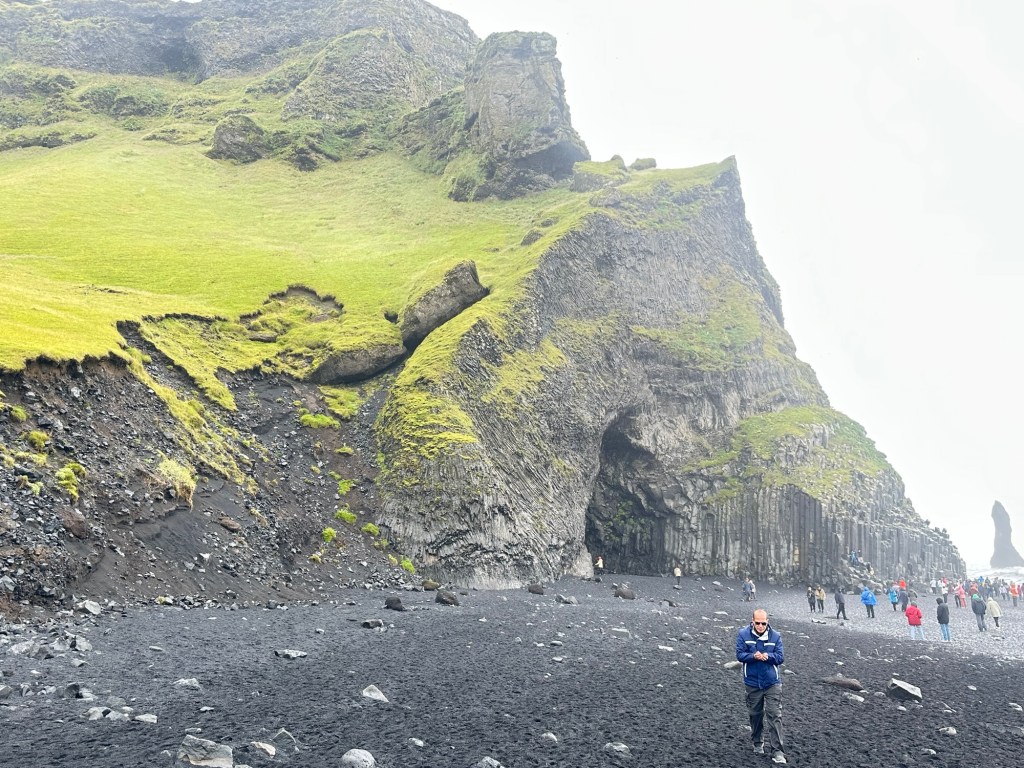
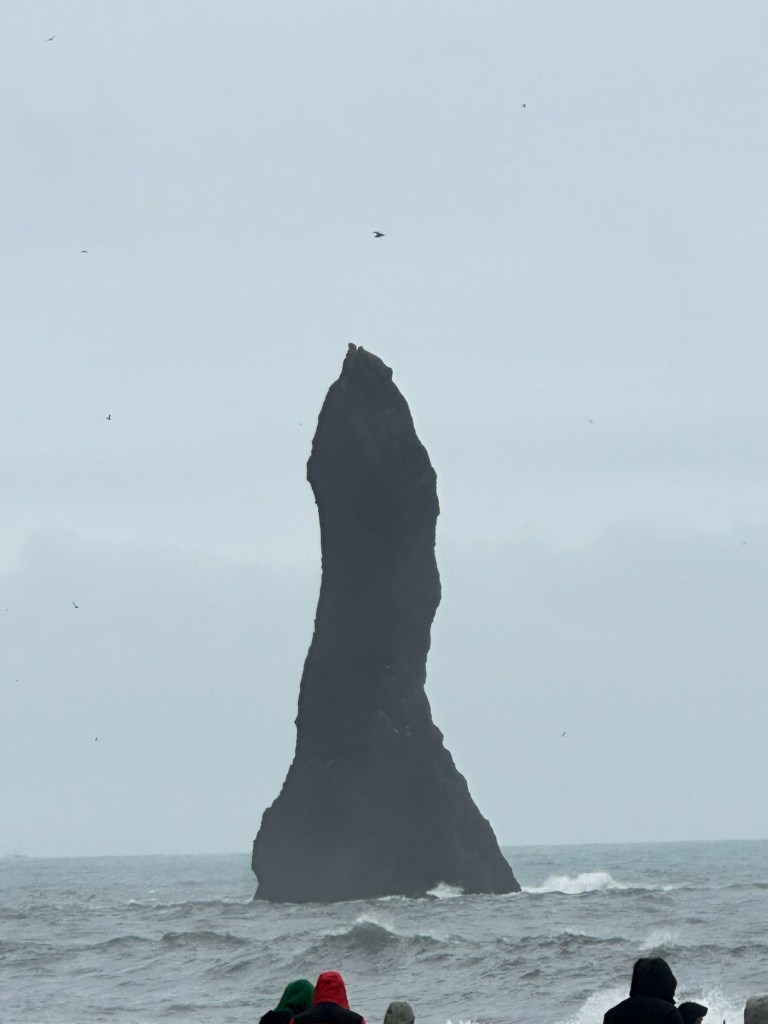

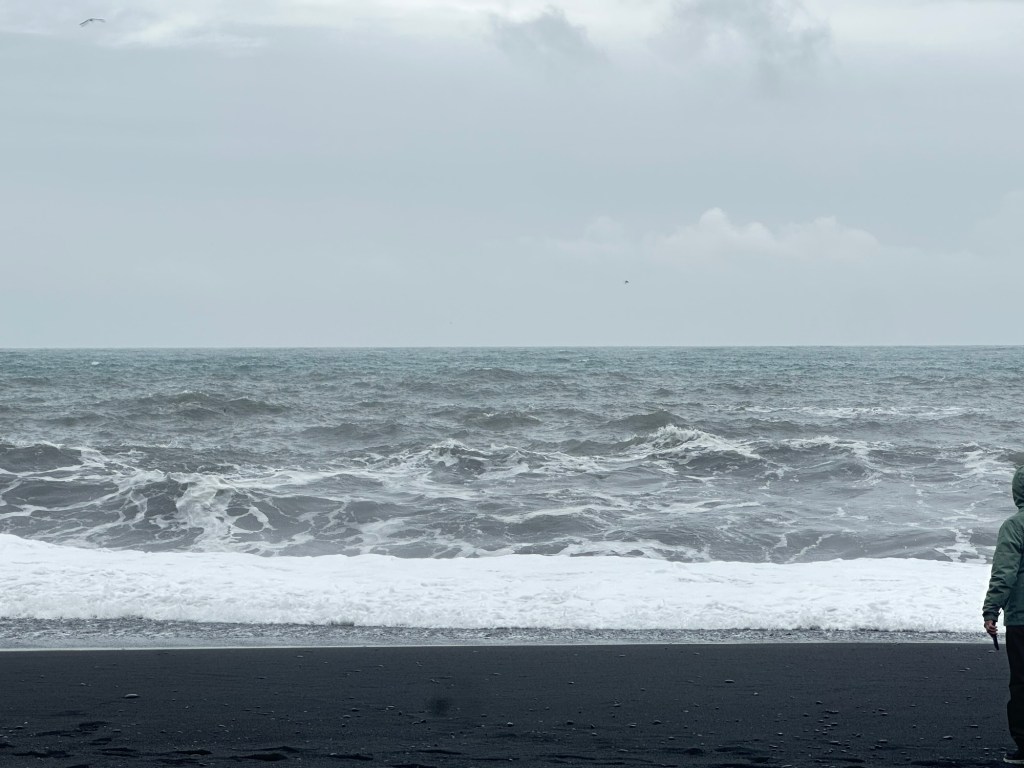


Only a few feet from shore, the ocean floor drops away into a 60-meter abyss. When that sudden plunge collides with sneaker waves and powerful undertows, the sea can turn treacherous in an instant.
Icewear
No trip to Iceland is complete without a stop at Icewear, Iceland’s homegrown outfitter for all things warm, rugged, and weather-ready. Even if you’re not in the market for a new coat, the shelves of cozy hats, mittens, and scarves are a siren song to anyone who’s stepped outside into Iceland’s bracing wind. It’s equal parts practical shopping and souvenir hunting — because in Iceland, style and survival go hand in hand.

After a brief shopping stop here, I’m starting to look suspiciously like one of the store mannequins.
Hotel Klausstur
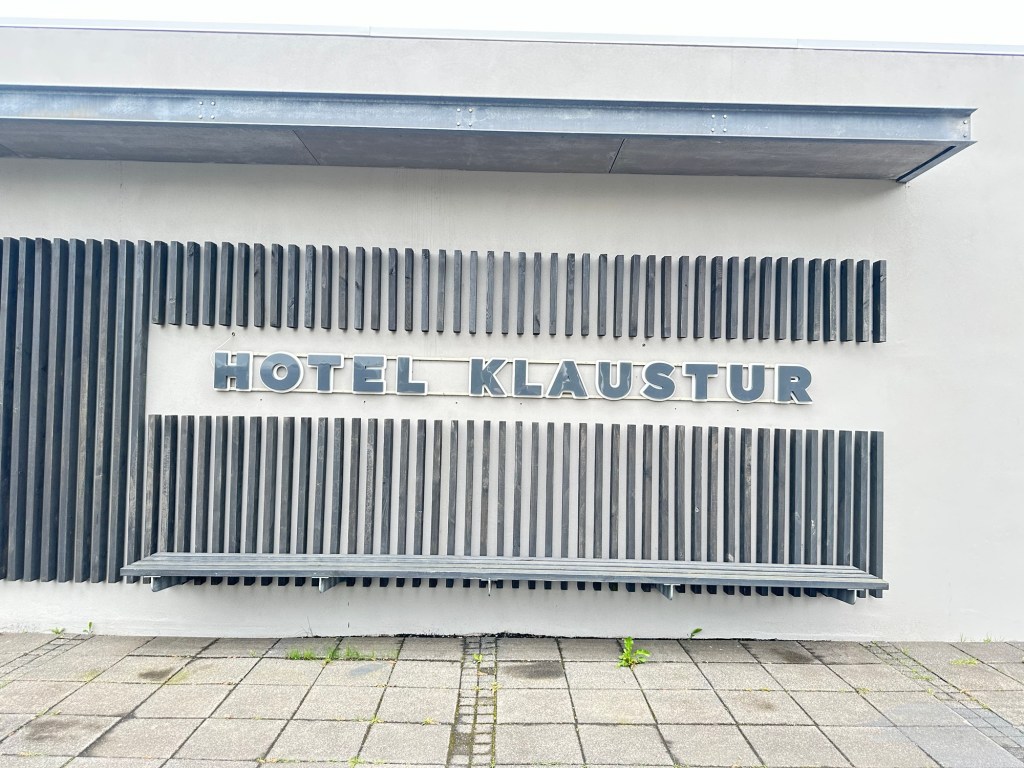
Our day came to a close at Hotel Klaustur, a welcome haven after the wind, rain, and wonders of the road.
Hotel Klaustur is a cozy, modern base for exploring Iceland’s south coast. Large windows frame views of moss-covered lava fields and distant mountains, while inside you’ll find warm, minimalist Scandinavian decor and a restaurant serving hearty Icelandic fare. It’s the kind of place where you can peel off your rain jacket, sink into a soft chair, and watch the weather roll by — which in Iceland, can be its own form of entertainment.
See you tomorrow!

 YouDontKnowJackTravels