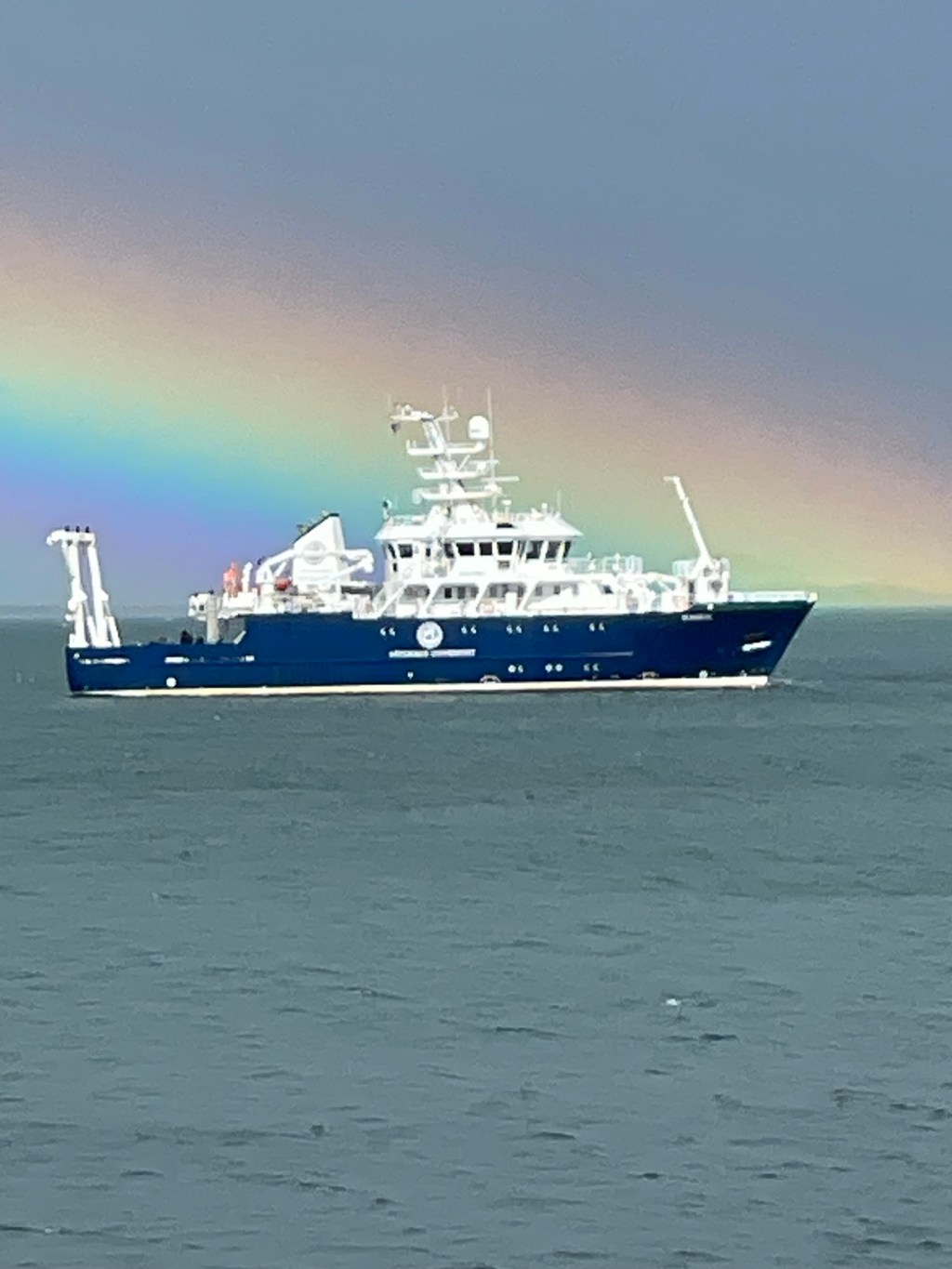
We traveled to Iceland, that stark and stunning island nestled between Greenland and Norway. Our journey began in Newark (EWR), and after a slightly delayed but otherwise smooth flight, we landed in Reykjavik, Iceland’s capital. Just five hours and forty-five minutes later—poof!—we were stepping out into the cool Icelandic air, ready to explore a land shaped by fire and ice.
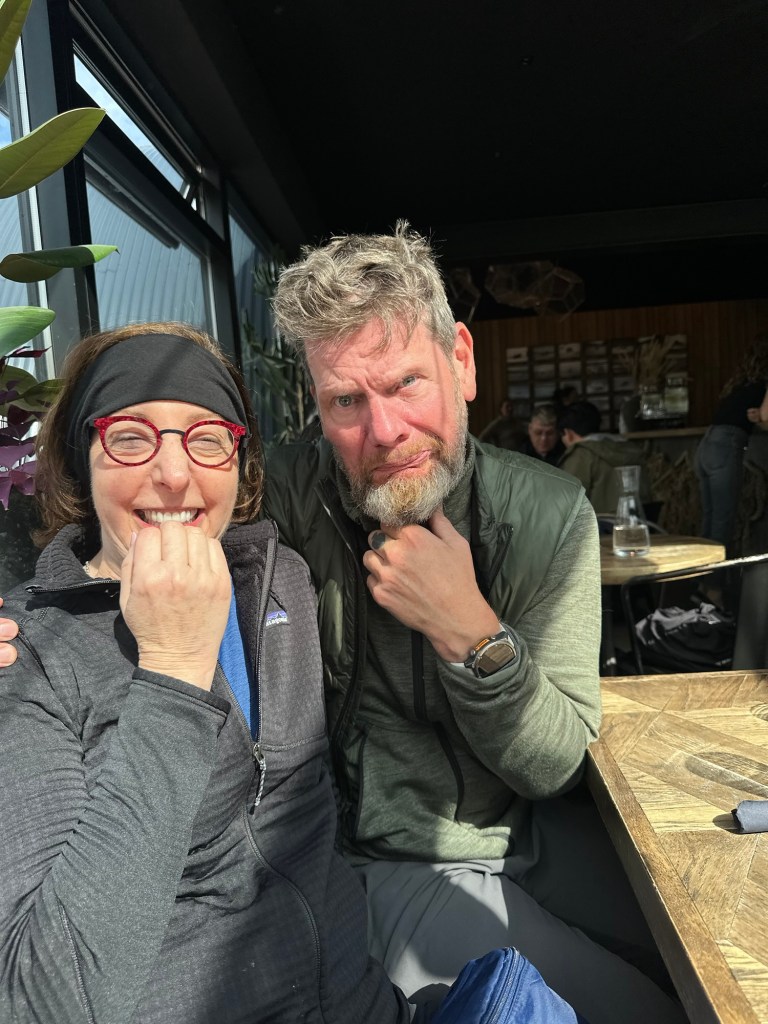
Our traveling companions are our dear old friends, Judy and Bud Newman—the former Duke and Duchess of Solebury, until they renounced their titles just four short years ago. Titles aside, they remain two truly remarkable people, who we truly admire and adore.

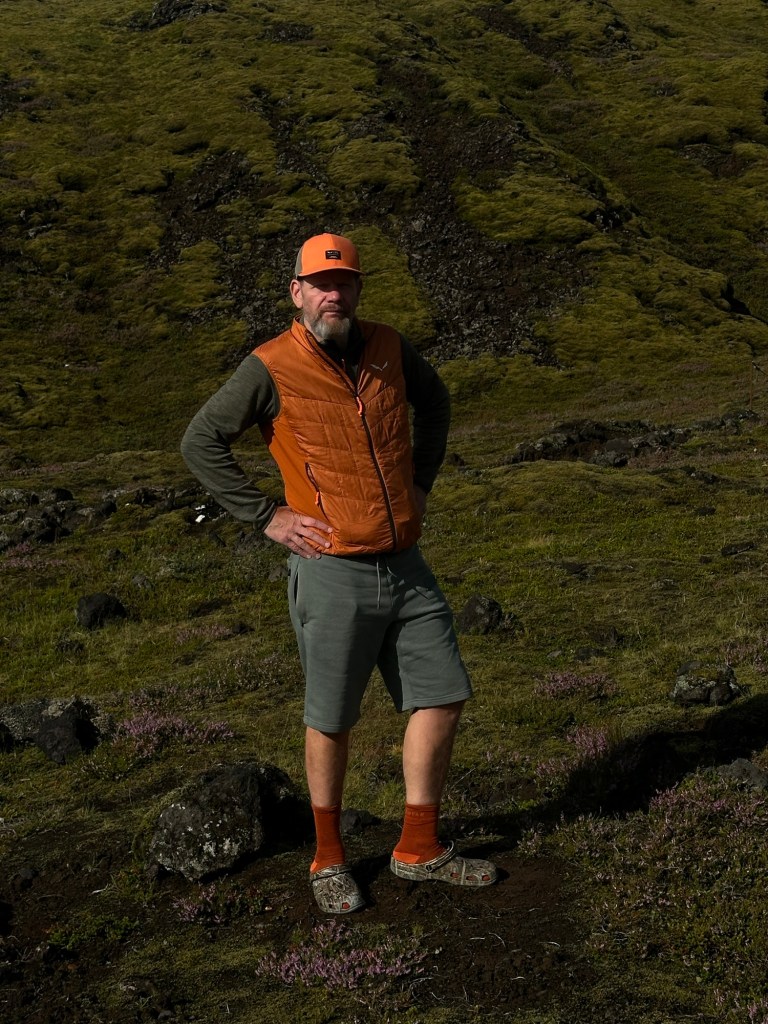
We were met at the airport by Kristinn Thorarensen (aka Kiddi) the co-founder of Absorb Iceland, the company that planned our trip and handled all the logistics. His face is a map of Iceland—rugged, open, and alive with stories. Laughter comes easily, carving soft lines at the corners of his eyes. He talks the way rivers run—steady, curious, and full of unexpected turns. Weathered by wind but warmed by wit, he’s as much the soul of the land as its stone and sky.
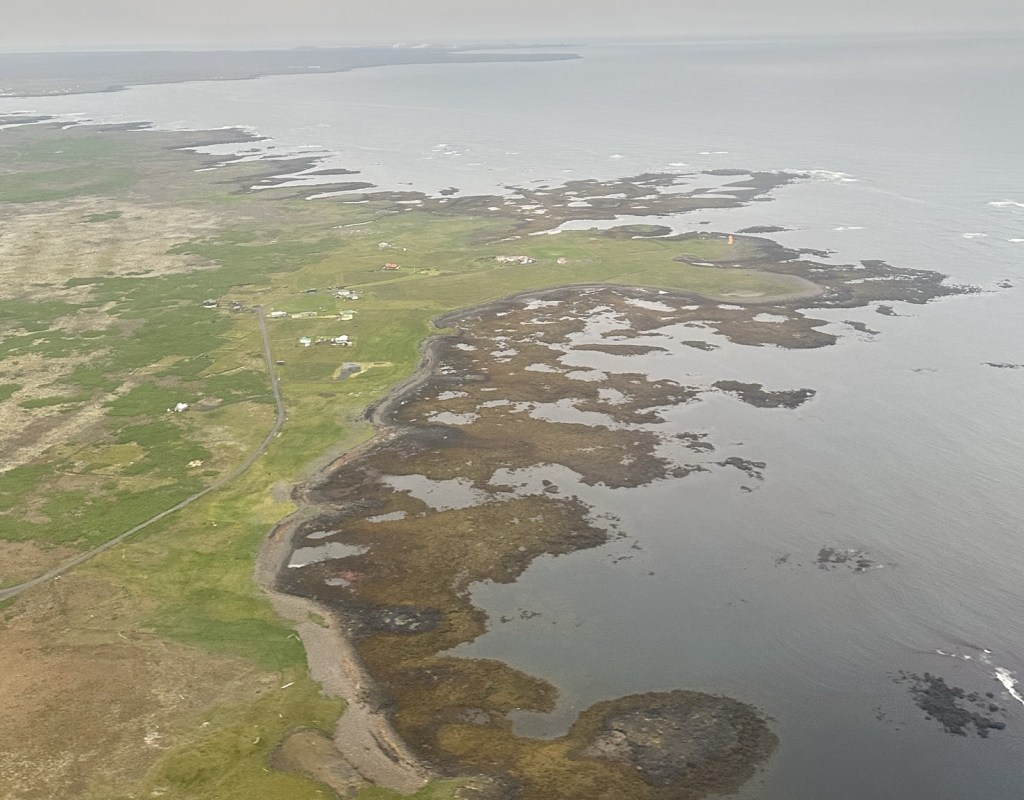
On the drive from the airport to the hotel, the terrain looked eerily like the surface of the moon — barren, rocky, and strangely beautiful. Part of Sundhnúkur crater row, a linear series of volcanic craters, cones, and vents created by deep fissures in the earth’s crust is nearby. Some of the eruptions were recent — as late as this July — and in the distance, we could still see steam rising in soft, slow plumes, a quiet reminder that the ground here is very much alive. Many say that eruptions in 2010 helped spark Iceland’s modern tourism industry and played a key role in resuscitating Iceland’s economy, after the 2008 financial collapse, by attracting travelers and tourists.
Edition
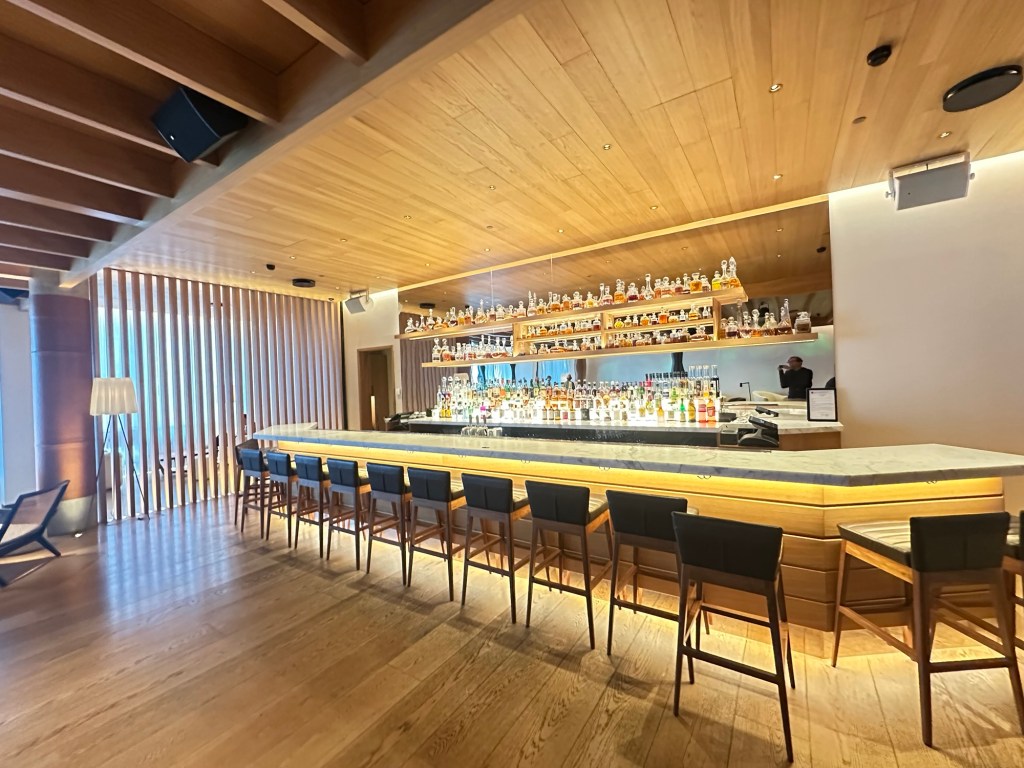
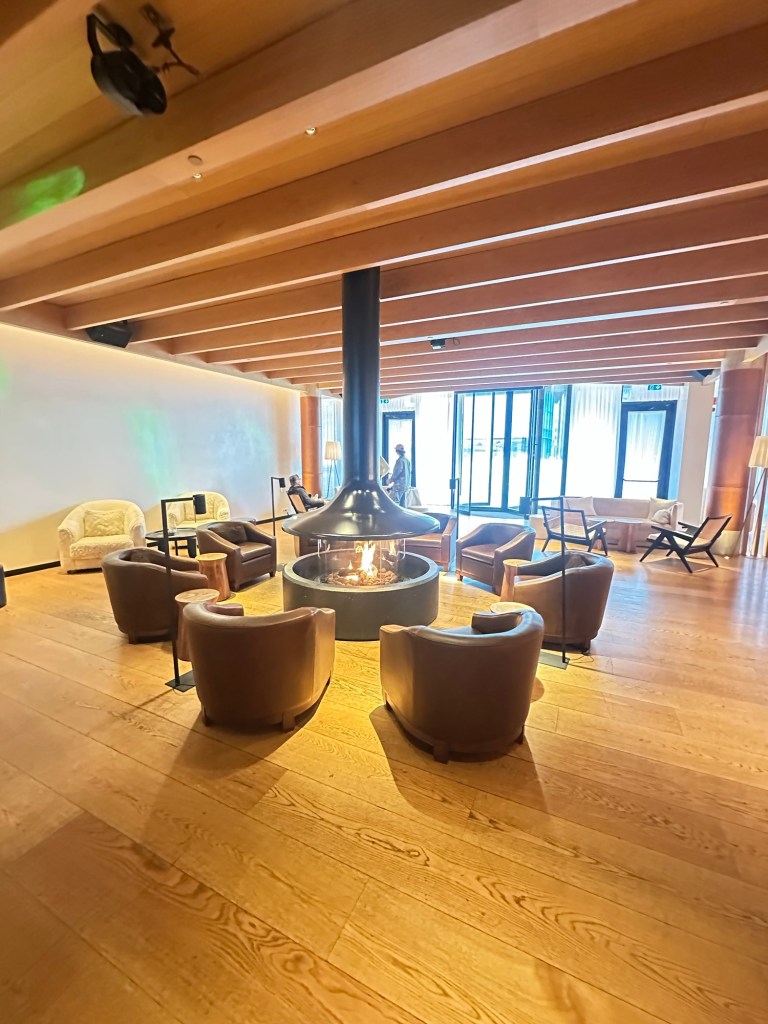
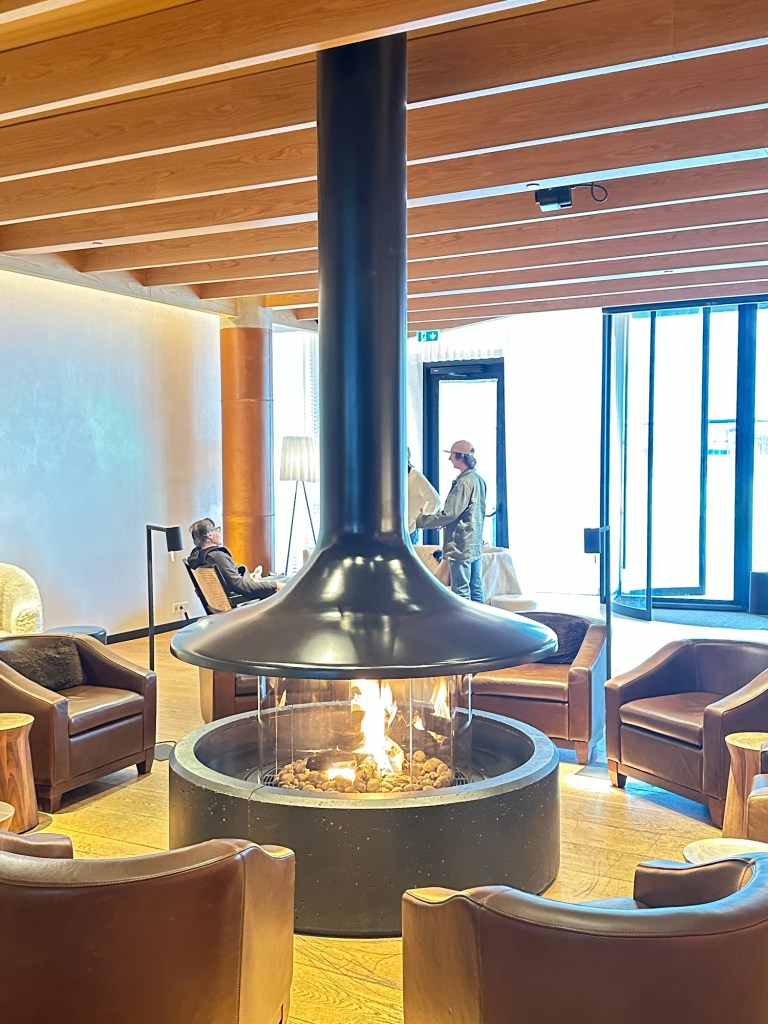
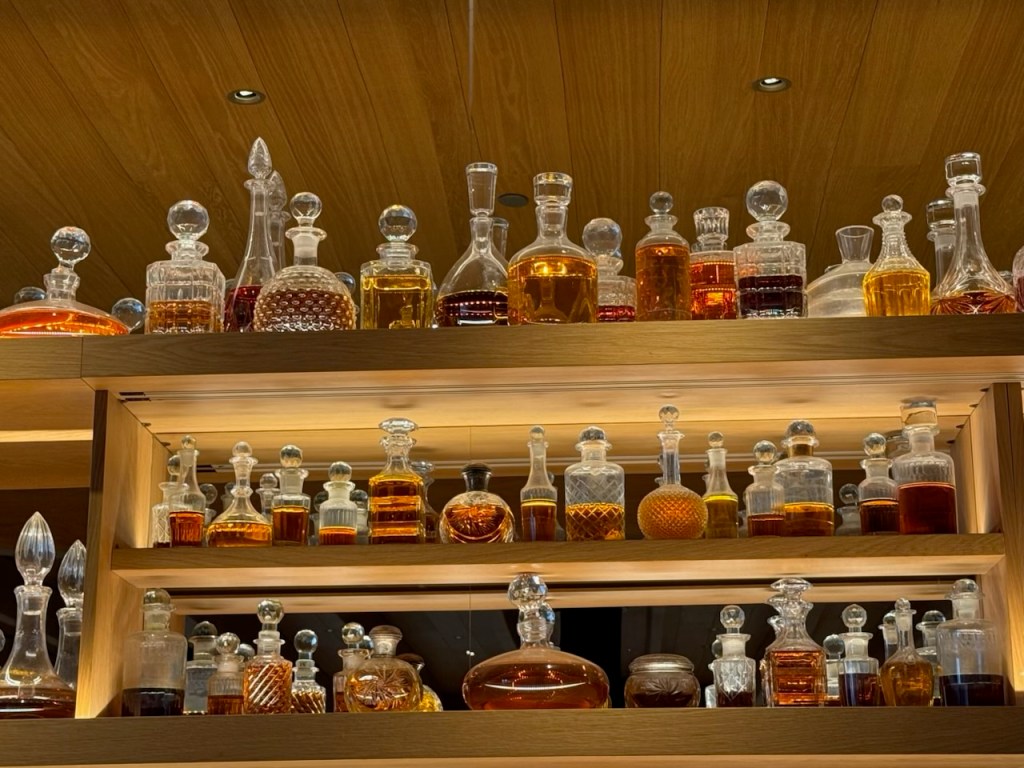
After a 45 minute drive, we arrived at the Reykjavik Edition, said by some to be of the top hotels in Reykjavik. The Edition is quiet luxury by the sea. Dark exterior. Clean lines. Glass, stone, and wood. Our room is spare but warm—wool throws, soft light, and views. The lobby is calm. The bar, understated. Nothing flashy.
Harpa
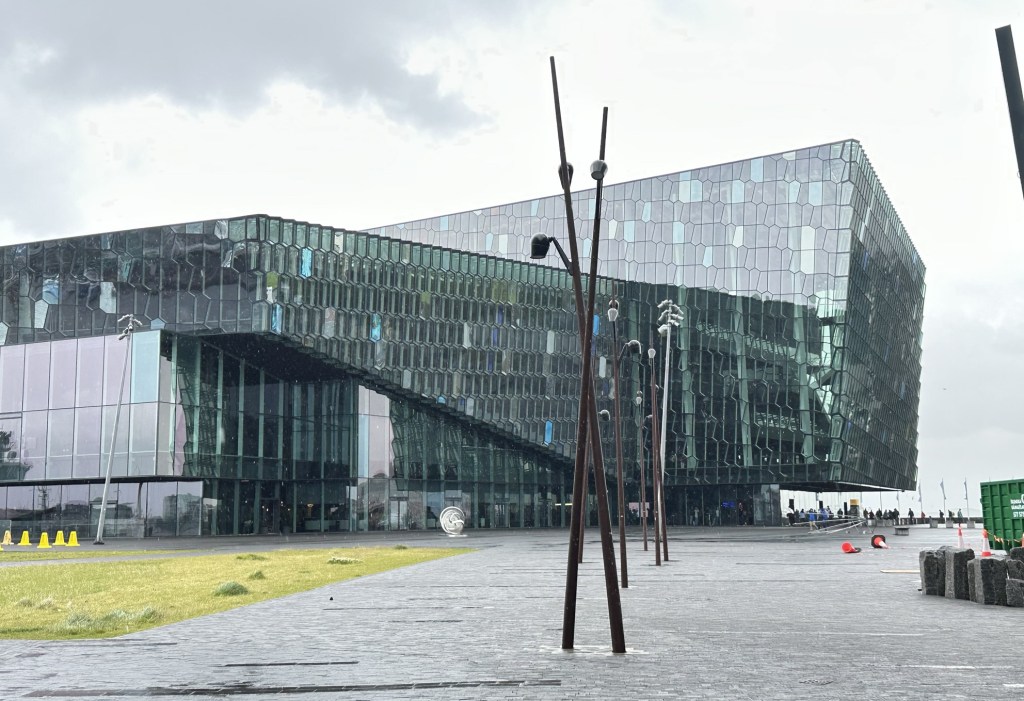
Our room offered an inviting view of the Harpa Concert Hall, home to the Iceland Symphony Orchestra. Poised at the edge of the North Atlantic, Harpa rises like a crystalline iceberg from the harbor, its shimmering glass façade refracting Iceland’s mercurial weather—glowing amber beneath the sun, then turning dark and moody under brooding skies. Designed by the Danish firm Henning Larsen in collaboration with Icelandic artist Ólafur Elíasson, it’s a striking work of modern architecture: a honeycomb of geometric glass panes that ripple with shifting light and motion. I certainly wish we had seen the interior of this magnificent structure, and to hear the orchestra play in its orchestral chamber. Neither was in the cards for this trip.
Reykjavík
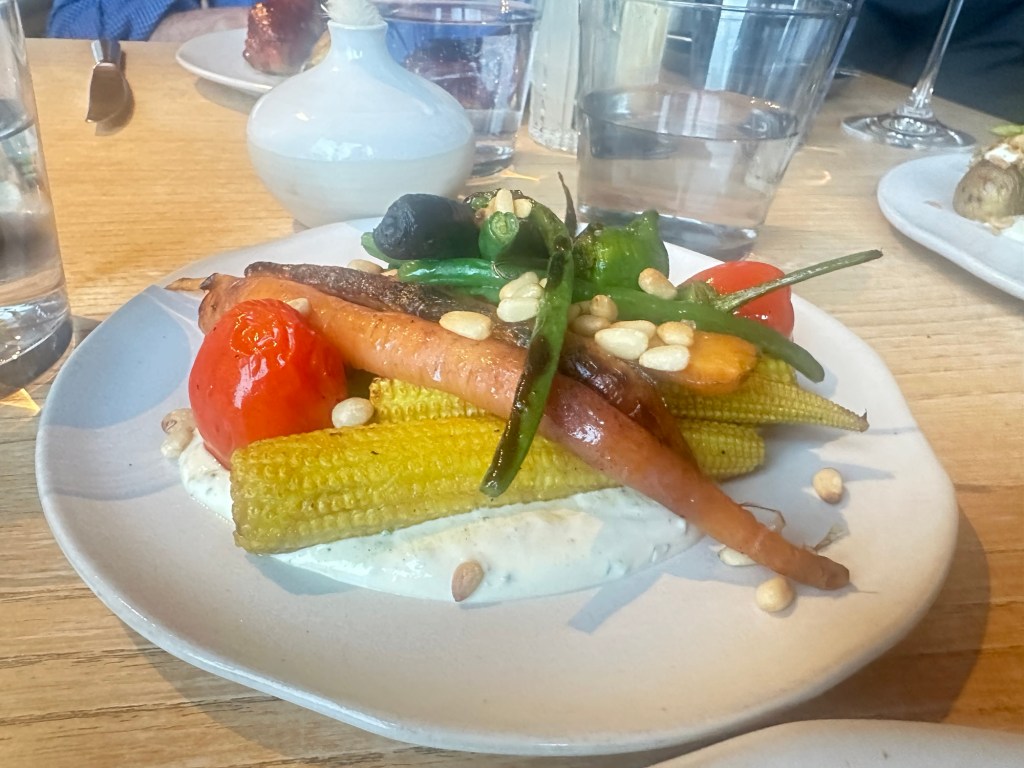
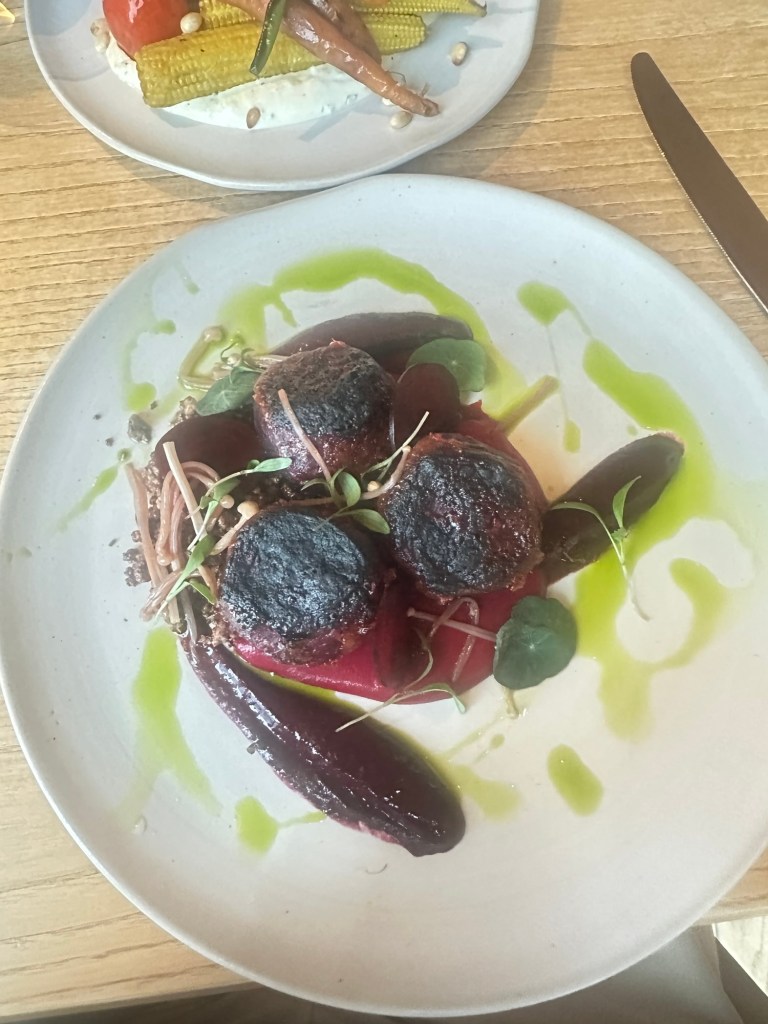
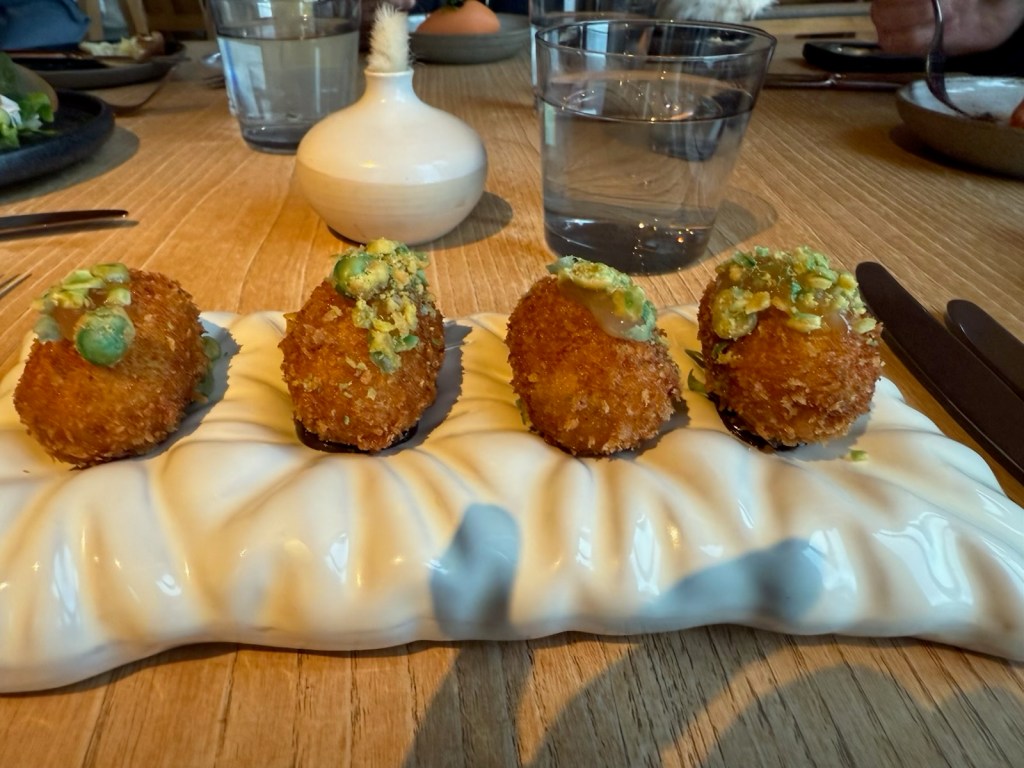
After a jet-lagged nap, we ventured out into a cold, rainy Reykjavík, then returned for dinner at the hotel’s restaurant, Tides.
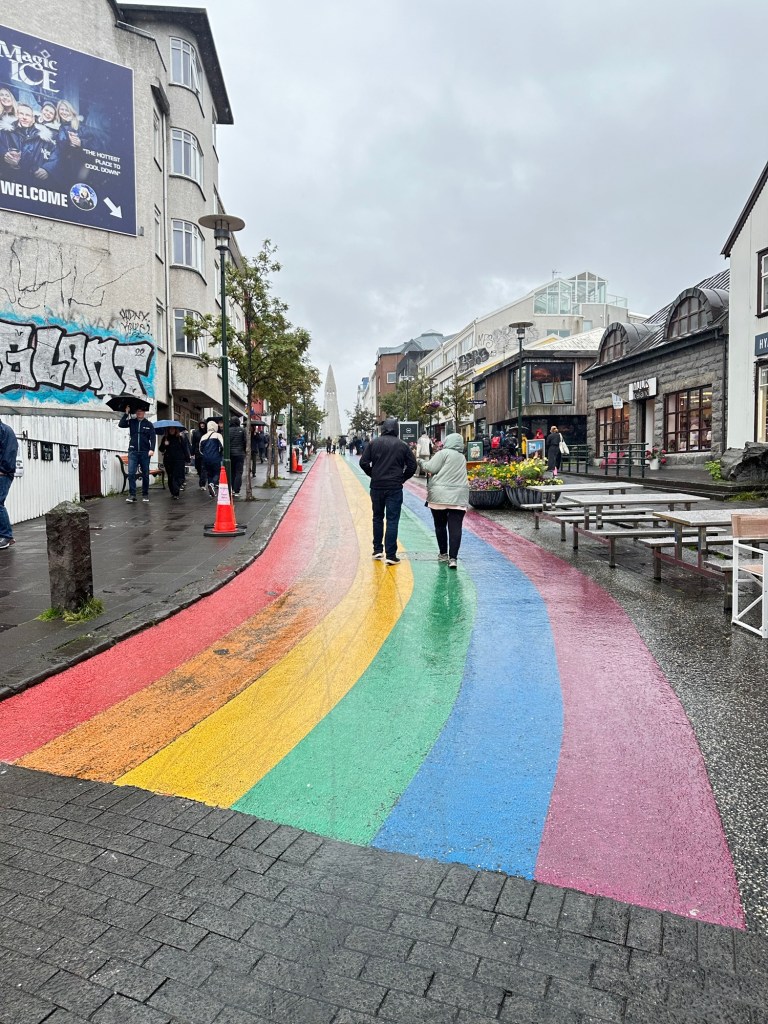
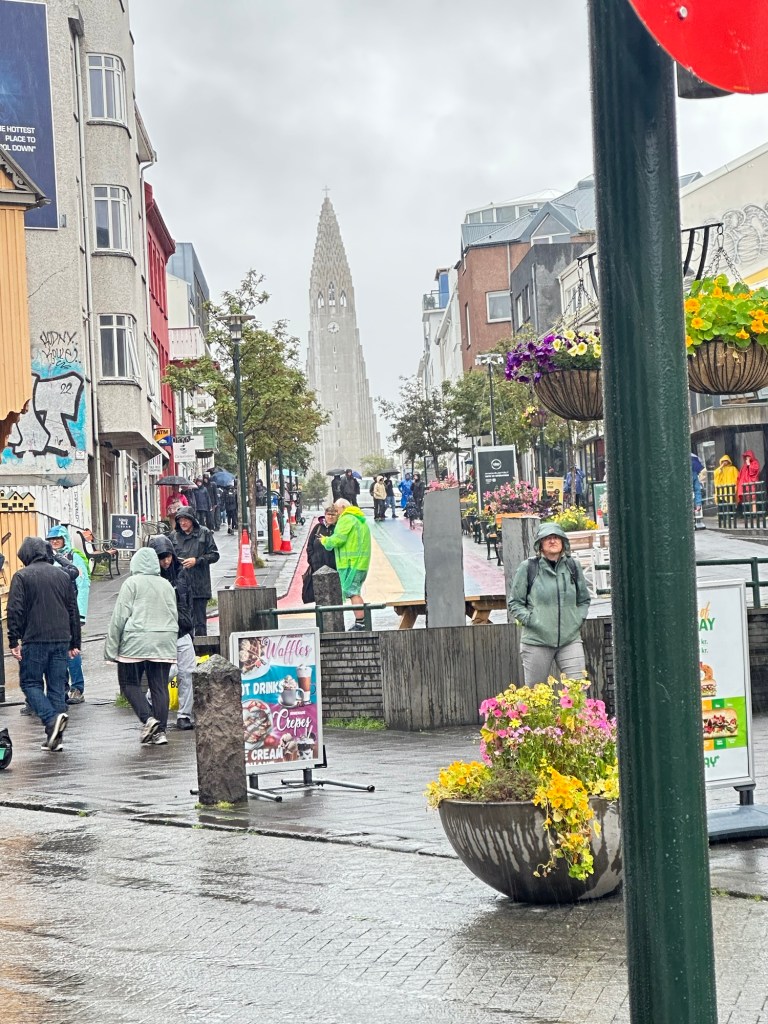
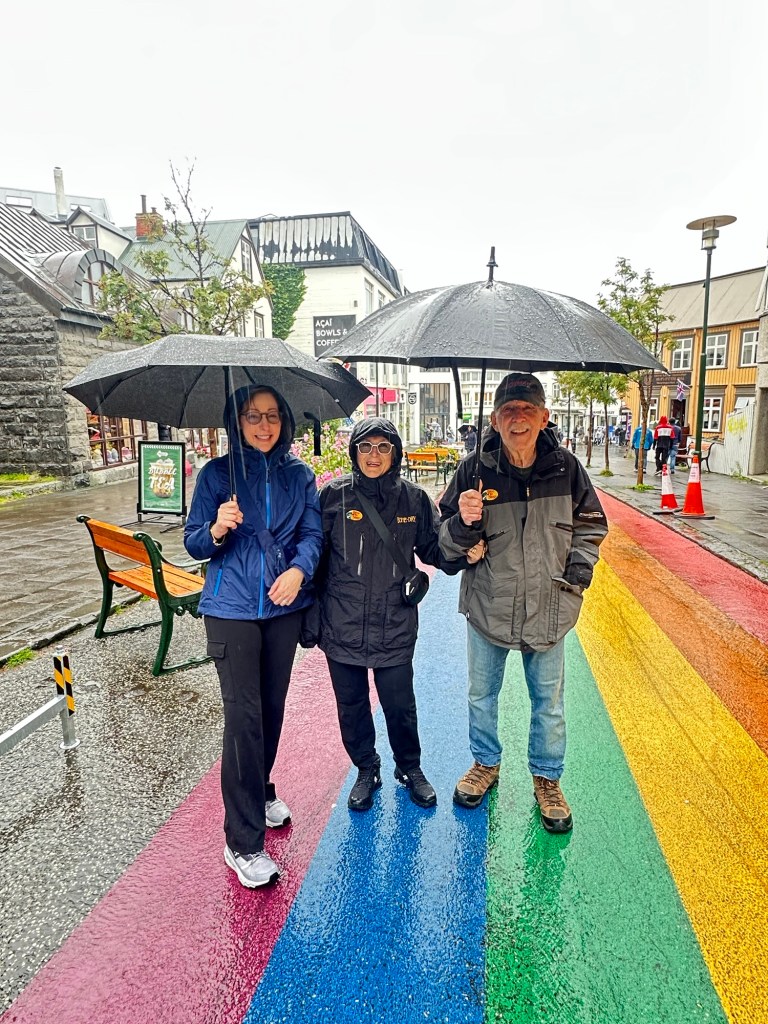




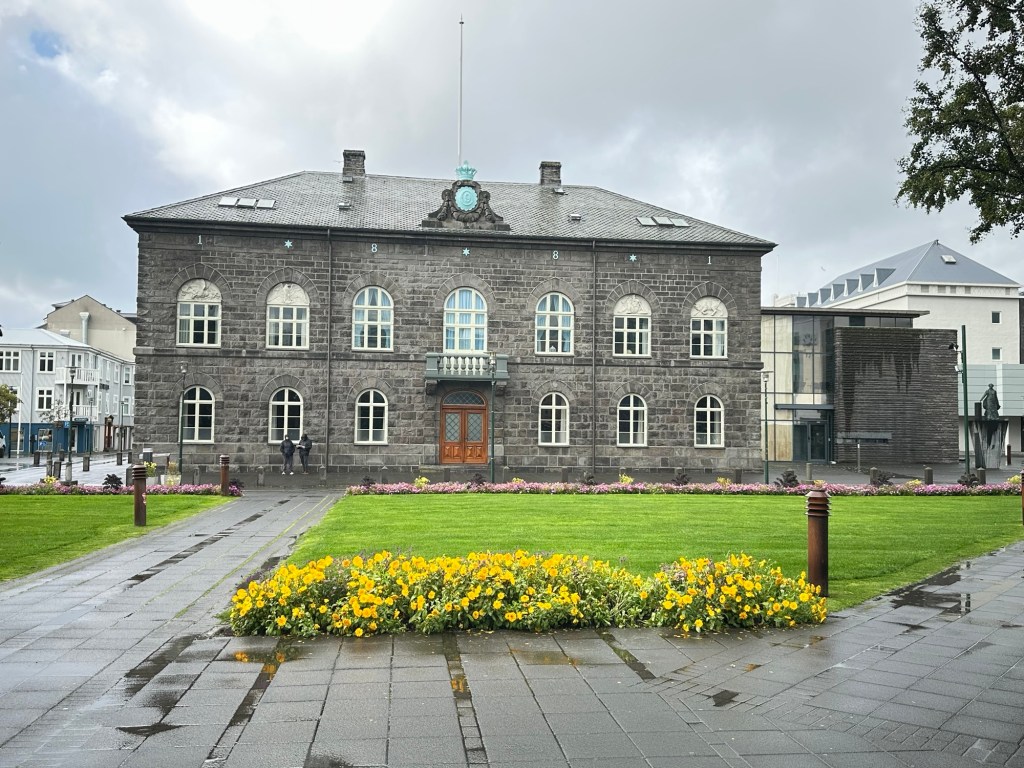
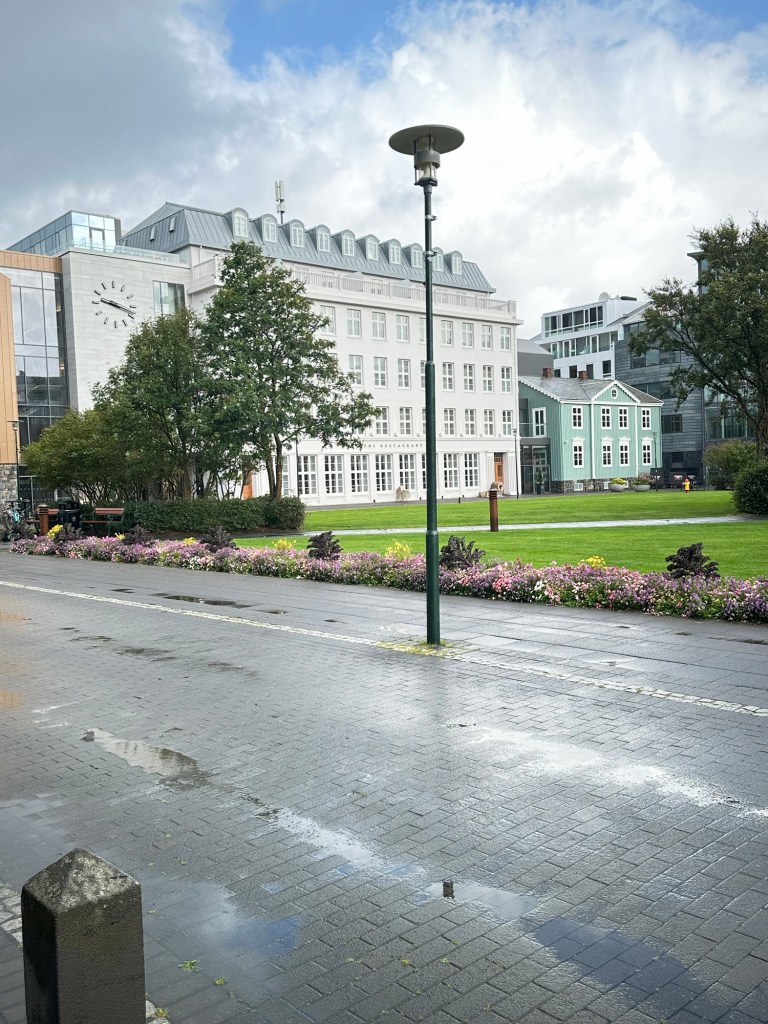
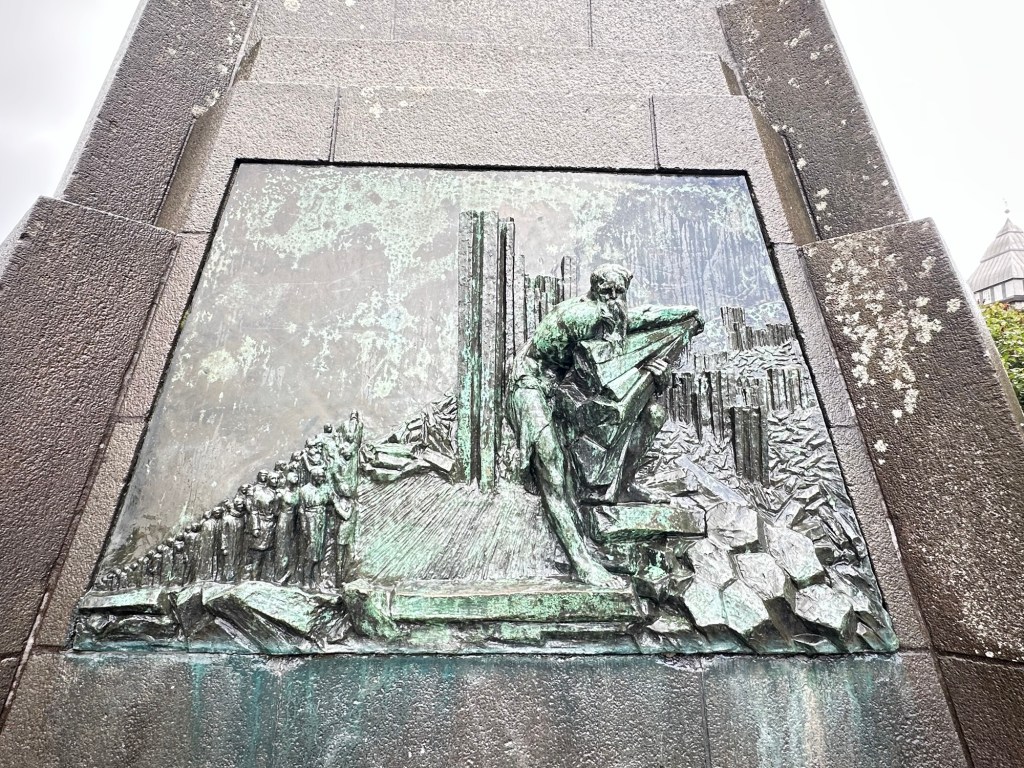
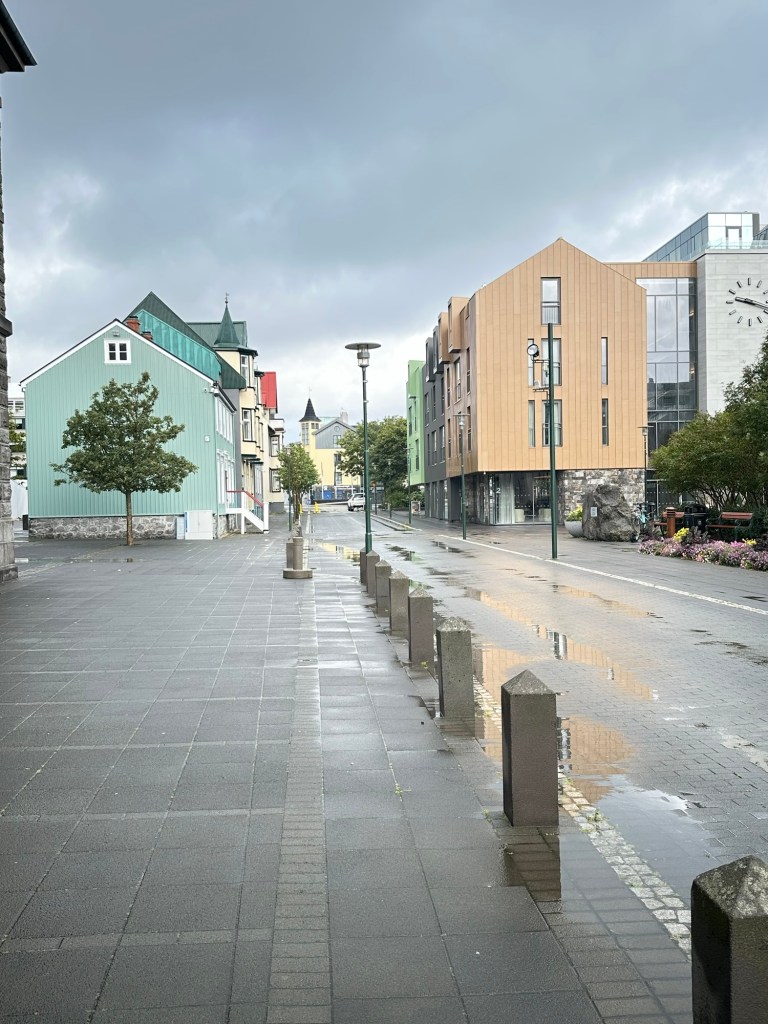
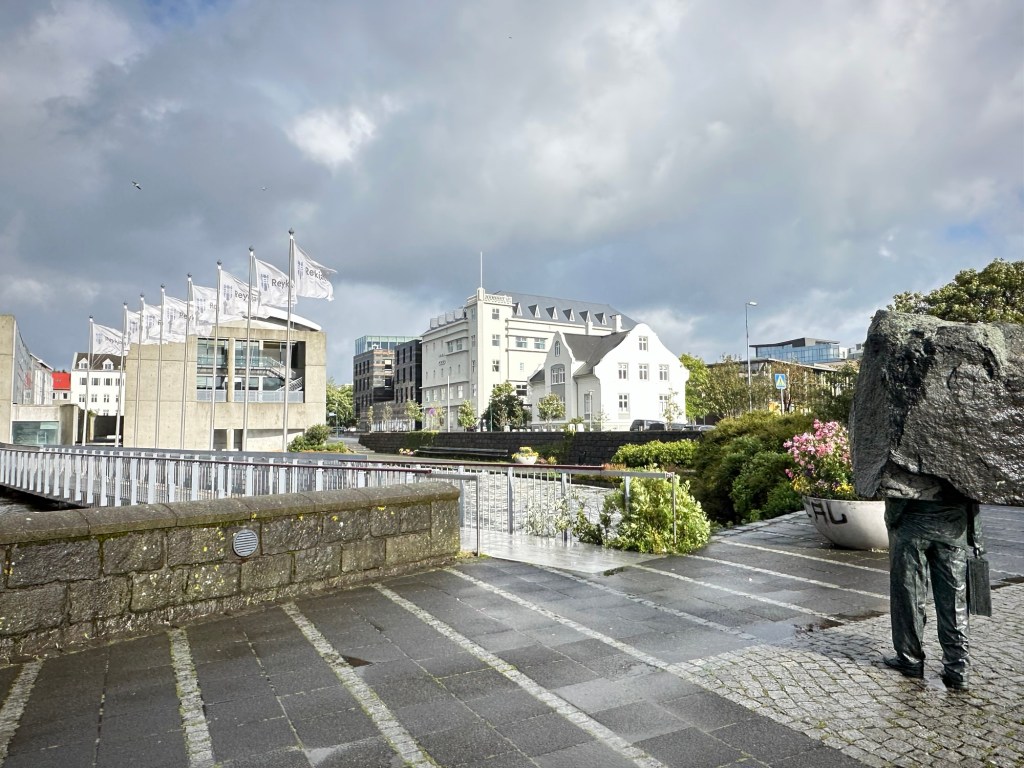
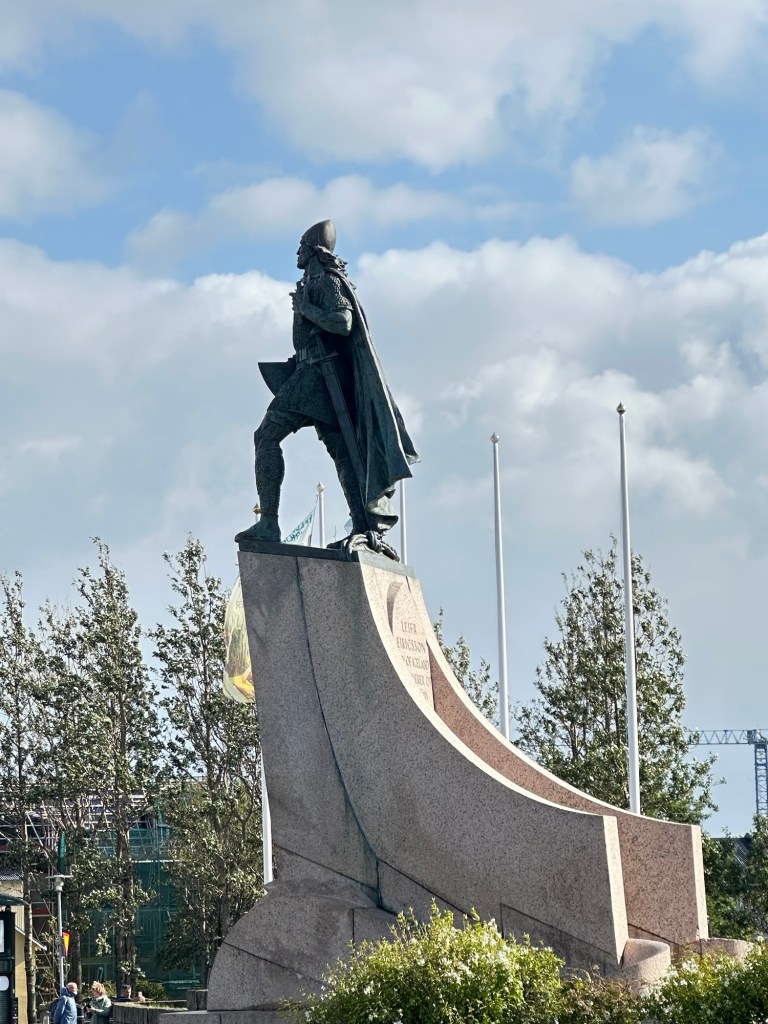
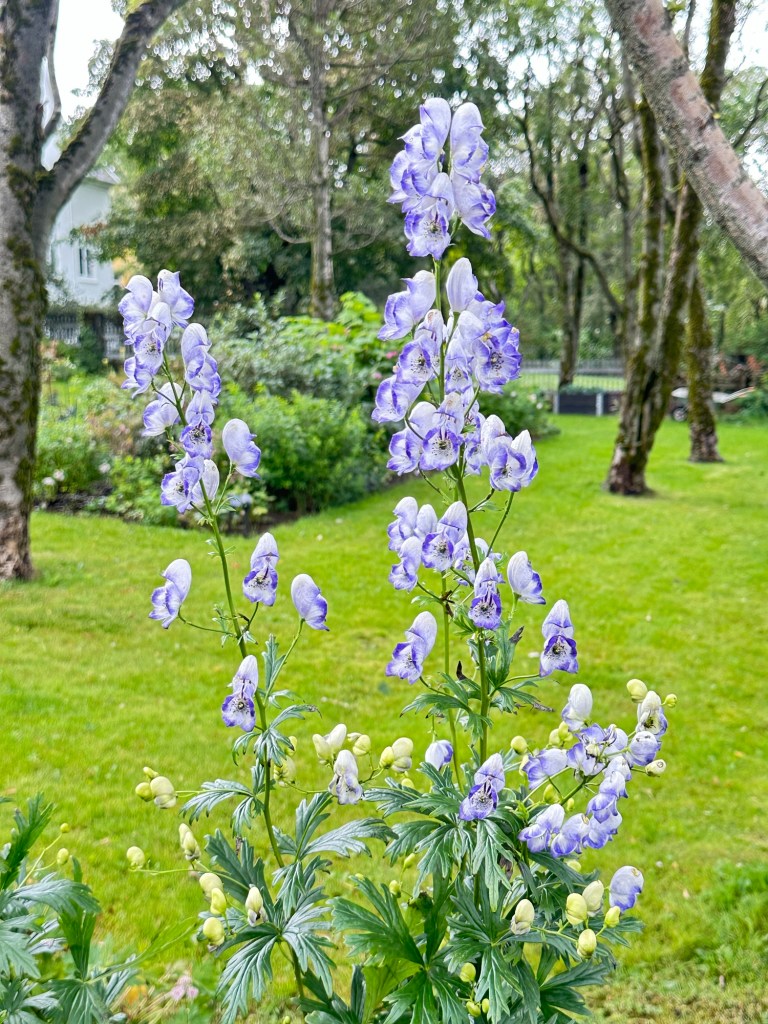
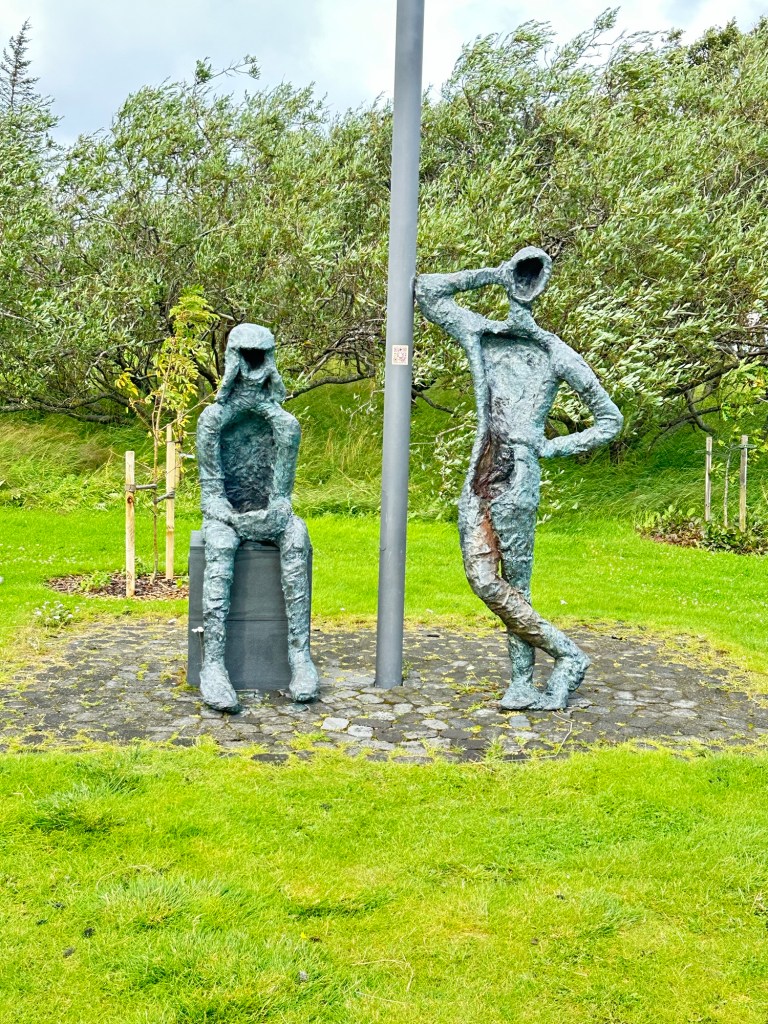
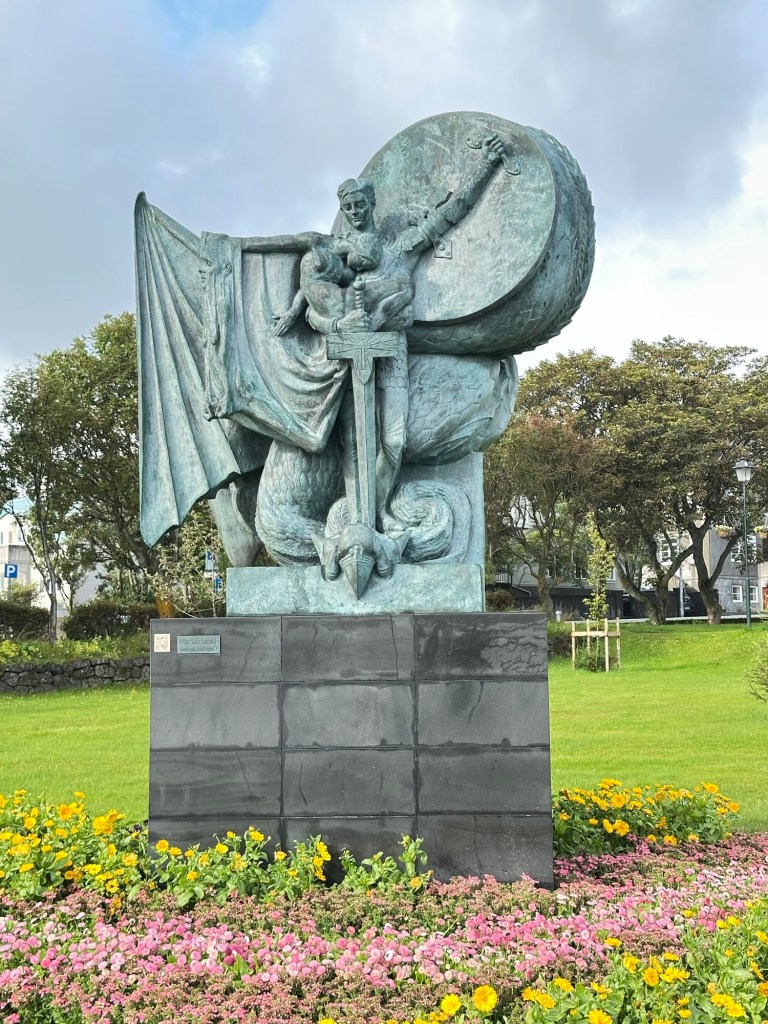
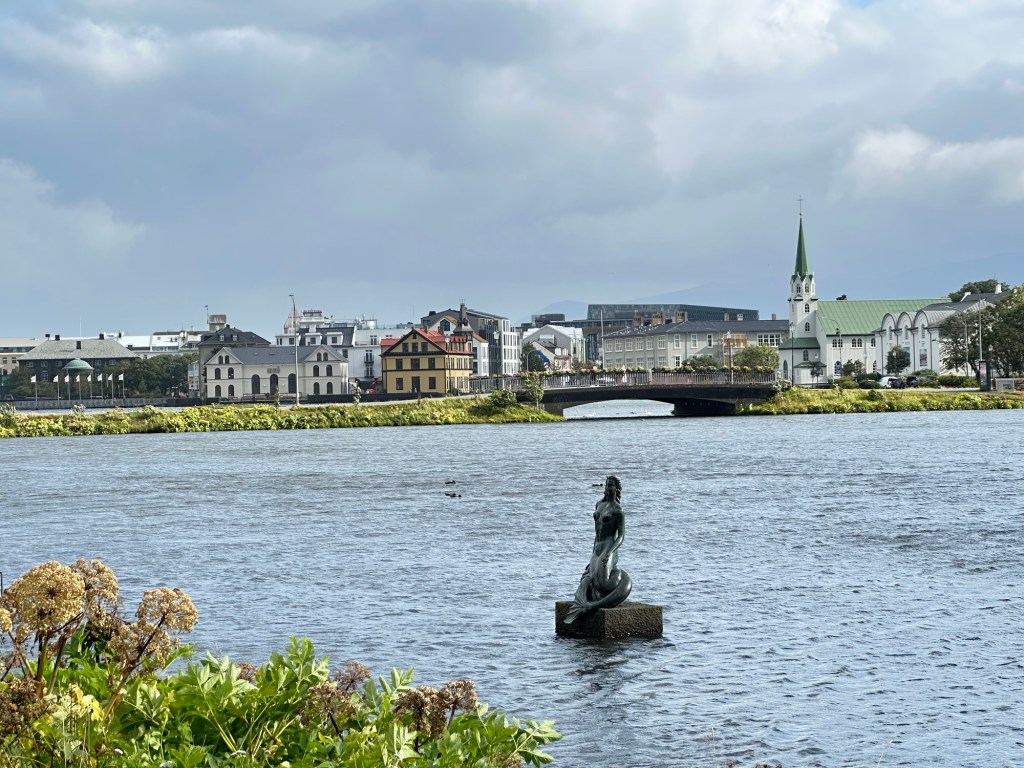
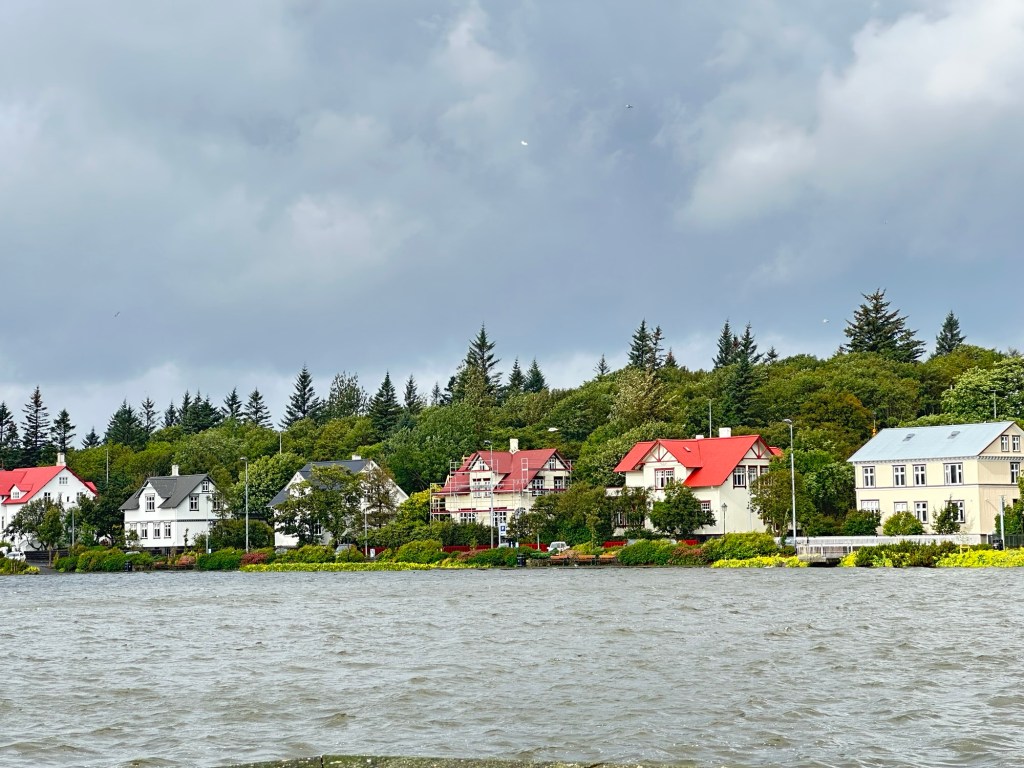
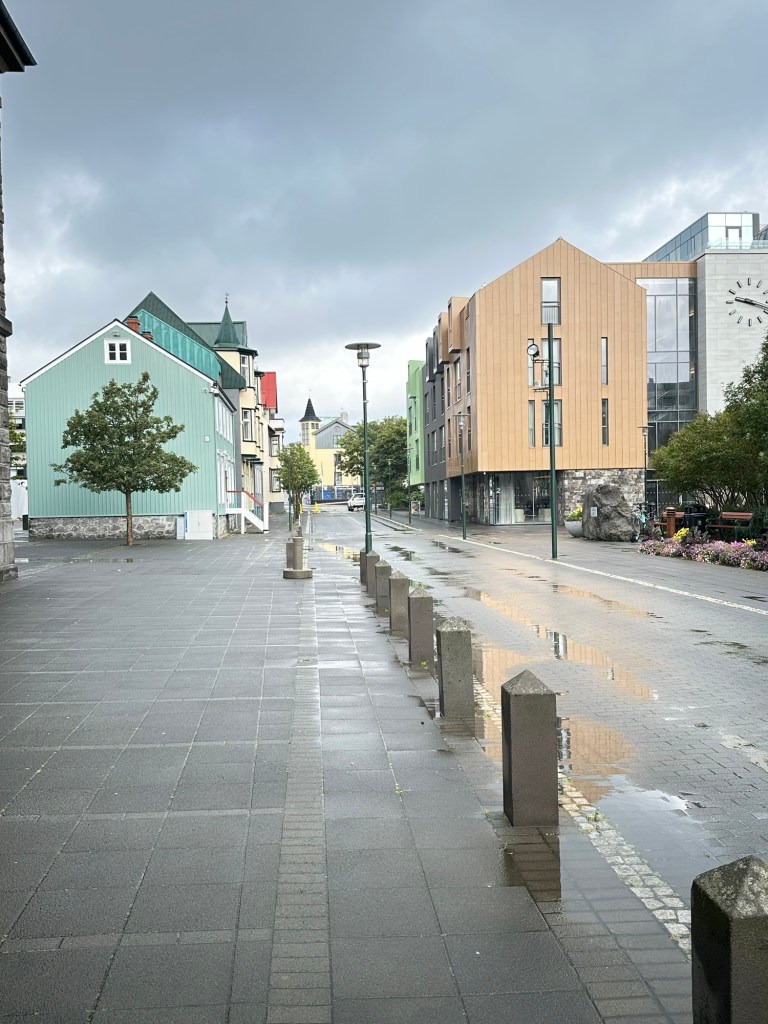
The following morning, Kristinn met us for a walking tour of Reykjavík. We retraced some of the same ground we’d stumbled through the day before, but this time the experience was better—Kristenn’s brought the city to life, and the kinder weather didn’t hurt either.



Hallgrímskirkja
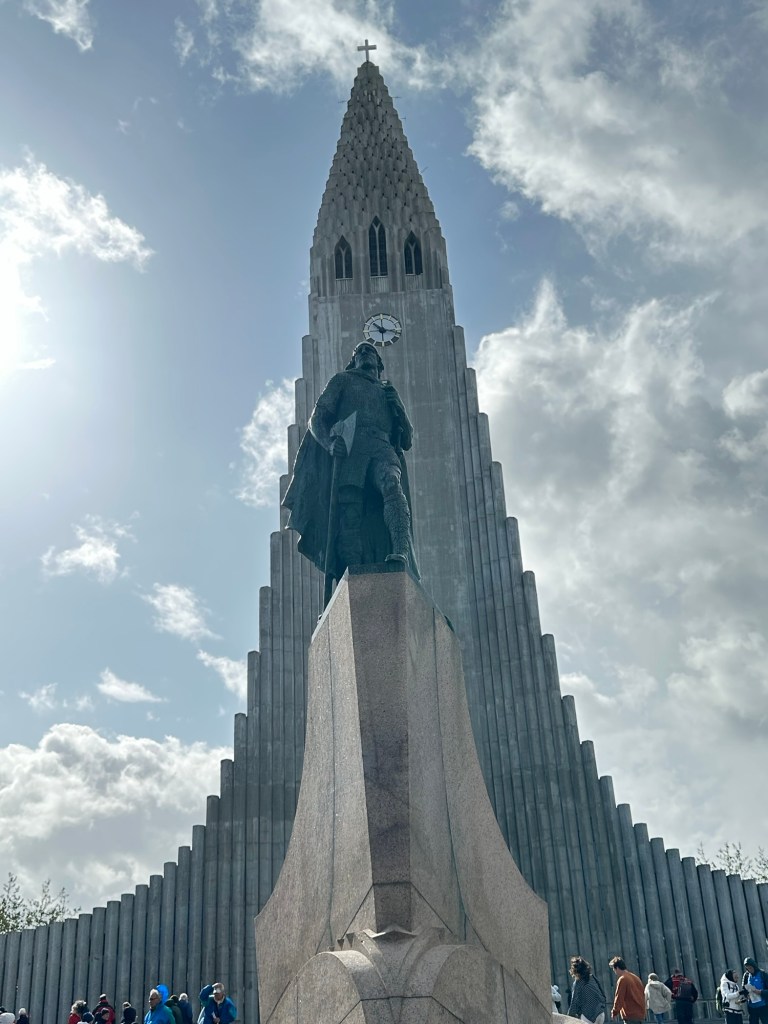
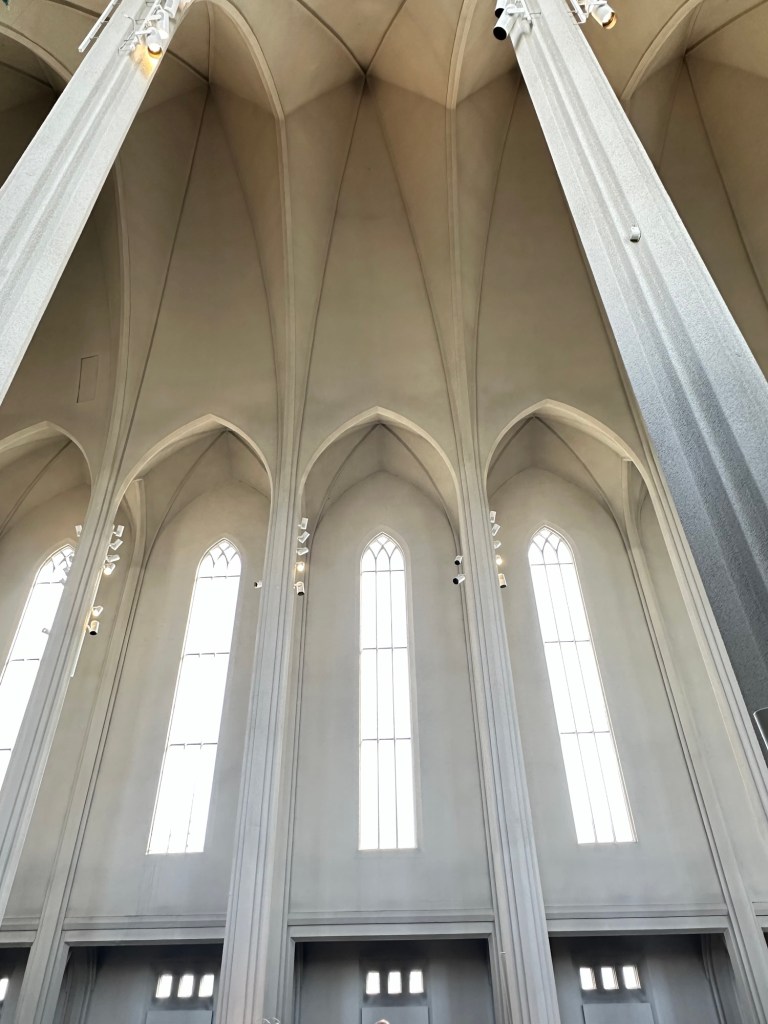
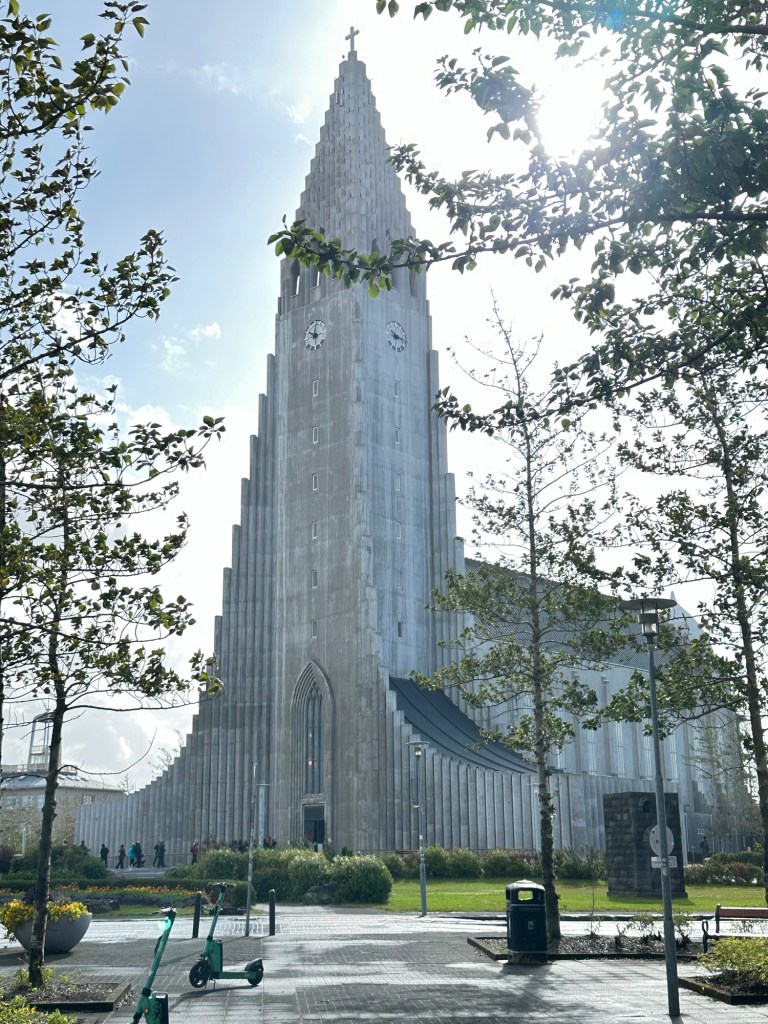
Hallgrímskirkja isn’t just a church—it’s a statement. Rising 244 feet into the sky, its stark concrete facade resembles basalt columns, echoing the volcanic cliffs that define Iceland’s landscape. Designed by Guðjón Samúelsson and completed in 1986 after more than 40 years of construction, the structure is both futuristic and elemental—a fusion of nature and Nordic imagination.
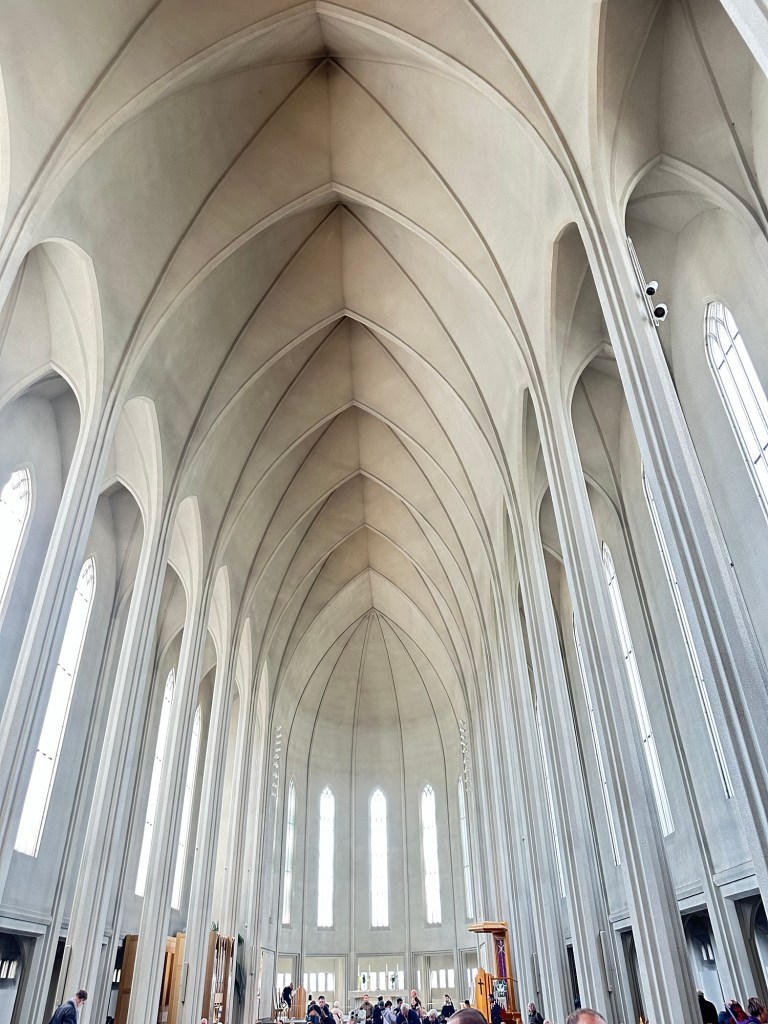
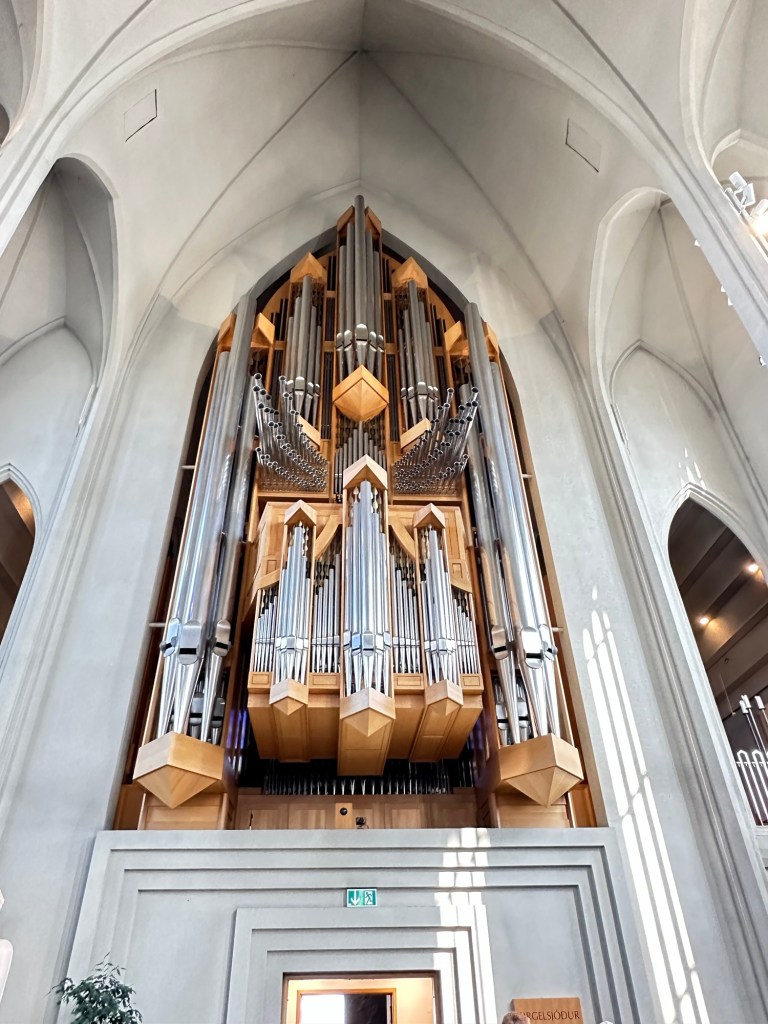
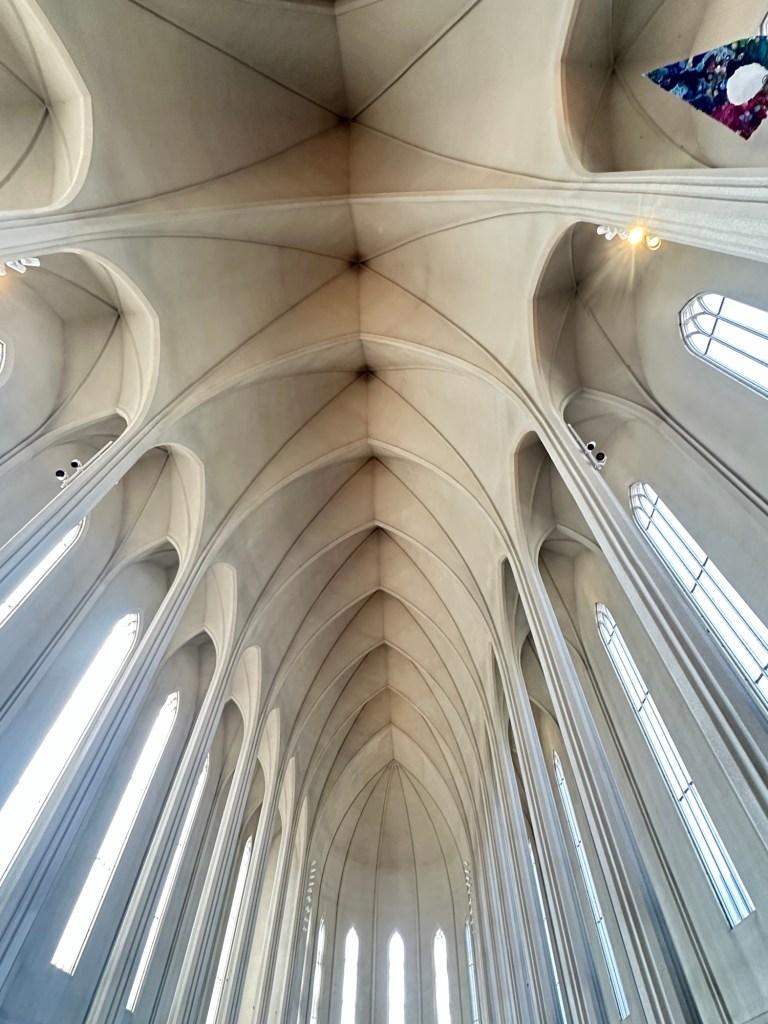
From a distance, it looks like a rocket ship carved from lava rock; up close, it feels solemn and surreal, like stepping into the pages of a myth. Inside, the sanctuary is spare and luminous, filled with soft northern light and the ethereal sounds of its massive pipe organ—over 5,000 pipes strong.
Samuel Barber, Adagio for Strings
Reykjavík in summer feels unhurried, and more like a small town than city. The days stretch long — light lingers late into the night, soft and cool. The city is awake, but not loud. There’s movement, but it never rushes.
People sit outside cafés in weather ware, sipping slowly. The houses, painted in reds, blues, and yellows, seem to brighten just a little more under the pale sun, if just for a moment. The sky never seems to fully commit to either sun, rain or clouds.
There’s no big spectacle. No push to entertain. Just space. Clean air. Quiet confidence.
You notice things: a cat in a window, a mural tucked into an alley, the way the ocean and mountains frame the city without ever crowding it.
Reykjavík doesn’t try to be more than it is. And in summer, that feels like enough. Reykjavík is as anti-vibe as it gets.
HVAMMSVIK
After the city tour, we hopped in to the van with Kristenn to Hvammsvik, something really special.
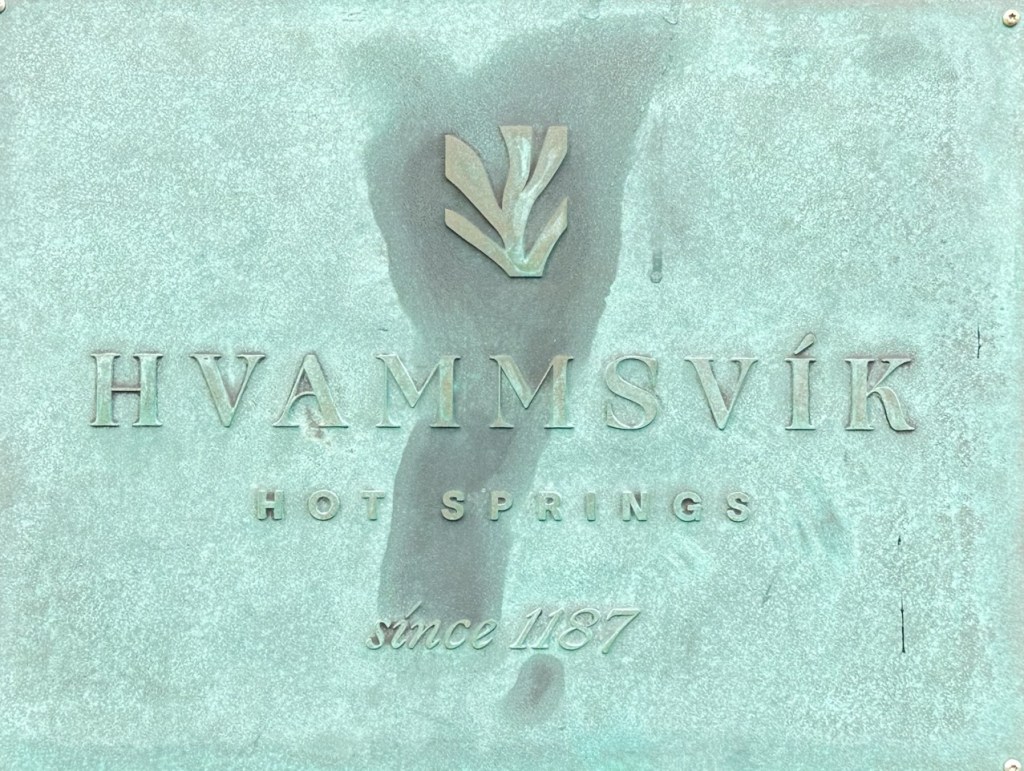
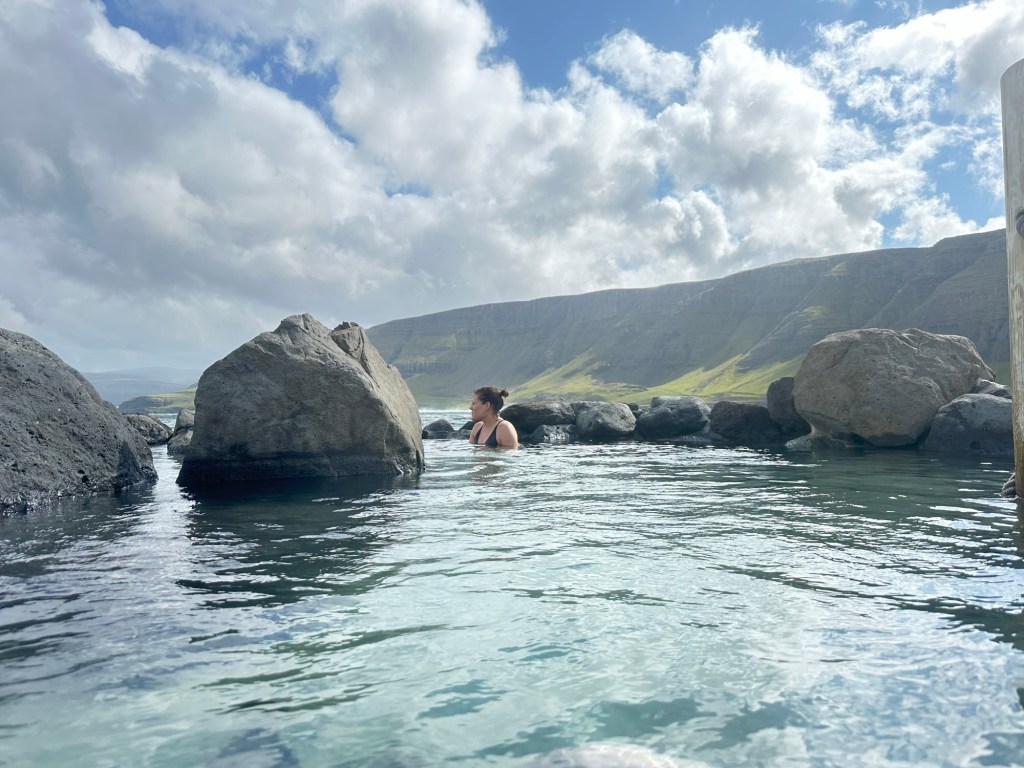
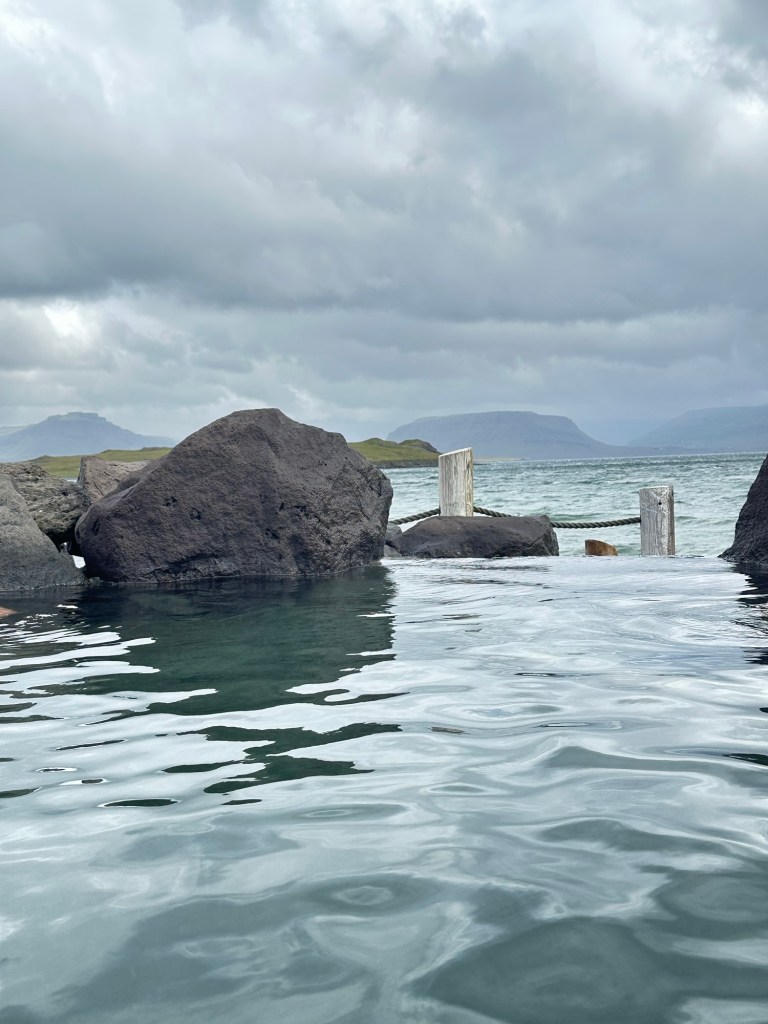
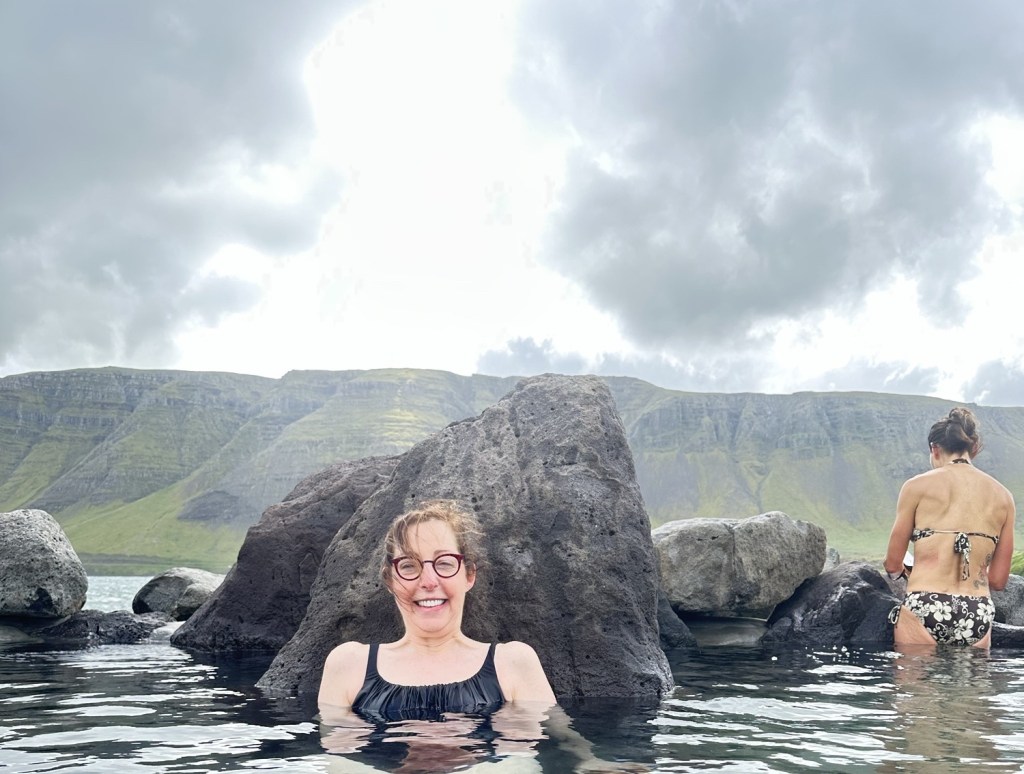
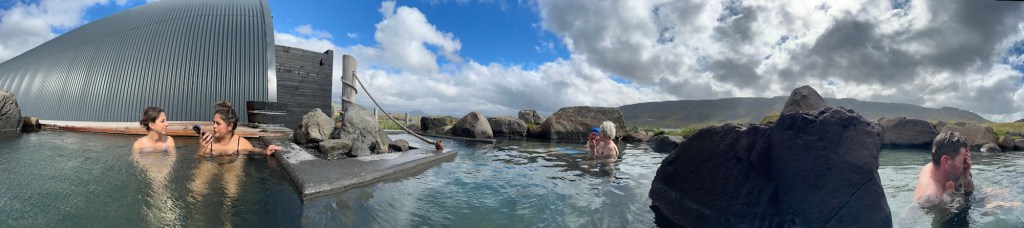
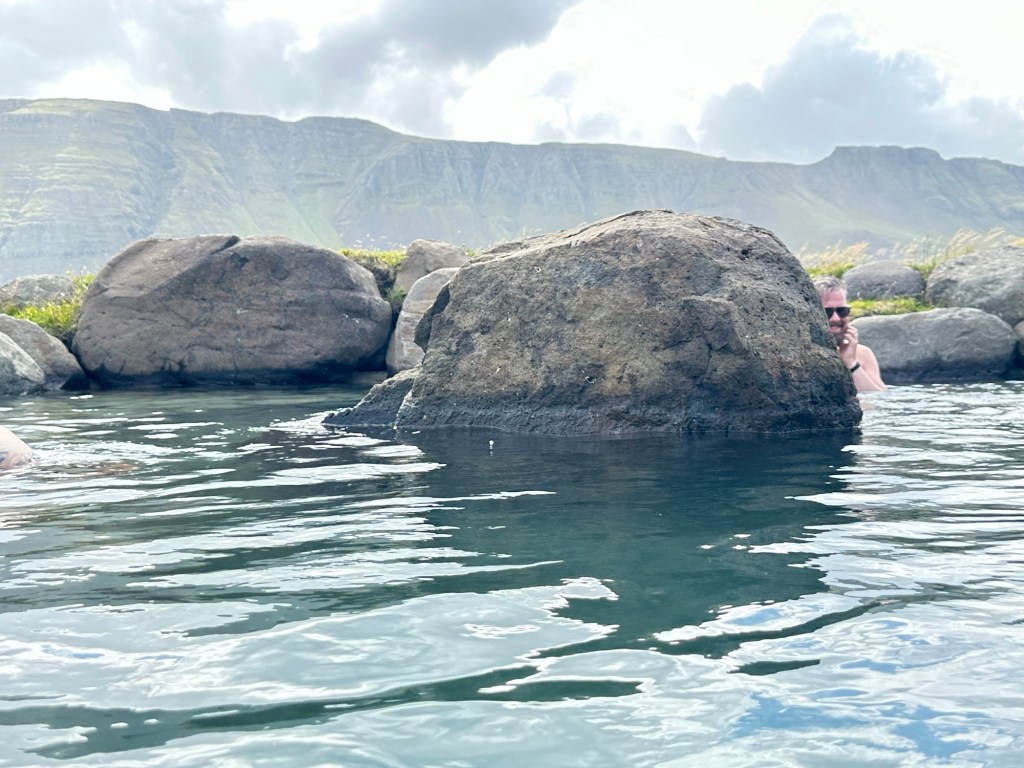
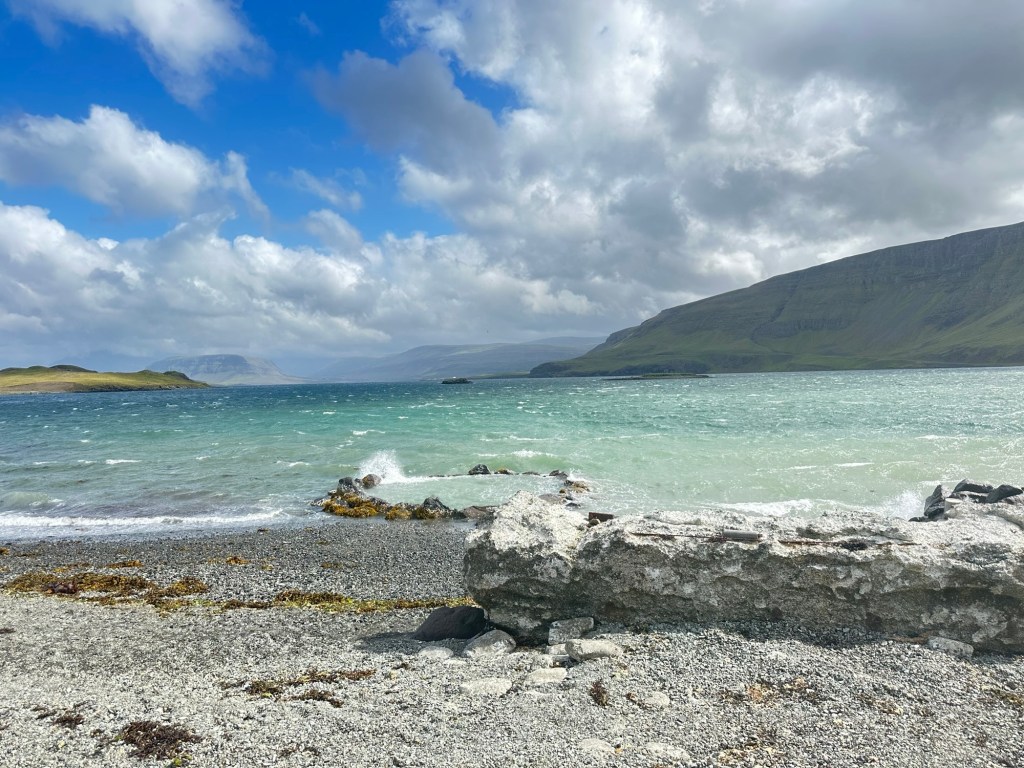
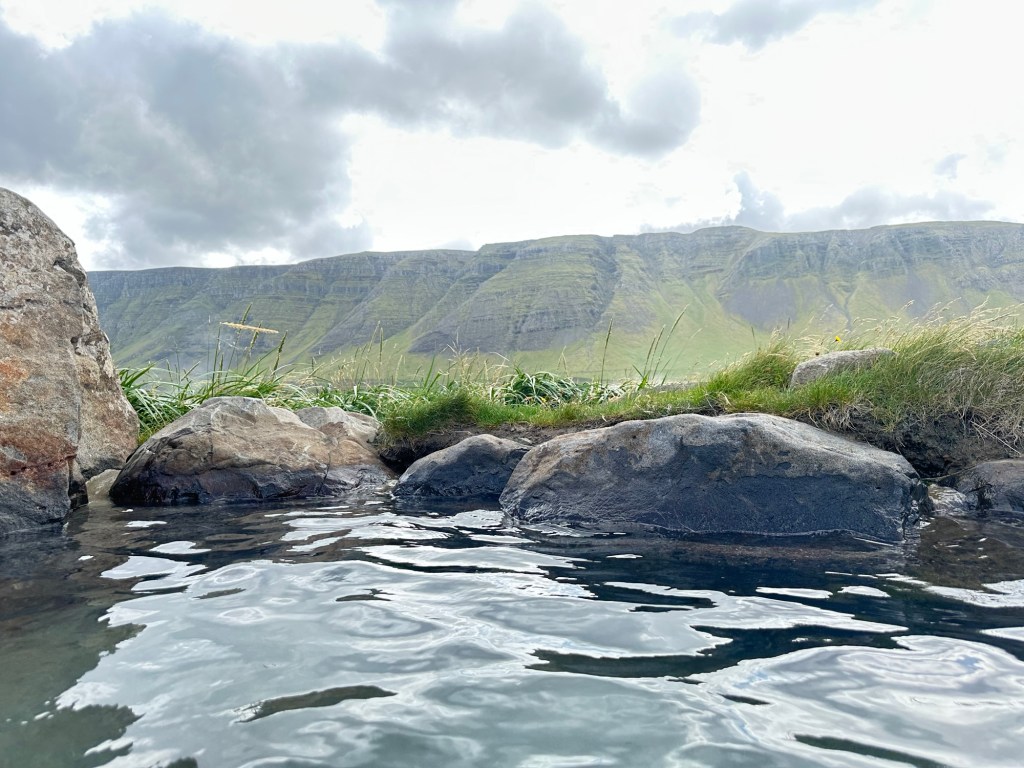
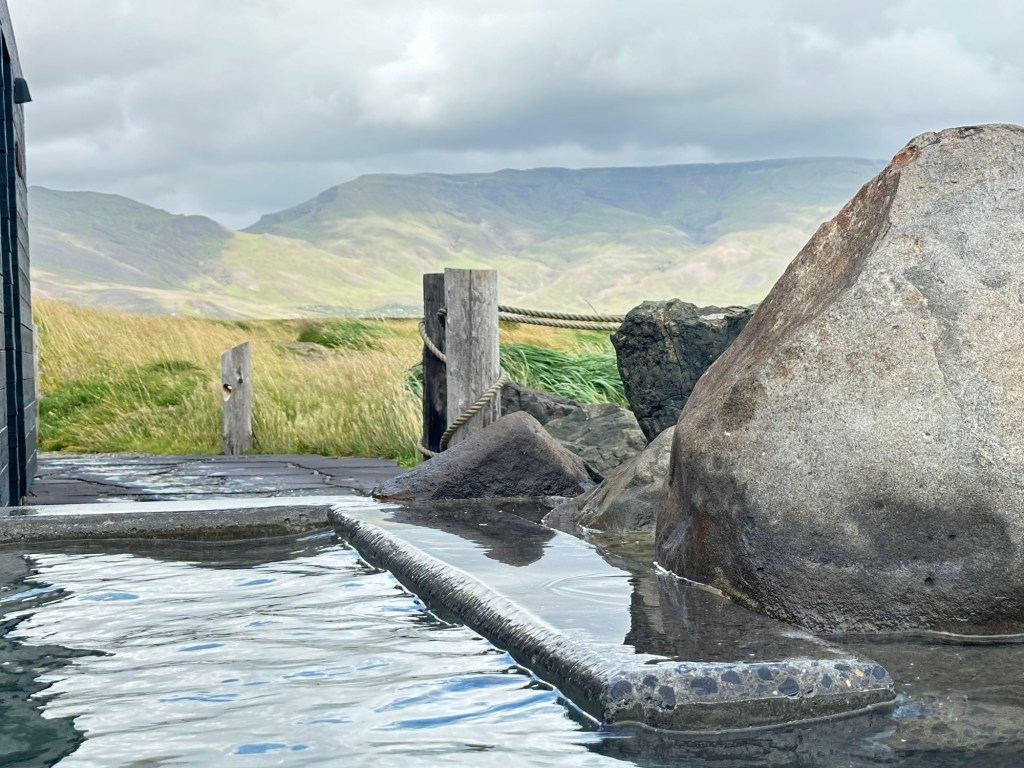
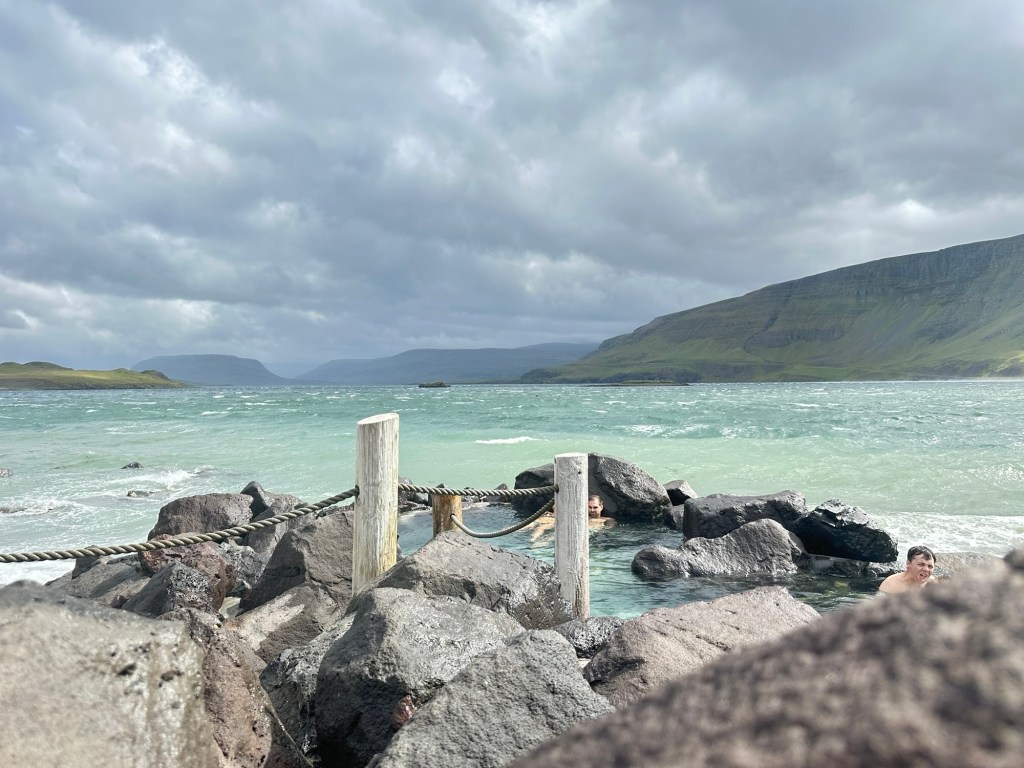
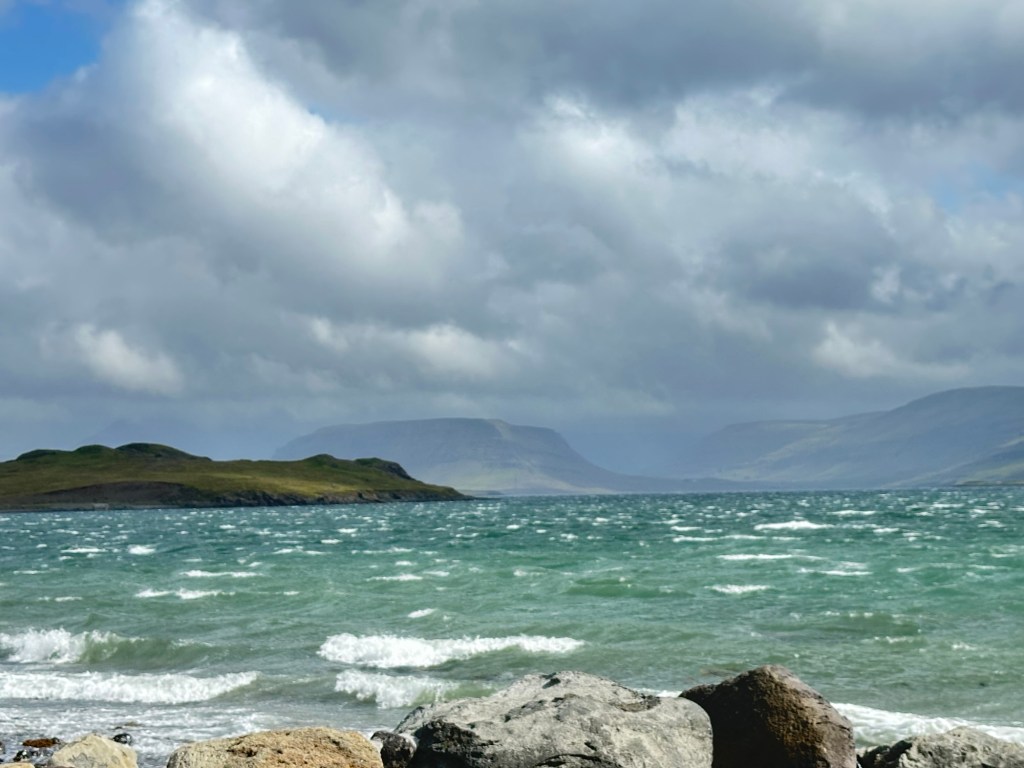
Set against the backdrop of Iceland’s stark volcanic beauty, Hvammsvík Hot Springs is more than a destination—it is a return. A return to simplicity, to stillness, to the primal comfort of warm water and wild air. Located in the windswept Whale Fjord (Hvalfjörður) just 45 minutes from Reykjavík, this coastal sanctuary melds eight natural hot springs with the rhythms of the tide, the hush of the mountains, and the pull of the open sea.
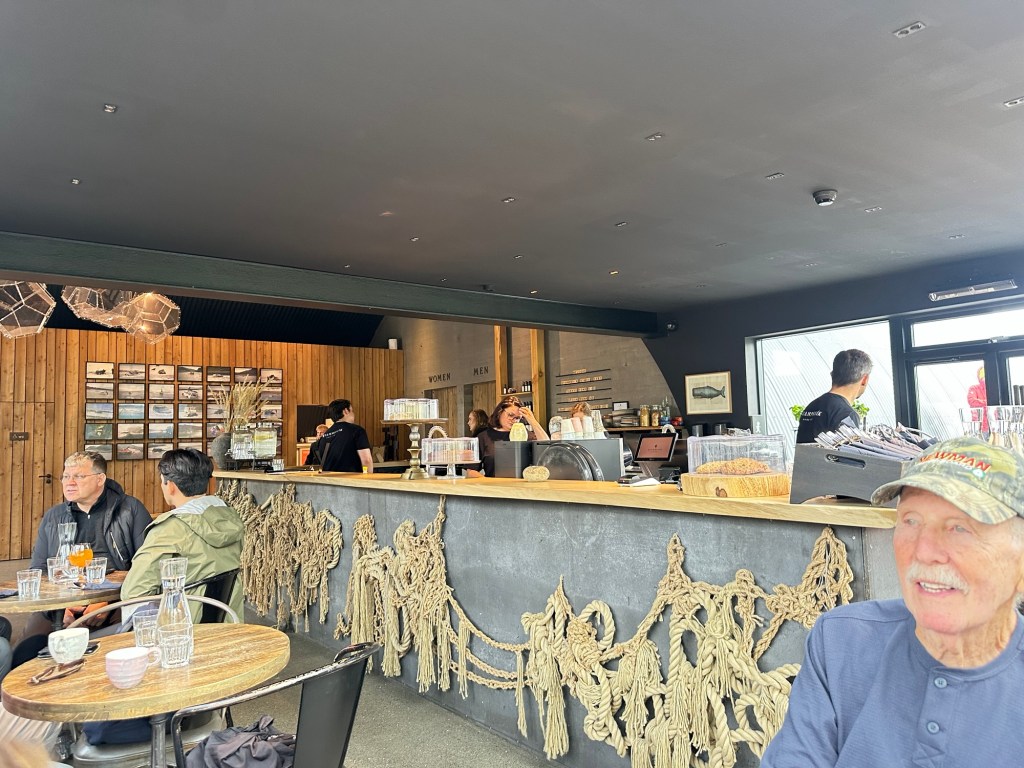
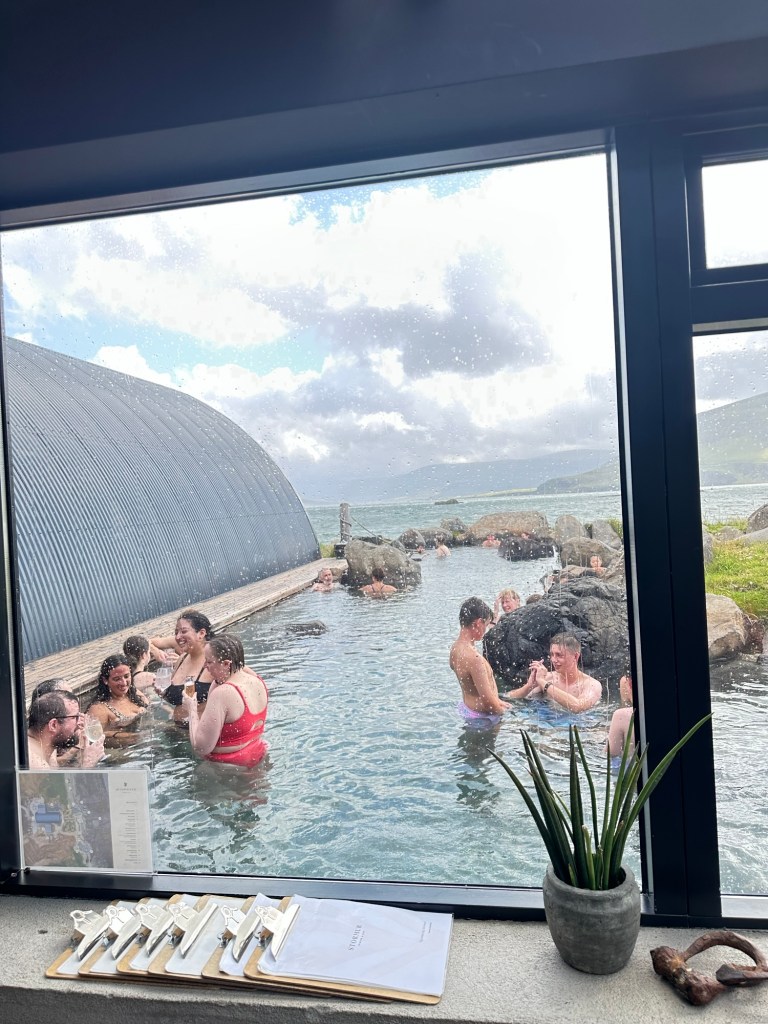
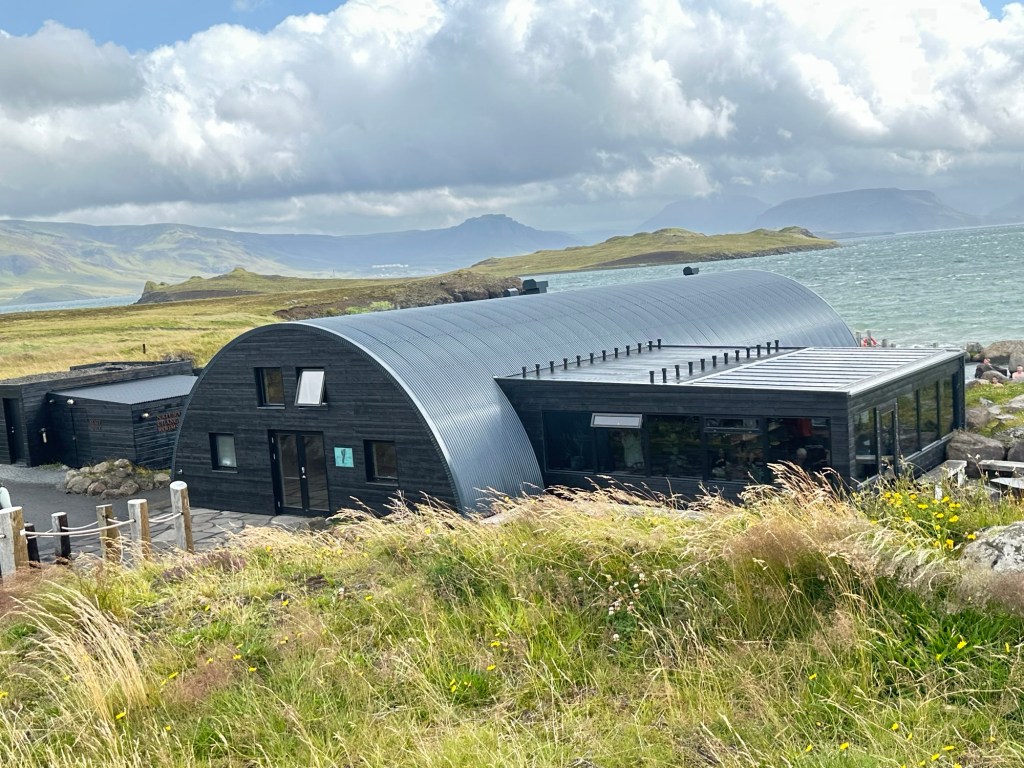
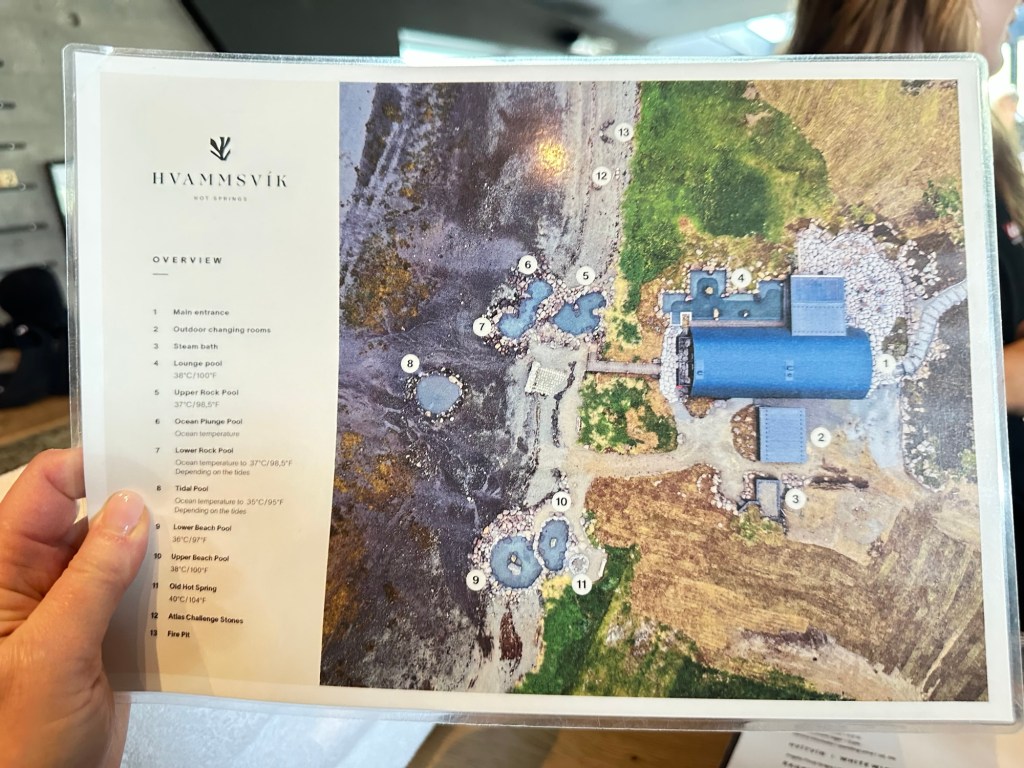
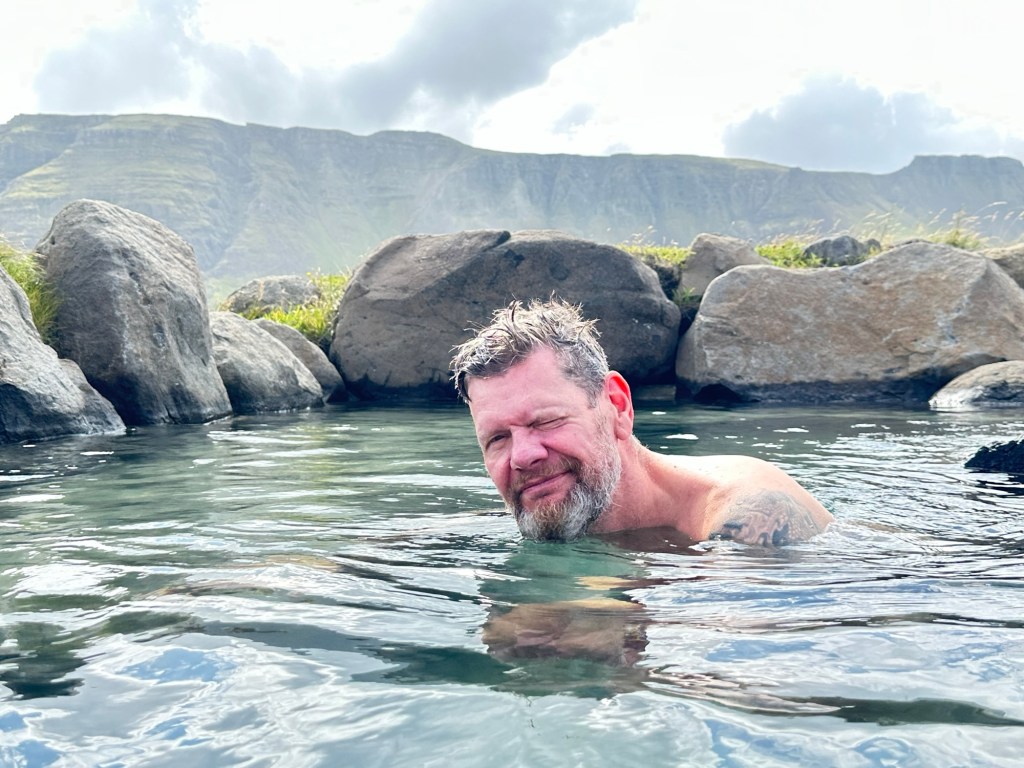
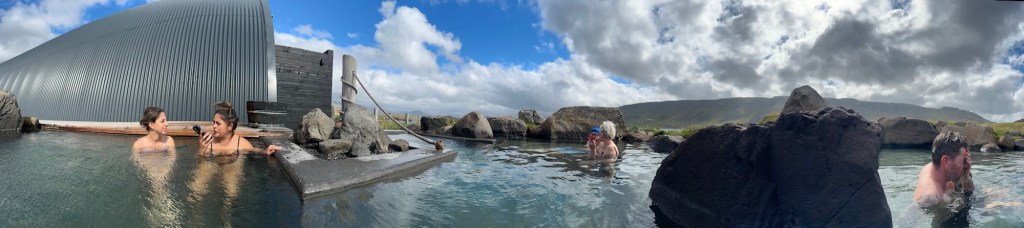
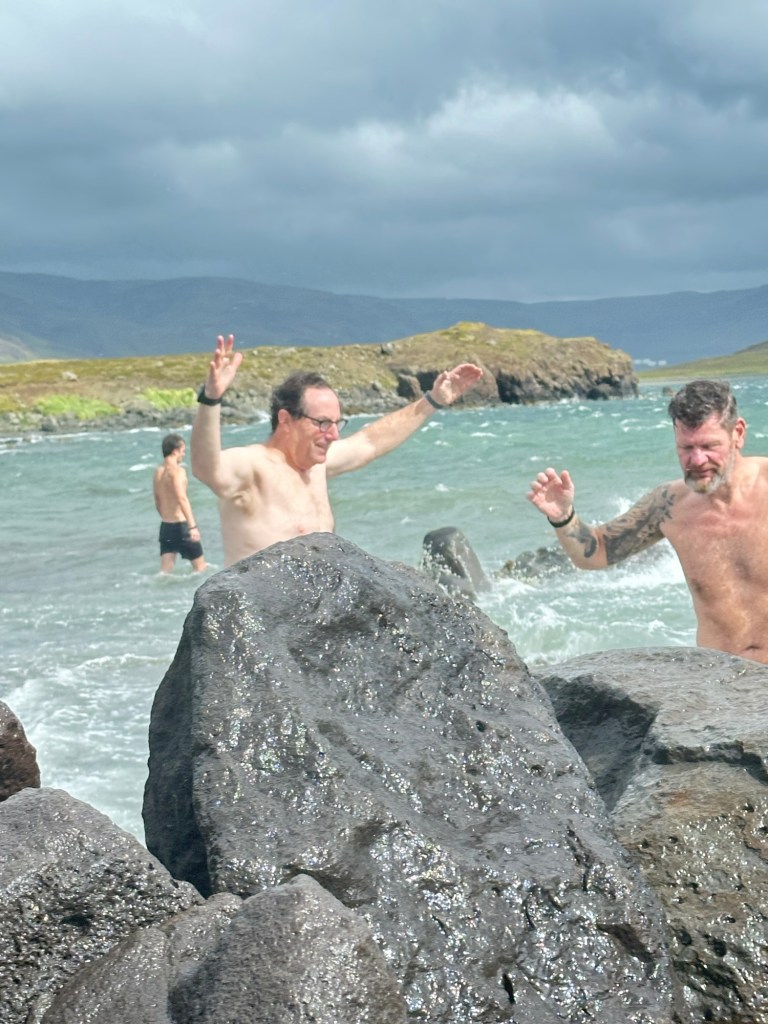
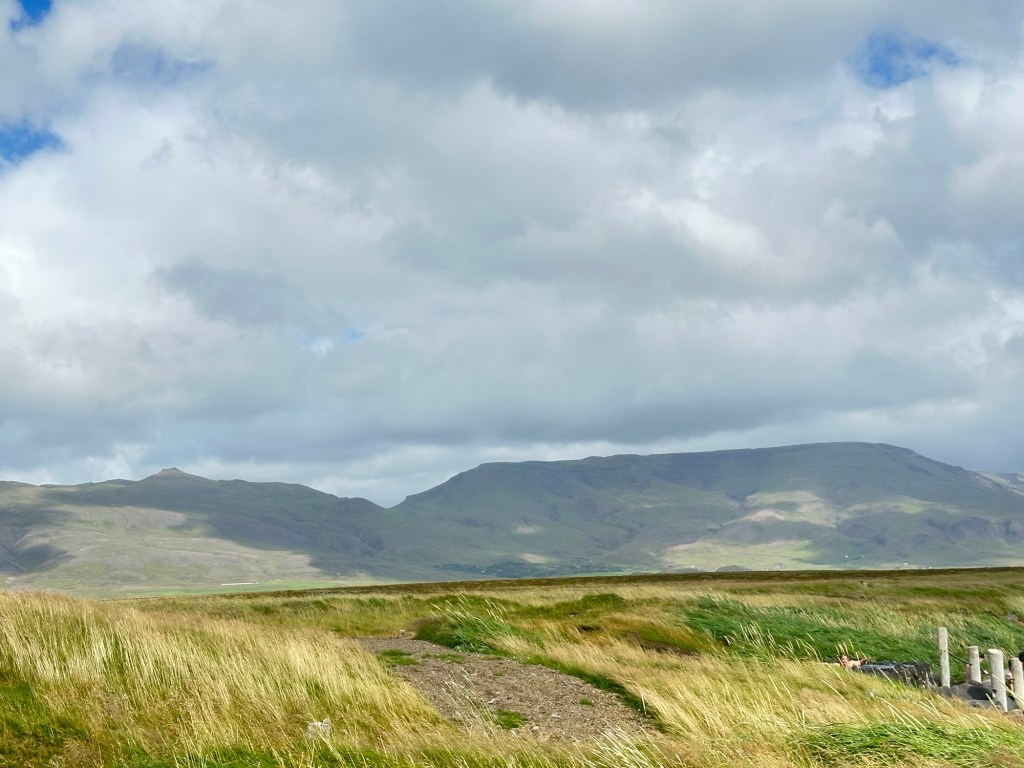
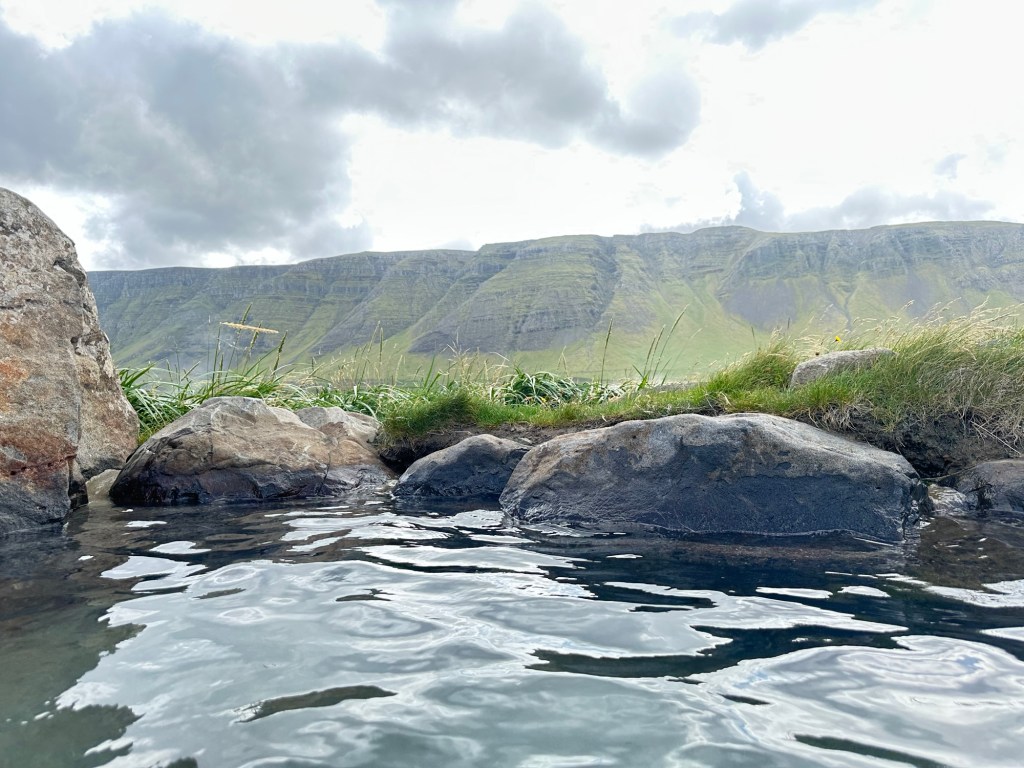
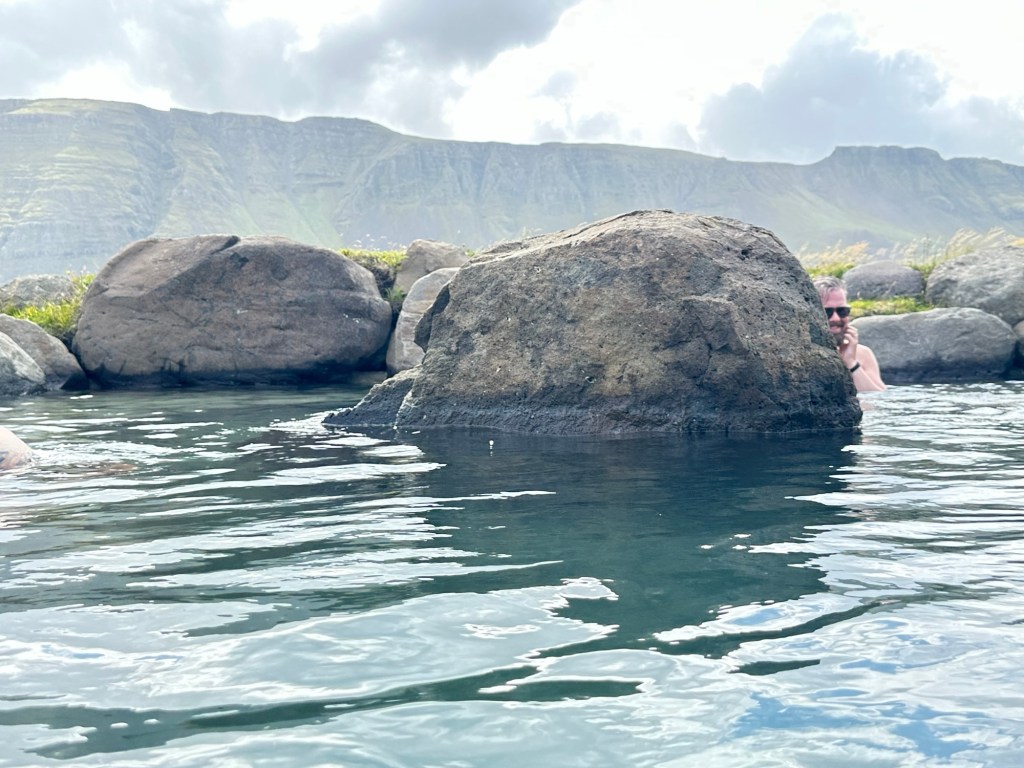
Founded on land with a legacy dating back to 1187, Hvammsvík honors its ancient roots with a contemporary Icelandic ethos: raw, refined, and reverent. The pools are carved into lava rock and driftwood-lined shore, with temperatures that shift with the ocean’s breath. There are no crowds here—entry is limited to preserve the solitude. No music, just the gulls. No fanfare, only the sound of your own exhale meeting the steam.
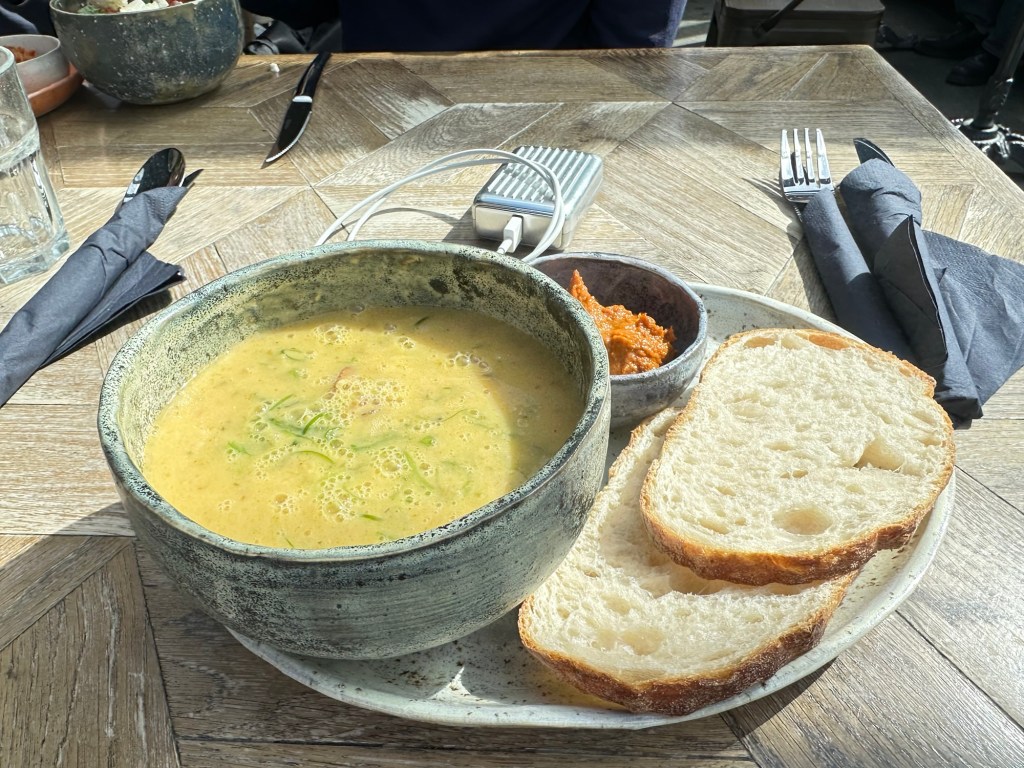
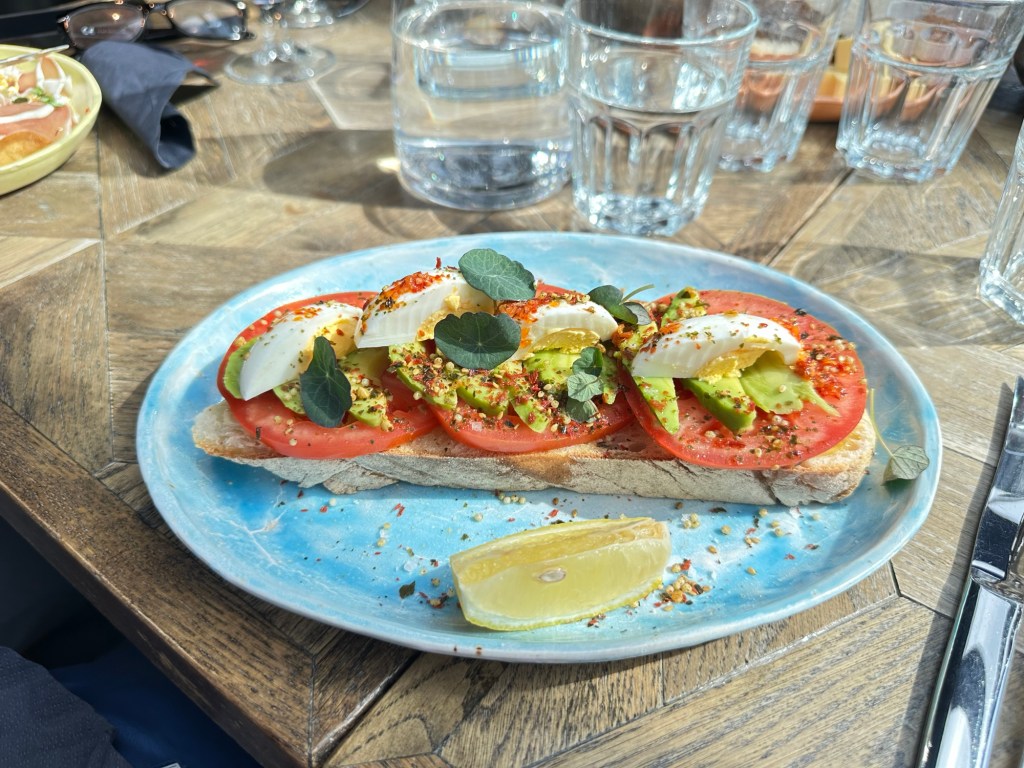
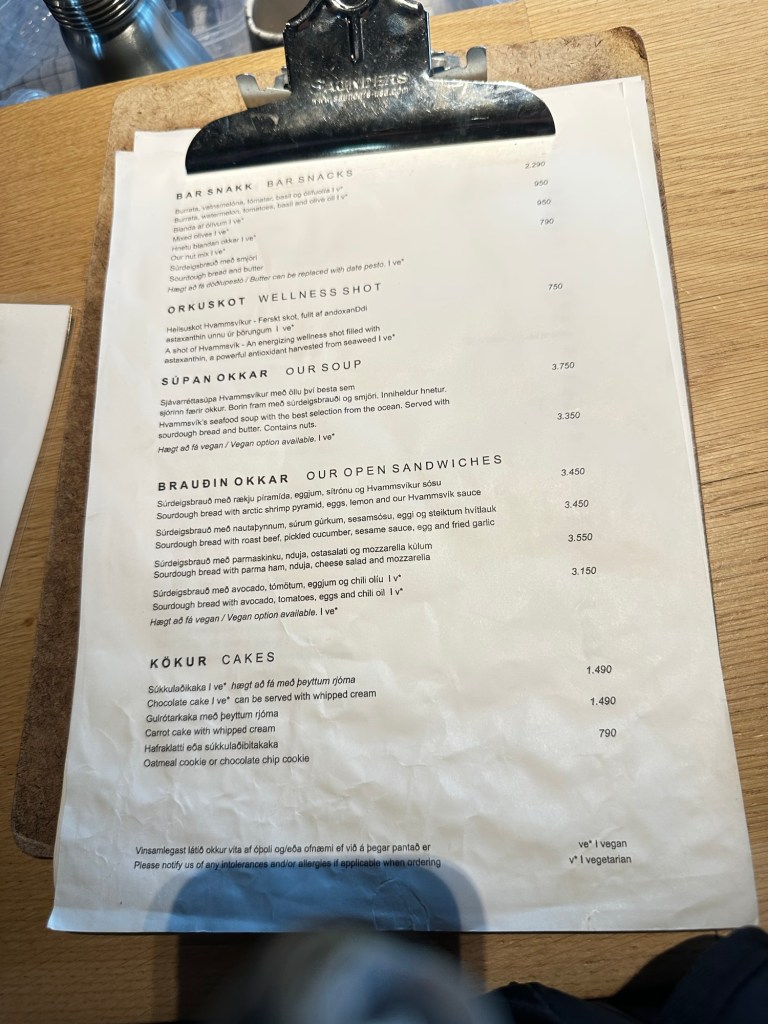
A small eatery serves locally sourced fare, a wood-fired sauna hums quietly nearby, and the Atlantic laps at your feet as you wade between worlds—between hot and cold, past and present, land and sea.
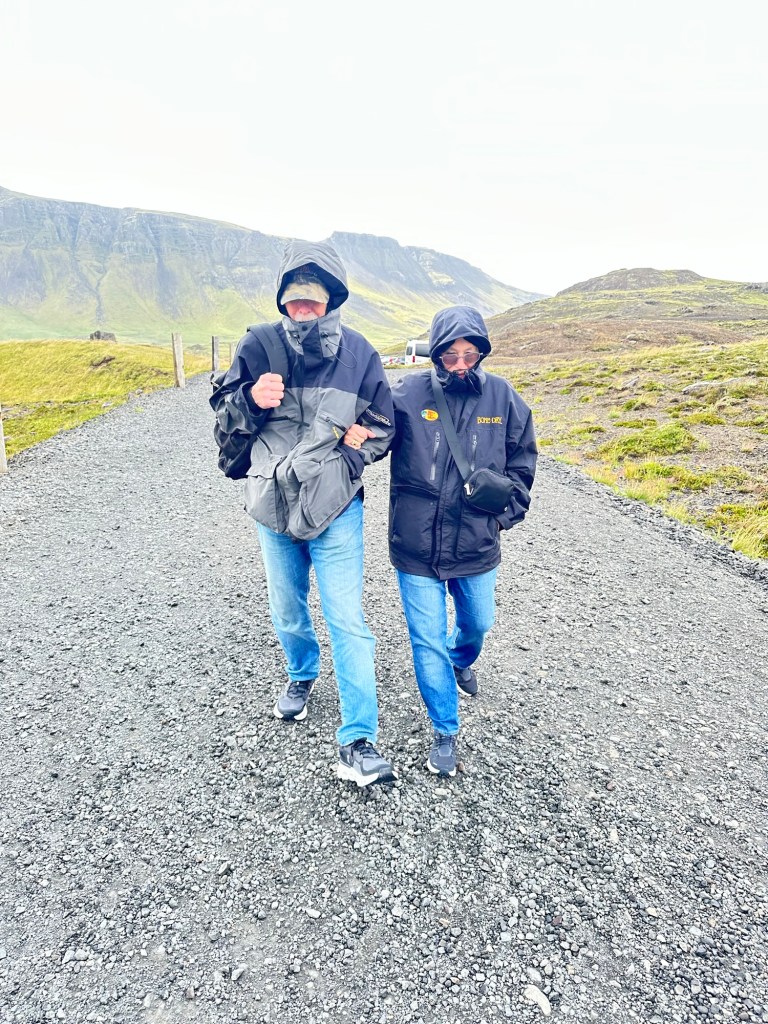
In the hottest pool, the water reaches 104°F. Just steps away, a second pool is etched into the foot of the ocean, where the temperatures hover near freezing. The contrast is bracing—exhilarating, even. Today, the wind whipping off the Atlantic exceeded 80 miles per hour. The simple act of rising from the steaming water delivers a sharp, biting sting, as if the air itself were alive with ice.
Hvammsvík is not a spa in the traditional sense. It is a quiet ritual, a poetic tension between Iceland’s fire and ice. A place to be alone, even when others are near. A place to feel small, and somehow more whole for it.






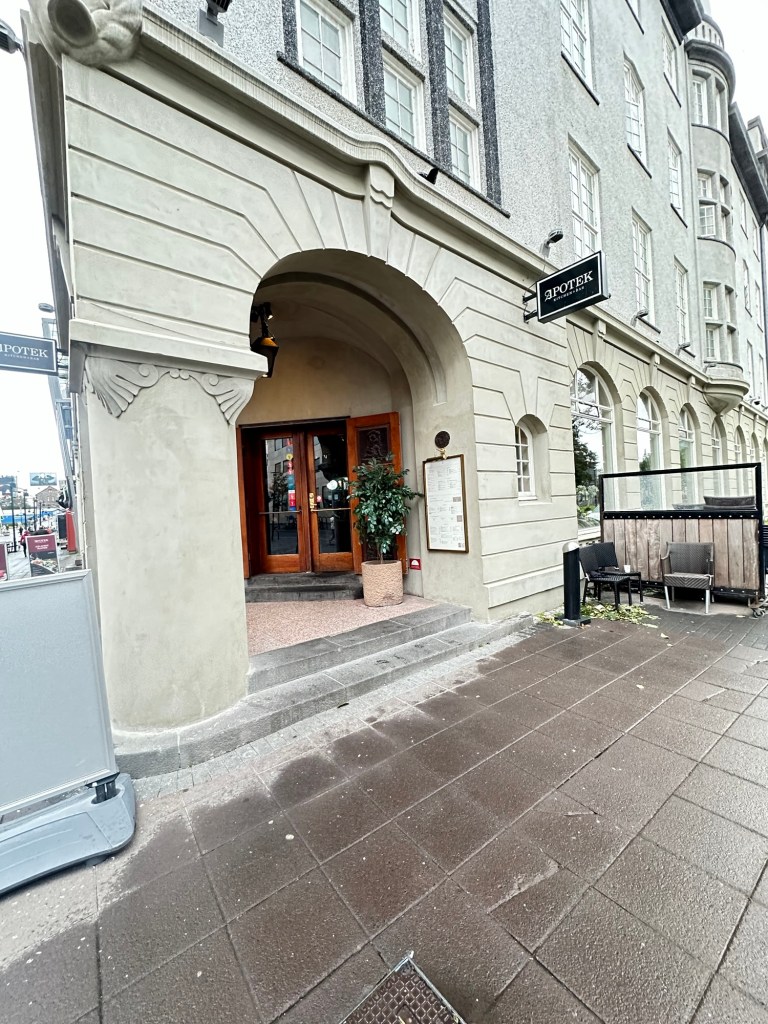
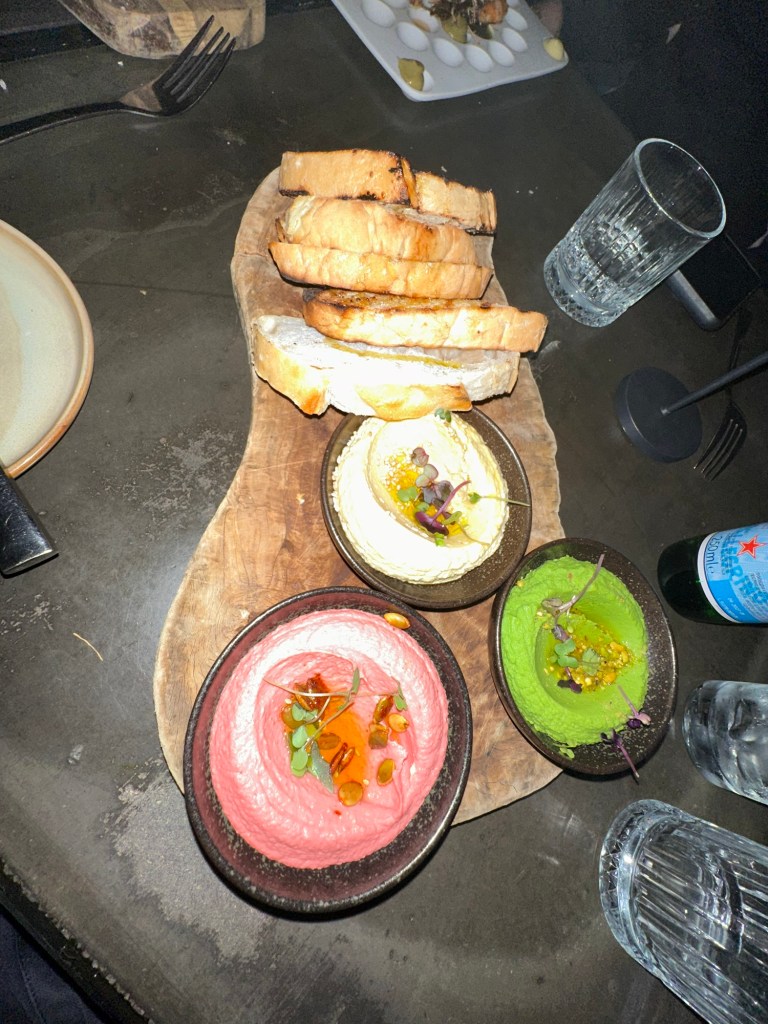
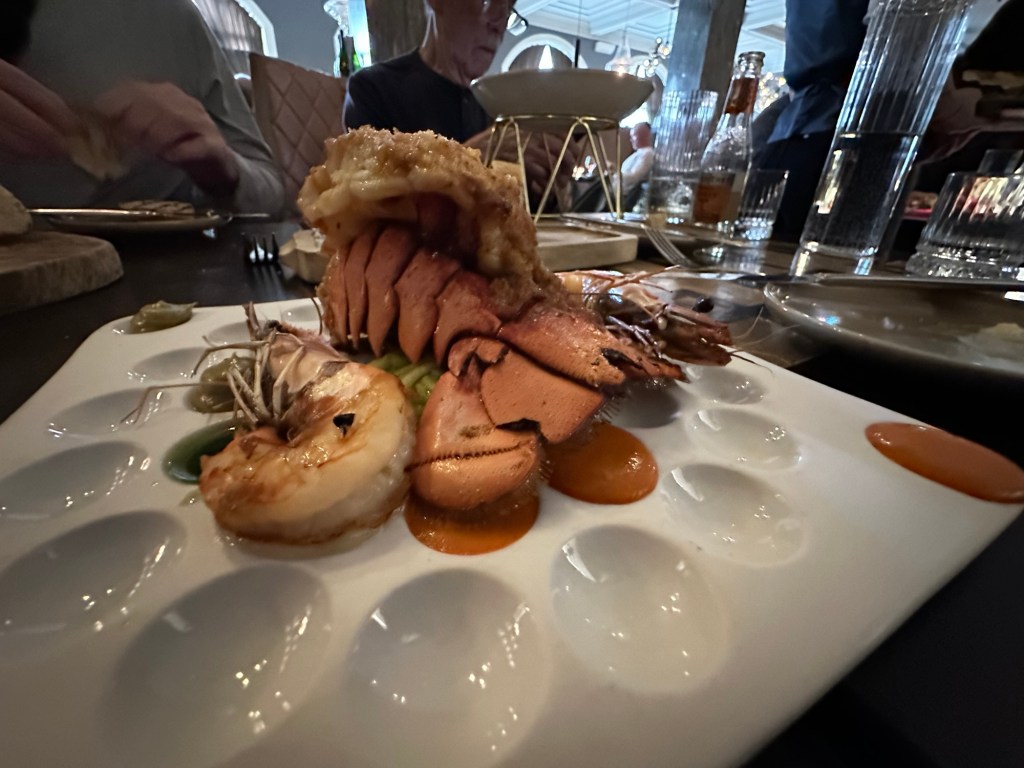
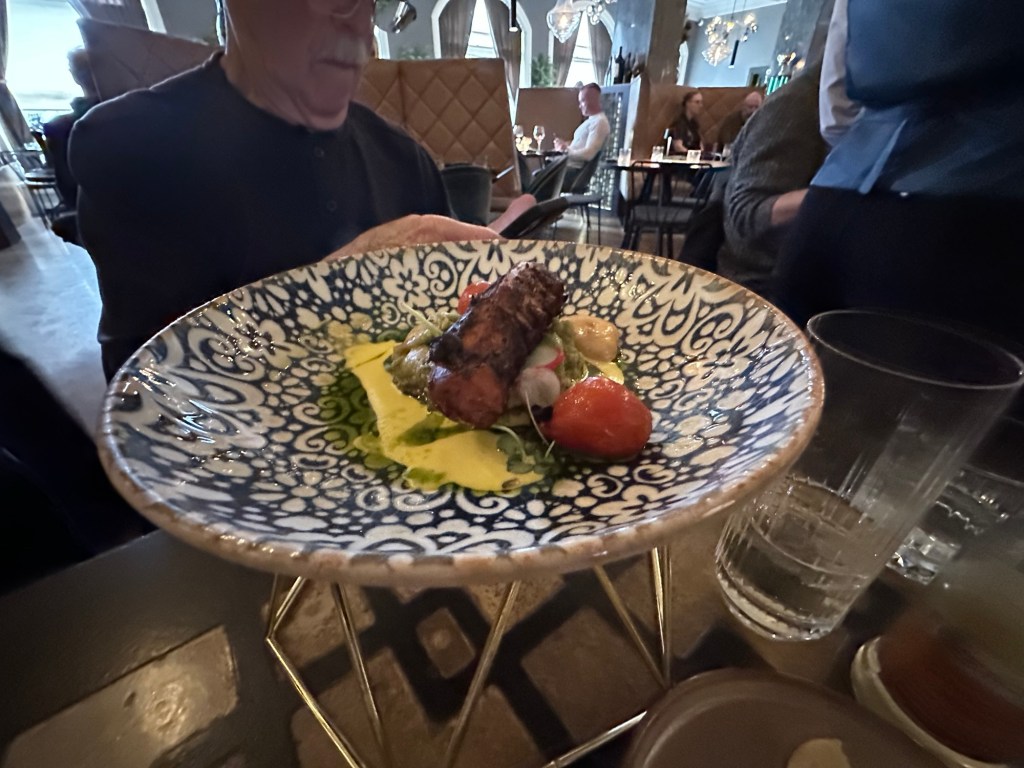
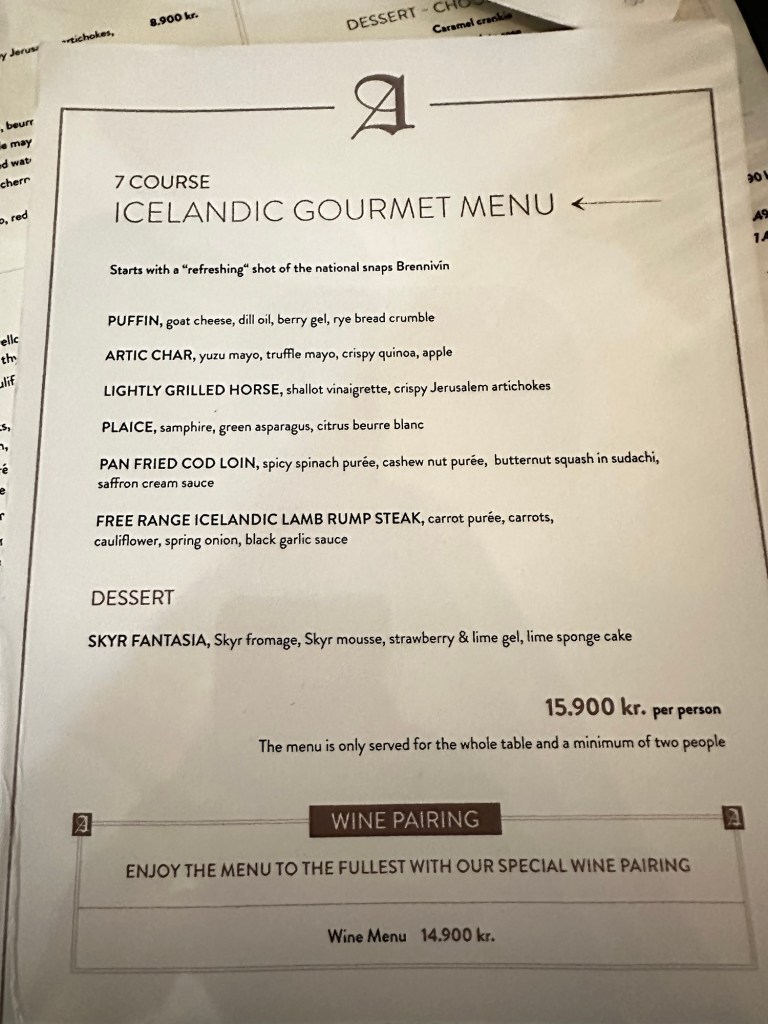
After returning from the Hot Springs, we had a wonderful dinner at Apótek. Located in a grand former pharmacy in the heart of downtown Reykjavík, Apótek is where old-world elegance meets contemporary Icelandic cuisine. The space retains its historic charm—arched windows, marble staircases, and high coffered ceilings—while sleek furnishings and moody lighting give it a cosmopolitan edge. Not one of us ordered their horse, a popular Icelandic dish.


Just when we thought we couldn’t be surprised again, this little piece of edible theater arrived: a dessert dressed as a gold bar, nestled in a playful landscape of colors, textures, and whimsy.
The “gold” bar itself gleamed under the lights, stamped with “999.9” like something straight from a vault. But instead of being guarded by armed men and lasers, it was resting on a plate with powdered sugar snow, chocolate soil, and fresh berries as its entourage. Inside the golden shell? A rich, velvety core—perhaps chocolate, praline, or caramel—too good to rush through.
Next to it, a quenelle of pink sorbet sat atop dark crumbles—cool and tart, the perfect contrast to the richness of the bar. A bright yellow macaron, striped like a lollipop, added a cheeky touch, while a physalis and a few scattered blueberries reminded us we were still in Iceland, where nature and artistry seem to mingle effortlessly.
It was a dessert with a wink. Playful. Luxurious. Ironic, even. A reminder that indulgence can have a sense of humor—and that sometimes, you really can strike gold at the end of a meal.

Stay tuned for tomorrow’s adventures.

 YouDontKnowJackTravels