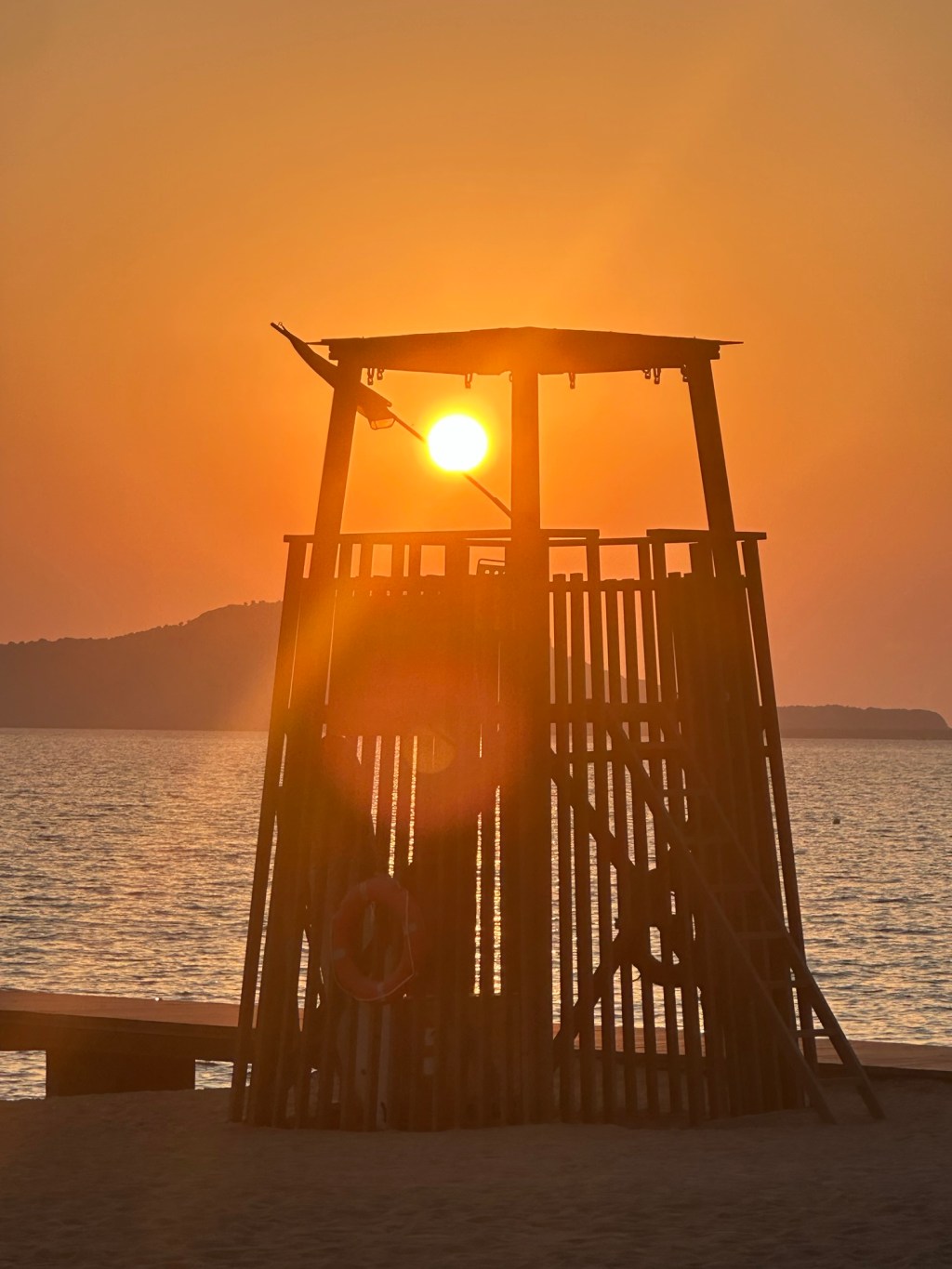
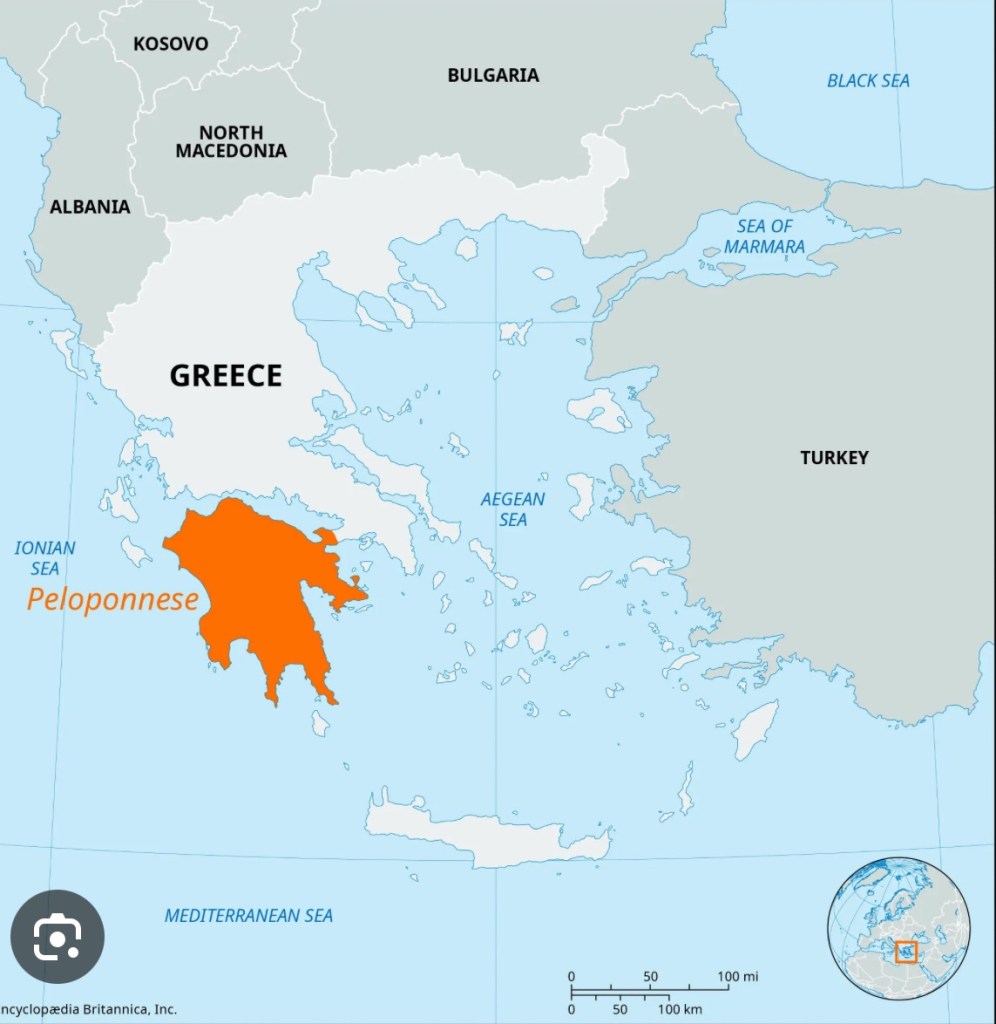
Today, we reluctantly said goodbye to Crete and began a new travel adventure in Southern Greece on the Ionian coast of the Peloponnese.
Our journey started in the very early morning, with a transfer from the Phaea Blue to the Crete airport for a short flight to Athens. From there, we made our way through some of Greece’s most storied ancient sites before finally arriving at the Mandarin Oriental, a serene resort nestled in Costa Navarino. Following is an account of our day.
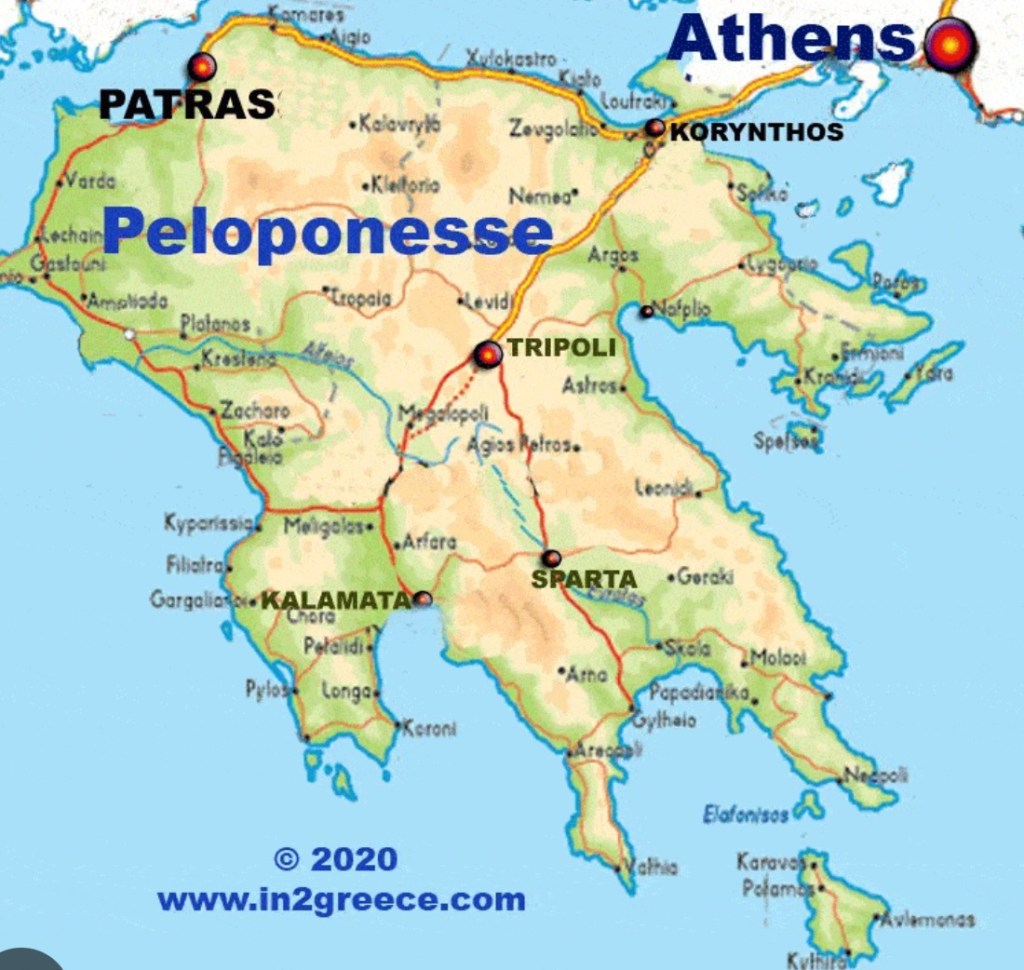
At the Athens airport, we met David, our driver—a young man from Athens with an easy smile, a calm presence, and a steady hand on the wheel. As we made our way into the Peloponnese, we made a pitstop just a stone’s throw from the Corinth Canal, a dramatic, man-made gorge that slices through the hard rock of narrow isthmus linking mainland Greece to the Peloponnese.
The canal is a kind of marvel—with roots dating back to historical events the consequences of which ripple into the news of the day. After the destruction of Jerusalem in 70 CE, around 6,000 Jewish slaves were brought to Corinth by the Romans, after the First Roman conquest of Jerusalem, to dig /carve a passage between the Aegean Sea and the Corinthian Gulf. Though that effort ultimately failed, in 1883 the Canal was finally completed—a triumph of 19th-century engineering.
Once vital for trade between the Ionian and Aegean seas, now, if even open, the canal only sees modest use—mainly by small craft and thrill-seekers bungee jumping into its steep, narrow depths.

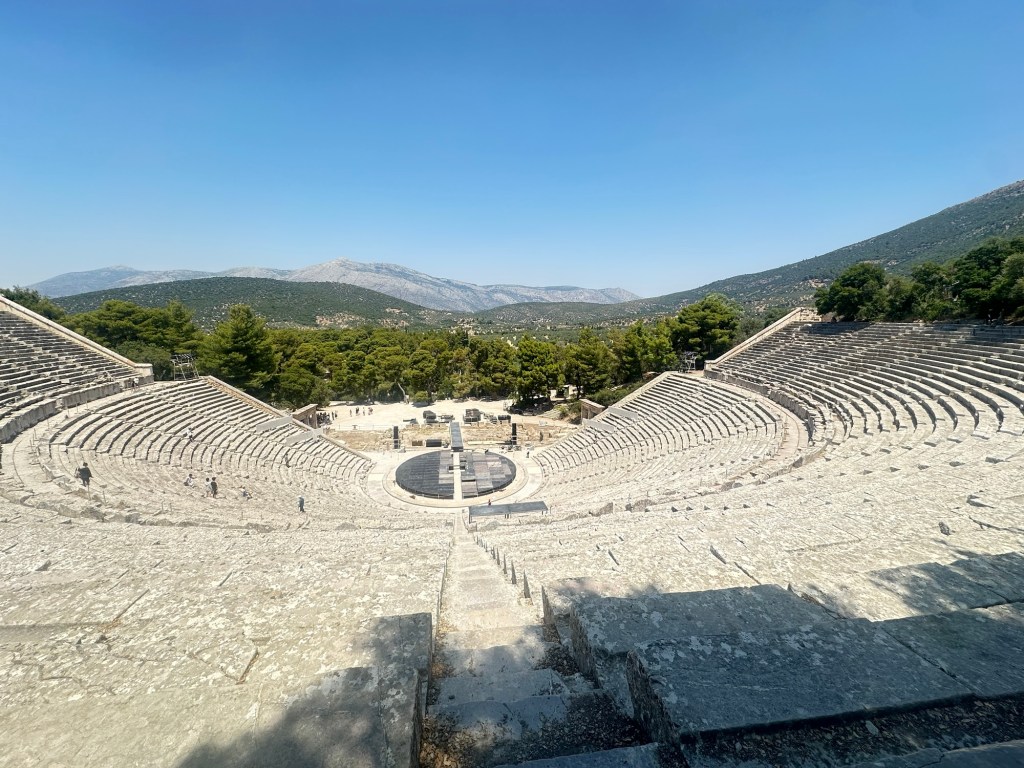
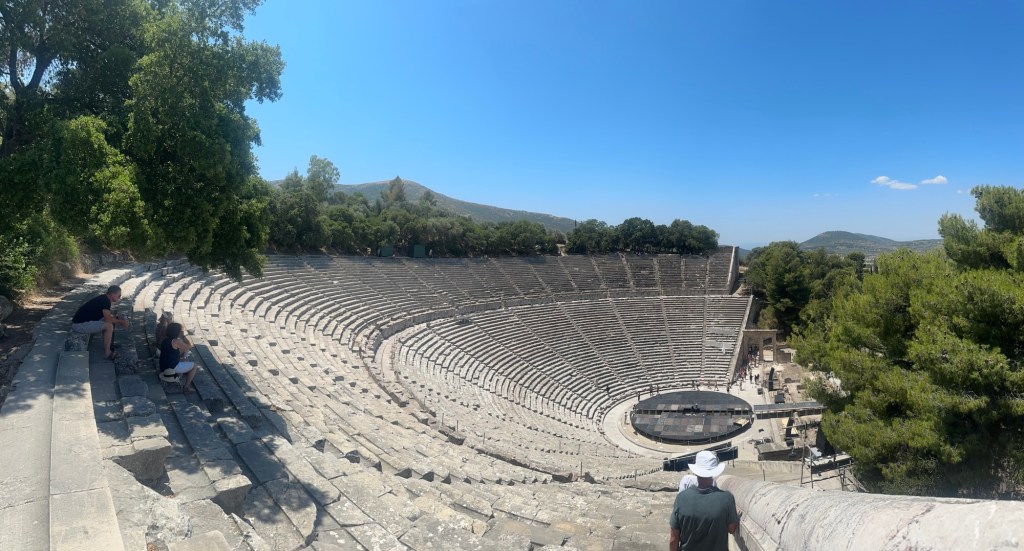
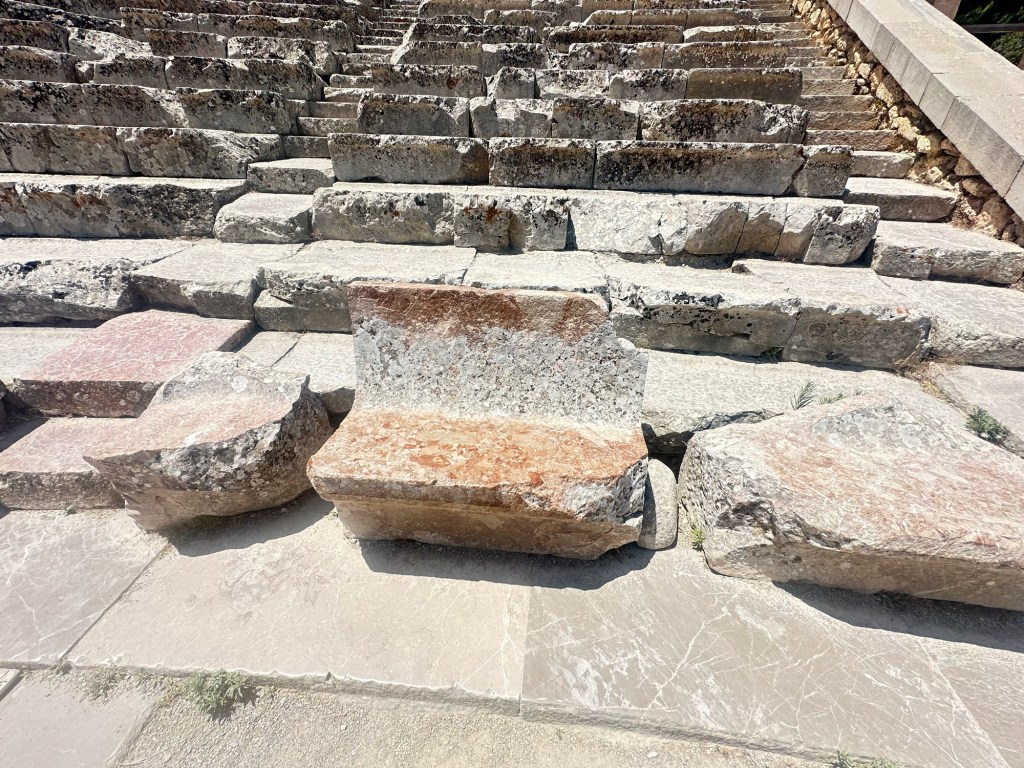
After a bit of a drive, we met Patoula, our local guide for the day, and followed her to the Ancient Theatre at the Asklepieion of Epidaurus. The midday heat was intense. The sun beat down on us relentlessly as we followed the central steps, slowly ascending to the very top of the amphitheater.
From up high, the view was majestic. The semicircle of limestone seats fanned out perfectly below us, embracing the stage like a stone ripple. Even from that distance, we could hear the soft voices of visitors on the ground—a testament to the theater’s legendary acoustics. Built in the 4th century BCE, it was designed not just for drama, but for healing. The performances were part of the therapeutic experience for those seeking cures at the sanctuary of Asklepios, the ancient god of medicine.
Standing there, in the stillness above it all, it was easy to imagine the crowd gathered under the same sky, centuries ago—watching, listening, hoping. Even in the heat, the moment felt charged with something timeless.
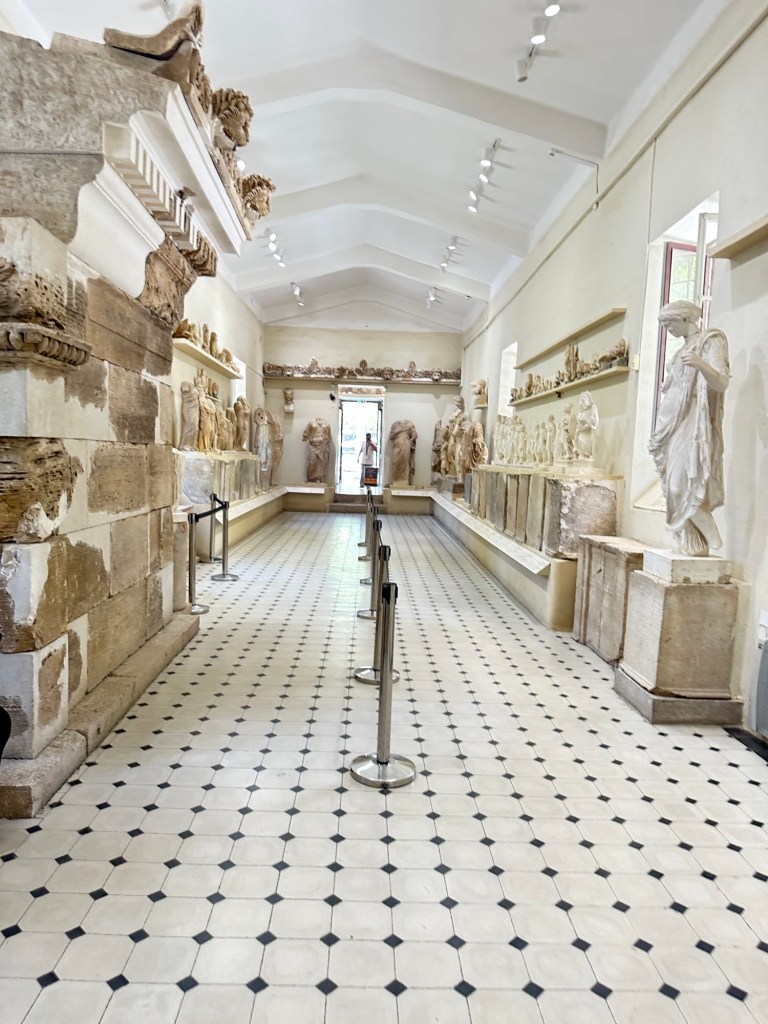
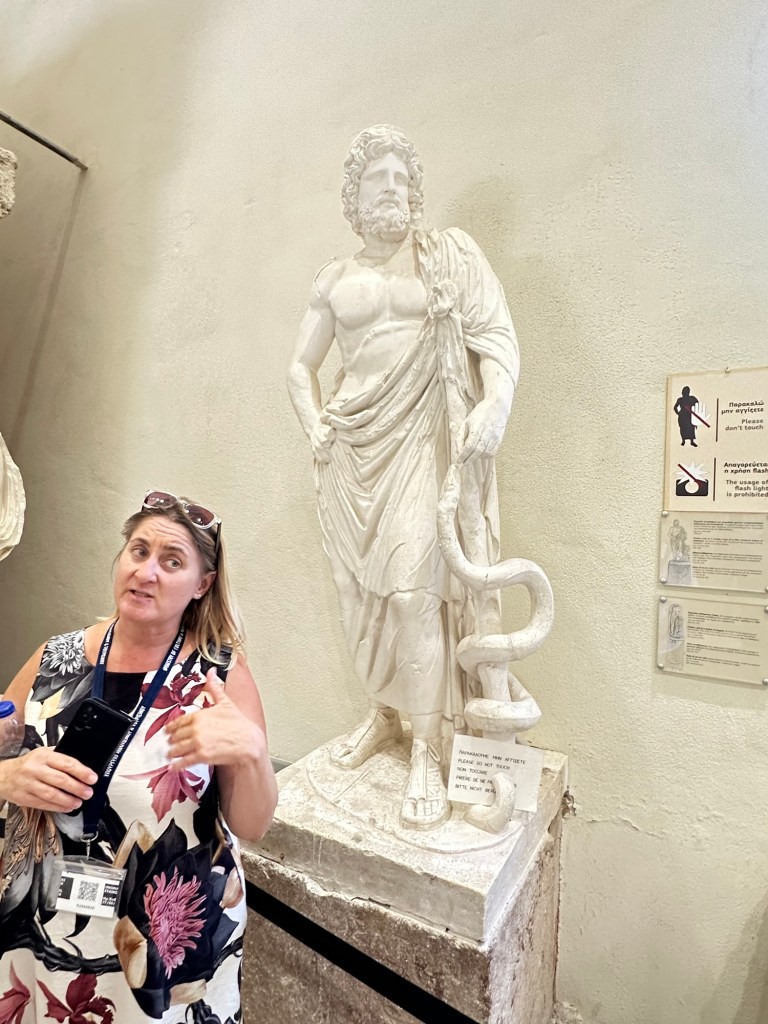
A short walk away lies the Archaeological Museum of Epidaurus, situated near the Sanctuary of Asclepios. The museum houses a collection of ancient statues, inscriptions, and medical instruments that reflect the site’s rich medical legacy. Of course, the museum contains other artifacts as well, including from the Roman periods.
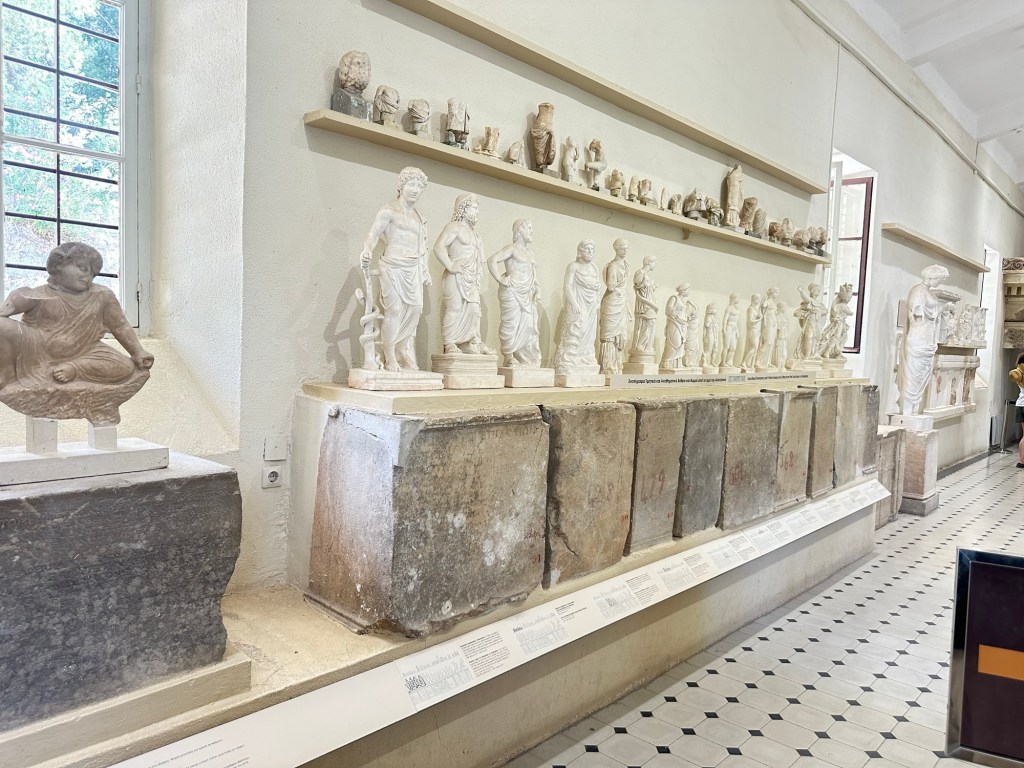
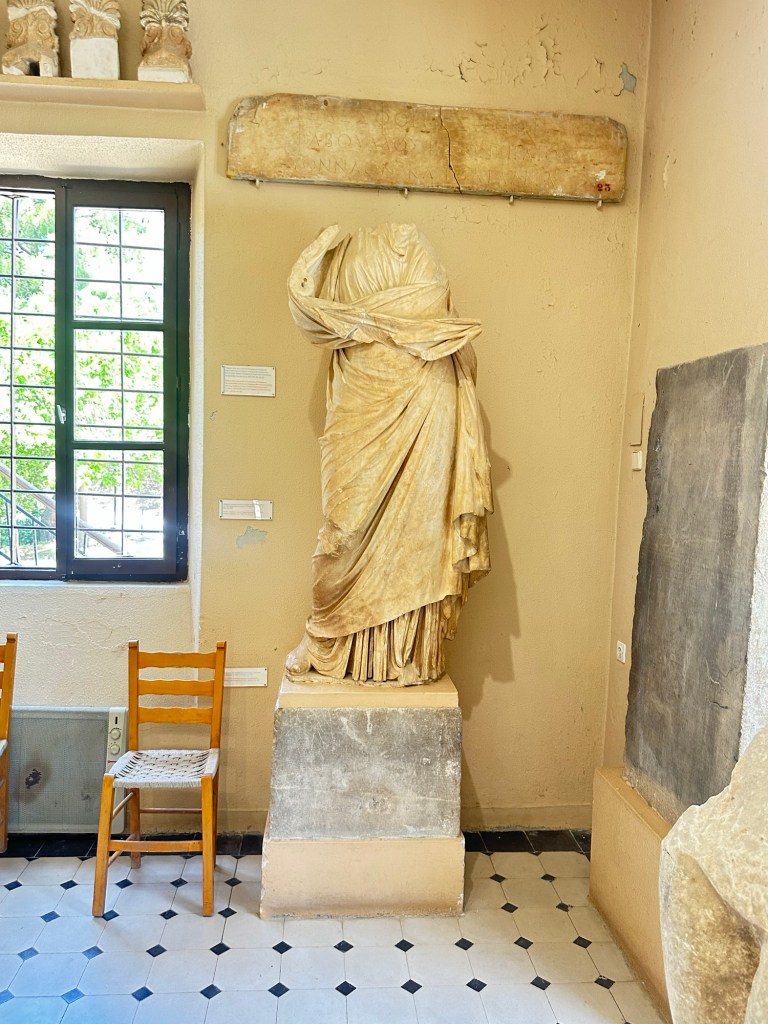
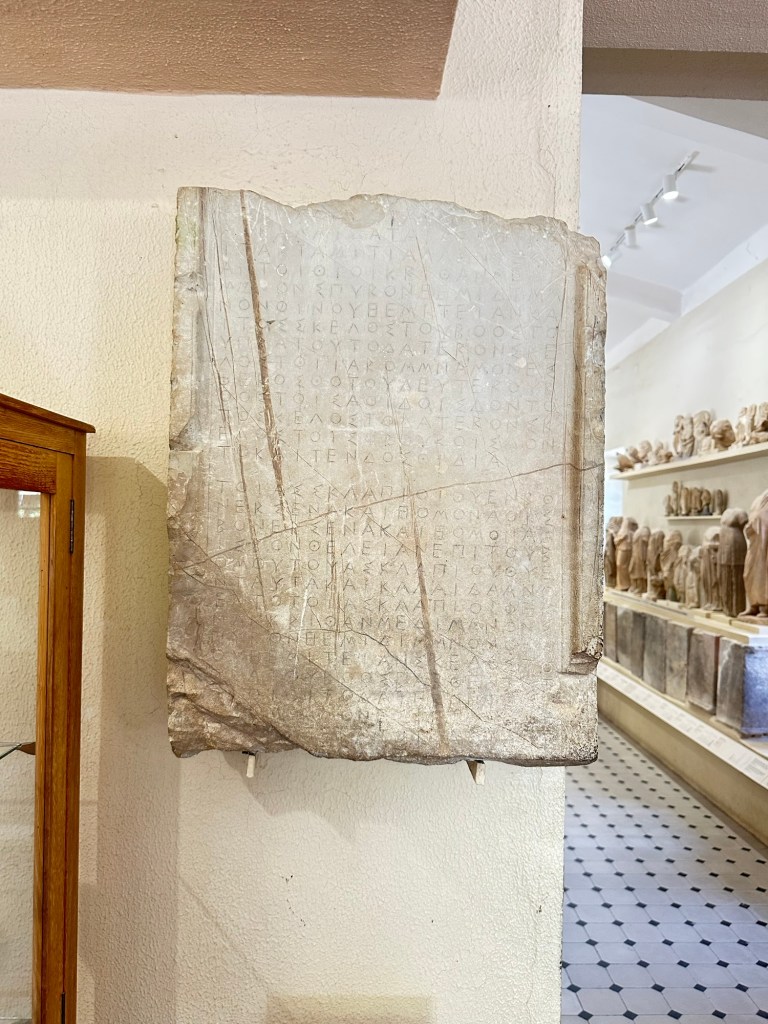
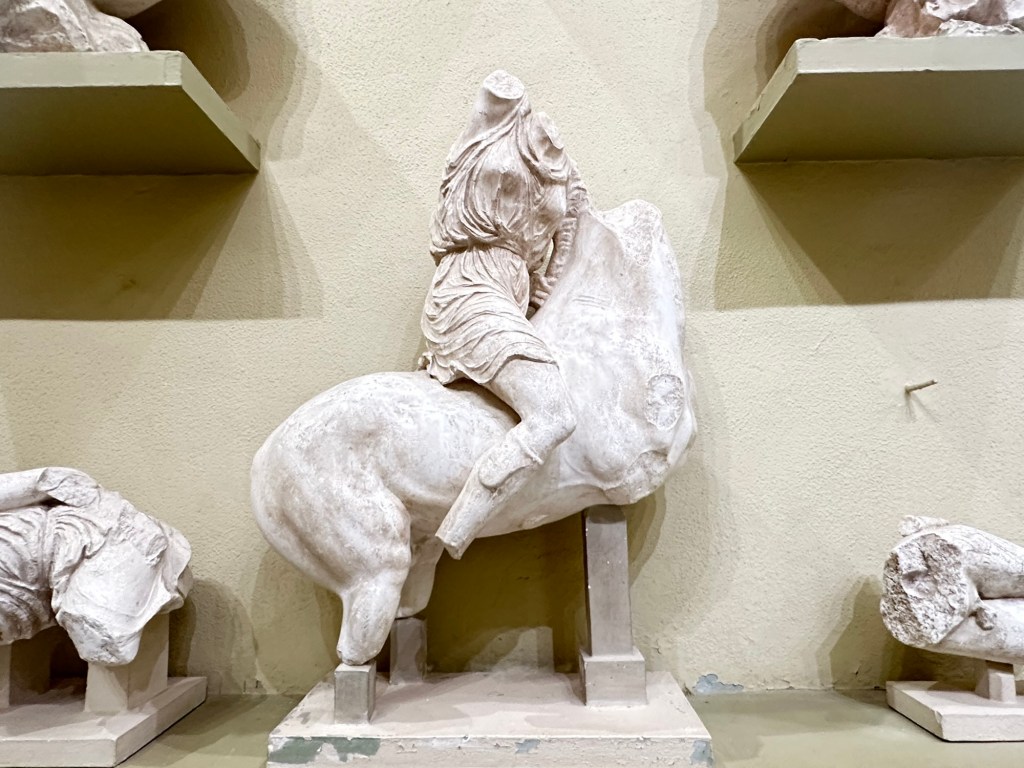

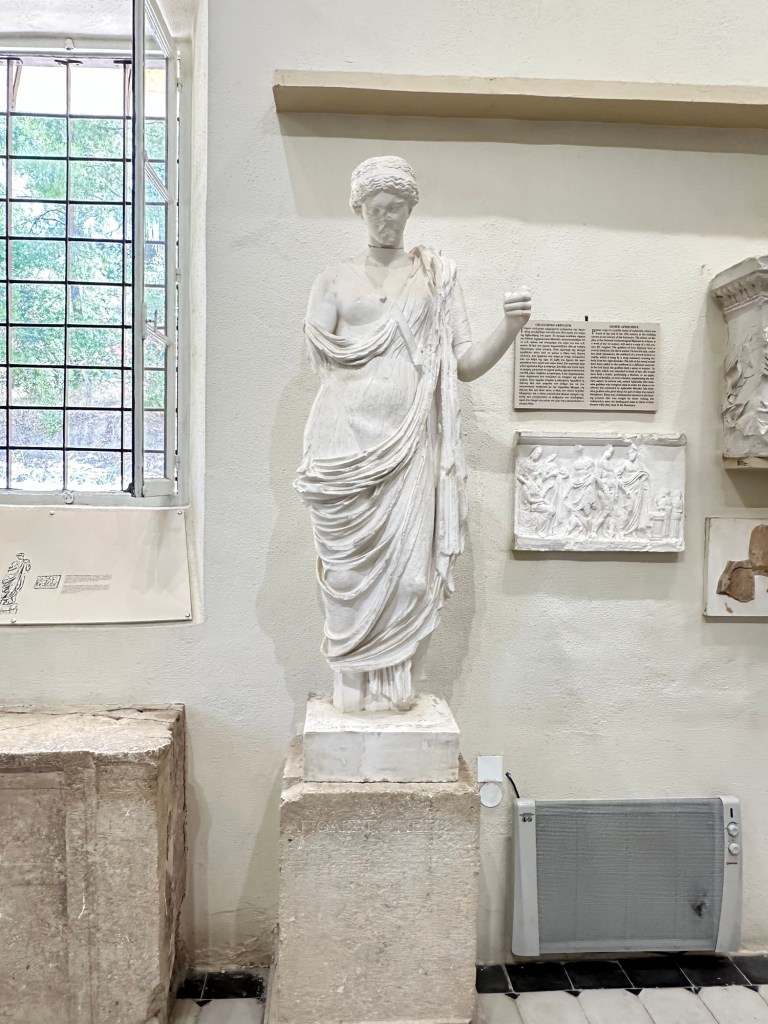
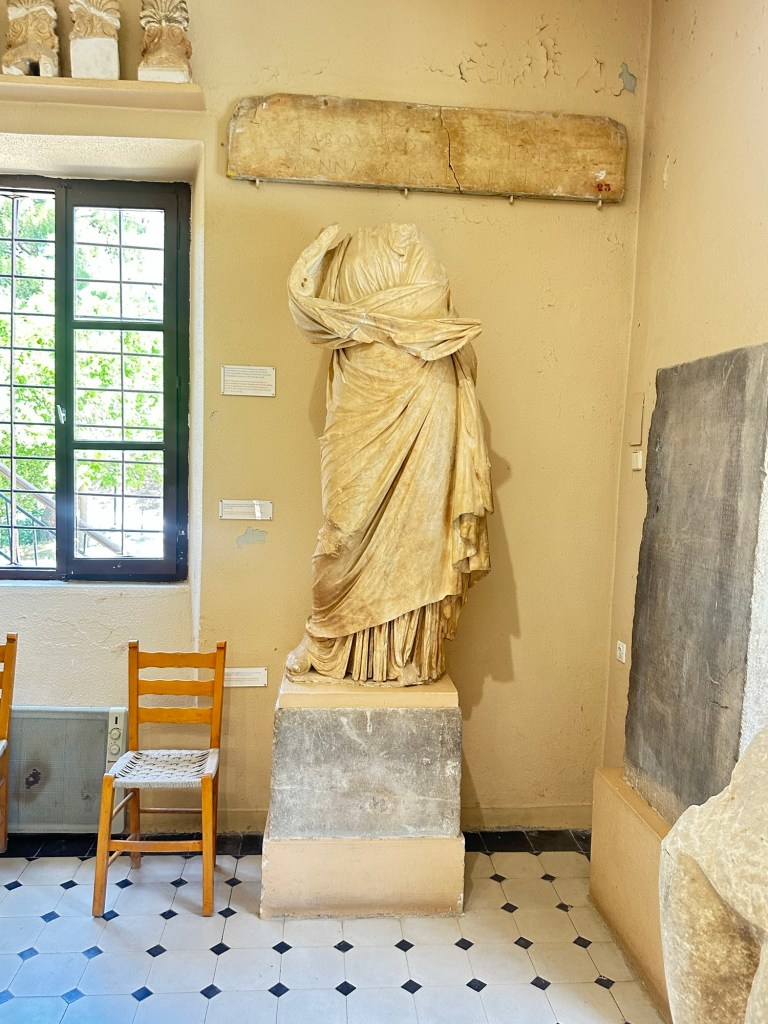
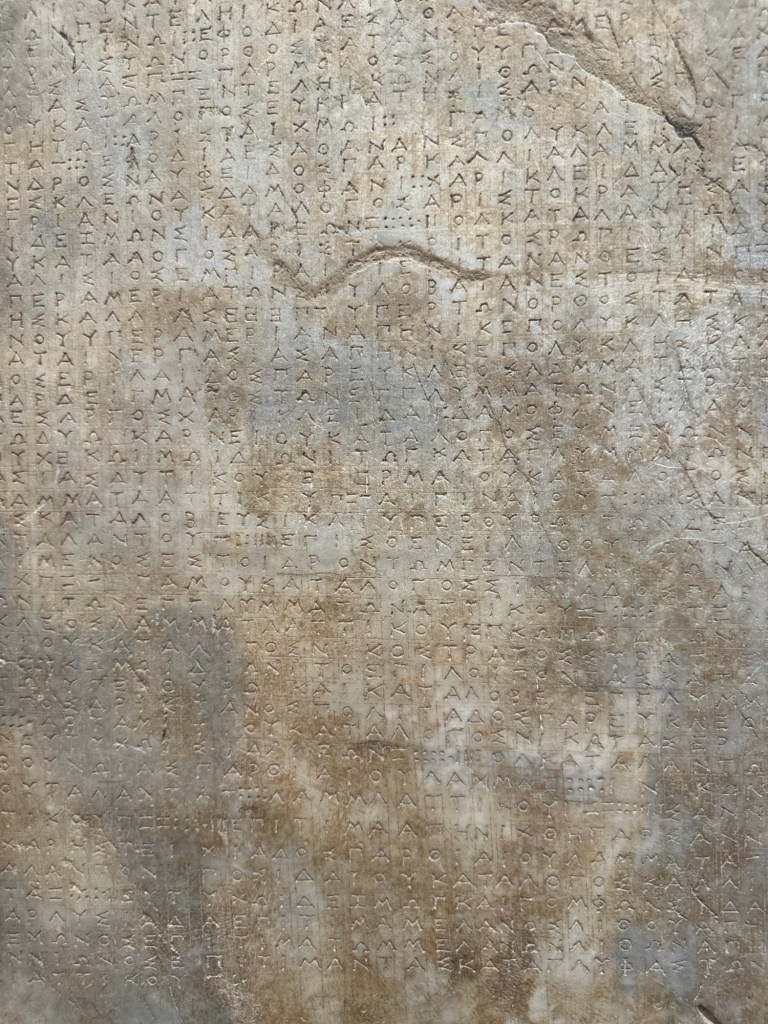
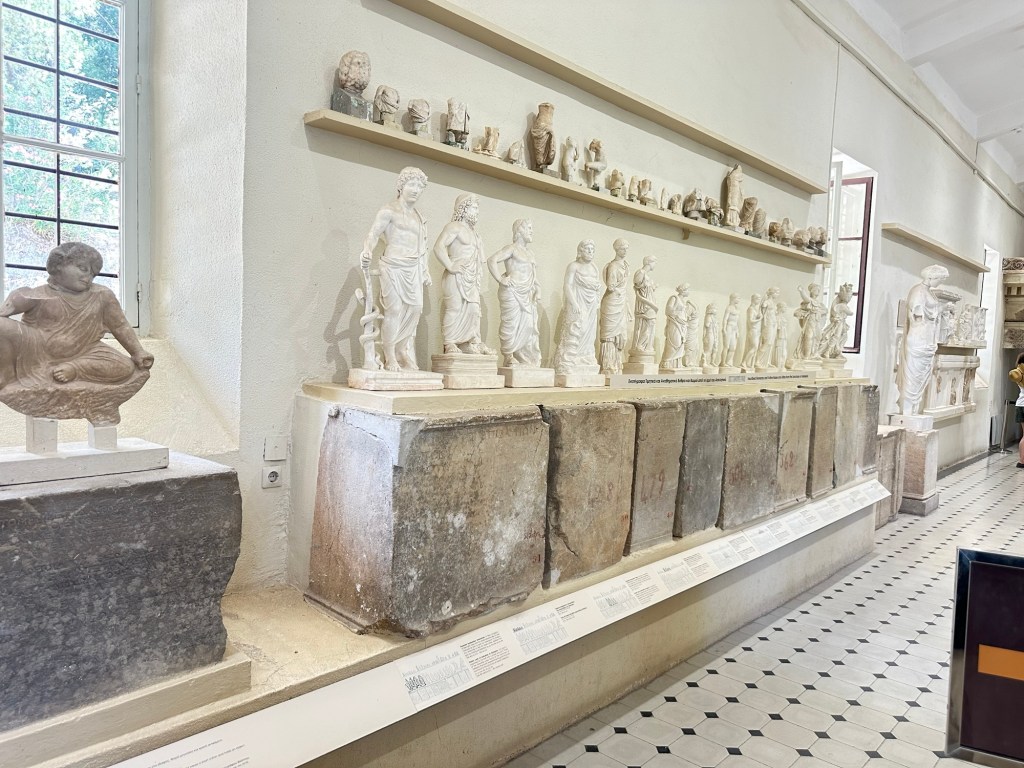
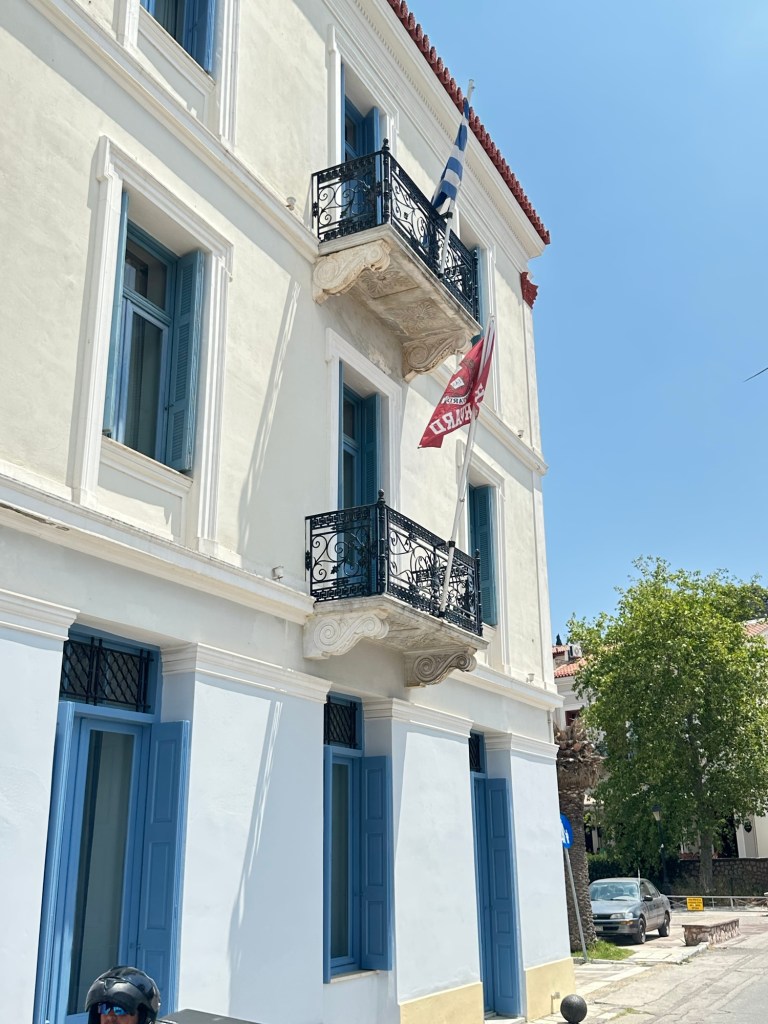
David and Patoula next took us to Nafplio, the elegant seaport town that once held the title of Greece’s first capital, from 1823 until 1834, before the capital was moved to Athens. With its neoclassical buildings, flower-draped balconies, and narrow cobbled lanes, Nafplio offers a charming blend of Venetian, Ottoman, and Greek influence. Nafpilo is a city that has stature, and very much looks like a place with a powerful past.
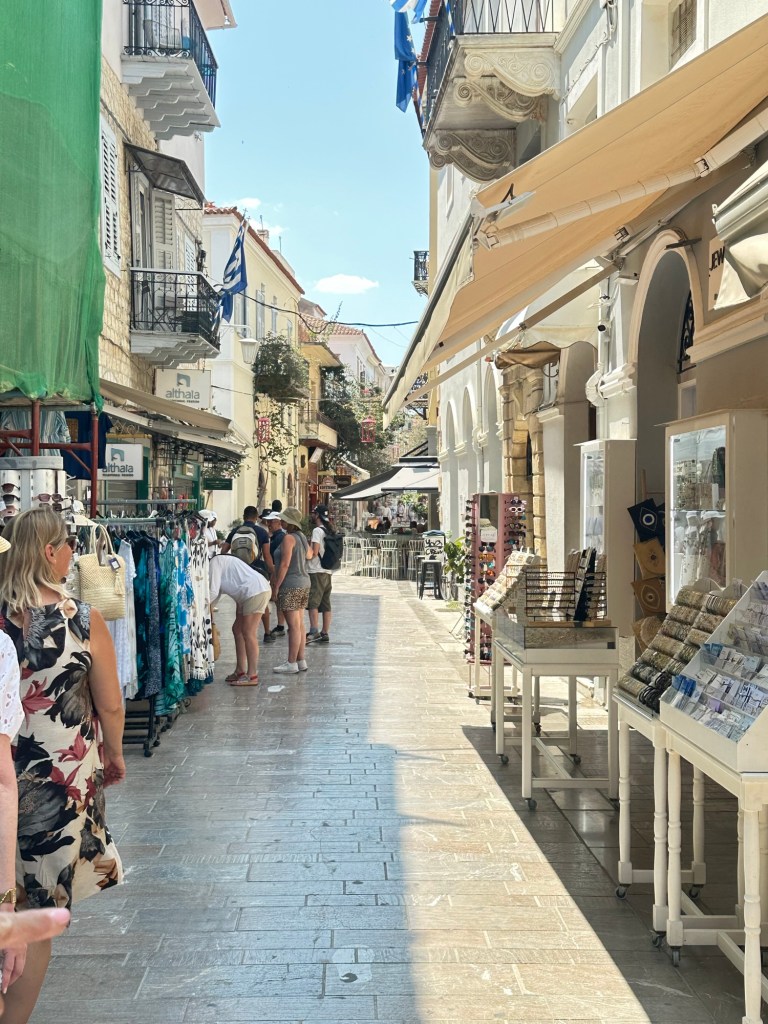

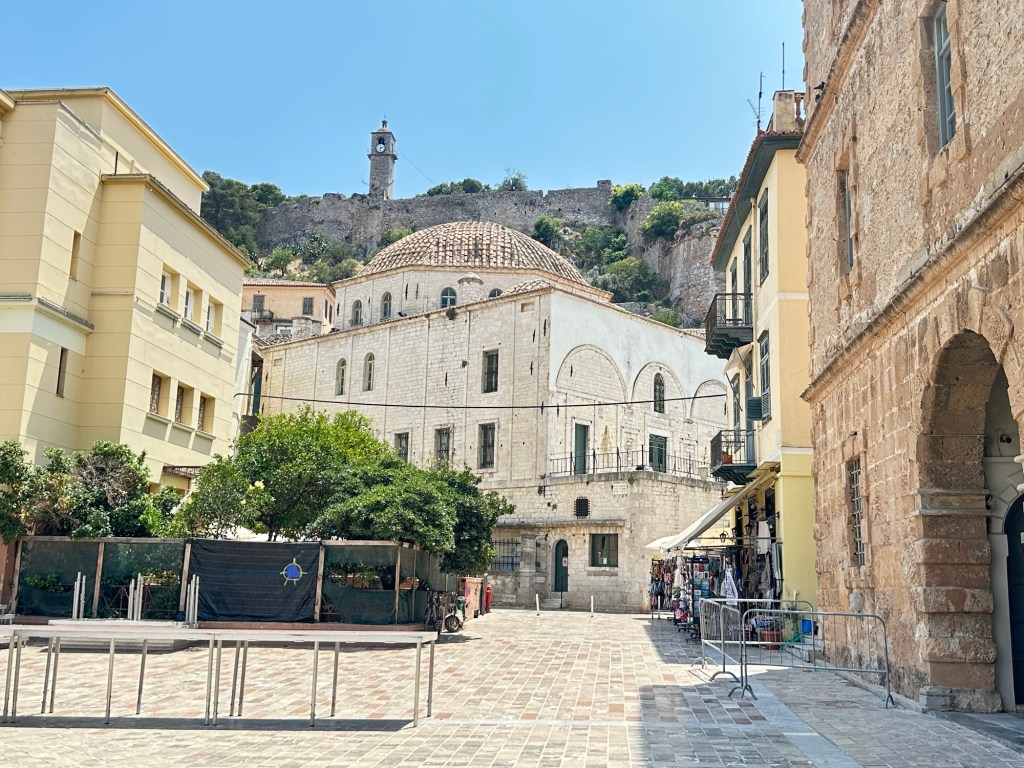
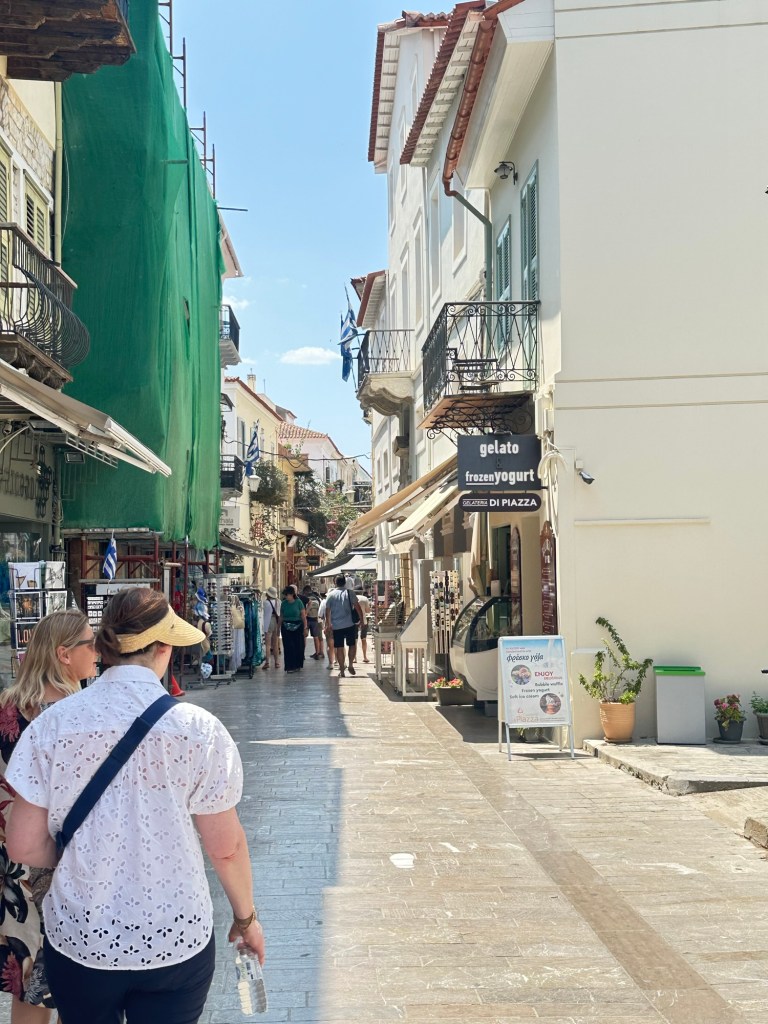
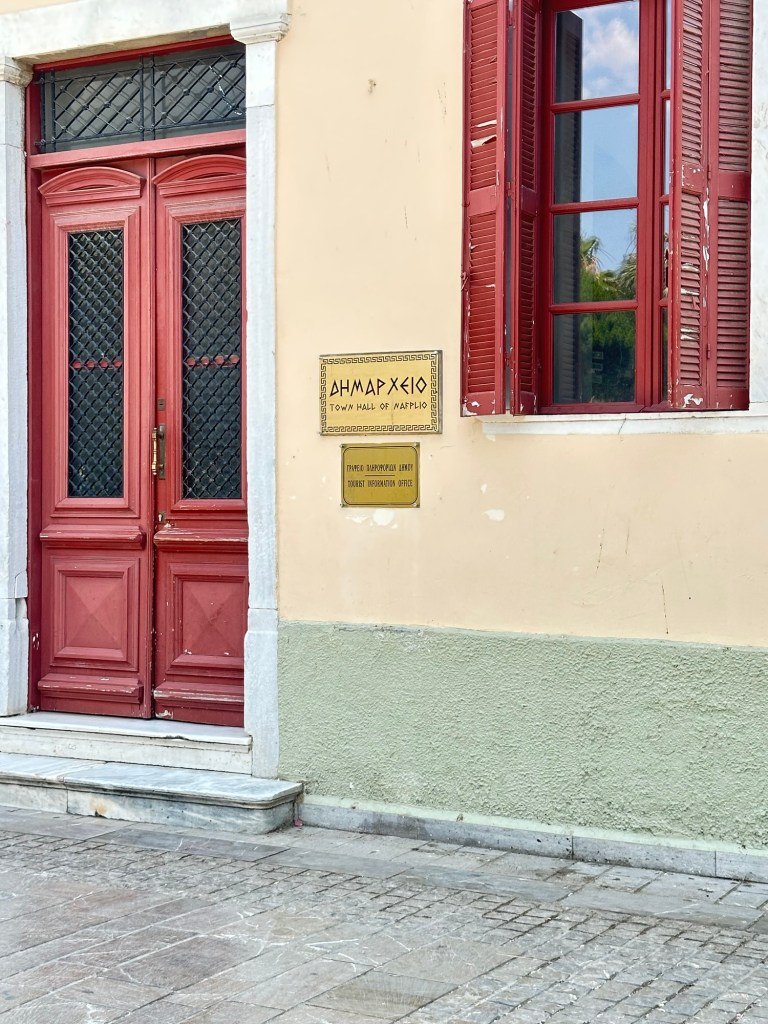

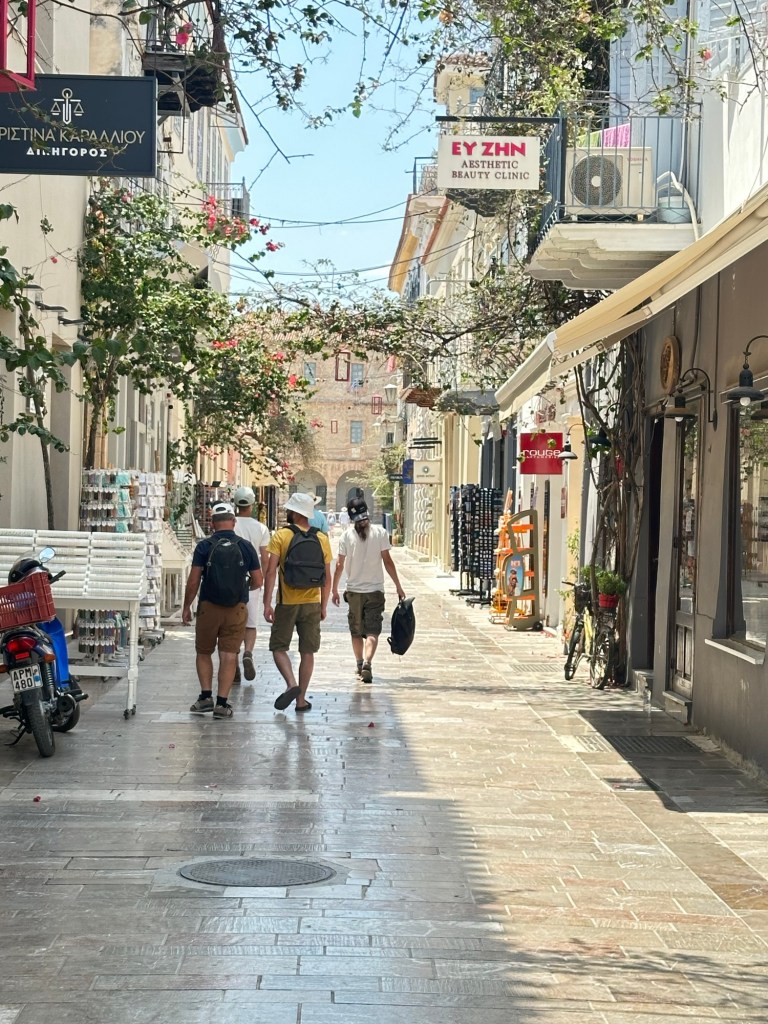
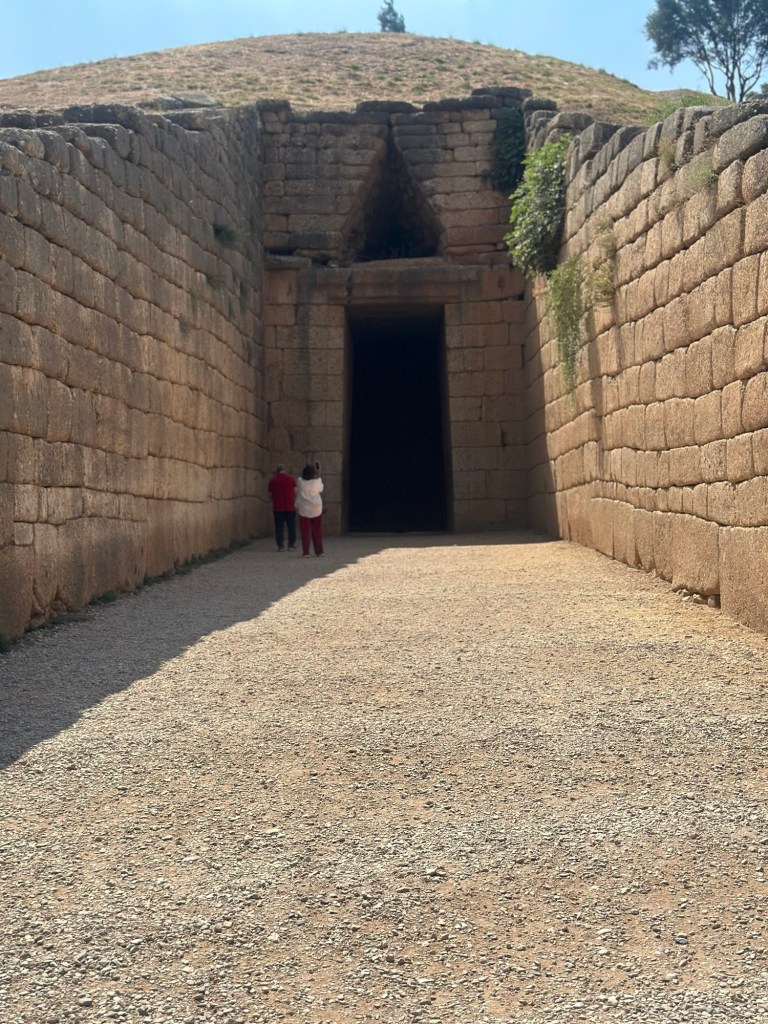
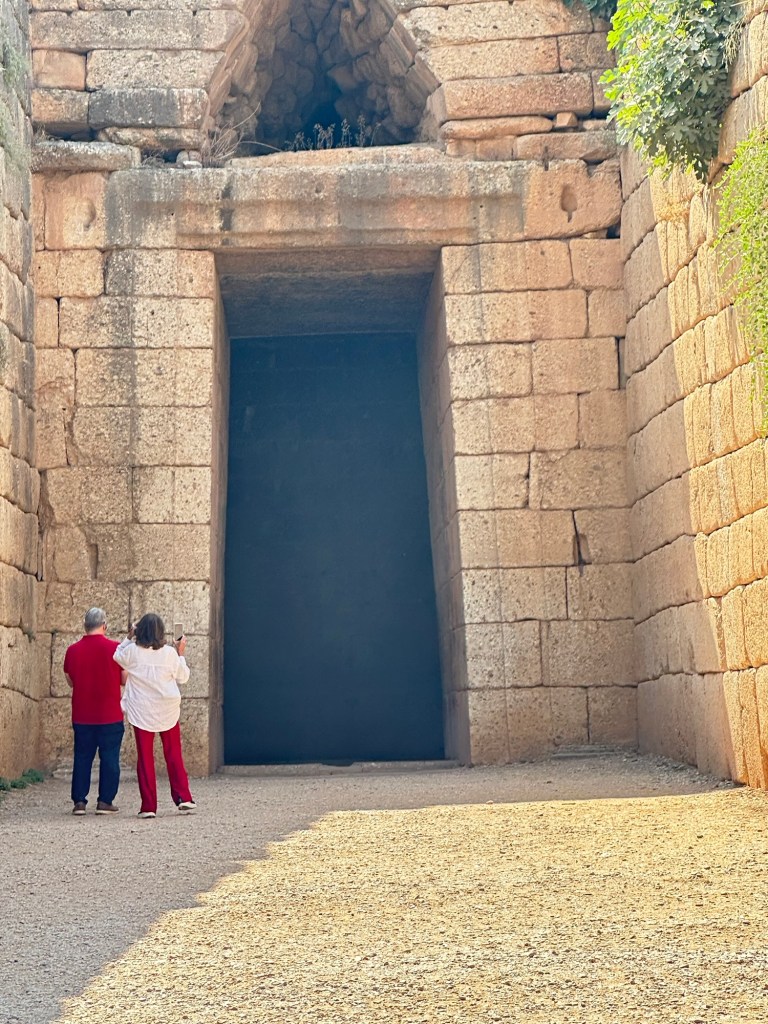
After a quick bite to eat in Nafplio, we drove a short distance to Mycenae, in the northeastern Peloponnese—one of the most important archaeological sites in Greece, steeped in myth and the early history of Ancient Greece. Our first stop was the imposing Treasury of Atreus, also known as the Tomb of Agamemnon, a monumental tholos tomb dating to around 1250 BCE. Though neither Atreus nor Agamemnon was actually buried here—those names are mythological—the scale and craftsmanship of the tomb reflect the immense wealth and power of the Mycenaean elite.
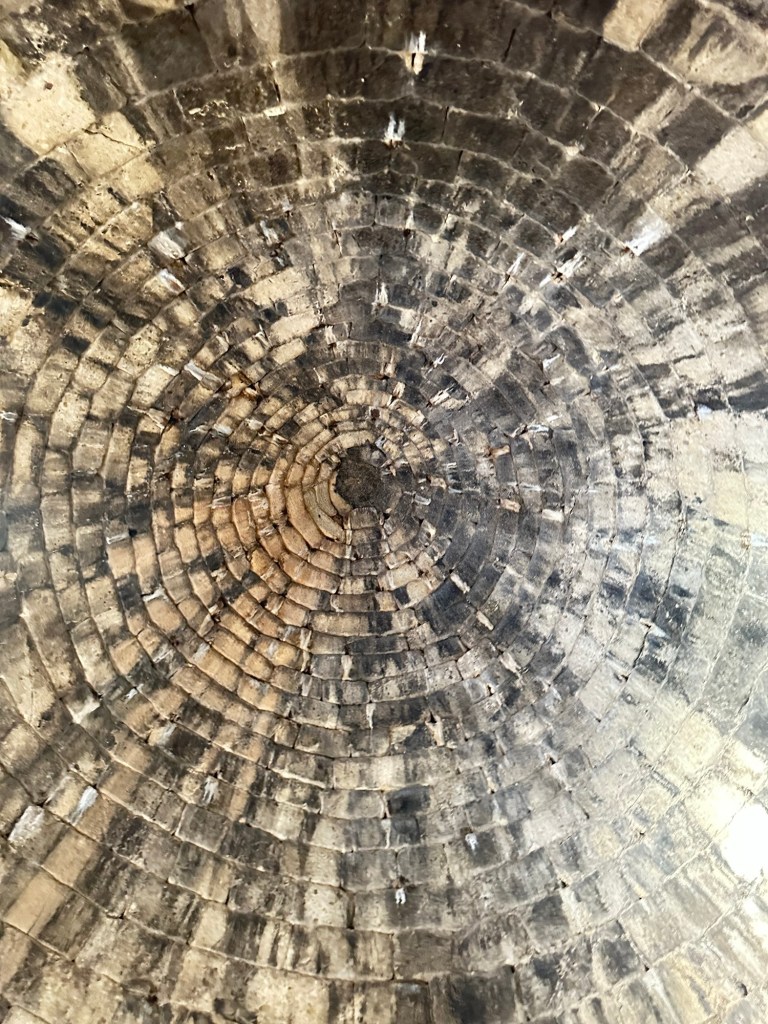
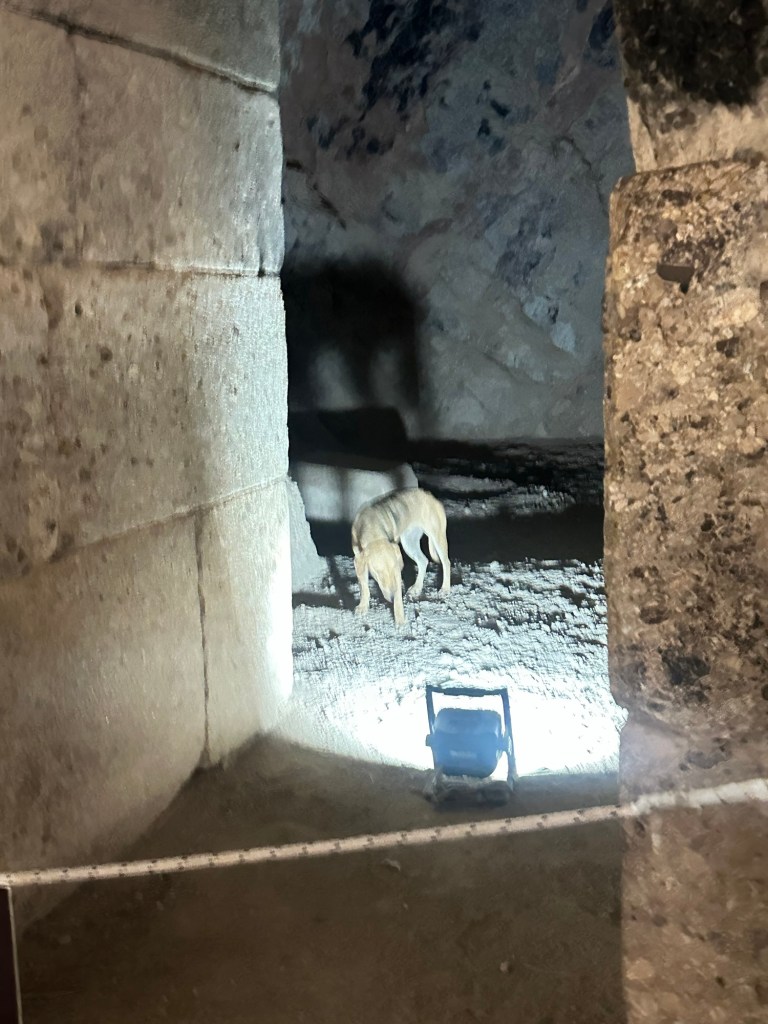
The towering tomb is carved into the hillside, its massive stone passage leading to a dark, monumental doorway—an entrance fit for myth. Inside, the beehive-shaped dome rises nearly 50 feet overhead, constructed without mortar, each stone precisely placed. Though long stripped of its treasures, the tomb still radiates power, silence, and the weight of a civilization that once ruled the Aegean. In one quiet area, a dog has made its home—cared for by the staff who watch over this ancient place.


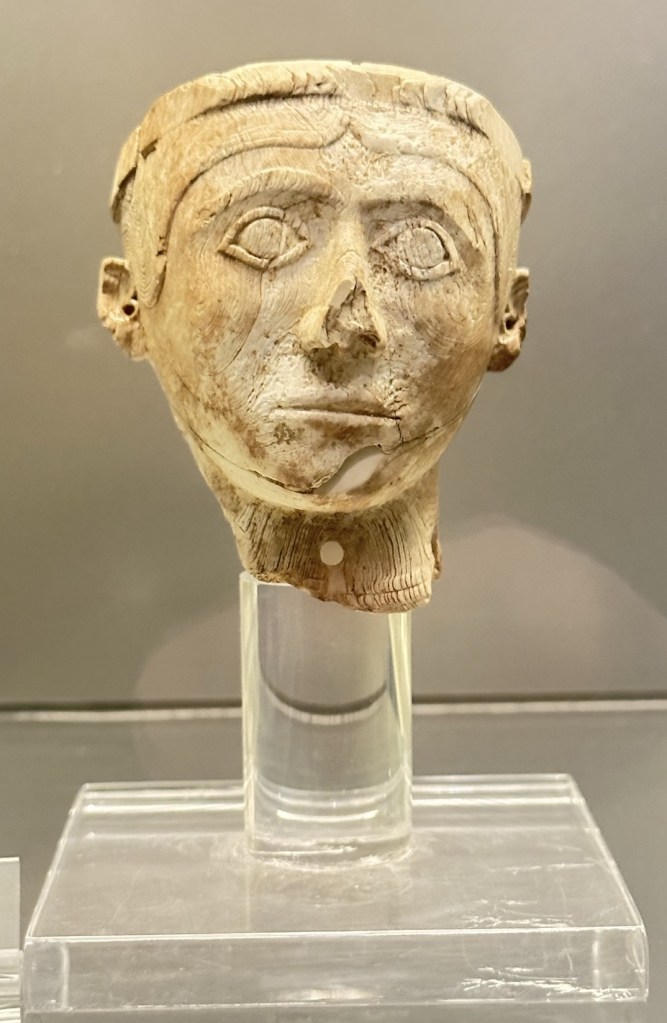
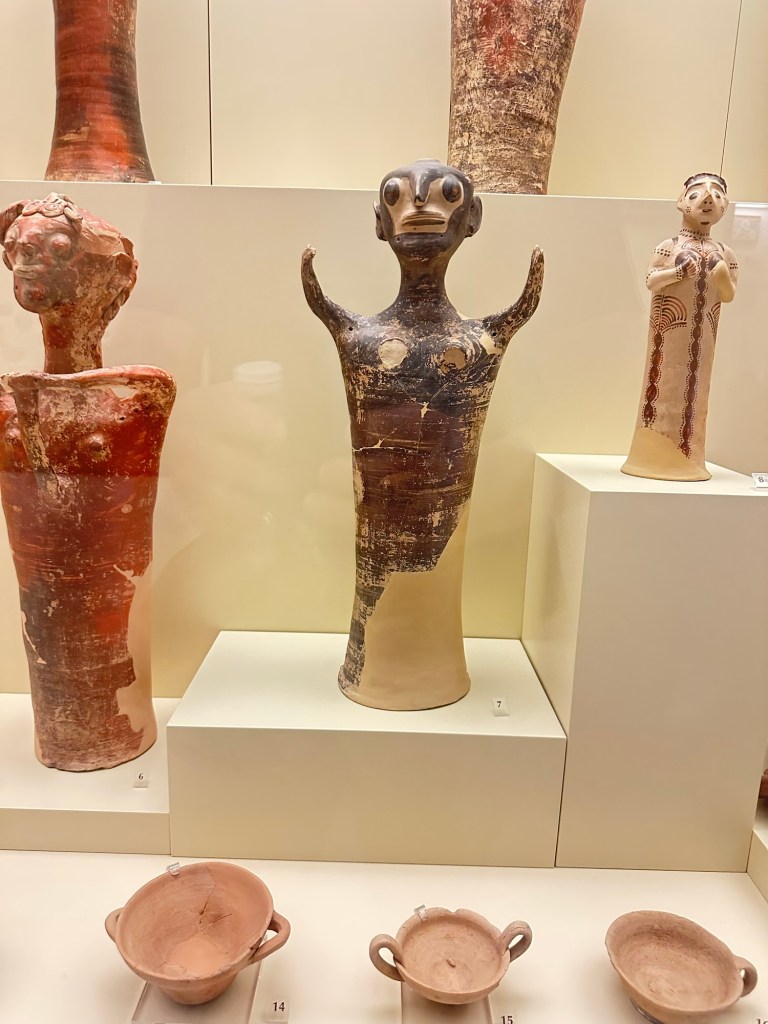
We then moved on across the street to Mycenae Archeology Museum, which holds ancient artifacts from the area.
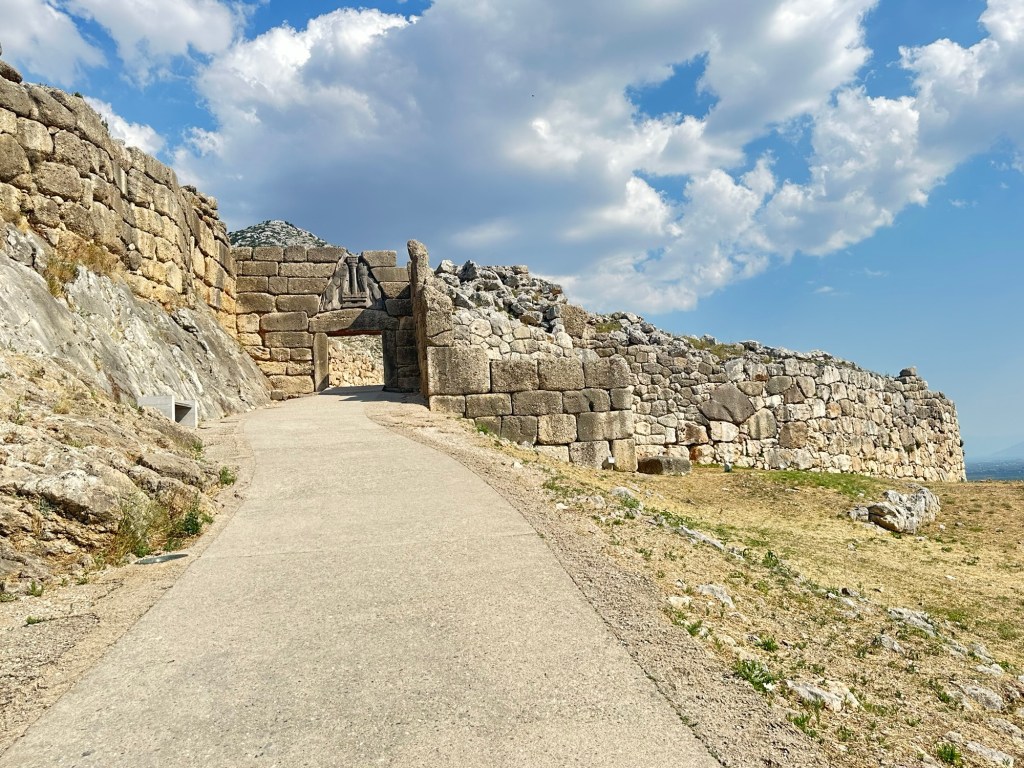
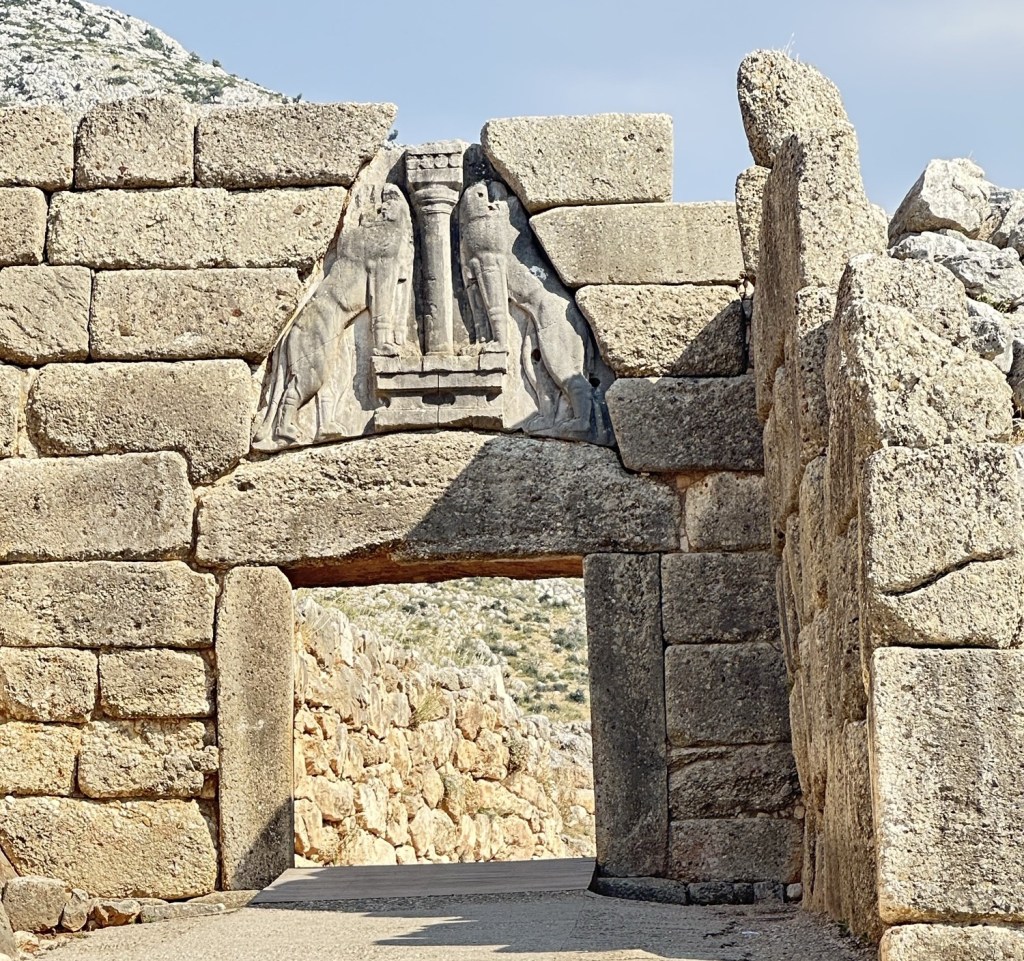
The Citadel of Mycenae, the fortified palace complex that served as the political and military center of Mycenae is located next to the museum. As we approached the outer walls of Citadel is one of the most iconic symbols of ancient Greece: the Lion Gate. Built around 1250 BCE, this monumental entrance once marked the main gateway to the citadel. Two lions—now weathered but unmistakable—stand in high relief above the lintel, flanking a column that likely symbolized divine or royal power. Notably, the Lions’ heads which were said to be made of gold are missing.
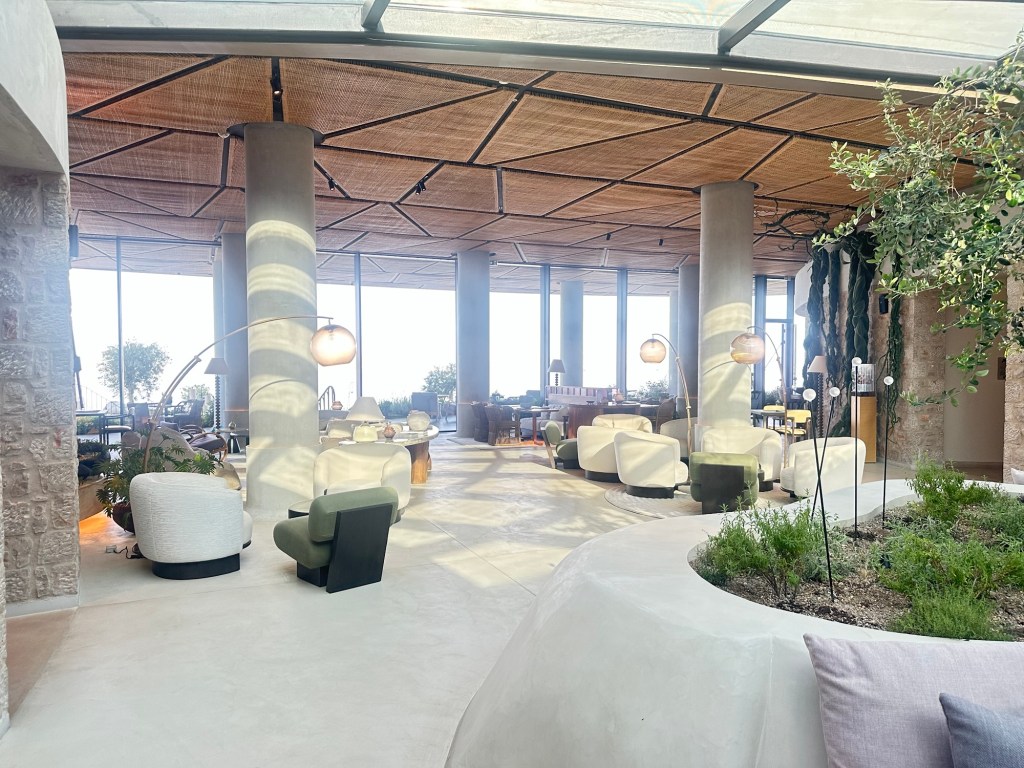
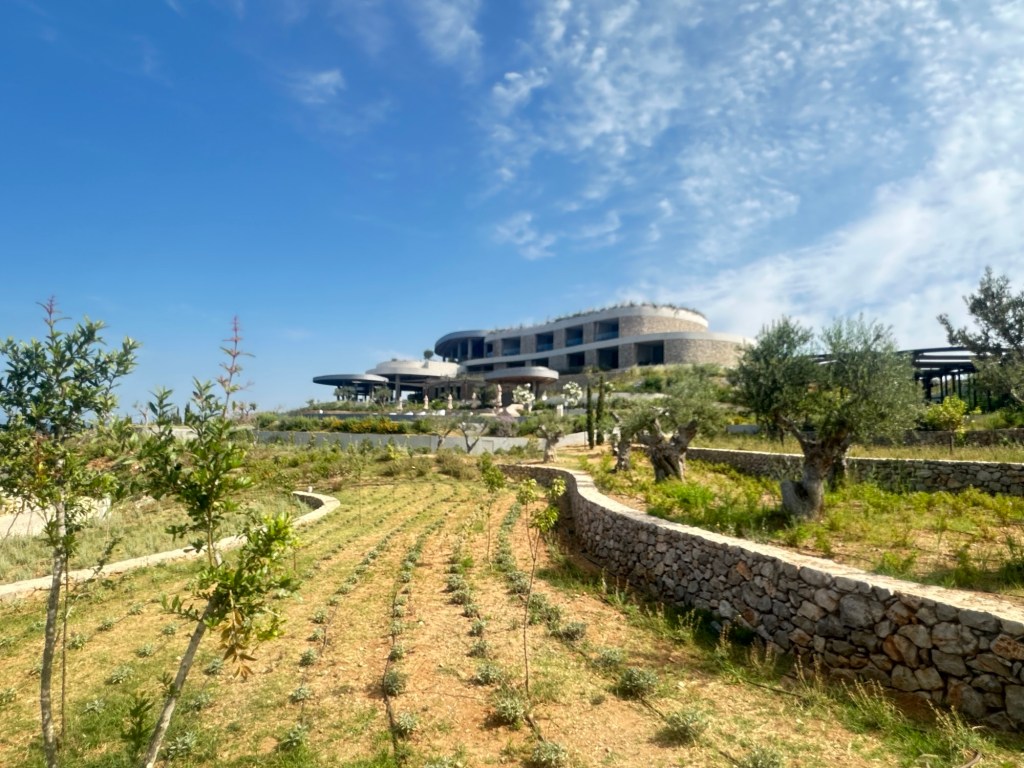
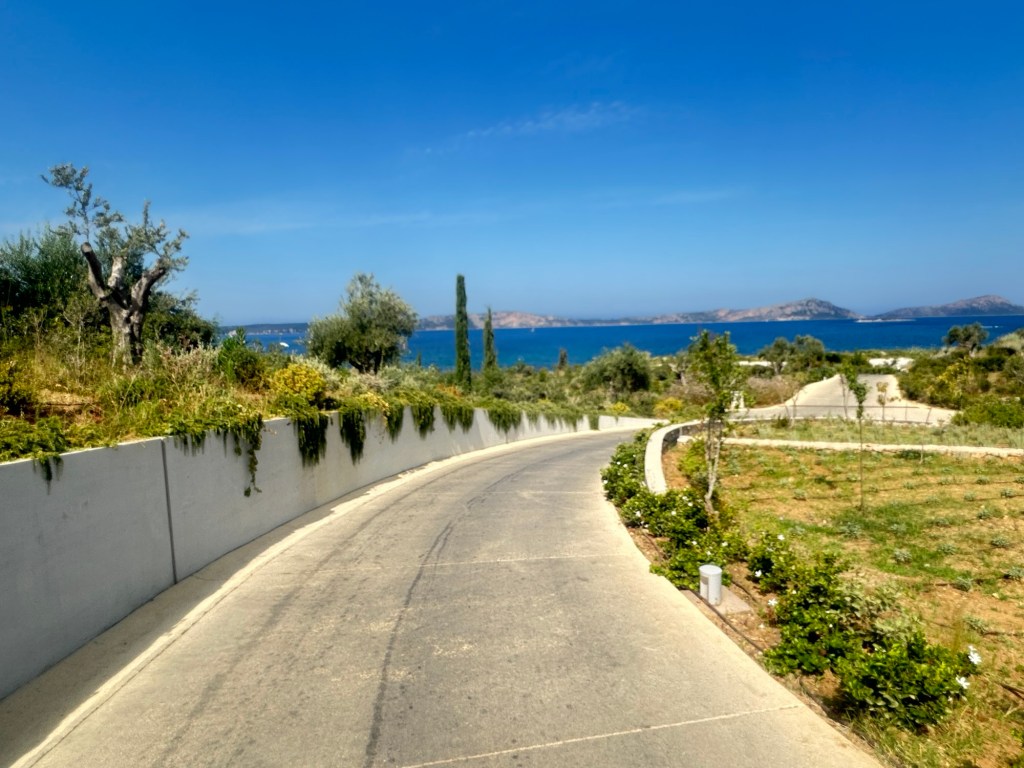
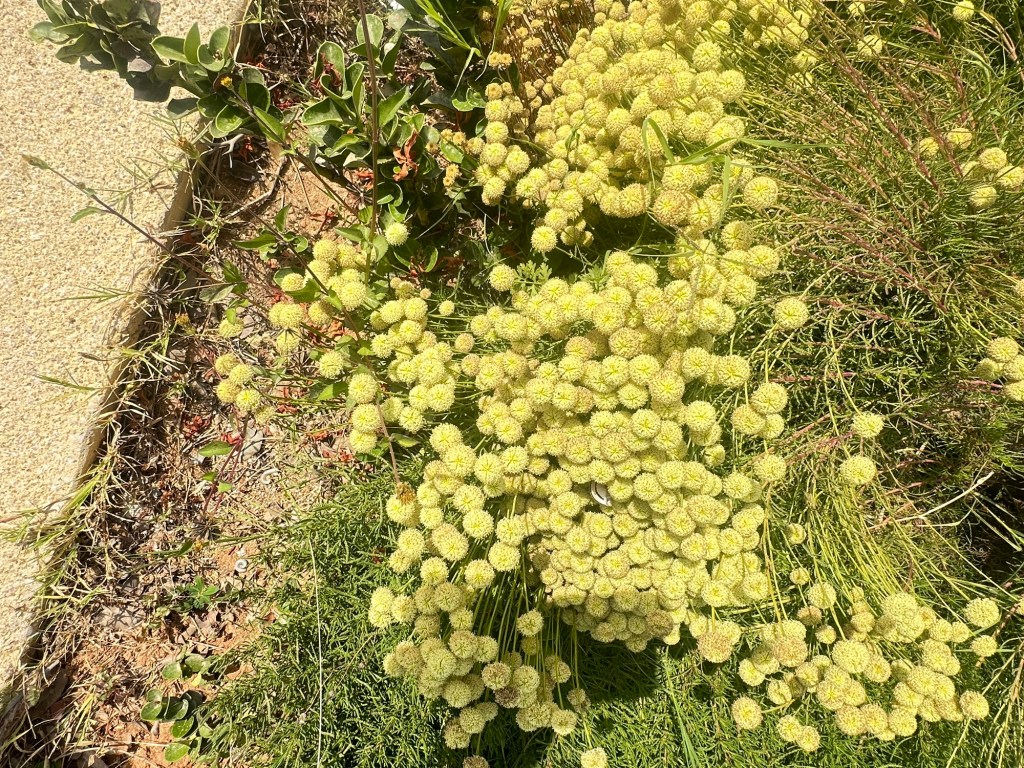
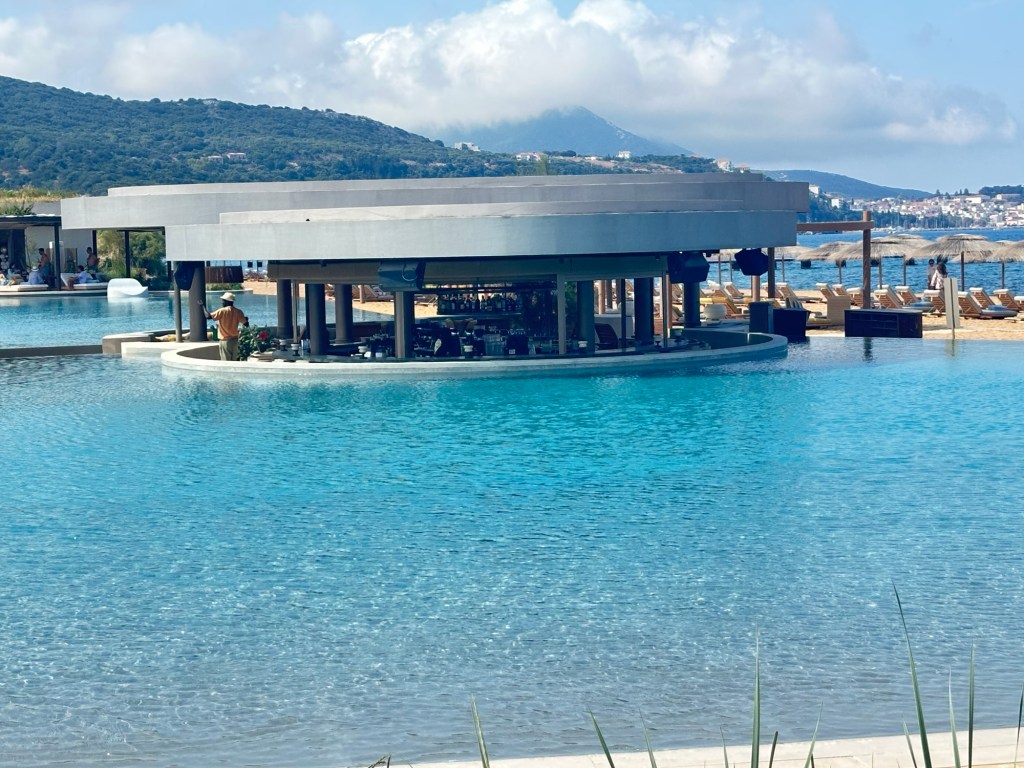
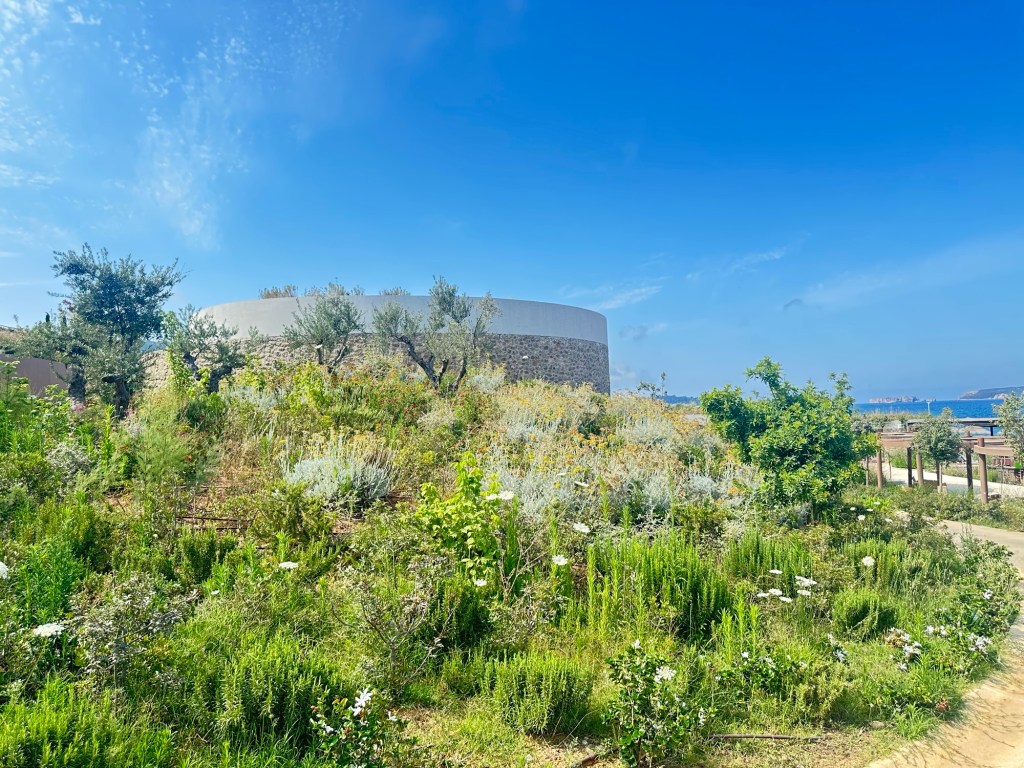
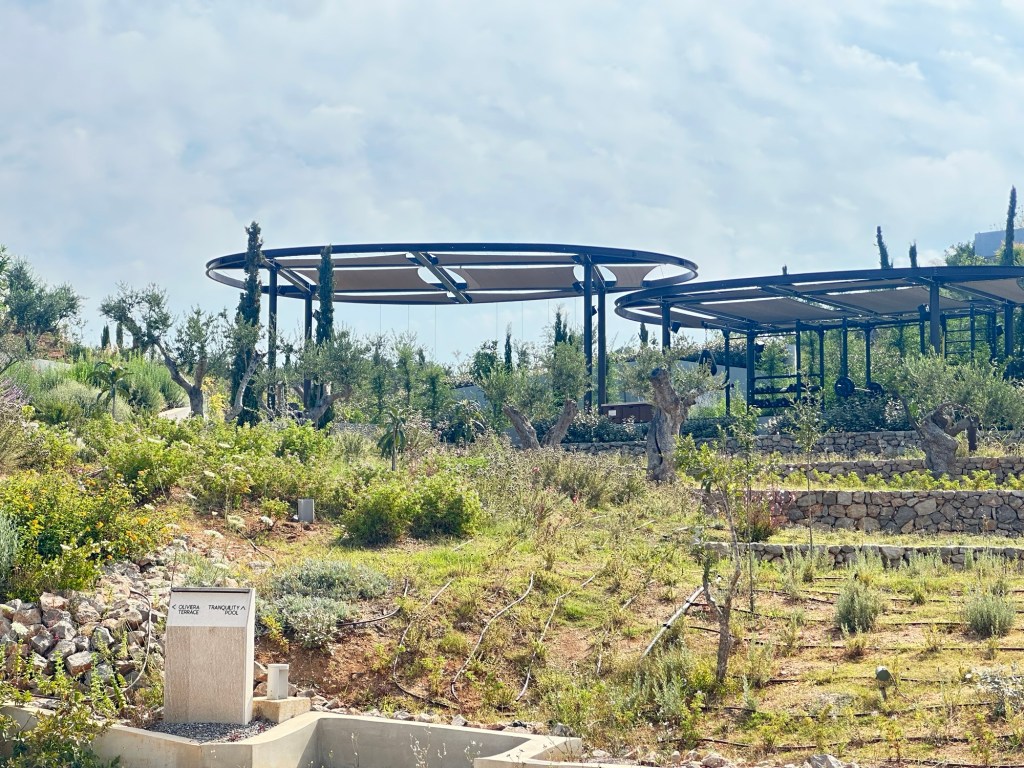
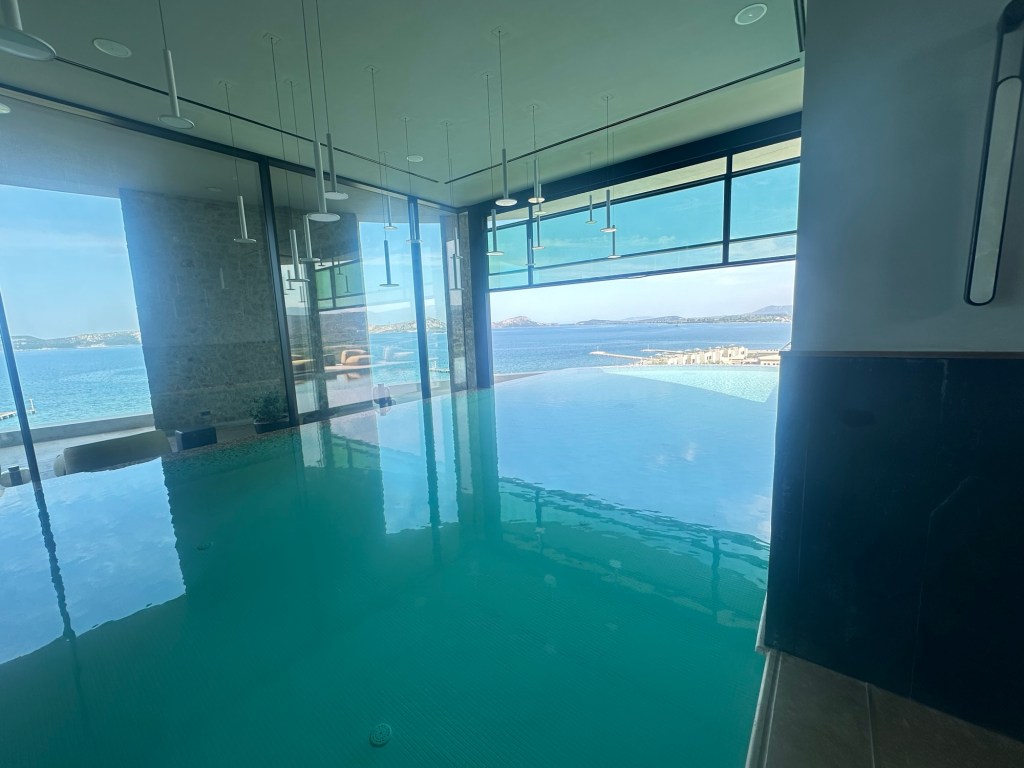
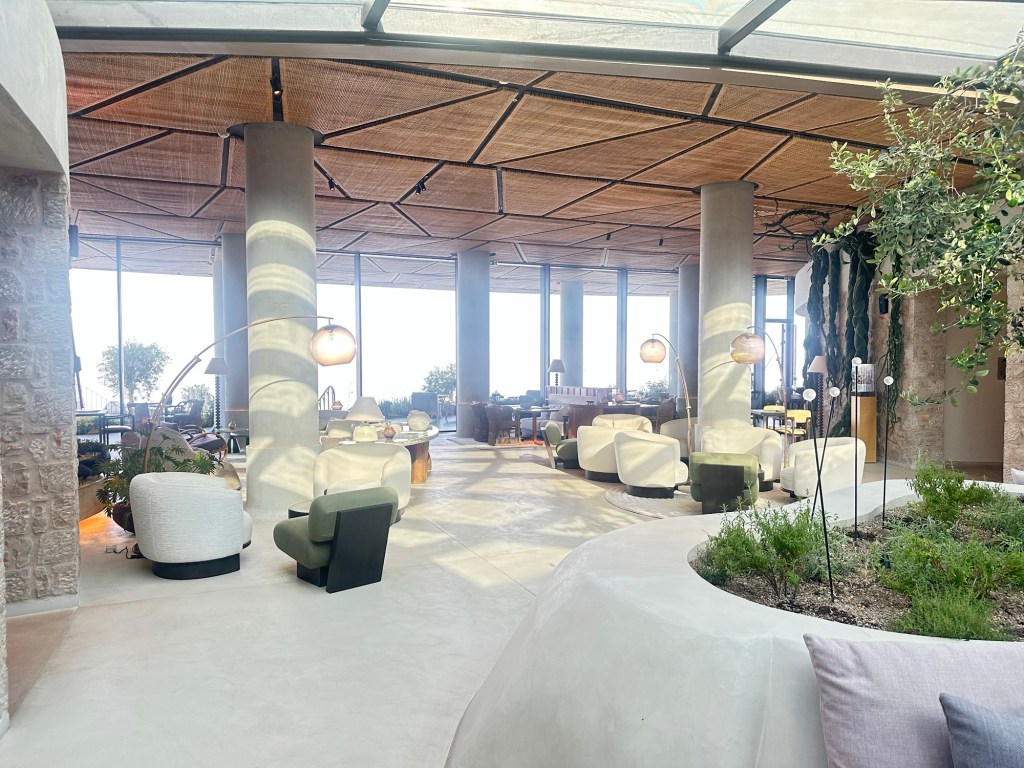
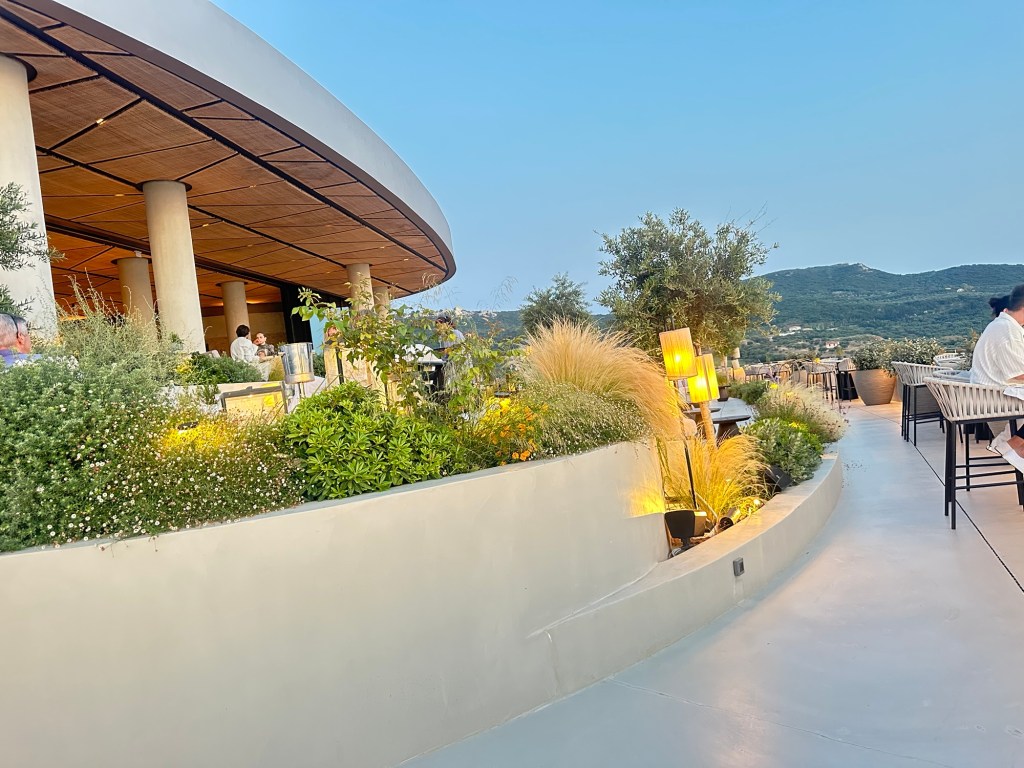
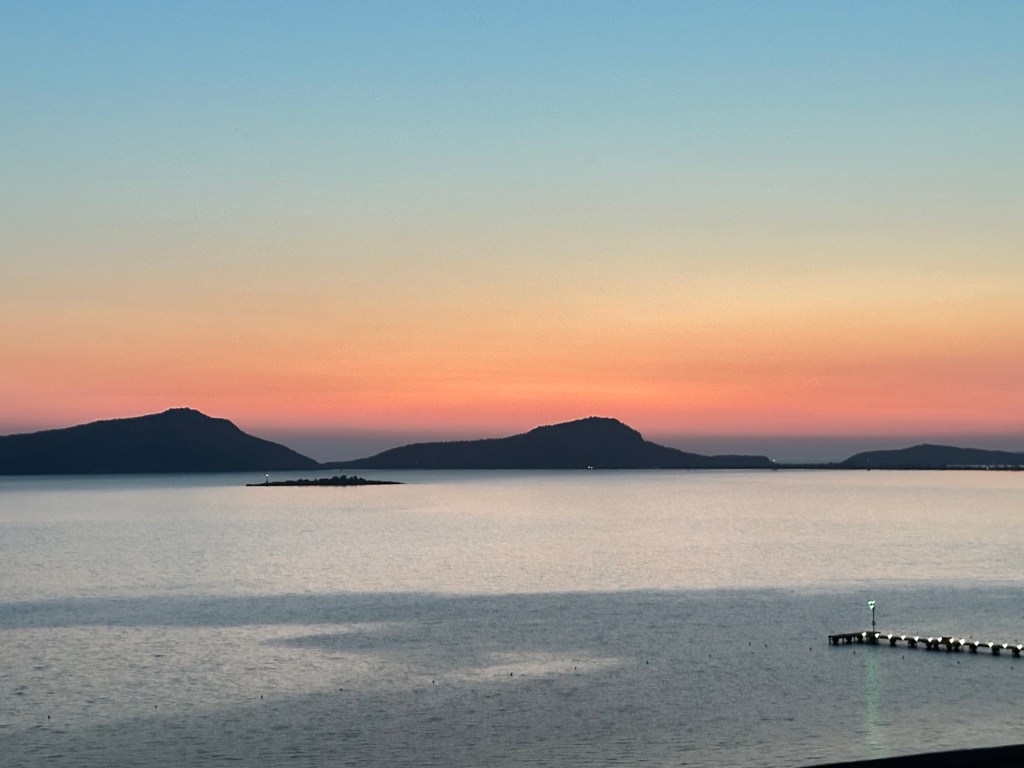
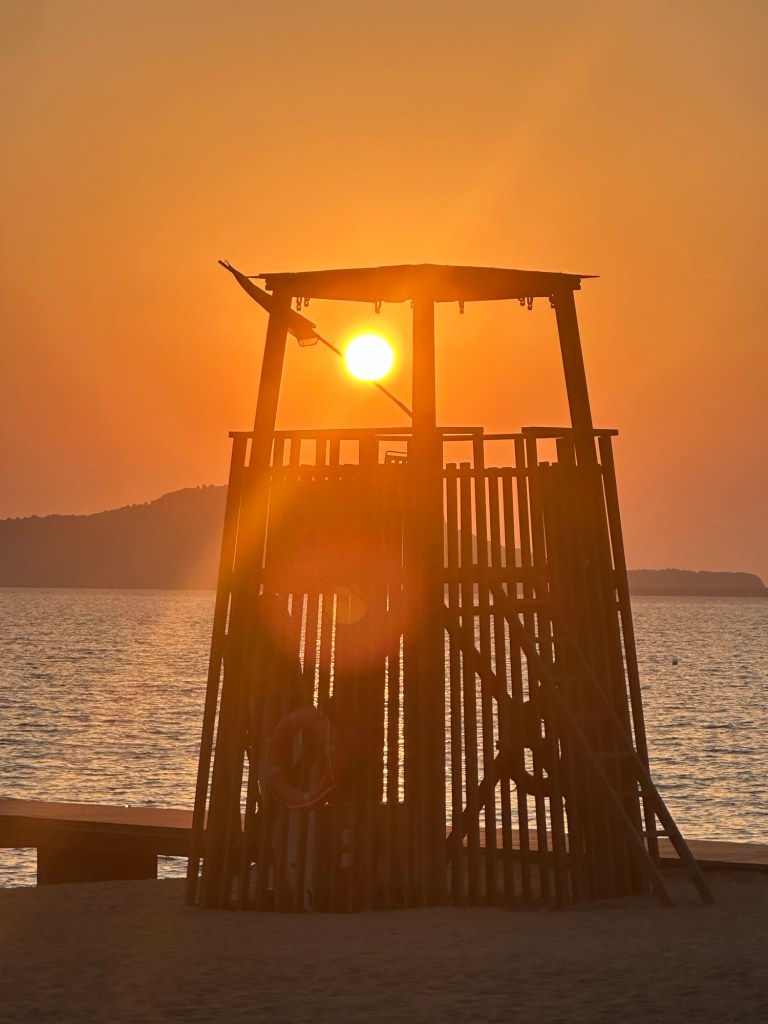
We said goodbye to Patoula and continued on with David to the Mandarin Oriental, Costa Navarino, a hotel resort tucked into the sun-drenched coastline, in the southwestern Peloponnese. Considered by many to be one of the top five hotels in the world, it’s a sanctuary of understated luxury, Mediterranean calm, and world-class design. Built into a gentle hillside overlooking Navarino Bay, the resort blends effortlessly with its natural surroundings—ancient olive groves, rolling hills, and the shimmering Ionian Sea.
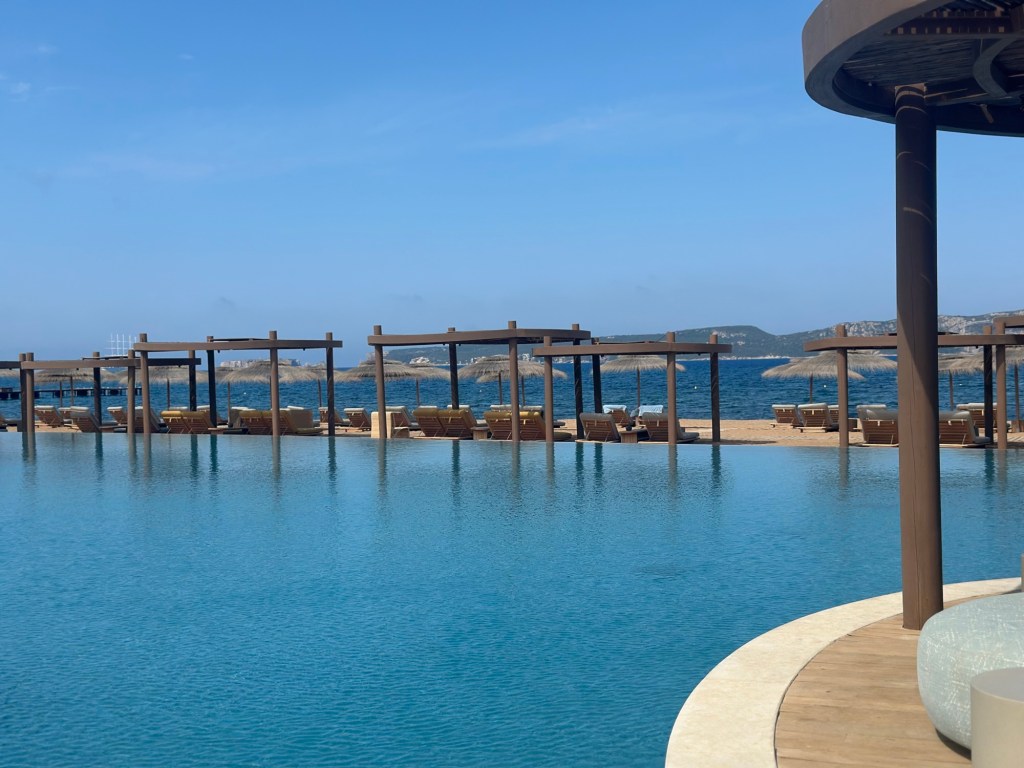

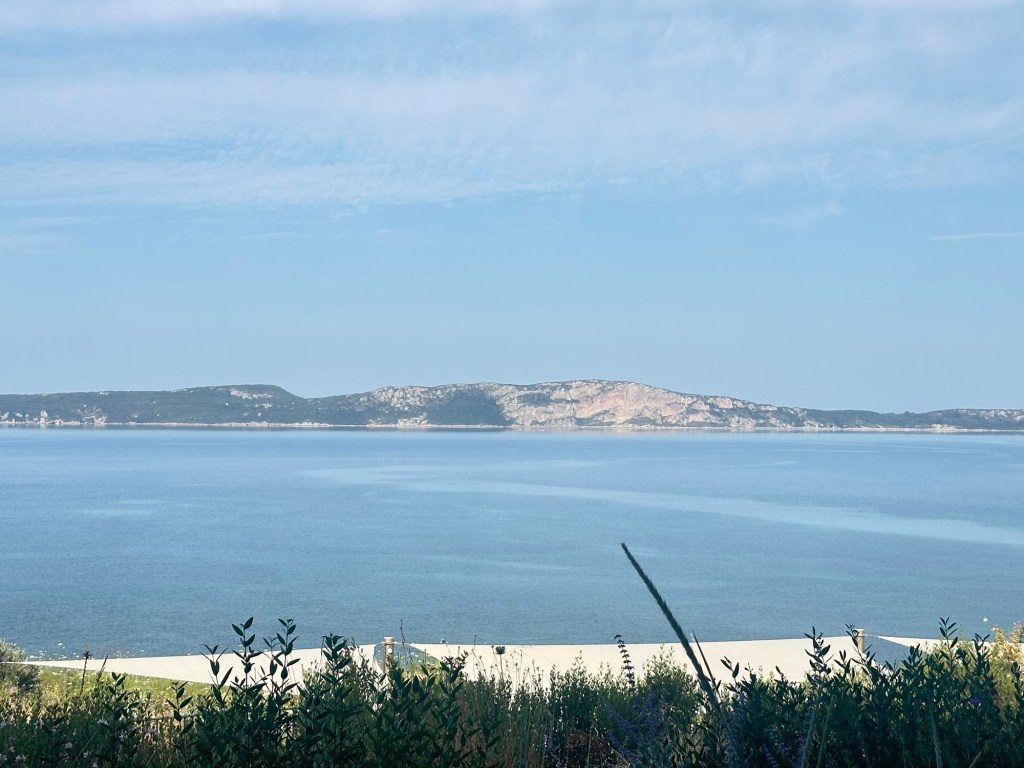
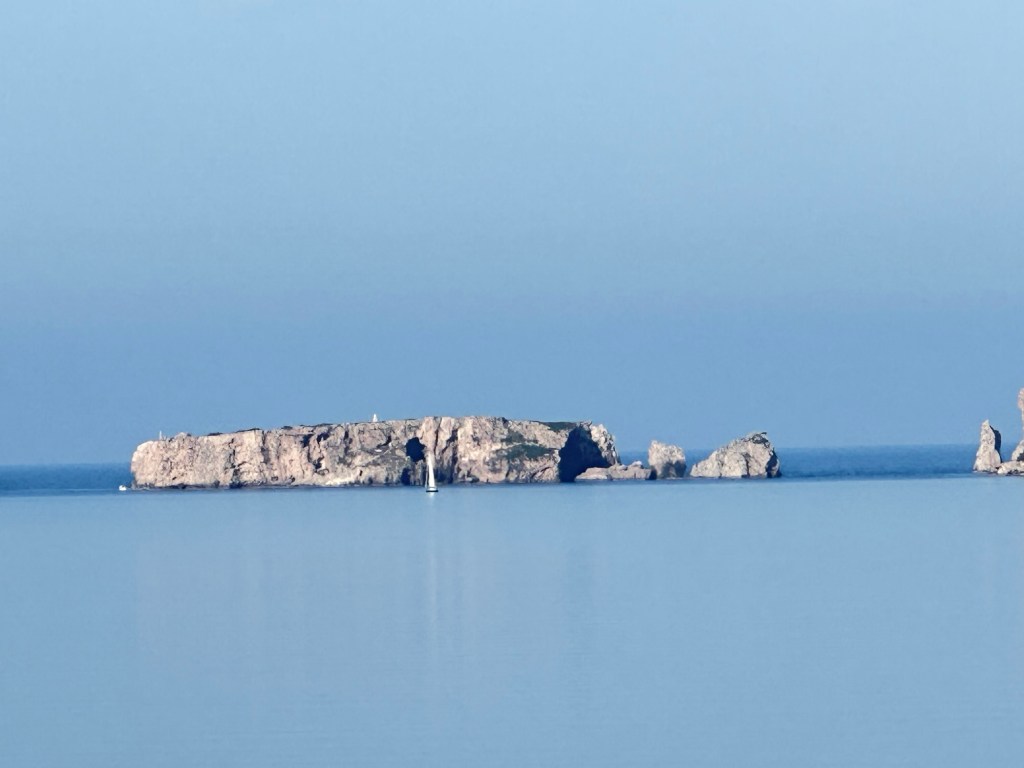
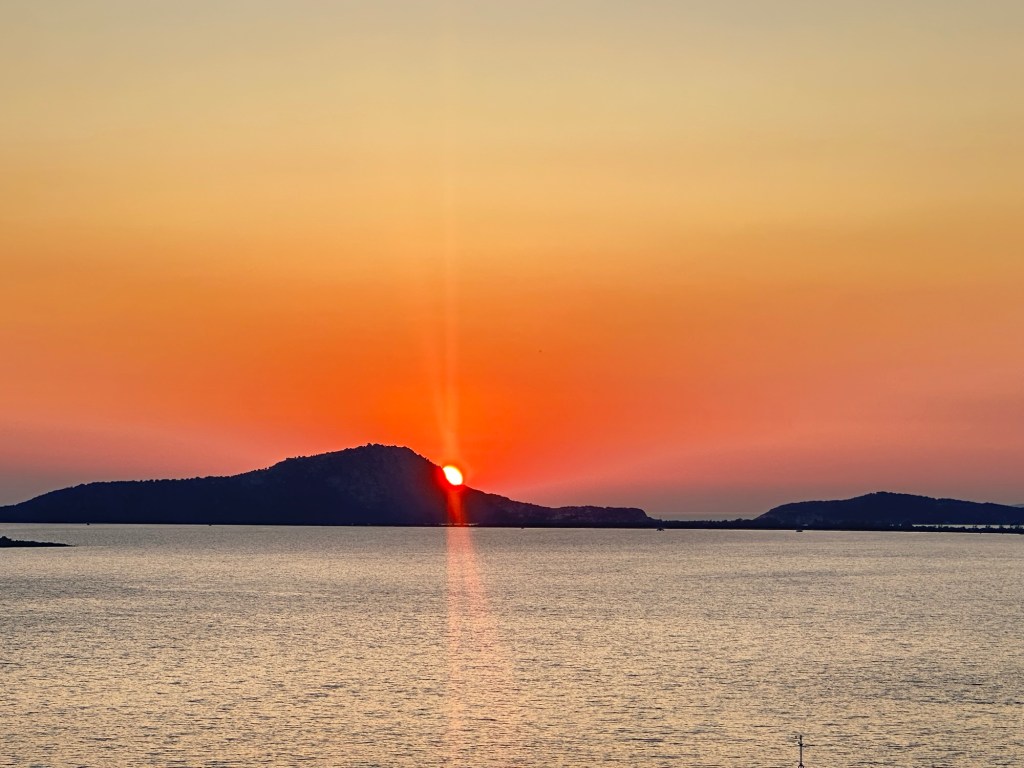
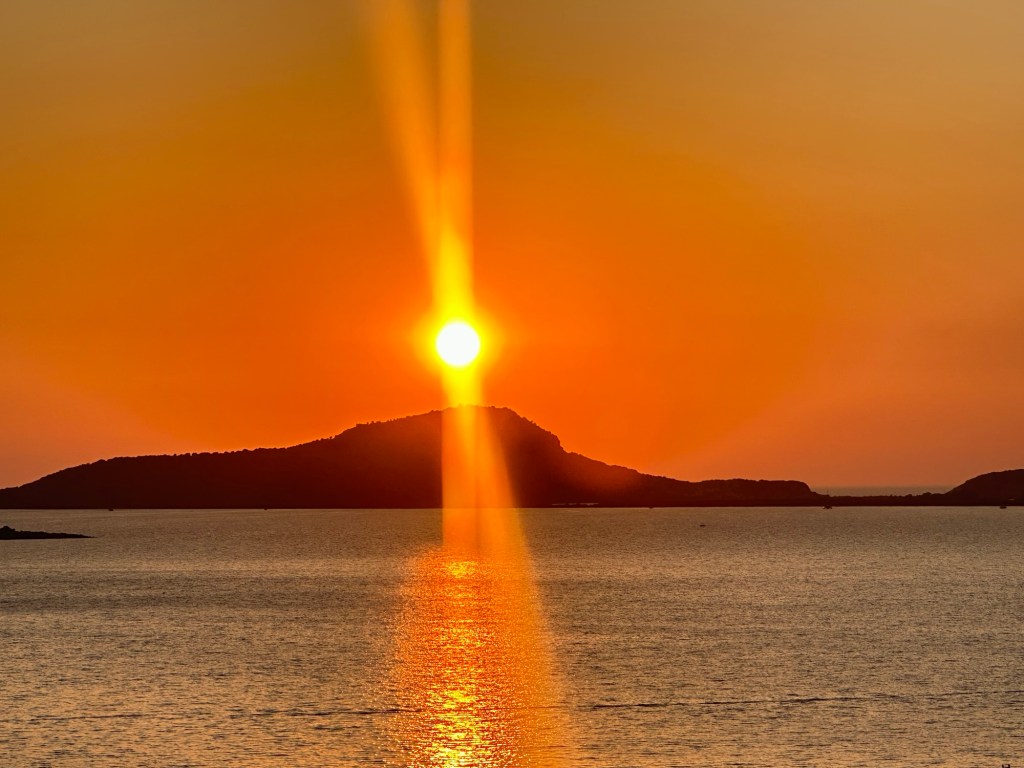
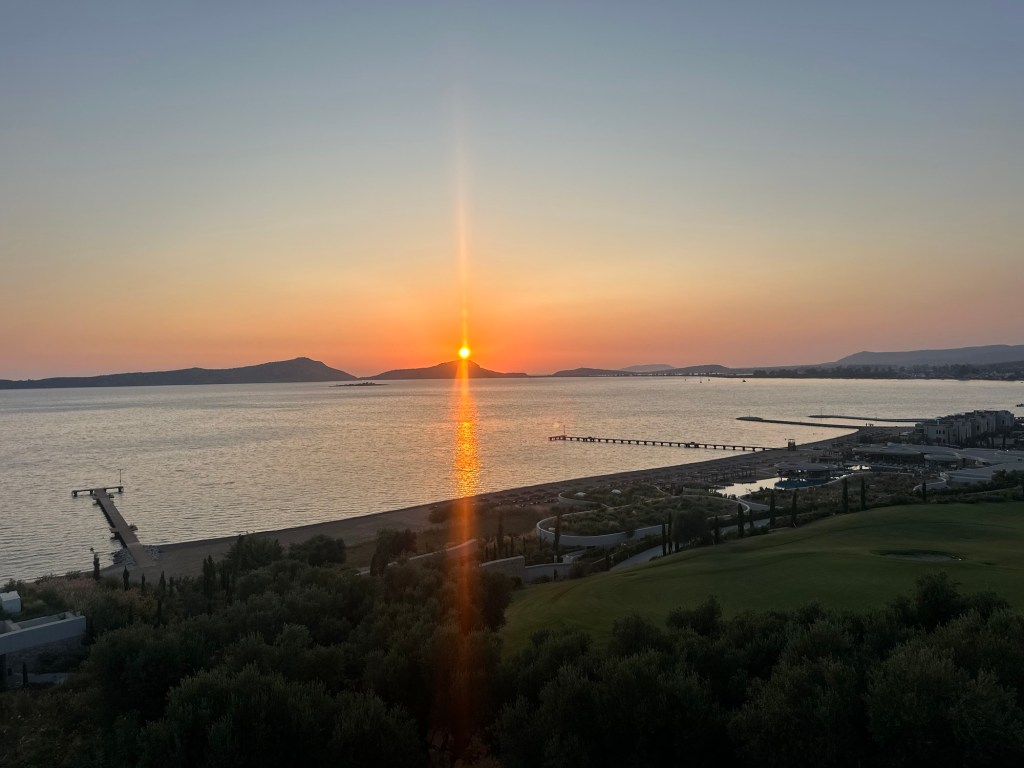
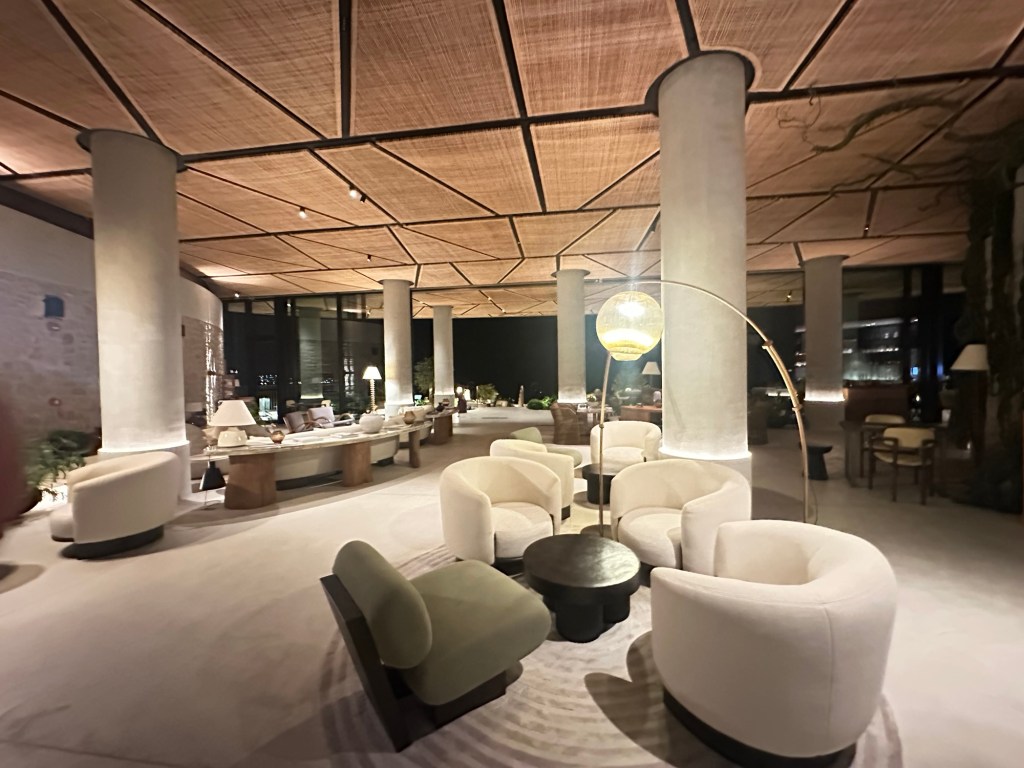
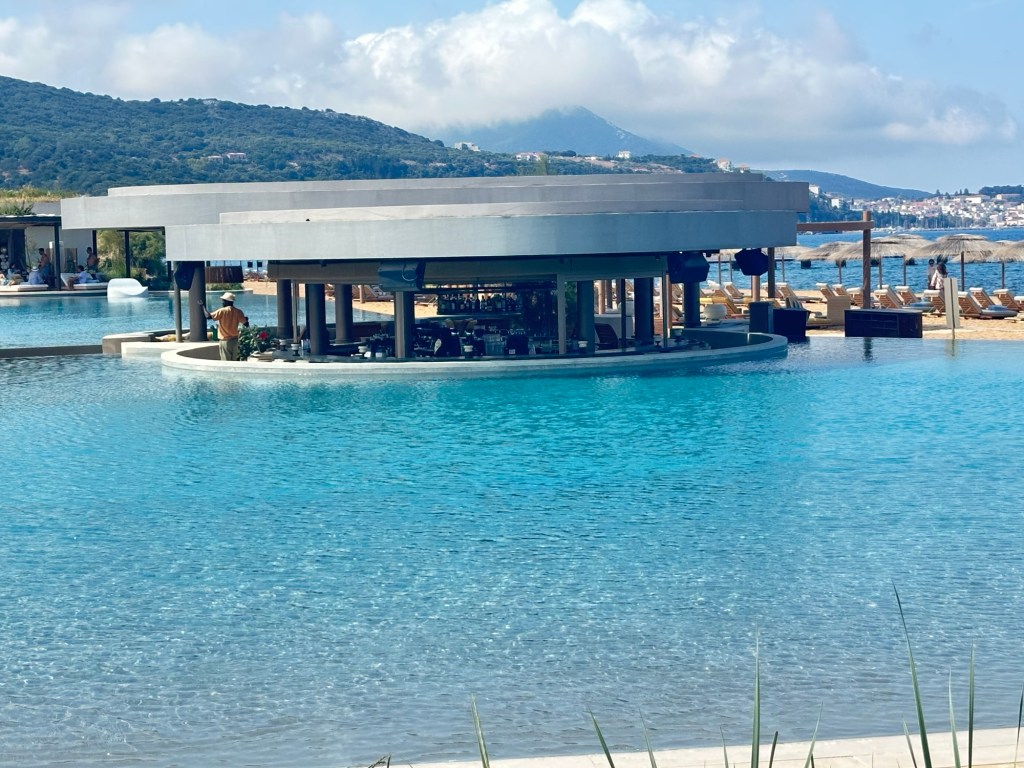
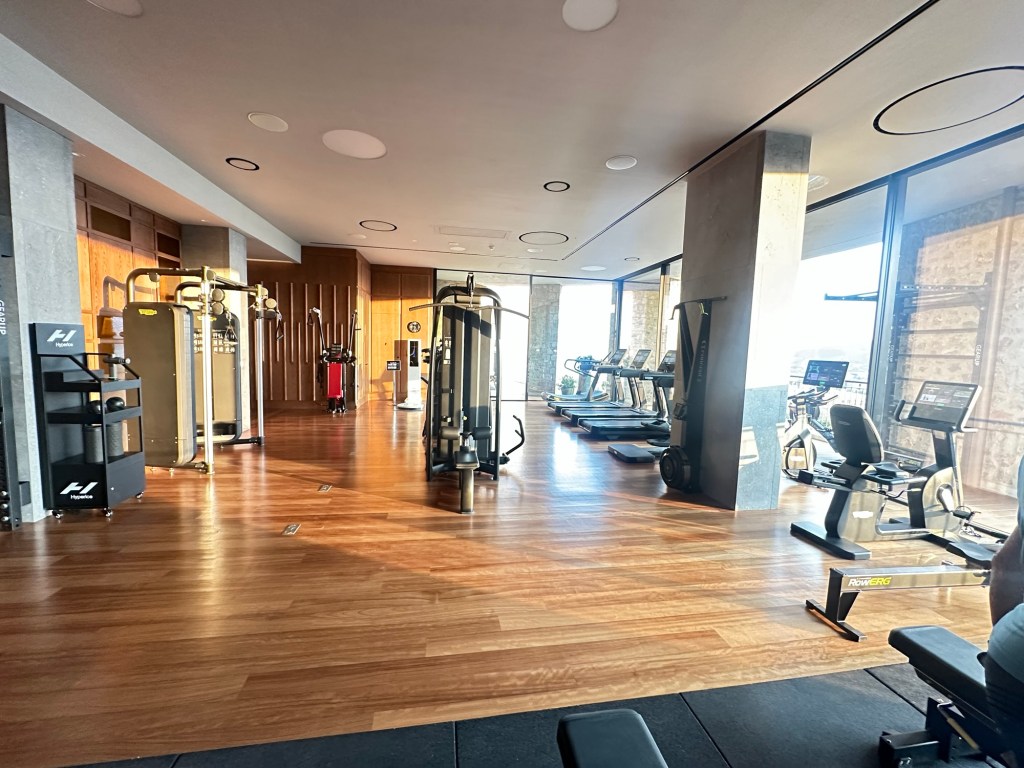
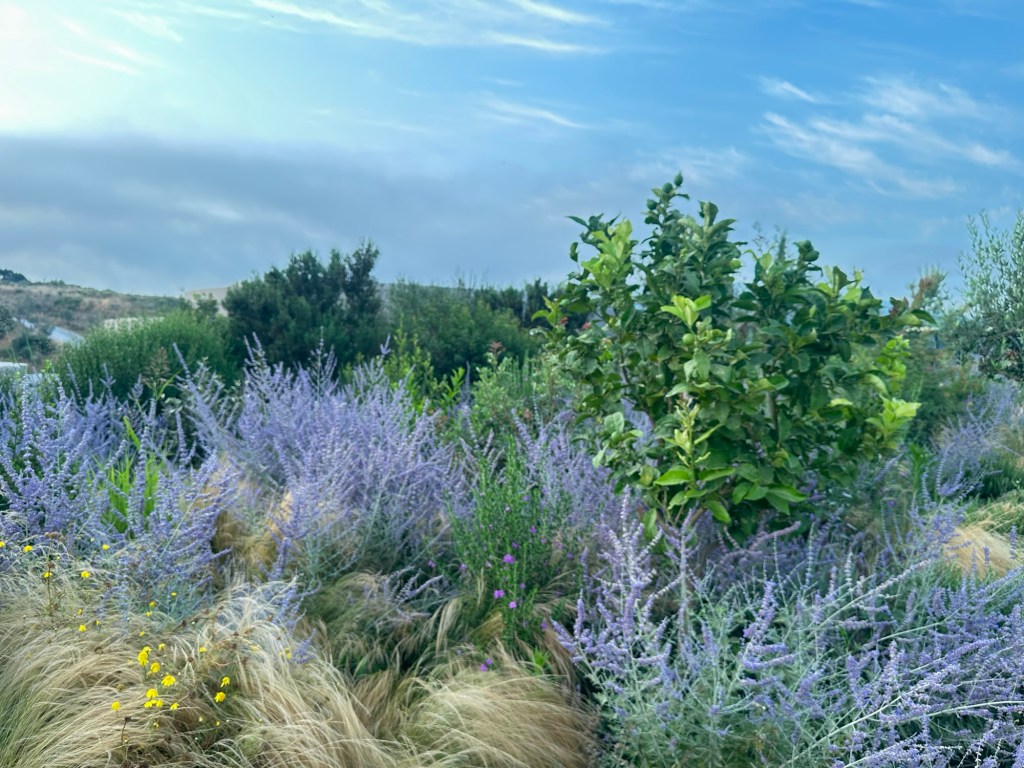
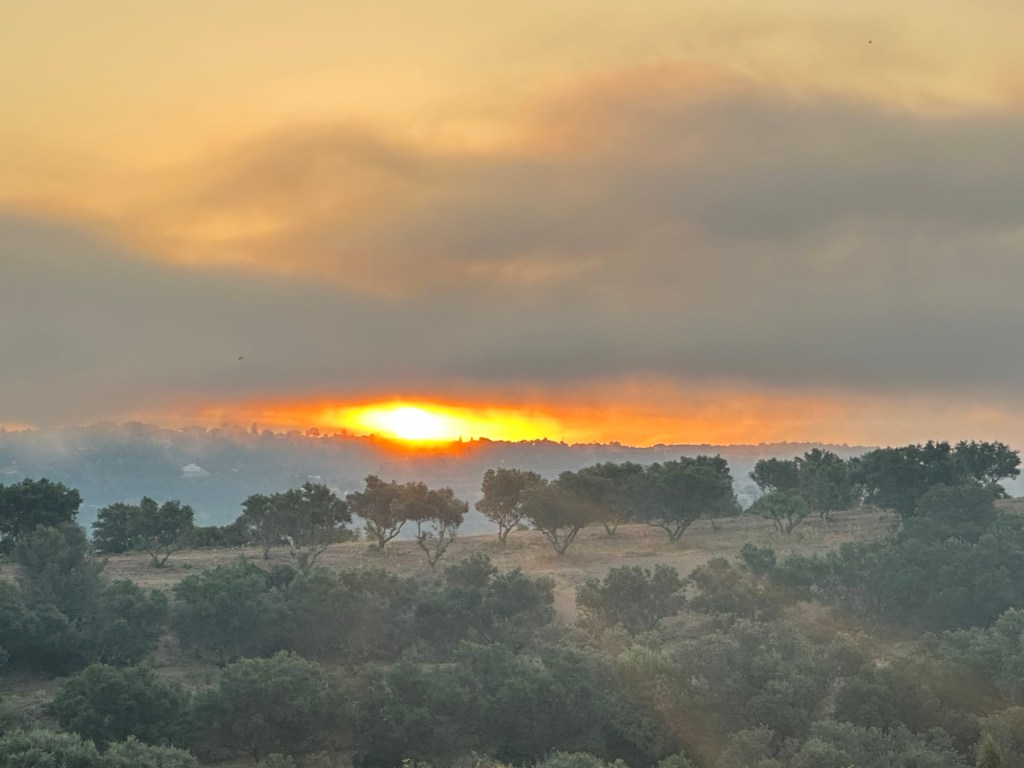
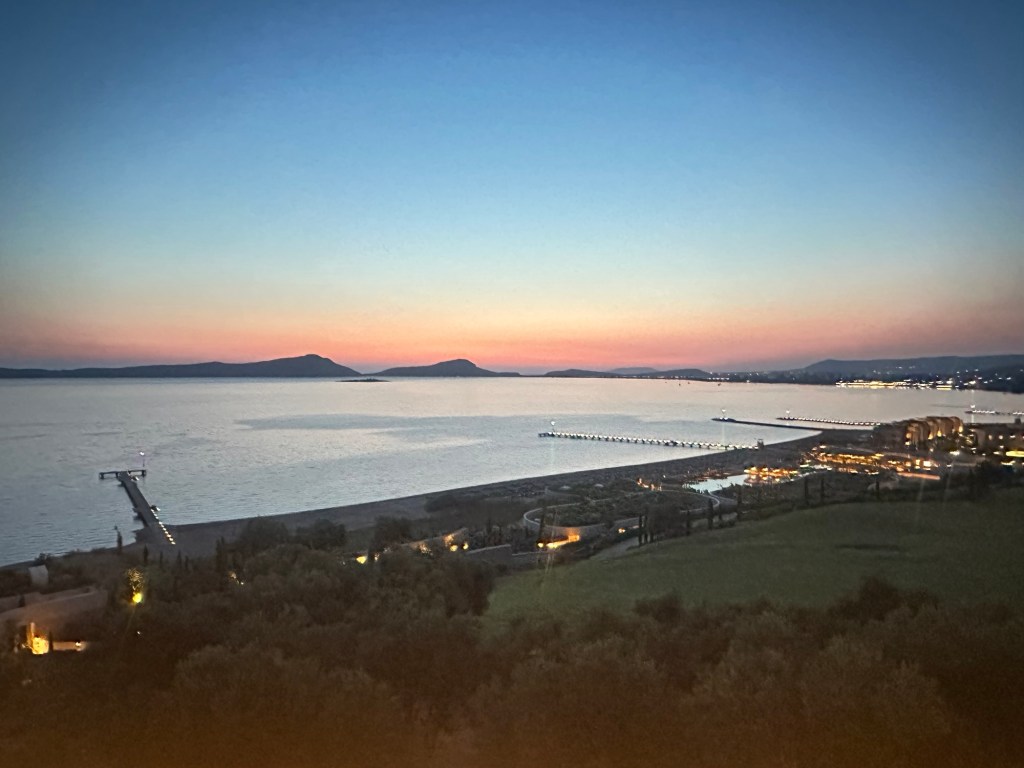
Every meal felt thoughtful, unhurried, and deeply connected to the land.


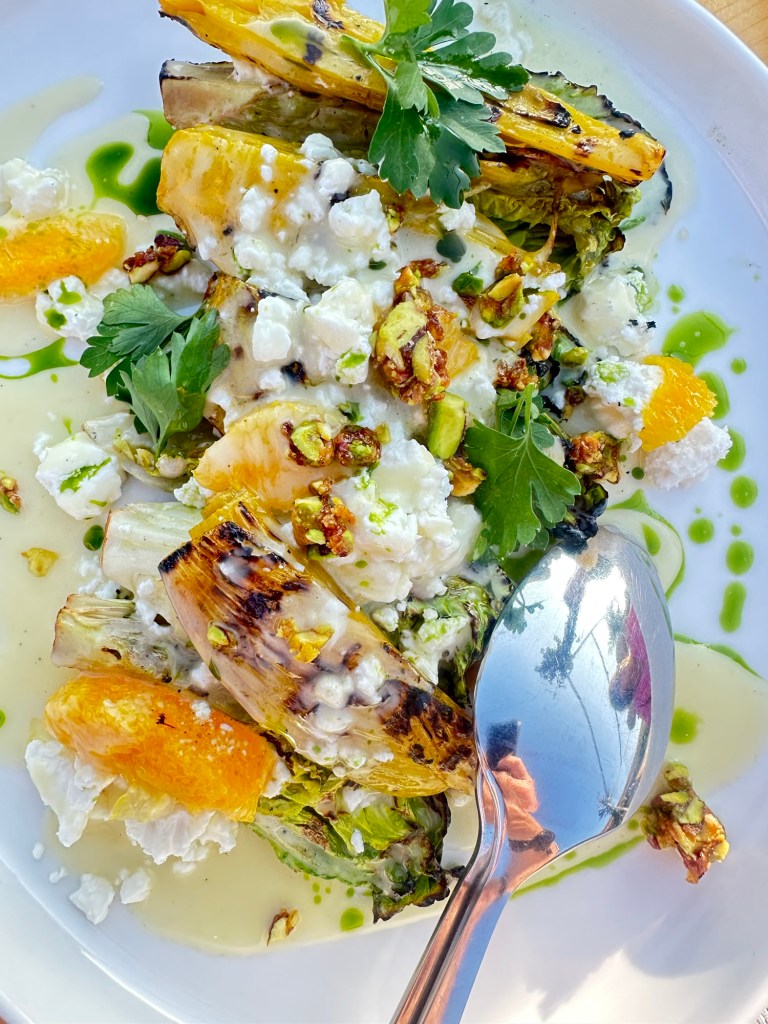
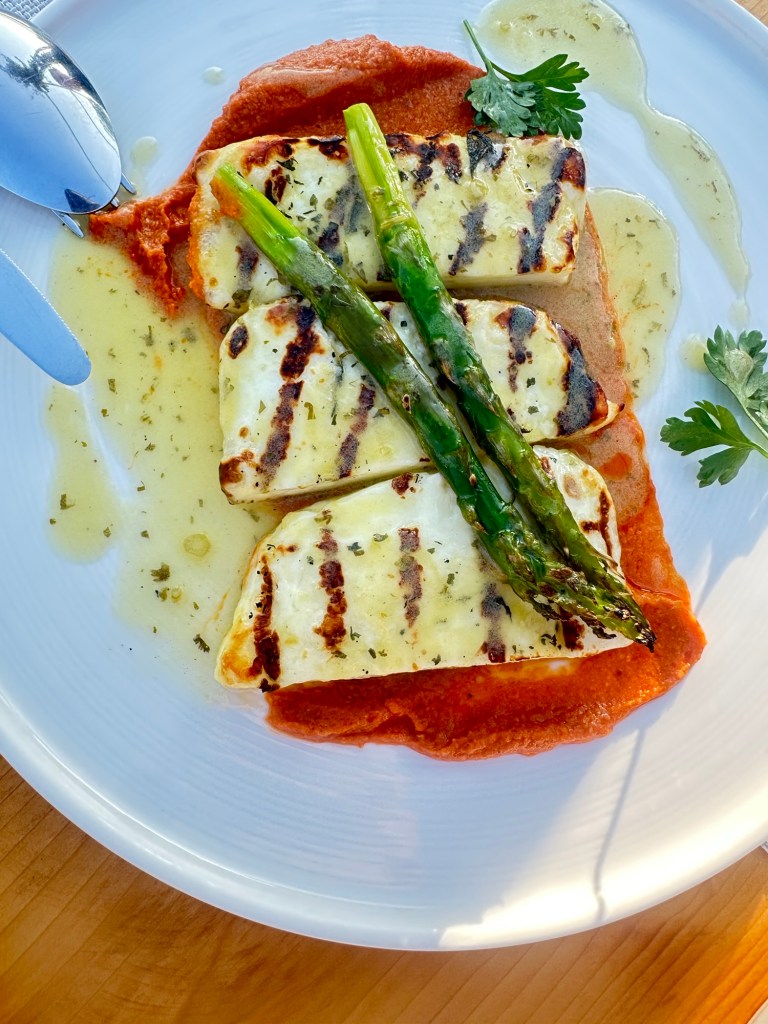
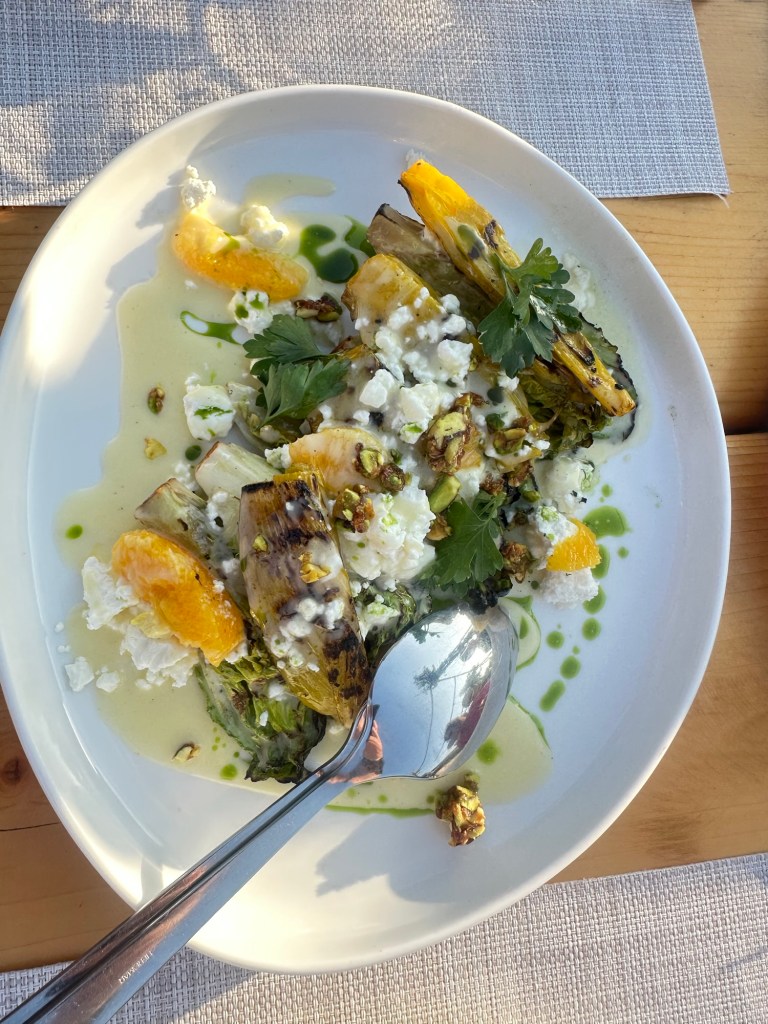
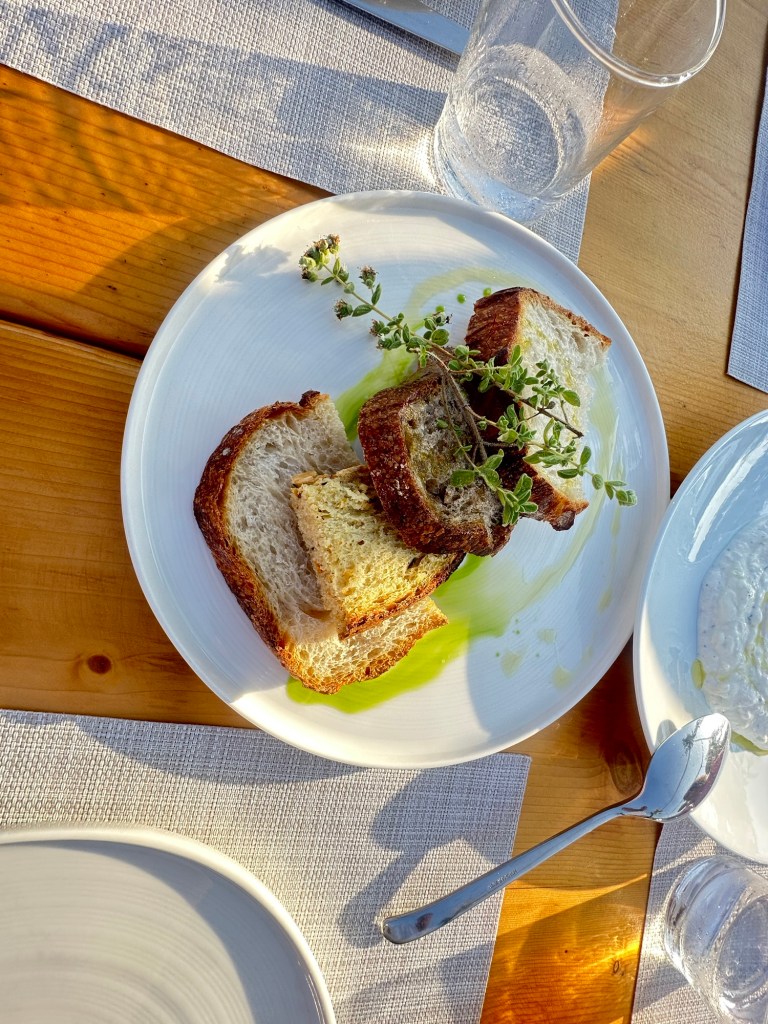
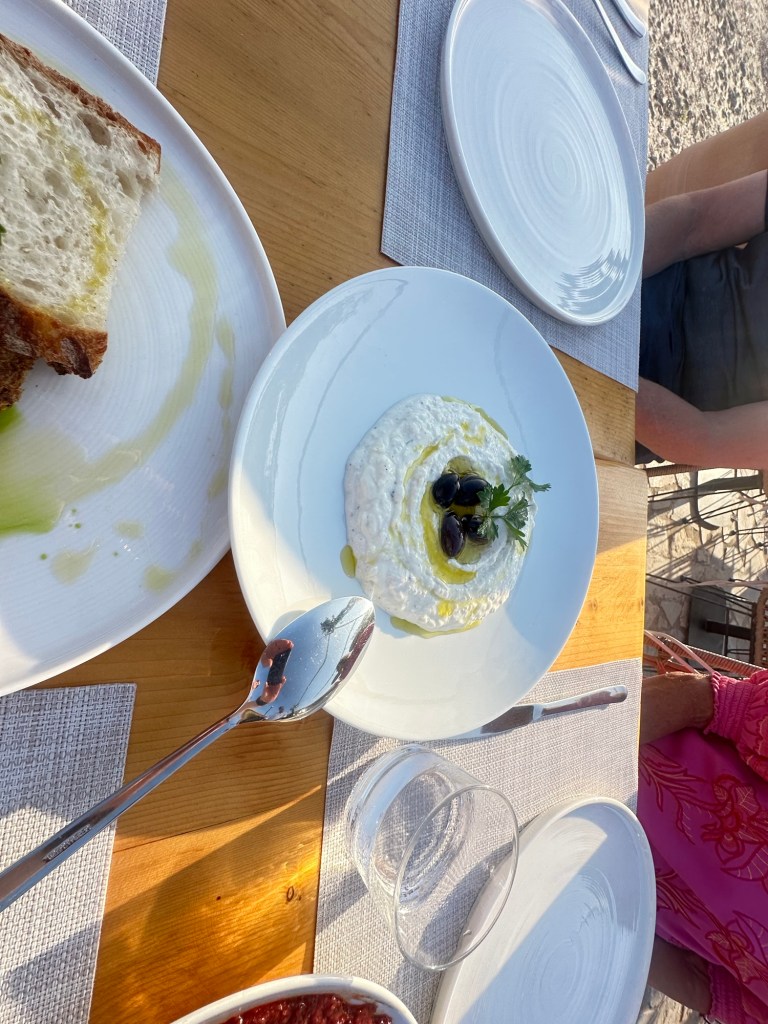
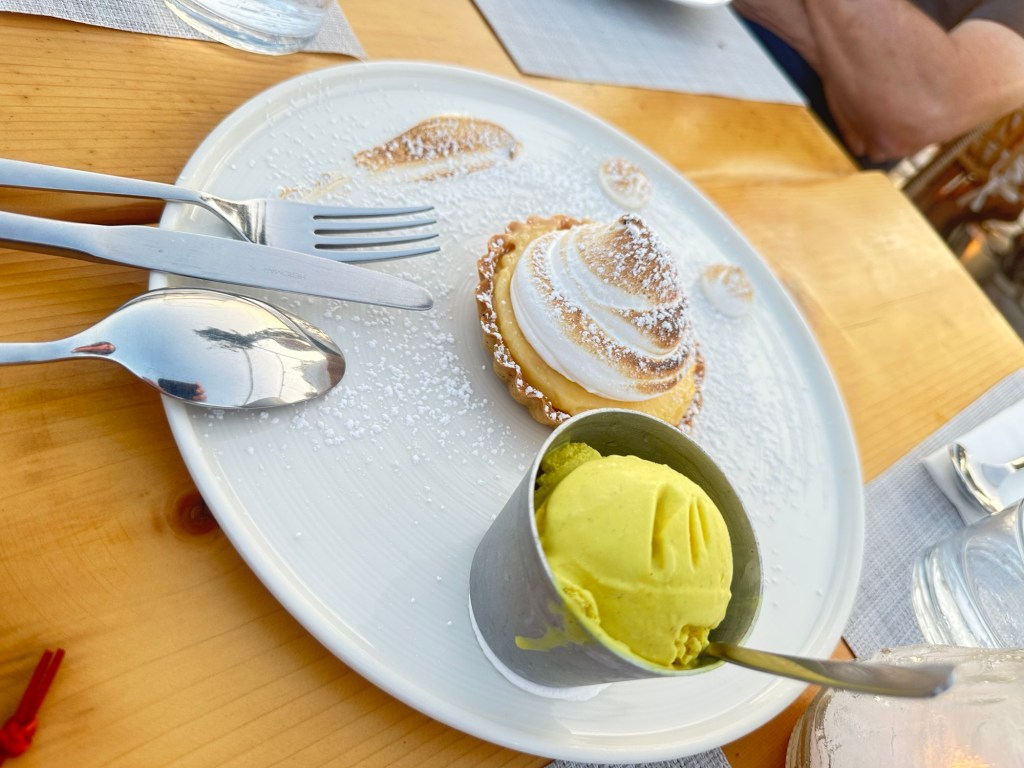
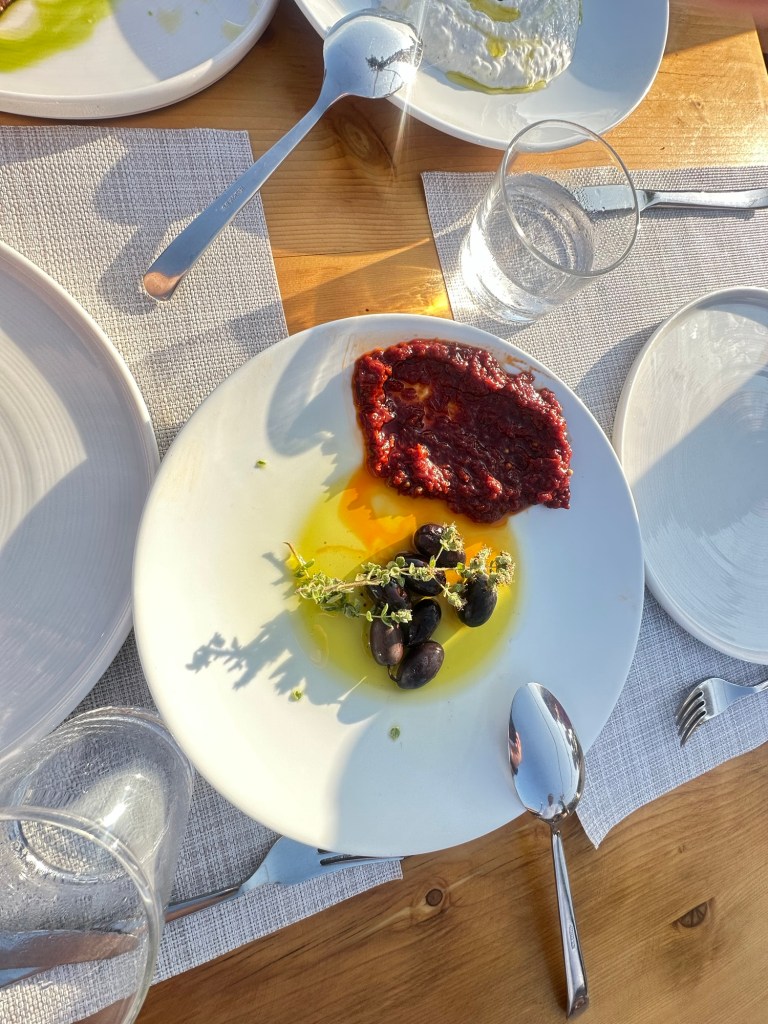

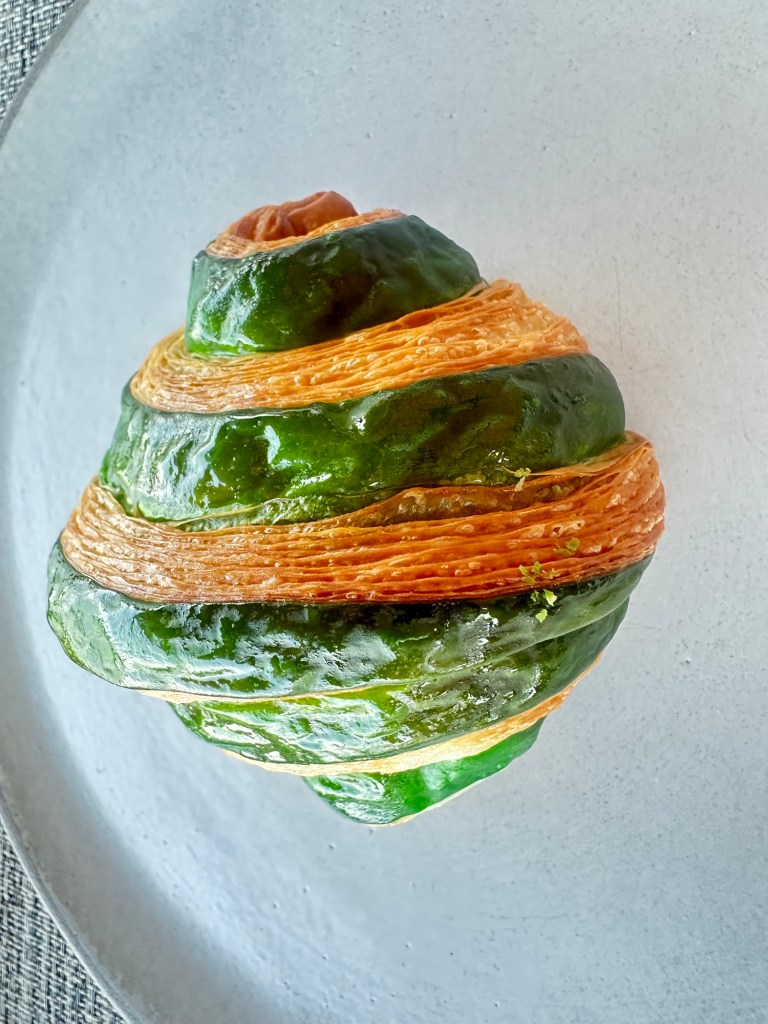
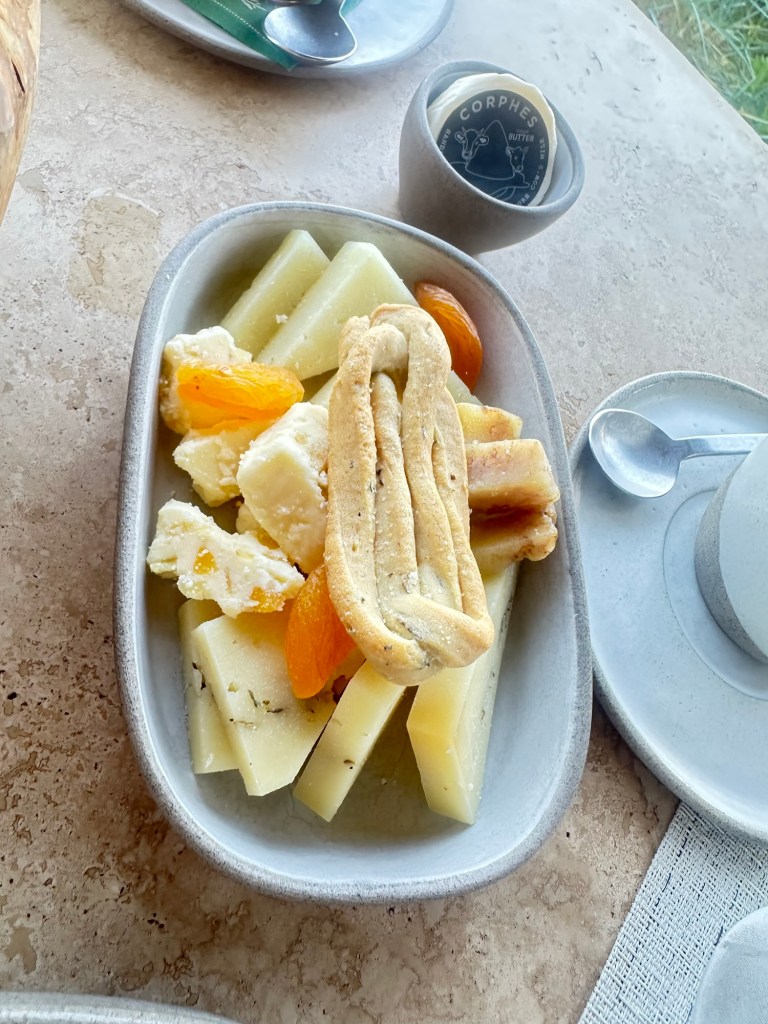
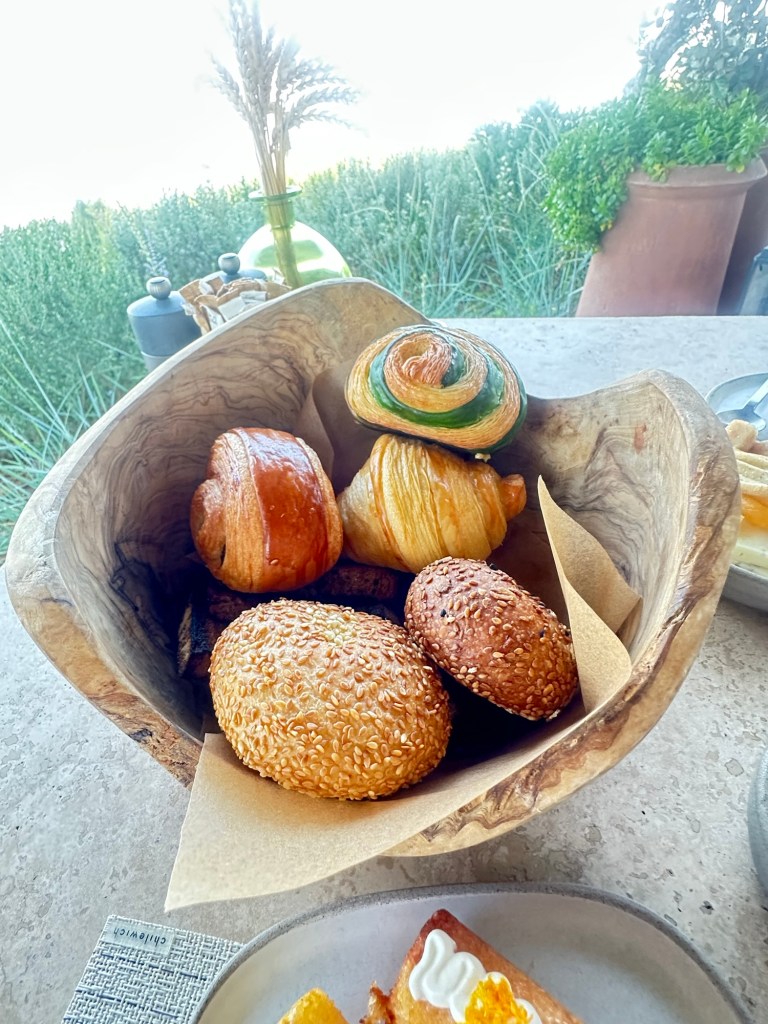


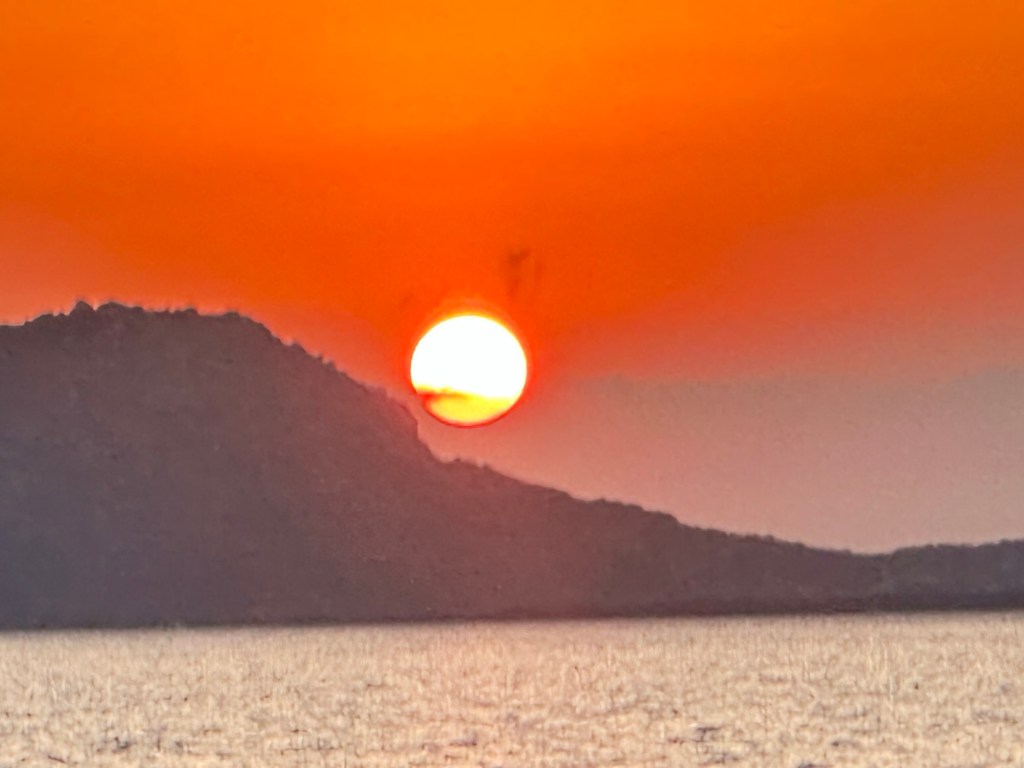
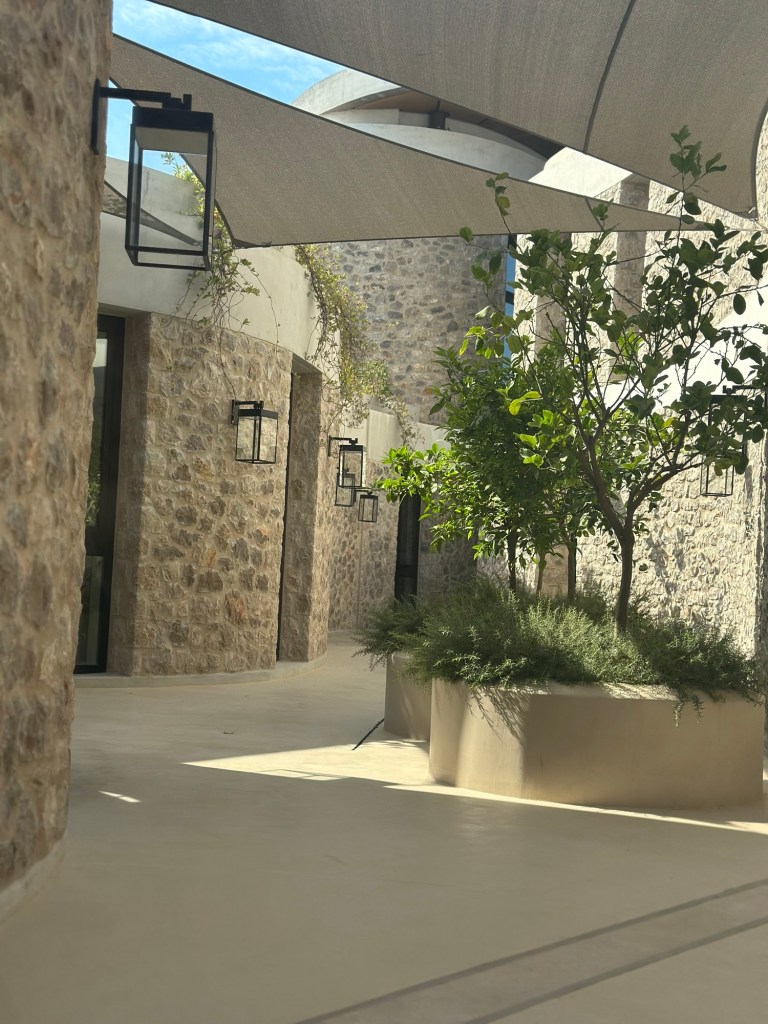
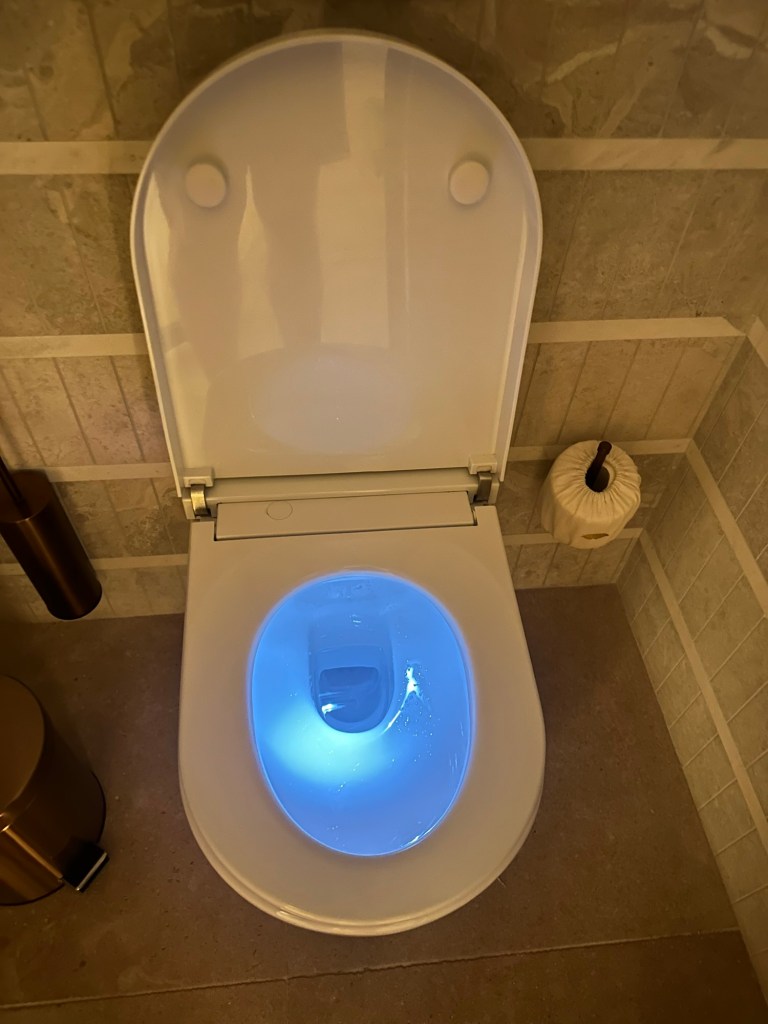
When I first arrived, I didn’t want to like this hotel. A part of me felt that if I did, I’d be betraying Greece—the Greece I had come to love: wild, weathered, and full of soul. The place felt too sleek, too new, too far from the rough stone villages and timeworn beauty I’d come to expect. But then something shifted. The longer I stayed, the more I noticed—the way the building and landscape architecture melted into the hillside, the quiet kindness of the staff, the sense of peace that settled over everything and everyone. What I thought would feel distant and detached turned out to be something else entirely: a modern expression of Greek hospitality, grounded in the land and deeply respectful of its spirit. It surprised me. And in the end, it moved me. This place is special—thoughtful, gentle, and absolutely deserving of every bit of praise it gets.

 YouDontKnowJackTravels