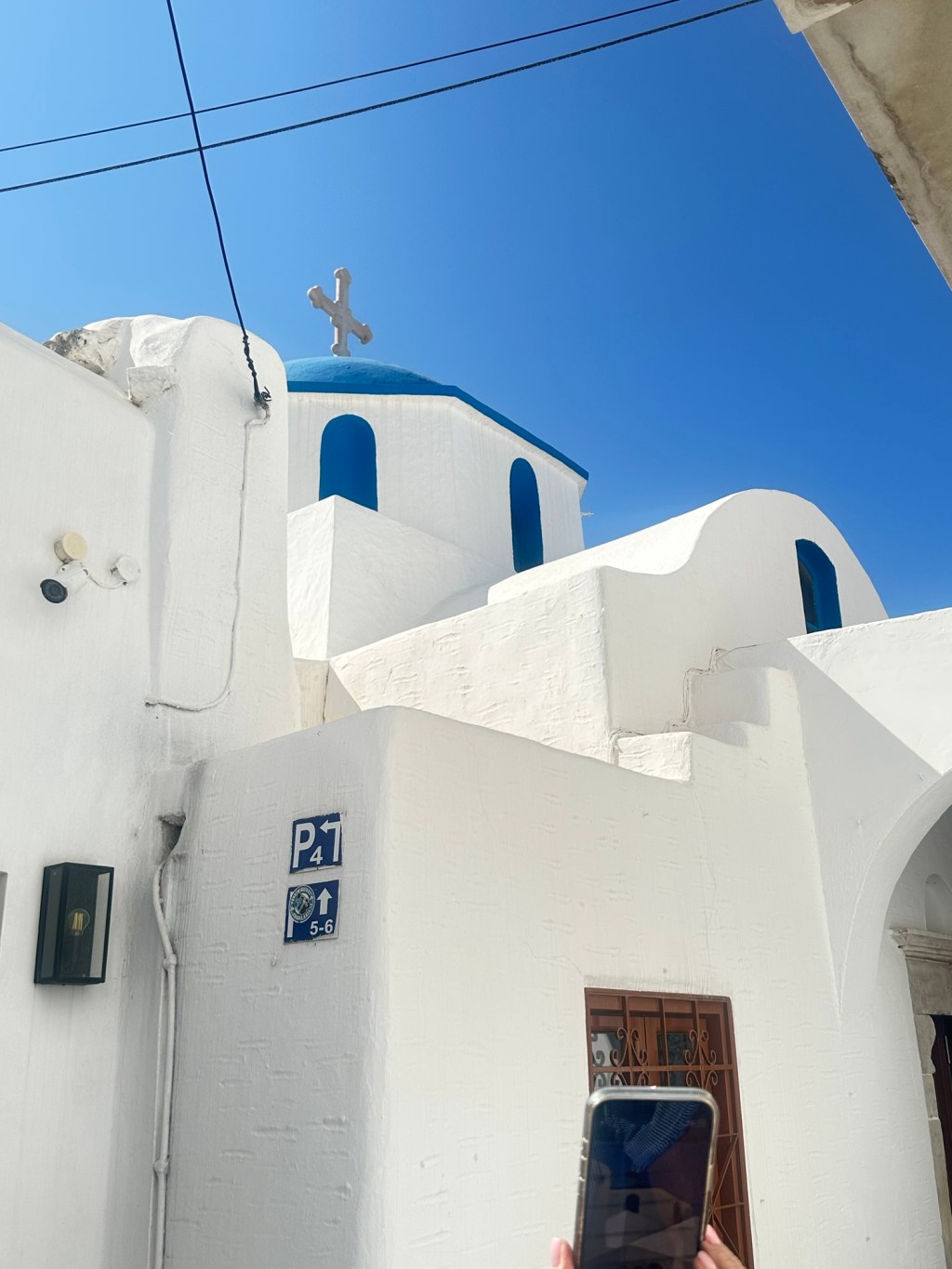
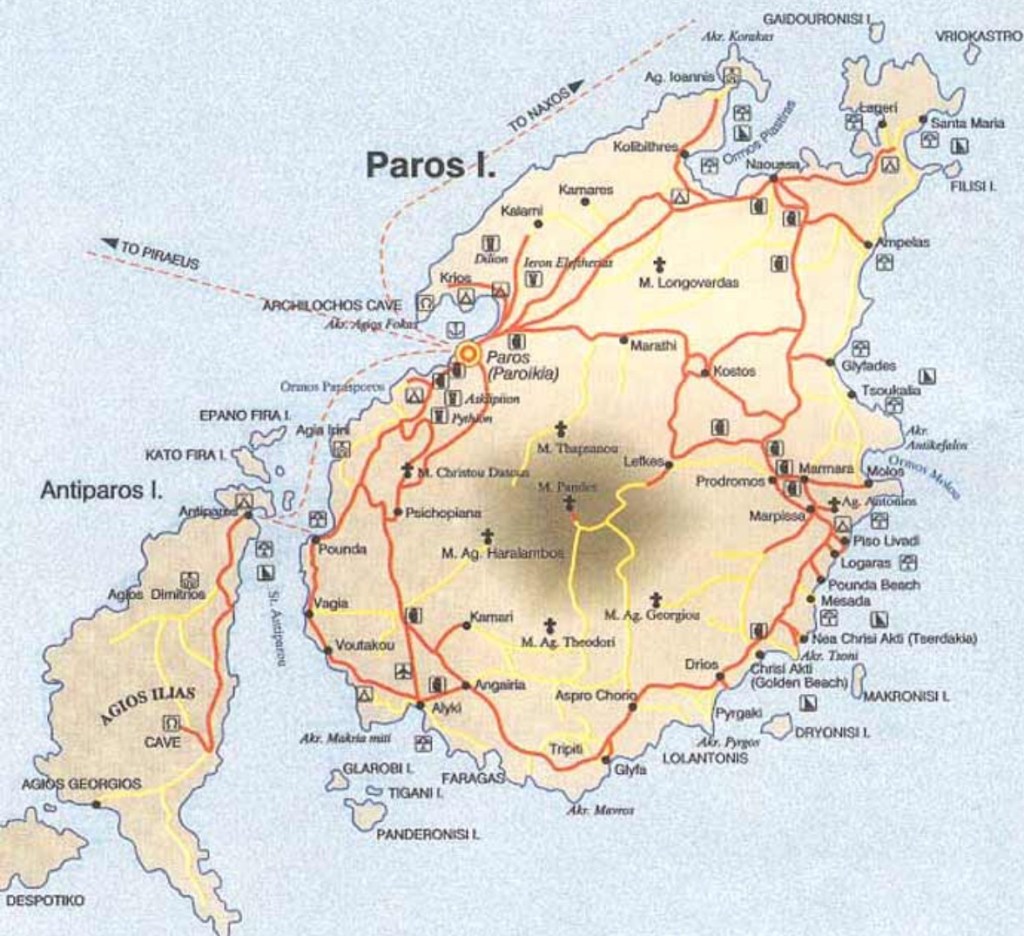
The Northern Winds of Naoussa, Paros — known locally as the Meltemi — are a defining force of nature. They arrive unannounced, fierce and clear, sweeping down from the Aegean and reshaping both land and mood. In Naoussa, a fishing village turned cosmopolitan harbor town, these winds barrel over the rooftops, whip around stone alleys, and remind you to hold on to anything. By midday, cafe napkins lift and flutter like birds, beach umbrellas are staked deep into sand or abandoned altogether, and the sea — turns restless, scattered with whitecaps.
We are in Paros mainly for a small water vessel excursion to the blue lagoon, Antiparos and a few other places of natural beauty, but small vessel travel is impossible in these winds and our plans are abandoned. So on our second day here, we set out by foot to Naoussa village for some sights and the local cuisine.
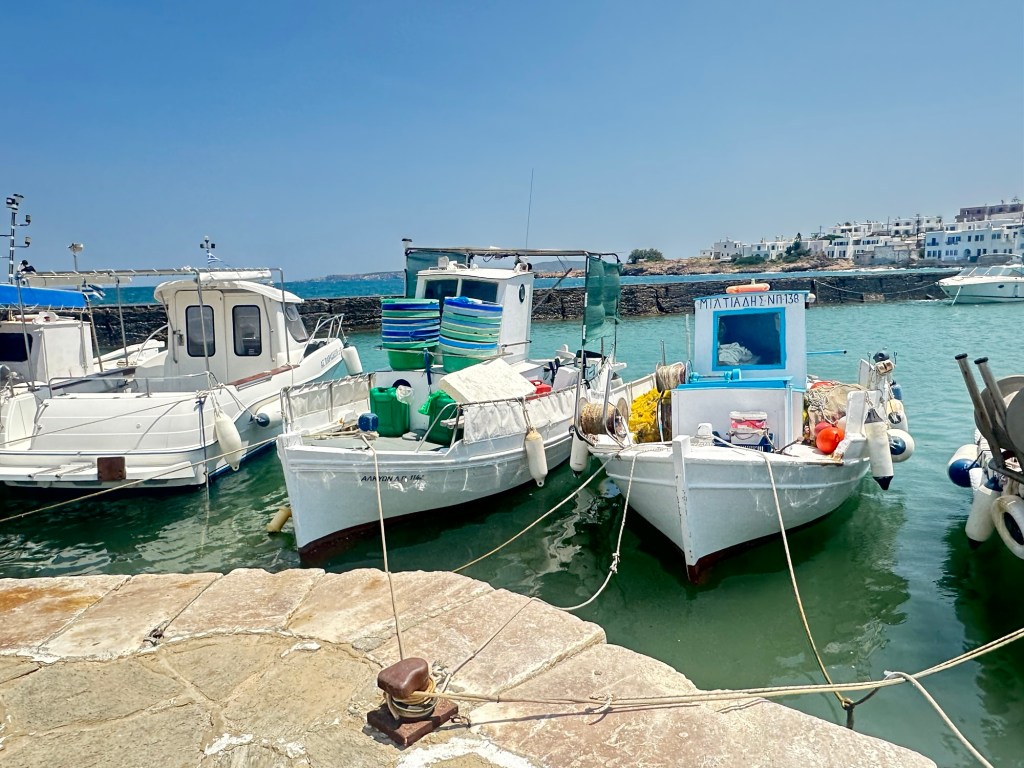
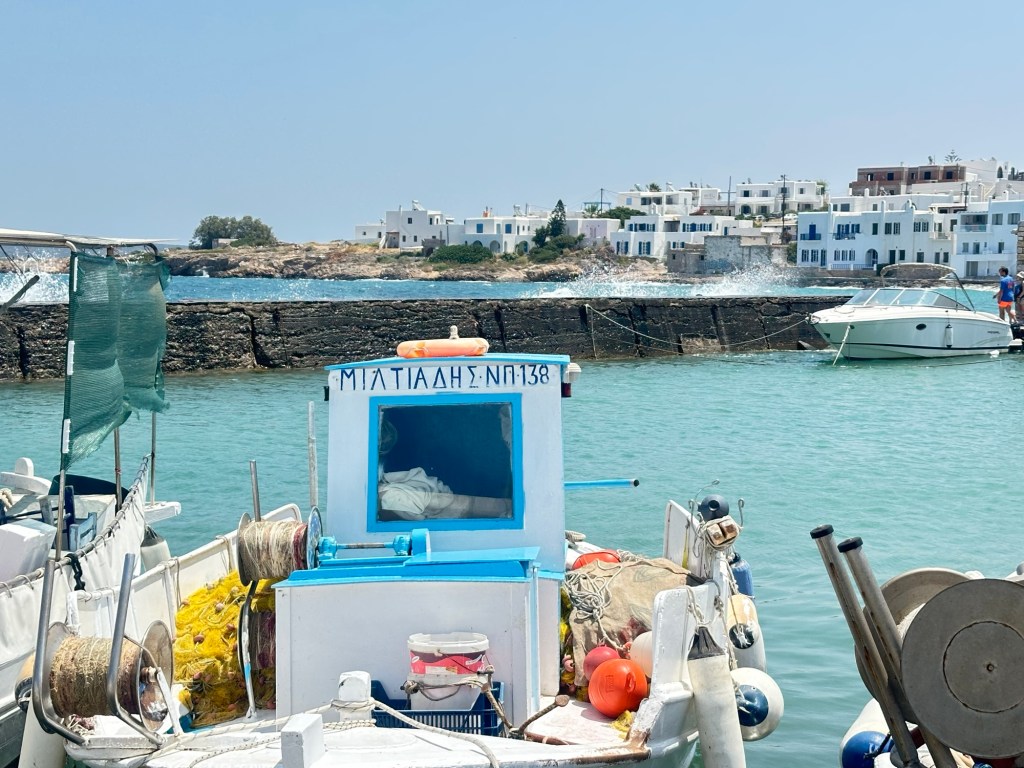


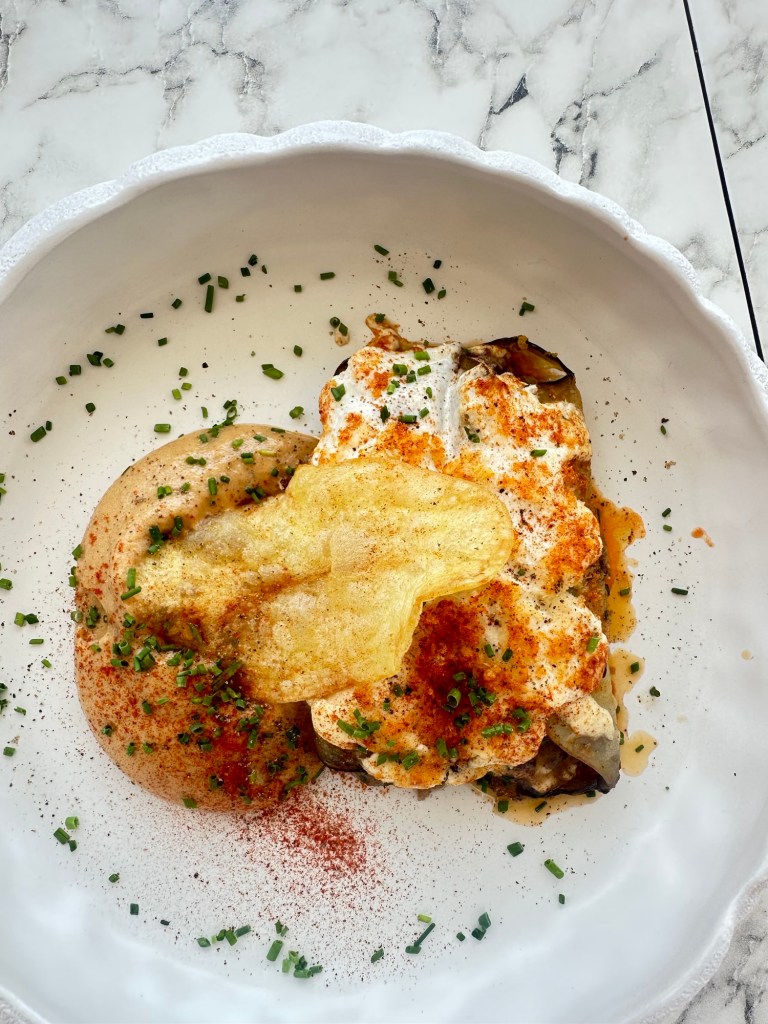



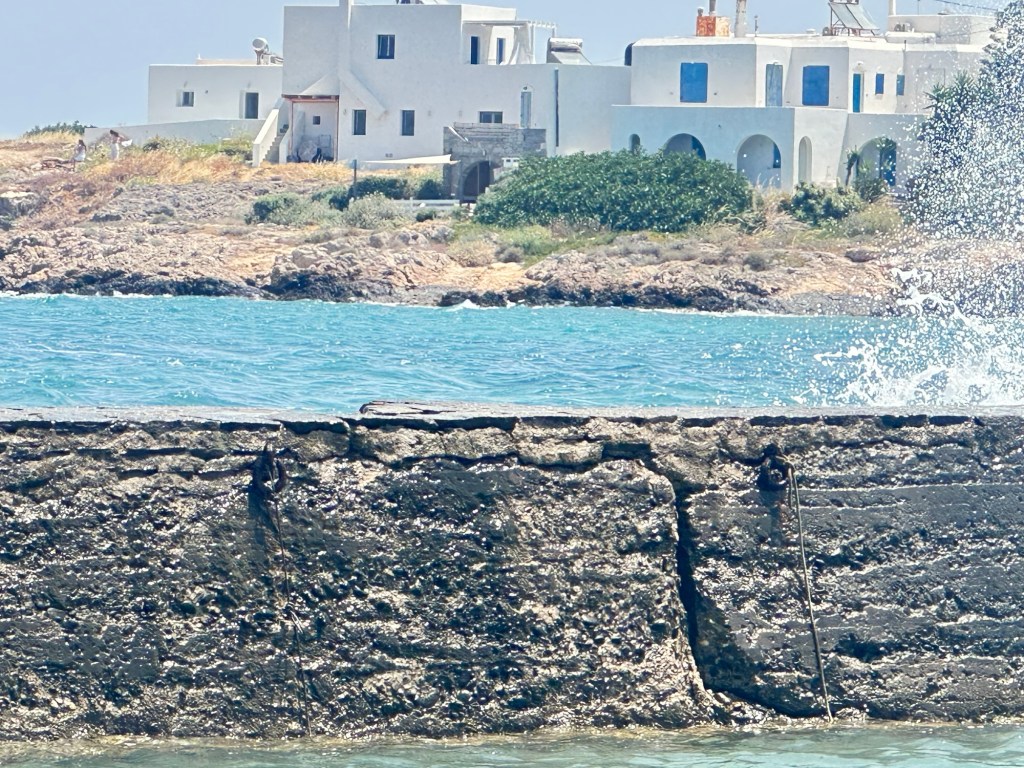
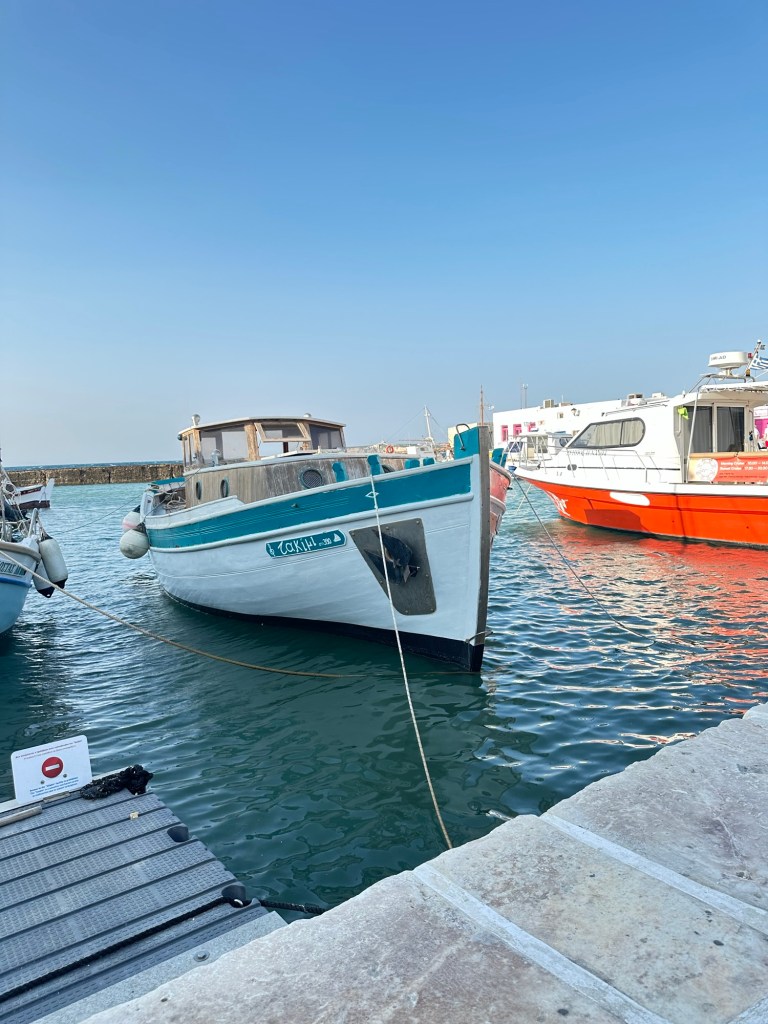
We capped off the day with dinner at Sigi Ikthios (http://m.paros-restaurants.gr/), located just a couple of feet from the boat dock in the heart of the Naoussa. The Northern winds wip as we dine and carry a chill that turns off and on at any moment as if connected to a switch. Three of us ordered sea bass, prepared table-side.
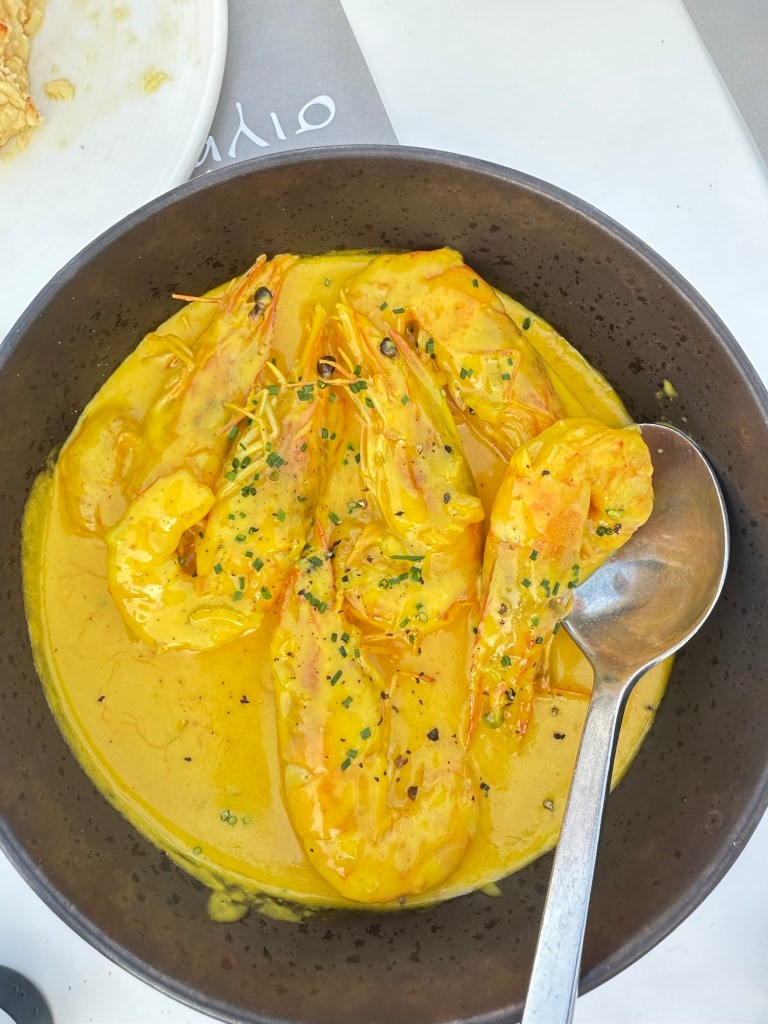
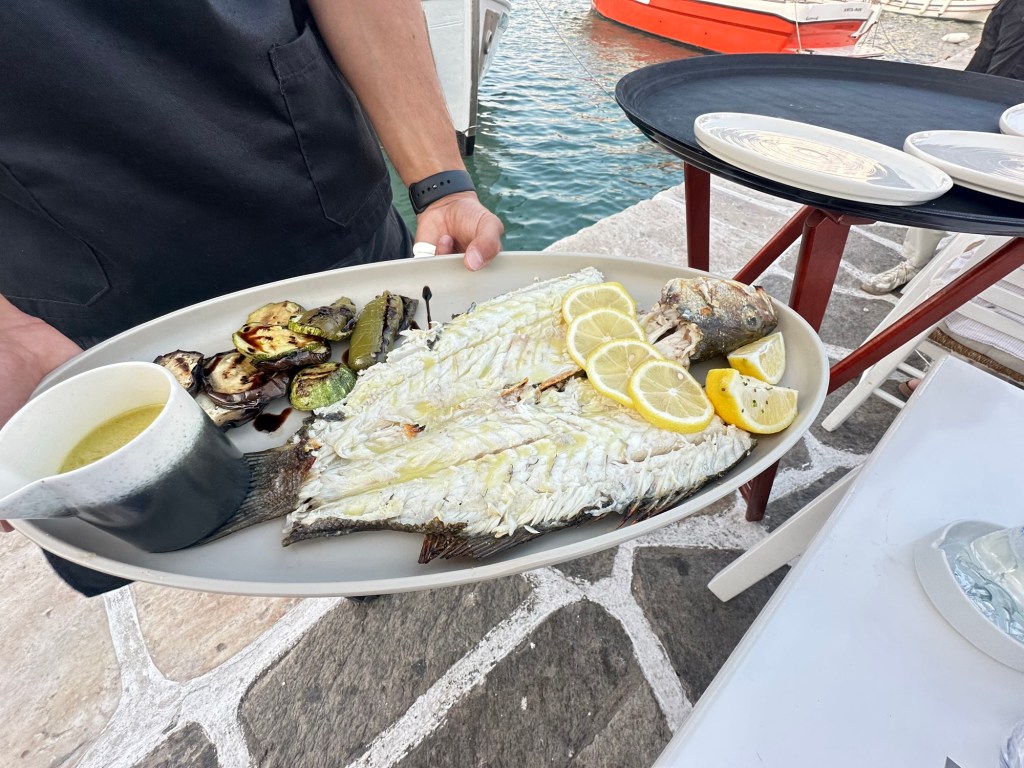
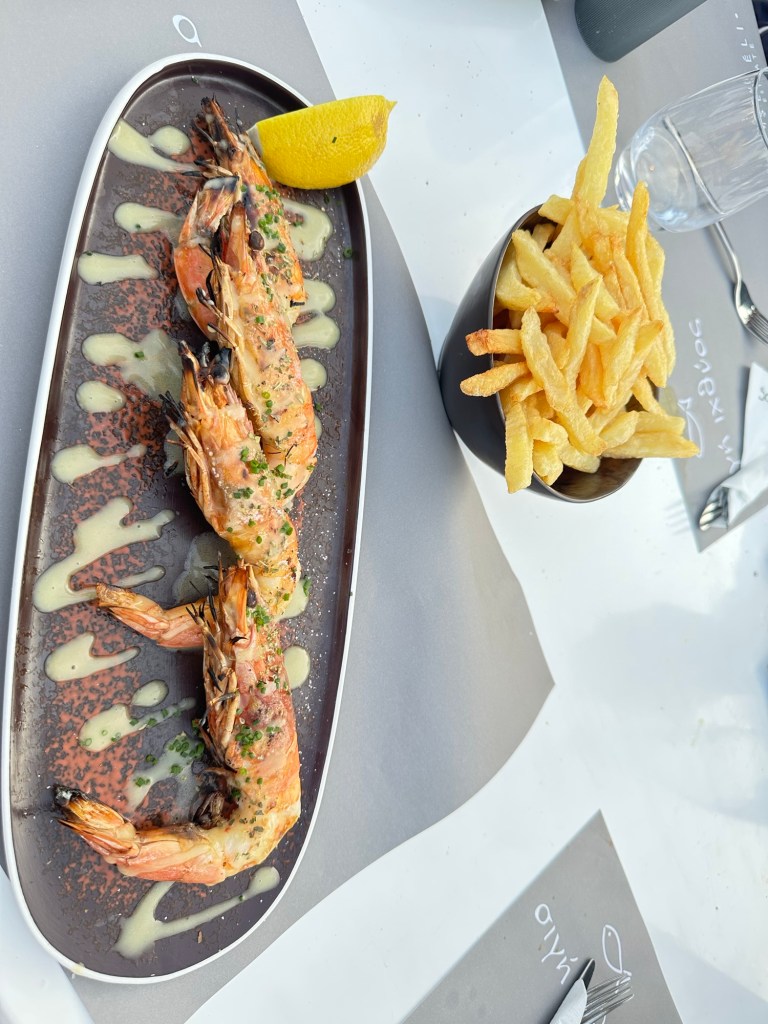
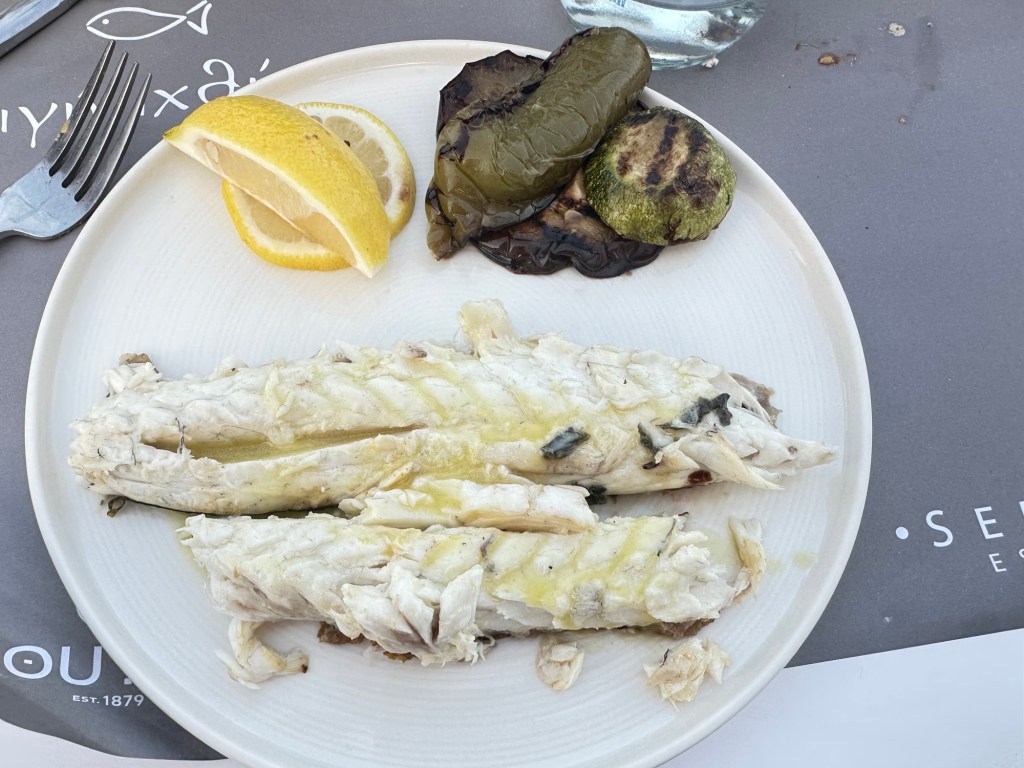
A dinner at Sigi Ikthios is a blend of fresh flavors, harbor charm, and warm host hospitality—a memorable Greek island dining experience that feels both authentic and indulgent.
On day three in Paros we toured three villages with Evi, a delightful young degreed woman from Athens, who guides village tours on Paros and other islands.
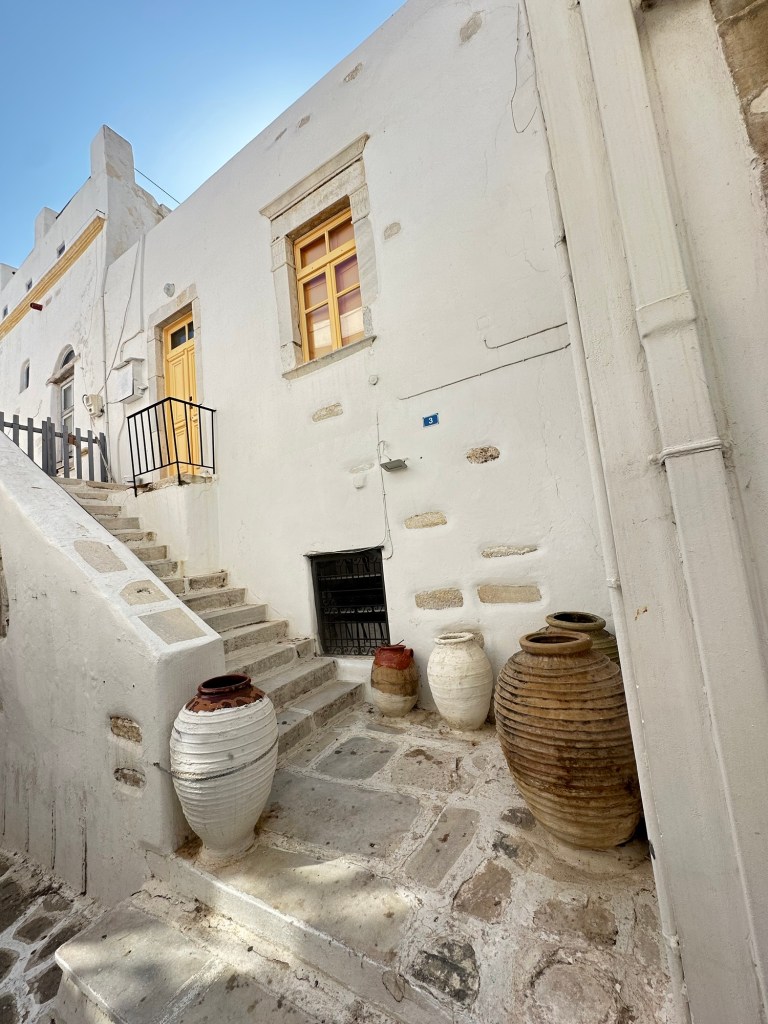
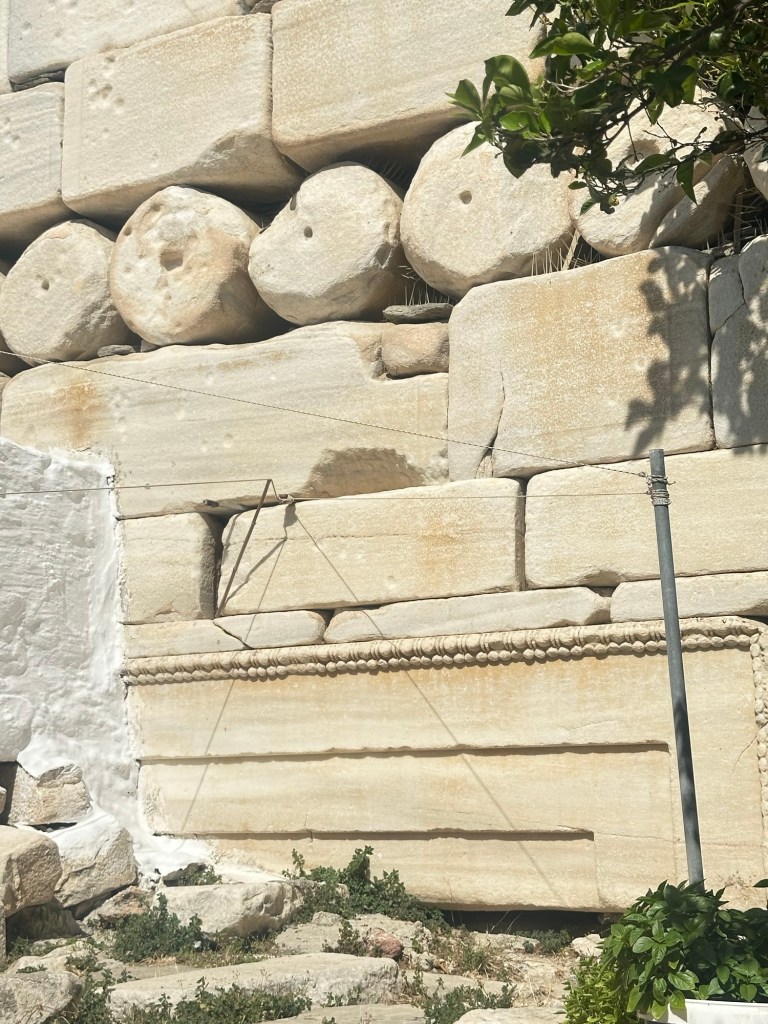
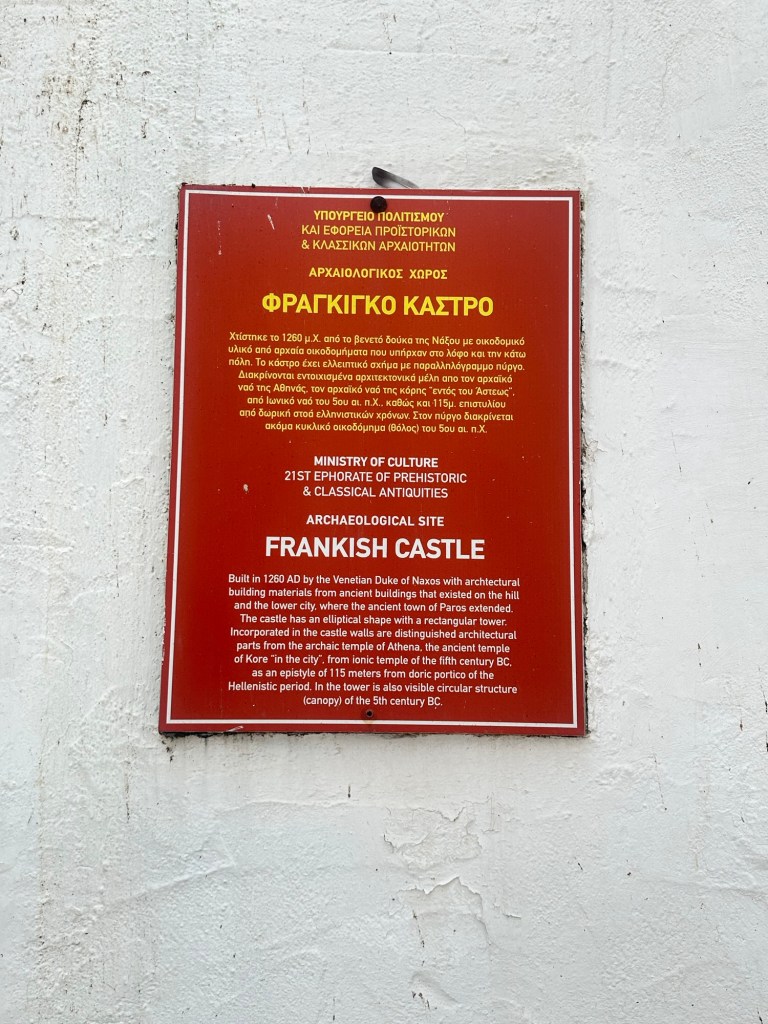
Evi first takes us to Parikia, the main port of Paros. Parikia spills around a natural bay on the island’s western coast. Whitewashed houses with cobalt shutters crowd the hillside, their flat roofs catching the Aegean sun. Narrow stone alleys twist through the town like a labyrinth, shaded by vines and bougainvillea that spill over balconies. Parts of ancient structures are repurposed into newer older ones. The streets are alive with a gentle rhythm—scooters hum by, shopkeepers chat in doorways, and cats nap in cool corners.
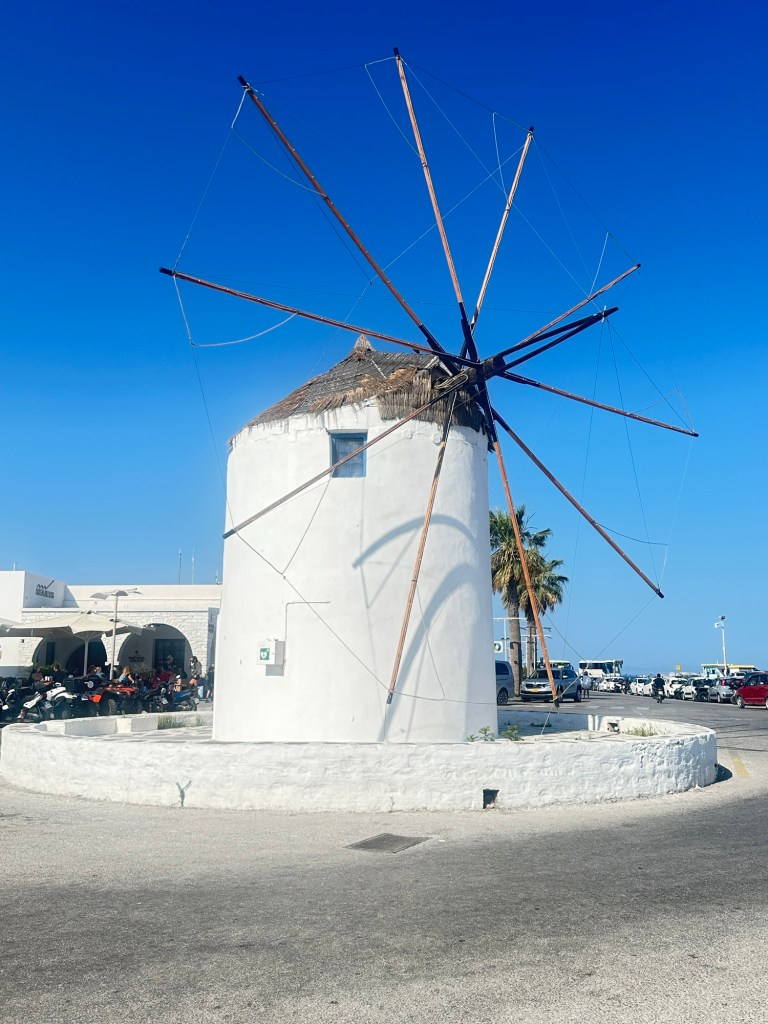

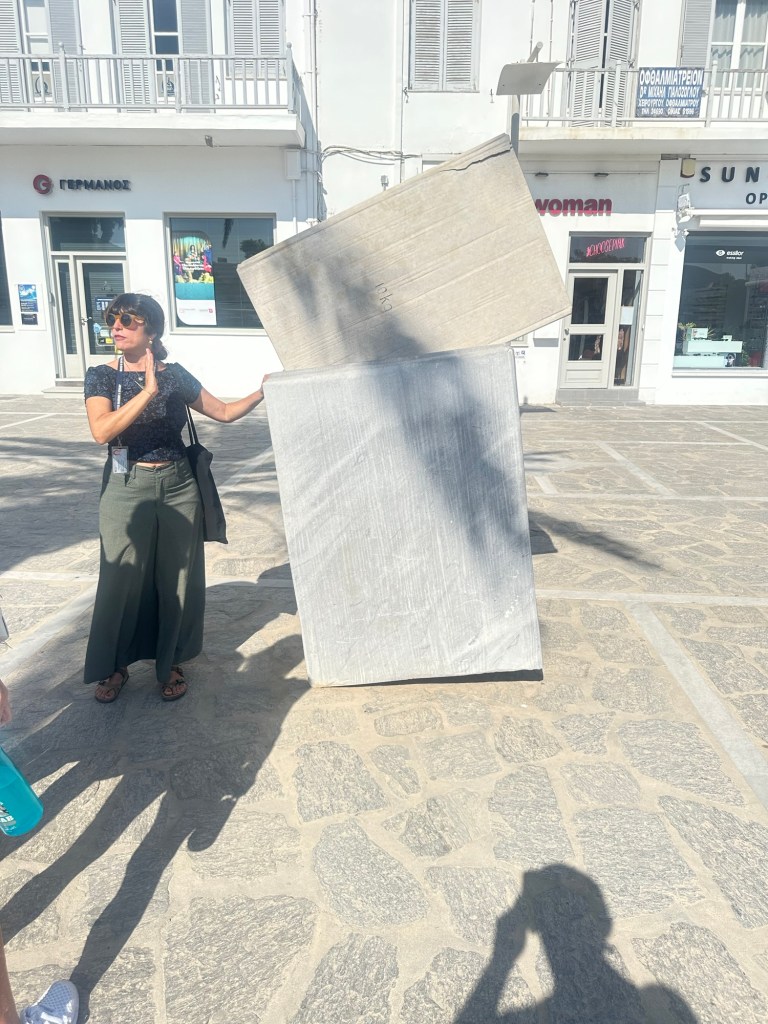
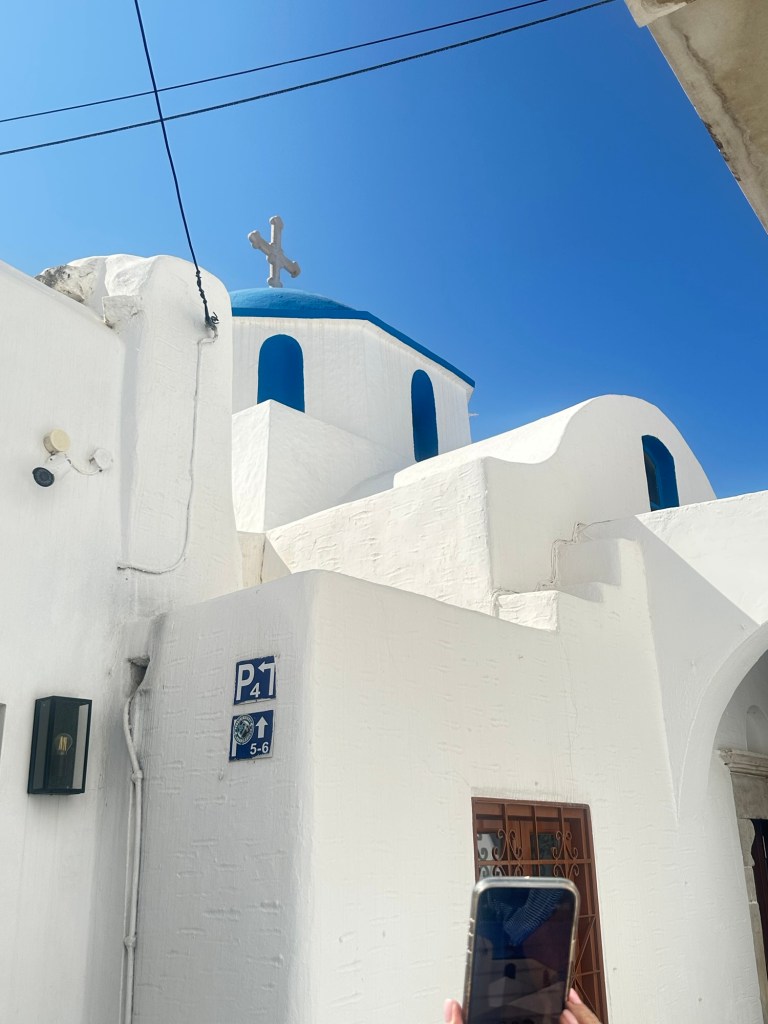
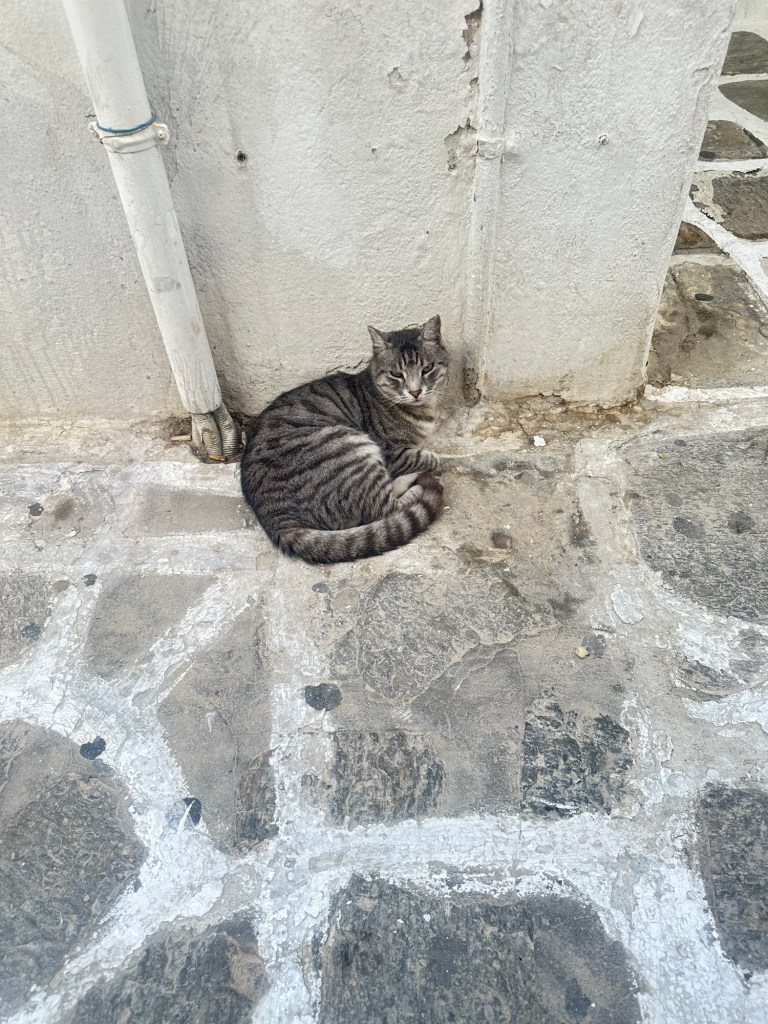

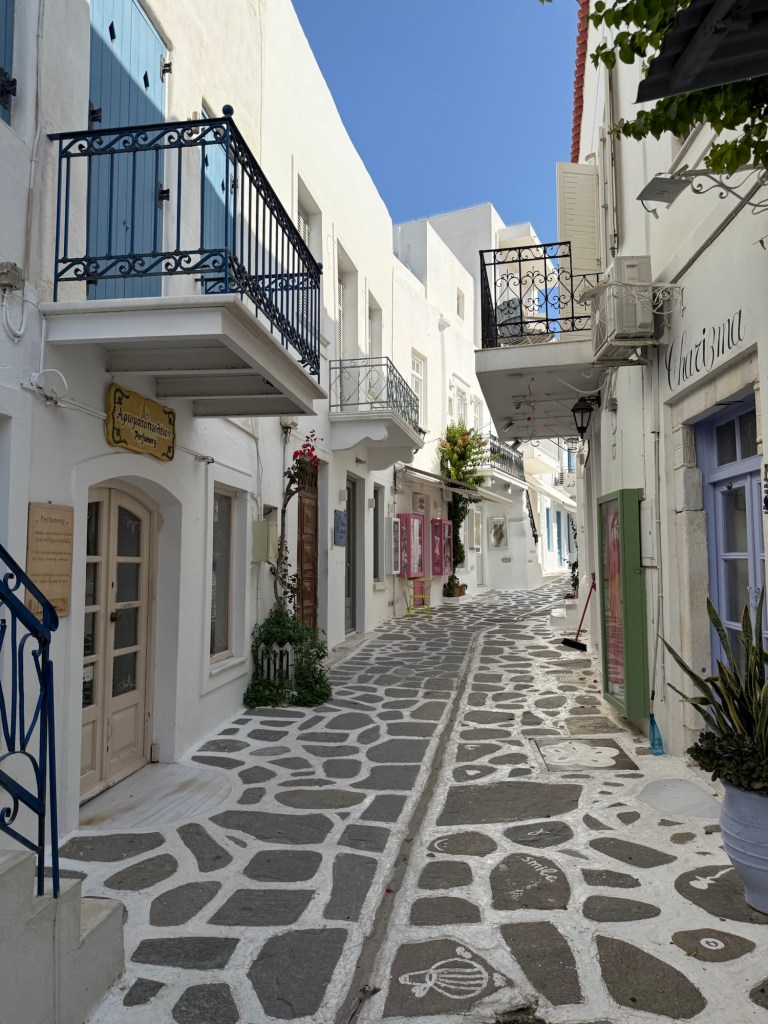
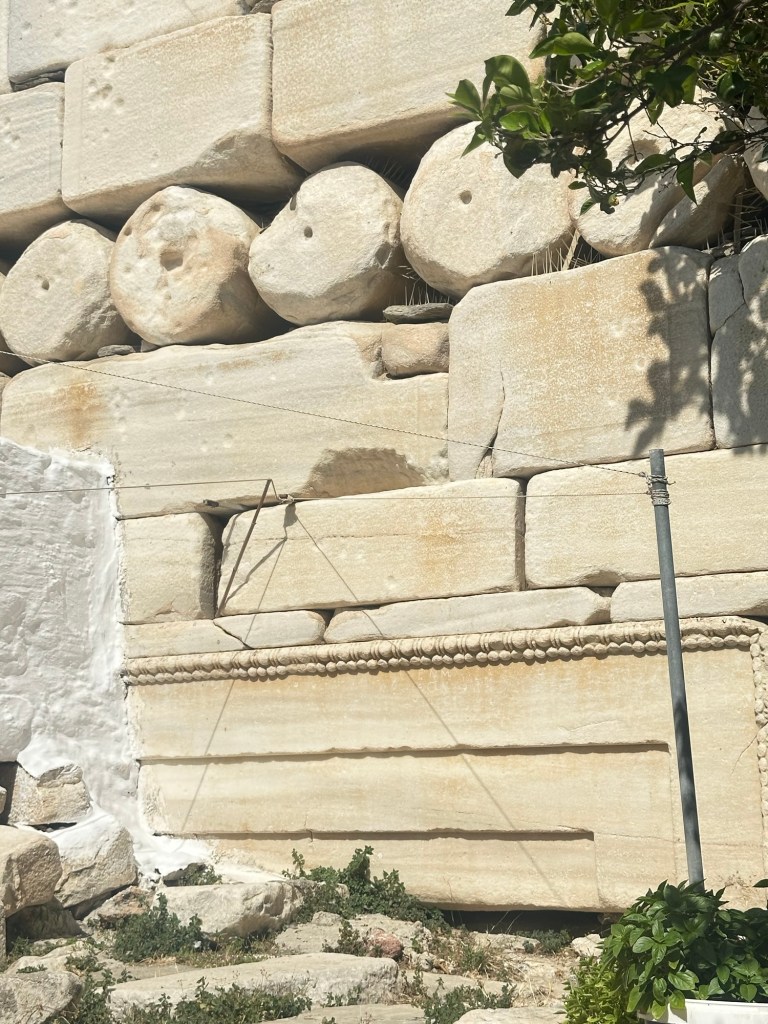
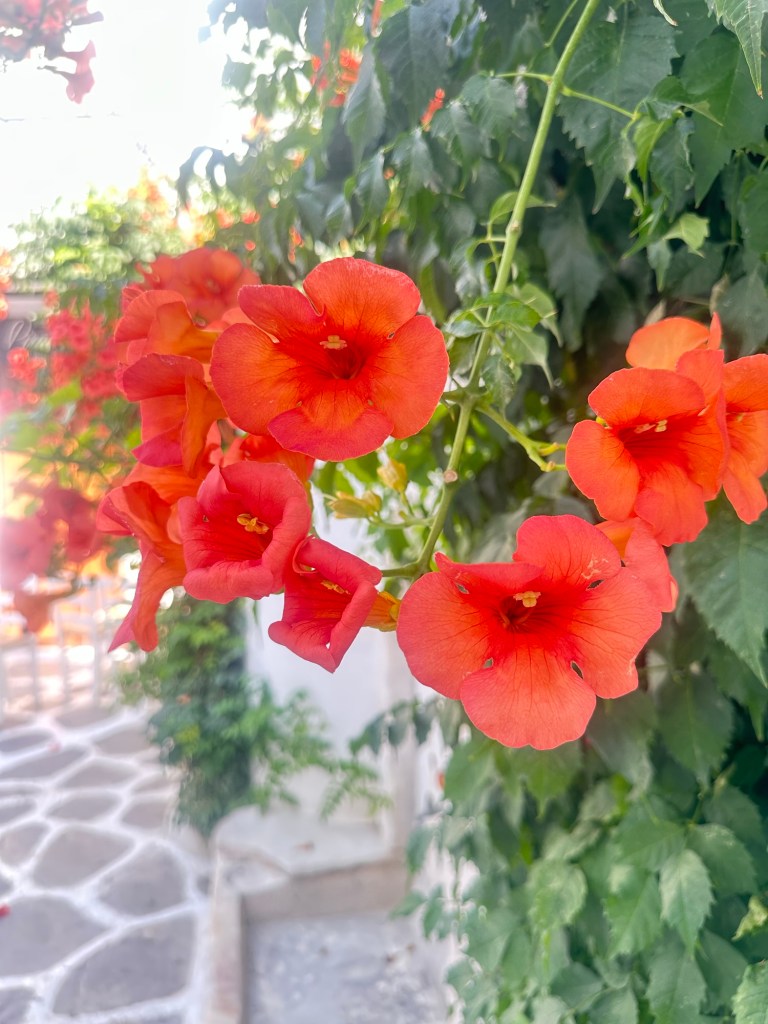
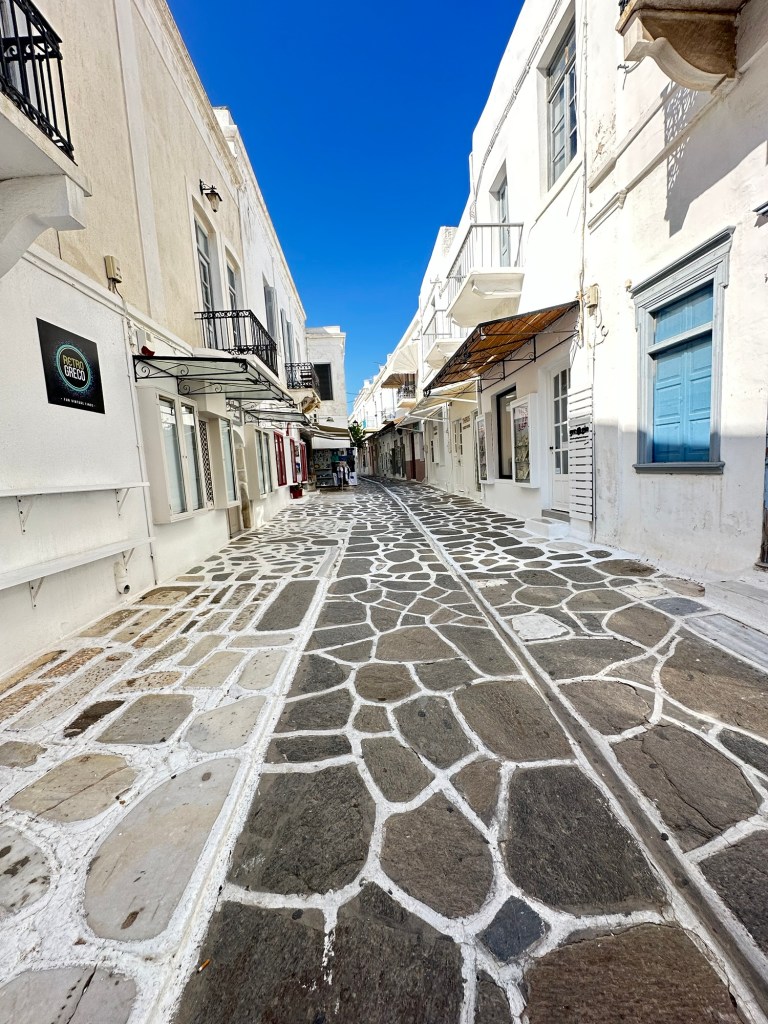
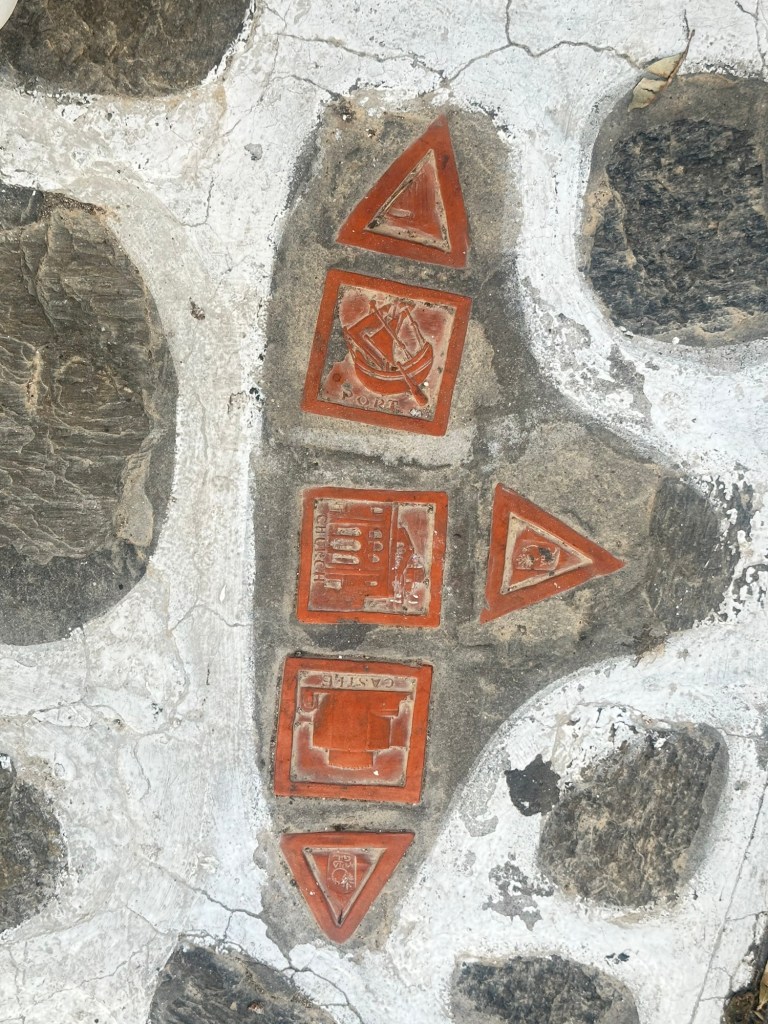
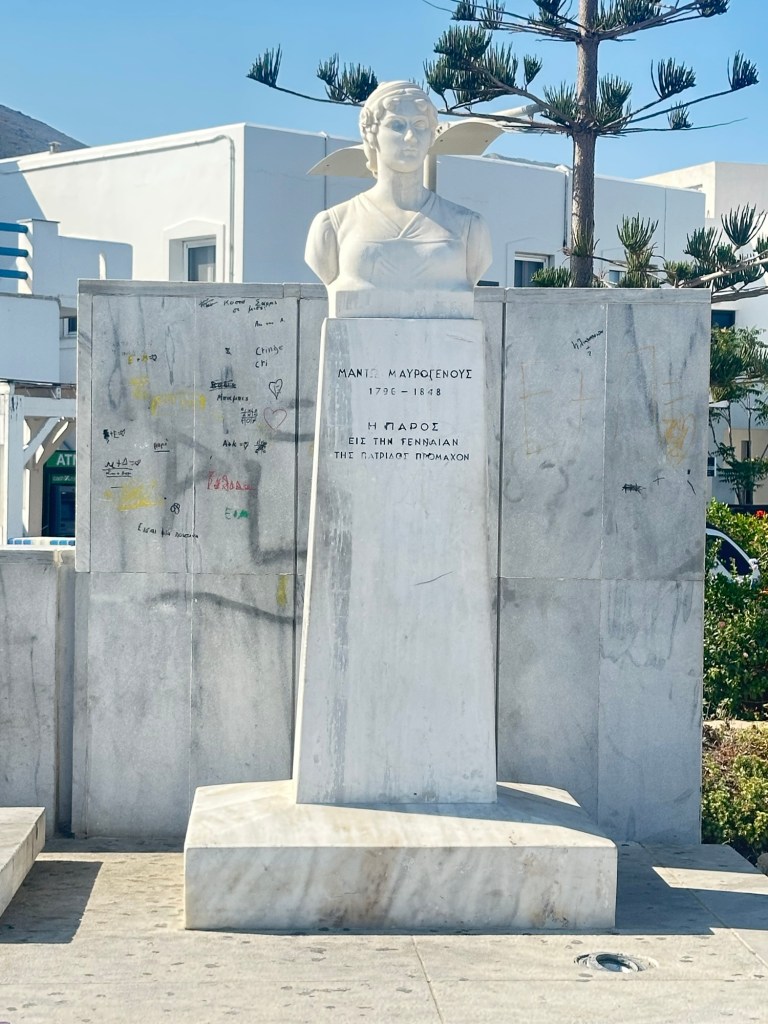
Evi explains the history of Paros to us; it has been ruled by various powers throughout its long and complex history of struggle and independence. Evi further tells us of the efforts of Manto Mavrogenous, a Greek princess and wealthy aristocrat, who is central to ultimate Greek independence.
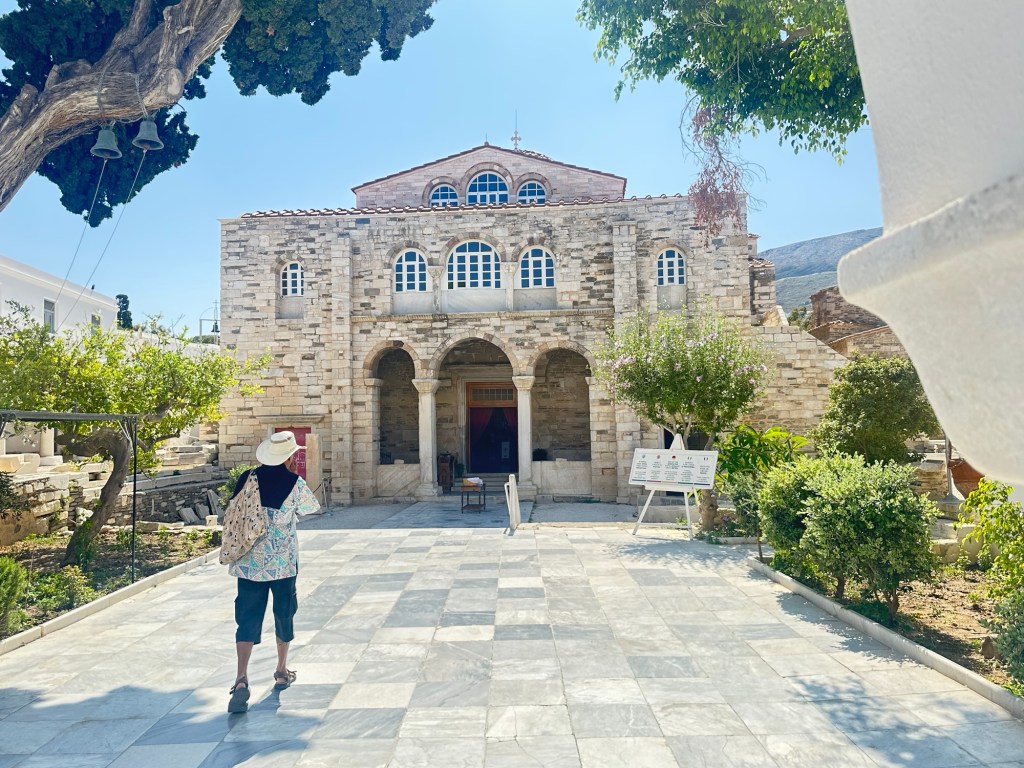
We toured a byzantine church known as the Church of 100 doors (Panagia Ekatontapiliani), one of the oldest and most revered Christian churches in Greece. According to legend, 99 doors have been discovered in the church, and the 100th will be revealed only when Constantinople (Istanbul) becomes Greek again. The Church of 100 Doors is not just an architectural marvel but a living monument to 1,700 years of Greek Orthodox faith.

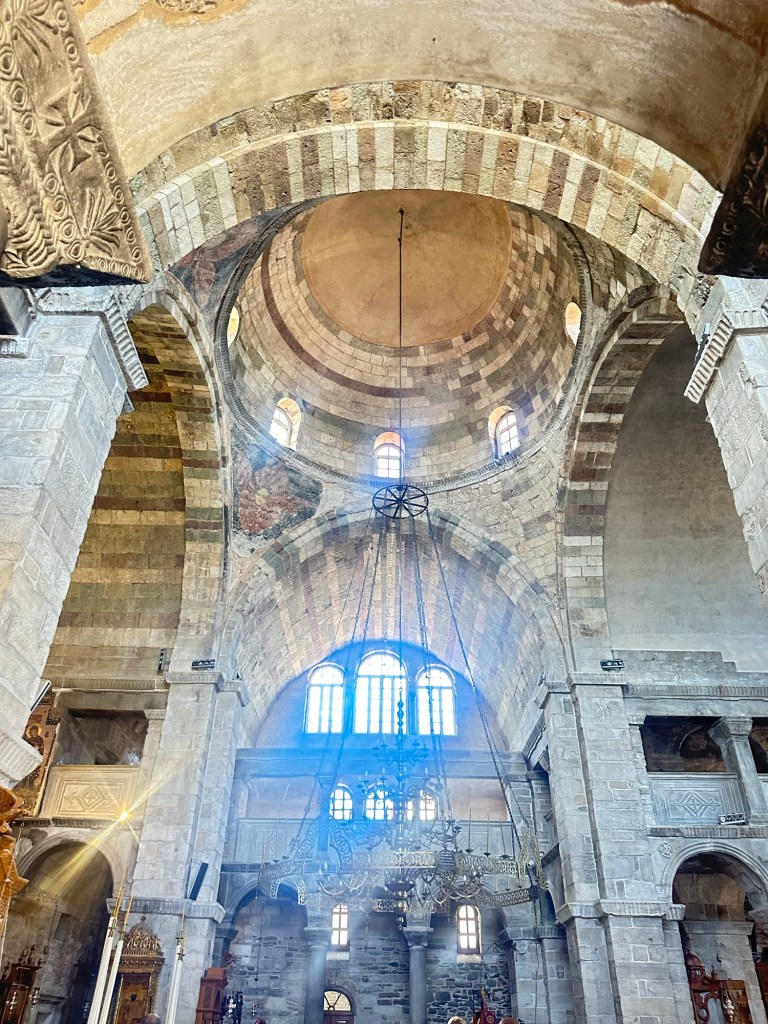
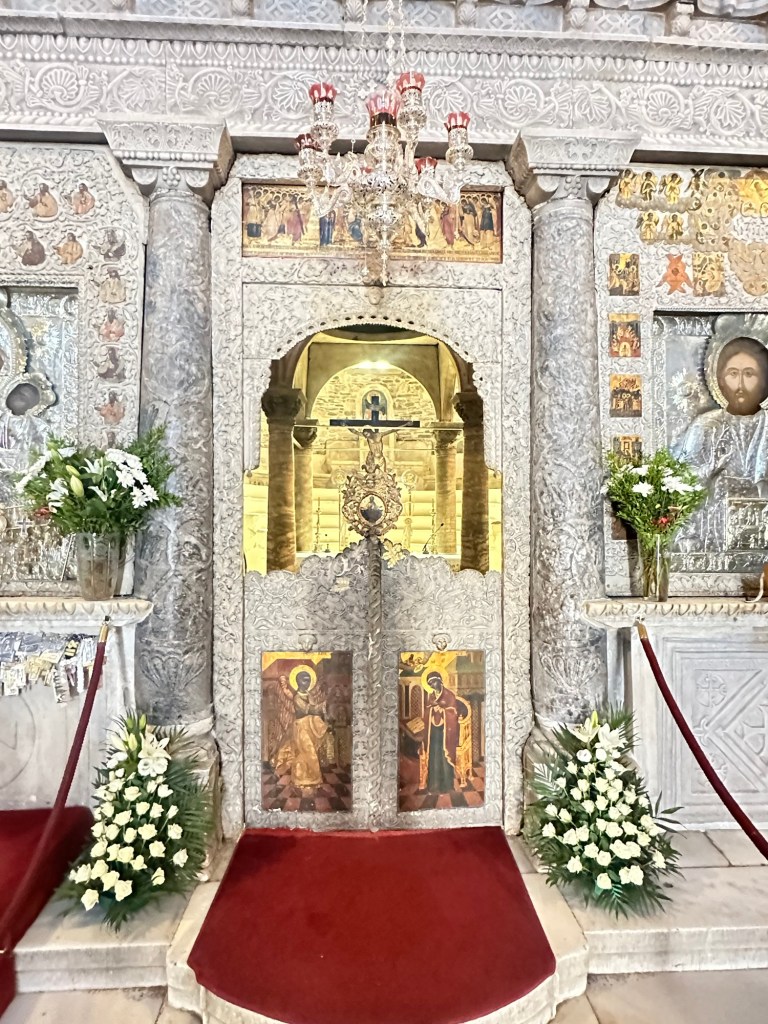
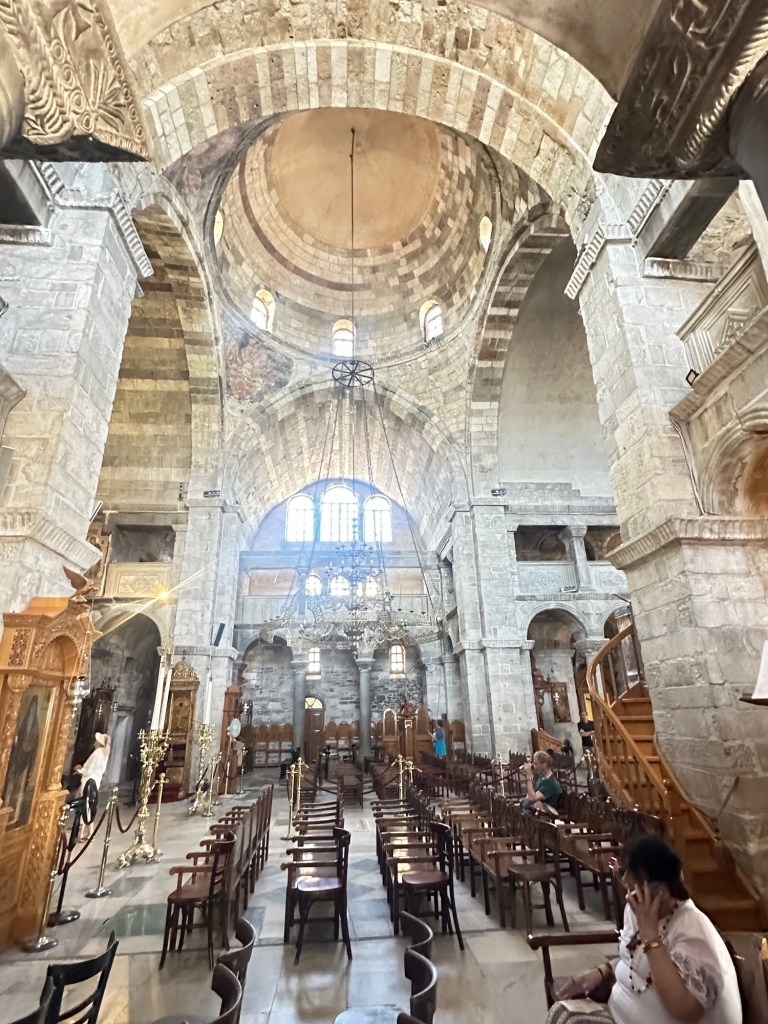
The Parikian architecture of Paros is both timeless and eclectic including elements from Classical period of ancient Greece, all the way to present.
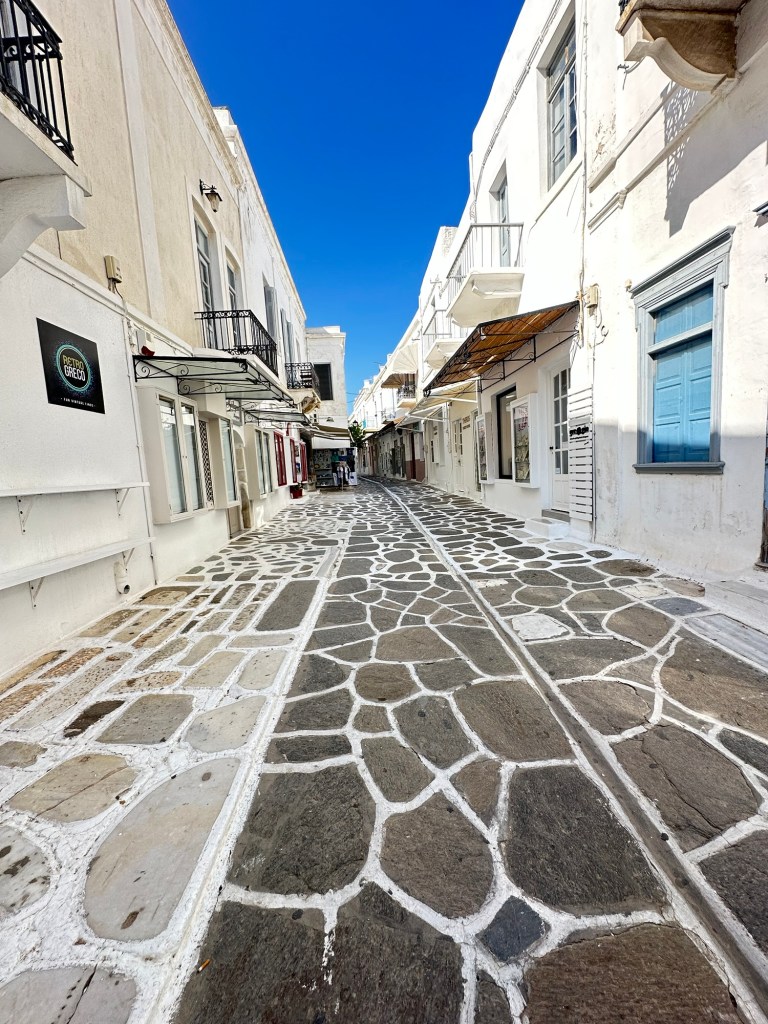
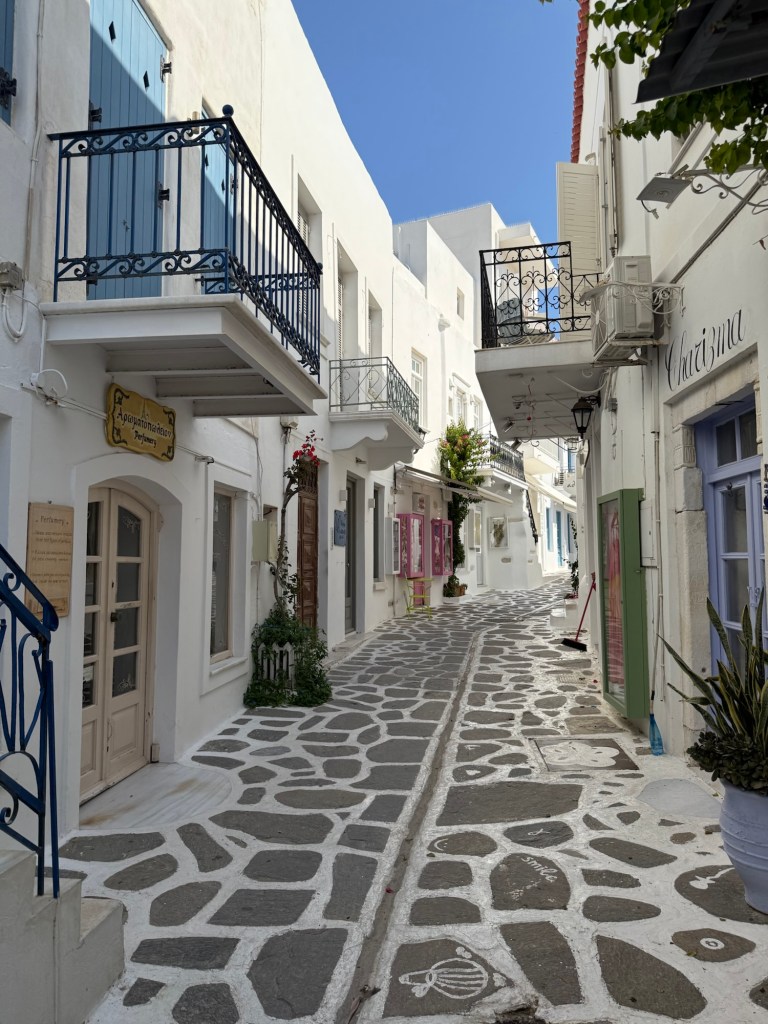
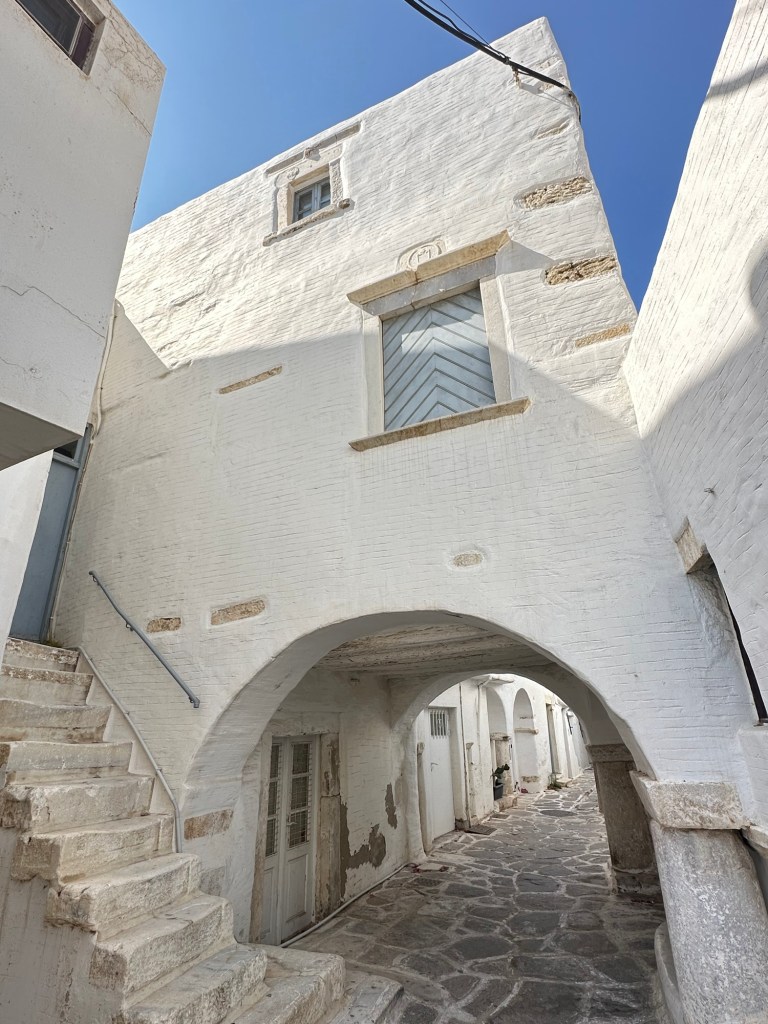
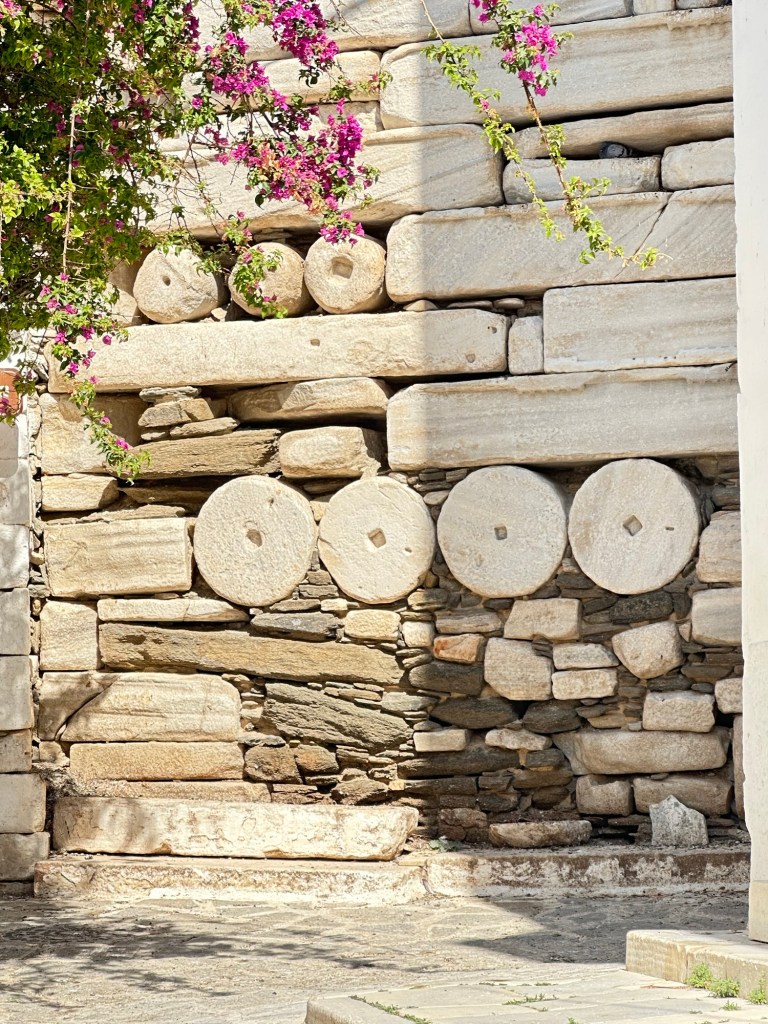
We move onto another village called Lefkes, which has just 200 residents. Along the way do a drive of once famous Parian marble mines, and some olive and pistachio farms.
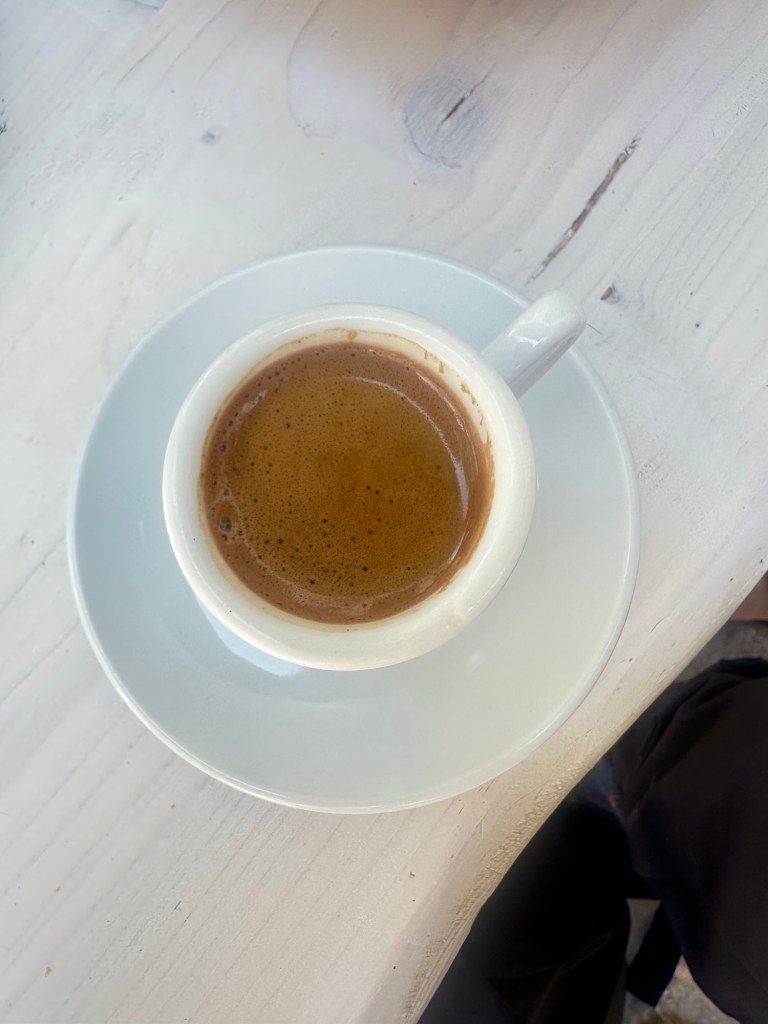
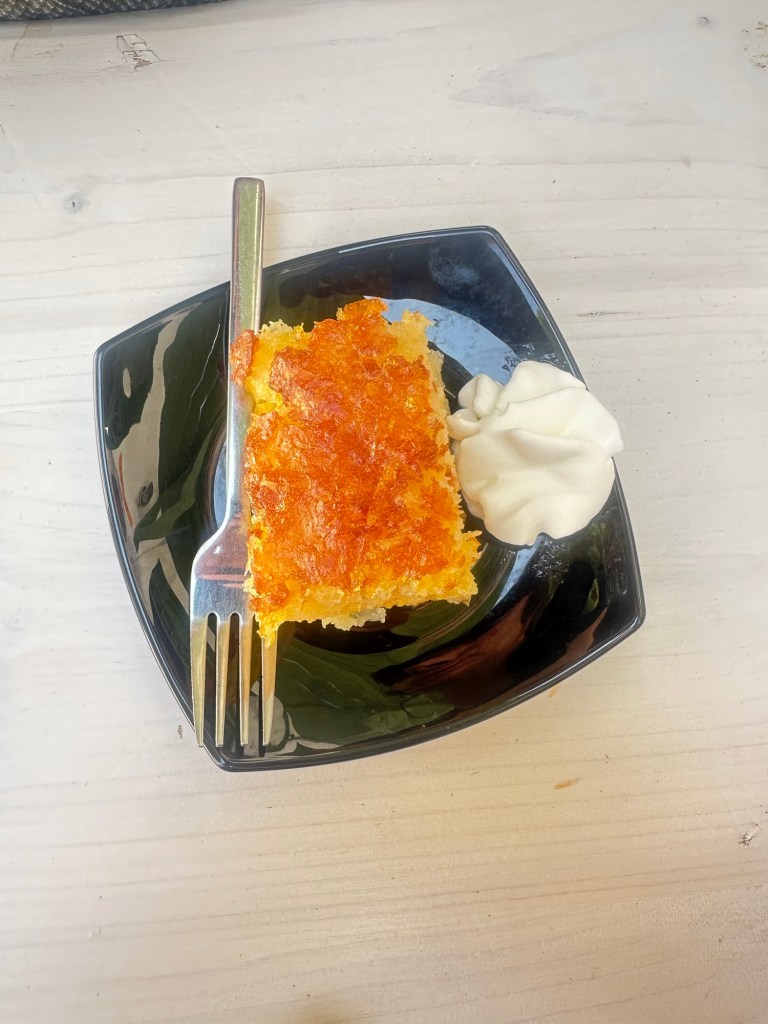
Once in the this small village, we stop for some orange cake and traditional Greek coffee. There is a 1000 year old path that connects Lefkes to other villages. Lefkes feels almost suspended in time—ideal for reflection, artistic inspiration, or simply enjoying a slower pace of life. It embodies a different side of Paros: one that is mountain-born, rooted in tradition, and deeply peaceful.
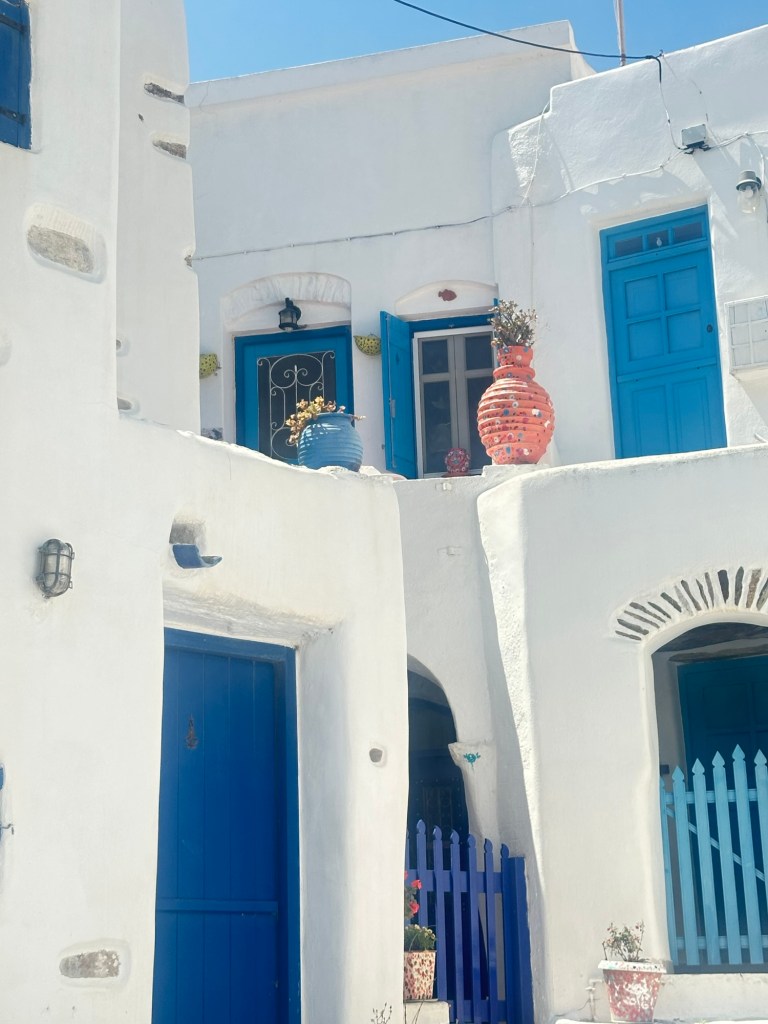
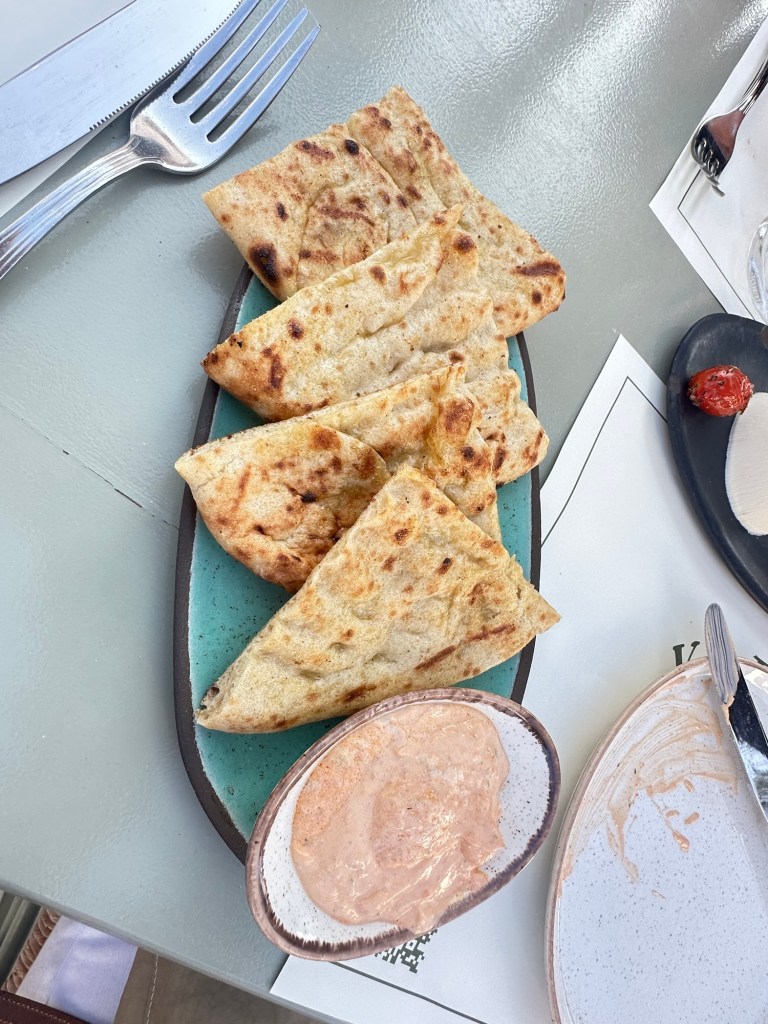
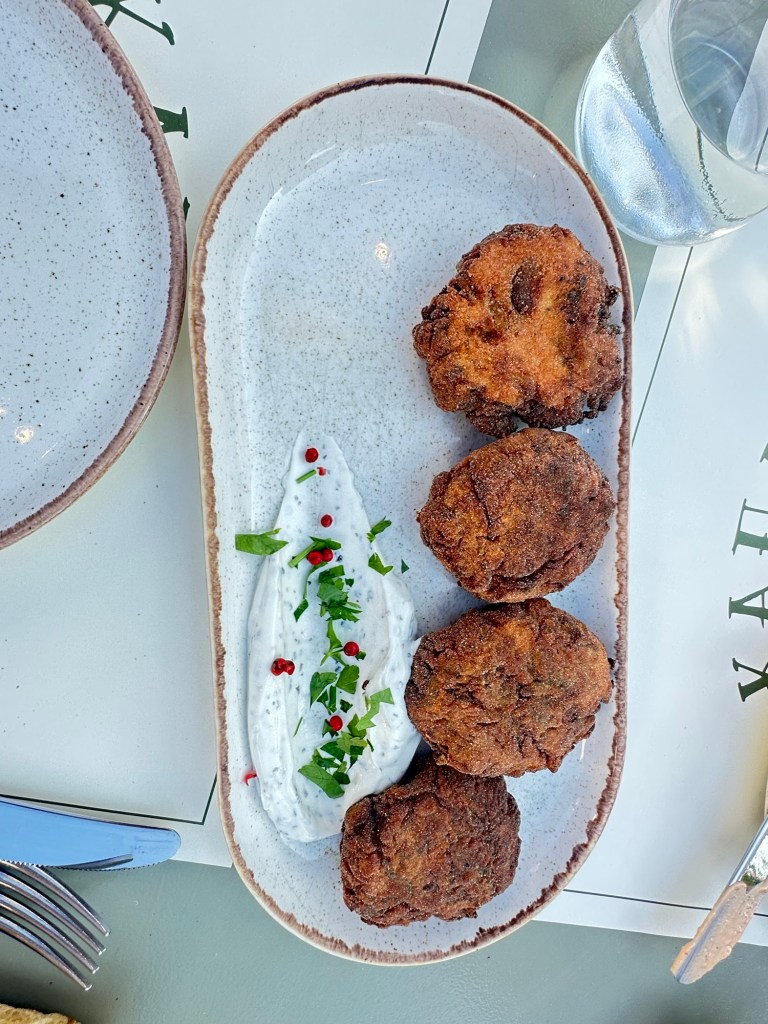
After ending our day with Evi in Nauossa, we returned to the hotel, and and then walked back to the village for dinner at Kfaph, for some local delicacies.
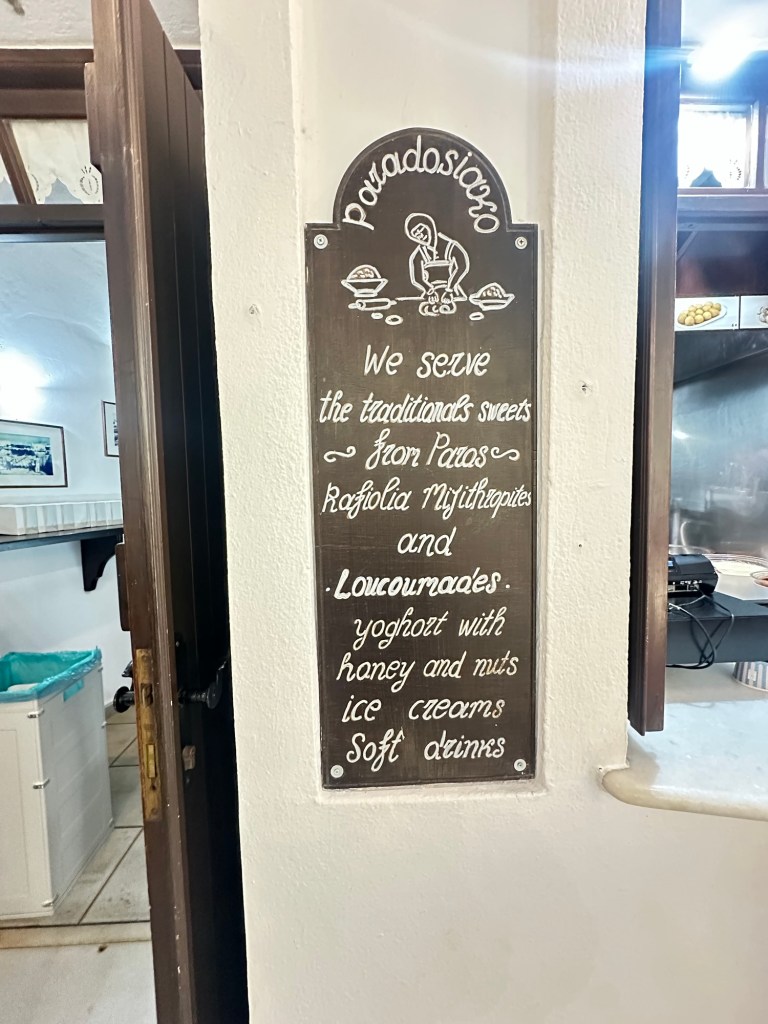
On the way back to the hotel, we discover Loucourmades, a traditional Greek dessert—golden, bite-sized dough balls that are fried until crisp on the outside and fluffy on the inside, then drenched in honey syrup and often sprinkled with cinnamon and crushed walnuts.
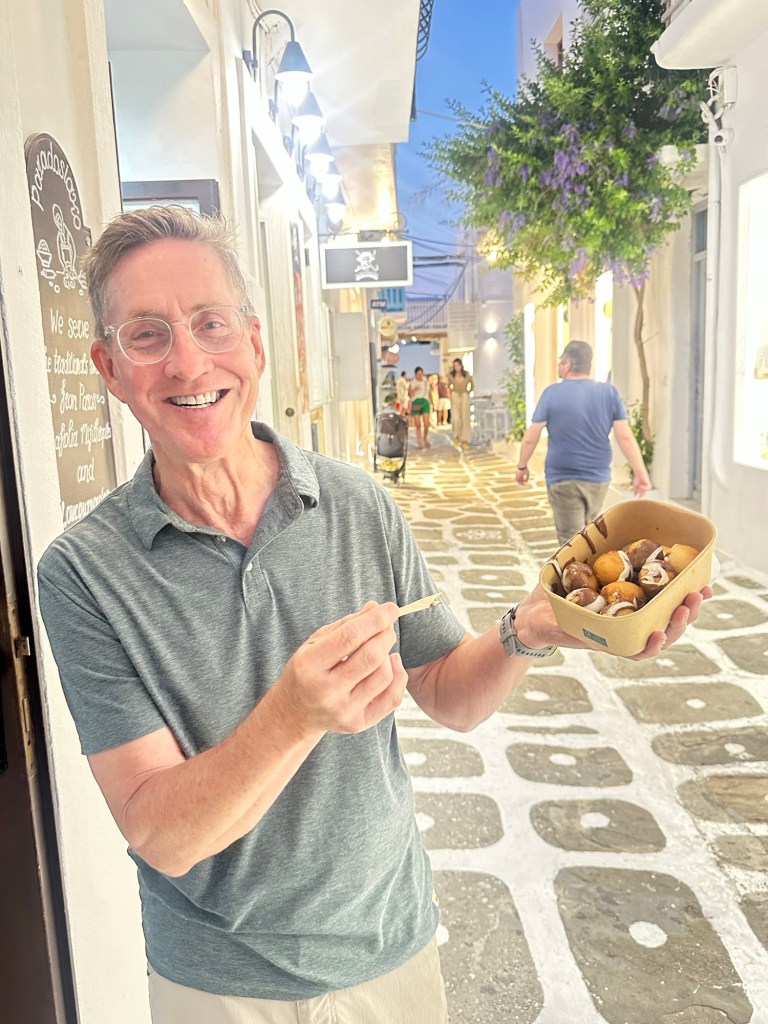
This is something special.

 YouDontKnowJackTravels