
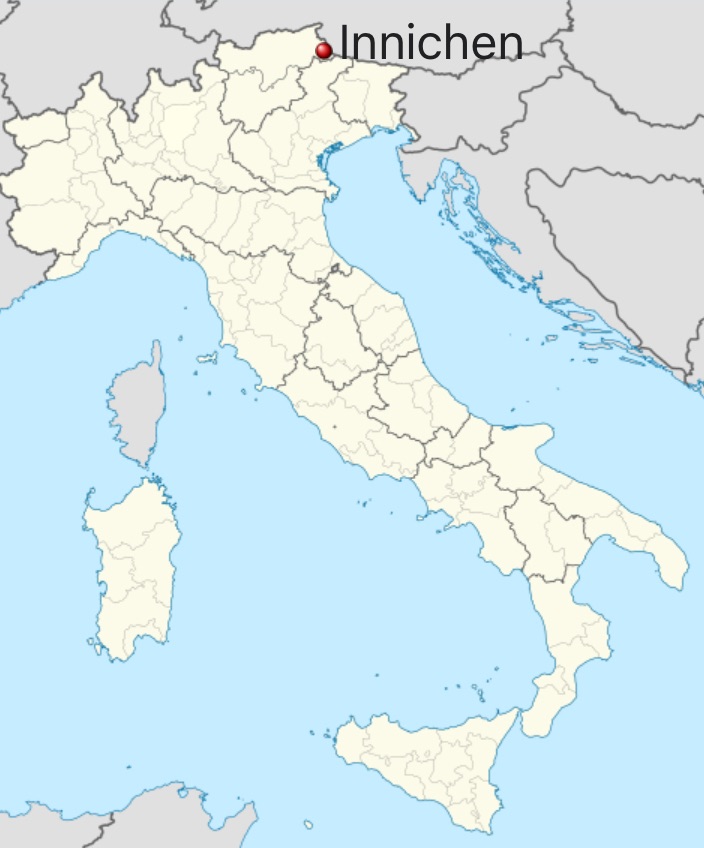
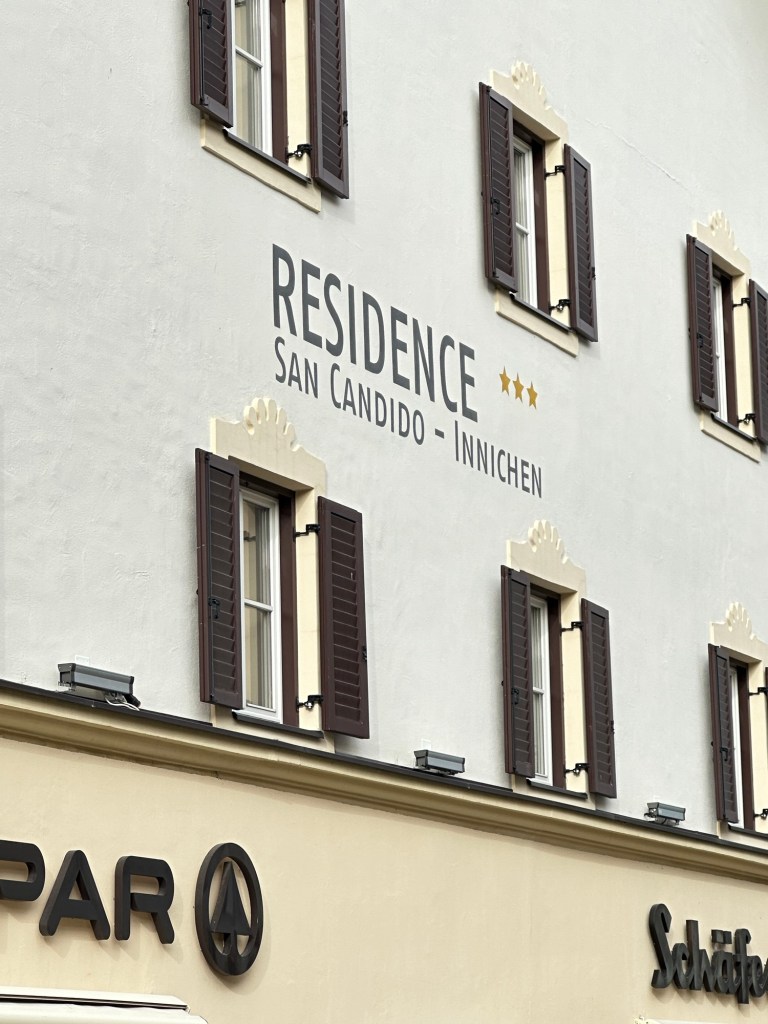
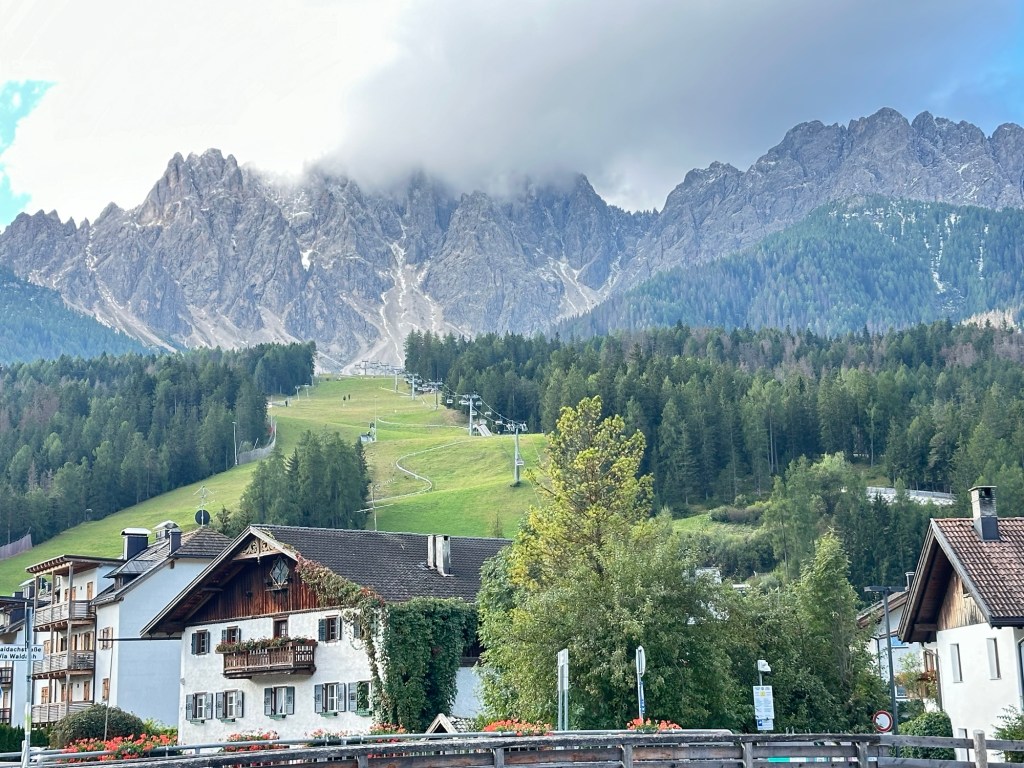
I arrived in a small village just shy of the Austrian border that, depending on your language, has different names: San Candido (Italian) or Innichen (German). You will find this picturesque village in Tre Cime Natural Park of the Dolomites. Prior to WWI, the village was in Austria, the reason for its dueling names. (See my prior post on Bolzano). My last stay in northern Italy before moving on to Austria is here.
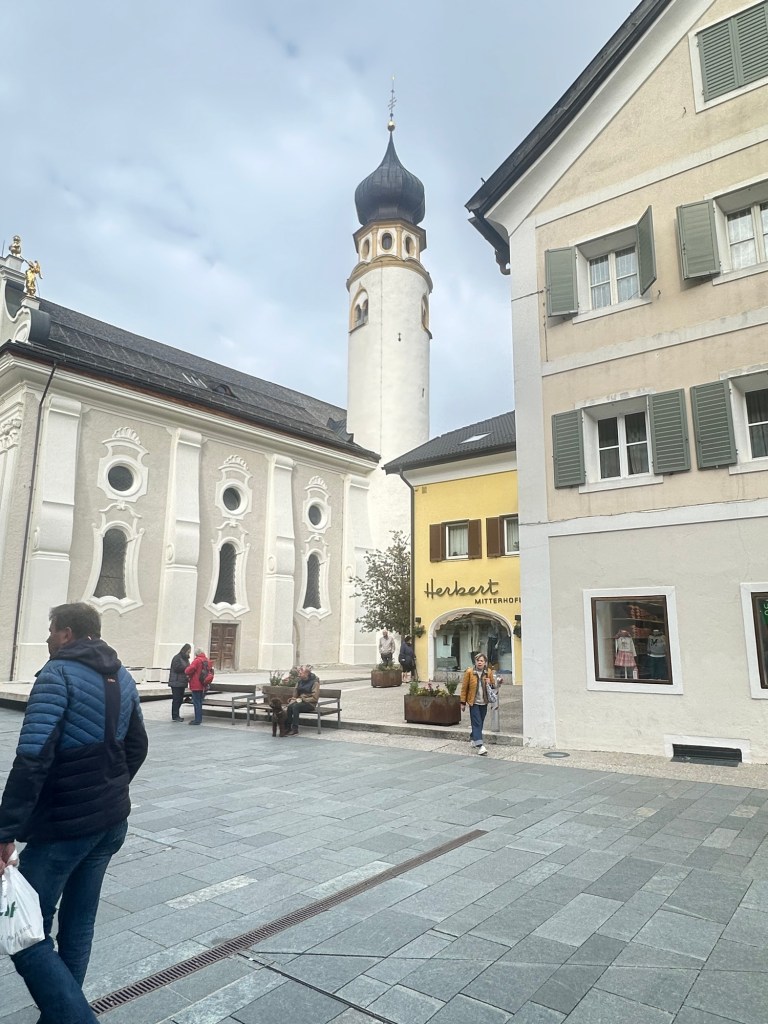
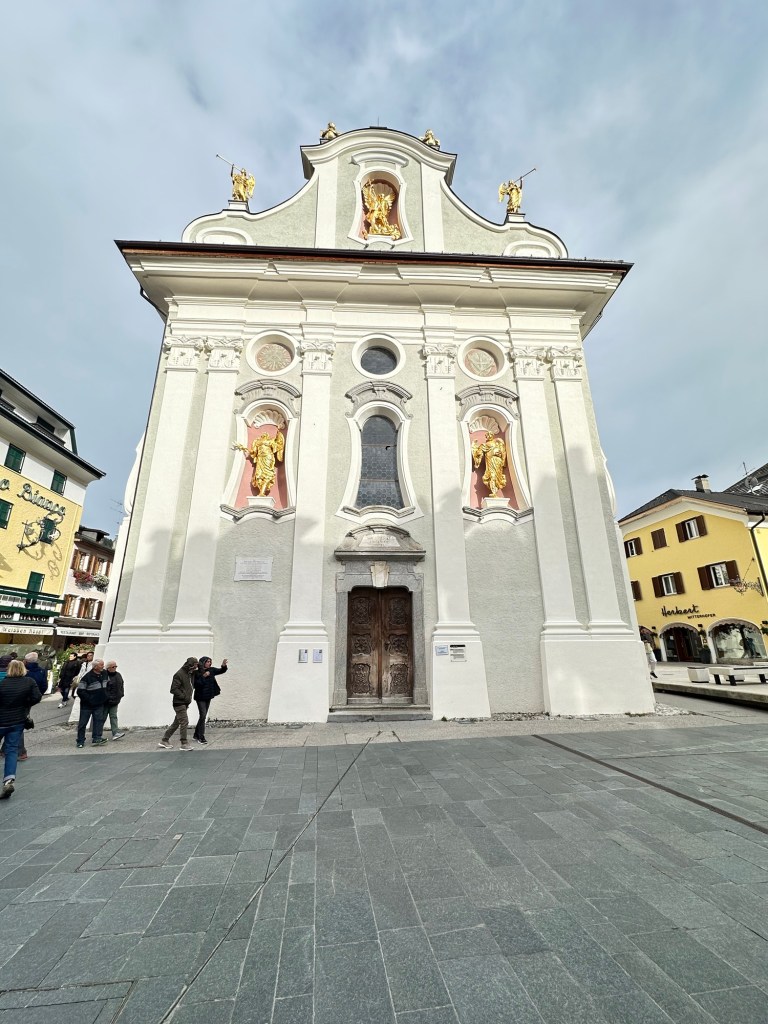
Parrocchia di San Michele, a pretty church, sits on an end of one of the village squares. The Baroque style church has a distinct tower bell, with a round and pointy top, a very common feature in the region. German is the dominant language in San Candido/Innichen; the village is distinctly Austrian-centric. Even aside from the tourist trade and serious ski revenue, the village seems extremely wealthy.

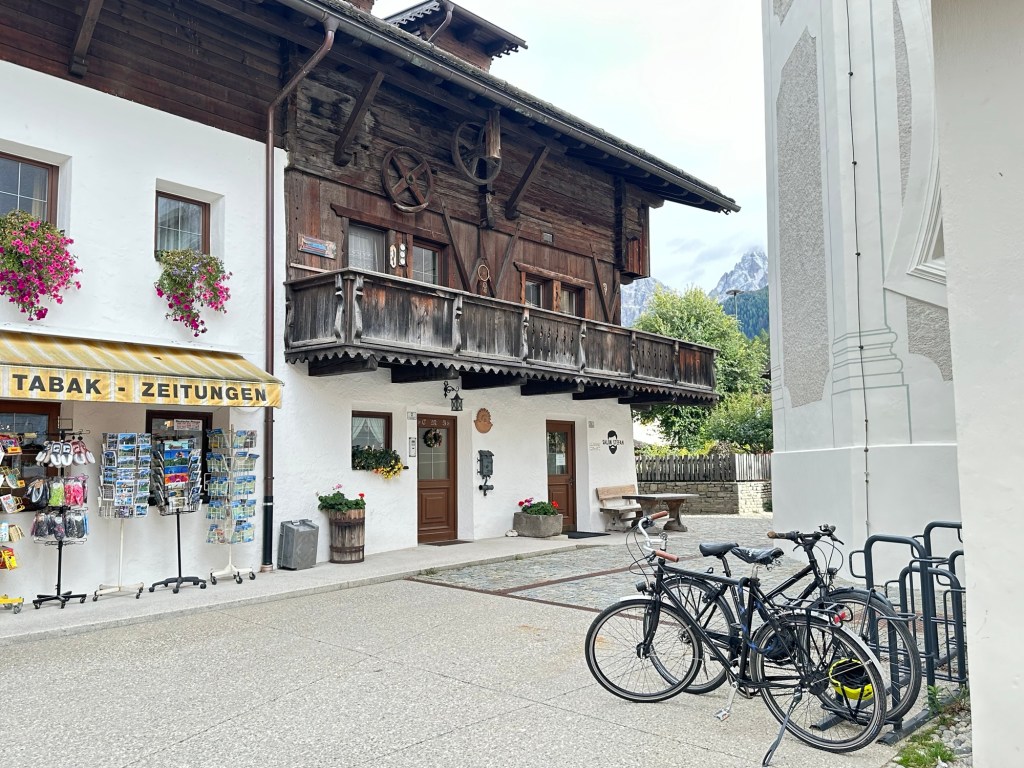
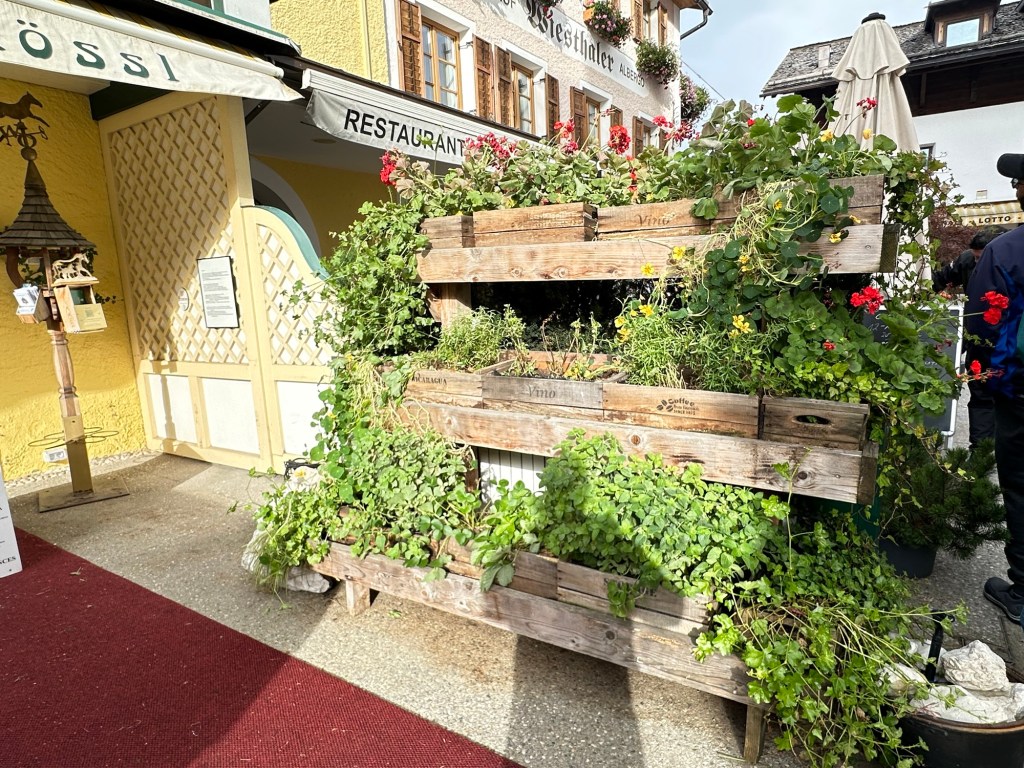

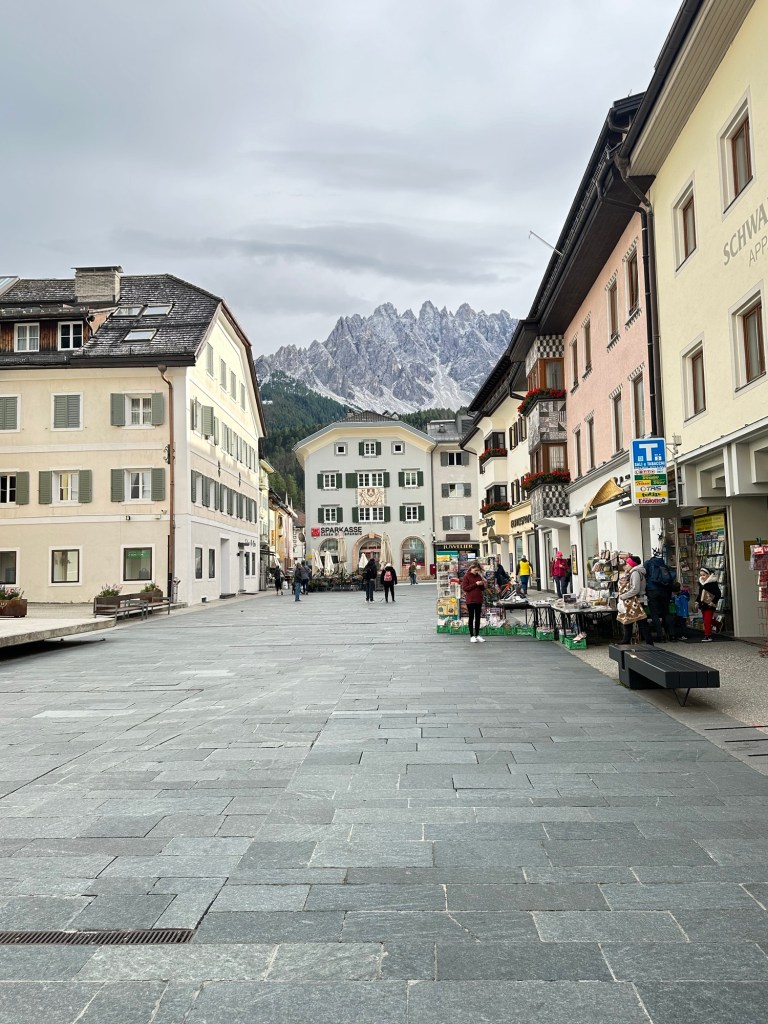
I did not feel completely welcome here. A local inn-keeper explained why. San Candido/Innichen is fairly segregated. The majority Austrian/German population does not mix with the Italian and/or Ladino populations. Each group is separate, in all aspects of life, including education children from an early age. Further, the Austria/German speakers control most everything, including the allocation of resources. This does not bode well for others, such that Italian and specifically Ladino populations suffer. Ironically, resident Austrian/German speakers do not consider themselves to be Italian, but they do not want to rejoin Austria either. The reason seems to be that San Condido/Innichen is located in the South Tyrol autonomous region, which keeps 90% of its paid in taxes. Tourists and outsiders are welcomed for tourist dollars but seemingly not otherwise. I felt cold stares from locals. This is a pretty place but ….
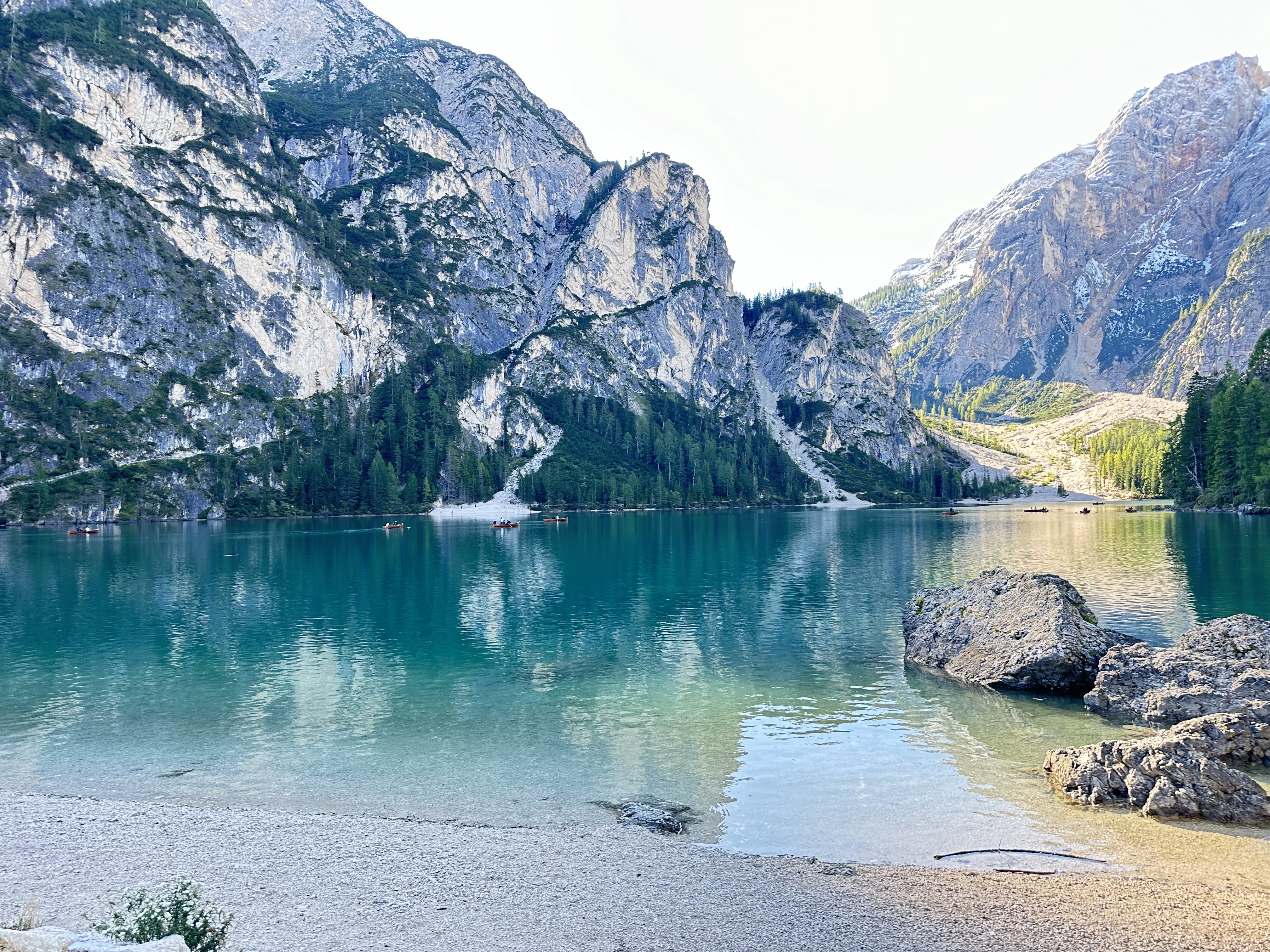
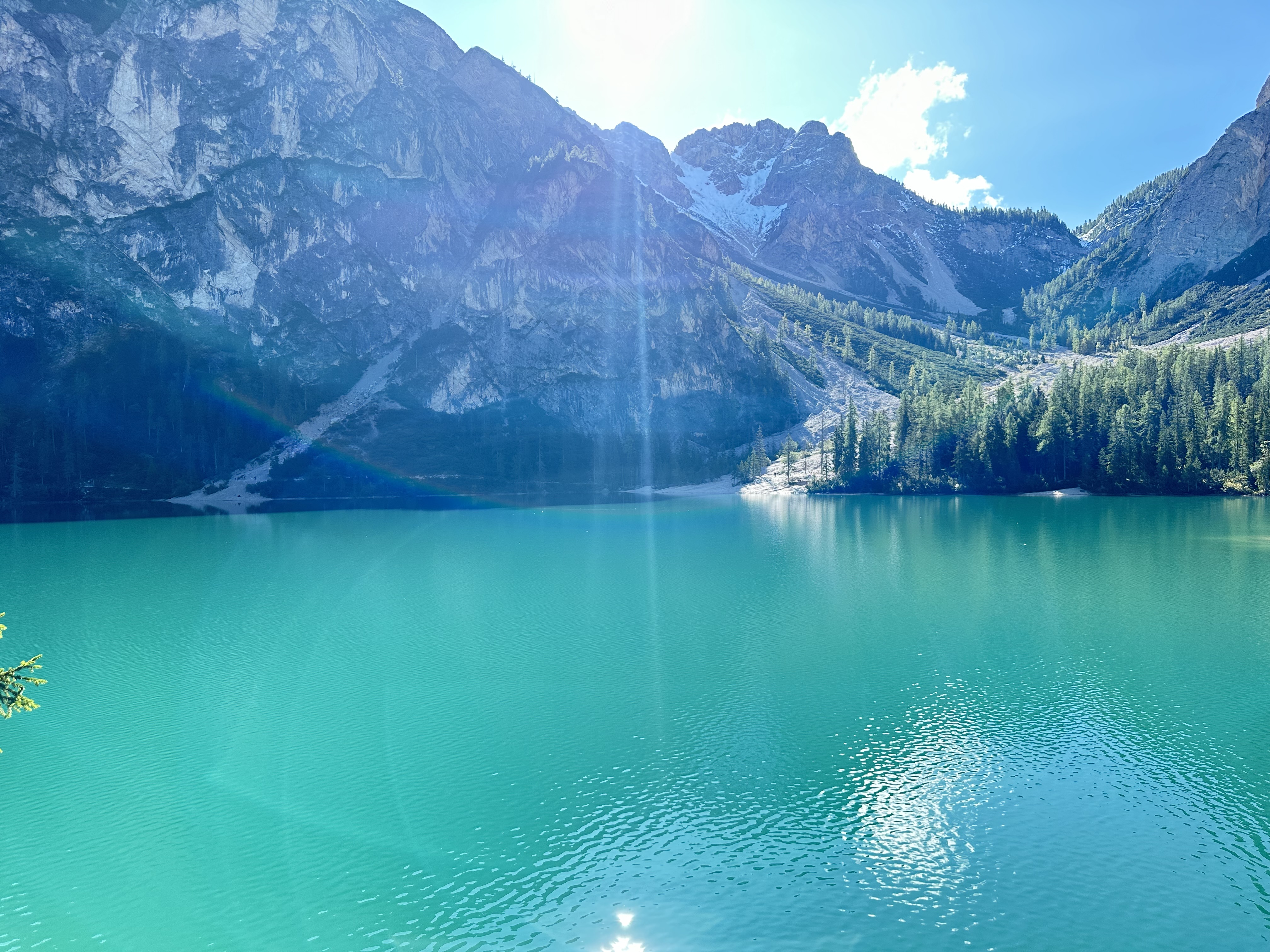
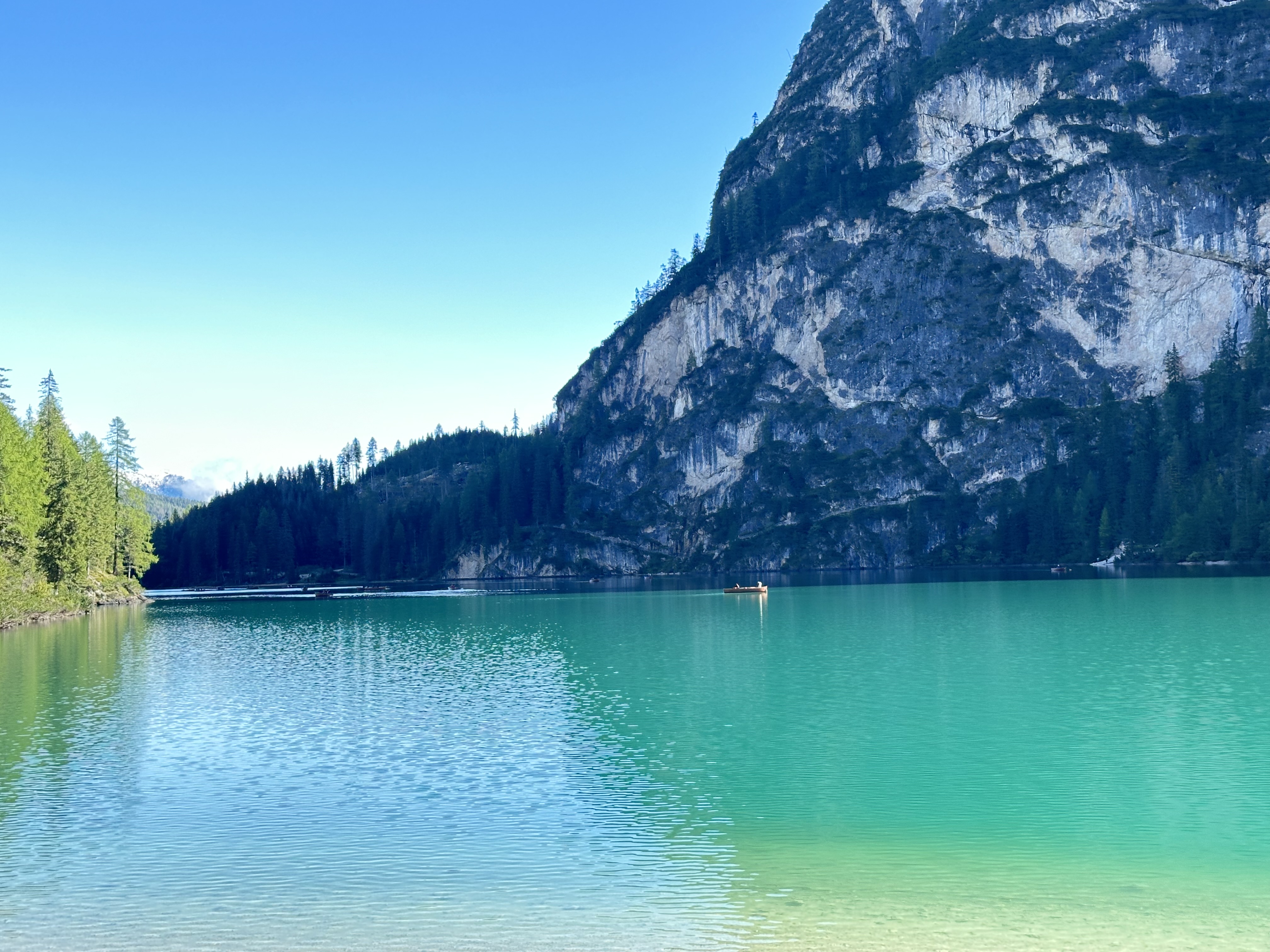
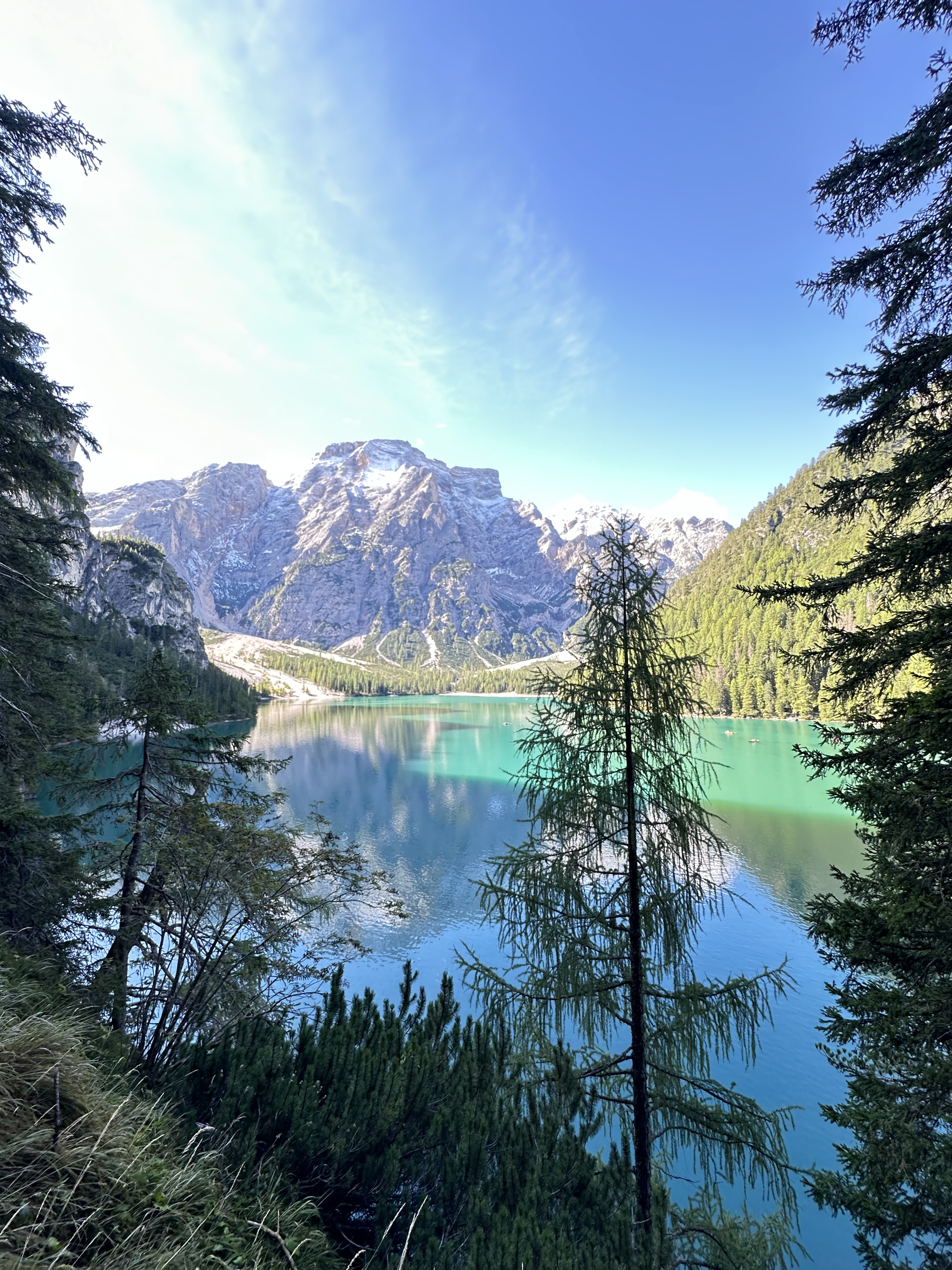
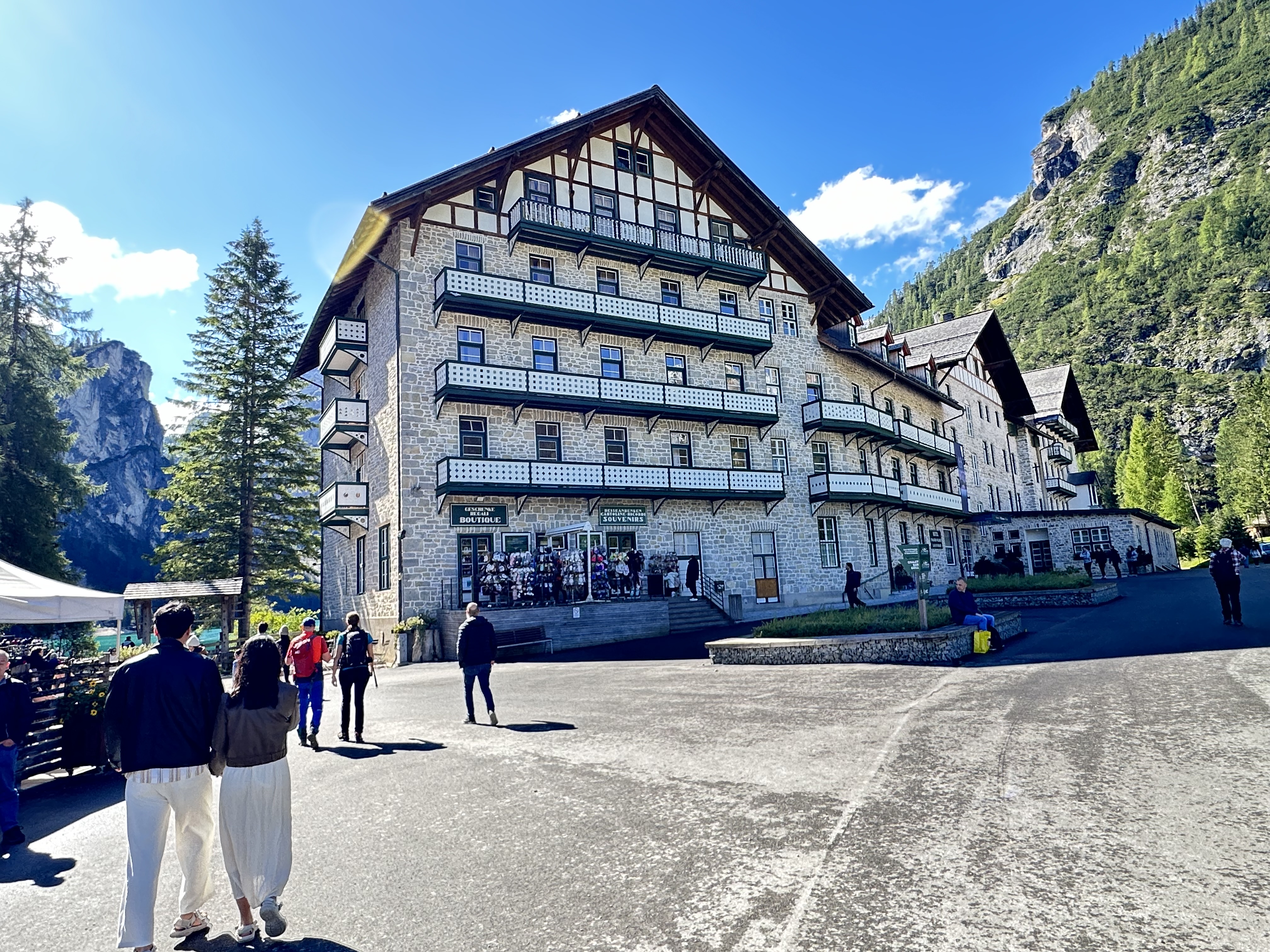
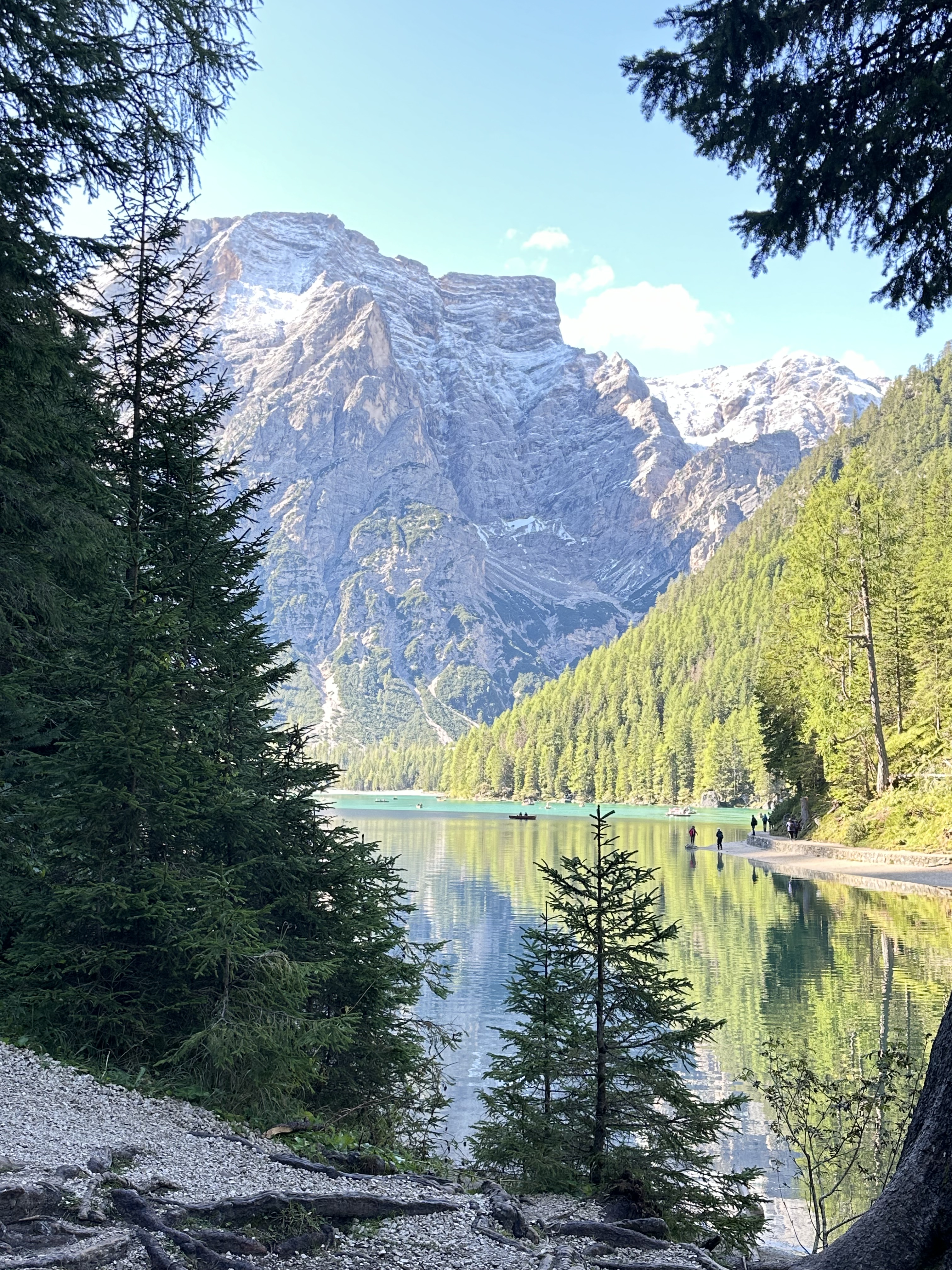
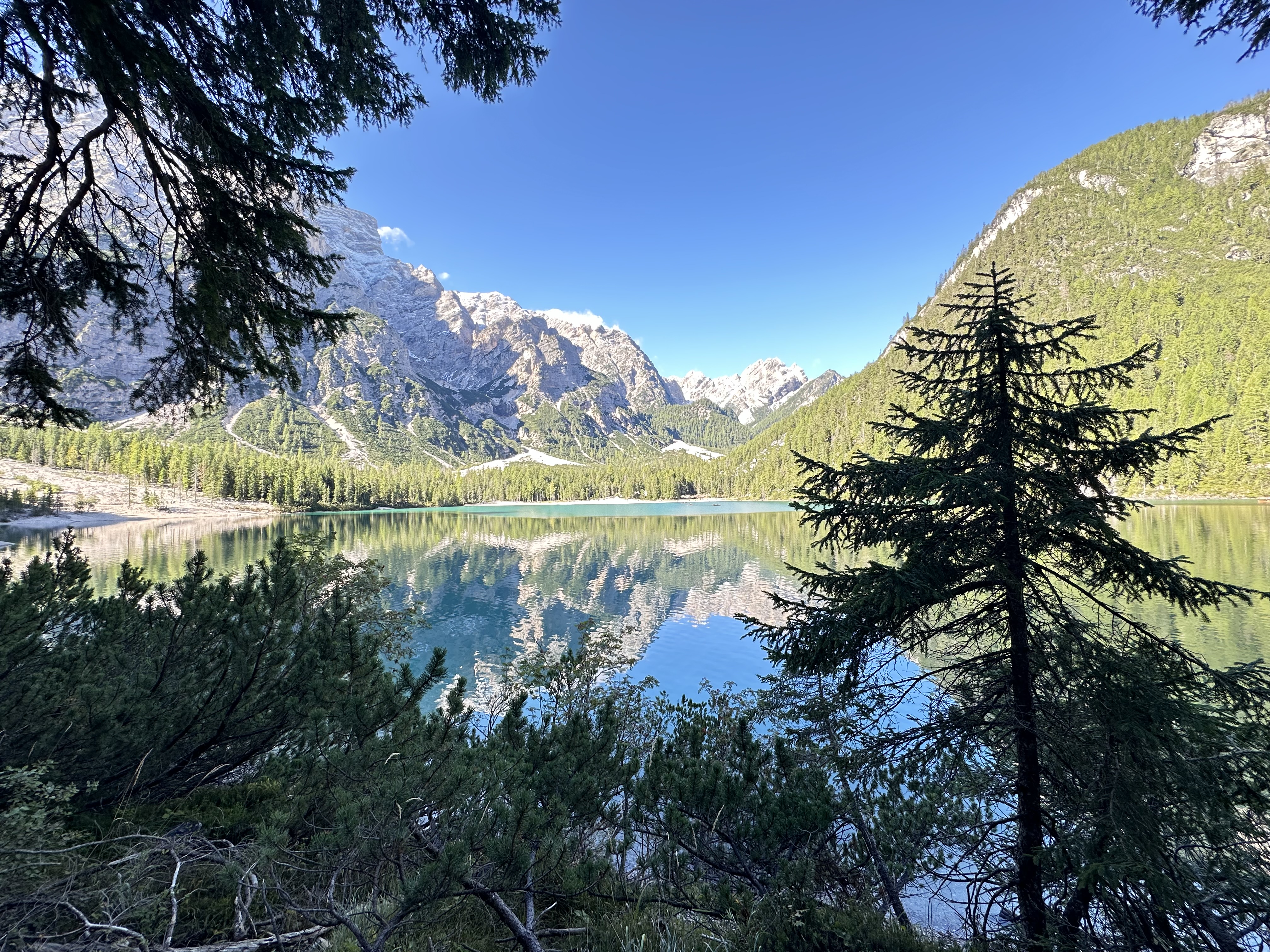
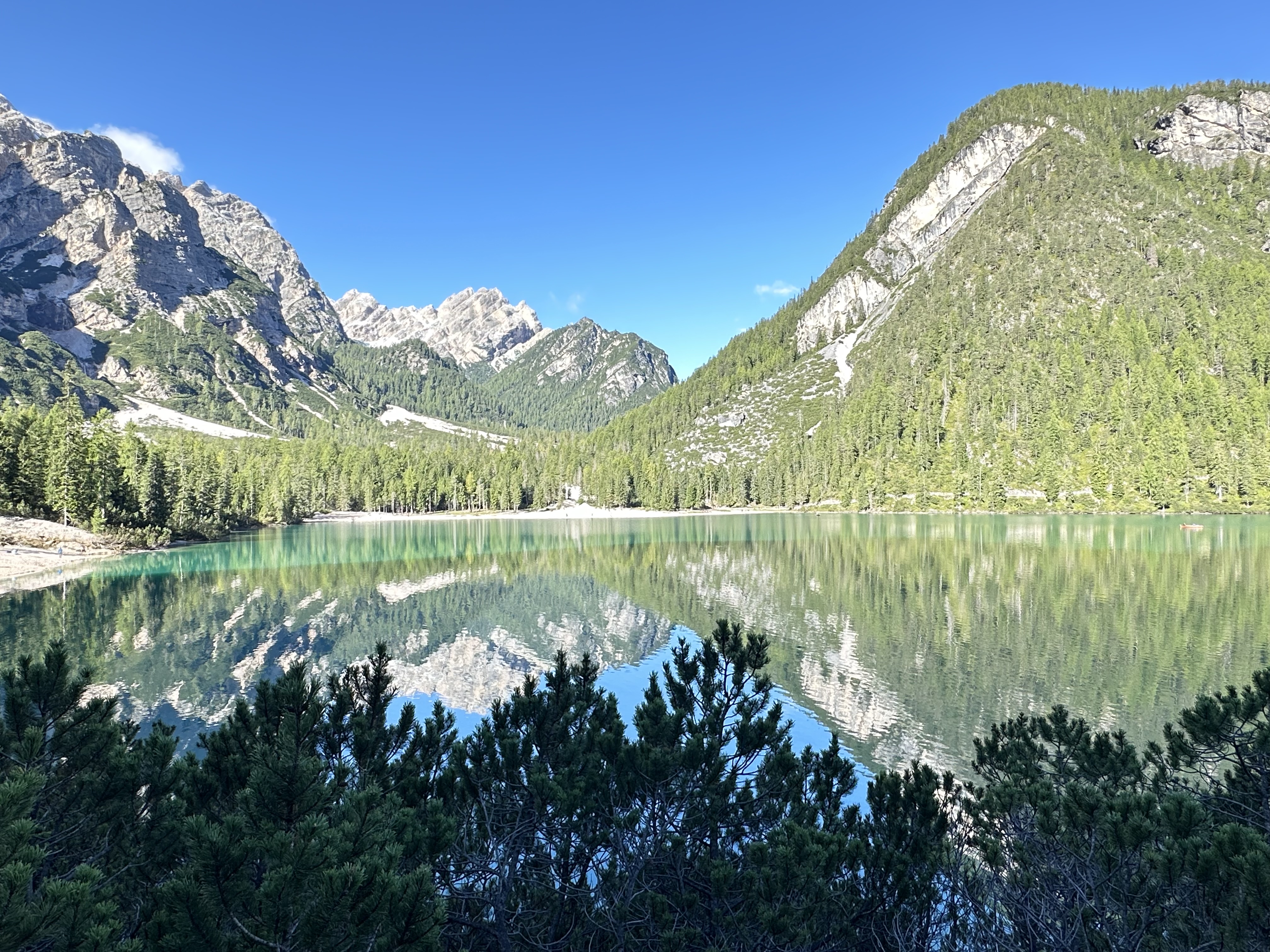
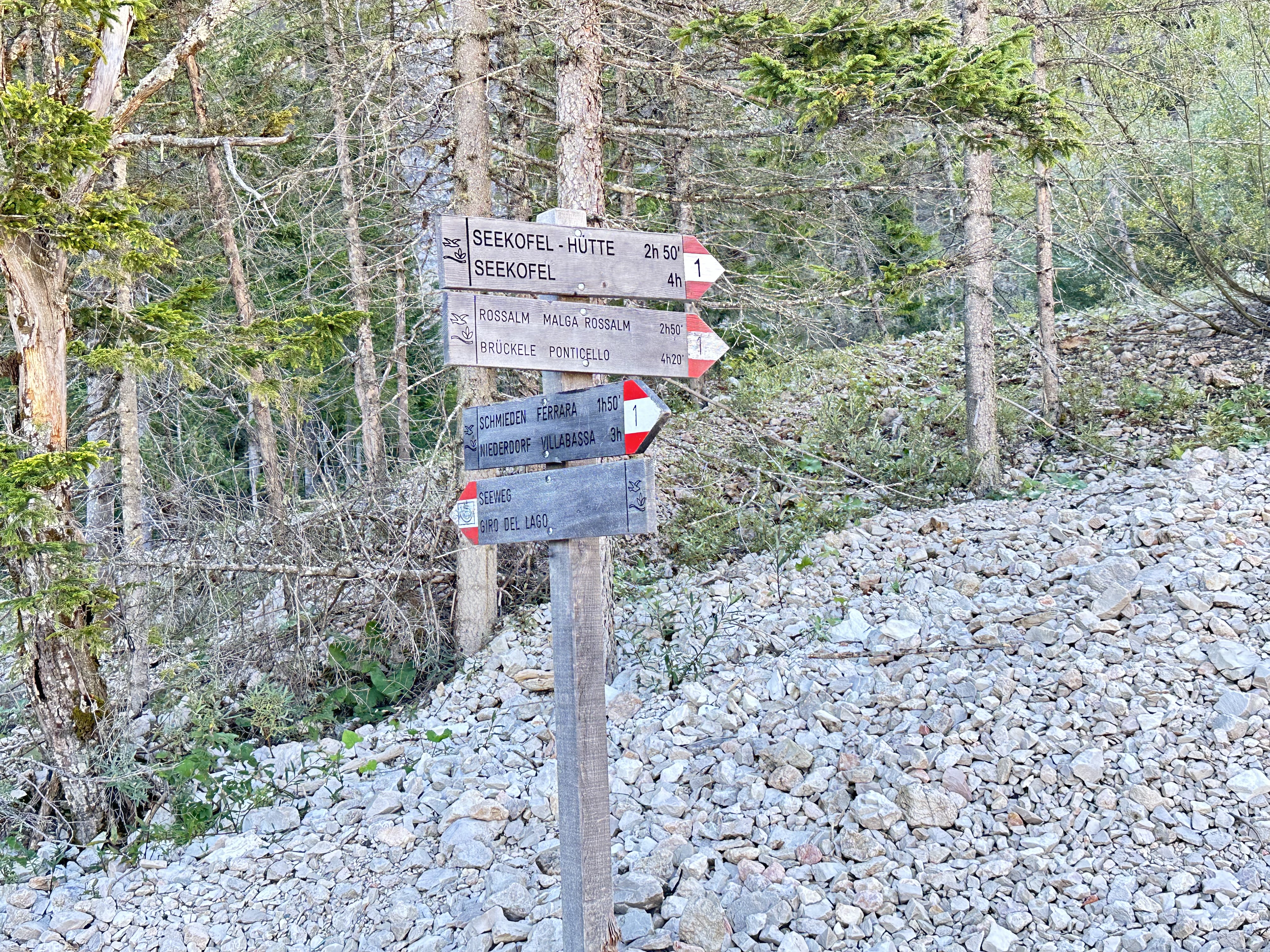
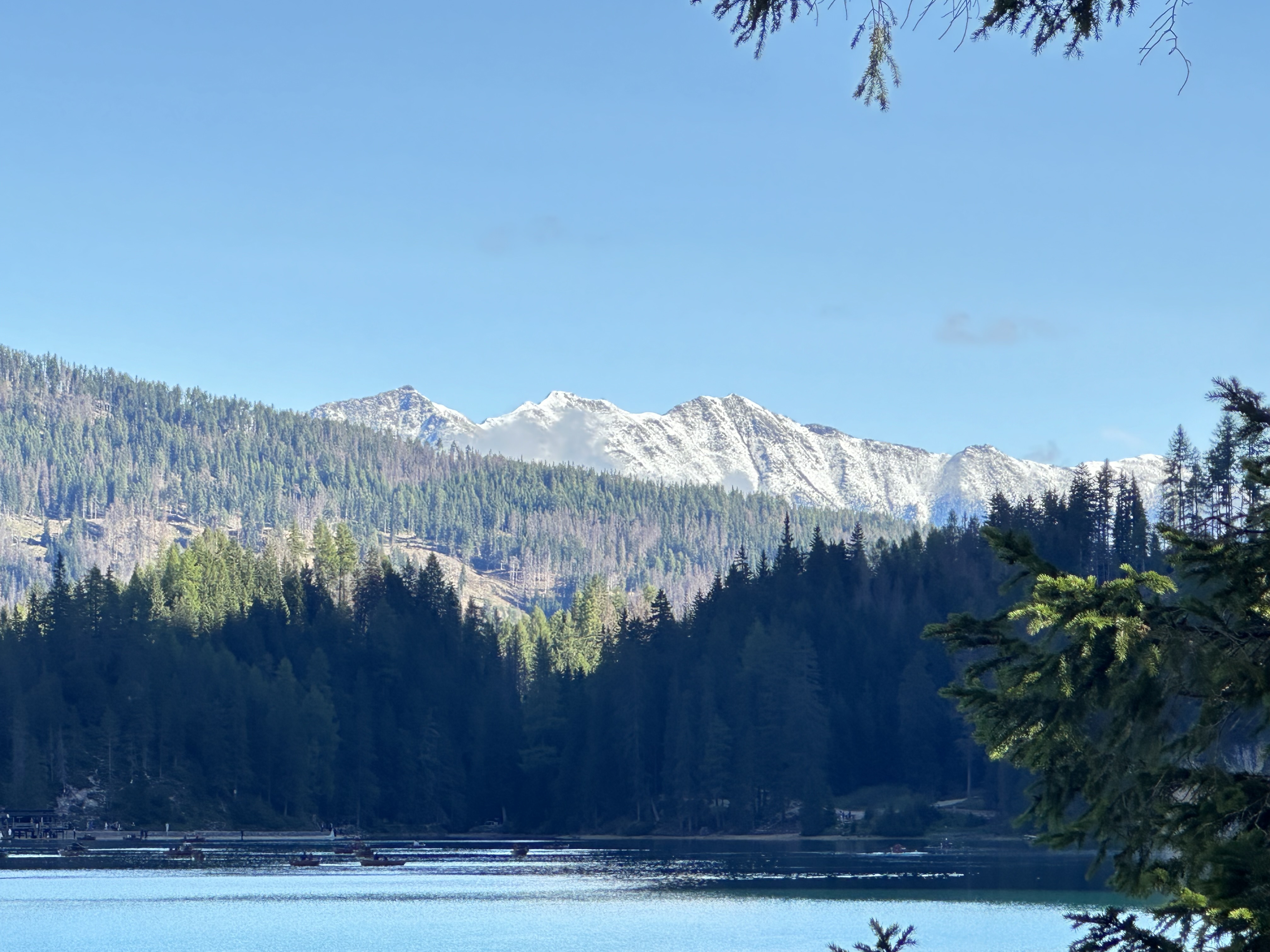
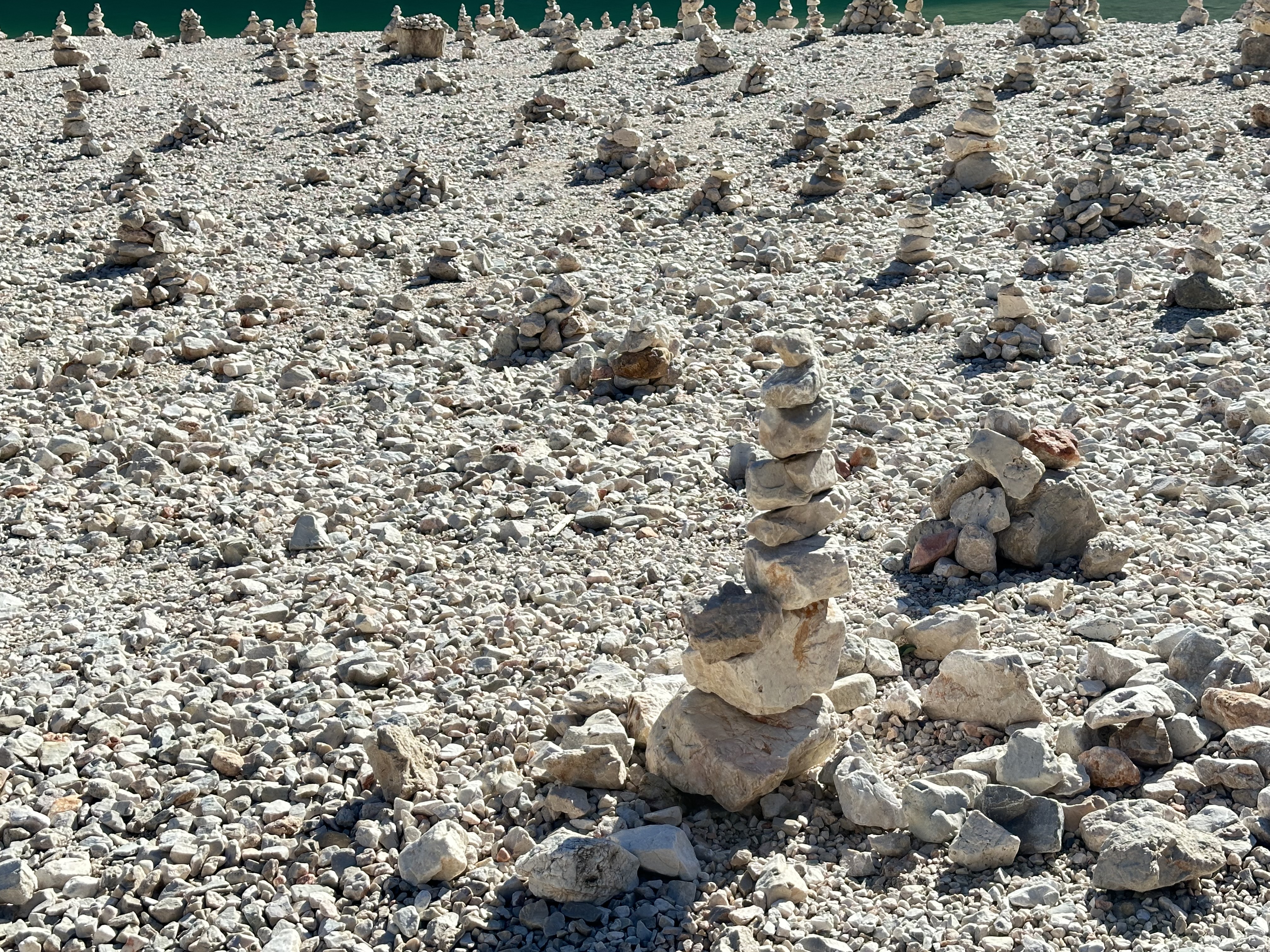
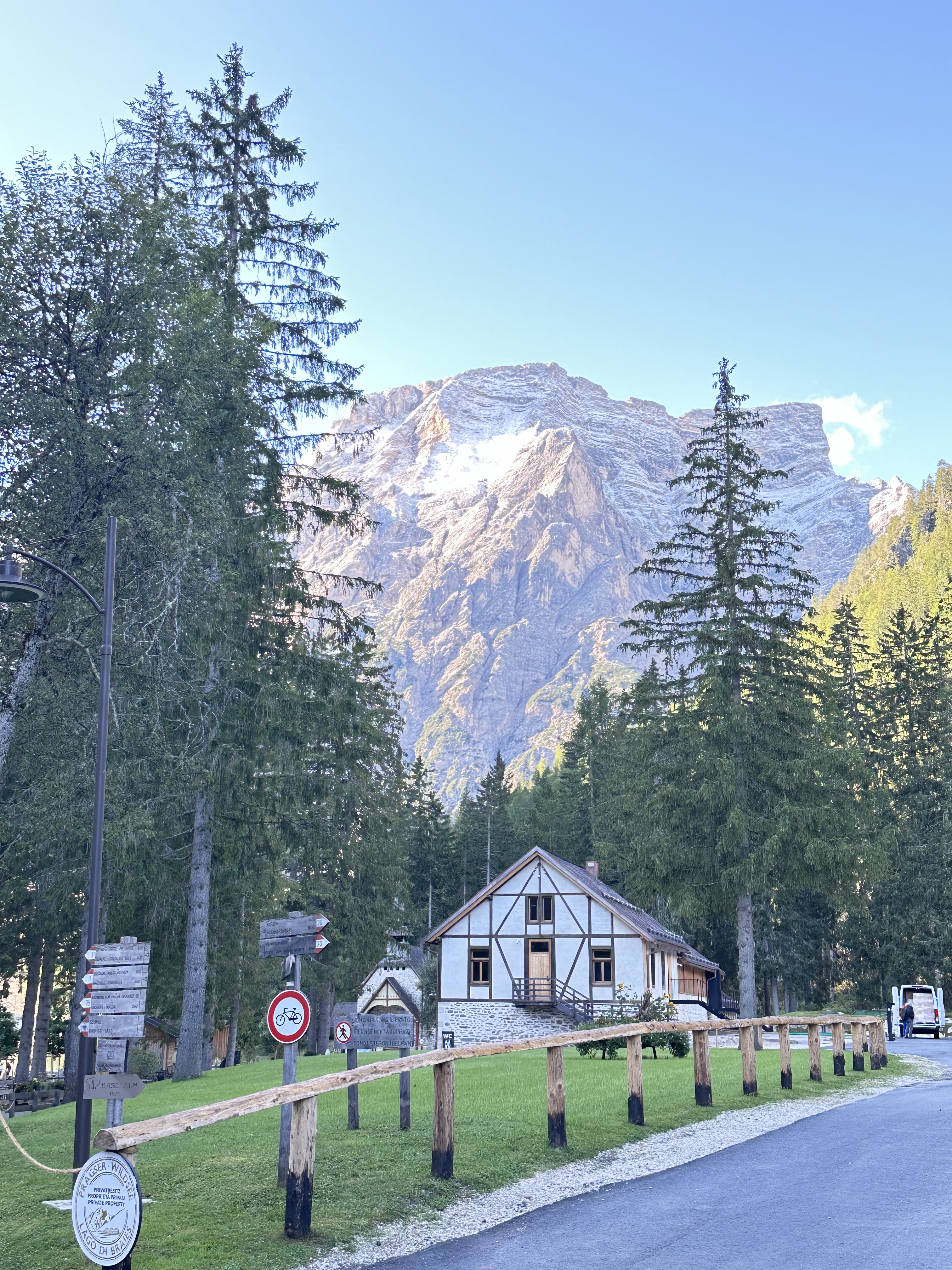
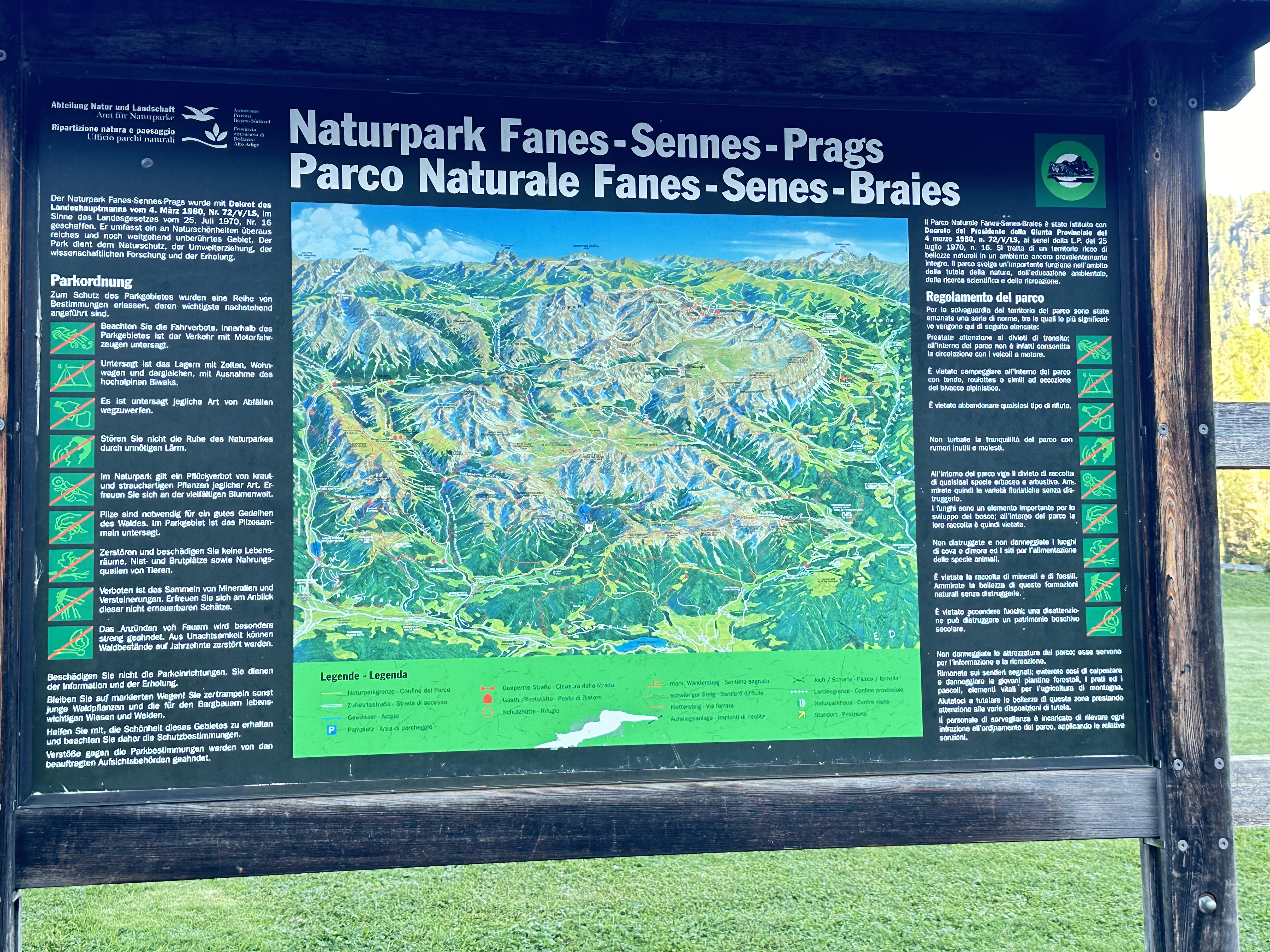
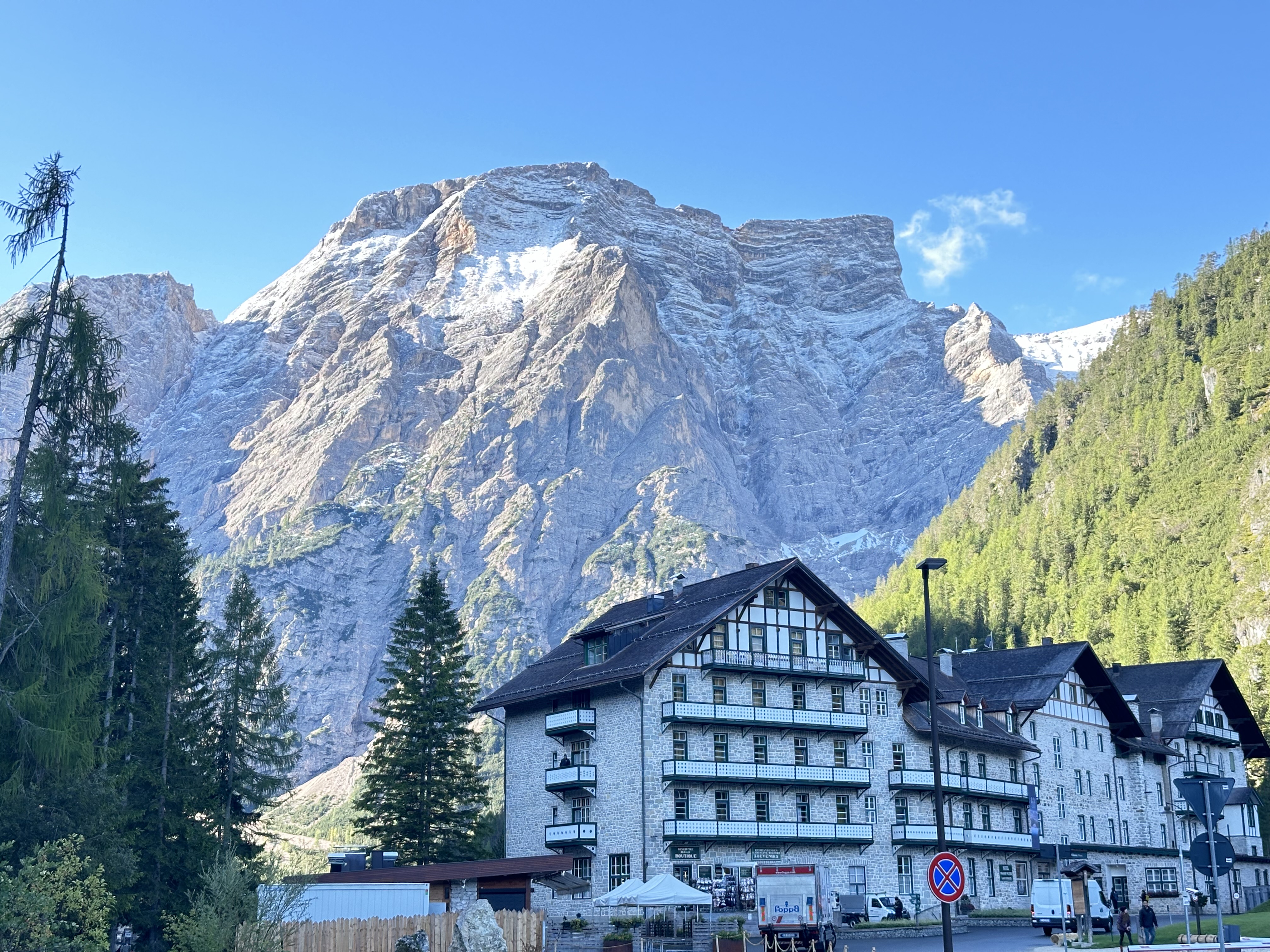
On day two, I hiked the perimeter of Lago di Bries, a natural glacial lake in the South Tyrol Prags Dolomites. The lake has emerald/blue water and rests below a giant rock face. The hike took me little over an hour and was not difficult; more challenging hikes abound. The problem here is simply too many tourists. While my visit was timed to avoid the throng, the number of people on the small trial causes a lot of bobbing and weaving. The hiking paths are well worn. I wonder about the long term impact of mass tourism on places like this, just as I wonder about the impact of the disappearing glaciers.


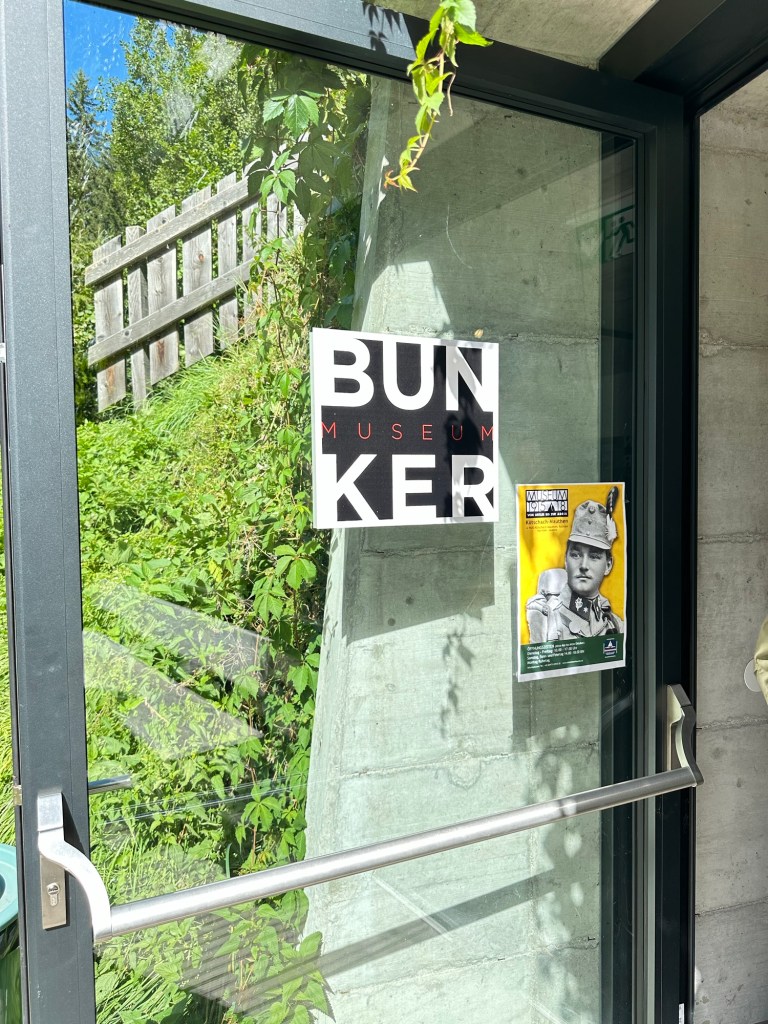
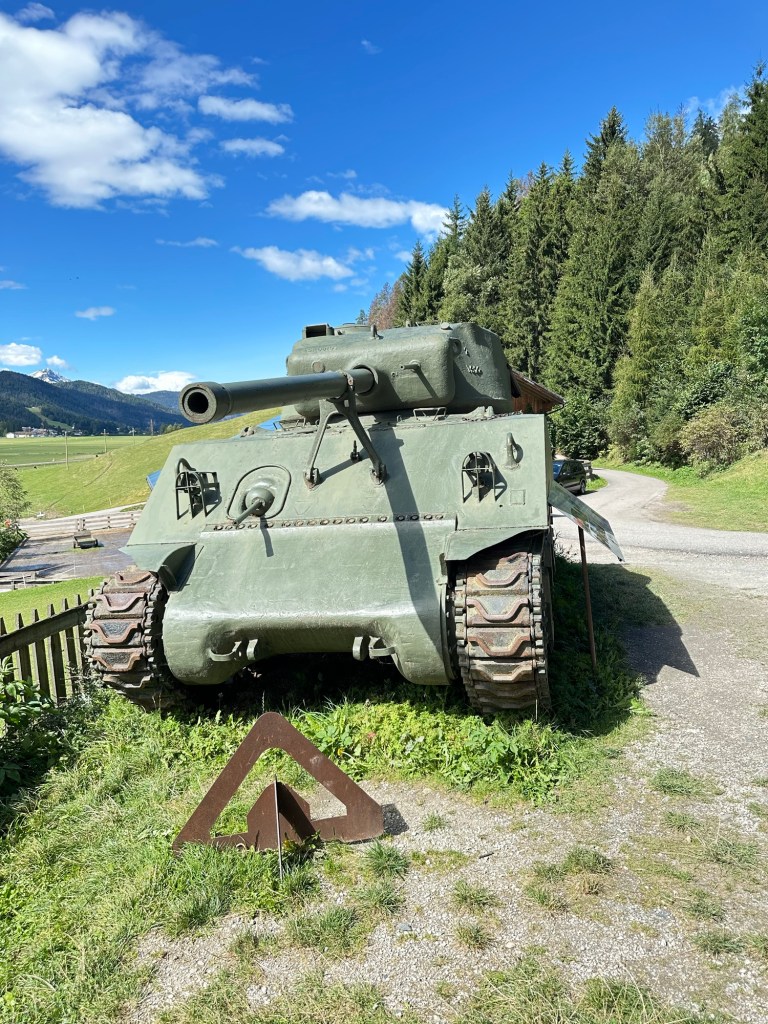
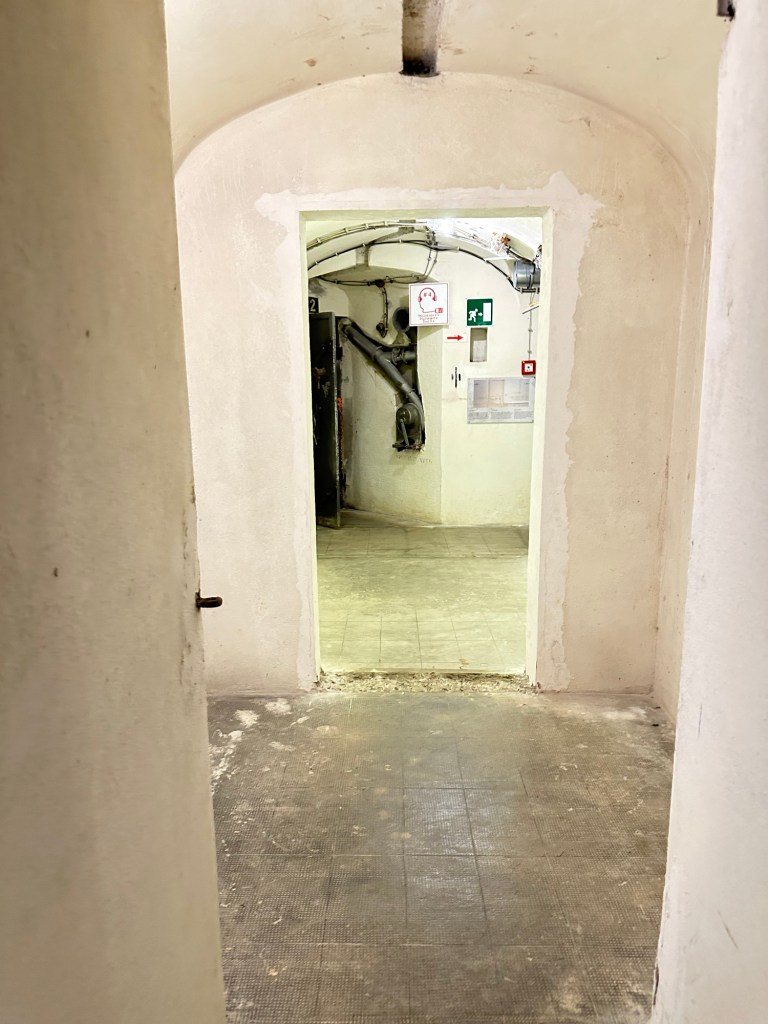
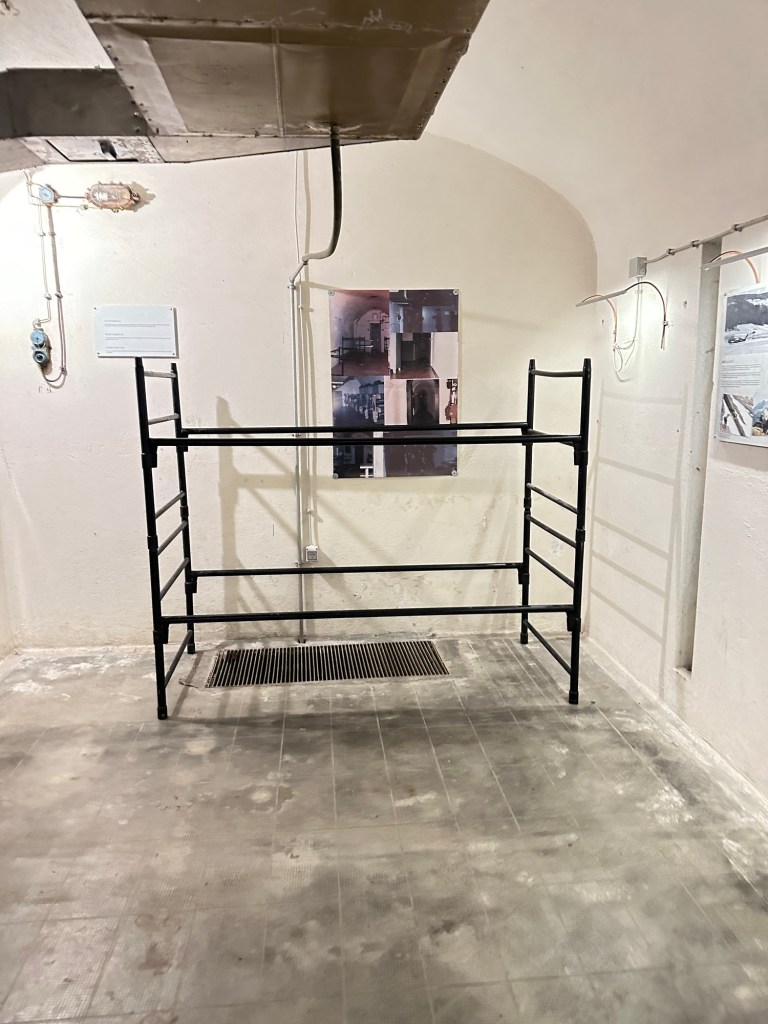
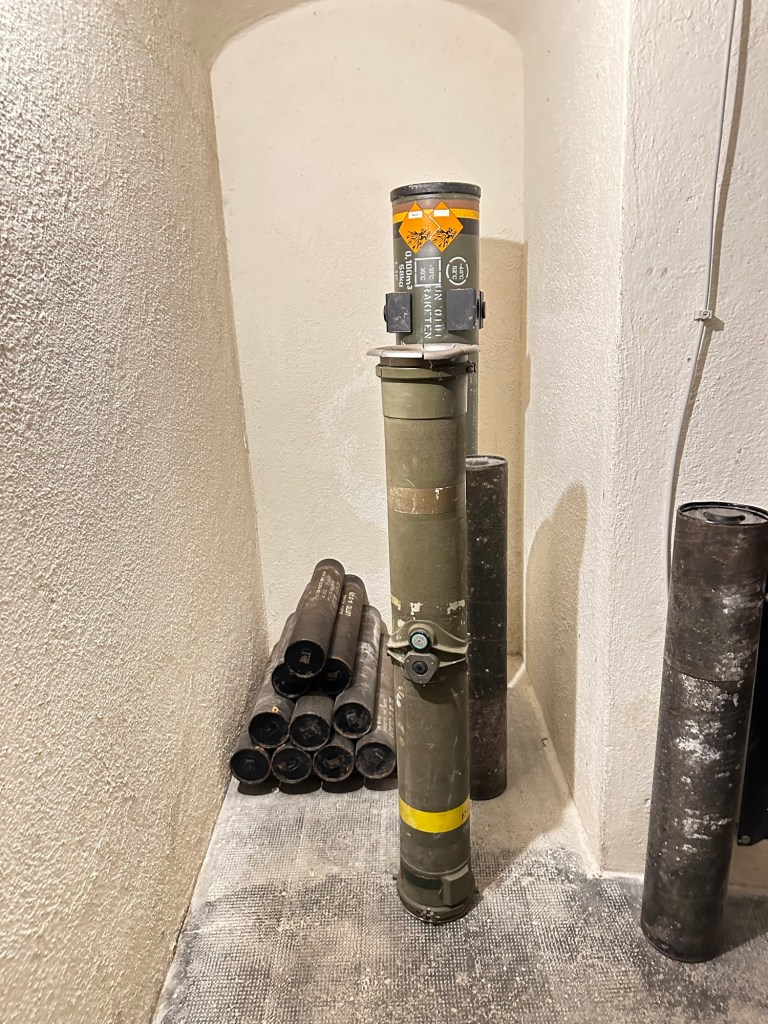
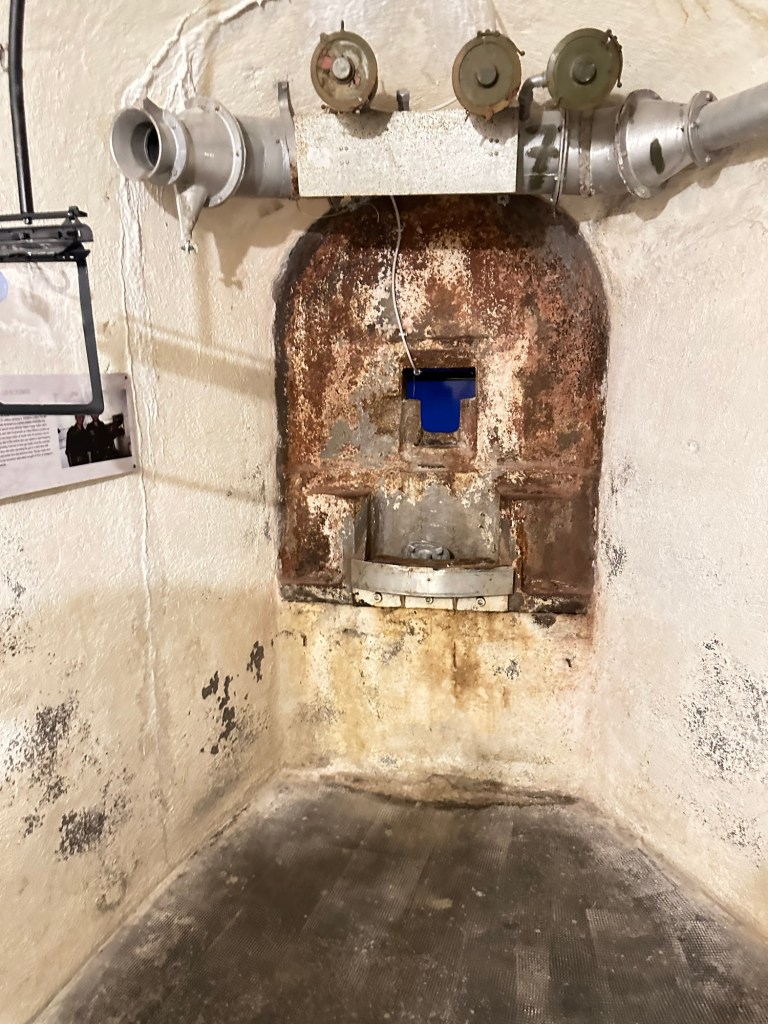
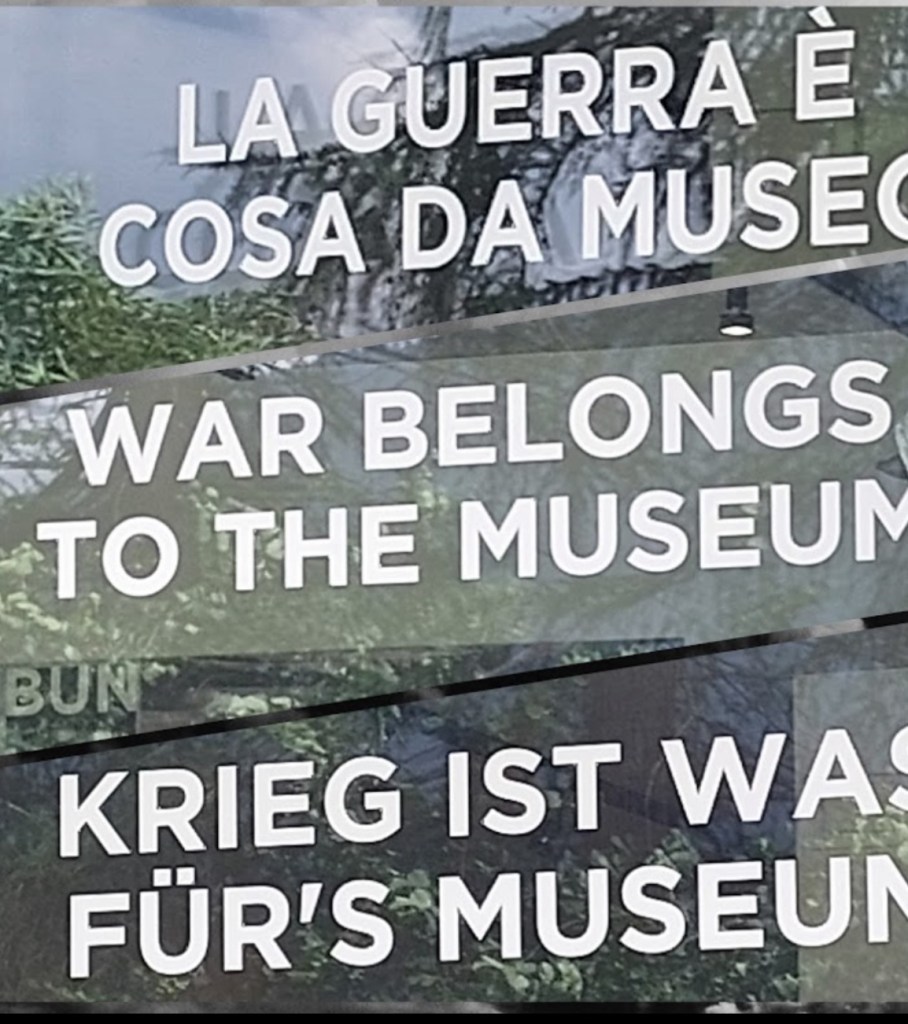
Post hike, I made a quick stop at the Bun Ker Museum, a well preserved part of a larger former military bunker complex in South Tyrol. My guide, a highly educated man named Curti, told me about the history of the bunker complex and then a tour. Curti explained how the bunker system was initially constructed during WWI under Mussolini to deter the Germans from invading Italy. Yes, you read that right. After that war, however, the bunker complex fell under NATO control via the Italian government. The stated purpose being to stop a Russian invasion via Austria. The invasion never happened, and in 1993, after the Cold War ended, the bunker complex was closed and sold off to farms and vineyards. Curti helped turn this part of the bunker complex to a museum. When I was in the bunker, it was really cold. The bunker has no heat. Curti explained that soldiers only stayed in the bunker for 48 hours because of the cold. This was clearly a brutal assignment: waiting for the unimaginable to happen, that thankfully never did. A prophetic sign in one of the Museum doors reads “War belongs in museums”. This is a unique unforgettable experience and worth the hour or so it takes.


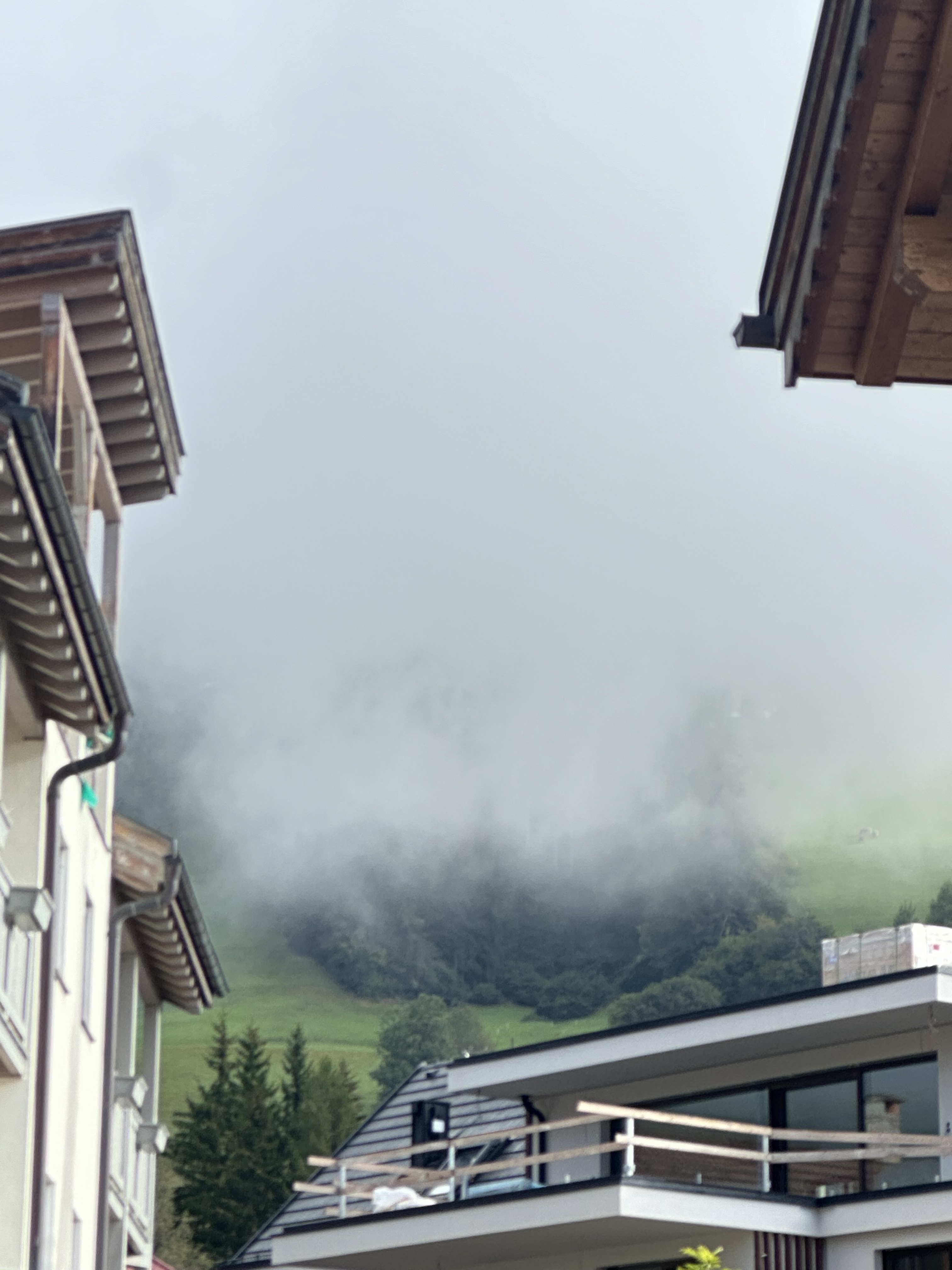
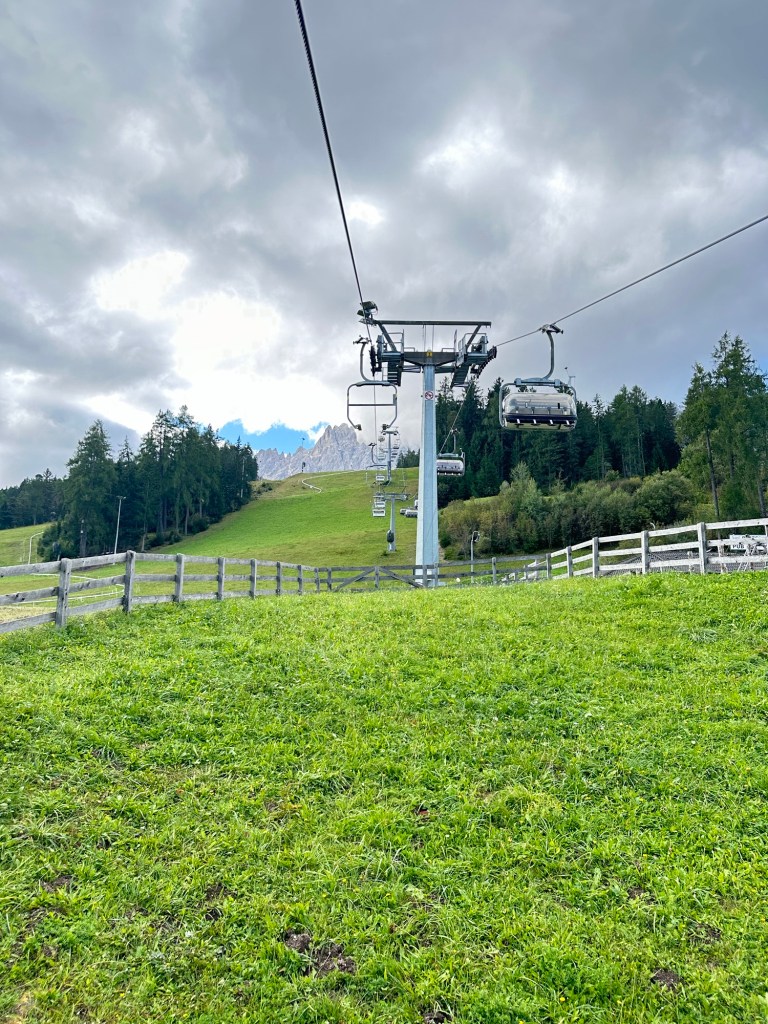
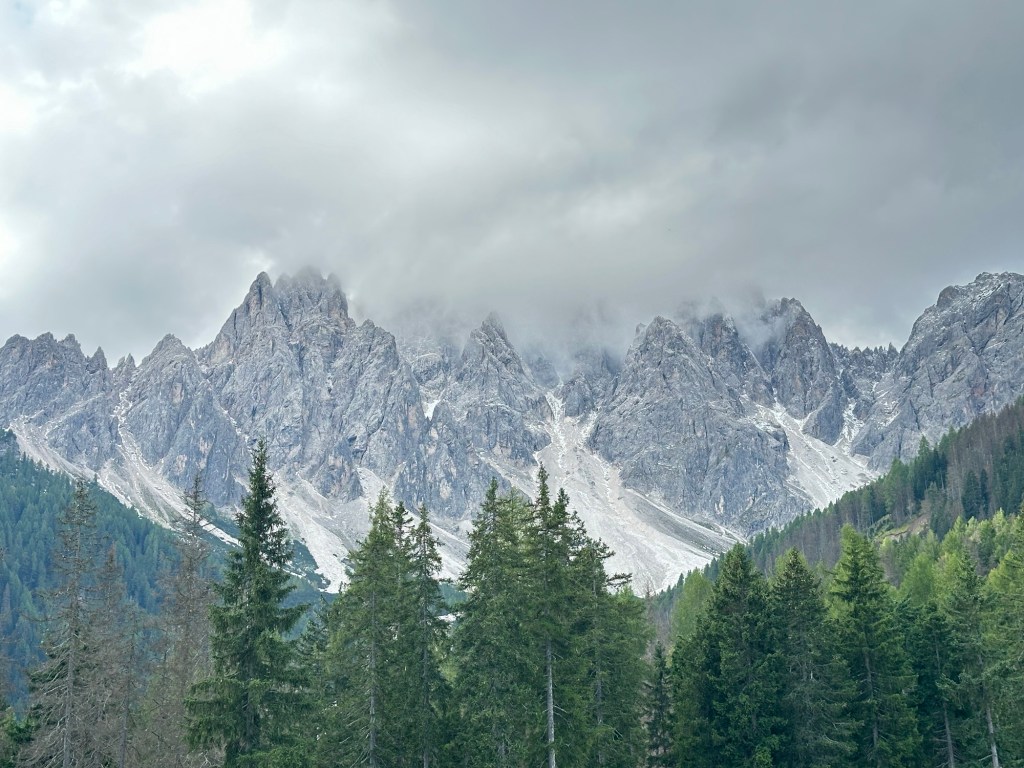
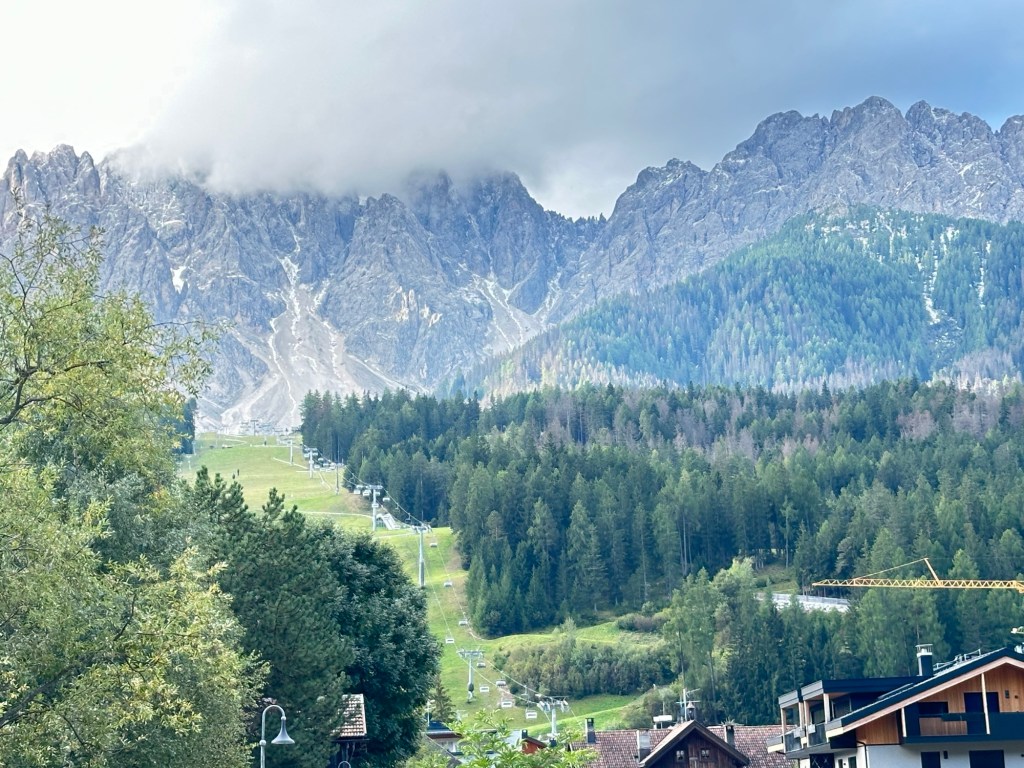
The next day I took a ski lift to the top of Mt. Baranci, the mountain and ski slope just next to the town. There were some spectacular views up there, and a long, steep hike down, which took hours.
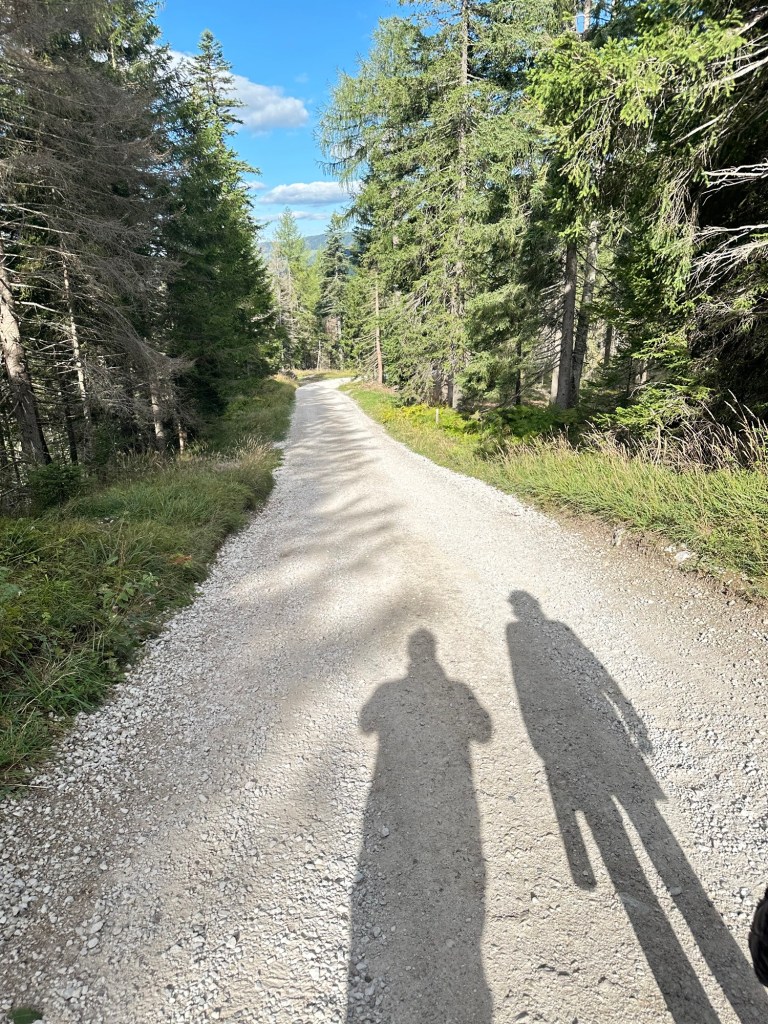
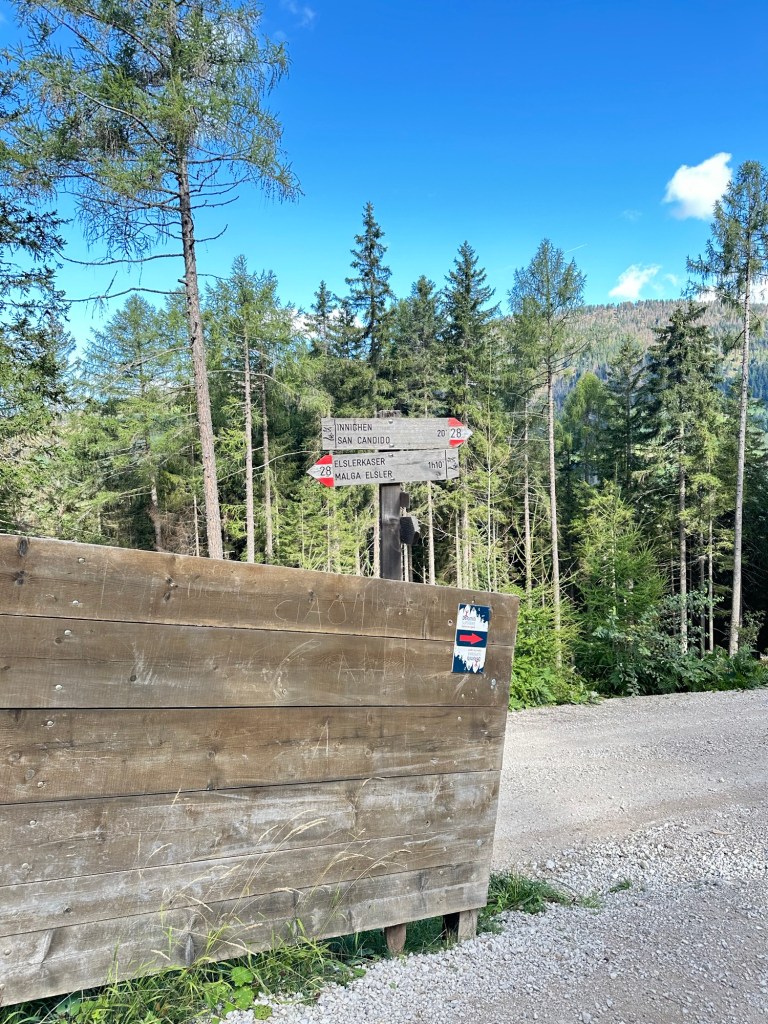

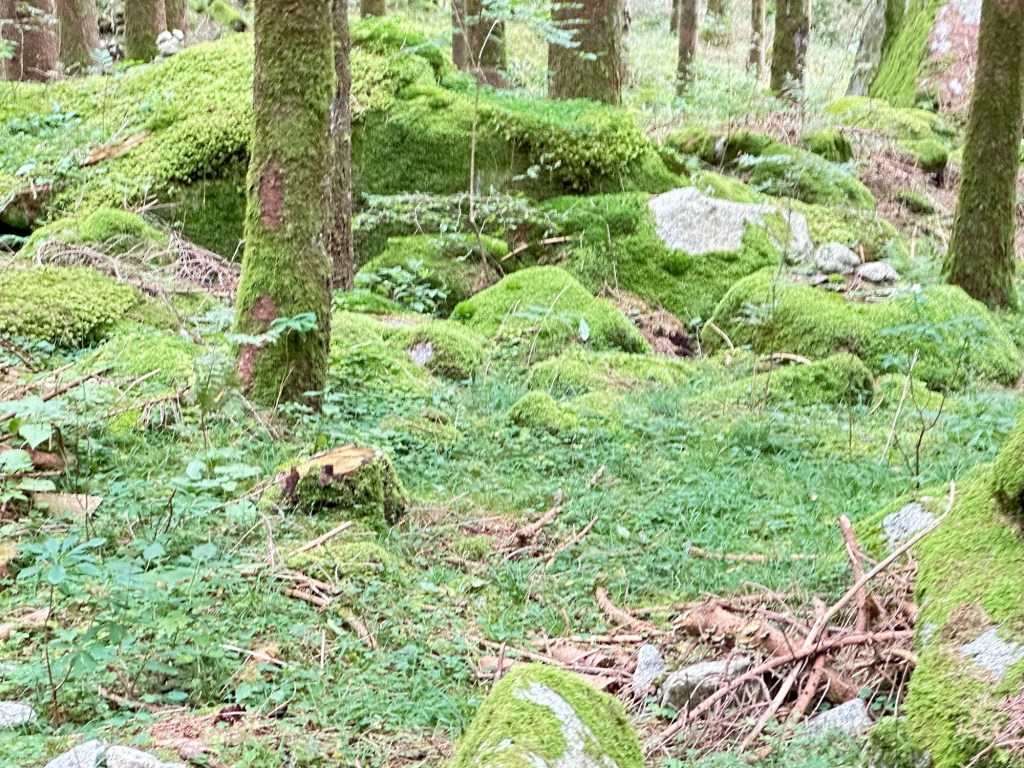
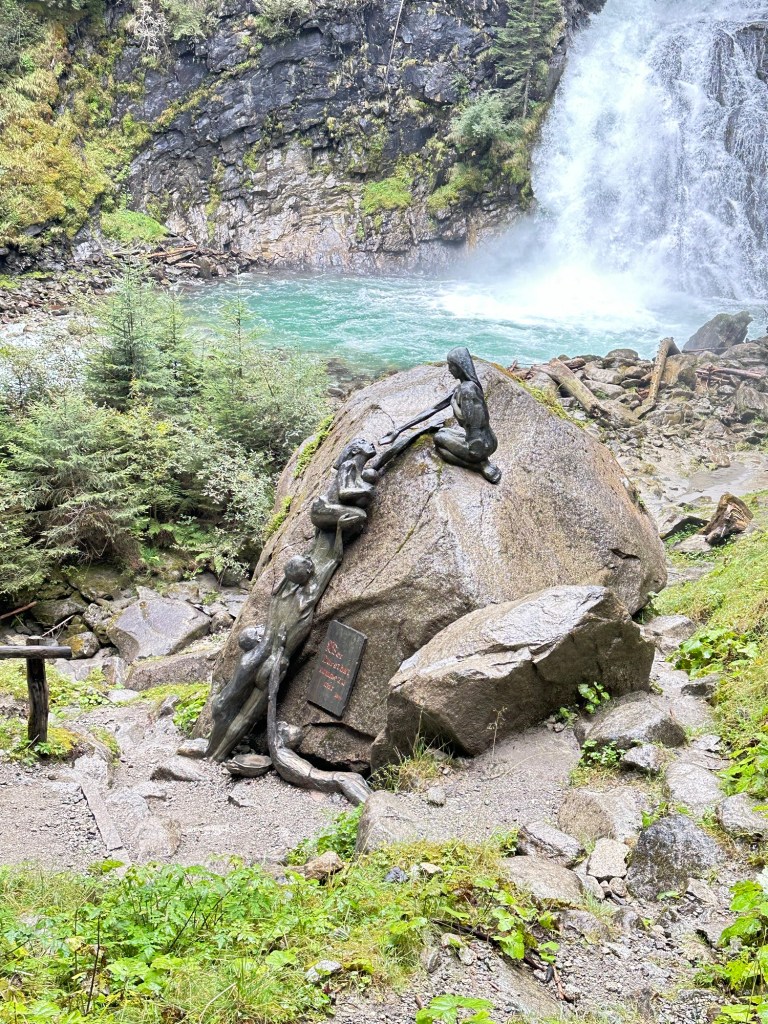
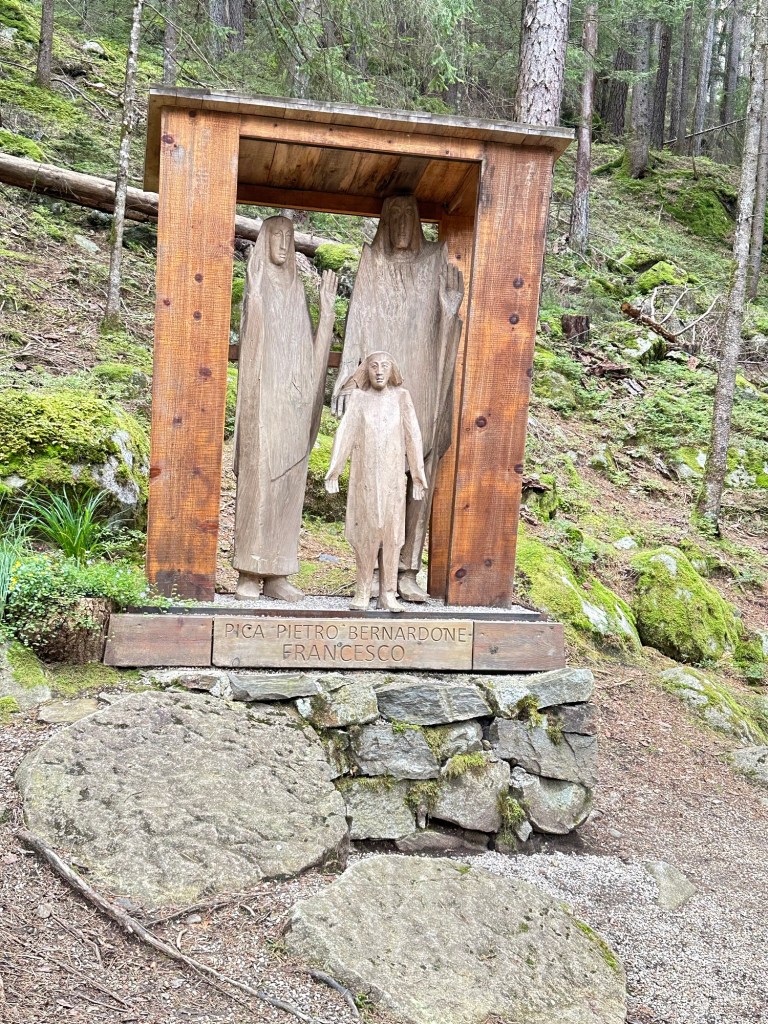
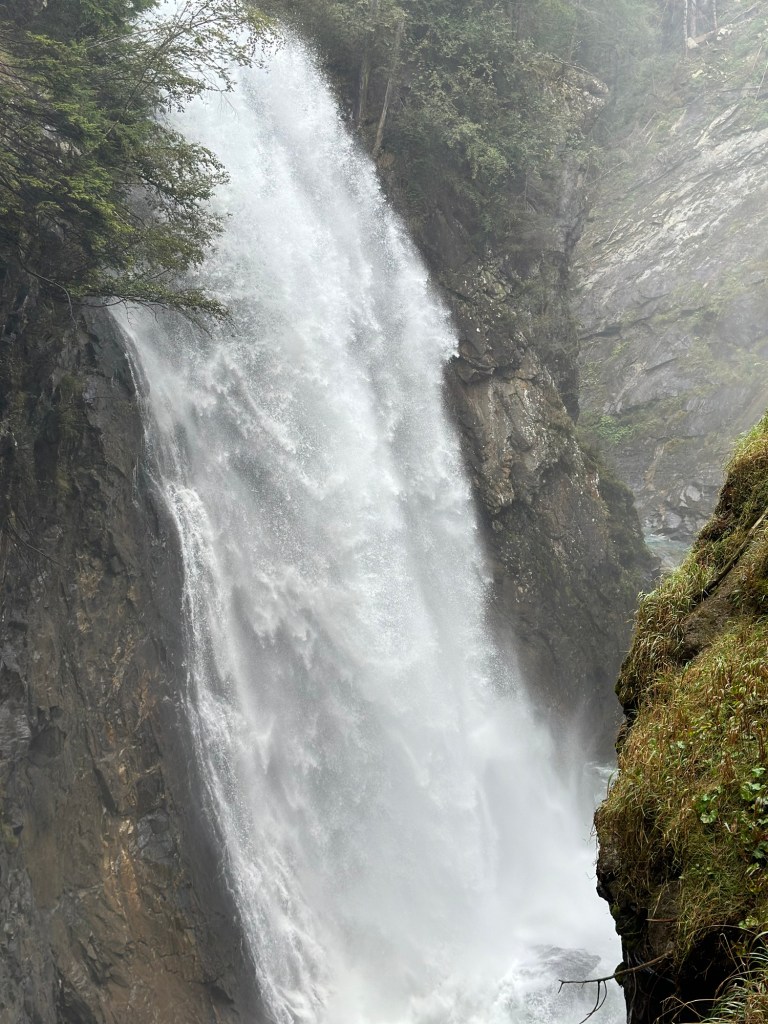
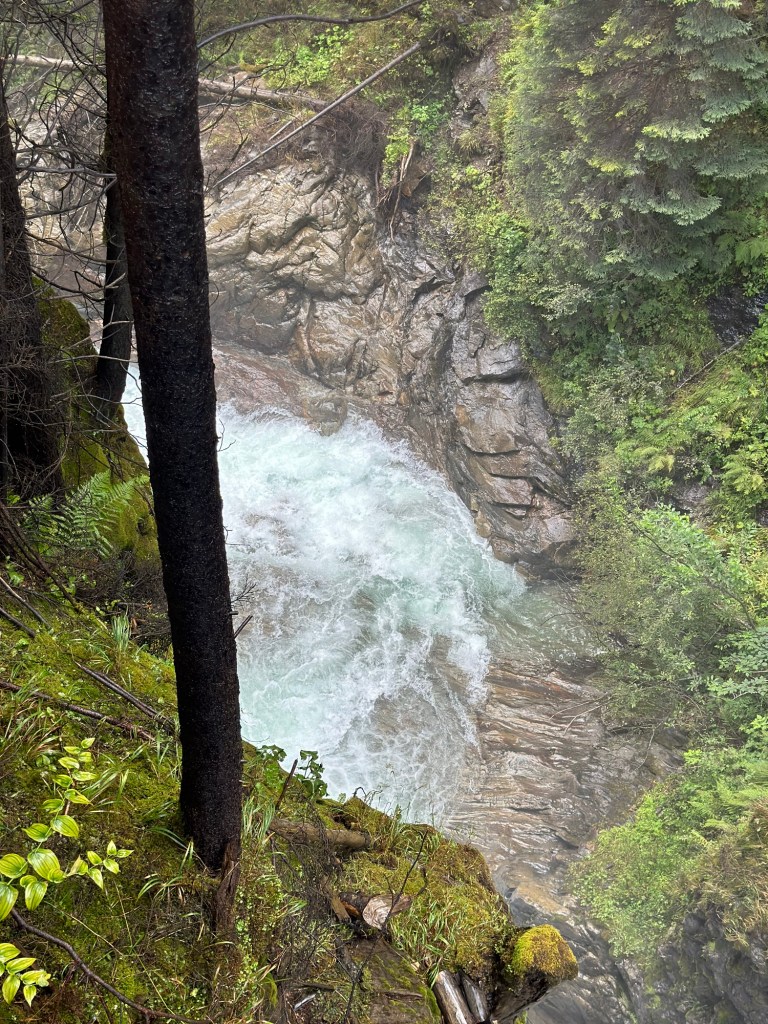
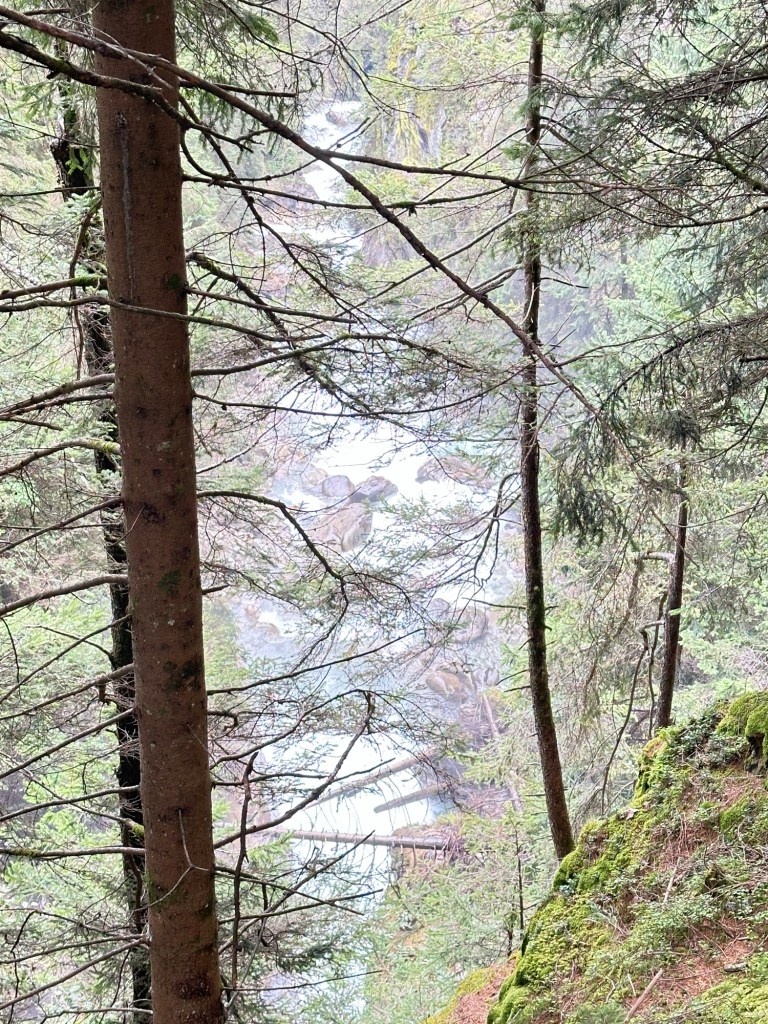
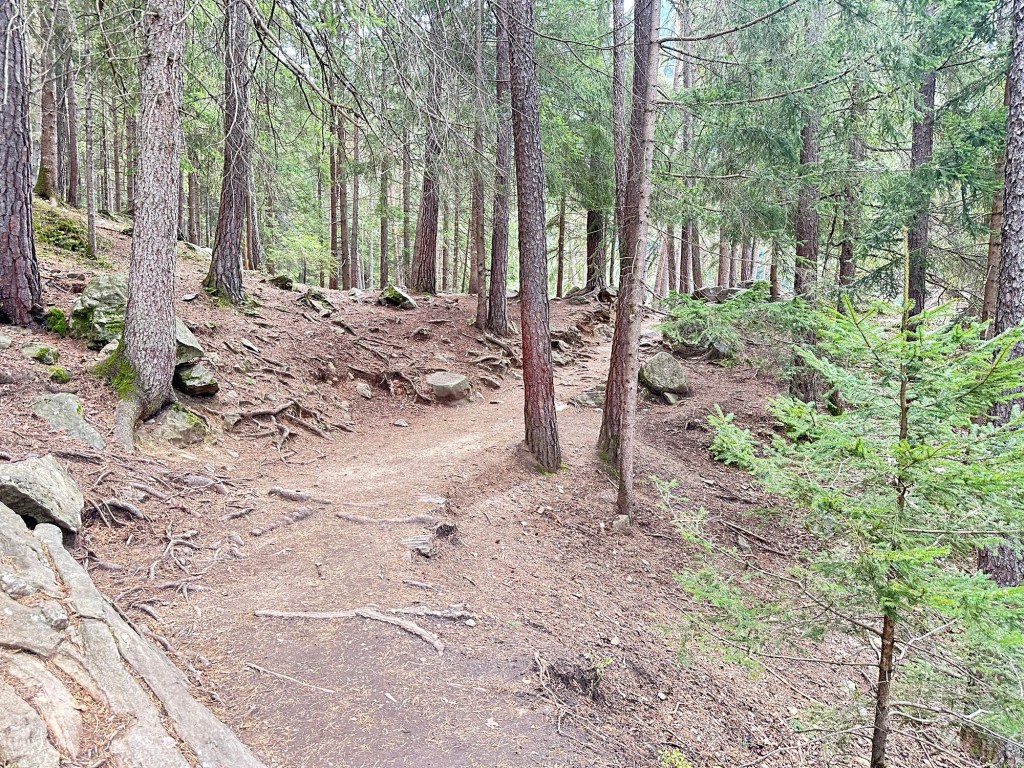
My very last stop and hike in Italy was Cascatta di Riva, river falls named after the Riva river, which plunges down steep rock faces and gorges. These waterfalls are a particularly impressive natural monument, accessible via the village of Winkel. The upper and the waterfall in the middle are about 165 high, while the only lower is 32 feet high. The trail has a number of Franciscan and other spiritual monuments that are well located and not overbearing. The hike took about an hour or so, and is very pleasant, through a canopied mature forest. It would have been easy to get lost here.
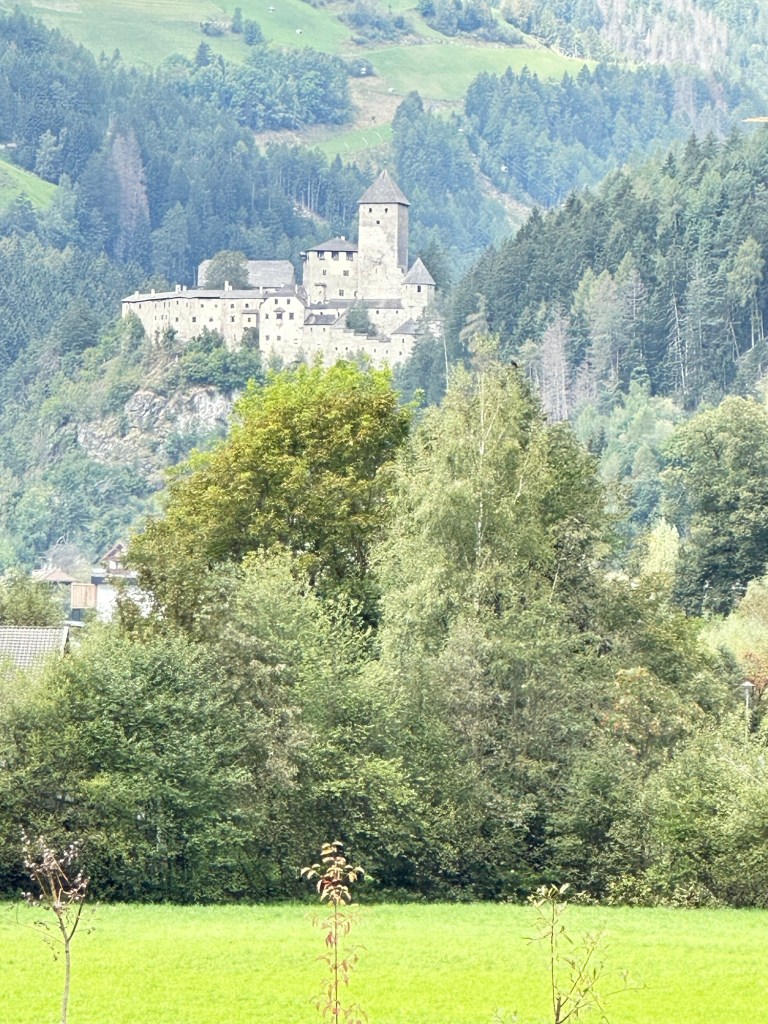


This is the end of my time in northern Italy. This is a wonderful country, with no two parts alike. I enjoy this country more than any other, including my own.

 YouDontKnowJackTravels